Xona Wins FCC Approval for Jamming-Resistant PNT Constellation
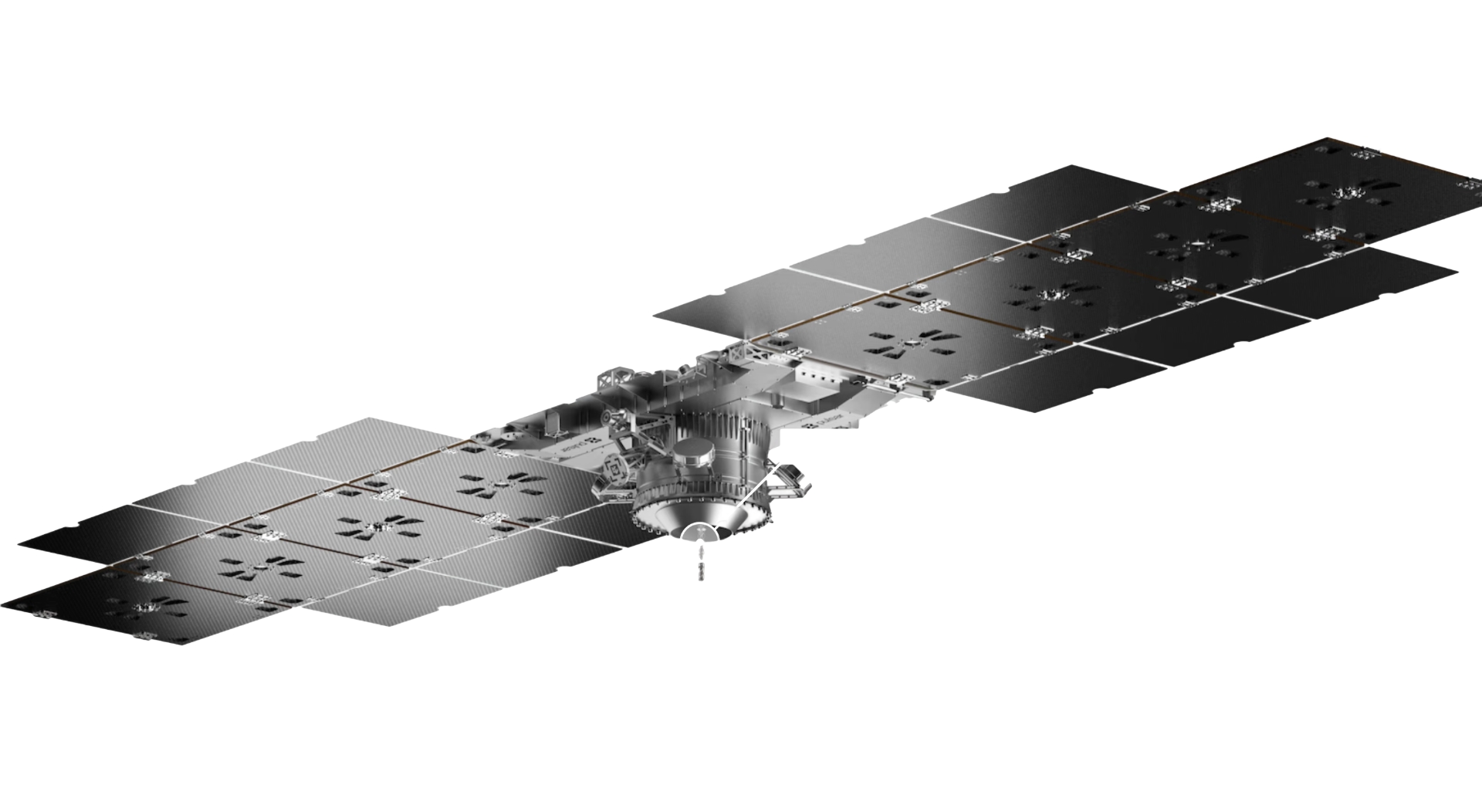
Xona Space Systems has secured Federal Communications Commission approval to build its Pulsar positioning, navigation and timing (PNT) constellation, the company announced earlier this month. The Burlingame, California-based firm also reported a successful GNSS spoofing test conducted in Japan — two developments that together signal the company is moving toward operational capability.
The Pulsar satellites operate in low Earth orbit, a significant departure from traditional GPS and other global navigation satellite systems, which sit in medium Earth orbits at approximately 20,000 km from Earth. Because the signal travels a shorter distance, Xona says Pulsar can deliver a signal 100 times stronger than traditional GPS while operating in the same frequency range. That strength enables terrestrial devices to determine their position within centimeters, even in remote locations with no nearby base stations.
The Canadian angle is significant. GPS satellites’ orbits make it difficult for their signals to reach the far North, complicating navigation in some of the country’s most remote regions. Pulsar satellites can be placed in orbits that cross over the Arctic, providing navigational coverage where conventional systems struggle. Xona opened an international office in Montreal to support that work and received a Canadian Space Agency SmartEarth grant worth $495,120 for research related to remote sensing and navigation, along with support from the Space Technology Development Program and the Canada-European Space Agency Cooperation Agreement.
The timing of Xona’s announcement coincides with growing concern over GNSS vulnerability. Poland’s National Institute of Telecommunications reported this week that deliberate satellite navigation signal interference around Gdańsk has increased sharply since the beginning of 2026, with significant disruption across all GNSS frequency bands recorded on 63% of days during the first 19 days of August. The institute noted that the interference affected smartphone navigation, shared transport systems, and drones used for recreational and commercial purposes.
Ariane 6 Readies for MTG-I2 Launch Tonight
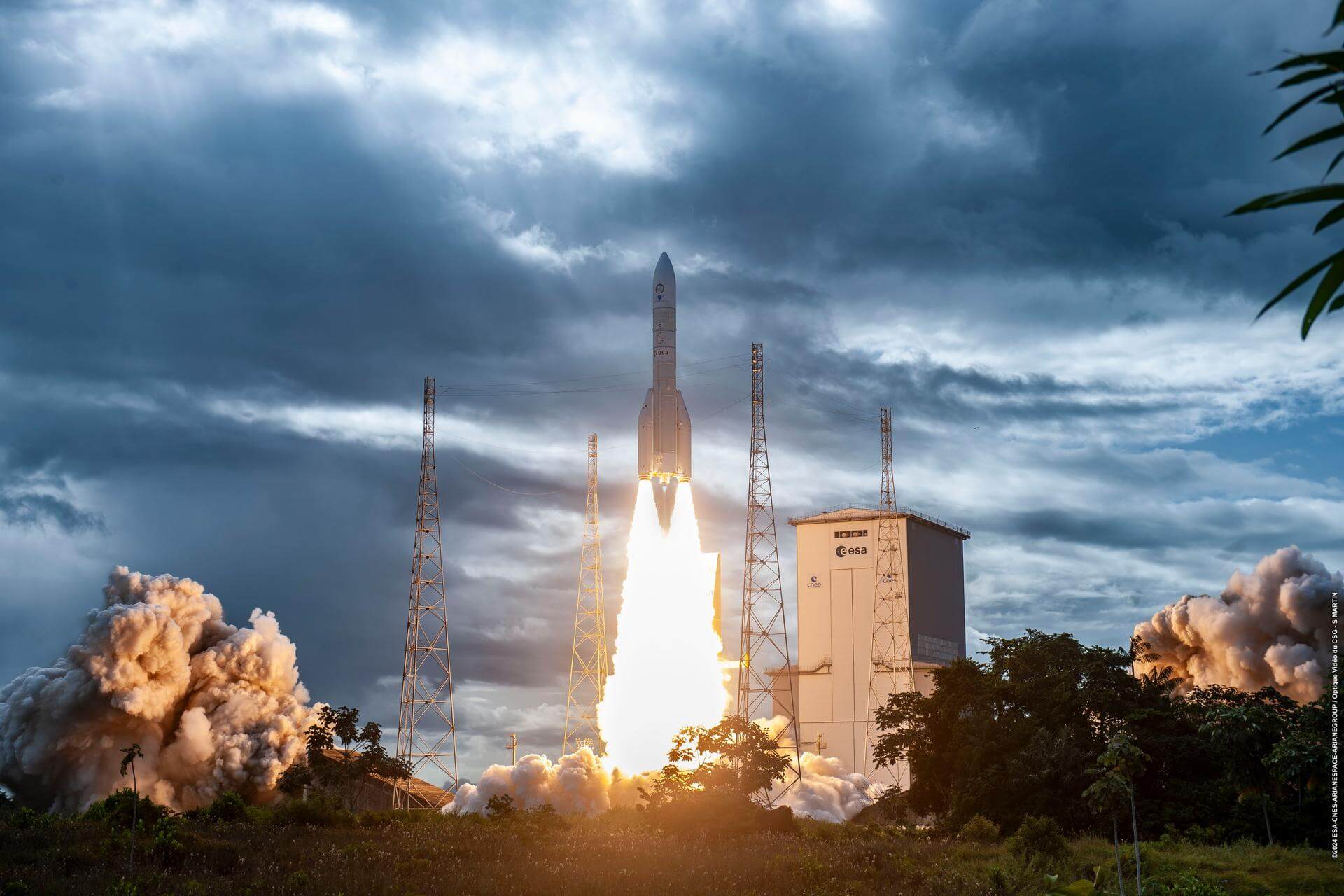
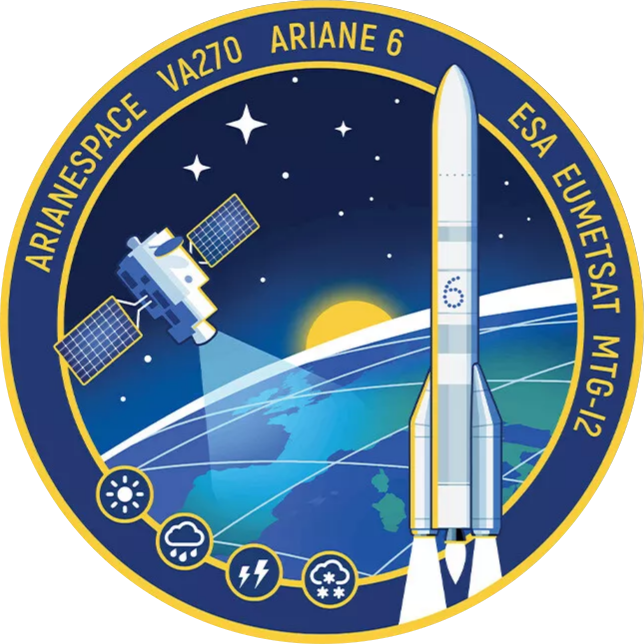
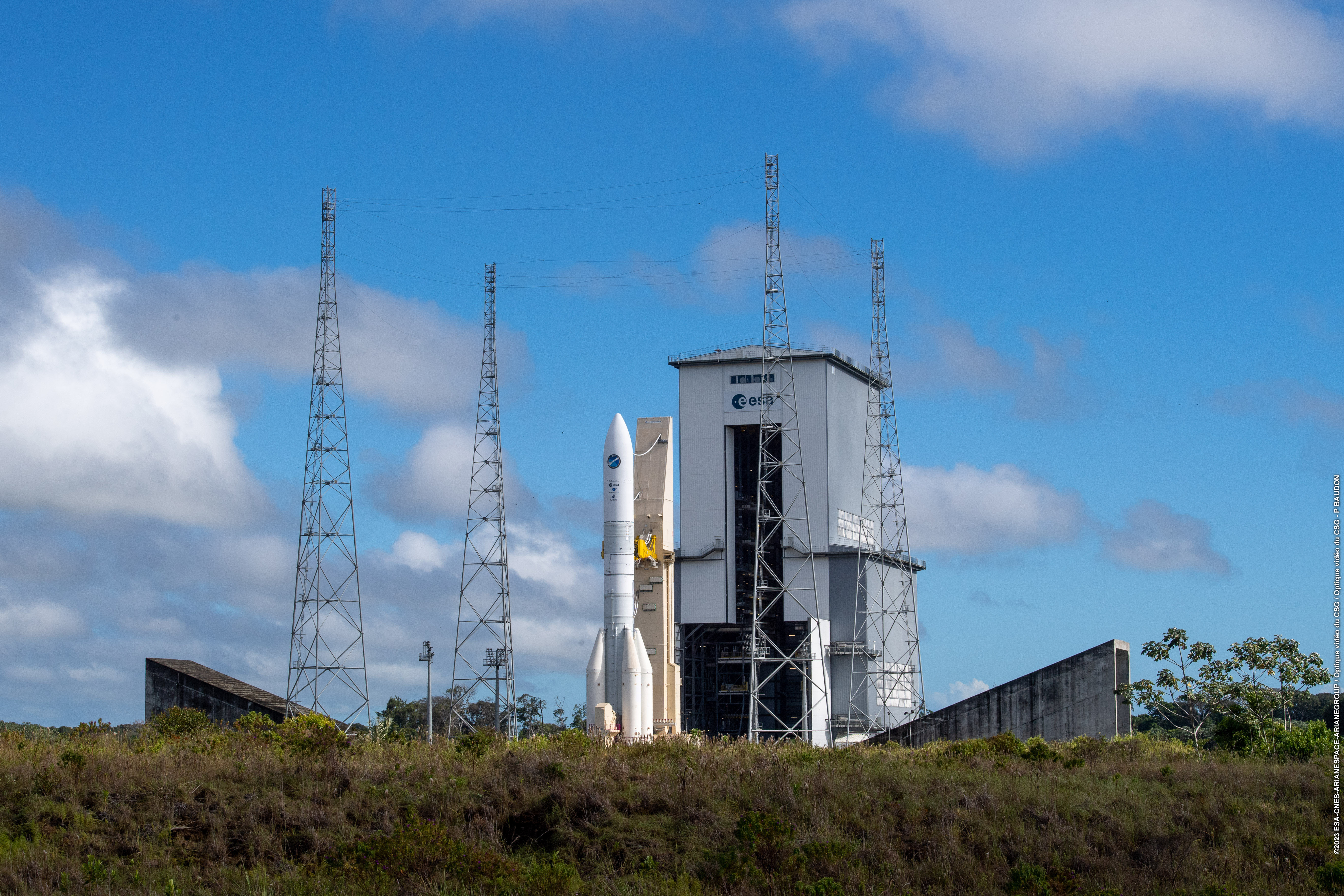
The Meteosat Third Generation Imager2 satellite (MTG-I2) has been encapsulated inside the Ariane 6 fairing and is in place on its launch pad at Europe’s Spaceport in French Guiana, scheduled to lift off Thursday evening, 27 August.
The encapsulation proceeded with the two halves of the fairing already fixed together, with the cone lowered over the satellite. The upper segment, with MTG-I2 inside, was then hoisted atop the rocket, which stands vertically on the launch pad inside the Mobile Gantry. Before liftoff, the Mobile Gantry will be rolled away, leaving the Ariane 6 launcher ready for countdown.
MTG-I2 will complete the first family of MTG satellites, delivering weather forecasting data over Europe and northern Africa. The satellite will provide high-resolution images of the atmosphere every 2.5 minutes, offering earlier warnings for severe thunderstorms and heavy rain. The improved tracking and prediction of extreme weather is expected to benefit agriculture, transport, insurance, tourism, infrastructure, and energy networks across Europe.
BepiColombo Begins Mercury Arrival Phase
After eight years of travel, the ESA/JAXA BepiColombo mission is entering its Mercury Arrival Phase. On 3 September 2026, ESA’s Mercury Transfer Module (MTM) will separate from BepiColombo’s two science orbiters — the first major step in what ESA describes as one of the most operationally challenging planetary arrival sequences the agency has ever attempted.
ESA will livestream the separation milestone from 13:45 CEST on 3 September from mission control. Following MTM separation, ESA’s Mercury Planetary Orbiter (MPO) and JAXA’s Mercury Magnetospheric Orbiter (Mio) will enter orbit around Mercury together in November, before separating from each other in December 2026.
Getting to Mercury is difficult; arriving there is harder still. BepiColombo launched in 2018 and has spent years executing gravity-assist flybys to slow down enough to be captured by Mercury’s gravity. The arrival sequence demands precise timing and navigation as the spacecraft transitions from interplanetary cruise to orbital operations around the innermost planet.
Provider: Arianespace Date: August 27, 2026 Time: 8:10 PM UTC Vehicle: Ariane 62
Third of EUMETSAT’s third generation of weather satellite.
Nancy Grace Roman Space Telescope
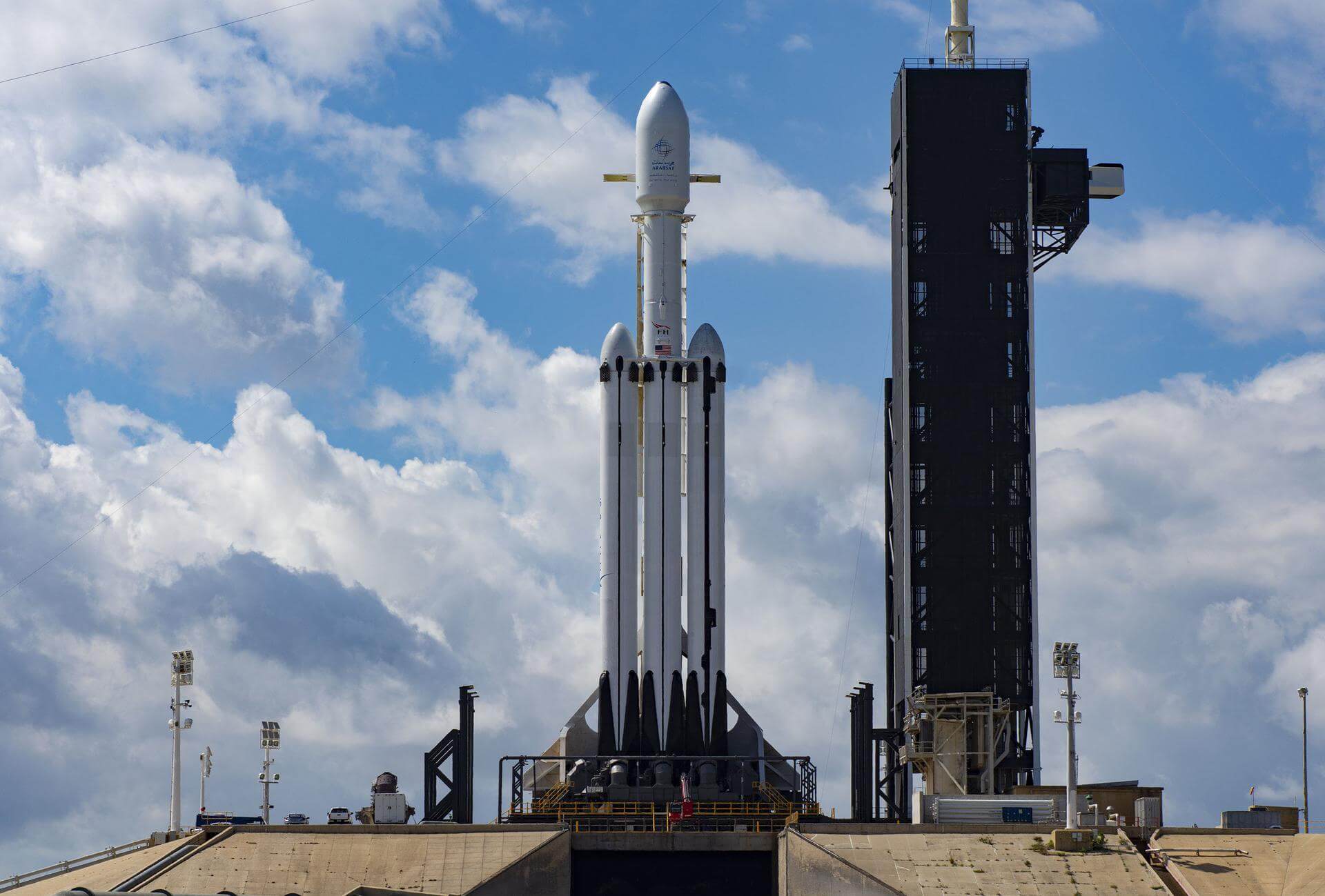
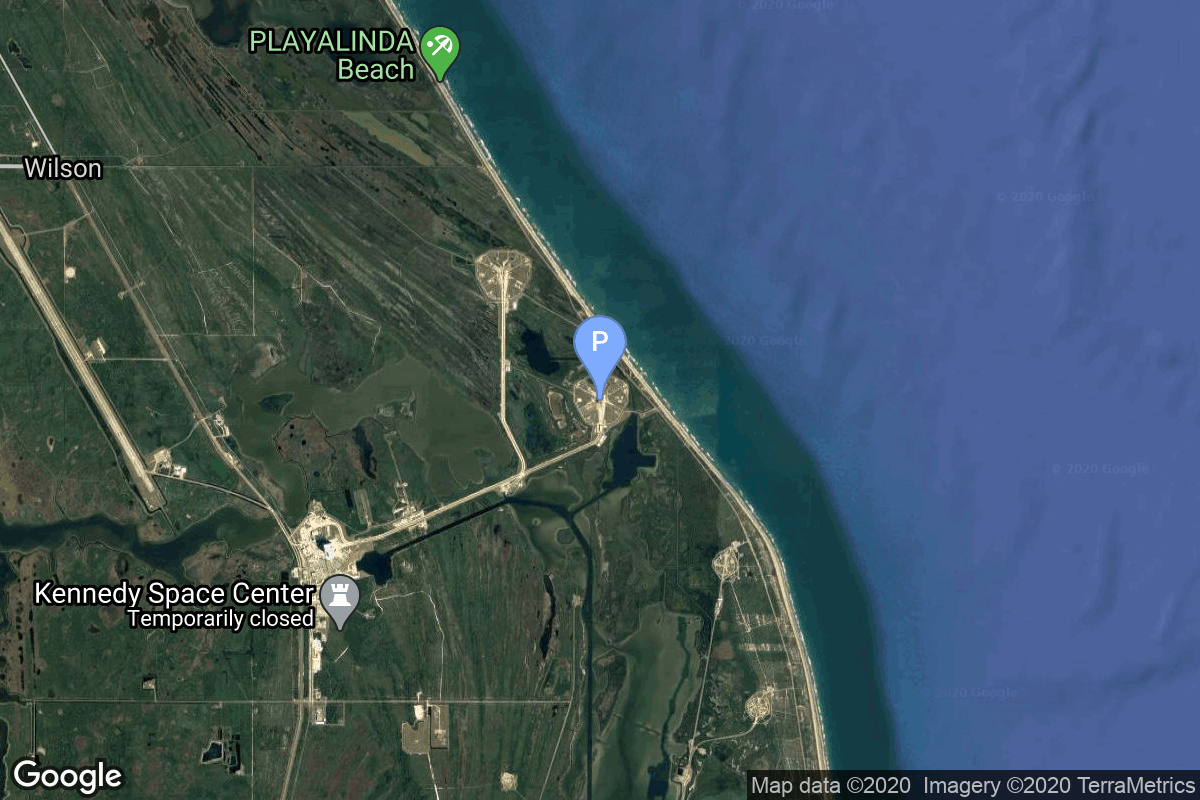
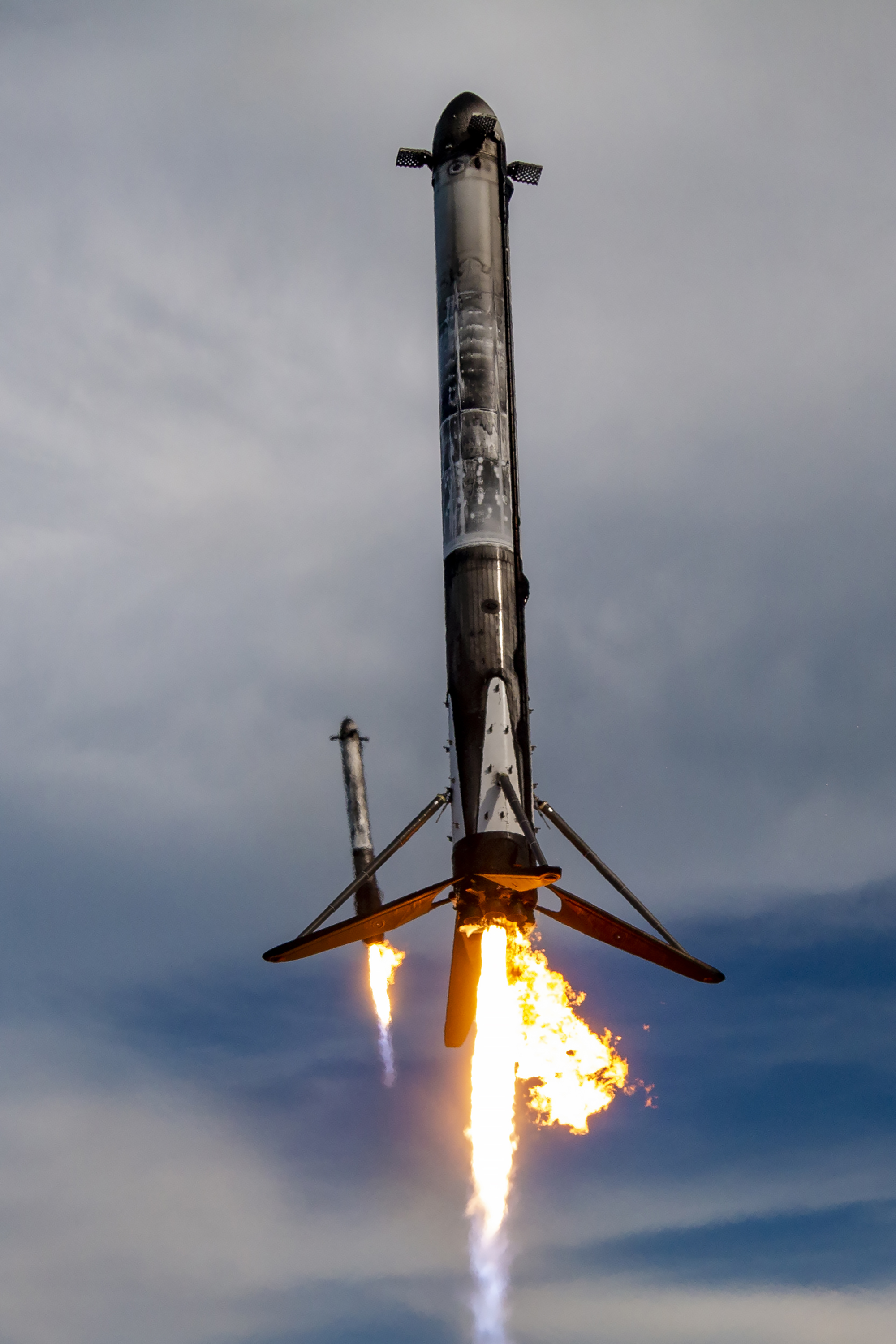
Provider: SpaceX Date: August 30, 2026 Time: 11:26 AM UTC Vehicle: Falcon Heavy
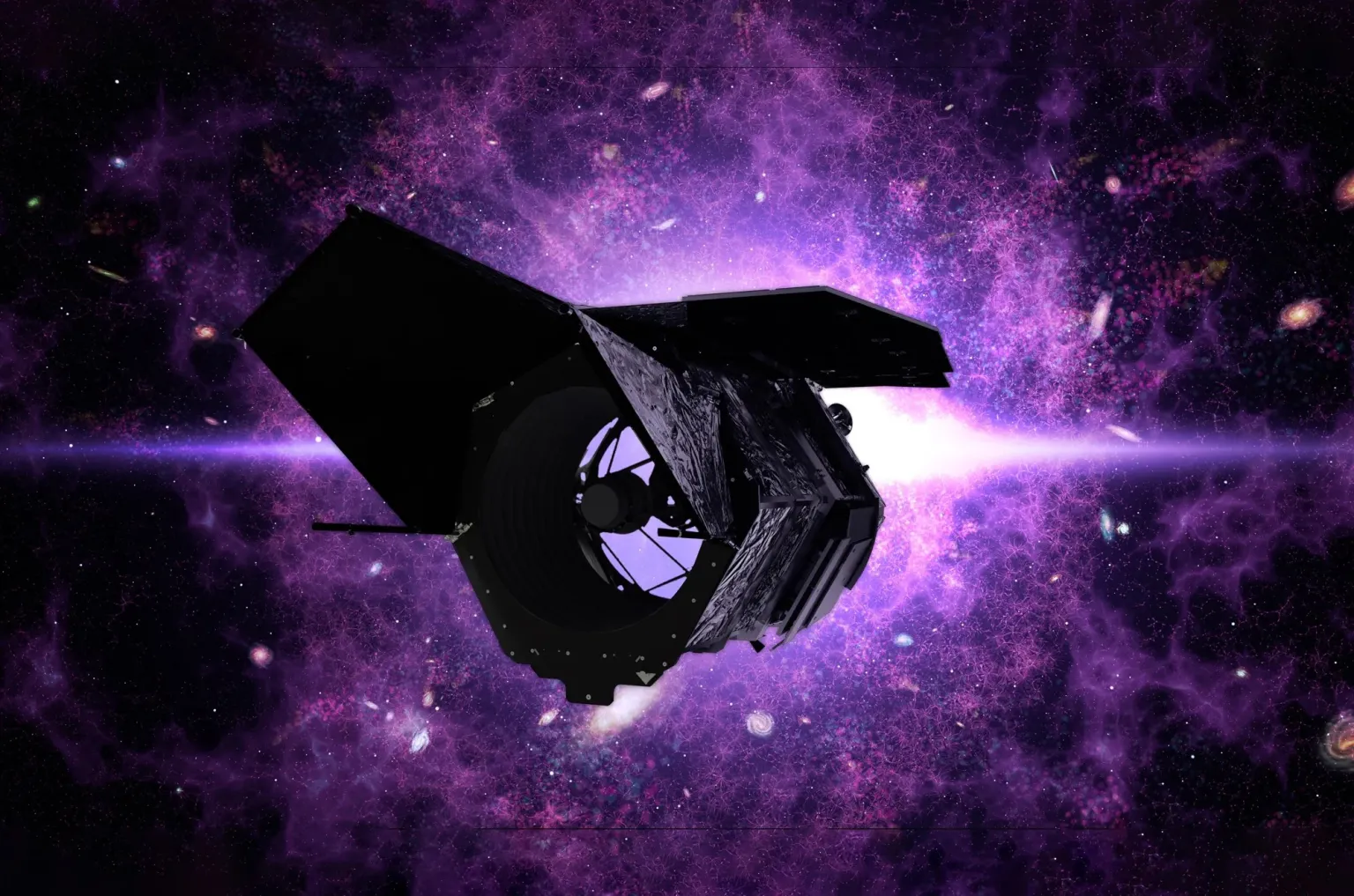
The Nancy Grace Roman Space Telescope is a NASA infrared space telescope with a 2.4 m (7.9 ft) wide field of view primary mirror and two scientific instruments. The Wide-Field Instrument (WFI) is a 300.8-megapixel multi-band visible and near-infrared camera, providing a sharpness of images comparable to that achieved by the Hubble Space Telescope over a 0.28 square degree field of view, 100 times larger than imaging cameras on the Hubble. The Coronagraphic Instrument (CGI) is a high-contrast, small field of view camera and spectrometer covering visible and near-infrared wavelengths using novel starlight-suppression technology. Roman objectives include a search for extra-solar planets using gravitational microlensing, and probing the expansion history of the Universe and the growth of cosmic structure, with the goal of measuring the effects of dark energy, the consistency of general relativity, and the curvature of spacetime.
Kosmos (Unknown Payload)
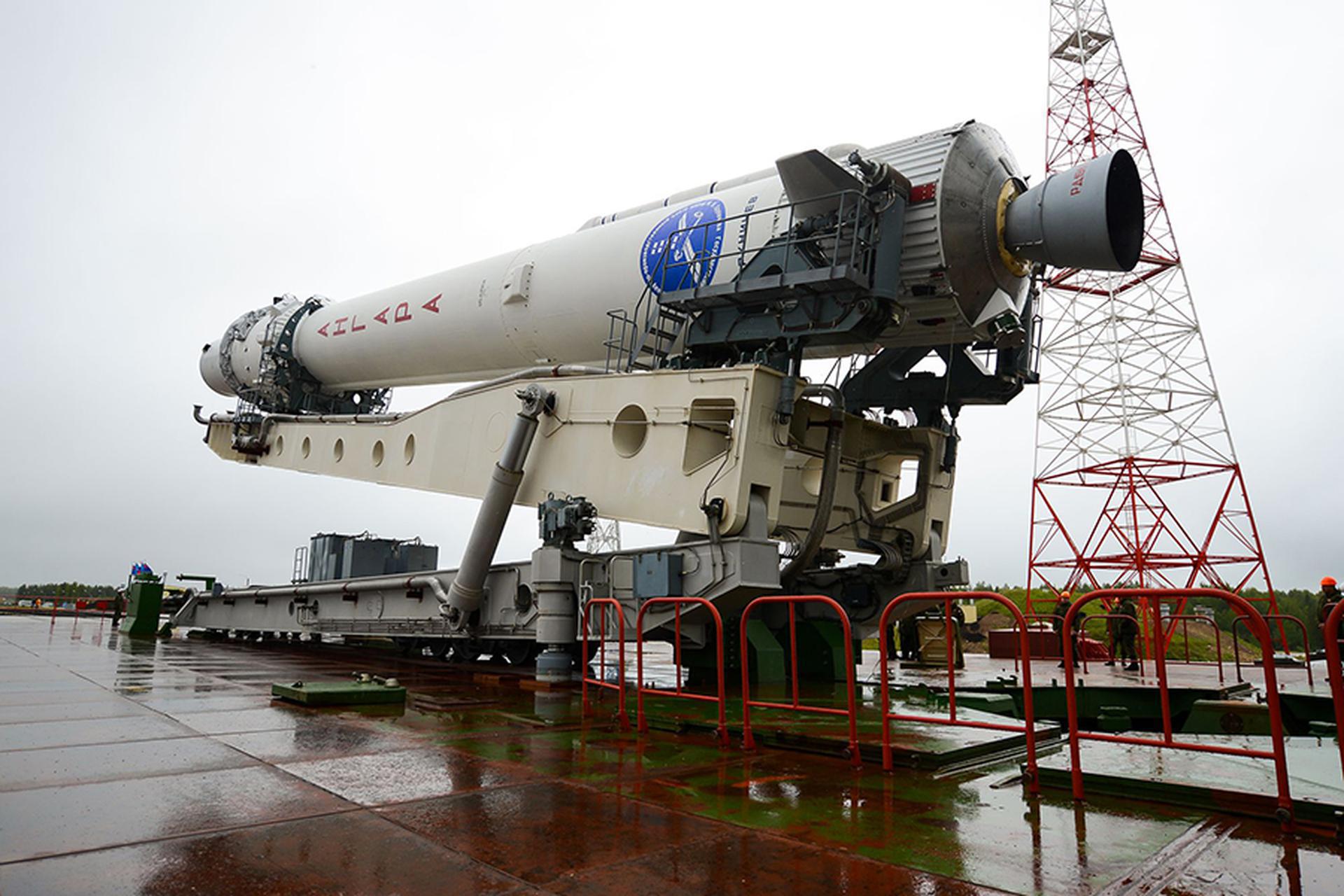
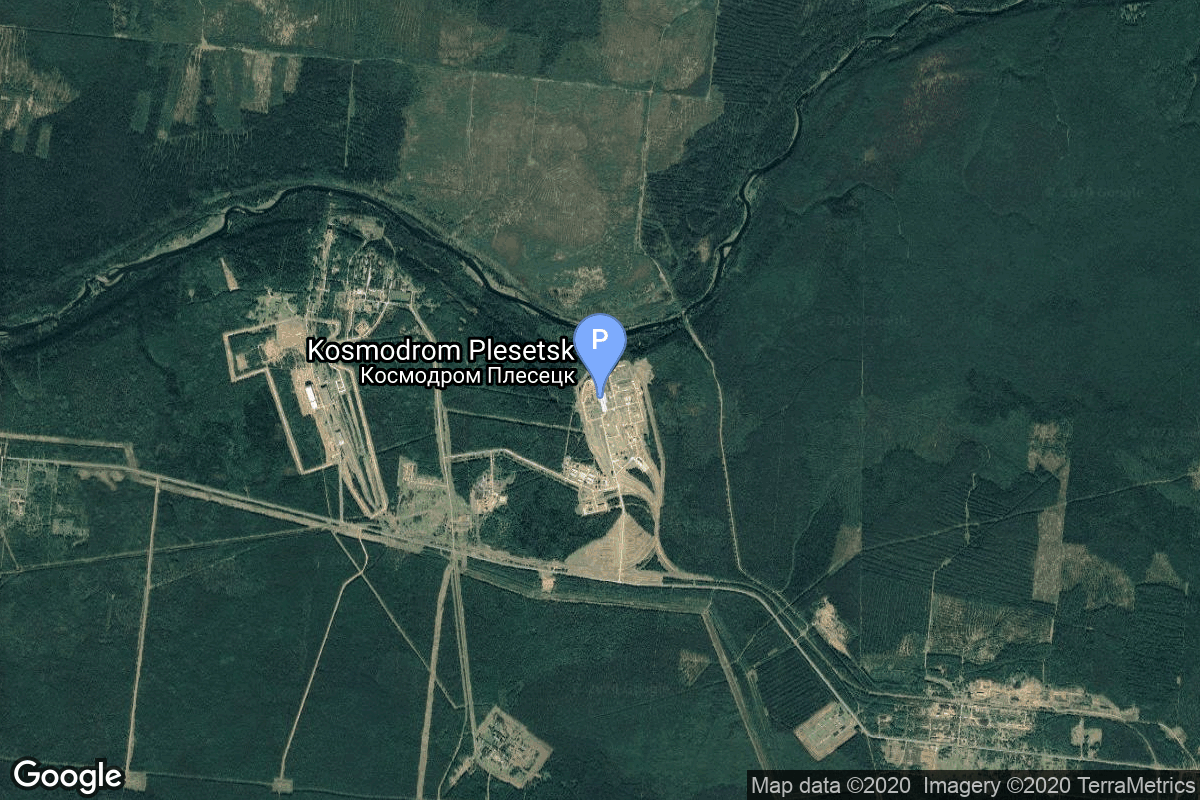
Provider: Russian Space Forces Date: August 31, 2026 Time: 12:00 AM UTC Vehicle: Angara 1.2
Unknown classified satellite(s) for the Russian military.
Owl Around The World (StriX Launch 11)
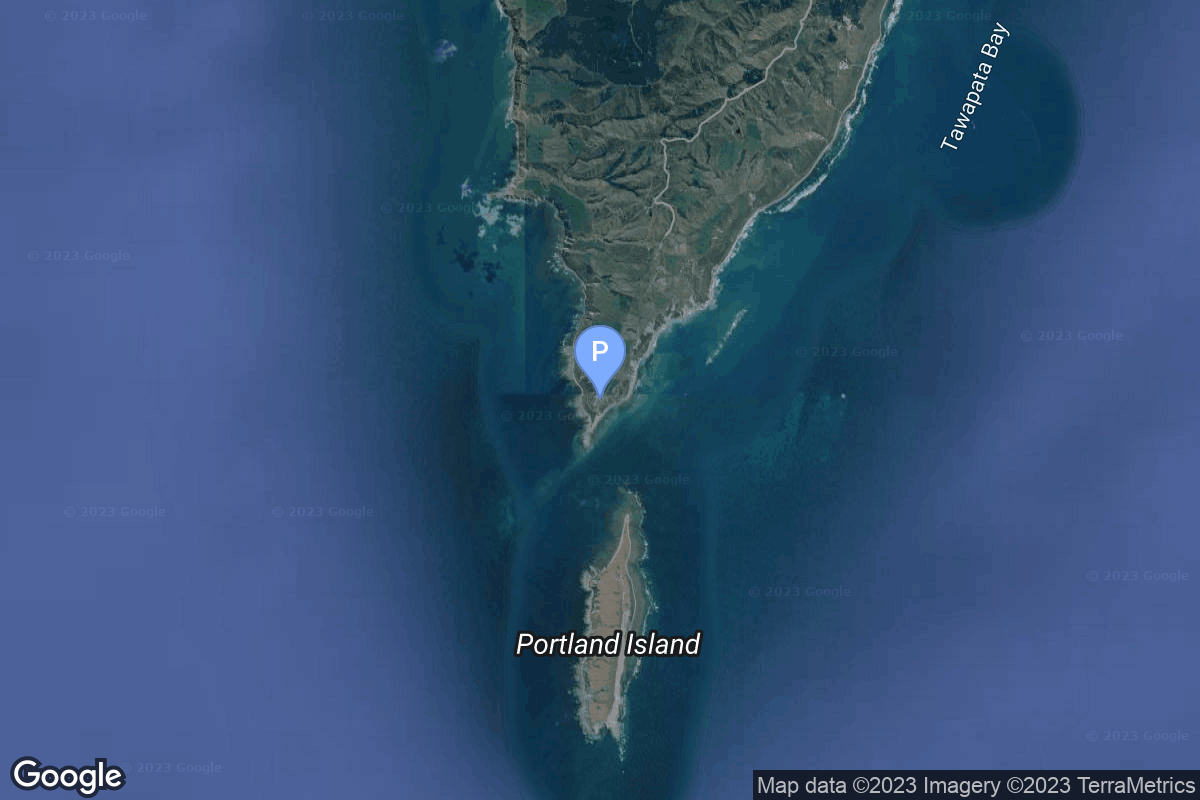
Provider: Rocket Lab Date: August 31, 2026 Time: 12:05 PM UTC Vehicle: Electron
Synthetic aperture radar satellite for Japanese Earth imaging company Synspective.
Demo Flight
Provider: Galactic Energy Date: September 1, 2026 Time: 2:00 AM UTC Vehicle: Pallas-1
First test launch of Galactic Energy’s Pallas-1 rocket.
MTG-I2 ×
Mission Details
TypeEarth Science
OrbitGeostationary Transfer Orbit
TargetEarth
Third of EUMETSAT’s third generation of weather satellite.
Agencies Involved
• European Organisation for the Exploitation of Meteorological Satellites (Multinational)
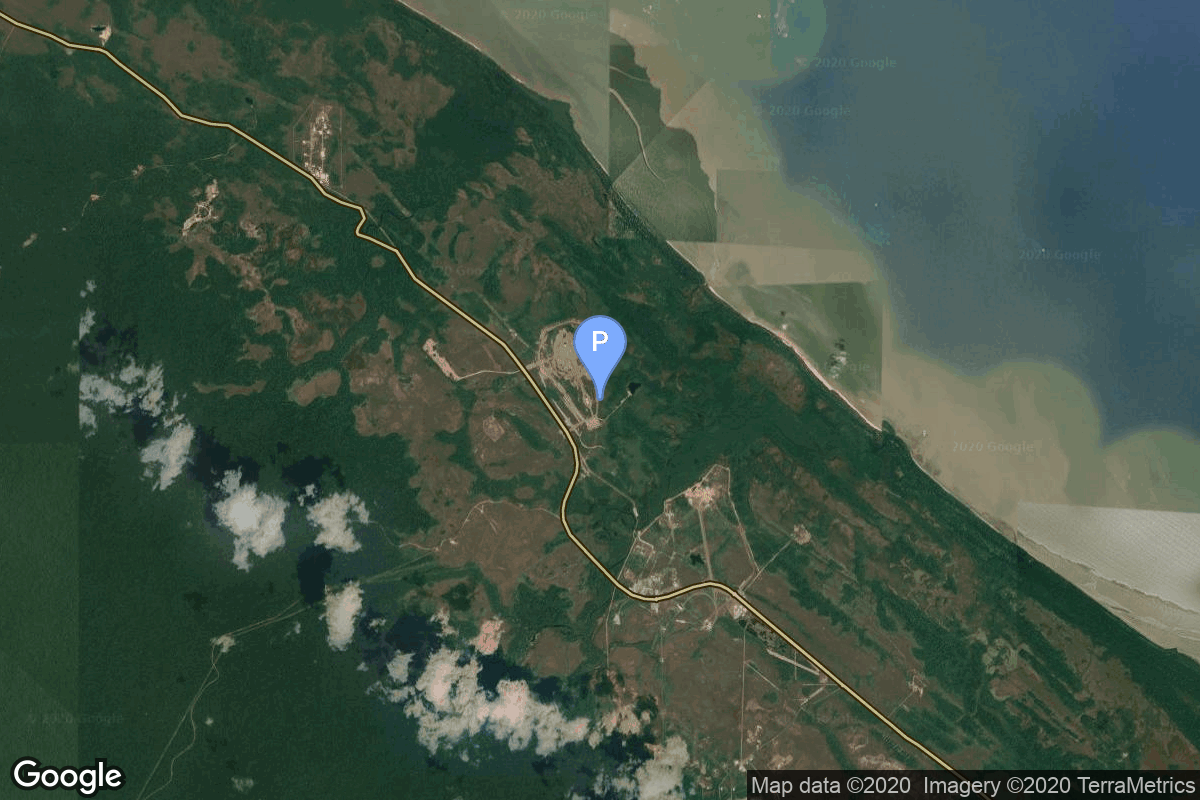
ELA-4, is a launch pad and associated facilities at the Centre Spatial Guyanais in French Guiana. The complex is composed of a launch pad with mobile gantry, an horizontal assembly building and a…
The Ariane 6 family is currently under development by the European Space Agency, with two variations including the Ariane 62 with two solid boosters intended for government and scientific missions.
The Nancy Grace Roman Space Telescope is a NASA infrared space telescope with a 2.4 m (7.9 ft) wide field of view primary mirror and two scientific instruments. The Wide-Field Instrument (WFI) is a 300.8-megapixel multi-band visible and near-infrared camera, providing a sharpness of images comparable to that achieved by the Hubble Space Telescope over a 0.28 square degree field of view, 100 times larger than imaging cameras on the Hubble. The Coronagraphic Instrument (CGI) is a high-contrast, small field of view camera and spectrometer covering visible and near-infrared wavelengths using novel starlight-suppression technology. Roman objectives include a search for extra-solar planets using gravitational microlensing, and probing the expansion history of the Universe and the growth of cosmic structure, with the goal of measuring the effects of dark energy, the consistency of general relativity, and the curvature of spacetime.
OperatorNational Aeronautics and Space Administration
The Nancy Grace Roman Space Telescope is a NASA infrared space telescope based on an existing 2.4 m (7.9 ft) wide field of view primary mirror and carrying two scientific instruments. The Wide-Field Instrument (WFI) is a 300.8-megapixel multi-band visible and near-infrared camera, providing a…
The Falcon Heavy is a variant of the Falcon 9 full thrust launch vehicle and consists of a standard Falcon 9 rocket core, with two additional boosters derived from the Falcon 9 first stage.
The Angara 1.2 is the base launcher for the Angara launch family that uses a modular approach to create multiple launch vehicle configurations for various mission requirements. The Angara 1.2 consists of a standard Universal Rocket Module for the core stage and either a modified Block I Upper Stage…
Rocket Lab Launch Complex 1, Mahia Peninsula, New Zealand
Total launches from this pad: 0
Vehicle: Electron
Electron is a two-stage orbital expendable launch vehicle (with an optional third stage) developed by the American aerospace company Rocket Lab. Electron is a small-lift launch vehicle designed to launch small satellites and cubesats to sun-synchronous orbit and low earth orbit. The Electron is the…
Robo Chris is a collection of API calls, filters, and searches - bolted together with magic and love. He preforms instructed information gathering, and does a fair bit of writing too. Everything he creates gets submitted to our editor-in-chief, actual Chris, for approval and publication!
















Leave a Reply