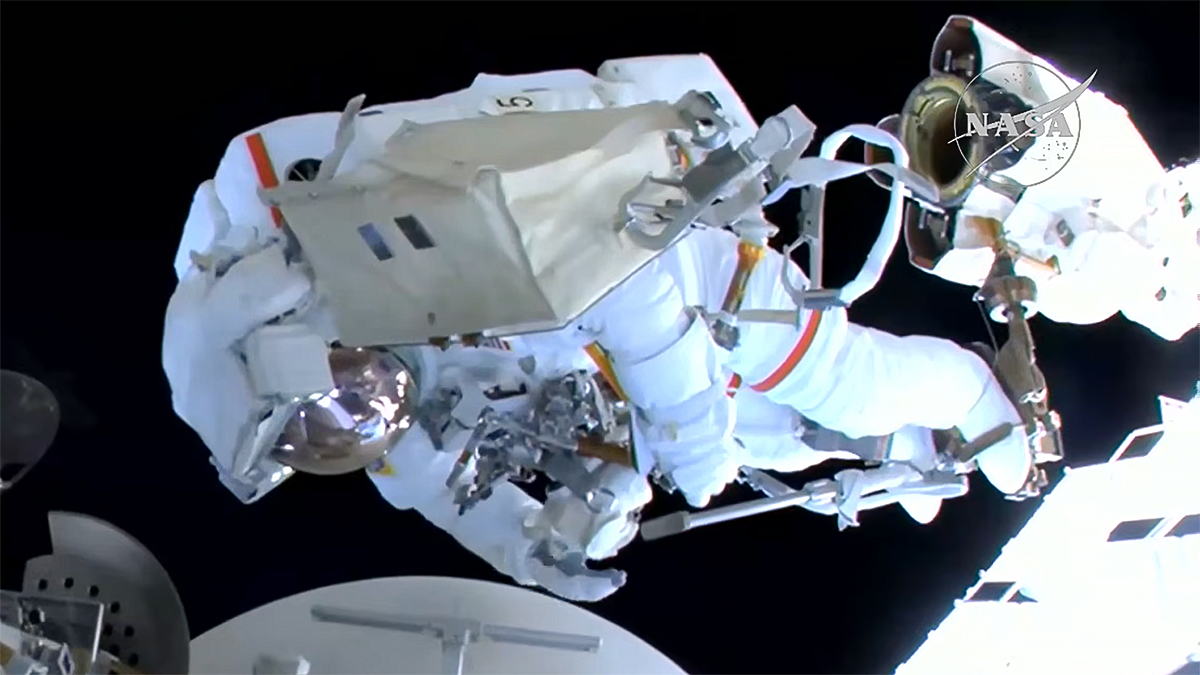
ESA astronaut Sophie Adenot and NASA astronaut Anil Menon completed US EVA-98 at 2:57 p.m. EDT on Aug. 25, finishing the installation of a spare Space-to-Ground Antenna (SGANT) on the International Space Station. The 6-hour, 30-minute spacewalk was Adenot’s second and Menon’s third career EVA.
Canadarm2 played a central role in the operation. NASA astronaut Jack Hathaway operated the robotic arm from inside the station, carrying Menon to External Platform 3 where the spare antenna had been stored since 2009. Adenot translated along the station’s exterior to reach the worksite independently.
The duo first retrieved a foot restraint and installed it on Canadarm2 before switching their suits to battery power at 14:27 CEST and exiting the Quest airlock. They completed work that began during a previous spacewalk on Aug. 18, when stuck bolts and connectors on the failed antenna delayed progress. After connecting the spare unit, they secured the failed antenna to a spare-parts platform on the station’s truss structure.
Initial checkouts of the newly installed antenna showed good power and data transmission. Flight controllers planned continued overnight testing to confirm full functionality. The new antenna provides a critical high-speed data link between NASA’s Mission Control Center in Houston and the orbital complex.
EVA-98 was the 32nd spacewalk conducted by a European astronaut and the 283rd in support of station assembly, maintenance, and upgrades.
Roman Space Telescope Set for Aug. 30 Launch
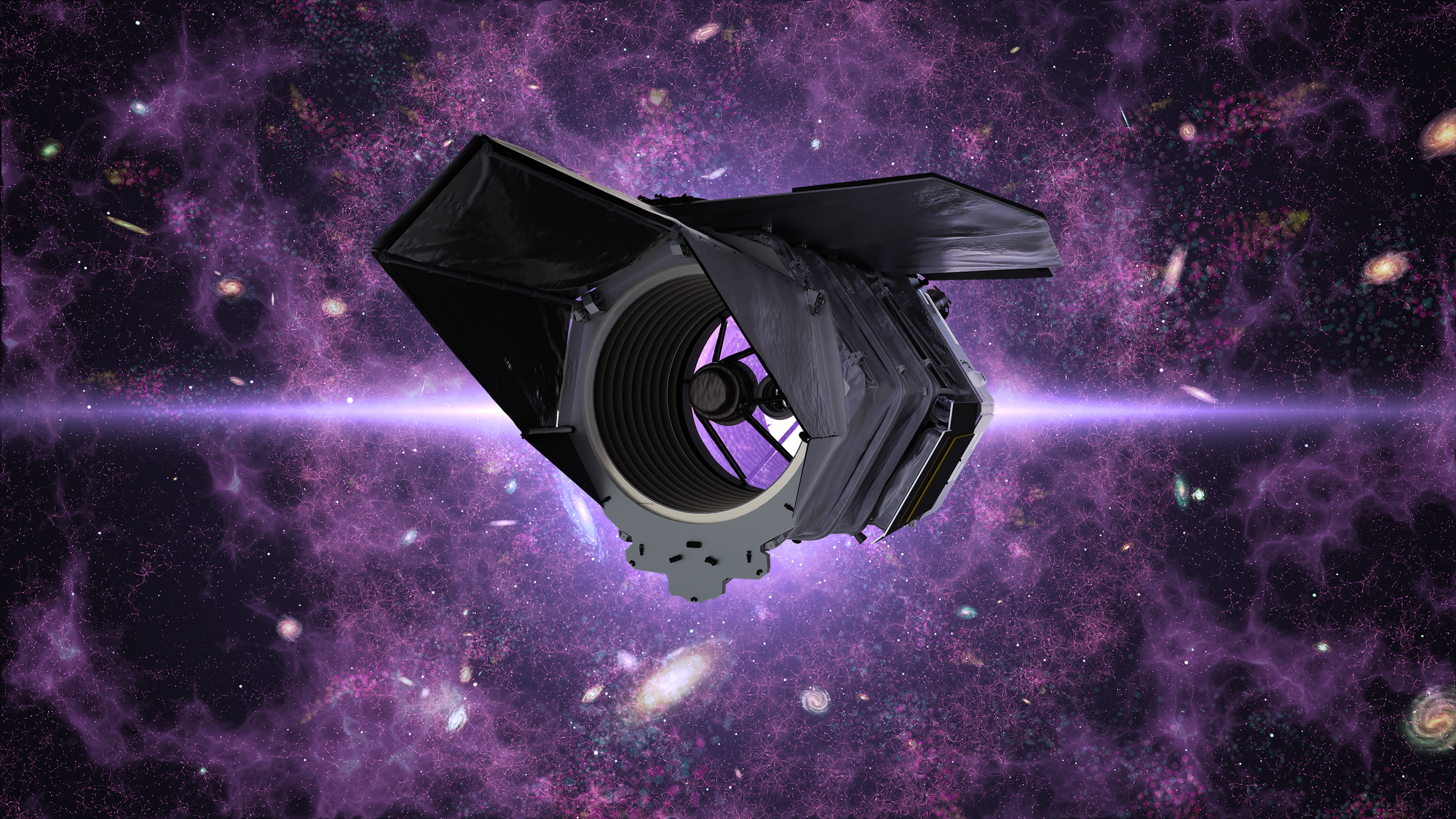
NASA’s Nancy Grace Roman Space Telescope is scheduled to launch on Sunday, Aug. 30. The observatory will explore dark energy, dark matter, exoplanets, and the formation and growth of galaxies over cosmic time.
NASA’s Ames Research Center in California’s Silicon Valley contributed key tools to the mission. A team at Ames, with collaborators at Goddard Space Flight Center in Greenbelt, Maryland, and IPAC/Caltech in Pasadena, California, developed software called ROSALIA (Roman Sky Analyst for Low Surface Brightness Imaging and Astronomy). The software predicts and removes unwanted light from images captured by Roman’s Wide Field Instrument, the telescope’s main camera.
Contaminating stray light occurs when photons scatter inside the telescope’s optical system, producing glints that can mimic the appearance of real planets or nebulae. ROSALIA will allow astronomers to adjust observation plans to limit those artifacts and characterise cosmic structures more accurately.
New 34-Metre Dish Joins Deep Space Network
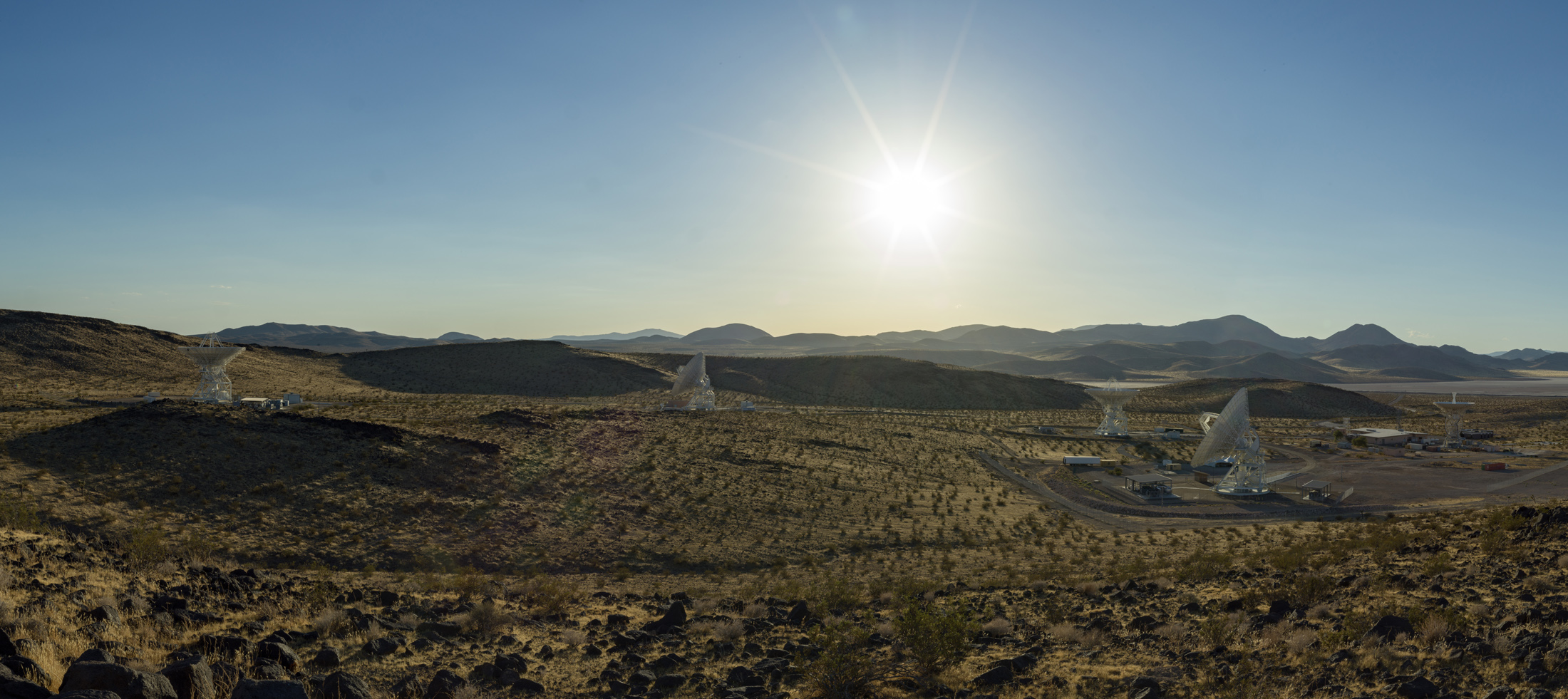
NASA’s Deep Space Network facility at the Goldstone Deep Space Communications Complex near Barstow, California, has added Deep Space Station 23 (DSS-23), a new 34-metre-wide (114-foot-wide) multifrequency beam-waveguide antenna. The network supports more than 40 spacecraft exploring the solar system and interstellar space.
DSS-23 is the latest addition under the Deep Space Network’s Aperture Enhancement Project, which began in 2009 to add six new 34-metre antennas across the network. The facility is managed by NASA’s Jet Propulsion Laboratory in Southern California.
“By expanding the Deep Space Network, we are strengthening the communications foundation NASA needs for the bold missions ahead — from exploring more of the Moon than ever before to peering deeper into the solar system,” said James Kenon, associate administrator of the Research and Technology Mission Directorate at NASA Headquarters.
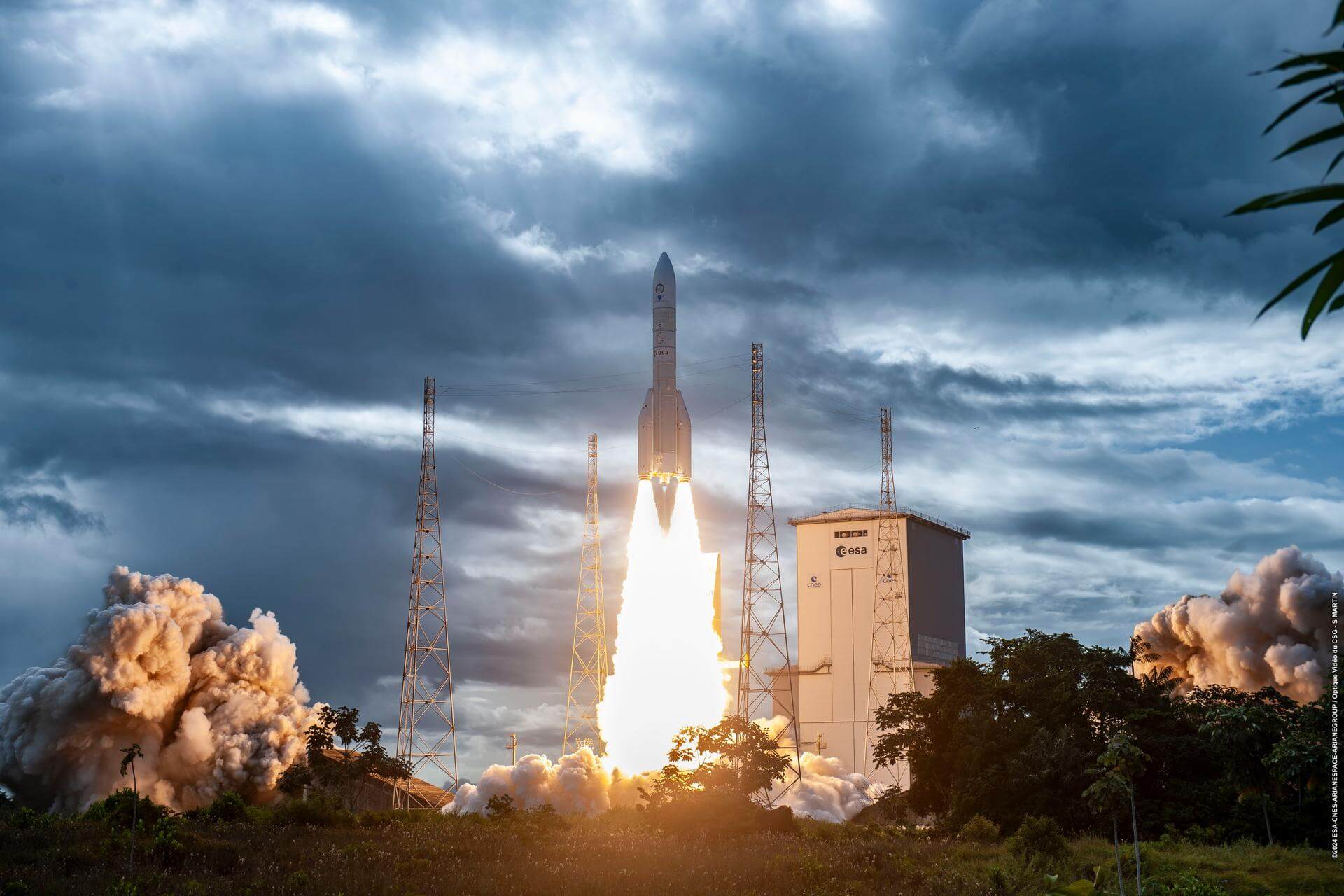
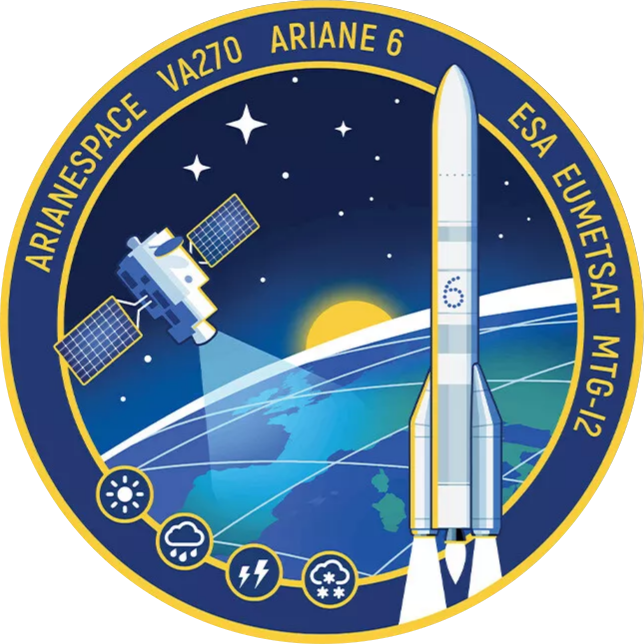
Provider: Arianespace Date: August 27, 2026 Time: 8:10 PM UTC Vehicle: Ariane 62
Third of EUMETSAT’s third generation of weather satellite.
Nancy Grace Roman Space Telescope
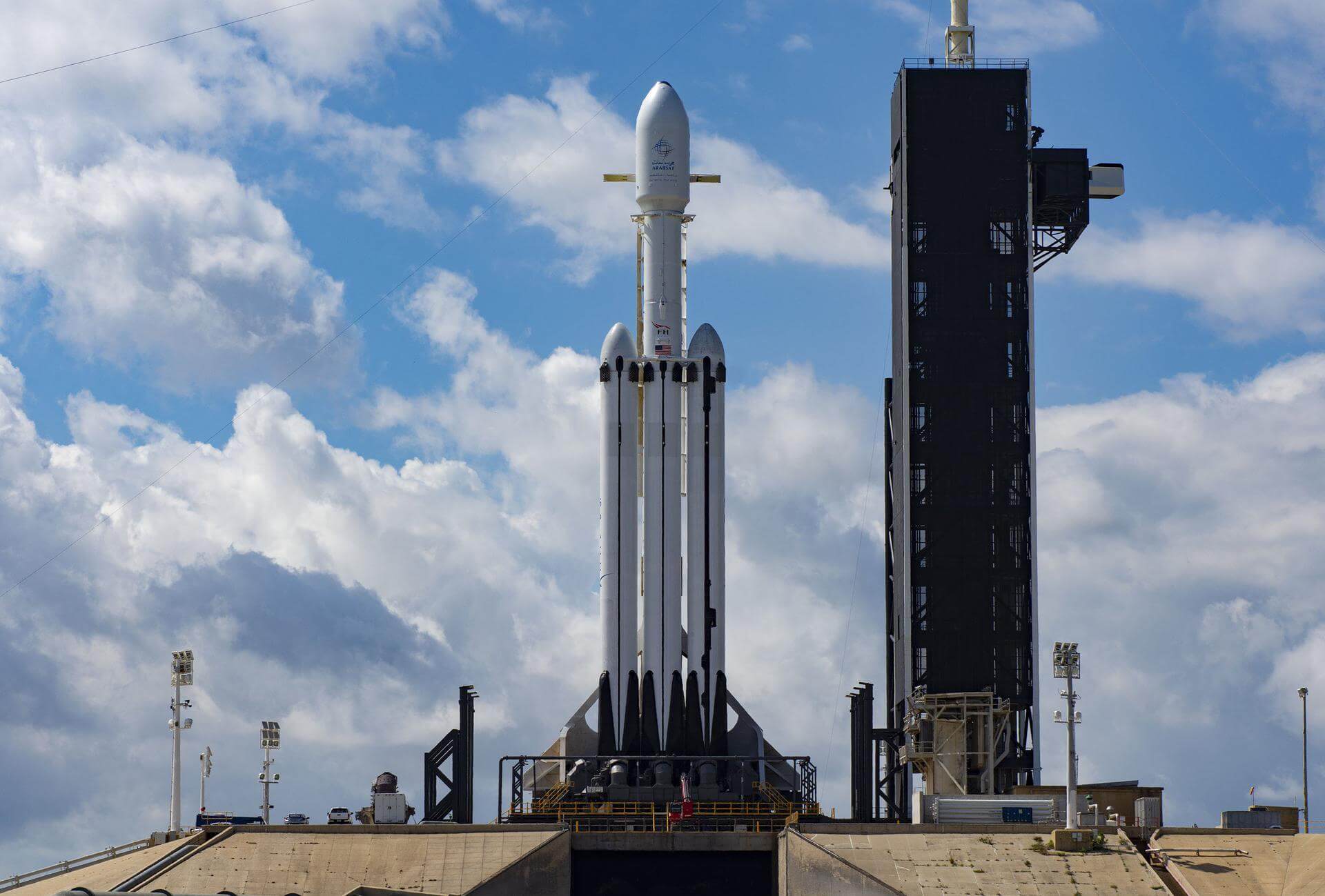
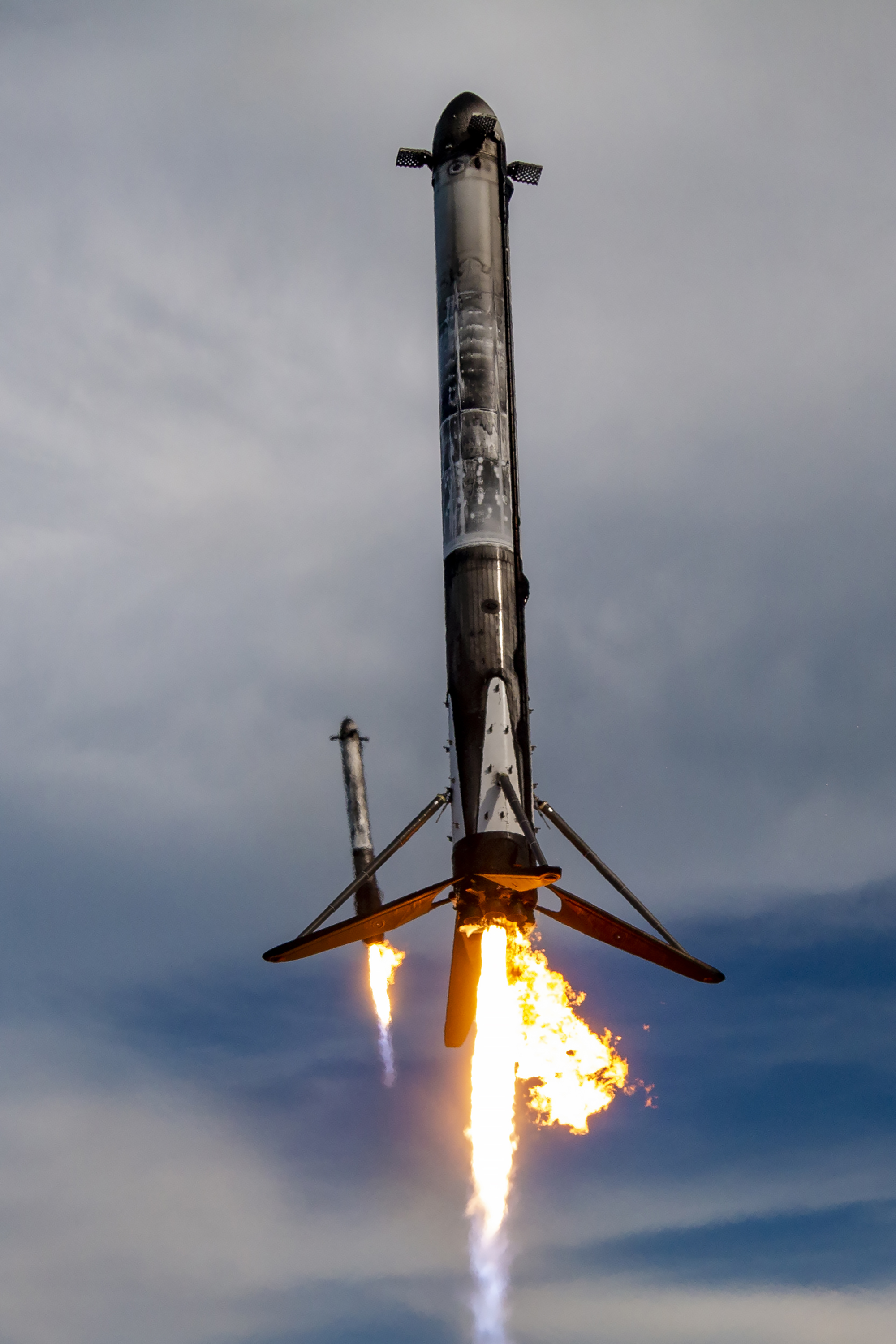
Provider: SpaceX Date: August 30, 2026 Time: 11:26 AM UTC Vehicle: Falcon Heavy
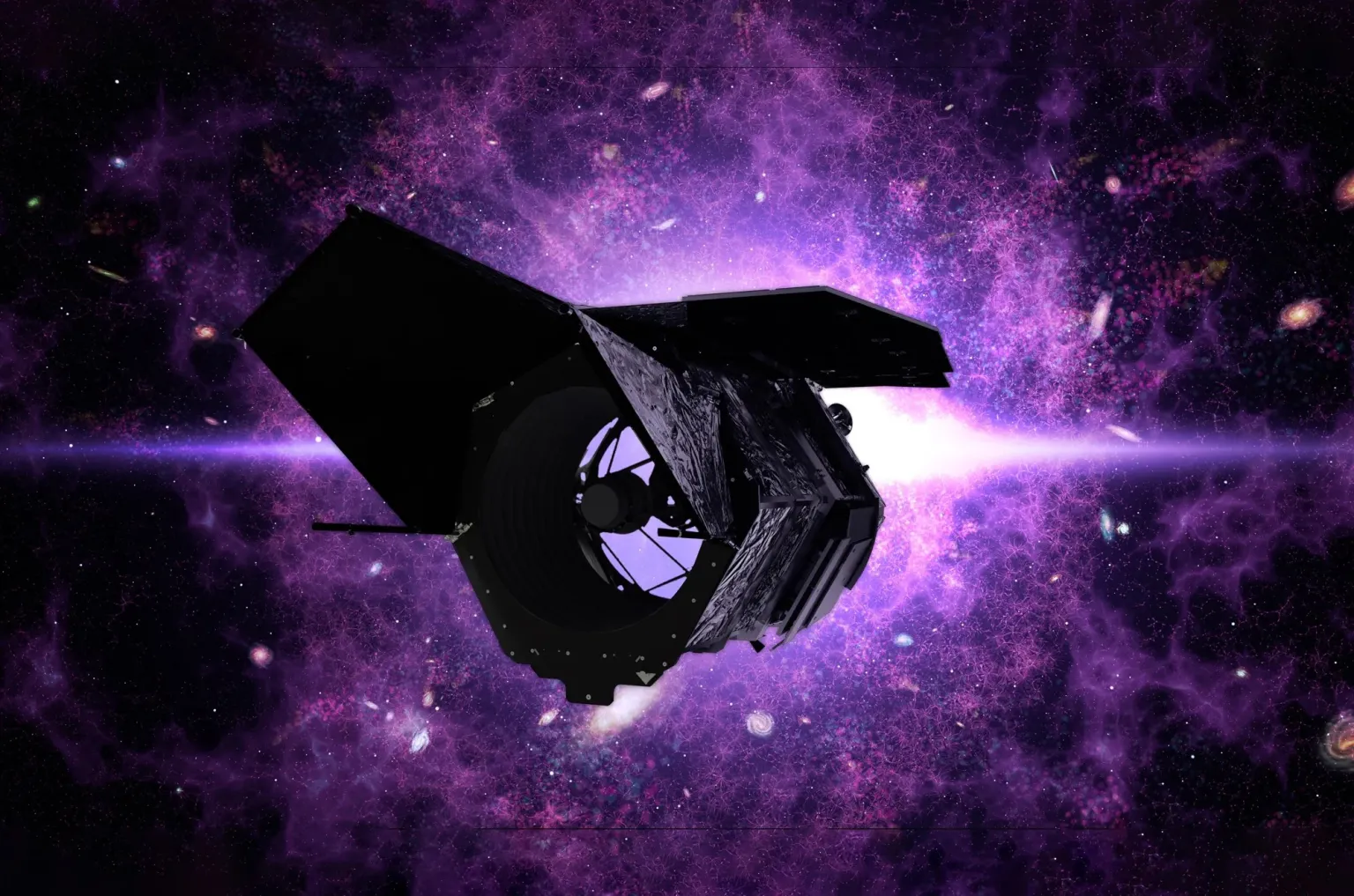
The Nancy Grace Roman Space Telescope is a NASA infrared space telescope with a 2.4 m (7.9 ft) wide field of view primary mirror and two scientific instruments. The Wide-Field Instrument (WFI) is a 300.8-megapixel multi-band visible and near-infrared camera, providing a sharpness of images comparable to that achieved by the Hubble Space Telescope over a 0.28 square degree field of view, 100 times larger than imaging cameras on the Hubble. The Coronagraphic Instrument (CGI) is a high-contrast, small field of view camera and spectrometer covering visible and near-infrared wavelengths using novel starlight-suppression technology. Roman objectives include a search for extra-solar planets using gravitational microlensing, and probing the expansion history of the Universe and the growth of cosmic structure, with the goal of measuring the effects of dark energy, the consistency of general relativity, and the curvature of spacetime.
Kosmos (Unknown Payload)
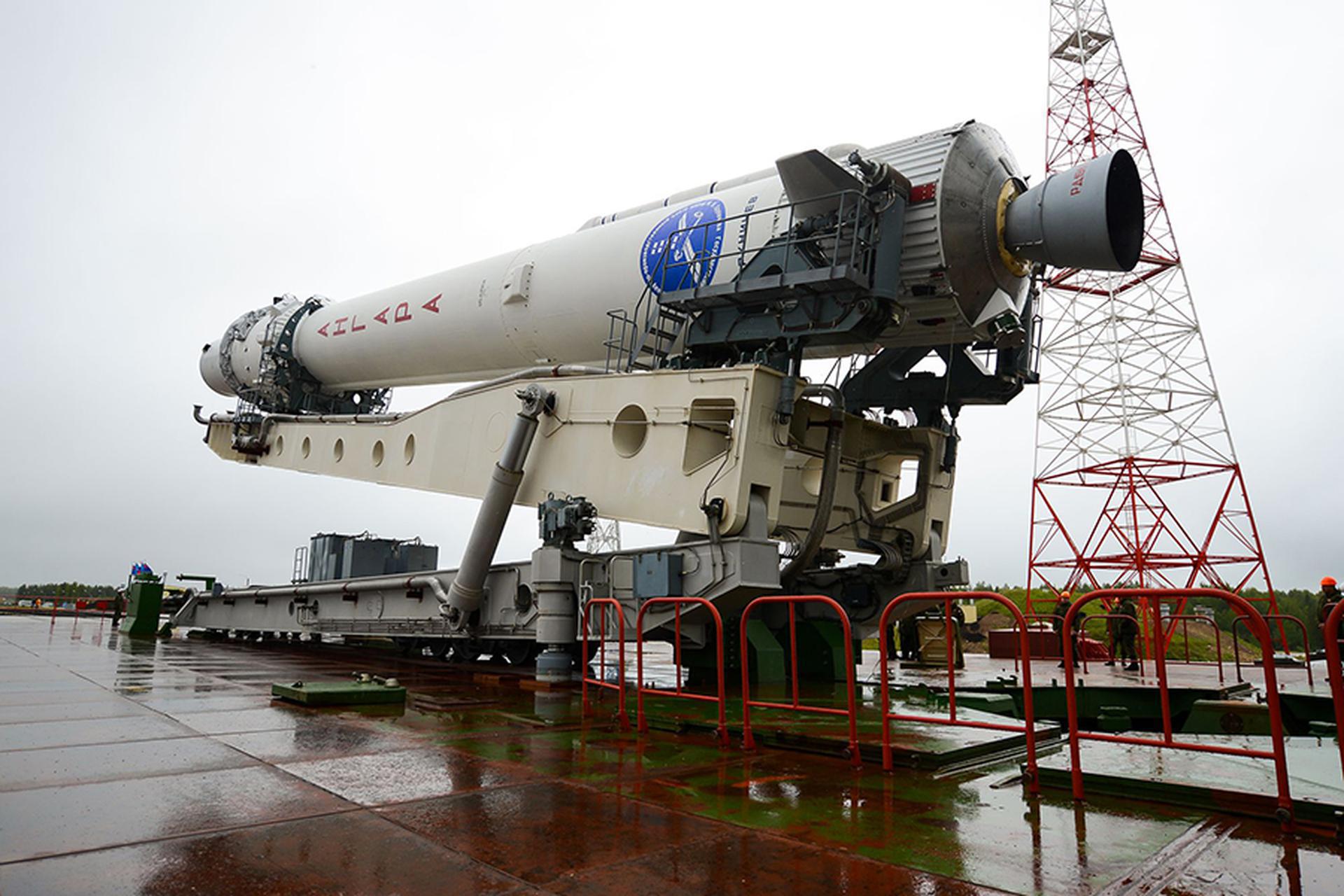
Provider: Russian Space Forces Date: August 31, 2026 Time: 12:00 AM UTC Vehicle: Angara 1.2
Unknown classified satellite(s) for the Russian military.
Flight 2
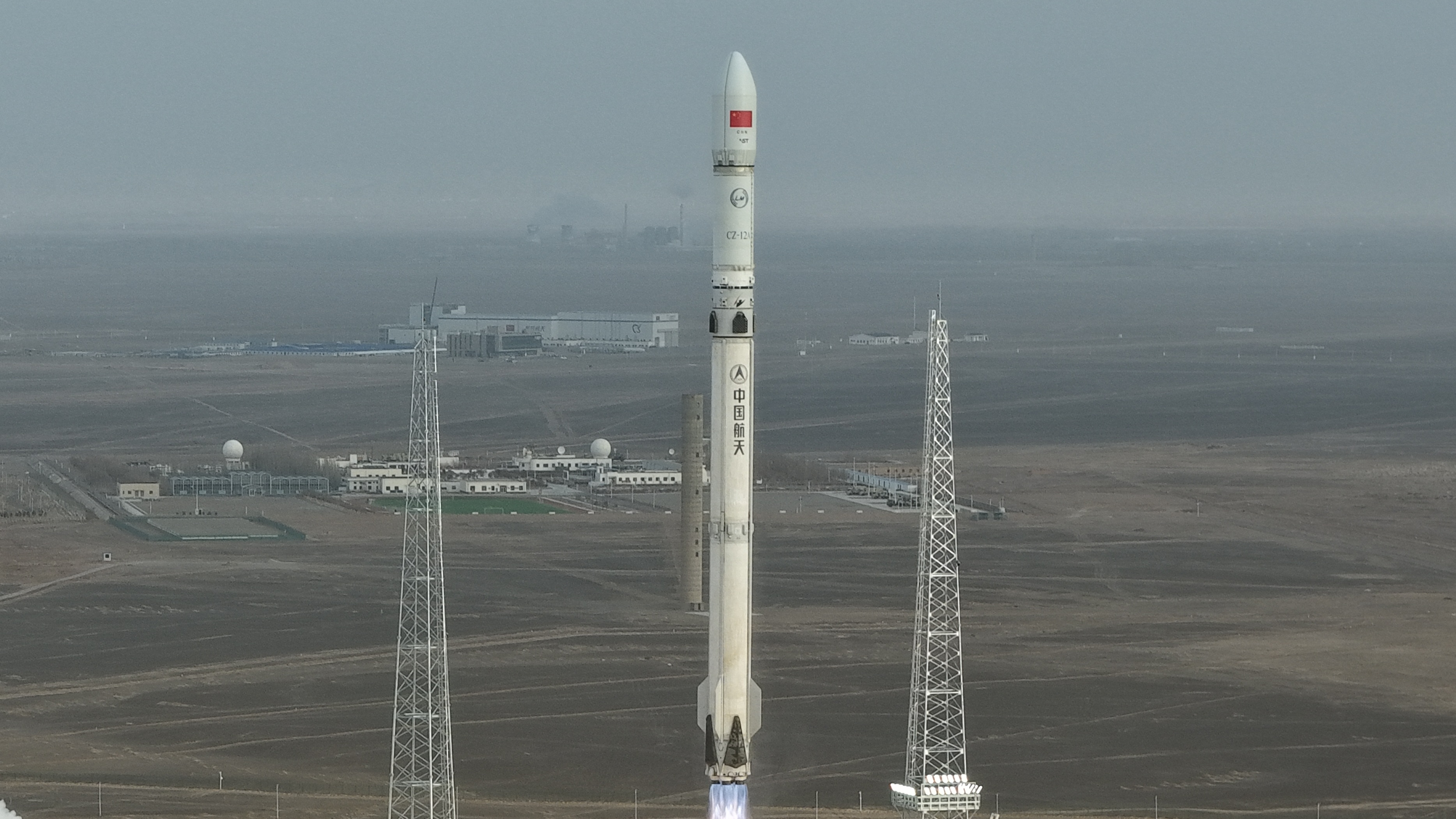
Provider: China Aerospace Science and Technology Corporation Date: August 31, 2026 Time: 12:00 AM UTC Vehicle: Long March 12A
Second test launch of CASC/SAST’s Long March 12A rocket. Payload identities are TBD.
Demo Flight
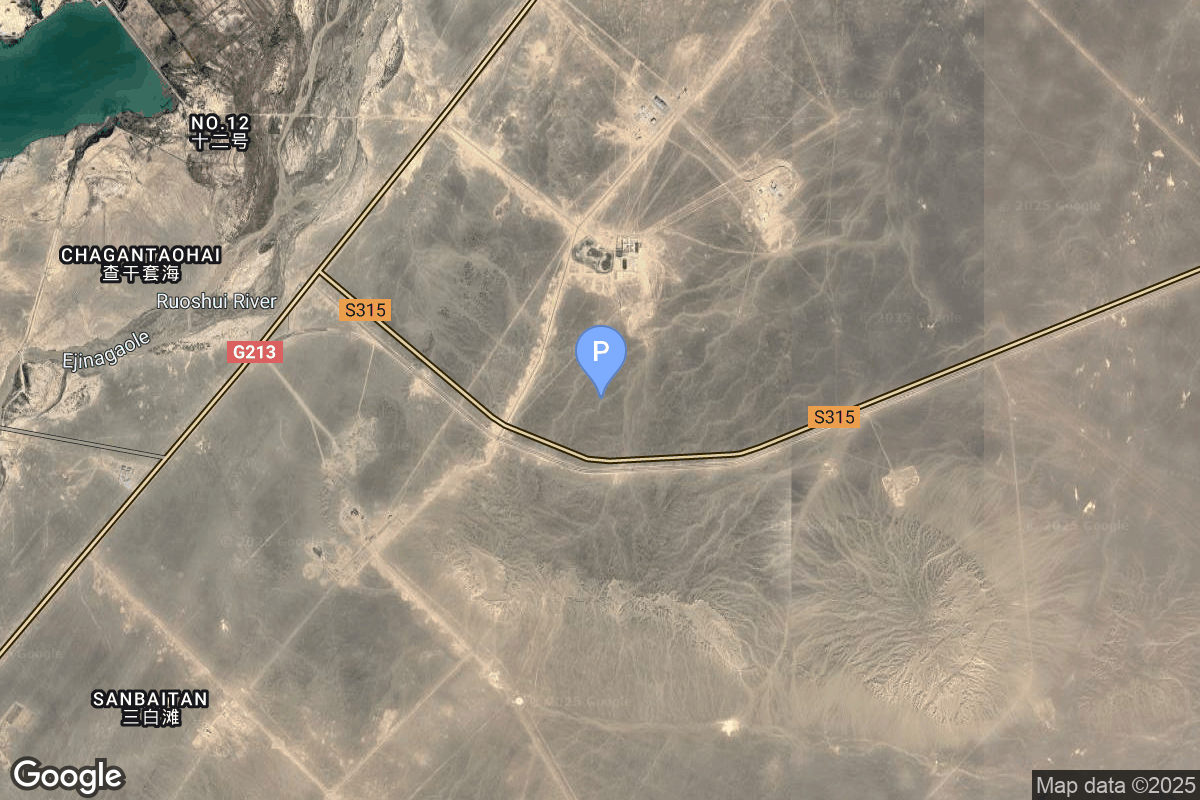
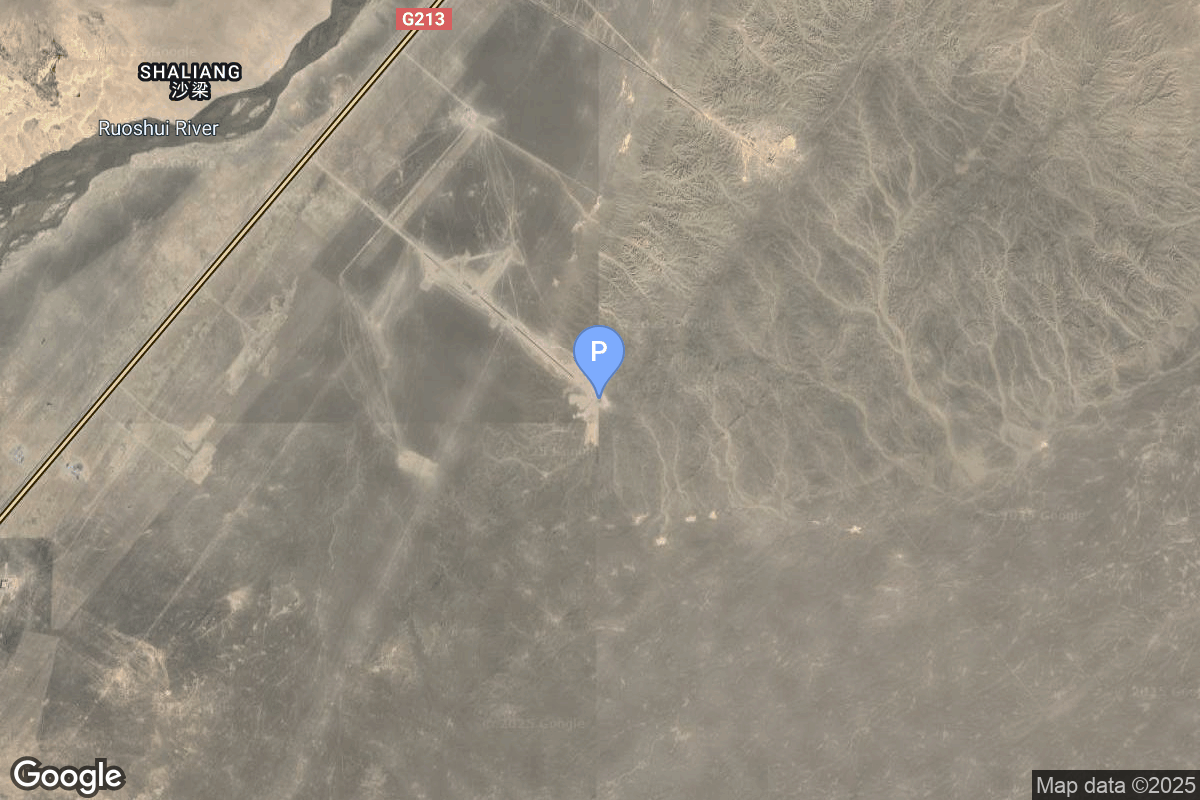
Provider: Galactic Energy Date: August 31, 2026 Time: 12:00 AM UTC Vehicle: Pallas-1
First test launch of Galactic Energy’s Pallas-1 rocket.
MTG-I2 ×
Mission Details
TypeEarth Science
OrbitGeostationary Transfer Orbit
TargetEarth
Third of EUMETSAT’s third generation of weather satellite.
Agencies Involved
• European Organisation for the Exploitation of Meteorological Satellites (Multinational)
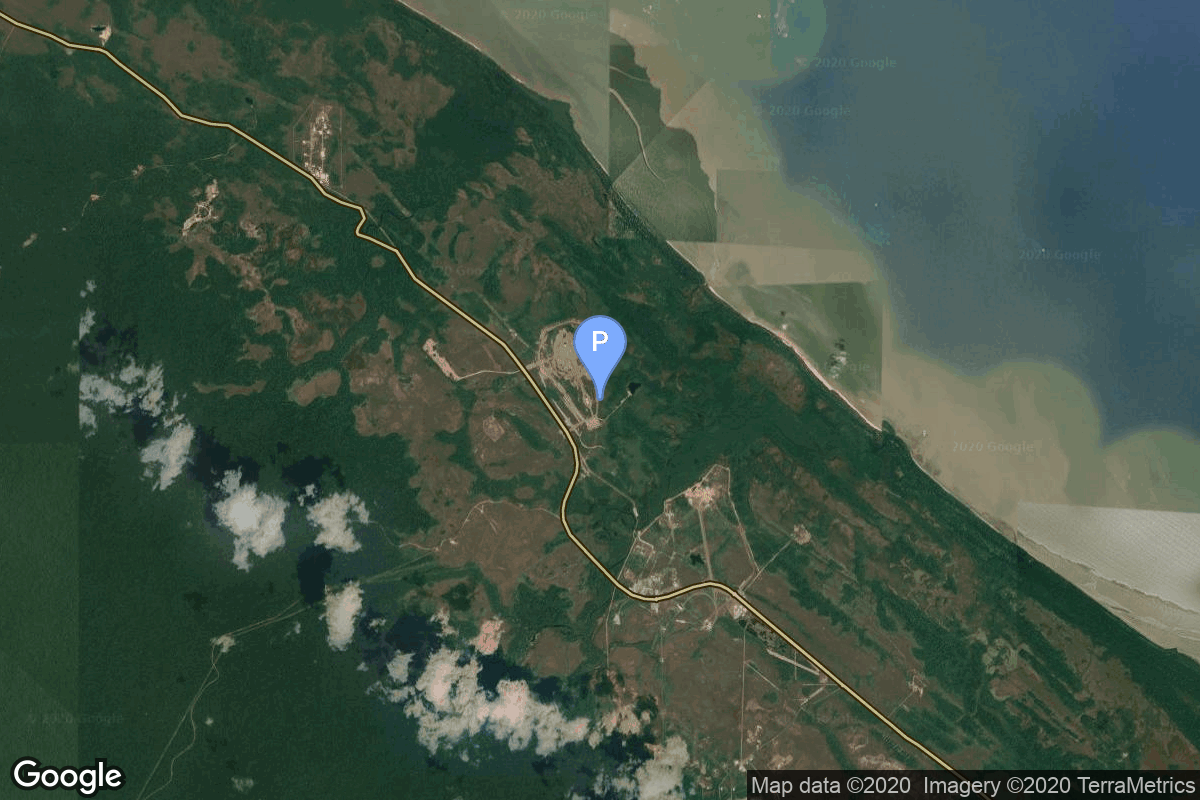
ELA-4, is a launch pad and associated facilities at the Centre Spatial Guyanais in French Guiana. The complex is composed of a launch pad with mobile gantry, an horizontal assembly building and a…
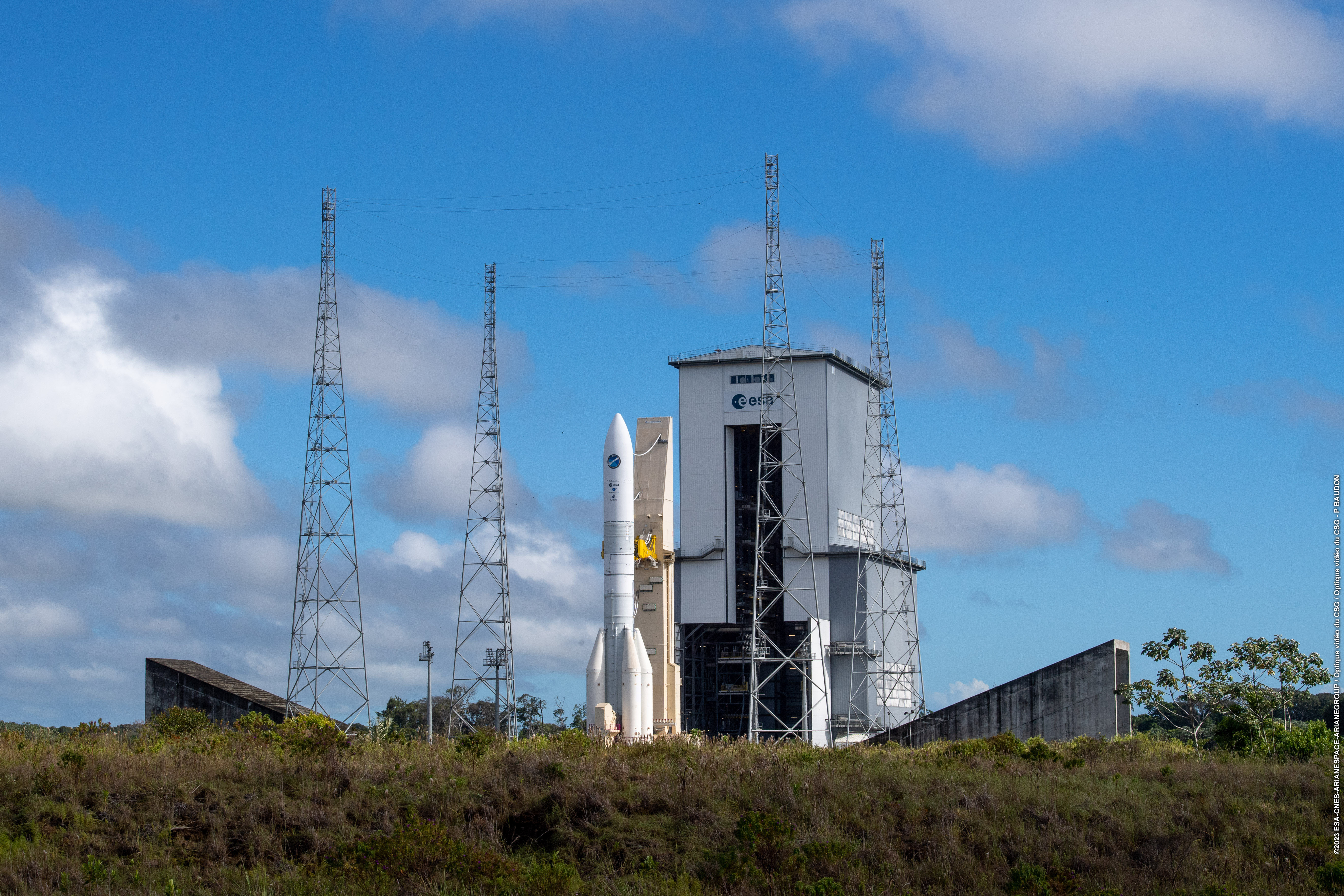
The Ariane 6 family is currently under development by the European Space Agency, with two variations including the Ariane 62 with two solid boosters intended for government and scientific missions.
The Nancy Grace Roman Space Telescope is a NASA infrared space telescope with a 2.4 m (7.9 ft) wide field of view primary mirror and two scientific instruments. The Wide-Field Instrument (WFI) is a 300.8-megapixel multi-band visible and near-infrared camera, providing a sharpness of images comparable to that achieved by the Hubble Space Telescope over a 0.28 square degree field of view, 100 times larger than imaging cameras on the Hubble. The Coronagraphic Instrument (CGI) is a high-contrast, small field of view camera and spectrometer covering visible and near-infrared wavelengths using novel starlight-suppression technology. Roman objectives include a search for extra-solar planets using gravitational microlensing, and probing the expansion history of the Universe and the growth of cosmic structure, with the goal of measuring the effects of dark energy, the consistency of general relativity, and the curvature of spacetime.
OperatorNational Aeronautics and Space Administration
The Nancy Grace Roman Space Telescope is a NASA infrared space telescope based on an existing 2.4 m (7.9 ft) wide field of view primary mirror and carrying two scientific instruments. The Wide-Field Instrument (WFI) is a 300.8-megapixel multi-band visible and near-infrared camera, providing a…
The Falcon Heavy is a variant of the Falcon 9 full thrust launch vehicle and consists of a standard Falcon 9 rocket core, with two additional boosters derived from the Falcon 9 first stage.
The Angara 1.2 is the base launcher for the Angara launch family that uses a modular approach to create multiple launch vehicle configurations for various mission requirements. The Angara 1.2 consists of a standard Universal Rocket Module for the core stage and either a modified Block I Upper Stage…
Long March 12A/Changzheng 12A (LM-12A/CZ-12A) is a reusable orbital launch vehicle developed by the Shanghai Academy of Spaceflight Technology (SAST) of the state-owned China Aerospace Science and Technology Corporation (CASC). The rocket is based on the Long March 12, but extensively re-designed…
Robo Chris is a collection of API calls, filters, and searches - bolted together with magic and love. He preforms instructed information gathering, and does a fair bit of writing too. Everything he creates gets submitted to our editor-in-chief, actual Chris, for approval and publication!










Leave a Reply