Menon and Adenot Exit Quest Airlock for Station Antenna Work
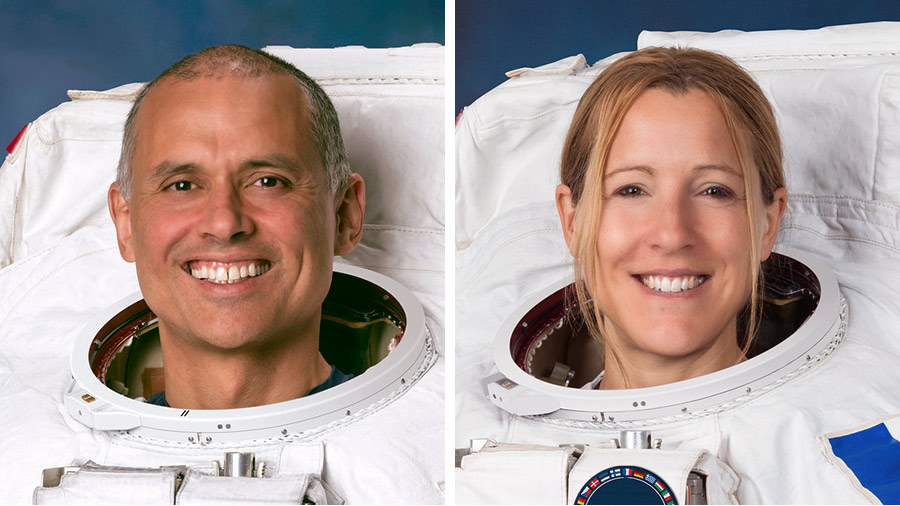
NASA astronaut Anil Menon and ESA astronaut Sophie Adenot are suiting up today for the 283rd spacewalk in support of International Space Station assembly, maintenance, and upgrades. The EVA is scheduled to begin at approximately 8:35 a.m. EDT and last about six and a half hours.
The pair will step outside the station’s Quest airlock to install a replacement Space-to-Ground antenna, a critical link enabling high-speed data transmission between NASA’s Mission Control Center in Houston and the orbital complex. During a 6-hour, 23-minute spacewalk on Aug. 18, Menon and Adenot removed the failed antenna and secured it to the station’s truss structure, but needed more time than expected to disconnect electrical cables and loosen bolts, delaying installation of the replacement.
Menon will serve as crew member 1 in the suit with red stripes; Adenot will serve as crew member 2 in an unmarked suit. This is Menon’s third spacewalk and Adenot’s second. The duo will also replace a retroreflector used for spacecraft docking on the Harmony module’s forward port.
The two completed final spacewalk preparations on Monday alongside fellow Expedition 75 crewmates, while the rest of the orbital residents studied the human respiratory system, activated Earth observation gear, and packed a cargo spacecraft prior to its departure.
The European Space Agency’s Draco mission has passed its Critical Design Review, clearing the way for full-scale manufacturing, integration, and testing ahead of its planned 2027 launch. ESA announced the milestone on Aug. 17, confirming the review validated the design of all Draco systems.
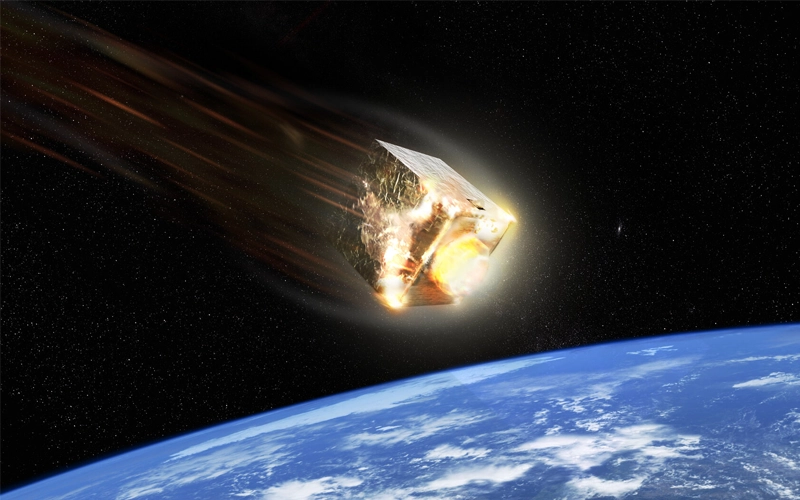
The Destructive Reentry Assessment Container Object mission aims to gather data from inside a satellite as it breaks apart during atmospheric reentry, filling gaps in existing models used to predict spacecraft fragmentation and burn-up. The mission team will now proceed with flight hardware manufacturing followed by a testing campaign that includes high-altitude balloon drop tests.
“Our mission passed its Critical Design Review in just a year after the last review, keeping the mission on its tight schedule,” ESA Draco project manager Stijn Lemmens said. Development is being led by Spain’s Indra Group, which assumed responsibility following its acquisition of Deimos Space in October 2024. ESA had awarded Deimos a €17 million contract for the mission the month before that acquisition.
Aerospace Corp. Demonstrates Pancake-Shaped DiskSats in Orbit
The Aerospace Corp. is continuing to demonstrate the viability of its pancake-shaped DiskSats following their December 2025 launch on a Rocket Lab Electron from NASA’s Wallops Flight Facility in Virginia. Four DiskSats were deployed from Aerospace’s custom-built dispenser to an altitude of 550 kilometres.
The 17-kilogram satellites, each with a 1-metre diameter and 2.5-centimetre depth, are descending about two kilometres per month due to atmospheric drag as engineers proceed with commissioning of Enpulsion Nano Field Emission Electric Propulsion systems. Those thrusters are needed to move the DiskSats to very low Earth orbit, defined as an altitude below 300 kilometres.
“It’s the biggest advancement in containerized satellites since cubesats were introduced in the early 2000s,” DiskSat demonstration mission chief engineer Darren Rowen told SpaceNews. The bus was constructed with carbon fiber composite facesheets bonded to an aluminum-honeycomb core, requiring engineers to redesign or modify power management, communications, attitude control, and thermal subsystems for the unusual form factor.
“Propulsive lowering and sustainment at lower altitude is coming next,” said DiskSat demonstration mission principal investigator Catherine Venturini. DiskSat mission team members presented their early-orbit lessons learned in a paper at the 2026 Small Satellite Conference.
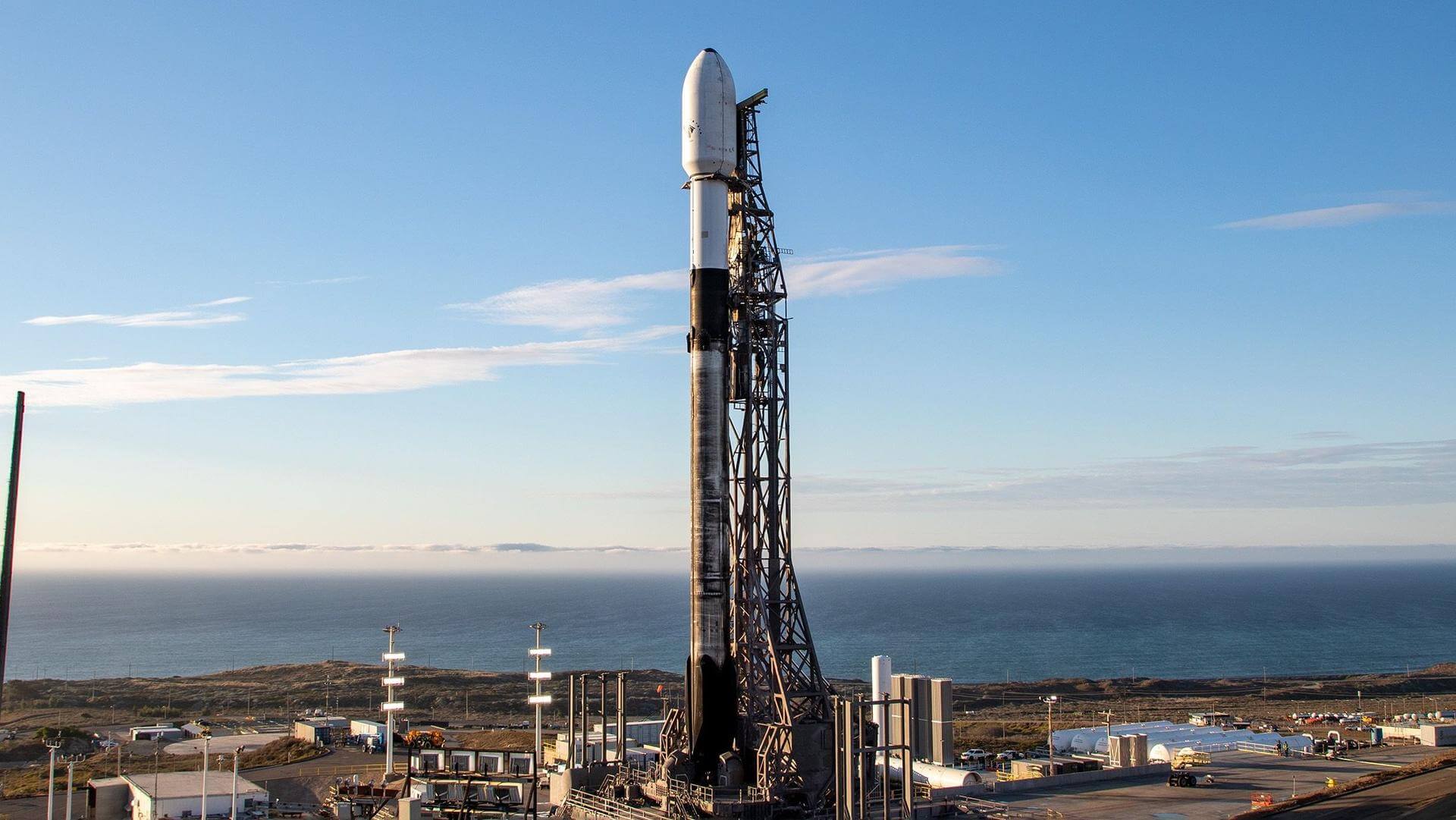
Provider: SpaceX Date: August 26, 2026 Time: 9:27 AM UTC Vehicle: Falcon 9
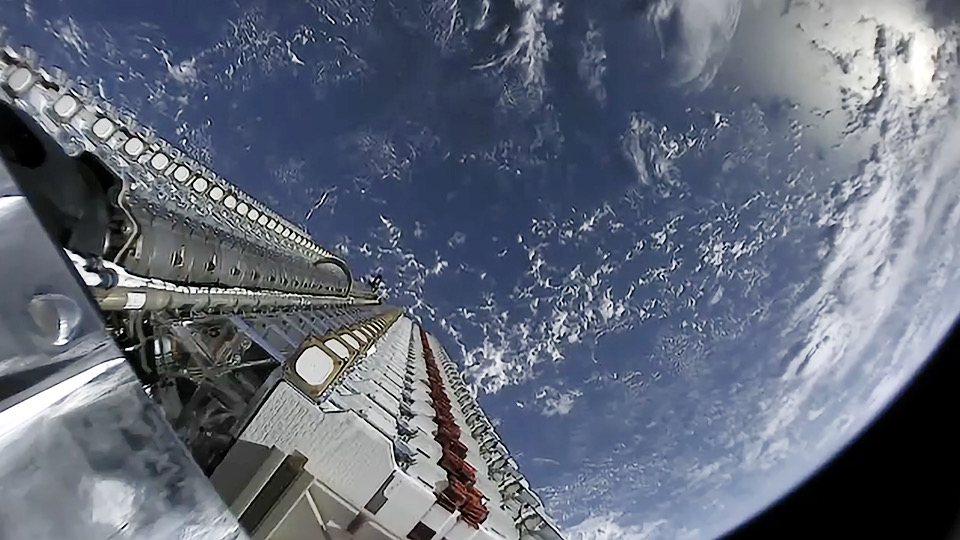
A batch of 27 satellites for the Starlink mega-constellation – SpaceX’s project for space-based Internet communication system.
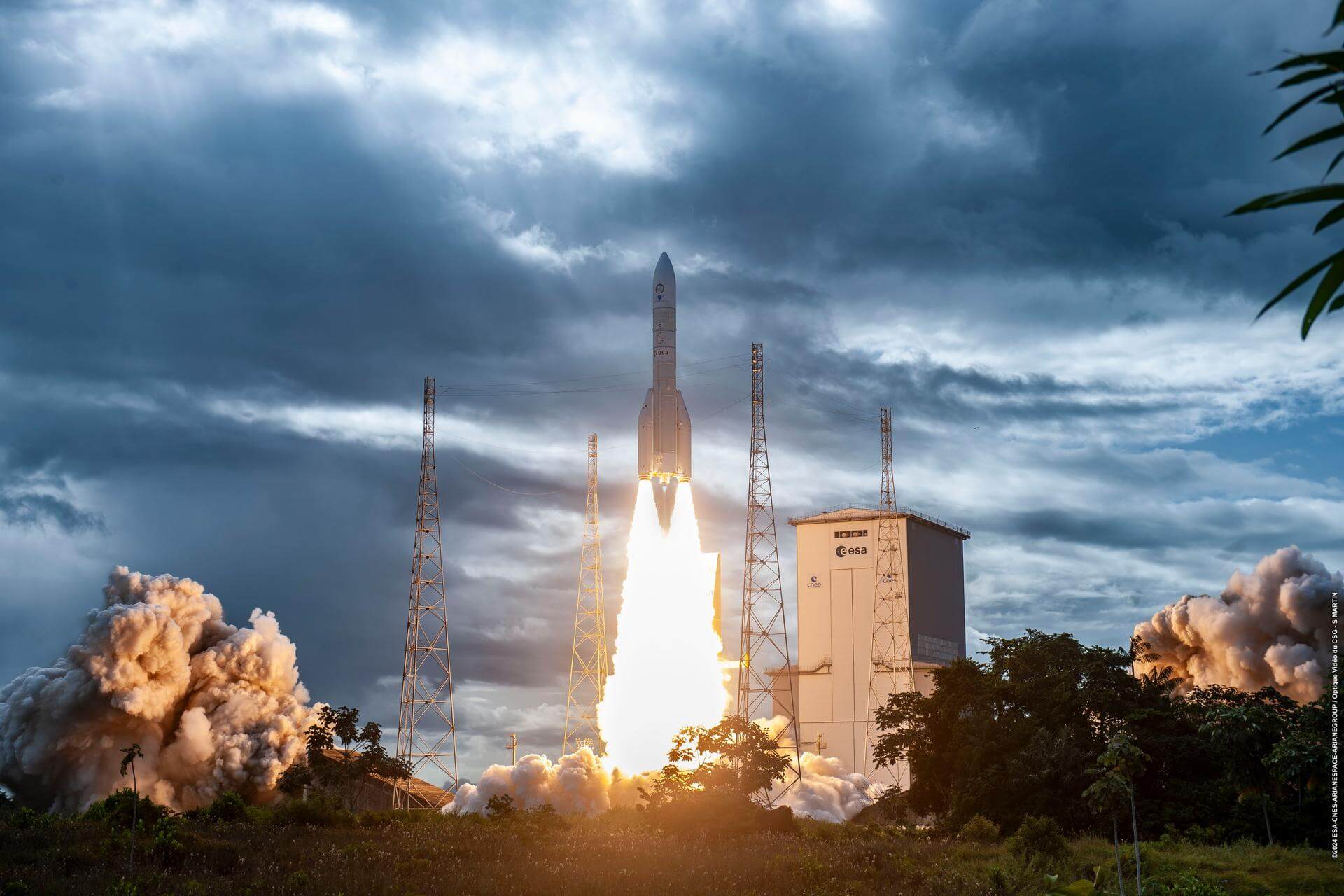
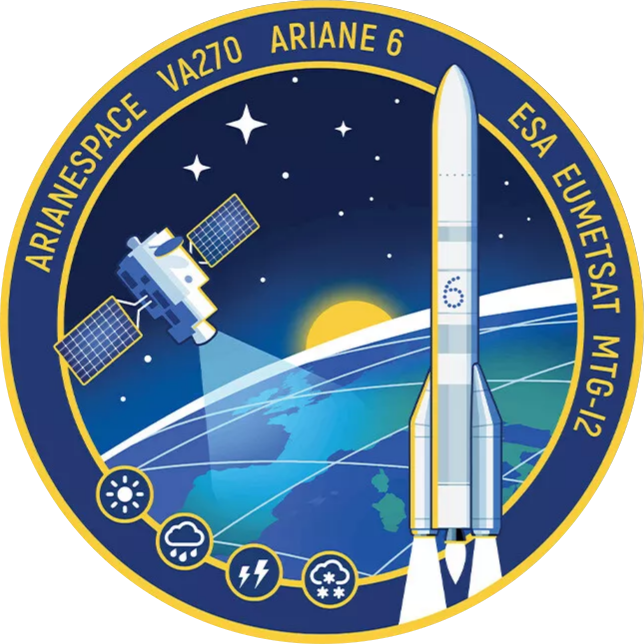
MTG-I2
Provider: Arianespace Date: August 27, 2026 Time: 8:10 PM UTC Vehicle: Ariane 62
Third of EUMETSAT’s third generation of weather satellite.
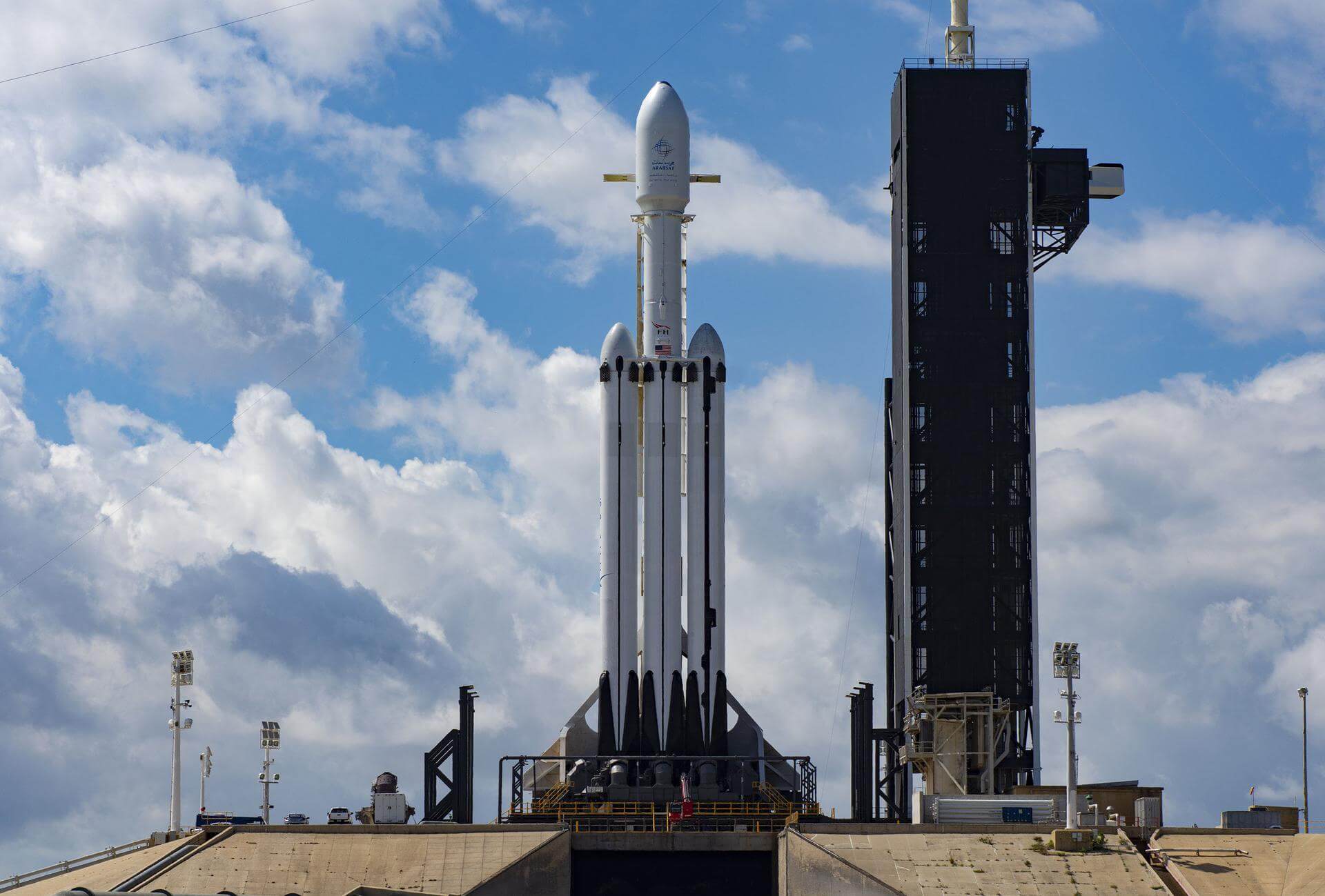
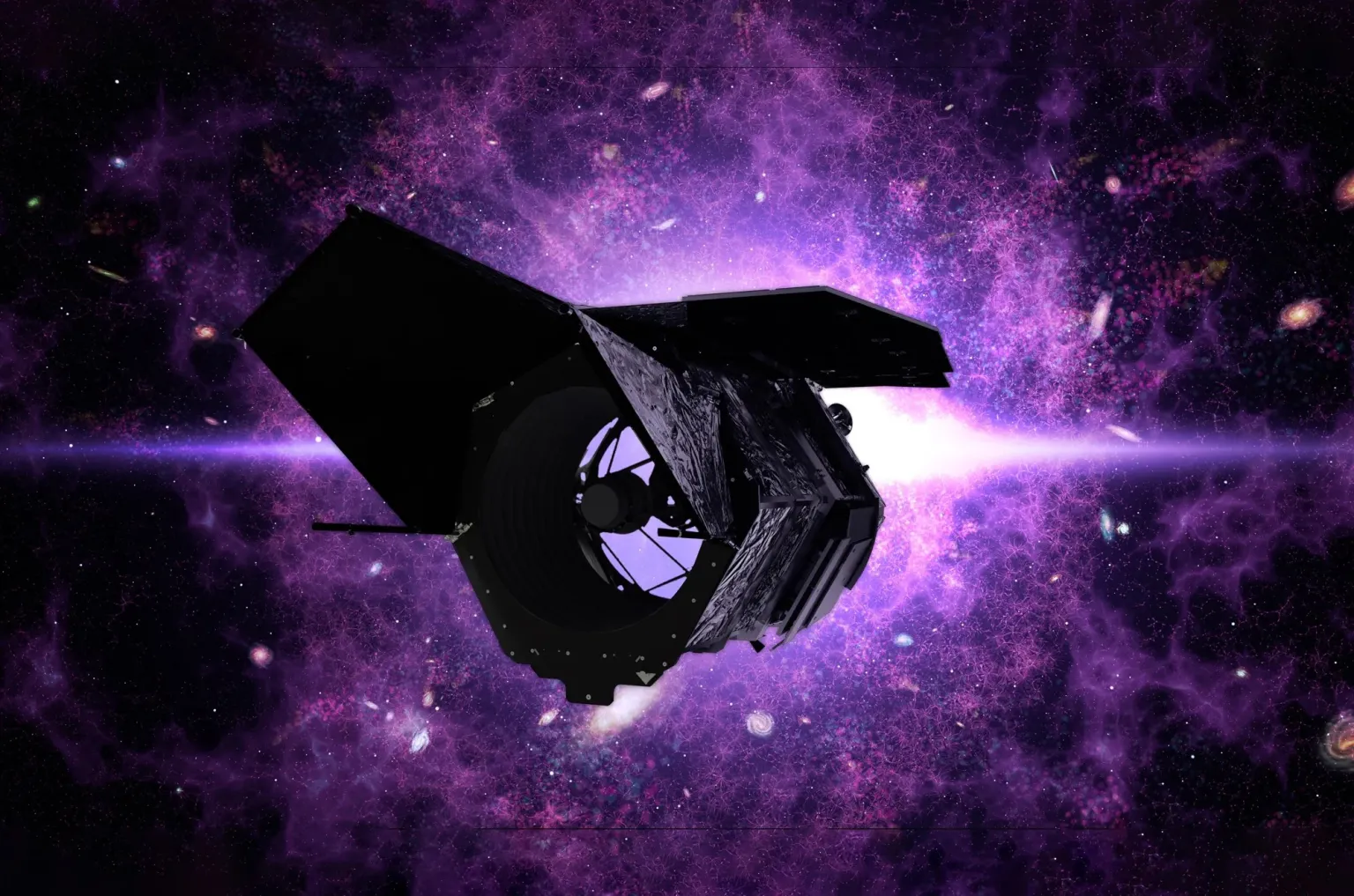
Nancy Grace Roman Space Telescope
Provider: SpaceX Date: August 30, 2026 Time: 11:26 AM UTC Vehicle: Falcon Heavy
The Nancy Grace Roman Space Telescope is a NASA infrared space telescope with a 2.4 m (7.9 ft) wide field of view primary mirror and two scientific instruments. The Wide-Field Instrument (WFI) is a 300.8-megapixel multi-band visible and near-infrared camera, providing a sharpness of images comparable to that achieved by the Hubble Space Telescope over a 0.28 square degree field of view, 100 times larger than imaging cameras on the Hubble. The Coronagraphic Instrument (CGI) is a high-contrast, small field of view camera and spectrometer covering visible and near-infrared wavelengths using novel starlight-suppression technology. Roman objectives include a search for extra-solar planets using gravitational microlensing, and probing the expansion history of the Universe and the growth of cosmic structure, with the goal of measuring the effects of dark energy, the consistency of general relativity, and the curvature of spacetime.
Kosmos (Unknown Payload)
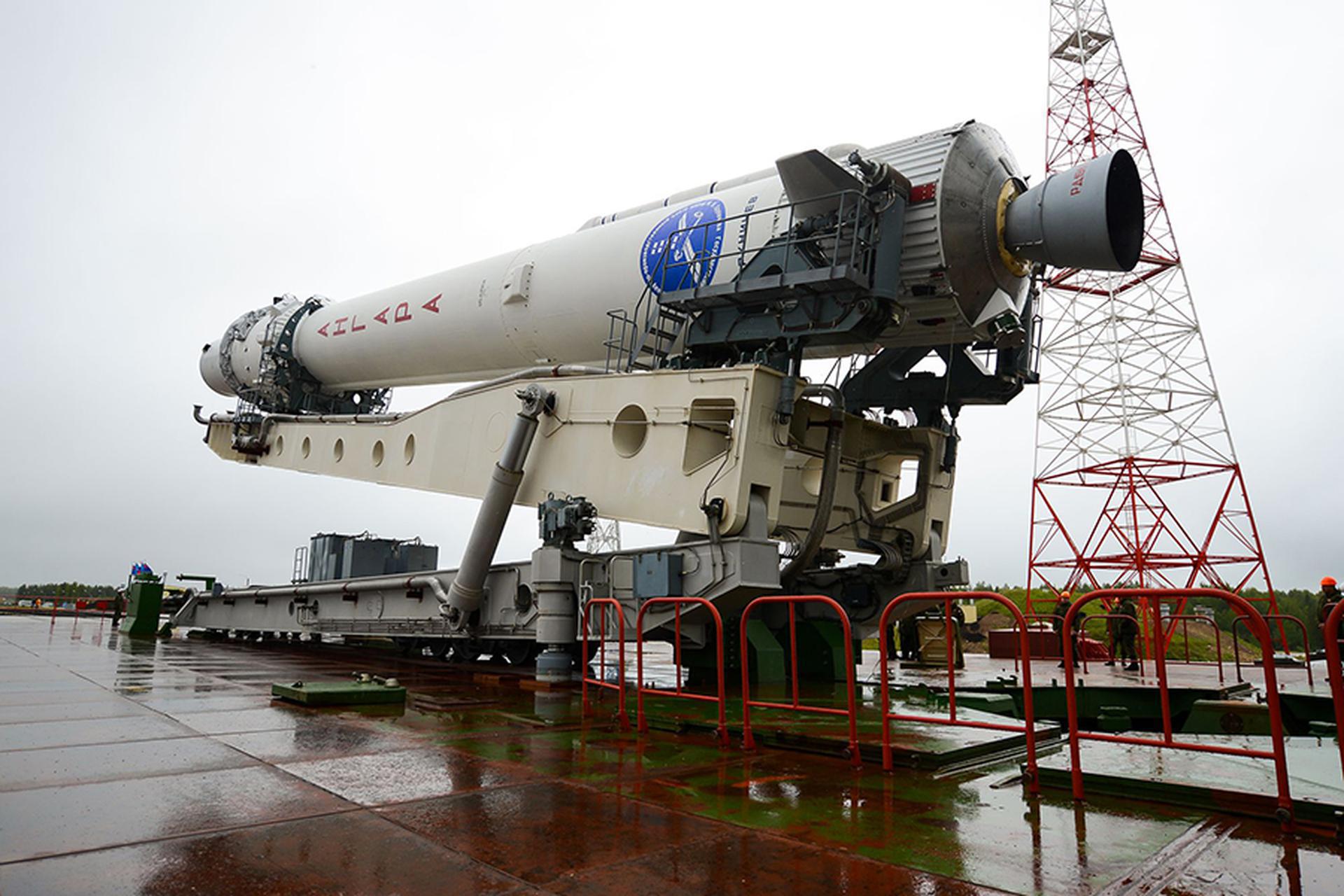
Provider: Russian Space Forces Date: August 31, 2026 Time: 12:00 AM UTC Vehicle: Angara 1.2
Unknown classified satellite(s) for the Russian military.
Flight 2
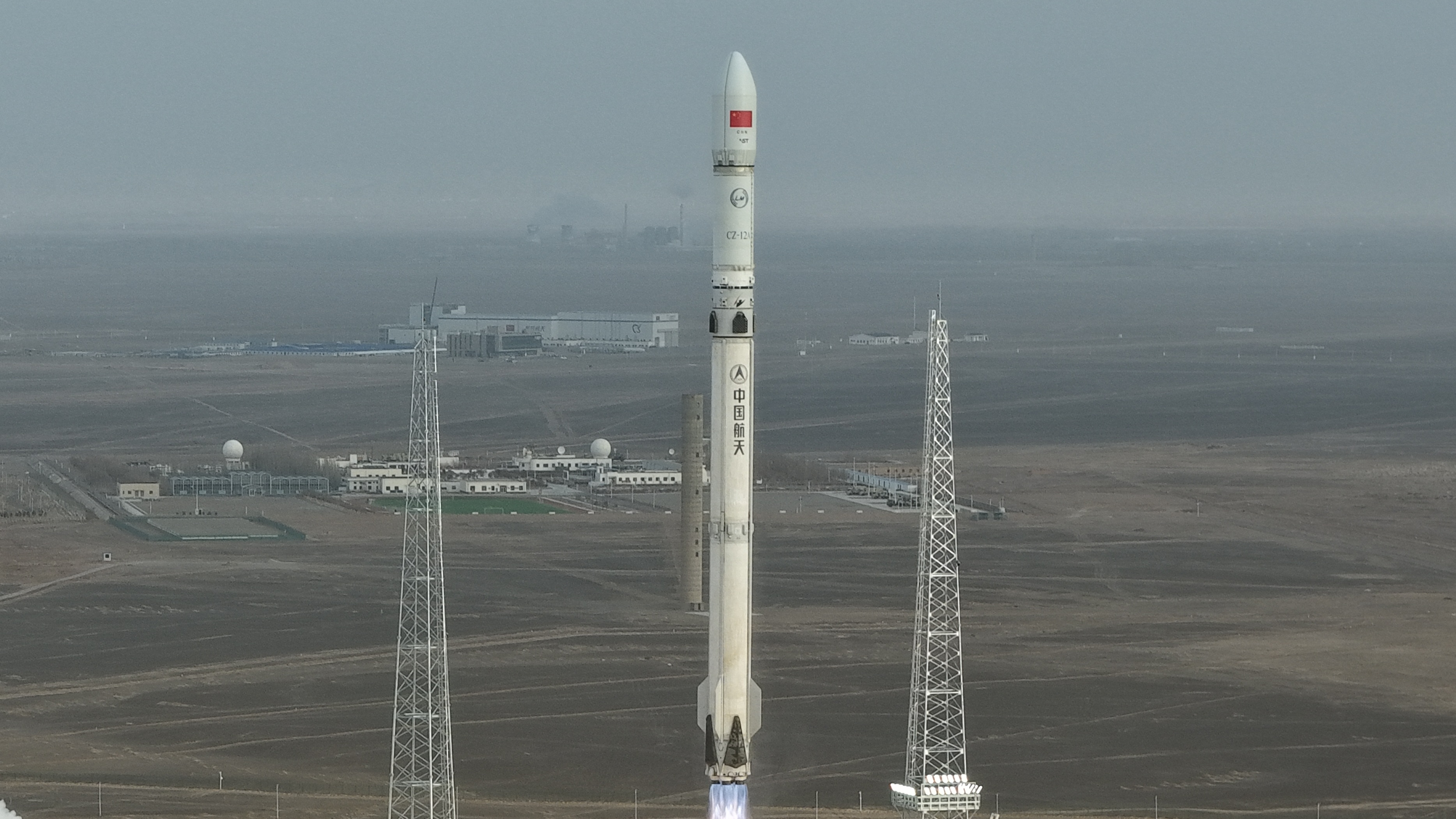
Provider: China Aerospace Science and Technology Corporation Date: August 31, 2026 Time: 12:00 AM UTC Vehicle: Long March 12A
Second test launch of CASC/SAST’s Long March 12A rocket. Payload identities are TBD.
Starlink Group 15-22 ×
Mission Details
TypeCommunications
OrbitLow Earth Orbit
TargetEarth
A batch of 27 satellites for the Starlink mega-constellation – SpaceX’s project for space-based Internet communication system.
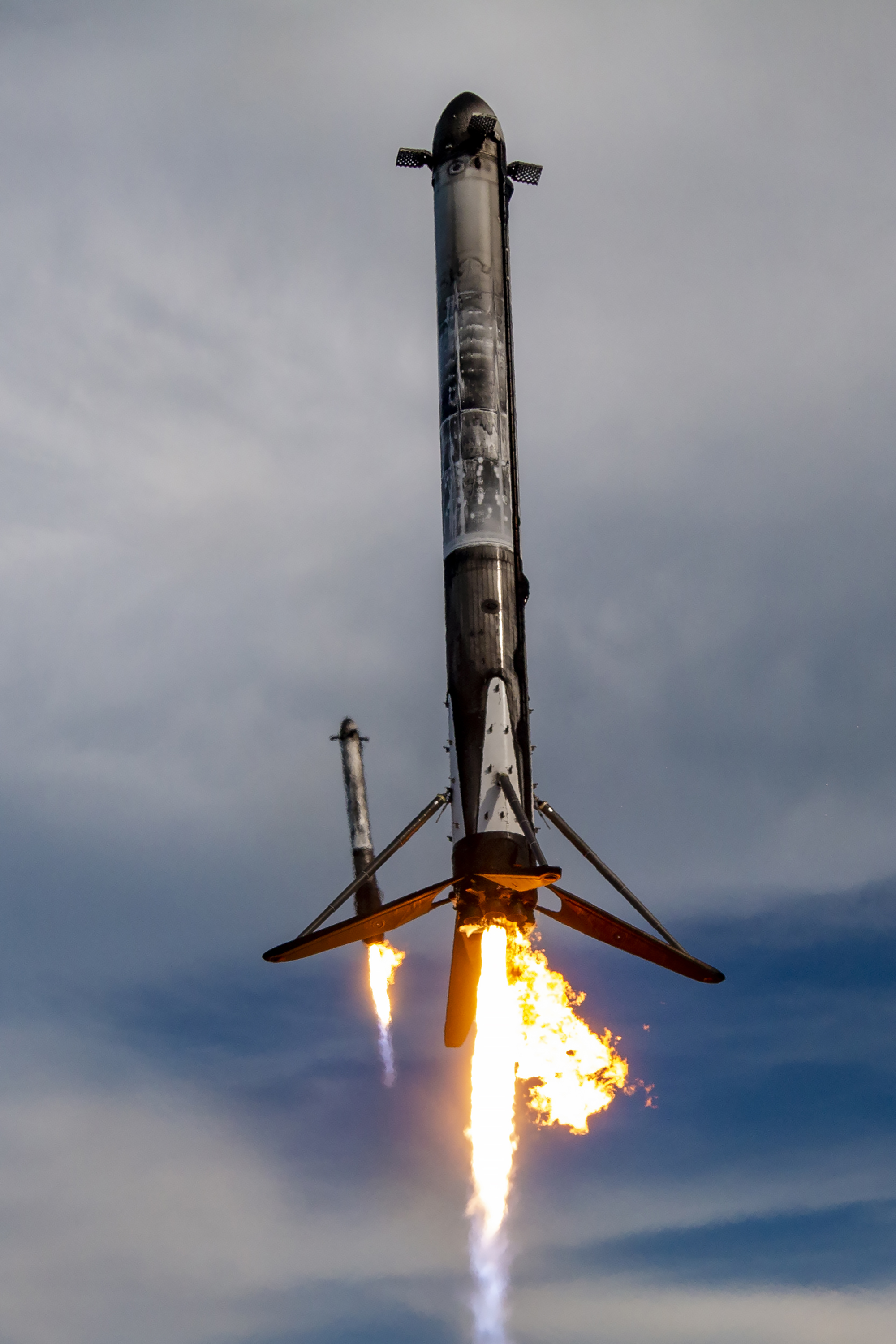
Falcon 9 is a two-stage rocket designed and manufactured by SpaceX for the reliable and safe transport of satellites and the Dragon spacecraft into orbit. The Block 5 variant is the fifth major interval aimed at improving upon the ability for rapid reusability.
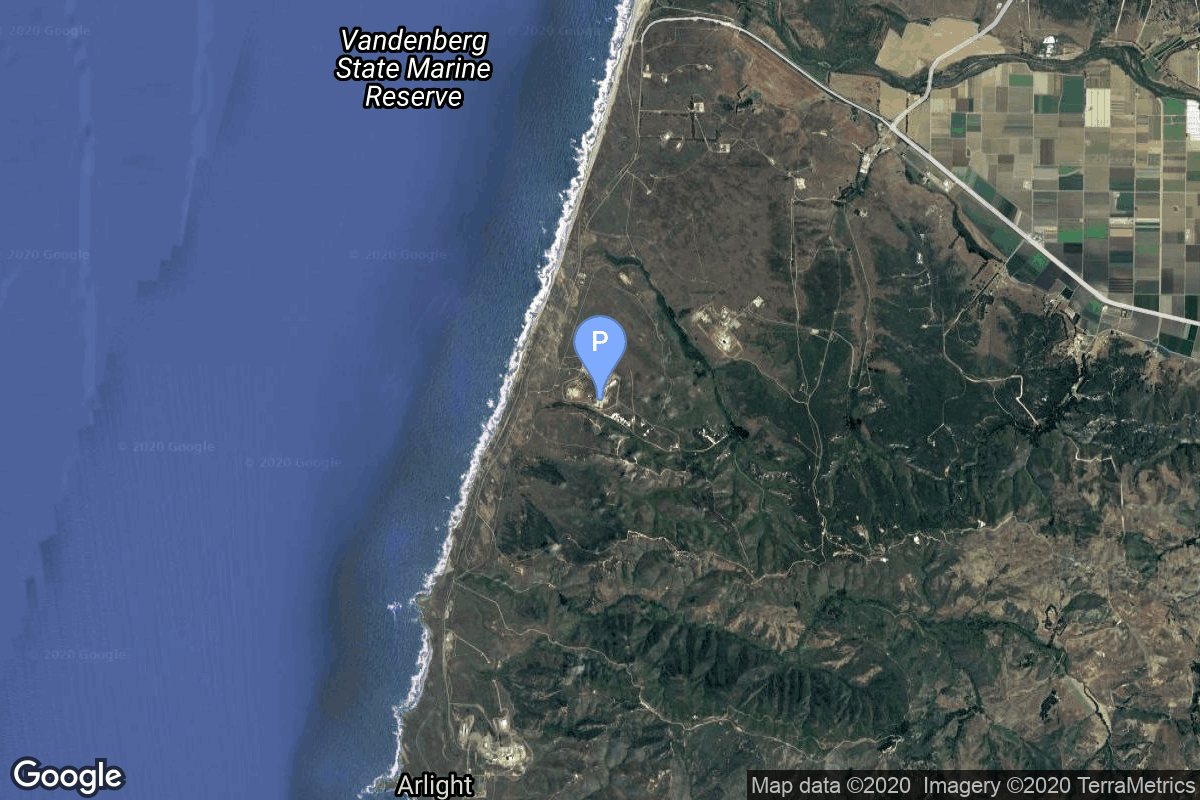
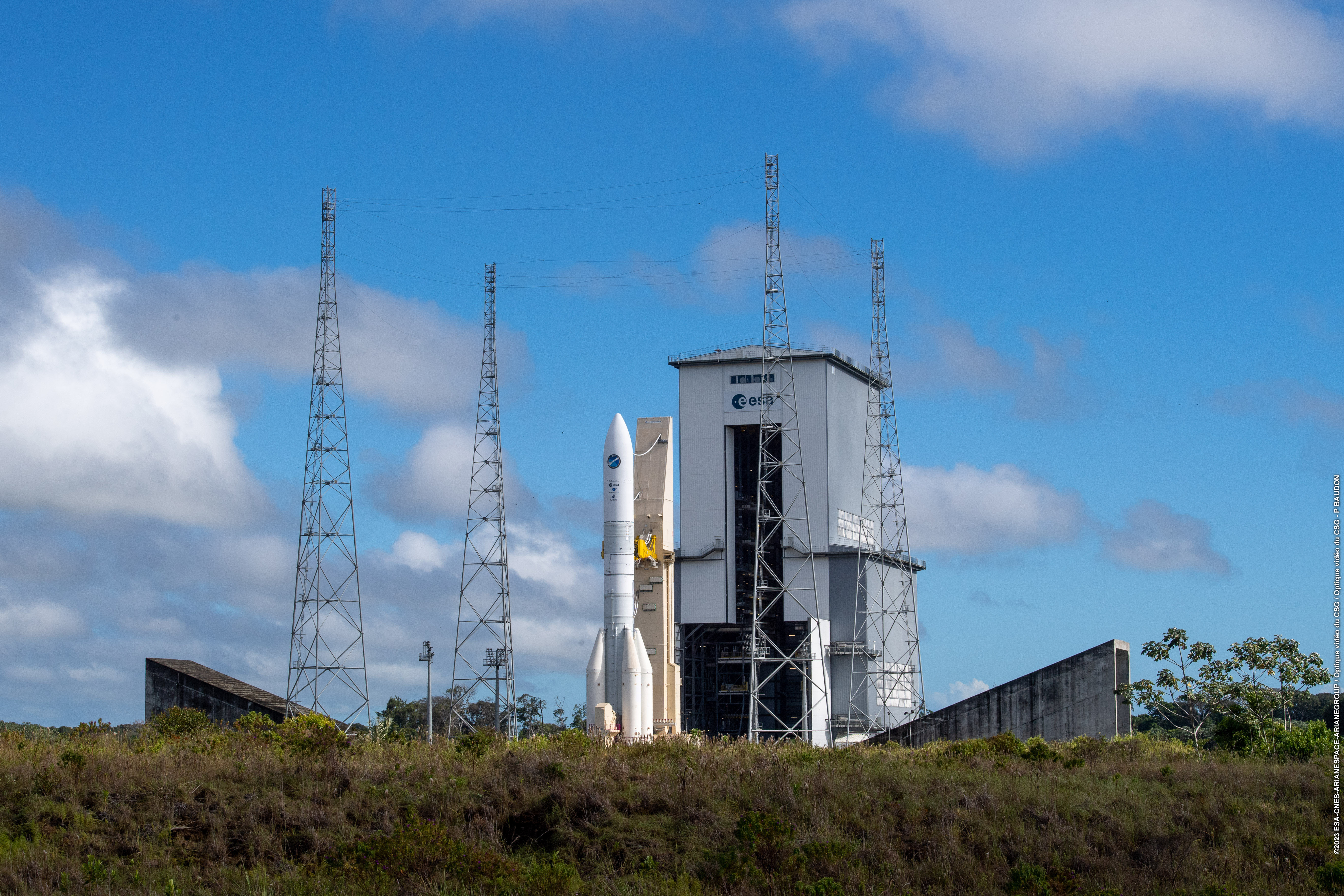
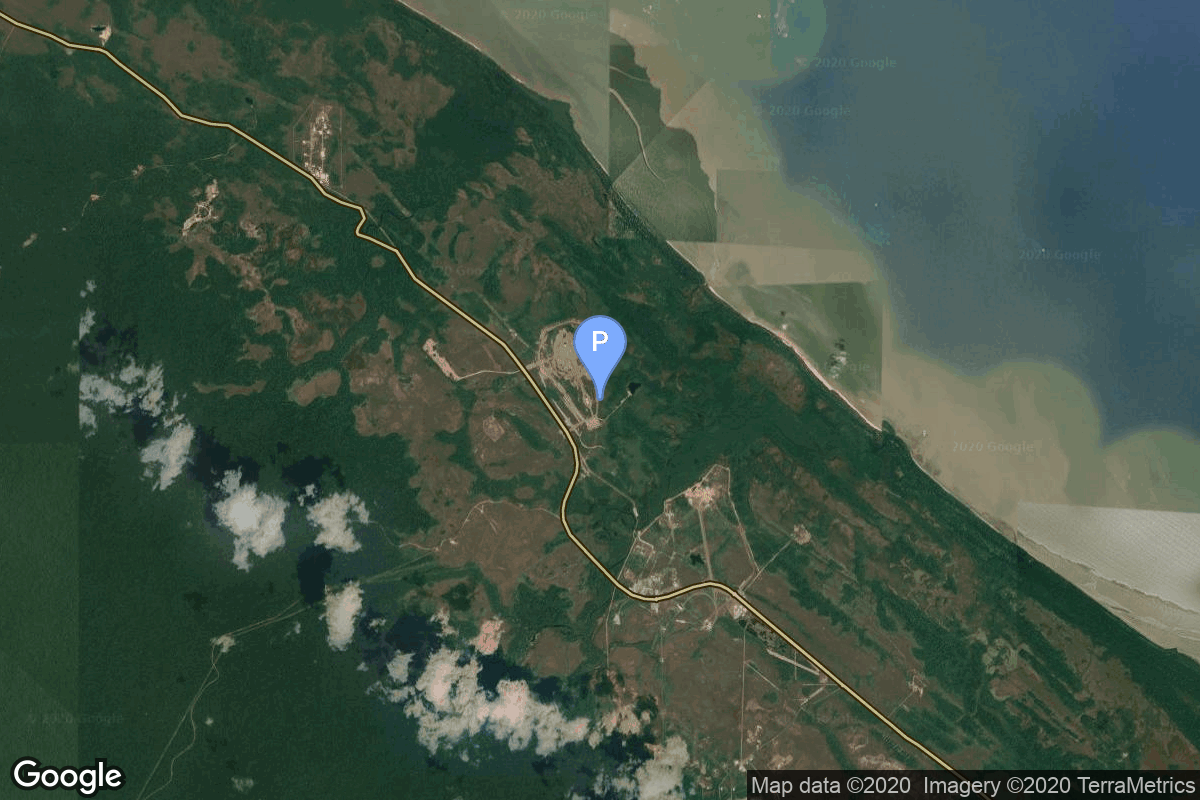
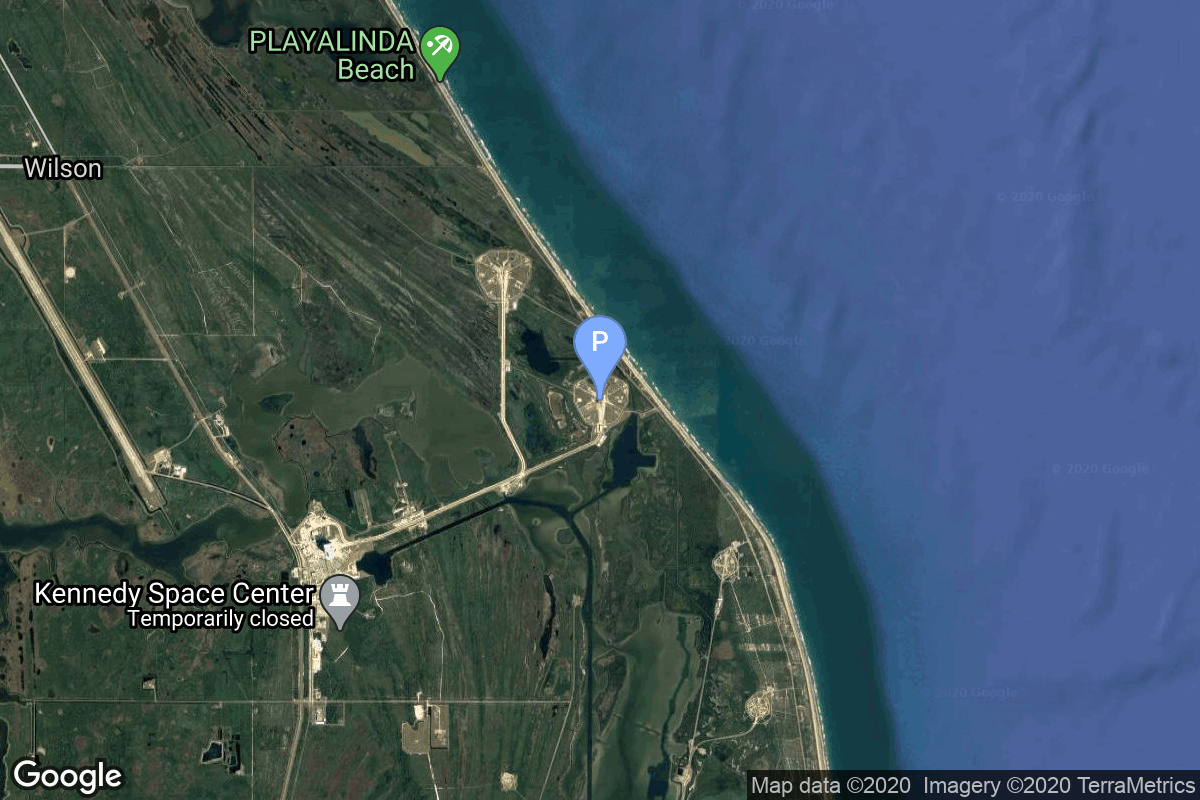
ELA-4, is a launch pad and associated facilities at the Centre Spatial Guyanais in French Guiana. The complex is composed of a launch pad with mobile gantry, an horizontal assembly building and a…
The Ariane 6 family is currently under development by the European Space Agency, with two variations including the Ariane 62 with two solid boosters intended for government and scientific missions.
The Nancy Grace Roman Space Telescope is a NASA infrared space telescope with a 2.4 m (7.9 ft) wide field of view primary mirror and two scientific instruments. The Wide-Field Instrument (WFI) is a 300.8-megapixel multi-band visible and near-infrared camera, providing a sharpness of images comparable to that achieved by the Hubble Space Telescope over a 0.28 square degree field of view, 100 times larger than imaging cameras on the Hubble. The Coronagraphic Instrument (CGI) is a high-contrast, small field of view camera and spectrometer covering visible and near-infrared wavelengths using novel starlight-suppression technology. Roman objectives include a search for extra-solar planets using gravitational microlensing, and probing the expansion history of the Universe and the growth of cosmic structure, with the goal of measuring the effects of dark energy, the consistency of general relativity, and the curvature of spacetime.
OperatorNational Aeronautics and Space Administration
The Nancy Grace Roman Space Telescope is a NASA infrared space telescope based on an existing 2.4 m (7.9 ft) wide field of view primary mirror and carrying two scientific instruments. The Wide-Field Instrument (WFI) is a 300.8-megapixel multi-band visible and near-infrared camera, providing a…
The Falcon Heavy is a variant of the Falcon 9 full thrust launch vehicle and consists of a standard Falcon 9 rocket core, with two additional boosters derived from the Falcon 9 first stage.
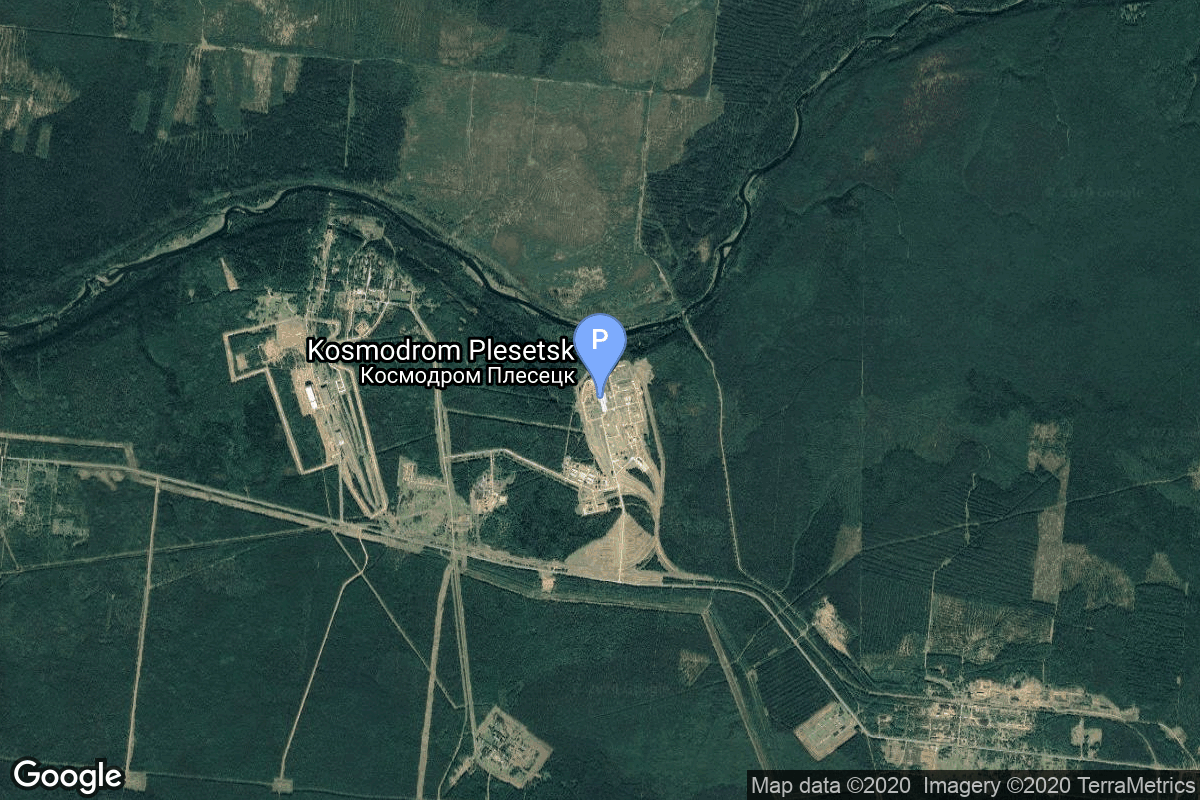
The Angara 1.2 is the base launcher for the Angara launch family that uses a modular approach to create multiple launch vehicle configurations for various mission requirements. The Angara 1.2 consists of a standard Universal Rocket Module for the core stage and either a modified Block I Upper Stage…
Long March 12A/Changzheng 12A (LM-12A/CZ-12A) is a reusable orbital launch vehicle developed by the Shanghai Academy of Spaceflight Technology (SAST) of the state-owned China Aerospace Science and Technology Corporation (CASC). The rocket is based on the Long March 12, but extensively re-designed…
Robo Chris is a collection of API calls, filters, and searches - bolted together with magic and love. He preforms instructed information gathering, and does a fair bit of writing too. Everything he creates gets submitted to our editor-in-chief, actual Chris, for approval and publication!















Leave a Reply