LandSpace Zhuque-3 Reaches Milestone, Then Falters
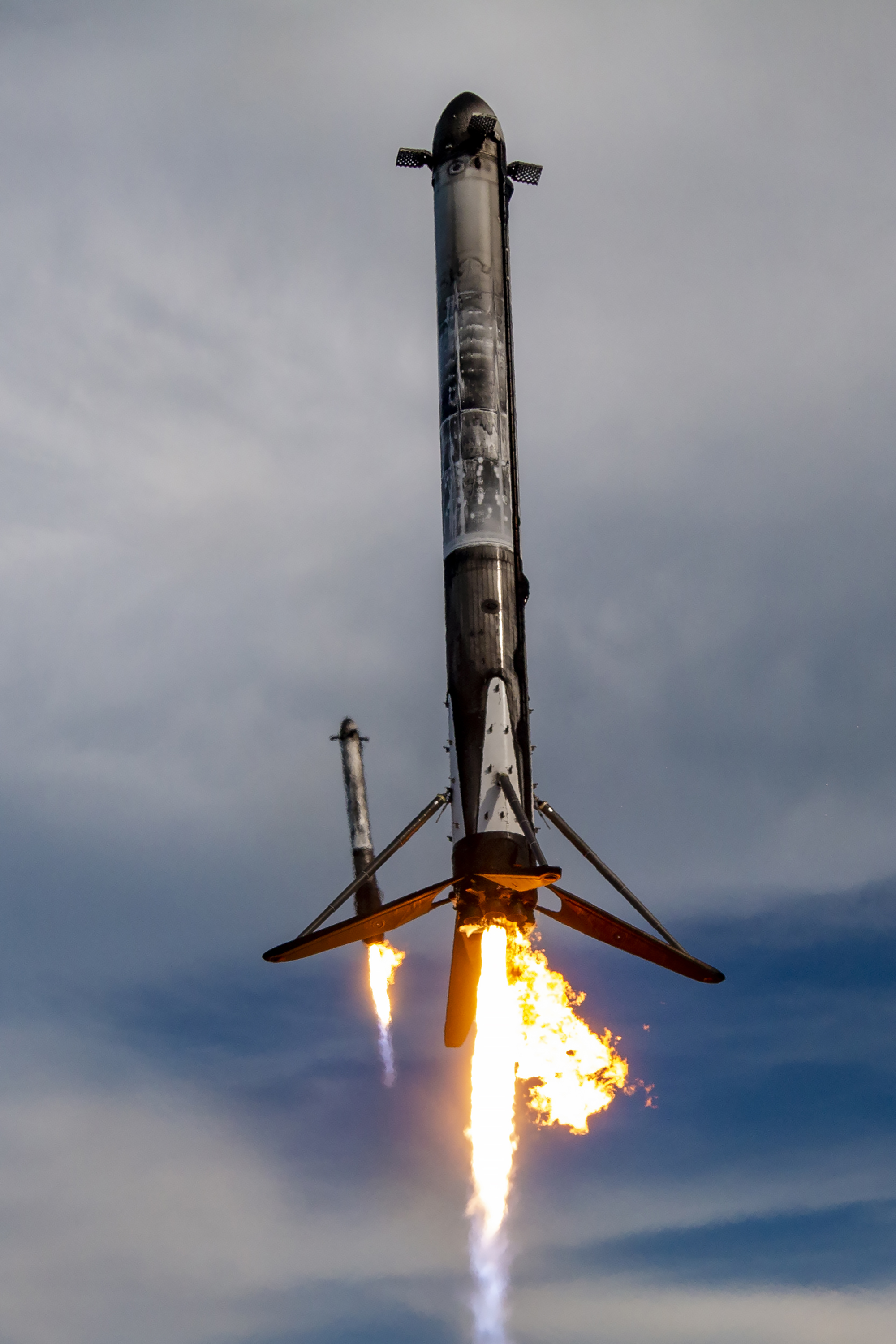
LandSpace achieved a major milestone for Chinese commercial rocketry this week when the first stage of its Zhuque-3 successfully soft-landed on a recovery pad in the Gobi Desert following its second orbital flight. The stage touched down near the centre of the pad roughly 390 km downrange in Minqin County, Gansu Province, marking China’s first propulsive booster recovery.
However, the booster later tipped over after a post-landing fire compromised one of its legs. The incident underscores that propulsive recovery is only the first step toward operational reusability. LandSpace had initially wanted to refly the booster, a plan now complicated by the structural damage.
China Postpones Chang’e 7 Moon Landing to 2027
China’s much-anticipated Chang’e 7 lunar exploration mission will not launch as planned this year. The country’s Manned Space program issued a statement on August 23 saying that “in keeping with the principle of proceeding prudently and reliably, and ensuring absolute success,” it determined that “the Chang’e 7 mission does not meet the conditions for launch and therefore cannot be carried out during the planned launch window this year.” The mission was scheduled to lift off as early as August 23 from the Wenchang Space Launch Site aboard a Long March 5 rocket.
The delay most likely stems from Typhoon Narra, which was affecting the Wenchang area during the launch window. According to aerospace analysts, another suitable launch window may not open until February or March 2027, when sunlight and orbital reconnaissance conditions align with the mission plan. Chang’e 7 consists of a lunar orbiter, lander, rover, and a mini-hopper probe, all destined for the Moon’s South Pole.
Ariane 6 Readies for First Geostationary Transfer Mission
Europe’s Ariane 6 heavy-lift rocket is preparing for a milestone flight with the Meteosat Third Generation Imager satellite MTG-I2 on 27 August at 22:10 CEST from Europe’s Spaceport in French Guiana. This will be the ninth launch of Ariane 6 and the first mission to a geostationary transfer orbit—the farthest destination the rocket has flown to date.
MTG-I2 carries two instruments designed to advance European weather forecasting. The Lightning Imager offers completely new capabilities for European meteorological satellites by continuously monitoring for lightning, whilst the Flexible Combined Imager can scan the entire surface of Earth from its geostationary position 36,000 km above the equator in just 10 minutes, with the ability to scan Europe and North Africa every 2.5 minutes. Together with its constellation siblings, MTG-I2 will deliver weather data in unprecedented detail for nowcasting of severe weather events over Europe and northern Africa.
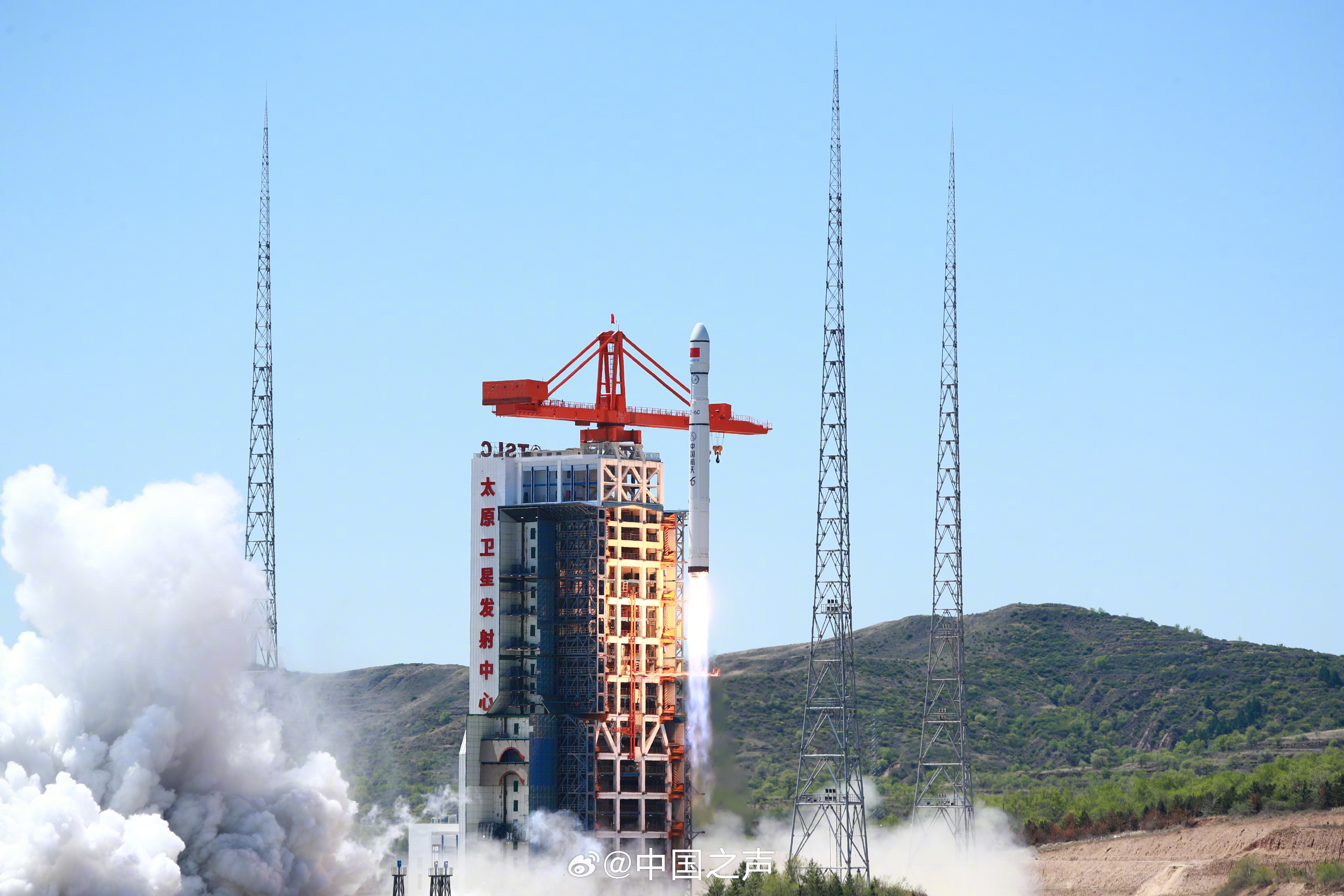
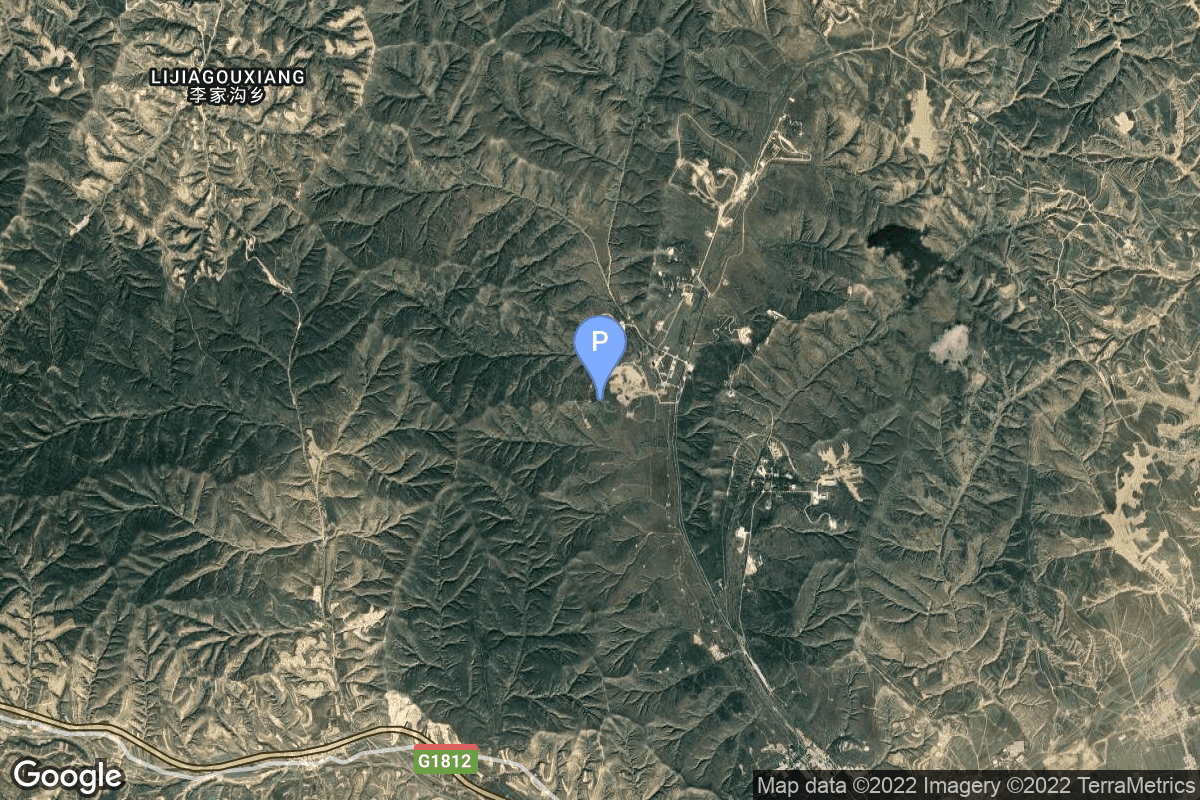
Provider: China Aerospace Science and Technology Corporation Date: August 25, 2026 Time: 3:20 AM UTC Vehicle: Long March 6C
Details TBD.
Starlink Group 10-49
Provider: SpaceX Date: August 25, 2026 Time: 9:33 AM UTC Vehicle: Falcon 9
A batch of 29 satellites for the Starlink mega-constellation – SpaceX’s project for space-based Internet communication system.
Starlink Group 15-22
Provider: SpaceX Date: August 26, 2026 Time: 9:27 AM UTC Vehicle: Falcon 9
A batch of 27 satellites for the Starlink mega-constellation – SpaceX’s project for space-based Internet communication system.
MTG-I2
Provider: Arianespace Date: August 27, 2026 Time: 8:10 PM UTC Vehicle: Ariane 62
Third of EUMETSAT’s third generation of weather satellite.
Nancy Grace Roman Space Telescope
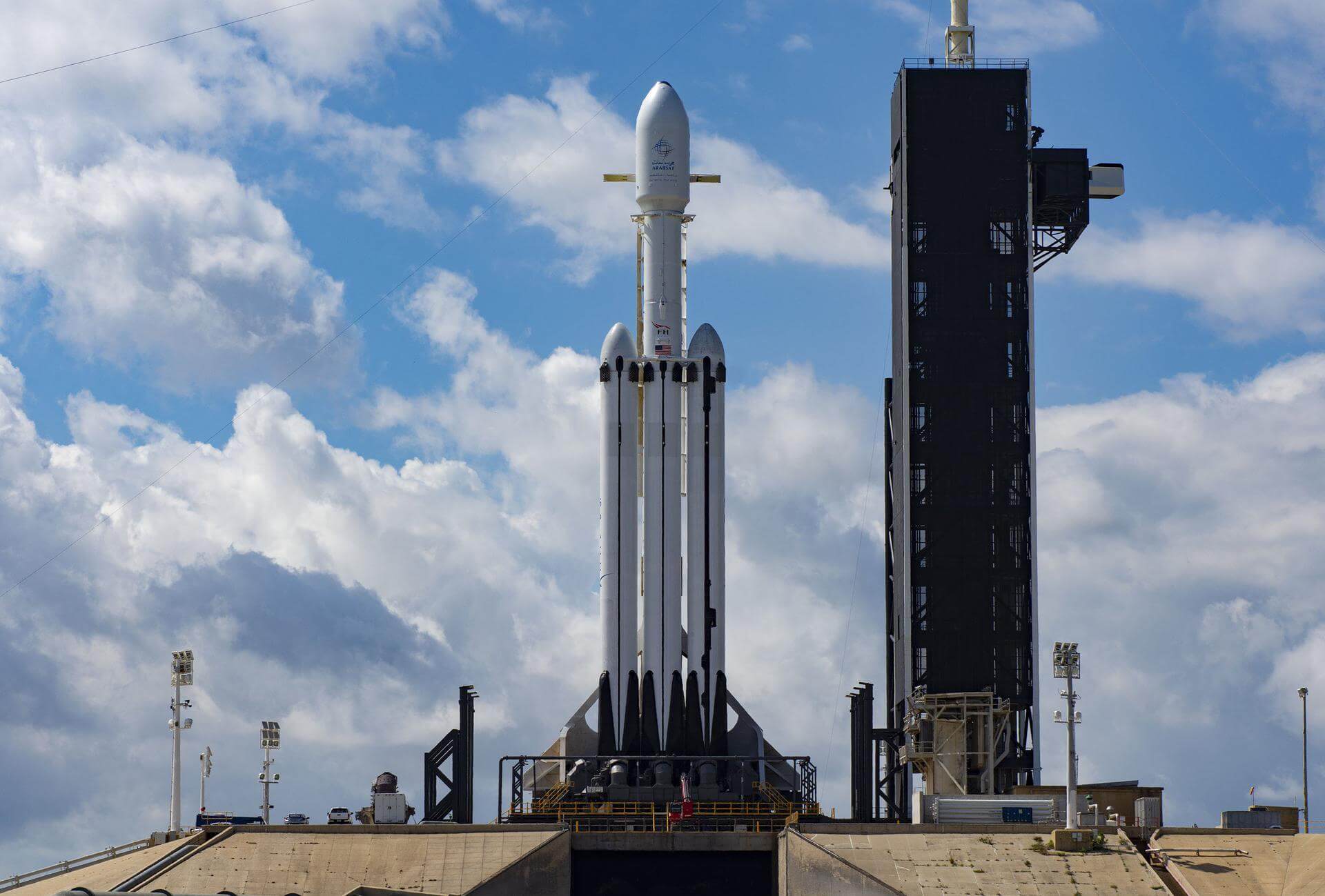
Provider: SpaceX Date: August 30, 2026 Time: 11:26 AM UTC Vehicle: Falcon Heavy
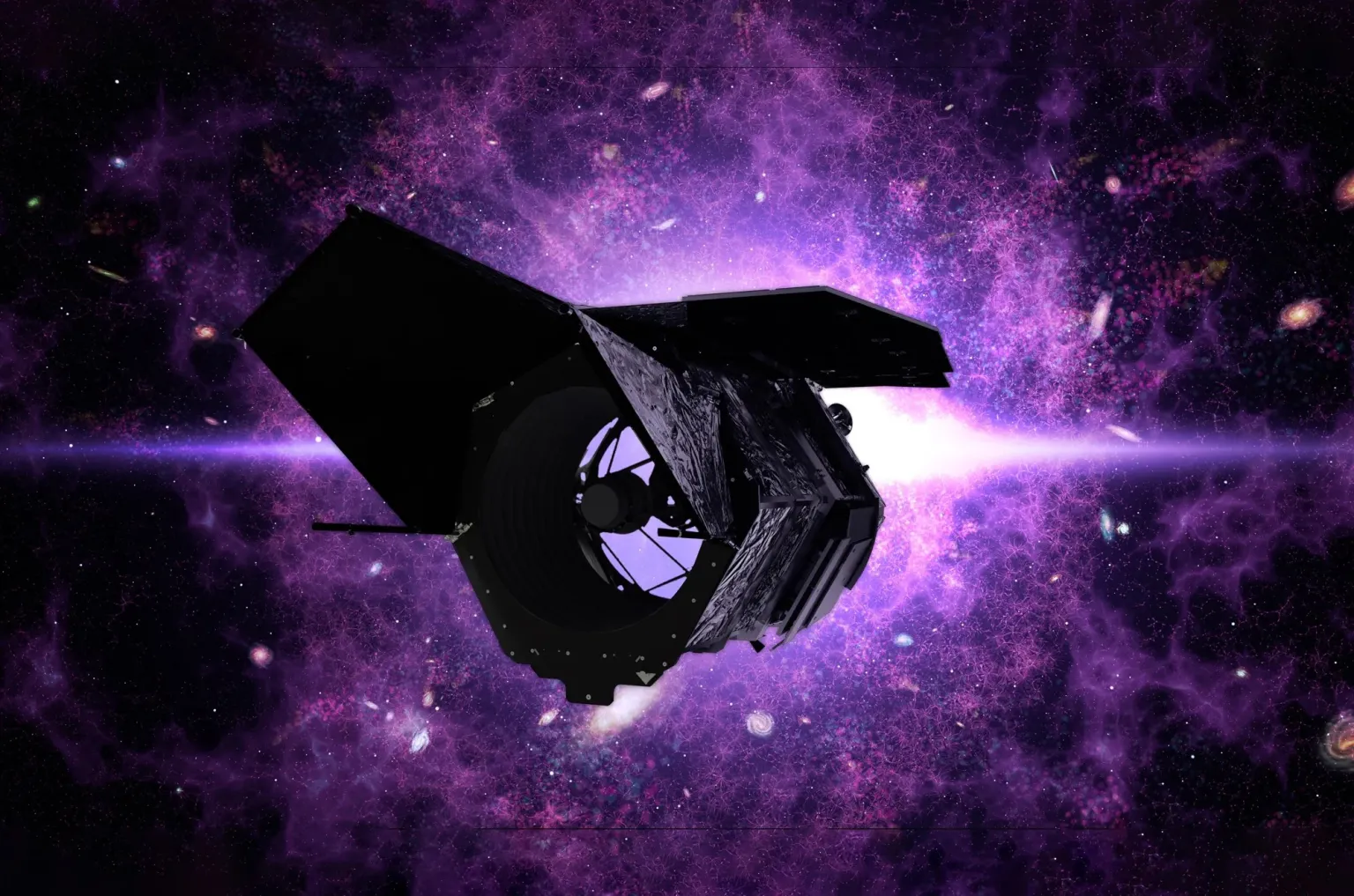
The Nancy Grace Roman Space Telescope is a NASA infrared space telescope with a 2.4 m (7.9 ft) wide field of view primary mirror and two scientific instruments. The Wide-Field Instrument (WFI) is a 300.8-megapixel multi-band visible and near-infrared camera, providing a sharpness of images comparable to that achieved by the Hubble Space Telescope over a 0.28 square degree field of view, 100 times larger than imaging cameras on the Hubble. The Coronagraphic Instrument (CGI) is a high-contrast, small field of view camera and spectrometer covering visible and near-infrared wavelengths using novel starlight-suppression technology. Roman objectives include a search for extra-solar planets using gravitational microlensing, and probing the expansion history of the Universe and the growth of cosmic structure, with the goal of measuring the effects of dark energy, the consistency of general relativity, and the curvature of spacetime.
Unknown Payload ×
Mission Details
TypeUnknown
OrbitUnknown
TargetEarth
Details TBD.
Launch Provider: China Aerospace Science and Technology Corporation
The Long March 6C is a Chinese launch vehicle of the Long March family, which was developed by the China Aerospace Science and Technology Corporation (CASC) and the Shanghai Academy of Spaceflight Technology (SAST). The vehicle is a further development of the Long March 6A, with its solid rocket…
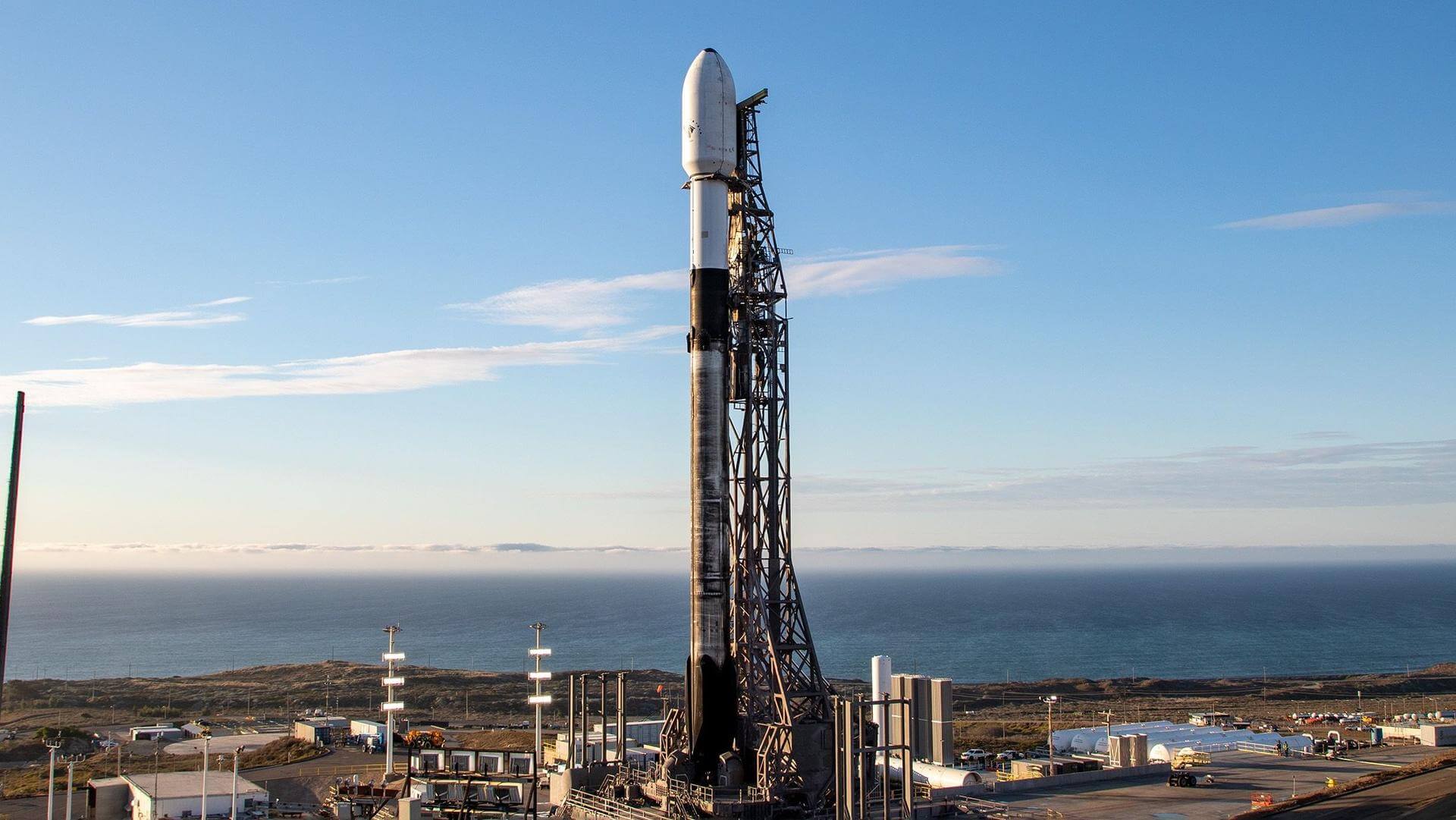
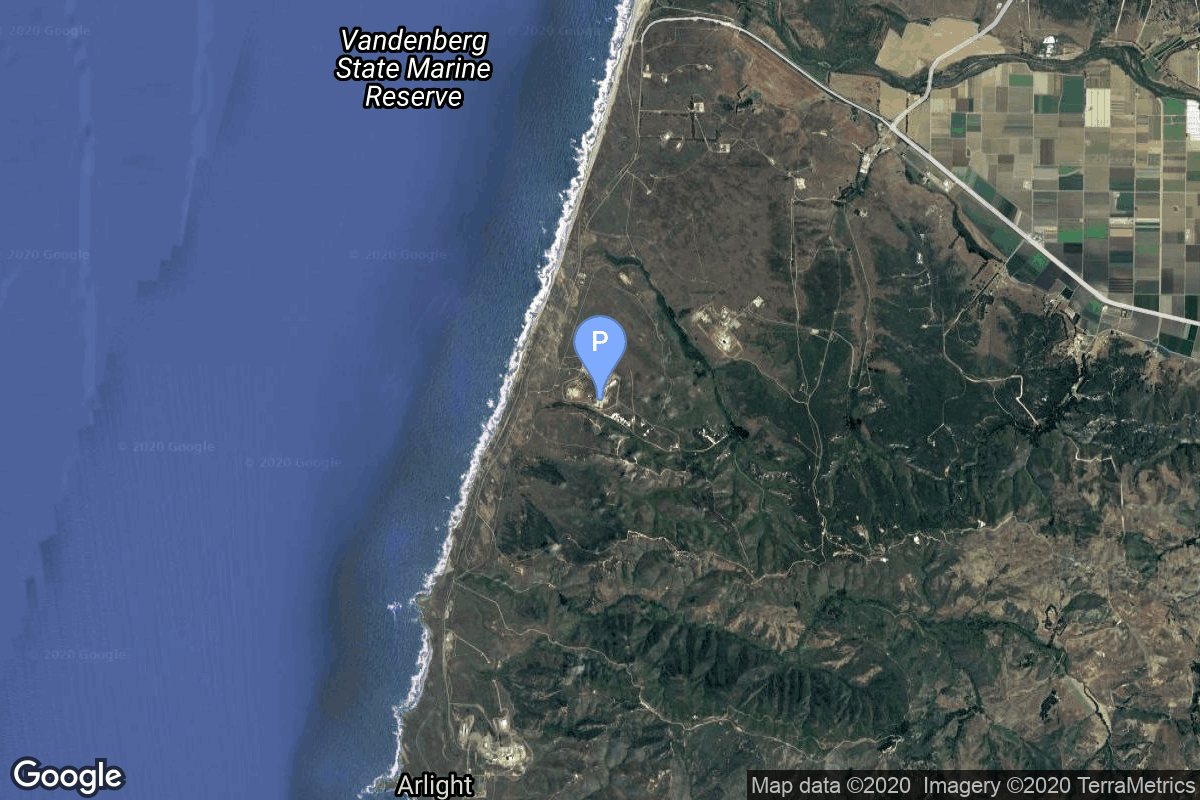
Falcon 9 is a two-stage rocket designed and manufactured by SpaceX for the reliable and safe transport of satellites and the Dragon spacecraft into orbit. The Block 5 variant is the fifth major interval aimed at improving upon the ability for rapid reusability.
Falcon 9 is a two-stage rocket designed and manufactured by SpaceX for the reliable and safe transport of satellites and the Dragon spacecraft into orbit. The Block 5 variant is the fifth major interval aimed at improving upon the ability for rapid reusability.
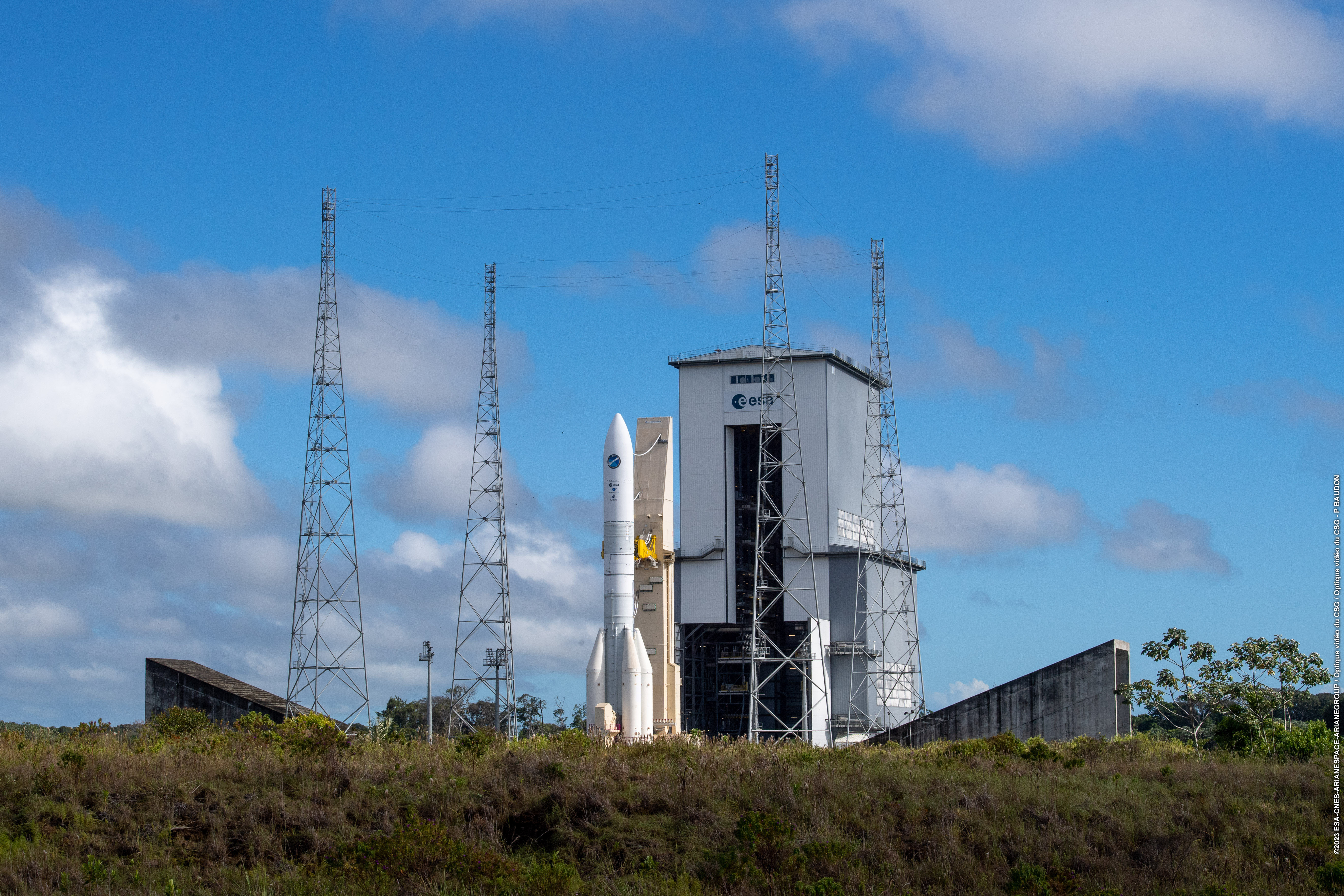
ELA-4, is a launch pad and associated facilities at the Centre Spatial Guyanais in French Guiana. The complex is composed of a launch pad with mobile gantry, an horizontal assembly building and a…
The Ariane 6 family is currently under development by the European Space Agency, with two variations including the Ariane 62 with two solid boosters intended for government and scientific missions.
The Nancy Grace Roman Space Telescope is a NASA infrared space telescope with a 2.4 m (7.9 ft) wide field of view primary mirror and two scientific instruments. The Wide-Field Instrument (WFI) is a 300.8-megapixel multi-band visible and near-infrared camera, providing a sharpness of images comparable to that achieved by the Hubble Space Telescope over a 0.28 square degree field of view, 100 times larger than imaging cameras on the Hubble. The Coronagraphic Instrument (CGI) is a high-contrast, small field of view camera and spectrometer covering visible and near-infrared wavelengths using novel starlight-suppression technology. Roman objectives include a search for extra-solar planets using gravitational microlensing, and probing the expansion history of the Universe and the growth of cosmic structure, with the goal of measuring the effects of dark energy, the consistency of general relativity, and the curvature of spacetime.
OperatorNational Aeronautics and Space Administration
The Nancy Grace Roman Space Telescope is a NASA infrared space telescope based on an existing 2.4 m (7.9 ft) wide field of view primary mirror and carrying two scientific instruments. The Wide-Field Instrument (WFI) is a 300.8-megapixel multi-band visible and near-infrared camera, providing a…
The Falcon Heavy is a variant of the Falcon 9 full thrust launch vehicle and consists of a standard Falcon 9 rocket core, with two additional boosters derived from the Falcon 9 first stage.
Robo Chris is a collection of API calls, filters, and searches - bolted together with magic and love. He preforms instructed information gathering, and does a fair bit of writing too. Everything he creates gets submitted to our editor-in-chief, actual Chris, for approval and publication!























Leave a Reply