Muon Space Hits $1.5 Billion Valuation With $250M Series C
Mountain View, California-based Muon Space has closed a $250 million Series C round, the company announced Aug. 20. Eclipse Capital led the round, valuing the five-year-old satellite manufacturer at $1.5 billion, according to a source — making it one of a growing number of space unicorns to cross the billion-dollar post-money threshold this year.
“As more industries rely on space-based intelligence, communications, and compute, this investment allows us to accelerate the next generation of space infrastructure,” Muon cofounder and CEO Jonny Dyer said in a news release.
Muon has deployed 11 satellites to date, including three this year for a low Earth orbit wildfire-monitoring system developed with nonprofit Earth Fire Alliance. More than 50 satellites are now in development for customers, with 13 booked for launch over the next year, Muon president Greg Smirin told SpaceNews. More than a dozen of those spacecraft are tied to recently signed commercial and U.S. government customers that have not yet been announced.
The company recently opened a manufacturing facility in San Jose designed to produce up to 500 satellites a year by 2027, a tenfold increase over its previous capacity. Satellites deployed so far have centred on platforms in the 200-kilogram class or smaller. Next year, Muon plans to deploy its first 500-kilogram MuSat XL spacecraft for Hubble Network, a Seattle-based venture planning a 60-strong constellation to connect up to a billion Bluetooth devices from space worldwide.
In June, Muon unveiled an even larger Starship-class platform called Condor-Ultra, initially offering 20 kilowatts of baseline power and more than 18 square metres of nadir payload area for orbital data centers. The company aims to debut Condor-Ultra in 2028 after securing undisclosed customers.
ESA’s FLEX Satellite Fuelled Ahead of September Launch
ESA’s FLEX satellite has been fuelled at Europe’s Spaceport in French Guiana, clearing a key milestone ahead of its planned launch on 15 September at 03:21 CEST (14 September at 22:21 local time).
The Earth Explorer research satellite carries a Fluorescence Imaging Spectrometer designed to measure the faint glow of fluorescence emitted by plants as they capture light for photosynthesis. That signal, invisible to the naked eye, varies with environmental conditions and plant health, enabling scientists to detect vegetation stress before it becomes apparent on the ground.
FLEX will deliver the first global maps of vegetation fluorescence at a spatial resolution of 300 m × 300 m, providing a new way to assess photosynthetic activity. The data will improve understanding of how carbon moves between plants and the atmosphere, and how photosynthesis drives the carbon and water cycles.
Photosynthesis underpins food production and absorbs huge quantities of carbon dioxide from the atmosphere, yet scientists still have significant gaps in understanding how vegetation responds to drought, heat, changing rainfall and other environmental stresses. FLEX is intended to help close that gap.
Expedition 75 Crew Cleans Up After Station Spacewalk
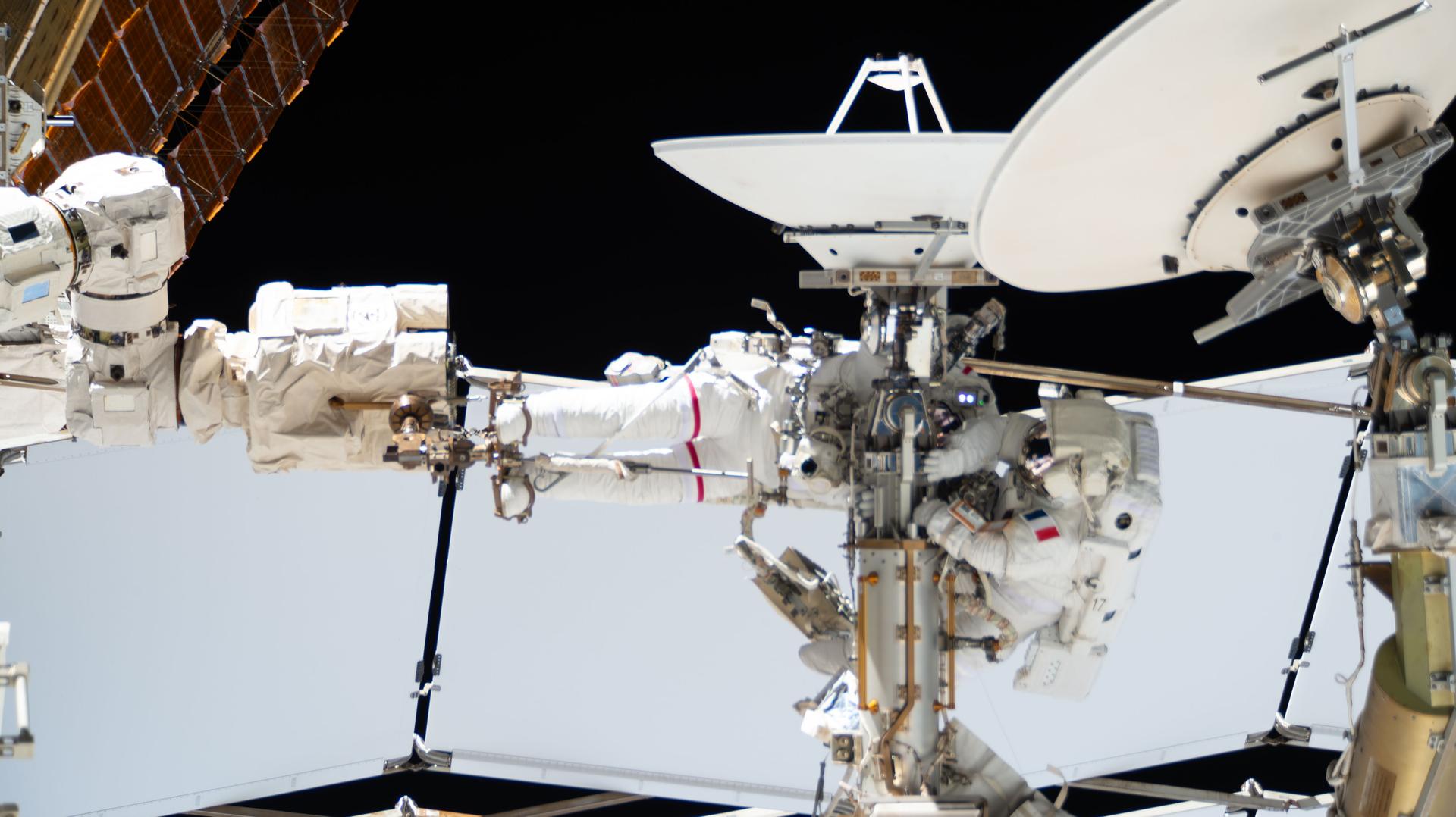
Expedition 75 crew members cleaned up on Aug. 19 after a spacewalk that saw two astronauts uninstall a failed antenna outside the International Space Station.
Flight engineers Anil Menon of NASA and Sophie Adenot of ESA completed the six-hour and 23-minute spacewalk on Aug. 18. The duo disconnected a failed high-speed antenna, then secured it with a long-duration tie-down on the orbital outpost’s Z1 truss segment. A spare antenna will be installed in its place on the Z1 during a future spacewalk.
Inside the station, the rest of the crew continued microgravity research exploring the circulatory system, studying artificial intelligence, and photographing the Earth.
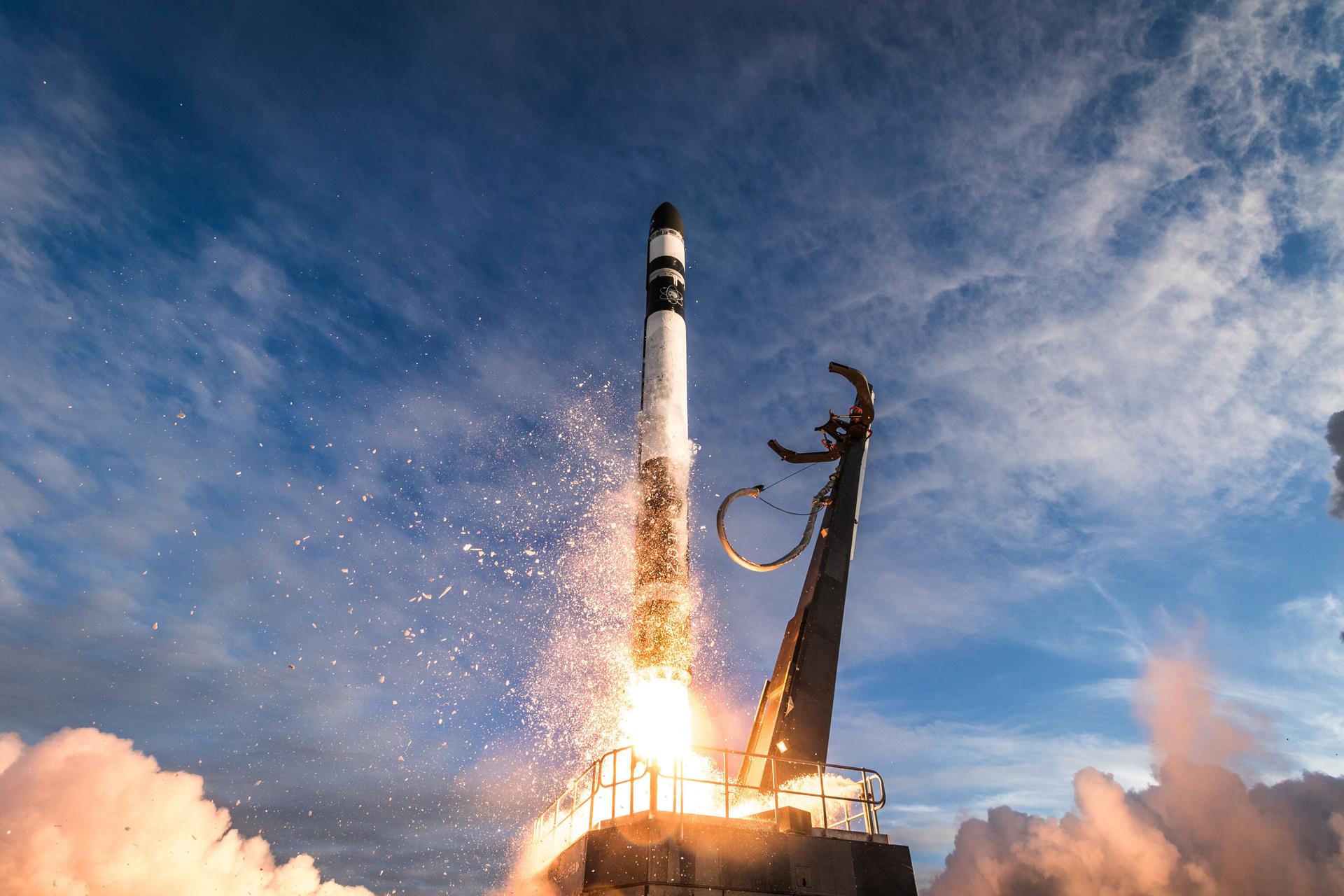
Provider: Rocket Lab Date: August 20, 2026 Time: 1:00 PM UTC Vehicle: Electron
Synthetic aperture radar Earth observation satellite for Japanese Earth imaging company iQPS.
Starlink Group 10-39
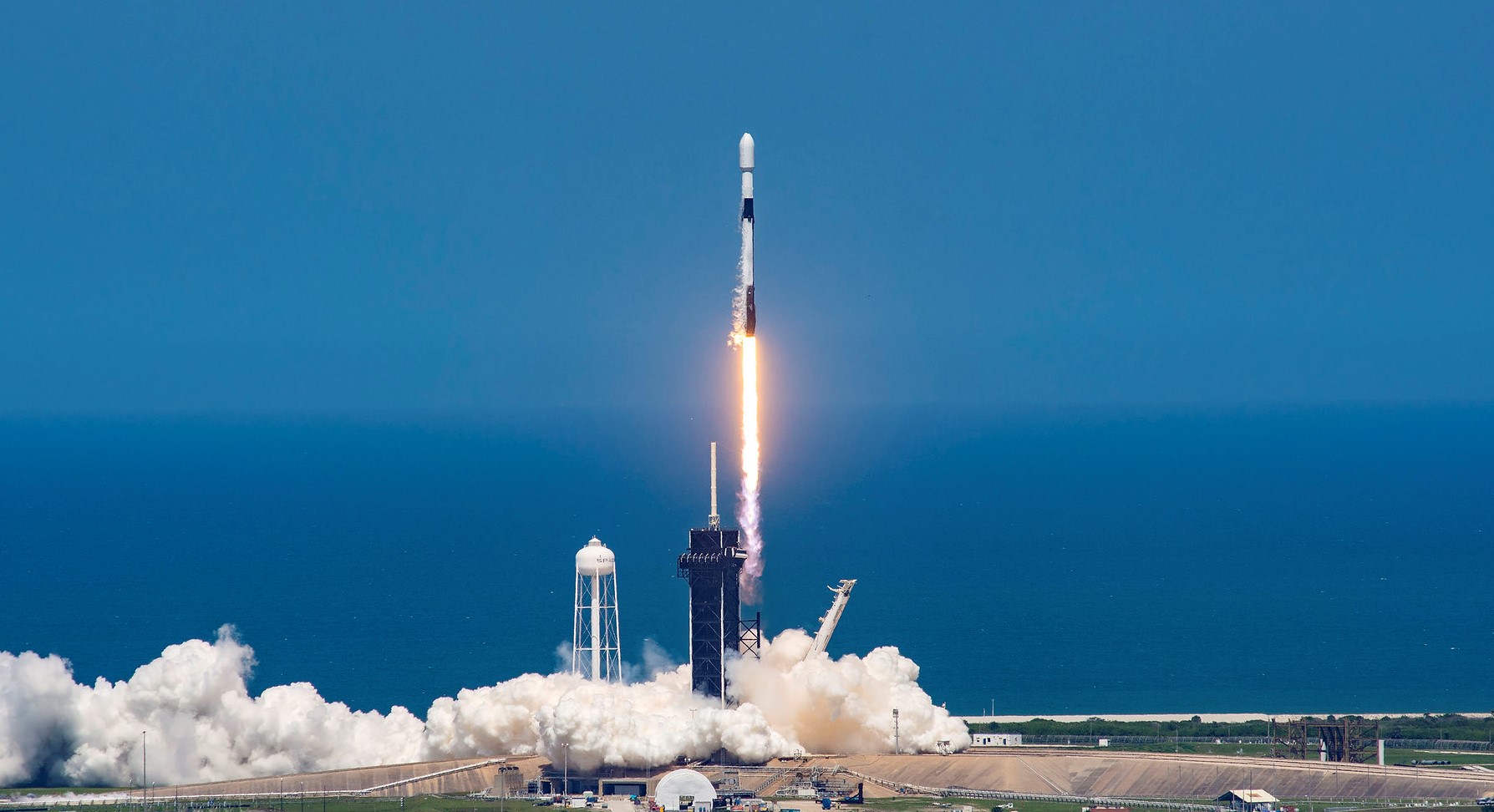
Provider: SpaceX Date: August 20, 2026 Time: 3:38 PM UTC Vehicle: Falcon 9
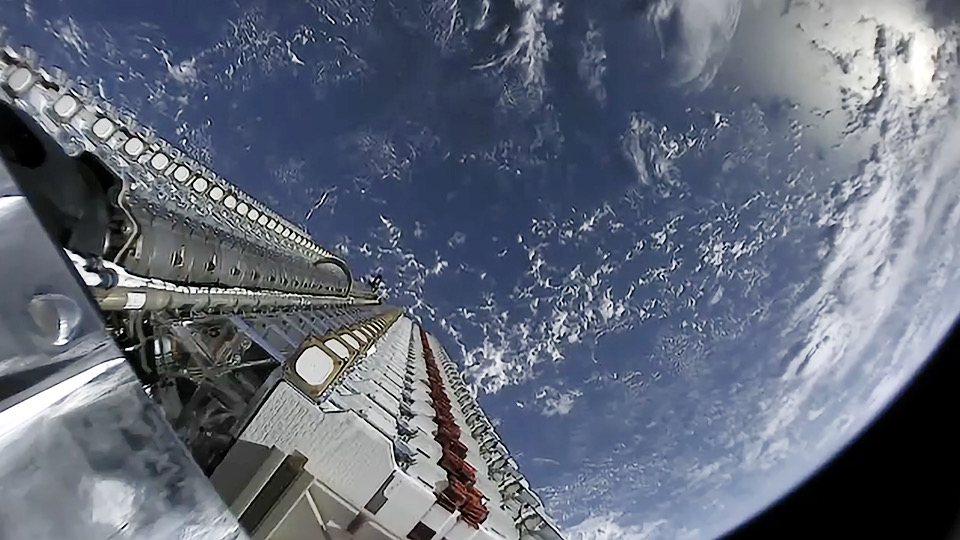
A batch of 29 satellites for the Starlink mega-constellation – SpaceX’s project for space-based Internet communication system.
Starlink Group 15-20
Provider: SpaceX Date: August 22, 2026 Time: 7:25 AM UTC Vehicle: Falcon 9
A batch of 27 satellites for the Starlink mega-constellation – SpaceX’s project for space-based Internet communication system.
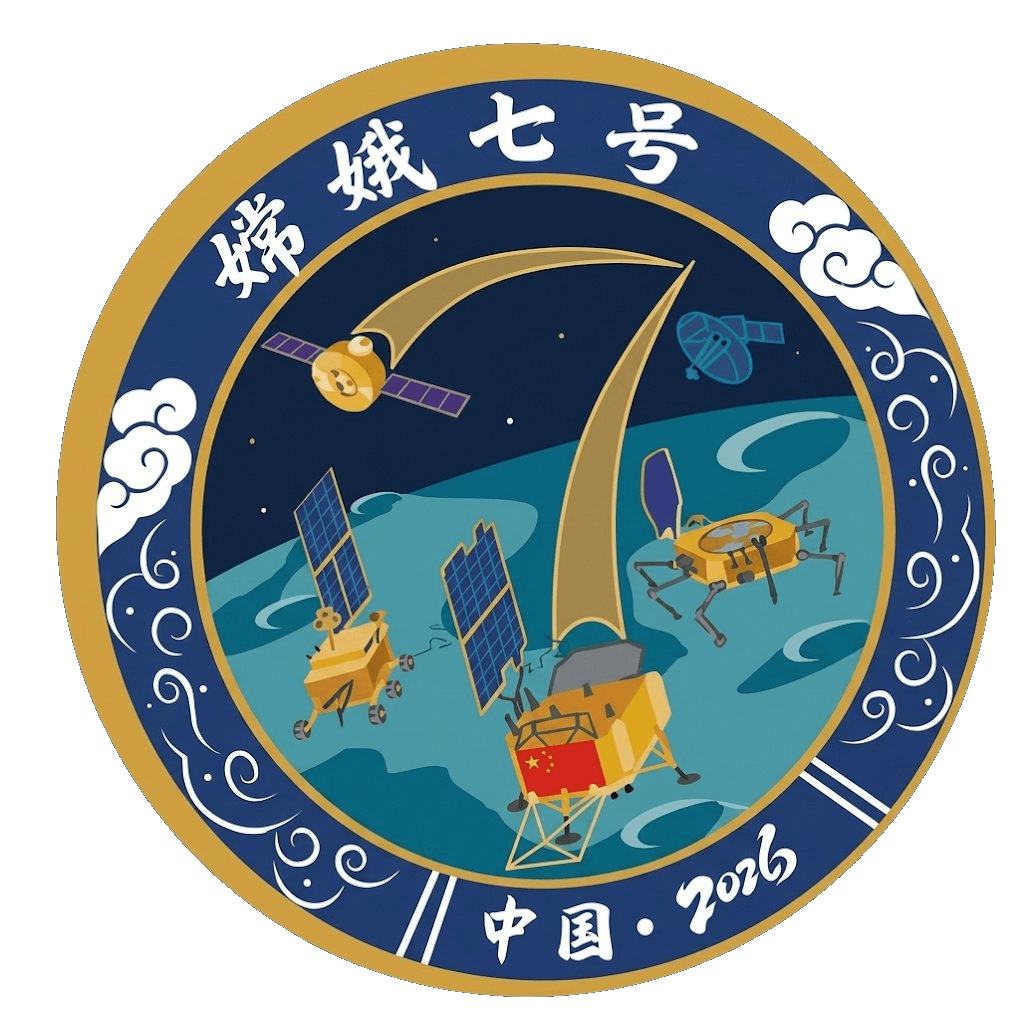
Chang’e 7
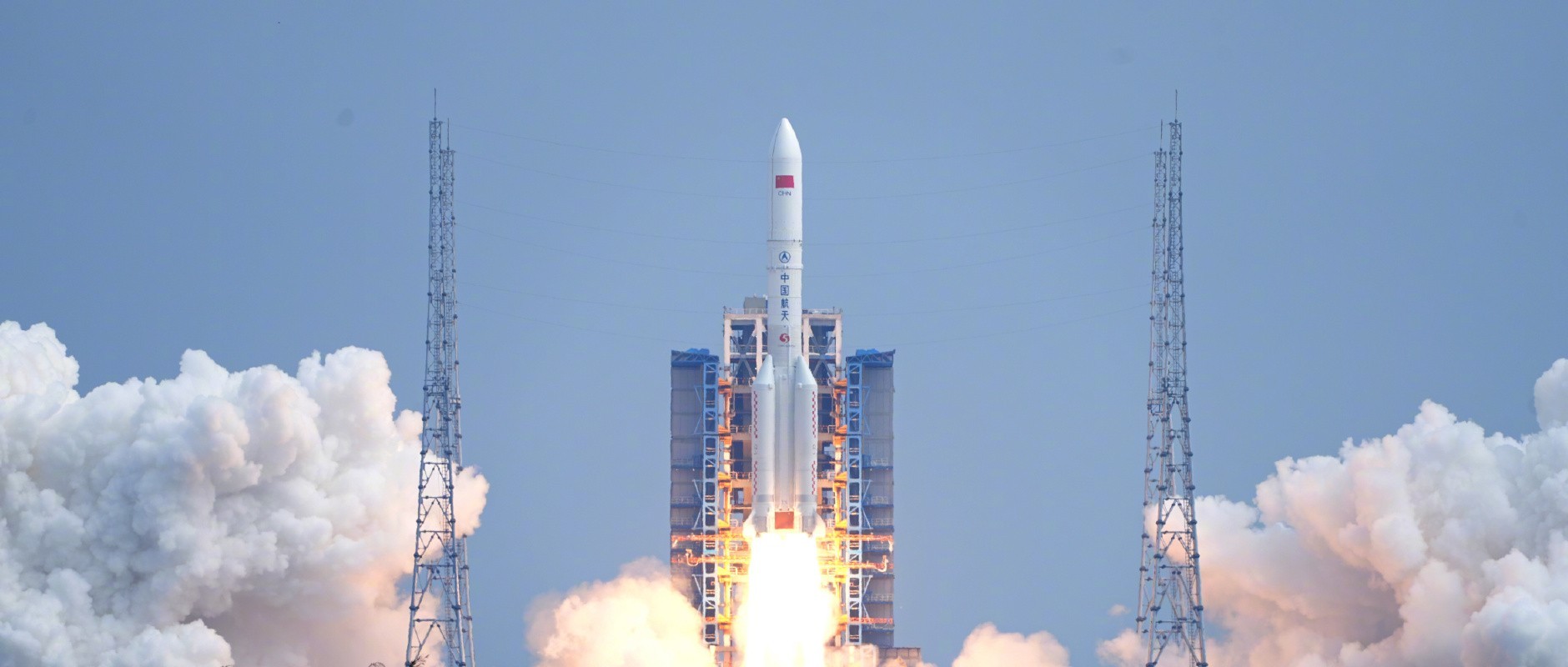
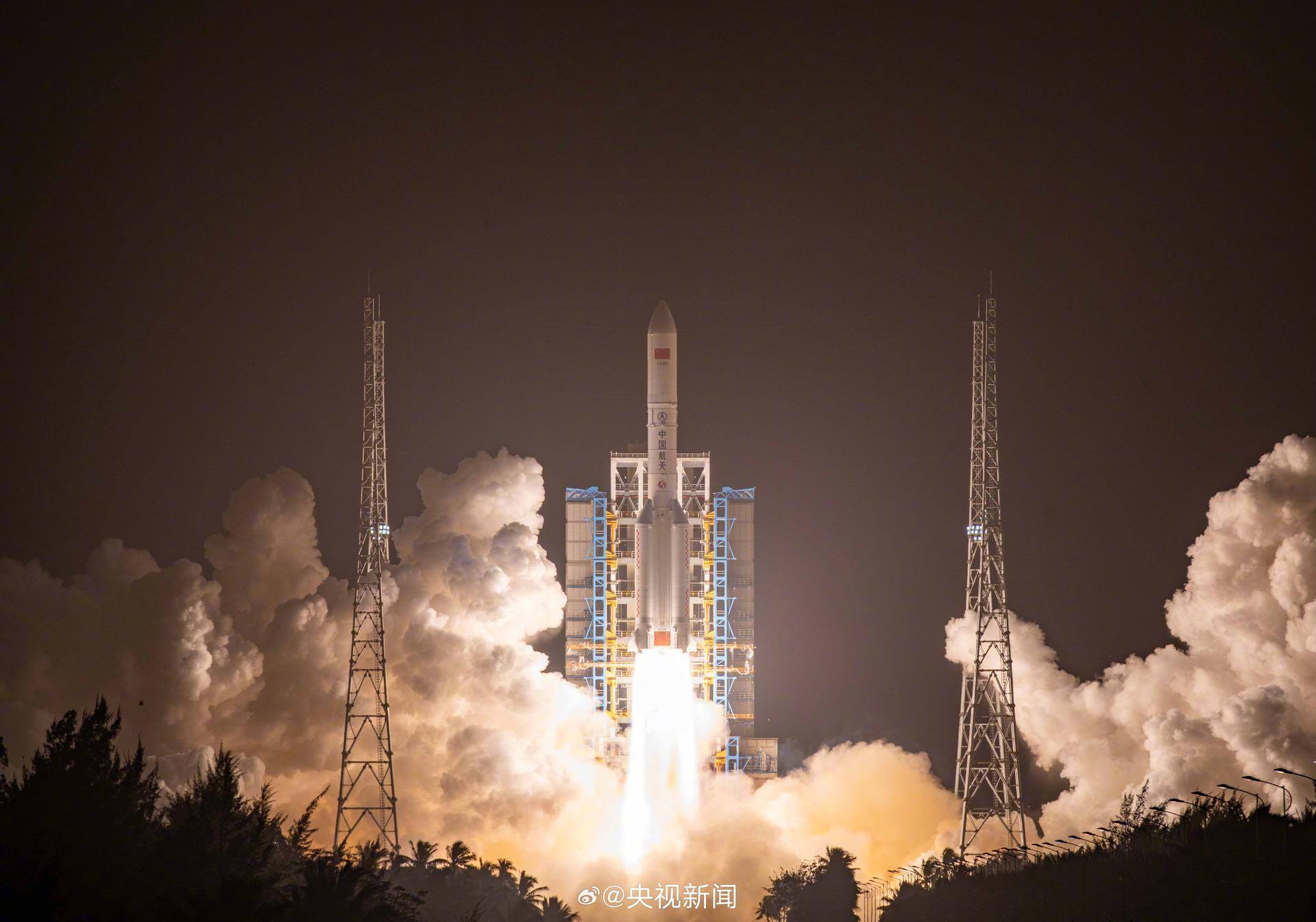
Provider: China Aerospace Science and Technology Corporation Date: August 24, 2026 Time: 12:00 AM UTC Vehicle: Long March 5
Chang’e 7/CE-7 is scheduled to launch in 2026, including an orbiter, a lander, a mini-hopping probe, and a rover. The mission will land in the South Pole regions of the Moon to study lunar surface environment around the South Pole, especially in looking for water ice in lunar soil.
Starlink Group 10-49
Provider: SpaceX Date: August 25, 2026 Time: 5:49 AM UTC Vehicle: Falcon 9
A batch of 29 satellites for the Starlink mega-constellation – SpaceX’s project for space-based Internet communication system.
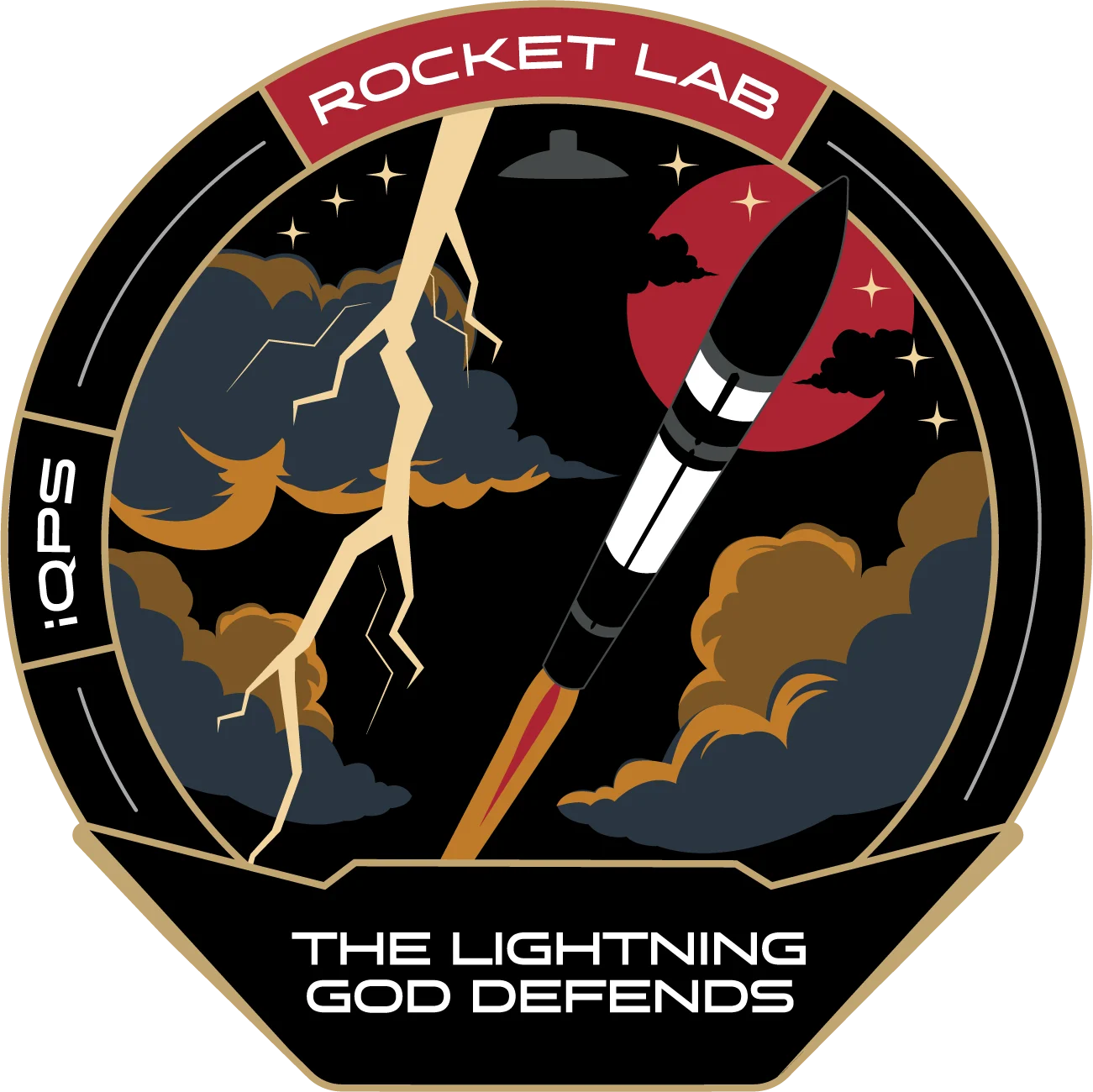
The Lightning God Defends (iQPS Launch 8) ×
Mission Details
TypeEarth Science
OrbitLow Earth Orbit
TargetEarth
Synthetic aperture radar Earth observation satellite for Japanese Earth imaging company iQPS.
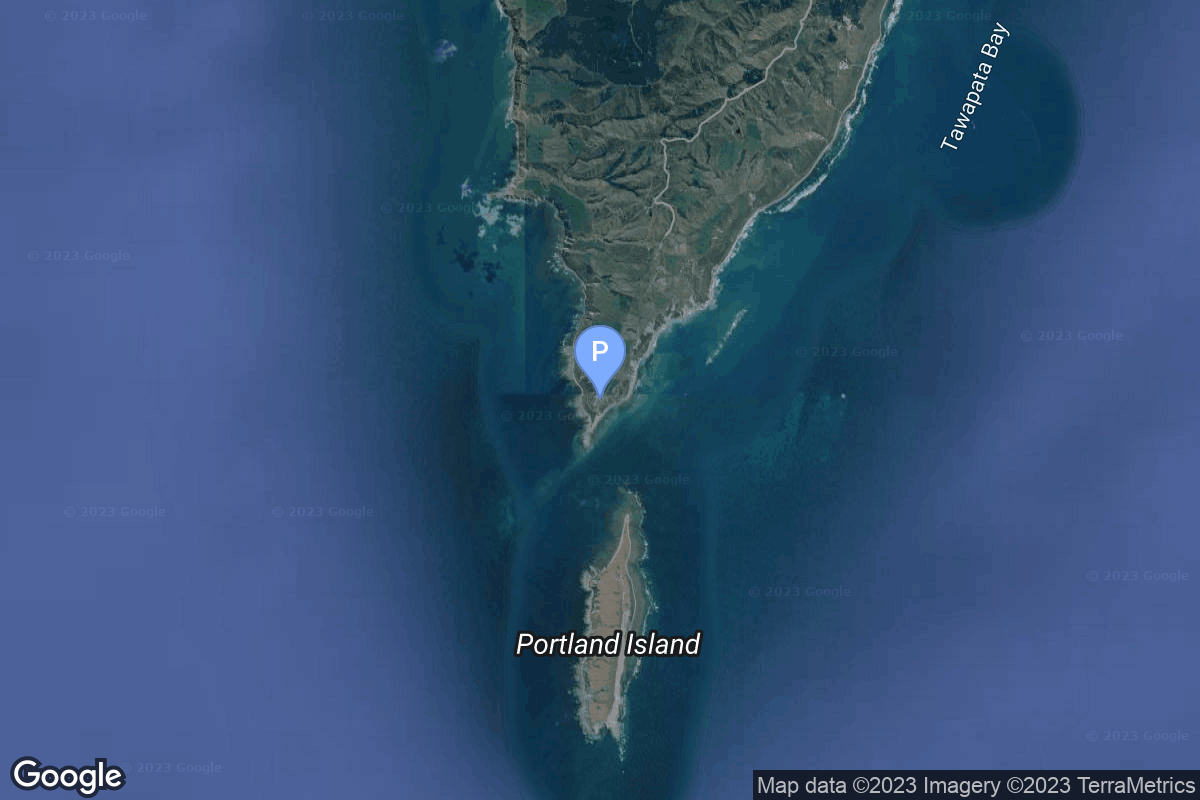
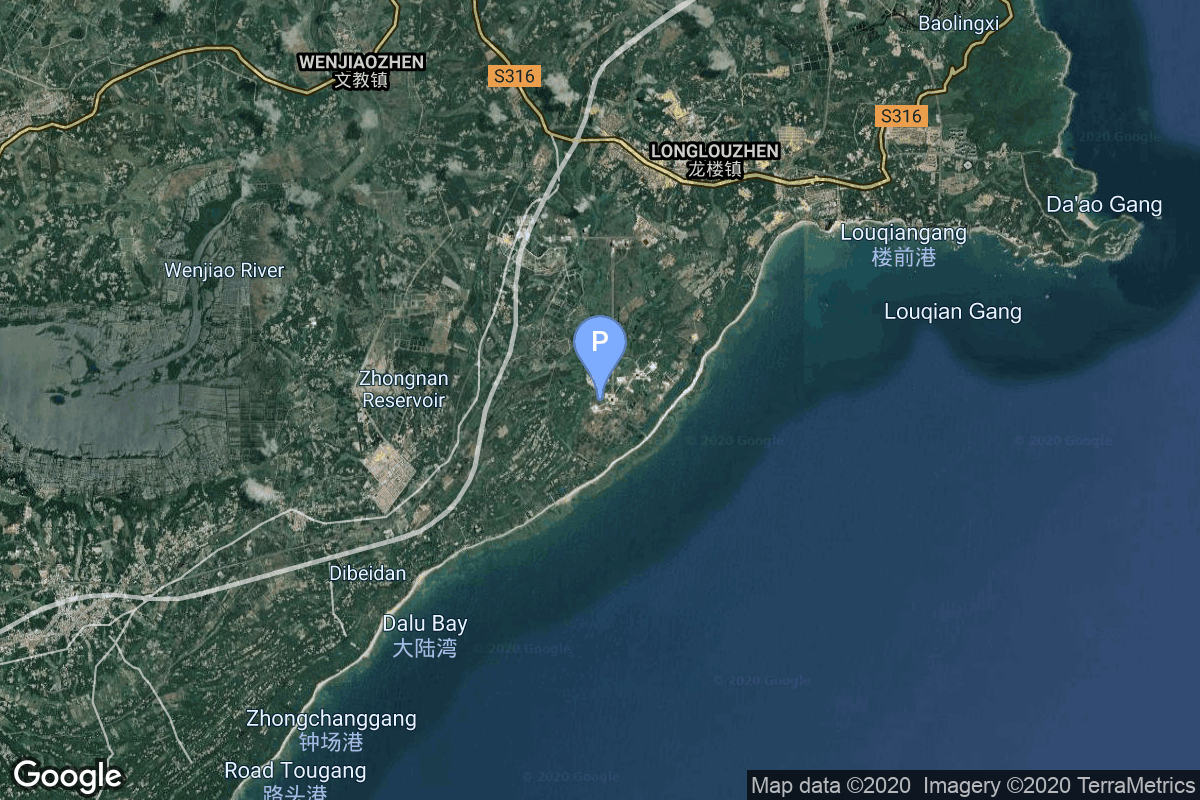
Rocket Lab Launch Complex 1, Mahia Peninsula, New Zealand
Total launches from this pad: 0
Vehicle: Electron
Electron is a two-stage orbital expendable launch vehicle (with an optional third stage) developed by the American aerospace company Rocket Lab. Electron is a small-lift launch vehicle designed to launch small satellites and cubesats to sun-synchronous orbit and low earth orbit. The Electron is the…
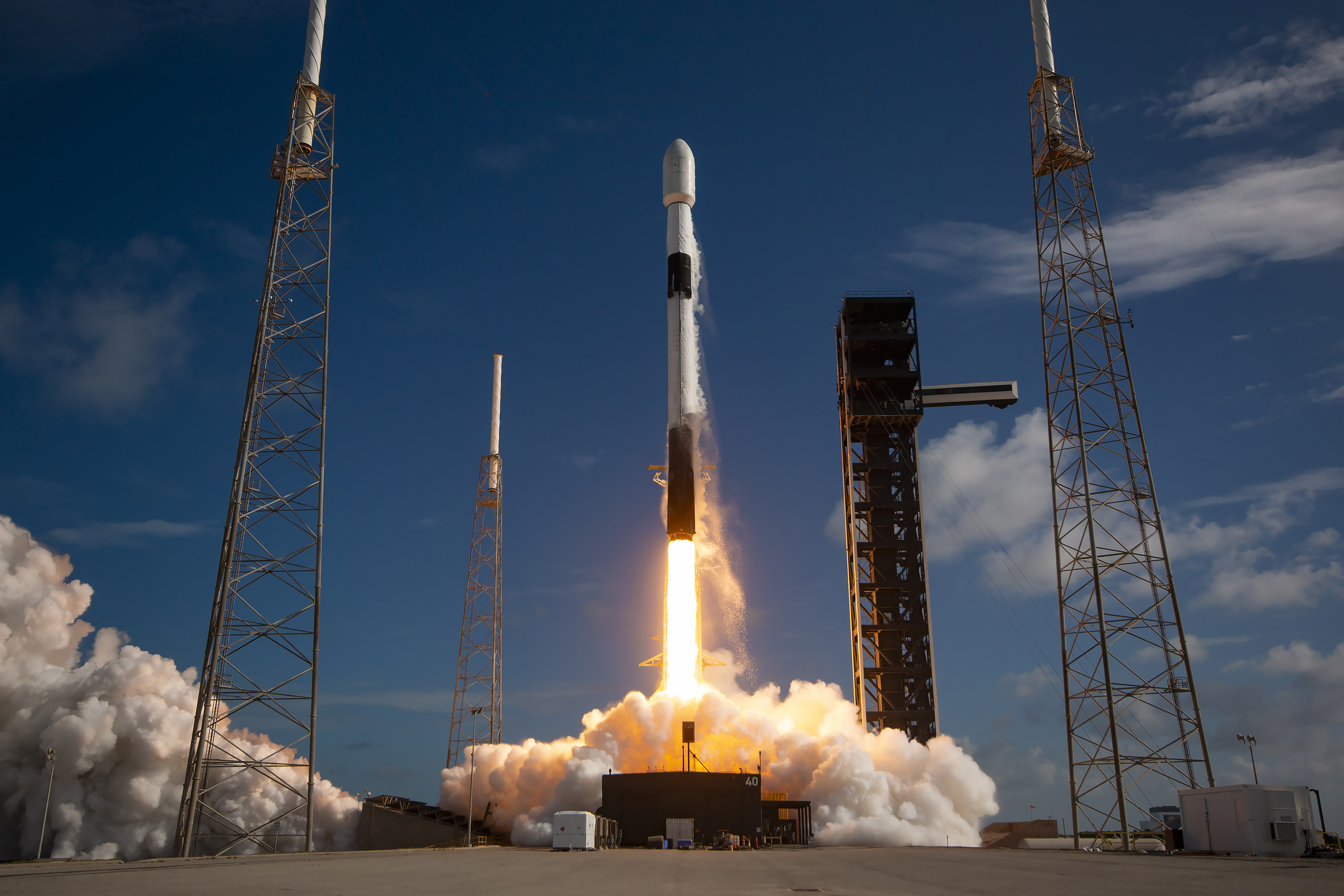
Falcon 9 is a two-stage rocket designed and manufactured by SpaceX for the reliable and safe transport of satellites and the Dragon spacecraft into orbit. The Block 5 variant is the fifth major interval aimed at improving upon the ability for rapid reusability.
Falcon 9 is a two-stage rocket designed and manufactured by SpaceX for the reliable and safe transport of satellites and the Dragon spacecraft into orbit. The Block 5 variant is the fifth major interval aimed at improving upon the ability for rapid reusability.
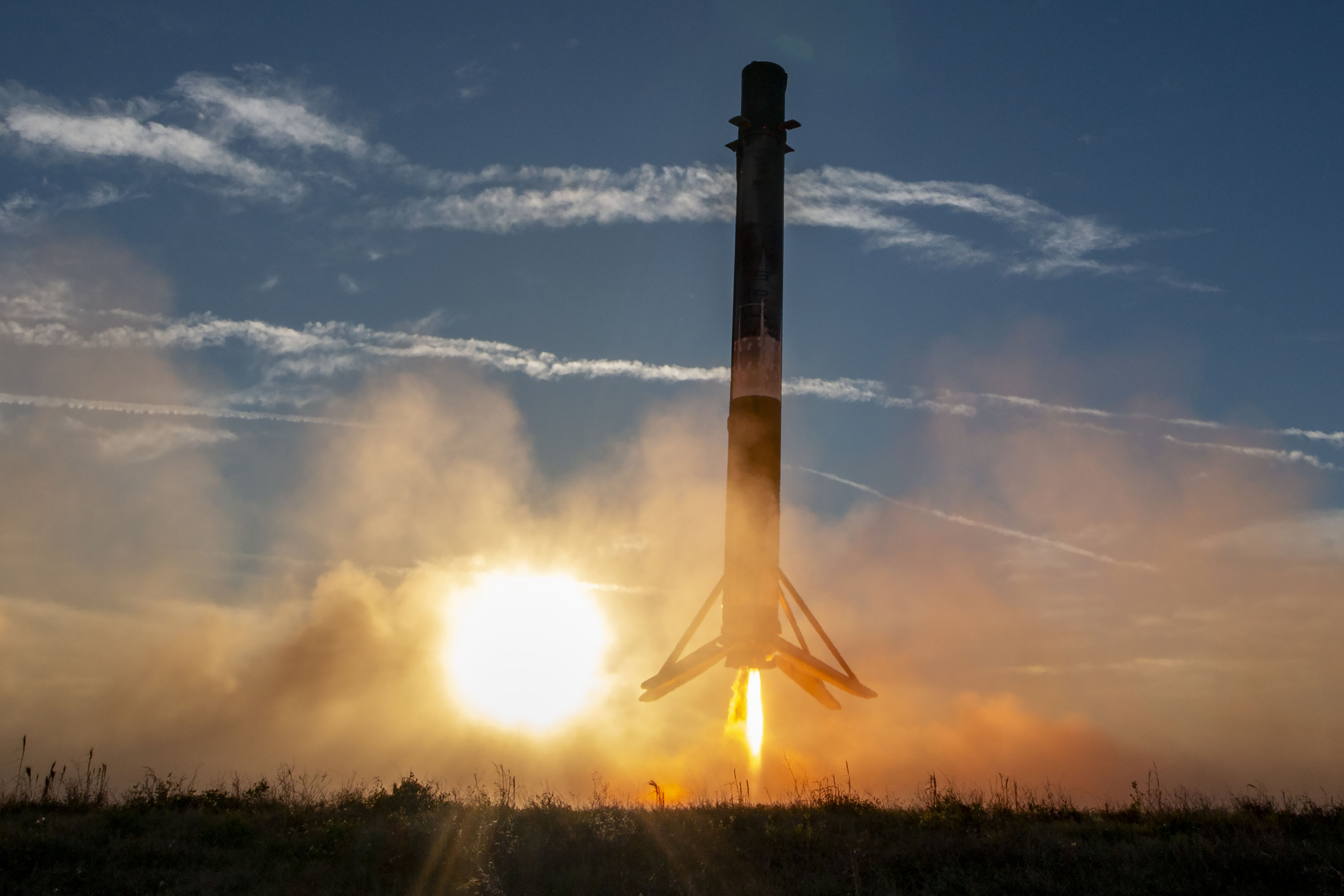
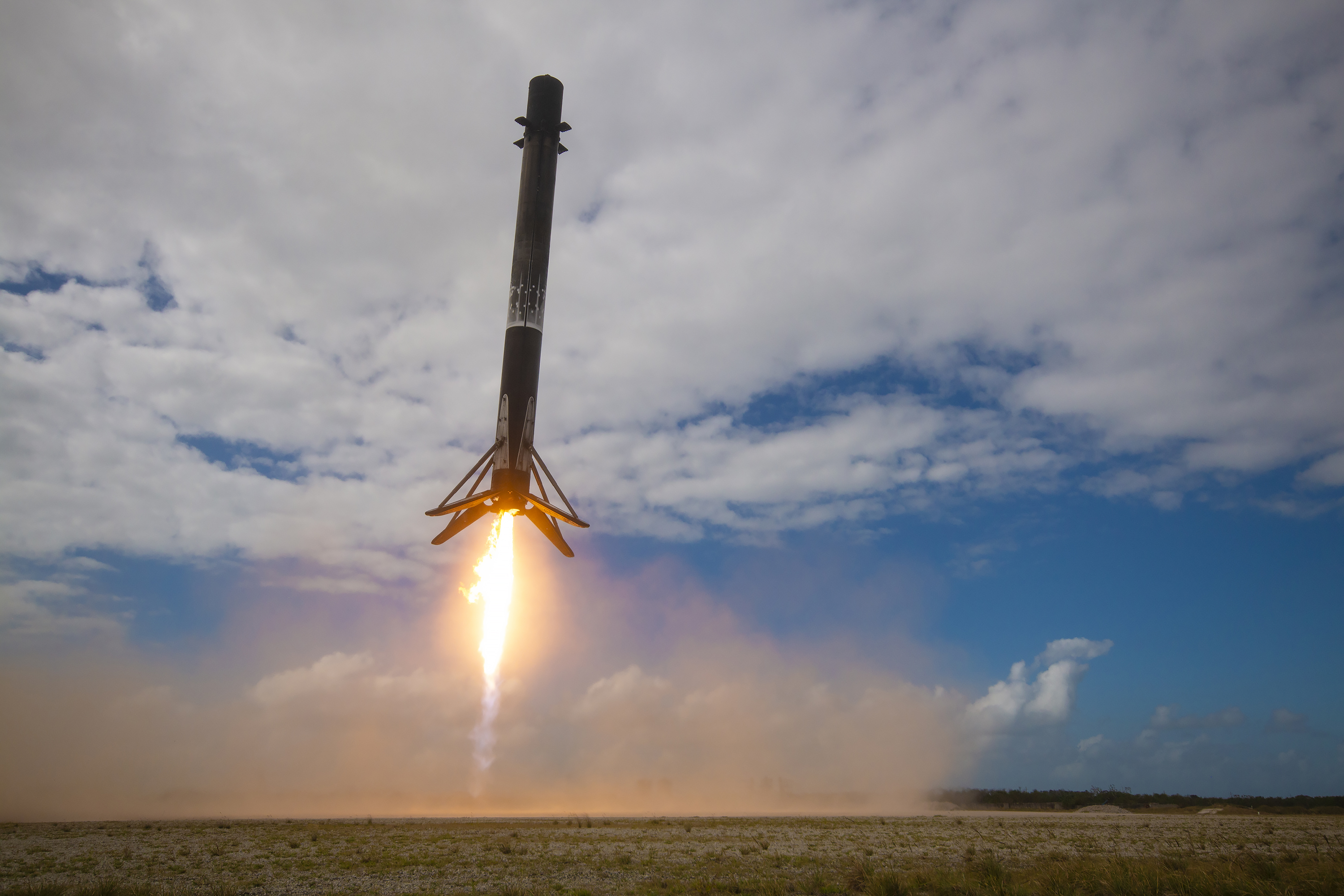
The Falcon 9 first stage B1100 will land on ASDS OCISLY after its 9th flight.
Chang’e 7 ×
Mission Details
TypePlanetary Science
OrbitLunar Orbit
TargetEarth
Chang’e 7/CE-7 is scheduled to launch in 2026, including an orbiter, a lander, a mini-hopping probe, and a rover. The mission will land in the South Pole regions of the Moon to study lunar surface environment around the South Pole, especially in looking for water ice in lunar soil.
Launch Provider: China Aerospace Science and Technology Corporation
Long March 5 is a Chinese heavy lift launch system developed by China Academy of Launch Vehicle Technology (CALT). CZ-5 is the first Chinese vehicle designed from the ground up to focus on non-hypergolic liquid rocket propellants. Currently, two CZ-5 vehicle configurations are planned, with maximum…
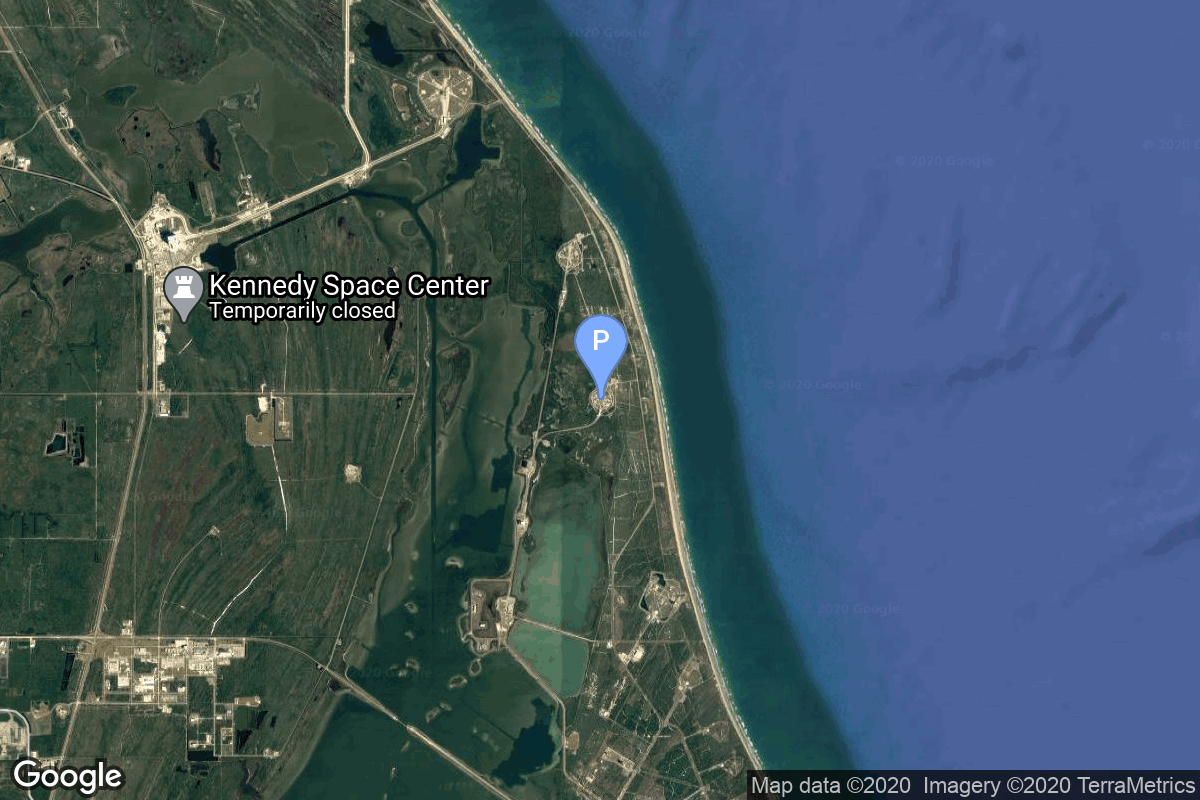
Falcon 9 is a two-stage rocket designed and manufactured by SpaceX for the reliable and safe transport of satellites and the Dragon spacecraft into orbit. The Block 5 variant is the fifth major interval aimed at improving upon the ability for rapid reusability.
Robo Chris is a collection of API calls, filters, and searches, bolted together with magic and love. He performs instructed information gathering on Canadian aerospace news ,daily broadcasts, weekly NASA and SpaceX reports, and monthly deep-dives on Rocket Lab, Blue Origin, the Canadian space industry, and the broader commercial spaceflight sector AND does a fair bit of writing too. Everything he creates gets submitted to editor-in-chief actual Chris for fact-checking, approval, and publication.