
Rocket Lab Roundup: Rocket Lab Wins $663M in Space Force Contracts, Unveils GHOST
Military Momentum: $663 Million in Space Force Contracts
Rocket Lab spent August cementing its role as a critical defence contractor, securing $663 million across two landmark Space Force awards. On August 4, the company won a $397 million contract to develop, launch, and operate Flatellites — next-generation flat satellites designed for the Space-Based Airborne Moving Target Indicator (SB-AMTI) program. These spacecraft will provide persistent, real-time tracking of airborne threats across contested regions, launching on Rocket Lab’s Neutron medium-lift vehicle.
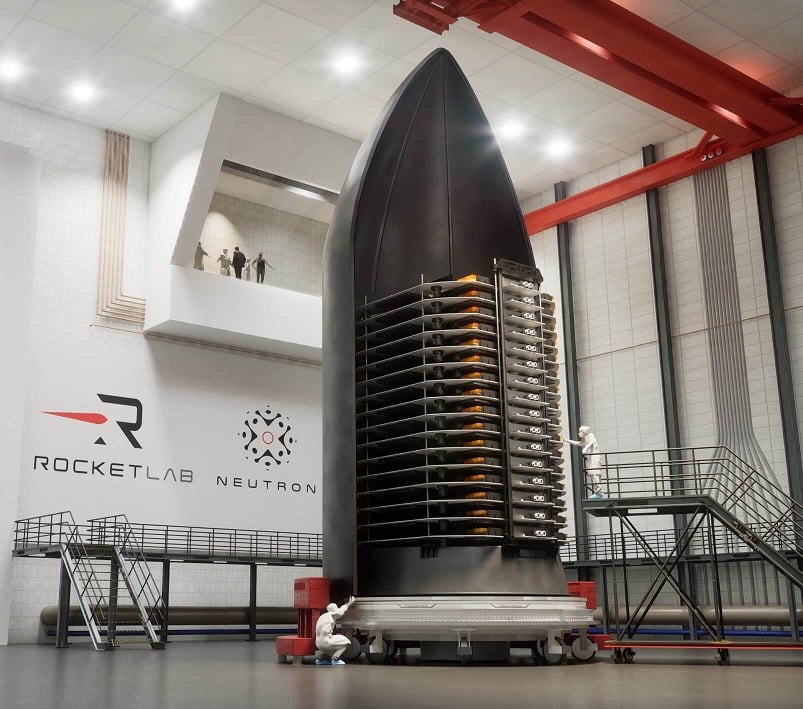
The SB-AMTI contract reflects the Space Force’s strategy to distribute its sensing mission across multiple vendors and technical approaches, avoiding dependence on a single contractor. In parallel, Rocket Lab secured a $266 million multi-launch agreement under the Space Force’s Rocket Systems Launch Program (RSLP) for 12 suborbital missions, with up to six additional launches. These missions will primarily operate from a new Launch Complex 4 at Alaska’s Pacific Spaceport, complementing Rocket Lab’s existing launch pads in New Zealand and Virginia — giving the company six total operational launch pads across two hemispheres.
The company also advanced its role in satellite architecture through contracts with Viasat and the Space Data Network Consortium. Viasat selected Rocket Lab to build a GEO satellite bus based on Rocket Lab’s Lightning spacecraft platform for the Protected Tactical SATCOM-Global (PTS-G) program, designed to deliver anti-jam communications to warfighters in contested environments. Meanwhile, the Space Force’s Space Systems Command onboarded Rocket Lab into the Space Data Network Consortium and awarded $12 million in delivery orders for demonstrating optical communications interoperability using a Photon spacecraft, scheduled for 2027.
Neutron Bookings Climb, Timeline Slips to 2027
While Neutron’s maiden flight remains on hold, commercial demand for the medium-lift vehicle continues to grow. Kepler Communications, a Canadian satellite operator building a next-generation optical relay network, signed a deal with Rocket Lab to book a dedicated Neutron mission no earlier than 2028. This represents Kepler’s first dedicated commercial launch after years of rideshare deployments, offering the operator more control over constellation orbital parameters.
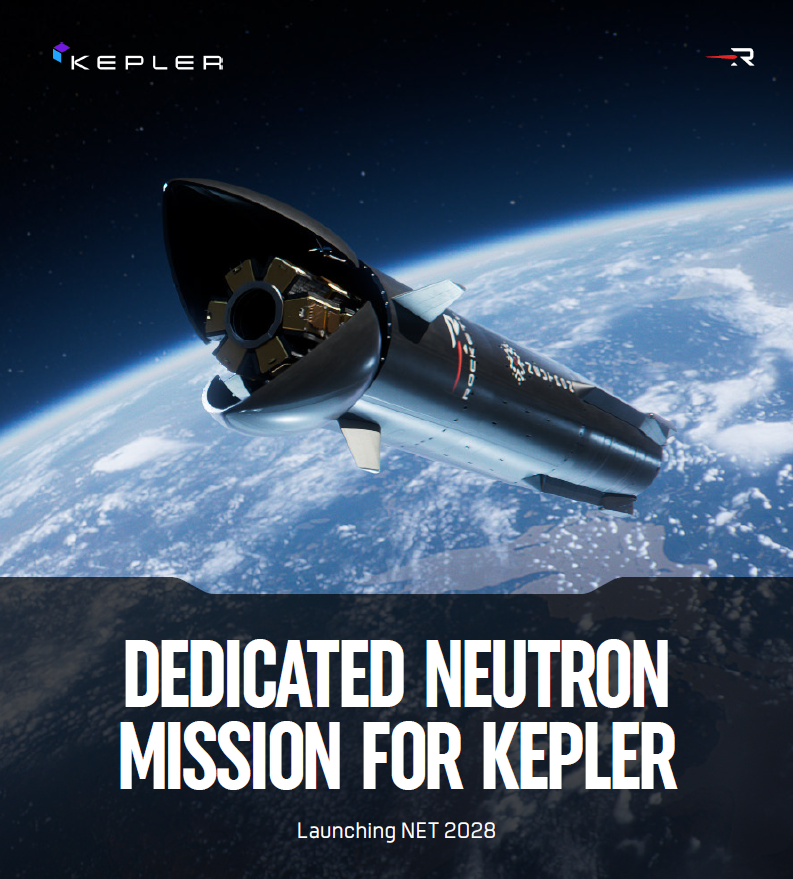
However, Rocket Lab CEO Peter Beck acknowledged on an August 10 earnings call that the window for a 2026 first flight “is narrowing.” While the company still targets delivering Neutron to the launch pad in Q4 2026, the first orbital flight is now expected to slip into 2027. Beck emphasised that the focus is on balancing schedule against ensuring Neutron launches with production-ready maturity, avoiding the kind of pad incidents that have delayed competitors. Static-fire tests and integrated stage testing remain the highest-risk milestones.
GHOST System Transforms Launch Responsiveness
In a bid to capture the military’s push toward responsive, distributed launch, Rocket Lab unveiled GHOST (Global Hypersonic & Orbital Spaceport Technology) on August 10 — a containerised, deployable launch infrastructure that packages Electron and HASTE rockets, ground support, and range control into standard shipping containers. The system enables rapid-activation launches from any location worldwide, opening both suborbital and orbital mission profiles.
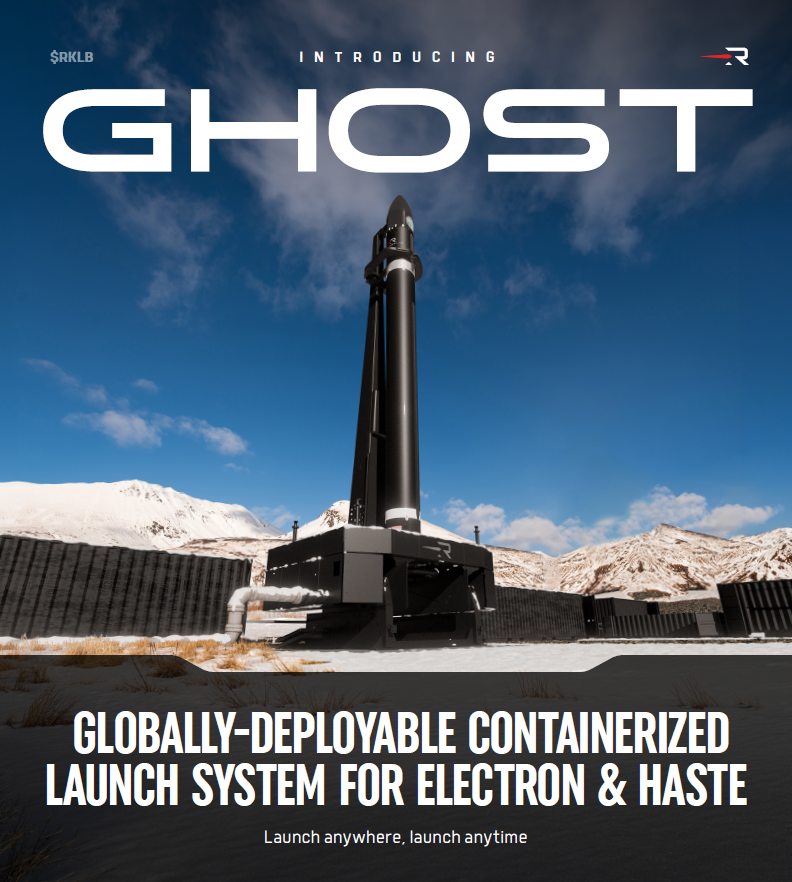
Rocket Lab will debut GHOST operationally at Launch Complex 4 in Kodiak, Alaska, with two pads ready for high-frequency suborbital and orbital launch campaigns beginning in 2027. The system’s dual-rocket capability allows Electron and HASTE to share infrastructure, expanding the mission profiles available to each vehicle and supporting allied nations seeking sovereign launch access without the infrastructure overhead of building permanent ranges.
European Sovereignty: German Hub and Mynaric Integration
Rocket Lab formally established Rocket Lab Germany GmbH on August 10, positioning the company as a sovereign space supplier for Europe. The subsidiary comes on the heels of Rocket Lab’s acquisition of Munich-based Mynaric AG, a provider of laser-optical communications terminals. With Germany now serving as a European manufacturing hub, Rocket Lab plans to scale domestic satellite, payload, and components production to serve Europe’s expanding defence and commercial space demands.
Peter Beck framed the expansion as a direct response to Europe’s strategic autonomy goals. “Europe faces glaring gaps across both launch and spacecraft manufacturing,” he said. “Rocket Lab Germany addresses these directly, combining high-frequency access to space with high-volume satellite production to deploy resilient constellations on rapid timelines.” The company will offer both Electron and Neutron launch services from European soil, ensuring critical European space programmes have assured access without dependence on external launch infrastructure.
Electron Sustains Cadence; iQPS Constellation Grows
Rocket Lab’s workhorse Electron rocket maintained its cadence in August, achieving its 92nd overall mission on August 6 — its 13th flight of the year. Designated “The Grain Goddess Provides,” the mission deployed QPS-SAR-13, the eighth satellite for Japan’s Institute for Q-shu Pioneers of Space (iQPS), which operates a synthetic-aperture-radar Earth-imaging constellation across twelve orbital planes.
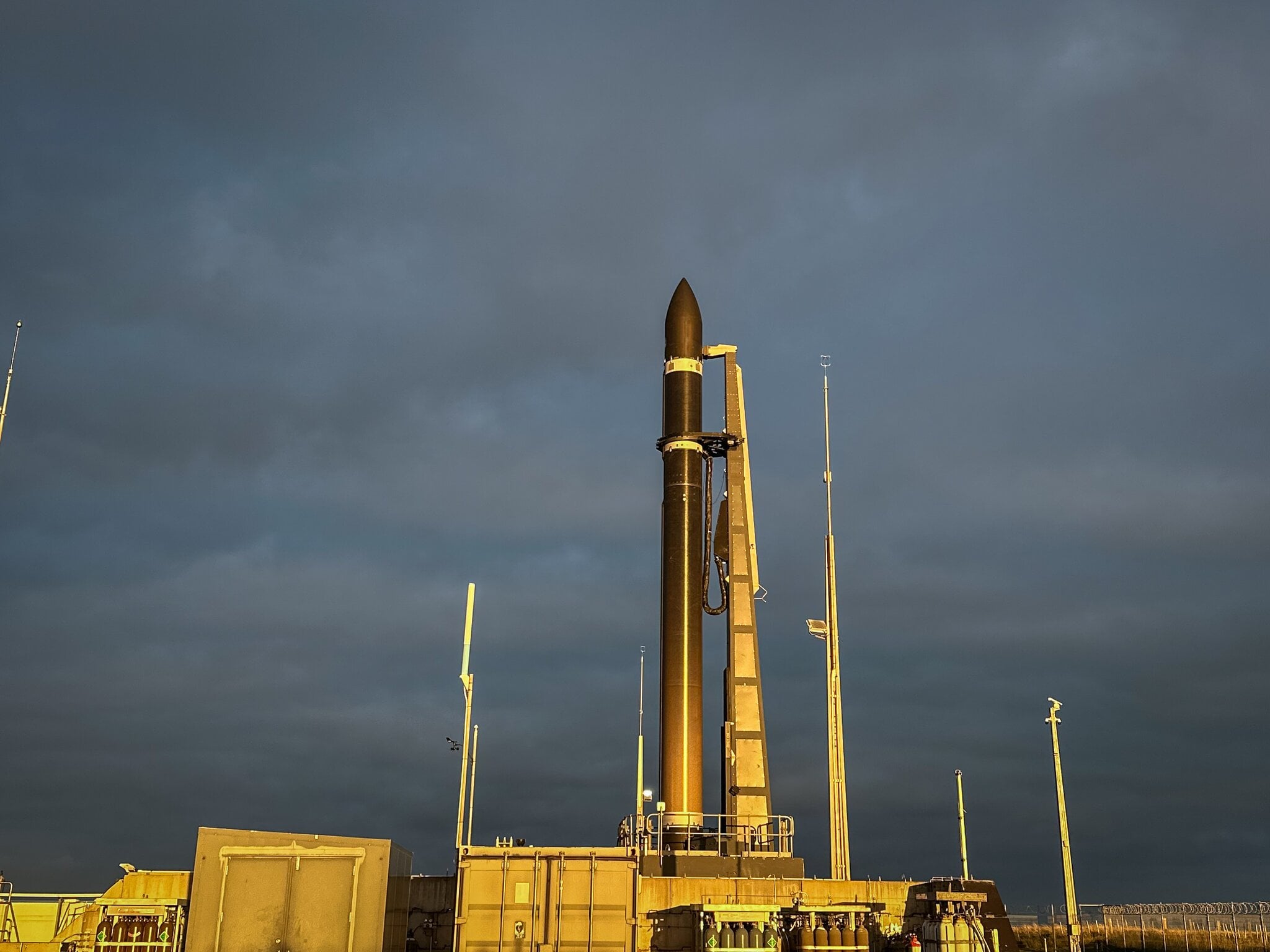
iQPS now has 18 dedicated Electron launches booked, reflecting the constellation operator’s confidence in Rocket Lab’s reliability and rapid launch cadence. On July 30, Rocket Lab announced a three-mission deal with iQPS for late-2027 deployments, including integration of Rocket Lab’s Motorized Lightband satellite separation system. Separately, eight Lightning satellite platforms built for MDA Space in support of Globalstar’s direct-to-device communications service have reached orbit, reinforcing Rocket Lab’s position in the commercial constellation market.
Citations
- “Rocket Lab Awarded Record $266M Missile Defense Contract with U.S. Space Force for Suborbital Launches” — Rocket Lab Official
- “U.S. Space Force Selects Rocket Lab For Space Data Network Consortium, Awarded $12M in Contracts to Support Global Military Communications Network” — Rocket Lab Official
- “Viasat Selects Rocket Lab to Build GEO Satellite for U.S. Space Force’s Protected Tactical SATCOM-Global Program” — Rocket Lab Official
- “Rocket Lab Unveils GHOST Deployable Launch System to Enable Responsive Space Missions Worldwide” — Rocket Lab Official
- “Rocket Lab Inks Neutron Launch Deal with Kepler Communications” — Rocket Lab Official
- “Rocket Lab Establishes Rocket Lab Germany to Deliver Sovereign Space Capabilities to Europe” — Rocket Lab Official
- “Rocket Lab Successfully Completes 92nd Electron Mission, 8th Launch for iQPS Earth-Imaging Constellation” — Rocket Lab Official
- “Rocket Lab Awarded $397 Million Contract to Build and Launch Flatellites for U.S. Space Force’s Space-Based Airborne Moving Target Indicator Program” — Rocket Lab Official
- “Rocket Lab Secures Multi-Launch Deal with iQPS for Three Dedicated Missions” — Rocket Lab Official
- “First Neutron launch may slip to 2027” — SpaceNews
- “Kepler books Neutron for 2028 optical relay launch” — SpaceNews
- “Rocket Lab Establishes German Subsidiary” — European Spaceflight
- “Rocket Lab to test Space Force data network connection in orbit in 2027” — SpaceNews
- “Rocket Lab, STR win Space Force contracts for airborne-target tracking technologies” — SpaceNews
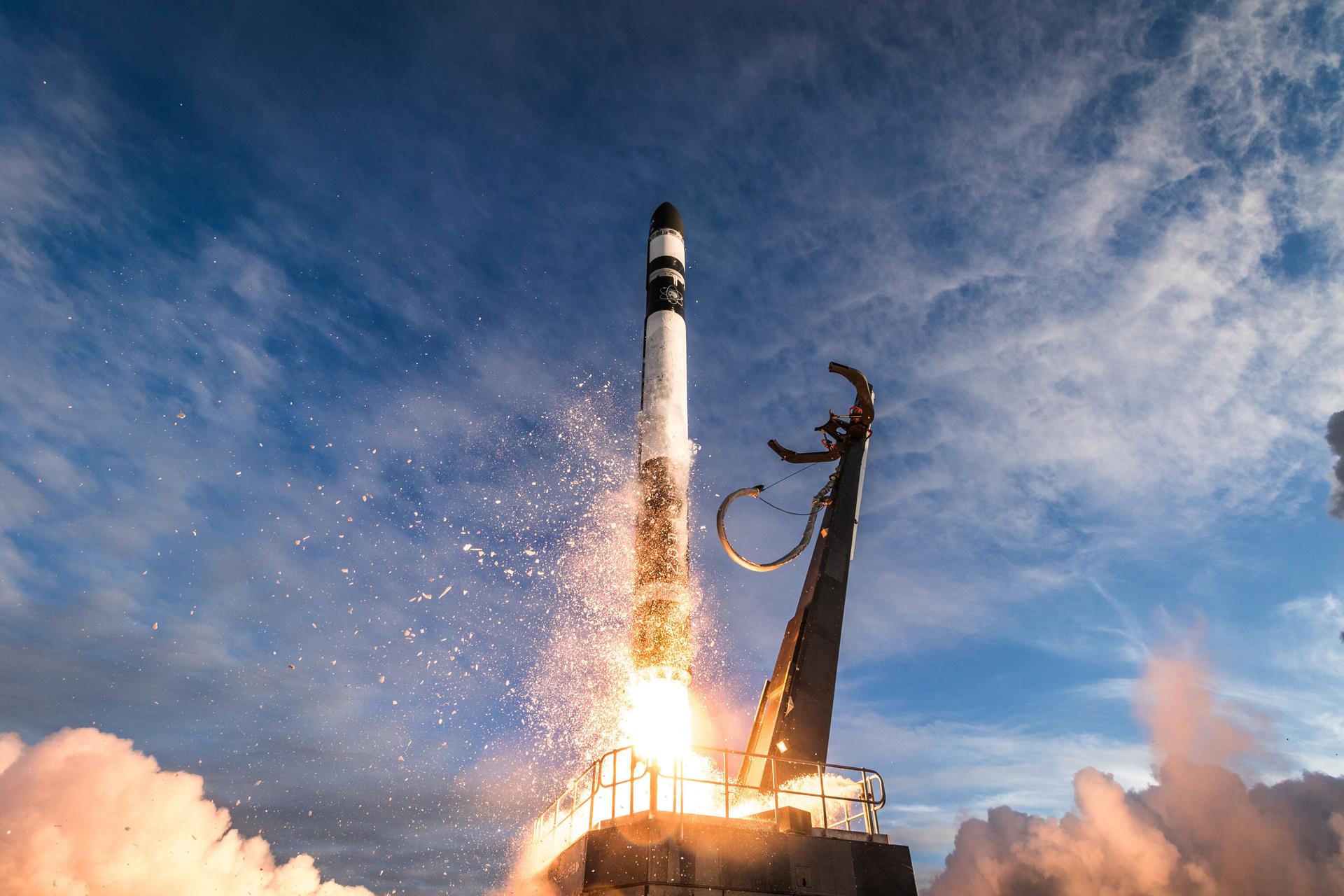
LOXSAT 1
Provider: Rocket Lab
Date: August 31, 2026
Time: 12:00 AM UTC
Vehicle: Electron
LOXSAT 1 is a demonstration satellite of a complete cryogenic oxygen fluid management system in orbit, developed by Eta Space and sponsored by NASA’s Tipping Point program.
The system will be integrated on a Rocket Lab Photon-LEO satellite bus and collect critical cryogenic fluid management data in orbit for 9 months, demonstrating capabilities of in-space cryogenic storage and transferal. Eta Space plans to use technology developed for this mission to develop a truly commercial depot intended to serve multiple customers in the future.
StriX Launch 11
Provider: Rocket Lab
Date: August 31, 2026
Time: 12:00 AM UTC
Vehicle: Electron
Synthetic aperture radar satellite for Japanese Earth imaging company Synspective.
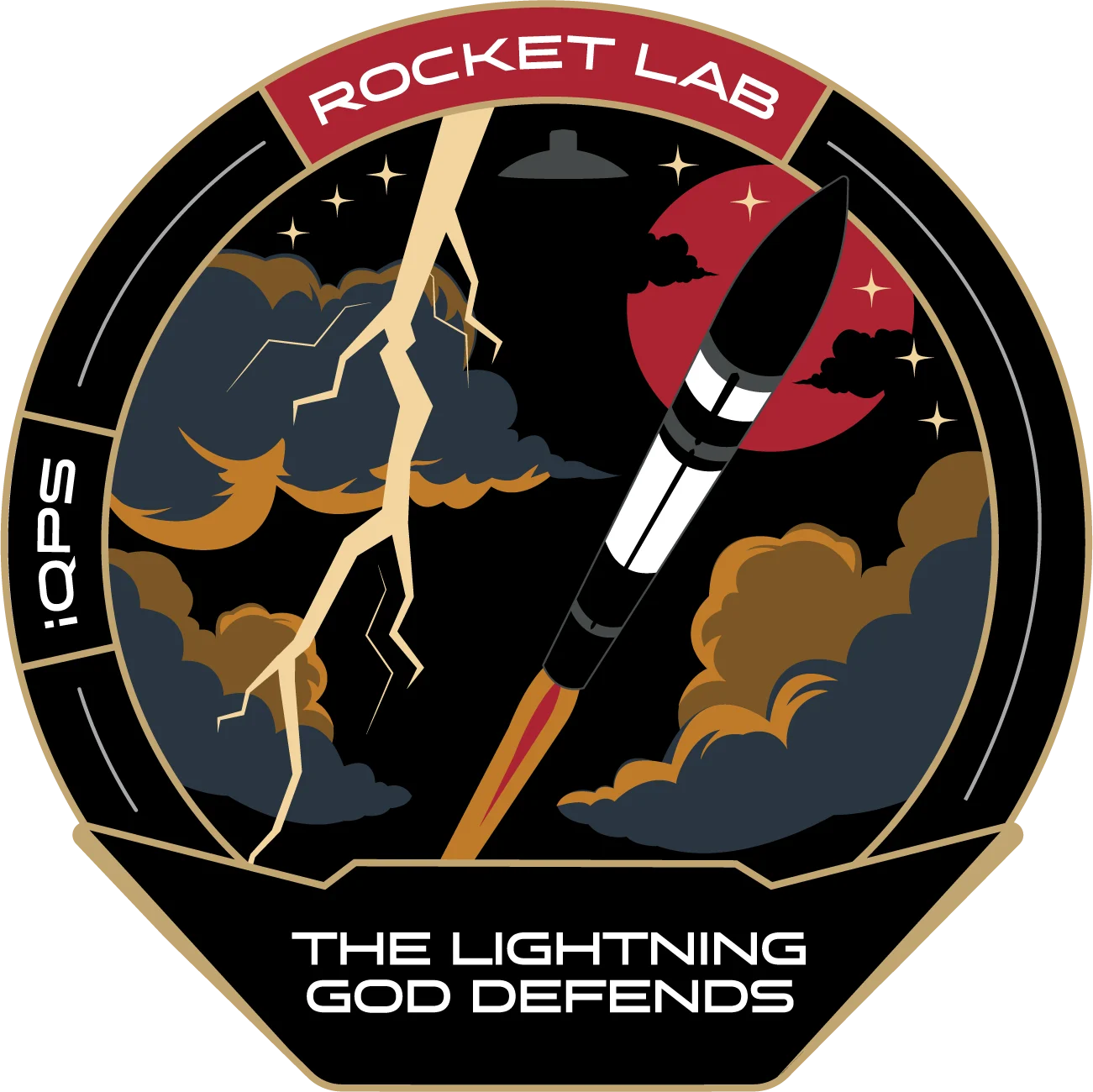
The Lightning God Defends (iQPS Launch 8)
Provider: Rocket Lab
Date: August 31, 2026
Time: 12:00 AM UTC
Vehicle: Electron
Synthetic aperture radar Earth observation satellite for Japanese Earth imaging company iQPS.
6x HawkEye 360
Provider: Rocket Lab
Date: September 30, 2026
Time: 12:00 AM UTC
Vehicle: Electron
HawkEye 360 is a a space-based civil global intelligence satellite network using radio frequency (RF) technology to help monitor transportation across air, land and sea and assist with emergencies, and to provide civil SIGINT (Signal Intelligence) mission.
The constellation of small satellites (named Hawk ) will collect information on specific radio signals worldwide to provide high-precision radio frequency mapping and analytics from Low Earth orbit (LEO).
BlackSky Gen-3 5
Provider: Rocket Lab
Date: September 30, 2026
Time: 12:00 AM UTC
Vehicle: Electron
BlackSky Gen-3 Earth-imaging satellites

Enjoying the content? Stay up to date on everything happening behind the scenes by following our Patreon!

