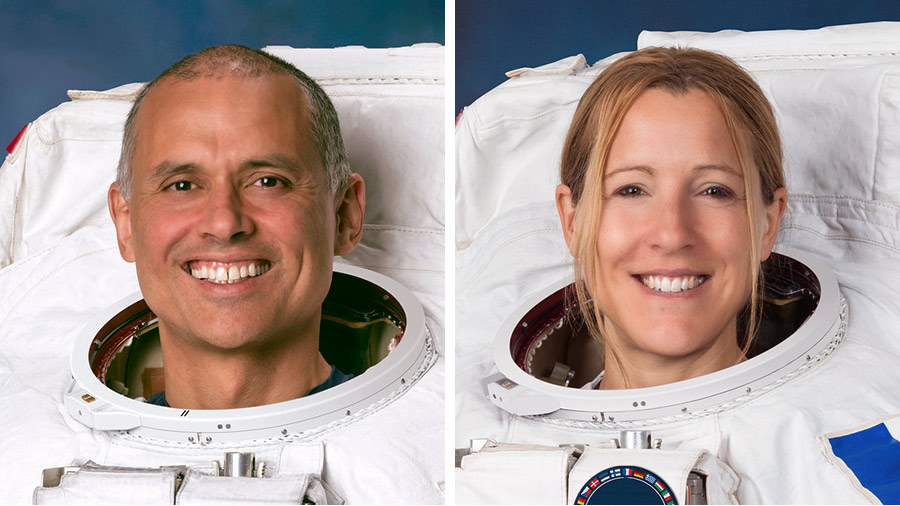
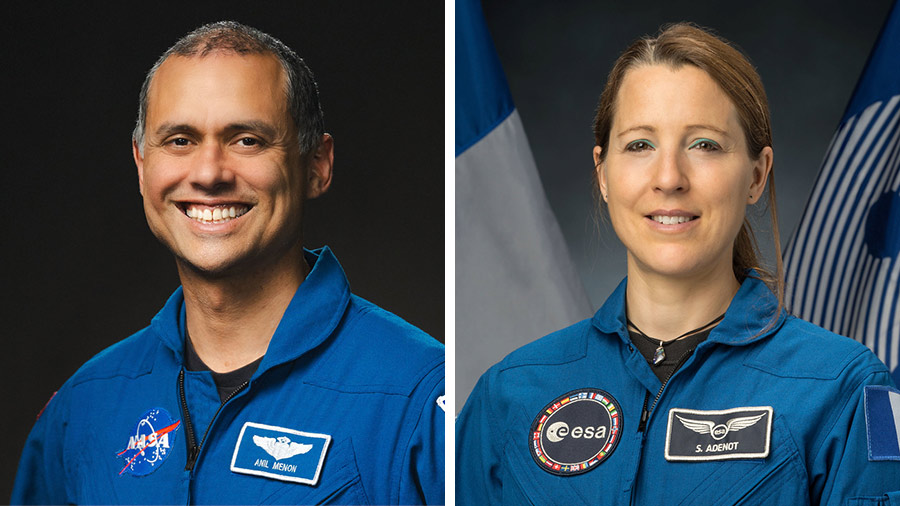
NASA astronaut Anil Menon and ESA astronaut Sophie Adenot are outside the International Space Station today for a planned six-and-a-half-hour spacewalk to replace a high-speed communications antenna. The pair set their spacesuits to battery power at 8:35 a.m. EDT and exited the Quest airlock to begin the 282nd spacewalk in support of station assembly, maintenance, and upgrades.
The crew will swap an old Space-to-Ground antenna on the station’s Z1 truss segment with a spare stored on an external stowage platform. The antenna is a critical link for high-speed data transmission between Mission Control Center in Houston and the orbital outpost. Menon will ride the Canadarm2 robotic arm during the EVA while Adenot is tethered to the station. The pair will make the electrical and data connections needed to activate the spare antenna.
This is Menon’s second spacewalk and Adenot’s first. Adenot becomes the first French woman to conduct a spacewalk. Menon wears a suit with red stripes as crew member 1; Adenot wears an unmarked suit as crew member 2.
The duo prepared on Monday by staging tools, inspecting safety tethers inside Quest, and reviewing procedures. The rest of the Expedition 75 crew continued Monday’s research schedule, which included cardiac research, artificial intelligence tests, and Earth observations.
ESA Completes Phoenix 3 Reusable Vehicle Concept Study
Engineers from ESA and industry partners have completed a concept study for Phoenix 3, a reusable spacecraft designed to carry microgravity experiments to orbit and return them to Earth. The study was conducted by ESA’s Concurrent Design Facility (CDF) at ESTEC in the Netherlands for European startup ATMOS Space Cargo, which proposed the vehicle.
The CDF evaluated the feasibility of the fully European reusable orbital return vehicle in a matter of weeks rather than several months. Experts from diverse engineering disciplines reviewed the Phoenix 3 concept using established templates and guidelines and identified the main trade-offs as a foundation for further investigation. ATMOS now has a first concept and a clear set of design drivers for a spacecraft with the intent to carry experiments to orbit and bring them back to the ground.
HEO Taps Planet’s SkySat Constellation for Non-Earth Imaging
Australian company HEO, which uses Earth observation satellites to image other spacecraft, signed a partnership with Planet on Aug. 17 to access the company’s SkySat high-resolution satellites for non-Earth imaging (NEI). Financial terms were not disclosed.
HEO will task SkySat satellites when they are not being used for Earth observation to instead take images of other space objects. With the addition of SkySat, HEO will have access to more than 50 sensors in orbit, primarily from other Earth observation companies. The SkySat NEI imagery will initially be available only to HEO’s U.S. government customers because of licensing issues, though HEO chief executive Will Crowe expects to eventually offer those images commercially. The partnership could later expand to Planet’s Pelican and Dove satellites.
“We don’t need huge, expensive satellites to do the non-Earth imaging mission and help governments and satellite owners. You just need to have cameras in the right place at the right time,” Crowe said. He estimated that 90% of HEO’s business comes from government customers. Crowe noted growing commercial interest in NEI, citing use cases such as identifying satellites deployed in clusters on rideshare launches and studying a malfunctioning Starlink satellite that was tumbling but had not broken apart. HEO also acquired its own satellite, Continuum-1, earlier this year — a Satellogic-built imaging spacecraft originally launched as NewSat-34.
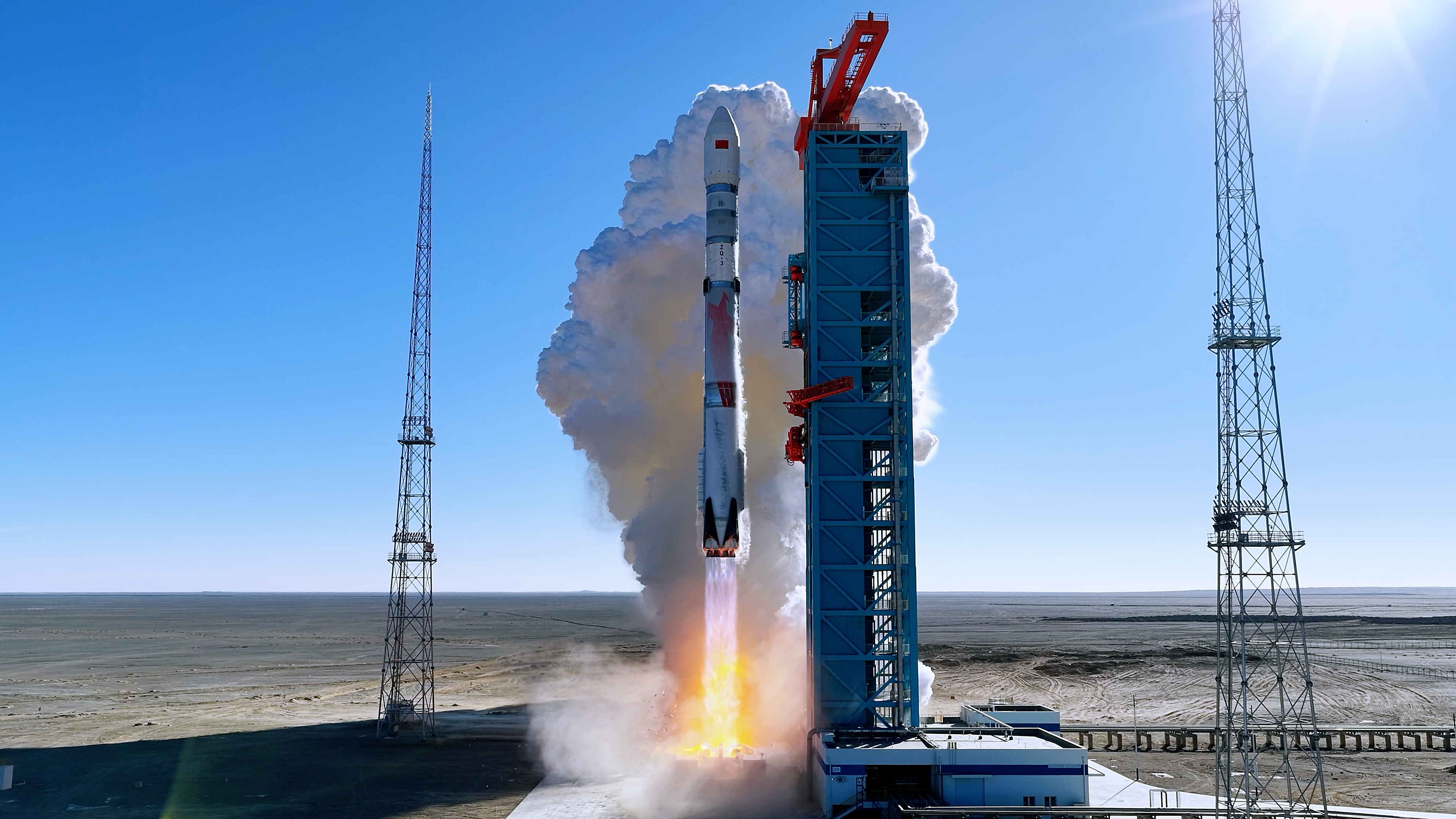
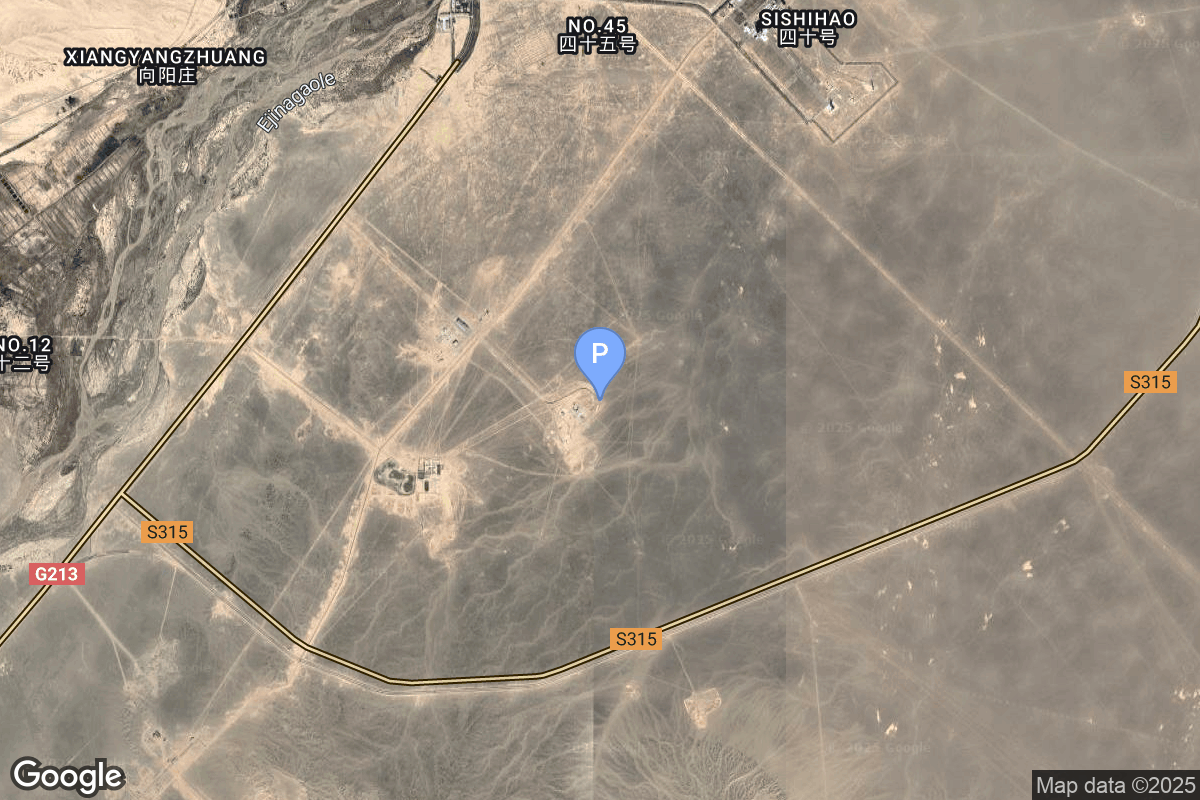
Provider: LandSpace Date: August 18, 2026 Time: 11:35 PM UTC Vehicle: Zhuque-3
Second test launch of LandSpace’s ZQ-3 rocket. Payload identities are TBD.
Starlink Group 17-50
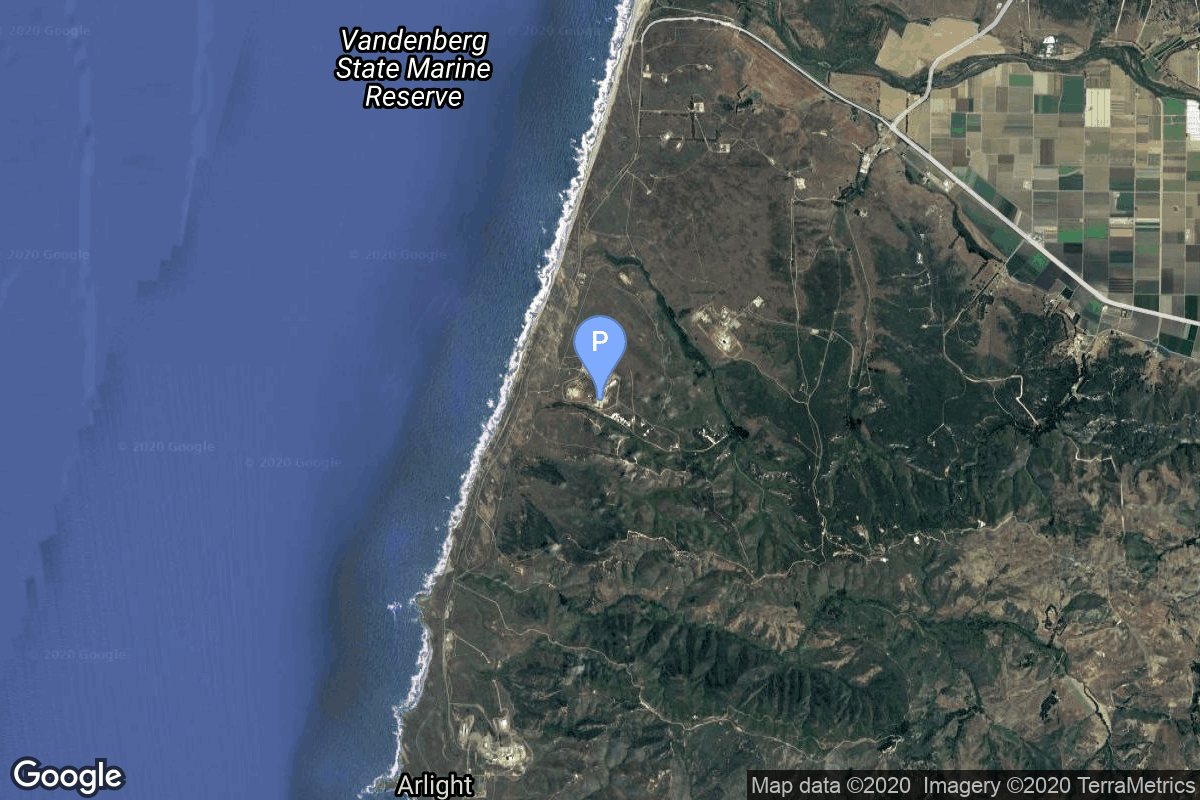
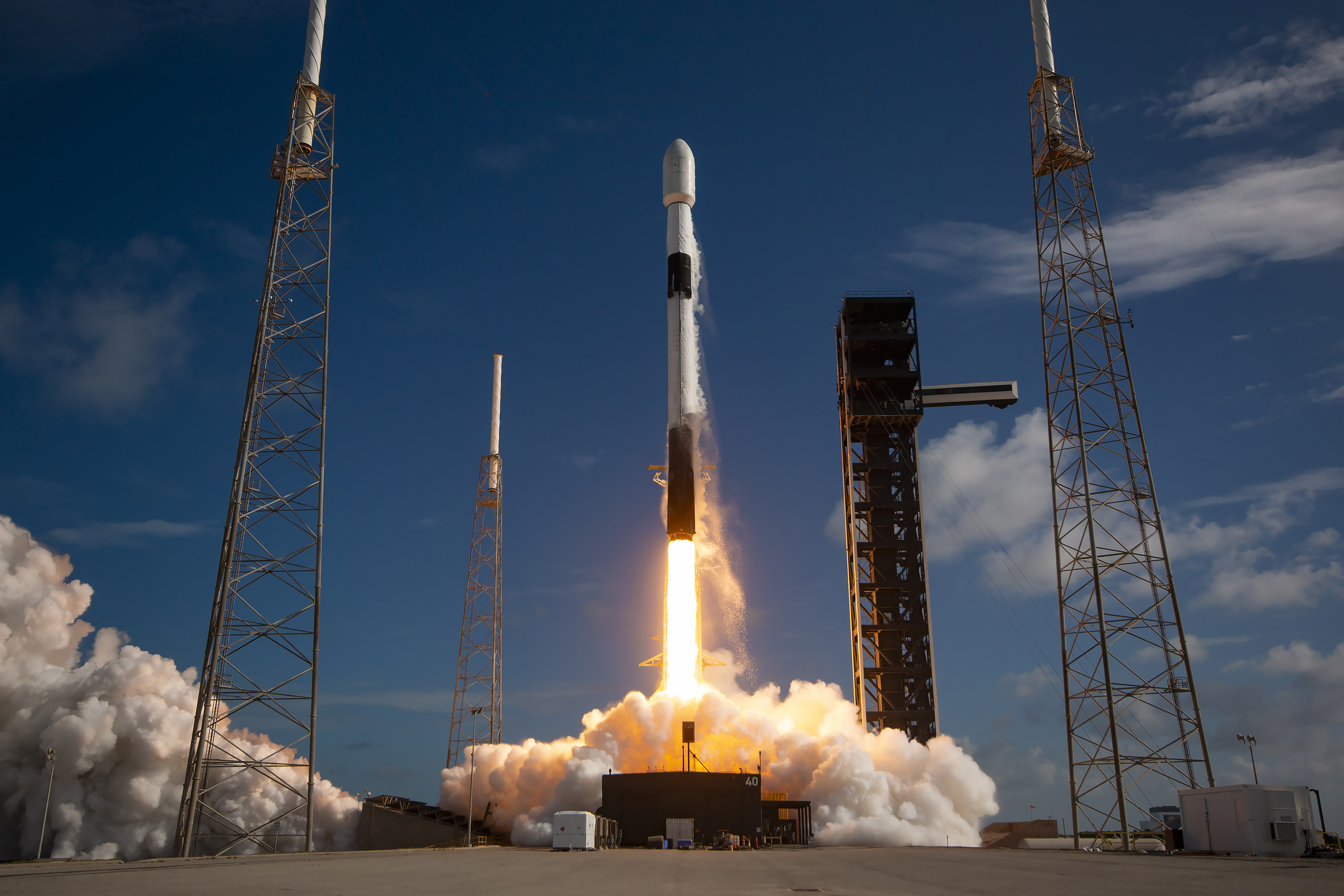
Provider: SpaceX Date: August 19, 2026 Time: 3:45 AM UTC Vehicle: Falcon 9
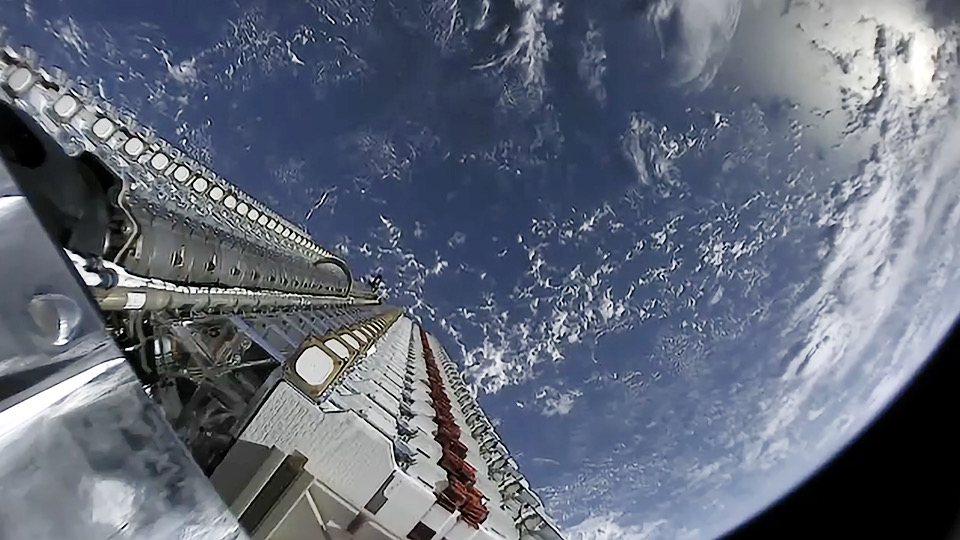
A batch of 24 satellites for the Starlink mega-constellation – SpaceX’s project for space-based Internet communication system.
Starlink Group 10-39
Provider: SpaceX Date: August 20, 2026 Time: 3:19 PM UTC Vehicle: Falcon 9
A batch of 29 satellites for the Starlink mega-constellation – SpaceX’s project for space-based Internet communication system.
Starlink Group 15-20
Provider: SpaceX Date: August 22, 2026 Time: 7:25 AM UTC Vehicle: Falcon 9
A batch of 27 satellites for the Starlink mega-constellation – SpaceX’s project for space-based Internet communication system.
Chang’e 7
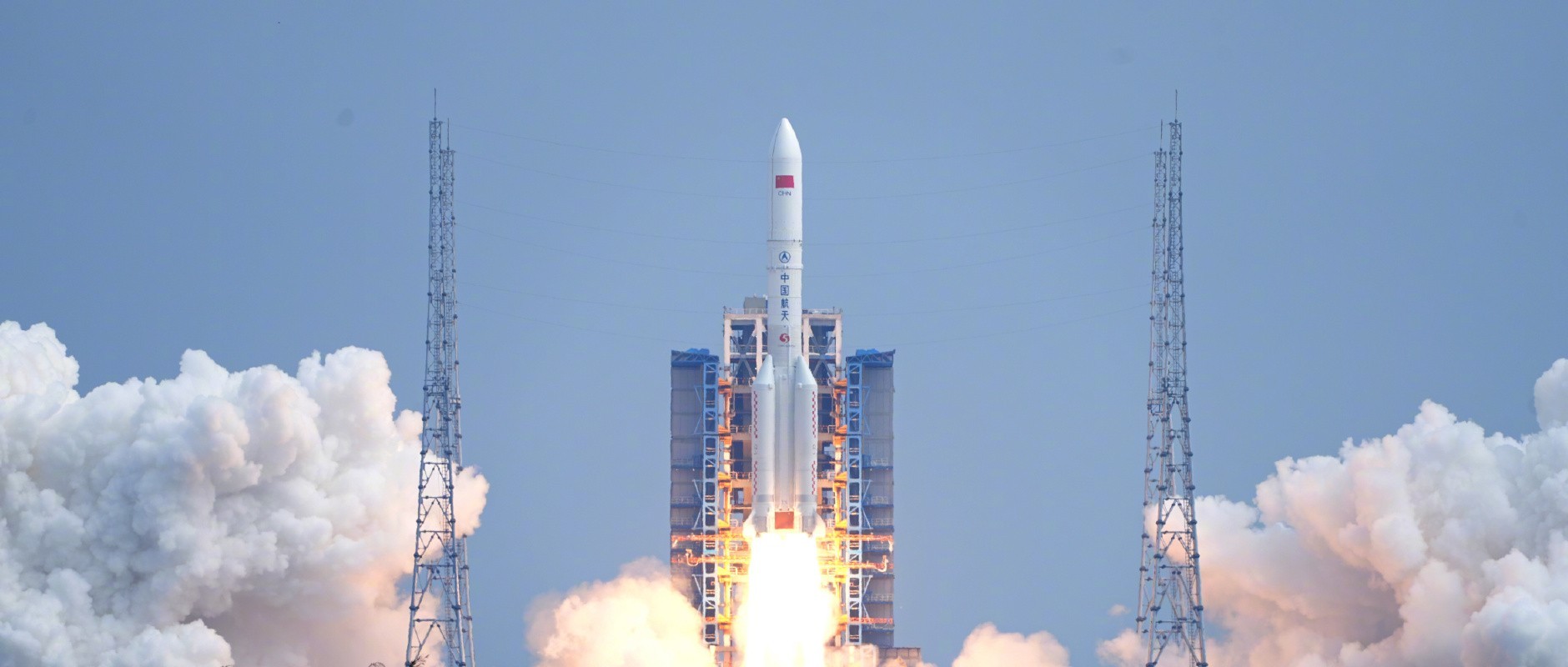
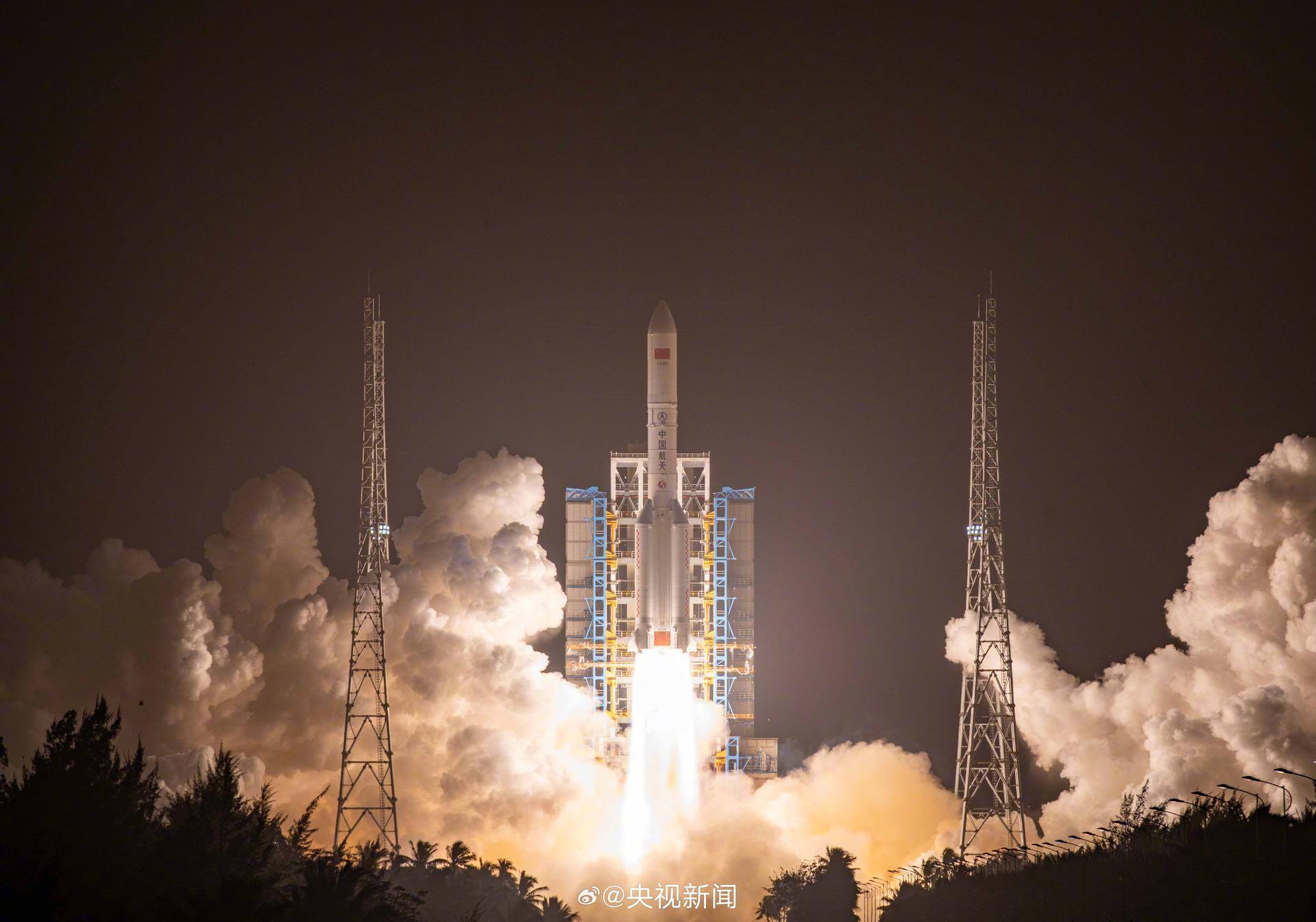
Provider: China Aerospace Science and Technology Corporation Date: August 24, 2026 Time: 12:00 AM UTC Vehicle: Long March 5
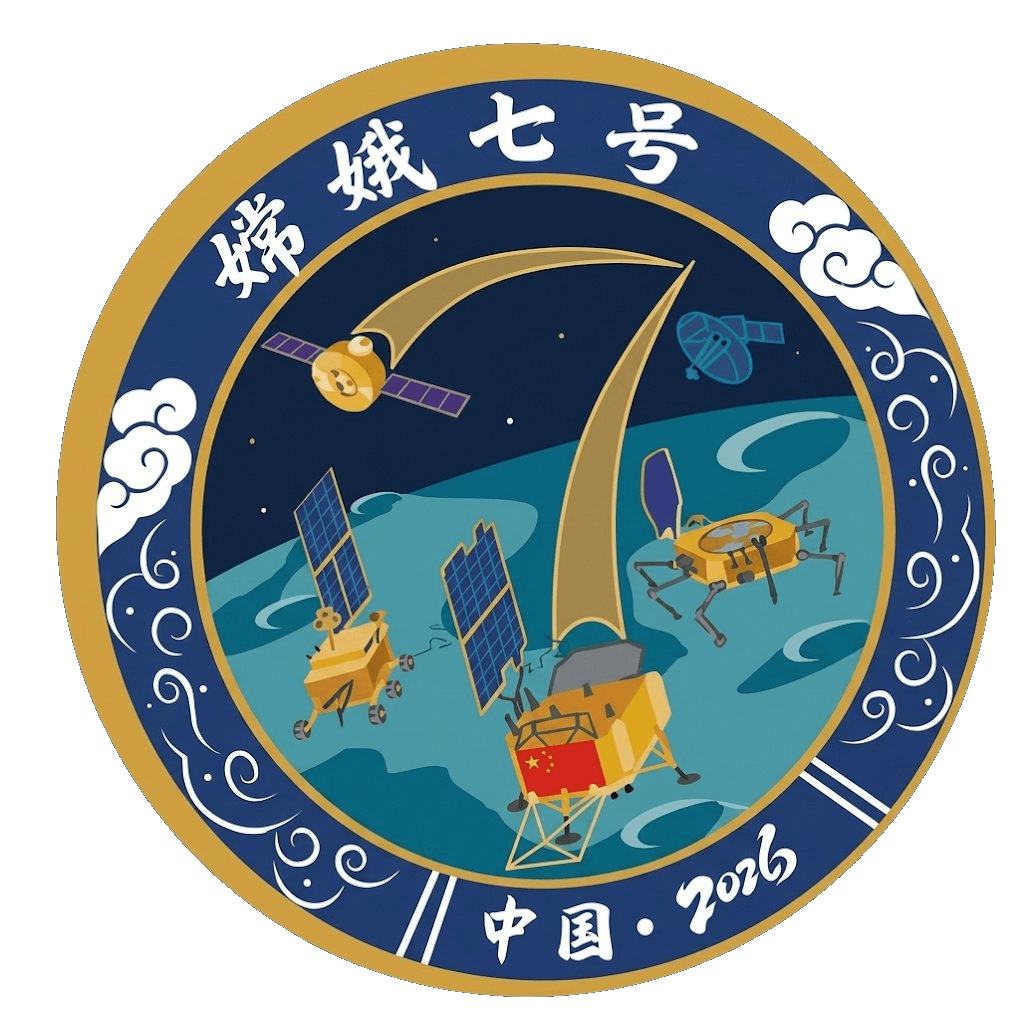
Chang’e 7/CE-7 is scheduled to launch in 2026, including an orbiter, a lander, a mini-hopping probe, and a rover. The mission will land in the South Pole regions of the Moon to study lunar surface environment around the South Pole, especially in looking for water ice in lunar soil.
Flight 2 ×
Mission Details
TypeTest Flight
OrbitLow Earth Orbit
TargetEarth
Second test launch of LandSpace’s ZQ-3 rocket. Payload identities are TBD.
Zhuque-3 (ZQ-3) is a reusable orbital launch vehicle developed by Chinese private company LandSpace. The rocket is built using stainless steel and shares the same series of gas generator cycle methane/liquid oxygen powered rocket engines as in the currently active ZQ-2E rocket.
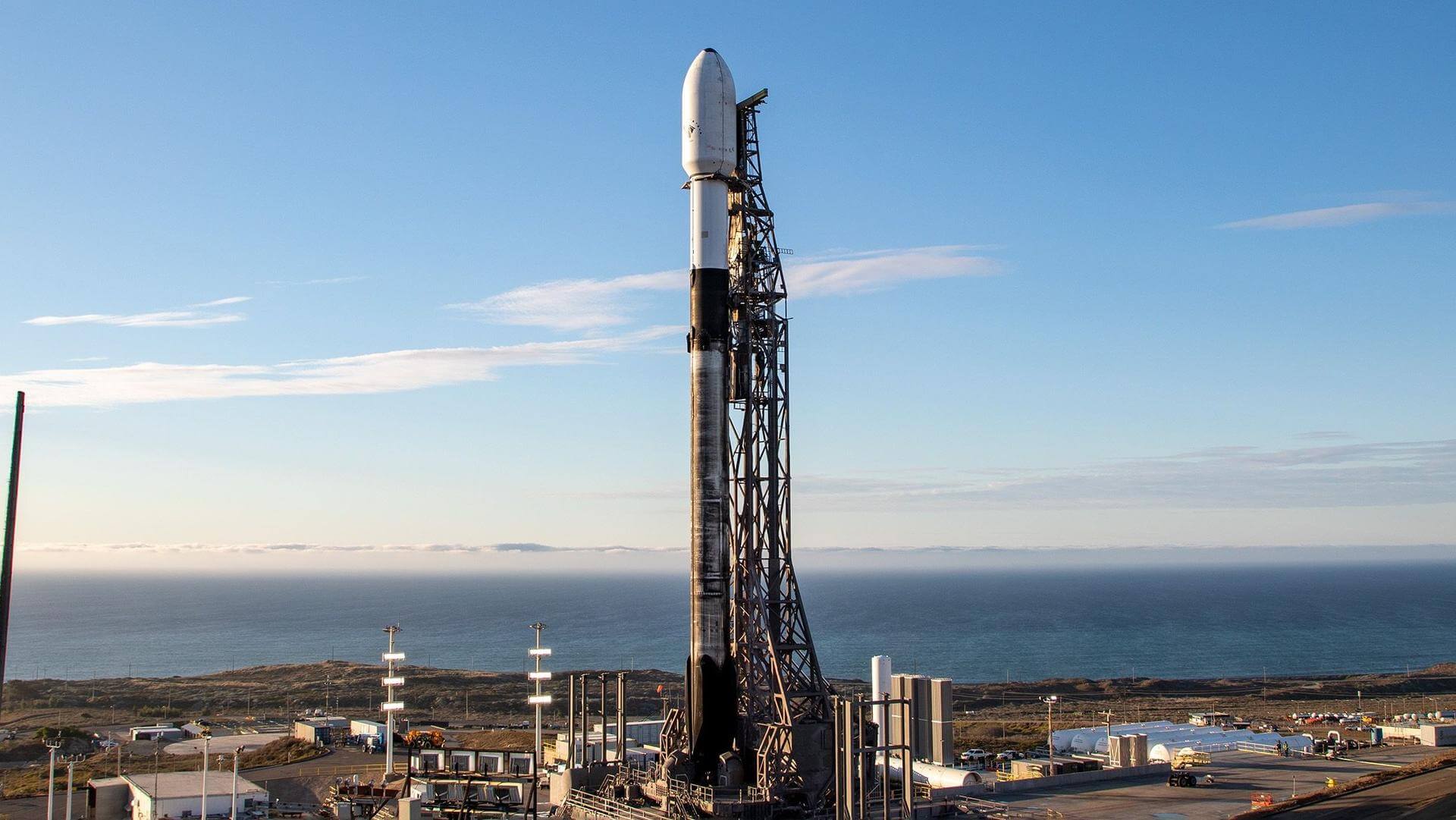
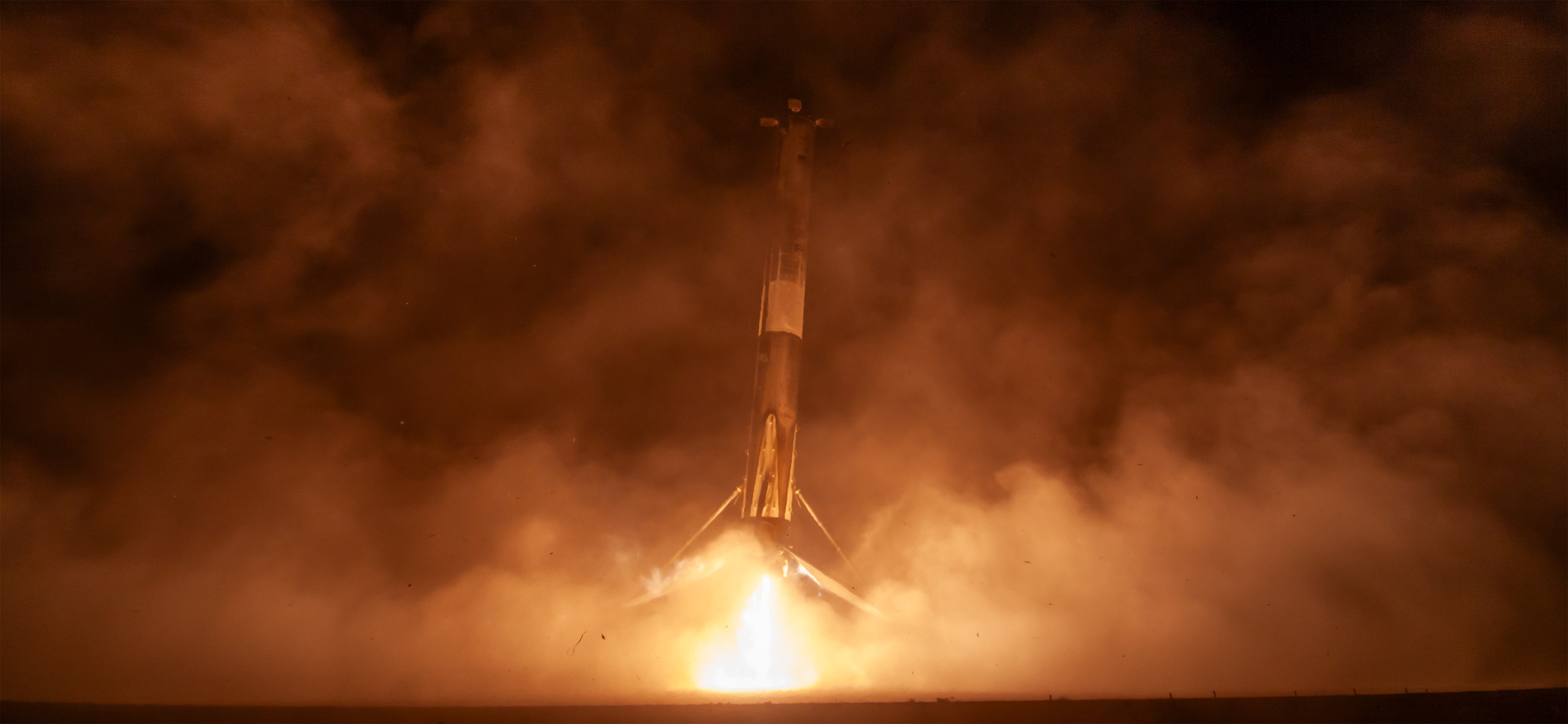
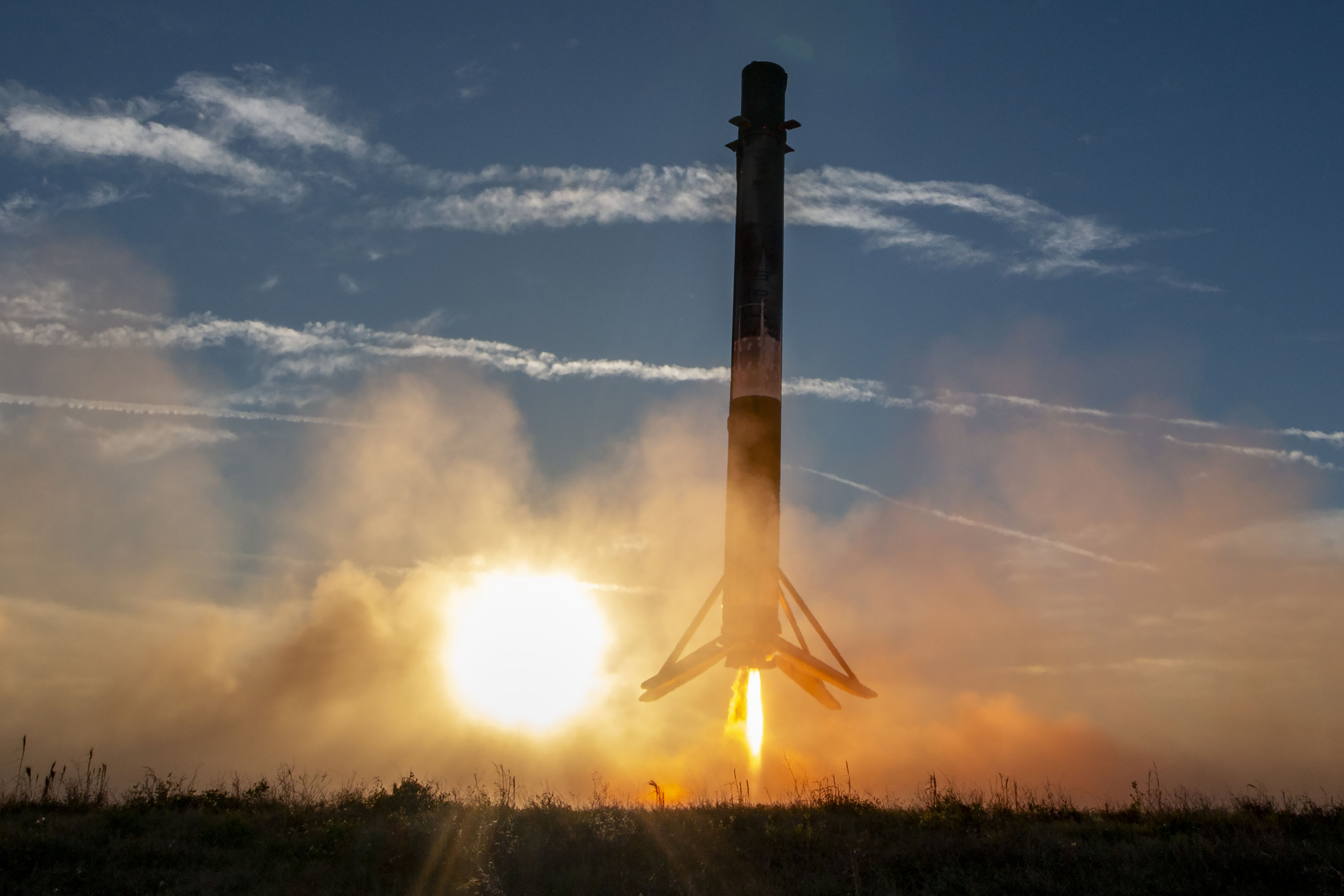
Falcon 9 is a two-stage rocket designed and manufactured by SpaceX for the reliable and safe transport of satellites and the Dragon spacecraft into orbit. The Block 5 variant is the fifth major interval aimed at improving upon the ability for rapid reusability.
Falcon 9 is a two-stage rocket designed and manufactured by SpaceX for the reliable and safe transport of satellites and the Dragon spacecraft into orbit. The Block 5 variant is the fifth major interval aimed at improving upon the ability for rapid reusability.
Falcon 9 is a two-stage rocket designed and manufactured by SpaceX for the reliable and safe transport of satellites and the Dragon spacecraft into orbit. The Block 5 variant is the fifth major interval aimed at improving upon the ability for rapid reusability.
The Falcon 9 first stage B1100 will land on ASDS OCISLY after its 9th flight.
Chang’e 7 ×
Mission Details
TypePlanetary Science
OrbitLunar Orbit
TargetEarth
Chang’e 7/CE-7 is scheduled to launch in 2026, including an orbiter, a lander, a mini-hopping probe, and a rover. The mission will land in the South Pole regions of the Moon to study lunar surface environment around the South Pole, especially in looking for water ice in lunar soil.
Launch Provider: China Aerospace Science and Technology Corporation
Long March 5 is a Chinese heavy lift launch system developed by China Academy of Launch Vehicle Technology (CALT). CZ-5 is the first Chinese vehicle designed from the ground up to focus on non-hypergolic liquid rocket propellants. Currently, two CZ-5 vehicle configurations are planned, with maximum…
Robo Chris is a collection of API calls, filters, and searches, bolted together with magic and love. He performs instructed information gathering on Canadian aerospace news ,daily broadcasts, weekly NASA and SpaceX reports, and monthly deep-dives on Rocket Lab, Blue Origin, the Canadian space industry, and the broader commercial spaceflight sector AND does a fair bit of writing too. Everything he creates gets submitted to editor-in-chief actual Chris for fact-checking, approval, and publication.