Telesat Posts Paper Loss as $2.7B Defence Contract Fuels Lightspeed Expansion
Telesat reported a $558.6-million net loss for the second quarter, but the bulk of that deficit is a $475-million non-cash charge tied to government warrants on the Lightspeed project — not an operational failure.
Revenue fell 26 per cent to $79.5 million, down from $106.1 million a year earlier, driven by non-renewals in its direct-to-home broadcast business and lower fixed enterprise demand. Adjusted EBITDA dropped to $22.0 million from $58.7 million.
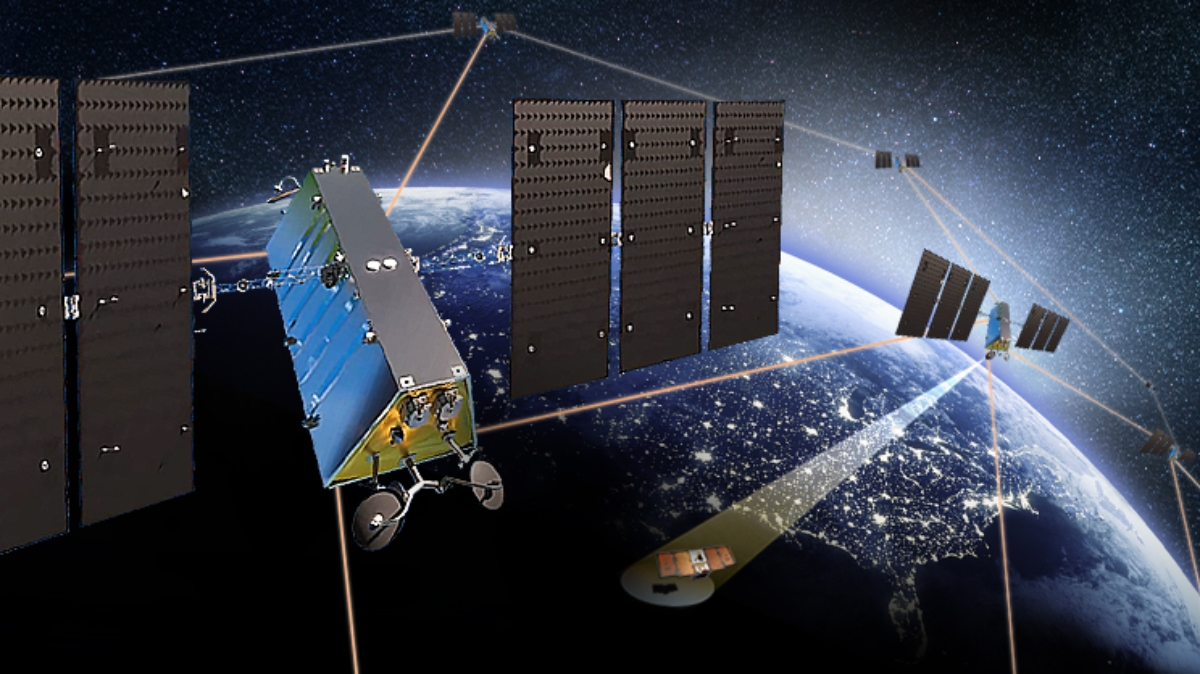
The headline loss masks what management framed as a commercial milestone. The $2.7-billion Enhanced Satellite Communications Project – Polar (ESCP-P) contract, signed with Canada’s Defence Investment Agency in early August, guarantees 15 years of revenue and funds a 44 per cent expansion of the Telesat Lightspeed constellation from 156 to 225 satellites, with heavy emphasis on Arctic coverage.
“The warrants are now valued at more than $1.3 billion, reflecting the expansion of the constellation to 225 satellites and our ability to accelerate the execution of our plan,” chief financial officer Donald Tremblay told analysts Thursday.
The Canadian and Quebec governments hold warrants for backing the constellation’s financing. As Lightspeed secures contracts and expands, its enterprise value rises. Accounting rules require Telesat to record that growing equity claim as a financial liability, turning a project milestone into a paper loss on the income statement.
The GEO segment grew its backlog to $900 million during the quarter, driven by a five-year extension on a major broadcast video contract. The company continues extracting cash from its aging GEO satellites to fund operations until Lightspeed enters service in early 2028.
MDA Space Opens CHORUS Control Centre Near CSA Headquarters
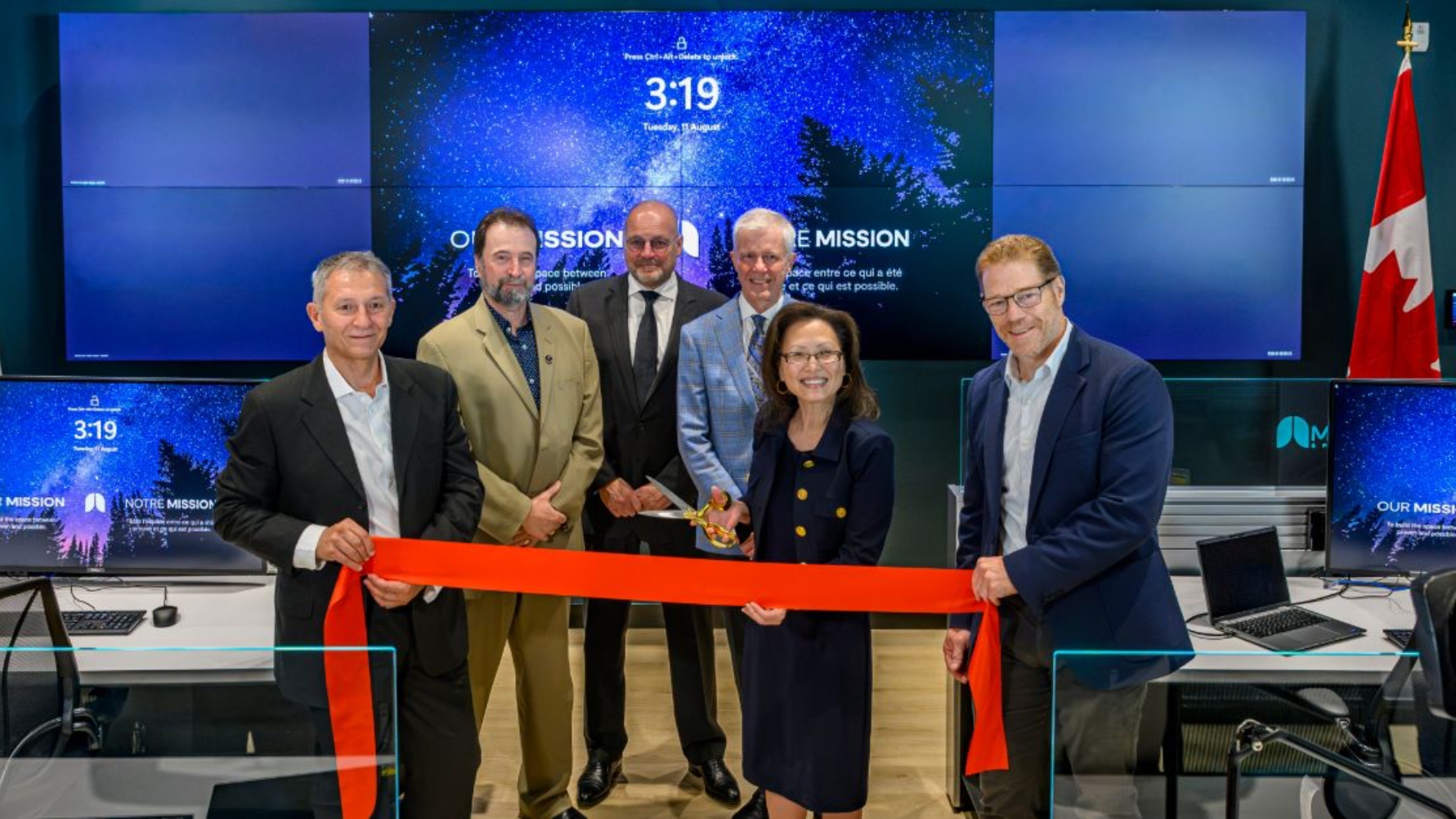
MDA Space has opened the operations centre for its CHORUS Earth observation constellation in St-Bruno-de-Montarville, Quebec, on the south shore of Montreal — within shouting distance of the Canadian Space Agency headquarters.
The facility will serve as the command and control hub for the satellite network, bringing together systems and staff for mission assurance and data delivery. The opening marks a milestone ahead of the constellation’s planned launch in late 2026 and the start of commercial operations in early 2027.
CHORUS pairs a wide-area C-band radar satellite built by MDA Space with a high-resolution X-band satellite supplied by ICEYE. The dual-band system uses a tipping and cueing approach: the leading C-band satellite scans a 700-kilometre swath, then tips off the trailing X-band satellite to zoom in on a target, capturing broad awareness and fine detail in a single pass. Both satellites use synthetic aperture radar, mapping the surface through cloud cover and darkness.
Chief executive Mike Greenley said the centre draws on the company’s orbital operations experience and “brings together the people, systems and infrastructure required” to manage the constellation. The news release did not disclose the facility’s capital cost or staff count.
Kepler Communications Books First Dedicated Launch on Rocket Lab’s Neutron
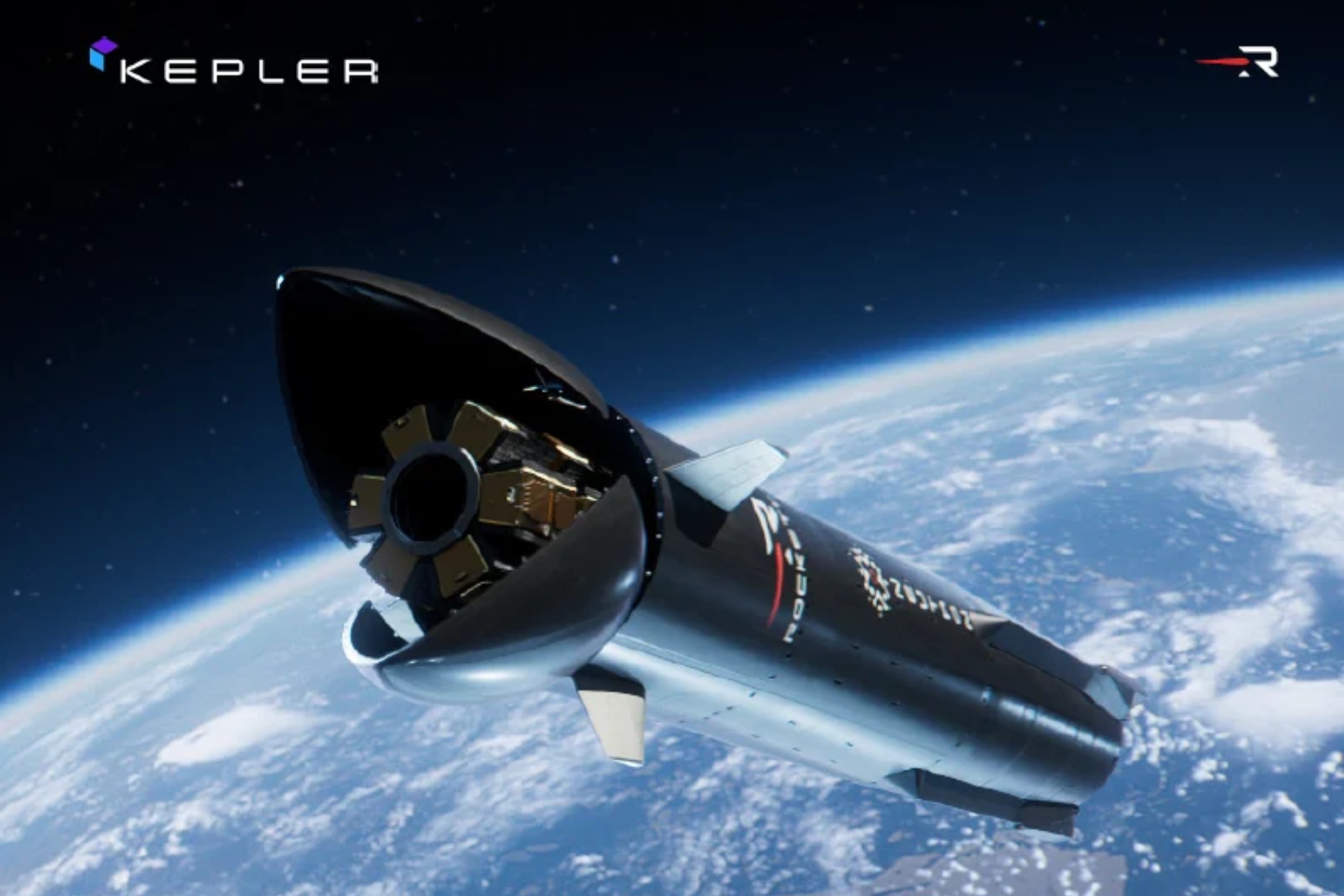
Kepler Communications will buy its own rocket for the first time, booking a dedicated Rocket Lab Neutron medium-lift vehicle for a 2028 mission to expand its optical data network.
The agreement marks a shift for the operator, which has launched all 33 of its satellites to date on shared flights. A dedicated launch gives Kepler control over exactly when and where its next-generation relay satellites reach orbit, rather than fitting a primary customer’s schedule.
The timing aligns with a broader squeeze on affordable space access. SpaceX has reportedly stopped accepting new commercial bookings for its Transporter rideshare missions beyond late 2028, forcing operators who rely on those flights to secure alternative capacity before the window closes.
“Selecting Rocket Lab for our first dedicated launch marks an important milestone for Kepler as we continue to scale our infrastructure,” chief executive Mina Mitry said in the release.
Neither company disclosed the contract value. On Jan. 11, 2026, Kepler launched 10 of its 300-kilogram Aether satellites on a SpaceX rideshare flight — a 3,000-kilogram deployment estimated at roughly $28 million (US$21 million) under SpaceX’s 2026 pricing of approximately US$7,000 per kilogram.
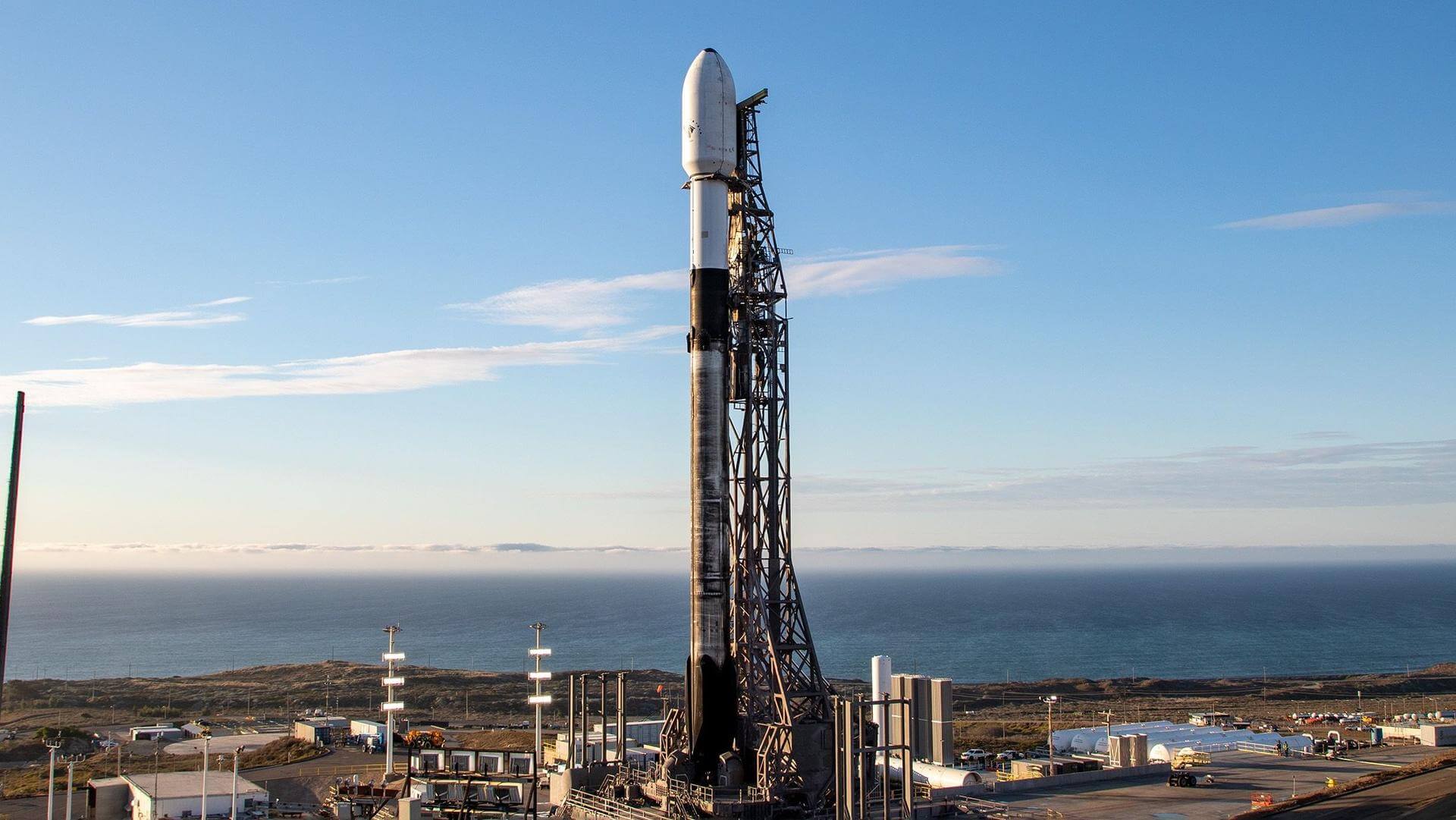
Provider: SpaceX Date: August 15, 2026 Time: 9:52 PM UTC Vehicle: Falcon 9
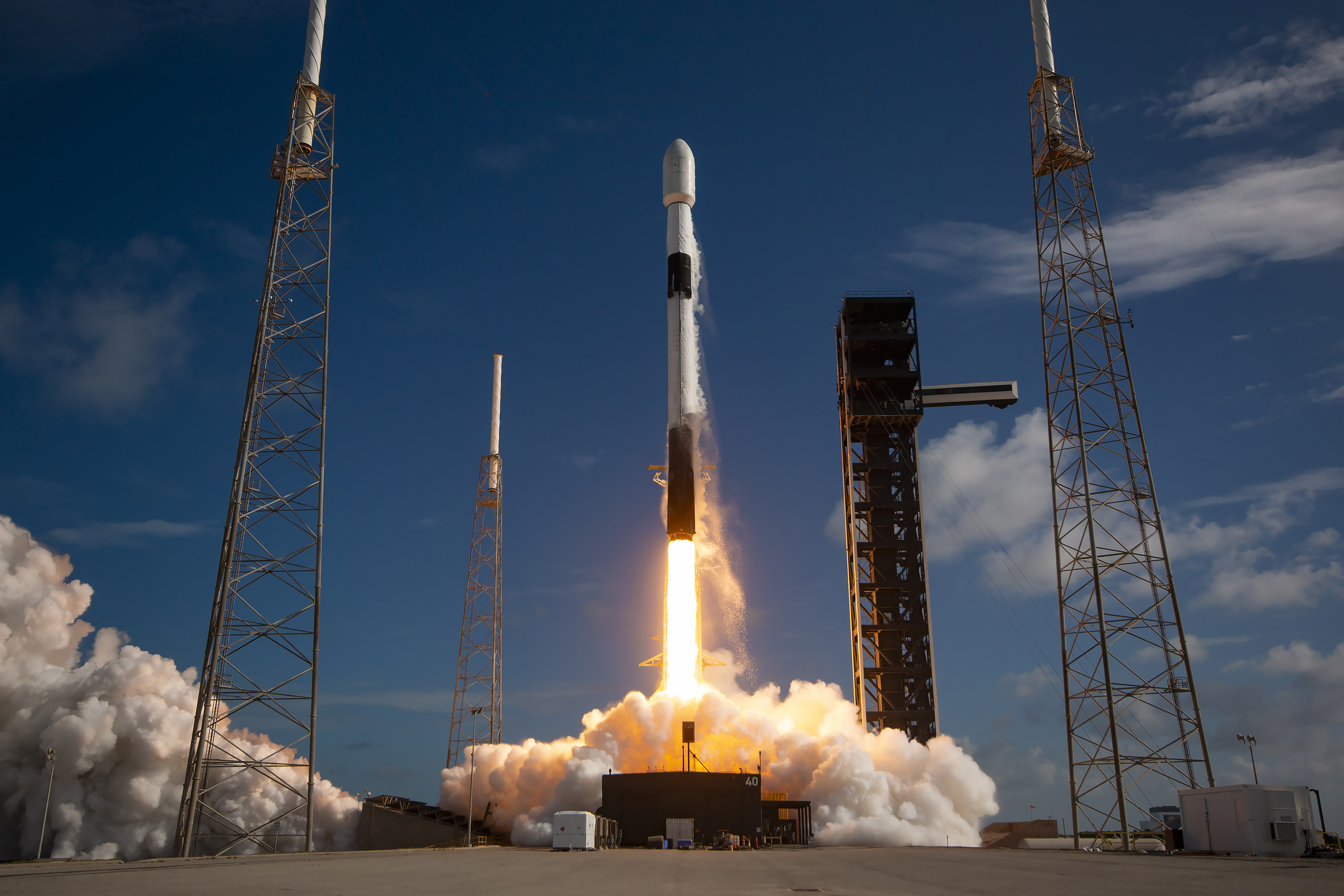
USSF-366 is a classified mission for the United States Space Force. It is possibly a batch of classified LEO satellites for a US government entity based on SpaceX’s Starshield satellite bus, based on locations of rocket stage drop zones being exact fits with previous Starlink Group 15 launches.
Globalstar 2-R Mission 1 (x 9)
Provider: SpaceX Date: August 16, 2026 Time: 1:12 AM UTC Vehicle: Falcon 9
The Globalstar global mobile communications network offers global, digital real time voice, data and fax services via its Low Earth Orbit satellite constellation. The constellation operates in a 1410 km orbit inclined at 52 degrees.
In early 2022, Globalstar contracted with MDA for the construction of 17 new 2nd generation refresh satellites to replenish the existing constellation. Rocket Lab is sub-contracted to build the satellites’ buses and the launch dispensers.
Unknown Payload
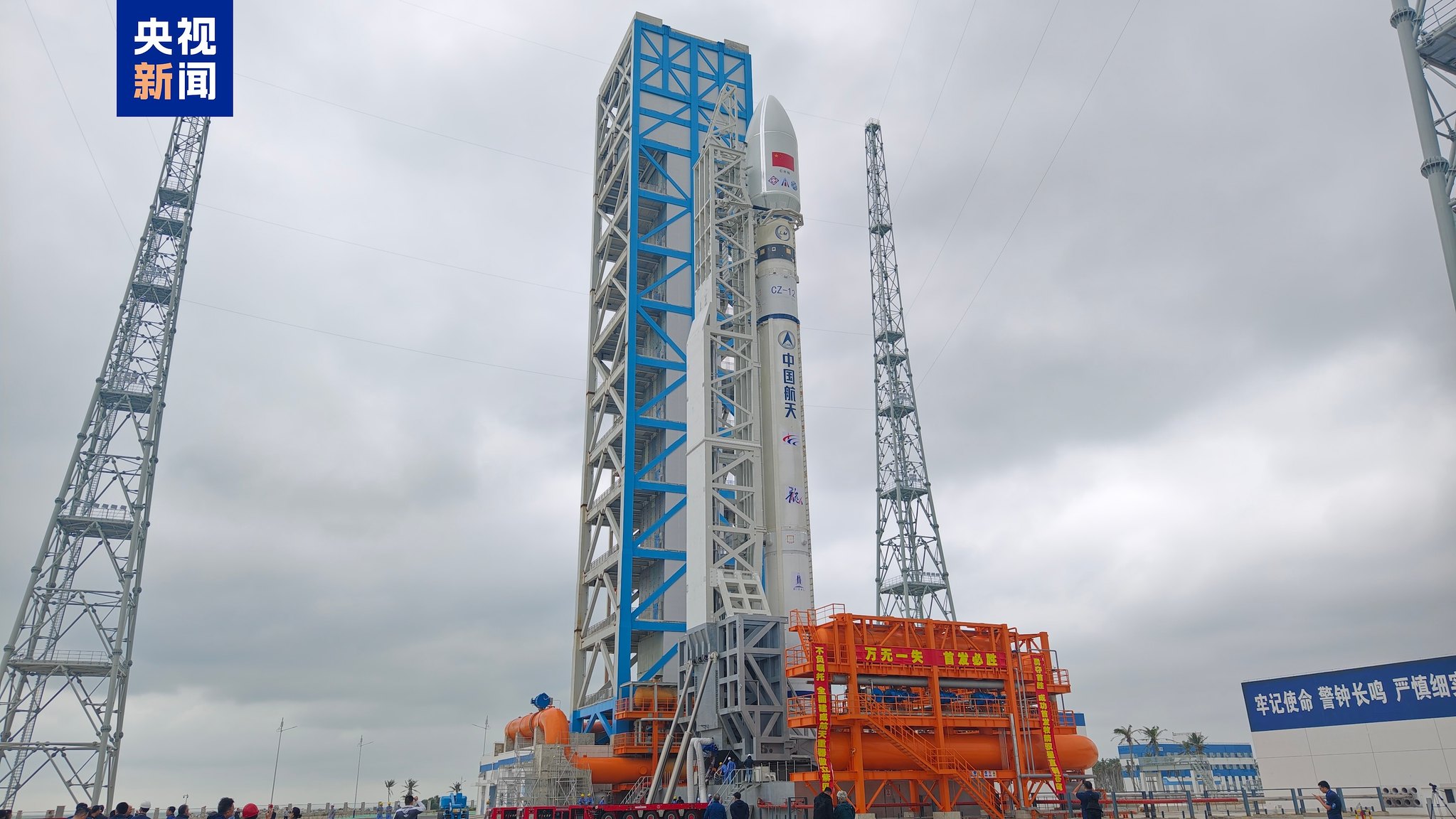
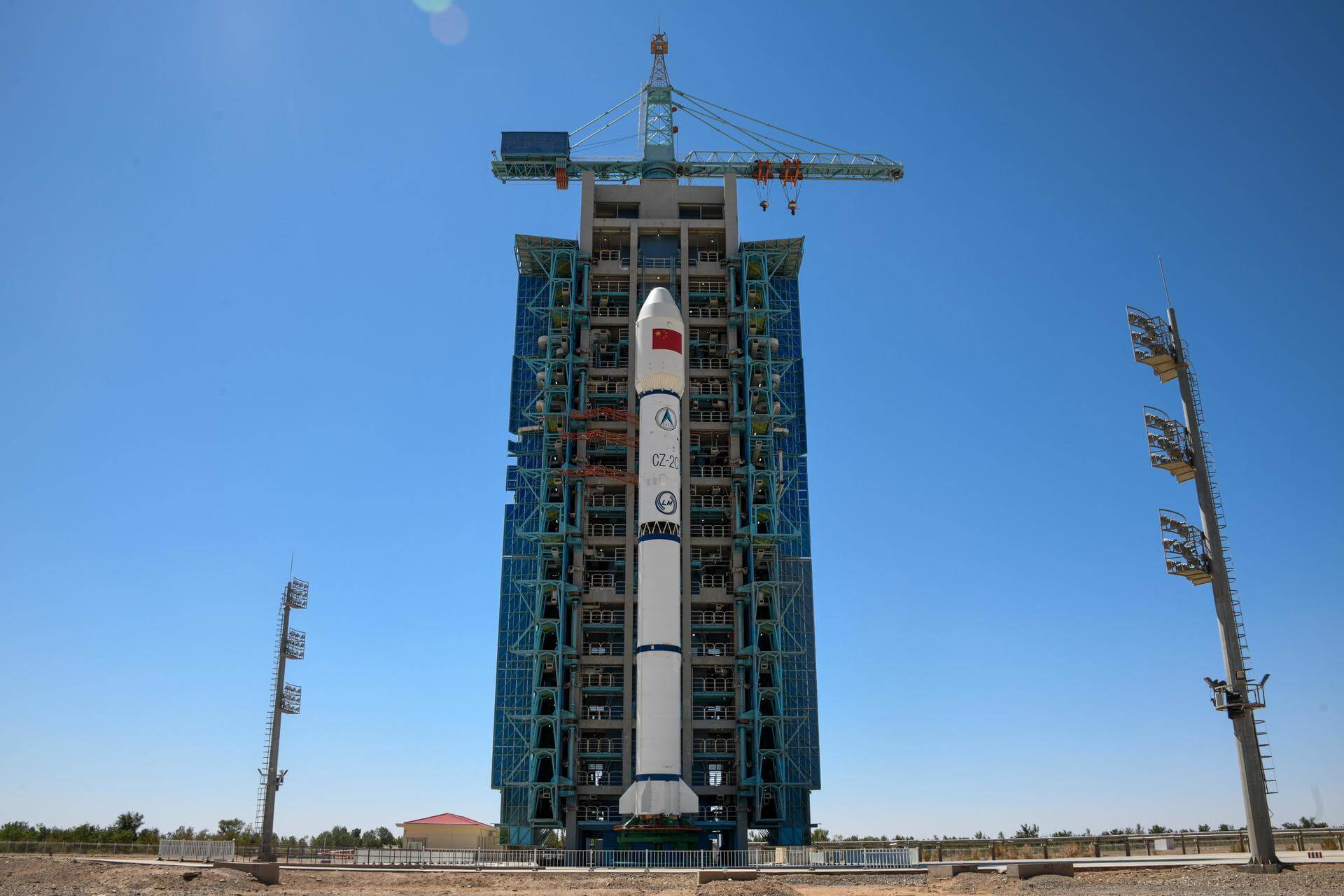
Provider: China Aerospace Science and Technology Corporation Date: August 16, 2026 Time: 4:10 AM UTC Vehicle: Long March 12
Details TBD.
Unknown Payload
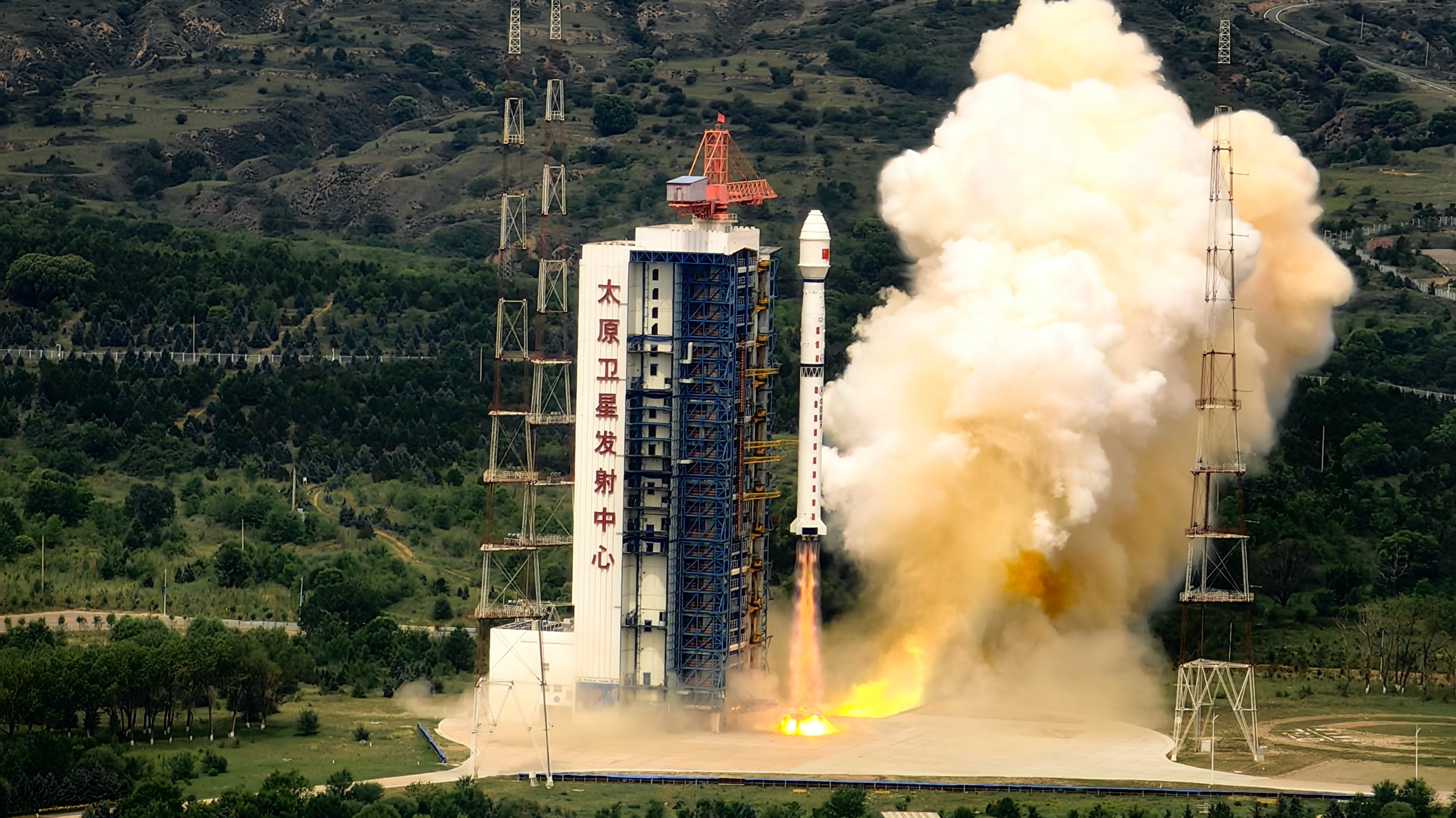
Provider: China Aerospace Science and Technology Corporation Date: August 17, 2026 Time: 3:00 AM UTC Vehicle: Long March 2C
Details TBD.
Starlink Group 17-50
Provider: SpaceX Date: August 19, 2026 Time: 2:00 AM UTC Vehicle: Falcon 9
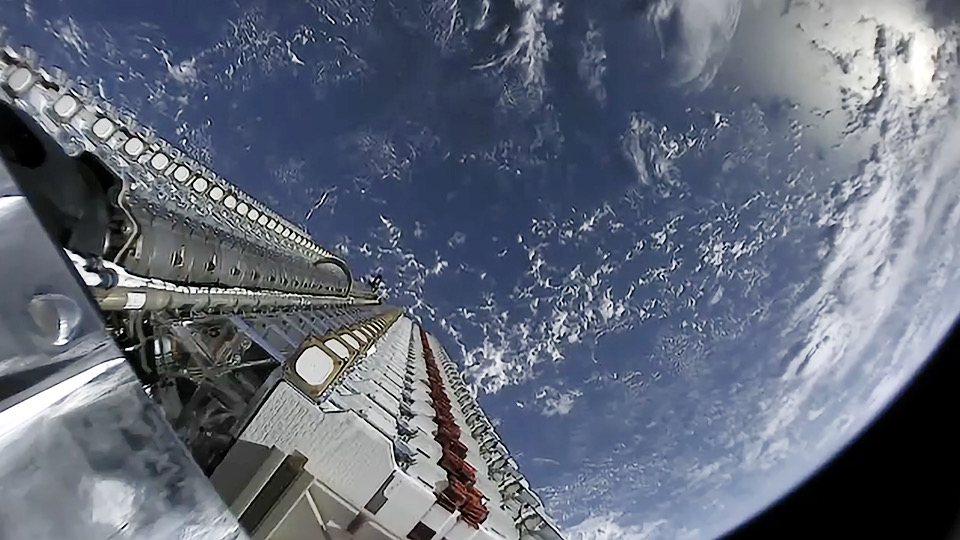
A batch of 24 satellites for the Starlink mega-constellation – SpaceX’s project for space-based Internet communication system.
USSF-366 ×
Mission Details
TypeGovernment/Top Secret
OrbitLow Earth Orbit
TargetEarth
USSF-366 is a classified mission for the United States Space Force. It is possibly a batch of classified LEO satellites for a US government entity based on SpaceX’s Starshield satellite bus, based on locations of rocket stage drop zones being exact fits with previous Starlink Group 15 launches.
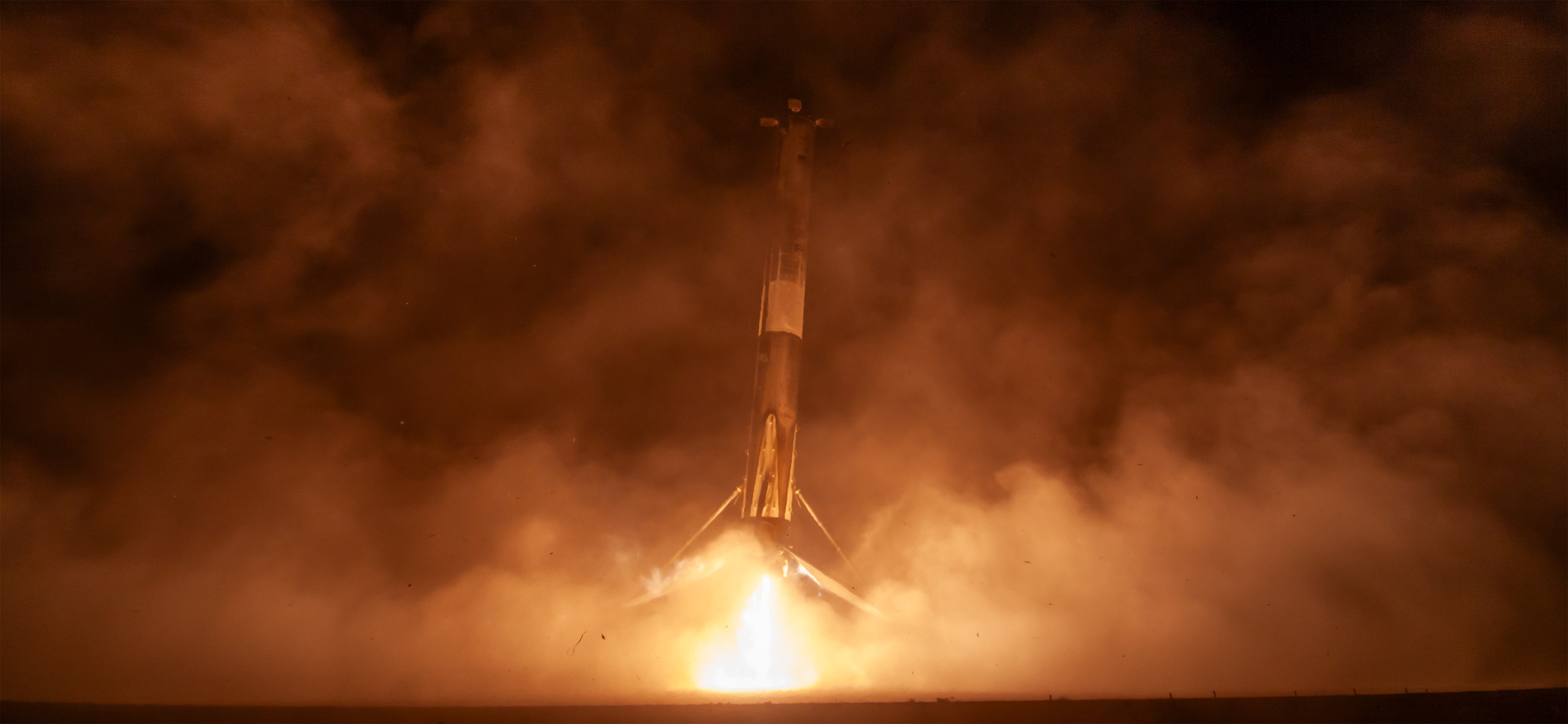
Falcon 9 is a two-stage rocket designed and manufactured by SpaceX for the reliable and safe transport of satellites and the Dragon spacecraft into orbit. The Block 5 variant is the fifth major interval aimed at improving upon the ability for rapid reusability.
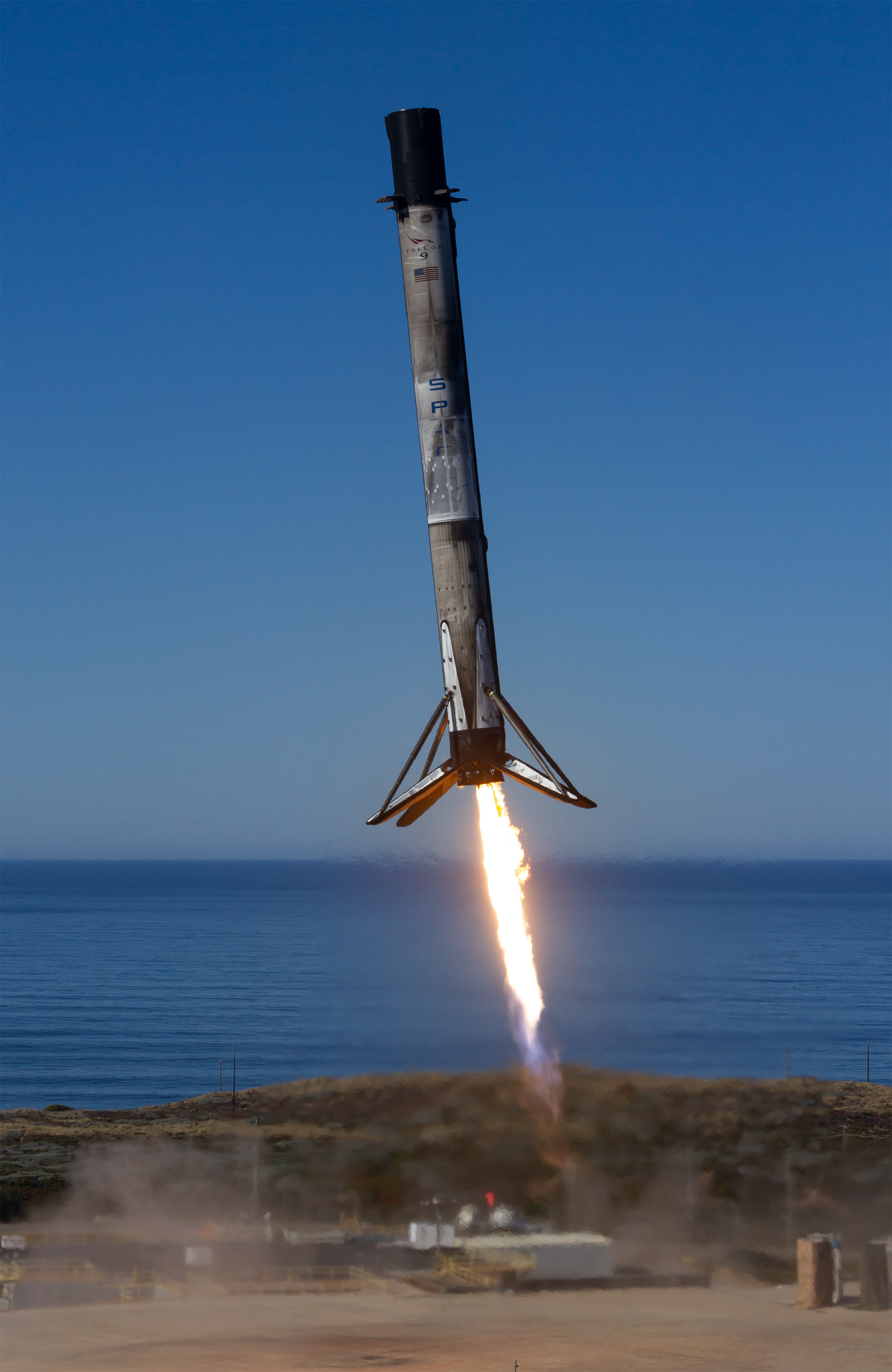
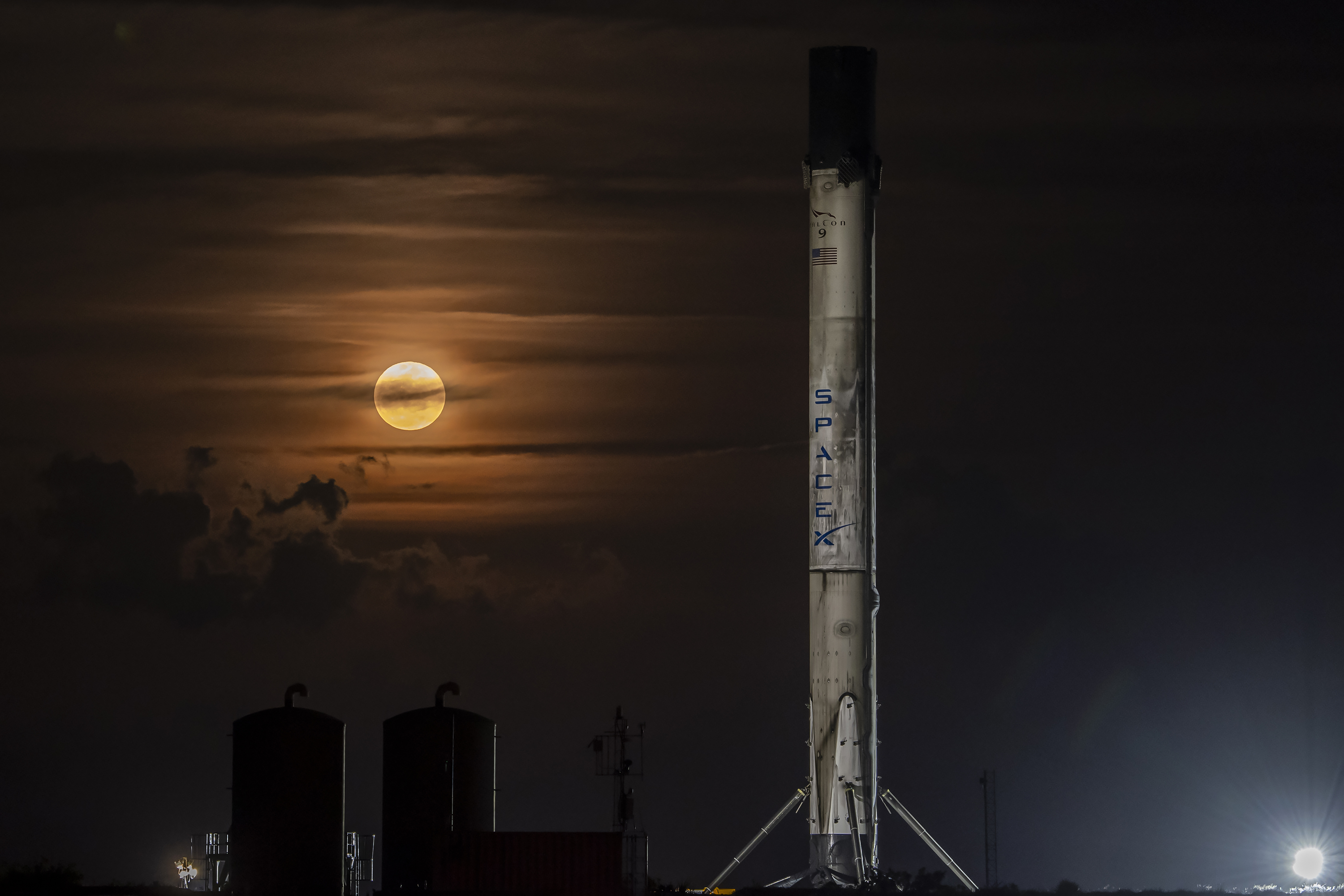
The Falcon 9 first stage B1088 will land on ASDS OCISLY after its 18th flight.
Globalstar 2-R Mission 1 (x 9) ×
Mission Details
TypeCommunications
OrbitLow Earth Orbit
TargetEarth
The Globalstar global mobile communications network offers global, digital real time voice, data and fax services via its Low Earth Orbit satellite constellation. The constellation operates in a 1410 km orbit inclined at 52 degrees.
In early 2022, Globalstar contracted with MDA for the construction of 17 new 2nd generation refresh satellites to replenish the existing constellation. Rocket Lab is sub-contracted to build the satellites’ buses and the launch dispensers.
Falcon 9 is a two-stage rocket designed and manufactured by SpaceX for the reliable and safe transport of satellites and the Dragon spacecraft into orbit. The Block 5 variant is the fifth major interval aimed at improving upon the ability for rapid reusability.
The Long March 12 carrier rocket is a Chinese medium-lift launch vehicle currently under development by the Shanghai Academy of Spaceflight Technology, using kerosene and liquid oxygen as propellant. It will be capable of placing at least 10 tonnes of payload in low Earth orbit and at least 6…
The Long March 2C is a family of expendable launch vehicles made and operated by China. It is a two stage launch vehicle with storable propellants, consisting of Nitrogen Tetroxide and Unsymmetrical Dimethylhydrazine.
Falcon 9 is a two-stage rocket designed and manufactured by SpaceX for the reliable and safe transport of satellites and the Dragon spacecraft into orbit. The Block 5 variant is the fifth major interval aimed at improving upon the ability for rapid reusability.
Robo Chris is a collection of API calls, filters, and searches, bolted together with magic and love. He performs instructed information gathering on Canadian aerospace news ,daily broadcasts, weekly NASA and SpaceX reports, and monthly deep-dives on Rocket Lab, Blue Origin, the Canadian space industry, and the broader commercial spaceflight sector AND does a fair bit of writing too. Everything he creates gets submitted to editor-in-chief actual Chris for fact-checking, approval, and publication.