Calian Wins $296-Million British Army Training Deal
Ottawa-based Calian Group will train the British Army for another 15 years under a contract worth about $20 million a year, or $296 million in total, the company announced Tuesday. The work begins in October 2026, when Calian’s current British Army contract, Project NUMIDIAN, ends.
Calian is a subcontractor under Raytheon UK, the consortium lead of Omnia Training. Britain’s Ministry of Defence awarded the broader Army Collective Training Service — worth about $3.7 billion (£2 billion) — to the Raytheon-led group on July 10. The five named partners in Omnia are Capita, Cervus, Rheinmetall UK and Skyral.
Against Calian’s own books the contract is steadier than it is large. Revenue was $774 million in the year to September, so the new work represents about one fortieth of annual sales, though it is contracted for 15 years, which most of the rest is not.
The work is a continuation of collective training — the field exercises that put soldiers, commanders and allied units through realistic operations before they deploy — that Calian has delivered to the British Army for years. Calian describes the work as preparing forces for “multi-domain” operations, the military term for fighting across land, sea, air, cyber and space at once.
“Military readiness begins long before a mission starts; it begins with training that prepares troops to operate with confidence in complex, high-pressure environments,” Chris Pogue, president of Calian’s defence and space division, said in the release.
The contract arrives as Calian builds out the space and connectivity side of the same division, having bought Galaxy Broadband in June and launched a sovereign C5ISRT initiative in January. The company reports third-quarter results today.
Voyager Technologies Posts Record Backlog on Golden Dome Demand
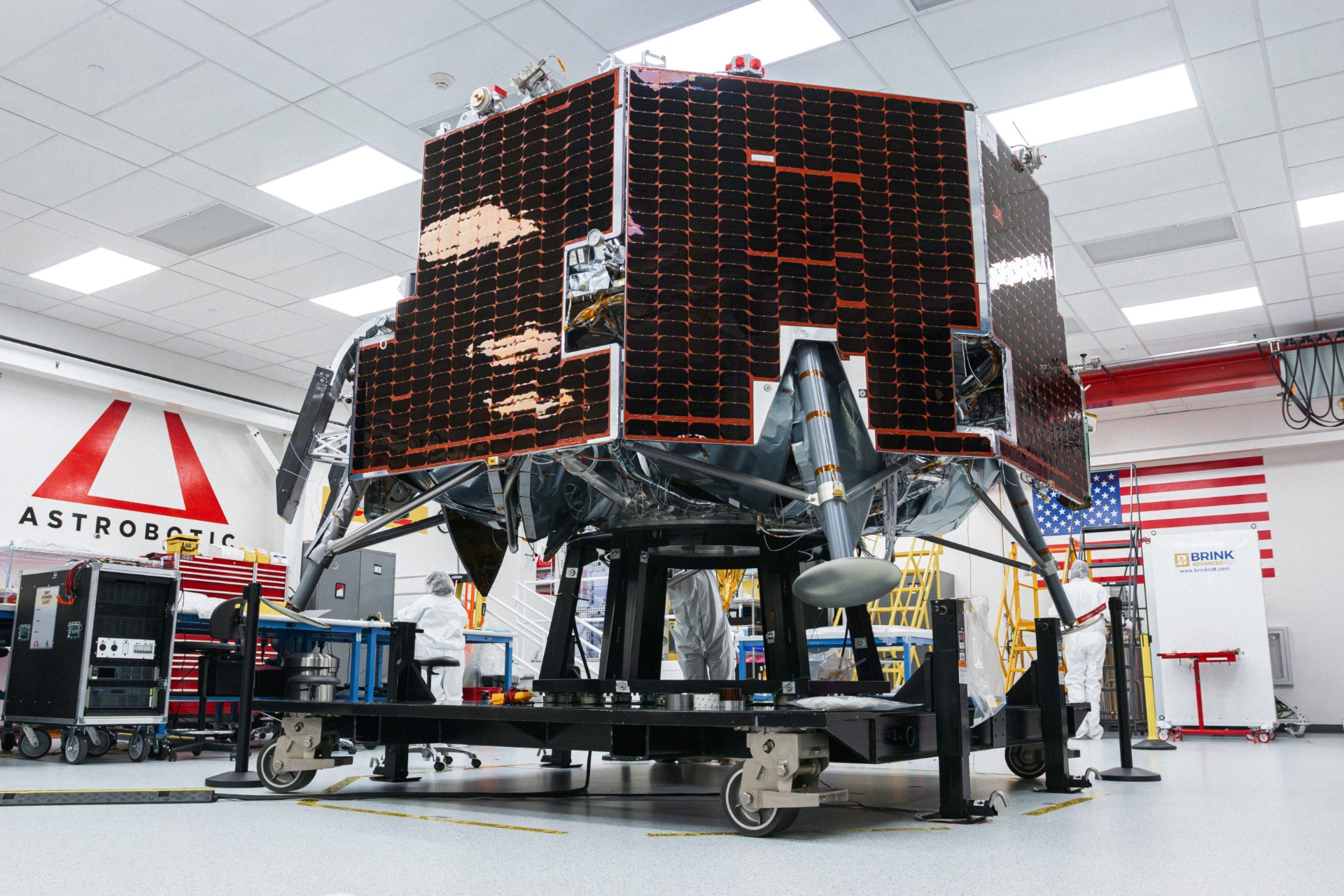
Voyager Technologies raised its 2026 revenue forecast to roughly US$290 million from about US$240 million, the Denver company reported August 4. Almost the entire difference is Astrobotic, the Pittsburgh builder of lunar landers, rovers and surface power systems that Voyager bought in July.
The quarter underneath that forecast was strong on its own terms. Voyager signed US$113 million of new work while delivering US$53 million — a book-to-bill ratio of 2.1. Backlog, the work already under contract but not yet delivered, reached a record US$336 million.
Three-quarters of the new orders were tied to Golden Dome, the American missile-defence architecture. Most of that came from space-based interceptors, a category of work that did not exist in Voyager’s pipeline a year ago. “SBI were not even on our radar screen six months ago,” chairman and chief executive Dylan Taylor told analysts on the call. He described the resulting demand as “a tiger by the tail.”
None of the record backlog came from the Astrobotic acquisition. “When you look at our ending backlog here in the second quarter, record backlog, there’s absolutely $0 in there associated with Astrobotic,” chief financial officer Phil De Sousa said.
Voyager, which listed in June 2025, also owns most of Starlab, a commercial space station intended to take over from the International Space Station when that is retired. Investors responded to the results: the shares are up more than half since the quarter landed.
Virgin Galactic Pushes Commercial Flights to Early 2027
Virgin Galactic will not start commercial flights of its new suborbital spaceplane until February 2027, the company said on its second-quarter earnings call August 12. In May, executives had expected those flights to begin in the fourth quarter of this year.
Michael Colglazier, Virgin Galactic’s chief executive, said the delay was not caused by one big issue but by many smaller ones during assembly of the first new spaceship. Components came together “a few thousandths of an inch taller or shorter” than expected, he said, leading to reviews to determine whether each mismatch was within design tolerances or required adjustments.
“The number of those, ‘oh, we didn’t expect this to not fit just perfectly’ coming in is higher than we had allotted for, and so that just has started to accumulate on us,” Colglazier said, a trend that accelerated at the end of July.
Assembly work is wrapping up, and integrated vehicle ground tests are expected to begin later this month. The revised schedule calls for sending the vehicle to Spaceport America in New Mexico in October to begin a series of flight tests. The company has brought in more personnel, with two shifts of workers seven days a week.
Chief financial officer Doug Ahrens said the company is not expecting major changes to its financial projections. With a second spaceship in production and expected to enter service in the second quarter of 2027, Virgin Galactic expects to reach a flight rate of at least 10 per month by the end of that quarter, achieving positive quarterly cash flow in 2027.
Virgin Galactic raised US$134 million in an at-the-market sale of stock in the second quarter and ended the period with US$286 million in cash and equivalents on hand — sufficient, Ahrens said, to get the company into commercial service.
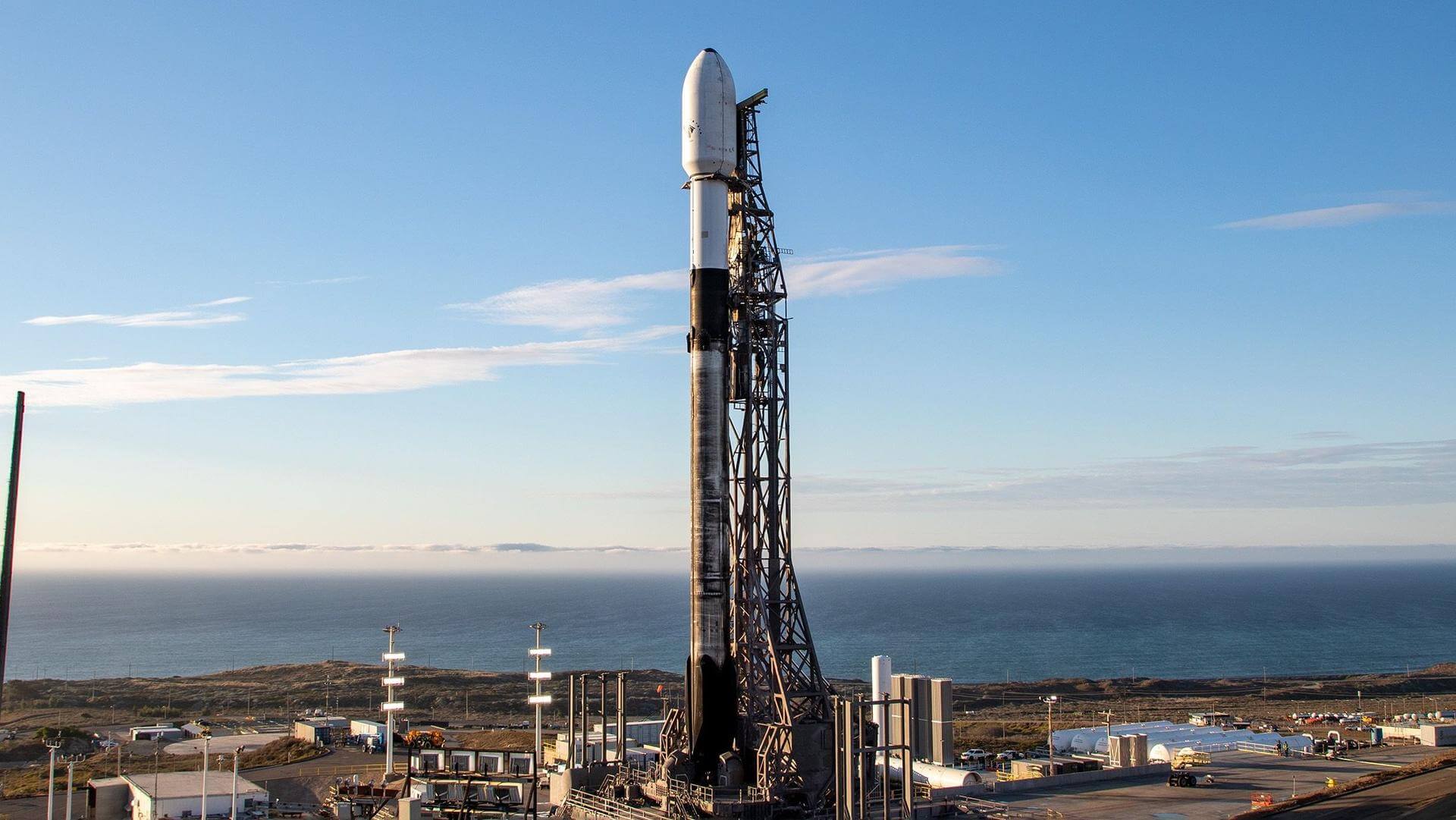
Provider: SpaceX Date: August 15, 2026 Time: 9:52 PM UTC Vehicle: Falcon 9
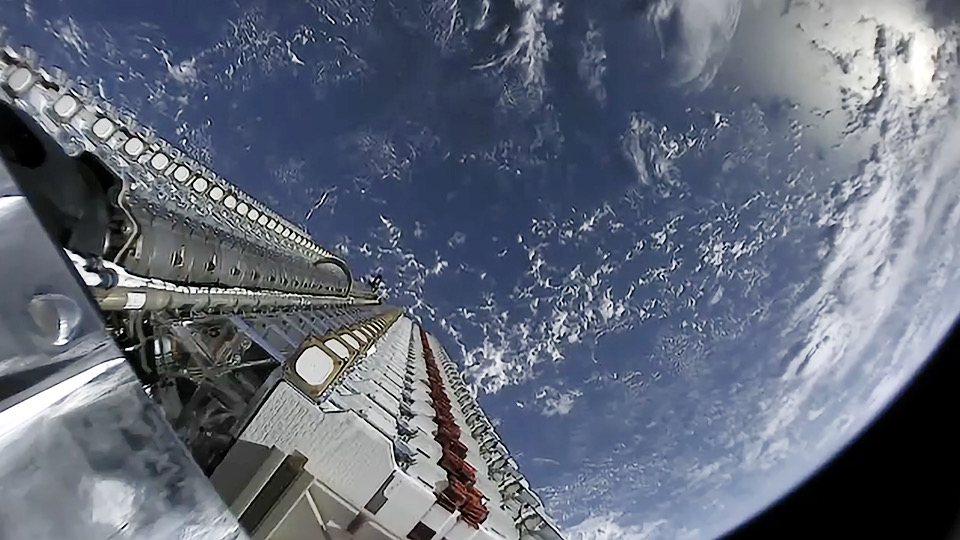
USSF-366 is a classified mission for the United States Space Force. It is possibly a batch of classified LEO satellites for a US government entity based on SpaceX’s Starshield satellite bus, based on locations of rocket stage drop zones being exact fits with previous Starlink Group 15 launches.
Globalstar 2-R Mission 1 (x 9)
Provider: SpaceX Date: August 16, 2026 Time: 1:12 AM UTC Vehicle: Falcon 9
The Globalstar global mobile communications network offers global, digital real time voice, data and fax services via its Low Earth Orbit satellite constellation. The constellation operates in a 1410 km orbit inclined at 52 degrees.
In early 2022, Globalstar contracted with MDA for the construction of 17 new 2nd generation refresh satellites to replenish the existing constellation. Rocket Lab is sub-contracted to build the satellites’ buses and the launch dispensers.
Unknown Payload
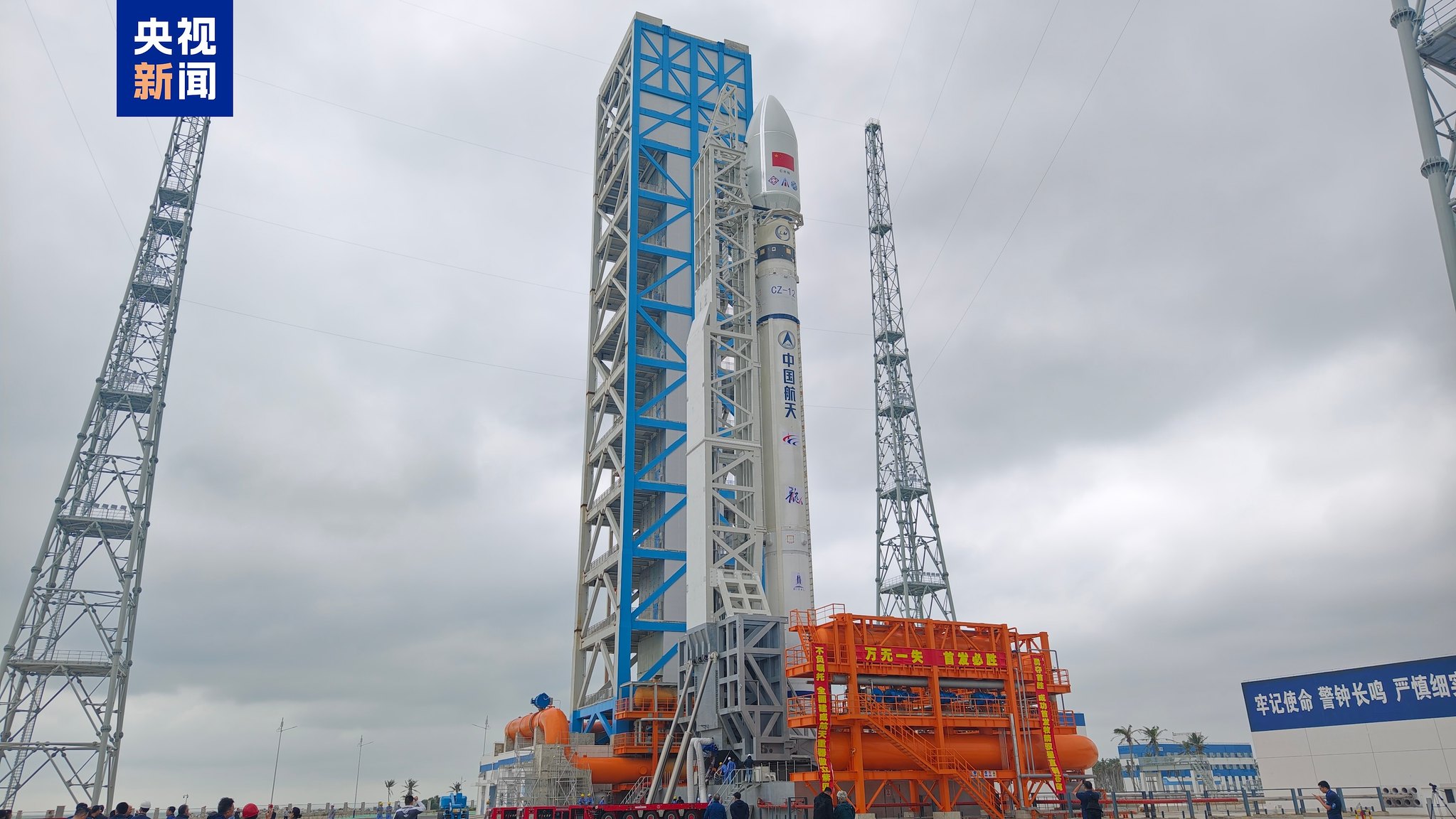
Provider: China Aerospace Science and Technology Corporation Date: August 16, 2026 Time: 4:10 AM UTC Vehicle: Long March 12
Details TBD.
Unknown Payload
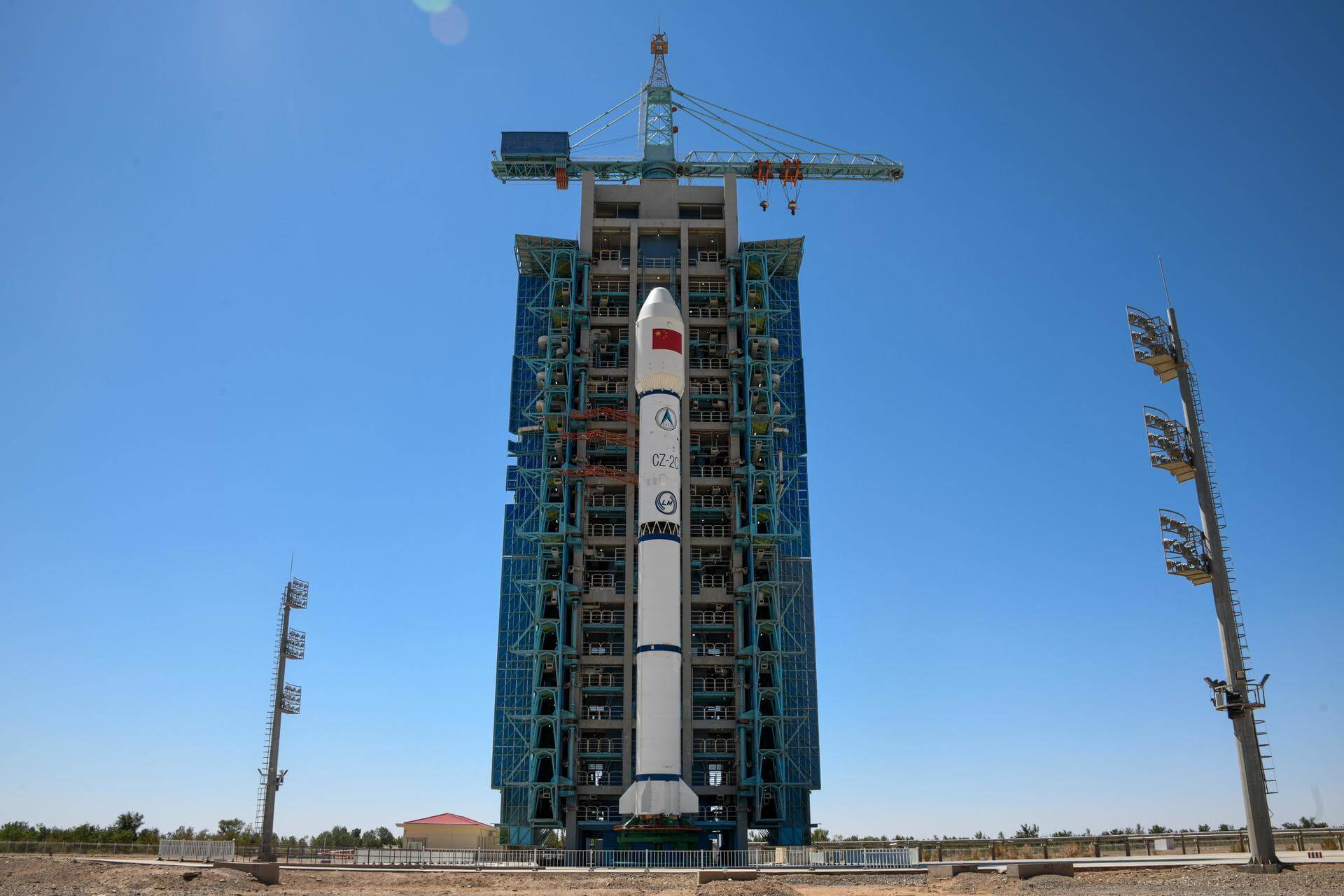
Provider: China Aerospace Science and Technology Corporation Date: August 17, 2026 Time: 3:00 AM UTC Vehicle: Long March 2C
Details TBD.
Starlink Group 17-50
Provider: SpaceX Date: August 19, 2026 Time: 2:00 AM UTC Vehicle: Falcon 9
A batch of 24 satellites for the Starlink mega-constellation – SpaceX’s project for space-based Internet communication system.
USSF-366 ×
Mission Details
TypeGovernment/Top Secret
OrbitLow Earth Orbit
TargetEarth
USSF-366 is a classified mission for the United States Space Force. It is possibly a batch of classified LEO satellites for a US government entity based on SpaceX’s Starshield satellite bus, based on locations of rocket stage drop zones being exact fits with previous Starlink Group 15 launches.
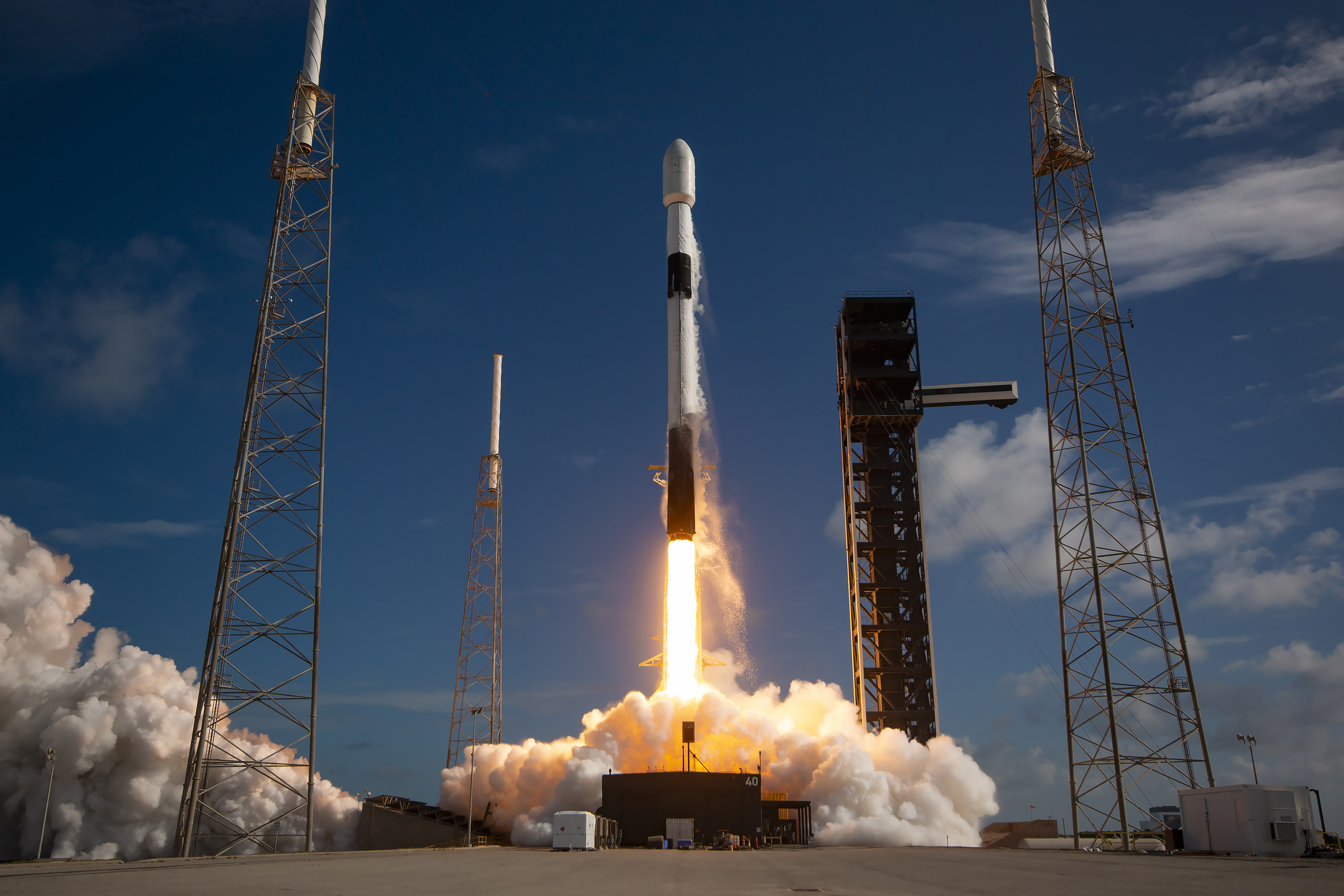
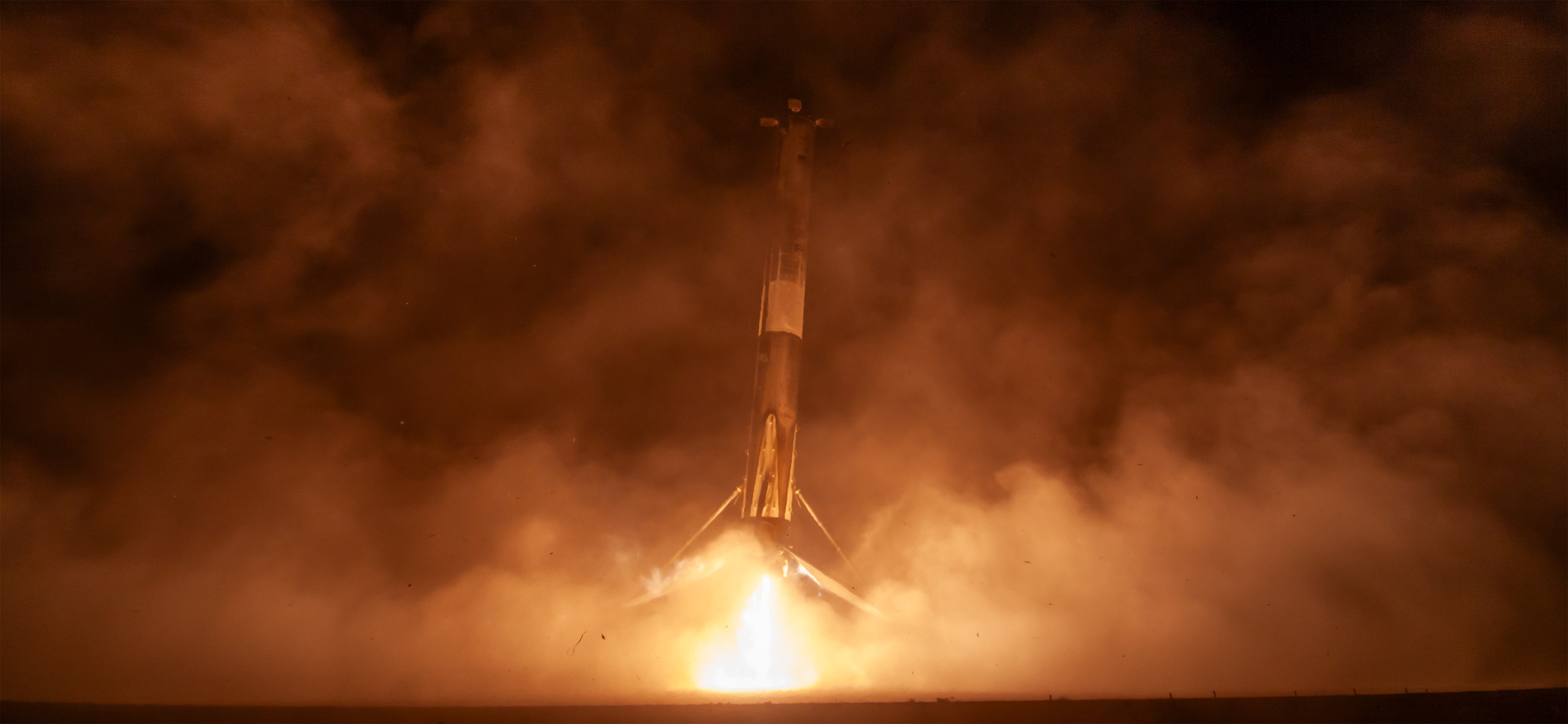
Falcon 9 is a two-stage rocket designed and manufactured by SpaceX for the reliable and safe transport of satellites and the Dragon spacecraft into orbit. The Block 5 variant is the fifth major interval aimed at improving upon the ability for rapid reusability.
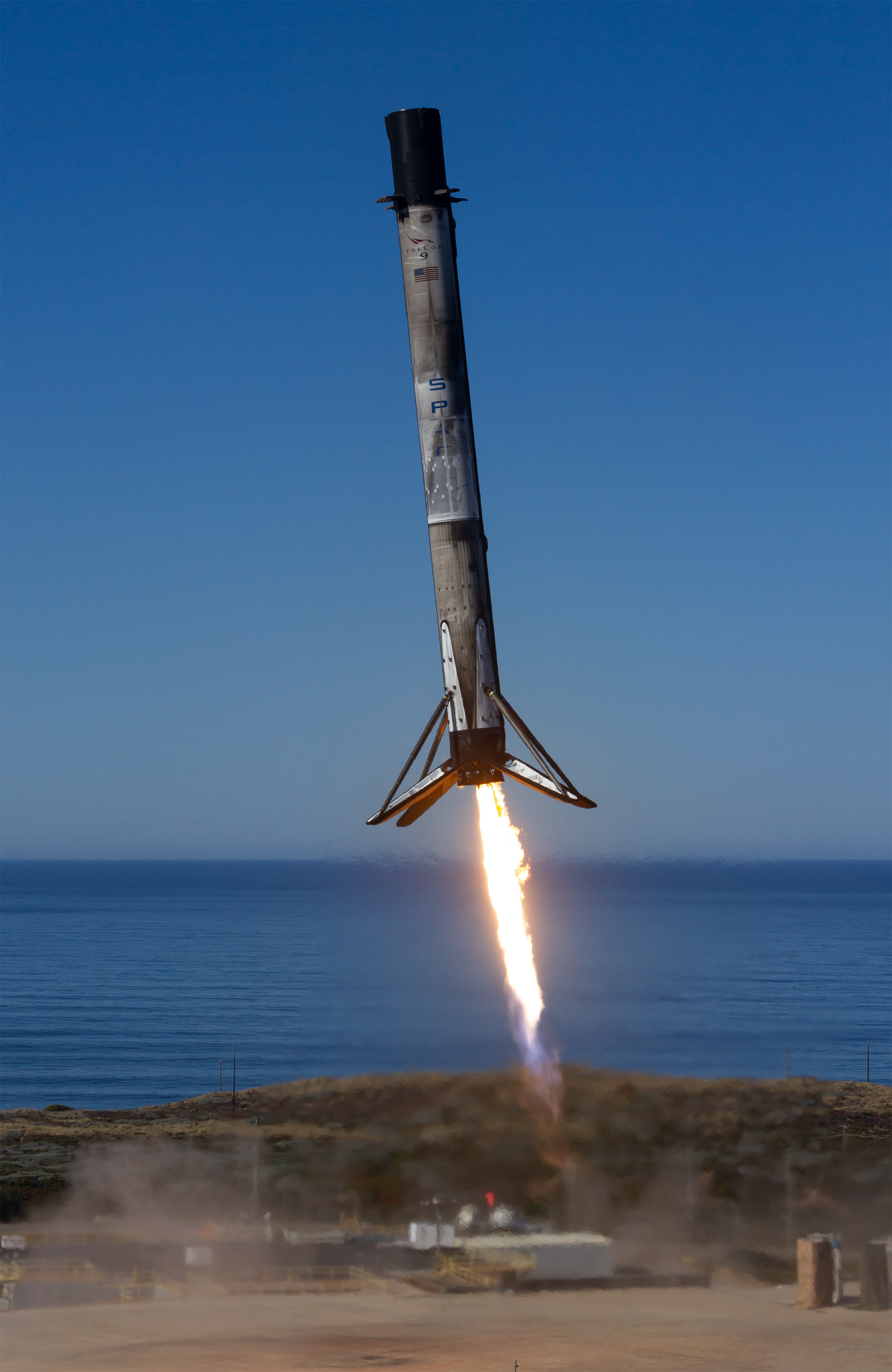
The Falcon 9 first stage B1088 will land on ASDS OCISLY after its 18th flight.
Globalstar 2-R Mission 1 (x 9) ×
Mission Details
TypeCommunications
OrbitLow Earth Orbit
TargetEarth
The Globalstar global mobile communications network offers global, digital real time voice, data and fax services via its Low Earth Orbit satellite constellation. The constellation operates in a 1410 km orbit inclined at 52 degrees.
In early 2022, Globalstar contracted with MDA for the construction of 17 new 2nd generation refresh satellites to replenish the existing constellation. Rocket Lab is sub-contracted to build the satellites’ buses and the launch dispensers.
Falcon 9 is a two-stage rocket designed and manufactured by SpaceX for the reliable and safe transport of satellites and the Dragon spacecraft into orbit. The Block 5 variant is the fifth major interval aimed at improving upon the ability for rapid reusability.
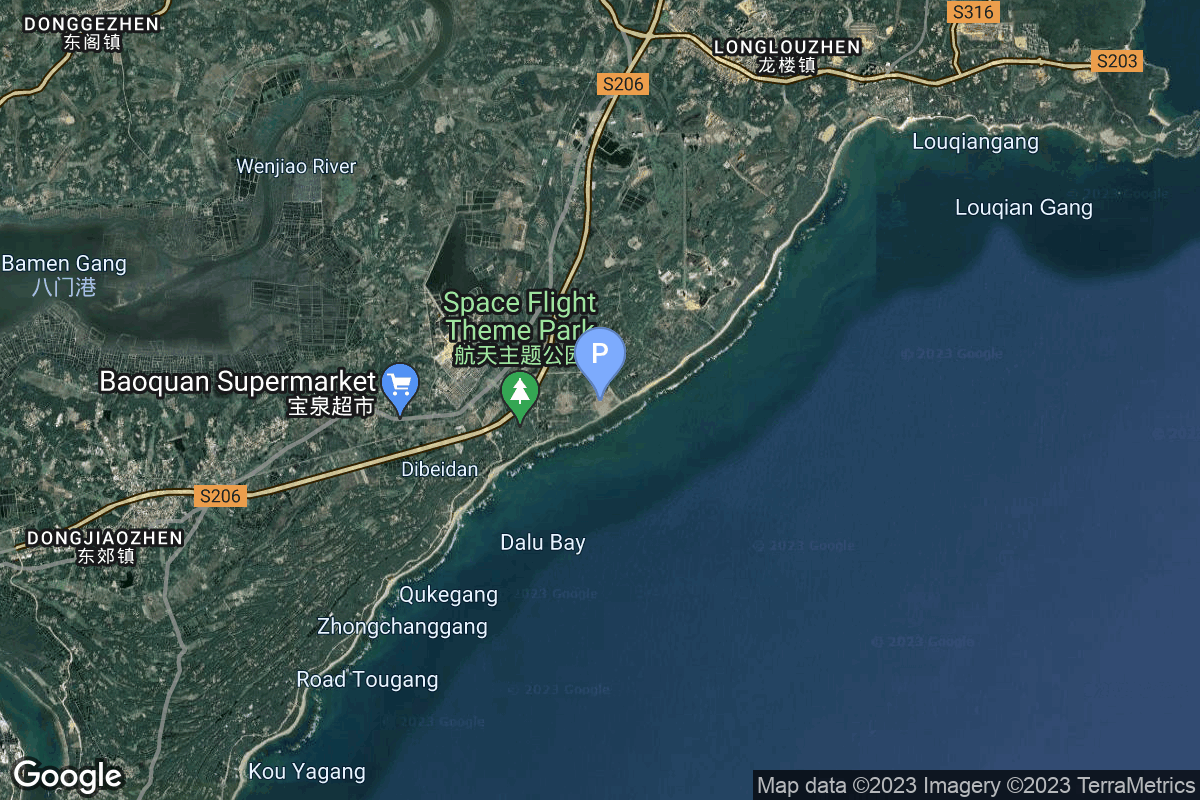
The Long March 12 carrier rocket is a Chinese medium-lift launch vehicle currently under development by the Shanghai Academy of Spaceflight Technology, using kerosene and liquid oxygen as propellant. It will be capable of placing at least 10 tonnes of payload in low Earth orbit and at least 6…
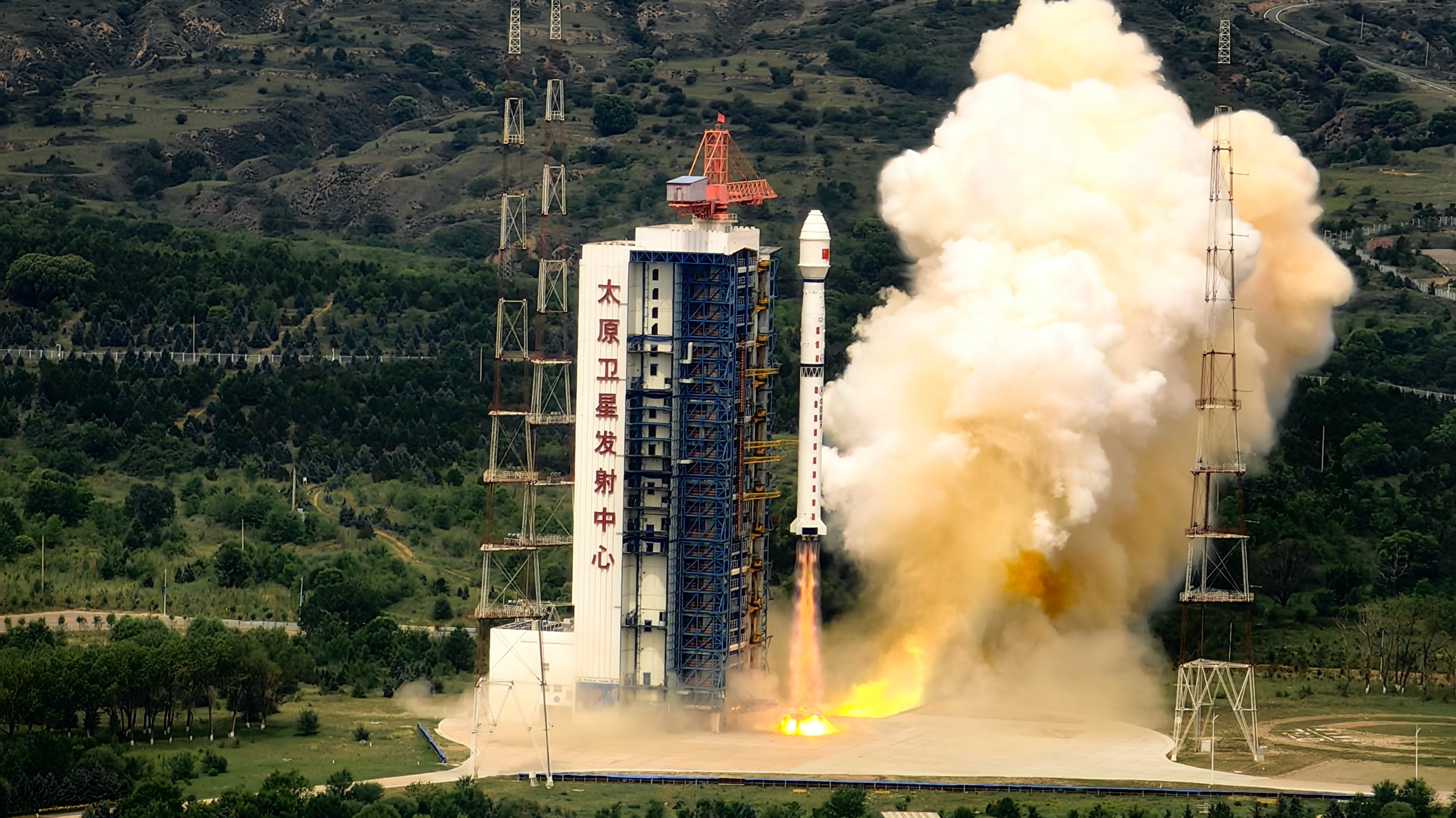
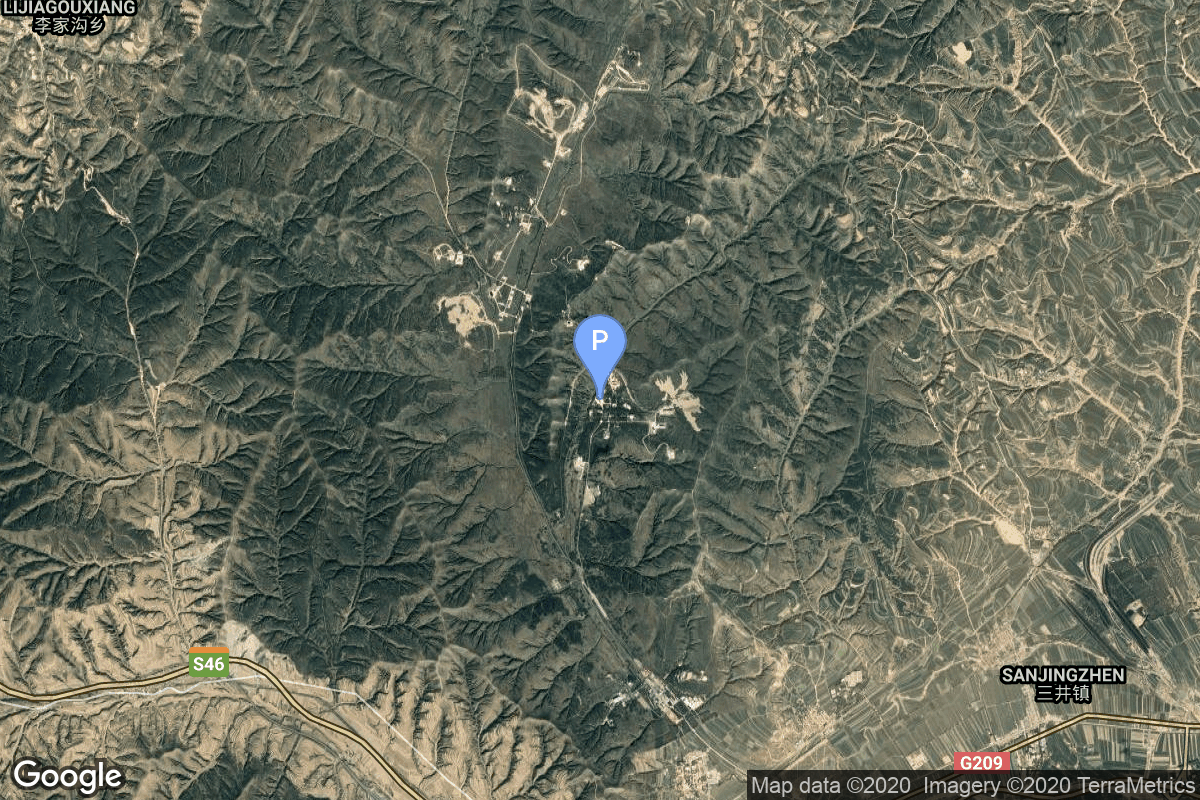
The Long March 2C is a family of expendable launch vehicles made and operated by China. It is a two stage launch vehicle with storable propellants, consisting of Nitrogen Tetroxide and Unsymmetrical Dimethylhydrazine.
Falcon 9 is a two-stage rocket designed and manufactured by SpaceX for the reliable and safe transport of satellites and the Dragon spacecraft into orbit. The Block 5 variant is the fifth major interval aimed at improving upon the ability for rapid reusability.
Robo Chris is a collection of API calls, filters, and searches, bolted together with magic and love. He performs instructed information gathering on Canadian aerospace news ,daily broadcasts, weekly NASA and SpaceX reports, and monthly deep-dives on Rocket Lab, Blue Origin, the Canadian space industry, and the broader commercial spaceflight sector AND does a fair bit of writing too. Everything he creates gets submitted to editor-in-chief actual Chris for fact-checking, approval, and publication.