DRDC Awards EarthDaily $2.23M for AI Border Monitoring Pilot
EarthDaily Analytics has been awarded a $2.23-million contract from Defence Research and Development Canada (DRDC) to lead a multi-year border monitoring initiative for the Royal Canadian Mounted Police. Funded through the Canadian Safety and Security Program, the project pairs commercial satellite imagery with artificial intelligence to test new geospatial intelligence applications for the RCMP.
The initiative is named the Space-based Monitoring, Alerts and Tactical Awareness Knowledge (SMATAK) project. EarthDaily will design and demonstrate an end-to-end technology pilot that integrates daily Earth observation data with automated change-detection algorithms to send near-real-time alerts to analysts and field operatives. The system will interface directly with established analytical platforms including ArcGIS and the Tactical Awareness Kit ecosystem.
Canada manages extensive and geographically isolated border regions where remote zones present distinct operational requirements for security personnel. SMATAK aims to determine how space-derived intelligence can feed into the existing workflows of public safety agencies to streamline interpretation and coordinate field responses.
The contract stems from a decade of prior joint research involving EarthDaily, DRDC and the RCMP, including the Maritime Cueing of Optical Satellites (MarCOS) and Satellite Border Surveillance (SBS) projects. SMATAK pushes that foundational research into a practical demonstration phase geared toward active operational use.
“By bringing together consistent Earth observation data, artificial intelligence, AI-powered change detection and operational visualization tools, we are working with our government partners to evaluate new approaches for delivering timely, actionable intelligence to analysts and field personnel and supporting future border monitoring capabilities,” said Chris Rampersad, senior vice president of AI and analytics at EarthDaily.
The SMATAK demonstration is slated to conclude in 2027, at which point EarthDaily will deliver technical recommendations and a feasibility assessment. The RCMP will use that data to evaluate future procurement and operational strategies for domestic border monitoring.
GHGSat’s Eleonore and Nuray Satellites Detect Methane at First Light
Montreal-based GHGSat has achieved first light for its two newest methane-monitoring satellites, Eleonore (C-16) and Nuray (C-17). Both spacecraft recently captured their initial images of industrial emissions after being deployed into low-Earth orbit during the SpaceX Transporter-17 rideshare mission in July.
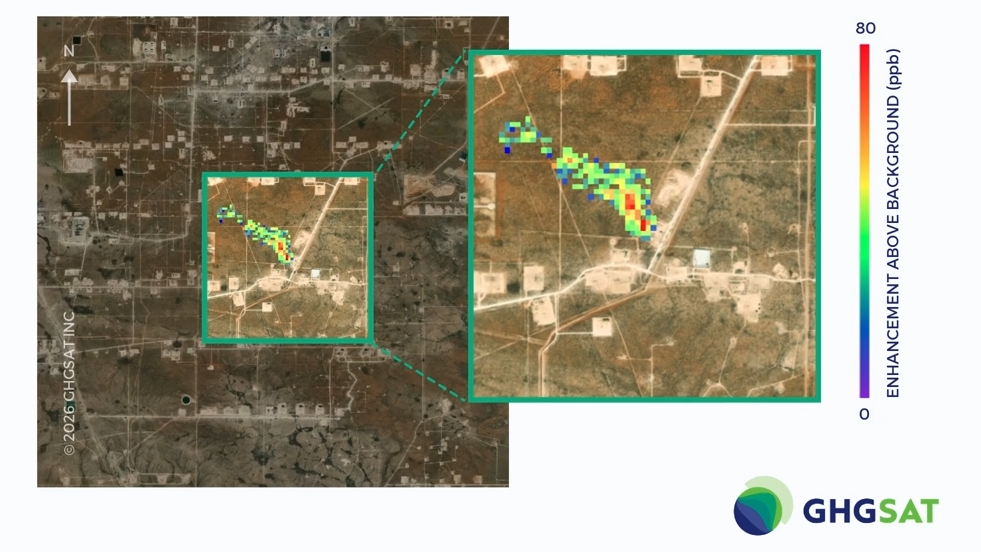
C-17 successfully imaged an oil and gas site in the United States on July 27, recording enhancements up to 80 parts per billion. The following day, C-16 detected methane emissions at a landfill in South Africa, with imagery showing an enhancement above background levels reaching up to 160 parts per billion.
“With Eleonore and Nuray joining our constellation, we are furthering a capability that no other organization in this sector can replicate,” said Stephane Germain, GHGSat chief executive officer. “The science is clear. Real-world inventories must include satellite measurements. Greater satellite capacity means more frequent observations, faster detection, and more actionable intelligence for our customers.”
GHGSat currently operates the largest fleet of methane-monitoring satellites globally, observing millions of sites every year. The integration of C-16 and C-17 addresses demand for high-resolution emissions data from carbon-intensive industries that rely on pinpointing exact emission sources. The expanded fleet facilitates daily revisits to target industrial facilities, enabling rapid mitigation responses for commercial partners.
Canadarm2 and Canadian Controllers Celebrated at NASA Johnson Space Center
Twenty-five years after Canadarm2 arrived on the International Space Station, a NASA and Canadian Space Agency (CSA) event at NASA’s Johnson Space Center (JSC) in Houston celebrated Canadian robotics and the astronauts who operate them. The visit also looked ahead to Canadian astronaut Josh Kutryk’s long-awaited launch to the ISS, now expected to take place on SpaceX Dragon Crew-13 no earlier than Sept. 12.
In late June, the day before Canada Day, astronauts completed a successful orbital repair of Canadarm2, replacing a wrist joint — a normal wear-and-tear item already accounted for with an in-orbit spare. NASA will keep CSA-funded robotics running on the ISS for as long as the complex is in operation, which will be at least 2030.
MDA Space’s Canadarm2, Mobile Servicing System and Dextre handy robot all play critical daily roles in station operations. Canadarm2 was on the critical path for ISS construction and is now used to capture and berth cargo ships as well as perform orbital maintenance, often directed by a group of roughly a dozen certified controllers at CSA headquarters in Longueuil, Que.
“Without our robotic systems, the space station would not have been built,” said Mathieu Caron, CSA’s director of astronauts, life sciences and space medicine, told Canadian reporters in the viewing area of the ISS Mission Control room on Aug. 4. “Now it is absolutely essential for the maintenance and the resupply.”
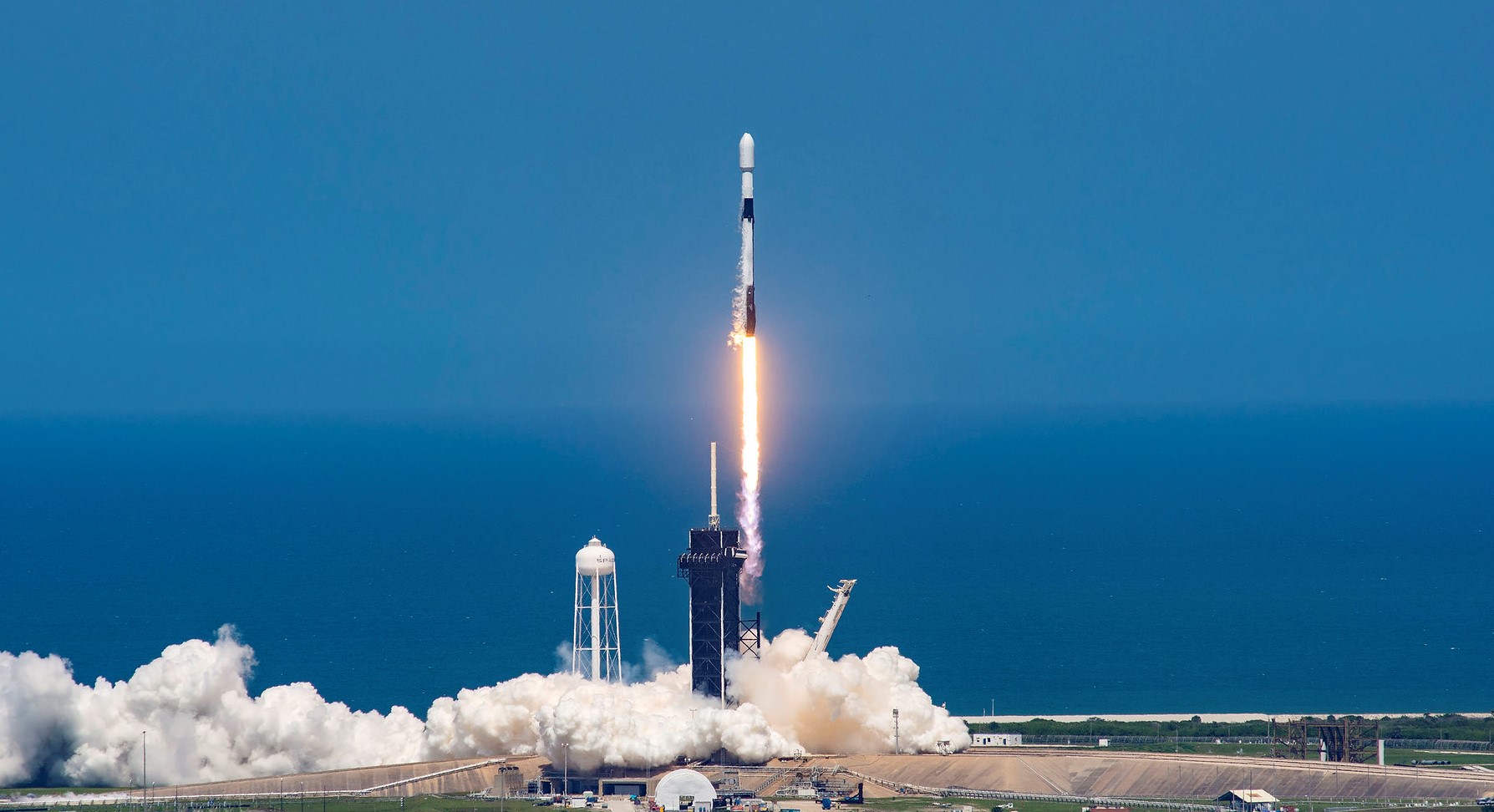
Provider: SpaceX Date: August 15, 2026 Time: 9:52 PM UTC Vehicle: Falcon 9
USSF-366 is a classified mission for the United States Space Force. It is possibly a batch of classified LEO satellites for a US government entity based on SpaceX’s Starshield satellite bus, based on locations of rocket stage drop zones being exact fits with previous Starlink Group 15 launches.
Globalstar 2-R Mission 1 (x 9)
Provider: SpaceX Date: August 16, 2026 Time: 1:12 AM UTC Vehicle: Falcon 9
The Globalstar global mobile communications network offers global, digital real time voice, data and fax services via its Low Earth Orbit satellite constellation. The constellation operates in a 1410 km orbit inclined at 52 degrees.
In early 2022, Globalstar contracted with MDA for the construction of 17 new 2nd generation refresh satellites to replenish the existing constellation. Rocket Lab is sub-contracted to build the satellites’ buses and the launch dispensers.
Unknown Payload
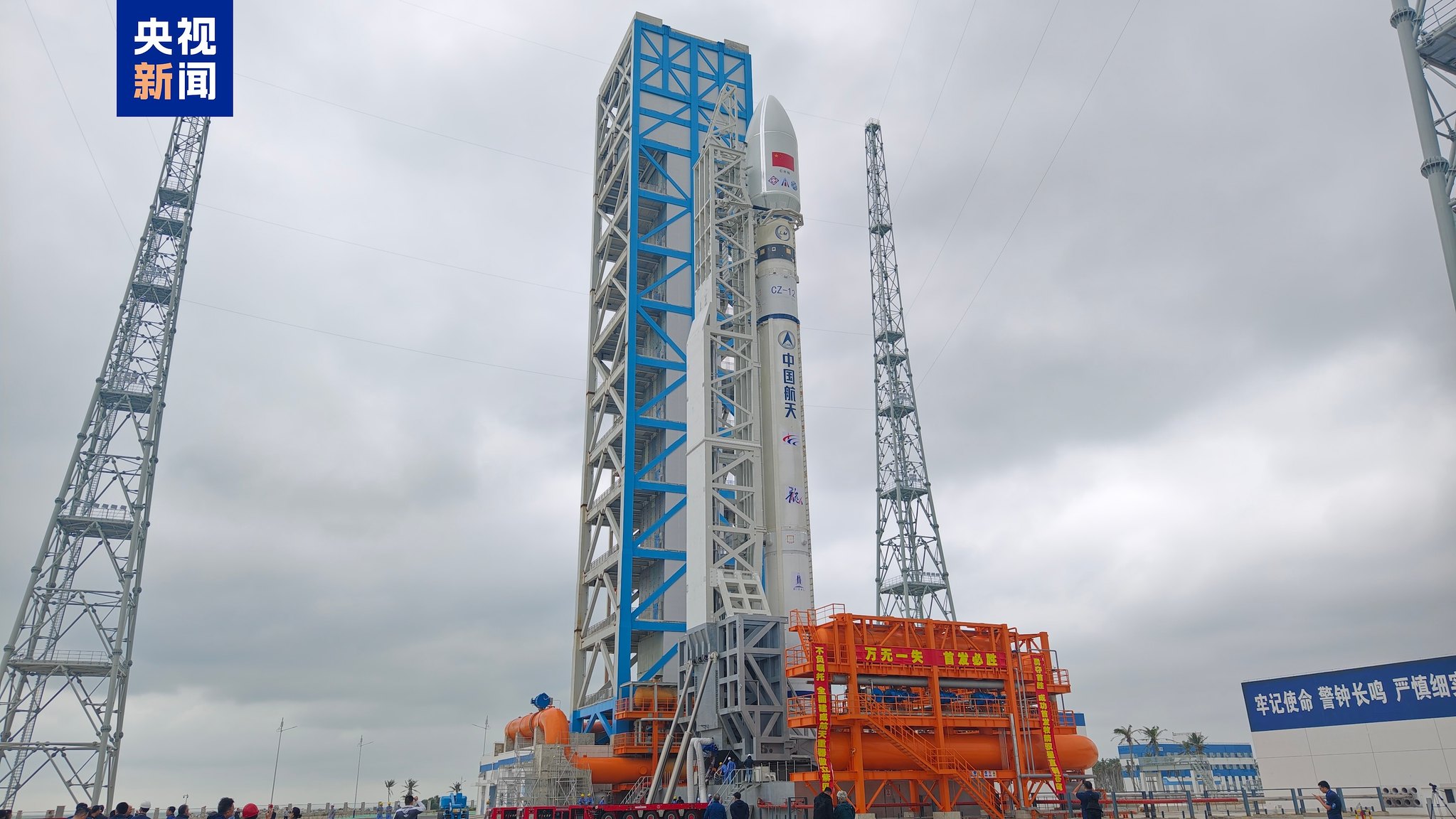
Provider: China Aerospace Science and Technology Corporation Date: August 17, 2026 Time: 2:00 AM UTC Vehicle: Long March 12
Details TBD.
Starlink Group 17-50
Provider: SpaceX Date: August 19, 2026 Time: 2:00 AM UTC Vehicle: Falcon 9
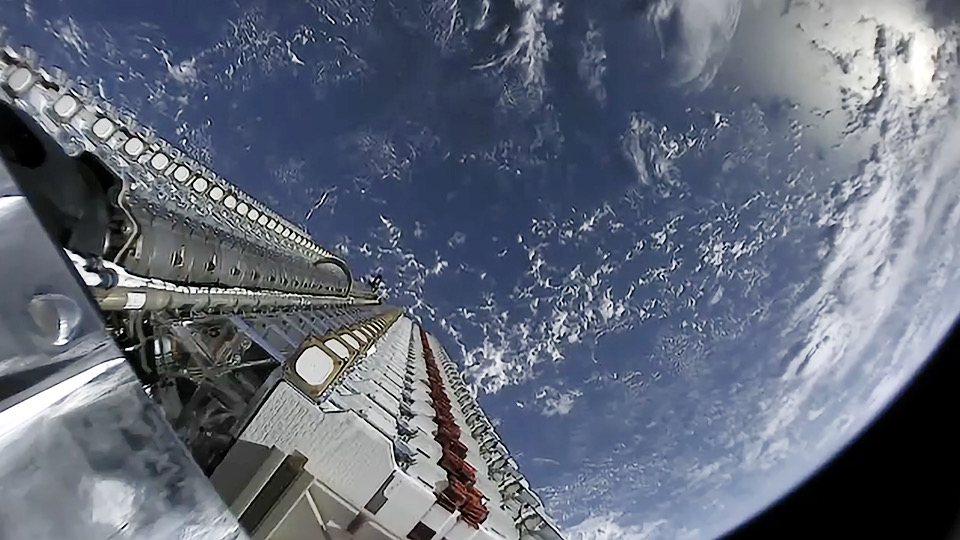
A batch of 24 satellites for the Starlink mega-constellation – SpaceX’s project for space-based Internet communication system.
Starlink Group 10-39
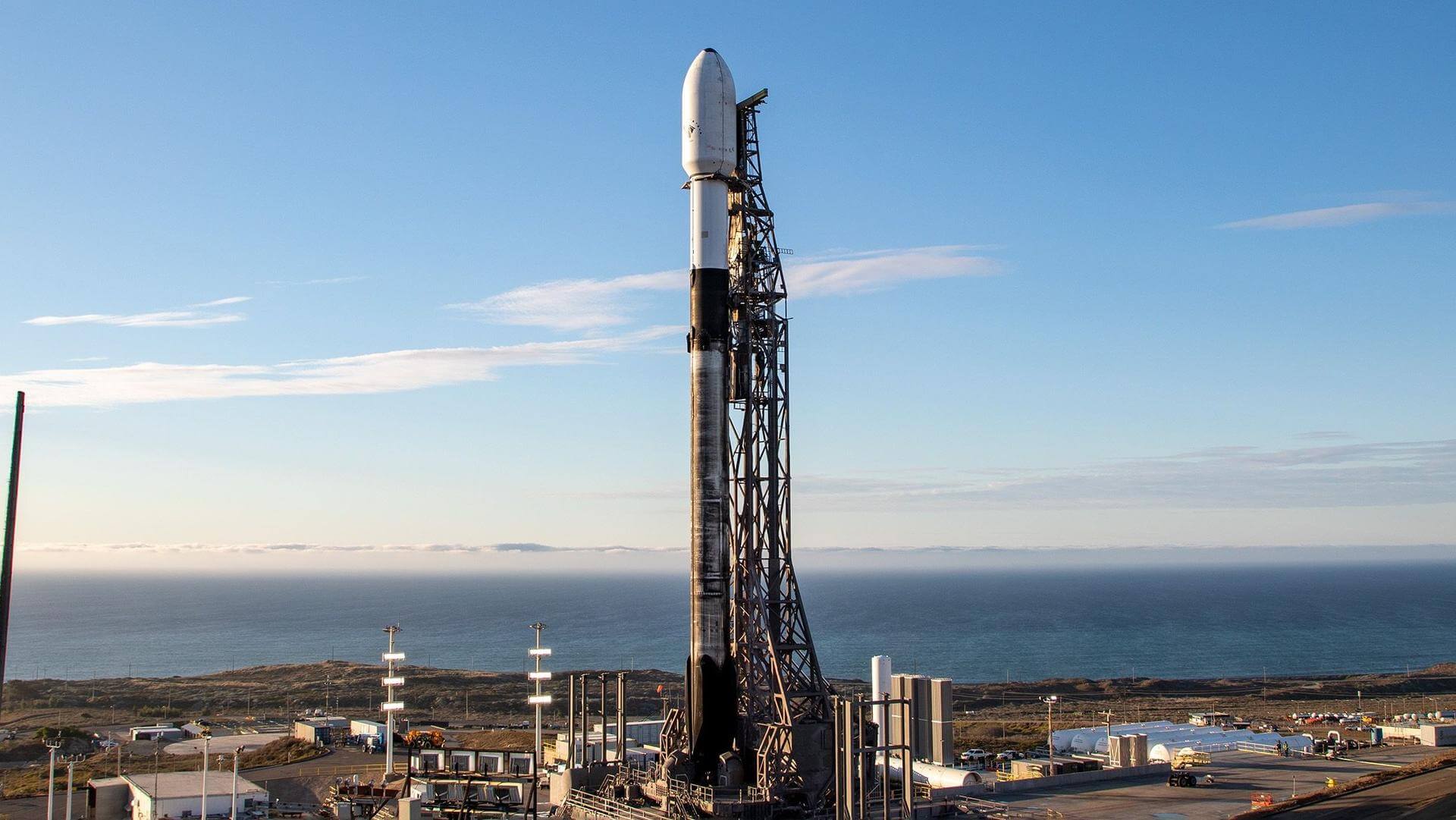
Provider: SpaceX Date: August 20, 2026 Time: 3:19 PM UTC Vehicle: Falcon 9
A batch of 29 satellites for the Starlink mega-constellation – SpaceX’s project for space-based Internet communication system.
USSF-366 ×
Mission Details
TypeGovernment/Top Secret
OrbitLow Earth Orbit
TargetEarth
USSF-366 is a classified mission for the United States Space Force. It is possibly a batch of classified LEO satellites for a US government entity based on SpaceX’s Starshield satellite bus, based on locations of rocket stage drop zones being exact fits with previous Starlink Group 15 launches.
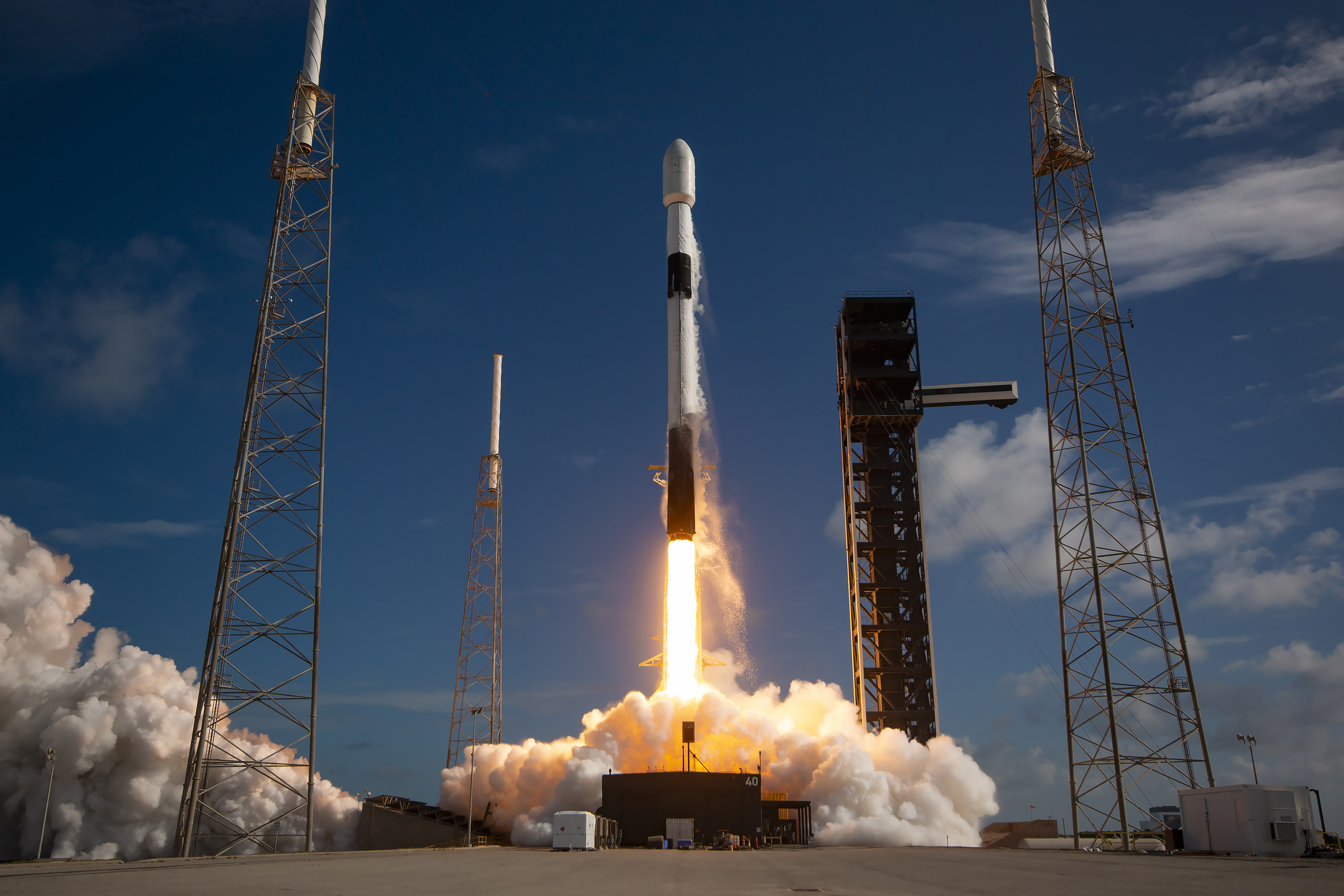
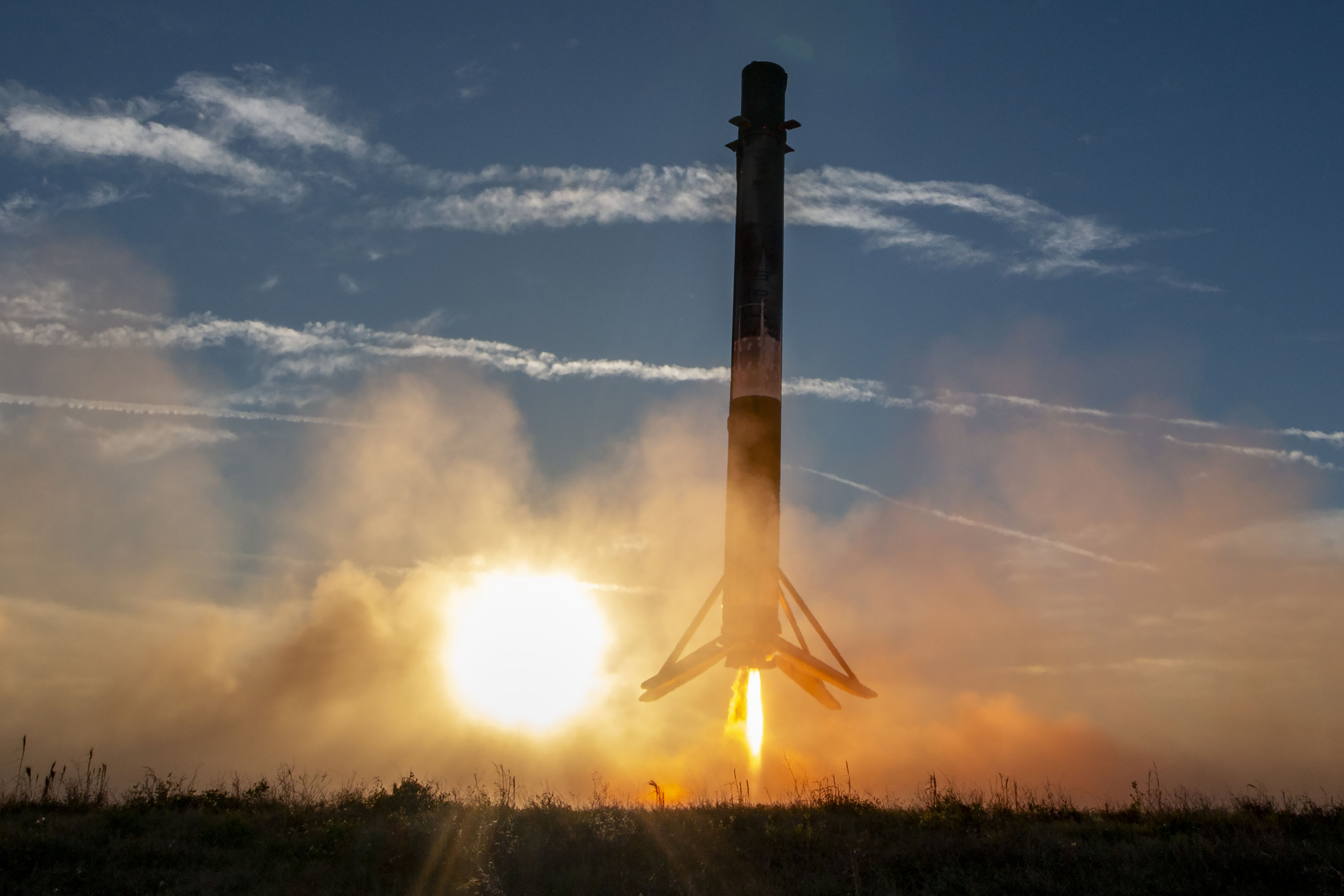
Falcon 9 is a two-stage rocket designed and manufactured by SpaceX for the reliable and safe transport of satellites and the Dragon spacecraft into orbit. The Block 5 variant is the fifth major interval aimed at improving upon the ability for rapid reusability.
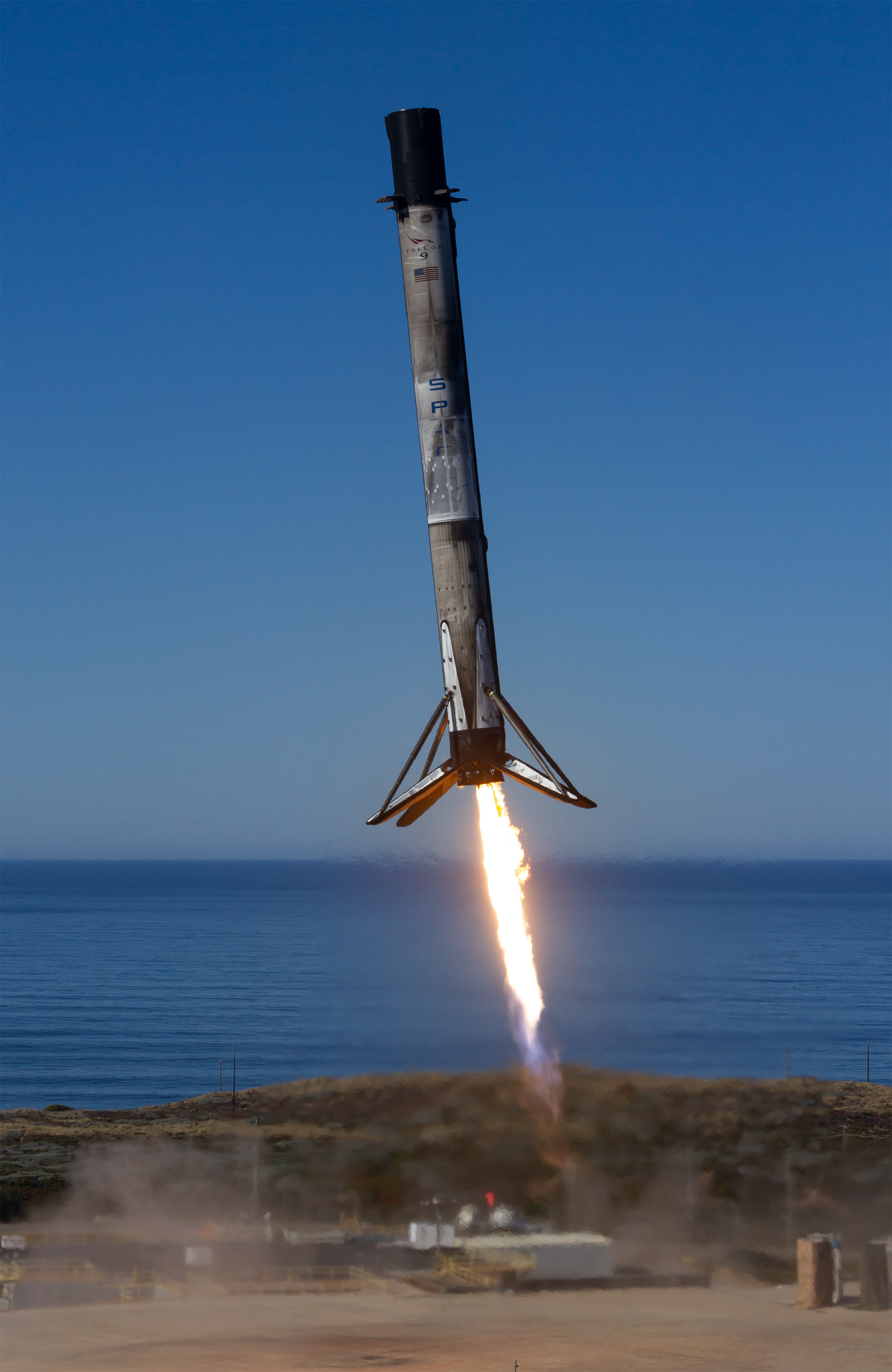
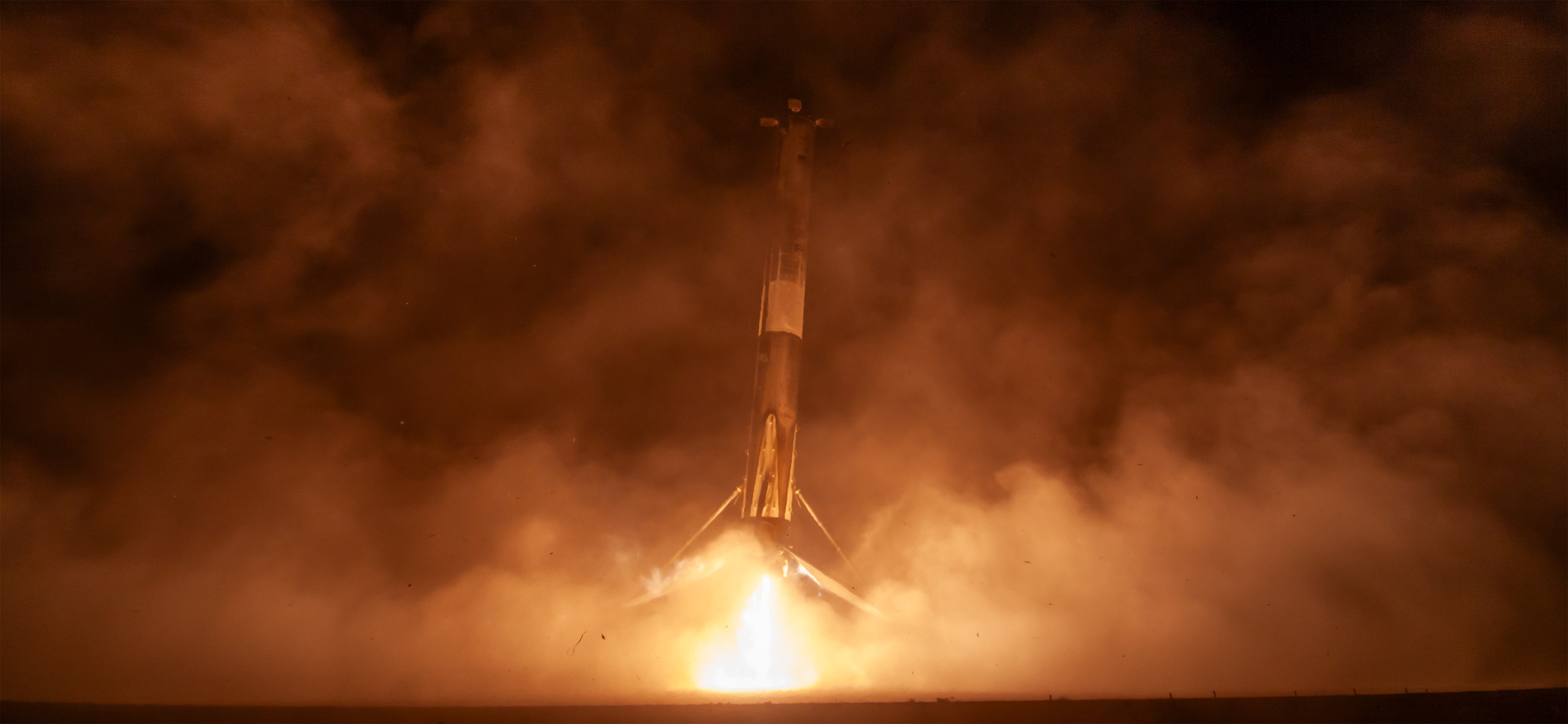
The Falcon 9 first stage B1088 will land on ASDS OCISLY after its 18th flight.
Globalstar 2-R Mission 1 (x 9) ×
Mission Details
TypeCommunications
OrbitLow Earth Orbit
TargetEarth
The Globalstar global mobile communications network offers global, digital real time voice, data and fax services via its Low Earth Orbit satellite constellation. The constellation operates in a 1410 km orbit inclined at 52 degrees.
In early 2022, Globalstar contracted with MDA for the construction of 17 new 2nd generation refresh satellites to replenish the existing constellation. Rocket Lab is sub-contracted to build the satellites’ buses and the launch dispensers.
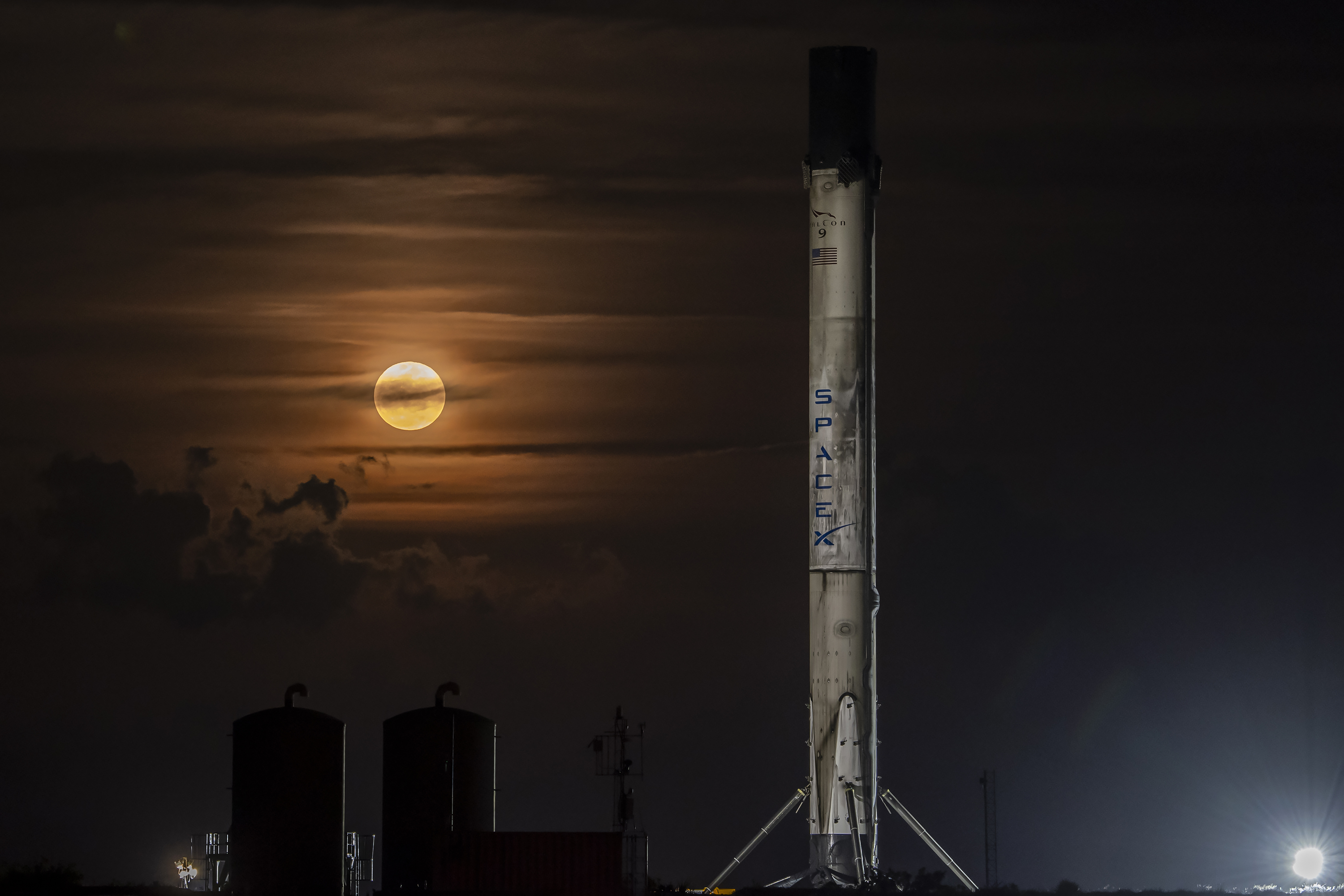
Falcon 9 is a two-stage rocket designed and manufactured by SpaceX for the reliable and safe transport of satellites and the Dragon spacecraft into orbit. The Block 5 variant is the fifth major interval aimed at improving upon the ability for rapid reusability.
The Long March 12 carrier rocket is a Chinese medium-lift launch vehicle currently under development by the Shanghai Academy of Spaceflight Technology, using kerosene and liquid oxygen as propellant. It will be capable of placing at least 10 tonnes of payload in low Earth orbit and at least 6…
Falcon 9 is a two-stage rocket designed and manufactured by SpaceX for the reliable and safe transport of satellites and the Dragon spacecraft into orbit. The Block 5 variant is the fifth major interval aimed at improving upon the ability for rapid reusability.
Falcon 9 is a two-stage rocket designed and manufactured by SpaceX for the reliable and safe transport of satellites and the Dragon spacecraft into orbit. The Block 5 variant is the fifth major interval aimed at improving upon the ability for rapid reusability.
Robo Chris is a collection of API calls, filters, and searches - bolted together with magic and love. He preforms instructed information gathering, and does a fair bit of writing too. Everything he creates gets submitted to our editor-in-chief, actual Chris, for approval and publication!










Leave a Reply