WildFireSat Procurement Resets After Spire Contract Termination
Natural Resources Canada has released the sixth edition of the WildFireSat e-Bulletin, confirming that the Canadian Space Agency, Natural Resources Canada, and Environment and Climate Change Canada remain committed to launching the wildfire monitoring satellite constellation by 2029. The commitment follows a significant procurement reset earlier this year.
On April 23, 2026, Public Works and Government Services Canada terminated a $71.8M design and development contract with Spire Global Canada for convenience. That agreement, awarded in February 2025, covered the initial phases of a planned $106-million constellation of 10 small satellites meant to operate in low-Earth orbit.
Addressing the space sector on May 20, CSA President Lisa Campbell outlined a flexible procurement strategy, encouraging industry partners to focus on speed, initial operating capability, and iterative development rather than rigid technical requirements. On May 22, the agency issued a Request for Information to assess how domestic companies can support global wildfire tracking, followed by a virtual industry session on June 2.
The bulletin also reported on outreach to front-line responders, including sessions with nine Indigenous emergency management organizations in Winnipeg. Officials emphasized that satellite data must align with community priorities, respect local governance, and protect sensitive cultural information.
Federal coordinators also launched a free online course, An Introduction to Satellites in Wildfire Management, through the Canadian Interagency Forest Fire Centre learning portal. Developed over three years with provincial and international partners, the self-paced curriculum is available in English, French, and Spanish, with downloadable materials in Plains Cree.
Webb Detects Dust and Water Near the Milky Way’s Black Hole
Using the NASA/ESA/CSA James Webb Space Telescope, an international team of astronomers has discovered that dust and water can form and survive surprisingly close to the supermassive black hole at the centre of the Milky Way. The observations reveal that the evolved star IRS 3 continues to enrich its surroundings with newly formed material despite the intense radiation environment around Sagittarius A*.
IRS 3 is located just 0.55 light-years from Sagittarius A*. The star has reached the asymptotic giant branch phase — a late-life stage where stars become huge, cool, and luminous, shedding gas into space through powerful stellar winds. This cast-off material is one of the most important sources of cosmic dust, but it was not clear if it could be produced so close to a supermassive black hole.
By analysing the star’s infrared light with Webb’s MIRI (Mid-Infrared Instrument), the research team identified clear signatures of oxygen-rich dust and, for the first time, detected water in the star’s surrounding envelope. The results demonstrate that even under the harsh conditions near a supermassive black hole, evolved stars can still produce dust and other materials important for future generations of stars and planets.
Neutron’s First Launch Window Narrows as Rocket Lab Targets Pad Delivery
Rocket Lab warned that the chances of launching its Neutron rocket for the first time before the end of 2026 are “narrowing,” despite progress on the vehicle’s development. Speaking on an Aug. 10 earnings call, chief executive Peter Beck said the company is moving into final checkout and assembly of all flight hardware before integrating them at the pad.
“While the window for an end-of-year launch is narrowing, the work we’re doing now is about risk trading, balancing the timing of our first launch against how quickly and seamlessly we can scale our 10th launch,” Beck said. He noted that delivering Neutron to the pad in Q4 2026 is not the same as launching it that quarter, since the company plans pad tests including a static fire of the first stage.
Beck acknowledged the risks of integrated stage testing. “Stage testing is always the thing that gets your adrenaline running because you have fully fueled vehicles on the pad, and you’re igniting the engines for the first time,” he said, referencing Blue Origin’s New Glenn, which exploded during a static-fire test on the pad in May.
The same earnings call included a contract to launch satellites for Kepler Communications on a Neutron no earlier than 2028, signalling continued commercial demand for the vehicle despite the development delays.
A slip to 2027 would be the latest in a series of schedule shifts for Neutron. Rocket Lab announced the vehicle in 2021 with a first-launch goal of 2024. That target was pushed to mid-2025, then to the end of 2025 on a “green-light” schedule offering no margin for error. In November 2025, the company said the vehicle would reach the pad in the first quarter of 2026, with a launch later in the year.
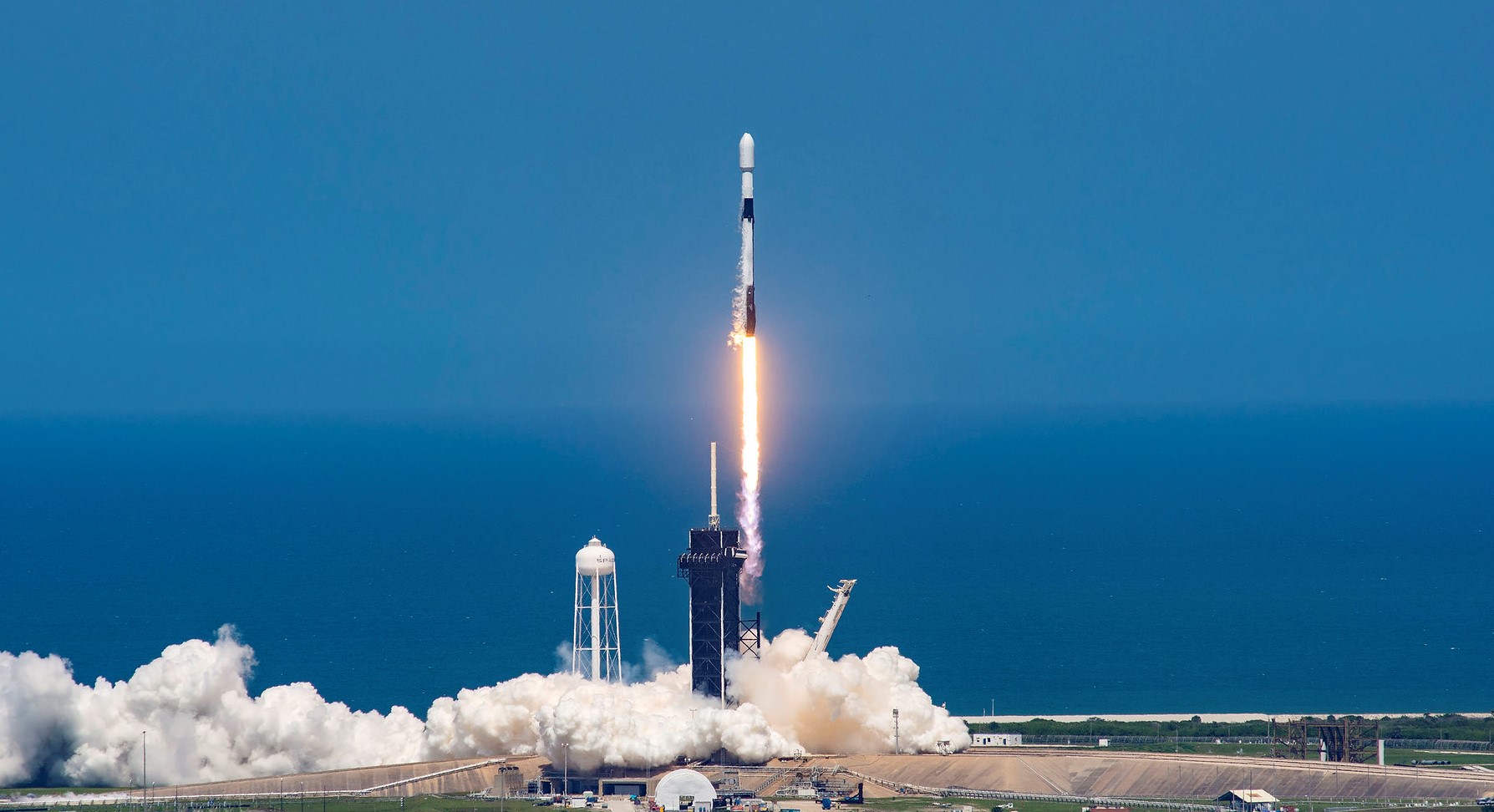
Provider: SpaceX Date: August 11, 2026 Time: 3:58 PM UTC Vehicle: Falcon 9
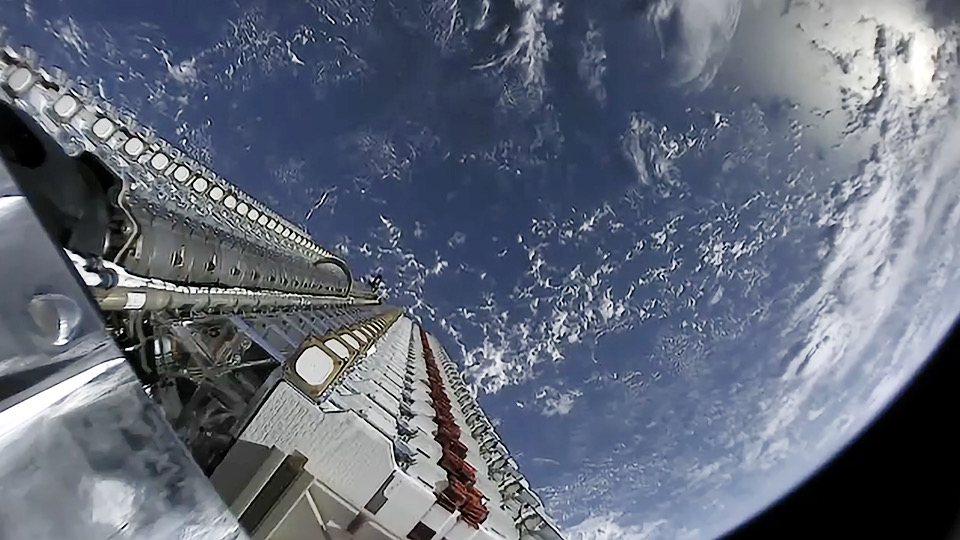
A batch of 29 satellites for the Starlink mega-constellation – SpaceX’s project for space-based Internet communication system.
Starlink Group 17-49
Provider: SpaceX Date: August 12, 2026 Time: 4:46 AM UTC Vehicle: Falcon 9
A batch of 24 satellites for the Starlink mega-constellation – SpaceX’s project for space-based Internet communication system.
USSF-366
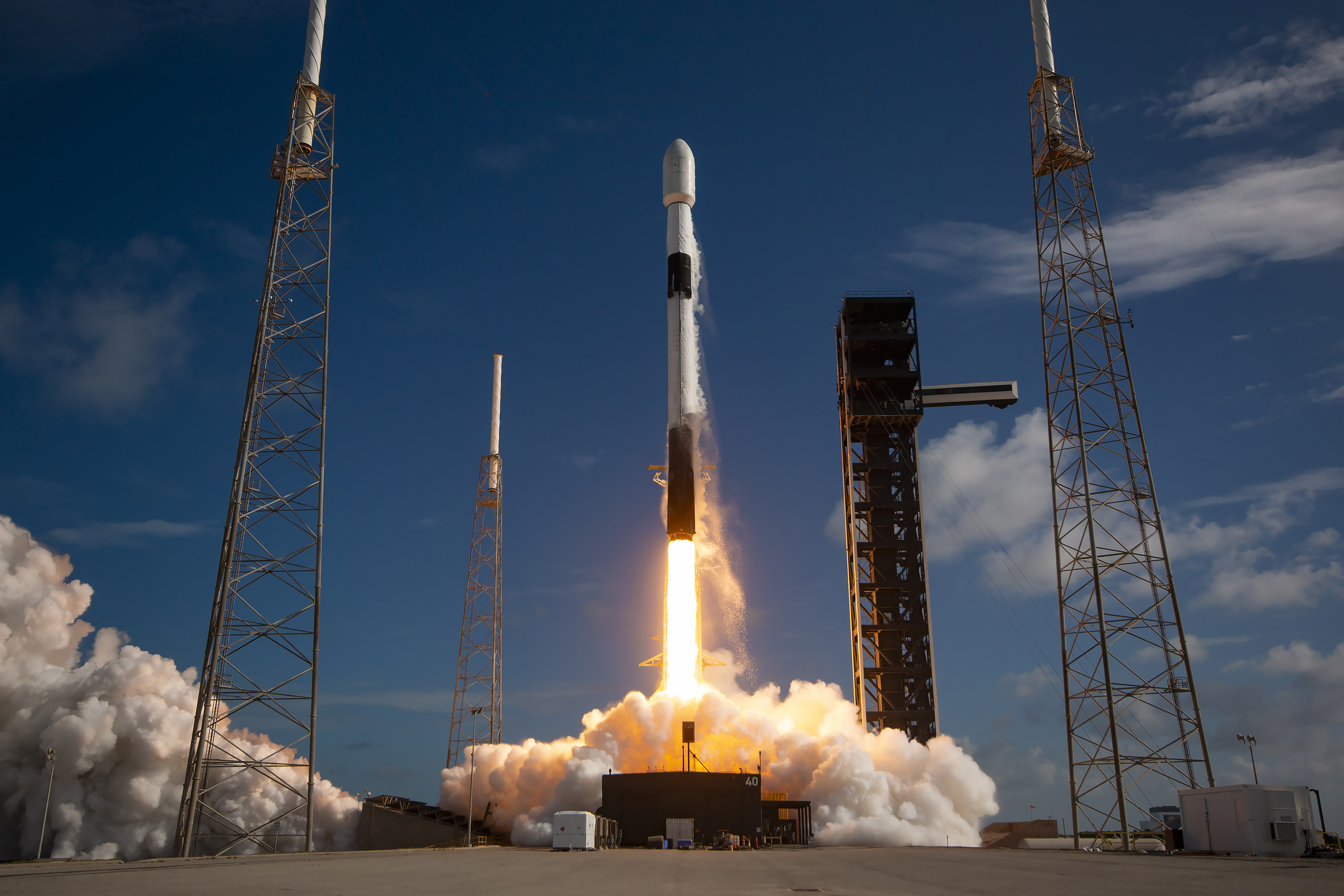
Provider: SpaceX Date: August 15, 2026 Time: 9:52 PM UTC Vehicle: Falcon 9
USSF-366 is a classified mission for the United States Space Force. It is possibly a batch of classified LEO satellites for a US government entity based on SpaceX’s Starshield satellite bus, based on locations of rocket stage drop zones being exact fits with previous Starlink Group 15 launches.
Globalstar 2-R Mission 1 (x 9)
Provider: SpaceX Date: August 16, 2026 Time: 1:12 AM UTC Vehicle: Falcon 9
The Globalstar global mobile communications network offers global, digital real time voice, data and fax services via its Low Earth Orbit satellite constellation. The constellation operates in a 1410 km orbit inclined at 52 degrees.
In early 2022, Globalstar contracted with MDA for the construction of 17 new 2nd generation refresh satellites to replenish the existing constellation. Rocket Lab is sub-contracted to build the satellites’ buses and the launch dispensers.
Unknown Payload
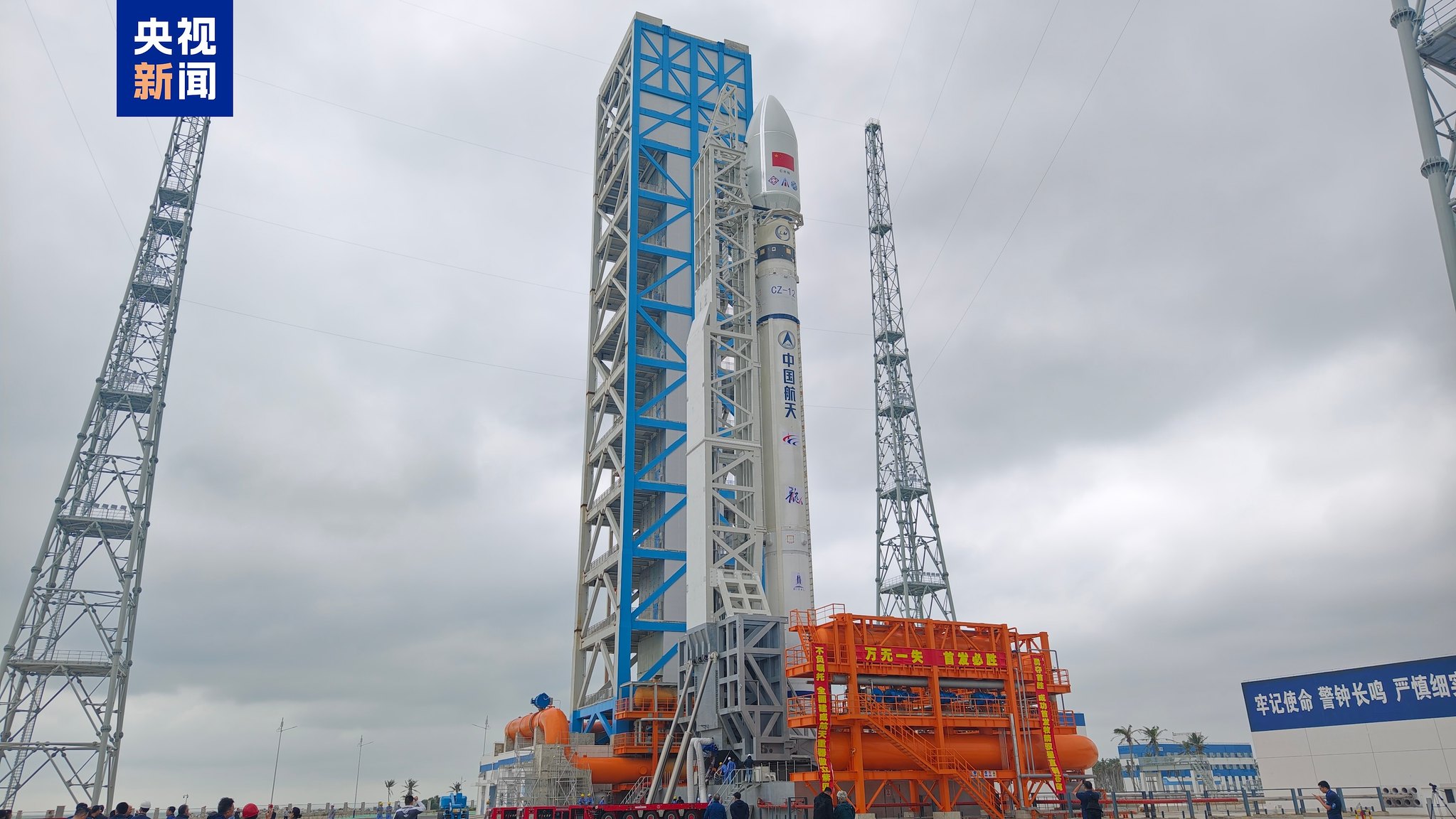
Provider: China Aerospace Science and Technology Corporation Date: August 17, 2026 Time: 2:00 AM UTC Vehicle: Long March 12
Details TBD.
Starlink Group 10-19 ×
Mission Details
TypeCommunications
OrbitLow Earth Orbit
TargetEarth
A batch of 29 satellites for the Starlink mega-constellation – SpaceX’s project for space-based Internet communication system.
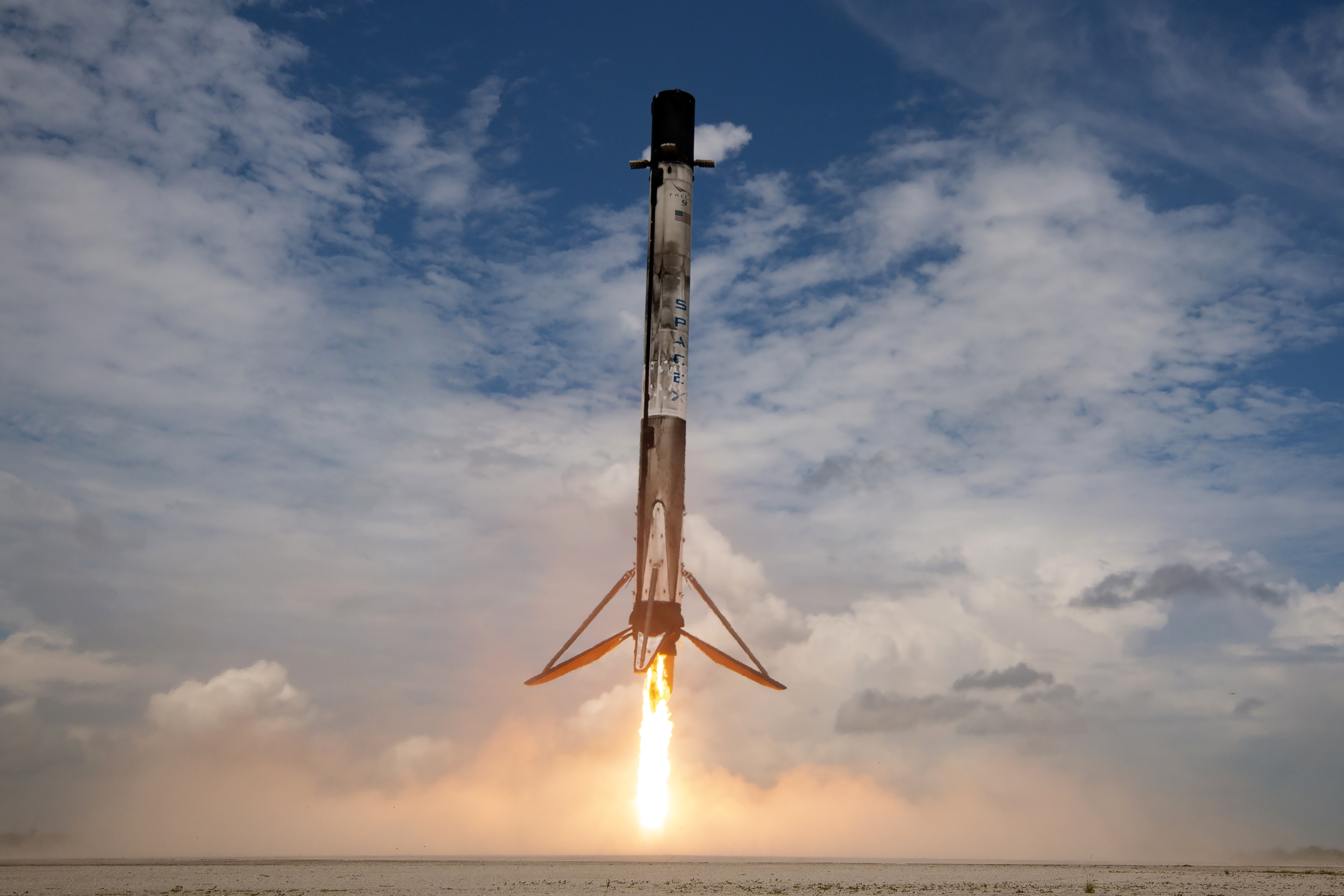
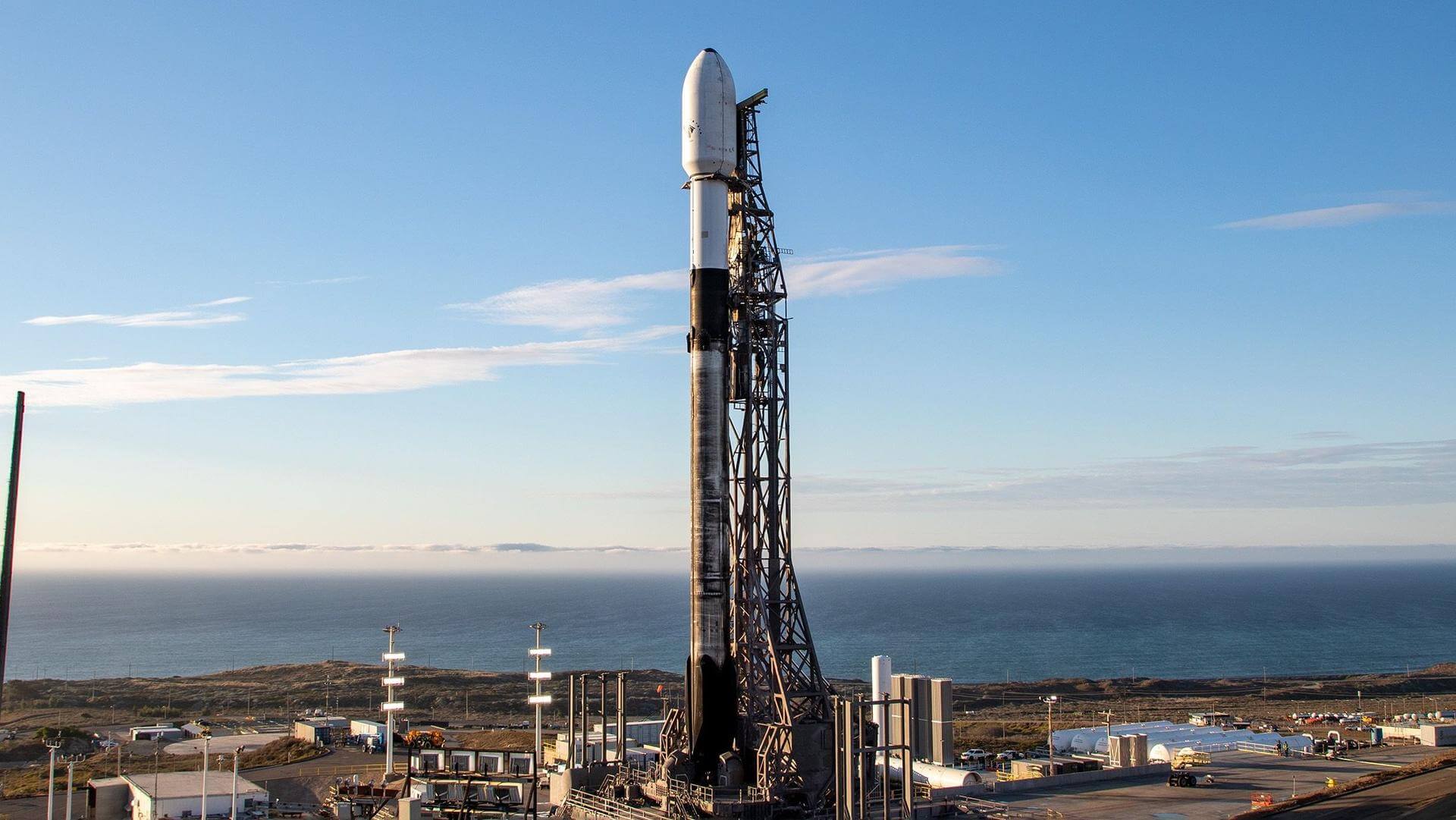
Falcon 9 is a two-stage rocket designed and manufactured by SpaceX for the reliable and safe transport of satellites and the Dragon spacecraft into orbit. The Block 5 variant is the fifth major interval aimed at improving upon the ability for rapid reusability.
Falcon 9 is a two-stage rocket designed and manufactured by SpaceX for the reliable and safe transport of satellites and the Dragon spacecraft into orbit. The Block 5 variant is the fifth major interval aimed at improving upon the ability for rapid reusability.
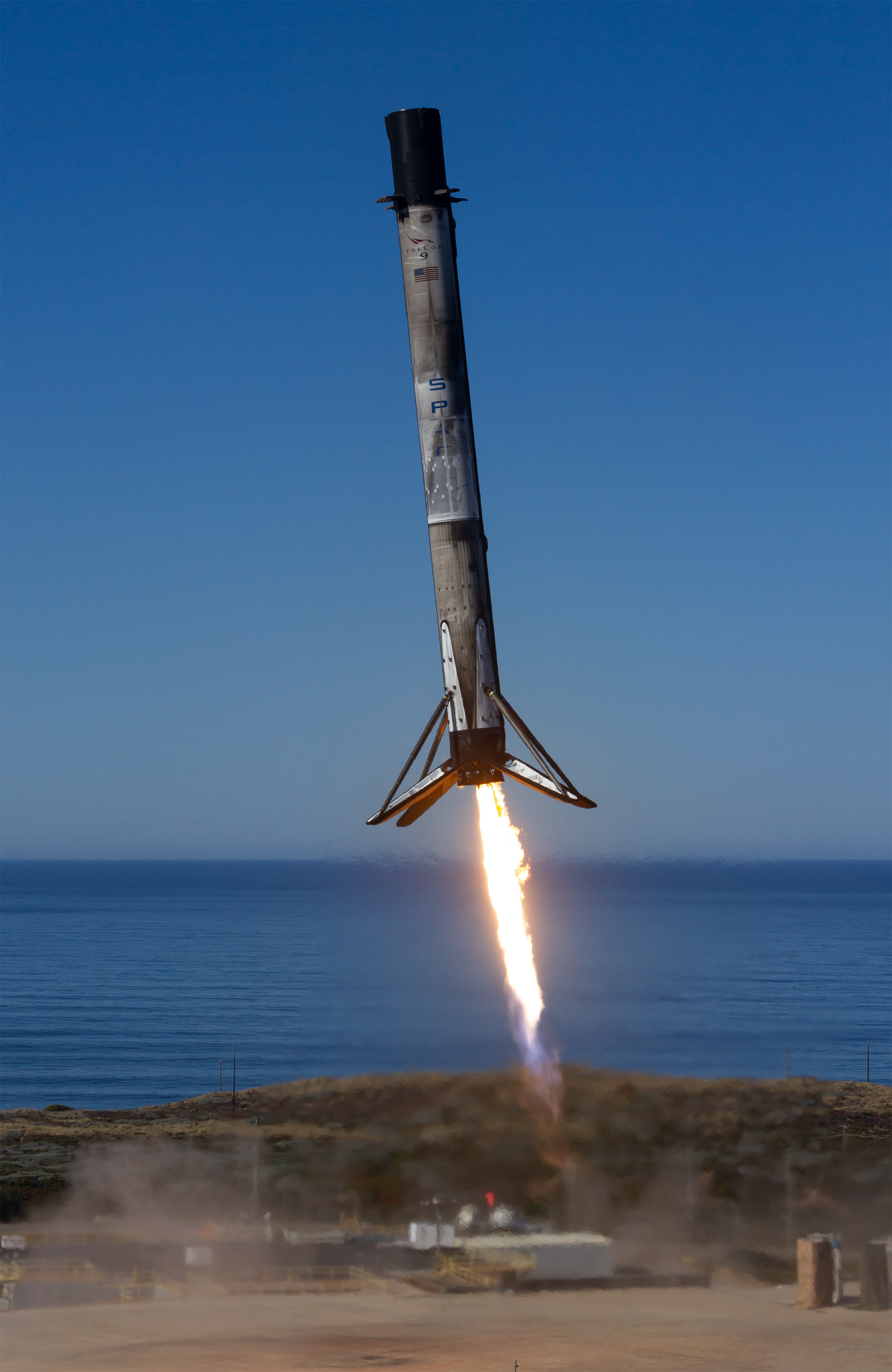
The Falcon 9 first stage B1103 will land on ASDS OCISLY after its 5th flight.
USSF-366 ×
Mission Details
TypeGovernment/Top Secret
OrbitLow Earth Orbit
TargetEarth
USSF-366 is a classified mission for the United States Space Force. It is possibly a batch of classified LEO satellites for a US government entity based on SpaceX’s Starshield satellite bus, based on locations of rocket stage drop zones being exact fits with previous Starlink Group 15 launches.
Falcon 9 is a two-stage rocket designed and manufactured by SpaceX for the reliable and safe transport of satellites and the Dragon spacecraft into orbit. The Block 5 variant is the fifth major interval aimed at improving upon the ability for rapid reusability.
The Falcon 9 first stage B1088 will land on ASDS OCISLY after its 18th flight.
Globalstar 2-R Mission 1 (x 9) ×
Mission Details
TypeCommunications
OrbitLow Earth Orbit
TargetEarth
The Globalstar global mobile communications network offers global, digital real time voice, data and fax services via its Low Earth Orbit satellite constellation. The constellation operates in a 1410 km orbit inclined at 52 degrees.
In early 2022, Globalstar contracted with MDA for the construction of 17 new 2nd generation refresh satellites to replenish the existing constellation. Rocket Lab is sub-contracted to build the satellites’ buses and the launch dispensers.
Falcon 9 is a two-stage rocket designed and manufactured by SpaceX for the reliable and safe transport of satellites and the Dragon spacecraft into orbit. The Block 5 variant is the fifth major interval aimed at improving upon the ability for rapid reusability.
The Long March 12 carrier rocket is a Chinese medium-lift launch vehicle currently under development by the Shanghai Academy of Spaceflight Technology, using kerosene and liquid oxygen as propellant. It will be capable of placing at least 10 tonnes of payload in low Earth orbit and at least 6…
Robo Chris is a collection of API calls, filters, and searches, bolted together with magic and love. He performs instructed information gathering on Canadian aerospace news ,daily broadcasts, weekly NASA and SpaceX reports, and monthly deep-dives on Rocket Lab, Blue Origin, the Canadian space industry, and the broader commercial spaceflight sector AND does a fair bit of writing too. Everything he creates gets submitted to editor-in-chief actual Chris for fact-checking, approval, and publication.