CSA, Northrop Grumman Pivot Gateway Hardware to Lunar Base
The Canadian Space Agency and Northrop Grumman announced Aug. 4 they will repurpose hardware developed for NASA’s lunar Gateway into a series of lunar surface missions supporting a planned Moon Base.
Northrop Grumman will reuse technologies from the Habitation and Logistics Outpost, or HALO, module for three Lunar Infrastructure Demo, or LID, missions. Each lander will carry power, data and mechanical interfaces developed for the Gateway, designed to demonstrate that key surface assets can remain “powered, protected and connected through lunar night and shadow.”
The announcement included an illustration of three identical landers on the lunar surface — one with a vertical solar array, another with a circular array similar to those used on Cygnus spacecraft, and a third with an unspecified payload. The missions aim to mature “lunar surface power, thermal, autonomy, communications and hosted payload services that can survive the lunar night and scale into persistent infrastructure near the moon’s south pole.”
A Northrop Grumman spokesperson told SpaceNews the first LID mission would launch in Phase One of NASA’s Moon Base plans, which runs through 2029. The missions would be NASA-funded, though the company provided no details on cost or funding mechanism.
“Our ready-to-fly, reliable HALO technologies allow NASA to move faster, putting in place robust infrastructure that can endure the lunar night and establish a strong blueprint for a future Moon Base,” said David Schiller, vice president of civil space and sciences at Northrop Grumman.
NASA’s broader lunar base update, released the same day, focused primarily on other robotic lander missions and only briefly referenced Northrop’s plans. The agency confirmed it is “working with Northrop Grumman to develop three technology demonstration payloads slated for delivery to the lunar surface,” with power and avionics systems from HALO “now being repurposed following NASA’s shift from an orbital-focused lunar strategy to one centered on surface operations.”
Perseverance Nears Mars Driving Record With Autonomous Navigation
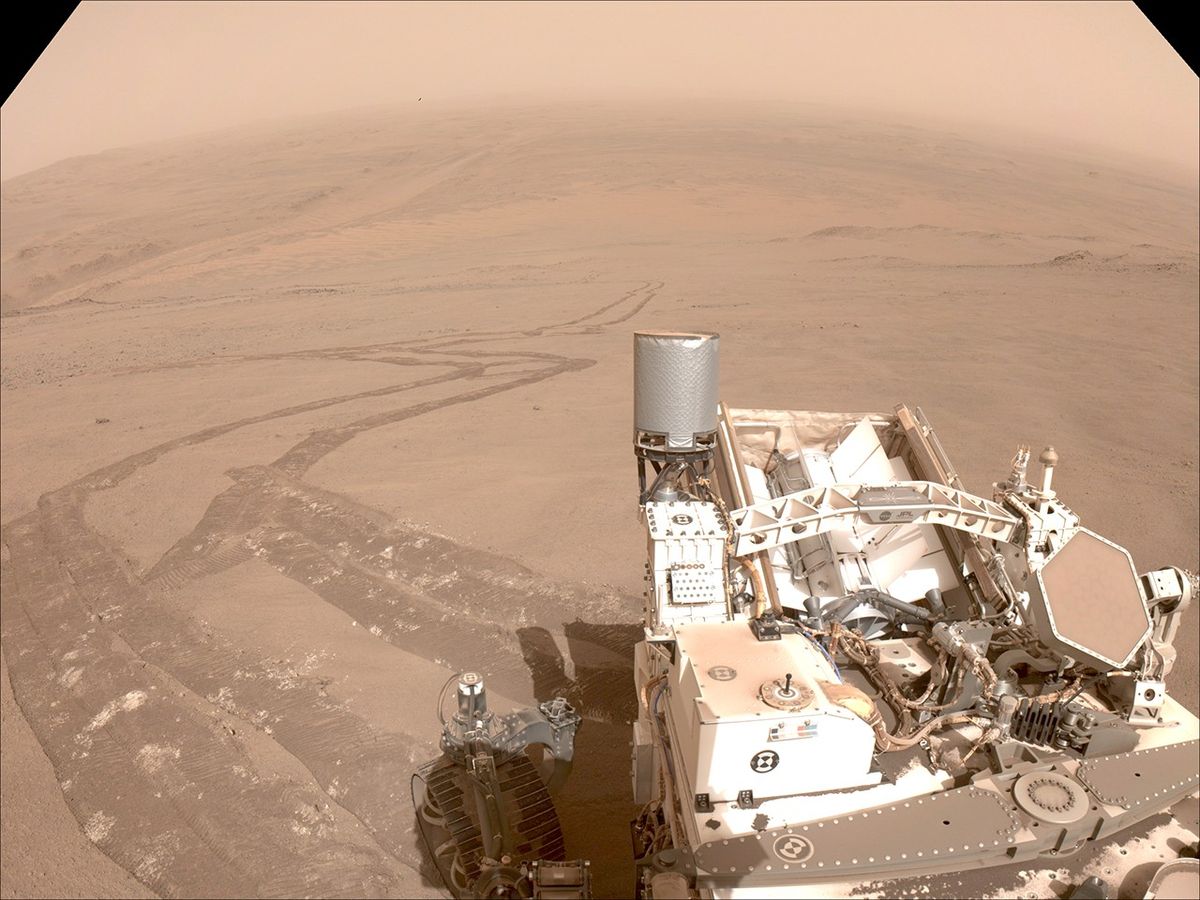
NASA’s Perseverance rover will set a new distance record for any vehicle on another world sometime next week, surpassing 45.16 km (28.06 miles) across the Martian surface and breaking the mark held by the Opportunity rover, which ceased communications in 2018.
Perseverance, which landed in February 2021, will reach the milestone in roughly half the time Opportunity took. The difference, according to NASA’s Jet Propulsion Laboratory, comes down to autonomous driving.
“The real enabling technology has been its auto navigation system,” said Steven Lee, project manager for the Perseverance rover at JPL. The rover uses onboard cameras to image surrounding terrain, with an onboard computer processing the images algorithmically to calculate the safest route — while its wheels continue turning.
About 90 percent of Perseverance’s driving distance has been autonomous, enabled by its Vision Compute Element. By comparison, the Curiosity rover — largely a twin that launched nine years earlier — could only manage about 10 percent autonomous driving due to older computing hardware with chipsets dating to the 1990s. Curiosity has driven 38.6 km in more than a decade on Mars.
Perseverance’s maximum wheel speed is about 150 metres per hour. The ability to sense and compute while moving, rather than stopping to await commands from Earth, has allowed the vehicle to maximise its scientific return.
Ariane 6 ICARUS Upper Stage Upgrade Cancelled
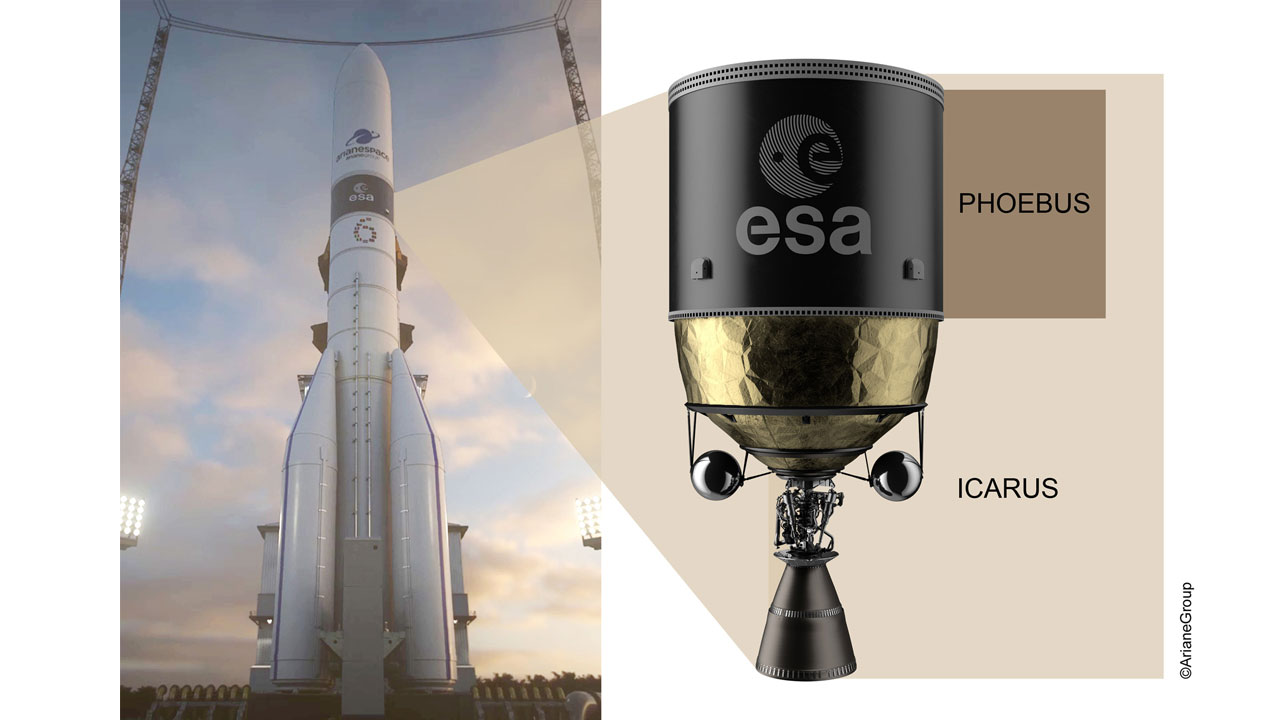
ArianeGroup’s planned ICARUS upper stage upgrade for the Ariane 6 rocket has been cancelled following the 2025 ESA Ministerial Council, according to revelations at the 2026 International Planetary Probe Workshop.
The Innovative Carbon Ariane Upper Stage, or ICARUS, was preceded by a technology demonstrator named Phoebus. The design used carbon composite tanks that would have significantly reduced stage mass, enabling greater payloads to Low-Earth Orbit, the lunar surface and interplanetary destinations. The upgrade could have increased Ariane 6’s payload capacity by two metric tons and reduced production costs.
The cancellation surfaced during an update on ESA’s L4 mission to orbit and land on Enceladus. The project team revealed it had to re-architect the mission after being informed that Ariane 6 Block 2 would be the last major version of the rocket, ruling out a more powerful variant known as Ariane 64 Evo that the mission had planned to use.
Ariane 6 Block 2, partially implemented for Arianespace’s early launches of Amazon’s Leo constellation, consists of upgraded P160C solid rocket boosters, a higher-thrust version of the Vinci upper stage engine, and various first stage improvements.
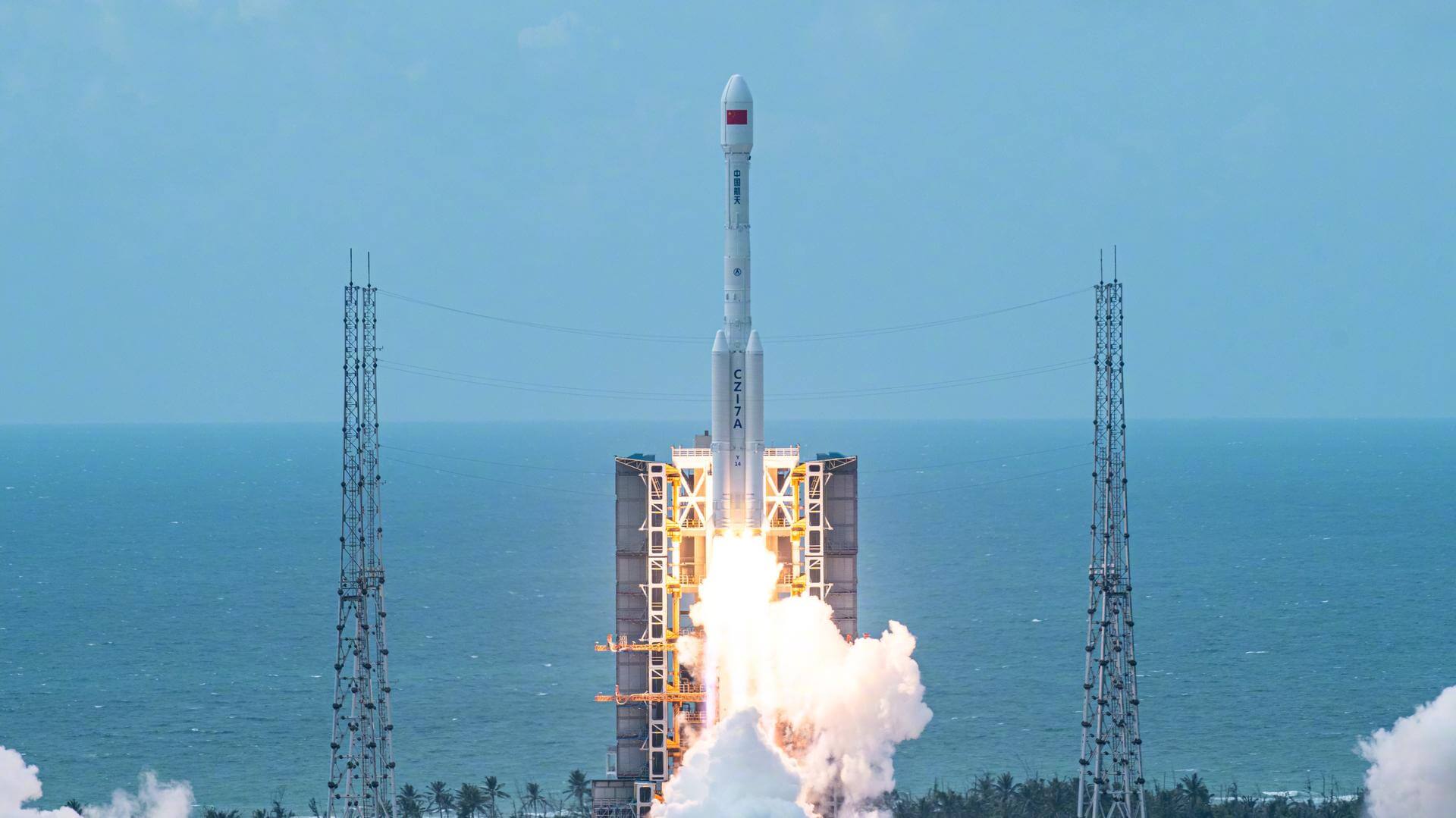
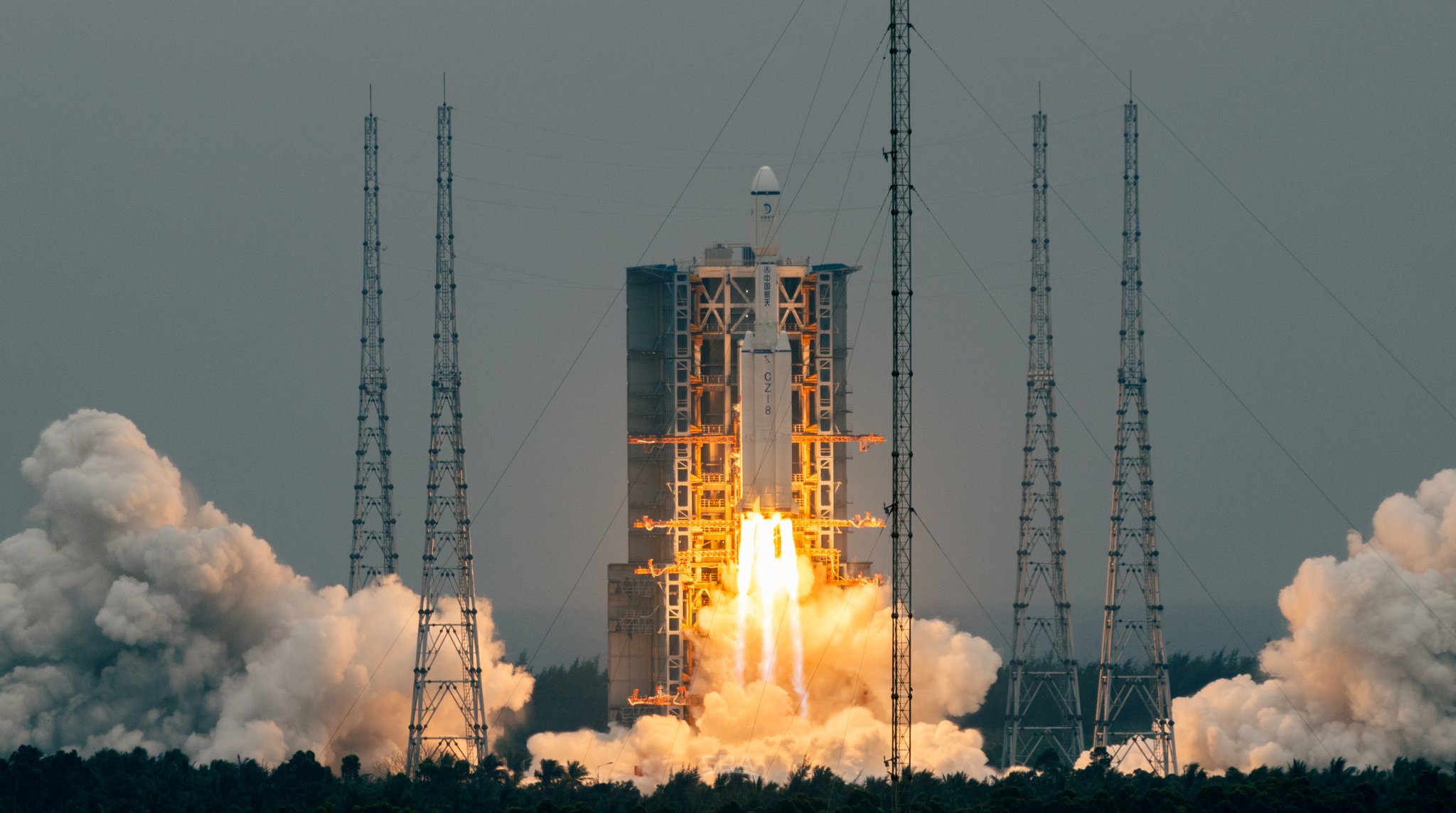
Provider: China Aerospace Science and Technology Corporation Date: August 10, 2026 Time: 12:00 PM UTC Vehicle: Long March 7A
Details TBD.
Starlink Group 10-19
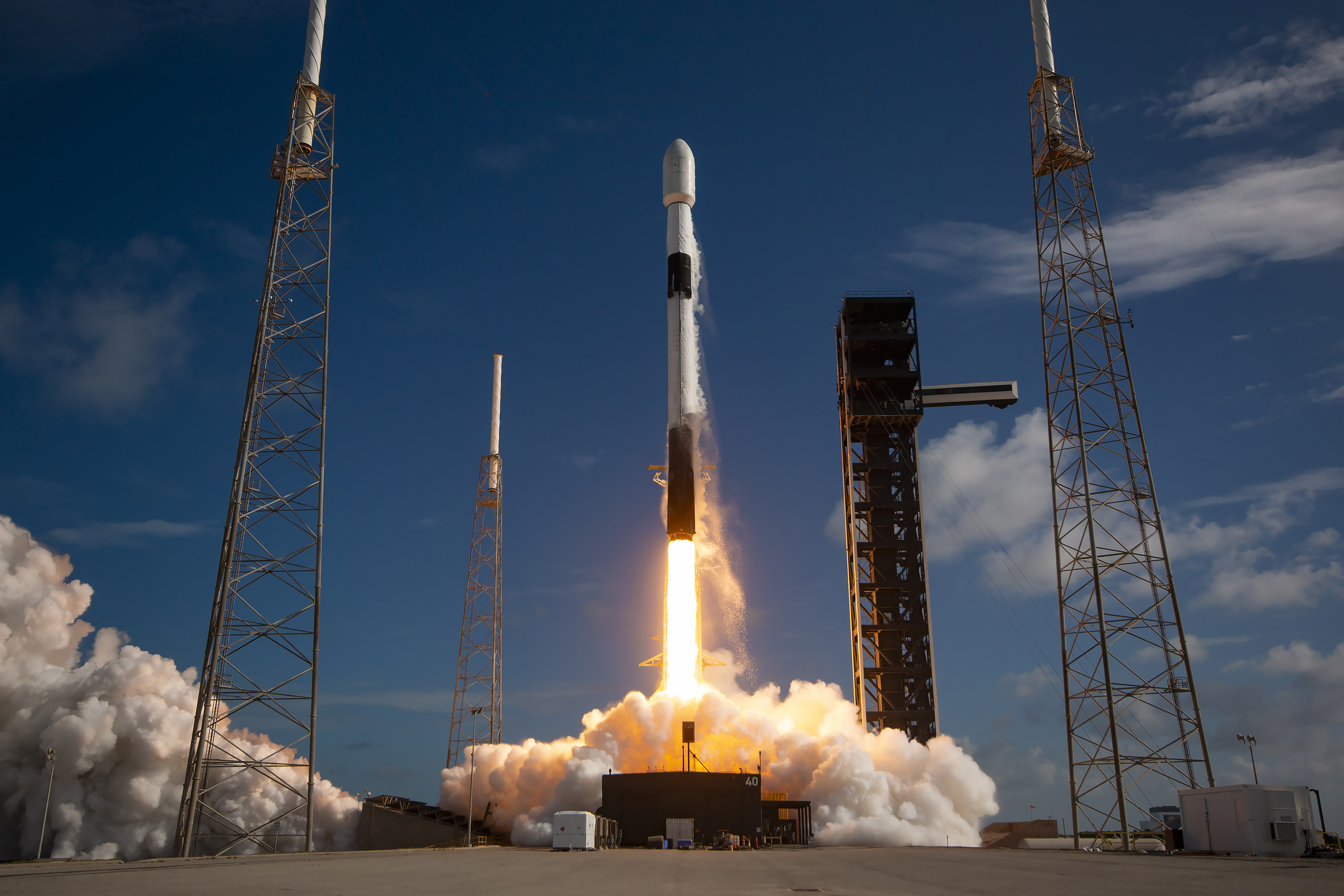
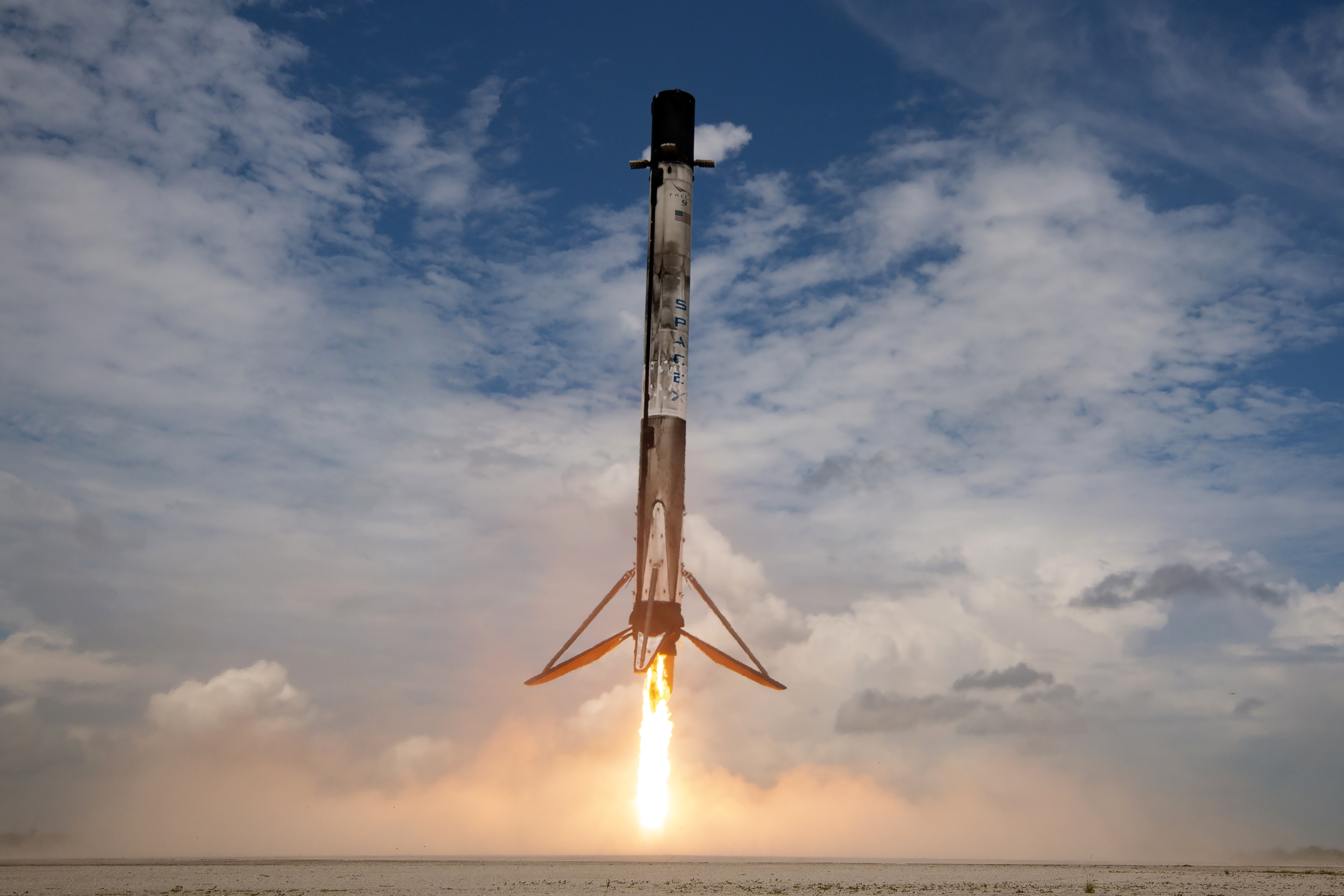
Provider: SpaceX Date: August 10, 2026 Time: 2:49 PM UTC Vehicle: Falcon 9
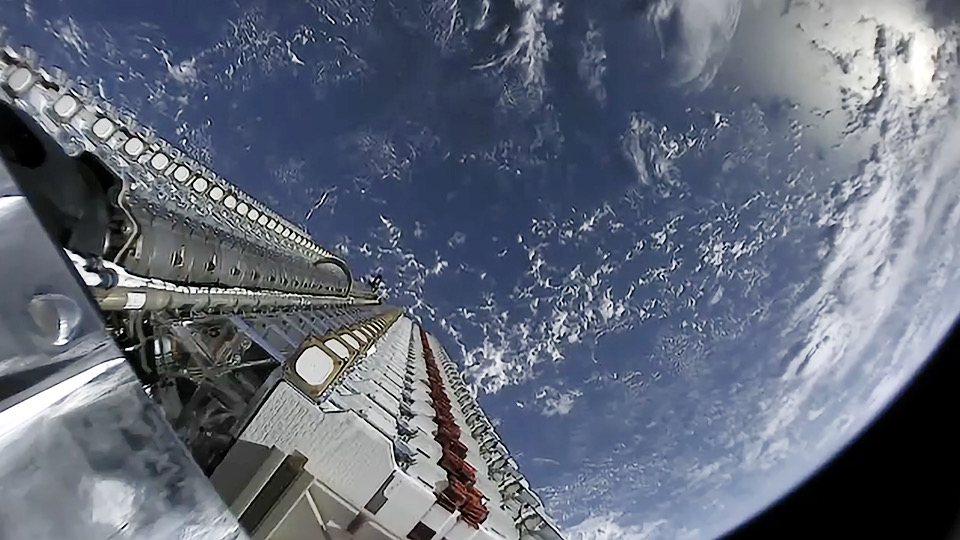
A batch of 29 satellites for the Starlink mega-constellation – SpaceX’s project for space-based Internet communication system.
Michibiki 7 (QZS-7)
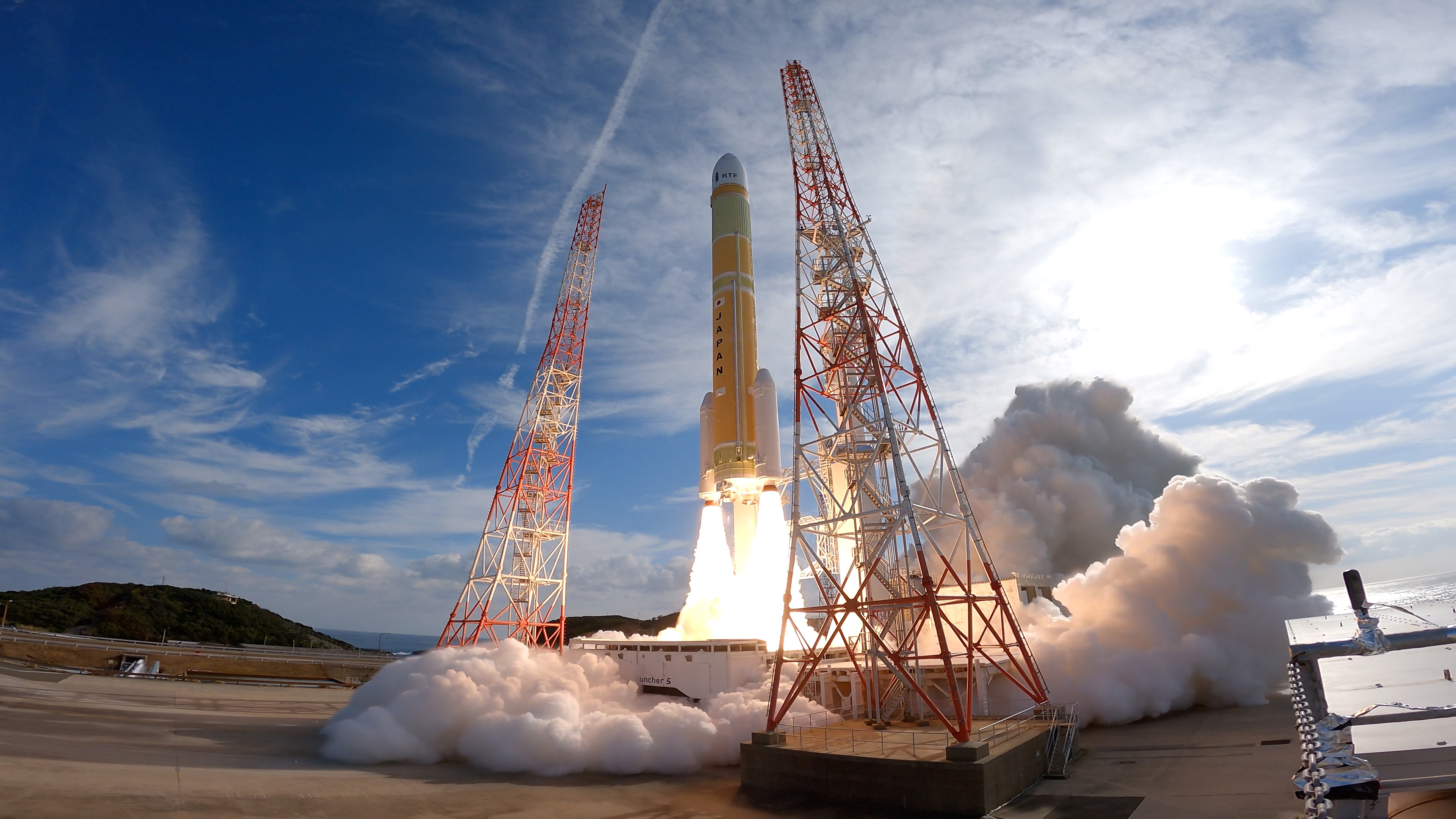
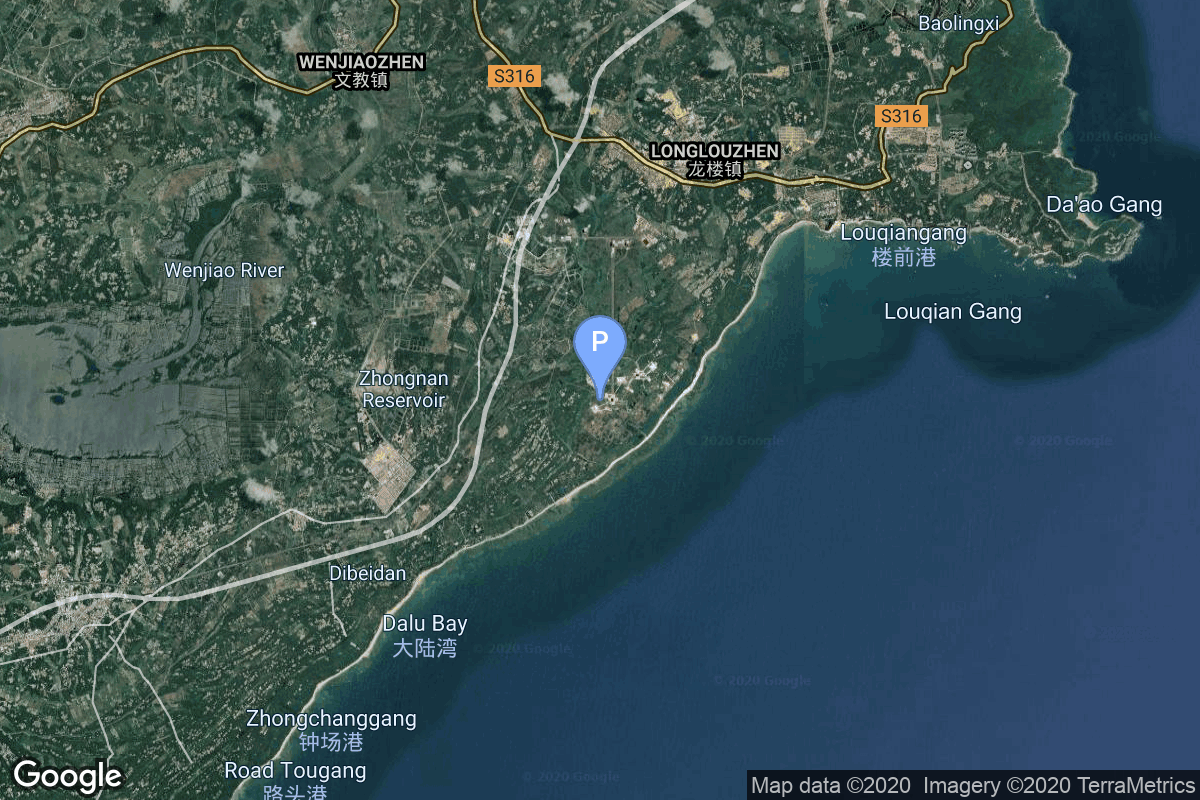
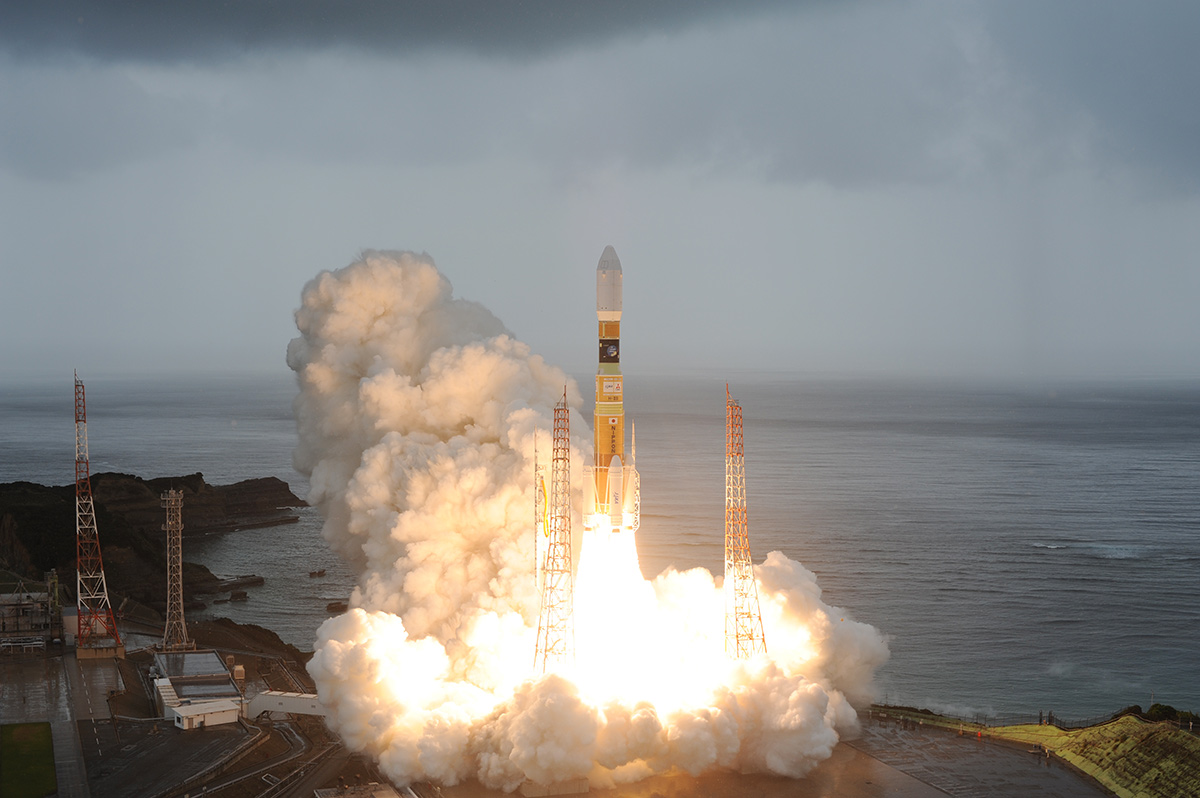
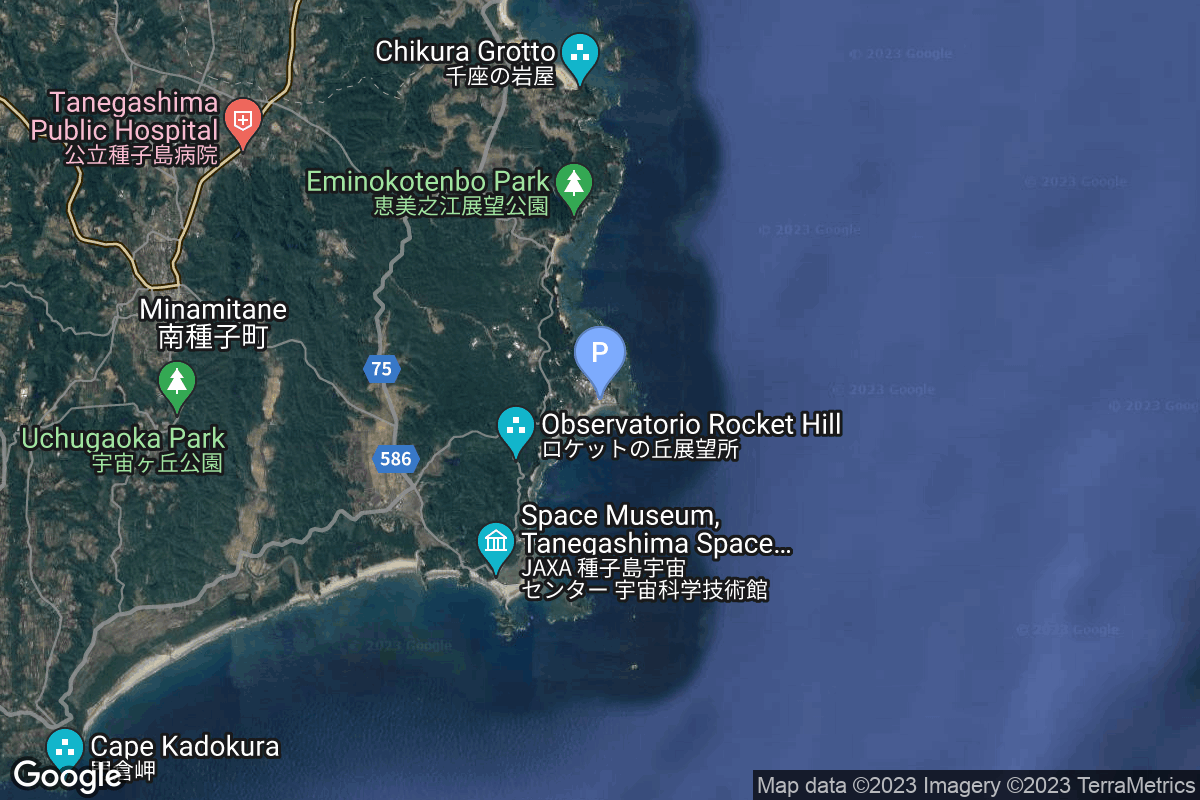
Provider: Mitsubishi Heavy Industries Date: August 10, 2026 Time: 7:23 PM UTC Vehicle: H3-22
QZSS (Quasi Zenith Satellite System) is a Japanese satellite navigation system operating from inclined, elliptical geosynchronous orbits to achieve optimal high-elevation visibility in urban canyons and mountainous areas. The navigation system objective is to broadcast GPS-interoperable and augmentation signals as well as original Japanese (QZSS) signals from a three-spacecraft constellation.
The navigation system objective is to broadcast GPS-interoperable and augmentation signals as well as original Japanese (QZSS) signals from a three-spacecraft constellation in inclined, elliptical geosynchronous orbits.
Flight 2
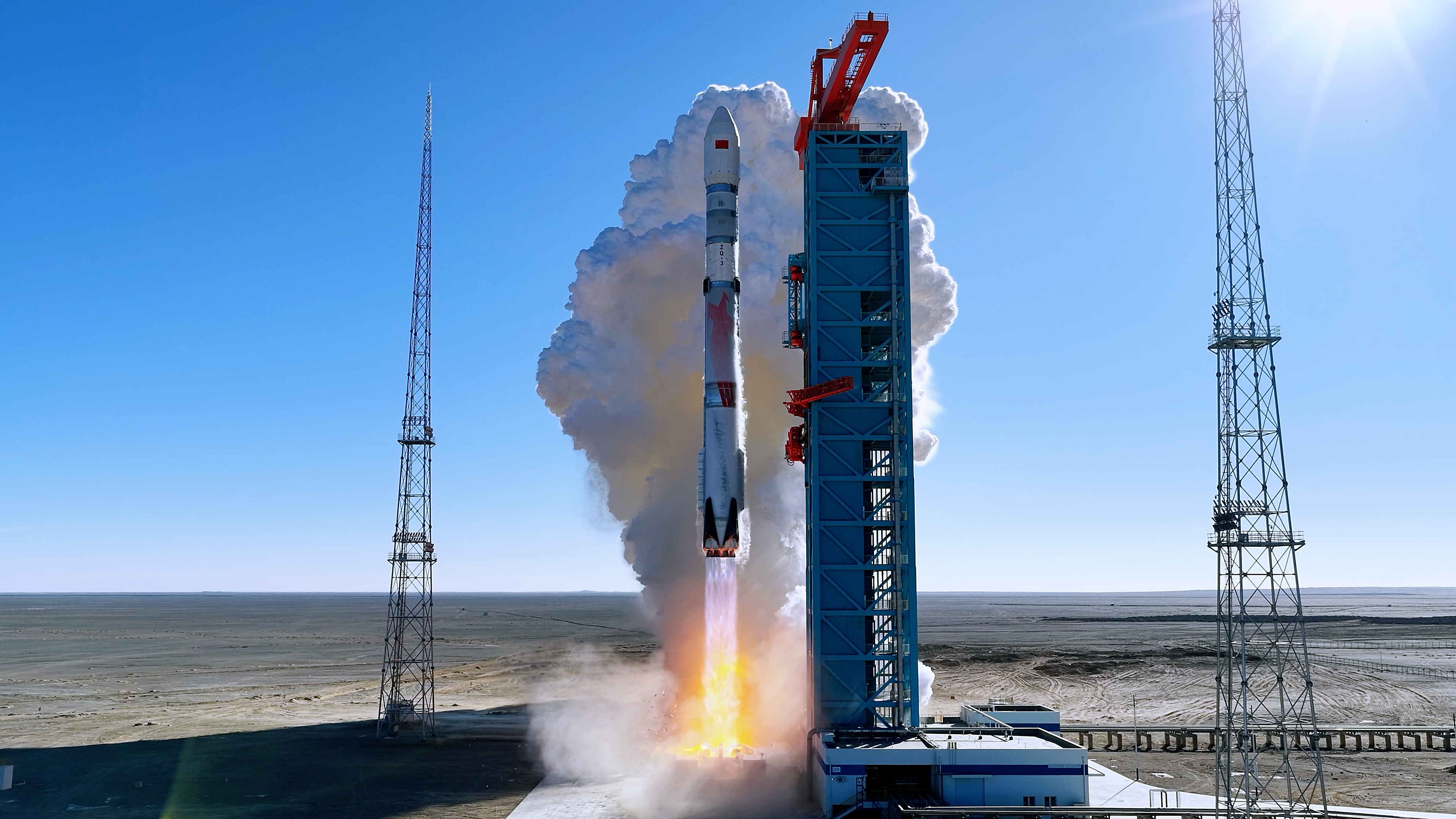
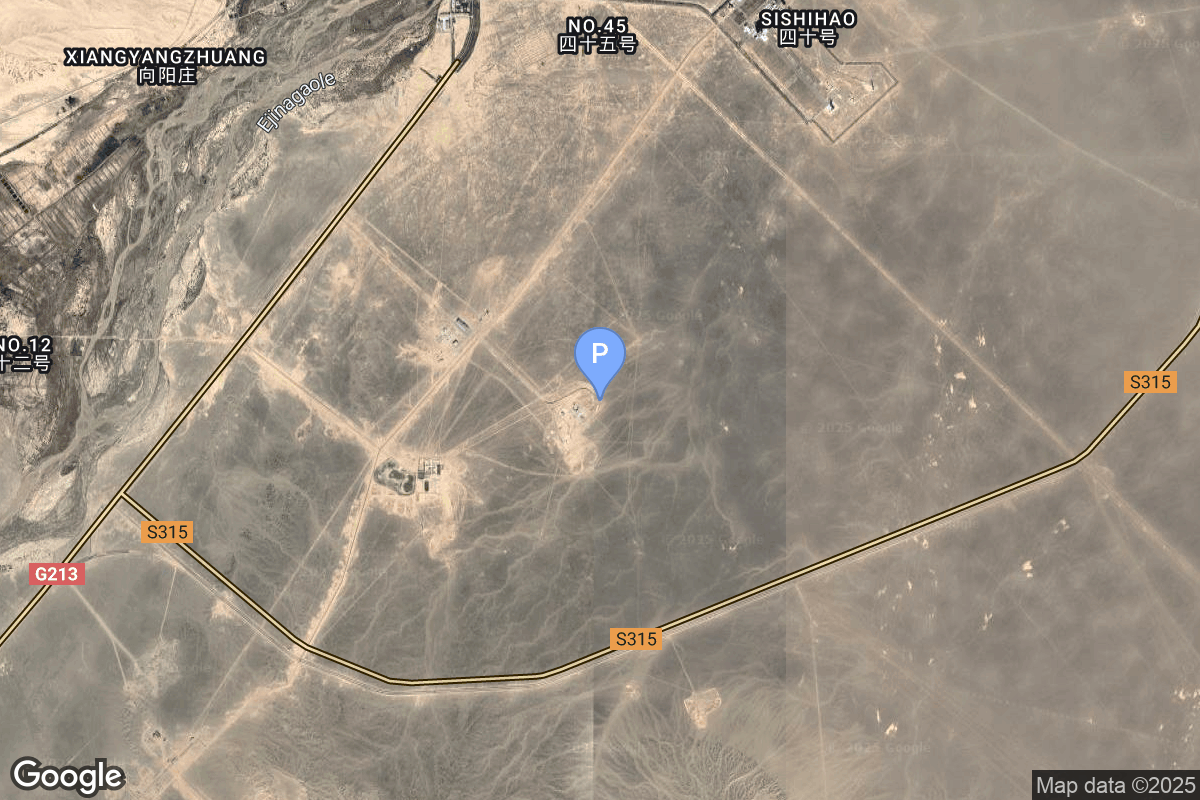
Provider: LandSpace Date: August 10, 2026 Time: 11:45 PM UTC Vehicle: Zhuque-3
Second test launch of LandSpace’s ZQ-3 rocket. Payload identities are TBD.
Starlink Group 17-49
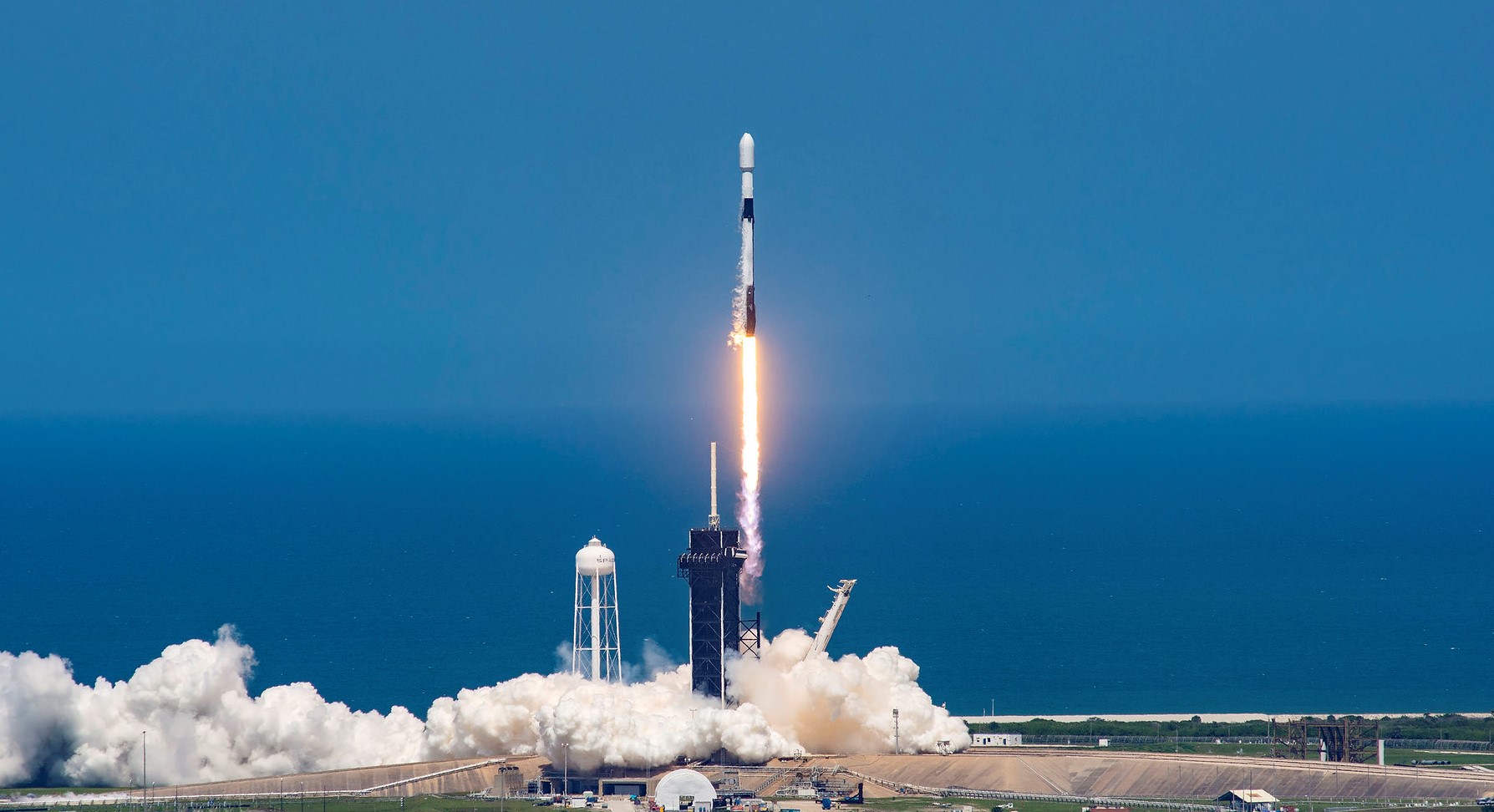
Provider: SpaceX Date: August 12, 2026 Time: 2:00 AM UTC Vehicle: Falcon 9
A batch of 24 satellites for the Starlink mega-constellation – SpaceX’s project for space-based Internet communication system.
Unknown Payload ×
Mission Details
TypeUnknown
OrbitUnknown
TargetEarth
Details TBD.
Launch Provider: China Aerospace Science and Technology Corporation
Falcon 9 is a two-stage rocket designed and manufactured by SpaceX for the reliable and safe transport of satellites and the Dragon spacecraft into orbit. The Block 5 variant is the fifth major interval aimed at improving upon the ability for rapid reusability.
The Falcon 9 first stage B1085 will land on ASDS ASOG after its 18th flight.
Michibiki 7 (QZS-7) ×
Mission Details
TypeNavigation
OrbitGeostationary Transfer Orbit
TargetEarth
QZSS (Quasi Zenith Satellite System) is a Japanese satellite navigation system operating from inclined, elliptical geosynchronous orbits to achieve optimal high-elevation visibility in urban canyons and mountainous areas. The navigation system objective is to broadcast GPS-interoperable and augmentation signals as well as original Japanese (QZSS) signals from a three-spacecraft constellation.
The navigation system objective is to broadcast GPS-interoperable and augmentation signals as well as original Japanese (QZSS) signals from a three-spacecraft constellation in inclined, elliptical geosynchronous orbits.
The H3 Launch Vehicle is a Japanese expendable launch system.
Each H3 booster configuration has a two-digit and a letter designation that indicates the features of that configuration. The first digit represents the number of LE-9 engines on the main stage, either “2” or “3”. The second digit…
Zhuque-3 (ZQ-3) is a reusable orbital launch vehicle developed by Chinese private company LandSpace. The rocket is built using stainless steel and shares the same series of gas generator cycle methane/liquid oxygen powered rocket engines as in the currently active ZQ-2E rocket.
Falcon 9 is a two-stage rocket designed and manufactured by SpaceX for the reliable and safe transport of satellites and the Dragon spacecraft into orbit. The Block 5 variant is the fifth major interval aimed at improving upon the ability for rapid reusability.
Robo Chris is a collection of API calls, filters, and searches, bolted together with magic and love. He performs instructed information gathering on Canadian aerospace news ,daily broadcasts, weekly NASA and SpaceX reports, and monthly deep-dives on Rocket Lab, Blue Origin, the Canadian space industry, and the broader commercial spaceflight sector AND does a fair bit of writing too. Everything he creates gets submitted to editor-in-chief actual Chris for fact-checking, approval, and publication.