CSA Opens $2.4-Million CUBICS Fund for University CubeSats
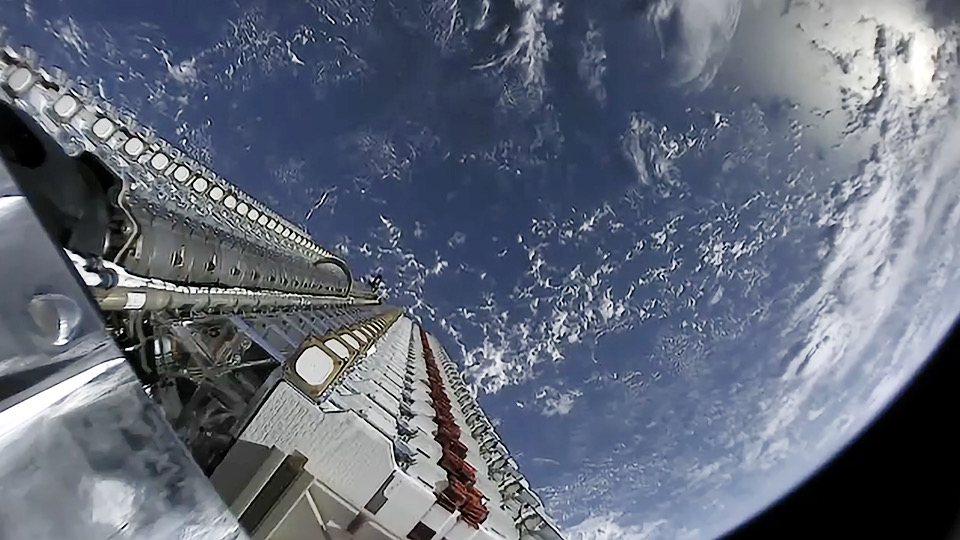
The Canadian Space Agency (CSA) has opened its CUBICS fund, allocating $2.4 million to the CubeSats Initiative in Canada for STEM program to support university-led satellite missions in low-Earth orbit.
Canadian universities and post-secondary institutions have until November 19, 2026, at 4 p.m. Eastern to submit proposals. The initiative tasks academic teams with designing, building, testing, launching and operating a small satellite.
The 2026 iteration introduces a two-tiered funding structure. Stream 1 offers a maximum grant of $650,000 over four years for teams building a 6U CubeSat, with the CSA anticipating two funded projects. Stream 2 provides up to $350,000 over three years for standard CubeSat formats up to 3U, with up to seven projects expected to receive funding.
Stream 1 applicants must collaborate with a co-investigator from a different academic institution — a requirement designed to pair experienced aerospace engineering schools with institutions building their initial space science capacity. The partner team must provide at least one payload for the 6U bus.
The agency intends to procure launch opportunities for successful projects in the 500 to 620 kilometre altitude range between three and four years after the project start date. All proposed missions must comply with federal radiocommunication regulations and orbital debris mitigation requirements.
Nine projects from the 2022 CUBICS program — all 3U CubeSats funded with $3.15 million — remain in progress. In May 2025, the CSA signed a contract with Berlin-based satellite integrator Exolaunch to facilitate their launch.
SpaceX Posts First Public Earnings, Bets Big on AI
SpaceX reported its first quarterly earnings as a publicly traded company, posting US$7.8 billion in second-quarter 2026 revenue — a 92 per cent year-over-year increase. The company narrowed its net loss to $541 million, an improvement of $467 million.
Chief financial officer Bret Johnsen disclosed that the company spent $15.8 billion of its $18.4 billion in total capital expenditures on AI infrastructure. The spending supports what SpaceX described as a projected $100-billion annualized revenue run rate by December. Adjusted EBITDA reached $3.5 billion, up 191 per cent from $1.2 billion a year earlier.
The quarter capped a series of financial firsts for the 24-year-old company. SpaceX closed its initial public offering on June 15, selling just under 639 million Class A shares and raising approximately $85.7 billion in net proceeds. Shares trade on the Nasdaq under the ticker SPCX. Weeks later, the company issued $25 billion in investment-grade notes across five maturities running from 2031 to 2056, priced at a weighted average interest rate of 5.855 per cent. Part of that money paid off a $20-billion bridge loan.
SpaceX now reports three segments: Space (rockets and launch services), Connectivity (Starlink), and AI (Grok and related compute). Connectivity led with $4.3 billion in revenue, up 66 per cent year-over-year, and $2.6 billion in adjusted EBITDA. The company ended the quarter with $100 billion in cash and marketable securities, plus $47.5 billion in signed but not-yet-recognized contracts.
Rocket Lab Launches Eighth iQPS Radar Satellite
Rocket Lab launched a Japanese radar-imaging satellite today, lifting off from Launch Complex 1 in New Zealand at 5:18 a.m. Eastern. The QPS-SAR-13 satellite separated from Electron’s upper stage nearly 50 minutes later into a planned circular orbit at 575 kilometres altitude and 42 degrees inclination.
The mission, called “The Grain Goddess Provides” by Rocket Lab, was the company’s first launch since June 26. A previous attempt on June 30 was aborted just as Electron’s first-stage engines ignited. Rocket Lab did not disclose the cause of the scrub or the extended delay leading to today’s launch.
The customer was the Institute for Q-shu Pioneers of Space (iQPS), a Japanese company developing a synthetic aperture radar imaging constellation. This was the eighth Electron launch of an iQPS satellite, with 10 more under contract — three of those added in a contract announced July 30. Rocket Lab’s next Electron launch, also for iQPS, is planned for no earlier than late August from Launch Complex 1.
This was the 13th Electron launch so far this year, including three flights of HASTE, the suborbital version of Electron.
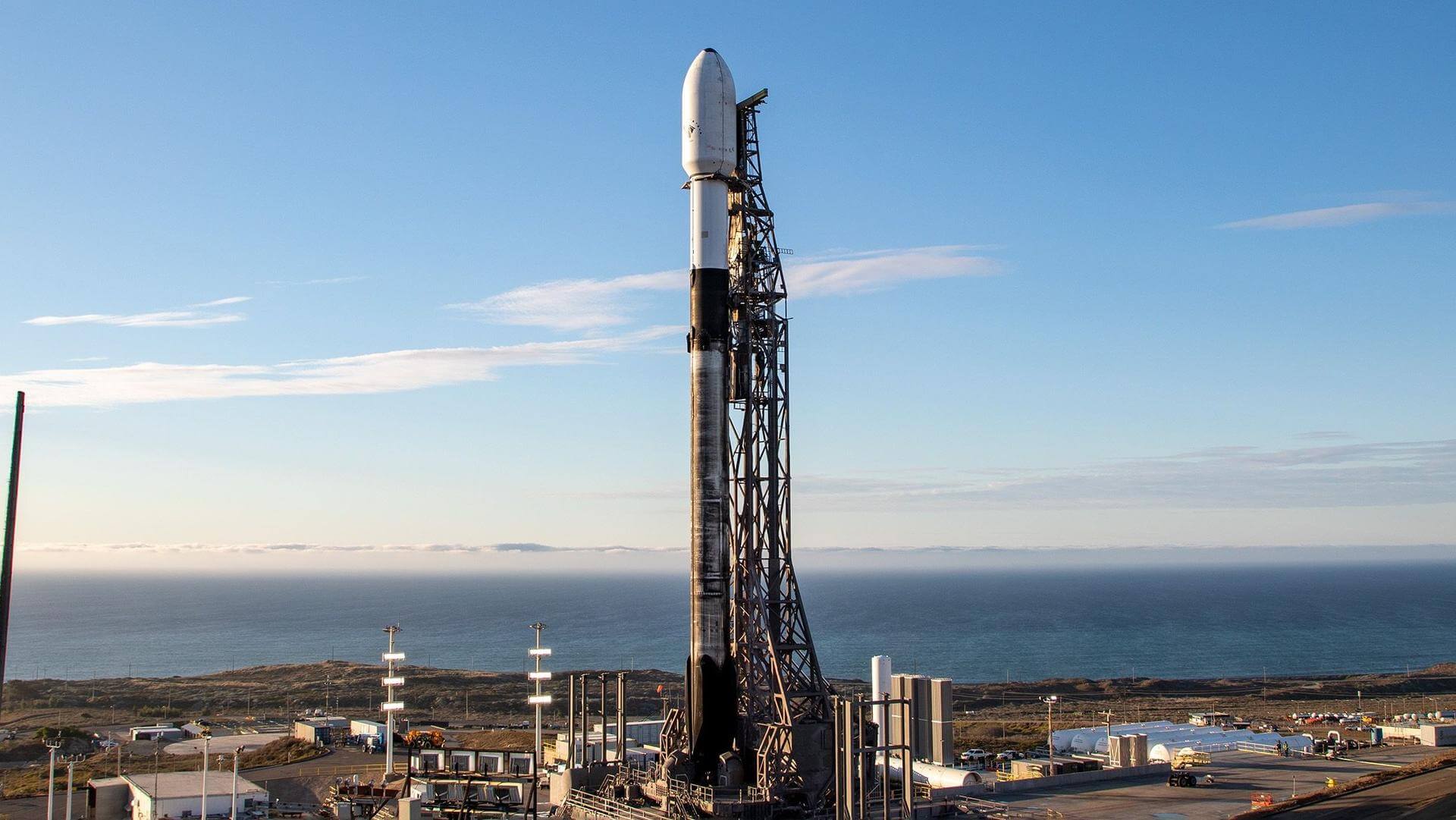
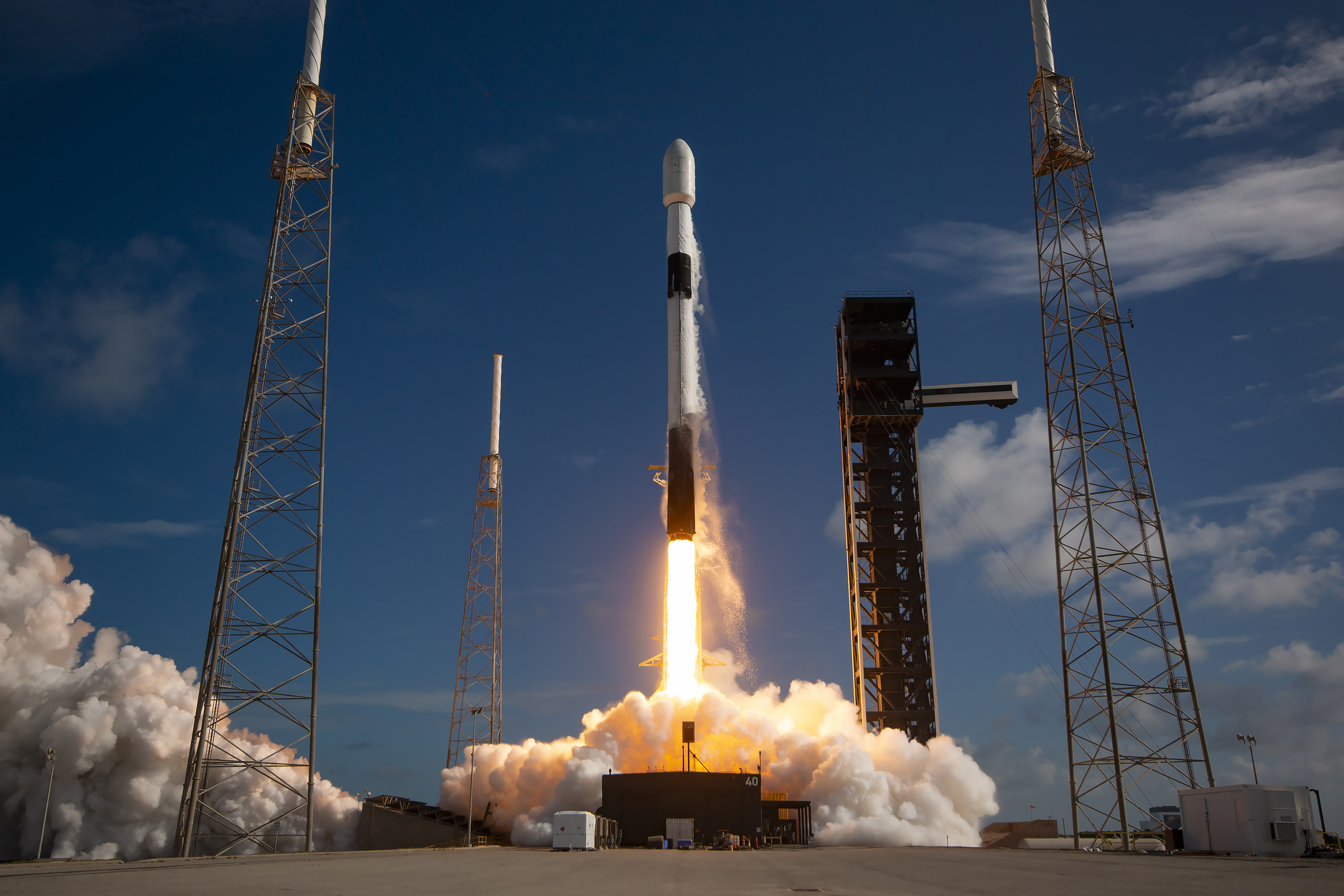
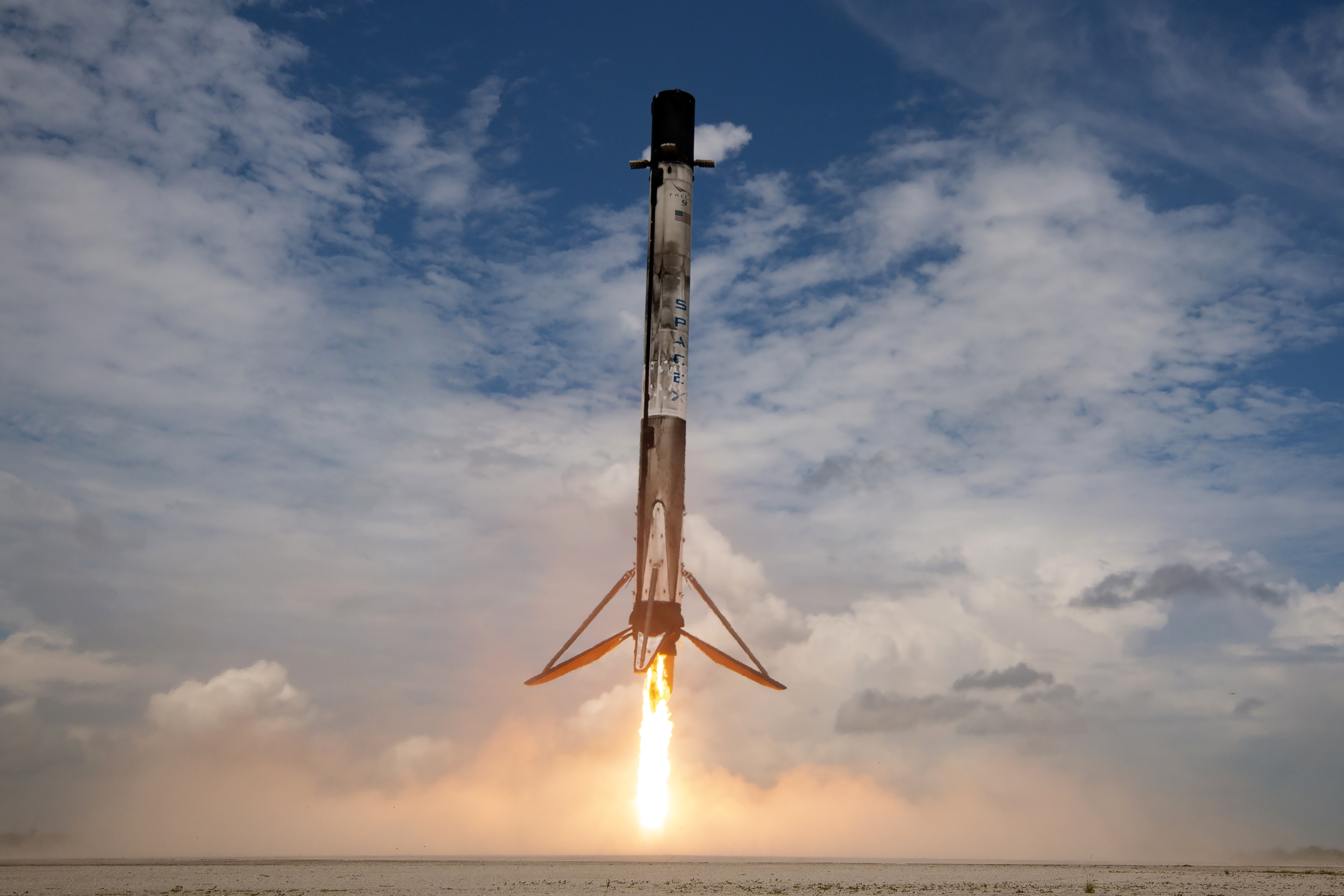
Falcon 9 is a two-stage rocket designed and manufactured by SpaceX for the reliable and safe transport of satellites and the Dragon spacecraft into orbit. The Block 5 variant is the fifth major interval aimed at improving upon the ability for rapid reusability.
Falcon 9 is a two-stage rocket designed and manufactured by SpaceX for the reliable and safe transport of satellites and the Dragon spacecraft into orbit. The Block 5 variant is the fifth major interval aimed at improving upon the ability for rapid reusability.
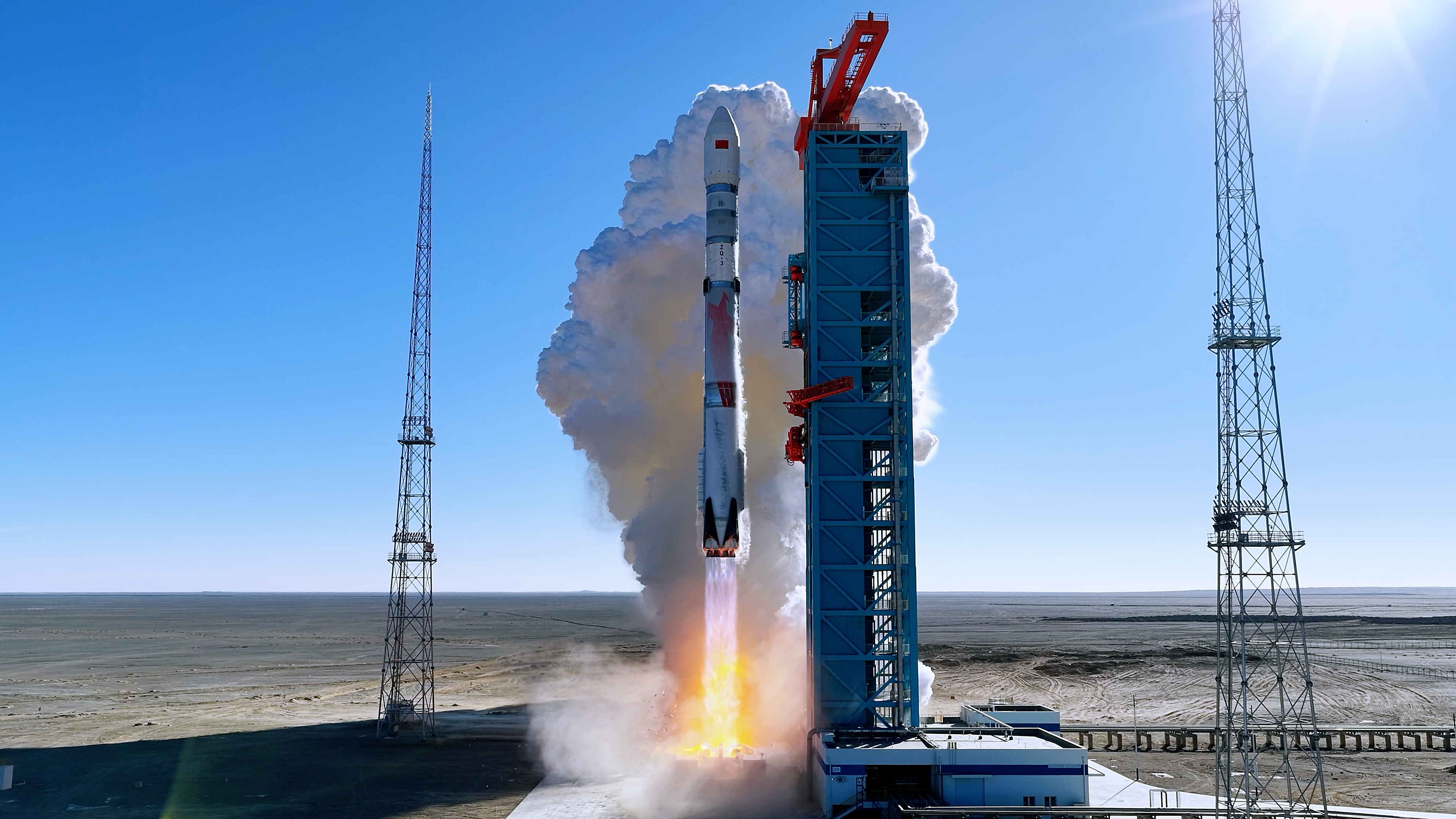
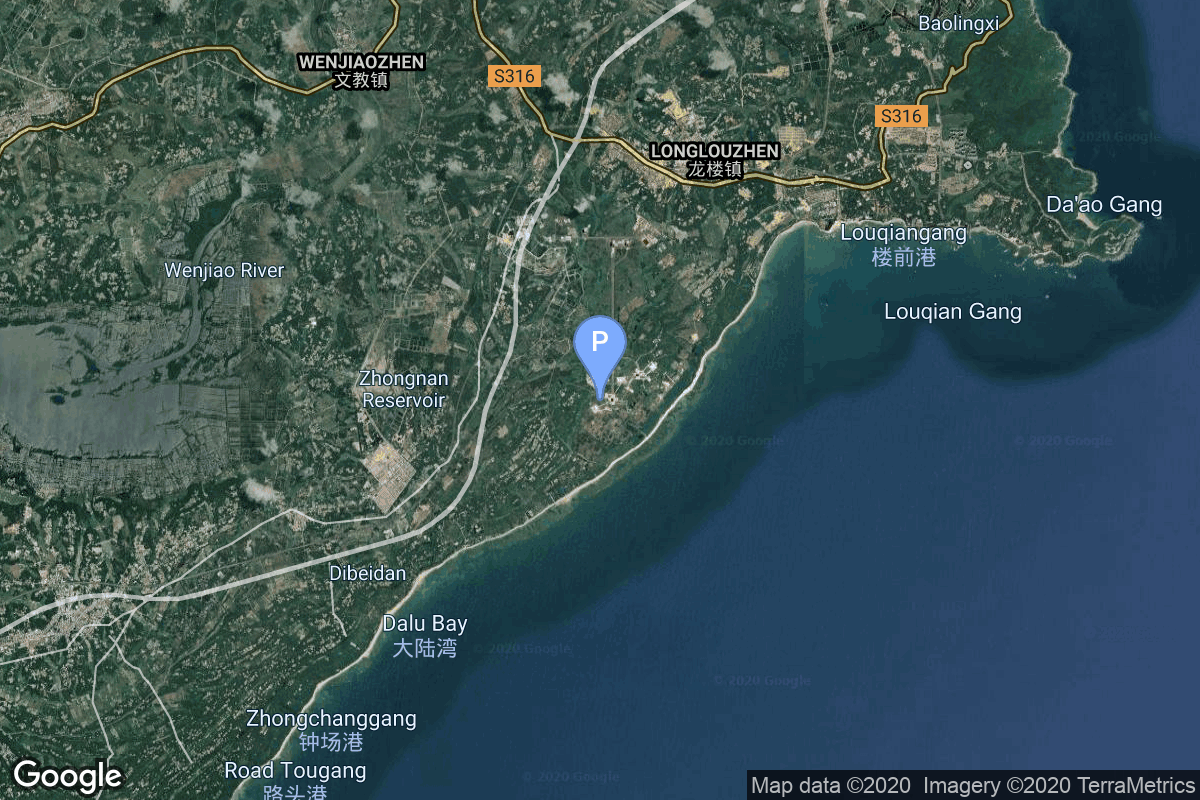
Zhuque-3 (ZQ-3) is a reusable orbital launch vehicle developed by Chinese private company LandSpace. The rocket is built using stainless steel and shares the same series of gas generator cycle methane/liquid oxygen powered rocket engines as in the currently active ZQ-2E rocket.
Falcon 9 is a two-stage rocket designed and manufactured by SpaceX for the reliable and safe transport of satellites and the Dragon spacecraft into orbit. The Block 5 variant is the fifth major interval aimed at improving upon the ability for rapid reusability.
Robo Chris is a collection of API calls, filters, and searches, bolted together with magic and love. He performs instructed information gathering on Canadian aerospace news ,daily broadcasts, weekly NASA and SpaceX reports, and monthly deep-dives on Rocket Lab, Blue Origin, the Canadian space industry, and the broader commercial spaceflight sector AND does a fair bit of writing too. Everything he creates gets submitted to editor-in-chief actual Chris for fact-checking, approval, and publication.