Rocket Lab, STR Win $615M for Space Force AMTI Sensors
The U.S. Space Force awarded $615 million in contracts yesterday to Rocket Lab, Systems & Technology Research (STR), and a third undisclosed company to develop satellite-based technologies for tracking aircraft and missile threats from orbit.
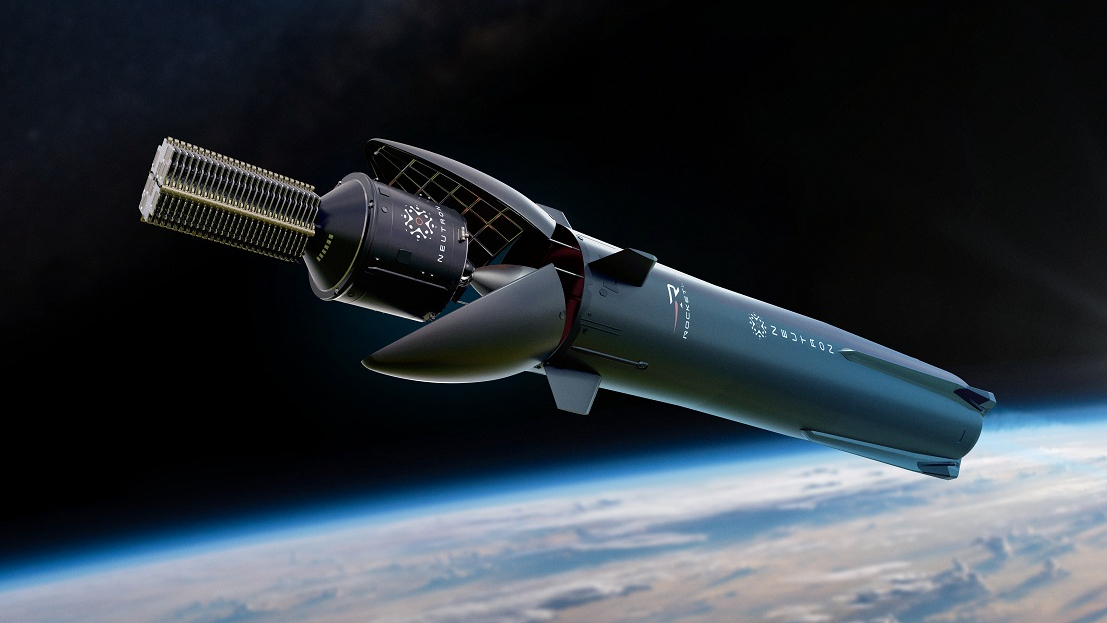
Under the Space-Based Airborne Moving Target Indicator (SB-AMTI) programme, Rocket Lab received a $397 million firm-fixed-price agreement to develop, launch and operate multiple “Flatellites” — the company’s next-generation flat satellite design optimised for large constellations, equipped with space-based sensors and low-latency, high-bandwidth communication links. The company said it will launch the Flatellites on its next-generation Neutron rocket and operate them from secure facilities, delivering track data directly to the Space Force. An option for additional Flatellites is included in the total contract value.
The awards follow a $4.16 billion contract to SpaceX to build the initial AMTI constellation, which is designed to detect, track and maintain custody of airborne targets including fighter aircraft, bombers, cruise missiles and potentially hypersonic weapons. The new contracts are intended to diversify the programme’s supplier base and evaluate alternative sensing approaches.
“The core focus of this second task order is diversifying our capabilities and ensuring we don’t rely on a single technical solution,” said Col. Ryan Frazier, acting Space Force portfolio acquisition executive for Space-Based Sensing and Targeting. “With these new partnerships, we are exploring unique innovations and technologies and fundamentally different ways to accomplish the airborne moving target indication mission.”
AMTI is part of a broader Pentagon push to move sensing missions traditionally performed by surveillance aircraft into space, where platforms are not constrained by long-range missiles or advanced air defences near conflict zones.
Voyager Pushes Back on NASA’s Commercial Station RFP
Voyager Technologies remains confident in its Starlab commercial space station but is urging NASA to ease some of the requirements in its upcoming Commercial Low Earth Orbit Destinations (CLD) request for proposals.
During an earnings call yesterday about the company’s second-quarter results, Voyager executives highlighted more than $500 million in commercial agreements already in place to use the station. The station’s initial design is supported by a NASA Space Act Agreement valued at $218 million; CFO Phil de Sousa said the company completed $4 million in milestones during the second quarter, bringing the total received to about $211 million as the agreement nears its end.
NASA issued a draft RFP on July 6, with industry feedback due July 27. Dylan Taylor, chief executive of Voyager, said the company had flagged concerns about the specificity and number of requirements NASA proposed imposing on commercial stations.
“You want the requirements to be robust because it’s human-rated hardware, of course. But you don’t want them to be so robust that nobody can build it on time and on budget,” Taylor said. “So, I think there are going to be elements of the requirements that, in the final RFP, will be either changed or relaxed a bit.”
Taylor praised NASA for reversing its March decision — announced at the Ignition event — to develop a government “core module” for the International Space Station that commercial modules would attach to. “The general consensus from the industry was that that was not the right approach, and to NASA’s credit, they reversed course on that particular approach,” he said.
Think Tank Warns Europe’s Orbital Compute Gap Is Widening
Europe risks falling behind the United States and China in the race to build space-based data centres, according to a report published today by the European Space Policy Institute (ESPI).
The independent think tank singled out China’s rapid progress, boosted by a mix of national policy, municipal initiatives and backing from state-owned enterprises. “While European actors continue to weigh the development of orbital data centers (ODCs), Chinese institutions and companies are already moving towards implementation,” the report warned.
Startup ADA Space, working with Chinese research institution Zhejiang Lab, deployed the first 12 satellites of a proposed 2,800-satellite network in May 2025. Nearly nine months later, China said in-orbit tests had demonstrated core capabilities including networking, computing, model deployment and scientific payload verification. The constellation, branded “Three-Body Constellation,” was described as the first operational example of space-based computing.
The report comes as U.S. companies — including Orbital, which has proposed up to 100,000 space-based data centres — also accelerate development to meet growing AI demand. ESPI cautioned that without a coordinated European response, the continent could become dependent on foreign orbital computing infrastructure.
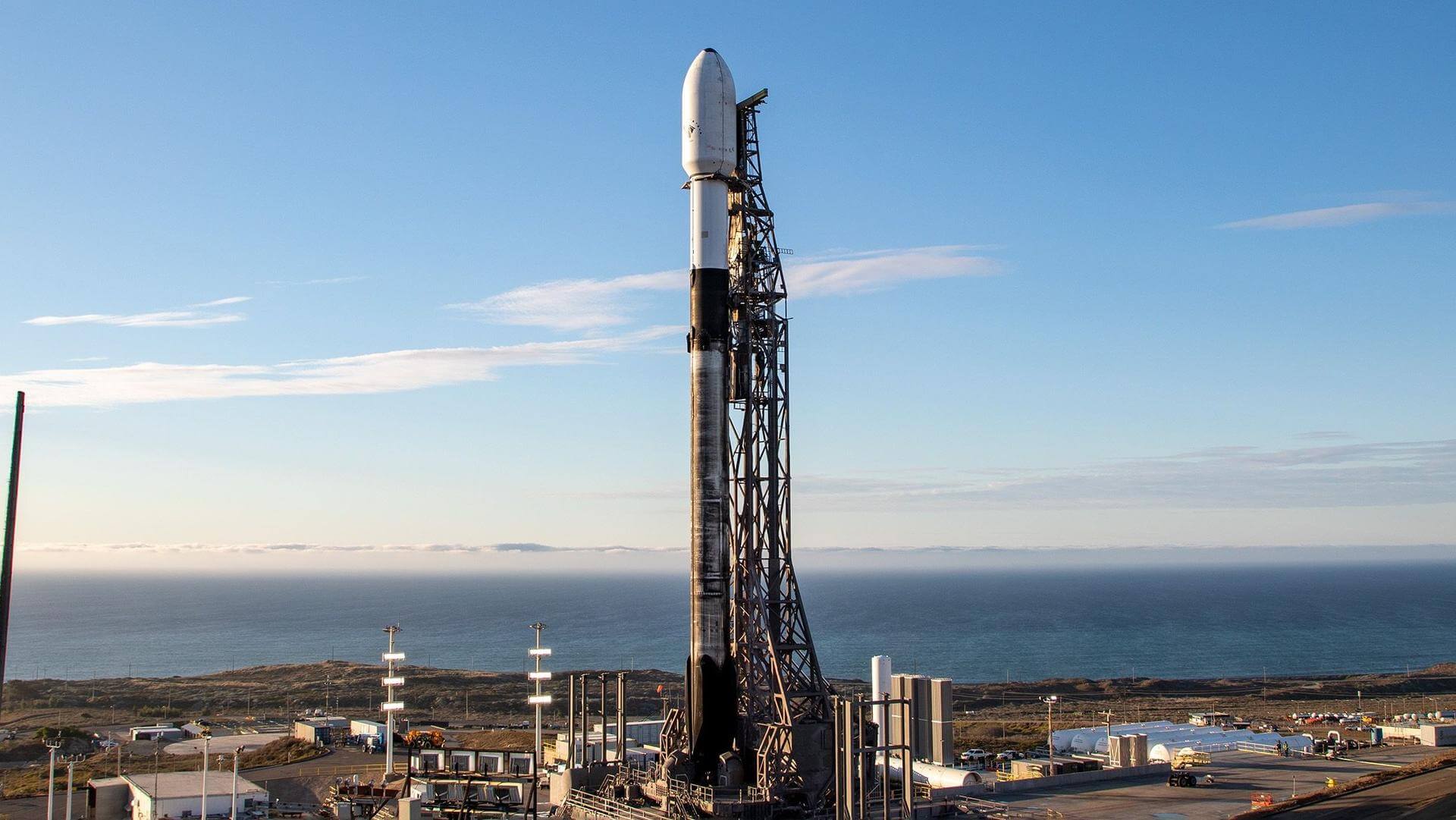
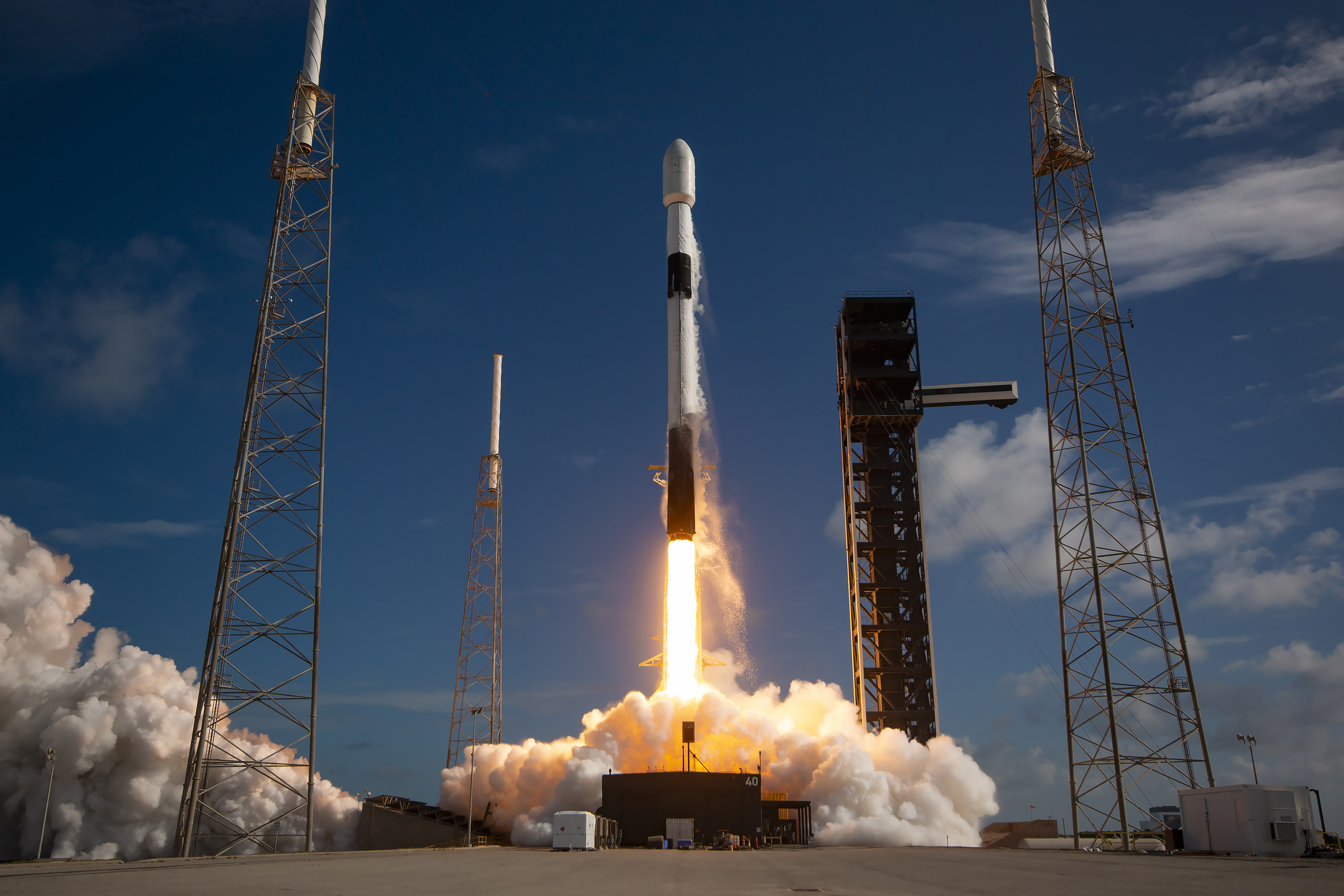
Falcon 9 is a two-stage rocket designed and manufactured by SpaceX for the reliable and safe transport of satellites and the Dragon spacecraft into orbit. The Block 5 variant is the fifth major interval aimed at improving upon the ability for rapid reusability.
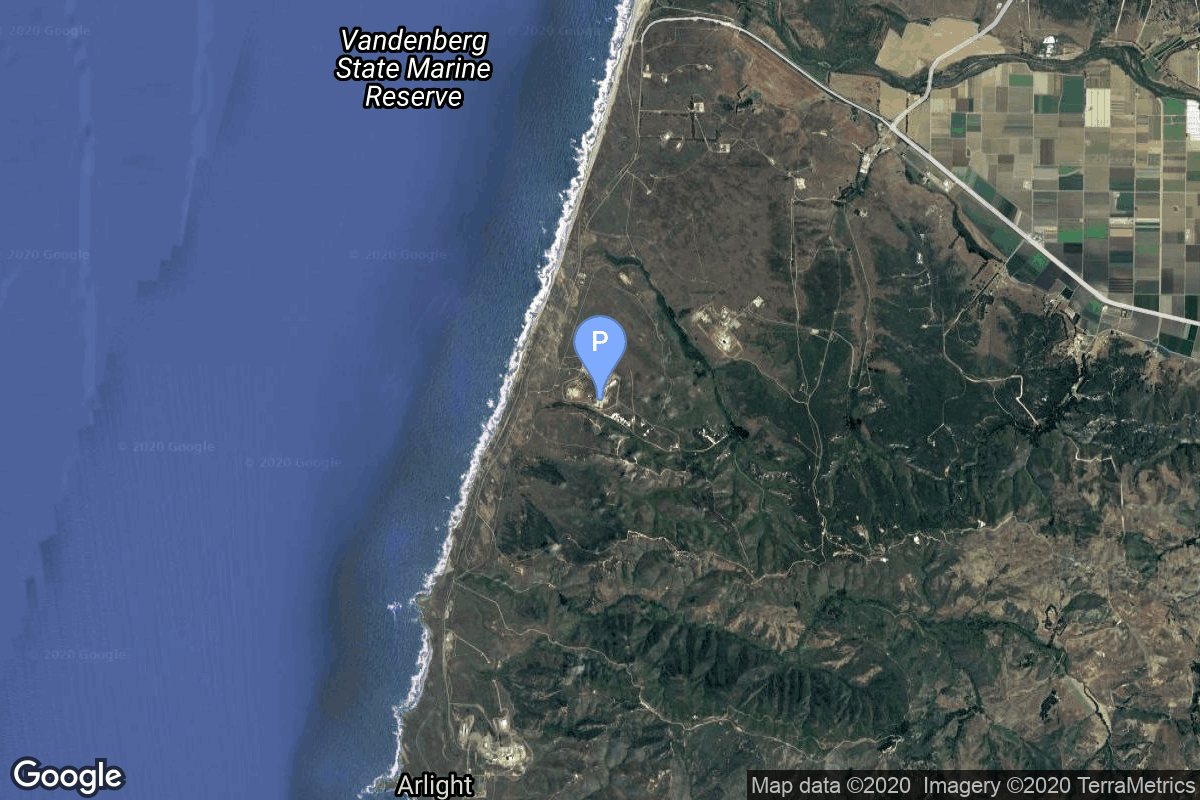
Falcon 9 is a two-stage rocket designed and manufactured by SpaceX for the reliable and safe transport of satellites and the Dragon spacecraft into orbit. The Block 5 variant is the fifth major interval aimed at improving upon the ability for rapid reusability.
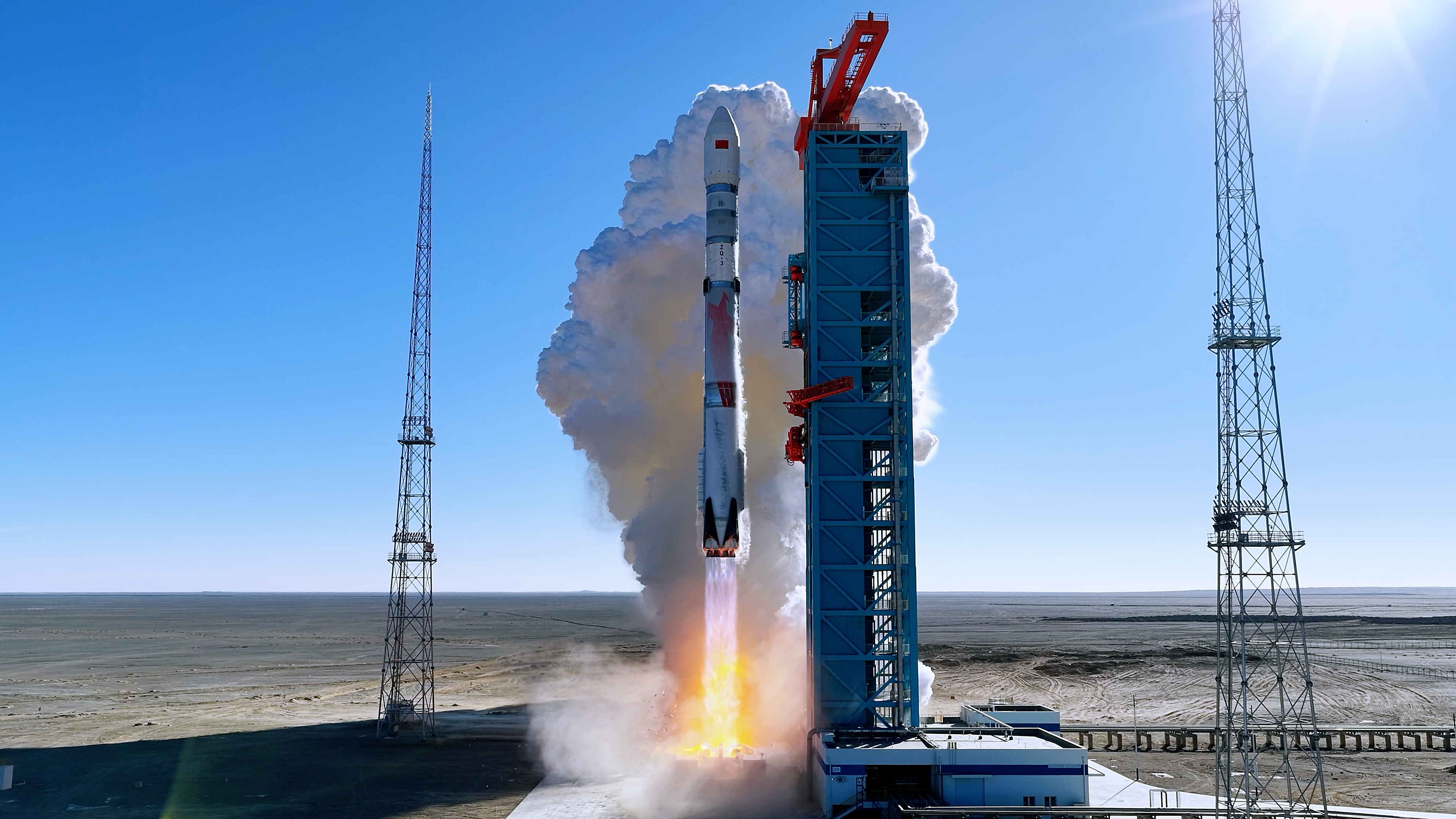
Zhuque-3 (ZQ-3) is a reusable orbital launch vehicle developed by Chinese private company LandSpace. The rocket is built using stainless steel and shares the same series of gas generator cycle methane/liquid oxygen powered rocket engines as in the currently active ZQ-2E rocket.
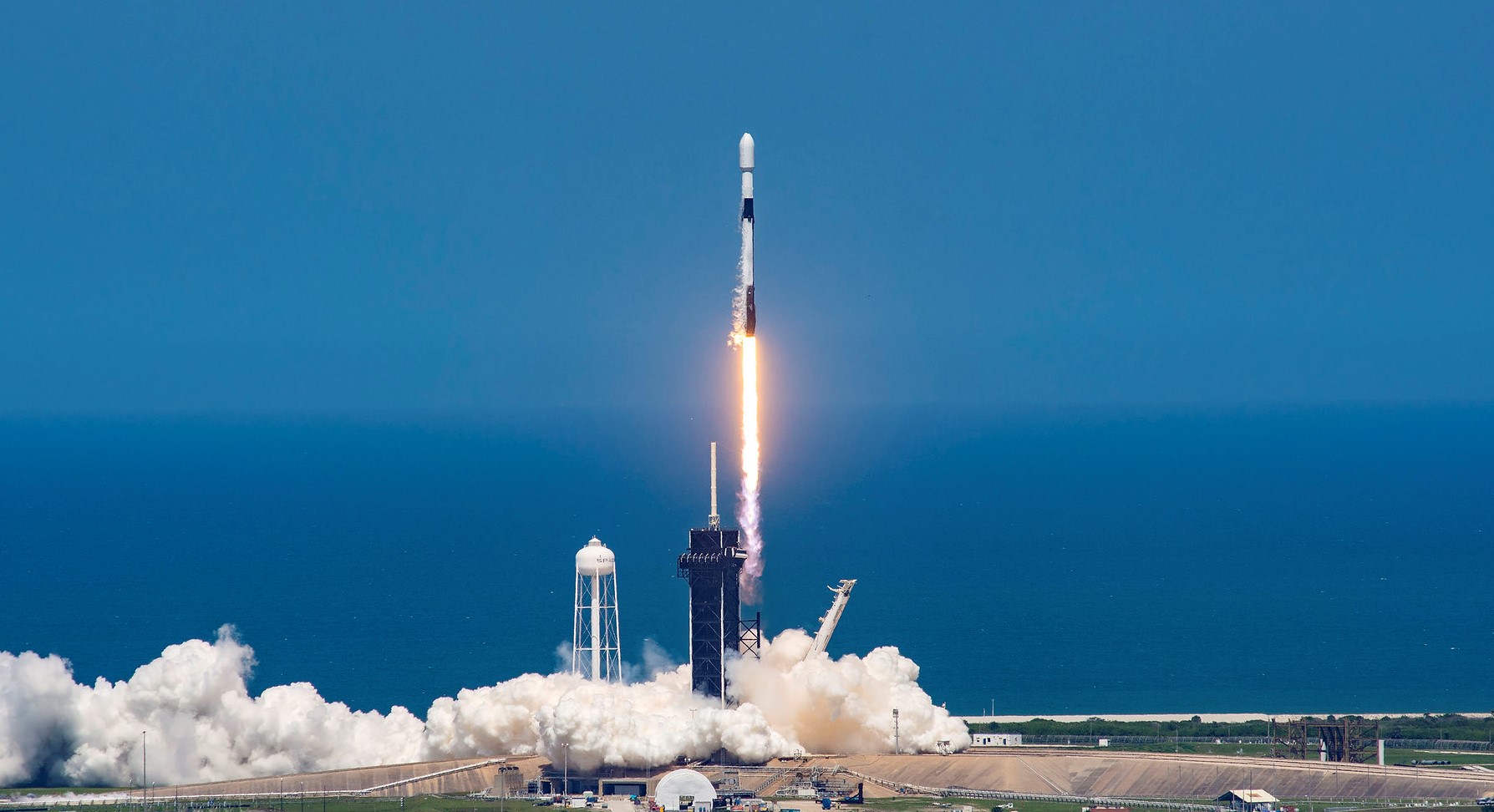
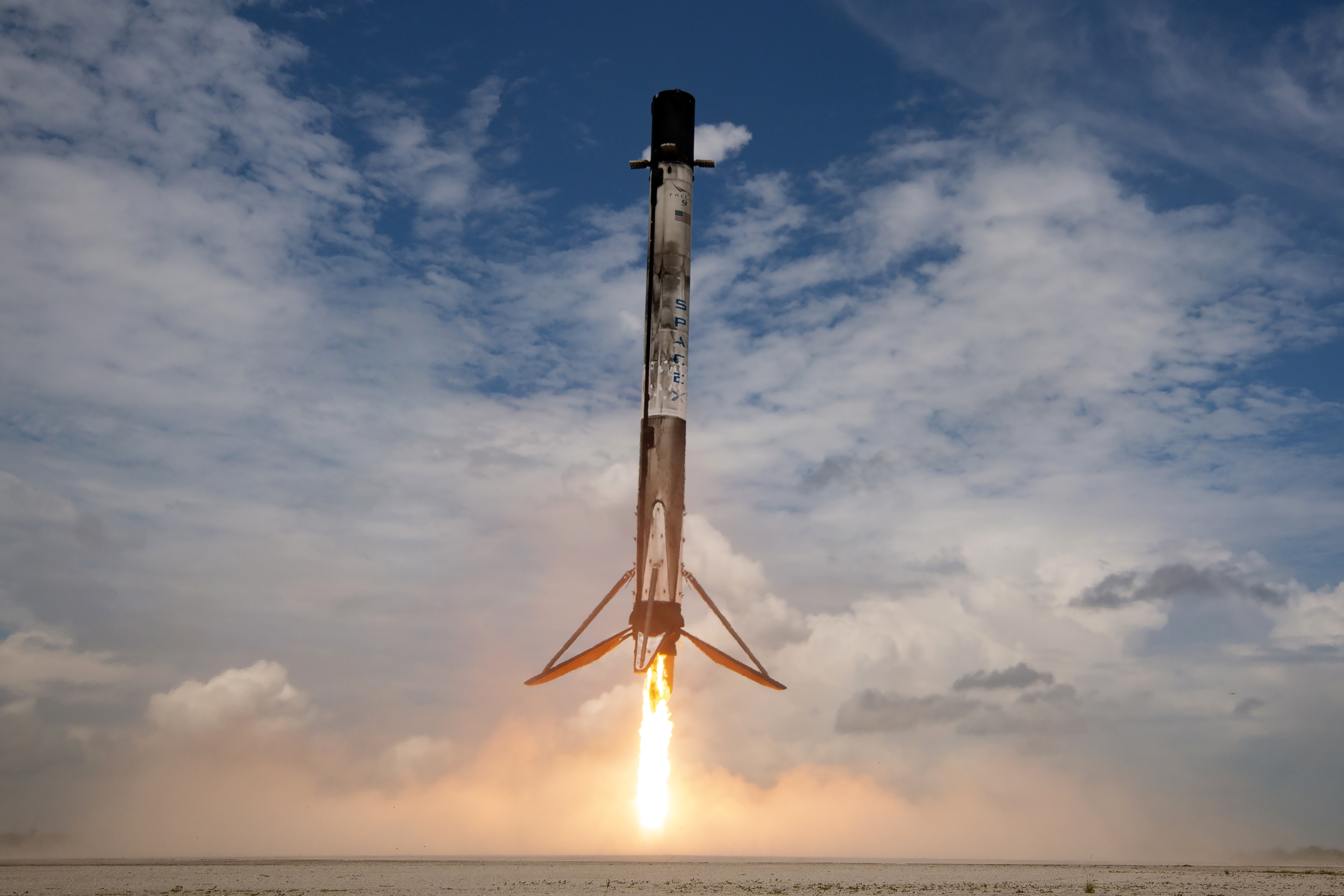
Falcon 9 is a two-stage rocket designed and manufactured by SpaceX for the reliable and safe transport of satellites and the Dragon spacecraft into orbit. The Block 5 variant is the fifth major interval aimed at improving upon the ability for rapid reusability.
Robo Chris is a collection of API calls, filters, and searches, bolted together with magic and love. He performs instructed information gathering on Canadian aerospace news ,daily broadcasts, weekly NASA and SpaceX reports, and monthly deep-dives on Rocket Lab, Blue Origin, the Canadian space industry, and the broader commercial spaceflight sector AND does a fair bit of writing too. Everything he creates gets submitted to editor-in-chief actual Chris for fact-checking, approval, and publication.