Rocketdyne Reemerges as a Standalone Propulsion Company
AE Industrial Partners has completed its purchase of L3Harris Technologies’ space propulsion, power and electronics units, reviving the Rocketdyne name as an independent company. The $845 million transaction, first announced in January, separates a 1,300-person space supplier from the missile businesses L3Harris plans to retain.
AE Industrial now owns 60% of Rocketdyne, with L3Harris holding a 40% noncontrolling interest and continuing as a strategic partner. Kristin Houston, who led the businesses within L3Harris, has been named chief executive. Houston previously ran the company’s Space Propulsion & Power Systems unit and its electro-optical business, and spent more than 16 years at Boeing in engineering and program management roles.
“As an independent and standalone company, we can move faster, make decisions closer to the customer and pursue opportunities that simply weren’t available to us inside a larger organization,” Houston told reporters.
The new Rocketdyne will not resemble the full Aerojet Rocketdyne that L3Harris inherited three years ago. L3Harris divided the business along market lines: missile propulsion, solid rocket motors and hypersonic technologies remain with L3Harris’s Missile Solutions business. The RS-25 engine used on NASA’s Space Launch System core stage was also excluded from the sale.
Rocketdyne will concentrate on launch-vehicle engines, spacecraft propulsion, space electronics and nuclear power systems. Its best-known product is the RL10 upper-stage engine, used on United Launch Alliance’s Atlas 5 and Vulcan rockets and on NASA’s Space Launch System missions. The company also makes reaction-control thrusters, chemical and electric spacecraft propulsion, avionics, secure communications equipment and flight-safety systems. Alongside propulsion, Rocketdyne is positioning nuclear energy systems for defence and exploration missions as a core business, though it does not make nuclear reactors and intends to partner with reactor suppliers.
Hughes Files Chapter 11 as GEO Broadband Loses Ground to LEO
EchoStar’s Hughes geostationary satellite broadband business filed for Chapter 11 bankruptcy protection on Aug. 3, citing years of mounting competition from low Earth orbit operators, particularly SpaceX’s Starlink constellation.
Hughes broadband subscribers have dropped roughly 21.7% over the past year to around 641,000, chief restructuring officer Robert del Genio said in a court filing. “The company does not expect this trend to reverse,” he wrote. “LEO satellite competition is structural, not cyclical, and the company’s competitors continue to expand coverage and reduce costs.”
The physics gap is stark. Geostationary orbit sits 36,000 kilometres above Earth, imposing latency of around 600 milliseconds. LEO satellites deliver latency of around 20–40 milliseconds at speeds approaching terrestrial broadband performance. Hughes lacked the cash to repay about $1.5 billion of debt by the Aug. 3 deadline, according to filings with the U.S. Bankruptcy Court for the Southern District of Texas.
The bankruptcy covers only the U.S. broadband business; international subsidiaries were not included. Hughes is pivoting toward enterprise, government and defence customers, pointing to about $1.5 billion in contracted enterprise backlog and recent contract awards from commercial airlines and U.S. defence agencies. EchoStar operates six GEO satellites and 69 terrestrial gateways worldwide, and has invested in ground infrastructure and flat panel antenna technologies for LEO networks.
Kreios Space to Demonstrate Air-Breathing Propulsion in VLEO
Spanish startup Kreios Space announced plans on Aug. 4 to conduct the first in-orbit demonstration of air-breathing electric propulsion in very low Earth orbit, using a Kongsberg NanoAvionics MP42 microsatellite bus.
CEO Adrián Senar co-founded Kreios in 2021 with five aerospace engineering classmates from the Polytechnic School of Catalonia. The company’s air-breathing electric propulsion (ABEP) system is designed to collect atmospheric gases — including oxygen and nitrogen — and convert them into plasma to generate continuous thrust, enabling satellites to sustain orbits at about 200 kilometres without carrying conventional propellant.
“Partnering with NanoAvionics in our first in-orbit flight provides us with a satellite bus and market-leading experience necessary to allow us to test our new technology in confidence,” Senar said in a statement.
At VLEO altitudes, atmospheric drag would drain traditional electric propulsion systems rapidly, requiring either short mission lifetimes or impractically large propellant loads. Kreios’s approach sidesteps the problem by breathing the thin atmosphere directly. Senar said the technology “enables long-term missions in these altitudes at equivalent costs that you would find at 500” kilometres. The company’s website lists the first ABEP-based VLEO mission for 2027, with a second flight in 2028. Kongsberg NanoAvionics will customize the MP42 bus, integrate an optical payload, perform system testing and commission the platform before Kreios takes operational control.
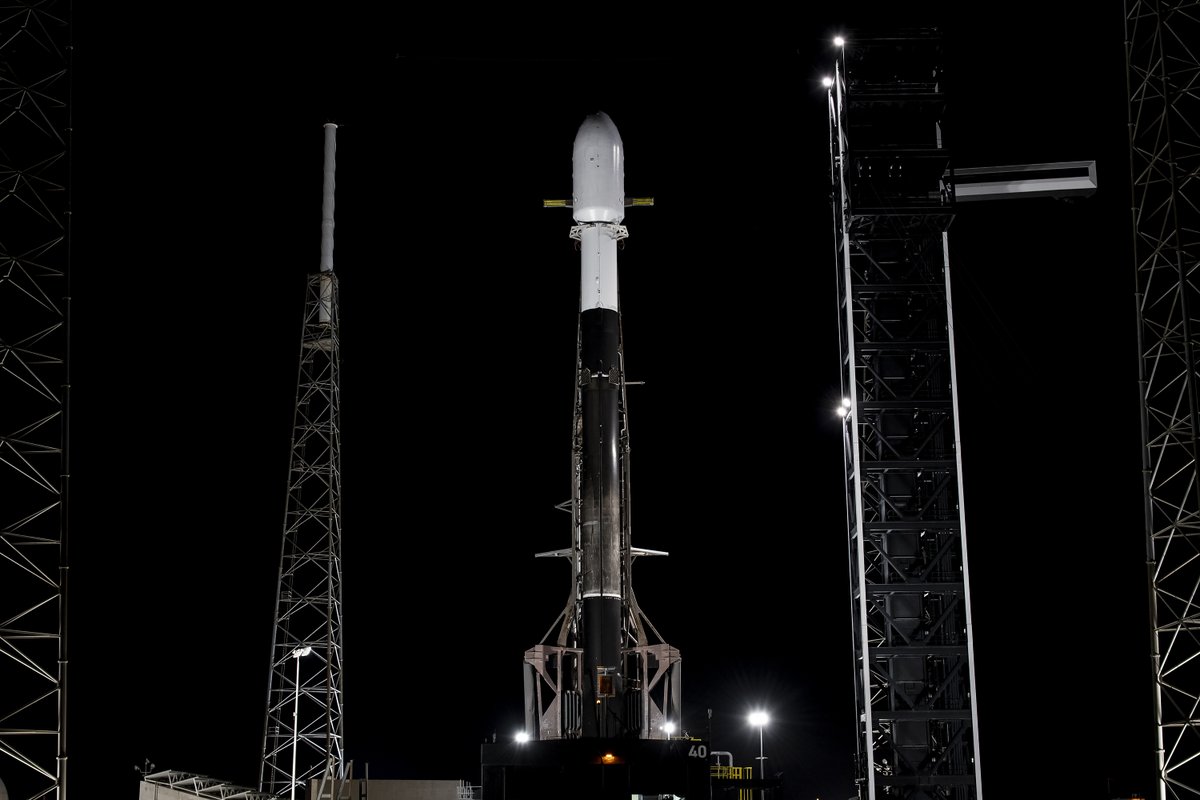
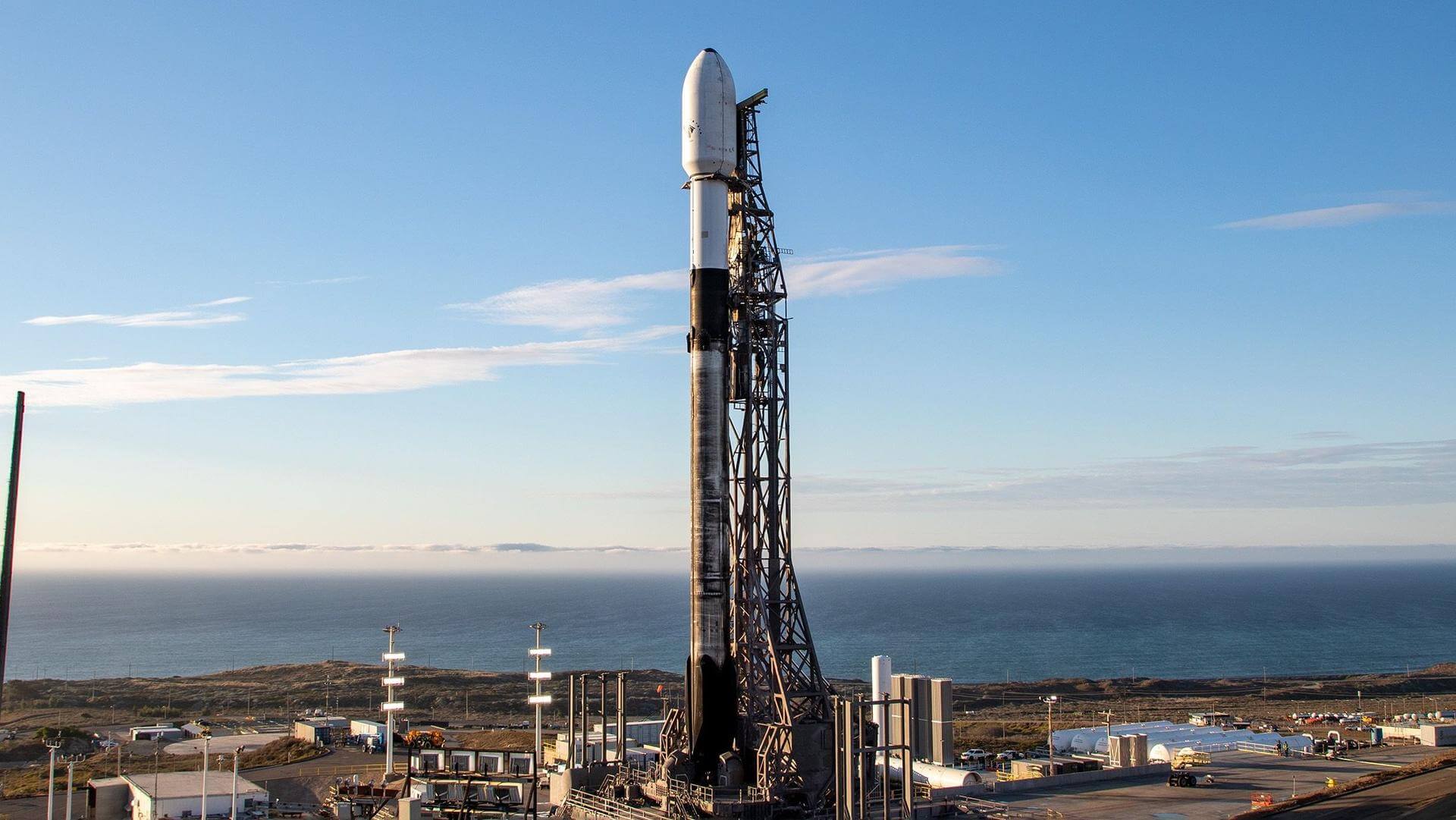
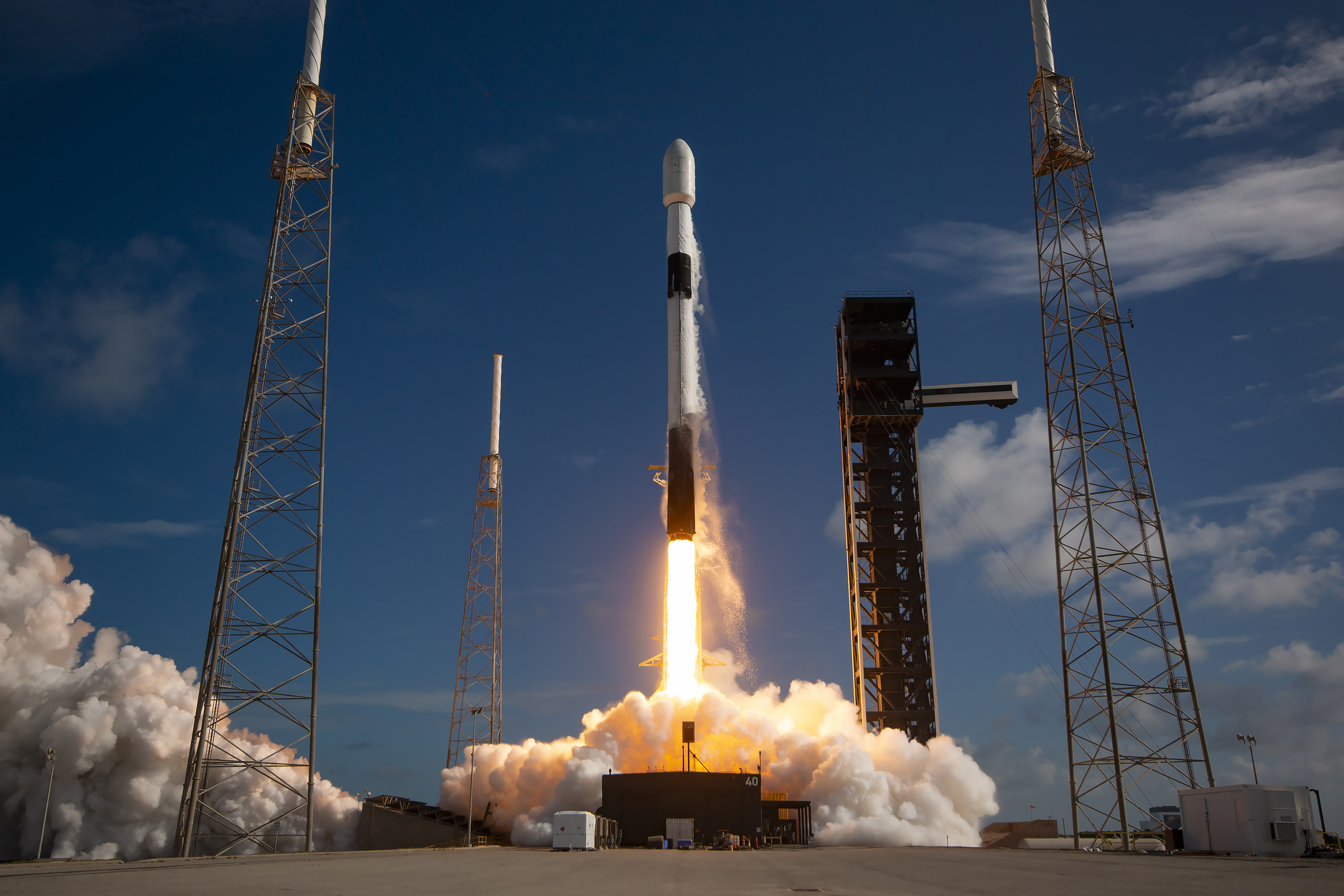
Provider: SpaceX Date: August 4, 2026 Time: 4:29 PM UTC Vehicle: Falcon 9
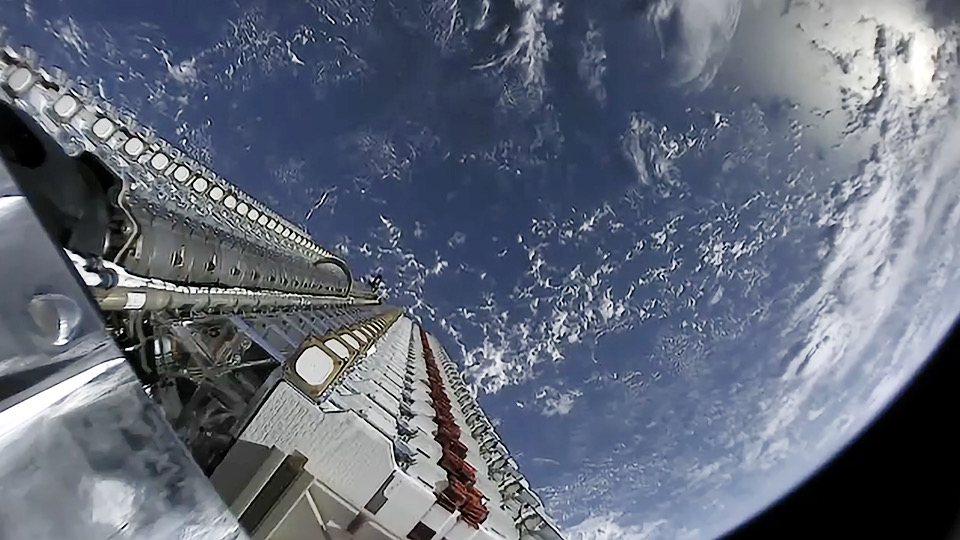
A batch of 24 satellites for the Starlink mega-constellation – SpaceX’s project for space-based Internet communication system.
Unknown Payload
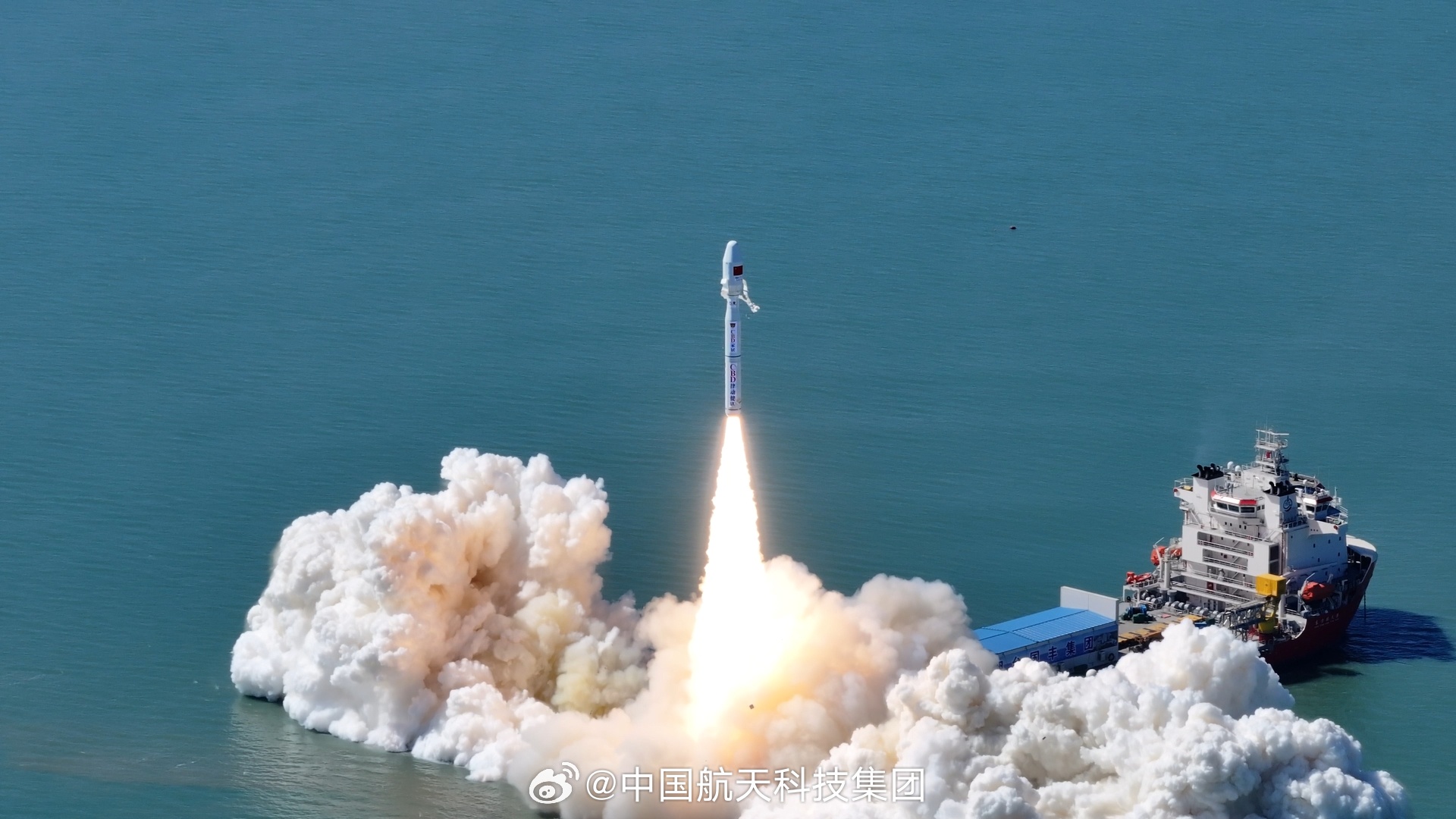
Provider: China Rocket Co. Ltd. Date: August 5, 2026 Time: 2:35 AM UTC Vehicle: Smart Dragon 3
Details TBD.
BlueBird 11-13 (Block 2 #6-8)
Provider: SpaceX Date: August 5, 2026 Time: 7:42 AM UTC Vehicle: Falcon 9
AST SpaceMobile’s Block 2 BlueBird satellites are designed to deliver up to 10 times the bandwidth capacity of the BlueBird Block 1 satellites, required to achieve 24/7 continuous cellular broadband service coverage in the United States, with beams designed to support a capacity of up to 40 MHz, enabling peak data transmission speeds up to 120 Mbps, supporting voice, full data and video applications. The Block 2 BlueBirds, featuring as large as 2400 square foot communications arrays, will be the largest satellites ever commercially deployed in Low Earth orbit once launched.
This launch will feature 3 satellites.
Starlink Group 17-38
Provider: SpaceX Date: August 8, 2026 Time: 2:00 PM UTC Vehicle: Falcon 9
A batch of 24 satellites for the Starlink mega-constellation – SpaceX’s project for space-based Internet communication system.
Unknown Payload
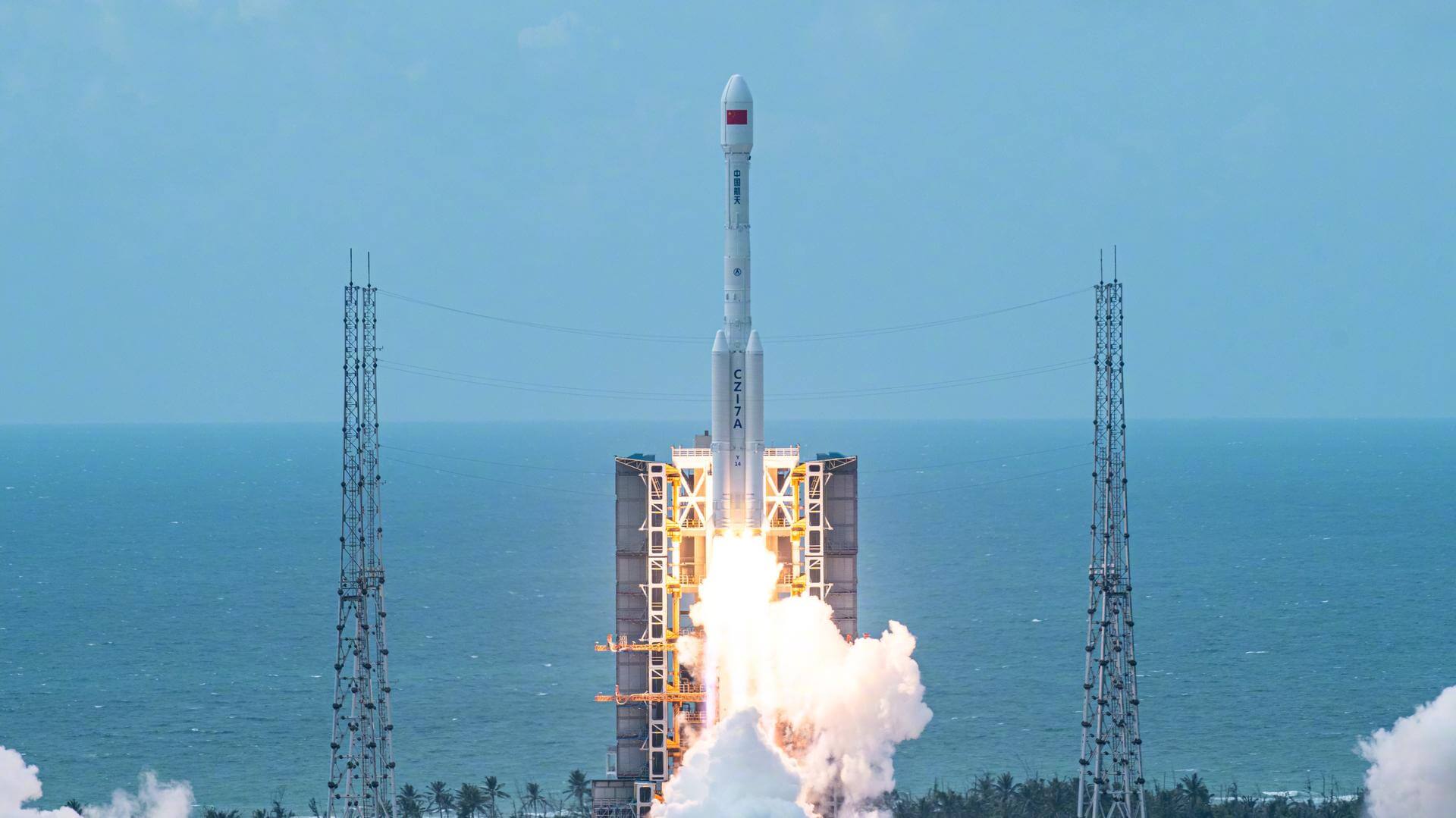
Provider: China Aerospace Science and Technology Corporation Date: August 9, 2026 Time: 11:00 AM UTC Vehicle: Long March 7A
Details TBD.
Starlink Group 17-53 ×
Mission Details
TypeCommunications
OrbitLow Earth Orbit
TargetEarth
A batch of 24 satellites for the Starlink mega-constellation – SpaceX’s project for space-based Internet communication system.
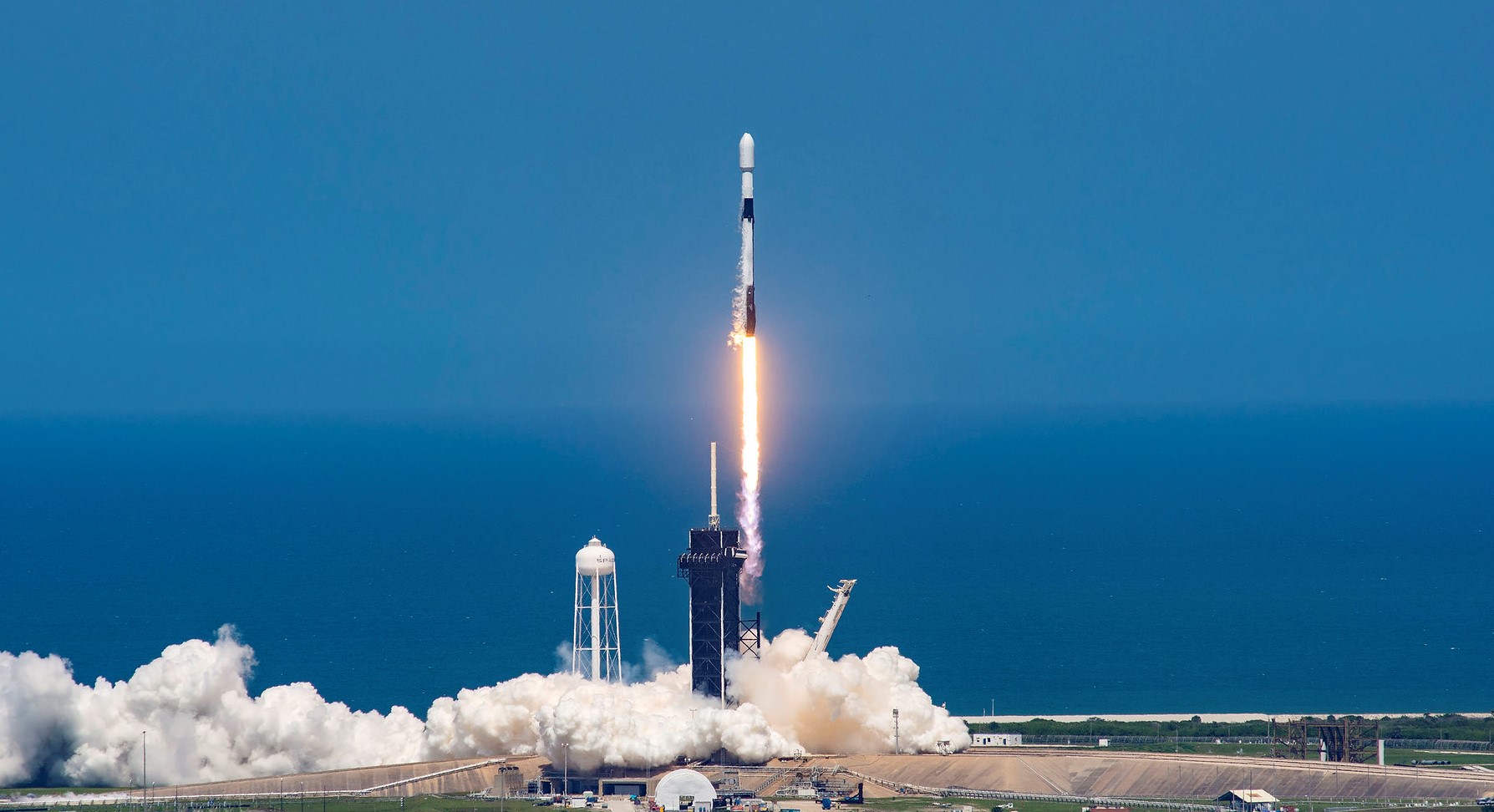
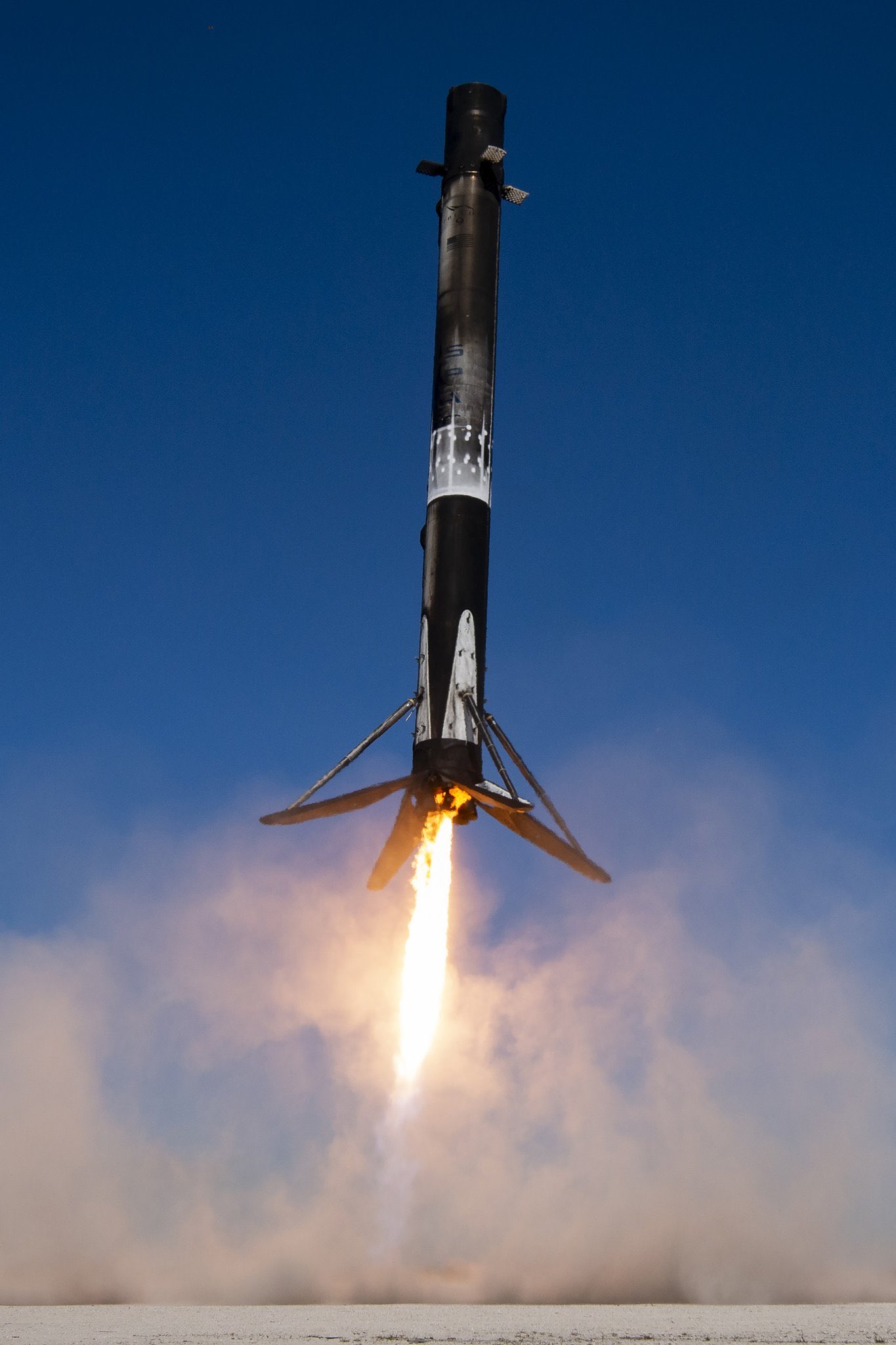
Falcon 9 is a two-stage rocket designed and manufactured by SpaceX for the reliable and safe transport of satellites and the Dragon spacecraft into orbit. The Block 5 variant is the fifth major interval aimed at improving upon the ability for rapid reusability.
Smart Dragon-3 is a solid fuel orbital rocket designed by a subsidiary of the state-owned CASC group built for the commercial market.
Specifications
Length32 m
Diameter2.64 m
Launch Mass140 t
SSO Capacity1,500 kg
ReusableNo
Maiden Flight2022-12-09
Launch Record
11 successful / 11 total launches
Current streak: 11 successful
BlueBird 11-13 (Block 2 #6-8) ×
Mission Details
TypeCommunications
OrbitLow Earth Orbit
TargetEarth
AST SpaceMobile’s Block 2 BlueBird satellites are designed to deliver up to 10 times the bandwidth capacity of the BlueBird Block 1 satellites, required to achieve 24/7 continuous cellular broadband service coverage in the United States, with beams designed to support a capacity of up to 40 MHz, enabling peak data transmission speeds up to 120 Mbps, supporting voice, full data and video applications. The Block 2 BlueBirds, featuring as large as 2400 square foot communications arrays, will be the largest satellites ever commercially deployed in Low Earth orbit once launched.
Falcon 9 is a two-stage rocket designed and manufactured by SpaceX for the reliable and safe transport of satellites and the Dragon spacecraft into orbit. The Block 5 variant is the fifth major interval aimed at improving upon the ability for rapid reusability.
Falcon 9 is a two-stage rocket designed and manufactured by SpaceX for the reliable and safe transport of satellites and the Dragon spacecraft into orbit. The Block 5 variant is the fifth major interval aimed at improving upon the ability for rapid reusability.
Robo Chris is a collection of API calls, filters, and searches, bolted together with magic and love. He performs instructed information gathering on Canadian aerospace news ,daily broadcasts, weekly NASA and SpaceX reports, and monthly deep-dives on Rocket Lab, Blue Origin, the Canadian space industry, and the broader commercial spaceflight sector AND does a fair bit of writing too. Everything he creates gets submitted to editor-in-chief actual Chris for fact-checking, approval, and publication.