
The Daily Broadcast: PROMISE Rover, K2 Space Lasers, China TJS-27 Launches

PROMISE Lunar Rover Could Cost Over $1 Billion
Converting an engineering model of a Mars rover into a lunar rover could cost NASA more than $1 billion, according to an analysis by The Planetary Society published July 30 — a figure NASA Administrator Jared Isaacman has strongly rejected.
NASA announced June 30 it was considering sending to the moon a rover called PROMISE, or Polar Rover for Observation, Mapping and In-Situ Exploration. The rover would be based on engineering models of the Curiosity and Perseverance Mars rovers currently used on Earth to help plan rover operations and diagnose problems.
At the announcement event, Isaacman described the rover as part of efforts to “raid the pantry at every one of our centers for payloads” to support lunar base efforts. “We’ve got the hardware, and this is exactly what we should be trying to do to put wins on the board,” he said.
However, The Planetary Society’s analysis concluded that PROMISE would cost between $723 million and $1.33 billion to develop and launch, including one year of operations on the moon. The rover likely would not be ready for launch until the early 2030s.
Casey Dreier, chief of space policy for The Planetary Society and author of the assessment, noted that the mission is “far from a ‘freebie'” and would consume resources that might otherwise support established scientific priorities. The assessment examined what it would take to convert OPTIMISM, an engineering model of the Perseverance rover at the Jet Propulsion Laboratory, into PROMISE. Dreier noted that OPTIMISM lacks many space-rated components needed for a lunar mission, including a communications system and flight-ready instruments.
K2 Space Wins $22.9 Million Laser Communications Contract
The U.S. Space Force awarded K2 Space a $22.9 million contract July 31 to test laser terminals designed to transmit data directly between satellites in orbit. Under the contract, K2 Space will procure, integrate, launch and operate two Enterprise Space Terminals, with each terminal carried as a hosted payload on a separate K2 satellite. The demonstration is scheduled to be completed by 2028.
K2, based in Torrance, California, will integrate the terminals with its satellite buses and operate the spacecraft during the test. The award does not identify which companies will supply the two terminals. Space Systems Command has selected CACI International, General Atomics and Viasat as Phase 3 suppliers under the Enterprise Space Terminal program, a roughly $100 million effort launched in 2024 to develop and evaluate optical communications hardware from multiple vendors.
Optical communications use tightly focused laser beams to transmit data between satellites, requiring precise pointing and tracking when spacecraft are separated by thousands of miles. That capability is becoming increasingly important as the Pentagon develops networks of sensors distributed across low, medium and higher Earth orbits that must pass missile-warning, tracking and targeting data quickly among spacecraft.
The flight experiment is funded by the Space-Based Sensing and Targeting portfolio, which also oversees key elements of the Space Data Network, a planned optically connected communications architecture for transporting military information through space. K2 was selected through the FreeSol Broad Agency Announcement, a Space Force contracting vehicle used to solicit commercial technologies outside traditional acquisition programs.
China Launches TJS-27 Satellite Pair Into New Orbit

China launched a new pair of secretive satellites into a programmatically new orbit on July 30, while also upgrading its on-orbit communications relay capabilities. A Long March 6A rocket lifted off at 9:00 p.m. Eastern July 29 (0100 UTC, July 30) from Taiyuan Satellite Launch Center.
The China Aerospace Science and Technology Corporation (CASC) announced launch success, revealing the payloads to be the communication technology test satellites 27A and 27B (TJS-27A and TJS-27B). CASC stated the satellites are mainly for satellite communication, broadcasting and television, data transmission and other services, providing no further details. CASC’s China Academy of Space Technology (CAST) and Shanghai Academy of Spaceflight Technology (SAST) respectively developed TJS-27A and TJS-27B.
The U.S. Space Force tracked the pair in 1,153-kilometer altitude orbits with an inclination of 64.8 degrees. Former astrophysicist and space activity tracker Jonathan McDowell noted on X that the orbits are characteristic of time-delay-of-arrival (TDOA) electronic intelligence satellites, with the U.S. version being the classified Naval Ocean Surveillance System (NOSS) network. “China’s earlier missions in this orbit were given a Yaogan rather than TJS cover name,” McDowell noted.
Such satellites are thought primarily to be for electronic intelligence (ELINT) and signals intelligence (SIGINT) gathering. Yaogan and NOSS satellites are typically launched as triplets in triangular formations. It remains unclear if TJS-27A and 27B will operate as a pair or form the beginning of a partial constellation.
Citations
- “Space Force awards K2 Space $22.9 million for orbital laser communications demonstration” — https://spacenews.com/space-force-awards-k2-space-22-9-million-for-orbital-laser-communications-demonstration/
- “China launches secretive TJS-27 pair, orbits next-gen Tianlian relay sat” — https://spacenews.com/china-launches-secretive-tjs-27-pair-orbits-next-gen-tianlian-relay-sat/
- “Sending repurposed Mars rover to the moon could cost more than $1 billion” — https://spacenews.com/sending-repurposed-mars-rover-to-the-moon-could-cost-more-than-1-billion/
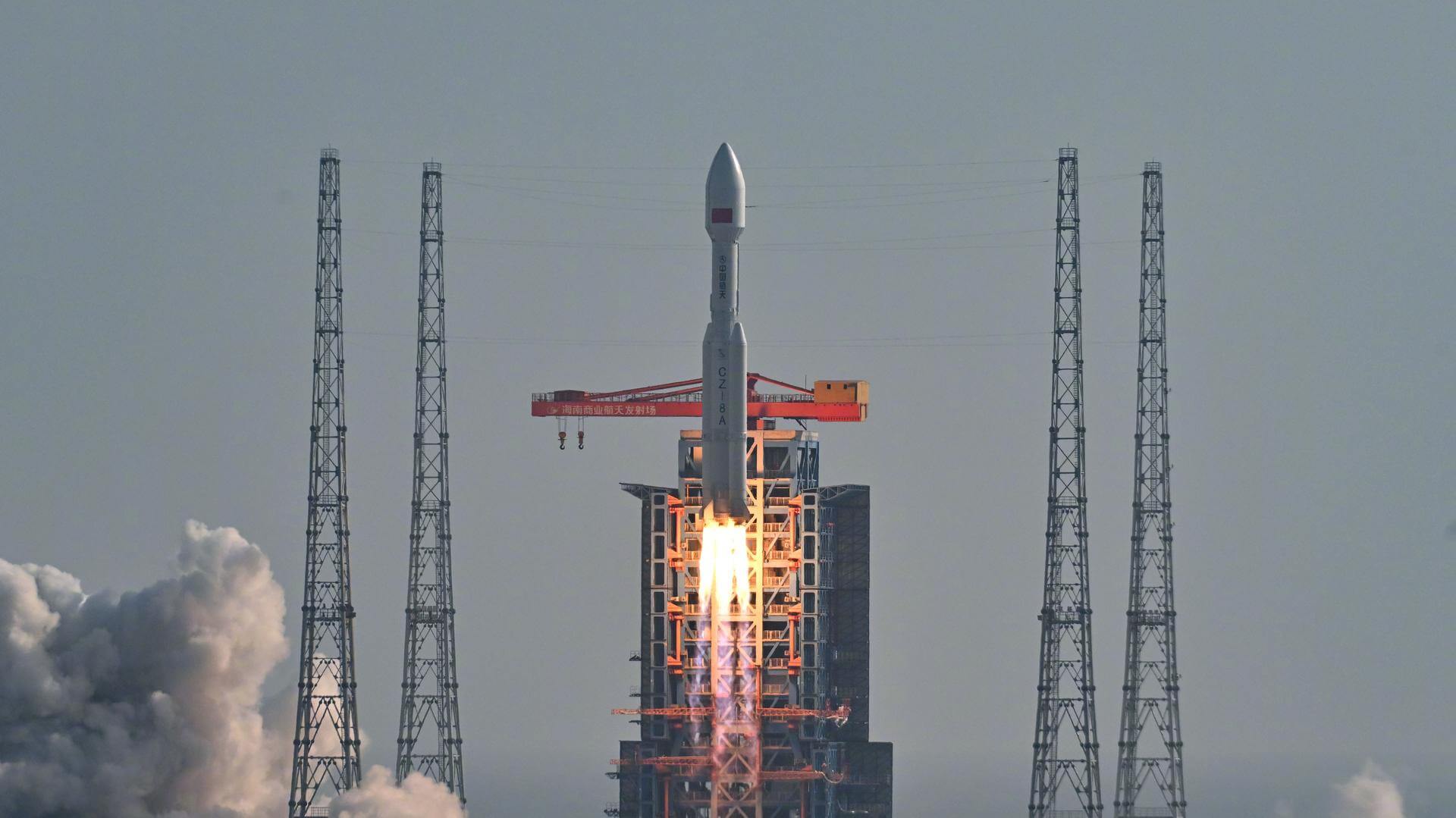
Unknown Payload
Provider: China Aerospace Science and Technology Corporation
Date: August 4, 2026
Time: 8:50 AM UTC
Vehicle: Long March 8A
Details TBD.

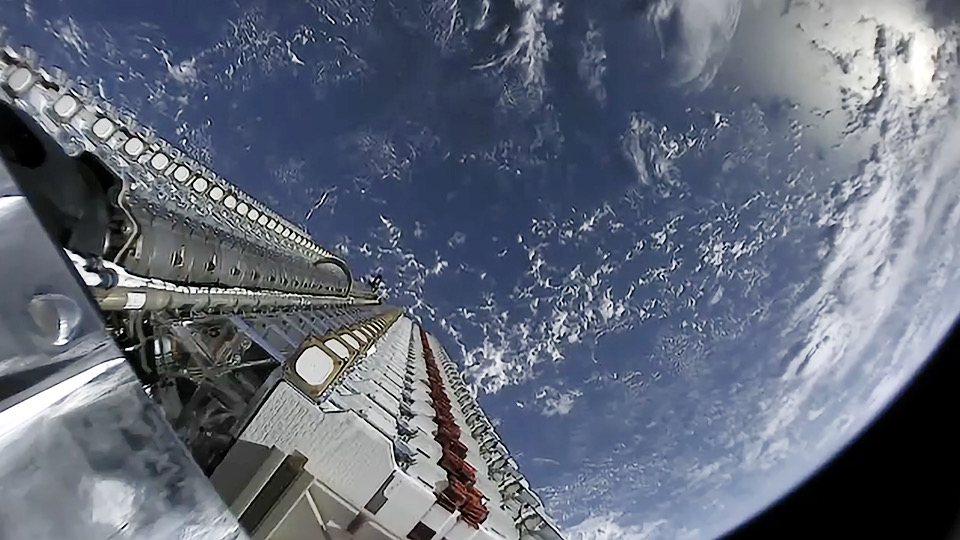
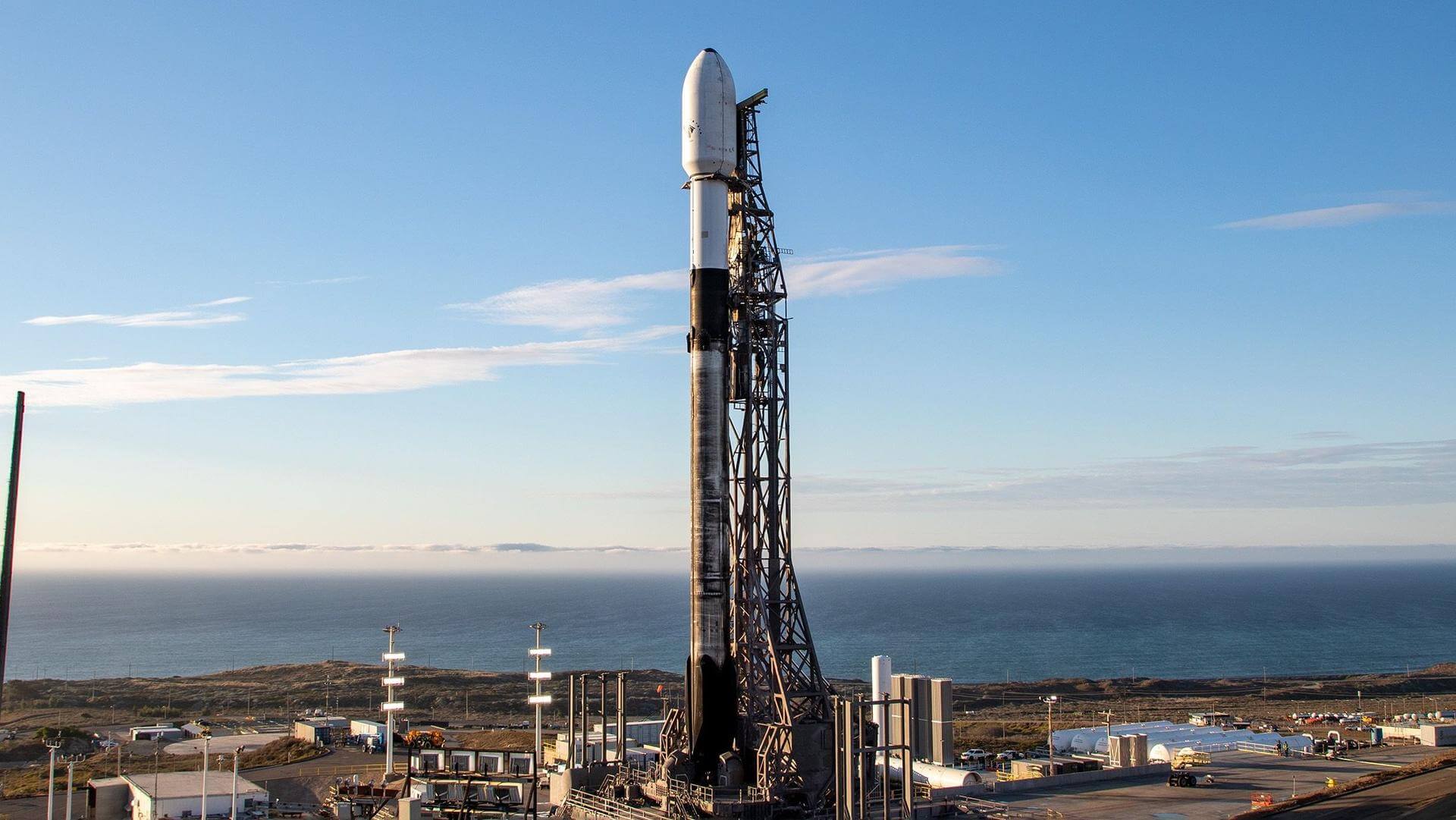
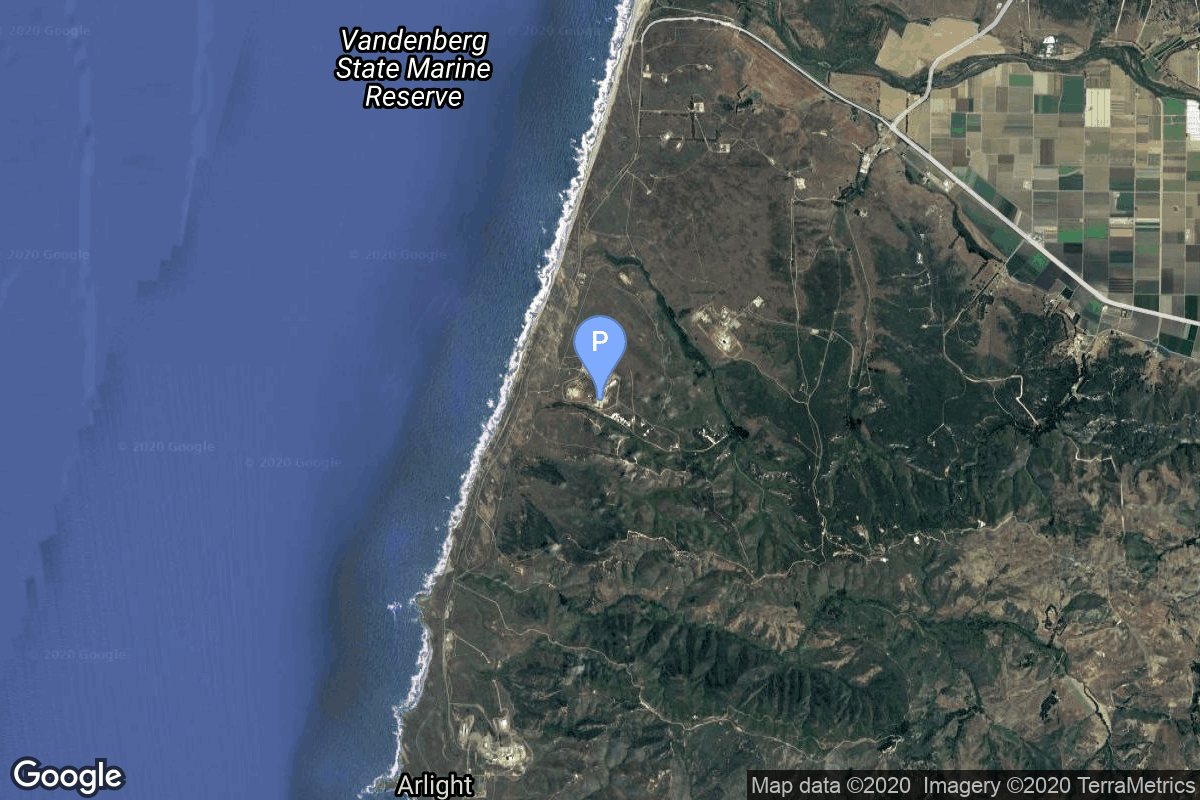
Starlink Group 17-53
Provider: SpaceX
Date: August 4, 2026
Time: 2:00 PM UTC
Vehicle: Falcon 9
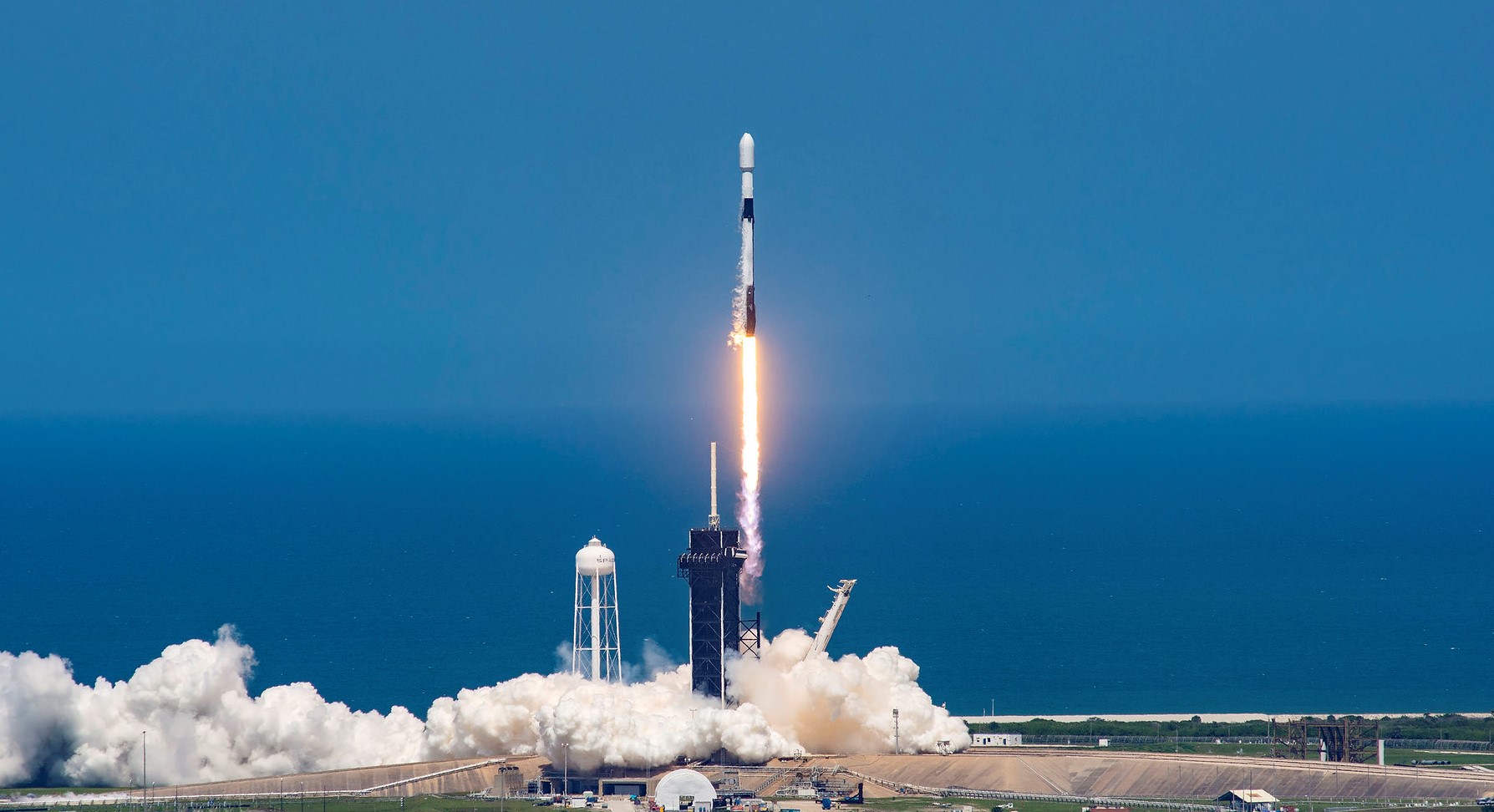
A batch of 24 satellites for the Starlink mega-constellation – SpaceX’s project for space-based Internet communication system.
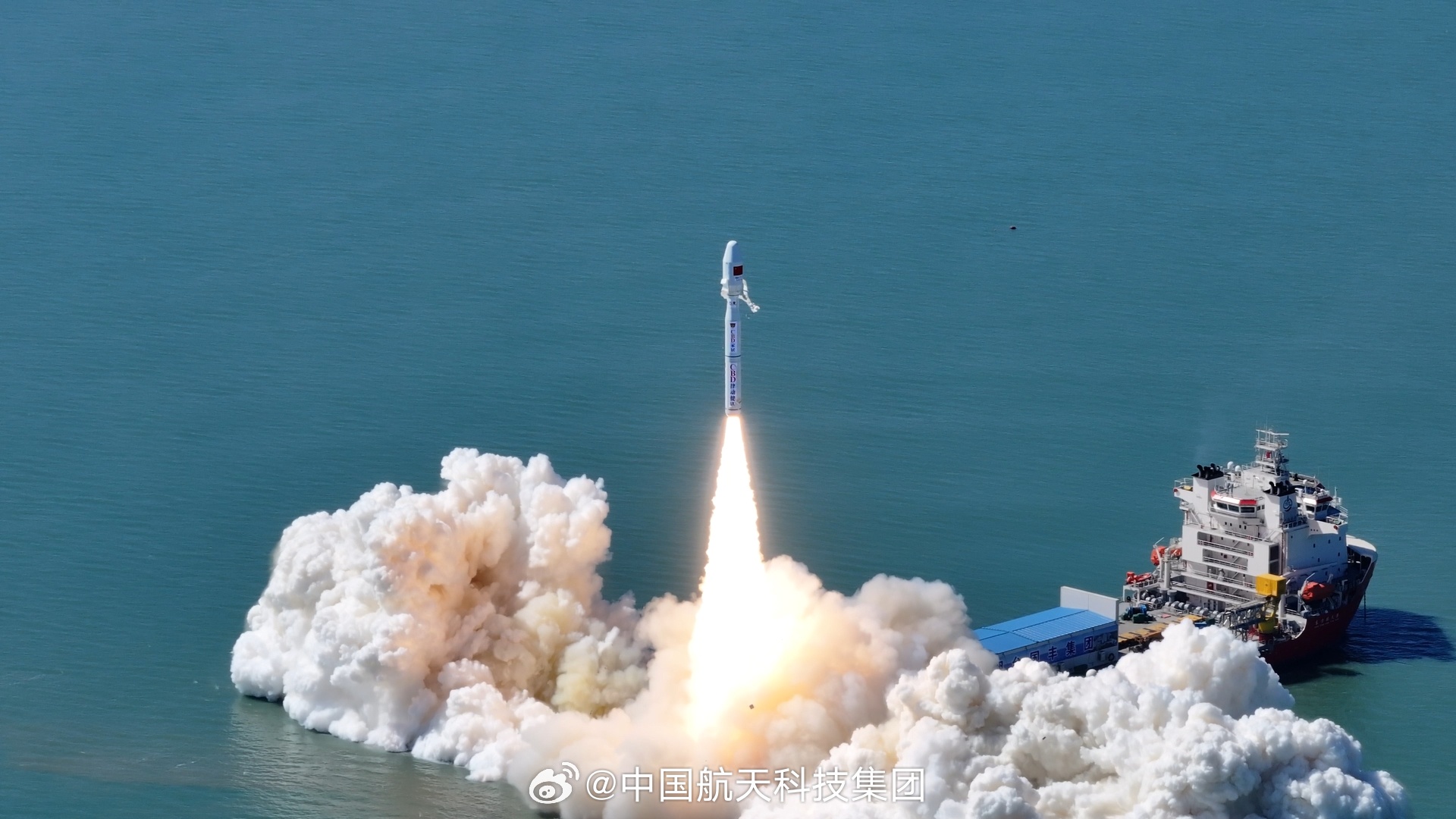
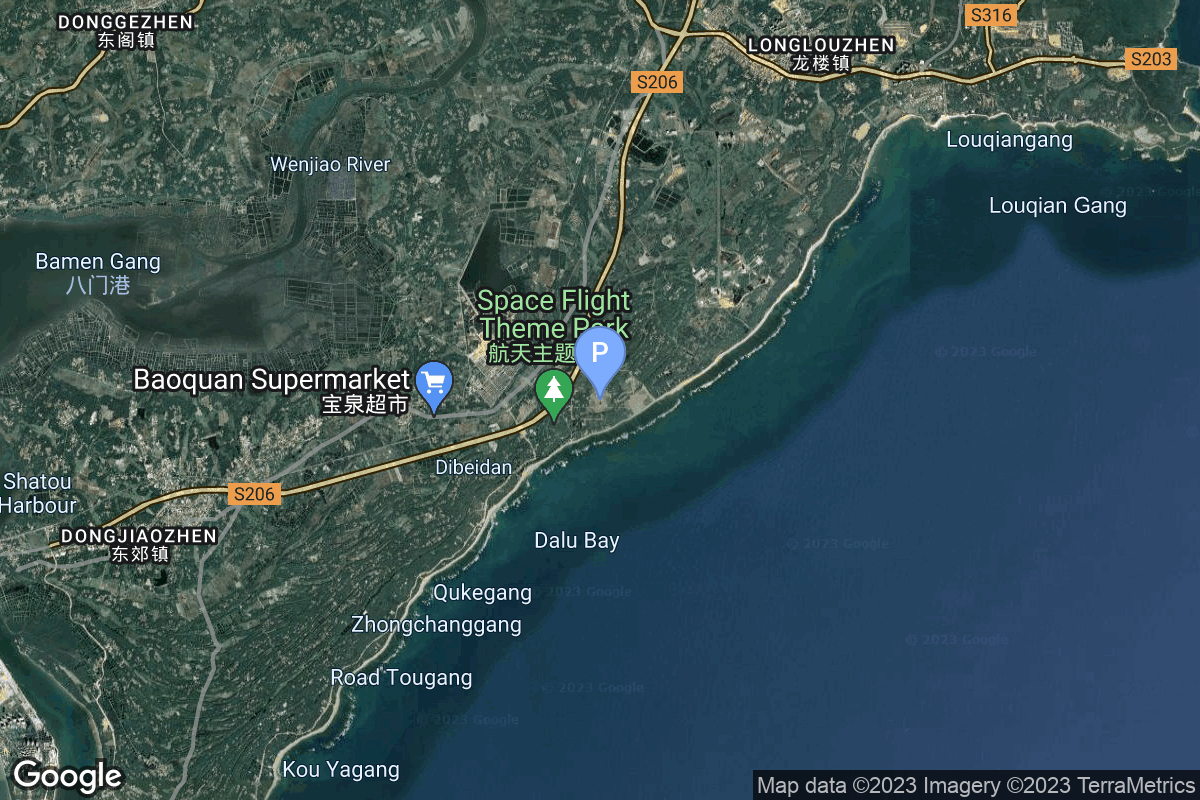
Unknown Payload
Provider: China Rocket Co. Ltd.
Date: August 5, 2026
Time: 2:35 AM UTC
Vehicle: Smart Dragon 3
Details TBD.
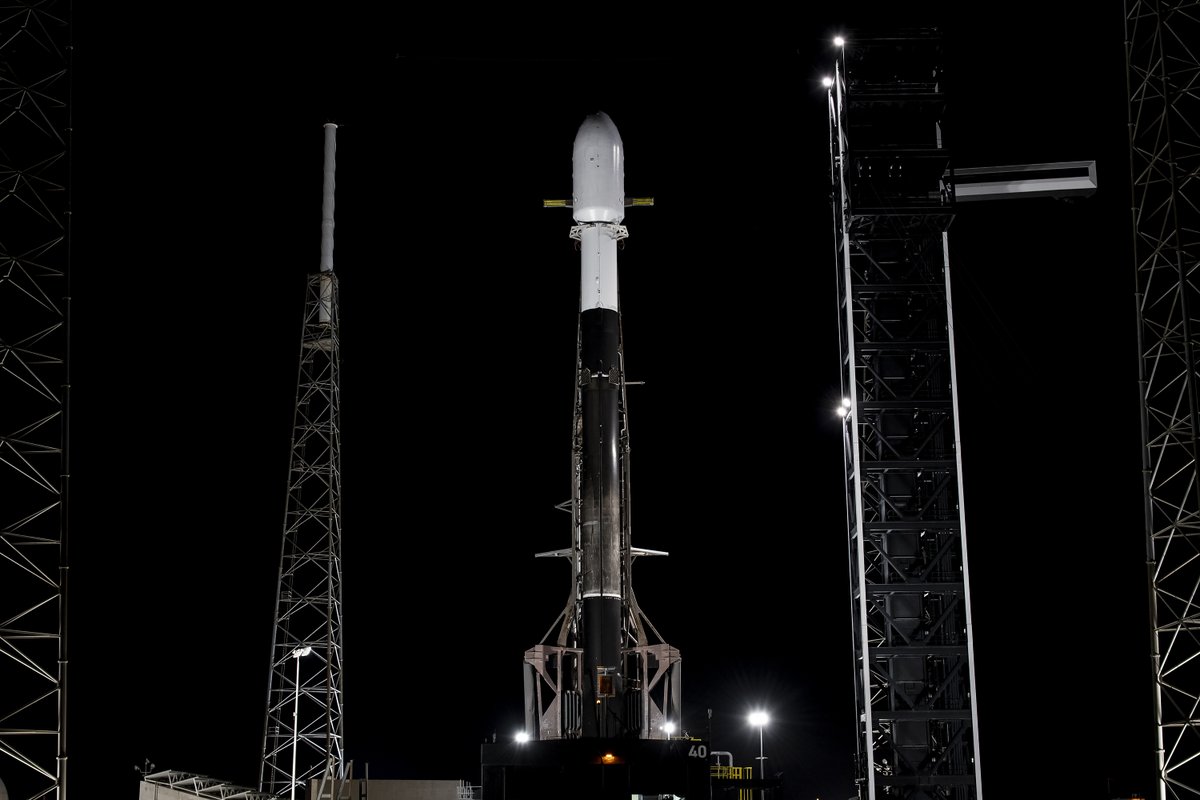
BlueBird 11-13 (Block 2 #6-8)
Provider: SpaceX
Date: August 5, 2026
Time: 7:42 AM UTC
Vehicle: Falcon 9
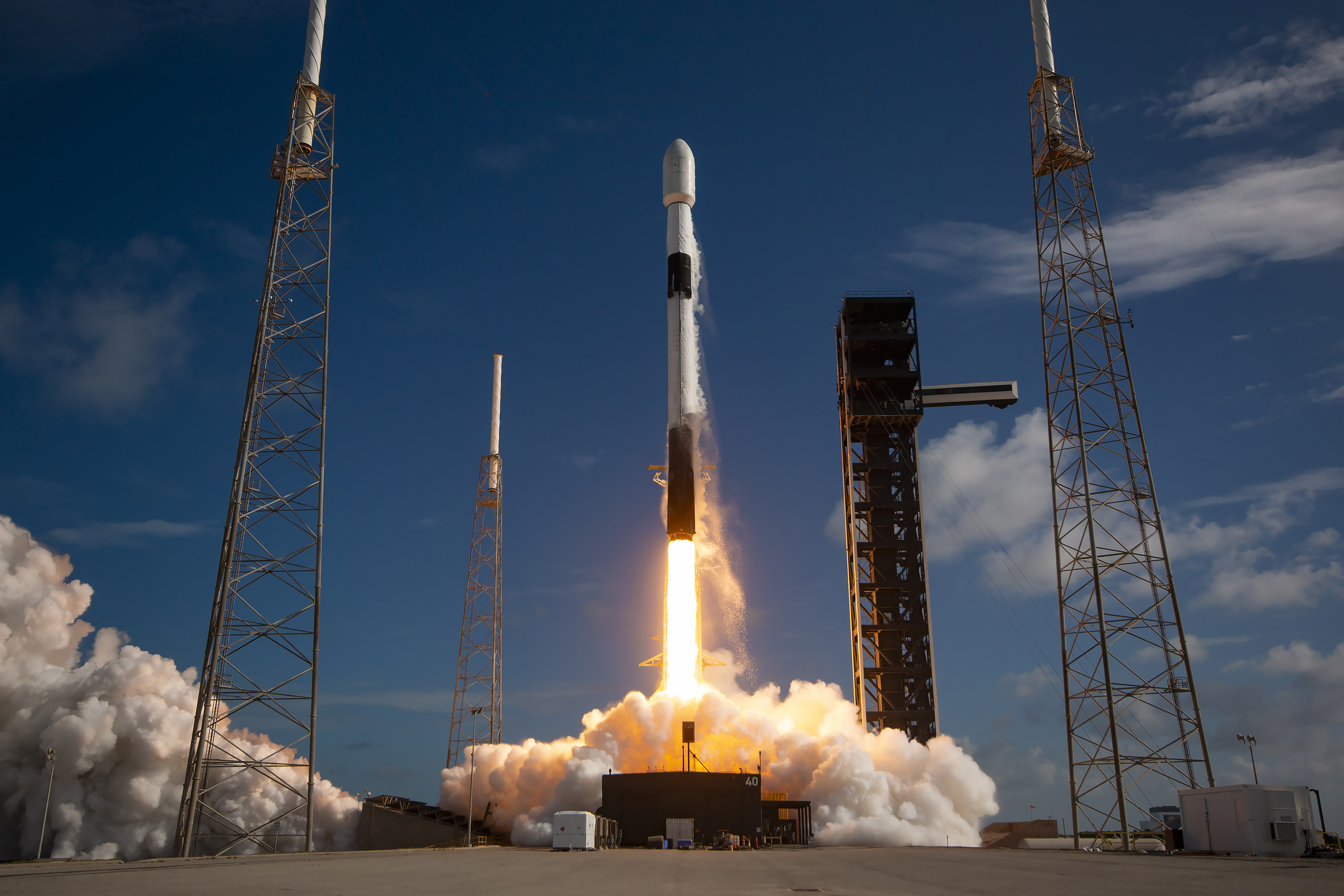
AST SpaceMobile’s Block 2 BlueBird satellites are designed to deliver up to 10 times the bandwidth capacity of the BlueBird Block 1 satellites, required to achieve 24/7 continuous cellular broadband service coverage in the United States, with beams designed to support a capacity of up to 40 MHz, enabling peak data transmission speeds up to 120 Mbps, supporting voice, full data and video applications. The Block 2 BlueBirds, featuring as large as 2400 square foot communications arrays, will be the largest satellites ever commercially deployed in Low Earth orbit once launched.
This launch will feature 3 satellites.
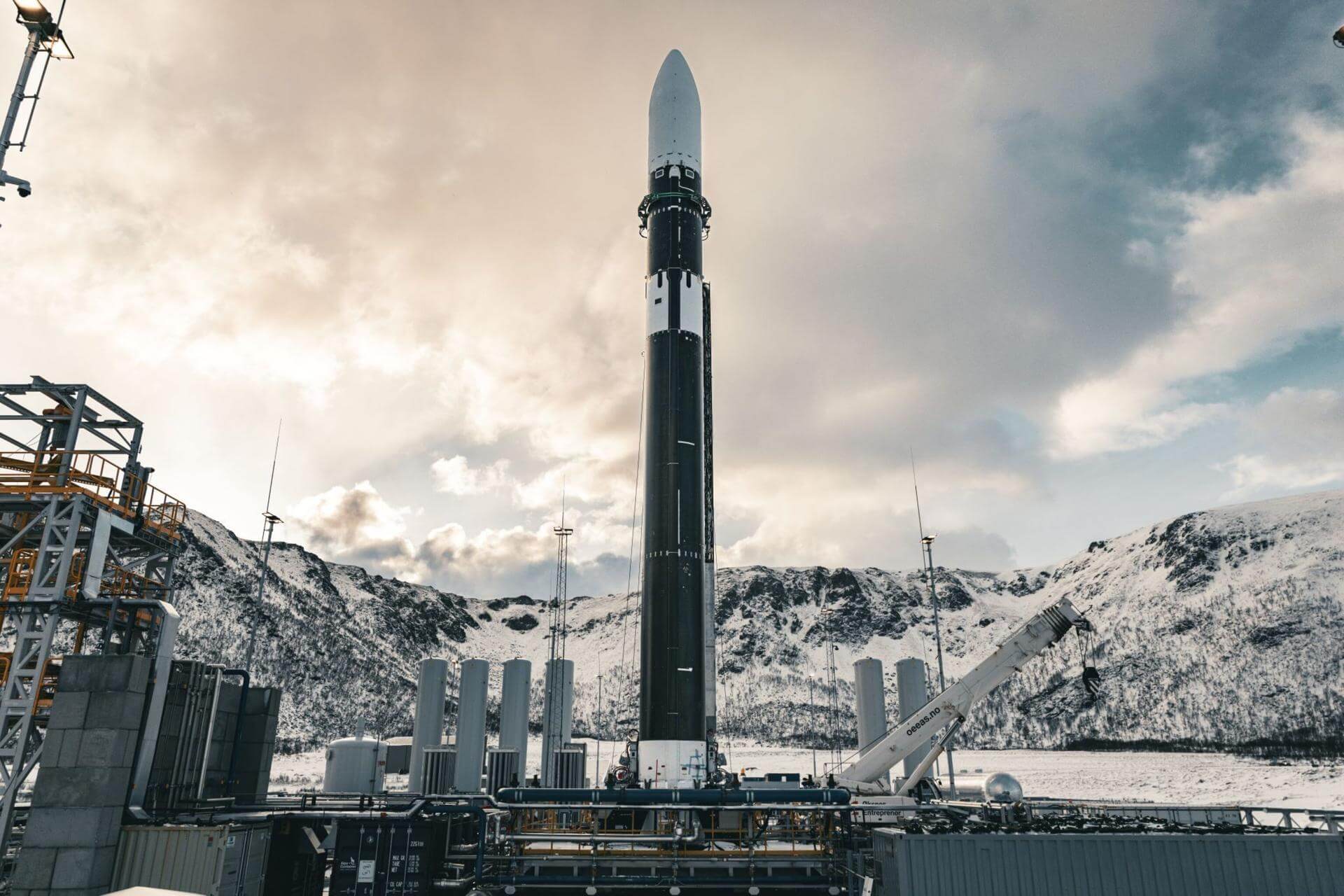
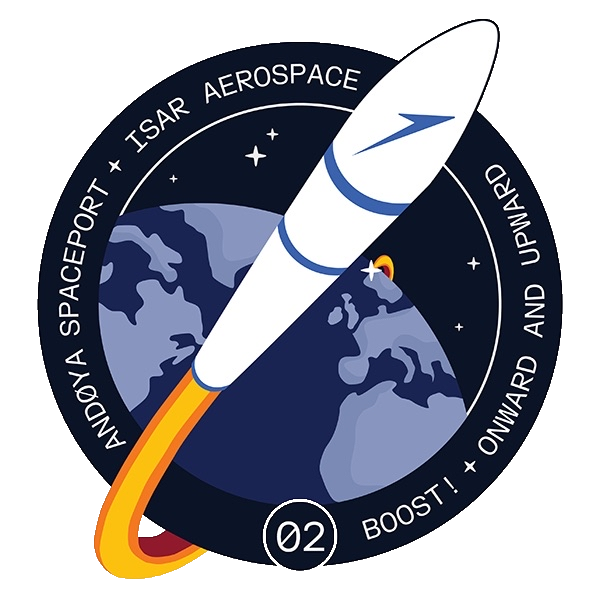
Onward and Upward
Provider: Isar Aerospace
Date: August 6, 2026
Time: 12:00 AM UTC
Vehicle: Spectrum
Second test flight of the Isar Spectrum launch vehicle. This launch will carry 5 cubesats and 1 non-separable experiment as part of European Space Agency (ESA)’s “Boost!” program:
* CyBEEsat (TU Berlin)
* TriSat-S (University of Maribor)
* Platform 6 (EnduroSat)
* FramSat-1 (NTNU)
* SpaceTeamSat1 (TU Wien Space Team)
* Let It Go (Dcubed, non-separable experiment)







Enjoying the content? Stay up to date on everything happening behind the scenes by following our Patreon!

