MDA Space has priced $600 million in senior unsecured notes, funding the latest step in an ambitious U.S. expansion strategy. The notes carry a 6.50 per cent interest rate, mature in 2033, were issued at par, and are expected to close on Aug. 5 through a syndicate led by RBC Capital Markets, BMO Capital Markets, and Scotiabank.
The offering funds MDA’s agreement to purchase Colorado-based Blue Canyon Technologies (BCT) for US$620 million. The move expands MDA’s manufacturing footprint and deepens its access to the U.S. defence and government market according to the company’s statement last month.
The notes are one half of a dual-track financing strategy. Earlier this summer — on July 8 — MDA announced it would acquire a 70 per cent stake in French Earth observation data firm Collecte Localisation Satellites (CLS) for approximately $920 million. That deal was funded through an upsized bought deal of common shares, which generated roughly US$819 million in gross proceeds. Debt, rather than equity, was chosen for BCT to avoid further diluting existing shareholders.
S&P Global Ratings assigned a speculative-grade ‘B’ rating to the new notes, noting that MDA’s adjusted debt-to-EBITDA ratio is expected to stabilise around 3x by 2027. That outlook leans on the company’s multi-billion dollar backlog of government and commercial contracts, which is projected to cover the approximately $39 million in annual interest payments the new securities will require.
Astronaut Williams Returns After Canadarm2 Spacewalk
On July 26, NASA astronaut Chris Williams landed in Kazakhstan alongside Roscosmos cosmonauts Sergey Kud-Sverchkov and Sergei Mikaev, closing out a 241-day first mission aboard the International Space Station as an Expedition 73/74 flight engineer.
The trio completed 3,856 orbits of the Earth over a journey of more than 102 million miles. During their time aboard the station they saw the arrival of six visiting spacecraft and the departure of eight.
For Canada’s program, the headline event was a pair of spacewalks Williams performed: one to prepare the station’s power system for upgrades, the other to replace a faulty joint on the Canadarm2 robotic arm. He also supported research into new cancer treatments and in-space semiconductor crystal manufacturing aimed at the commercial space economy.
Williams will recap his mission at a post-flight news conference scheduled for 2:45 p.m. EDT on Tuesday, Aug. 4, from NASA’s Johnson Space Center in Houston.
ESA Shares New Image of Ariane 6’s Maiden Flight
ESA has released a new photograph documenting the inaugural launch of Ariane 6 on July 9, 2024 — mission VA262 — showing the rocket lifting vertically from the launch site in French Guiana.
Europe’s newest heavy-lift launcher pairs an upgraded main stage with a choice of either two or four powerful boosters and a new restartable upper stage designed to deploy multiple payloads into different orbits on a single flight. That upper stage is engineered to deorbit itself at the end of its mission. The rocket is marketed as providing greater flexibility at lower cost than earlier Ariane models, and the launch image was also selected for inclusion in an eight-stamp collector’s set being issued by La Poste de Guyane.
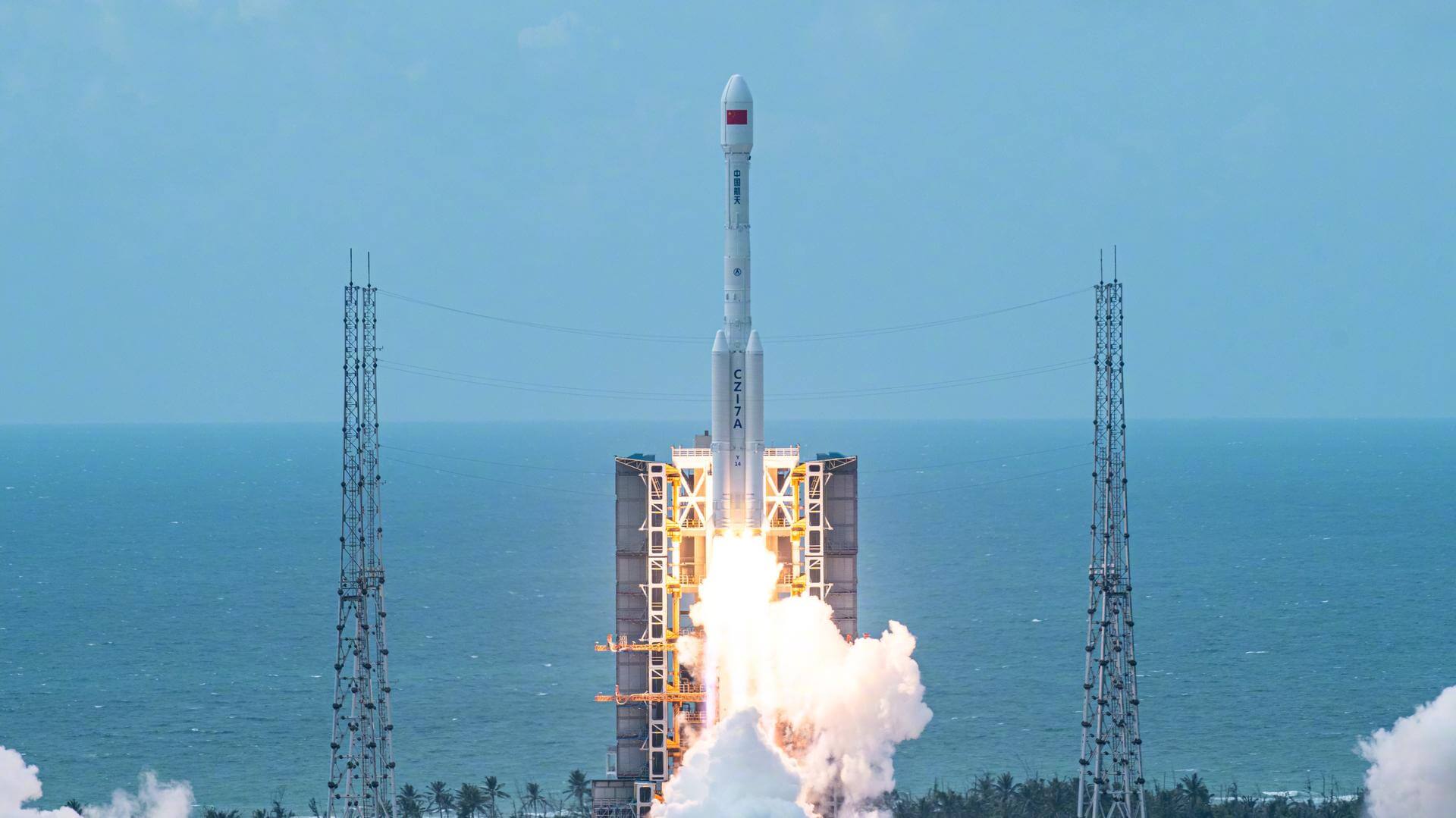
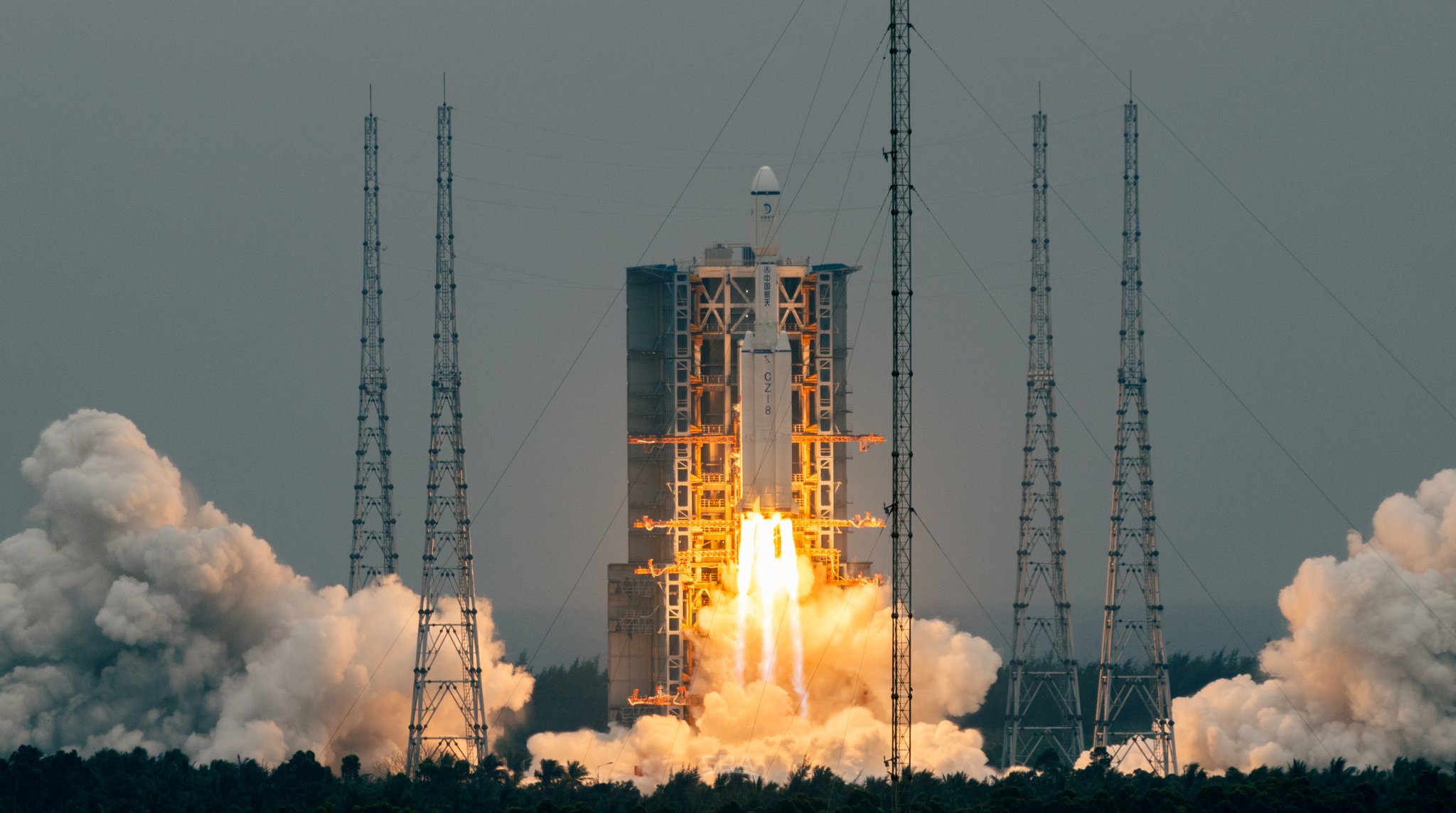
Provider: China Aerospace Science and Technology Corporation Date: July 29, 2026 Time: 11:50 AM UTC Vehicle: Long March 7A
Details TBD.
Unknown Payload
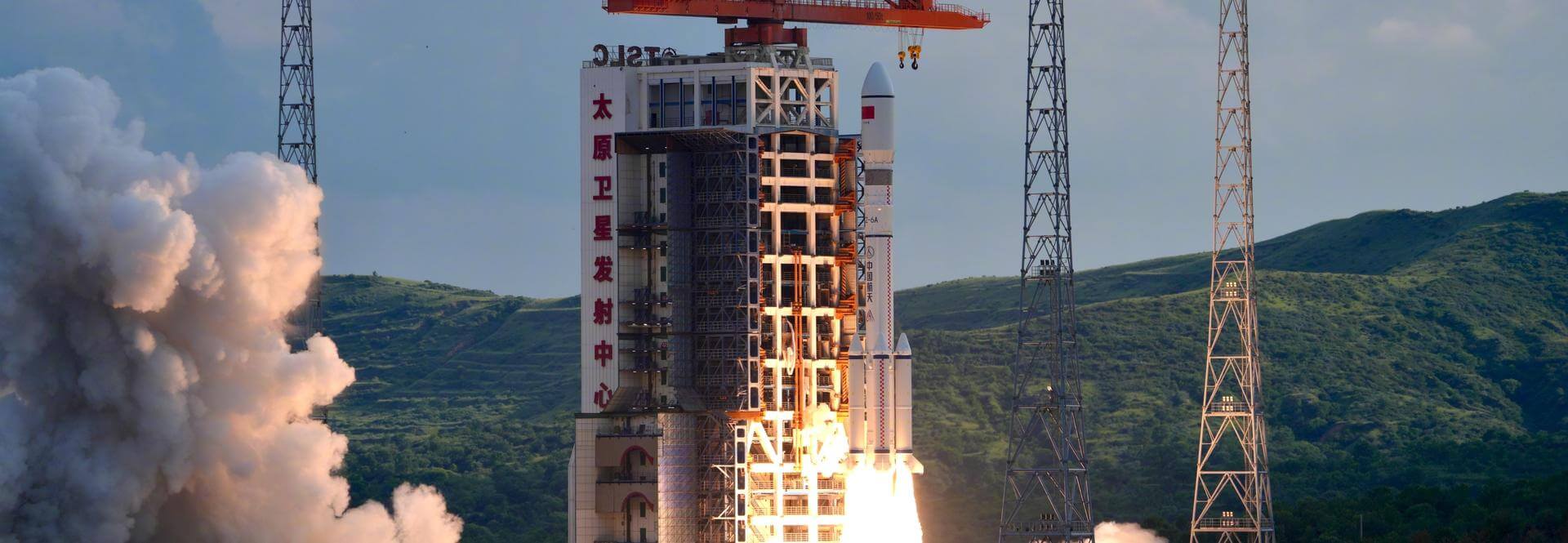
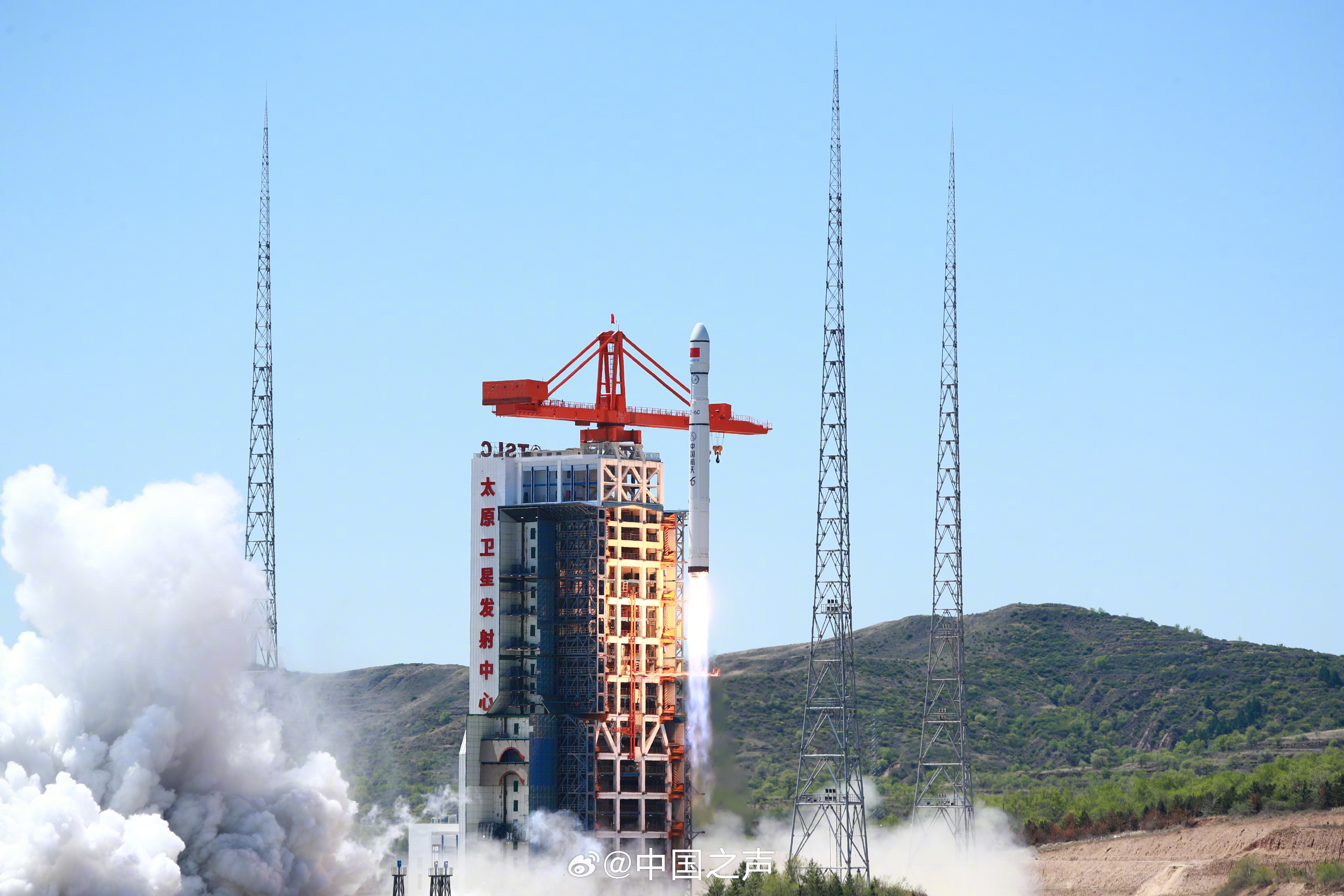
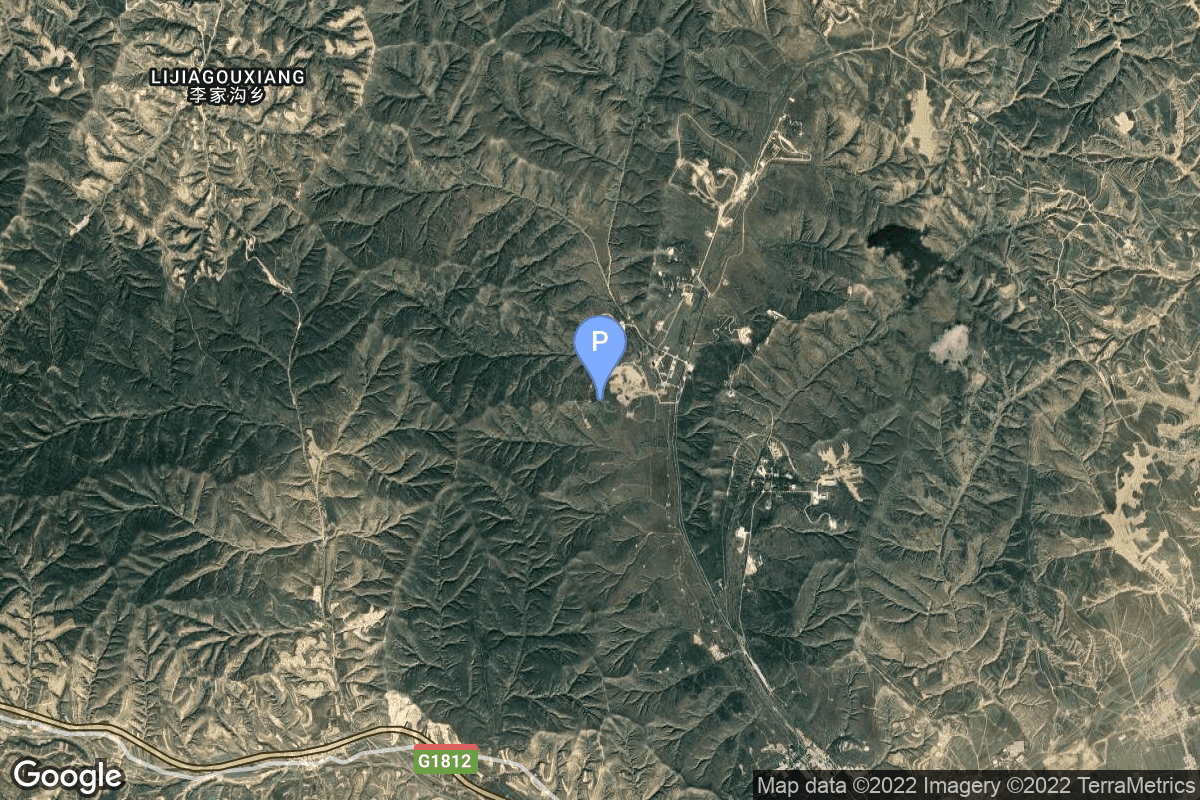
Provider: China Aerospace Science and Technology Corporation Date: July 30, 2026 Time: 1:00 AM UTC Vehicle: Long March 6A
Details TBD.
NROL-95
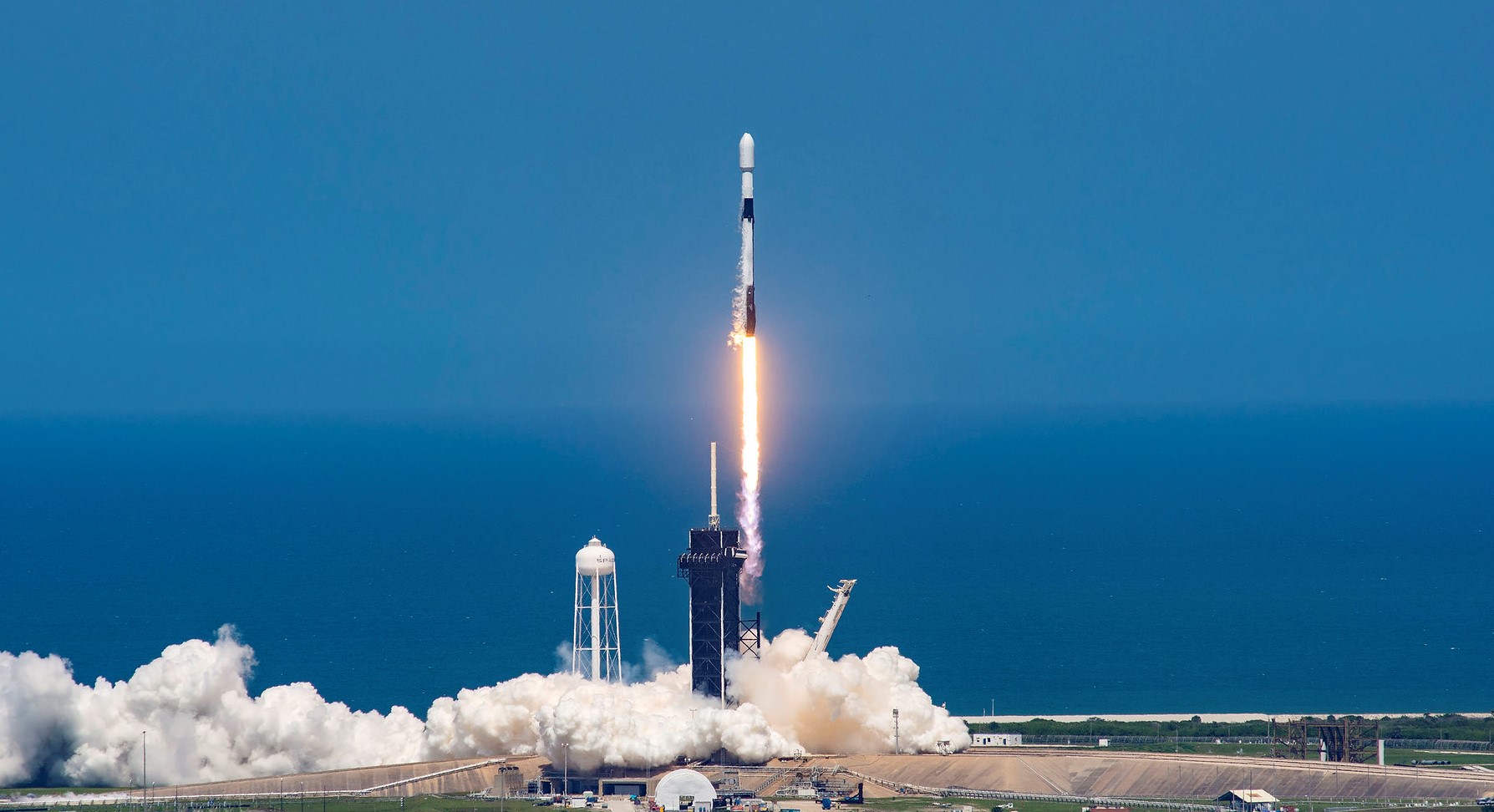
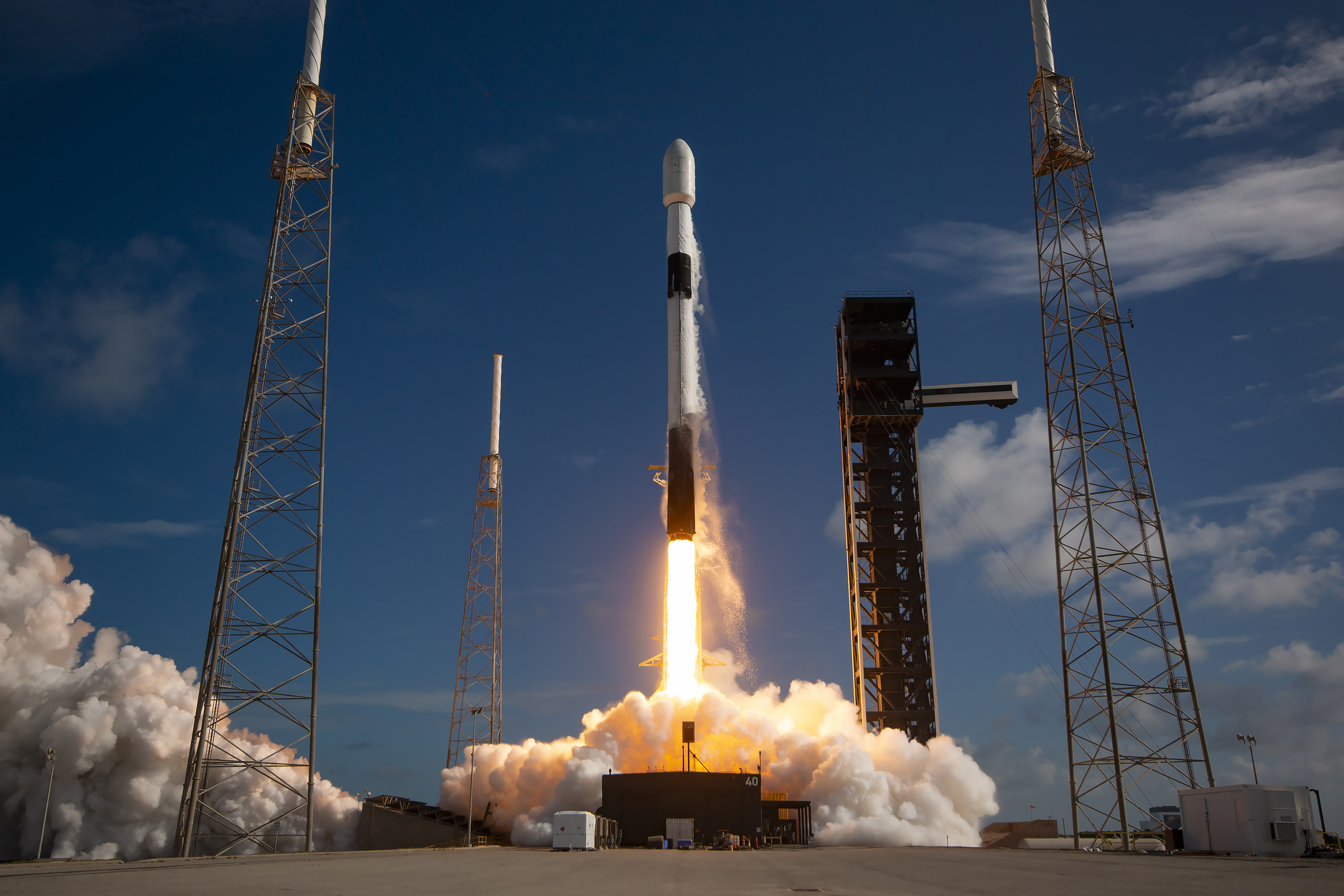
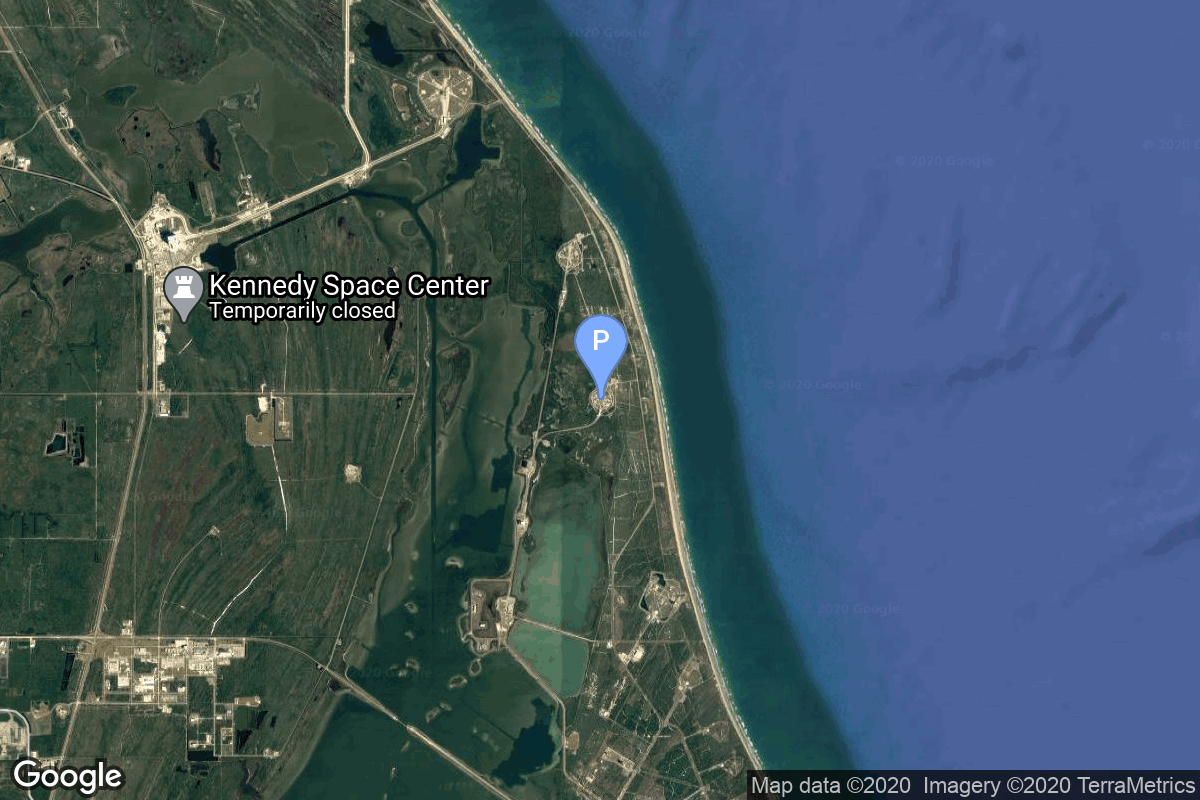
Provider: SpaceX Date: July 30, 2026 Time: 7:09 AM UTC Vehicle: Falcon 9
Classified payload for the US National Reconnaissance Office.
LOXSAT 1
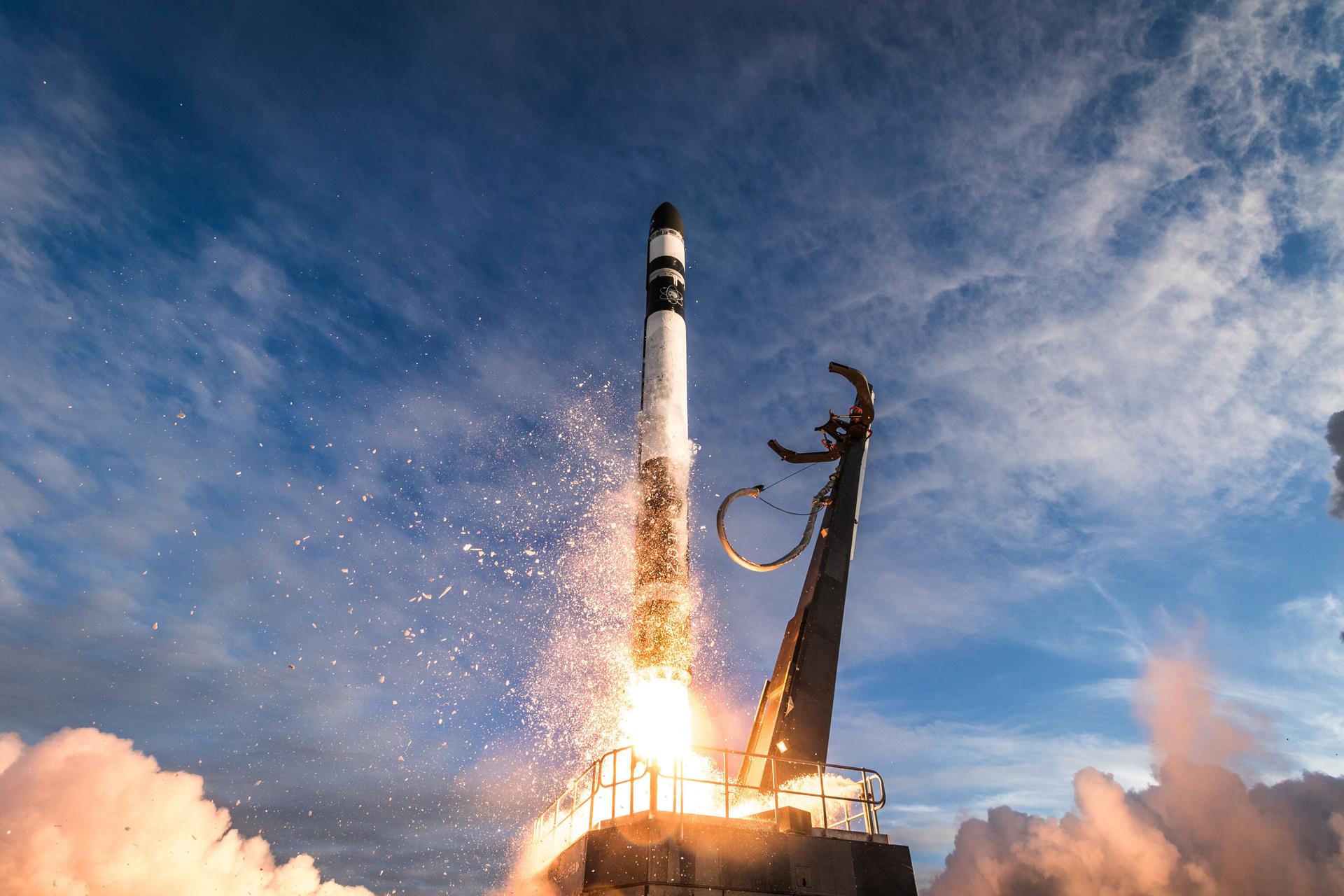
Provider: Rocket Lab Date: July 31, 2026 Time: 12:00 AM UTC Vehicle: Electron
LOXSAT 1 is a demonstration satellite of a complete cryogenic oxygen fluid management system in orbit, developed by Eta Space and sponsored by NASA’s Tipping Point program.
The system will be integrated on a Rocket Lab Photon-LEO satellite bus and collect critical cryogenic fluid management data in orbit for 9 months, demonstrating capabilities of in-space cryogenic storage and transferal. Eta Space plans to use technology developed for this mission to develop a truly commercial depot intended to serve multiple customers in the future.
StriX Launch 11
Provider: Rocket Lab Date: July 31, 2026 Time: 12:00 AM UTC Vehicle: Electron
Synthetic aperture radar satellite for Japanese Earth imaging company Synspective.
Unknown Payload ×
Mission Details
TypeUnknown
OrbitUnknown
TargetEarth
Details TBD.
Launch Provider: China Aerospace Science and Technology Corporation
The Long March 6A is a Chinese launch vehicle of the Long March family, which was developed by the China Aerospace Science and Technology Corporation (CASC) and the Shanghai Academy of Spaceflight Technology (SAST). The vehicle is a further development of the Long March 6, with 2 YF-100 engines on…
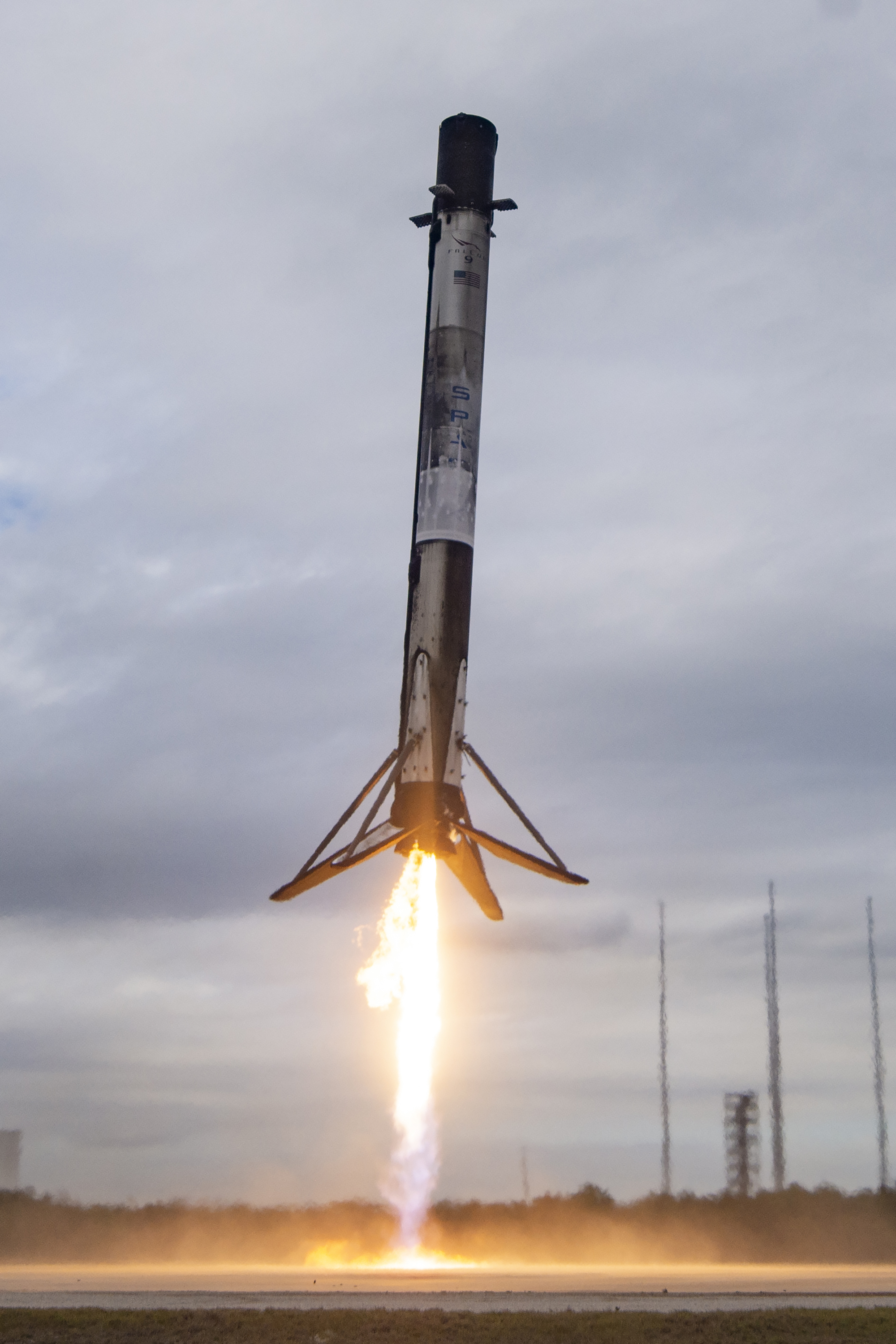
Falcon 9 is a two-stage rocket designed and manufactured by SpaceX for the reliable and safe transport of satellites and the Dragon spacecraft into orbit. The Block 5 variant is the fifth major interval aimed at improving upon the ability for rapid reusability.
The Falcon 9 first stage B1096 will land back at the launch site at Landing Zone 2 after its 7th flight.
LOXSAT 1 ×
Mission Details
TypeTechnology
OrbitLow Earth Orbit
TargetEarth
LOXSAT 1 is a demonstration satellite of a complete cryogenic oxygen fluid management system in orbit, developed by Eta Space and sponsored by NASA’s Tipping Point program.
The system will be integrated on a Rocket Lab Photon-LEO satellite bus and collect critical cryogenic fluid management data in orbit for 9 months, demonstrating capabilities of in-space cryogenic storage and transferal. Eta Space plans to use technology developed for this mission to develop a truly commercial depot intended to serve multiple customers in the future.
Launch Provider: Rocket Lab
Commercial • United States of America • Founded 2006
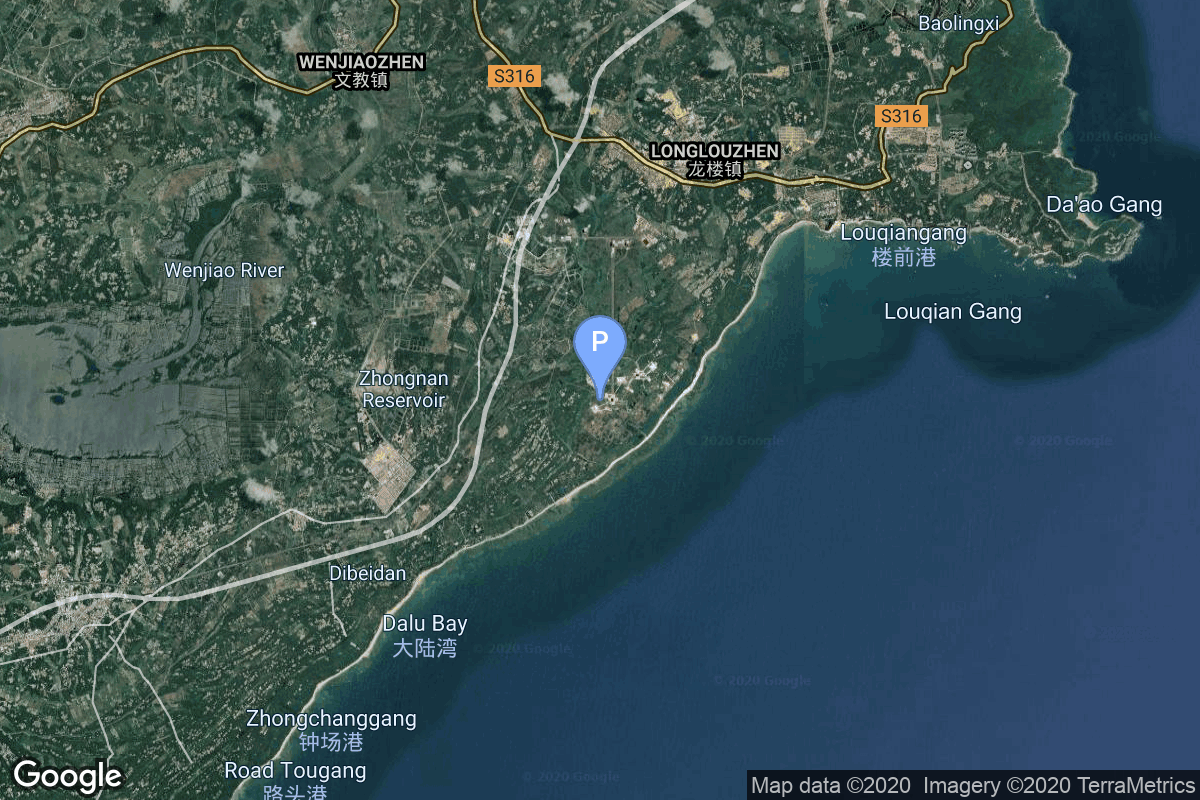
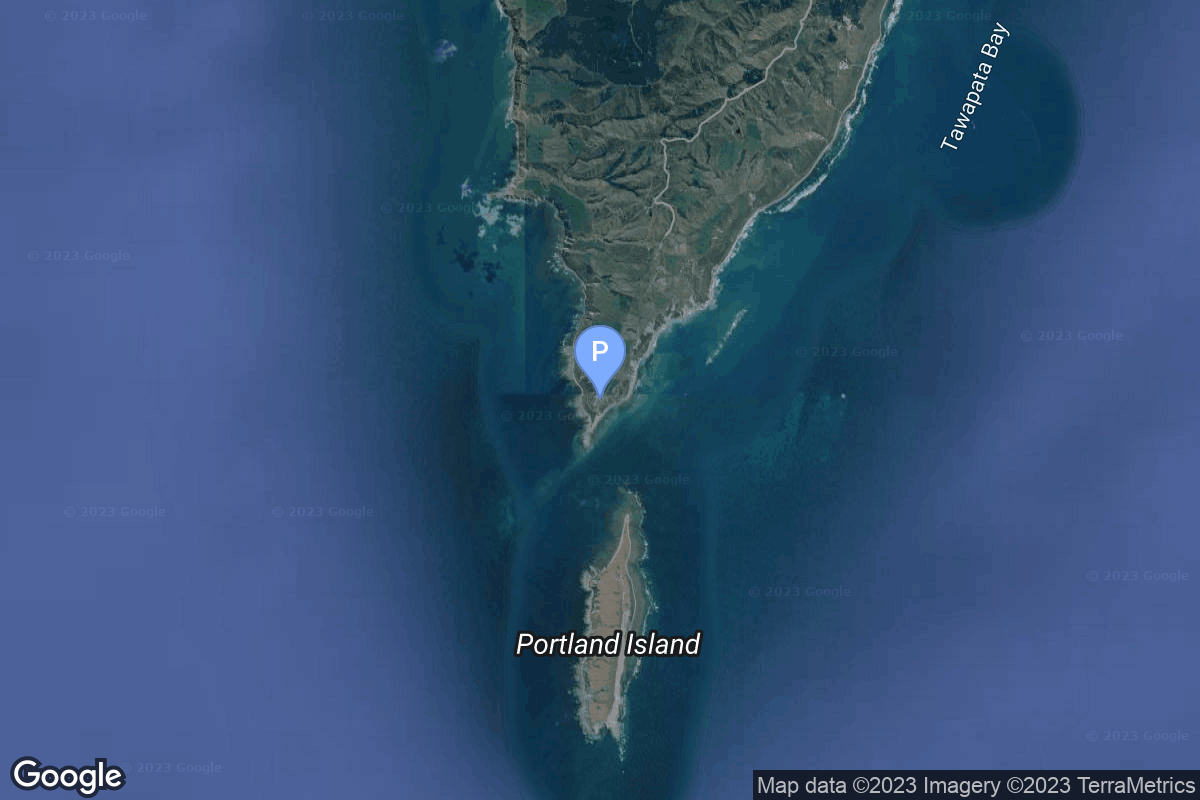
Rocket Lab Launch Complex 1, Mahia Peninsula, New Zealand
Total launches from this pad: 0
Vehicle: Electron
Electron is a two-stage orbital expendable launch vehicle (with an optional third stage) developed by the American aerospace company Rocket Lab. Electron is a small-lift launch vehicle designed to launch small satellites and cubesats to sun-synchronous orbit and low earth orbit. The Electron is the…
Rocket Lab Launch Complex 1, Mahia Peninsula, New Zealand
Total launches from this pad: 0
Vehicle: Electron
Electron is a two-stage orbital expendable launch vehicle (with an optional third stage) developed by the American aerospace company Rocket Lab. Electron is a small-lift launch vehicle designed to launch small satellites and cubesats to sun-synchronous orbit and low earth orbit. The Electron is the…
Robo Chris is a collection of API calls, filters, and searches, bolted together with magic and love. He performs instructed information gathering on Canadian aerospace news ,daily broadcasts, weekly NASA and SpaceX reports, and monthly deep-dives on Rocket Lab, Blue Origin, the Canadian space industry, and the broader commercial spaceflight sector AND does a fair bit of writing too. Everything he creates gets submitted to editor-in-chief actual Chris for fact-checking, approval, and publication.