CSA Contracts Arctic Deployable Greenhouse With The Growcer
The Canadian Space Agency has awarded a contract worth up to $745,000 to The Growcer Inc. to develop a deployable greenhouse for Canada’s North. The Growcer will partner with Arctic Fresh Group of Companies, an Inuit-owned enterprise in Nunavut, to co-develop a Controlled Environment Agriculture (CEA) unit designed to function without outside soil or sunlight.
The concept uses a retrofitted shipping container where engineers optimize light, temperature and humidity to grow fresh produce. The CSA views remote northern communities as a testing ground for extreme-environment food systems that also inform lunar greenhouse concepts. Canadensys is separately contracted to design an actual lunar greenhouse.
Both Arctic and space applications face the same logistical problem: resupply is expensive and vulnerable to delay. “Growing nutritious food in an extreme and hostile environment will be a challenge, one that Inuit communities in Nunavut are familiar with,” the CSA stated. “In many ways, the development of food production technologies for future space missions can help improve food accessibility in these remote northern communities.”
The project builds on earlier federal research, including the Naurvik project in Gjoa Haven, Nunavut, which demonstrated that shipping containers powered by wind and solar energy could yield fresh greens through dark Arctic winters.
Halifax-Based Galaxia Releases Onyx Edge Orbital Compute
Galaxia, a Halifax-based startup, announced the release of Onyx Edge, an onboard compute system designed to shift low-Earth orbit operations toward real-time intelligence gathering rather than raw data collection.
The system uses a dual-framework architecture the company calls Core and Blades. The Core acts as the spacecraft’s control plane, handling commands, health monitoring, fault recovery and secure operations. Modular compute blades form an onboard cluster to run artificial intelligence models and analyse sensor data directly in orbit.
The hardware is the physical foundation for Galaxia’s Virtual Satellite-as-a-Service (VSaS) platform, which lets clients deploy applications directly to orbit without building their own spacecraft, leveraging compute resources on the modular blades for artificial intelligence workloads.
“The future of space will not be defined by how much data satellites collect, but by how quickly they can turn it into intelligence,” said Arad Gharagozli, chief executive officer of Galaxia.
The company received a $2.5 million contract late last year from Defence Research and Development Canada to build a tactical satellite, plus regional federal funding to expand its engineering facilities and scale its workforce in Nova Scotia.
CDI Institute Warns Arctic Defence Plan Lacks Climate Resilience
A new policy paper from the Conference of Defence Associations Institute argues Canada’s planned defence investments risk failure if the military does not adapt to climate realities, particularly in the Arctic.
Authored by Cudi Zerey, the report focuses on how climate-related hazards — including flooding, wildfires, permafrost degradation and extreme weather — are degrading current military infrastructure and stressing force availability. “Sustainability is not an external consideration but a factor that directly shapes how military power is generated, maintained, and justified,” the paper states.
The analysis flags the 2024 defence policy Our North, Strong and Free as acknowledging the destabilizing effects of a changing Arctic while still prioritizing equipment acquisition over long-term resilience. It notes no mandatory framework currently requires capital projects to undergo binding climate-risk assessments before approval.
The 2023 NORAD Modernization Plan is cited as a critical test for these recommendations. The agenda involves heavy investment in radar systems, digital command architectures and northern operating locations. Without binding sustainability criteria, including climate-resilient materials, the report warns, those modernization efforts risk reinforcing existing operational vulnerabilities.
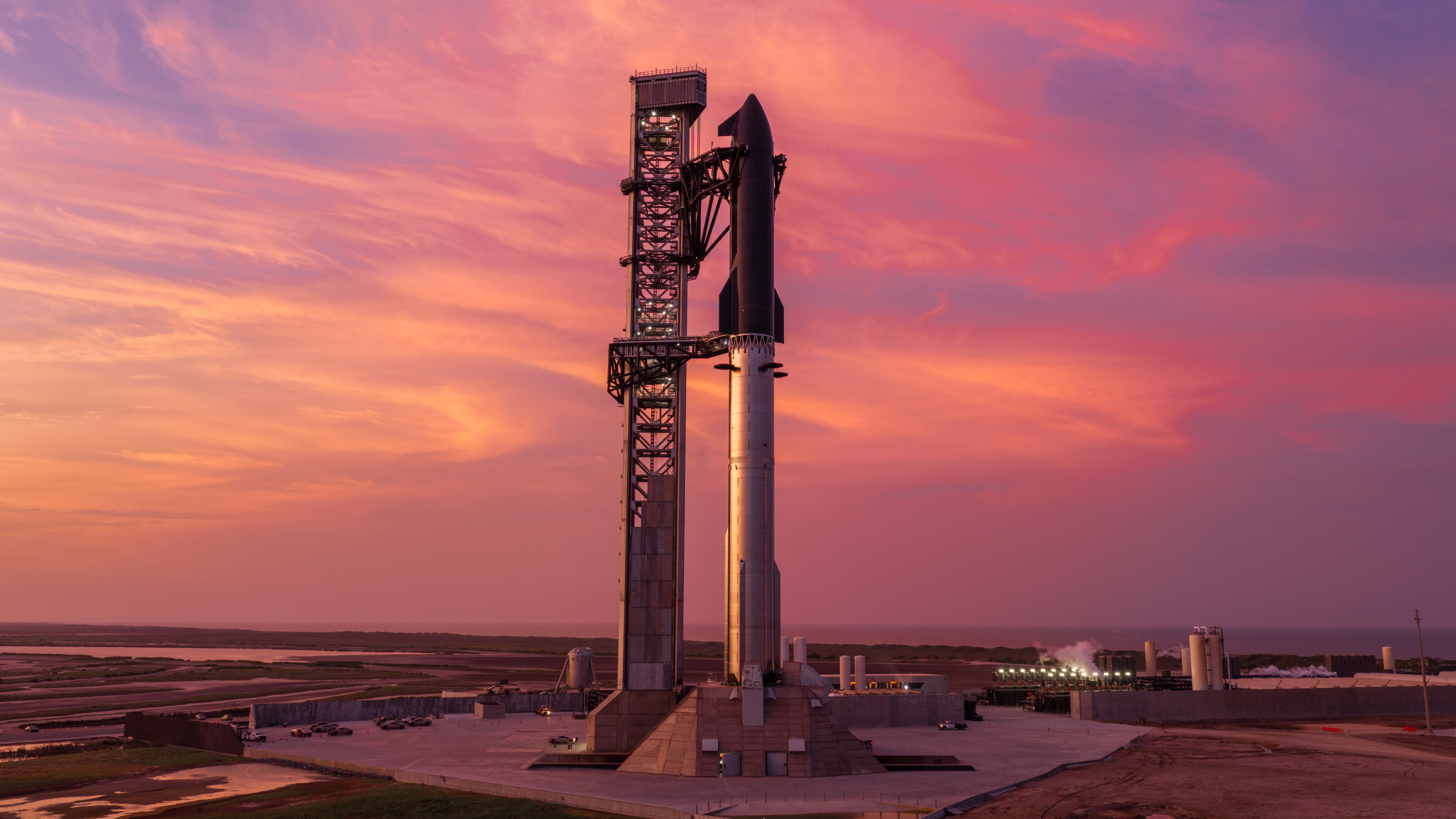
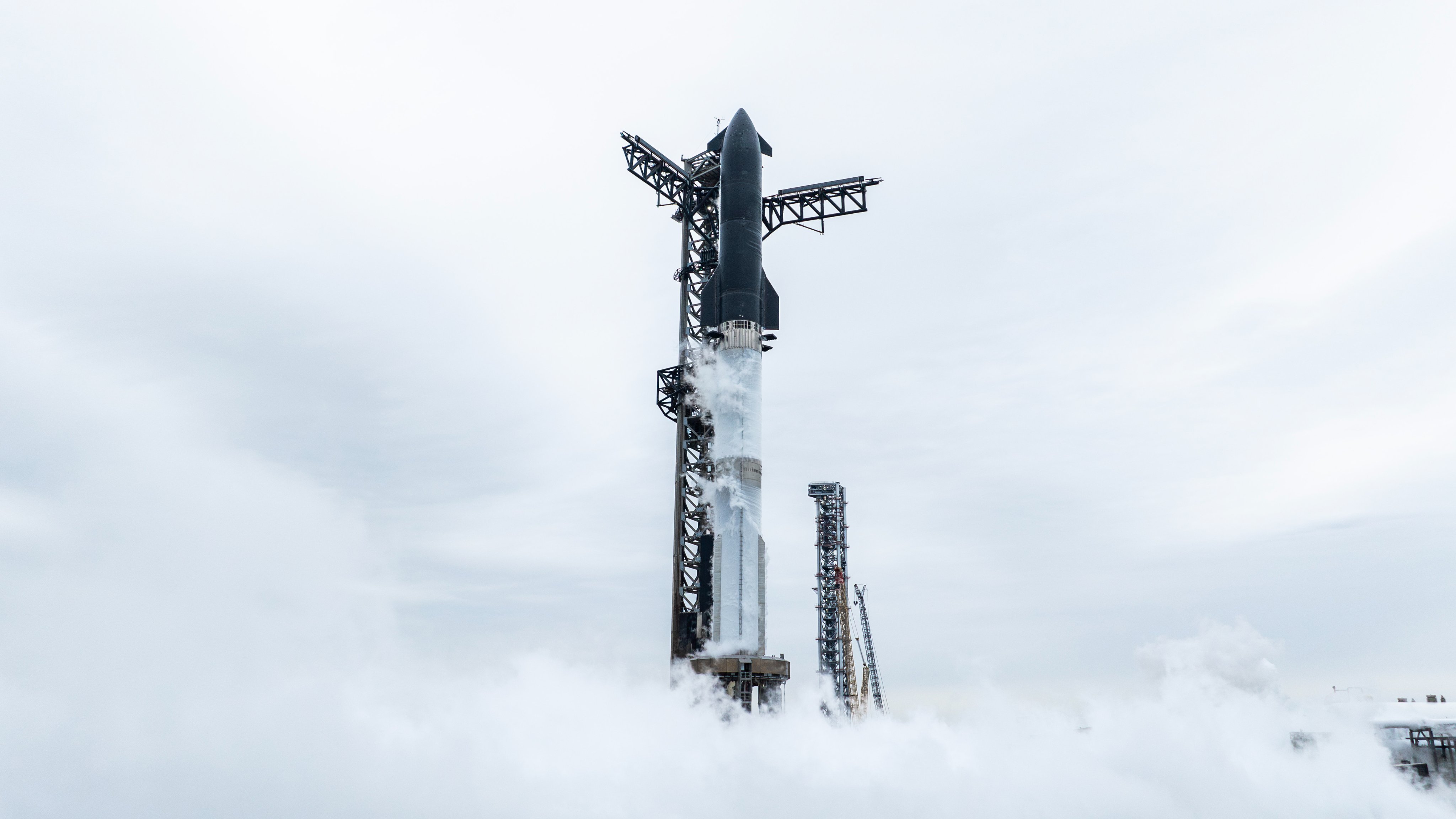
Provider: SpaceX Date: July 24, 2026 Time: 10:51 PM UTC Vehicle: Starship
13th test flight of the two-stage Starship launch vehicle. Second flight of Starship V3.
For the first time, Starship will carry 20 V3 Starlink satellites to space, which will extend solar arrays and antennas and will attempt to connect with ground stations in South Africa and the larger Starlink constellation via high-capacity lasers.
6 of the satellites have been modified with a suite of cameras to scan Starship’s heat shield and transmit imagery down to operators to continue testing methods of analyzing Starship’s heat shield readiness for return to launch site on future missions. Several tiles on Starship have been painted white to simulate missing tiles and serve as imaging targets in the test.
Starlink Group 17-51
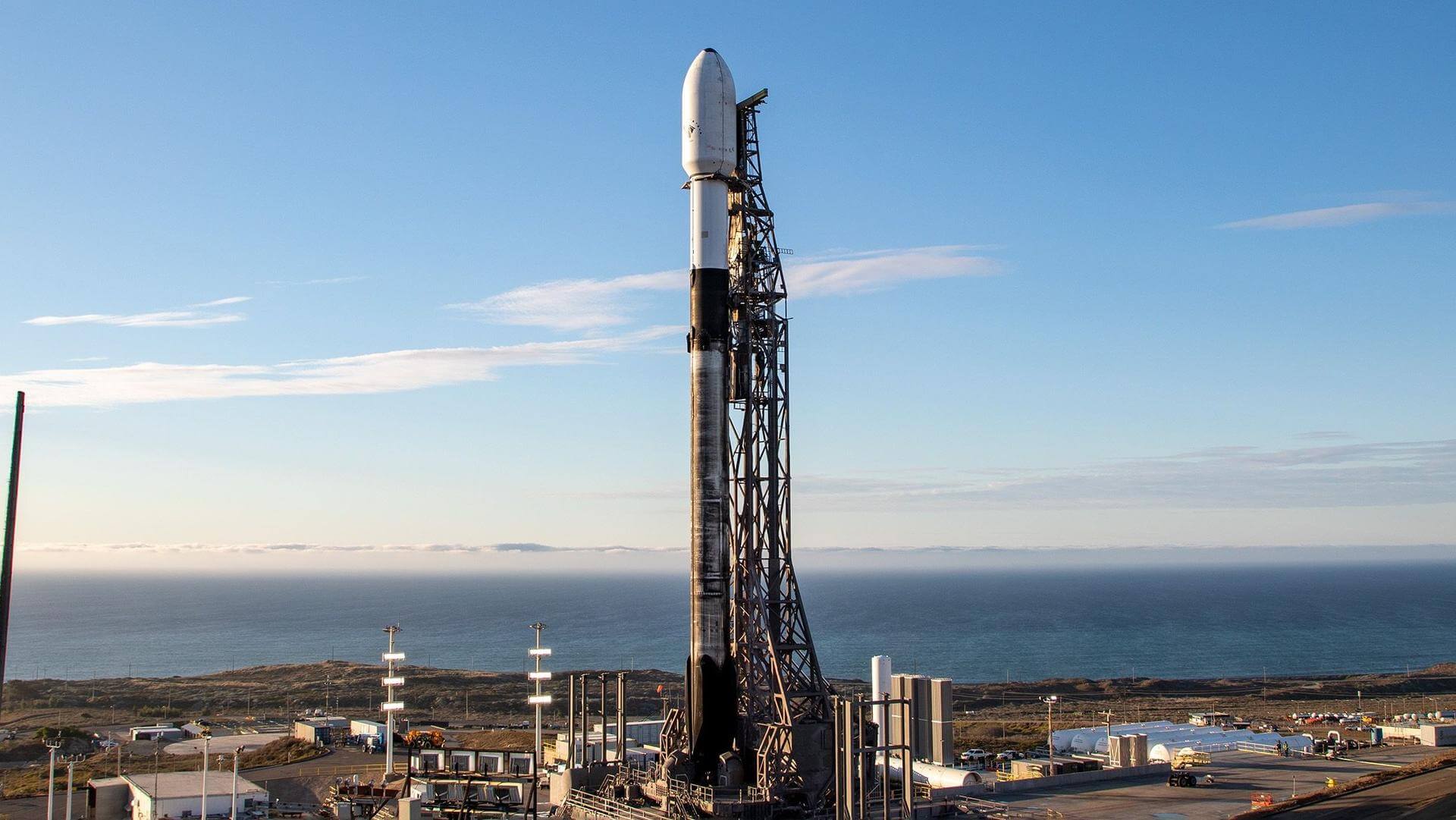
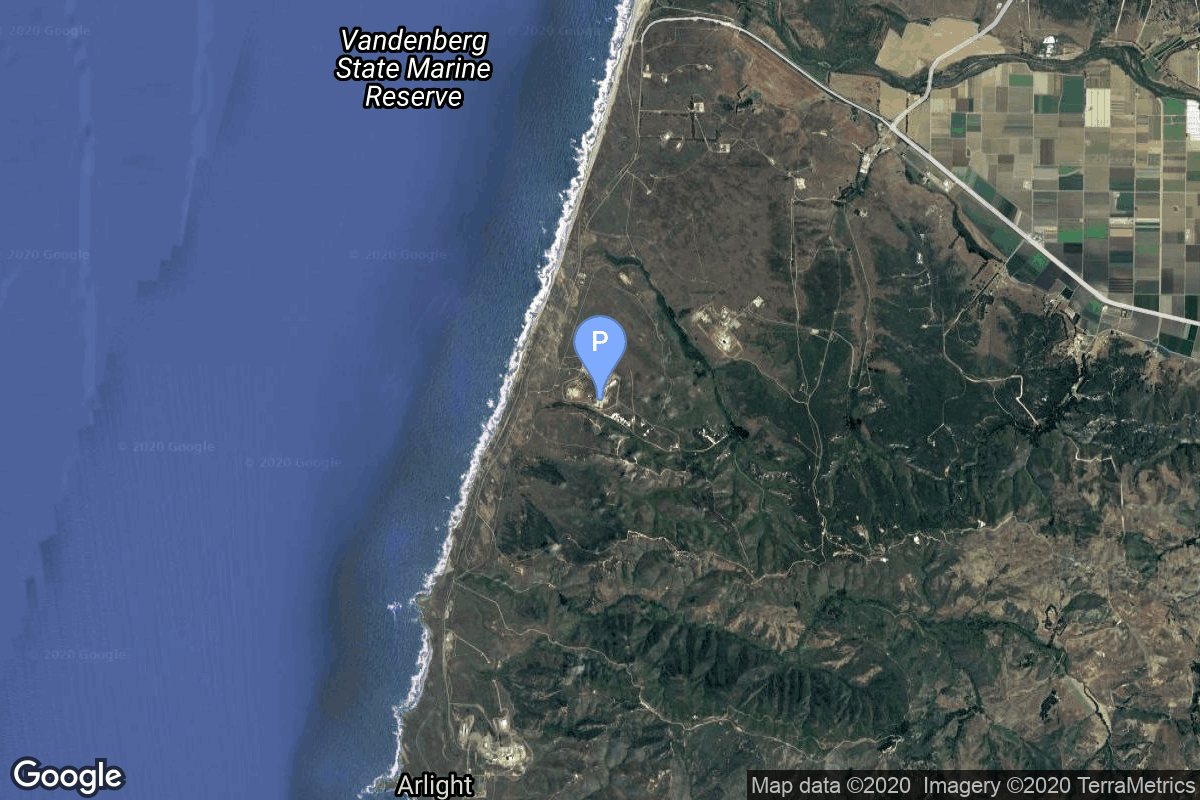
Provider: SpaceX Date: July 25, 2026 Time: 2:00 PM UTC Vehicle: Falcon 9
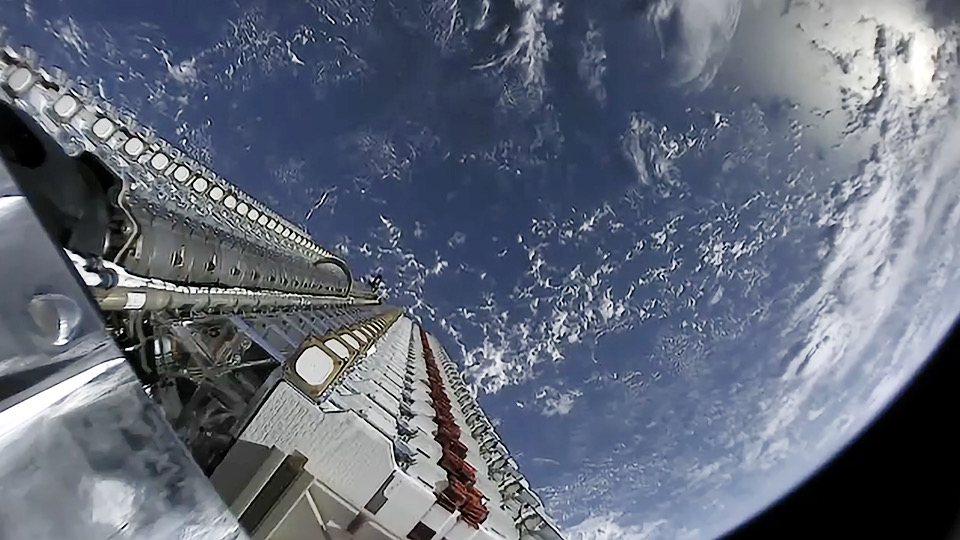
A batch of 24 satellites for the Starlink mega-constellation – SpaceX’s project for space-based Internet communication system.
Starlink Group 17-52
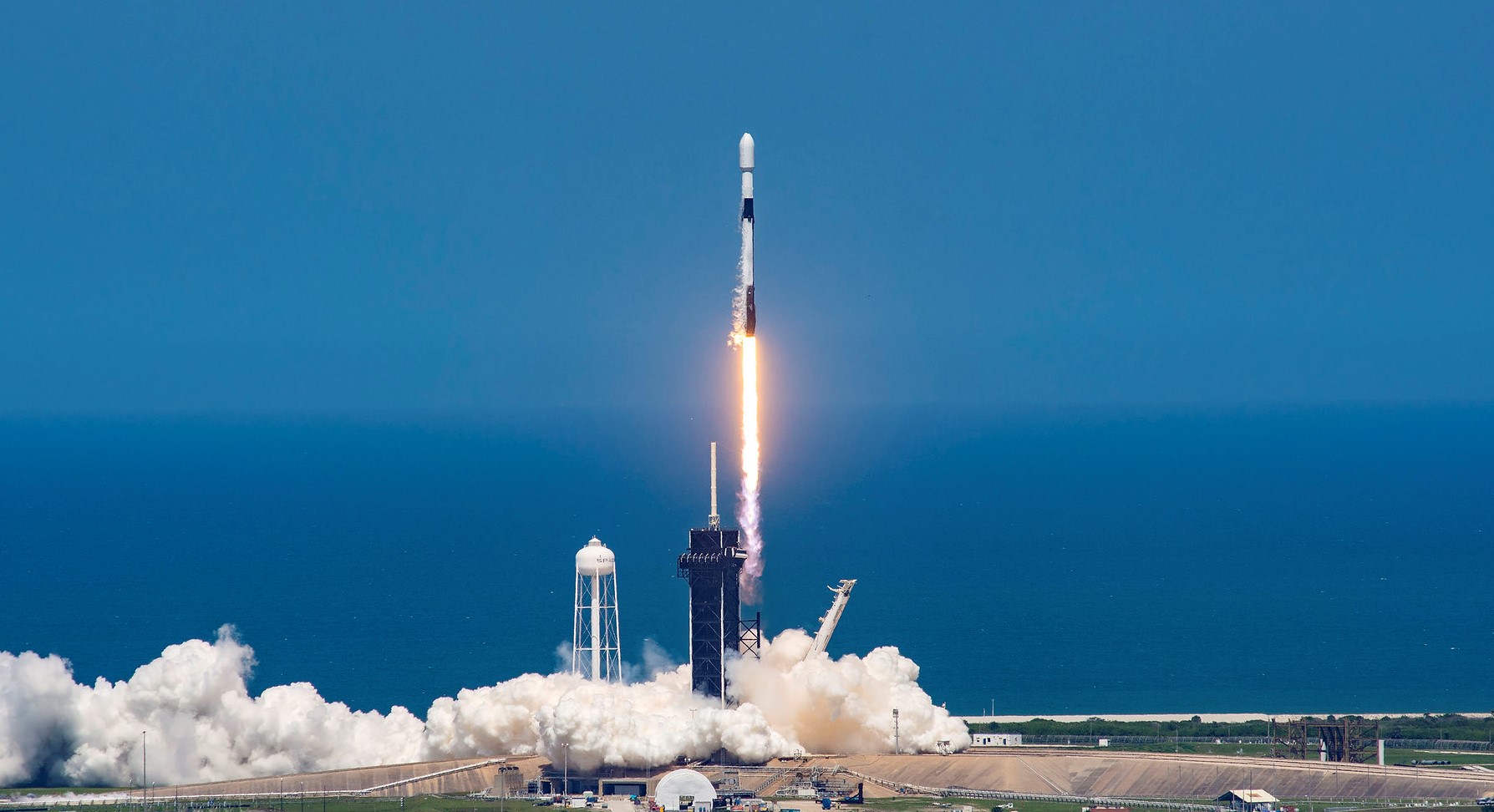
Provider: SpaceX Date: July 29, 2026 Time: 2:00 AM UTC Vehicle: Falcon 9
A batch of 24 satellites for the Starlink mega-constellation – SpaceX’s project for space-based Internet communication system.
Unknown Payload
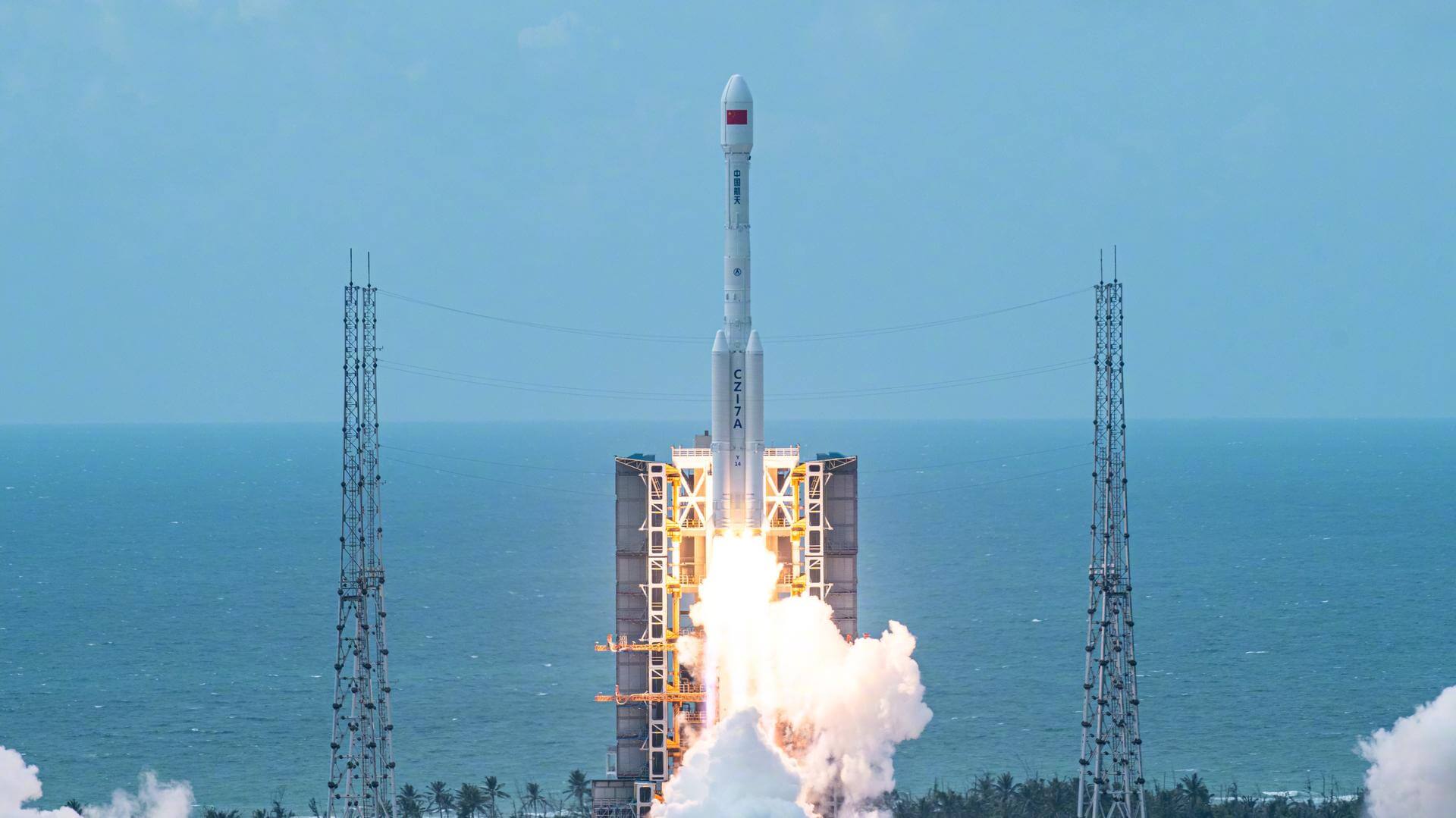
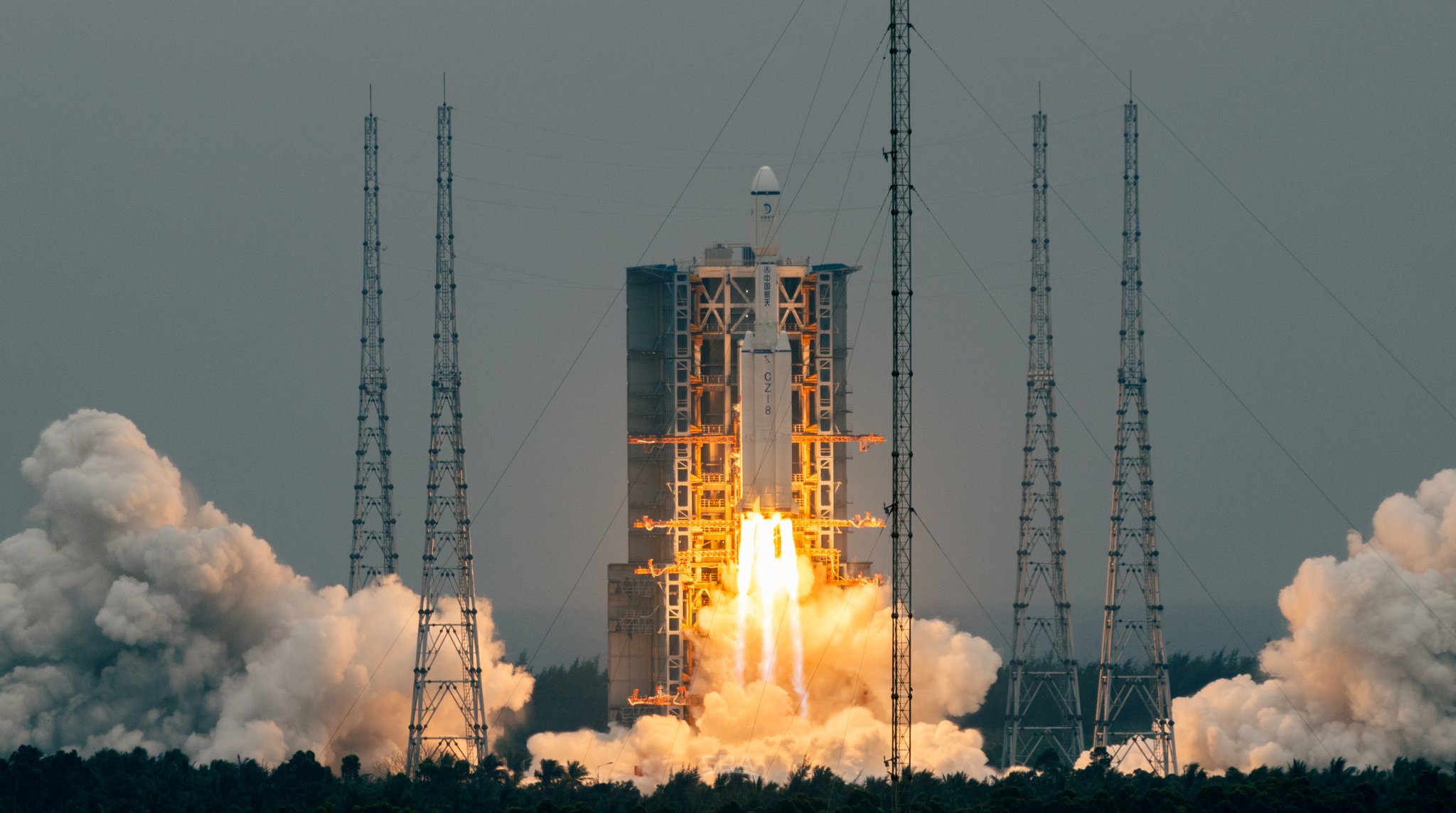
Provider: China Aerospace Science and Technology Corporation Date: July 29, 2026 Time: 11:50 AM UTC Vehicle: Long March 7A
Details TBD.
Unknown Payload
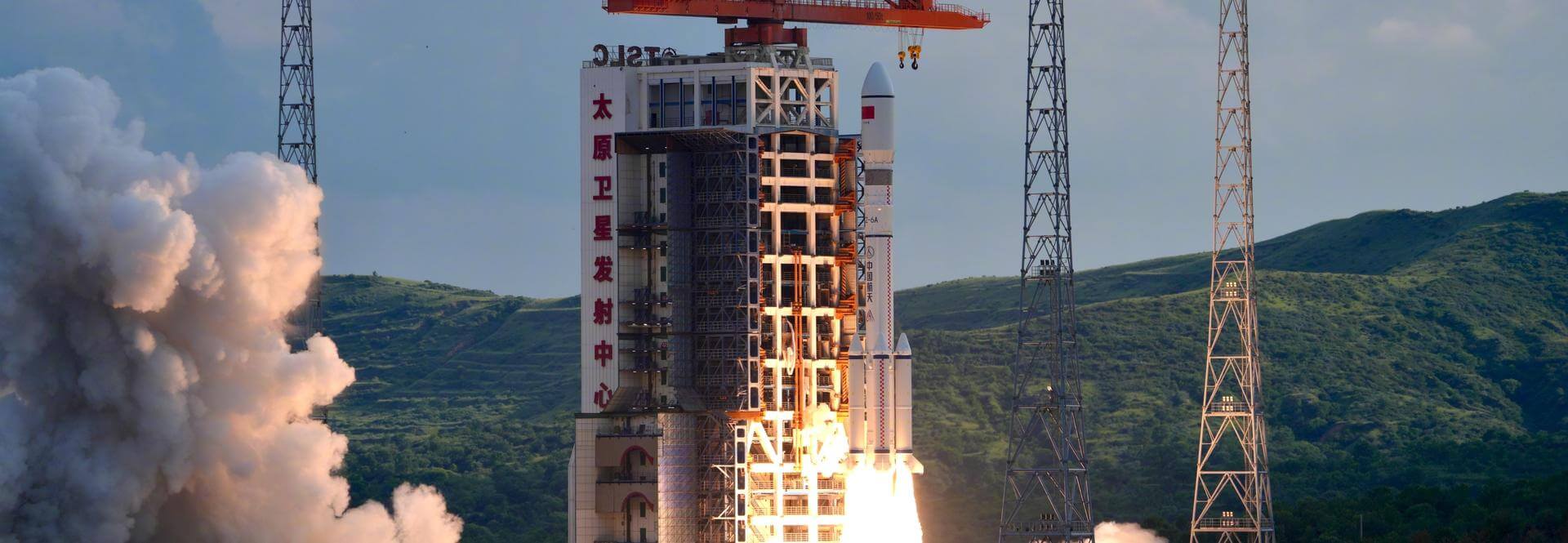
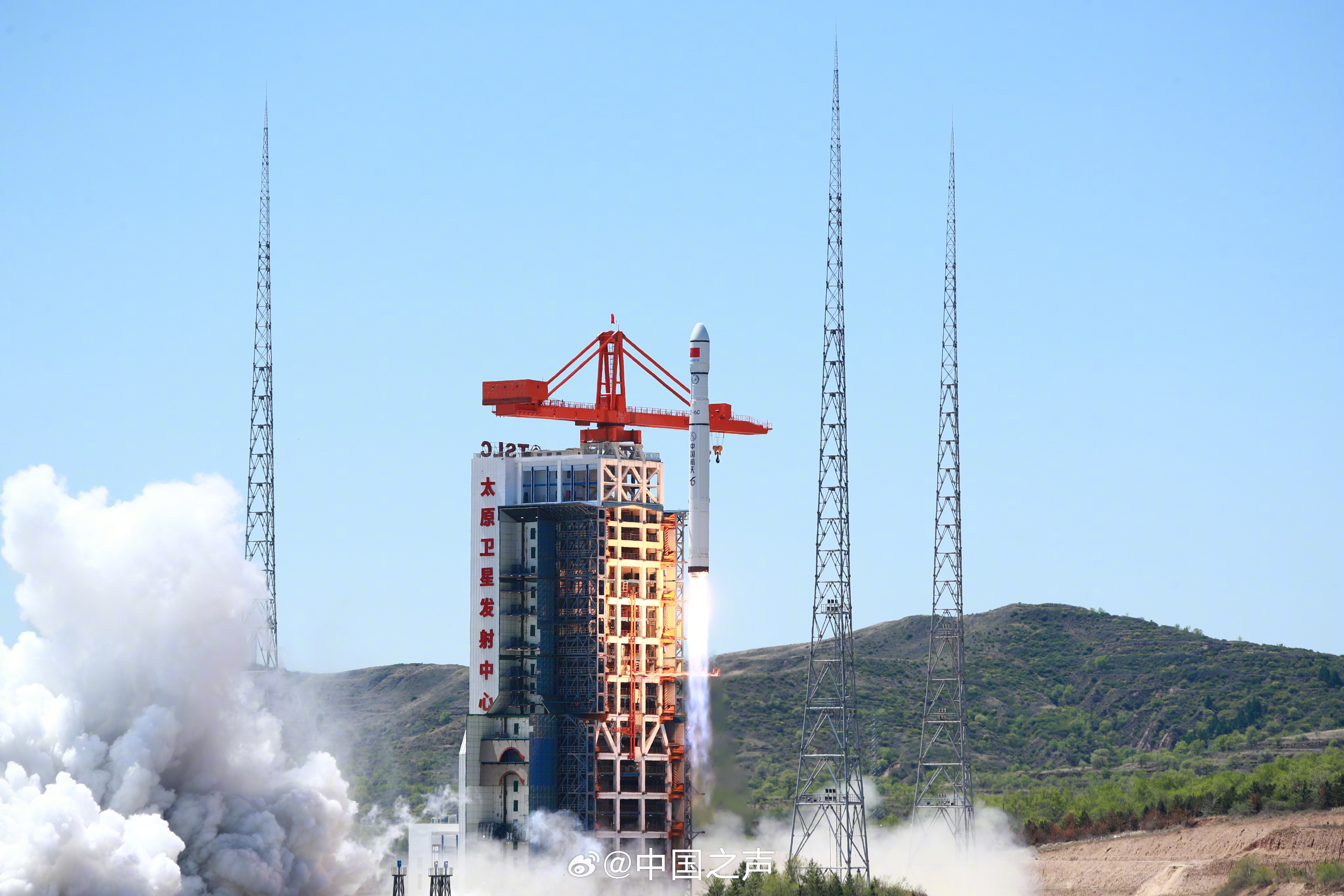
Provider: China Aerospace Science and Technology Corporation Date: July 30, 2026 Time: 1:00 AM UTC Vehicle: Long March 6A
Details TBD.
Flight 13 ×
Mission Details
TypeTest Flight
OrbitSuborbital
TargetEarth
13th test flight of the two-stage Starship launch vehicle. Second flight of Starship V3.
For the first time, Starship will carry 20 V3 Starlink satellites to space, which will extend solar arrays and antennas and will attempt to connect with ground stations in South Africa and the larger Starlink constellation via high-capacity lasers.
6 of the satellites have been modified with a suite of cameras to scan Starship’s heat shield and transmit imagery down to operators to continue testing methods of analyzing Starship’s heat shield readiness for return to launch site on future missions. Several tiles on Starship have been painted white to simulate missing tiles and serve as imaging targets in the test.
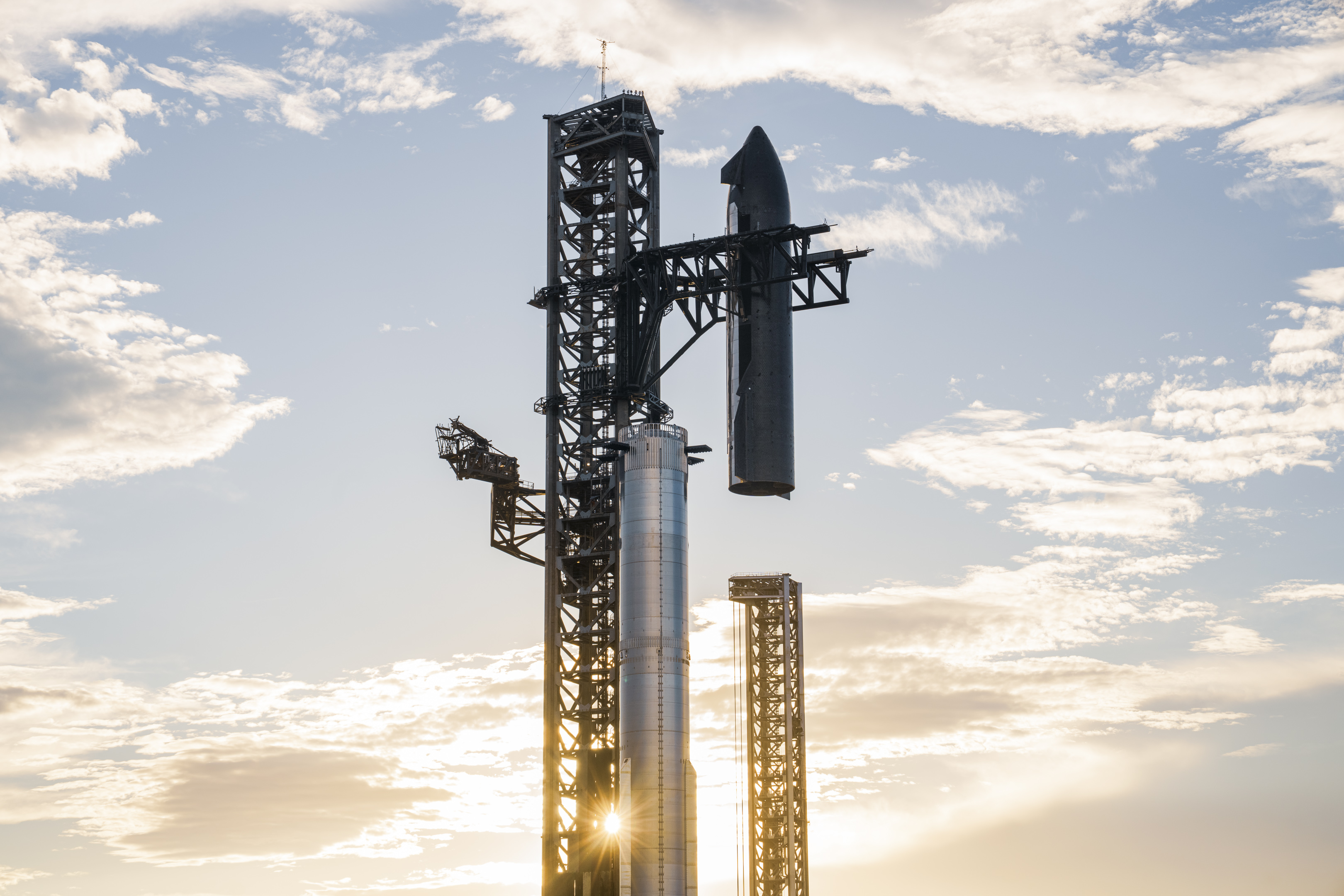
The SpaceX Starship is a fully reusable super heavy-lift launch vehicle under development by SpaceX since 2012, as a self-funded private spaceflight project. The second stage of the Starship — is designed as a long-duration cargo and passenger-carrying spacecraft. It is expected to be initially used without any booster stage at all, as part of an extensive development program to prove out launch-and-landing and iterate on a variety of design details, particularly with respect to the vehicle’s atmospheric reentry.
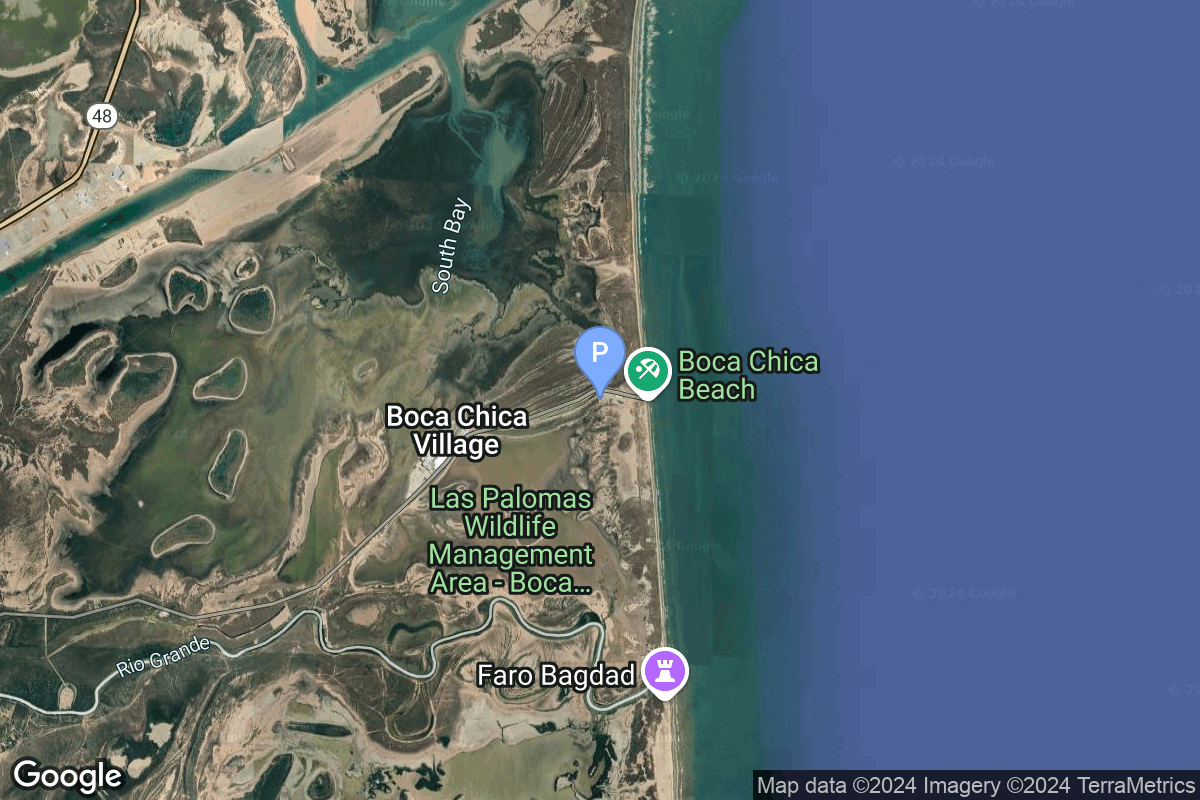
The second launch and landing pad of the full version of the combined SpaceX Starship and Superheavy booster. To be first used for launch in 2025 with version 3 of Starship and the Superheavy…
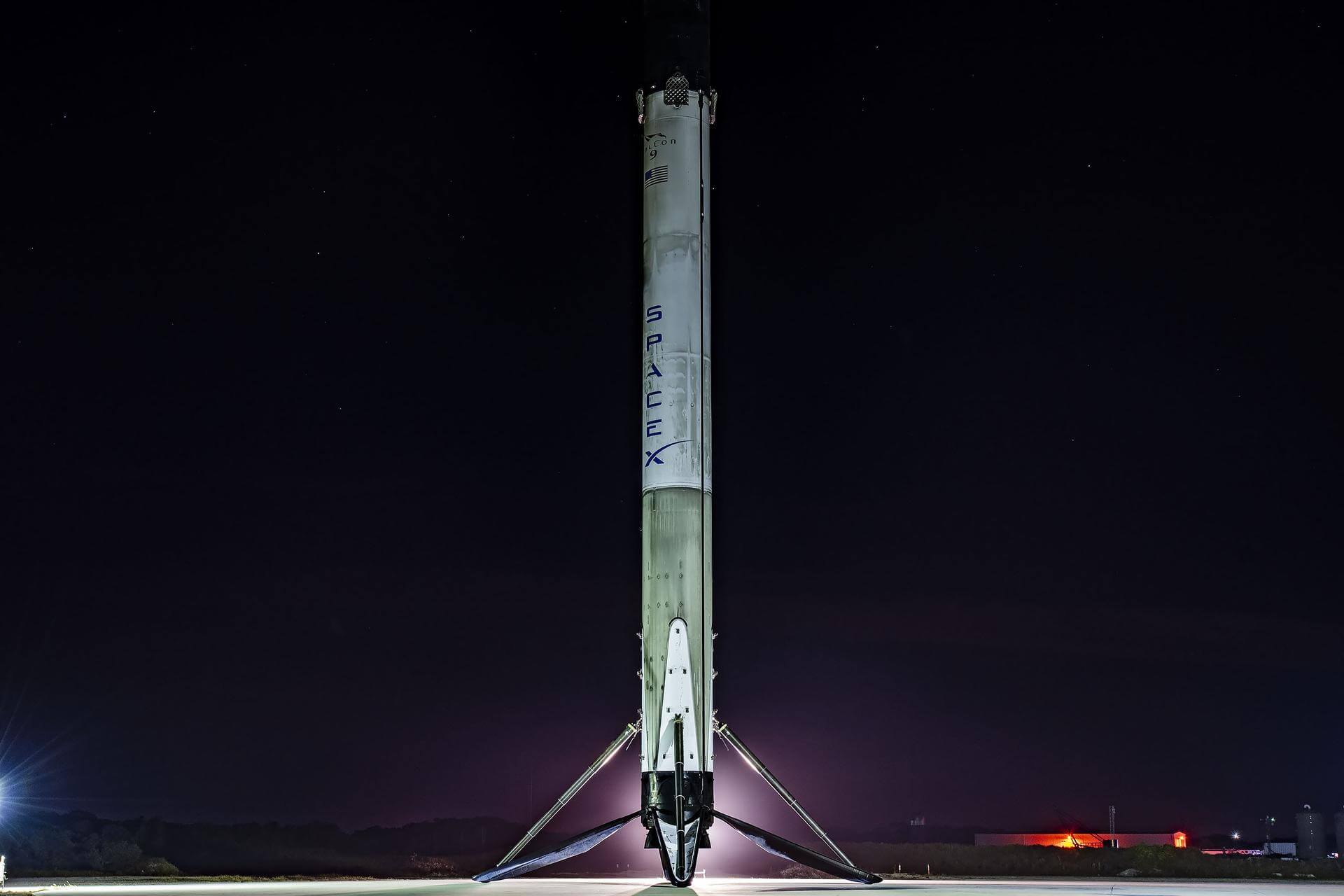
Falcon 9 is a two-stage rocket designed and manufactured by SpaceX for the reliable and safe transport of satellites and the Dragon spacecraft into orbit. The Block 5 variant is the fifth major interval aimed at improving upon the ability for rapid reusability.
Falcon 9 is a two-stage rocket designed and manufactured by SpaceX for the reliable and safe transport of satellites and the Dragon spacecraft into orbit. The Block 5 variant is the fifth major interval aimed at improving upon the ability for rapid reusability.
The Long March 6A is a Chinese launch vehicle of the Long March family, which was developed by the China Aerospace Science and Technology Corporation (CASC) and the Shanghai Academy of Spaceflight Technology (SAST). The vehicle is a further development of the Long March 6, with 2 YF-100 engines on…
Robo Chris is a collection of API calls, filters, and searches, bolted together with magic and love. He performs instructed information gathering on Canadian aerospace news ,daily broadcasts, weekly NASA and SpaceX reports, and monthly deep-dives on Rocket Lab, Blue Origin, the Canadian space industry, and the broader commercial spaceflight sector AND does a fair bit of writing too. Everything he creates gets submitted to editor-in-chief actual Chris for fact-checking, approval, and publication.