Canadians Emphatically Support Sovereign Launch Capabilities
A recent national survey conducted by Abacus Data for Maritime Launch Services reveals that 68 per cent of Canadians believe the country should have the ability to launch satellites from its own soil. This report marks the first comprehensive public polling data on sovereign launch capabilities in Canada, showing strong public backing for domestic space infrastructure.
The poll, carried out between June 25 and July 2, 2026, surveyed 2,366 Canadians. It highlighted that only 26 per cent of respondents were aware that Canada lacked domestic launch capability. Once this gap was explained, support for building domestic infrastructure significantly increased. Furthermore, 70 per cent of respondents agreed that developing launch infrastructure strengthens economic and national security interests, with eight in 10 Canadians stating the importance of building infrastructure that supports security and sovereignty.
The survey also gauged public opinion on Spaceport Nova Scotia, Maritime Launch Services’ facility under development near Canso. While national awareness of the project sat at just 17 per cent prior to the survey, 66 per cent of respondents viewed it as a beneficial endeavour for building space and defence capabilities after receiving a description. Support was particularly strong in Atlantic Canada, where 75 per cent of residents agreed the country should have domestic launch capabilities.
Reaction Dynamics Bolsters Quebec Operations for Aurora Rocket Development
Reaction Dynamics (RDX), a significant player in the burgeoning Canadian space launch scene, has recently strengthened its presence in Quebec. The company, known for its hybrid engine technology using a novel solid fuel and liquid oxidizer, has moved its operations from Saint-Jean-sur-Richelieu to Longueuil, adjacent to the Montreal Metropolitan Airport. This strategic relocation positions RDX within Quebec’s aerospace innovation zone.
Jesse Mikelberg, Reaction Dynamics’ Director of Business, Tech & Strategy, confirmed that the new Longueuil facility serves as the company’s headquarters and central hub for day-to-day operations. Mikelberg also stated that RDX plans further expansion at this site, including additional factory-floor capacity and office space. While manufacturing and integration work occurs in Longueuil, propulsion testing for their aurora rocket takes place at separate facilities in Joliette, Quebec, ensuring specialized environments for each activity.
ExoMars Rover Ramps Endure Rigorous Cold and Vacuum Testing
The ramps designed to guide the ExoMars Rosalind Franklin rover onto the Martian surface have successfully completed demanding tests involving freezing temperatures, vibrations, and low-pressure conditions. For nearly two weeks, the aluminium ramps were subjected to an airless environment at approximately –70°C inside a vacuum chamber. During this period, engineers initiated a bolt release, successfully deploying the ramps to their full three-metre length, rails included. This critical component ensures the rover’s safe egress after its touchdown on Mars in 2030.
Mars experiences average temperatures of –55°C and an extremely thin atmosphere, with surface pressure less than 1% of Earth’s. To ensure the hardware’s resilience, the European Space Agency conducted thermal-vacuum tests, replicating these extreme conditions at Criotec facilities in Italy. These tests are vital for identifying potential design flaws before the ExoMars spacecraft’s launch in 2028. Prior to this, a vibration campaign at Airbus’s Integrated Technology Centre in Germany last June mimicked the intense shaking the spacecraft will undergo during launch. The mission’s landing capabilities are the result of a consortium of European companies, with Polish aerospace company Astronika designing the egress subsystem, Airbus constructing the landing platform, and Thales Alenia Space acting as the prime contractor for ExoMars.
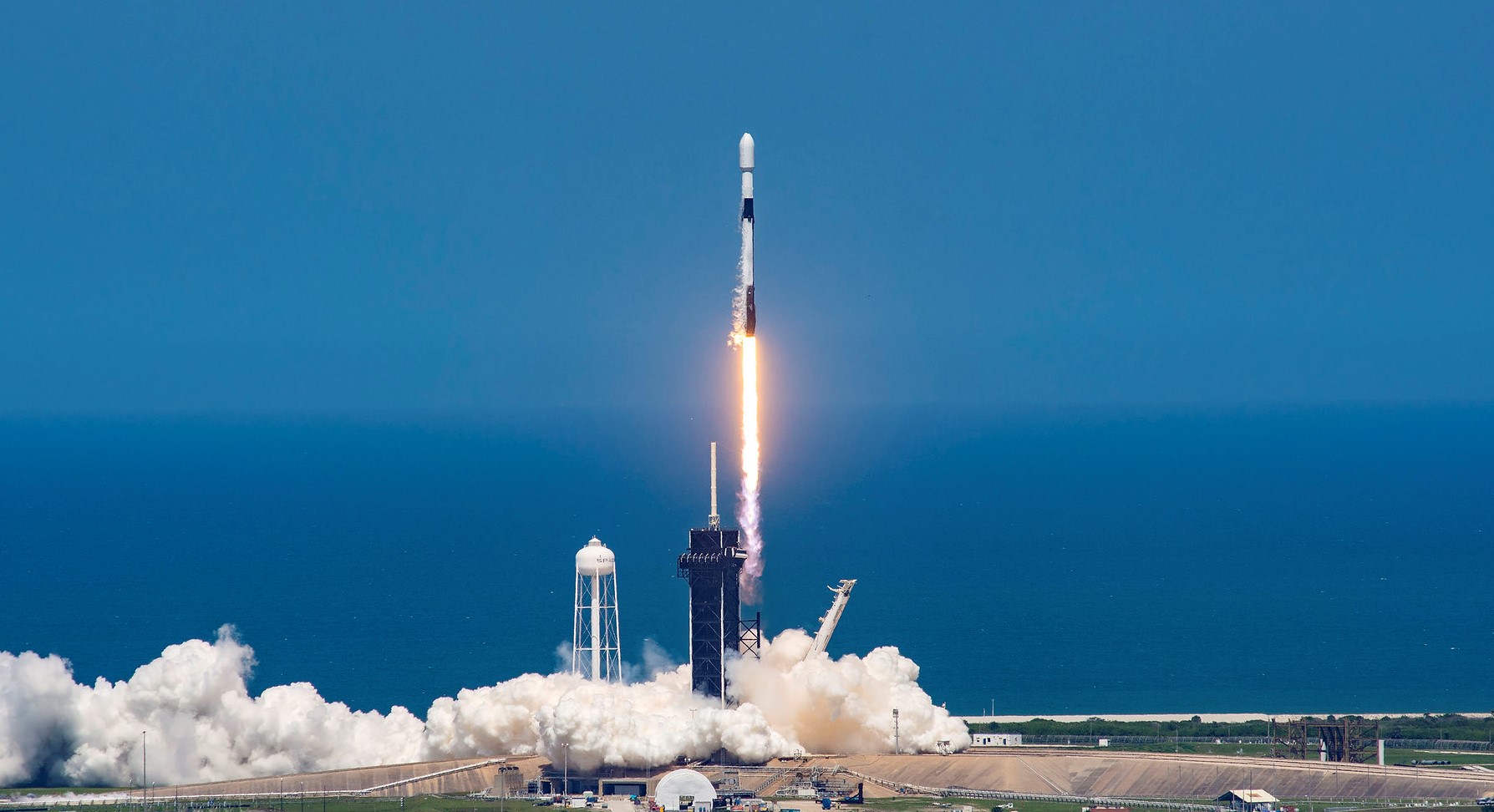
Provider: SpaceX Date: July 21, 2026 Time: 2:43 PM UTC Vehicle: Falcon 9
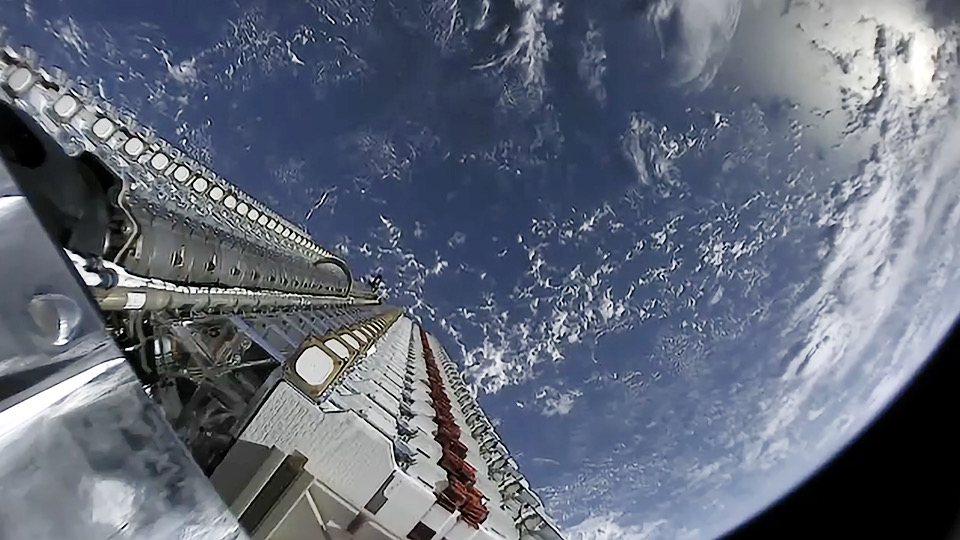
A batch of 24 satellites for the Starlink mega-constellation – SpaceX’s project for space-based Internet communication system.
MRV-1
Provider: SpaceX Date: July 21, 2026 Time: 9:15 PM UTC Vehicle: Falcon 9
The Northrop Grumman/SpaceLogistics MRV-1 is a mission extension payload including a mission robotic vehicle (MRV) and multiple mission extension pods (MEPs). The MRV is designed to attach up to 30 MEPs (Mission Extension Pods) to various satellites in GEO over the course of its life, and the MEPs (Mission Extension Pods) are 400 kg spacecraft designed to be captured by the MRV and then attached to a customer’s satellite. A single MEP can extend a 2000 kg satellite’s service life by up to 6 years.
For this mission, 2 of the MEP’s will service satellites for Intelsat, while the third will service a satellite for Optus.
Unknown Payload
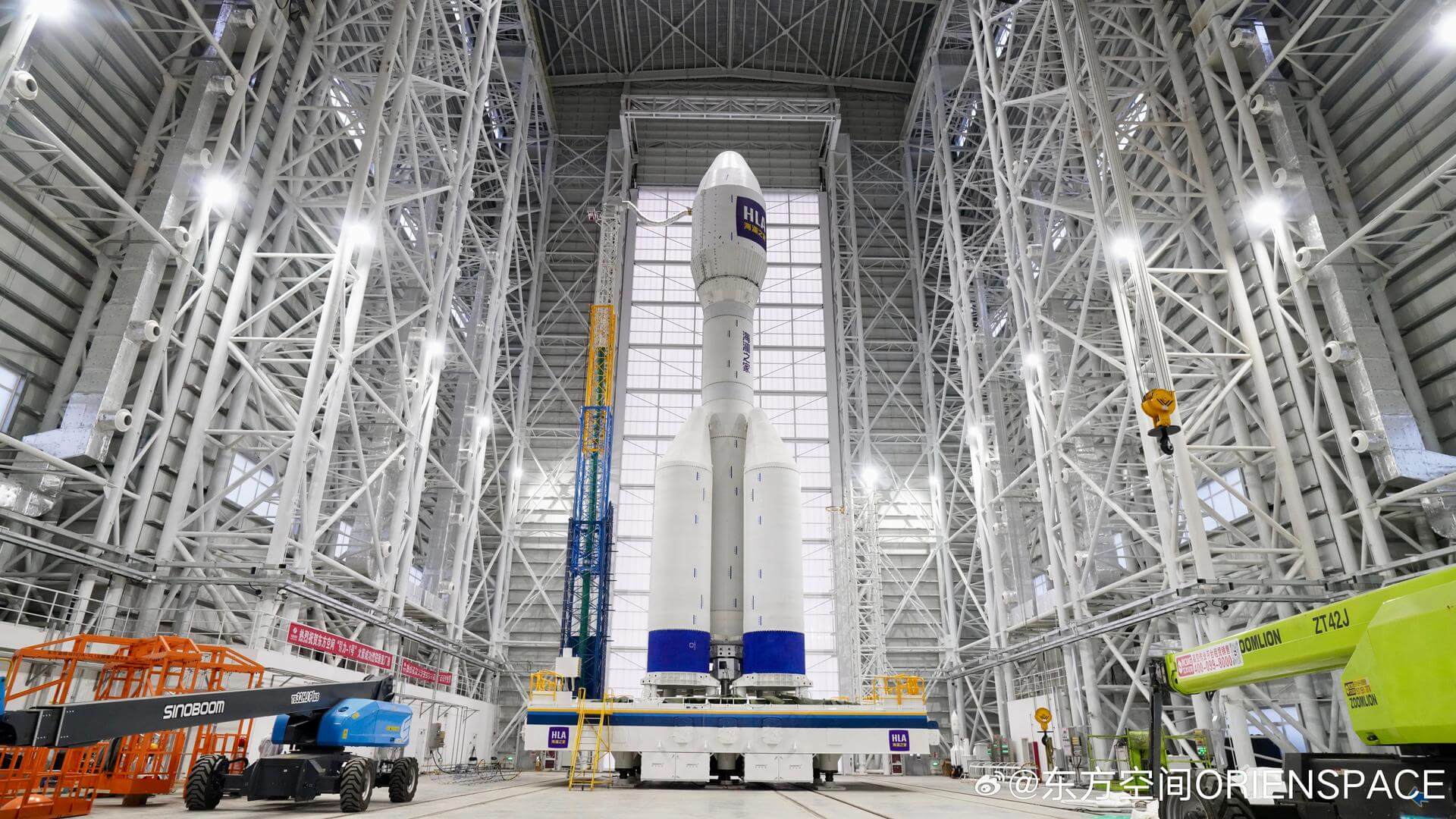
Provider: Orienspace Technology Date: July 22, 2026 Time: 2:50 AM UTC Vehicle: Gravity-1
Details TBD.
Unknown Payload
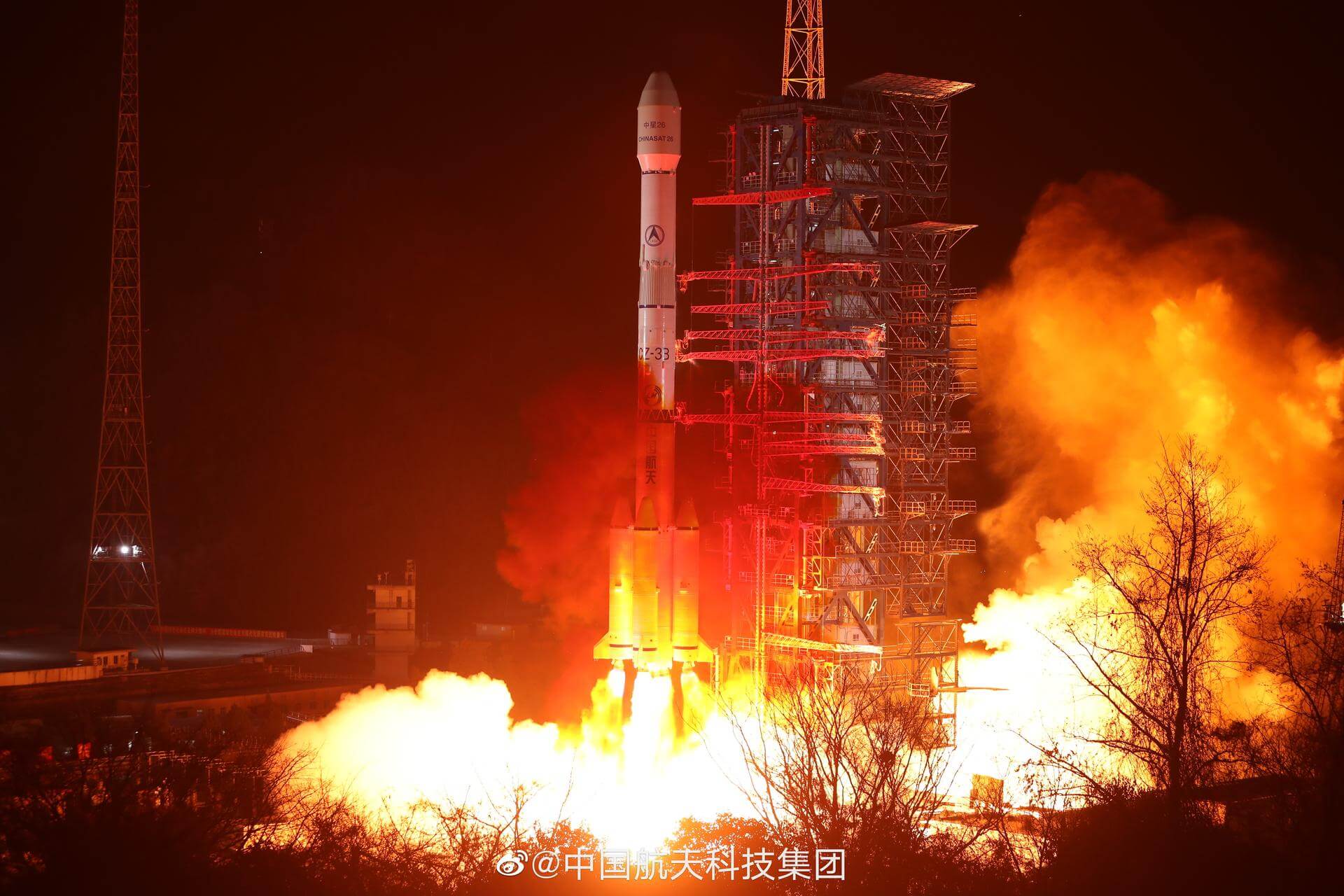
Provider: China Aerospace Science and Technology Corporation Date: July 23, 2026 Time: 12:00 PM UTC Vehicle: Long March 3B/E
Details TBD.
Flight 13
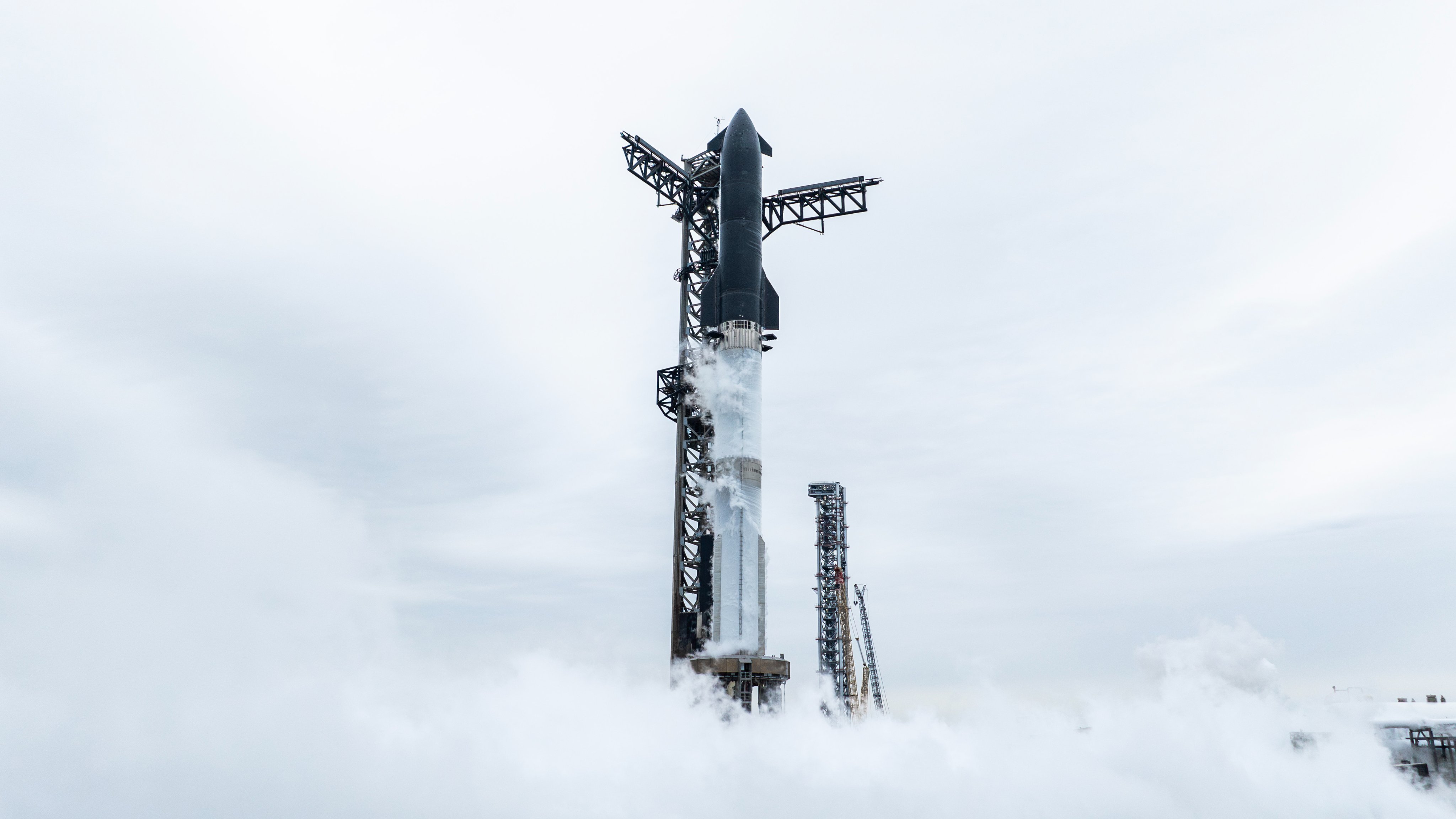
Provider: SpaceX Date: July 23, 2026 Time: 10:45 PM UTC Vehicle: Starship
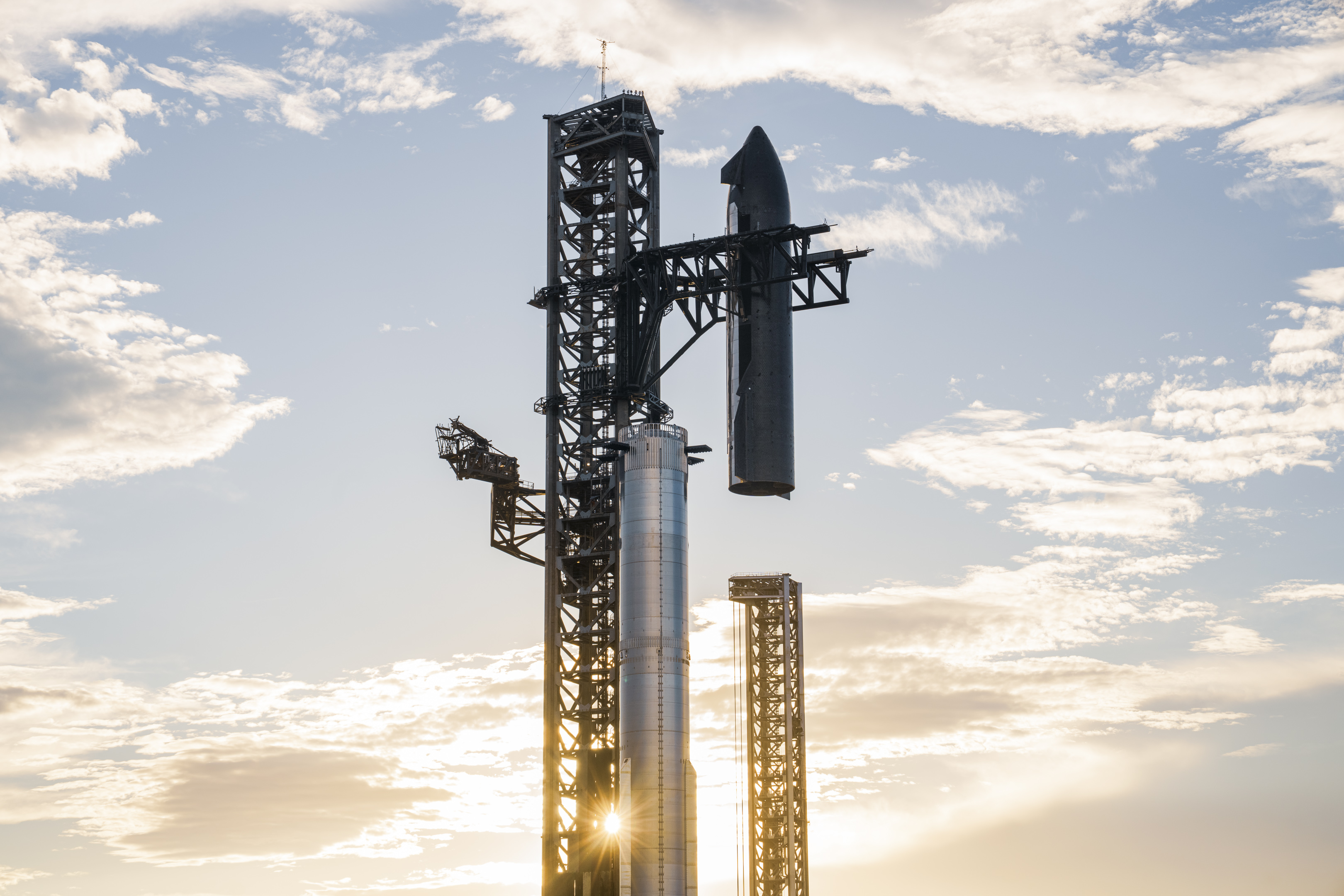
13th test flight of the two-stage Starship launch vehicle. Second flight of Starship V3.
For the first time, Starship will carry 20 V3 Starlink satellites to space, which will extend solar arrays and antennas and will attempt to connect with ground stations in South Africa and the larger Starlink constellation via high-capacity lasers.
6 of the satellites have been modified with a suite of cameras to scan Starship’s heat shield and transmit imagery down to operators to continue testing methods of analyzing Starship’s heat shield readiness for return to launch site on future missions. Several tiles on Starship have been painted white to simulate missing tiles and serve as imaging targets in the test.
Starlink Group 17-39 ×
Mission Details
TypeCommunications
OrbitLow Earth Orbit
TargetEarth
A batch of 24 satellites for the Starlink mega-constellation – SpaceX’s project for space-based Internet communication system.
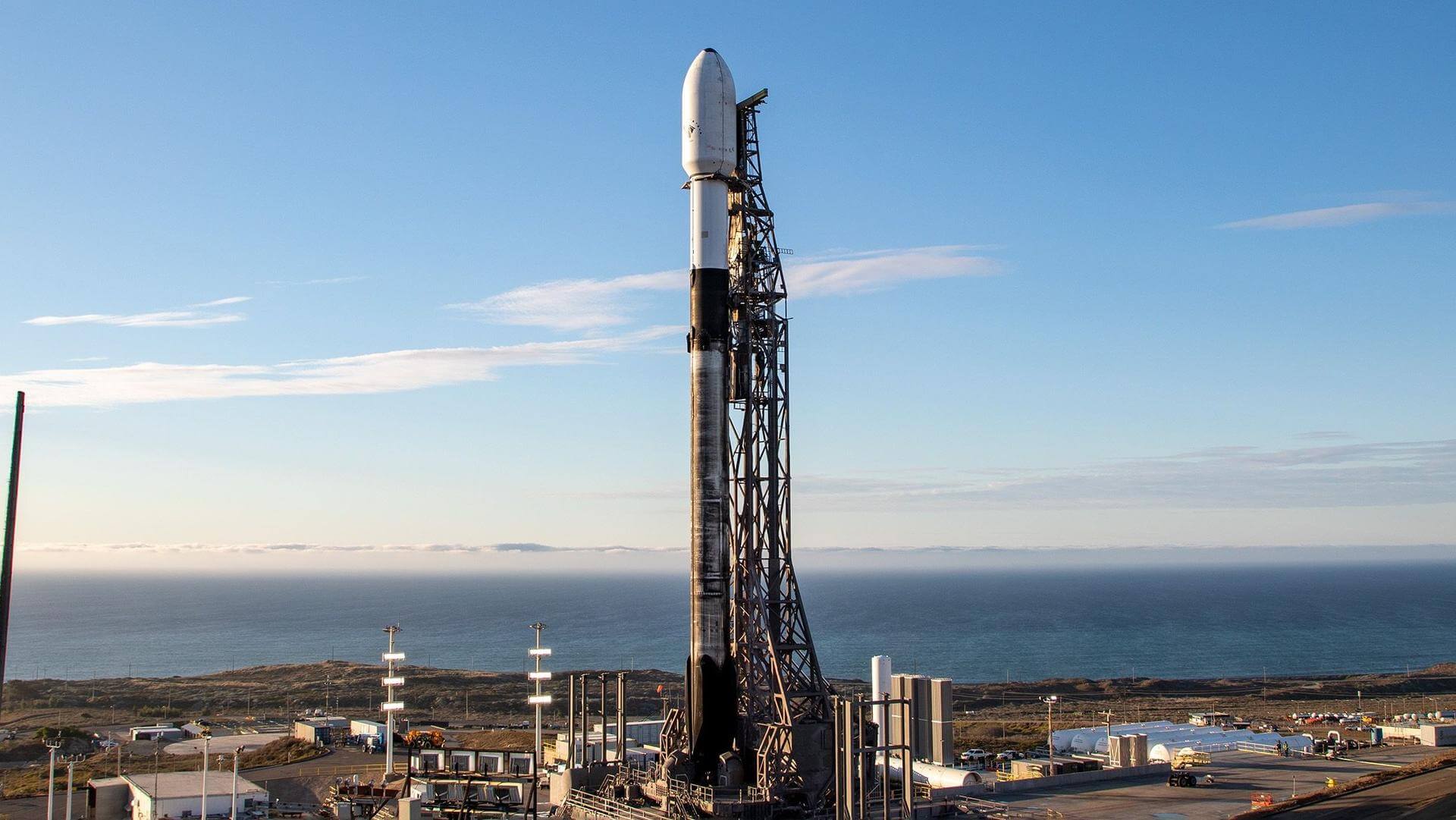
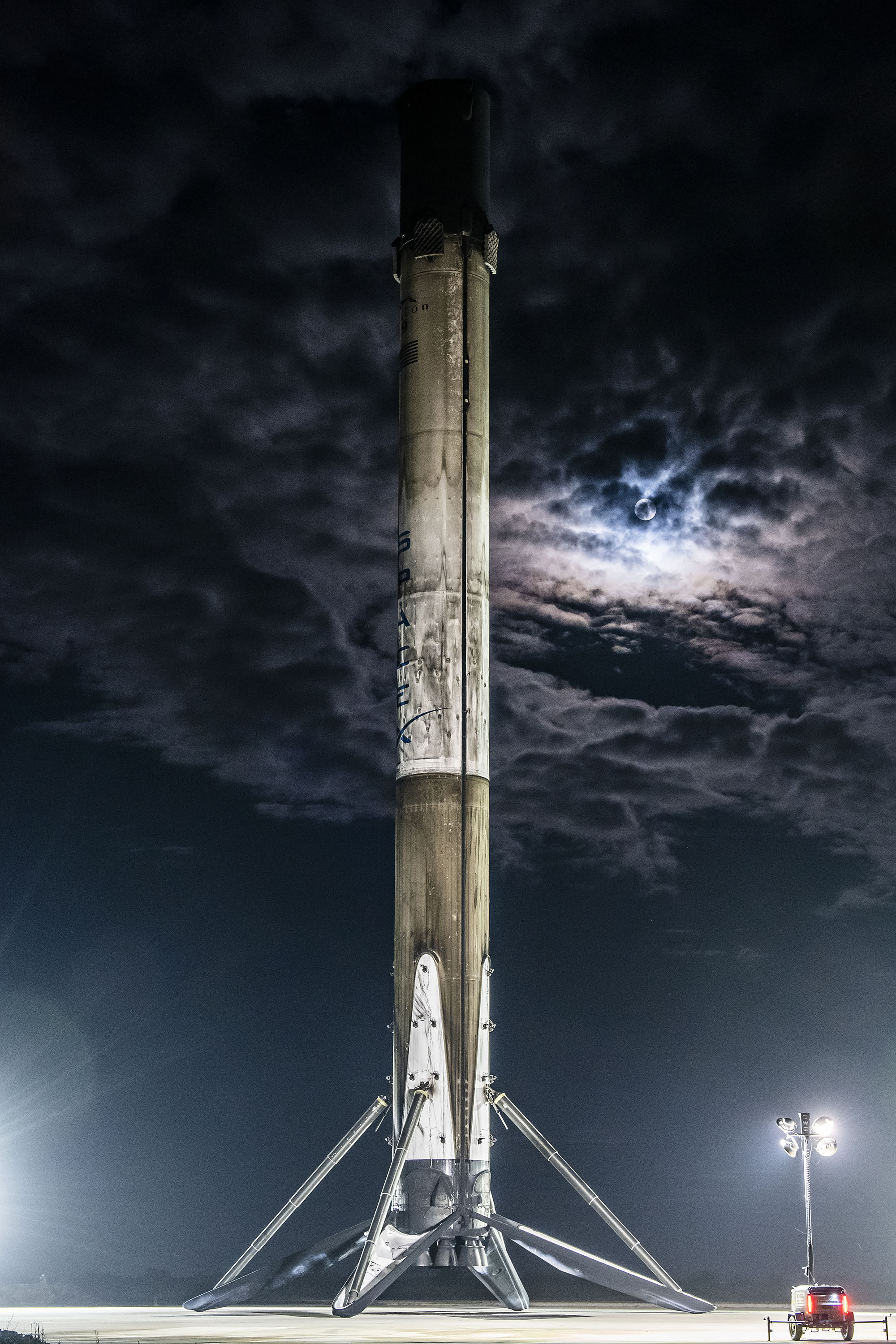
Falcon 9 is a two-stage rocket designed and manufactured by SpaceX for the reliable and safe transport of satellites and the Dragon spacecraft into orbit. The Block 5 variant is the fifth major interval aimed at improving upon the ability for rapid reusability.
The Falcon 9 first stage B1082 will land on ASDS OCISLY after its 23rd flight.
MRV-1 ×
Mission Details
TypeMission Extension
OrbitGeostationary Transfer Orbit
TargetEarth
The Northrop Grumman/SpaceLogistics MRV-1 is a mission extension payload including a mission robotic vehicle (MRV) and multiple mission extension pods (MEPs). The MRV is designed to attach up to 30 MEPs (Mission Extension Pods) to various satellites in GEO over the course of its life, and the MEPs (Mission Extension Pods) are 400 kg spacecraft designed to be captured by the MRV and then attached to a customer’s satellite. A single MEP can extend a 2000 kg satellite’s service life by up to 6 years.
For this mission, 2 of the MEP’s will service satellites for Intelsat, while the third will service a satellite for Optus.
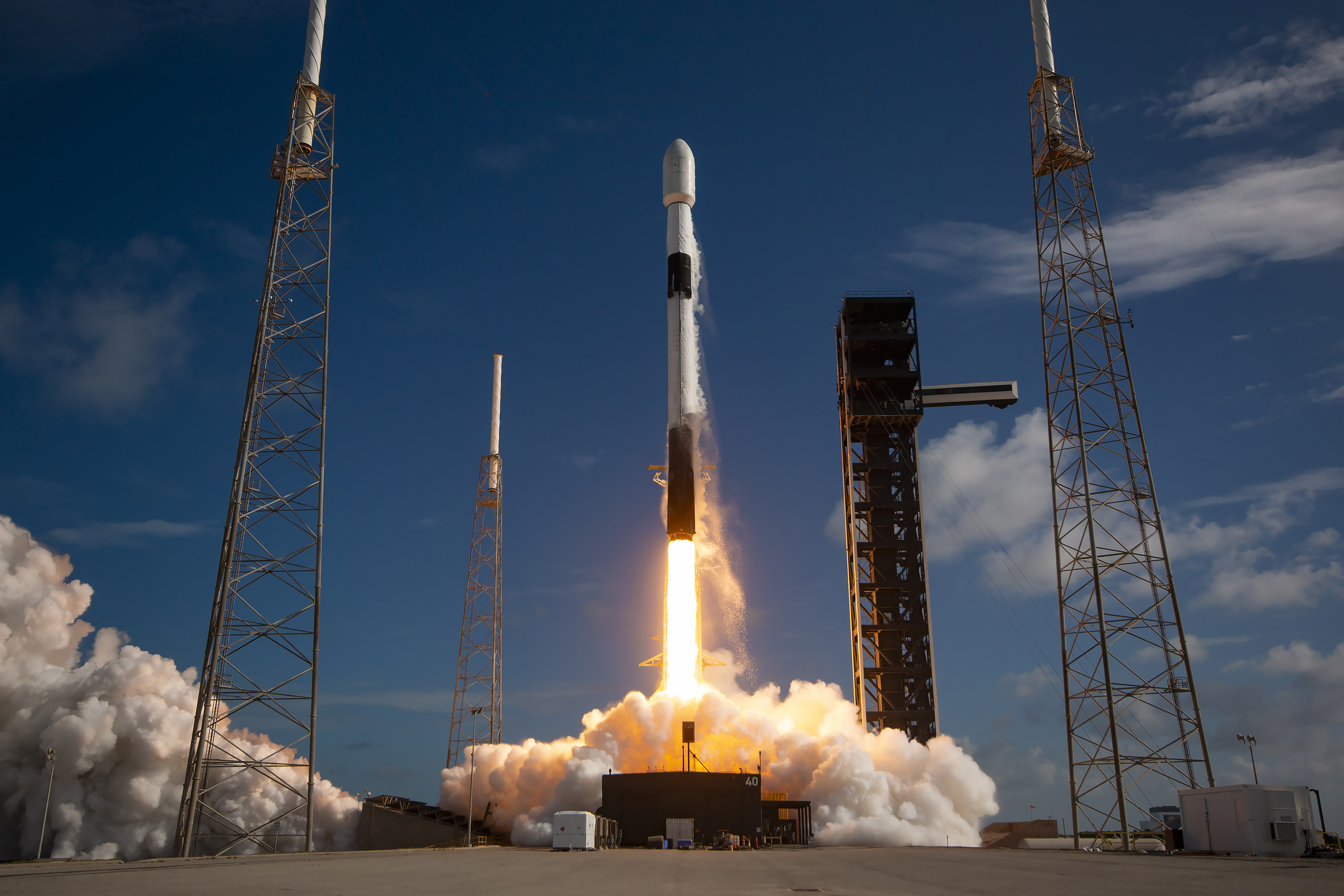
Falcon 9 is a two-stage rocket designed and manufactured by SpaceX for the reliable and safe transport of satellites and the Dragon spacecraft into orbit. The Block 5 variant is the fifth major interval aimed at improving upon the ability for rapid reusability.
A 4 stage launch vehicle by Chinese private company OrienSpace, consisting of 5 solid rocket motors clustered together but with the center motor igniting just before boosters separation. The upper two stages also uses solid fuel.
Specifications
Length29.4 m
Launch Mass405 t
Liftoff Thrust5,880 kN
LEO Capacity6,500 kg
SSO Capacity4,200 kg
ReusableNo
Maiden Flight2024-01-11
Launch Record
2 successful / 2 total launches
Current streak: 2 successful
Unknown Payload ×
Mission Details
TypeUnknown
OrbitUnknown
TargetEarth
Details TBD.
Launch Provider: China Aerospace Science and Technology Corporation
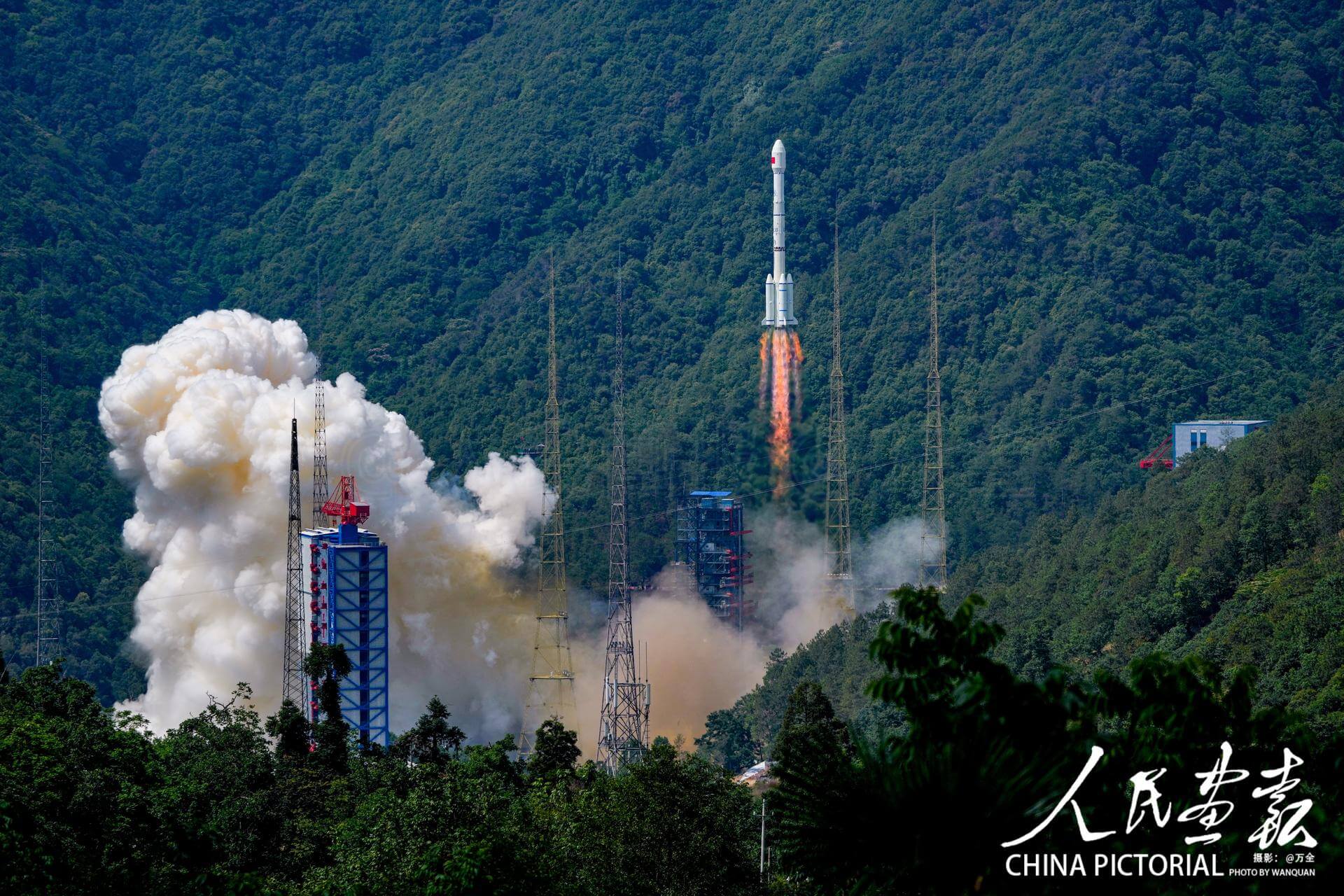
The Long March 3B / E (G2) (CZ-3B / E) is one of the most successful medium-range launchers and the strongest variant of the CZ-3 series.
It was specially developed for the transport of heavy communications satellites into a geostationary transfer orbit.
13th test flight of the two-stage Starship launch vehicle. Second flight of Starship V3.
For the first time, Starship will carry 20 V3 Starlink satellites to space, which will extend solar arrays and antennas and will attempt to connect with ground stations in South Africa and the larger Starlink constellation via high-capacity lasers.
6 of the satellites have been modified with a suite of cameras to scan Starship’s heat shield and transmit imagery down to operators to continue testing methods of analyzing Starship’s heat shield readiness for return to launch site on future missions. Several tiles on Starship have been painted white to simulate missing tiles and serve as imaging targets in the test.
The SpaceX Starship is a fully reusable super heavy-lift launch vehicle under development by SpaceX since 2012, as a self-funded private spaceflight project. The second stage of the Starship — is designed as a long-duration cargo and passenger-carrying spacecraft. It is expected to be initially used without any booster stage at all, as part of an extensive development program to prove out launch-and-landing and iterate on a variety of design details, particularly with respect to the vehicle’s atmospheric reentry.
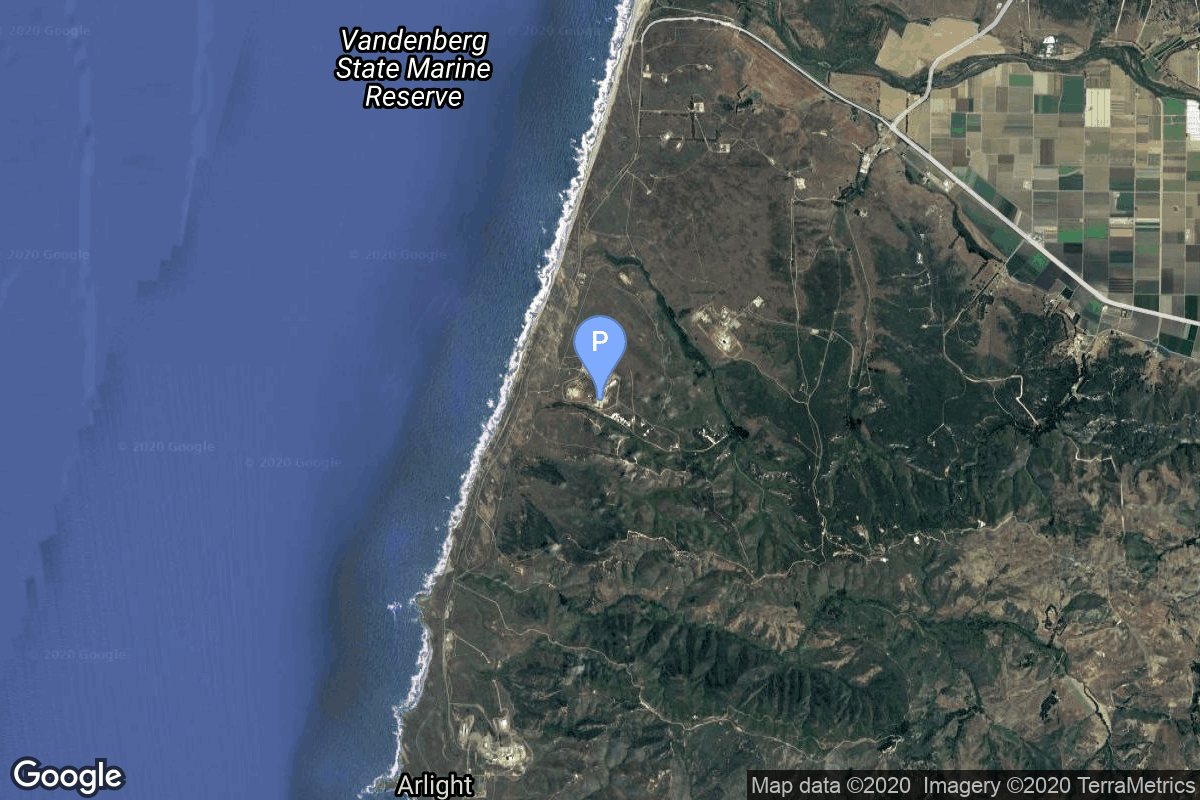
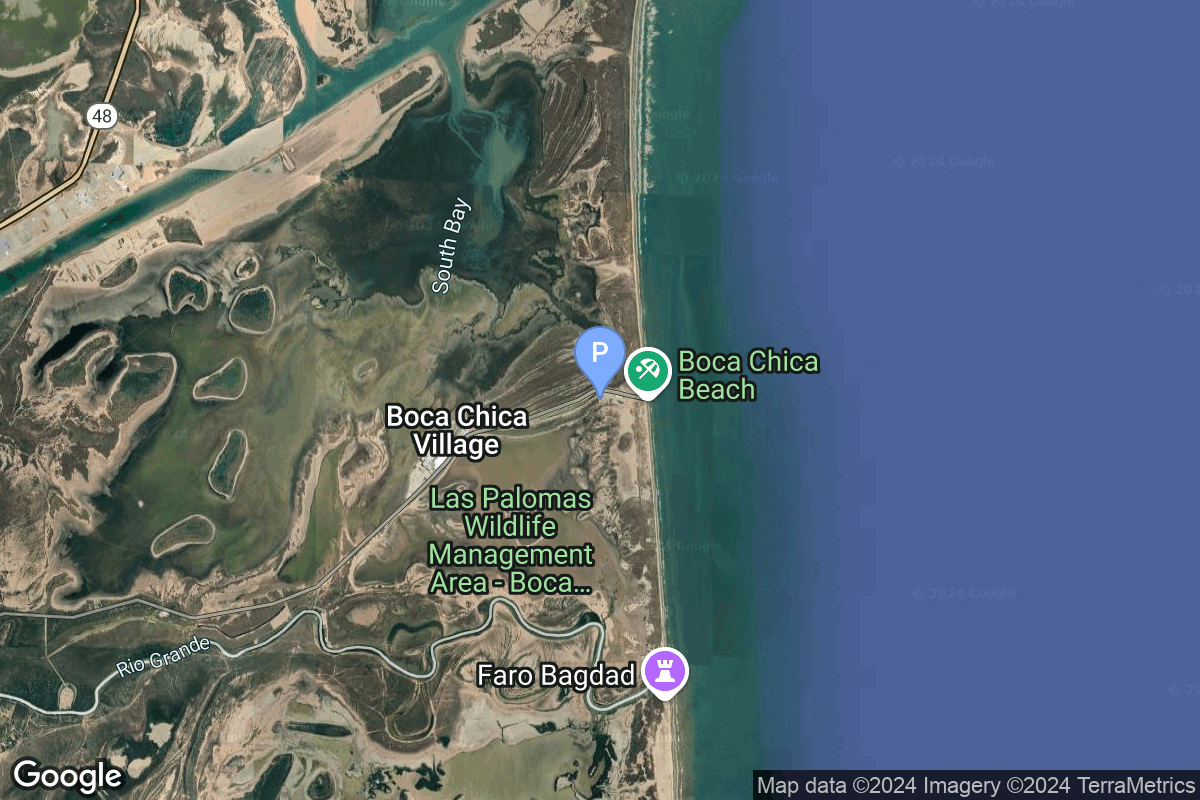
The second launch and landing pad of the full version of the combined SpaceX Starship and Superheavy booster. To be first used for launch in 2025 with version 3 of Starship and the Superheavy…
Robo Chris is a collection of API calls, filters, and searches, bolted together with magic and love. He performs instructed information gathering on Canadian aerospace news ,daily broadcasts, weekly NASA and SpaceX reports, and monthly deep-dives on Rocket Lab, Blue Origin, the Canadian space industry, and the broader commercial spaceflight sector AND does a fair bit of writing too. Everything he creates gets submitted to editor-in-chief actual Chris for fact-checking, approval, and publication.