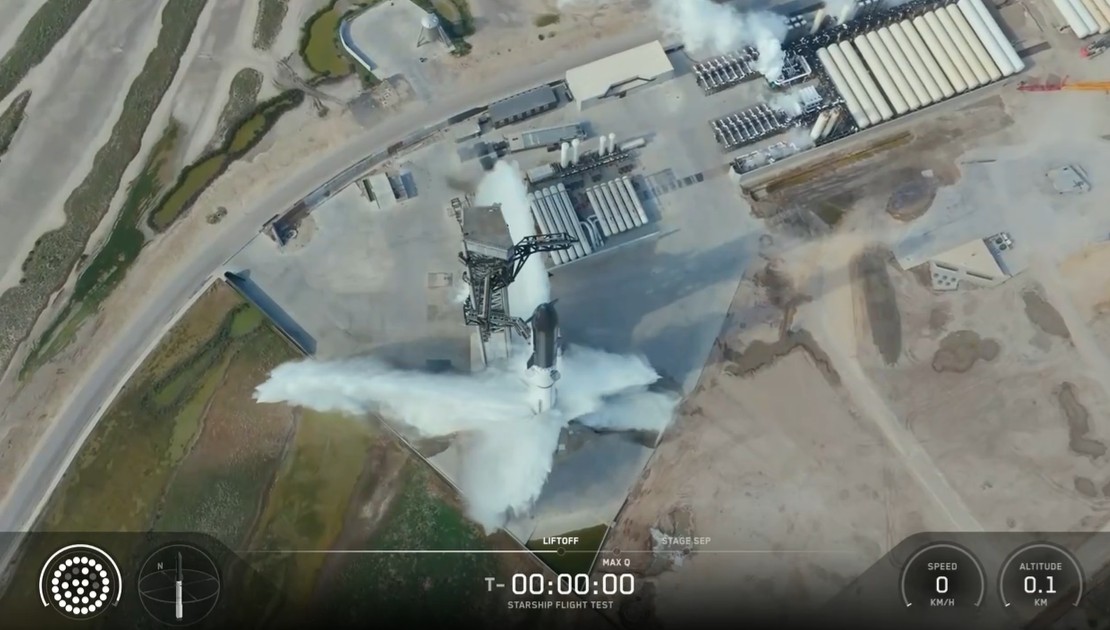
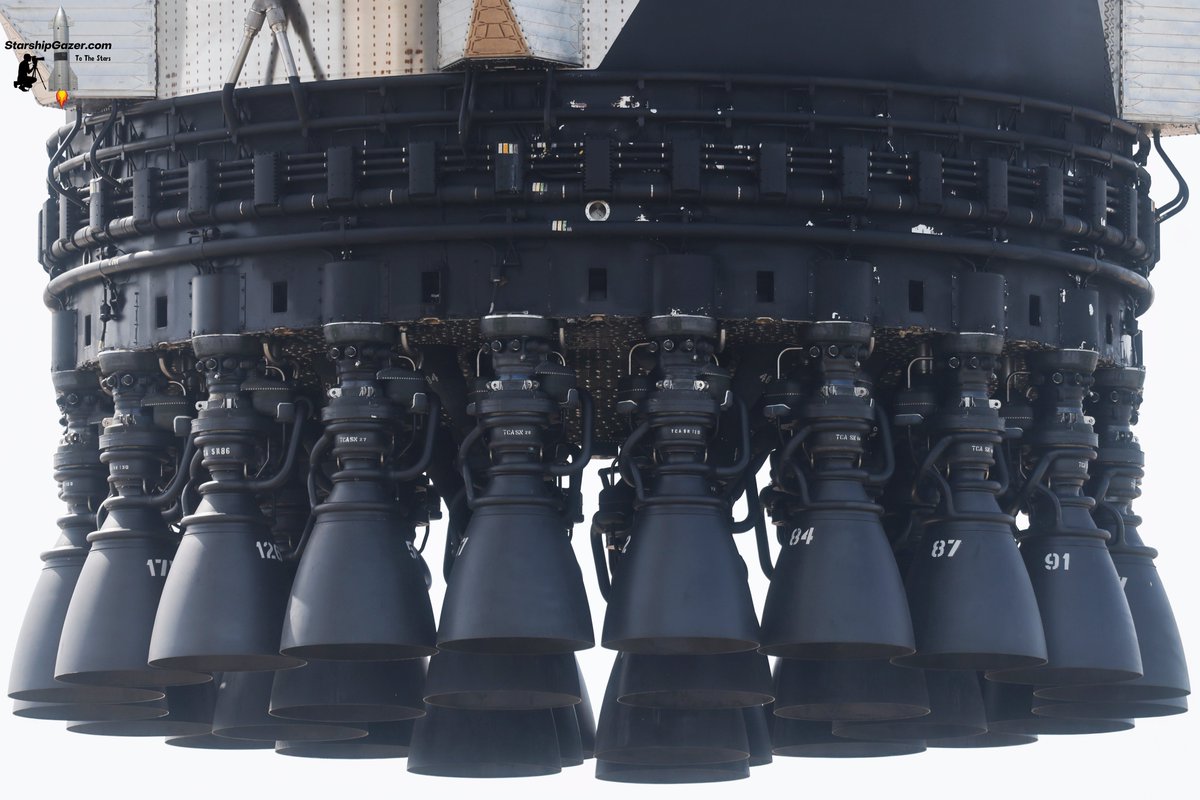
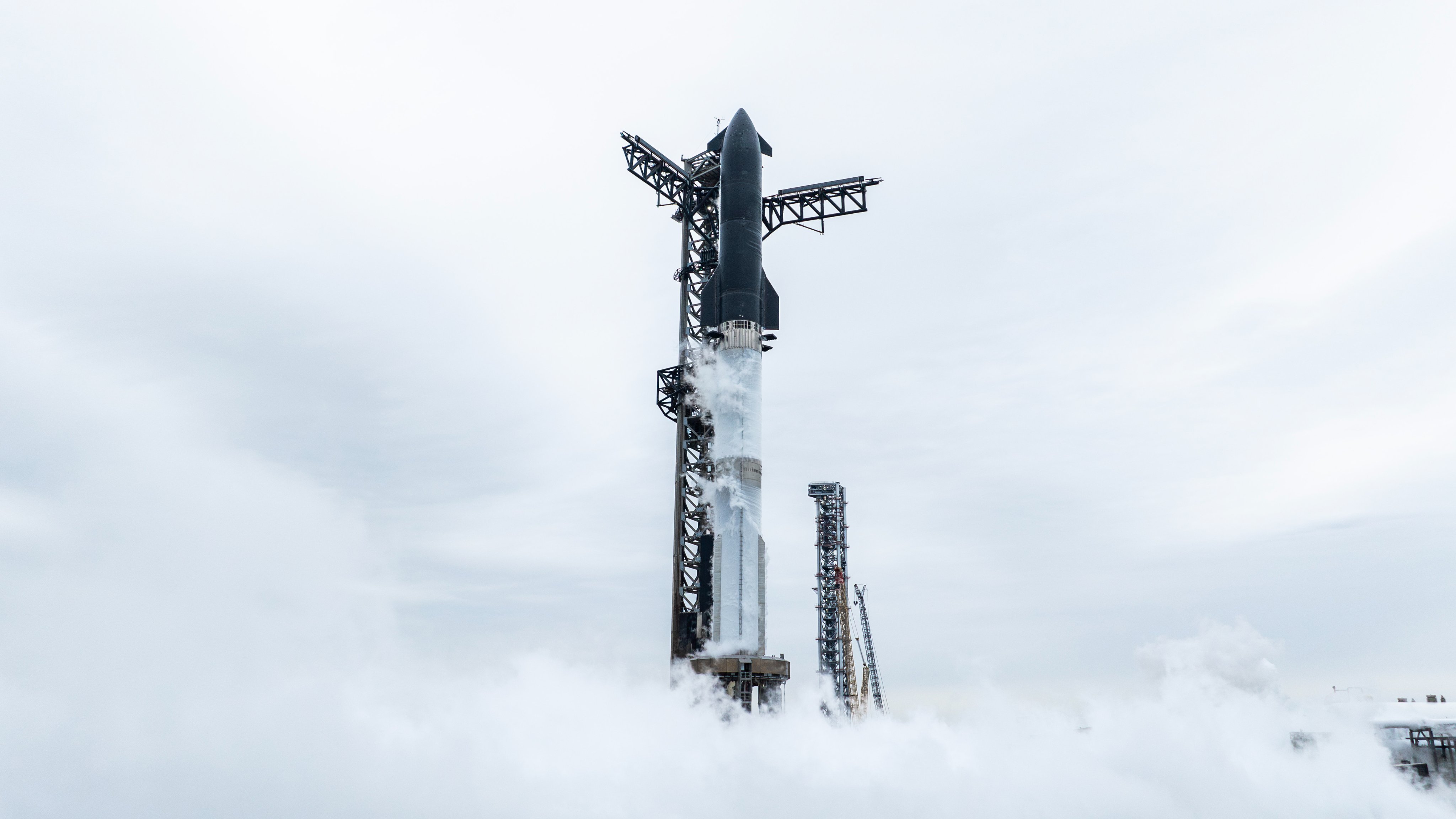
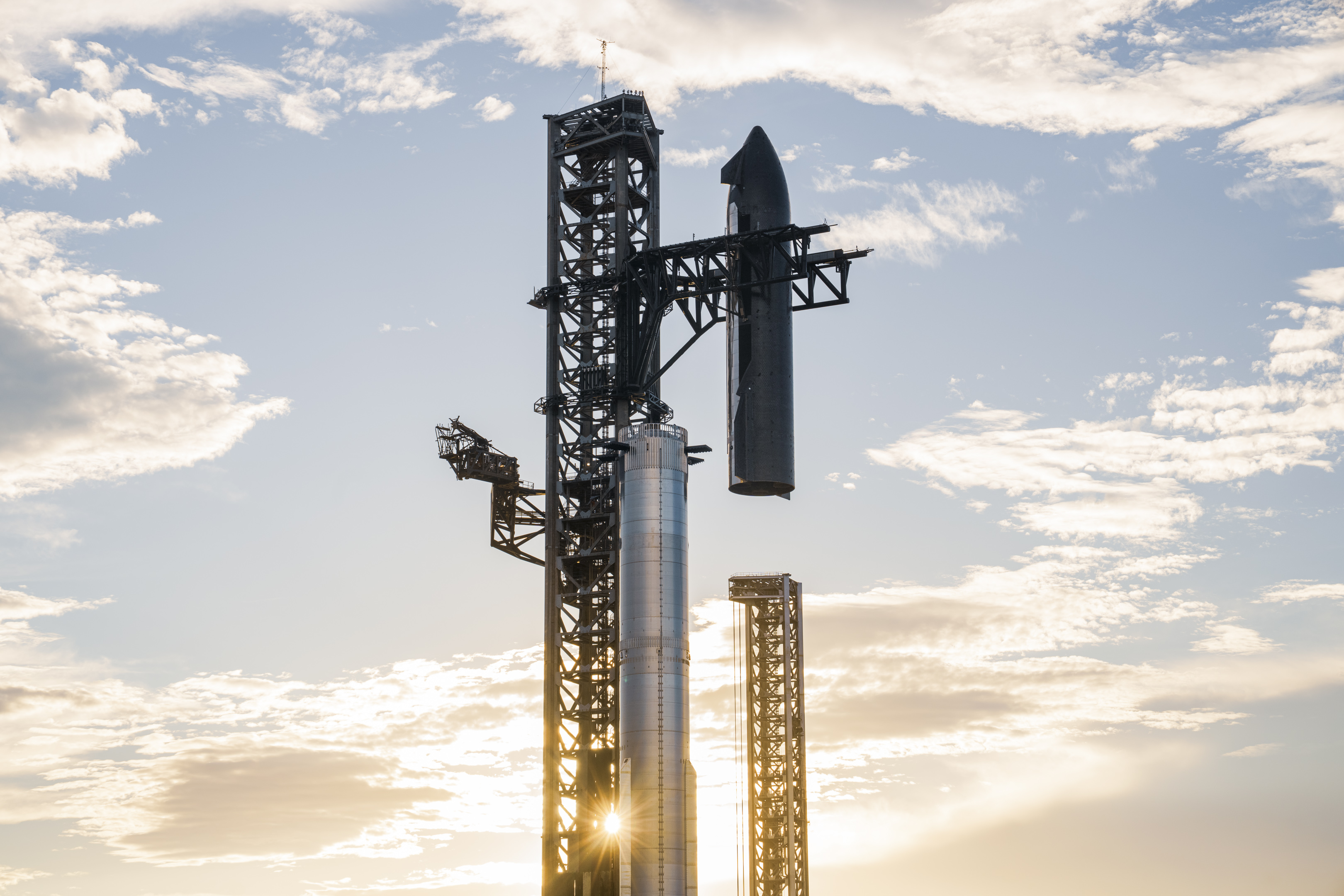
SpaceX’s highly anticipated 13th Starship Integrated Flight Test (IFT-13) experienced an automatic abort on July 16, just as the engines were meant to ignite. The launch was scheduled for 6:45 pm ET from Starbase, Texas, but an issue with some of the 33 Raptor engines on the Super Heavy first stage led to a T-0 abort. Post-abort, SpaceX founder Elon Musk confirmed that two Raptor engines would need to be replaced. The flight is now targeting as early as Thursday, July 23.
Booster 20 and Ship 40, both flying for the first time, were rolled back to the production site for engine replacements. This flight is significant as it could be Starship’s final suborbital test, as indicated by NASASpaceFlight. A key objective for this uncrewed mission is the deployment of 20 production Starlink V3 satellites, which, despite being on a suborbital trajectory, will attempt to connect to the broader Starlink network via high-capacity lasers before re-entering the atmosphere approximately 20 minutes after deployment.
Starbase Activity Sees Engine Swaps and Testing
Following the abort of Starship Flight 13, activity at Starbase has focused on preparing Booster 20 for its next launch attempt. Images from July 17 showed Raptor 3 engines being lifted off Pad 2, indicating the start of the engine replacement process. Meanwhile, looking ahead to the next test flight, Booster 21 for Starship Flight 14 underwent cryogenic proof testing at Starbase Massey’s test site on July 18, in preparation for its expected launch next month.
Falcon 9 Reaches 600th Booster Landing Milestone
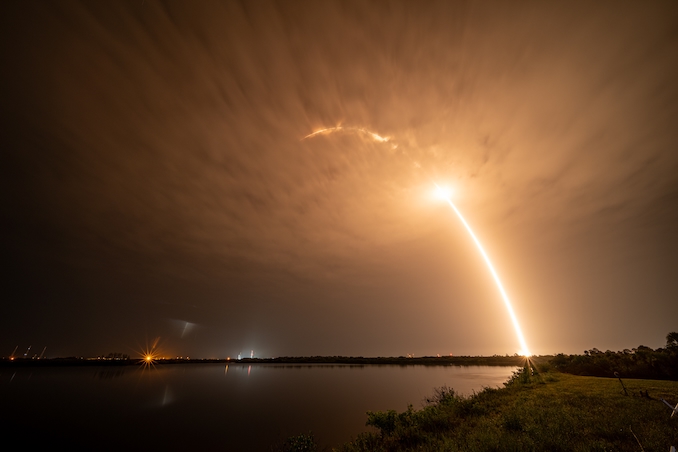
The Falcon 9 program achieved a remarkable milestone this week with its 600th booster landing. On July 13, a flight-proven Falcon 9 booster, B1080, launched the Starlink 10-45 mission from Cape Canaveral Space Force Station. This marked the 28th flight for B1080, which has previously supported two Axiom Space crew flights, the European Space Agency’s Euclid observatory, and Northrop Grumman’s NG-21 mission. Nearly 8.5 minutes after liftoff, B1080 successfully landed on the droneship ‘A Shortfall of Gravitas’, marking the 161st landing for that vessel and the 638th overall booster landing for SpaceX.
Later in the week, on July 16, another Falcon 9 launched 21 satellites for the Space Force’s Space Development Agency (SDA). The mission, designated T1TL-E, lifted off from Vandenberg Space Force Base in California, deploying the third batch of Tranche 1 Transport Layer spacecraft for SDA’s Proliferated Warfighter Space Architecture. This launch marked a restart for the military data network’s deployment after a months-long pause caused by hardware and software issues on previous satellites.
Other SpaceX and Starlink Developments
Starlink continues its global expansion, with services now available in Seychelles. The network also provided emergency connectivity to Entel customers in Chile impacted by severe winter storms and is connecting conservation efforts in Malaysia to protect critically endangered tigers. On a technical note, Elon Musk tweeted that Starlink V3 will increase space-based bandwidth by approximately two orders of magnitude.
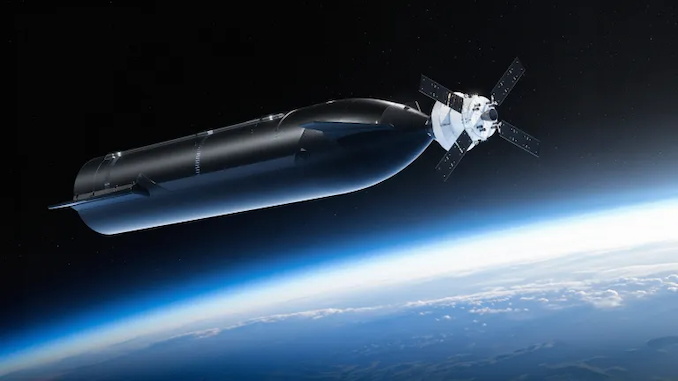
In other news, SpaceX continues its support for NASA’s Artemis program. The July 16 Starship webcast featured a rendering of Starship and NASA’s Orion crew spacecraft docked in Earth orbit, highlighting the size difference and the critical role Starship will play in future lunar missions. During Artemis III in 2027, teams will practise rendezvous, docking, and proximity operations in low-Earth orbit, with Starlink Mini Lasers slated to deliver high-bandwidth connectivity to Orion. SpaceX also tweeted about its “Starmind AI satellite constellation” and “Terafab advanced chip manufacturing center,” which collectively represent a step towards a Kardashev Type II civilization.
Provider: SpaceX Date: July 23, 2026 Time: 10:45 PM UTC Vehicle: Starship
13th test flight of the two-stage Starship launch vehicle. Second flight of Starship V3.
For the first time, Starship will carry 20 V3 Starlink satellites to space, which will extend solar arrays and antennas and will attempt to connect with ground stations in South Africa and the larger Starlink constellation via high-capacity lasers.
6 of the satellites have been modified with a suite of cameras to scan Starship’s heat shield and transmit imagery down to operators to continue testing methods of analyzing Starship’s heat shield readiness for return to launch site on future missions. Several tiles on Starship have been painted white to simulate missing tiles and serve as imaging targets in the test.
Nancy Grace Roman Space Telescope
Provider: SpaceX Date: August 30, 2026 Time: 11:20 AM UTC Vehicle: Falcon Heavy
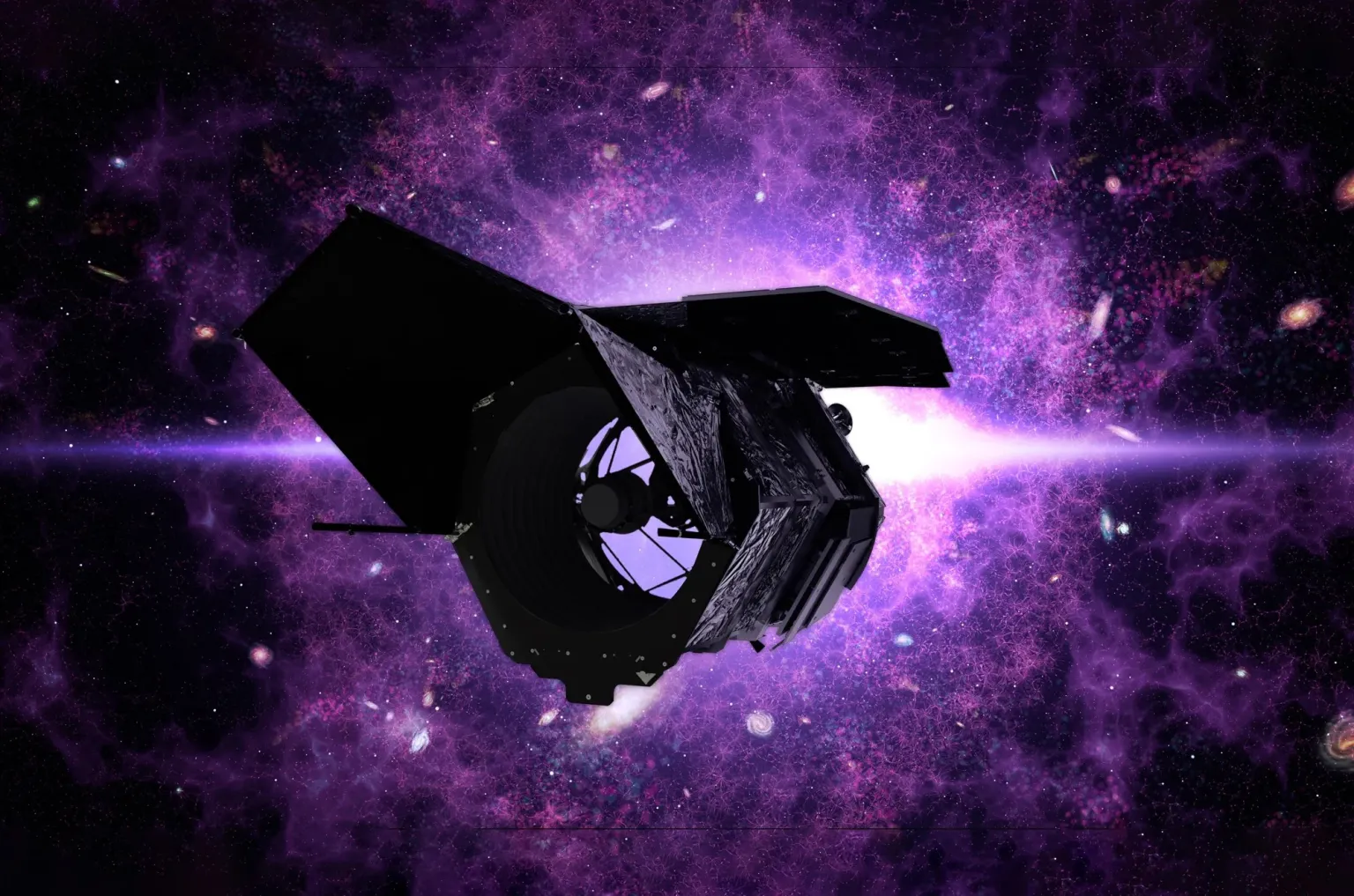
The Nancy Grace Roman Space Telescope is a NASA infrared space telescope with a 2.4 m (7.9 ft) wide field of view primary mirror and two scientific instruments. The Wide-Field Instrument (WFI) is a 300.8-megapixel multi-band visible and near-infrared camera, providing a sharpness of images comparable to that achieved by the Hubble Space Telescope over a 0.28 square degree field of view, 100 times larger than imaging cameras on the Hubble. The Coronagraphic Instrument (CGI) is a high-contrast, small field of view camera and spectrometer covering visible and near-infrared wavelengths using novel starlight-suppression technology. Roman objectives include a search for extra-solar planets using gravitational microlensing, and probing the expansion history of the Universe and the growth of cosmic structure, with the goal of measuring the effects of dark energy, the consistency of general relativity, and the curvature of spacetime.
Griffin Mission One
Provider: SpaceX Date: November 30, 2026 Time: 12:00 AM UTC Vehicle: Falcon Heavy
Demonstration flight of the Astrobotic Griffin lander and its engines, initially contracted for the cancelled NASA VIPER (Volatiles Investigating Polar Exploration Rover) mission. The vacated payload spot will now host the FLIP (FLEX Lunar Innovation Platform) lunar rover from Astrolab.
USSF-75
Provider: SpaceX Date: December 31, 2026 Time: 12:00 AM UTC Vehicle: Falcon Heavy
Classified payload for the United States Space Force
Superbird-9
Provider: SpaceX Date: June 30, 2027 Time: 12:00 AM UTC Vehicle: Starship
Superbird-9 is a high throughput communication satellite. It is designed to deliver broadcast and broadband missions in Ku band primarily over Japan and Eastern Asia, in response to mobility and broadband demands.
Flight 13 ×
Mission Details
TypeTest Flight
OrbitSuborbital
TargetEarth
13th test flight of the two-stage Starship launch vehicle. Second flight of Starship V3.
For the first time, Starship will carry 20 V3 Starlink satellites to space, which will extend solar arrays and antennas and will attempt to connect with ground stations in South Africa and the larger Starlink constellation via high-capacity lasers.
6 of the satellites have been modified with a suite of cameras to scan Starship’s heat shield and transmit imagery down to operators to continue testing methods of analyzing Starship’s heat shield readiness for return to launch site on future missions. Several tiles on Starship have been painted white to simulate missing tiles and serve as imaging targets in the test.
The SpaceX Starship is a fully reusable super heavy-lift launch vehicle under development by SpaceX since 2012, as a self-funded private spaceflight project. The second stage of the Starship — is designed as a long-duration cargo and passenger-carrying spacecraft. It is expected to be initially used without any booster stage at all, as part of an extensive development program to prove out launch-and-landing and iterate on a variety of design details, particularly with respect to the vehicle’s atmospheric reentry.
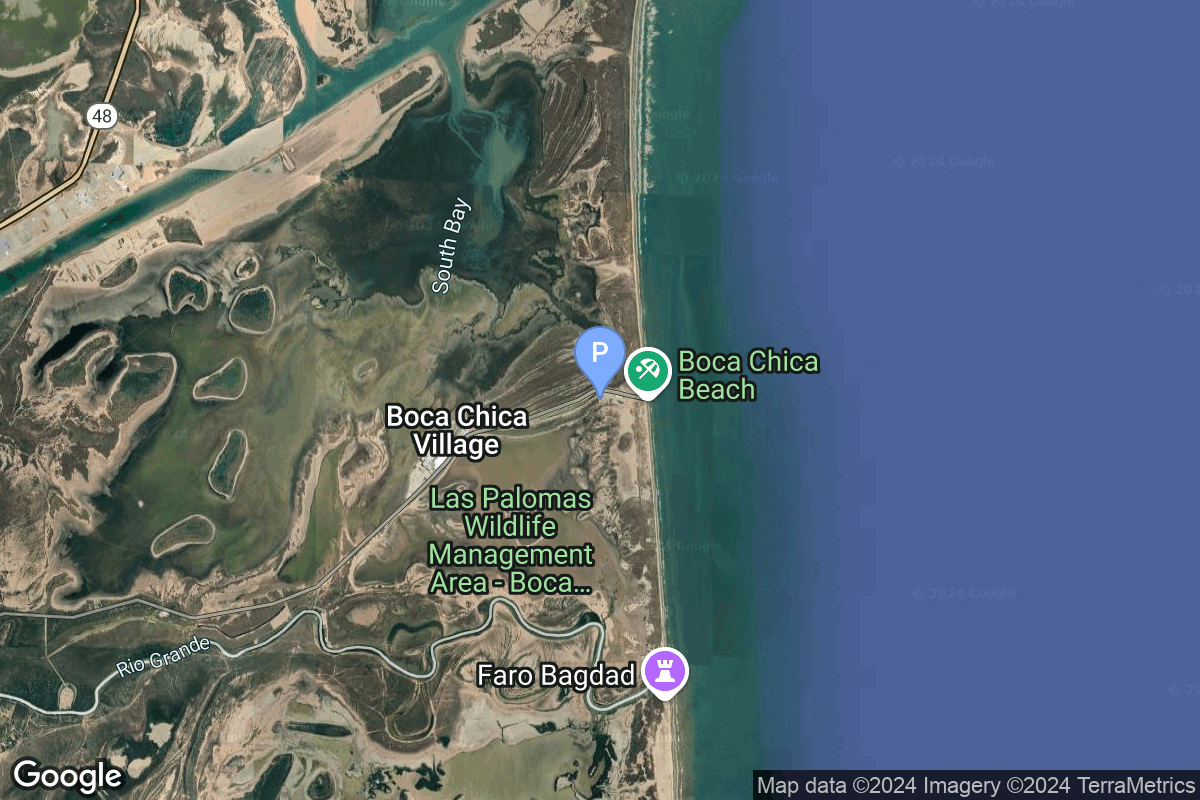
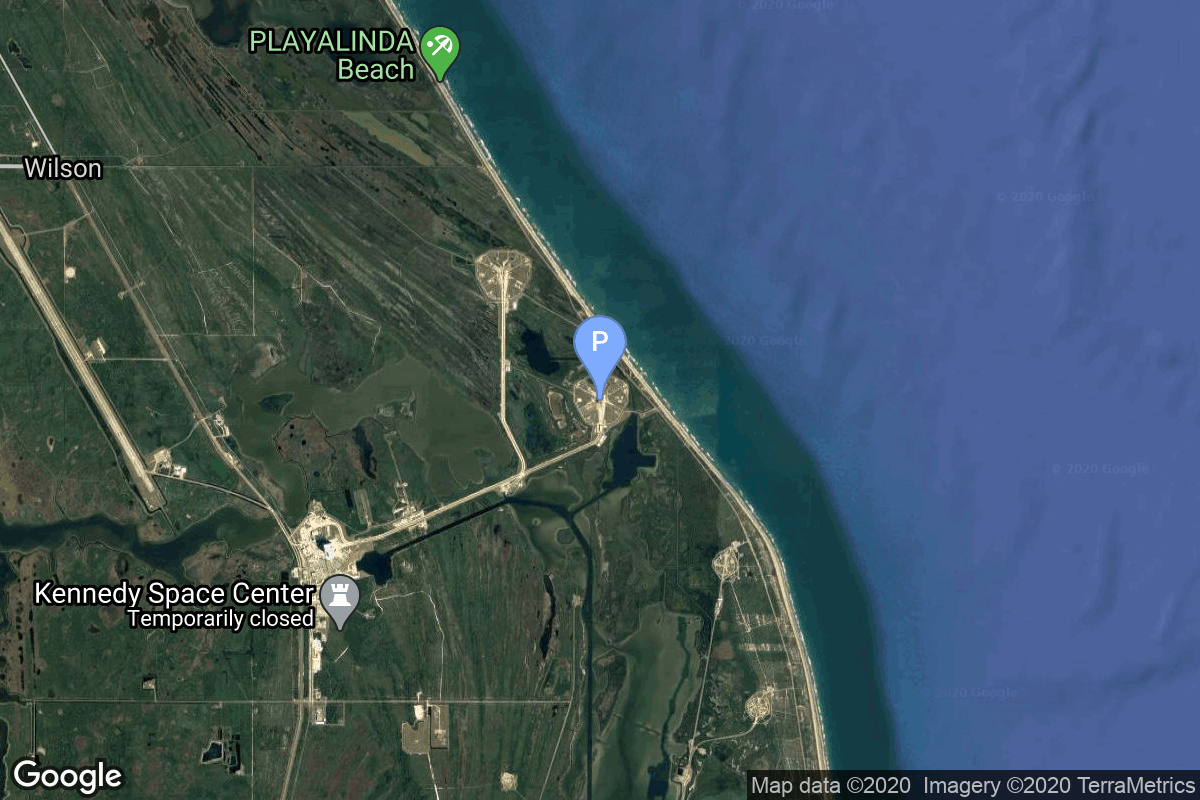
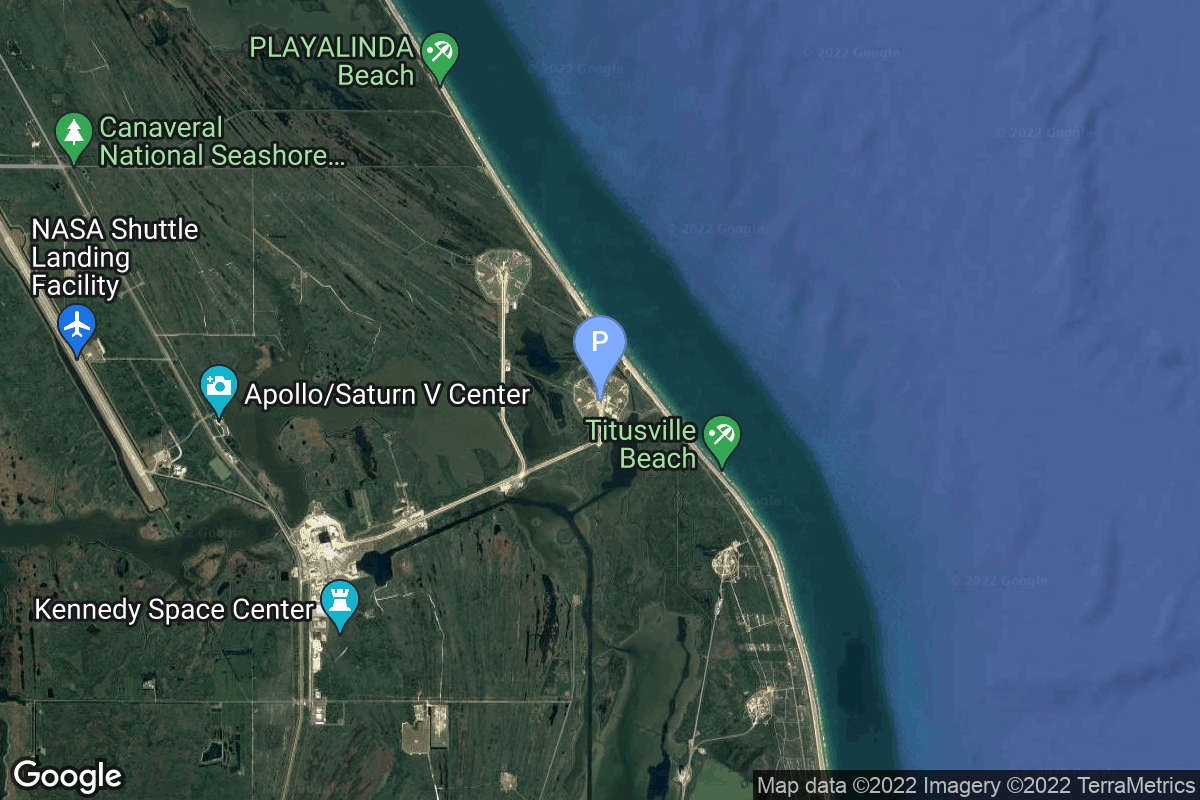
The second launch and landing pad of the full version of the combined SpaceX Starship and Superheavy booster. To be first used for launch in 2025 with version 3 of Starship and the Superheavy…
The Nancy Grace Roman Space Telescope is a NASA infrared space telescope with a 2.4 m (7.9 ft) wide field of view primary mirror and two scientific instruments. The Wide-Field Instrument (WFI) is a 300.8-megapixel multi-band visible and near-infrared camera, providing a sharpness of images comparable to that achieved by the Hubble Space Telescope over a 0.28 square degree field of view, 100 times larger than imaging cameras on the Hubble. The Coronagraphic Instrument (CGI) is a high-contrast, small field of view camera and spectrometer covering visible and near-infrared wavelengths using novel starlight-suppression technology. Roman objectives include a search for extra-solar planets using gravitational microlensing, and probing the expansion history of the Universe and the growth of cosmic structure, with the goal of measuring the effects of dark energy, the consistency of general relativity, and the curvature of spacetime.
Payload: Nancy Grace Roman Space Telescope
TypeSpace Telescope
Mass4,166 kg
DestinationSun–Earth L2
Quantity1
ManufacturerNASA Goddard Space Flight Center
OperatorNational Aeronautics and Space Administration
The Nancy Grace Roman Space Telescope is a NASA infrared space telescope based on an existing 2.4 m (7.9 ft) wide field of view primary mirror and carrying two scientific instruments. The Wide-Field Instrument (WFI) is a 300.8-megapixel multi-band visible and near-infrared camera, providing a…
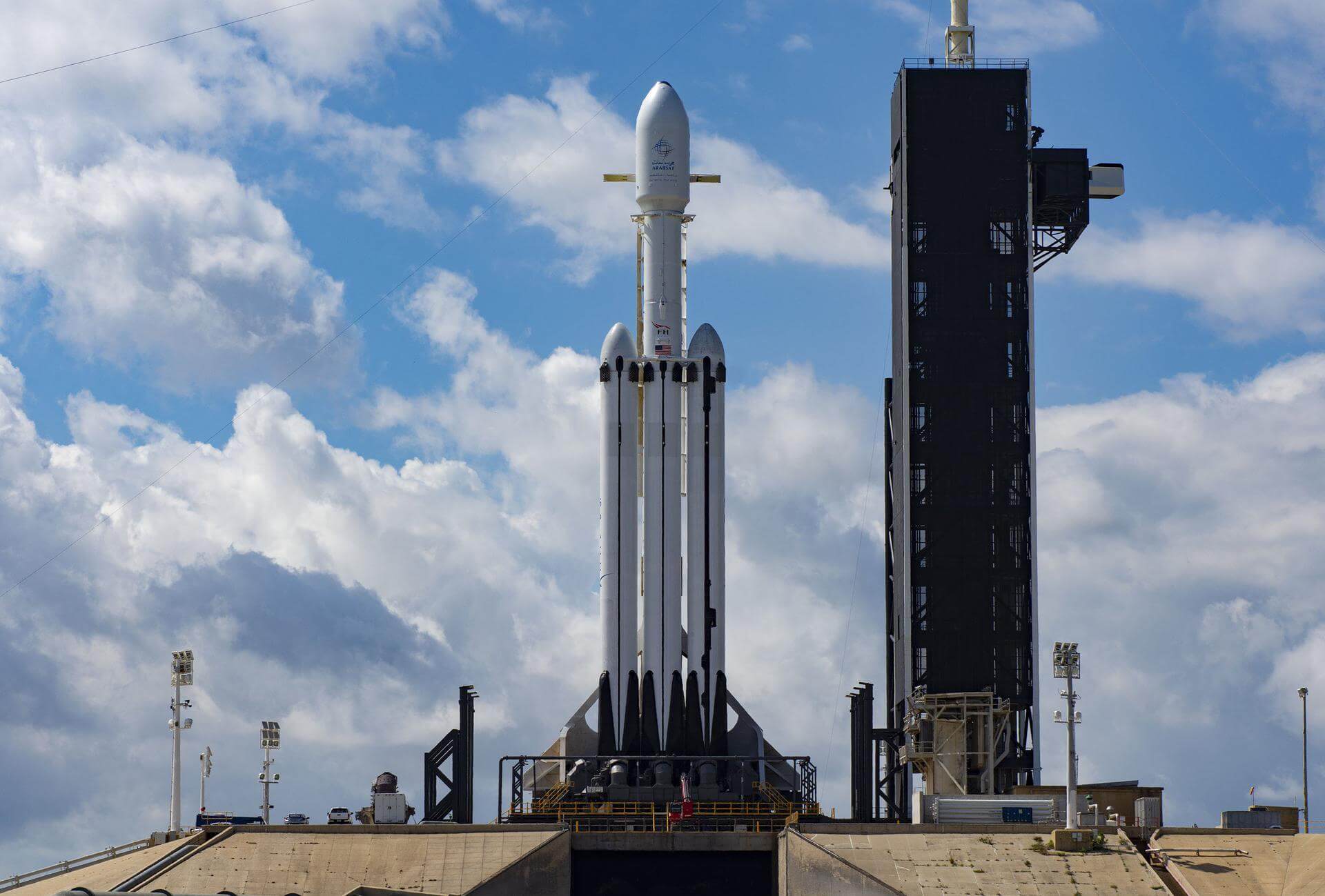
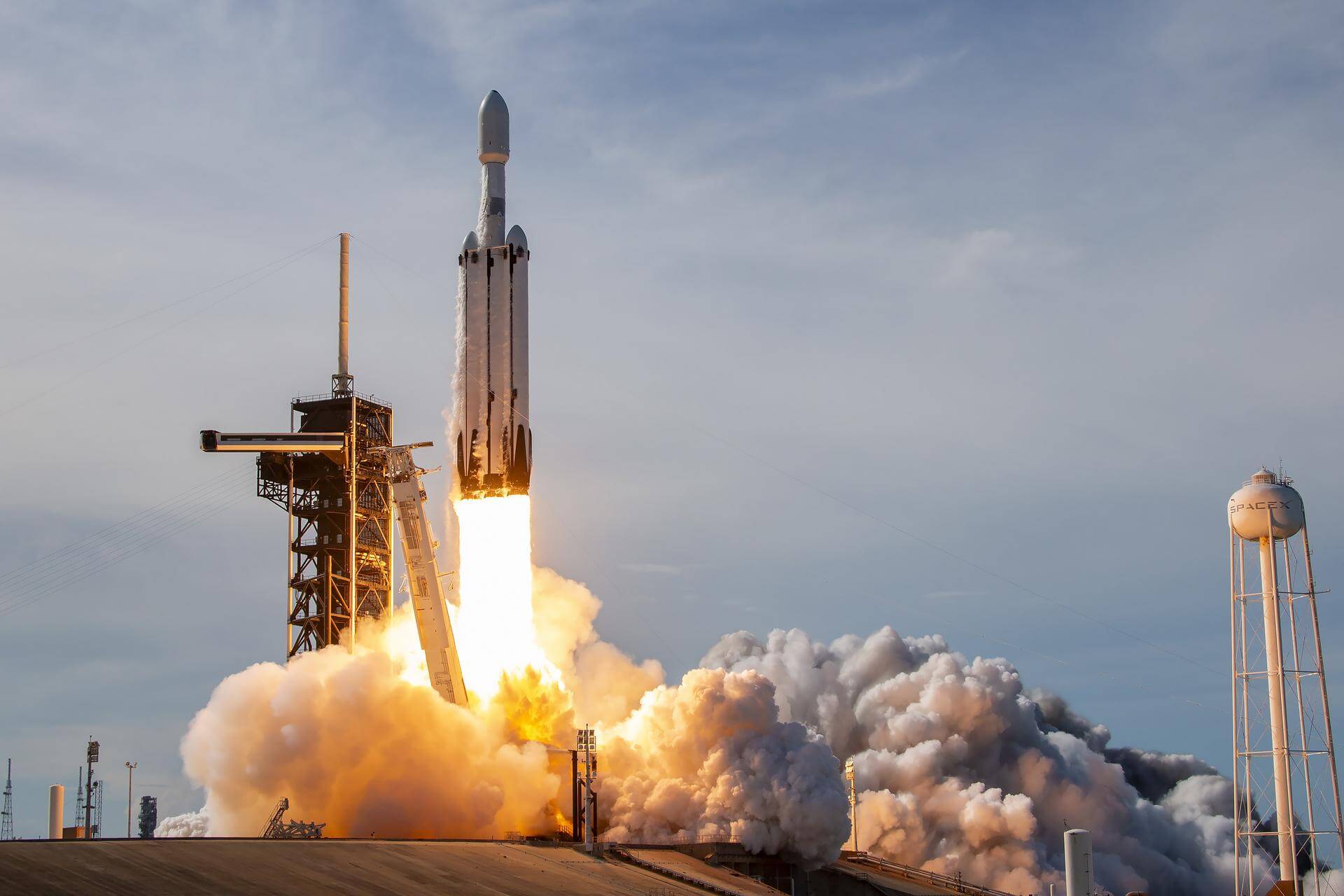
The Falcon Heavy is a variant of the Falcon 9 full thrust launch vehicle and consists of a standard Falcon 9 rocket core, with two additional boosters derived from the Falcon 9 first stage.
Demonstration flight of the Astrobotic Griffin lander and its engines, initially contracted for the cancelled NASA VIPER (Volatiles Investigating Polar Exploration Rover) mission. The vacated payload spot will now host the FLIP (FLEX Lunar Innovation Platform) lunar rover from Astrolab.
Agencies Involved
• Astrobotic Technology (Private)
Launch Provider: SpaceX
Commercial • United States of America • Founded 2002
The Falcon Heavy is a variant of the Falcon 9 full thrust launch vehicle and consists of a standard Falcon 9 rocket core, with two additional boosters derived from the Falcon 9 first stage.
The Falcon Heavy is a variant of the Falcon 9 full thrust launch vehicle and consists of a standard Falcon 9 rocket core, with two additional boosters derived from the Falcon 9 first stage.
Superbird-9 is a high throughput communication satellite. It is designed to deliver broadcast and broadband missions in Ku band primarily over Japan and Eastern Asia, in response to mobility and broadband demands.
Launch Provider: SpaceX
Commercial • United States of America • Founded 2002
Robo Chris is a collection of API calls, filters, and searches, bolted together with magic and love. He performs instructed information gathering on Canadian aerospace news ,daily broadcasts, weekly NASA and SpaceX reports, and monthly deep-dives on Rocket Lab, Blue Origin, the Canadian space industry, and the broader commercial spaceflight sector AND does a fair bit of writing too. Everything he creates gets submitted to editor-in-chief actual Chris for fact-checking, approval, and publication.