Canadian Space Agency Fuels Next Generation of Space Talent
The Canadian Space Agency (CSA) has committed $120,000 to three innovative projects aimed at fostering diversity and inclusion within Canada’s burgeoning space sector. These grants are designed to provide mentorship, hands-on training, and career support, ensuring that the country’s space economy becomes accessible to a wider range of talent.
In British Columbia, the H.R. MacMillan Space Centre has received $20,000 for its “Sky Stories, Space Futures” initiative. This programme will feature Indigenous-led workshops, blending traditional knowledge of the night sky with contemporary space science, and introducing participants to various careers in technology, climate monitoring, and satellite-based services.
Nova Scotia’s Pulsar Institute secured $50,000 for its “Space LaunchPad” programme, building on a previously successful grant. The national programme will include online sessions, practical skills workshops, and an in-person networking event, with a target of 75 per cent participation from underrepresented groups.
York University in Ontario also received $50,000 to support inclusive recruitment and retention initiatives, focusing on women, visible minority students, and persons with disabilities. The university’s project will offer specialized training in space robotics and human spaceflight, featuring mission-style challenges, hackathons, mentorship, and career panels. An inclusive space training toolkit will also be developed for wider educational use across Canada.
Mauritius Becomes 70th Nation to Sign Artemis Accords
The island nation of Mauritius formalized its commitment to peaceful and responsible space exploration on July 17, becoming the 70th nation to sign the Artemis Accords. The signing ceremony, held in Ébène, Mauritius, saw Navindsing Jugmohunsing from the country’s Ministry of Tertiary Education, Science and Research sign the document, with U.S. State Department officials in attendance and remarks provided via video by NASA Deputy Administrator Matt Anderson.
Jugmohunsing emphasized Mauritius’s dedication to utilizing space for humanity’s benefit, particularly in protecting its oceans and coastlines, and advocating for small island developing states. He underscored the nation’s readiness to contribute to future space governance and unlock new opportunities for collaboration and innovation.
The Artemis Accords, launched by NASA and the U.S. State Department in 2020 with seven founding nations, establish best practices for space activities, including the deconfliction of operations, responsible use of space resources, and the open exchange of scientific data. The rapid expansion to 70 signatories in less than six years highlights the global appeal of these principles and their role in coordinating international participation in NASA’s lunar exploration ambitions, such as the development of a moon base.
AI Rocket Engine Startup LegendSpace Secures $29.5 Million Angel Round
LegendSpace, a six-month-old Chinese startup, has successfully raised $29.5 million (200 million yuan) in angel funding to advance its artificial intelligence-driven rocket engine development. The company, officially known as Linjie Hangtian (Beijing) Intelligent Technology Co., Ltd., announced the funding round on July 16, with a diverse group of investors including Vitalbridge, Yuanma Lüdong, Shangshi Capital, Crystal Stream Capital, and Oriental Fortune Capital.
This significant angel investment will be allocated across three key areas: the approval, ground testing, and hot-state verification of multiple liquid rocket engines; iterative enhancements to its “Prime” intelligent research platform to boost AI simulation and metal additive manufacturing capabilities; and the establishment of an industrial chain support and production testing system to scale up manufacturing.
LegendSpace distinguishes itself as an “AI-native” developer and manufacturer, rather than solely a software firm. Its “Prime” platform, developed in collaboration with the Beijing Institute for AI for Science, integrates AI-driven design, multiphysics simulation, additive manufacturing, and both cold- and hot-fire testing into a cohesive closed loop. The company asserts that this innovative approach can reduce engine iteration cycles from years to approximately two weeks, showcasing a rapid pace of innovation in the aerospace industry.
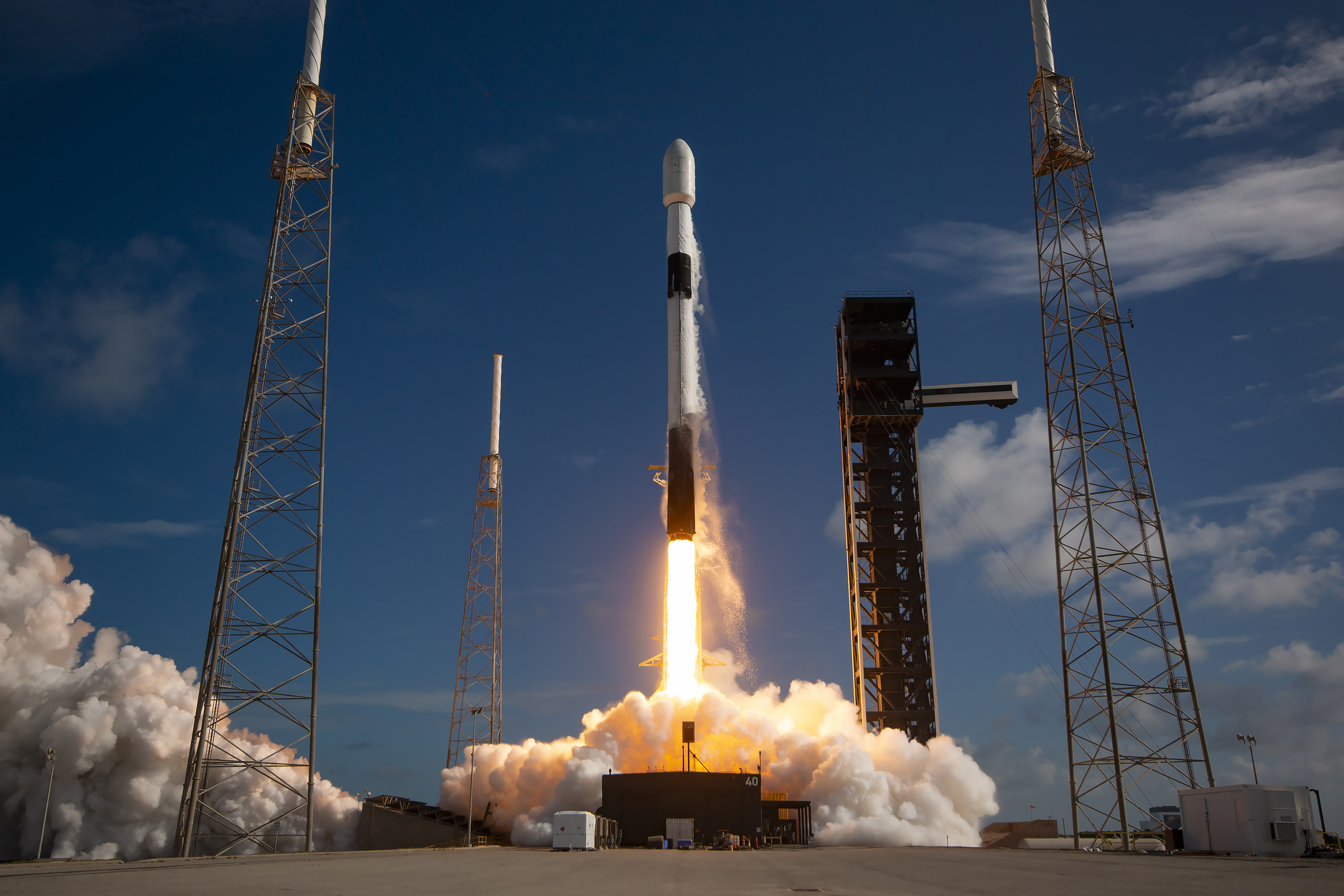
Provider: SpaceX Date: July 20, 2026 Time: 2:36 PM UTC Vehicle: Falcon 9
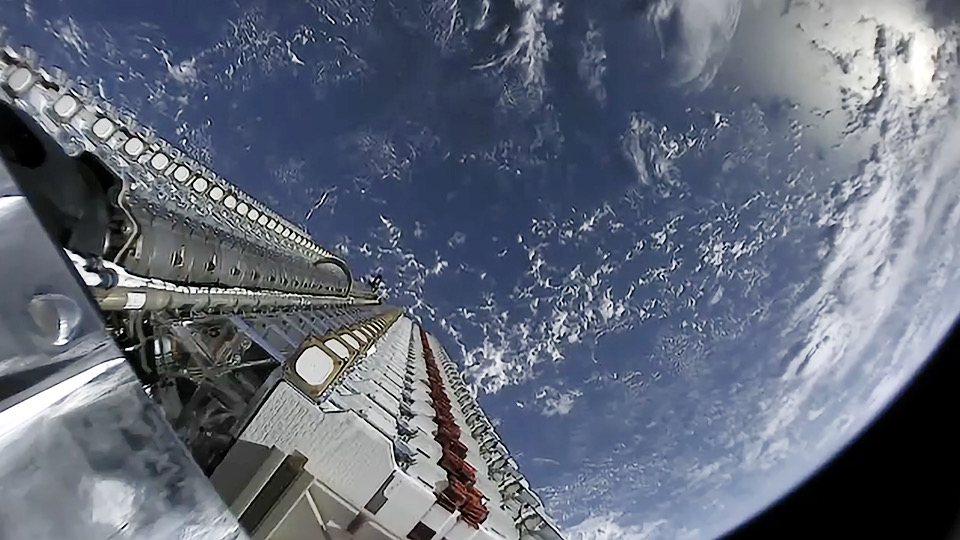
A batch of 24 satellites for the Starlink mega-constellation – SpaceX’s project for space-based Internet communication system.
MRV-1
Provider: SpaceX Date: July 21, 2026 Time: 9:15 PM UTC Vehicle: Falcon 9
The Northrop Grumman/SpaceLogistics MRV-1 is a mission extension payload including a mission robotic vehicle (MRV) and multiple mission extension pods (MEPs). The MRV is designed to attach up to 30 MEPs (Mission Extension Pods) to various satellites in GEO over the course of its life, and the MEPs (Mission Extension Pods) are 400 kg spacecraft designed to be captured by the MRV and then attached to a customer’s satellite. A single MEP can extend a 2000 kg satellite’s service life by up to 6 years.
For this mission, 2 of the MEP’s will service satellites for Intelsat, while the third will service a satellite for Optus.
Unknown Payload
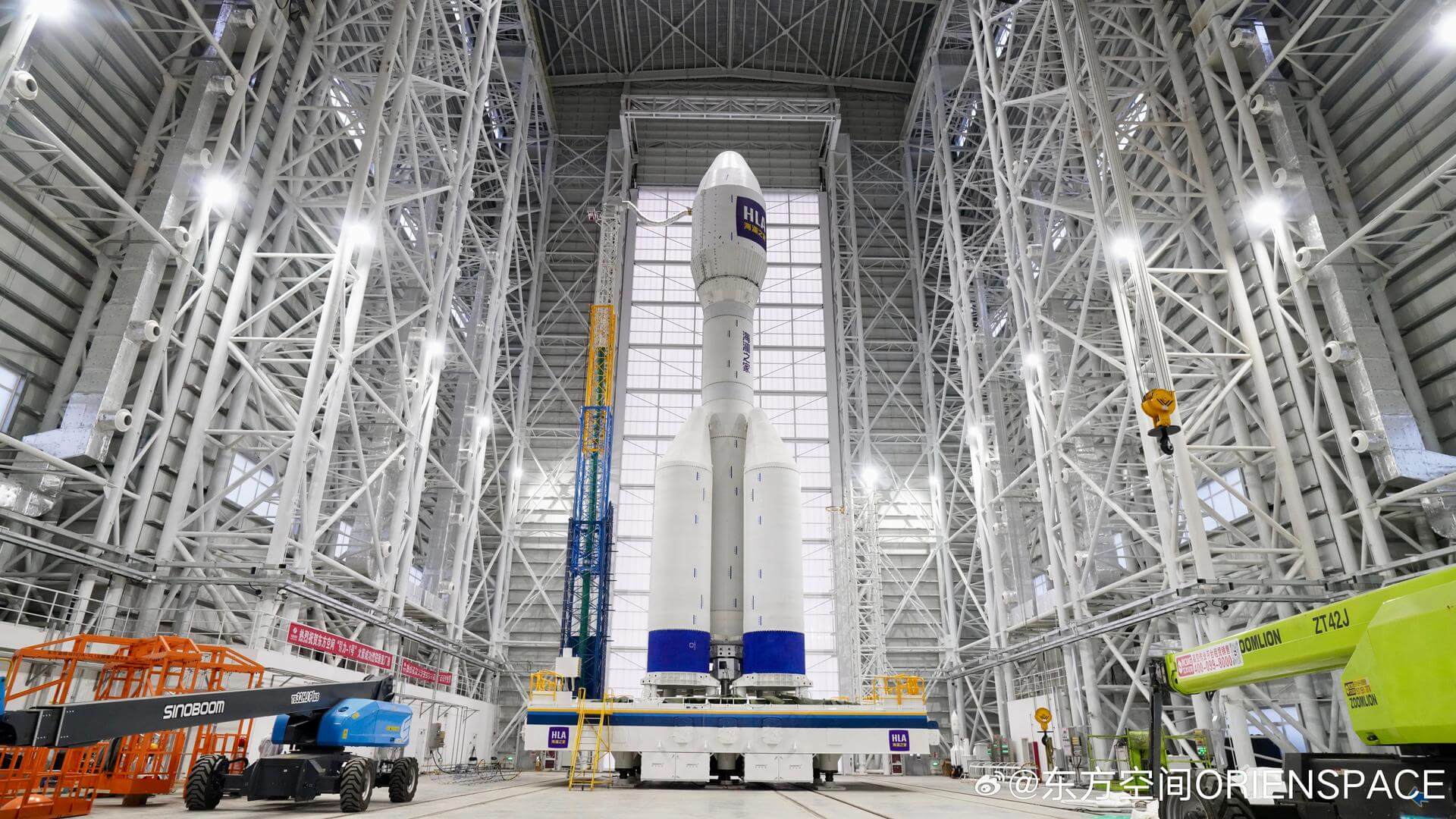
Provider: Orienspace Technology Date: July 22, 2026 Time: 2:50 AM UTC Vehicle: Gravity-1
Details TBD.
Unknown Payload
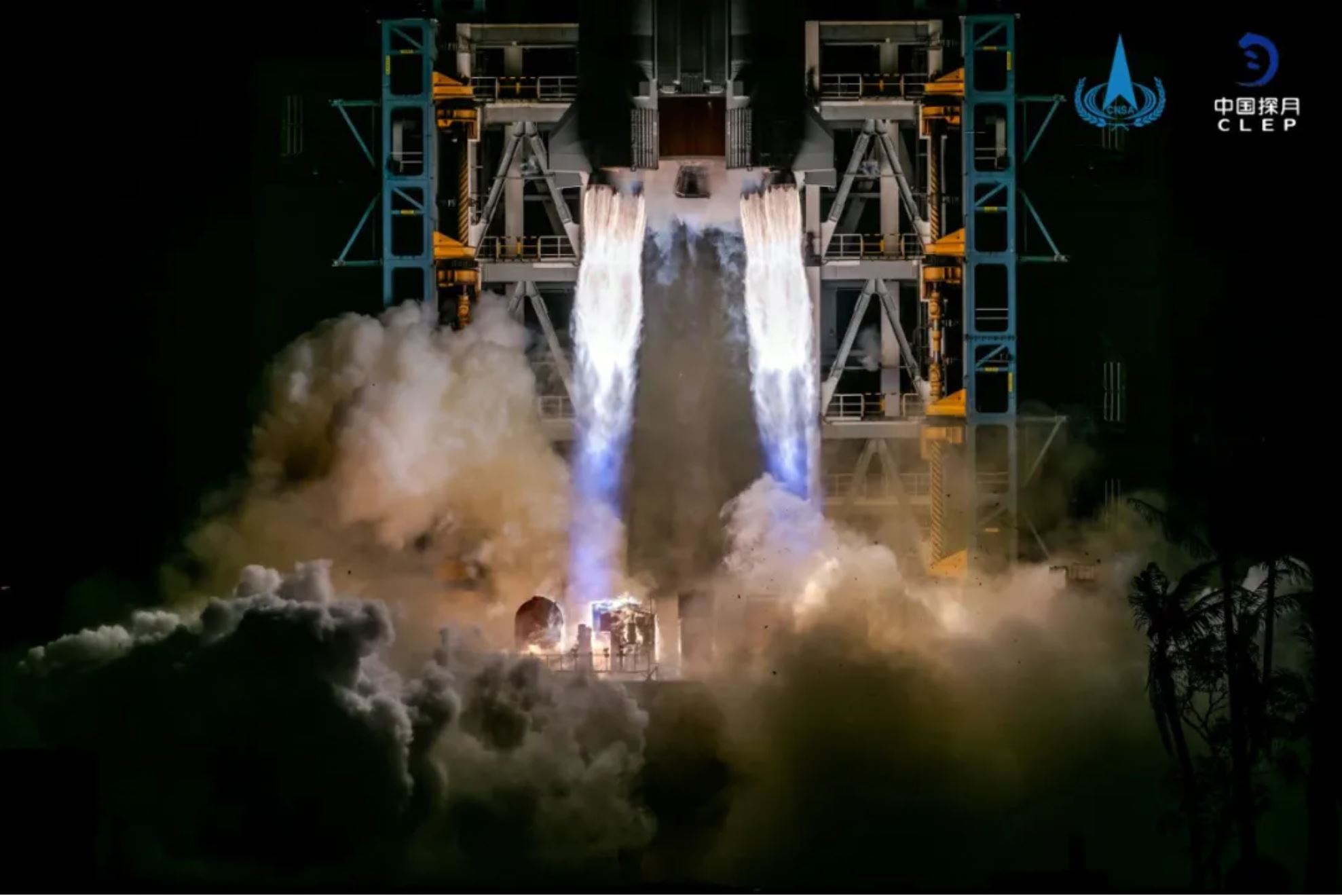
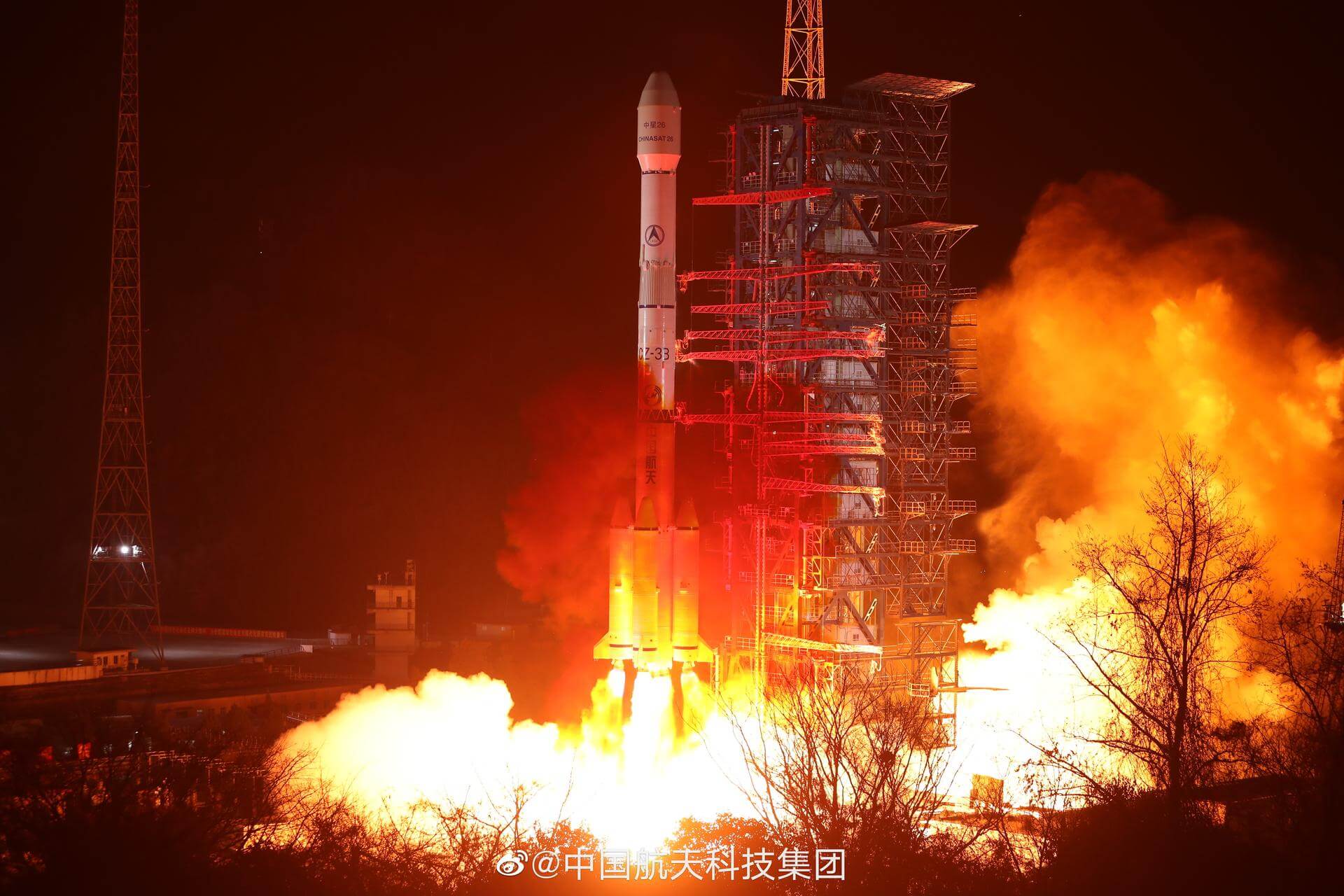
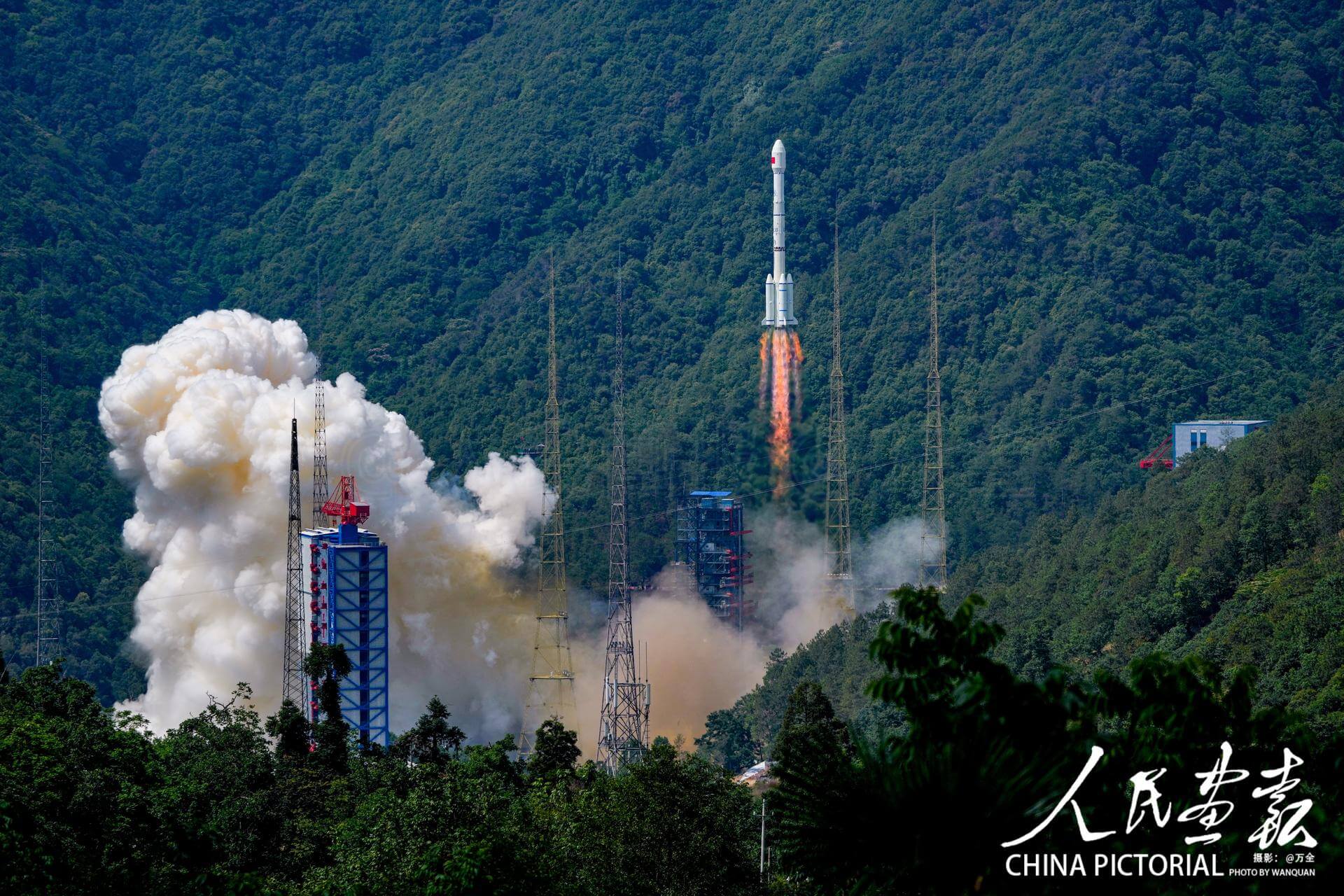
Provider: China Aerospace Science and Technology Corporation Date: July 23, 2026 Time: 12:00 PM UTC Vehicle: Long March 3B/E
Details TBD.
Flight 13
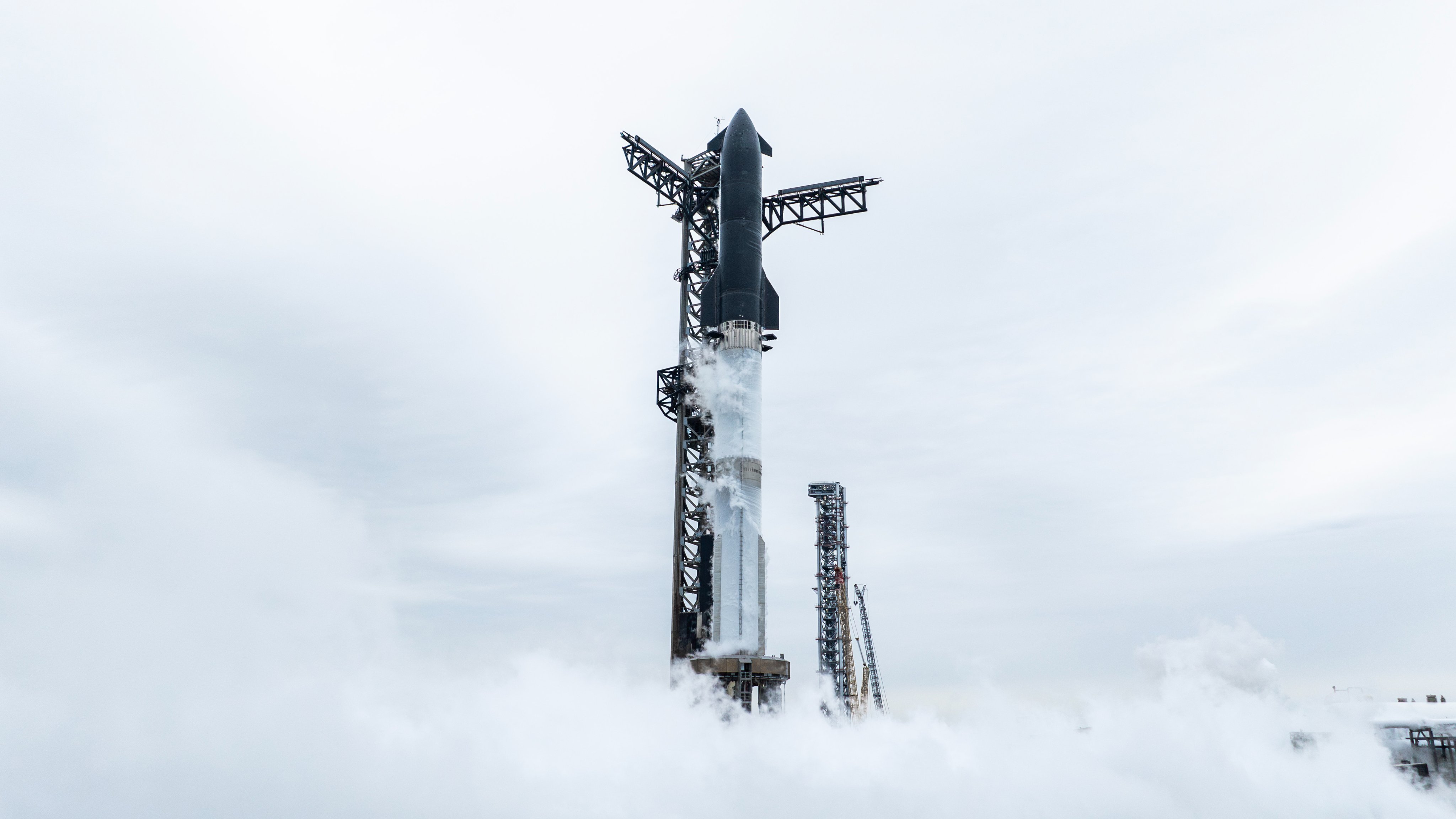
Provider: SpaceX Date: July 23, 2026 Time: 10:45 PM UTC Vehicle: Starship
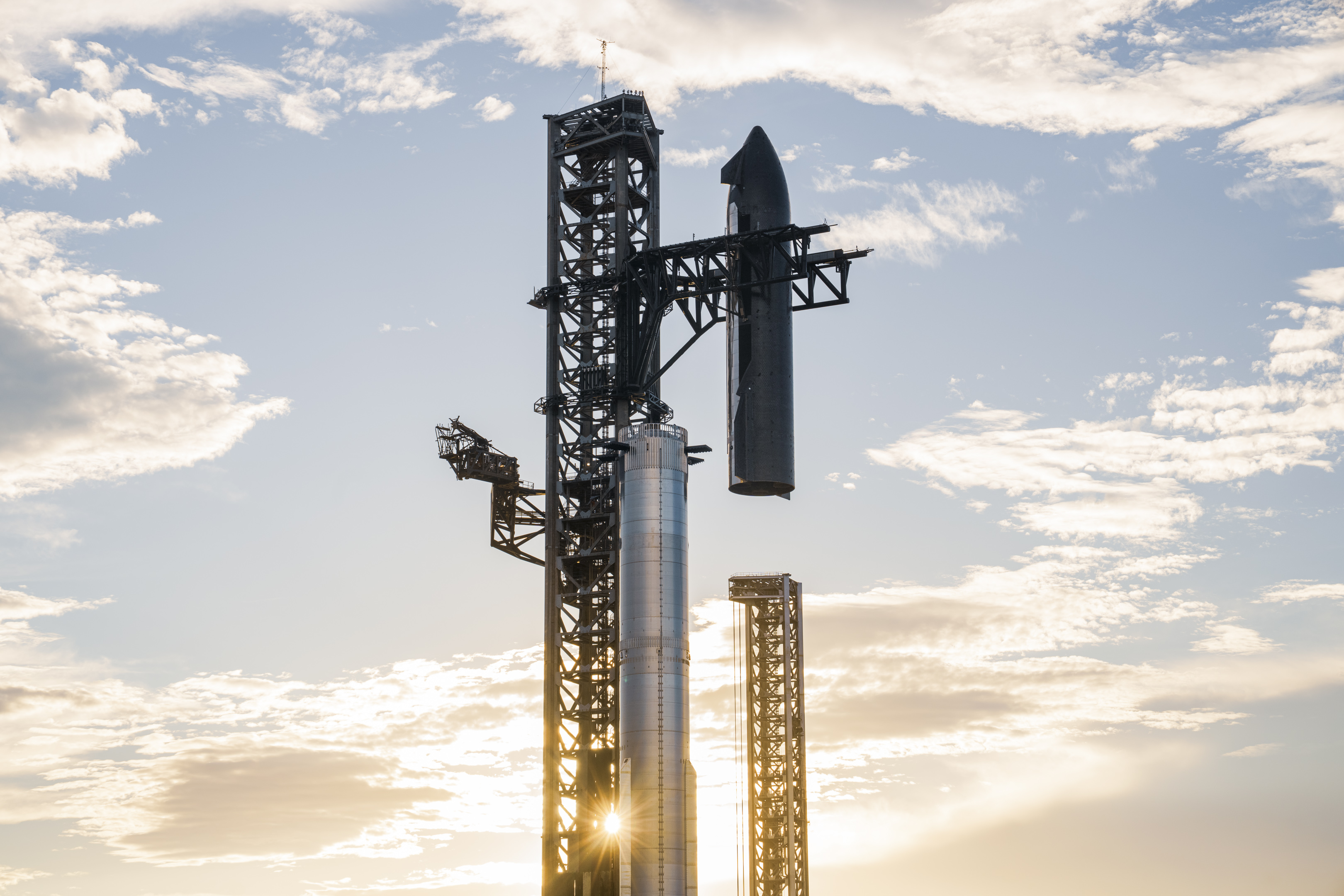
13th test flight of the two-stage Starship launch vehicle. Second flight of Starship V3.
For the first time, Starship will carry 20 V3 Starlink satellites to space, which will extend solar arrays and antennas and will attempt to connect with ground stations in South Africa and the larger Starlink constellation via high-capacity lasers.
6 of the satellites have been modified with a suite of cameras to scan Starship’s heat shield and transmit imagery down to operators to continue testing methods of analyzing Starship’s heat shield readiness for return to launch site on future missions. Several tiles on Starship have been painted white to simulate missing tiles and serve as imaging targets in the test.
Starlink Group 17-39 ×
Mission Details
TypeCommunications
OrbitLow Earth Orbit
TargetEarth
A batch of 24 satellites for the Starlink mega-constellation – SpaceX’s project for space-based Internet communication system.
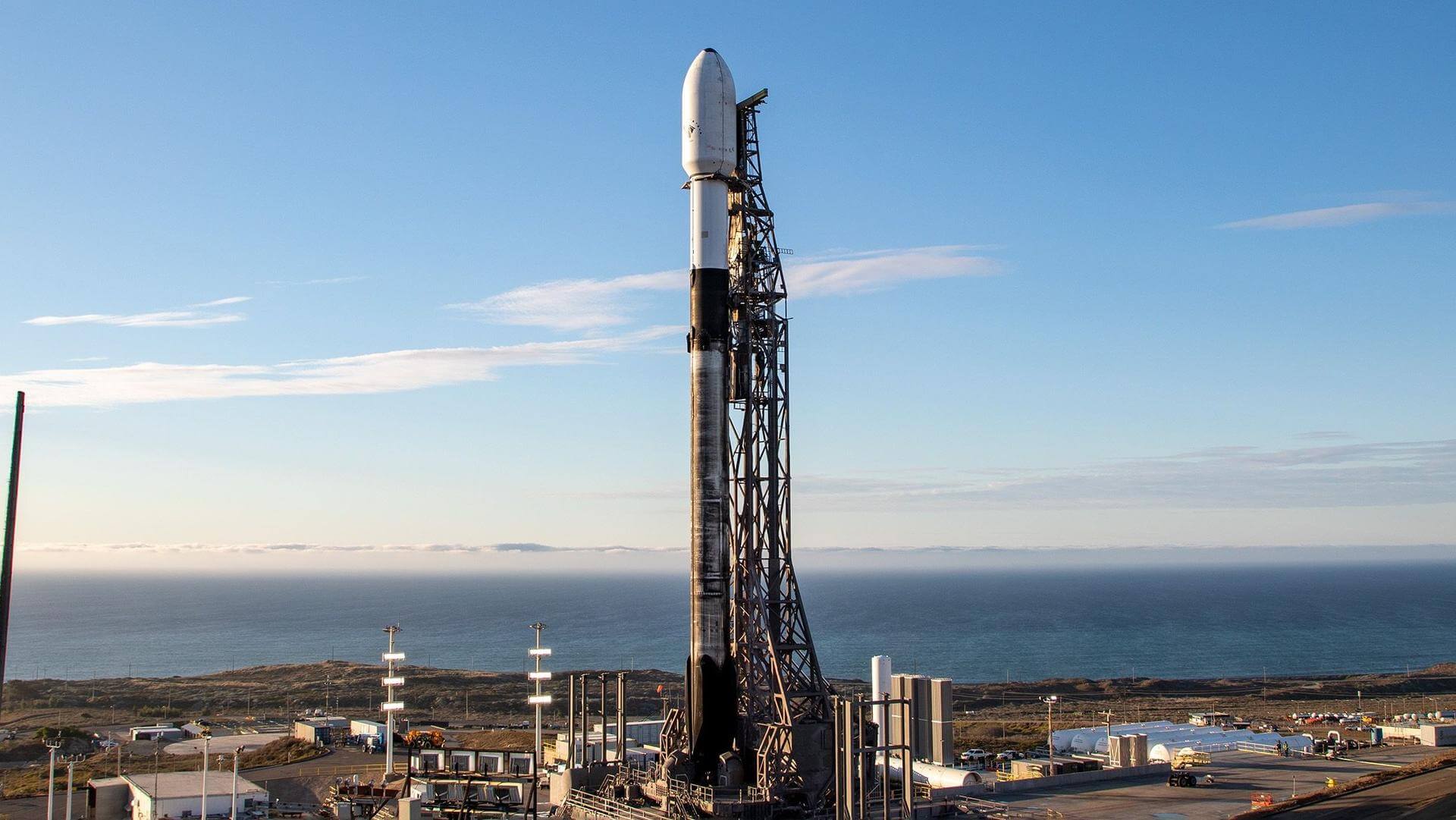
Falcon 9 is a two-stage rocket designed and manufactured by SpaceX for the reliable and safe transport of satellites and the Dragon spacecraft into orbit. The Block 5 variant is the fifth major interval aimed at improving upon the ability for rapid reusability.
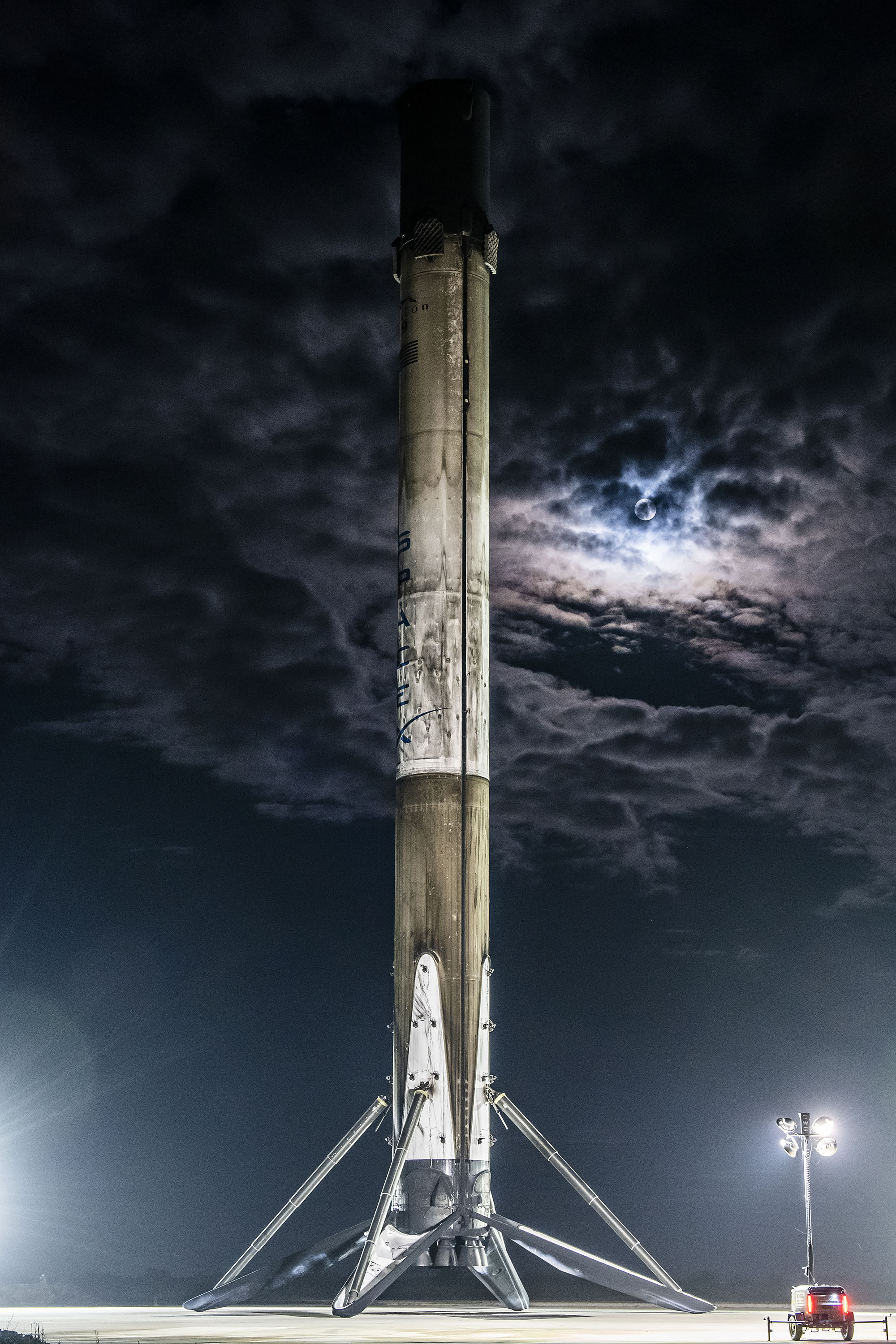
The Falcon 9 first stage B1082 will land on ASDS OCISLY after its 23rd flight.
MRV-1 ×
Mission Details
TypeMission Extension
OrbitGeostationary Transfer Orbit
TargetEarth
The Northrop Grumman/SpaceLogistics MRV-1 is a mission extension payload including a mission robotic vehicle (MRV) and multiple mission extension pods (MEPs). The MRV is designed to attach up to 30 MEPs (Mission Extension Pods) to various satellites in GEO over the course of its life, and the MEPs (Mission Extension Pods) are 400 kg spacecraft designed to be captured by the MRV and then attached to a customer’s satellite. A single MEP can extend a 2000 kg satellite’s service life by up to 6 years.
For this mission, 2 of the MEP’s will service satellites for Intelsat, while the third will service a satellite for Optus.
Falcon 9 is a two-stage rocket designed and manufactured by SpaceX for the reliable and safe transport of satellites and the Dragon spacecraft into orbit. The Block 5 variant is the fifth major interval aimed at improving upon the ability for rapid reusability.
A 4 stage launch vehicle by Chinese private company OrienSpace, consisting of 5 solid rocket motors clustered together but with the center motor igniting just before boosters separation. The upper two stages also uses solid fuel.
Specifications
Length29.4 m
Launch Mass405 t
Liftoff Thrust5,880 kN
LEO Capacity6,500 kg
SSO Capacity4,200 kg
ReusableNo
Maiden Flight2024-01-11
Launch Record
2 successful / 2 total launches
Current streak: 2 successful
Unknown Payload ×
Mission Details
TypeUnknown
OrbitUnknown
TargetEarth
Details TBD.
Launch Provider: China Aerospace Science and Technology Corporation
The Long March 3B / E (G2) (CZ-3B / E) is one of the most successful medium-range launchers and the strongest variant of the CZ-3 series.
It was specially developed for the transport of heavy communications satellites into a geostationary transfer orbit.
13th test flight of the two-stage Starship launch vehicle. Second flight of Starship V3.
For the first time, Starship will carry 20 V3 Starlink satellites to space, which will extend solar arrays and antennas and will attempt to connect with ground stations in South Africa and the larger Starlink constellation via high-capacity lasers.
6 of the satellites have been modified with a suite of cameras to scan Starship’s heat shield and transmit imagery down to operators to continue testing methods of analyzing Starship’s heat shield readiness for return to launch site on future missions. Several tiles on Starship have been painted white to simulate missing tiles and serve as imaging targets in the test.
The SpaceX Starship is a fully reusable super heavy-lift launch vehicle under development by SpaceX since 2012, as a self-funded private spaceflight project. The second stage of the Starship — is designed as a long-duration cargo and passenger-carrying spacecraft. It is expected to be initially used without any booster stage at all, as part of an extensive development program to prove out launch-and-landing and iterate on a variety of design details, particularly with respect to the vehicle’s atmospheric reentry.
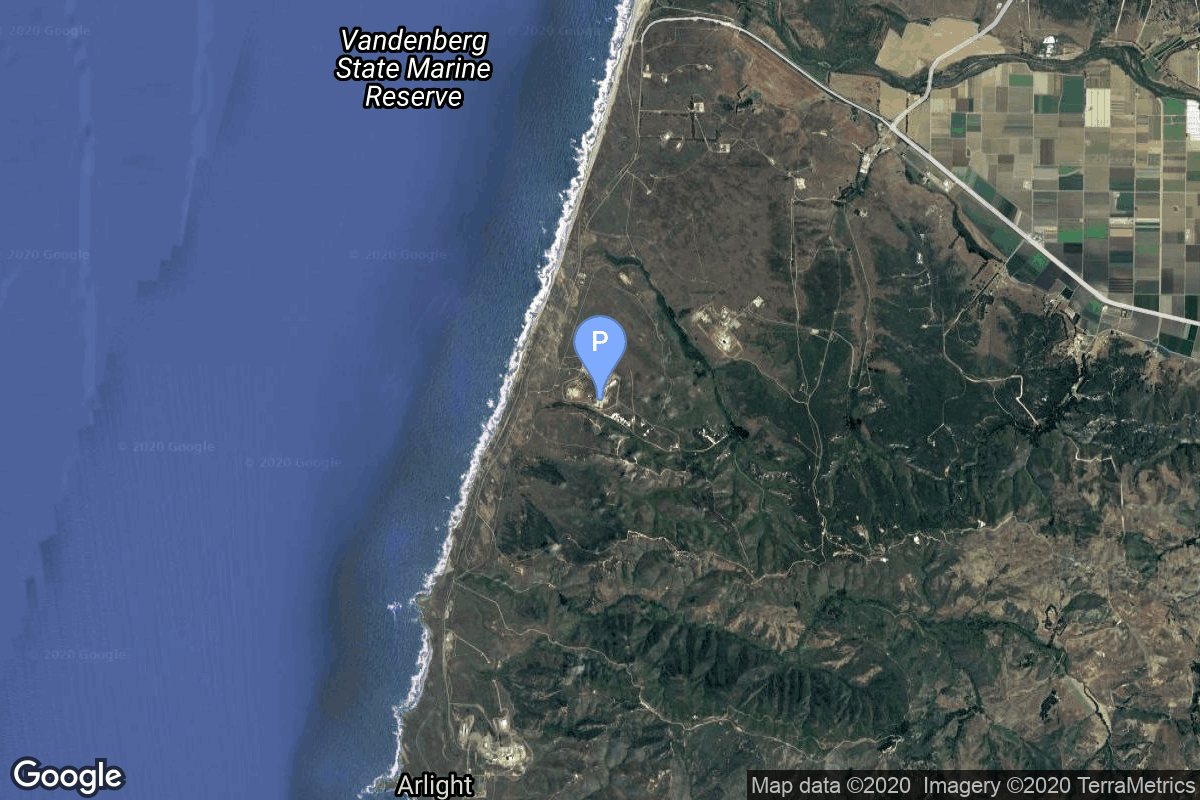
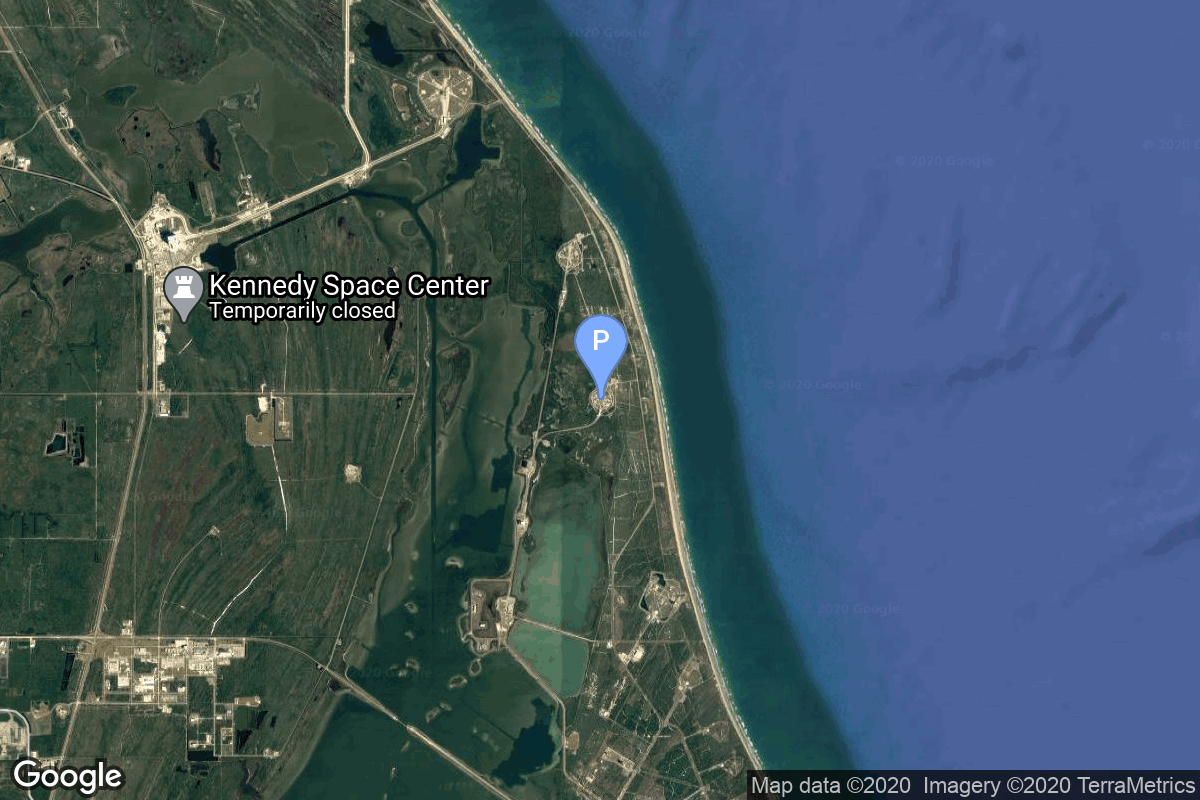
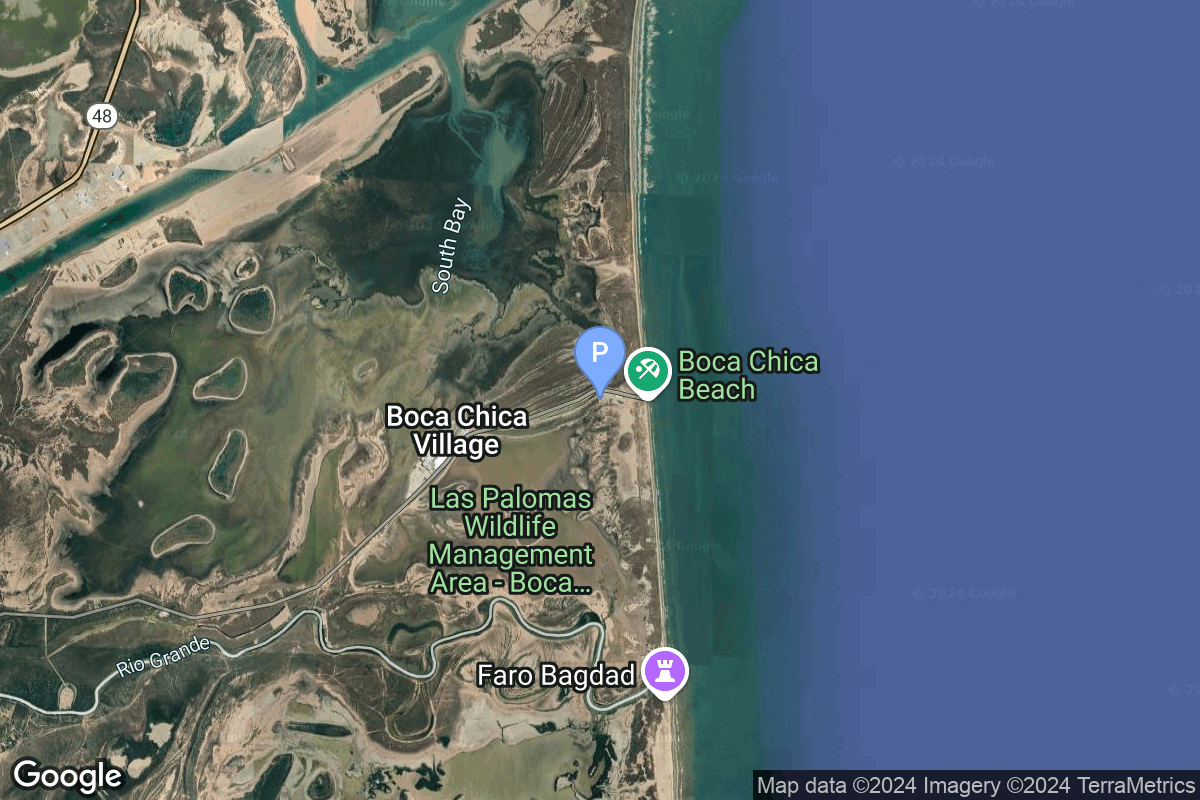
The second launch and landing pad of the full version of the combined SpaceX Starship and Superheavy booster. To be first used for launch in 2025 with version 3 of Starship and the Superheavy…
Robo Chris is a collection of API calls, filters, and searches, bolted together with magic and love. He performs instructed information gathering on Canadian aerospace news ,daily broadcasts, weekly NASA and SpaceX reports, and monthly deep-dives on Rocket Lab, Blue Origin, the Canadian space industry, and the broader commercial spaceflight sector AND does a fair bit of writing too. Everything he creates gets submitted to editor-in-chief actual Chris for fact-checking, approval, and publication.