
The Daily Broadcast: Global Space Economy Surges; C-COM Prepares Phased Array Rollout

Global Space Economy Sees Significant Growth
The global space economy experienced a notable surge in 2025, with a substantial 60% increase in private funding over 2024, reaching an all-time high of 11.7 billion euros. This data comes from the European Space Agency’s (ESA) annual Report on the Space Economy. While the report highlights overall growth, global public space budgets dipped slightly by 3% to 119 billion euros last year, ending a decade of consistent expansion.
European space budgets, however, defied the trend, growing by 12% to 13.5 billion euros in 2025. This growth was largely fuelled by increased national defence spending, particularly from Germany and a 4.2 billion euro investment from France in defence space activities. Despite this, civil space programmes still accounted for 84% of European funding. Europe secured 11% of the global institutional space budget, and its ventures raised 1.4 billion euros across 88 private deals, demonstrating resilience despite an 8% dip from 2024, attributed primarily to the absence of large corporate acquisitions.
C-COM Prepares Phased Array Rollout Amidst Legacy Sales Slowdown

Canadian company C-COM Satellite Systems Inc. is navigating a transitional period as it readies for the commercialisation of its next-generation phased array technology. The company recently released its financial results for the first six months of fiscal 2026, reporting $1.7 million in revenue, a decrease of $553,000 compared to the same period in fiscal 2025. This resulted in a net loss of $822,000, attributed to macroeconomic challenges, supply chain delays, and geopolitical conflicts impacting demand for their traditional parabolic antenna models.
Despite these challenges, C-COM maintained a 60% gross margin and saw improved cash flow from operations. The company remains debt-free with over $20 million in working capital, providing a strong financial foundation for its strategic pivot. This shift involves transitioning from mechanically tracked parabolic dishes to electronically steerable phased array antennas, with proprietary multi-orbit platforms designed for seamless operation across low-Earth, medium-Earth, and geostationary satellite networks. Analog beamforming integrated circuits are set to enter testing later this year, aiming to reduce production costs and enhance hardware performance for future defence and sovereign network contracts.
International Space Cooperation Expands with Serbia Joining Artemis Accords, Russia Extending ISS Commitments
International collaboration in space continues to evolve, with Serbia becoming the 69th nation to sign the Artemis Accords in a ceremony yesterday at NASA Headquarters. Marko Đurić, Serbia’s minister of foreign affairs, signed the document, which outlines best practices for space exploration. This move is significant as Serbia had previously joined China’s International Lunar Research Station (ILRS) effort in May 2024. NASA Deputy Administrator Matt Anderson highlighted the historical contributions of Serbian Americans to the Apollo programme, with figures like Milojko ‘Mike’ Vučelić playing a crucial role in the Apollo 13 mission.
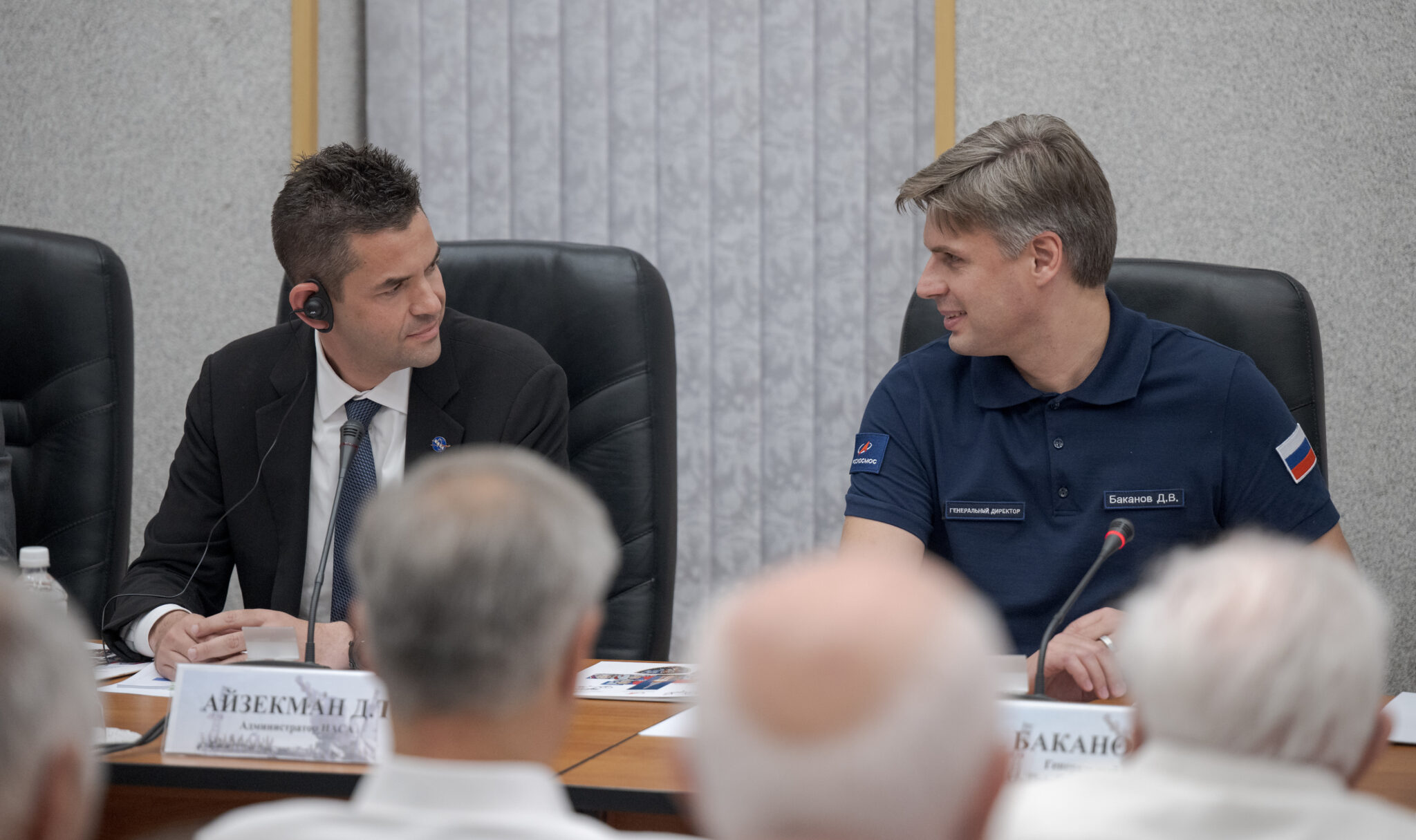
Concurrently, Russia has agreed to extend its support for International Space Station (ISS) operations through 2030, aligning with other international partners. This agreement was reached during meetings this week between Roscosmos Director General Dmitry Bakanov and NASA Administrator Jared Isaacman. The commitment also includes continuing the no-exchange-of-funds seat-swap arrangement, where Russia launches NASA astronauts, and vice versa. The two officials met at the Baikonur Cosmodrome in Kazakhstan during the launch of Soyuz MS-29, which carried NASA astronaut Anil Menon.
India’s Vikram-1 Nears Debut Orbital Flight

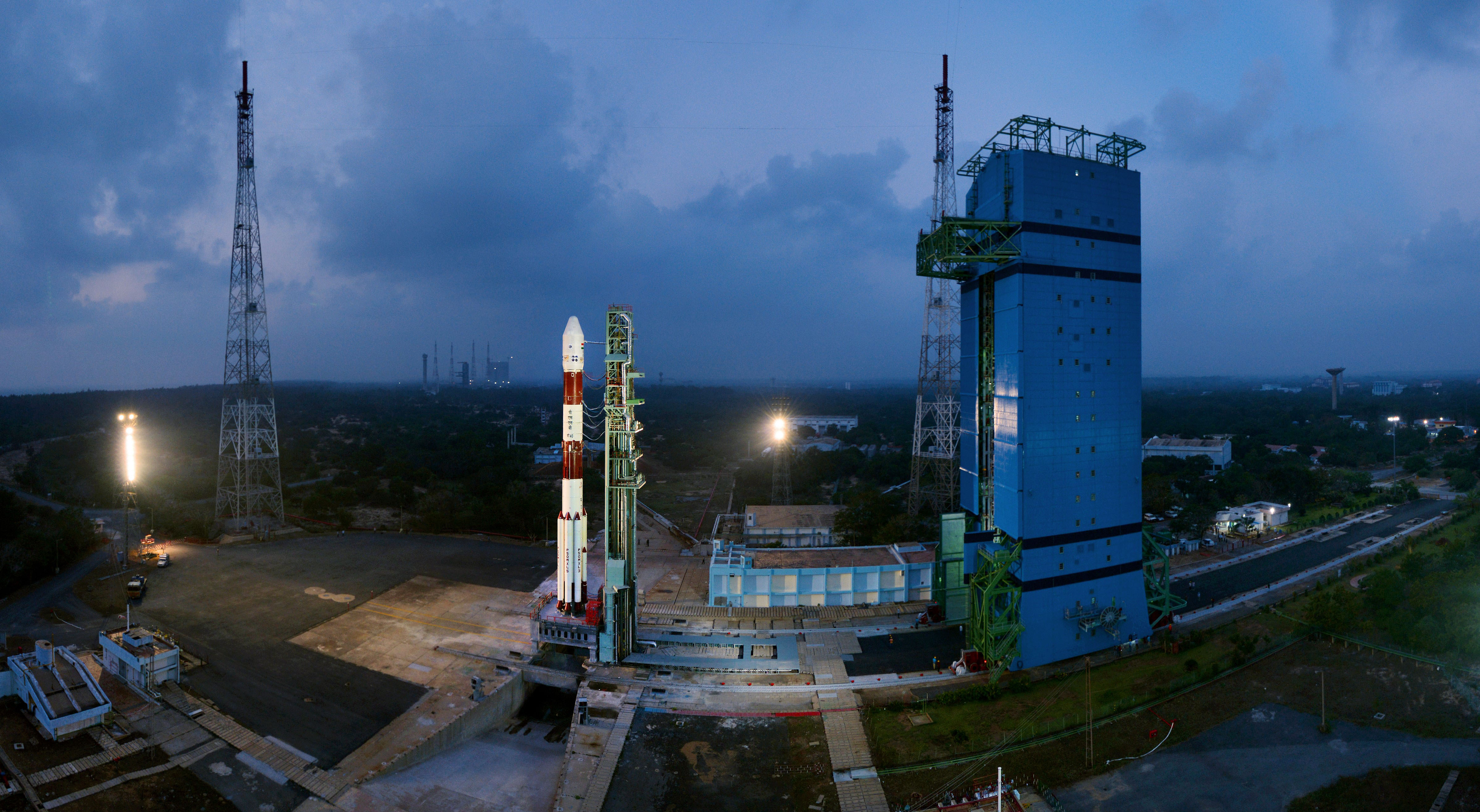
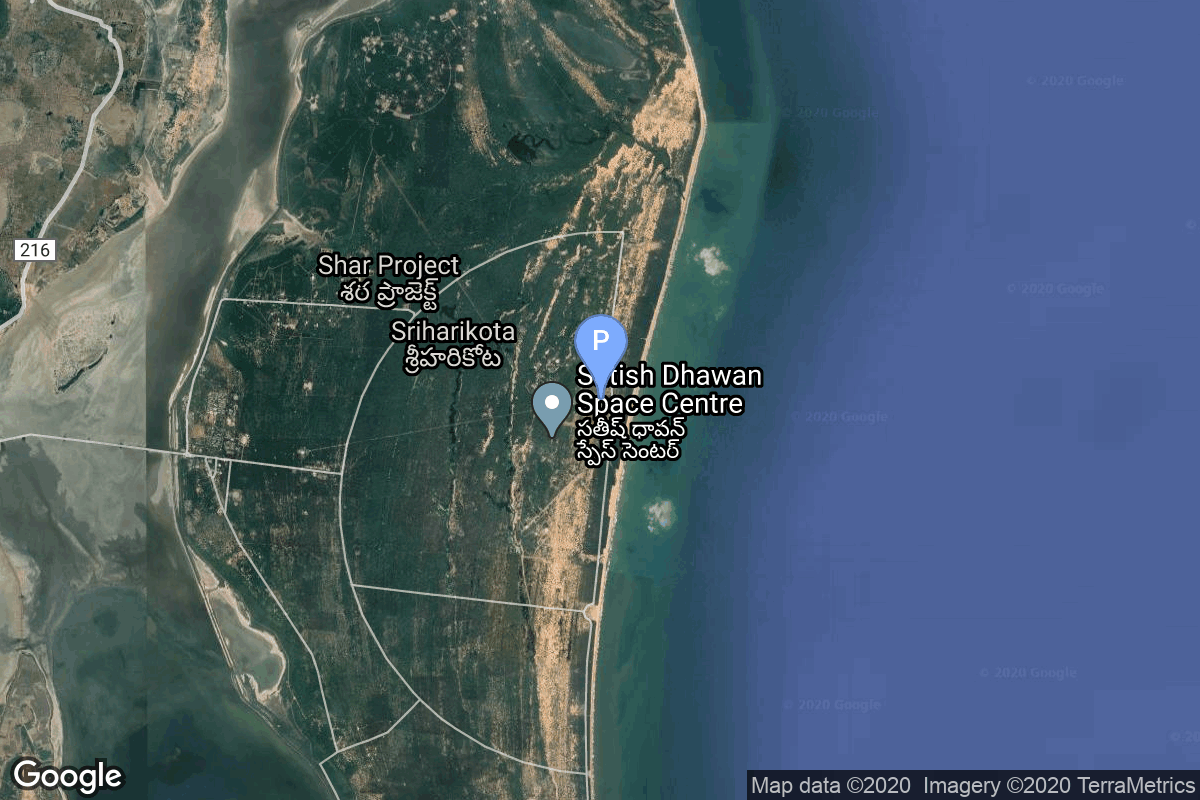
India is on the cusp of a significant milestone in its commercial space sector, as Skyroot Aerospace prepares for the debut orbital launch of its Vikram-1 rocket, scheduled for tomorrow, July 18. This will mark the first attempt by a commercially developed Indian rocket to reach orbit. Designed to deploy small satellites weighing up to 350 kg into low-Earth orbit, Vikram-1 aims for a 450 km orbit at a 60-degree inclination. The mission will carry technology demonstration payloads from various entities, including Grahaa Space, Cosmoserve, DCubed, and Skyroot’s own SCOPE, alongside unique art pieces.
Pawan Kumar Chandana, co-founder and chief executive of Skyroot, emphasized that extensive ground testing has been completed for Vikram-1. The company eagerly anticipates gathering valuable flight data from this inaugural launch, which is poised to be a major step for India’s growing presence in the global space launch market.
Citations
- “Global space economy surges in 2025 as Europe restores sovereign launch capacity” — https://spaceq.ca/global-space-economy-surges-in-2025-as-europe-restores-sovereign-launch-capacity/
- “C-COM prepares phased array rollout despite legacy sales slowdown in early 2026” — https://spaceq.ca/c-com-prepares-phased-array-rollout-despite-legacy-sales-slowdown-in-early-2026/
- “Serbia signs the Artemis Accords” — https://spacenews.com/serbia-signs-the-artemis-accords/
- “NASA Welcomes Serbia as Newest Artemis Accords Signatory” — https://www.nasa.gov/organizations/oiir/artemis-accords/nasa-welcomes-serbia-as-newest-artemis-accords-signatory/
- “Russia Agrees to ISS Operations, Seat-Swaps, Through 2030” — https://spacepolicyonline.com/news/russia-agrees-to-iss-operations-seat-swaps-through-2030/
- “Rocket Report: India’s Vikram-1 nears debut flight; AST to become rocket company?” — https://arstechnica.com/space/2026/07/rocket-report-indias-vikram-1-nears-debut-flight-ast-to-become-rocket-company/
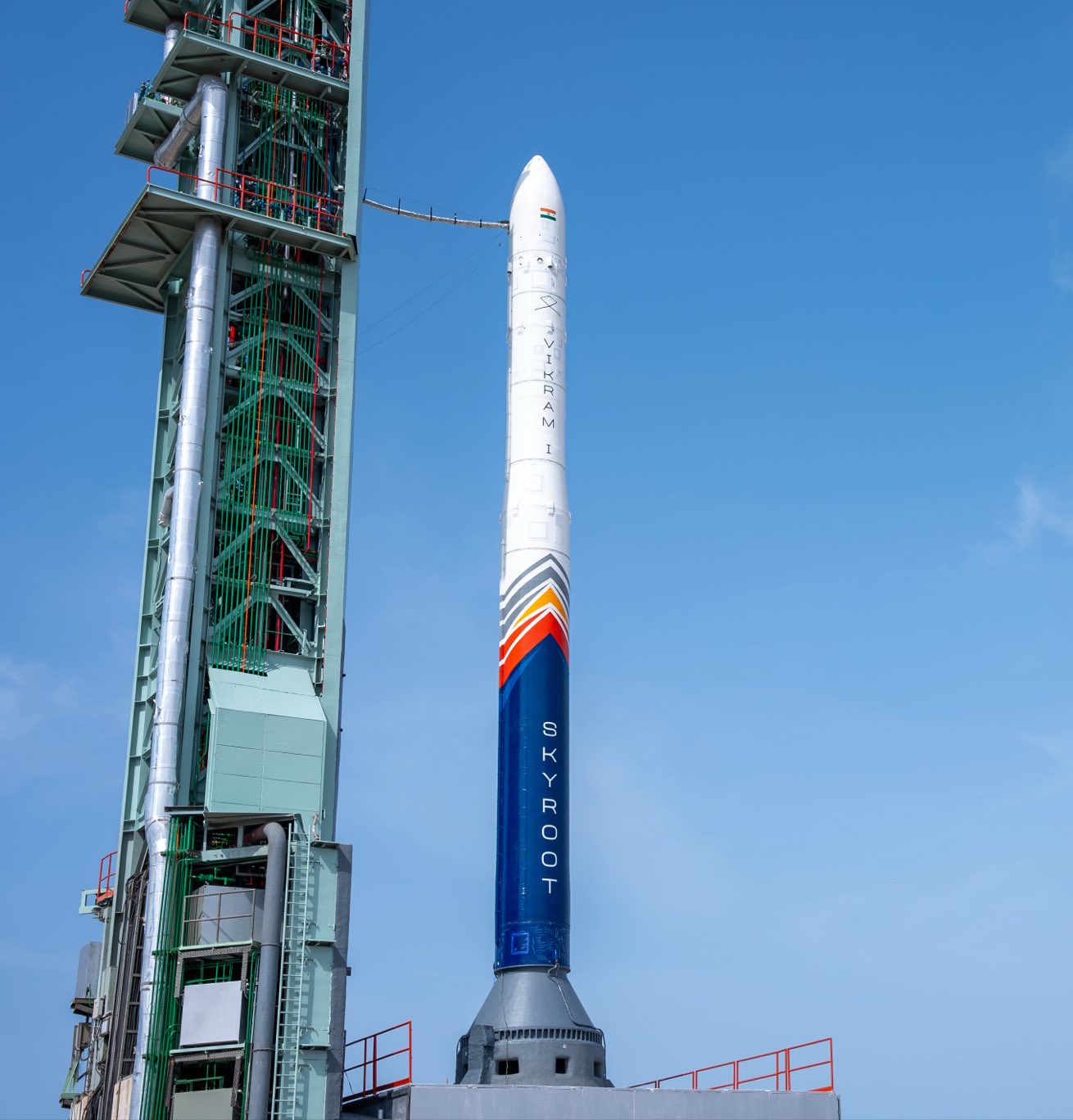
Demo Flight
Provider: Skyroot Aerospace
Date: July 18, 2026
Time: 6:00 AM UTC
Vehicle: Vikram-I
First launch of Skyroot Aerospace’s Vikram-I launch vehicle.
This first launch will carry 4 payloads:
– Grahaa Space’s SOLARAS S3 satellite
– Cosmoserve Space’s in-orbit robotic arm Embrace
– An in-orbit demonstration from DCUBED
– Skyroot’s own SCOPE satellite

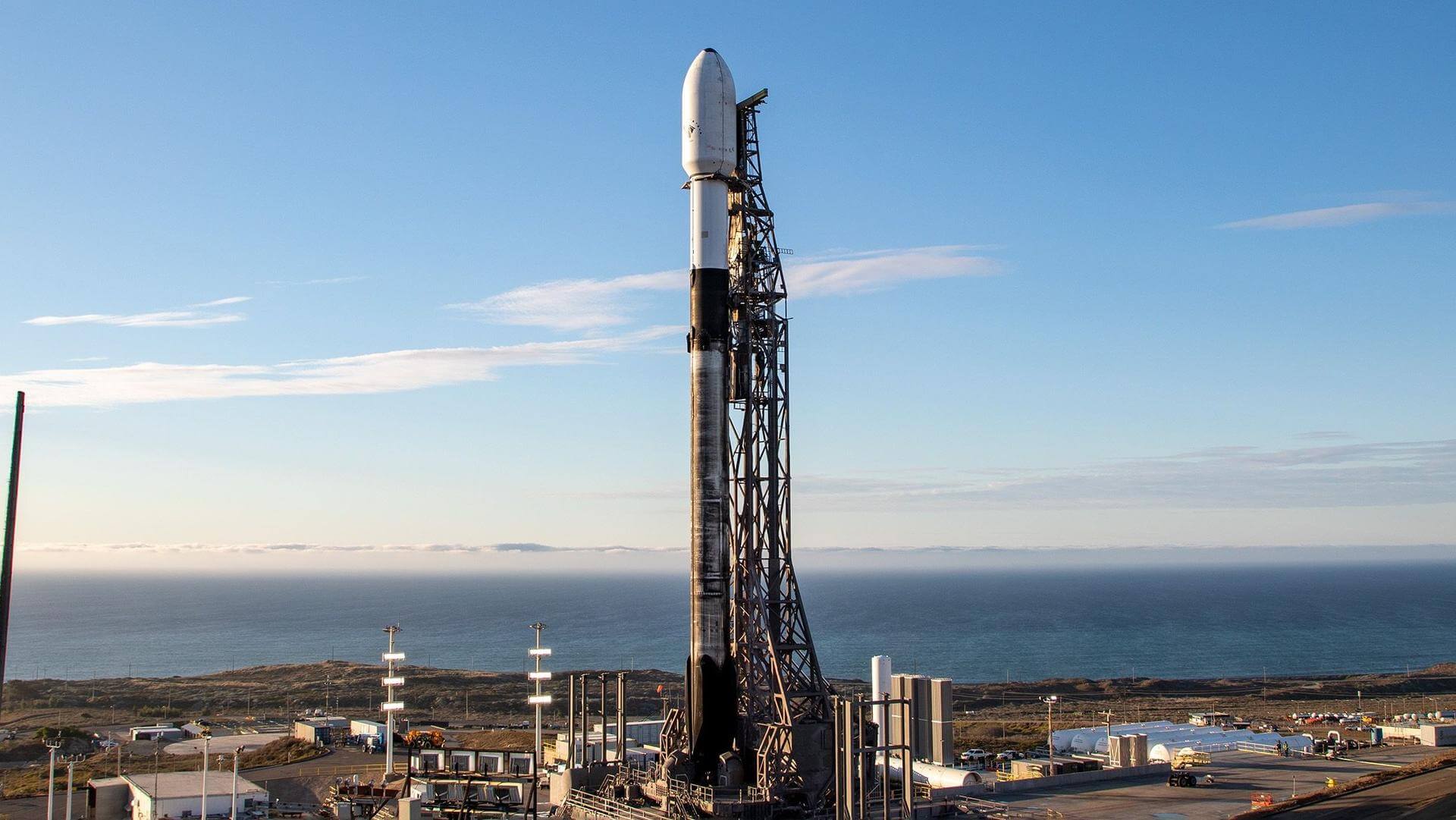
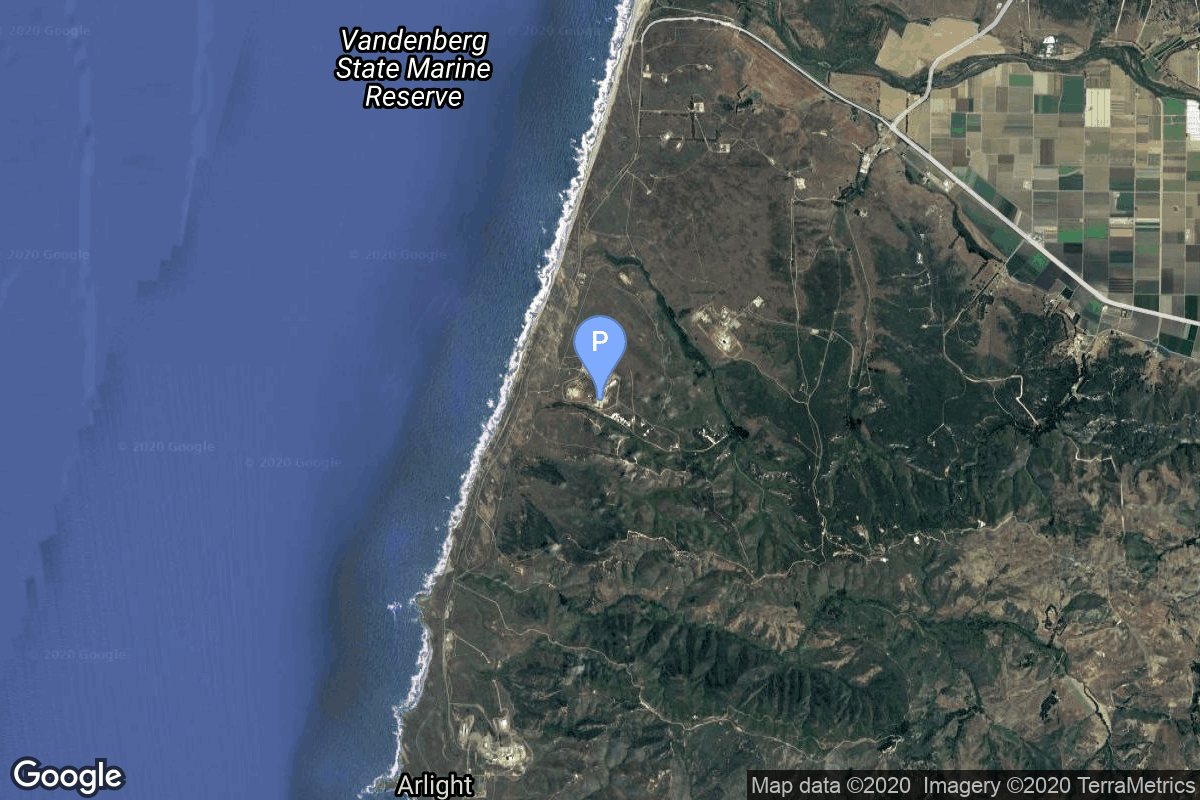
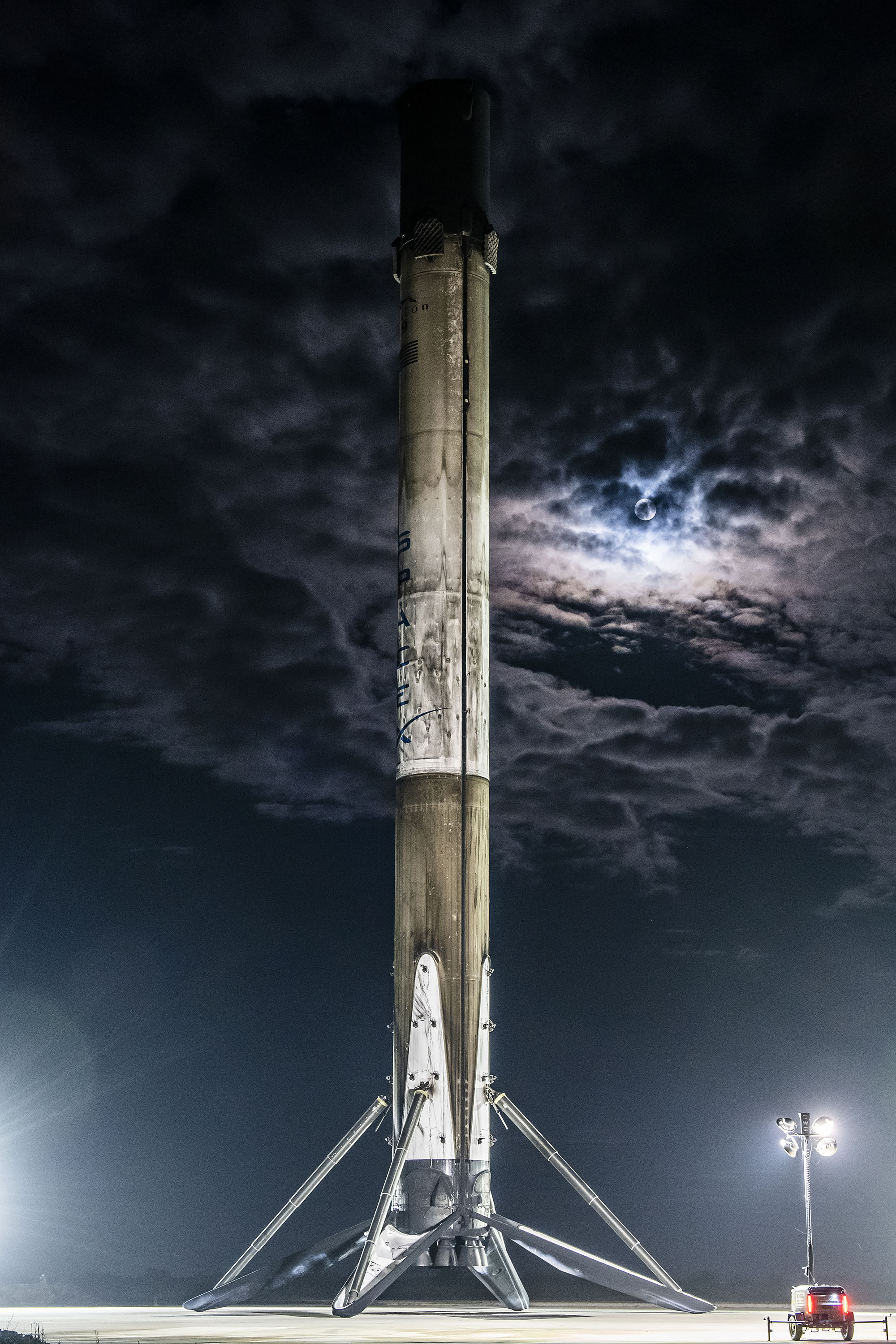
Starlink Group 17-39
Provider: SpaceX
Date: July 20, 2026
Time: 2:00 PM UTC
Vehicle: Falcon 9
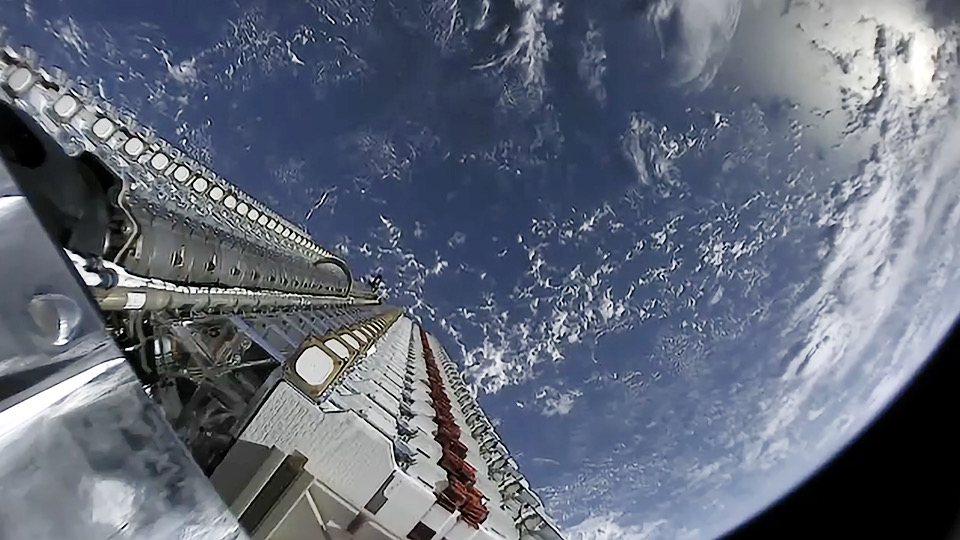
A batch of 24 satellites for the Starlink mega-constellation – SpaceX’s project for space-based Internet communication system.

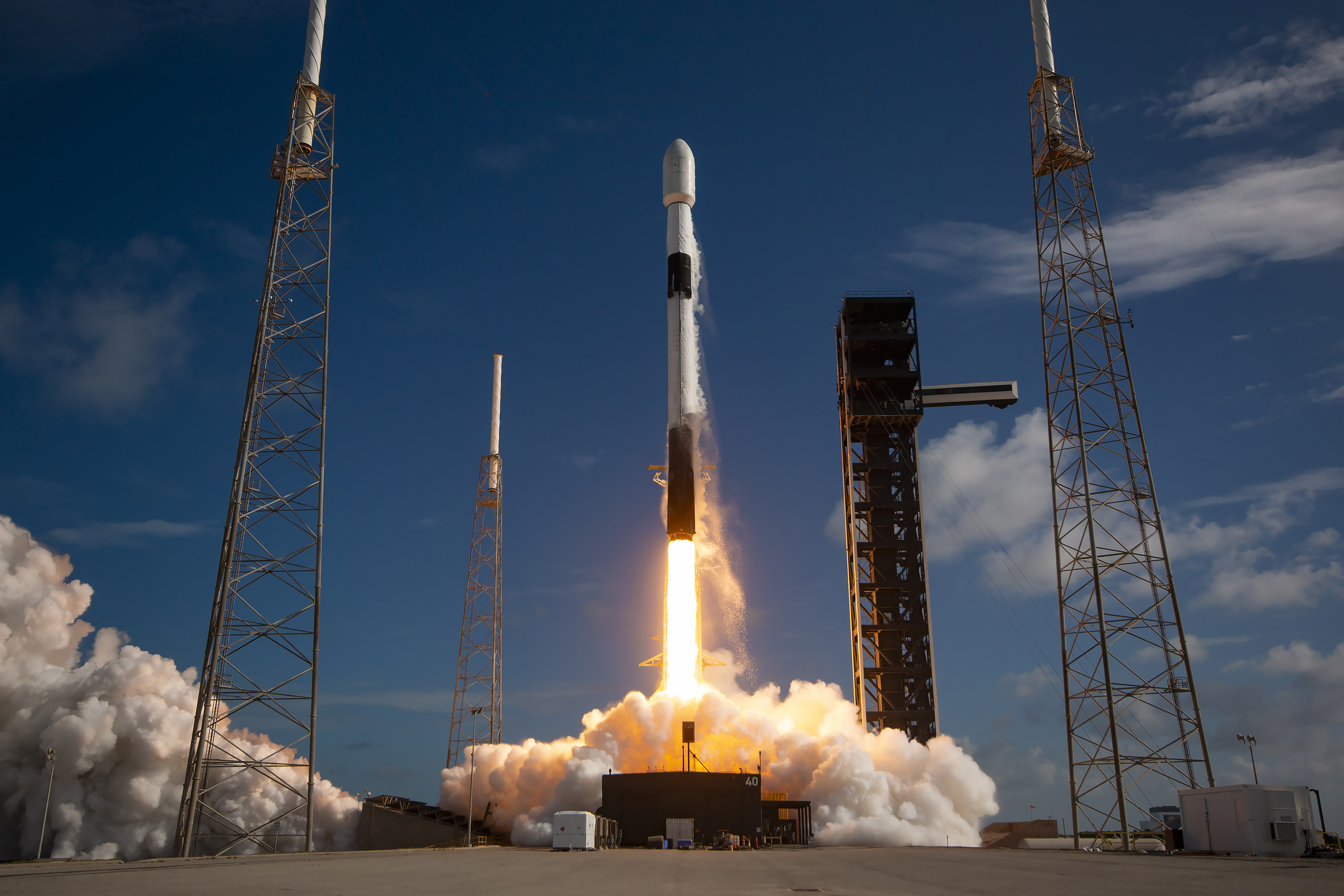
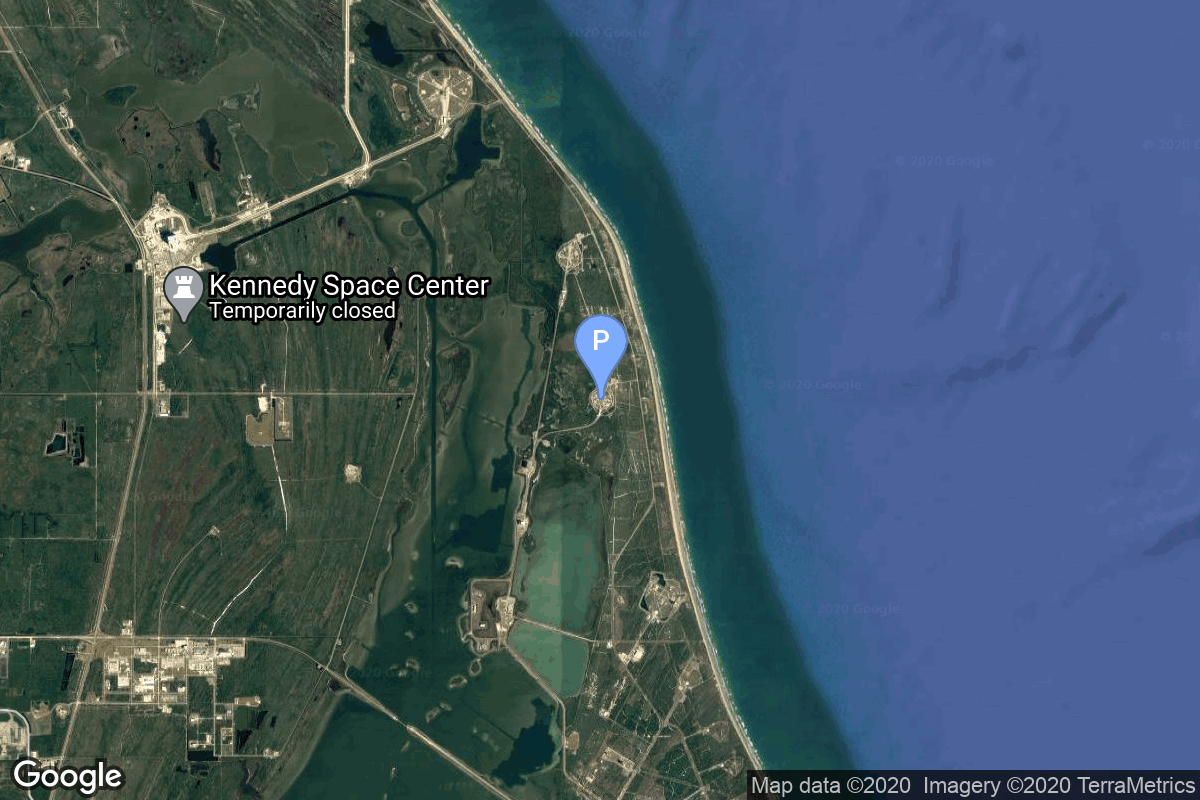
MRV-1
Provider: SpaceX
Date: July 21, 2026
Time: 9:15 PM UTC
Vehicle: Falcon 9
The Northrop Grumman/SpaceLogistics MRV-1 is a mission extension payload including a mission robotic vehicle (MRV) and multiple mission extension pods (MEPs). The MRV is designed to attach up to 30 MEPs (Mission Extension Pods) to various satellites in GEO over the course of its life, and the MEPs (Mission Extension Pods) are 400 kg spacecraft designed to be captured by the MRV and then attached to a customer’s satellite. A single MEP can extend a 2000 kg satellite’s service life by up to 6 years.
For this mission, 2 of the MEP’s will service satellites for Intelsat, while the third will service a satellite for Optus.
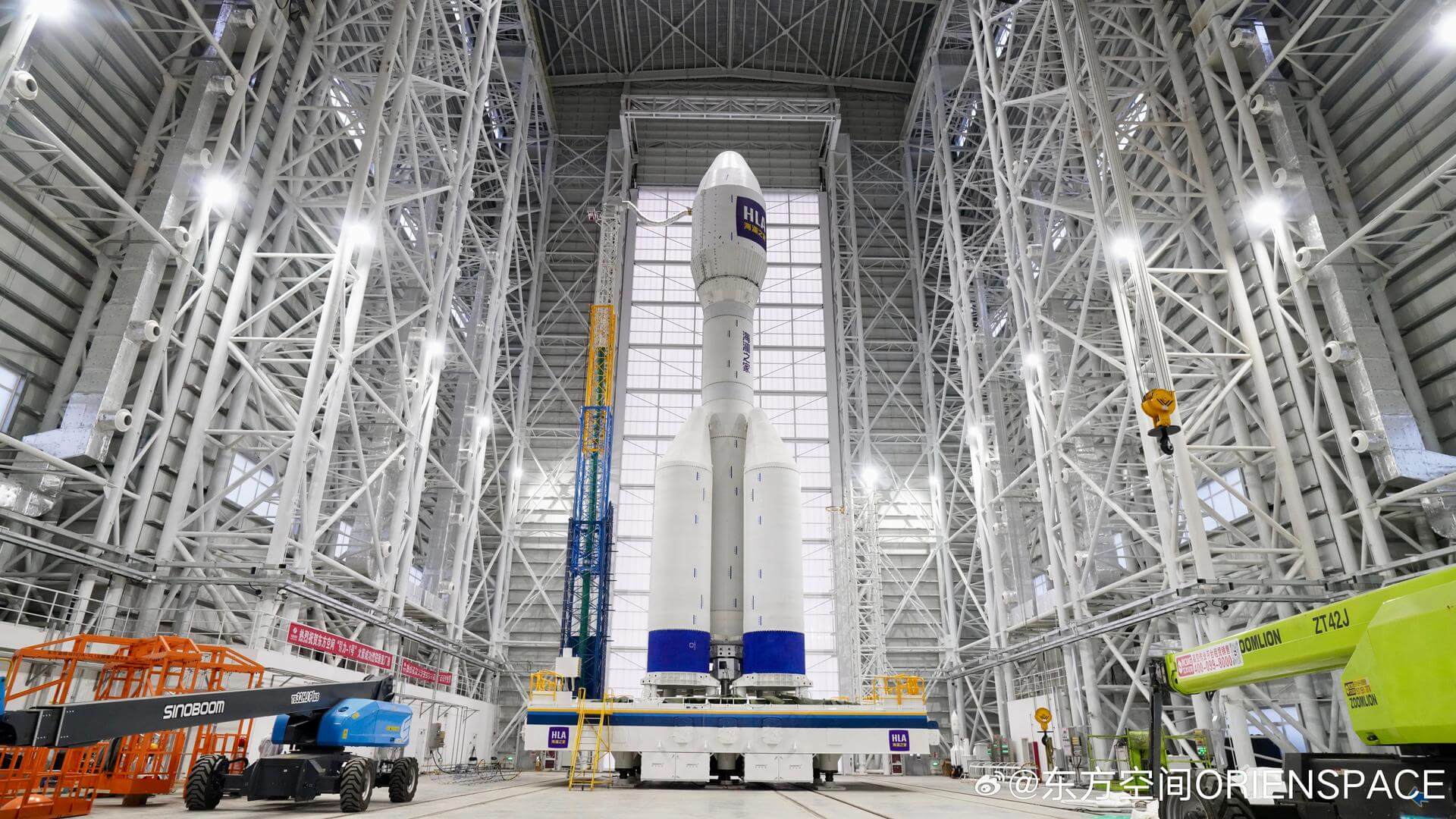
Unknown Payload
Provider: Orienspace Technology
Date: July 22, 2026
Time: 2:50 AM UTC
Vehicle: Gravity-1
Details TBD.
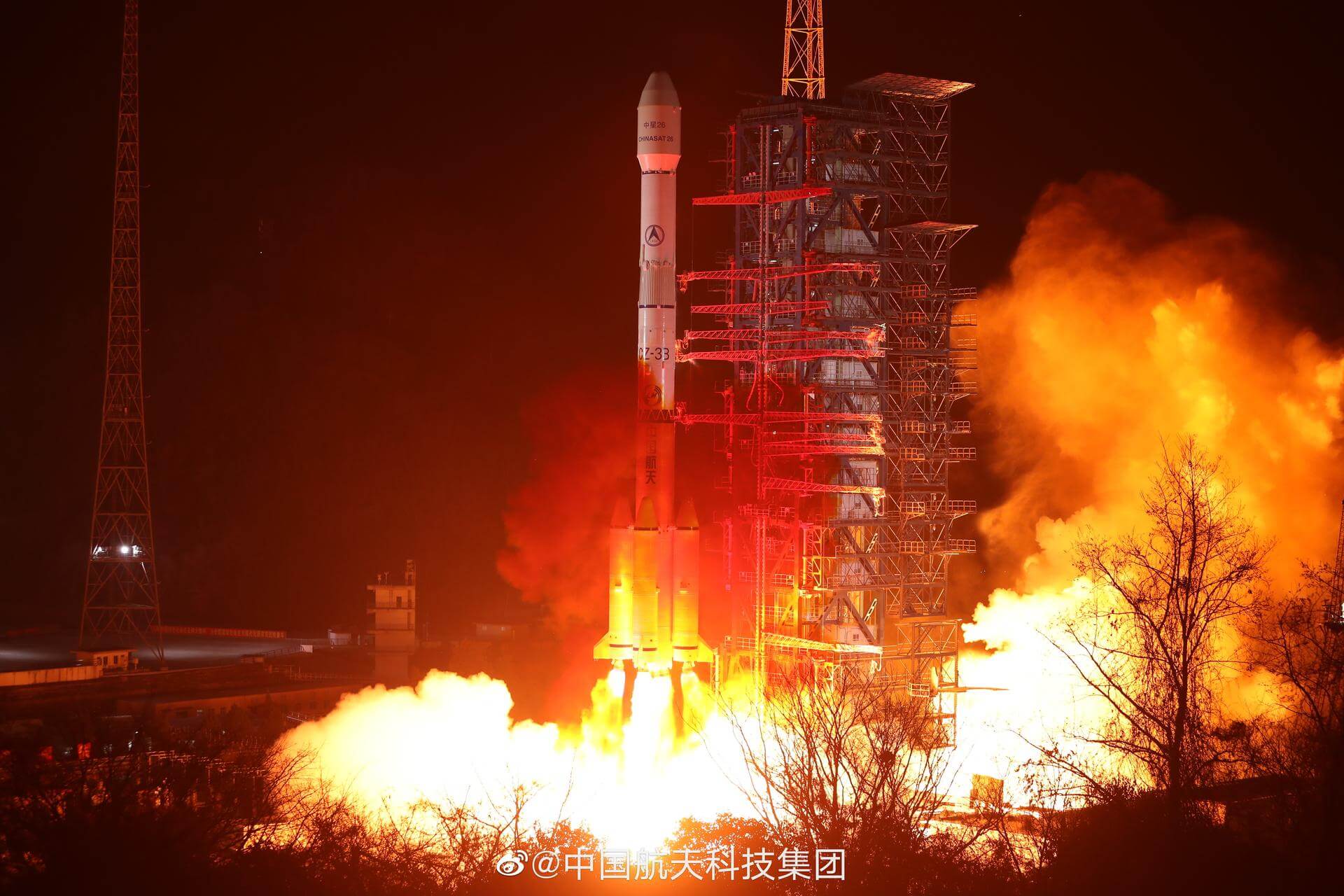
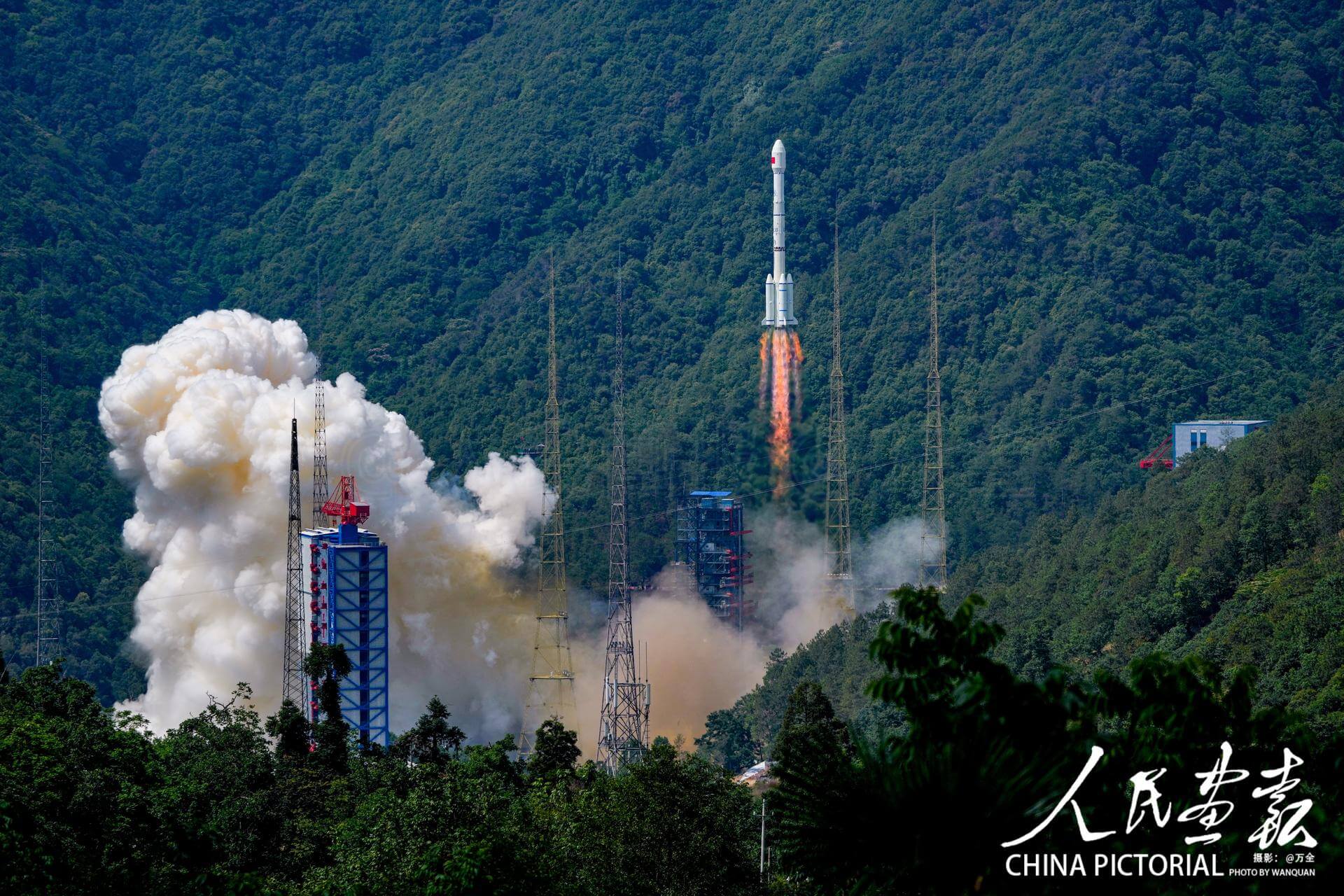
Unknown Payload
Provider: China Aerospace Science and Technology Corporation
Date: July 23, 2026
Time: 12:00 PM UTC
Vehicle: Long March 3B/E
Details TBD.





Enjoying the content? Stay up to date on everything happening behind the scenes by following our Patreon!

