Metaspectral and Planet Labs Team Up for AI-Driven Hyperspectral Insights
Vancouver-based Metaspectral has forged a partnership with Planet Labs, integrating commercial hyperspectral Earth observation data with Metaspectral’s AI Clarity platform. This collaboration aims to provide clients in defence, agriculture, and mining with detailed visible and shortwave infrared (SWIR) data. Metaspectral, which holds multiple U.S. patents for AI and hyperspectral imaging, brings its expertise in managing high-volume data to the forefront. The Clarity AI agent is designed to streamline the interpretation of complex hyperspectral imagery, generating auditable, evidence-based reports without requiring specialised remote sensing personnel. This eliminates the ‘black-box’ nature often associated with AI algorithms, an essential feature for defence intelligence and regulatory compliance.
Francis Doumet, CEO of Metaspectral, highlighted the partnership’s focus on transforming hyperspectral analysis-ready data into actionable intelligence for critical decision-making. Linds Panther, Planet’s Director of Strategic Partnerships, noted that translating broad wavelength observations into concrete intelligence supports applications where decision confidence is paramount. The system helps identify crop and soil indicators before physical symptoms appear in agricultural supply chains and isolates material signals for environmental and defence operations. This agreement represents a broader trend among Earth observation companies to move beyond raw data collection, delivering direct decision support infrastructure to users.
Canadian Aerospace Sector Contributes $33.1 Billion to GDP
Canada’s aerospace industry generated a substantial $33.1 billion in Gross Domestic Product (GDP) and sustained 218,700 jobs in 2025, according to the latest State of Canada’s Aerospace Industry Report. The report, a joint effort by the Aerospace Industries Association of Canada (AIAC) and Innovation, Science and Economic Development Canada (ISED), underscores the sector’s significant reliance on exports. Over the past year, the industry invested more than $1.8 billion in research and development (R&D), maintaining its position as a leader in R&D intensity within Canadian manufacturing, at 4.5 times the national average.
Export activities continue to be a primary driver for the sector, with over 70% of manufacturing revenues — approximately $28.2 billion — originating from exports to more than 170 countries. A significant portion of these exports is integrated into global supply chains. While Canada remains a top-five global player in civil flight simulators, engines, and aircraft, the report also indicates a strategic push towards diversifying and expanding the defence aerospace segment. This diversification is particularly relevant for the space industry, as defence aerospace increasingly integrates with space capabilities such, as satellite constellations and remote sensing. The industry advocates for continued support to retain engineering talent and secure international partnerships amidst accelerating global competition.
Bell Completes Quebec Ground Station for Direct-to-Device Satellite Service
Bell Canada has finished constructing its first direct-to-device satellite ground station in Quebec, a pivotal step towards extending terrestrial mobile network coverage to remote regions. This facility is one of several planned ground stations that will utilise AST SpaceMobile’s space-based mobile broadband network to provide orbital connectivity. Engineers are currently conducting tests at the Quebec site, having successfully validated text messaging, voice calls, and broadband data connections. Video streaming, Internet of Things (IoT) applications, and public alerts are slated for testing in the coming weeks.
The commercial launch of this expanded service, initially targeted for 2026, has been rescheduled for early 2027. The service aims to support industries operating beyond traditional terrestrial network reach, including resource extraction, environmental monitoring, energy production, and remote emergency response. Bell is continuing to fund additional ground stations, with construction underway in Ontario, Alberta, and Newfoundland and Labrador. However, AST SpaceMobile faced a setback in April 2026 when its BlueBird 7 satellite was lost due to a Blue Origin launch vehicle malfunction, entering an incorrect orbit before deorbiting. Despite insurance recovery, the incident places additional pressure on AST SpaceMobile to meet its target of approximately 45 operational satellites by year-end to support Bell’s planned network activation. The Canadian direct-to-device market is seeing increasing competition, with Rogers Communications having launched its satellite-to-mobile text service in 2025 using SpaceX Starlink, and Telesat preparing its Lightspeed network for corporate and defence contracts in the north.
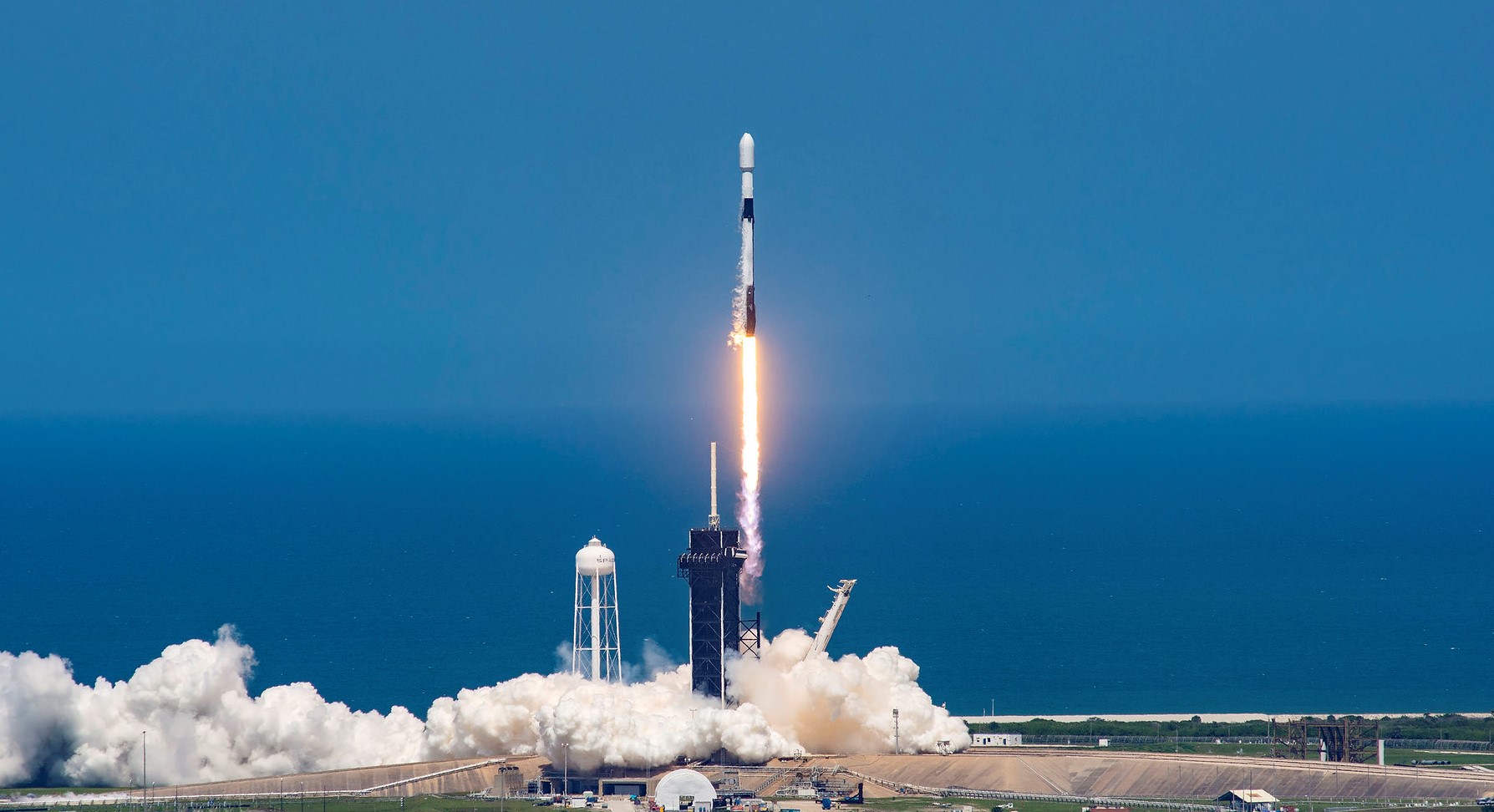
Provider: SpaceX Date: July 16, 2026 Time: 8:32 PM UTC Vehicle: Falcon 9
Tranche 1 Transport Layer E is one of six missions by the United States Space Force Space Development Agency (SDA) for the Proliferated Warfighter Space Architecture (PWSA) Tranche 1 Transport Layer constellation, which will provide assured, resilient, low-latency military data and connectivity worldwide to the full range of warfighter platforms from Low Earth Orbit satellites.
The constellation will be interconnected with Optical Inter-Satellite Links (OISLs) which have significantly increased performance over existing radio frequency crosslinks. It is expected to operate over Ka band, have stereo coverage and be dynamically networked for simpler hand-offs, greater bandwidth and fault tolerance.
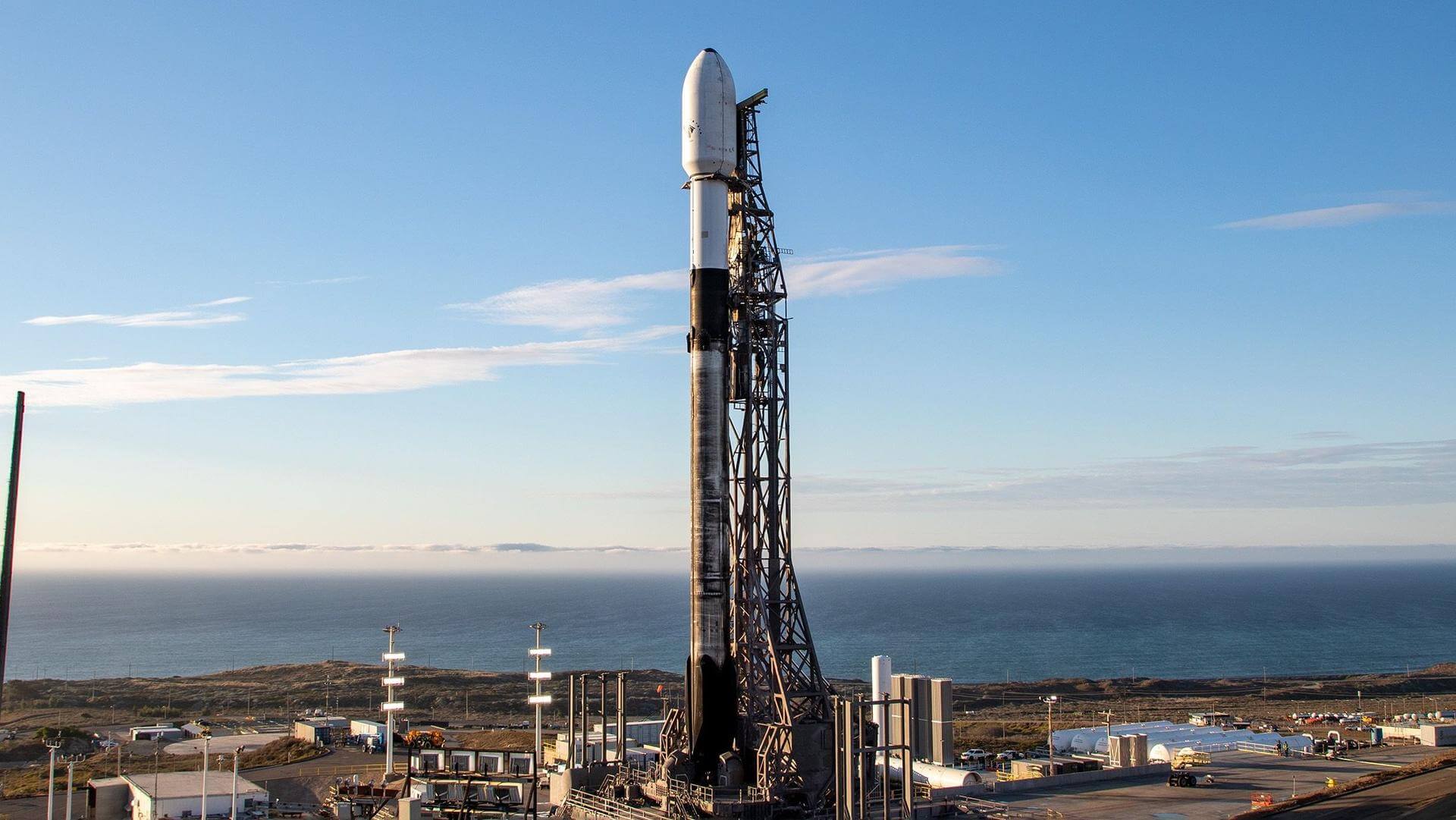
This launch carries 21 satellites manufactured by York Space Systems.
Flight 13
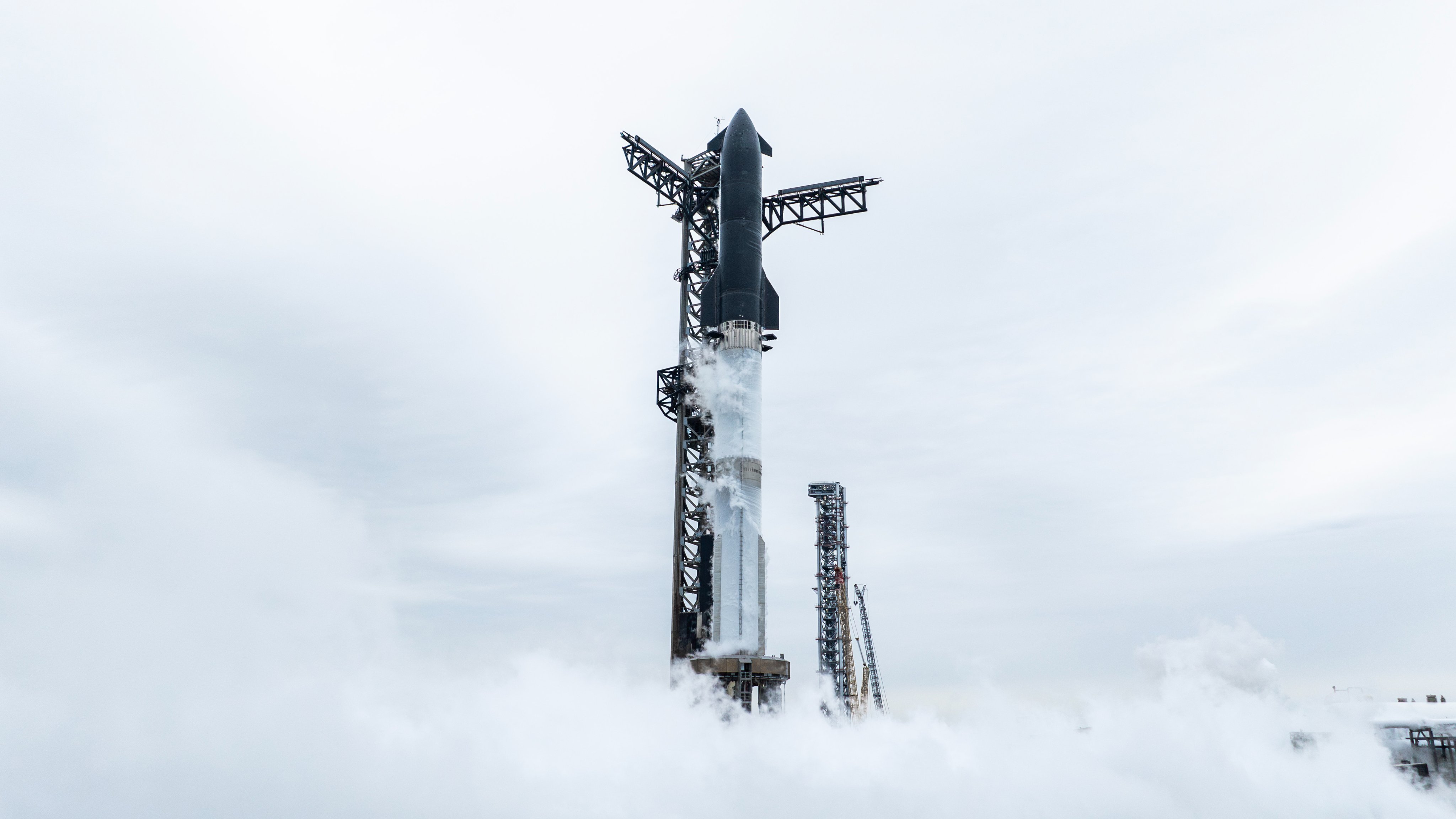
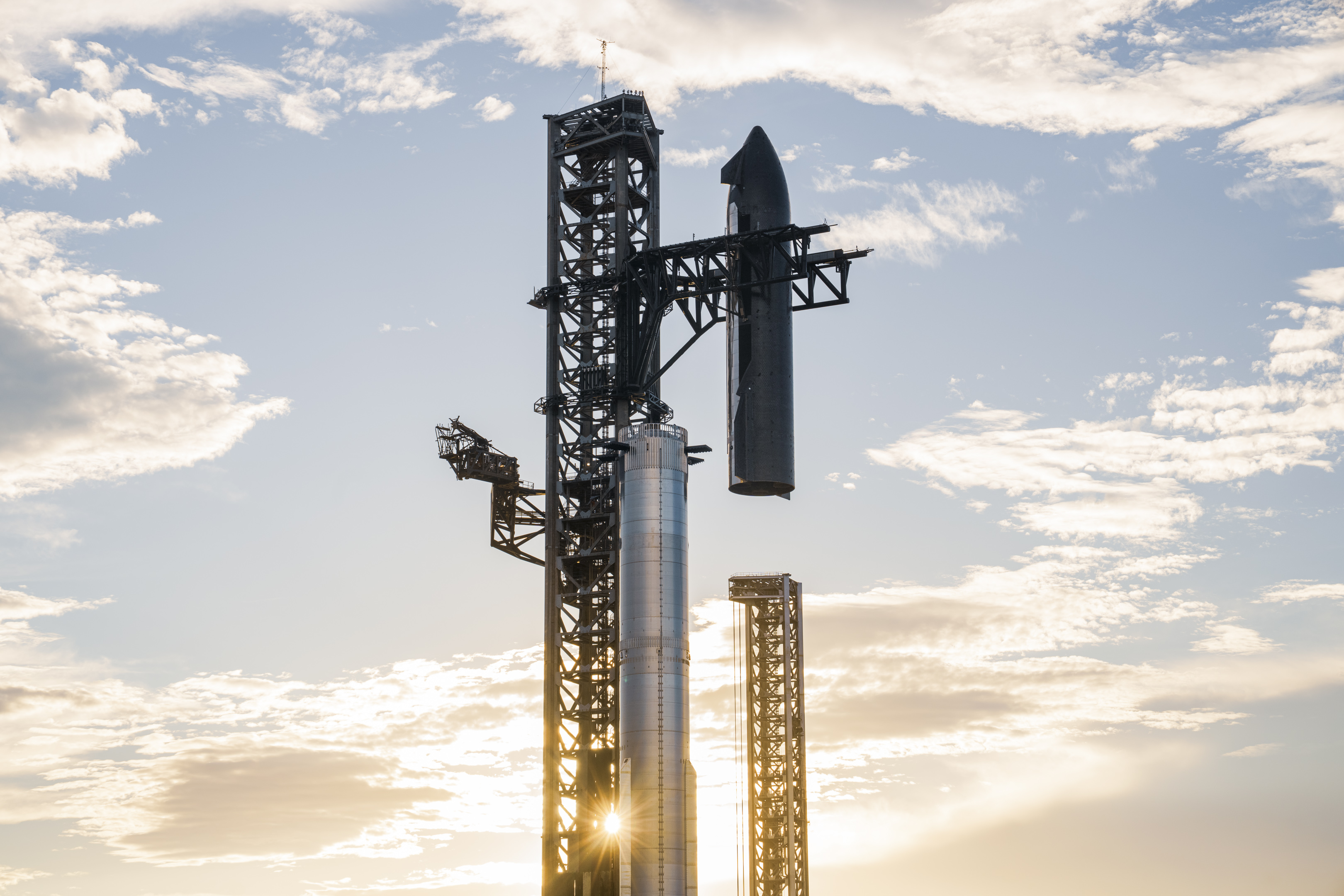
Provider: SpaceX Date: July 16, 2026 Time: 10:45 PM UTC Vehicle: Starship
13th test flight of the two-stage Starship launch vehicle. Second flight of Starship V3.
For the first time, Starship will carry 20 V3 Starlink satellites to space, which will extend solar arrays and antennas and will attempt to connect with ground stations in South Africa and the larger Starlink constellation via high-capacity lasers.
6 of the satellites have been modified with a suite of cameras to scan Starship’s heat shield and transmit imagery down to operators to continue testing methods of analyzing Starship’s heat shield readiness for return to launch site on future missions. Several tiles on Starship have been painted white to simulate missing tiles and serve as imaging targets in the test.
Unknown Payload
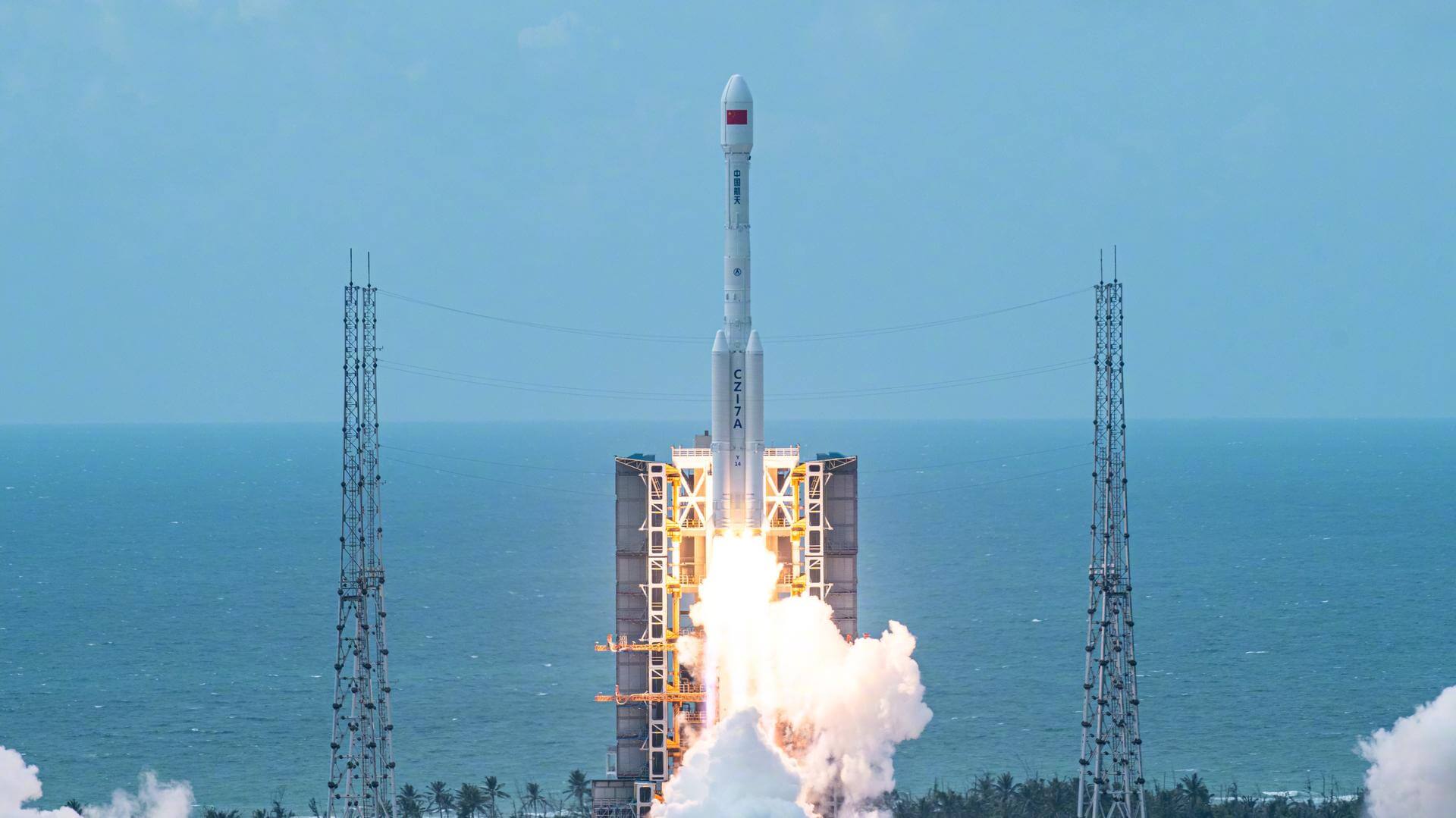
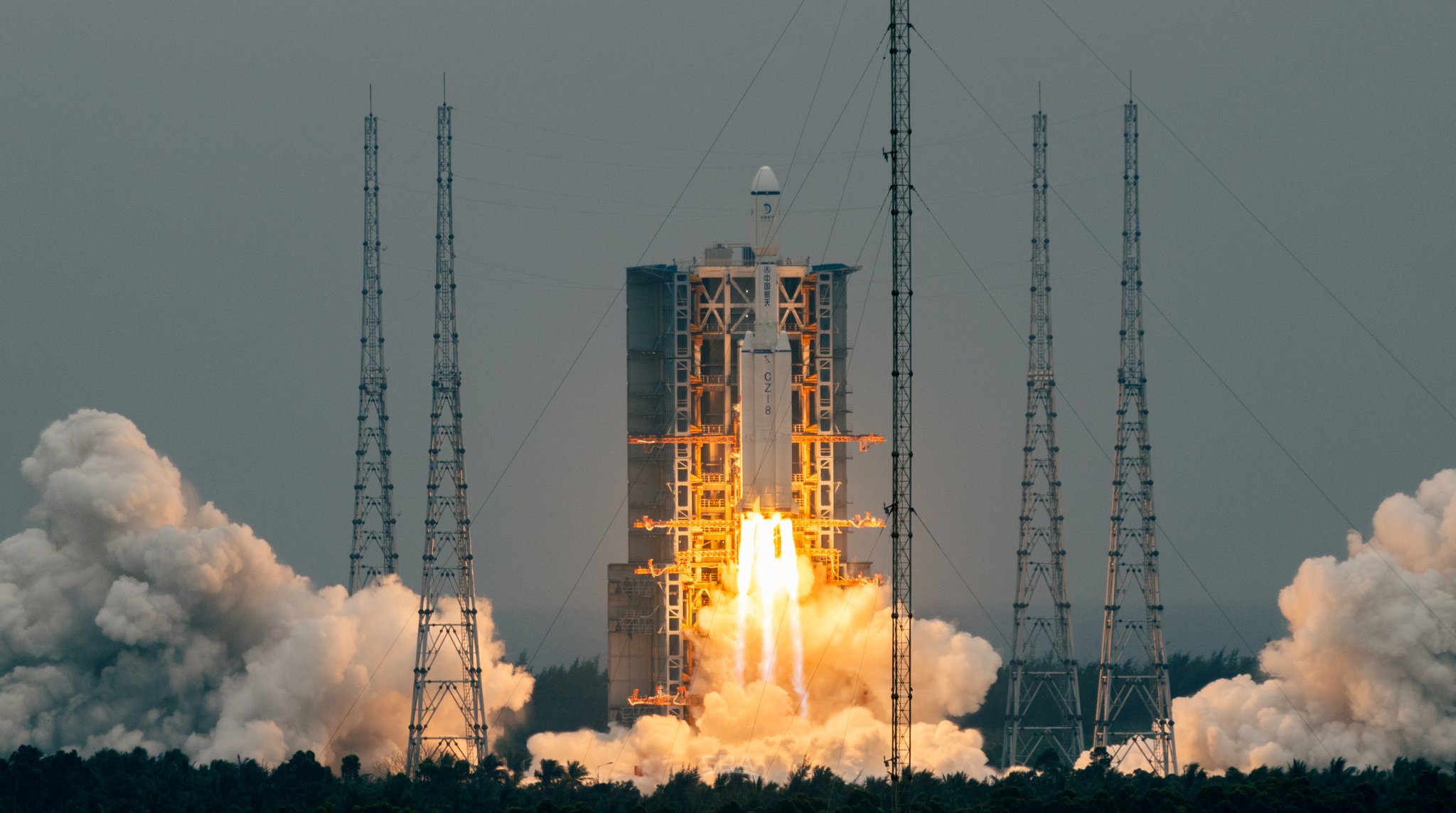
Provider: China Aerospace Science and Technology Corporation Date: July 17, 2026 Time: 11:50 AM UTC Vehicle: Long March 7A
Details TBD.
Demo Flight
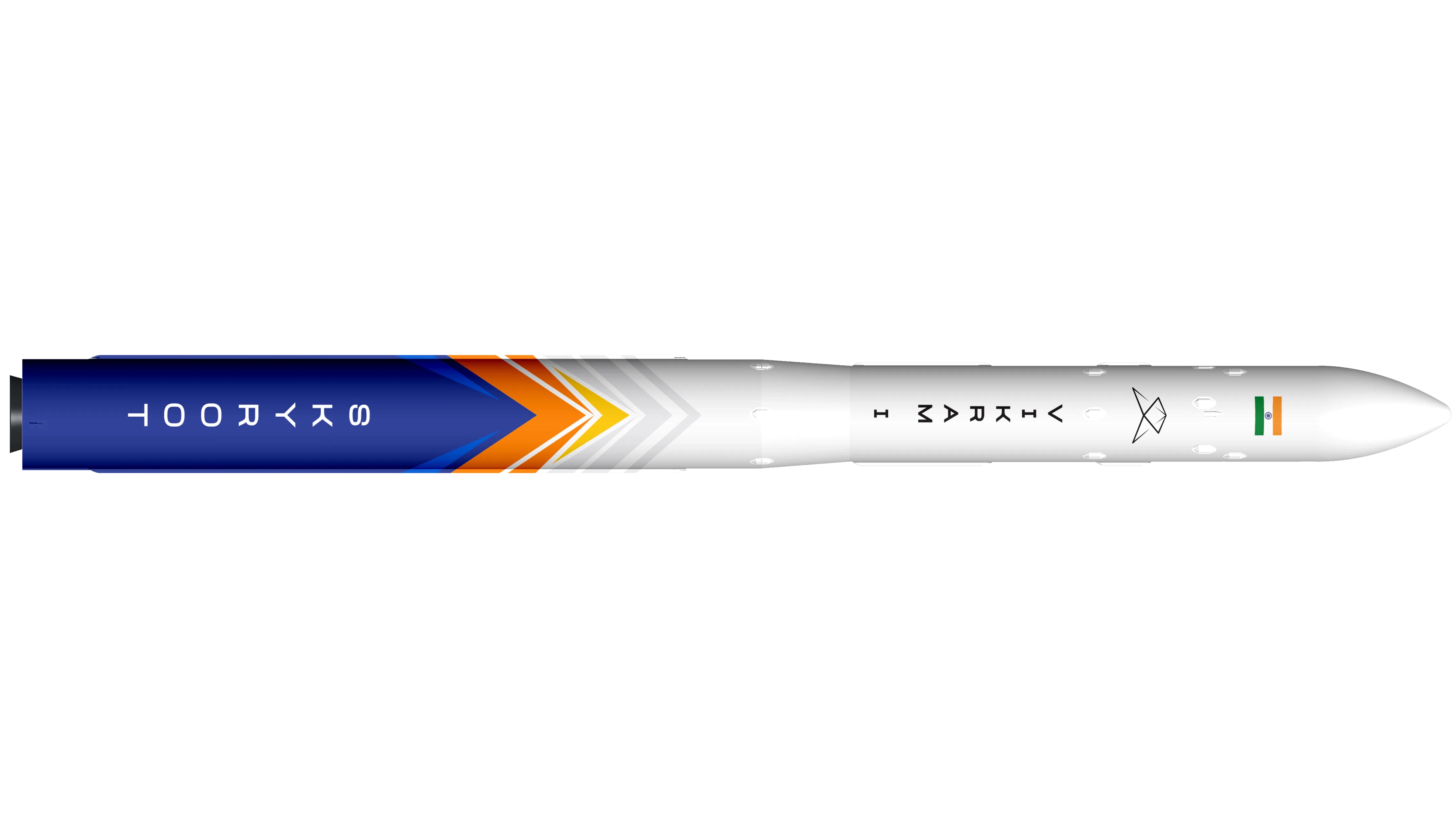
Provider: Skyroot Aerospace Date: July 18, 2026 Time: 6:00 AM UTC Vehicle: Vikram-I
First launch of Skyroot Aerospace’s Vikram-I launch vehicle, with several cubesats on board. Payload identities TBD.
Starlink Group 17-39
Provider: SpaceX Date: July 20, 2026 Time: 2:00 PM UTC Vehicle: Falcon 9
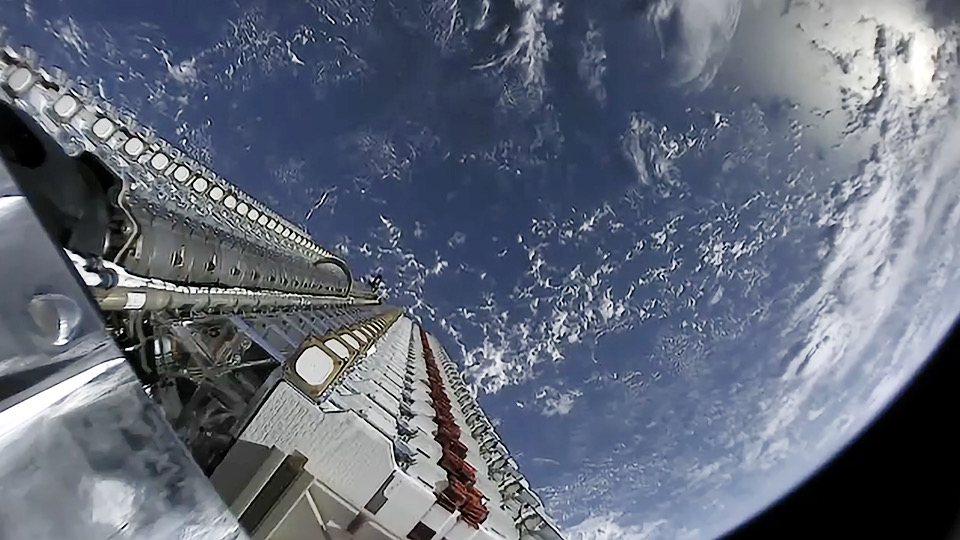
A batch of 24 satellites for the Starlink mega-constellation – SpaceX’s project for space-based Internet communication system.
SDA Tranche 1 Transport Layer E ×
Mission Details
TypeGovernment/Top Secret
OrbitPolar Orbit
TargetEarth
Tranche 1 Transport Layer E is one of six missions by the United States Space Force Space Development Agency (SDA) for the Proliferated Warfighter Space Architecture (PWSA) Tranche 1 Transport Layer constellation, which will provide assured, resilient, low-latency military data and connectivity worldwide to the full range of warfighter platforms from Low Earth Orbit satellites.
The constellation will be interconnected with Optical Inter-Satellite Links (OISLs) which have significantly increased performance over existing radio frequency crosslinks. It is expected to operate over Ka band, have stereo coverage and be dynamically networked for simpler hand-offs, greater bandwidth and fault tolerance.
This launch carries 21 satellites manufactured by York Space Systems.
Falcon 9 is a two-stage rocket designed and manufactured by SpaceX for the reliable and safe transport of satellites and the Dragon spacecraft into orbit. The Block 5 variant is the fifth major interval aimed at improving upon the ability for rapid reusability.
The Falcon 9 first stage B1103 will land on ASDS OCISLY after its 4th flight.
Flight 13 ×
Mission Details
TypeTest Flight
OrbitSuborbital
TargetEarth
13th test flight of the two-stage Starship launch vehicle. Second flight of Starship V3.
For the first time, Starship will carry 20 V3 Starlink satellites to space, which will extend solar arrays and antennas and will attempt to connect with ground stations in South Africa and the larger Starlink constellation via high-capacity lasers.
6 of the satellites have been modified with a suite of cameras to scan Starship’s heat shield and transmit imagery down to operators to continue testing methods of analyzing Starship’s heat shield readiness for return to launch site on future missions. Several tiles on Starship have been painted white to simulate missing tiles and serve as imaging targets in the test.
The SpaceX Starship is a fully reusable super heavy-lift launch vehicle under development by SpaceX since 2012, as a self-funded private spaceflight project. The second stage of the Starship — is designed as a long-duration cargo and passenger-carrying spacecraft. It is expected to be initially used without any booster stage at all, as part of an extensive development program to prove out launch-and-landing and iterate on a variety of design details, particularly with respect to the vehicle’s atmospheric reentry.
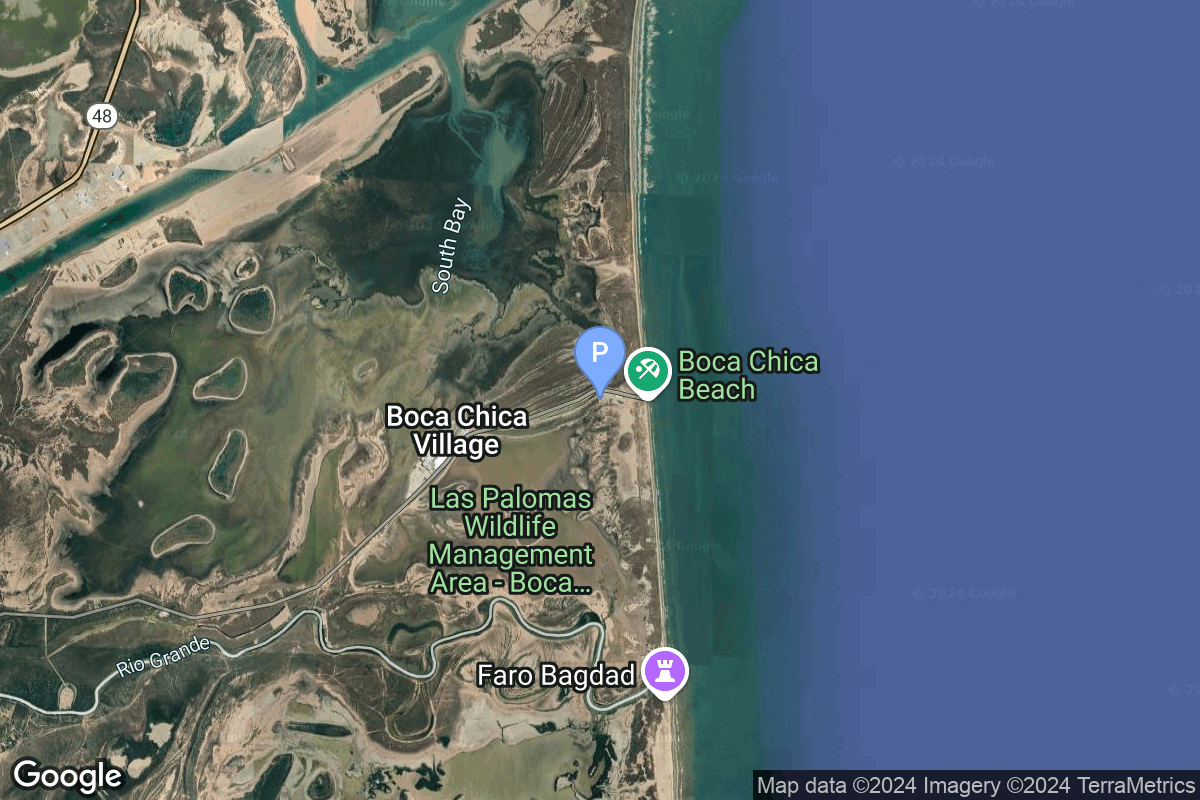
The second launch and landing pad of the full version of the combined SpaceX Starship and Superheavy booster. To be first used for launch in 2025 with version 3 of Starship and the Superheavy…
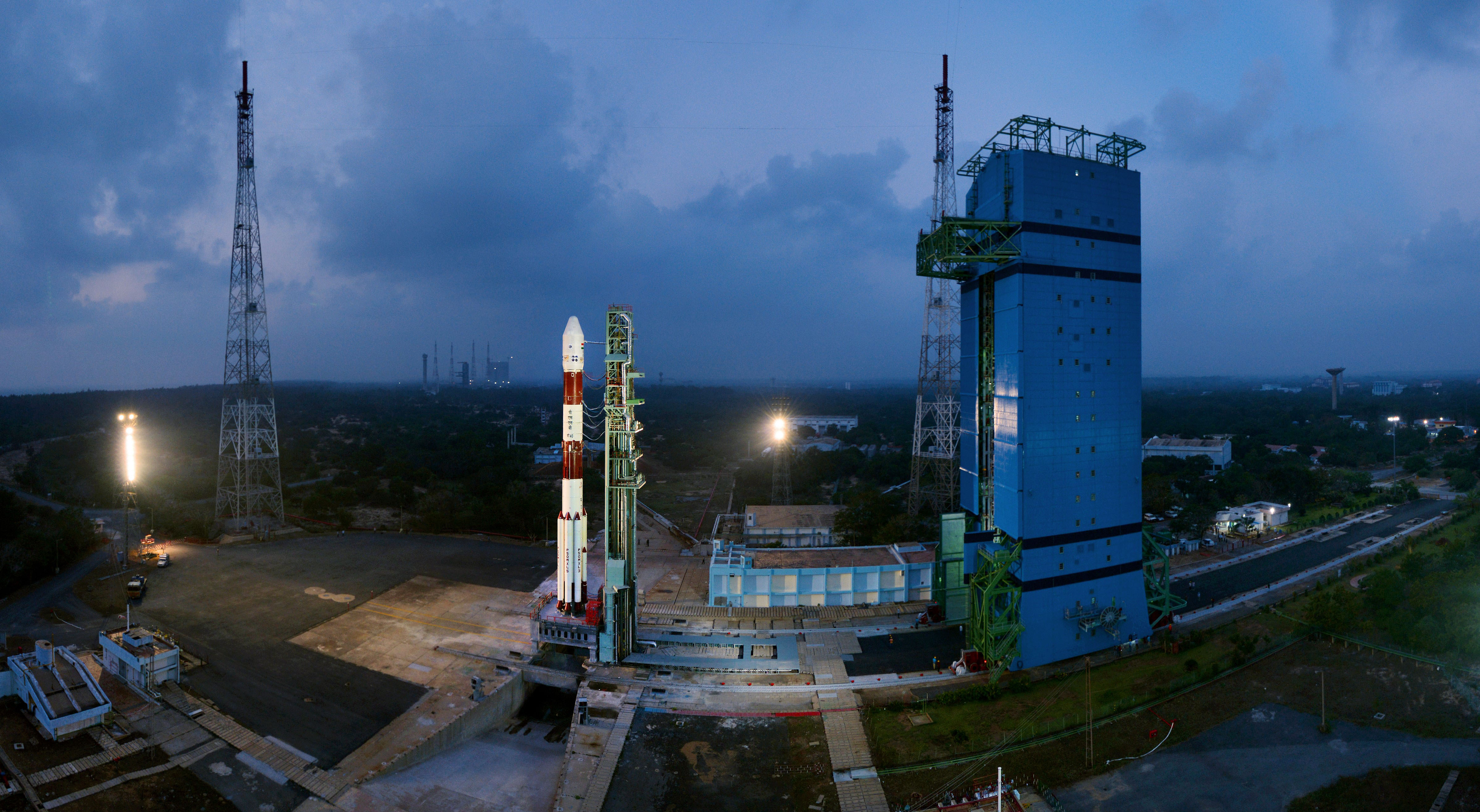
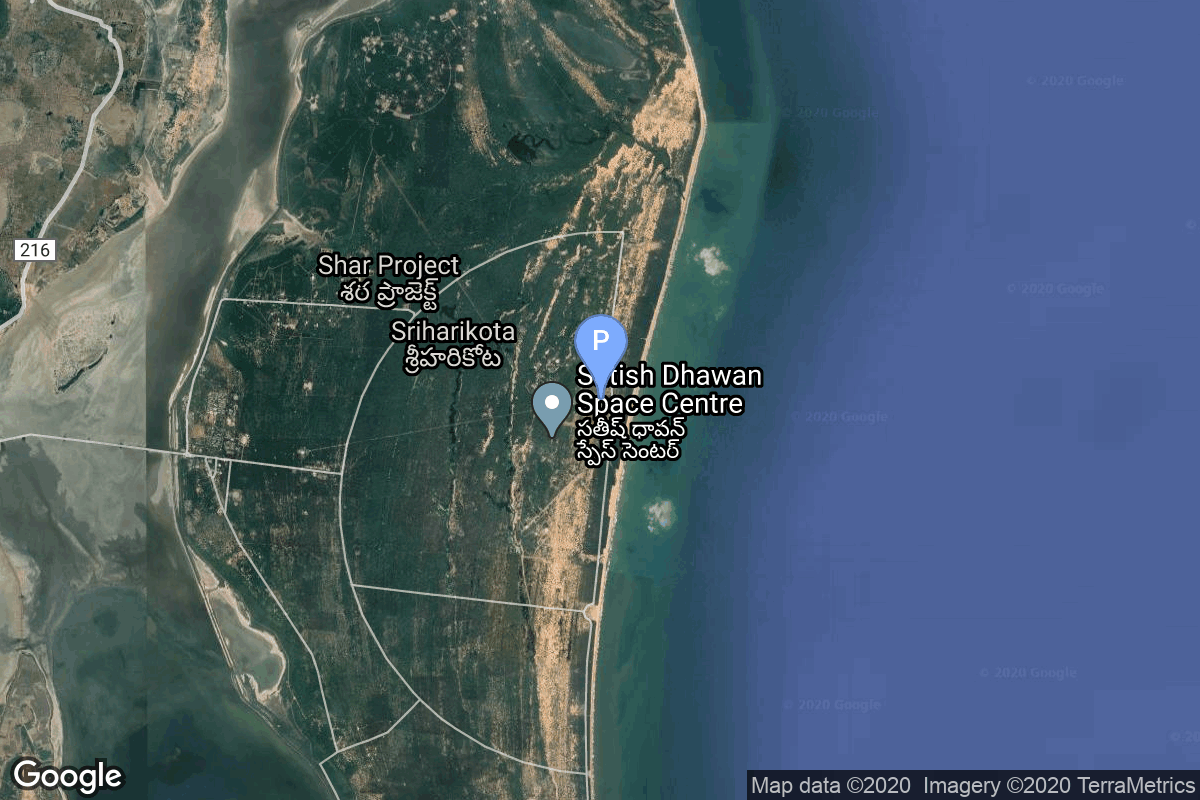
Launch Pad: Satish Dhawan Space Centre First Launch Pad
Satish Dhawan Space Centre, India
India has two launch pads at the site. The First Launch Pad, operational since 1993, is used for Polar Satellite Launch Vehicle, Small Satellite Launch Vehicle and formerly used by Geosynchronous…
4-stage orbital launch vehicle developed by Indian private company Skyroot Aerospace, with capability of up to 350 kg to Low Earth Orbit. The first 3 stages are powered by solid fuel rocket motors, topped by a hypergolic fuel upper stage.
Falcon 9 is a two-stage rocket designed and manufactured by SpaceX for the reliable and safe transport of satellites and the Dragon spacecraft into orbit. The Block 5 variant is the fifth major interval aimed at improving upon the ability for rapid reusability.
Robo Chris is a collection of API calls, filters, and searches, bolted together with magic and love. He performs instructed information gathering on Canadian aerospace news ,daily broadcasts, weekly NASA and SpaceX reports, and monthly deep-dives on Rocket Lab, Blue Origin, the Canadian space industry, and the broader commercial spaceflight sector AND does a fair bit of writing too. Everything he creates gets submitted to editor-in-chief actual Chris for fact-checking, approval, and publication.