Isar Aerospace to Establish Dedicated Launch Complex at Spaceport Nova Scotia
Germany’s Isar Aerospace has signed a 10-year facilities usage contract with Maritime Launch Services (MLS) to develop a dedicated launch complex at Spaceport Nova Scotia. This deal, valued at US$112.5 million over the initial decade, signifies a major step in establishing Canada’s dual-use orbital spaceport near Canso, Nova Scotia. The agreement follows a letter of intent signed in May 2026 and was formalised during the NATO Summit Defence Industry Forum in Ankara, Türkiye, yesterday.
Under the terms of the contract, Isar Aerospace will manage the end-to-end space access chain, including launch pad infrastructure design and vehicle operations for its Spectrum launch vehicle. MLS will provide the licensed launch site, which encompasses the launch pad, assembly, integration, and testing (AIT) facilities, a launch operations centre, and payload integration facilities. MLS is set to receive quarterly payments of US$3.75 million during the operational phase, following a 30-month fee waiver period that begins at the end of the first year. Alexandre Dalloneau, Vice President Mission and Launch Operations at Isar Aerospace, highlighted the importance of independent space access, noting, “Canada is the next step in our roadmap to bring full end-to-end launch capability to sovereign nations.”
Canadian Satellites Deployed by SpaceX Transporter-17
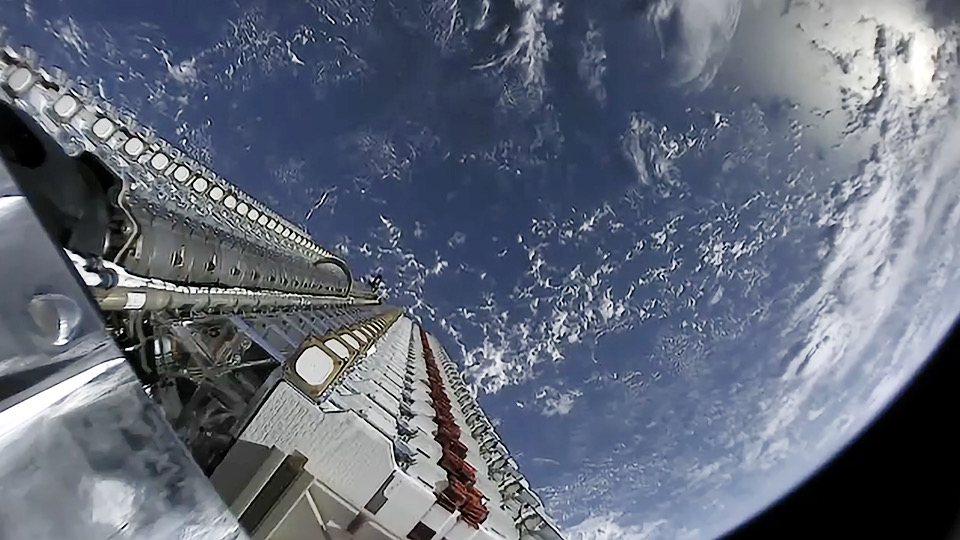
SpaceX successfully deployed four Canadian satellites into low-Earth orbit (LEO) as part of its Transporter-17 rideshare mission. The mission, which launched on Tuesday morning from Vandenberg Space Force Base, carried 81 payloads onboard a Falcon 9 rocket. Among these were two GHGSat spacecraft, LEMUR-2-ELEONORE (GHGSat-C-16) and LEMUR-2-NURAY (GHGSat-C-17), designed to monitor greenhouse gas emissions. GHGSat confirmed that these new additions will enhance their capacity to deliver timely, high-precision emissions intelligence, with further expansion planned for 2027.
EarthDaily Analytics also saw the successful launch of its Loft-EarthDaily-8 (EDA-8) satellite, adding to its growing commercial constellation for daily multispectral imagery. This data supports commercial agriculture, water management, and disaster response. The University of Victoria, representing the Canadian academic sector, had its MARMOTSat CubeSat deployed. Designed by a team of 57 students and researchers, this three-unit CubeSat will monitor climate shifts by collecting ionosphere data and serve as an open-source amateur radio project for global STEM education. The Canadian Space Agency acknowledged the scientific value of MARMOTSat, stating its mission will help understand the influence of human activities on the atmosphere.
ESA’s Hera Mission Receives Deep Space Software Upgrade
The European Space Agency’s (ESA) Hera mission has successfully undergone a complex deep space software upgrade, preparing it for its critical “asteroid phase.” The upgrade involved transmitting instructions to the spacecraft, currently in onward motion at over 12 km per second, from a distance that entails a nearly eight-minute one-way signal delay. Following the successful upload, Hera’s onboard computer underwent two reboots to evaluate its parallel processor streams for redundancy, with both reboots completing nominally.
According to Anna Schiavo, Hera Spacecraft Operations Engineer, the update allows for the commissioning of all remaining instruments and enables the autonomous functionality vital for navigation around its target asteroids. This will include inter-satellite links for communication with the two CubeSats Hera is scheduled to deploy early next year. Prior to flight, the software endured an extensive test campaign at ESA’s ESOC mission control centre in Darmstadt, Germany, spanning over a year and a half and involving 50 ground test days. This rigorous testing included rehearsing all autonomous functions and interactions with CubeSats on a functional replica of Hera in Bremen.
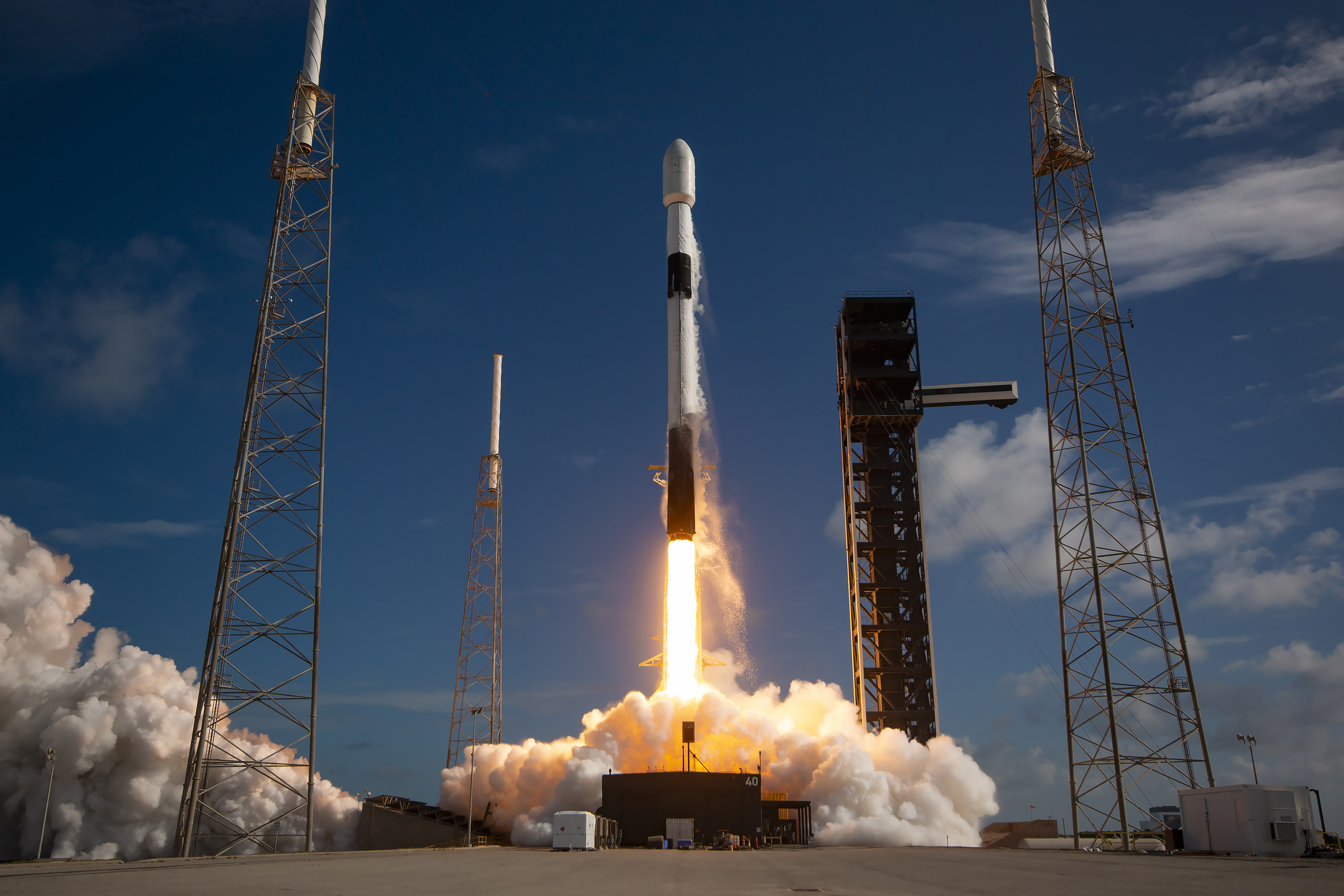
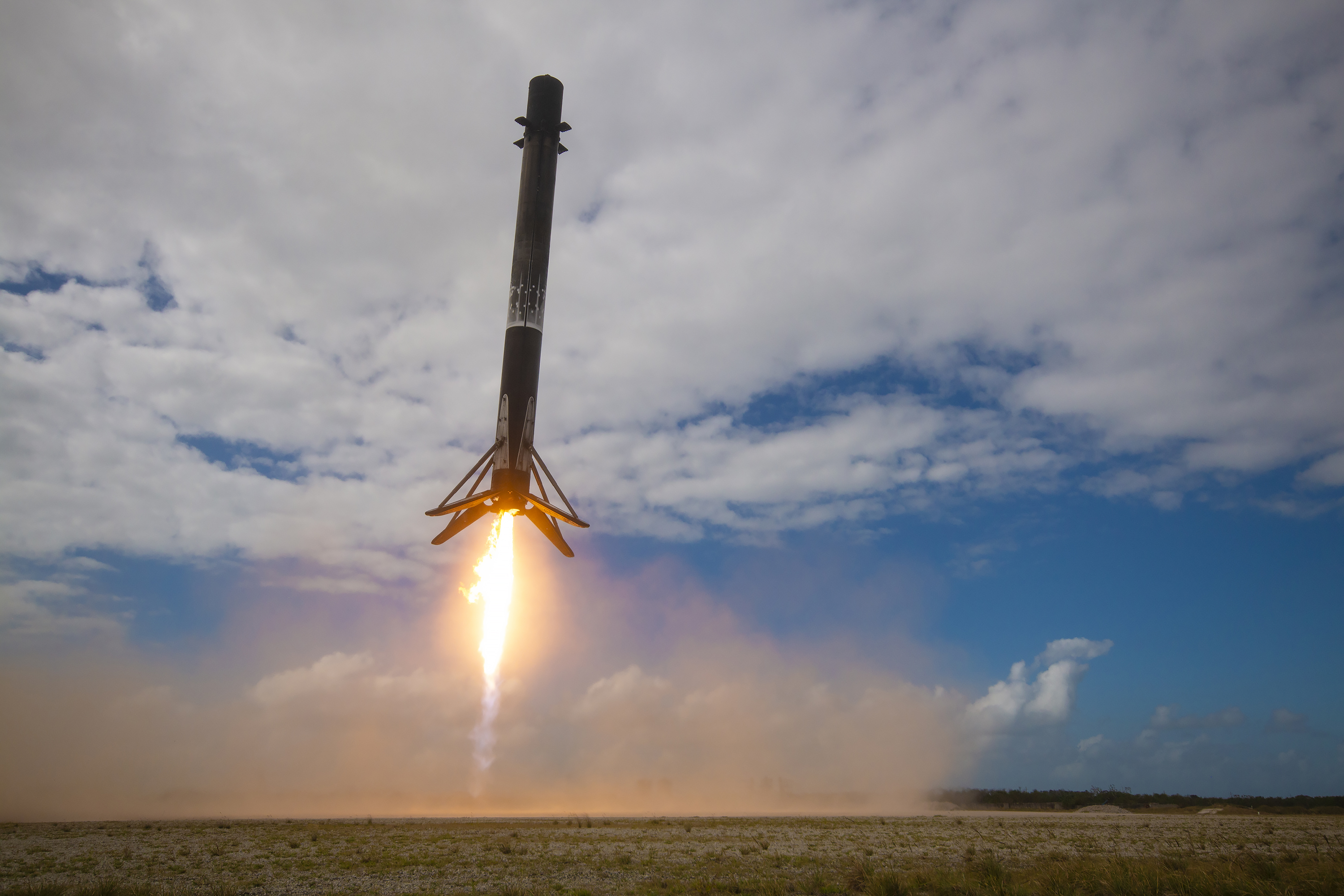
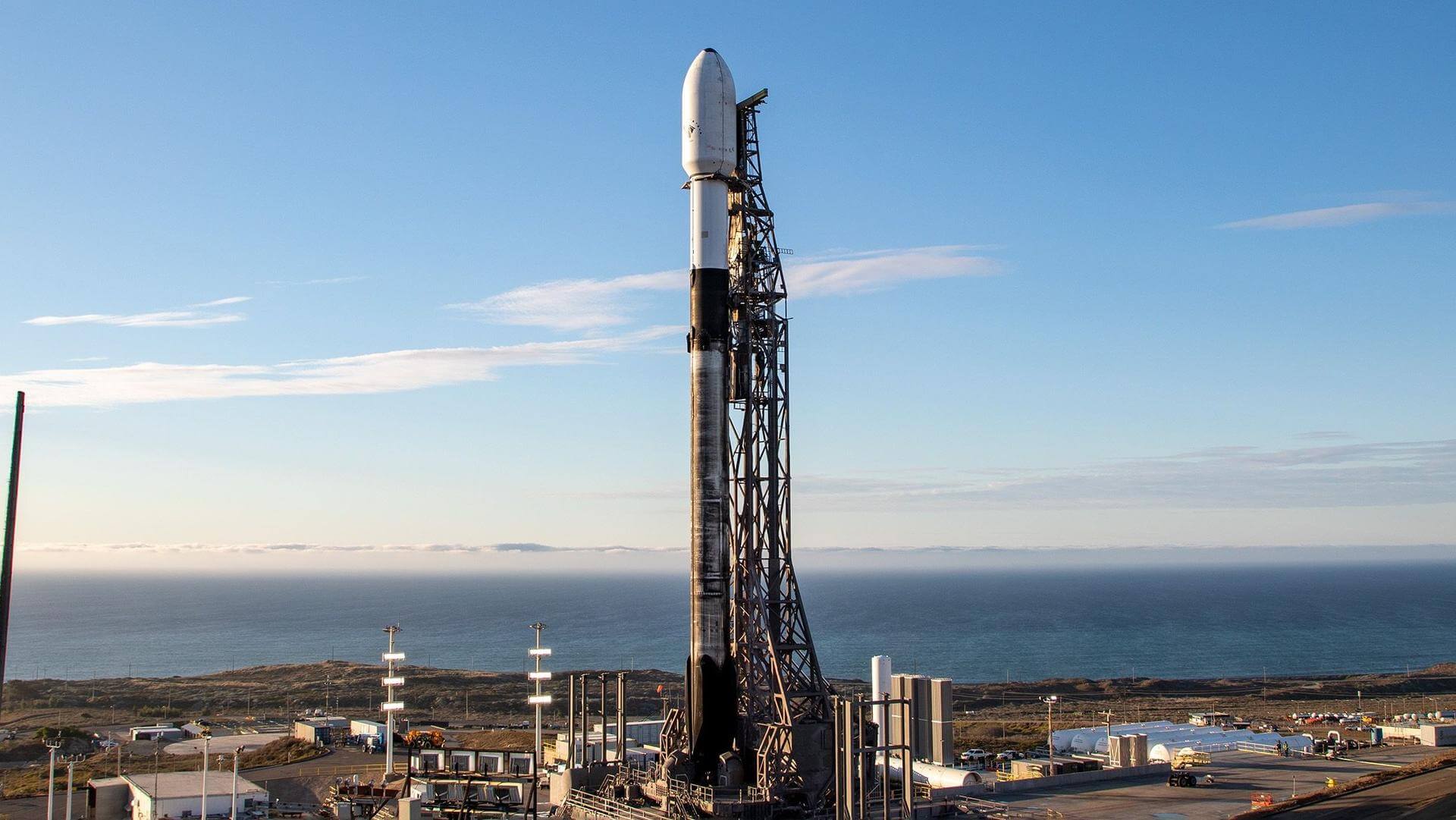
Falcon 9 is a two-stage rocket designed and manufactured by SpaceX for the reliable and safe transport of satellites and the Dragon spacecraft into orbit. The Block 5 variant is the fifth major interval aimed at improving upon the ability for rapid reusability.
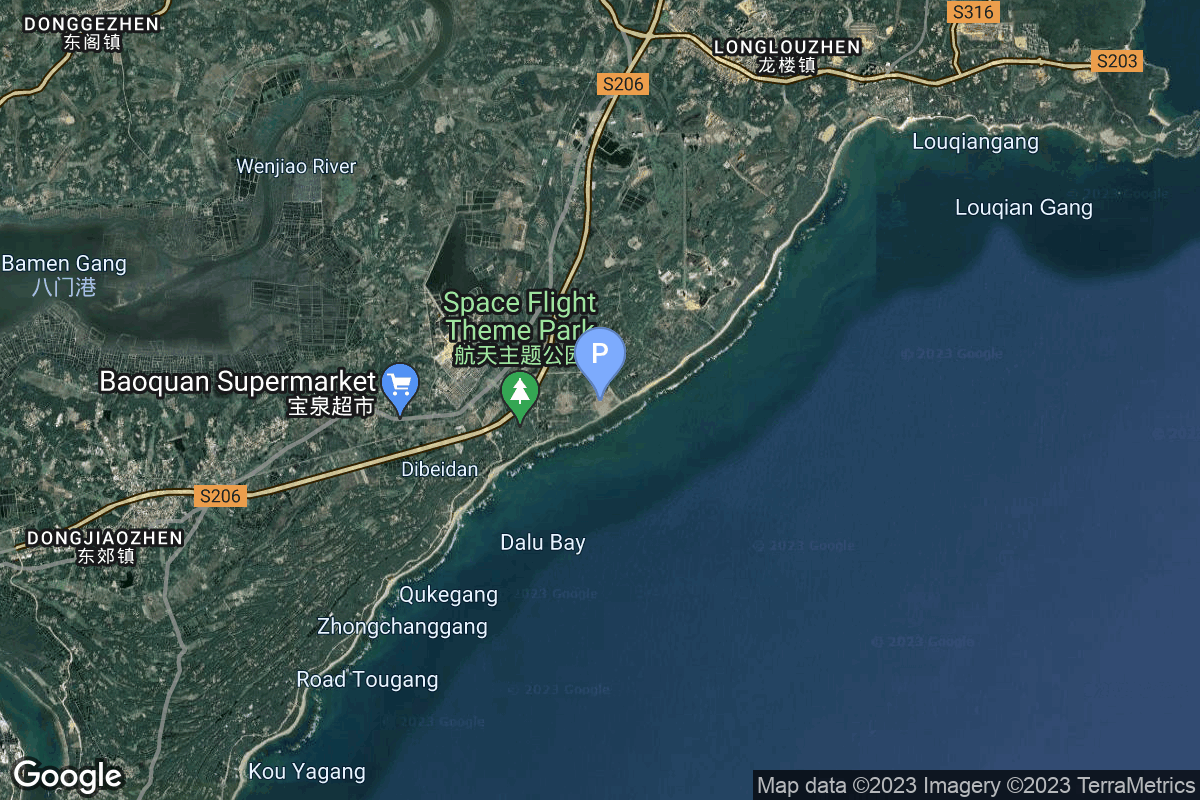
The Long March 10B is a reusable launch vehicle based on the 1st stage of the Long March 10A, in turn derived from a single 1st stage core of the Long March 10, with 7 YF-100 series kerosene/liquid oxygen staged-combustion cycle engines on the 1st stage. Like the Long March 10A, the 10B’s 1st stage…
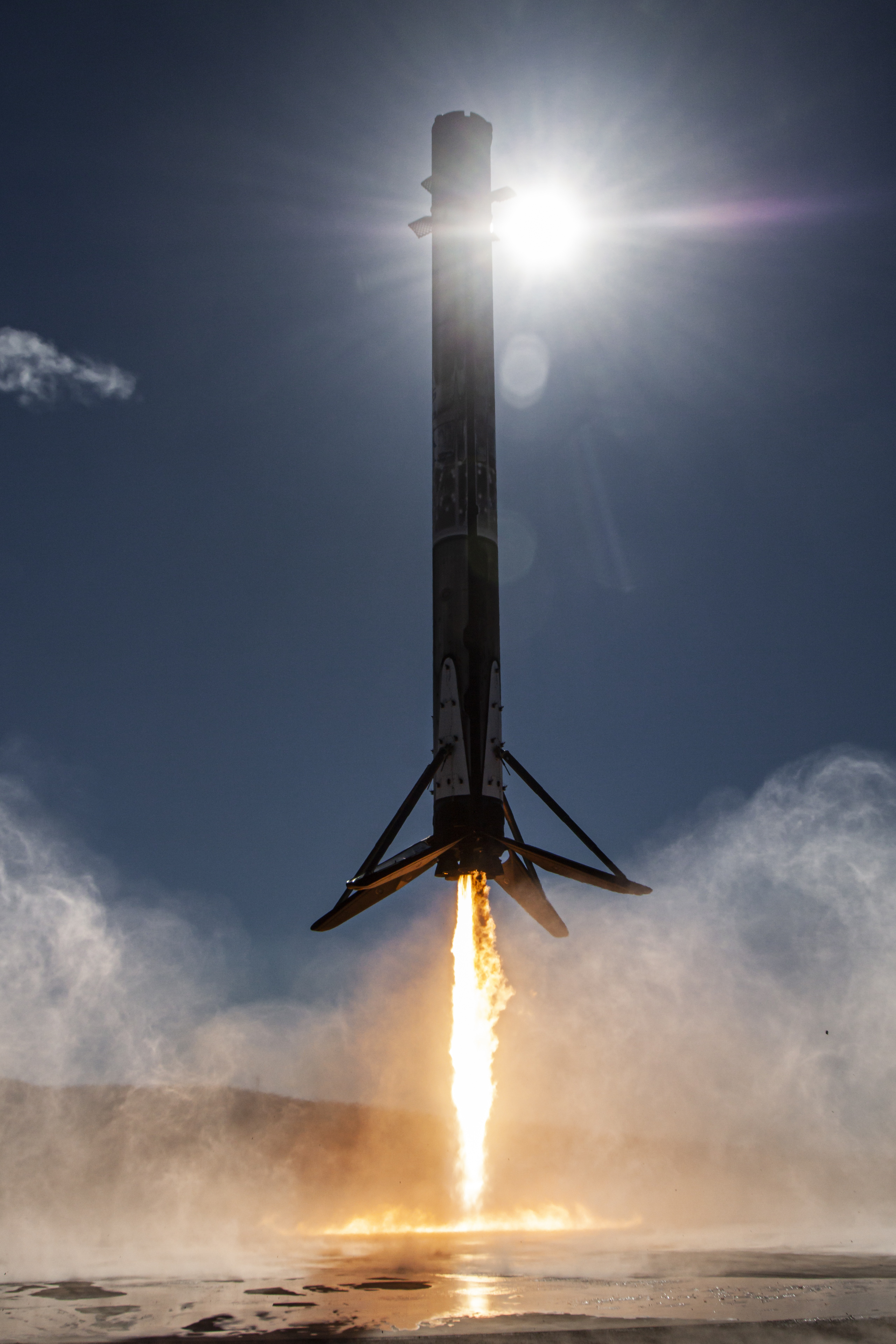
Falcon 9 is a two-stage rocket designed and manufactured by SpaceX for the reliable and safe transport of satellites and the Dragon spacecraft into orbit. The Block 5 variant is the fifth major interval aimed at improving upon the ability for rapid reusability.
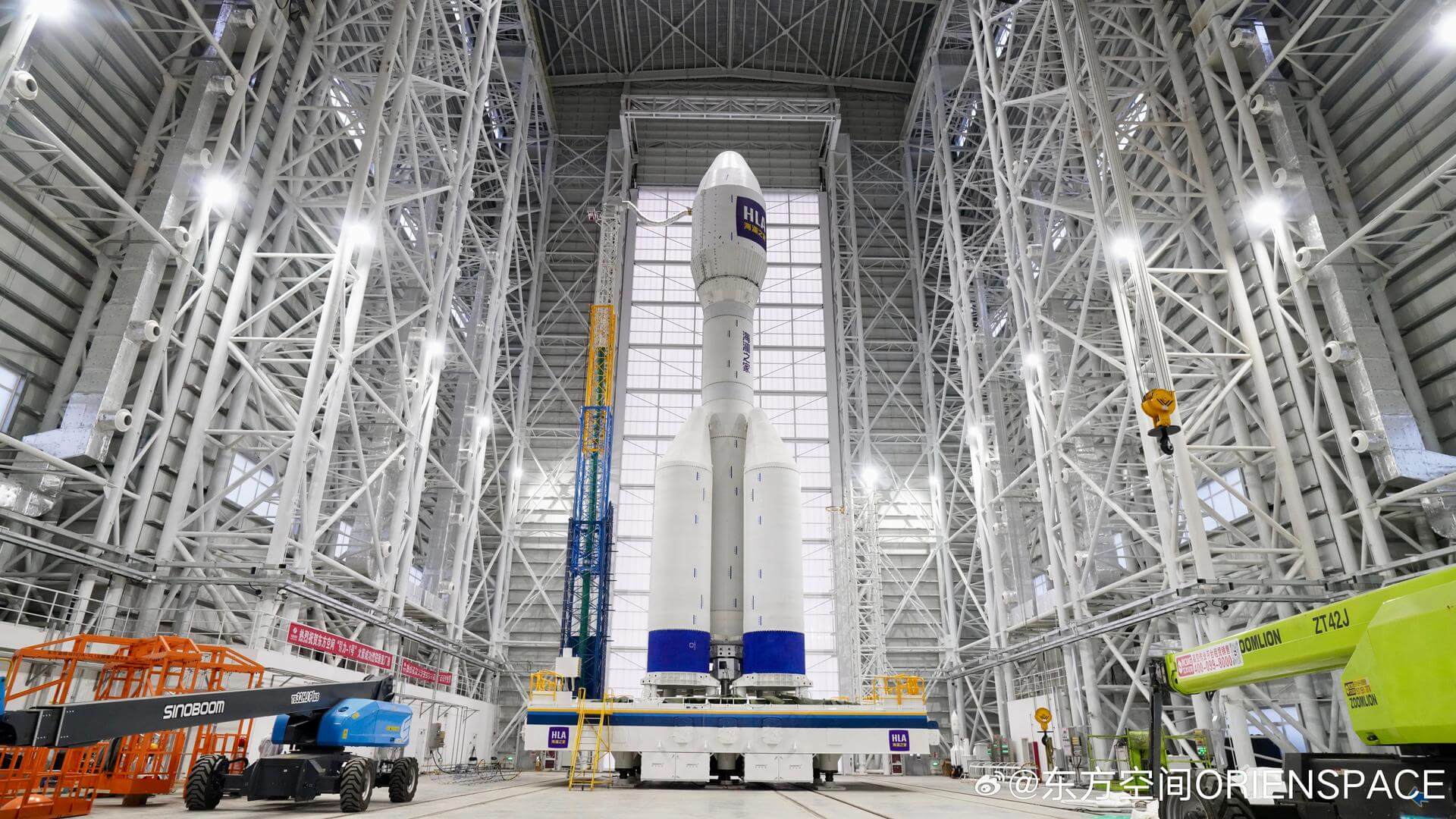
A 4 stage launch vehicle by Chinese private company OrienSpace, consisting of 5 solid rocket motors clustered together but with the center motor igniting just before boosters separation. The upper two stages also uses solid fuel.
Specifications
Length29.4 m
Launch Mass405 t
Liftoff Thrust5,880 kN
LEO Capacity6,500 kg
SSO Capacity4,200 kg
ReusableNo
Maiden Flight2024-01-11
Launch Record
2 successful / 2 total launches
Current streak: 2 successful
Demo Flight ×
Mission Details
TypeTest Flight
OrbitLow Earth Orbit
TargetEarth
First launch of Skyroot Aerospace’s Vikram-I launch vehicle, with several cubesats on board. Payload identities TBD.
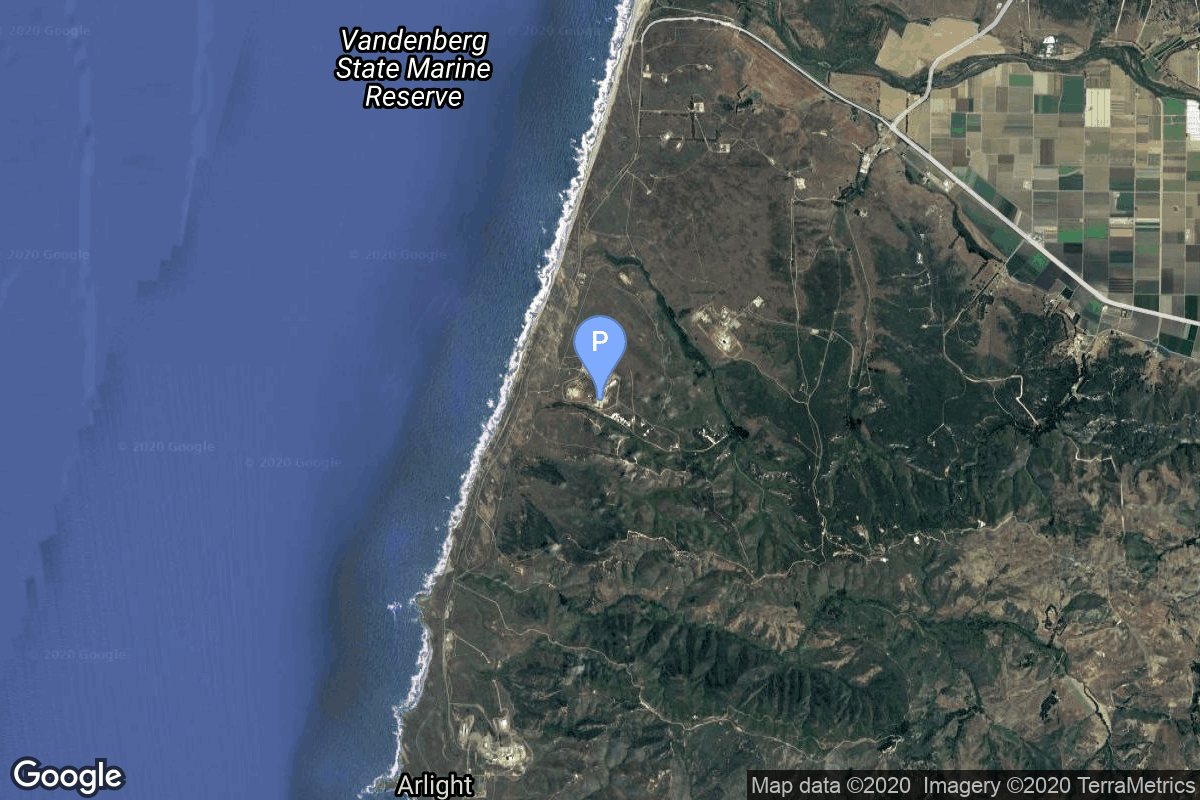
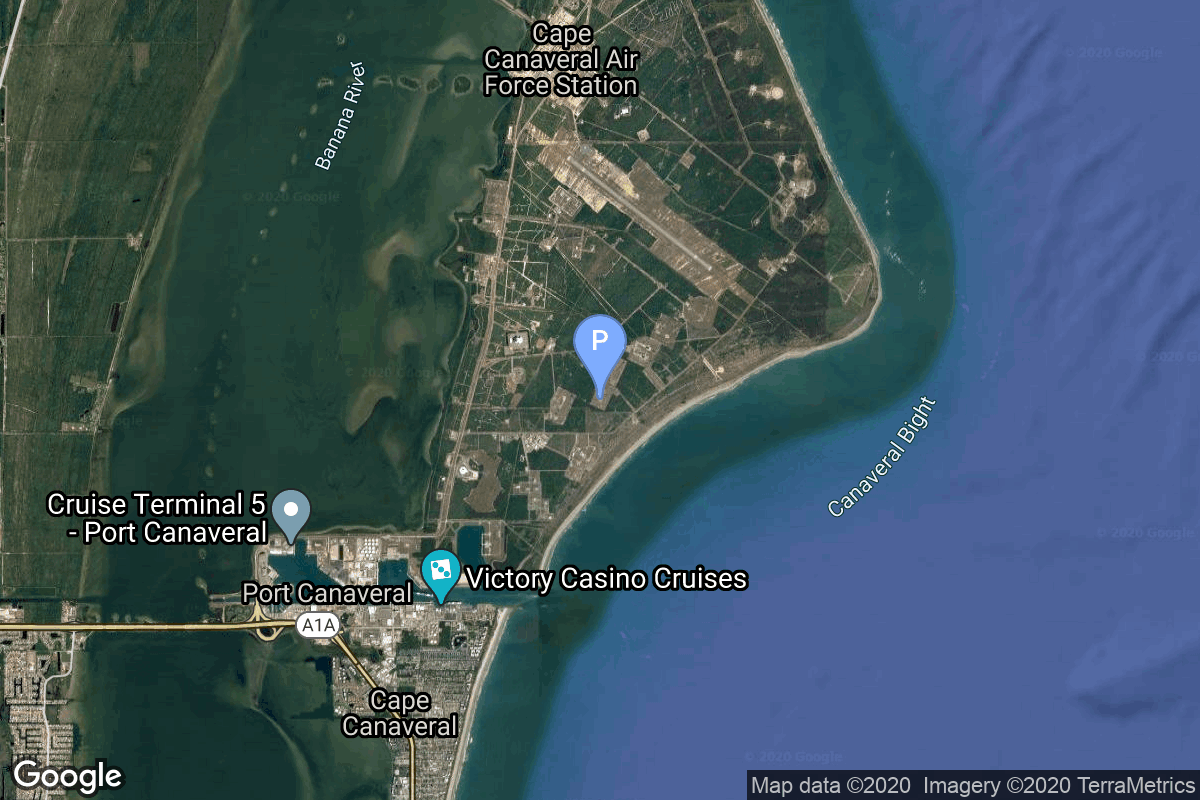
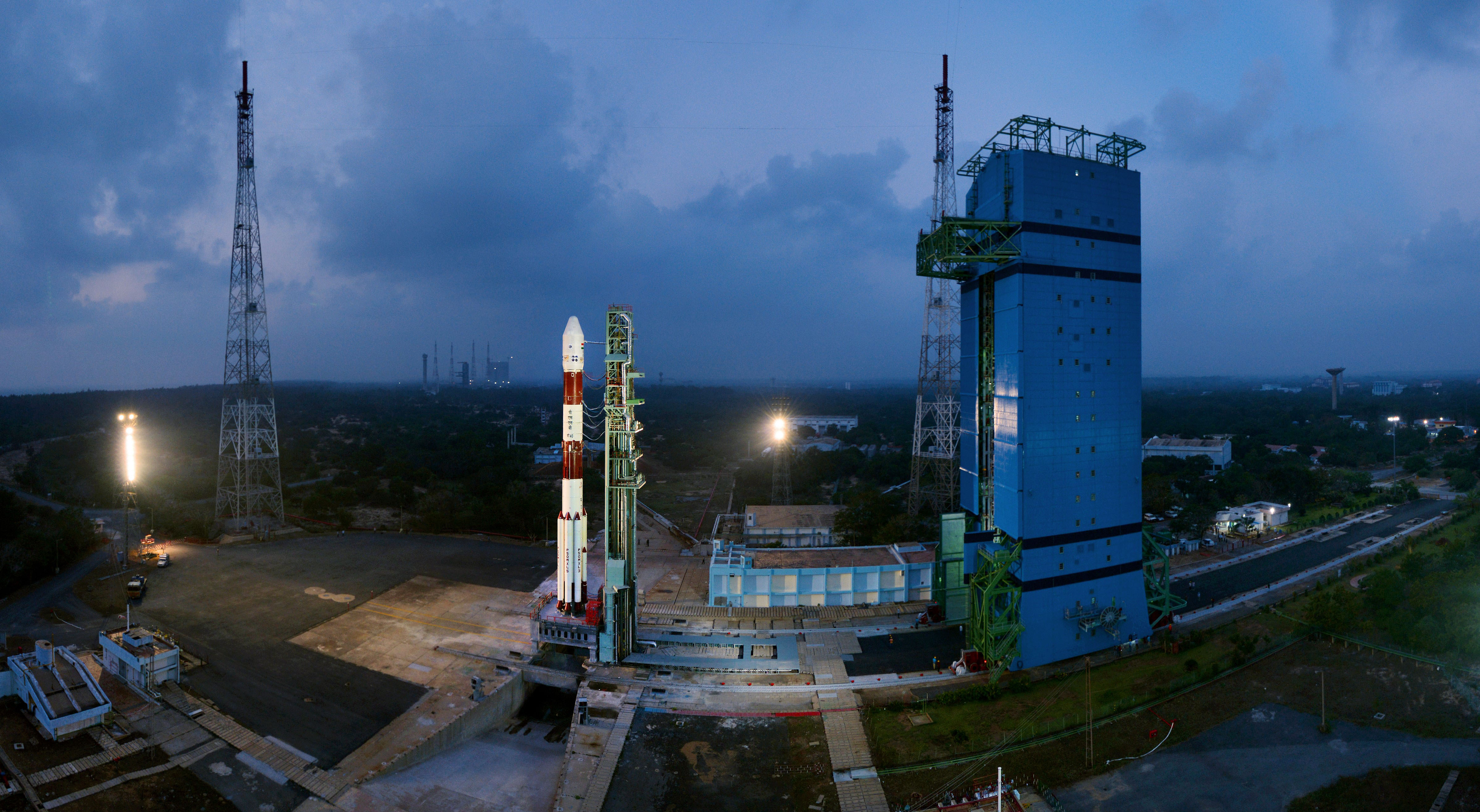
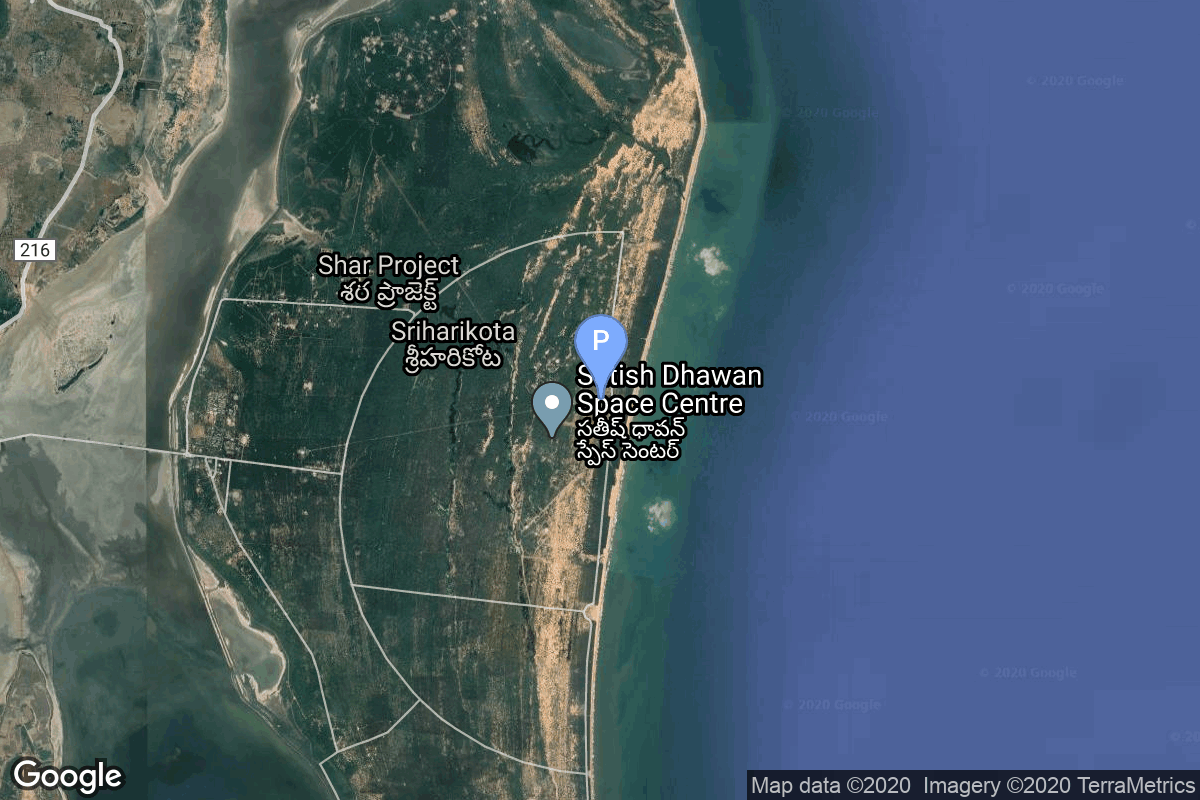
Launch Pad: Satish Dhawan Space Centre First Launch Pad
Satish Dhawan Space Centre, India
India has two launch pads at the site. The First Launch Pad, operational since 1993, is used for Polar Satellite Launch Vehicle, Small Satellite Launch Vehicle and formerly used by Geosynchronous…
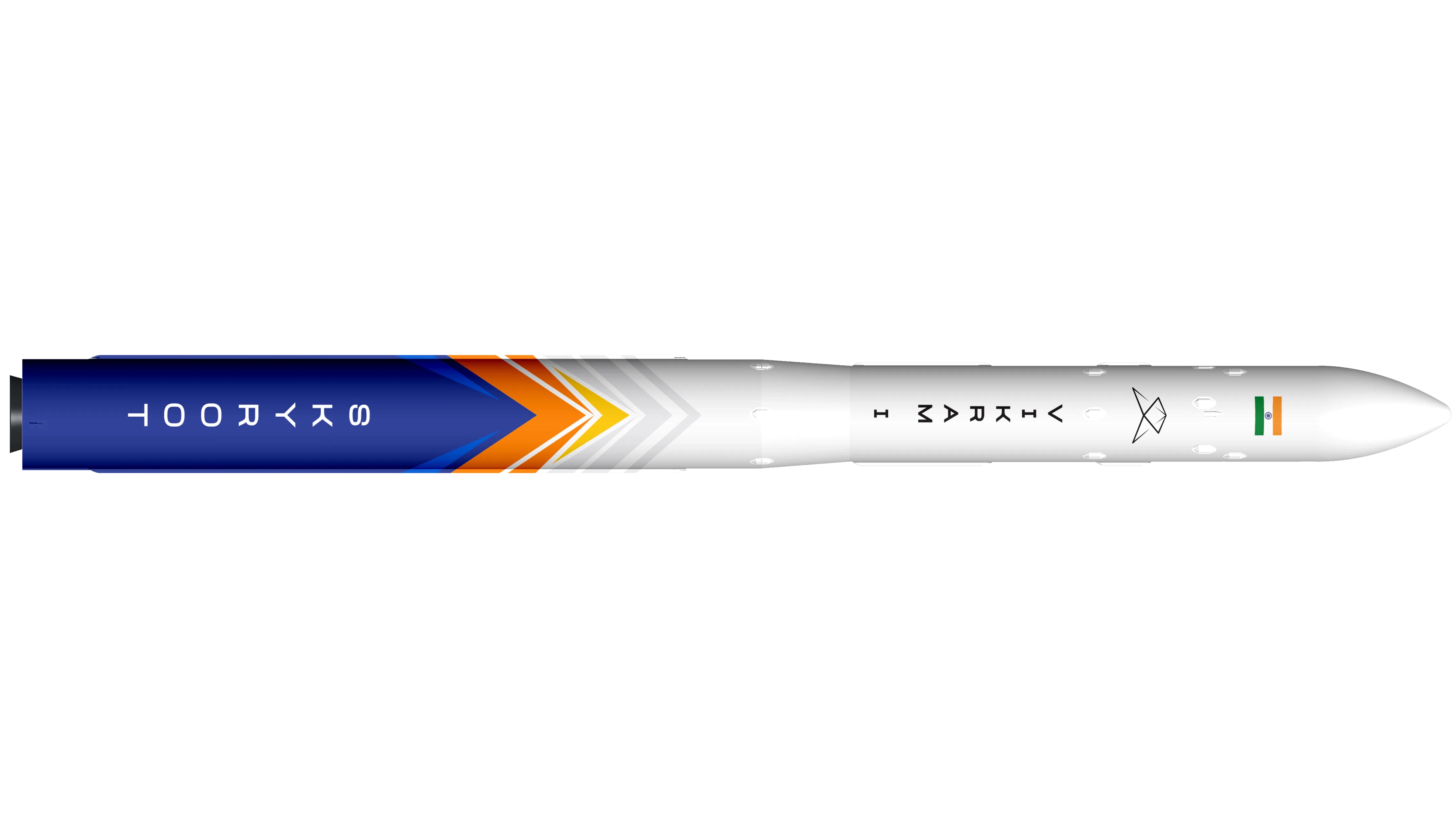
4-stage orbital launch vehicle developed by Indian private company Skyroot Aerospace, with capability of up to 350 kg to Low Earth Orbit. The first 3 stages are powered by solid fuel rocket motors, topped by a hypergolic fuel upper stage.
Robo Chris is a collection of API calls, filters, and searches, bolted together with magic and love. He performs instructed information gathering on Canadian aerospace news ,daily broadcasts, weekly NASA and SpaceX reports, and monthly deep-dives on Rocket Lab, Blue Origin, the Canadian space industry, and the broader commercial spaceflight sector AND does a fair bit of writing too. Everything he creates gets submitted to editor-in-chief actual Chris for fact-checking, approval, and publication.