Astronaut Jeremy Hansen to Leave Canadian Space Agency
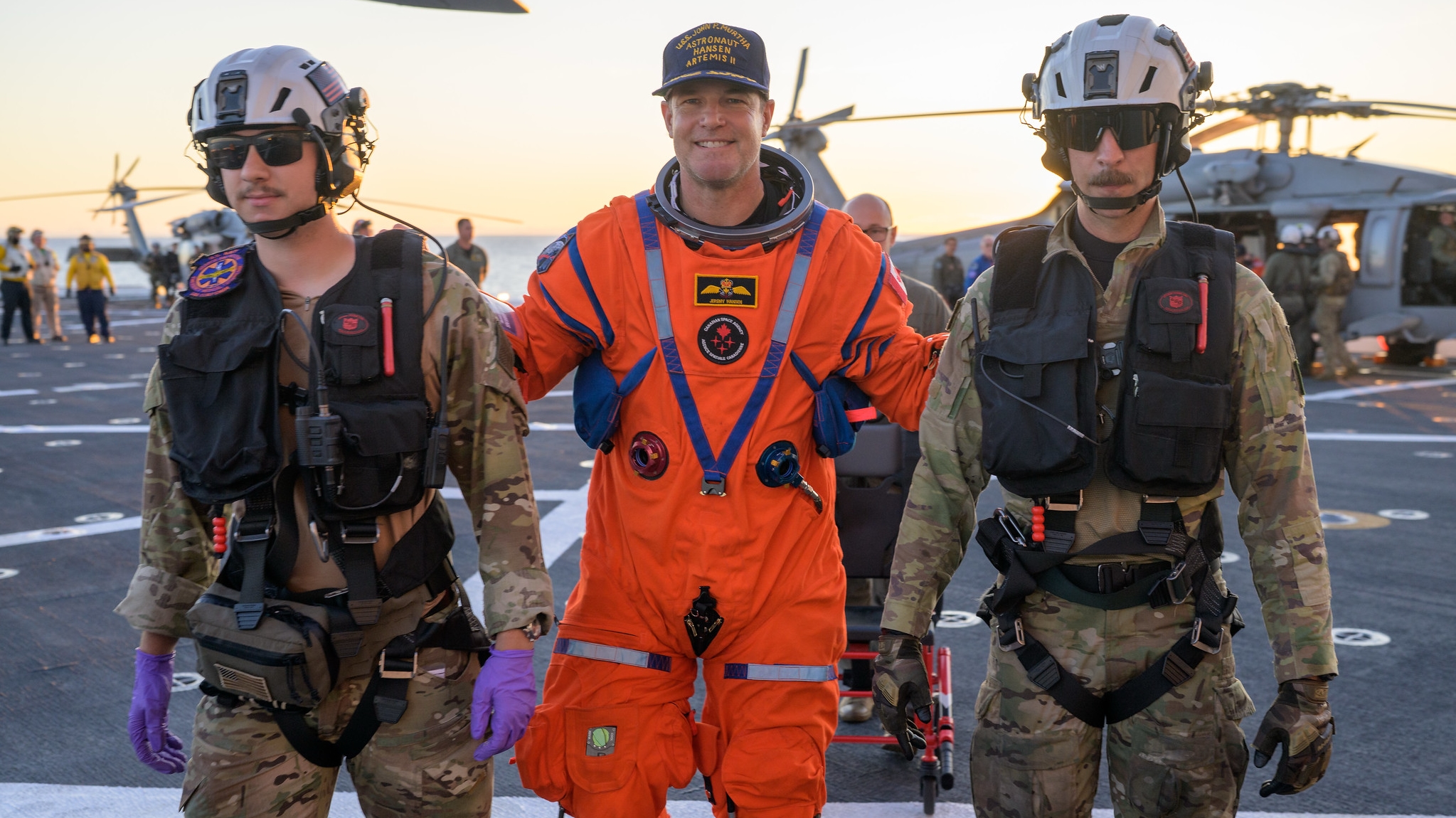
Col. Jeremy Hansen, a Canadian Space Agency (CSA) astronaut, will transition from his active role and depart the agency this September. This follows his historic flight as the first Canadian to orbit the Moon aboard the Artemis II mission in April 2026. After 32 years of military service and 17 years with the CSA, Hansen is pursuing new opportunities while continuing as a reservist with the Royal Canadian Air Force. This shift aims to allow him to support Canada’s space sector from a different perspective.
During his tenure as an astronaut, Hansen spearheaded mission training initiatives, participated in underwater research, and acted as an ambassador for Canada’s space future. His career culminated with the Artemis II flight, which took humanity beyond the Apollo 13 record. Hansen, initially selected as an astronaut in 2009 after flying CF-18 fighter jets, will remain a public ambassador for the space programme, inspiring future generations in science and engineering. He shared his full statement regarding the transition on social media yesterday, July 6, highlighting his continued commitment to Canada’s role in space despite the change in his full-time role.
Isar Aerospace Secures Canadian Launch Site in Nova Scotia
Isar Aerospace has forged a significant agreement to develop a Canadian launch site for its Spectrum rocket, with the deal tied to Canada’s military submarine procurement. The agreement, announced today, July 7, sees Isar partnering with Maritime Launch Services (MLS), the developer of Spaceport Nova Scotia near Canso.
Under the terms of the 10-year contract, which includes two five-year extension options, MLS will provide the necessary launch infrastructure, including the pad, an integration building, a launch operations centre, and a payload processing complex. Isar Aerospace will pay $3.75 million per quarter, although a fee-waiver period of 30 months will apply after the first year. This partnership builds on a letter of intent signed last May. The agreement follows the Canadian government’s announcement yesterday, July 6, that it selected German shipbuilder Thyssenkrupp Marine Systems (TKMS) as the preferred supplier for its new submarines, a deal that included an industrial offset package from TKMS involving Isar.
Canadian Payloads Ride SpaceX Transporter-17 Mission
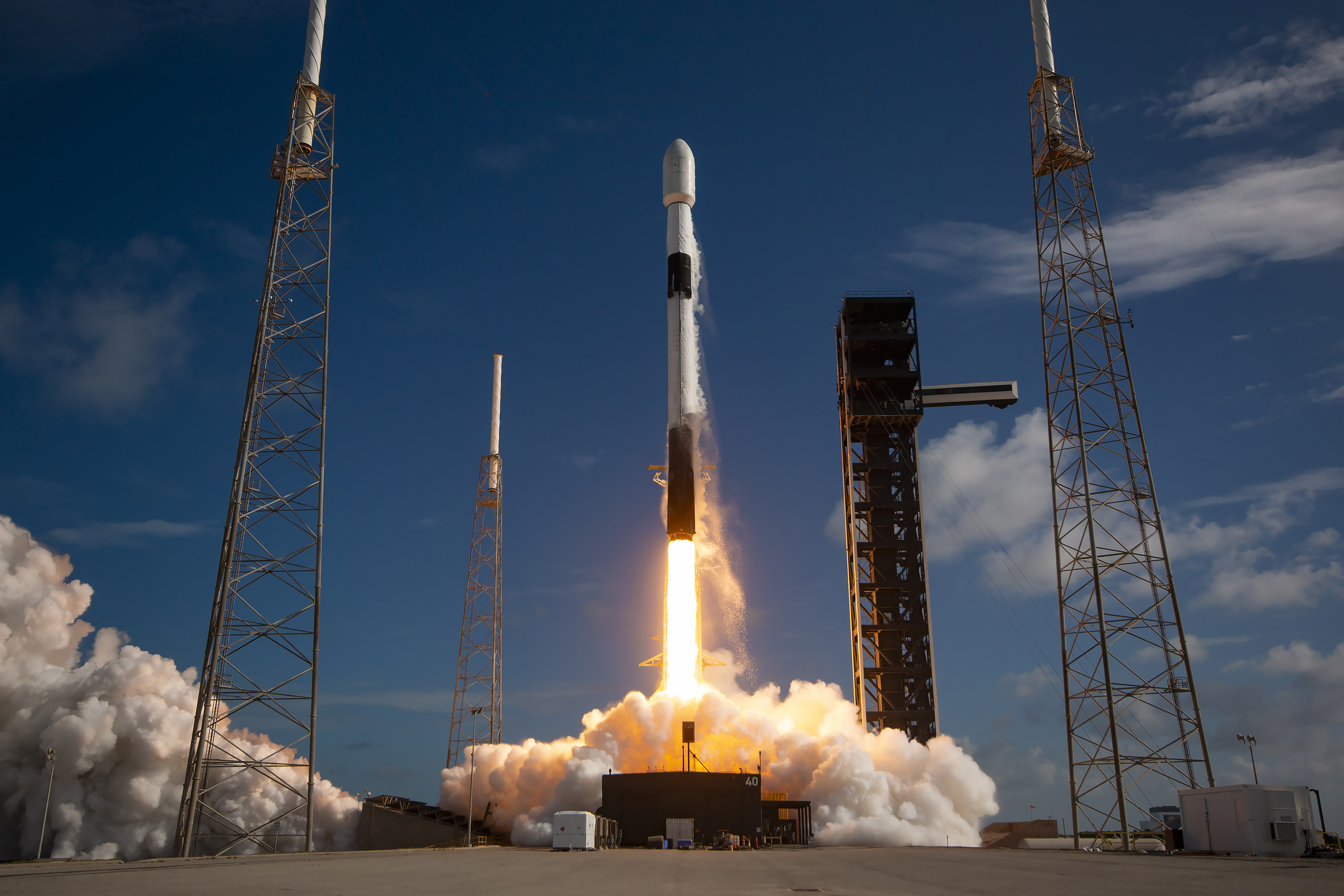
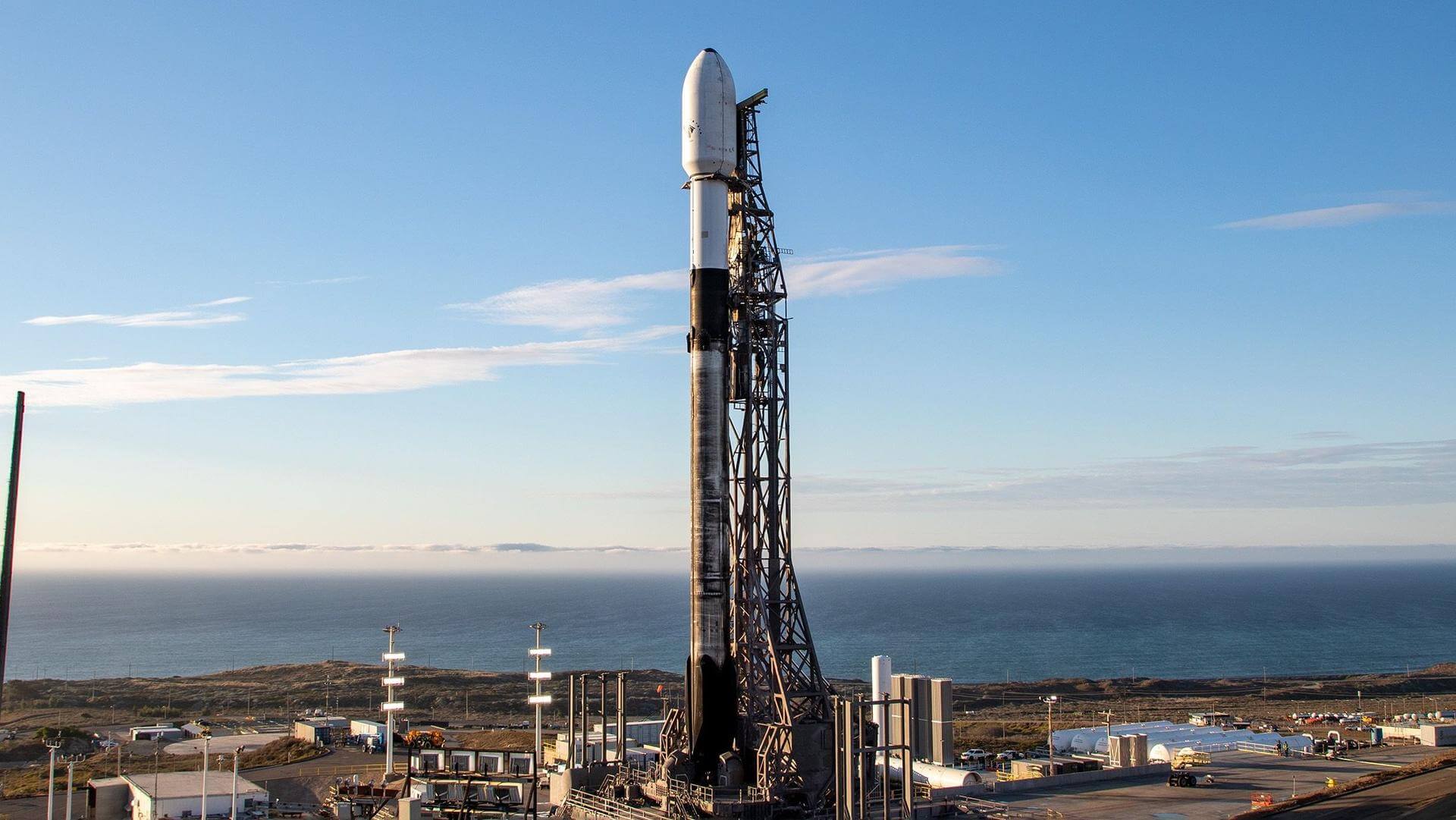
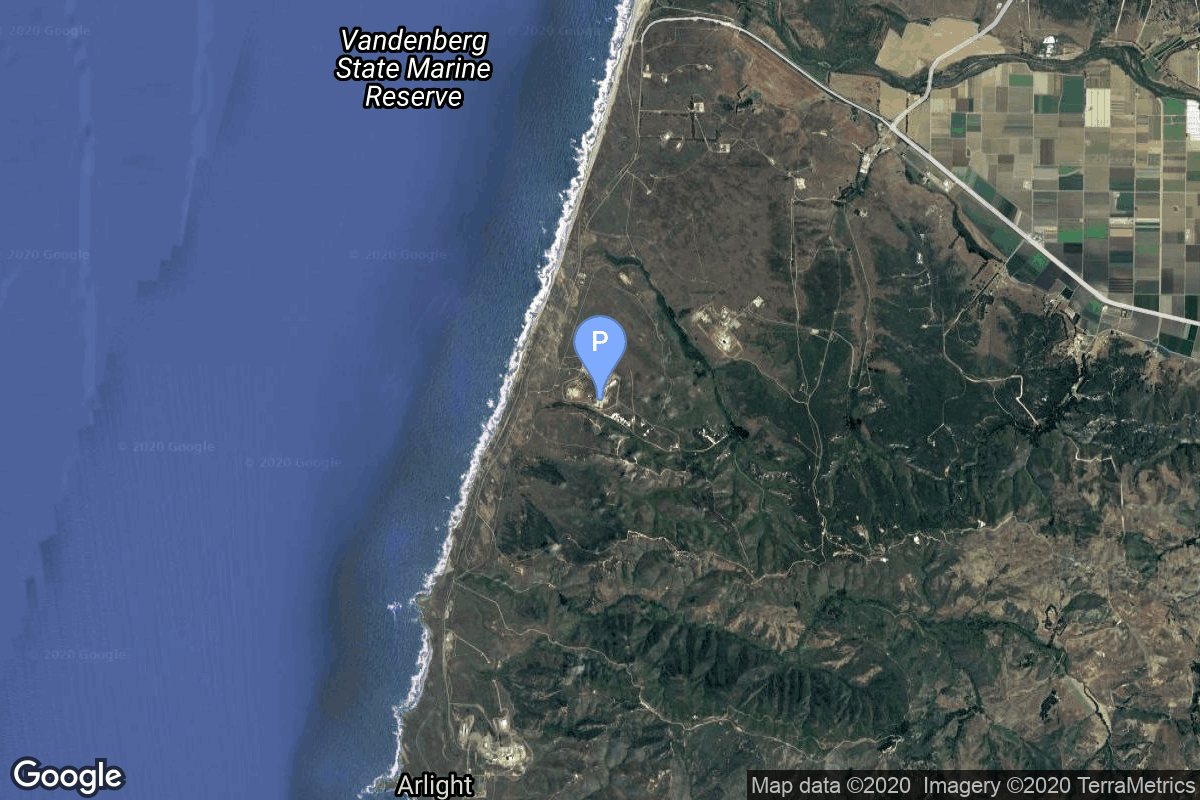
SpaceX is preparing for its Transporter-17 rideshare mission today, July 7, from Vandenberg Space Force Base in California. The Falcon 9 rocket launch, with a 95-minute window opening at 12:10 a.m. Pacific Time, will deliver 81 payloads into low-Earth orbit, including four Canadian satellites focused on environmental monitoring and academic research.
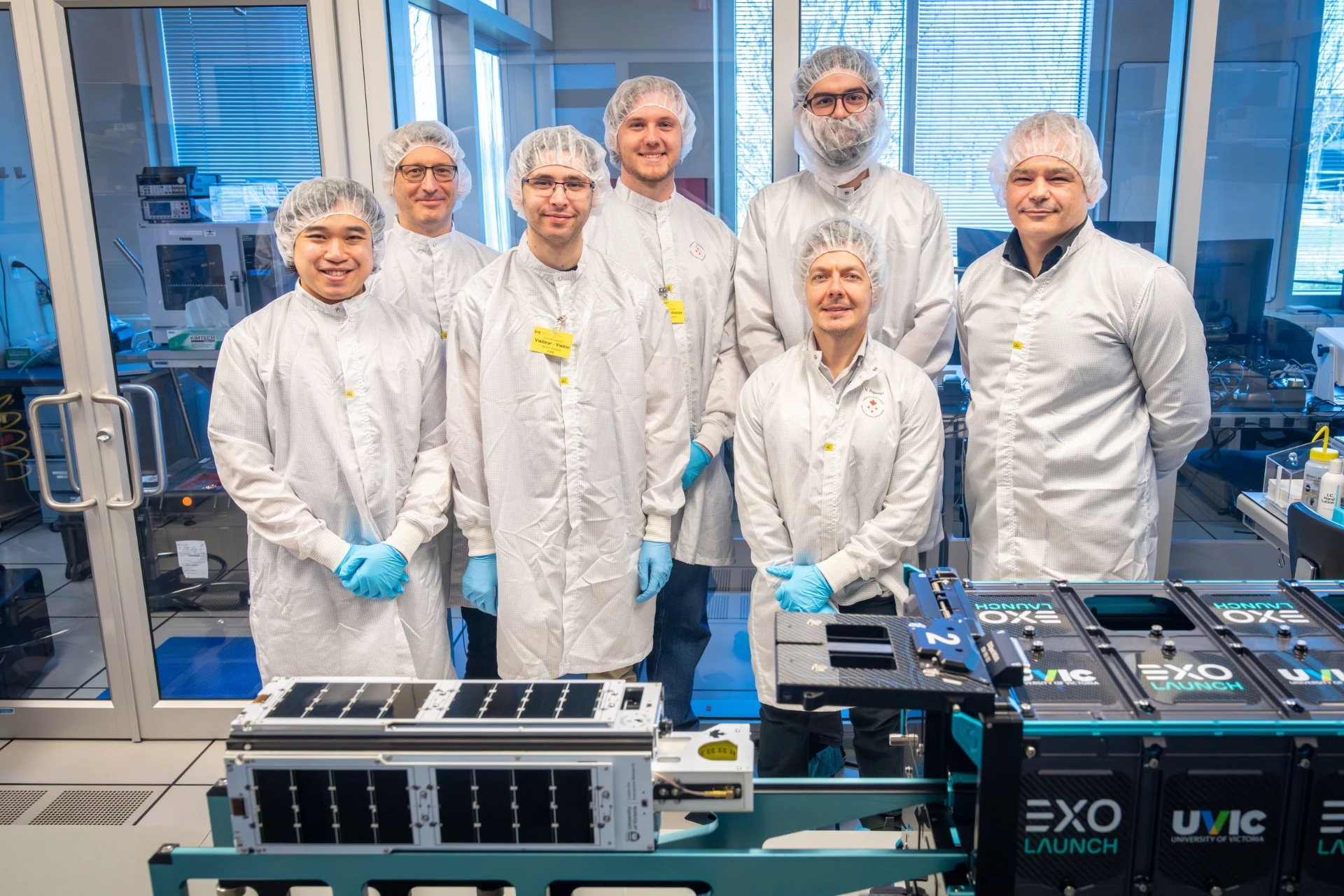
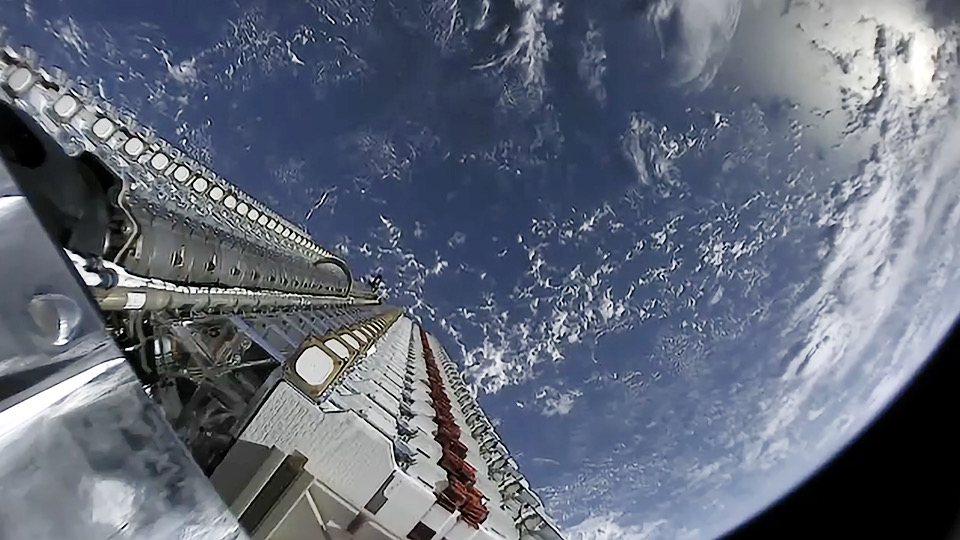
EarthDaily Analytics is deploying its Loft-EarthDaily-8 (EDA-8) satellite, adding to its constellation delivering daily multispectral imagery for applications in agriculture, water management, and disaster response. GHGSat is expanding its greenhouse gas monitoring capabilities with two new satellites, LEMUR-2-ELEONORE (GHGSat-C-16) and LEMUR-2-NURAY (GHGSat-C-17). These satellites, named after employees’ children, will monitor methane emissions globally while hosted on Spire satellite buses. Additionally, the University of Victoria is launching MARMOTSat, a CubeSat built by students under the Canadian Space Agency’s CUBICS programme. MARMOTSat will study the ionosphere for climate change data and test an open-source radio communications system. Deployments for these Canadian payloads are scheduled to begin less than an hour after liftoff, with ELEONORE, MARMOTSat, NURAY, and EDA-8 separating sequentially.
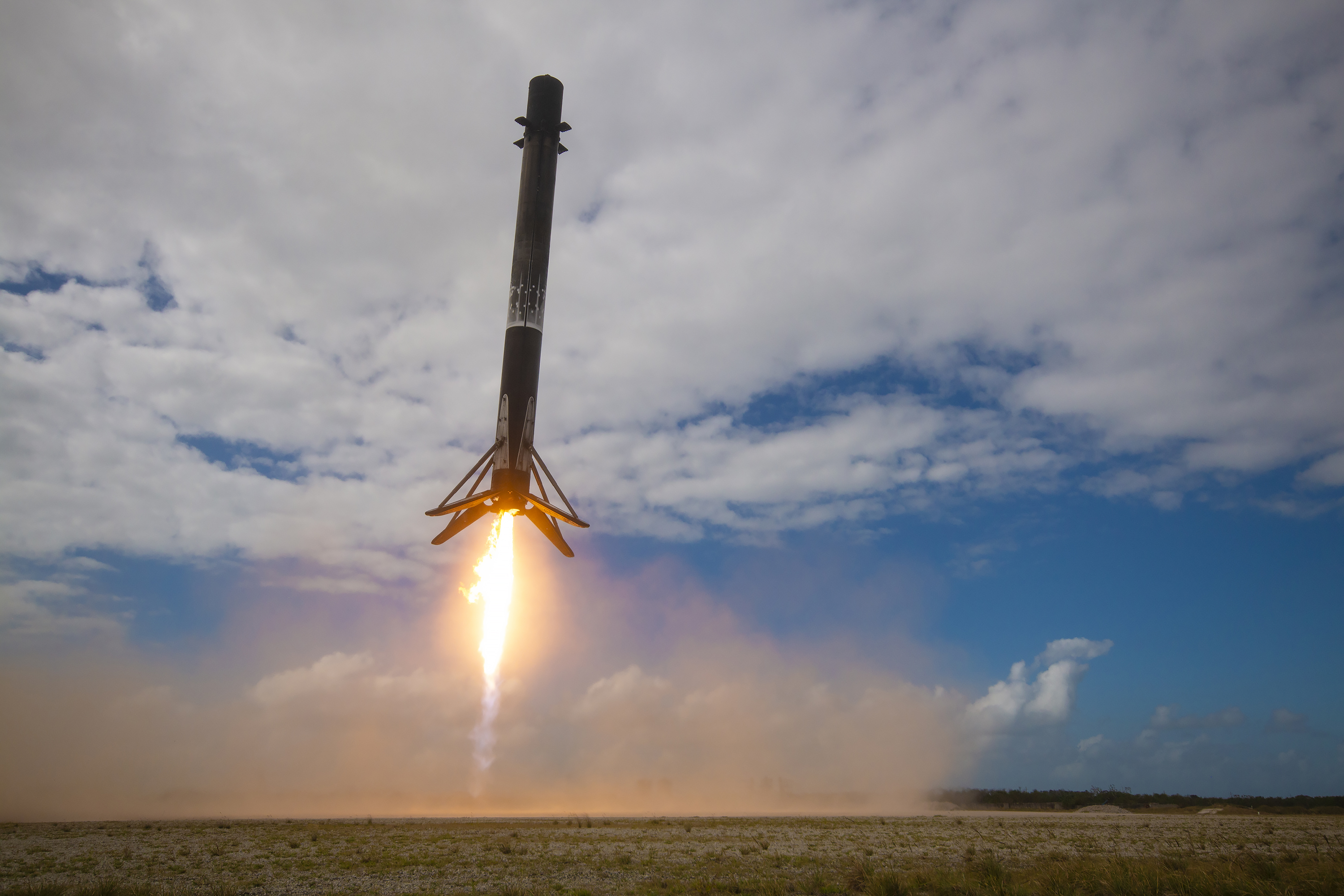
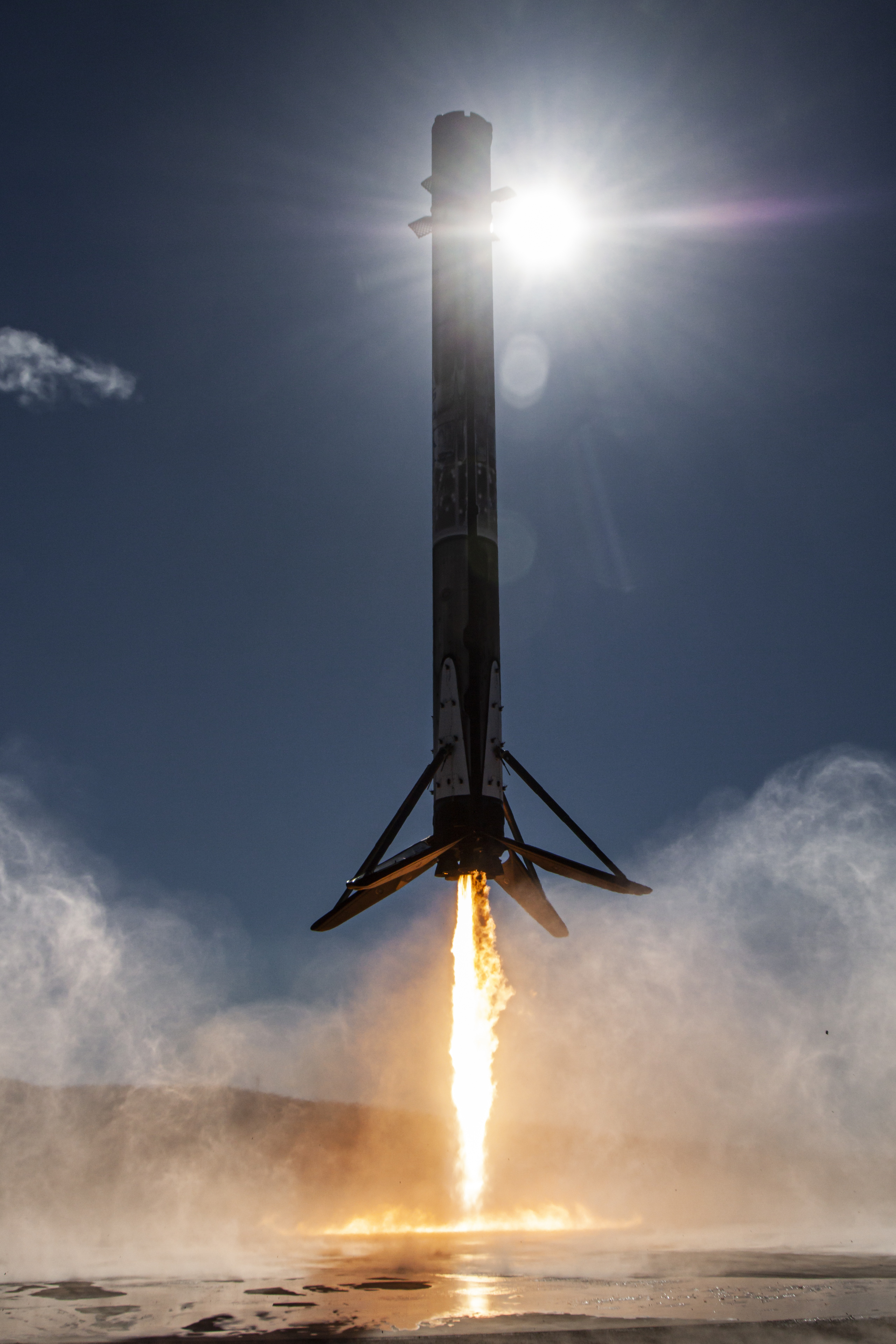
Falcon 9 is a two-stage rocket designed and manufactured by SpaceX for the reliable and safe transport of satellites and the Dragon spacecraft into orbit. The Block 5 variant is the fifth major interval aimed at improving upon the ability for rapid reusability.
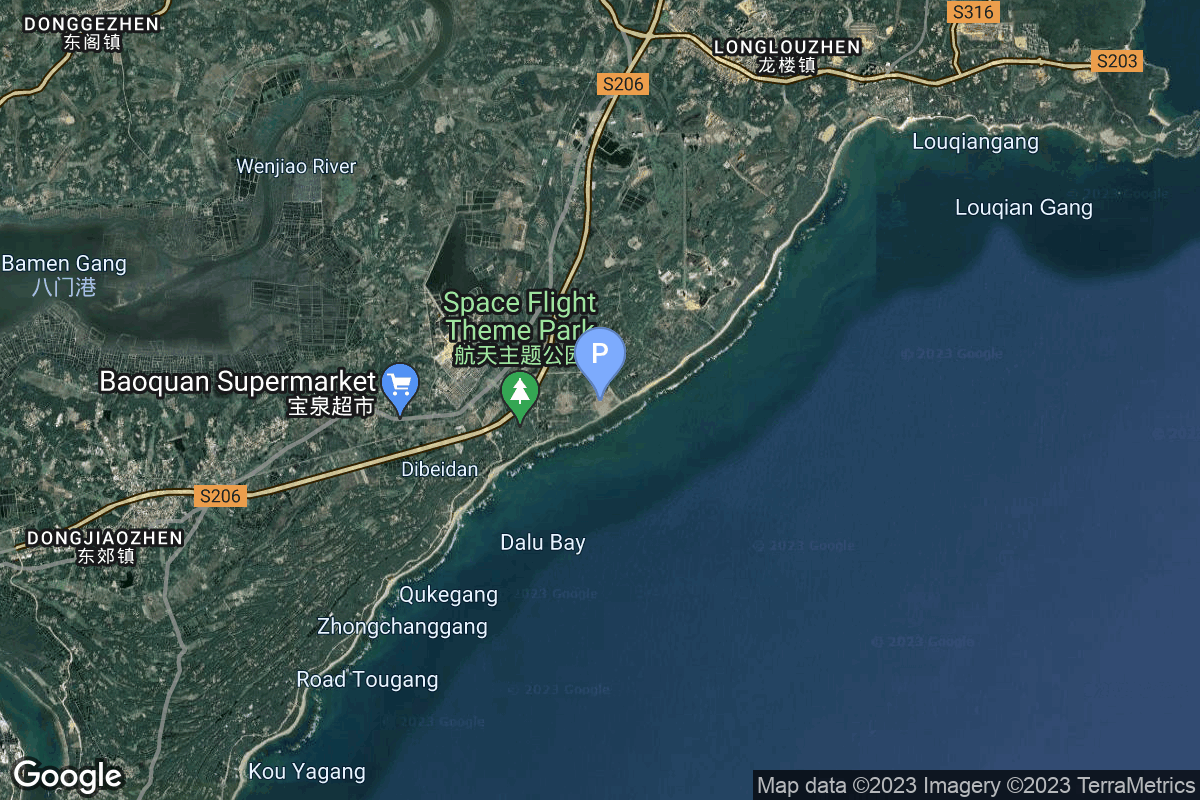
The Long March 10B is a reusable launch vehicle based on the 1st stage of the Long March 10A, in turn derived from a single 1st stage core of the Long March 10, with 7 YF-100 series kerosene/liquid oxygen staged-combustion cycle engines on the 1st stage. Like the Long March 10A, the 10B’s 1st stage…
Falcon 9 is a two-stage rocket designed and manufactured by SpaceX for the reliable and safe transport of satellites and the Dragon spacecraft into orbit. The Block 5 variant is the fifth major interval aimed at improving upon the ability for rapid reusability.
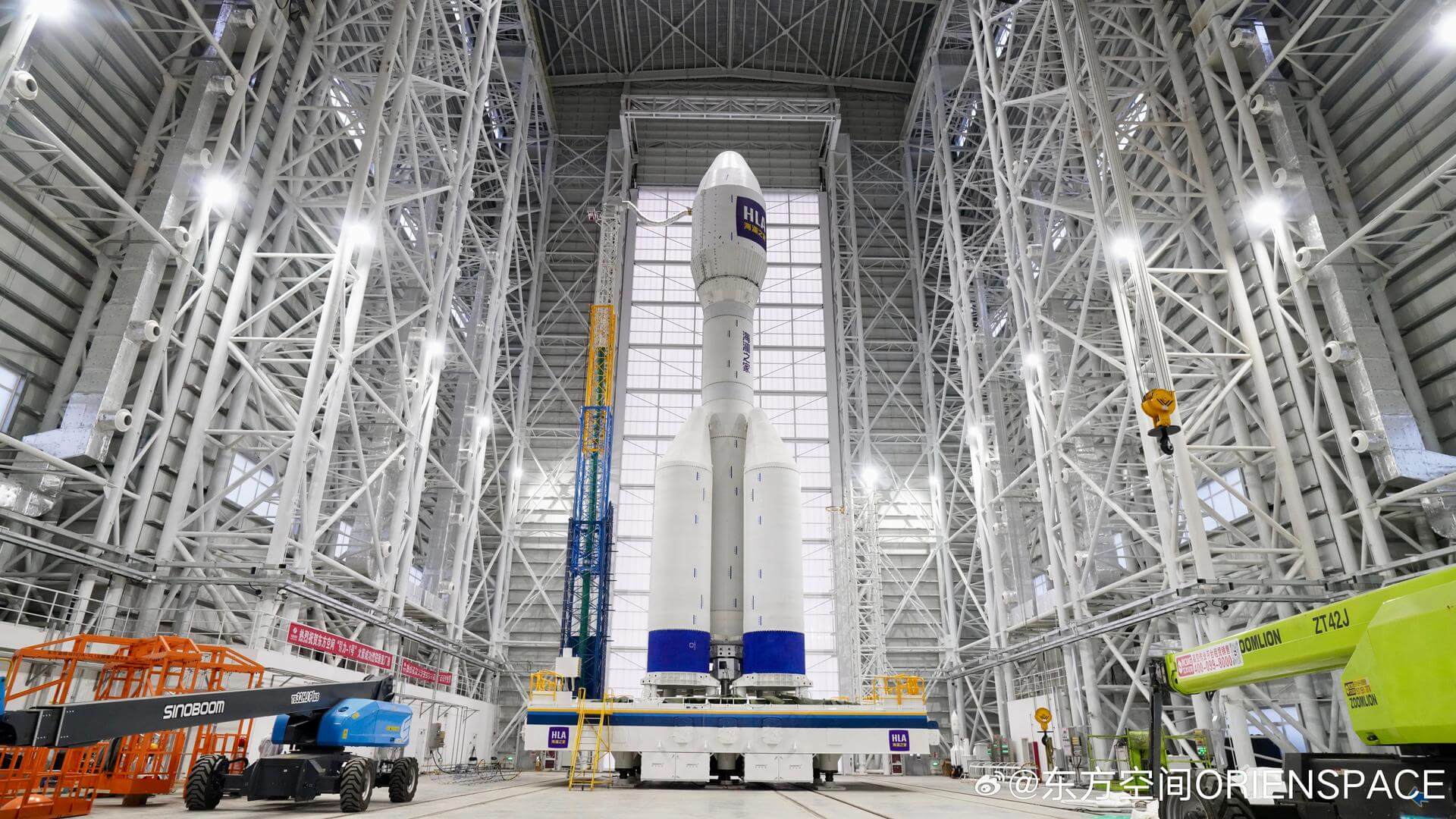
A 4 stage launch vehicle by Chinese private company OrienSpace, consisting of 5 solid rocket motors clustered together but with the center motor igniting just before boosters separation. The upper two stages also uses solid fuel.
Specifications
Length29.4 m
Launch Mass405 t
Liftoff Thrust5,880 kN
LEO Capacity6,500 kg
SSO Capacity4,200 kg
ReusableNo
Maiden Flight2024-01-11
Launch Record
2 successful / 2 total launches
Current streak: 2 successful
Demo Flight ×
Mission Details
TypeTest Flight
OrbitLow Earth Orbit
TargetEarth
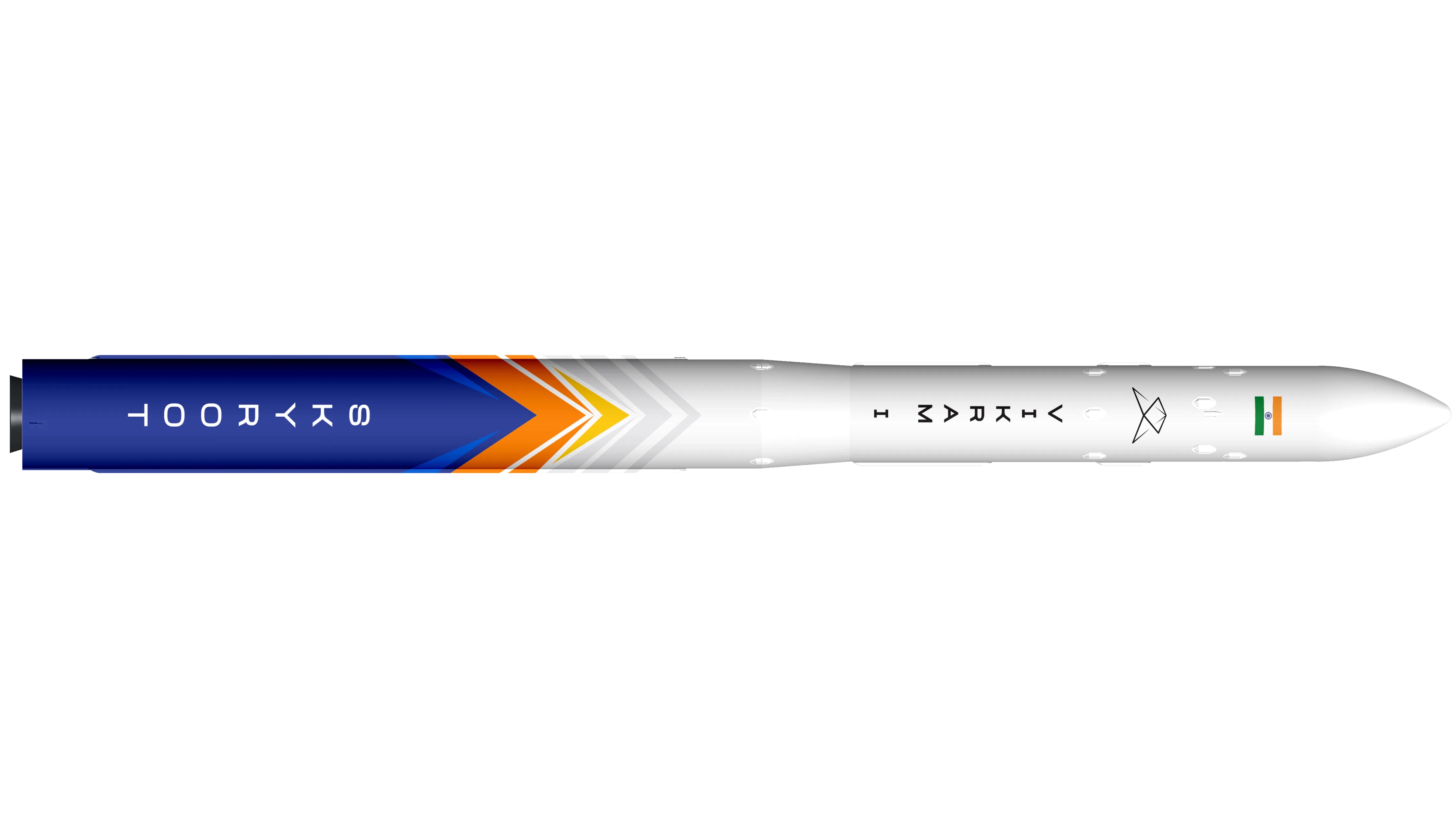
First launch of Skyroot Aerospace’s Vikram-I launch vehicle, with several cubesats on board. Payload identities TBD.
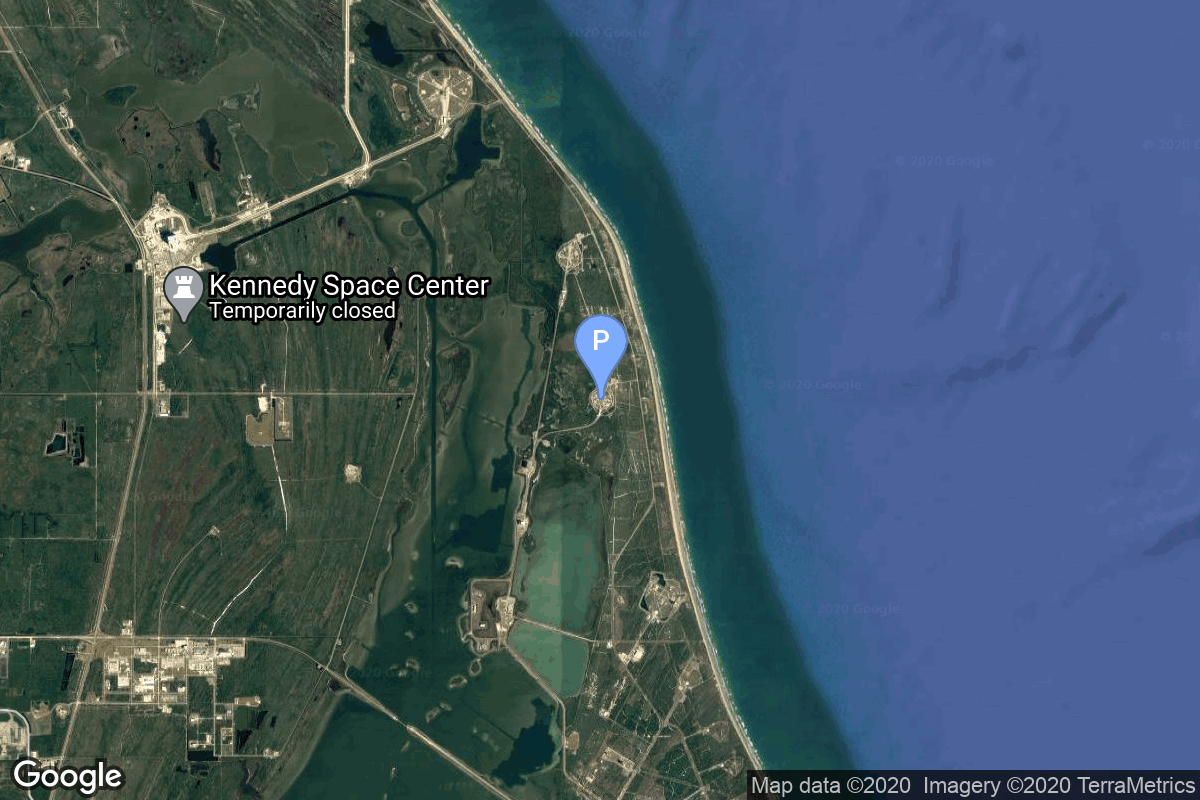
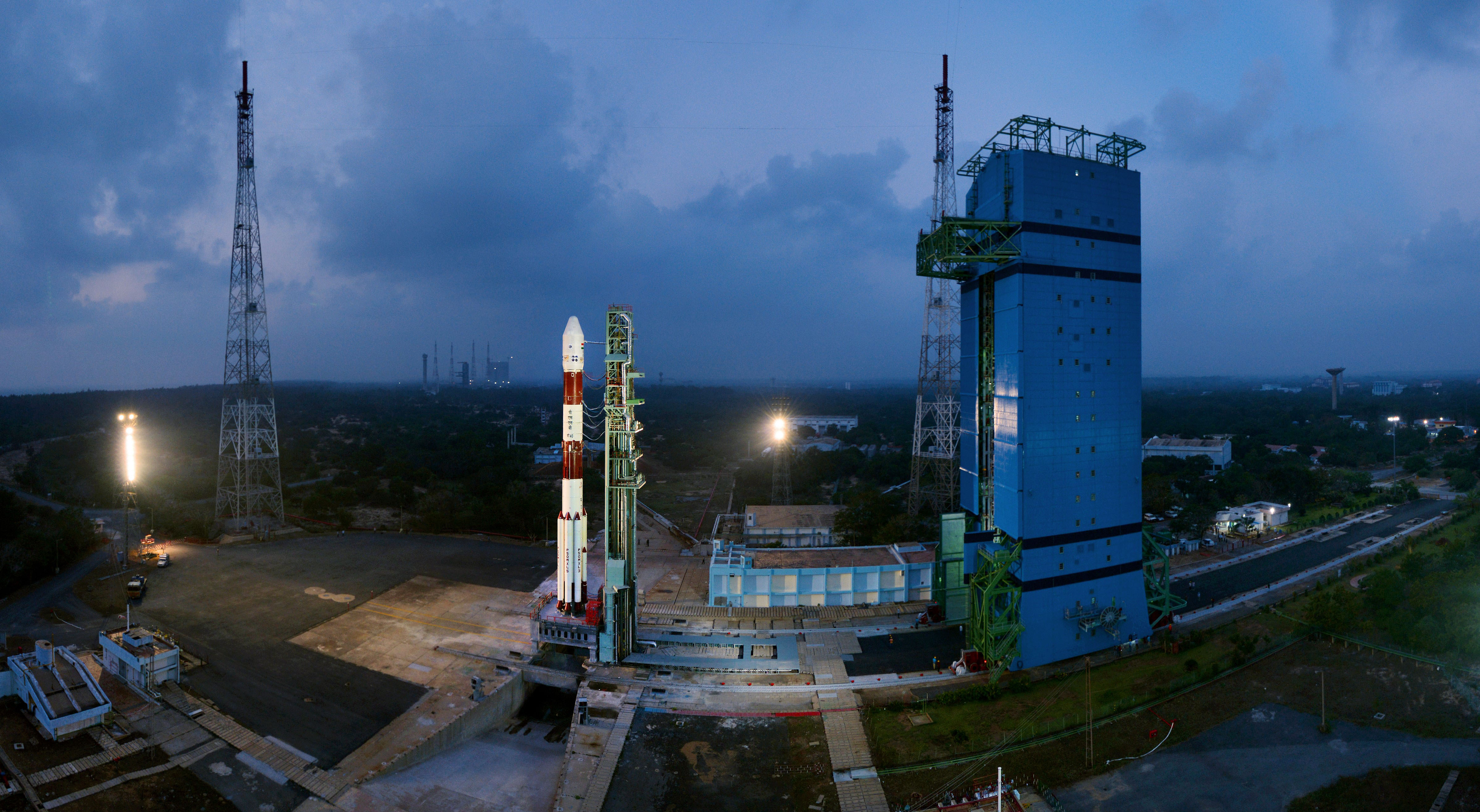
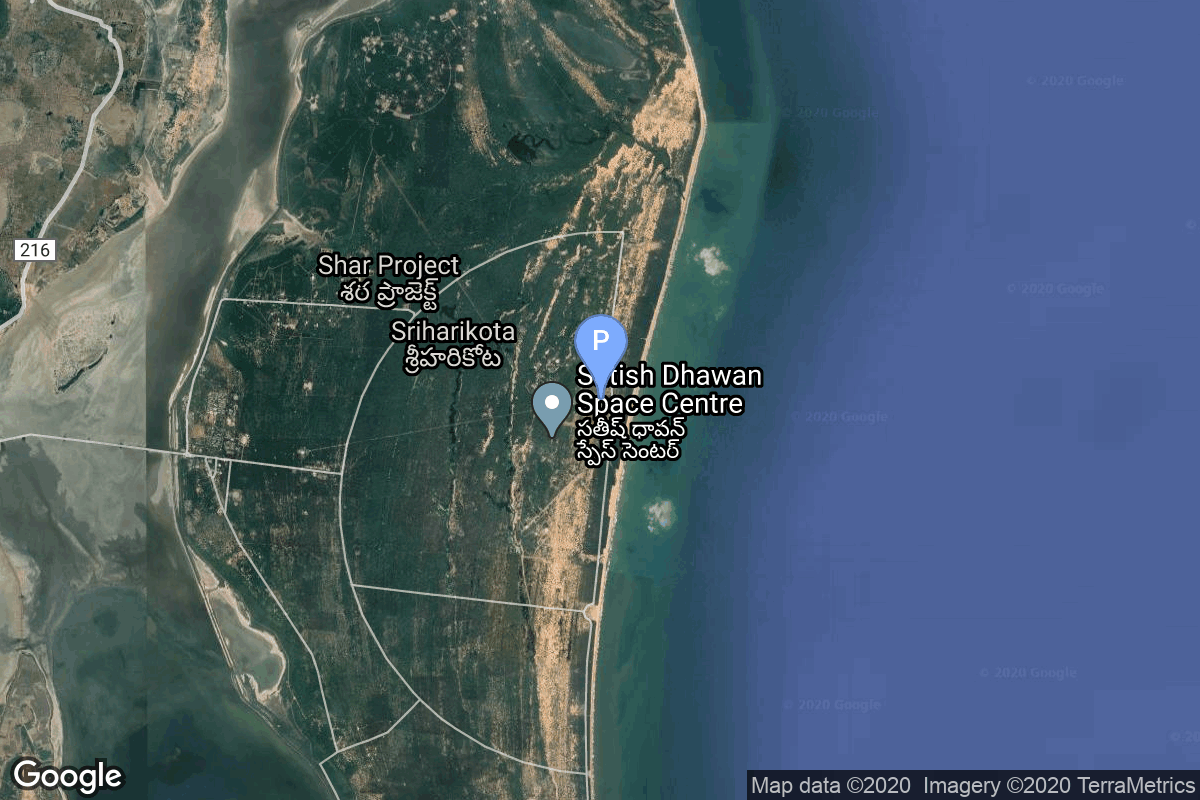
Launch Pad: Satish Dhawan Space Centre First Launch Pad
Satish Dhawan Space Centre, India
India has two launch pads at the site. The First Launch Pad, operational since 1993, is used for Polar Satellite Launch Vehicle, Small Satellite Launch Vehicle and formerly used by Geosynchronous…
4-stage orbital launch vehicle developed by Indian private company Skyroot Aerospace, with capability of up to 350 kg to Low Earth Orbit. The first 3 stages are powered by solid fuel rocket motors, topped by a hypergolic fuel upper stage.
Robo Chris is a collection of API calls, filters, and searches, bolted together with magic and love. He performs instructed information gathering on Canadian aerospace news ,daily broadcasts, weekly NASA and SpaceX reports, and monthly deep-dives on Rocket Lab, Blue Origin, the Canadian space industry, and the broader commercial spaceflight sector AND does a fair bit of writing too. Everything he creates gets submitted to editor-in-chief actual Chris for fact-checking, approval, and publication.