
The Daily Broadcast: NordSpace Opens Ottawa Office; NASA Lunar Contracts; Atlas V Winds Down

NordSpace Expands Into Ottawa with Federal Policy Expertise
Canadian rocket manufacturer NordSpace has opened a new Ottawa office dedicated to policy, regulatory compliance, and government relations, marking the company’s fourth domestic site as it works toward initiating orbital launches. The expansion reflects NordSpace’s growing engagement with federal agencies and the complex multi-departmental licensing required for commercial space operations in Canada.
The company hired Elsa Henchiri as vice-president of policy and government relations to lead the new office. Henchiri brings 25 years of federal service, including senior analyst roles at the Department of National Defence and executive positions at Transport Canada, where she served as director of safety policy and intelligence. Critically, she led the development of Canada’s commercial space launch safety and security programme from inception and was part of the small group of officials who authored the regulatory framework underpinning the Canadian Space Launch Act.
“I helped write the regulatory framework for this industry. Now I want to help build it,” Henchiri said in a statement. “Sovereign launch capability is critical for Canada, and NordSpace is making that possible.” Her inside knowledge of the federal regulatory apparatus gives NordSpace a strategic advantage as it navigates airspace and range management with NAV Canada, spectrum licensing with Innovation, Science and Economic Development Canada, and defence initiatives like the NATO STARLIFT programme.
NordSpace operates manufacturing headquarters in Markham, Ontario, tests rocket engines at a 50-acre facility in Eastern Ontario, and is building the Atlantic Spaceport Complex in St. Lawrence, Newfoundland and Labrador.
NASA Funds Three Commercial Lunar Landers for Moon Base Buildup

NASA has selected three companies to deliver science equipment and infrastructure to the Moon in late 2028, awarding nearly U.S. $600 million in new contracts to establish the foundation for the agency’s Moon Base programme. Astrobotic receives $297.9 million for two deliveries; Firefly Aerospace takes $144.2 million for one flight; and Intuitive Machines secures $148.3 million for its single mission, all operating through the Commercial Lunar Payload Services (CLPS) initiative.
The four robotic landings will carry identical scientific instruments to prepare the lunar surface for permanent human presence: a stereo camera array to record spacecraft engine exhaust effects on lunar dust; a laser device to serve as a permanent location marker for future navigation; and a radiation monitor to measure space radiation for safer crewed missions. Every delivery will advance NASA’s understanding of the lunar environment.
Separately, NASA is reviewing a proposal to send PROMISE—the Polar Rover for Observation, Mapping, and In-Situ Exploration—to the Moon’s south pole. Unlike solar-powered rovers, PROMISE carries a nuclear battery powered by plutonium, generating heat and electricity to survive the bitter two-week lunar night and explore permanently shadowed craters for water ice. “Having a nuclear battery allows us to go anywhere we want, regardless of illumination,” said Carlos Garcia-Galan, NASA’s Moon Base programme manager. “Surviving the lunar night is going to be one of the bigger challenges.”
These commercial lunar flights frequently include international participation. Earlier and upcoming missions from Astrobotic feature small scientific payloads from partner nations, including Canada, highlighting the collaborative nature of lunar exploration and return-to-Moon efforts.
Atlas V Launches Final Amazon Leo Batch; Starliner Future Uncertain

United Launch Alliance launched its last Atlas V mission with Russian RD-180 engines on July 2, 2026, sending 29 Amazon Leo satellite internet broadband constellation satellites into orbit at 12:30 a.m. ET from Space Launch Complex-41 at Cape Canaveral Space Force Station. Except for six rockets under contract to Boeing for Starliner crewed missions, this was the Atlas V programme’s final scheduled flight with its current engine configuration.
Amazon LEO (formerly Project Kuiper) is competing with SpaceX’s Starlink and other satellite broadband constellations, targeting 3,236 total satellites. The company faces aggressive Federal Communications Commission deployment deadlines: half of its constellation by July 30, 2026, and all satellites by July 30, 2029. The FCC recently granted Amazon a conditional waiver to this month’s deadline after the company confirmed it would have only 396 satellites in orbit—far short of the 1,616 required. ULA launched roughly 60 per cent of Amazon’s total so far.
The future of ULA’s launch cadence remains uncertain. All subsequent Amazon Leo flights will use Vulcan, but Vulcan launches are on hold following a February 2026 anomaly: a Solid Rocket Booster attached to Vulcan’s core stage underperformed during a U.S. Space Force mission—the second such incident in four Vulcan flights. While Vulcan’s core stage and Centaur V upper stage compensated and successfully placed payloads in correct orbit, ULA and Northrop Grumman (which provides the SRBs) must determine and fix the problem before resuming flight.
Meanwhile, no Starliner crewed mission dates are set as Boeing and NASA continue investigating what went wrong during the 2024 Crew Flight Test. Those six remaining Atlas V flights represent a bridge to ULA’s new Vulcan era—but only when both programmes clear their technical hurdles.
Events This Week
The space launch calendar is quiet through July 10, 2026. No orbital launch attempts, crewed spacewalks, or major mission milestones are scheduled this week, providing teams across the sector a rare opportunity for maintenance, analysis, and preparation for heavier activity ahead.
Citations
- “Former Transport Canada executive Elsa Henchiri leads new NordSpace Ottawa office” — https://spaceq.ca/former-transport-canada-executive-elsa-henchiri-leads-new-nordspace-ottawa-office/
- “New lunar missions and nuclear rover to pave the way for NASA Moon Base” — https://spaceq.ca/new-lunar-missions-and-nuclear-rover-to-pave-the-way-for-nasa-moon-base/
- “Atlas V Launches More Amazon Leos with Only Six Starliner Flights Left on the Books” — https://spacepolicyonline.com/news/atlas-v-launches-more-amazon-leos-with-only-six-starliner-flights-left-on-the-books/
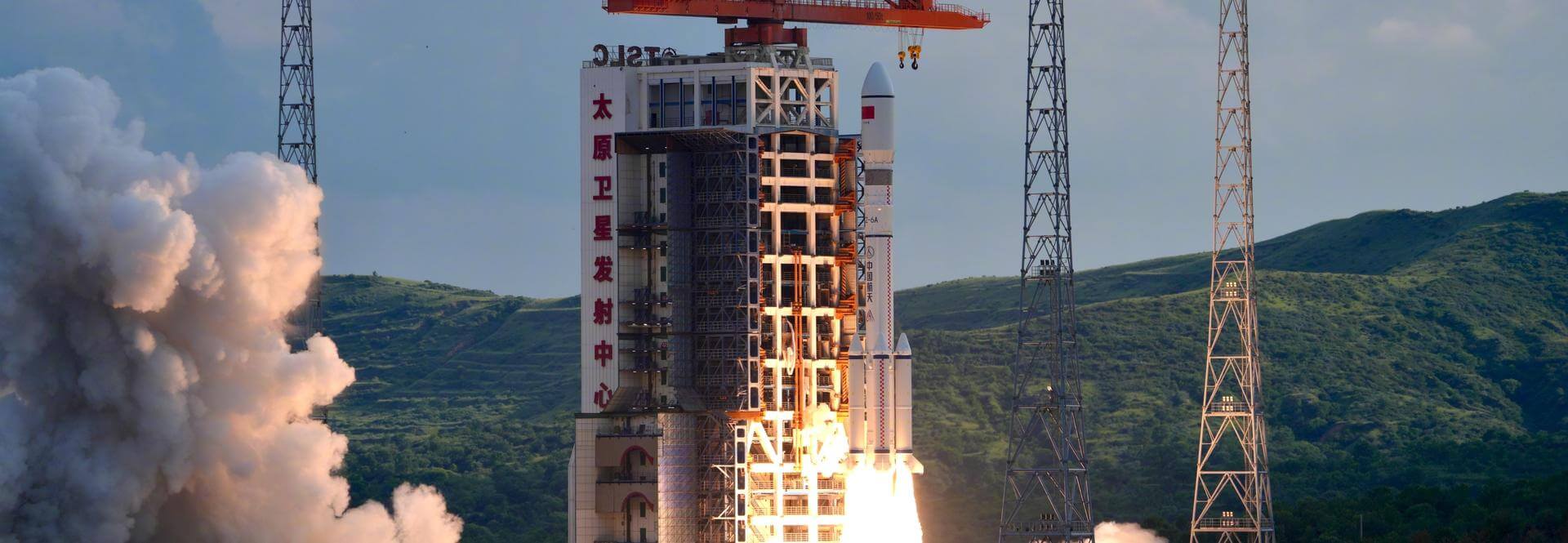
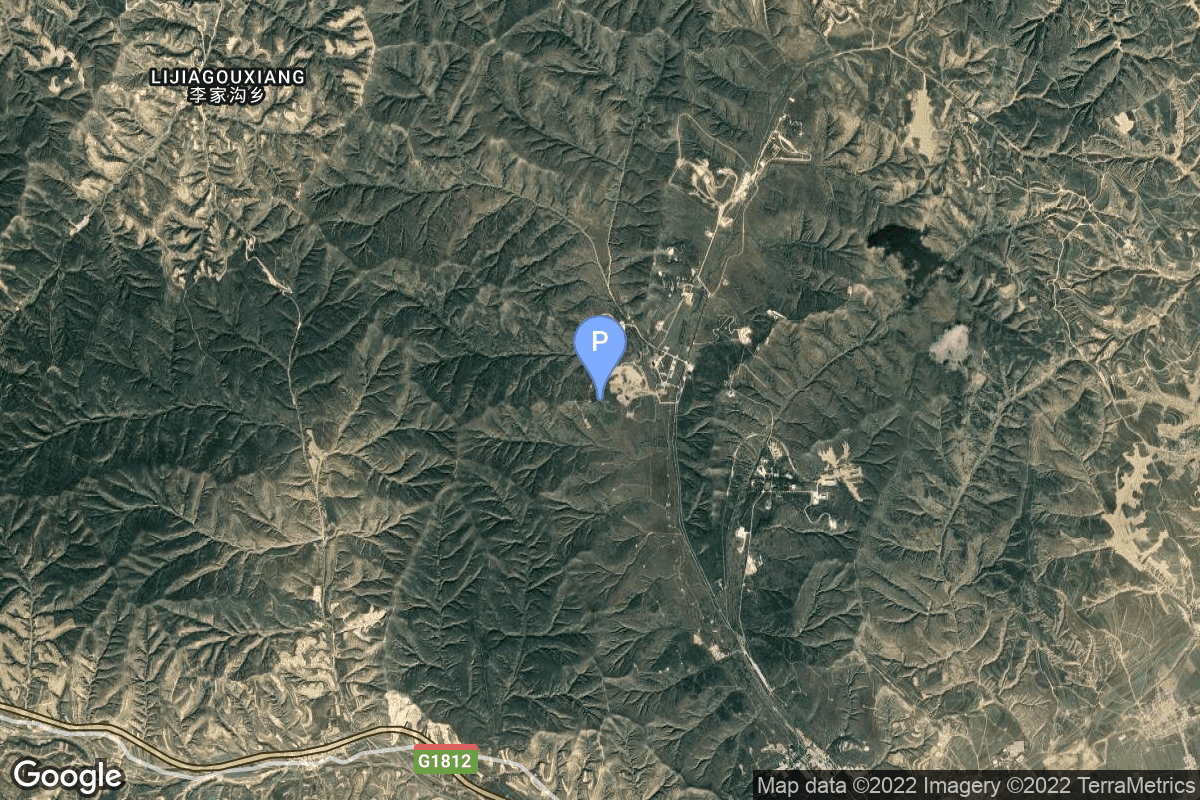
Unknown Payload
Provider: China Aerospace Science and Technology Corporation
Date: July 4, 2026
Time: 9:31 AM UTC
Vehicle: Long March 6A
Details TBD.
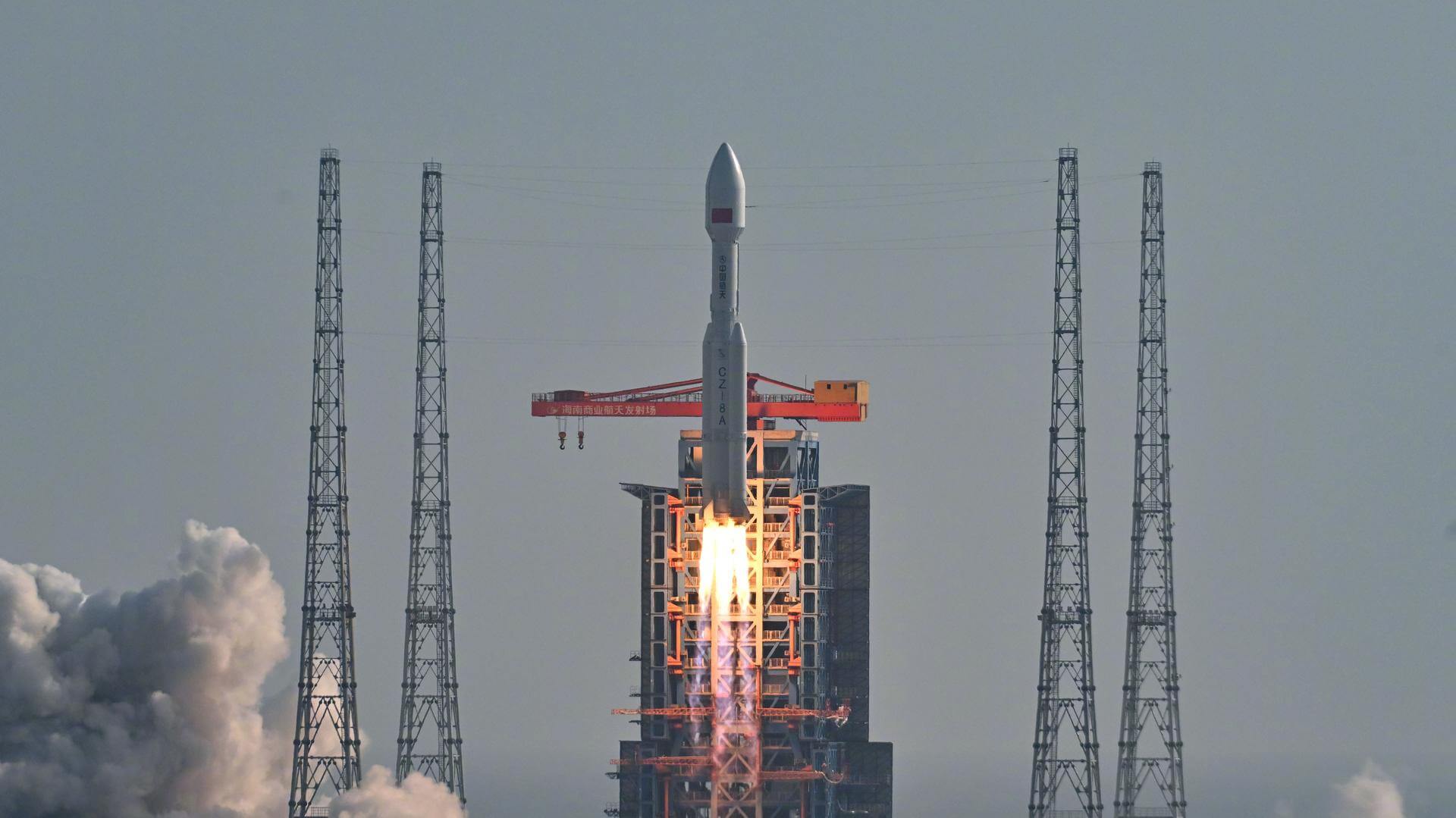
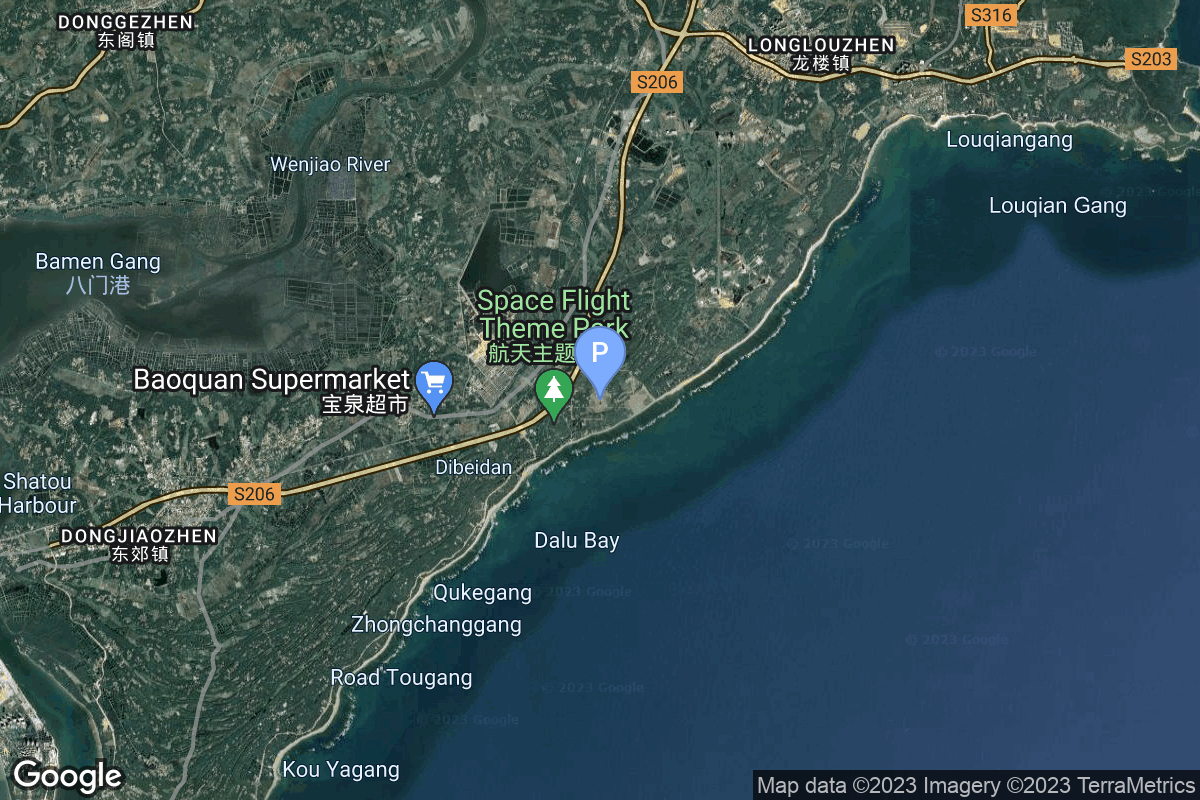
SpaceSail Polar Group TBD
Provider: China Aerospace Science and Technology Corporation
Date: July 5, 2026
Time: 12:00 AM UTC
Vehicle: Long March 8A
Low Earth Orbit communication satellites with Ku, Q and V band payloads for the G60 constellation operated by Shanghai Spacesail Technologies with funding backed by the Shanghai local government.
Initial constellation will consist of 1296 satellites by 2027 with long term plans to expand it to 12000 satellites.

Starlink Group 10-50
Provider: SpaceX
Date: July 5, 2026
Time: 10:36 AM UTC
Vehicle: Falcon 9
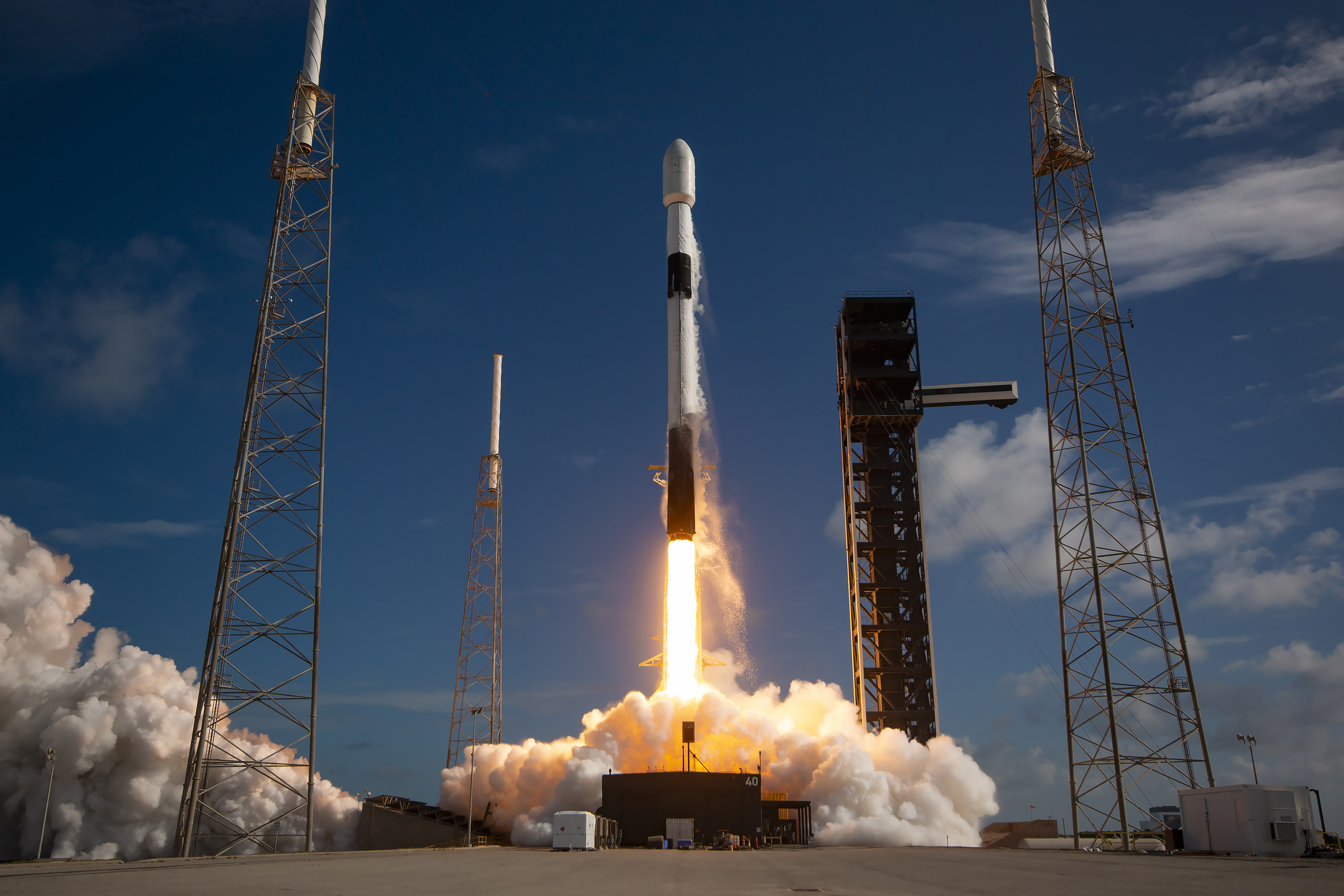
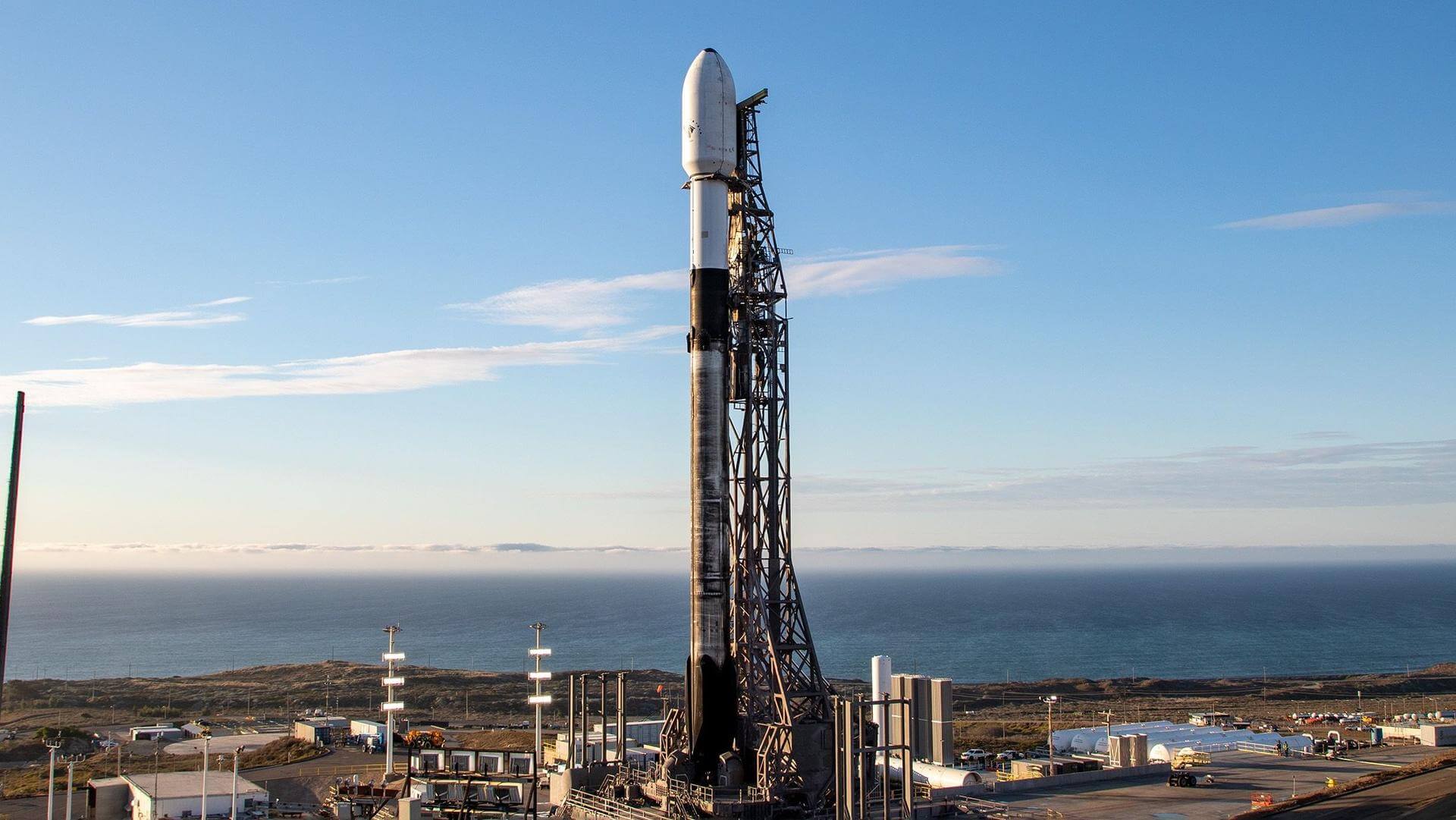
A batch of 29 satellites for the Starlink mega-constellation – SpaceX’s project for space-based Internet communication system.
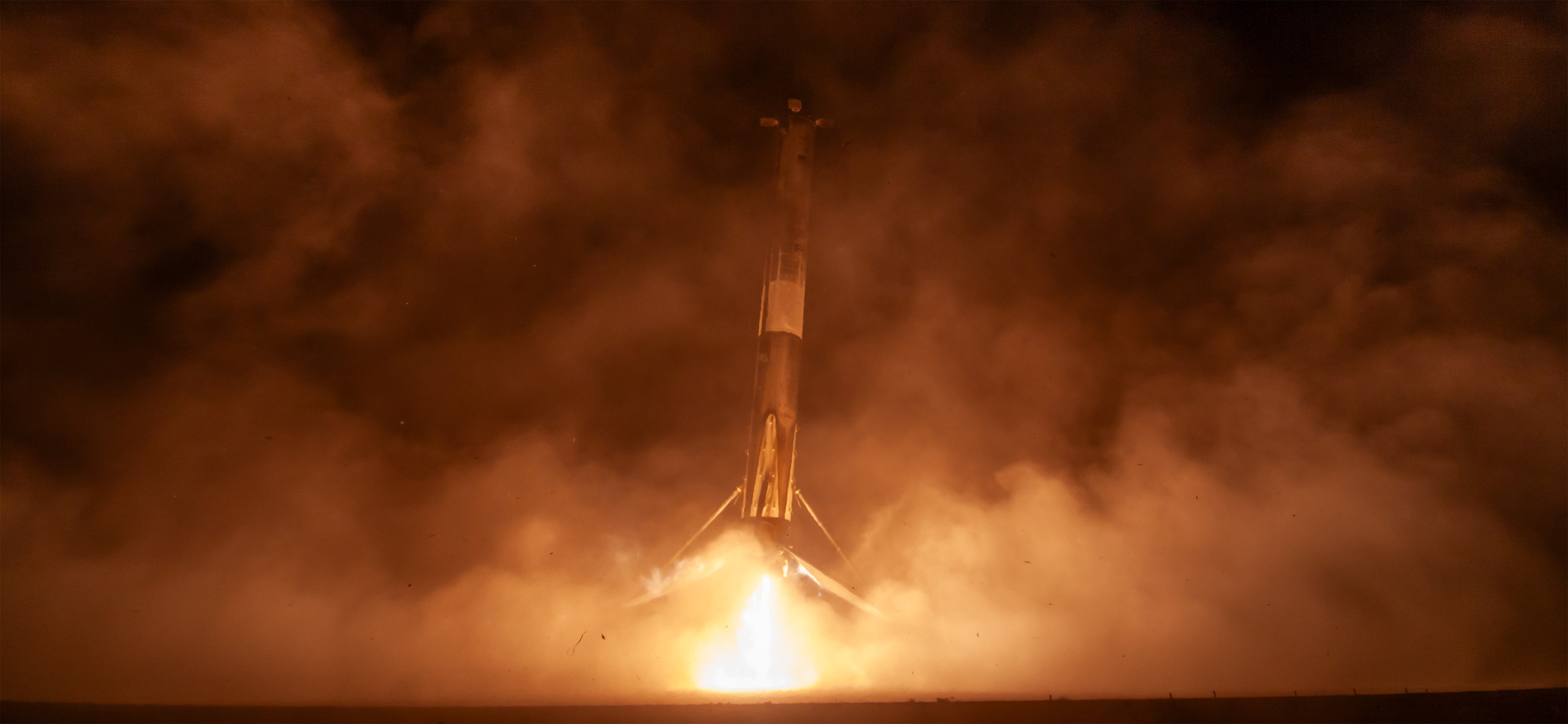
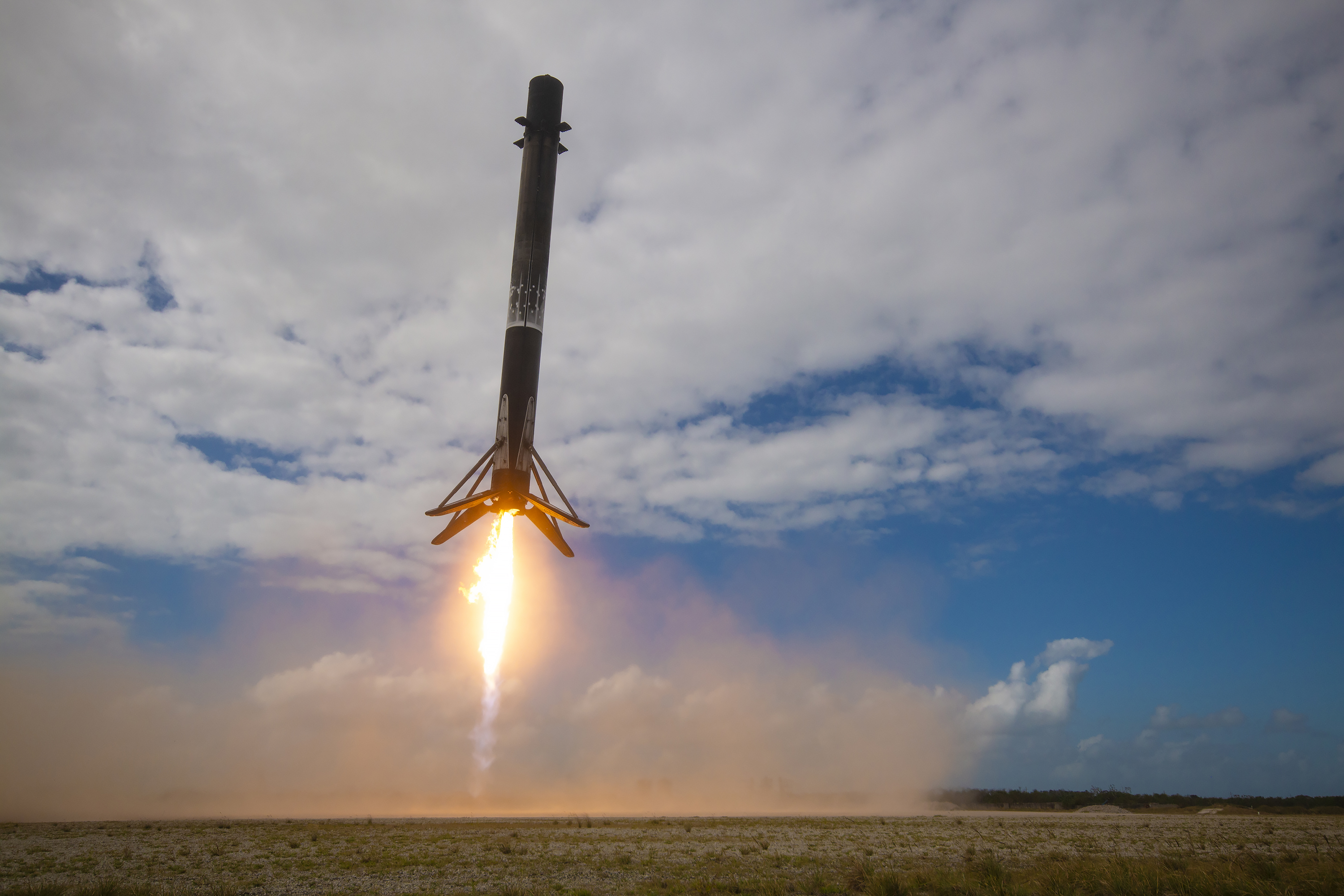
The Falcon 9 1st stage carries 2 customer payload from Besxar for testing their Fabships pilot reusable manufacturing pods in launch and re-entry environments.

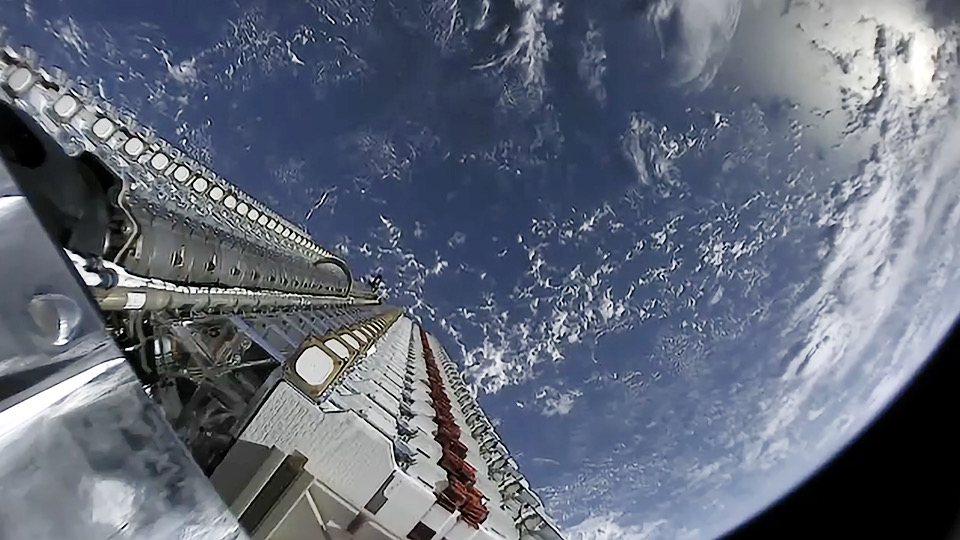
Transporter 17 (Dedicated SSO Rideshare)
Provider: SpaceX
Date: July 7, 2026
Time: 7:10 AM UTC
Vehicle: Falcon 9
Dedicated rideshare flight to a sun-synchronous orbit with dozens of small microsatellites and nanosatellites for commercial and government customers.
Starlink Group 10-42
Provider: SpaceX
Date: July 9, 2026
Time: 9:05 AM UTC
Vehicle: Falcon 9
A batch of 29 satellites for the Starlink mega-constellation – SpaceX’s project for space-based Internet communication system.

Enjoying the content? Stay up to date on everything happening behind the scenes by following our Patreon!

