
The Daily Broadcast: Dominion Dynamics Closes $139M Series A; Canadarm2 Repair Complete
Dominion Dynamics Closes $139M Series A for Arctic Defence

Dominion Dynamics, an Ottawa- and Toronto-based defence technology company, has closed a $139 million CAD ($100 million USD) Series A financing round—the largest Series A funding in Canadian defence history. Led by Georgian, the round includes participation from institutional and venture investors: OMERS, the Business Development Bank of Canada, Royal Bank of Canada, Valor Equity Partners, Expeditions, Lakestar, and Bessemer Venture Partners. Since its June 2025 launch, the company has raised a total of $169 million CAD.
The capital will scale manufacturing capacity, expand the engineering team, and accelerate development of multi-domain command-and-control systems. The centrepiece is AuraNet, Dominion’s flagship software platform, which aggregates data from ground sensors, patrols, and orbital satellite networks into a single operational picture designed to improve data-sharing speeds for NATO forces.
AuraNet was tested during Operation Nanook-Nunalivut, a Canadian Armed Forces Arctic exercise that ran from February to April 2026, where Canadian Rangers deployed the system alongside specialized ground sensors. It will also be deployed during Operation NANOOK-TAKUNIQ, the multi-season Arctic operation that began its summer phase last week.
In parallel, Dominion is developing Scout, an Autonomous Collaborative Platform (ACP)—an uncrewed aerial vehicle engineered to operate as an autonomous wingman alongside fifth-generation fighter jets. By linking Scout with AuraNet’s data network, the company intends to create a continuous surveillance loop connecting ground personnel with aerial and orbital defence assets.
“Canada once built technology the rest of the world wanted, then convinced itself that was someone else’s role,” said Eliot Pence, founder and CEO of Dominion Dynamics. “We started Dominion to show the capability never left, and this round lets us build at the scale and speed the moment demands.”
Astronauts Complete Canadarm2 Wrist Joint Repair
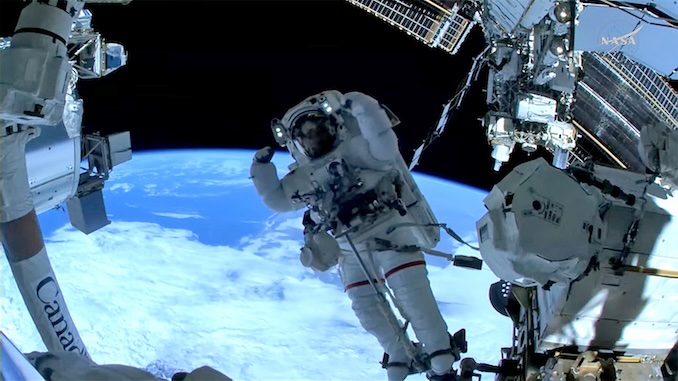
NASA astronauts Chris Williams and Jessica Meir completed a critical spacewalk on June 30 to replace a failed 200-pound wrist joint near the end of the International Space Station’s 58-foot Canadarm2 robotic arm. The 7-hour 20-minute excursion—the 280th spacewalk in support of ISS assembly, maintenance, and upgrades—was Williams’ second career EVA and Meir’s fifth.
Flight controllers at the Johnson Space Centre in Houston detected the problem on May 27 when the Canadian-built arm drew elevated motor current and failed to move as expected. After detailed telemetry review, NASA and the Canadian Space Agency concluded the joint had failed and required replacement with a spare already mounted on an external stowage platform.
Working systematically, Williams and Meir detached the arm’s latching end effector (LEE) and two adjacent healthy joints—a 900-pound assembly—and temporarily secured it nearby. They then removed the damaged joint and successfully installed the replacement. After re-attaching the LEE cluster, Mission Control powered up Canadarm2 and confirmed good electrical connections through the newly installed component.
“That is a good install, you guys. I know that was tough. Wonderful work,” said Canadian astronaut Jenni Gibbons, calling up from mission control.
ISS operations and integration manager Bill Spetch noted that Canadarm2 was designed from the beginning with replaceable components and planned maintenance in mind—a testament to the robotic arm’s longevity after more than 25 years of continuous operations. The faulty joint will be returned to Earth for inspection and refurbishment. Over the coming week, ground controllers will complete system checkouts and begin moving the arm to verify full functionality.
Canadian Forces Deploy Integrated Sensing During Operation NANOOK-TAKUNIQ

The Canadian Armed Forces officially launched Operation NANOOK-TAKUNIQ last week, a multi-season Arctic deployment running through summer, fall, and winter. Led by the Canadian Rangers with support from the Canadian Army, the operation conducts land-based patrols and reconnaissance across Banks Island, Akpotak Island, and the coastlines of Hudson Bay and Labrador—designed to reinforce Canada’s permanent presence and surveillance capability in the North.
“Operation NANOOK-TAKUNIQ advances our enhanced Arctic operations by reinforcing the Canadian Armed Forces’ permanent presence and ability to operate in our North,” said Major-General Tim Arsenault, Acting Commander, Canadian Joint Operations Command. “Through near-persistent, land-based activity and close cooperation with Indigenous partners and Allies, TAKUNIQ strengthens Canada’s ability to understand and secure its Arctic approaches.”
The multi-season deployment serves as a trial for dual-use technology aimed at improving domain integration. Dominion Dynamics is participating, deploying its AuraNet system—a ruggedized sensor network designed to integrate data across land, sea, air, and space domains. By testing this autonomous-sensor system over multiple seasons, the Canadian Armed Forces and its industry partners aim to evaluate how ground-based sensors can continuously communicate with orbital systems, building a more connected surveillance network and enhancing situational awareness across Canada’s Arctic and North American defence approaches.
Events This Week
Calendar is quiet for launches and EVAs through next week.
Citations
- “Dominion Dynamics closes $139M Series A for Arctic and space defence systems” — https://spaceq.ca/dominion-dynamics-closes-139m-series-a-for-arctic-and-space-defence-systems/
- “Astronauts ‘operate’ on space station’s broken robot arm” — https://spaceflightnow.com/2026/06/30/astronauts-operate-on-space-stations-broken-robot-arm/
- “Astronauts Repair Canadarm2 Robotic Arm and Complete Spacewalk” — https://www.nasa.gov/blogs/spacestation/2026/06/30/astronauts-repair-canadarm2-robotic-arm-and-complete-spacewalk/
- “Operation NANOOK-TAKUNIQ integrates new commercial sensing tech (updated)” — https://spaceq.ca/operation-nanook-takuniq-integrates-new-commercial-sensing-tech/
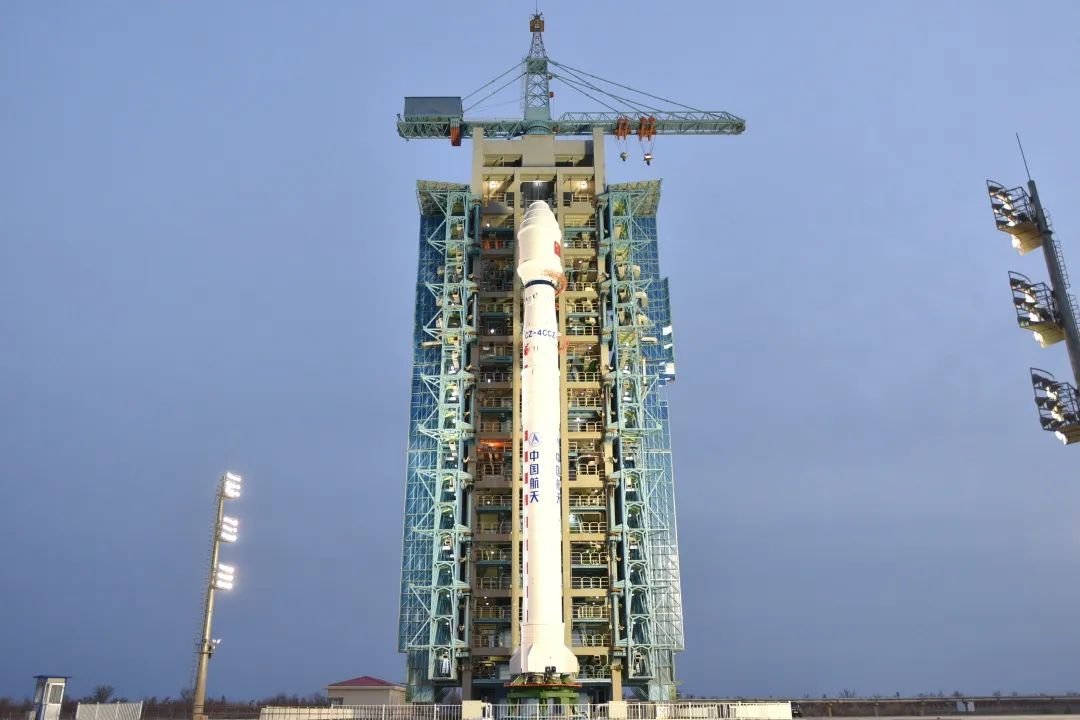
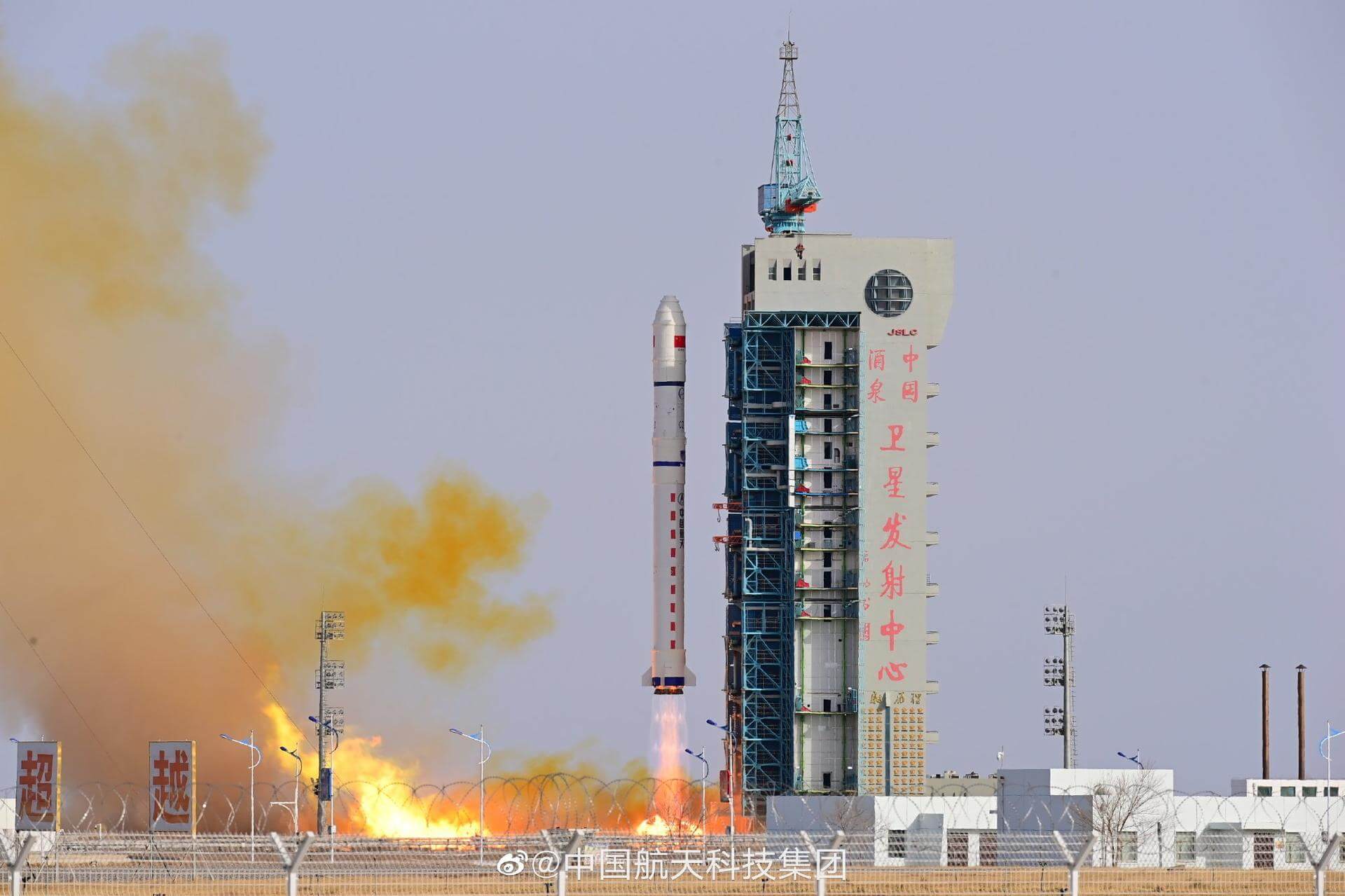
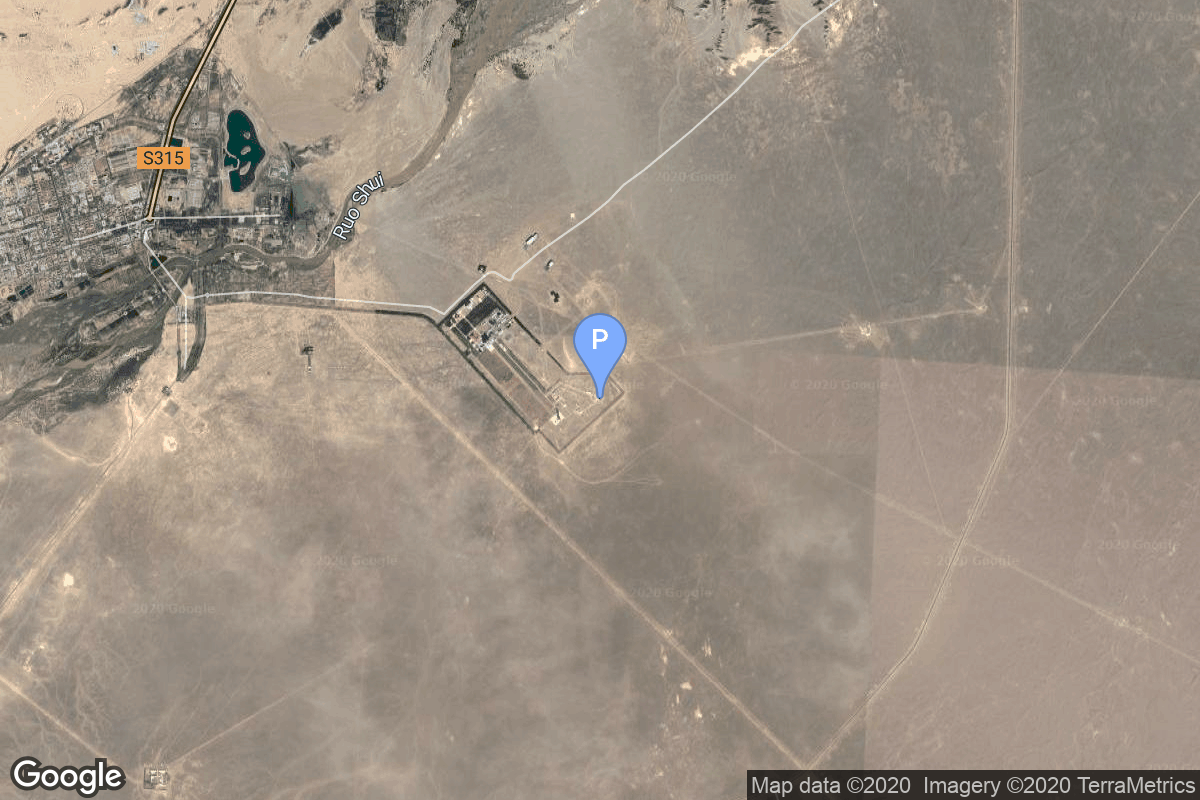
Unknown Payload
Provider: China Aerospace Science and Technology Corporation
Date: July 1, 2026
Time: 11:45 PM UTC
Vehicle: Long March 4C
Details TBD.

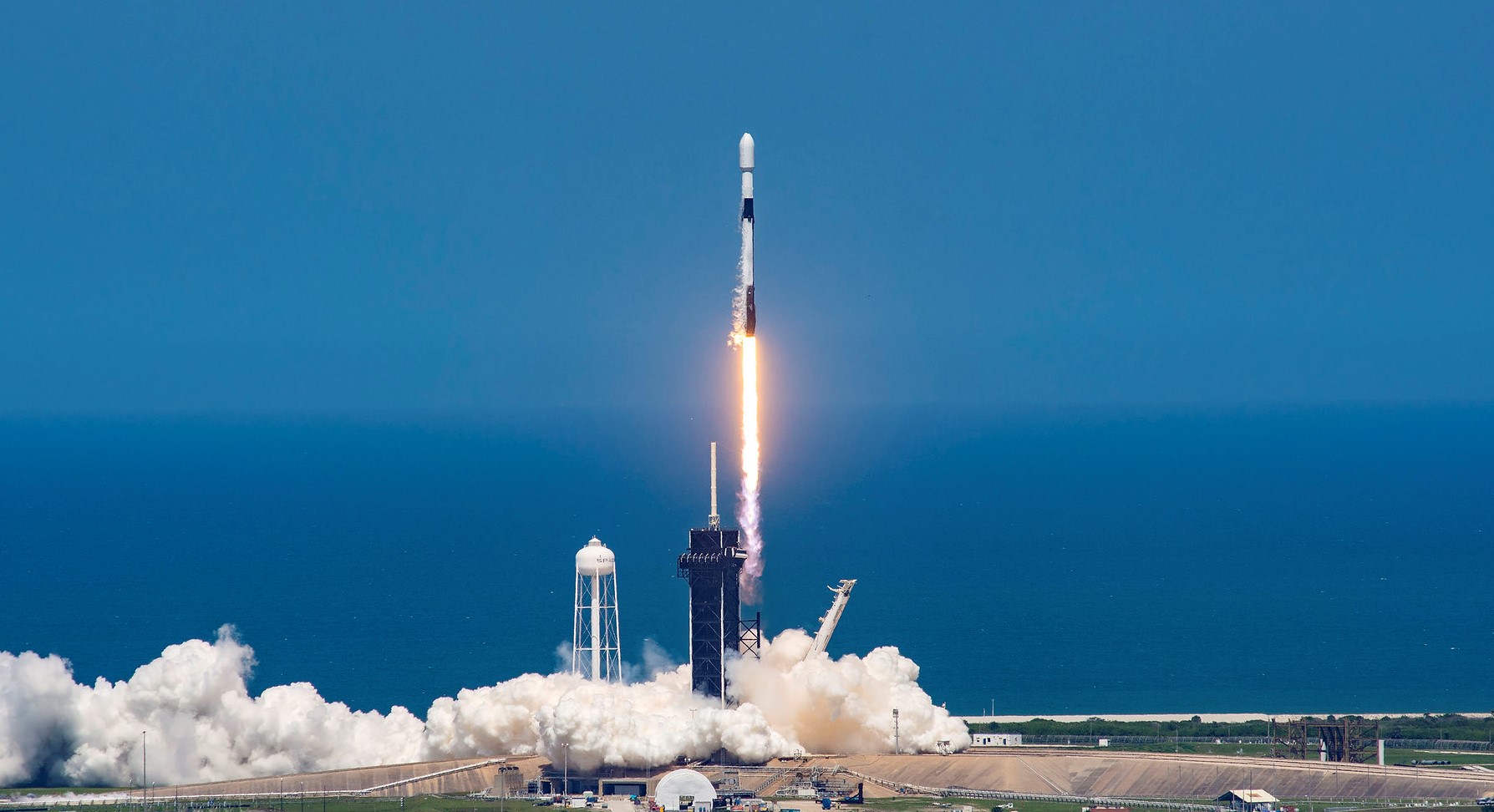
Starlink Group 17-46
Provider: SpaceX
Date: July 2, 2026
Time: 2:57 AM UTC
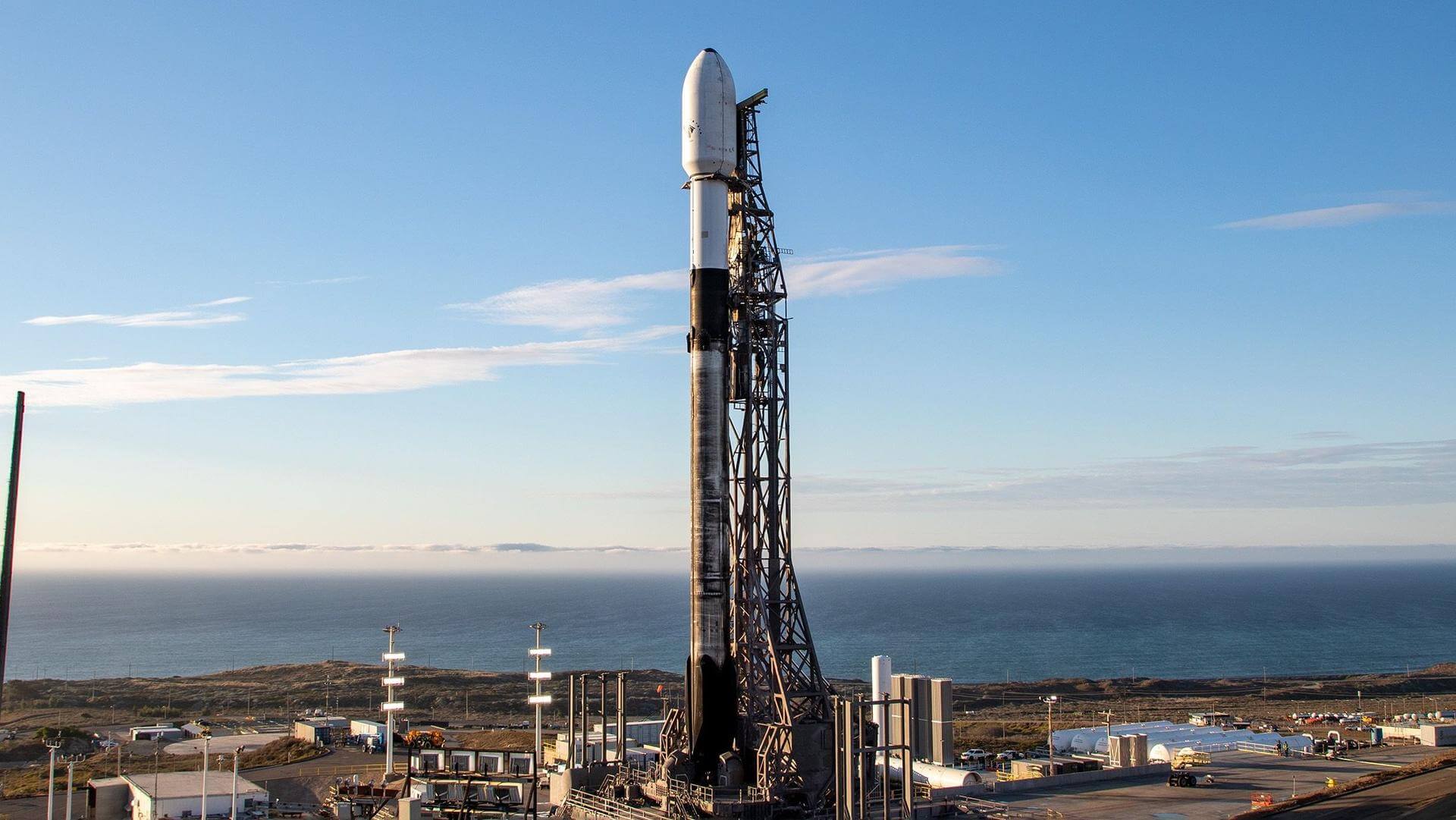
Vehicle: Falcon 9
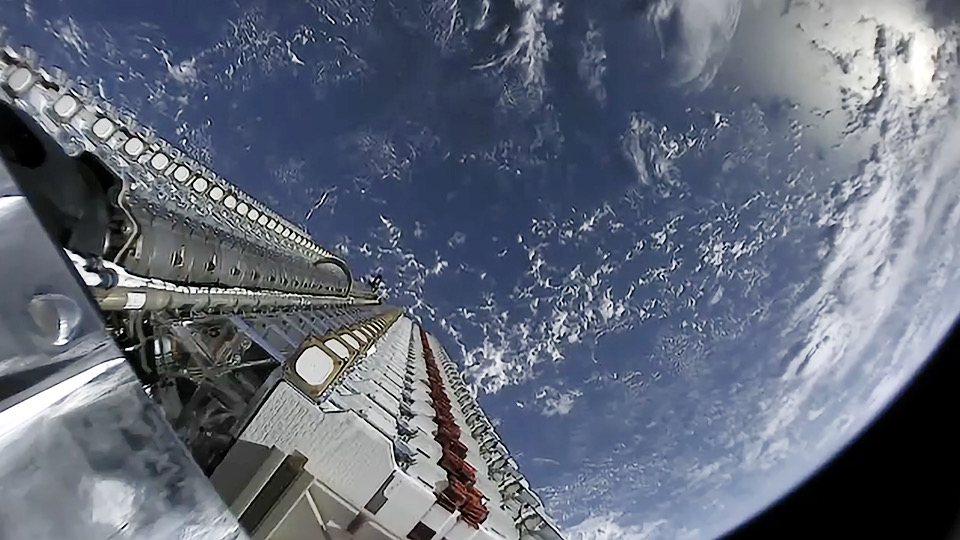
A batch of 24 satellites for the Starlink mega-constellation – SpaceX’s project for space-based Internet communication system.
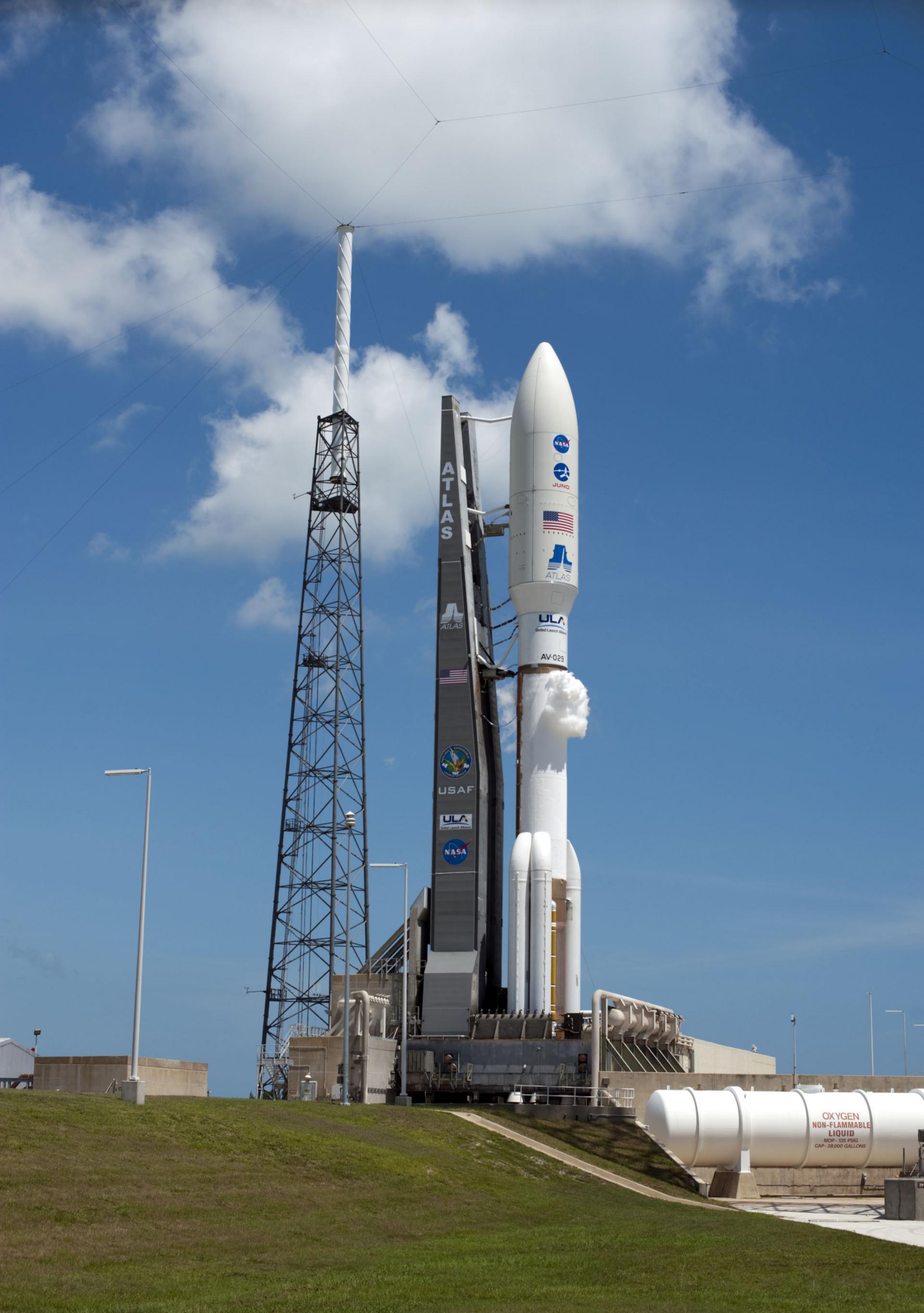
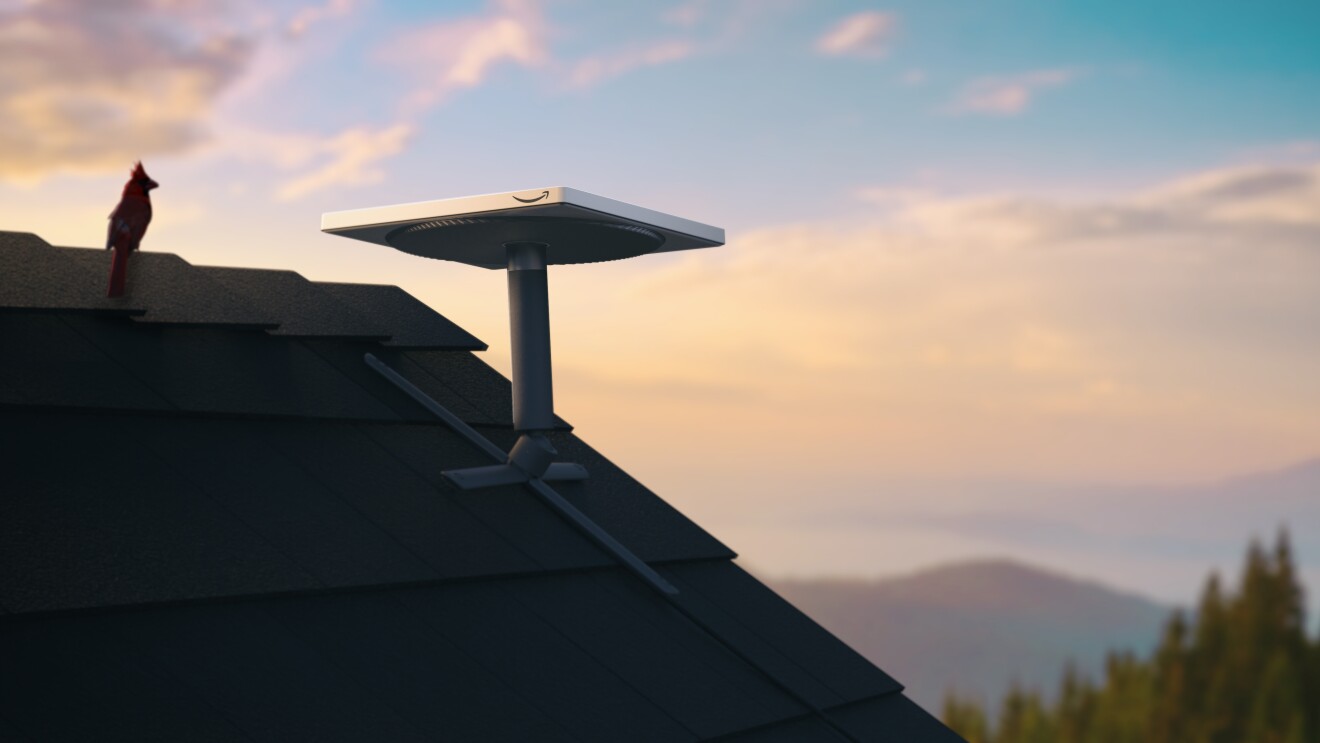
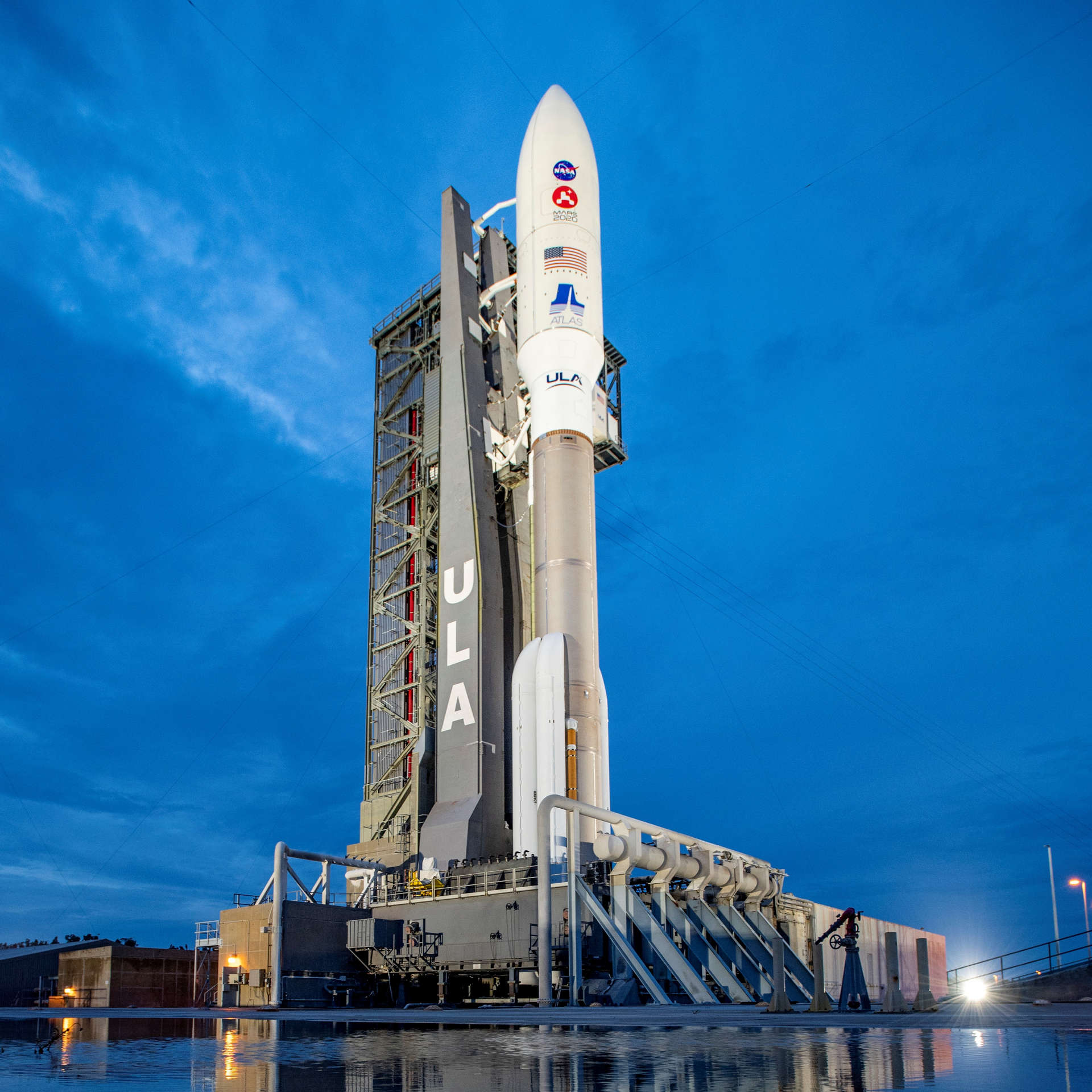
Amazon Leo (LA-08)
Provider: United Launch Alliance
Date: July 2, 2026
Time: 4:24 AM UTC
Vehicle: Atlas V 551
Amazon Leo, formerly known as Project Kuiper, is a mega constellation of satellites in Low Earth Orbit that will offer broadband internet access, this constellation will be managed by Kuiper Systems LLC, a subsidiary of Amazon. This constellation is planned to be composed of 3,276 satellites. The satellites are projected to be placed in 98 orbital planes in three orbital layers, one at 590 km, 610 km and 630 km altitude.
29 satellites are carried on this launch.
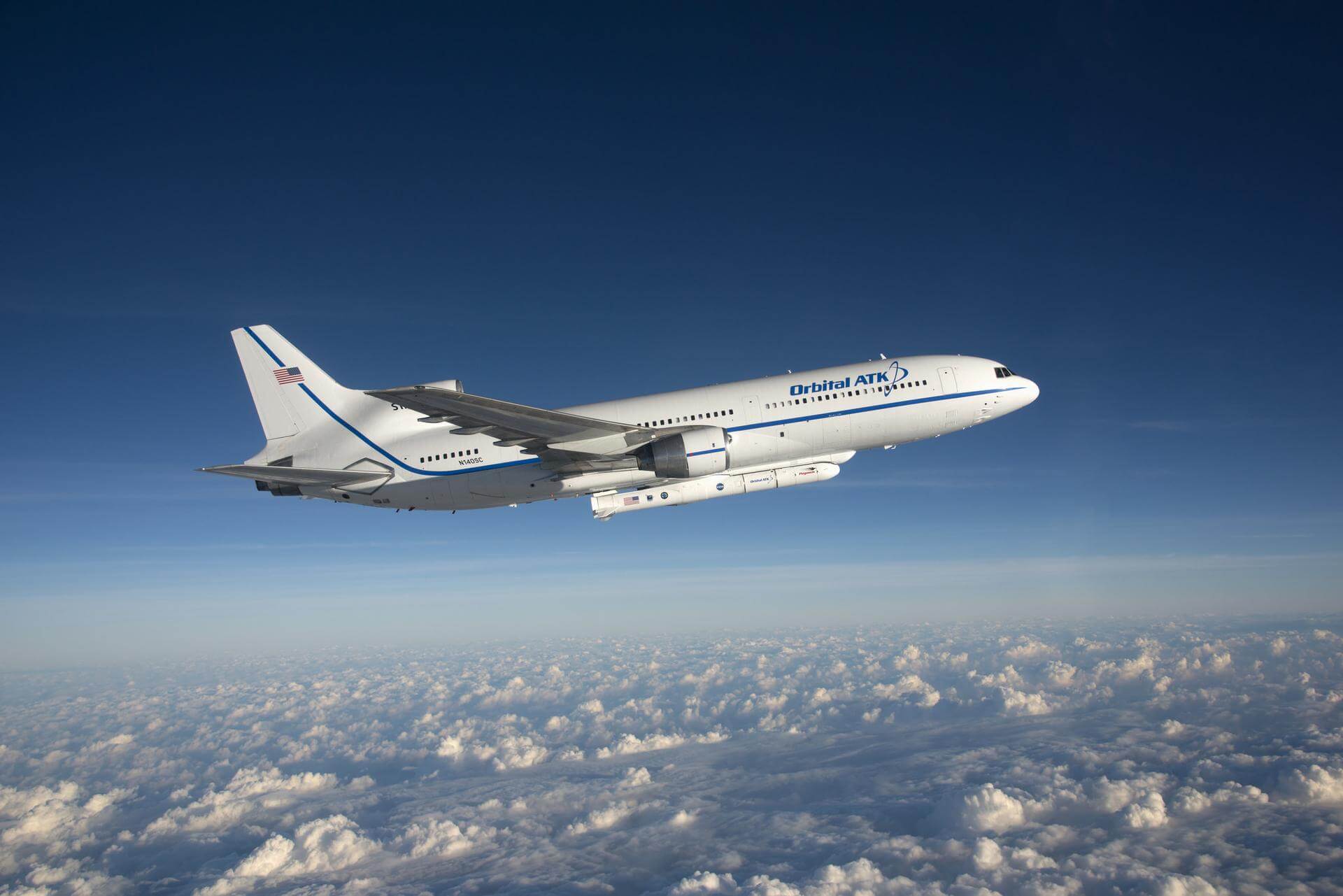
Swift Boost Mission
Provider: Northrop Grumman Space Systems
Date: July 2, 2026
Time: 9:09 AM UTC
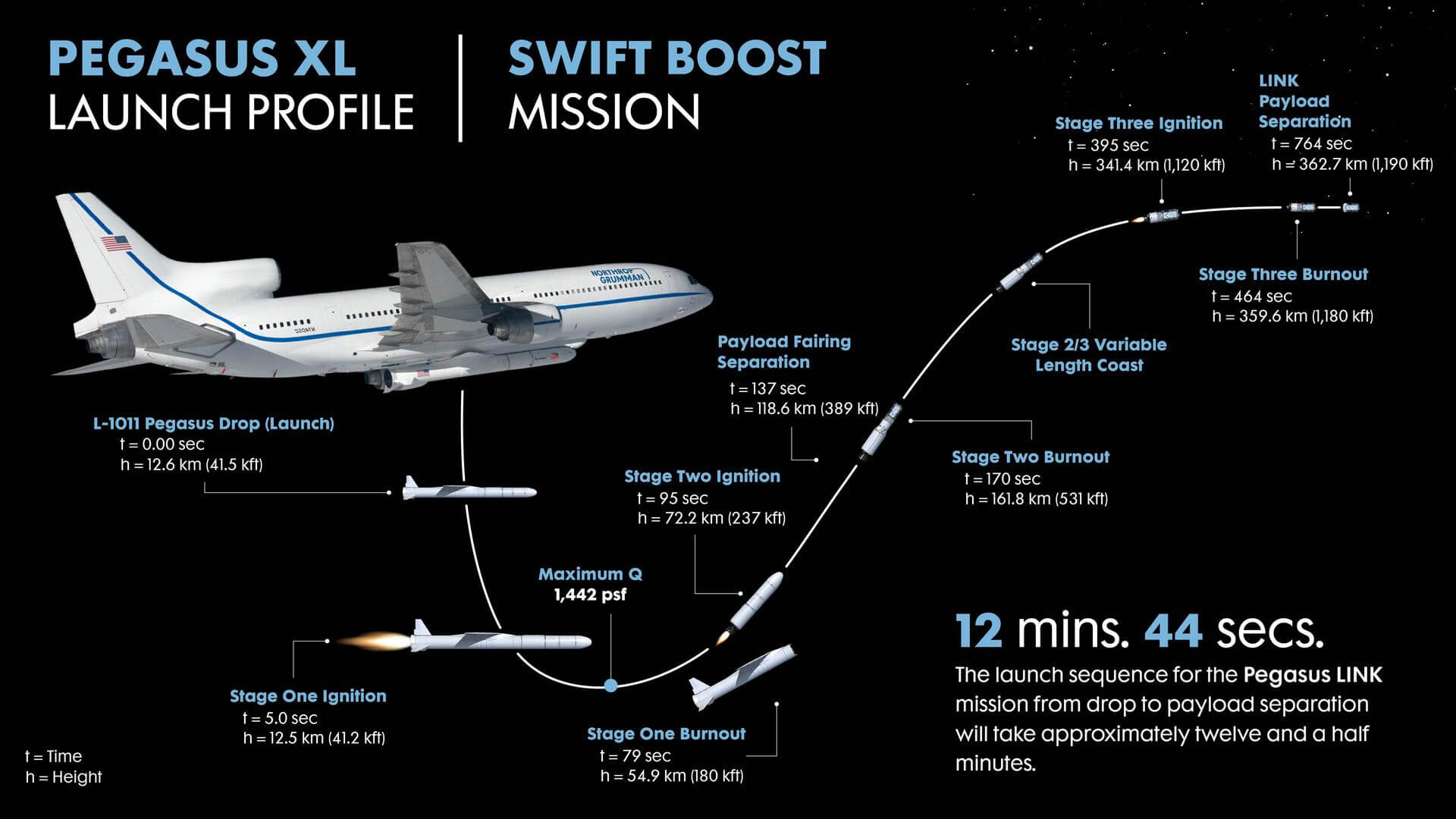
Vehicle: Pegasus XL
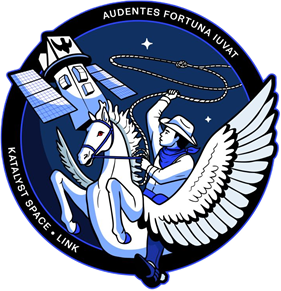
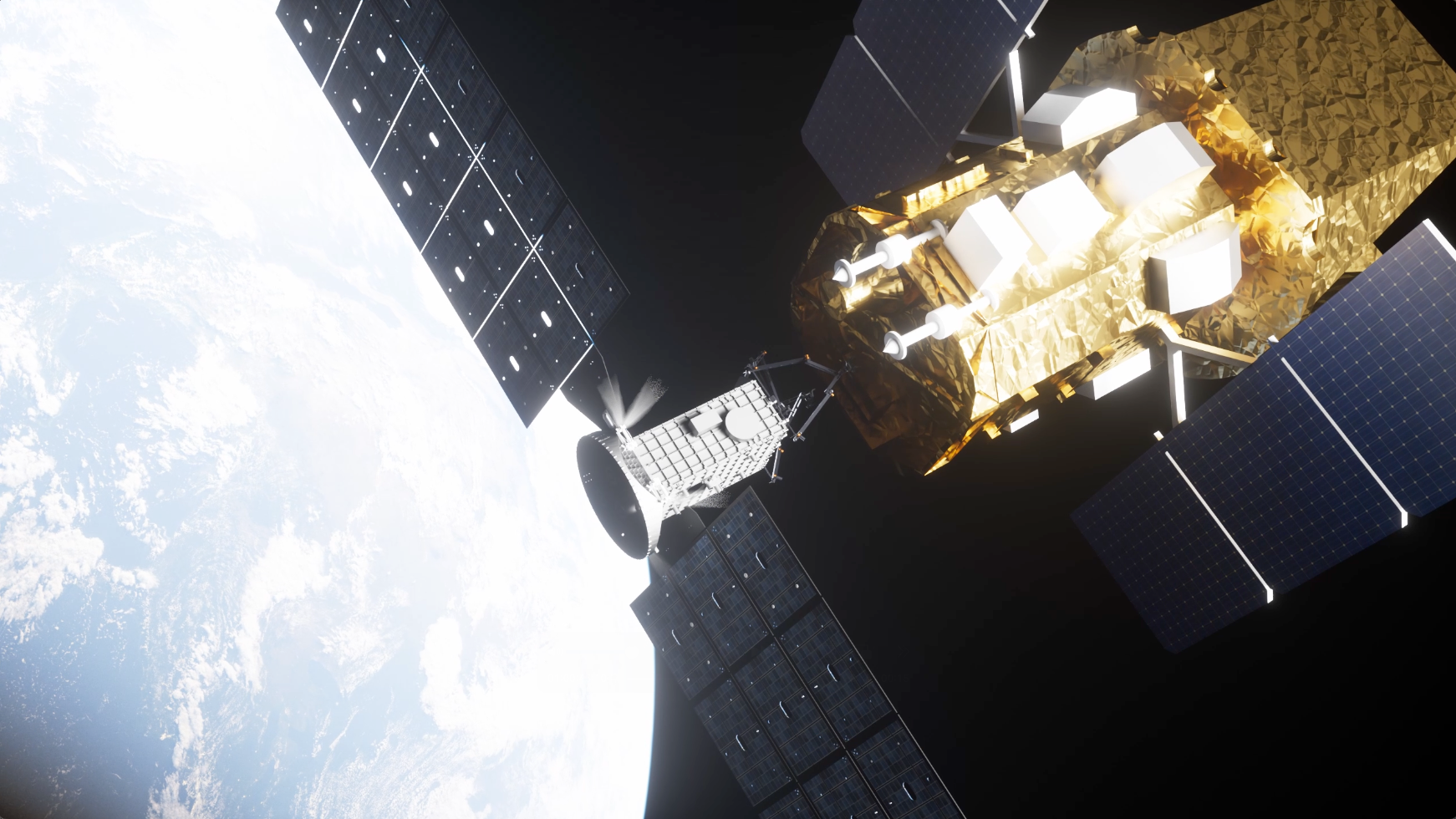
Contracted by NASA under the Small Business Innovation Research Phase 3 contract, Katalyst Space Technologies’ LINK servicing spacecraft will rendezvous and attach to NASA’s Neil Gehrels Swift Observatory to re-boost its orbit. This aims to demonstrate a key capability for the future of space exploration and extending the Swift mission’s science lifetime in gamma ray astronomy.
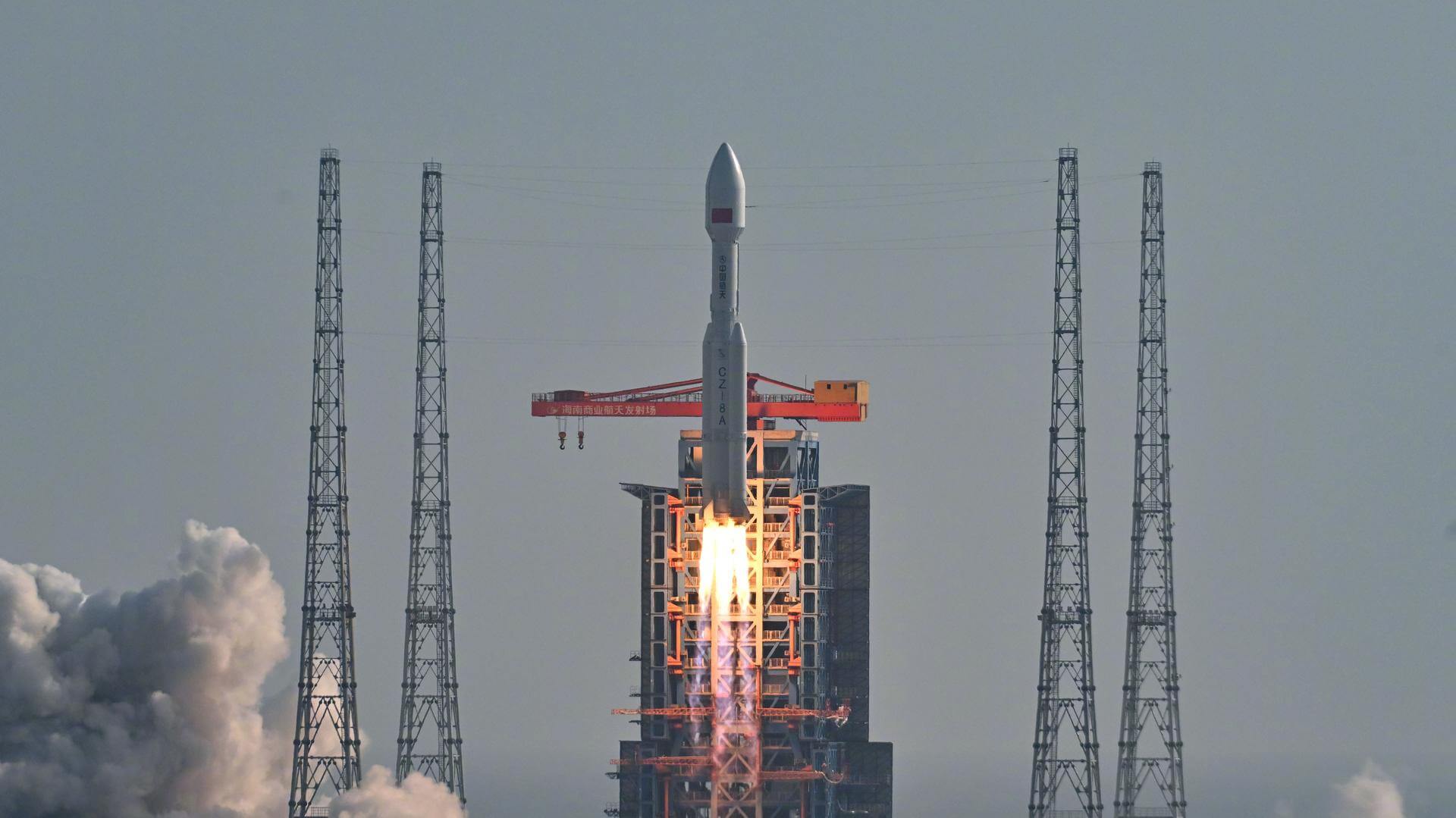
Unknown Payload
Provider: China Aerospace Science and Technology Corporation
Date: July 2, 2026
Time: 1:50 PM UTC
Vehicle: Long March 8A
Details TBD.



Enjoying the content? Stay up to date on everything happening behind the scenes by following our Patreon!

