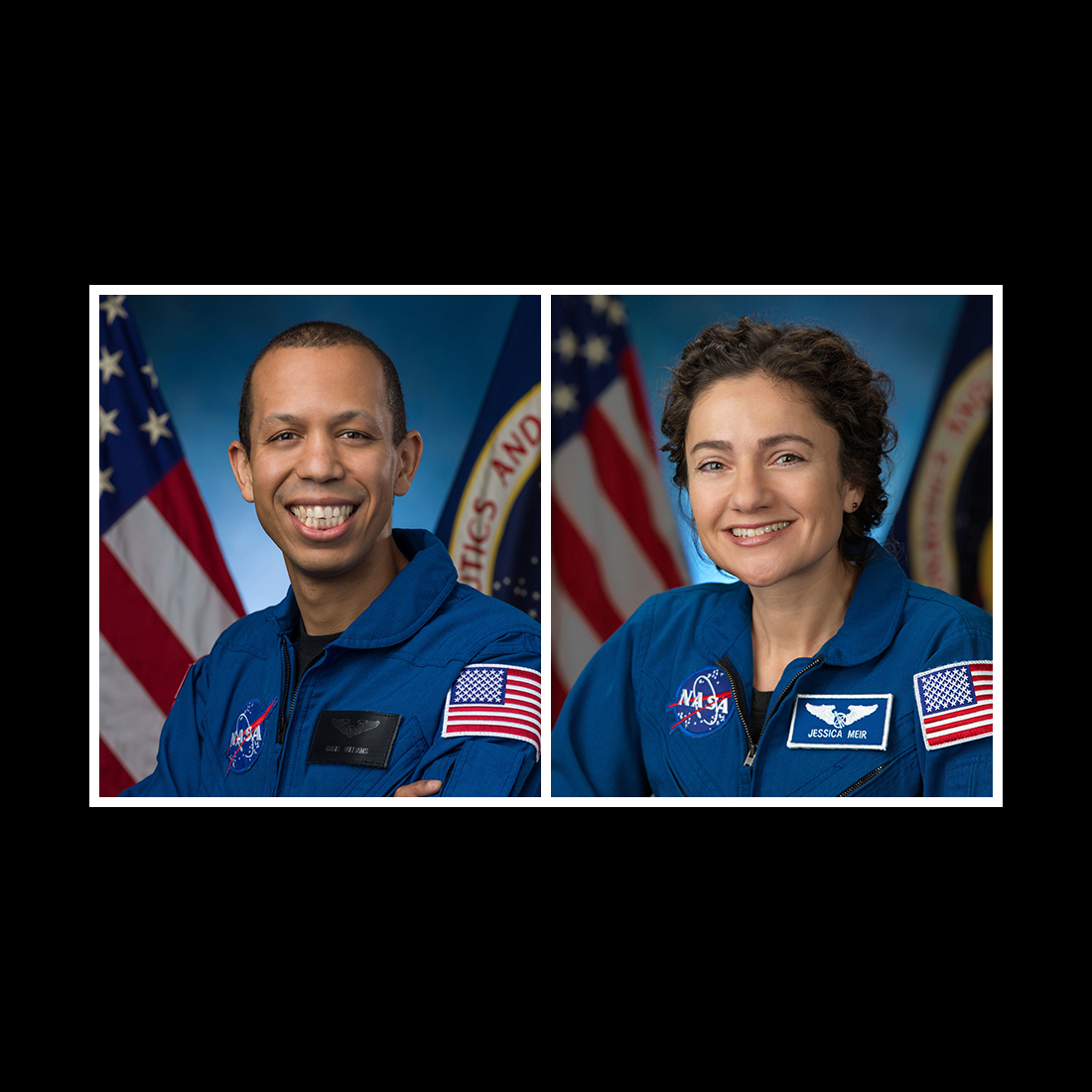
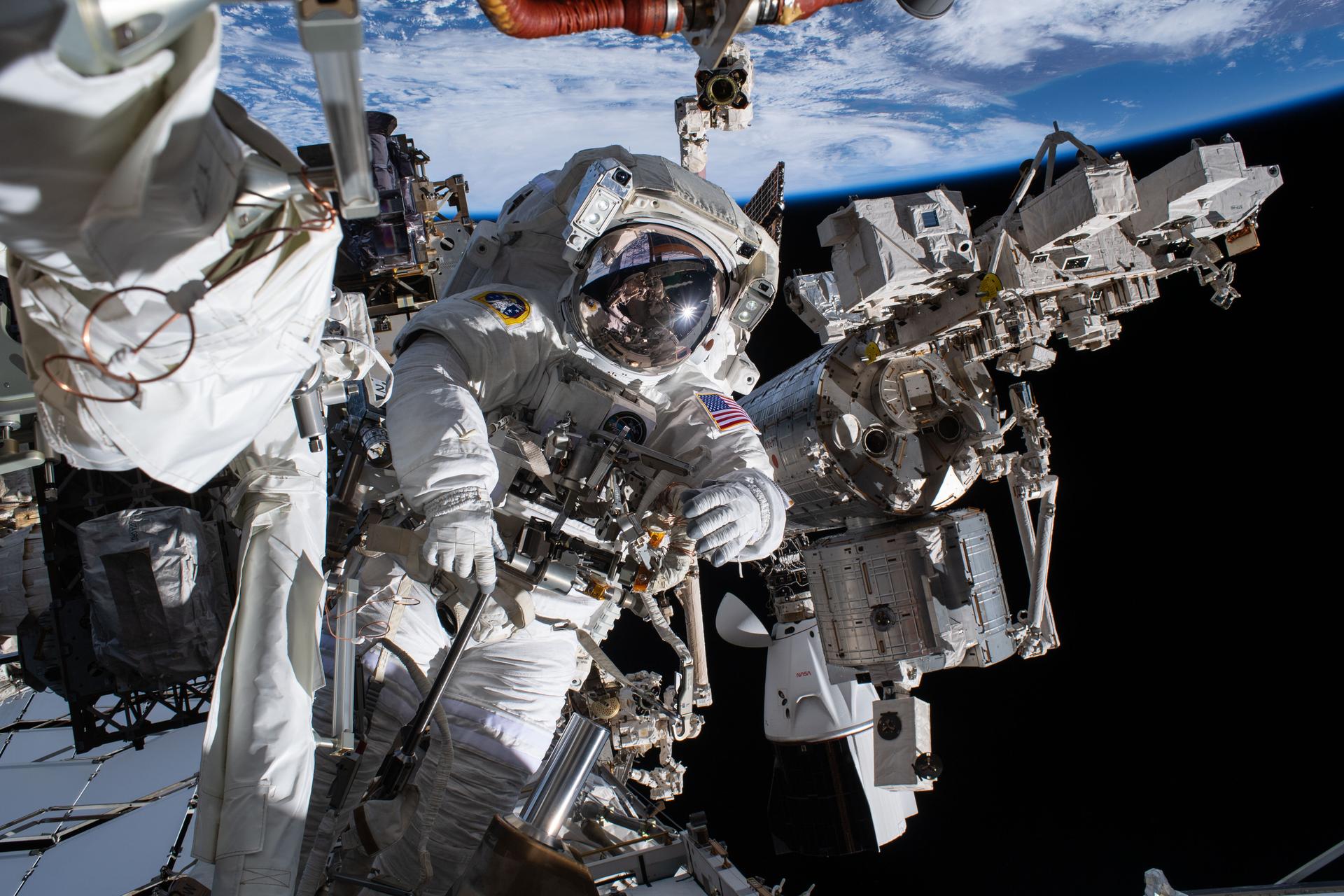
NASA astronauts Chris Williams and Jessica Meir are conducting a spacewalk today, June 30, beginning at 8:35 a.m. EDT, to replace a malfunctioning wrist joint on Canadarm2. The robotic arm, a cornerstone of Canadian space technology installed on the International Space Station on April 26, 2001, requires the repair to restore full operability.
The spacewalk is expected to last approximately six hours and 40 minutes. Williams and Meir spent Monday, June 29, preparing their spacesuits and organizing tools inside the Quest airlock. Flight engineers Jack Hathaway (NASA) and Sophie Adenot (ESA) are assisting the spacewalkers by monitoring their progress and operating Canadarm2 into position for the repair. The pair will position the arm using a spare wrist joint already aboard the station. NASA+ is providing live coverage beginning at 7 a.m. EDT.
Expedition 74 cosmonauts have also been active on the station. Commander Sergey Kud-Sverchkov swapped out electronics and photographed windows in the Zvezda and Poisk modules, while flight engineers Sergei Mikaev and Andrey Fedyaev maintained critical life support and scientific systems aboard the Roscosmos segment. This coordinated effort across the international partnership demonstrates the station’s continuous operational tempo as missions converge.
Calian Expands Remote Connectivity with Galaxy Broadband Purchase
Calian Group Ltd. has agreed to acquire Galaxy Broadband Communications for up to $51.5 million, bolstering its satellite and remote-connectivity capabilities. The Canadian technology company will pay Galaxy’s current owner, Crown Capital Partners Inc., an initial $24 million upfront, with an additional $27.5 million contingent on business milestones over the next three years. The transaction is expected to close by the end of September 2026, pending regulatory approval.
Galaxy Broadband operates as a managed service provider specializing in satellite networks for remote and isolated environments across Canada. By acquiring Galaxy, Calian gains established customer contracts, field technicians, and deployable infrastructure—assets critical for maintaining connectivity in northern regions where terrestrial cellular networks cannot reach. These satellite systems serve as essential infrastructure for public safety, first responders, and Canada’s defence sector, which depends on secure, encrypted communications to monitor and operate within the country’s vast territorial boundaries.
Calian’s CEO, Patrick Houston, stated that Galaxy Broadband is “a highly strategic addition to Calian’s communications and connectivity portfolio,” combining the company’s high-level engineering expertise with Galaxy’s ground-level service delivery. The combined entity will offer end-to-end network solutions for critical infrastructure operators, healthcare facilities, and government teams working in Canada’s most isolated regions.
Major NGSO Operators Form SpaceConnect Association
Four major satellite operators—Amazon, Iridium, Globalstar, and Telesat—have launched the SpaceConnect Association, a new international trade group representing the non-geostationary orbit (NGSO) satellite sector. Officially established on June 24, 2026, in Washington, D.C., the association will advocate for regulatory frameworks, market access, and spectrum allocations tailored to NGSO architectures as multi-provider satellite networks expand globally.
Notably, SpaceX does not participate in SpaceConnect, though the existing Satellite Industry Association (SIA) continues to represent the broader space economy. Telesat’s founding membership in SpaceConnect provides Canadian commercial and defence interests with direct representation within the association’s governance. The company is preparing to launch and operate its Lightspeed LEO constellation, making international spectrum coordination and cross-border licensing critical priorities.
The association will be led by executive director David Redl, former head of the National Telecommunications and Information Administration, and general counsel Julie Kearney, former chief of the Space Bureau at the Federal Communications Commission. SpaceConnect will engage with international institutions and national governments to establish industry-led best practices, update licensing processes, and manage space stewardship as satellite networks proliferate.
Events This Week
The US EVA-95 spacewalk is underway today, June 30, with astronauts Chris Williams and Jessica Meir replacing Canadarm2’s wrist joint in a repair operation expected to last six hours and 40 minutes. This is the only major launch or EVA scheduled within the next seven days.
Citations
“Astronauts Ready for Tuesday Spacewalk to Repair Canadarm2 Robotic Arm” — https://www.nasa.gov/blogs/spacestation/2026/06/29/astronauts-ready-for-tuesday-spacewalk-to-repair-canadarm2-robotic-arm/
“New trade association signals policy shift for NGSO satellite sector” — https://spaceq.ca/new-trade-association-signals-policy-shift-for-ngso-satellite-sector/
“Calian acquires Galaxy Broadband in $51.5M deal to expand connectivity networks” — https://spaceq.ca/calian-acquires-galaxy-broadband-in-51-5m-deal-to-expand-connectivity-networks/
Swift Boost Mission
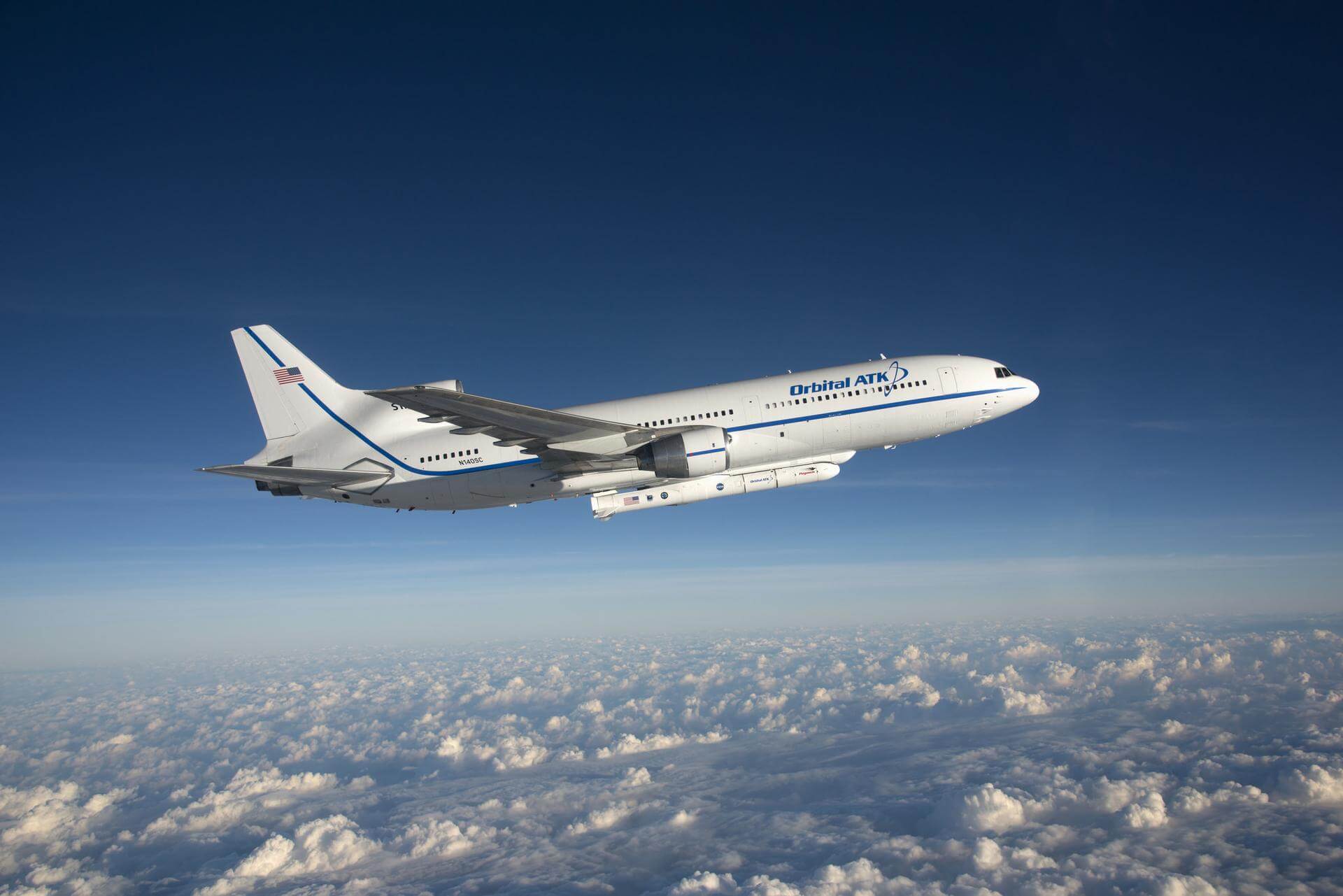
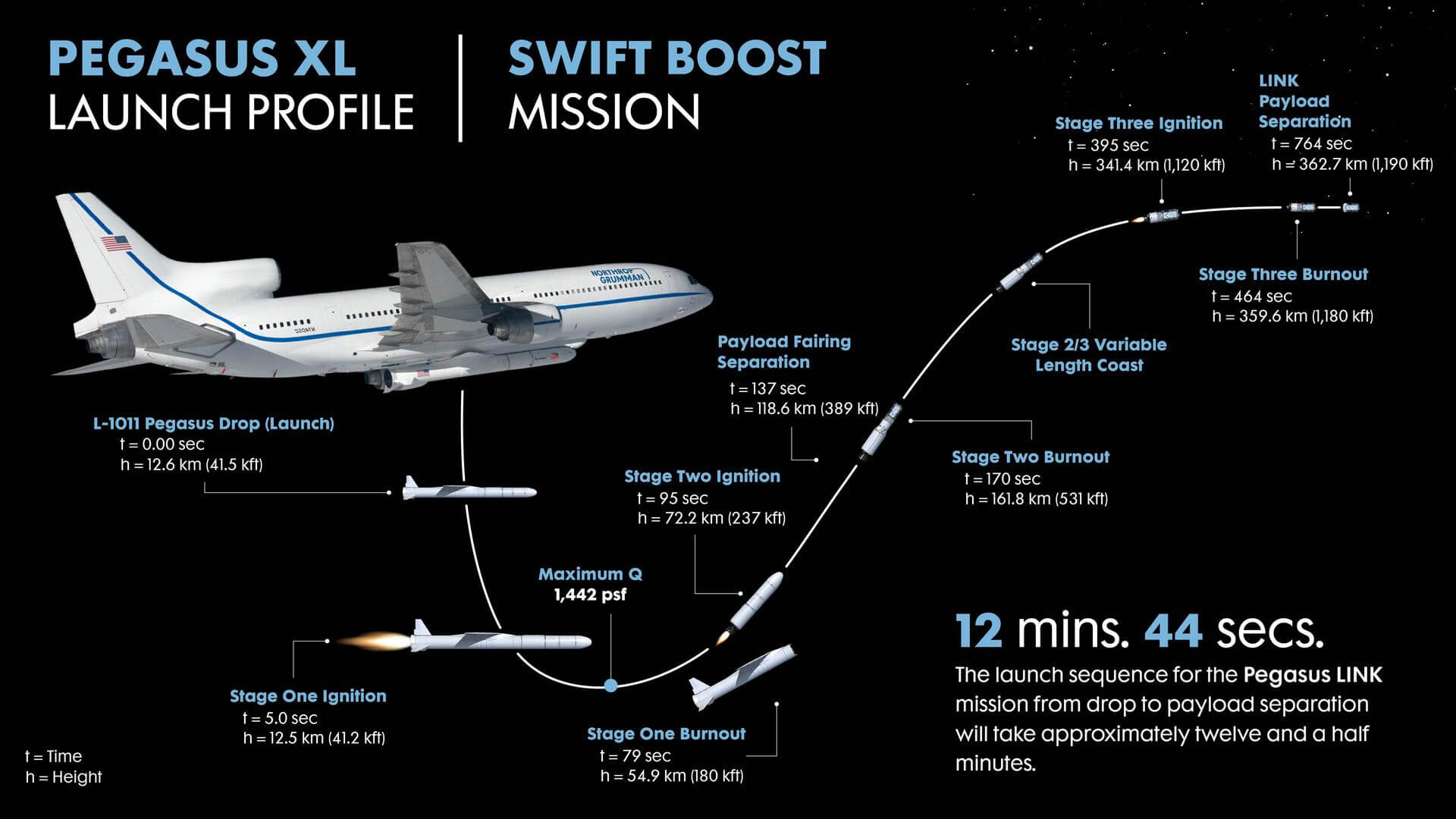
Provider: Northrop Grumman Space Systems Date: July 1, 2026 Time: 9:43 AM UTC Vehicle: Pegasus XL
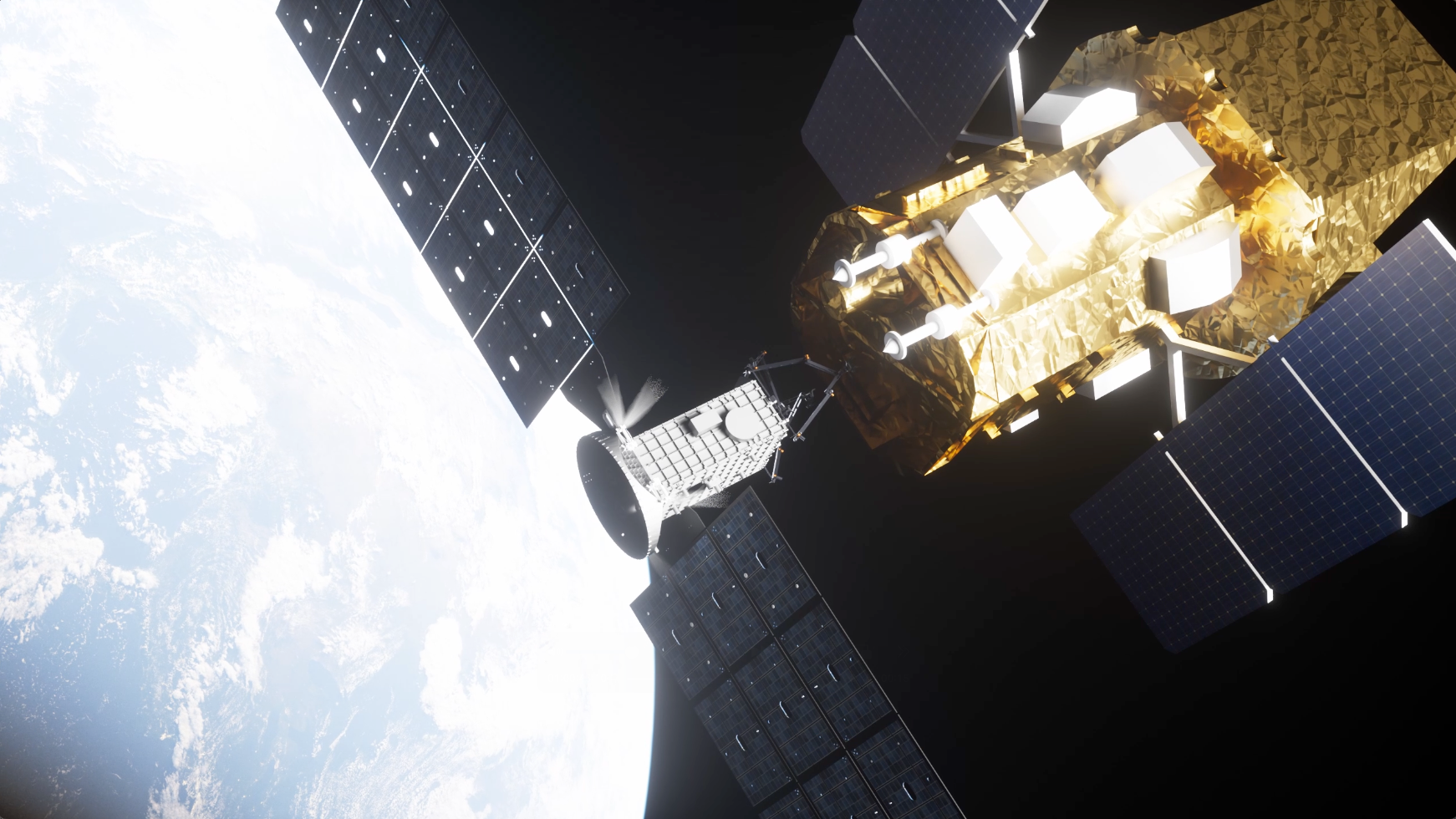
Contracted by NASA under the Small Business Innovation Research Phase 3 contract, Katalyst Space Technologies’ LINK servicing spacecraft will rendezvous and attach to NASA’s Neil Gehrels Swift Observatory to re-boost its orbit. This aims to demonstrate a key capability for the future of space exploration and extending the Swift mission’s science lifetime in gamma ray astronomy.
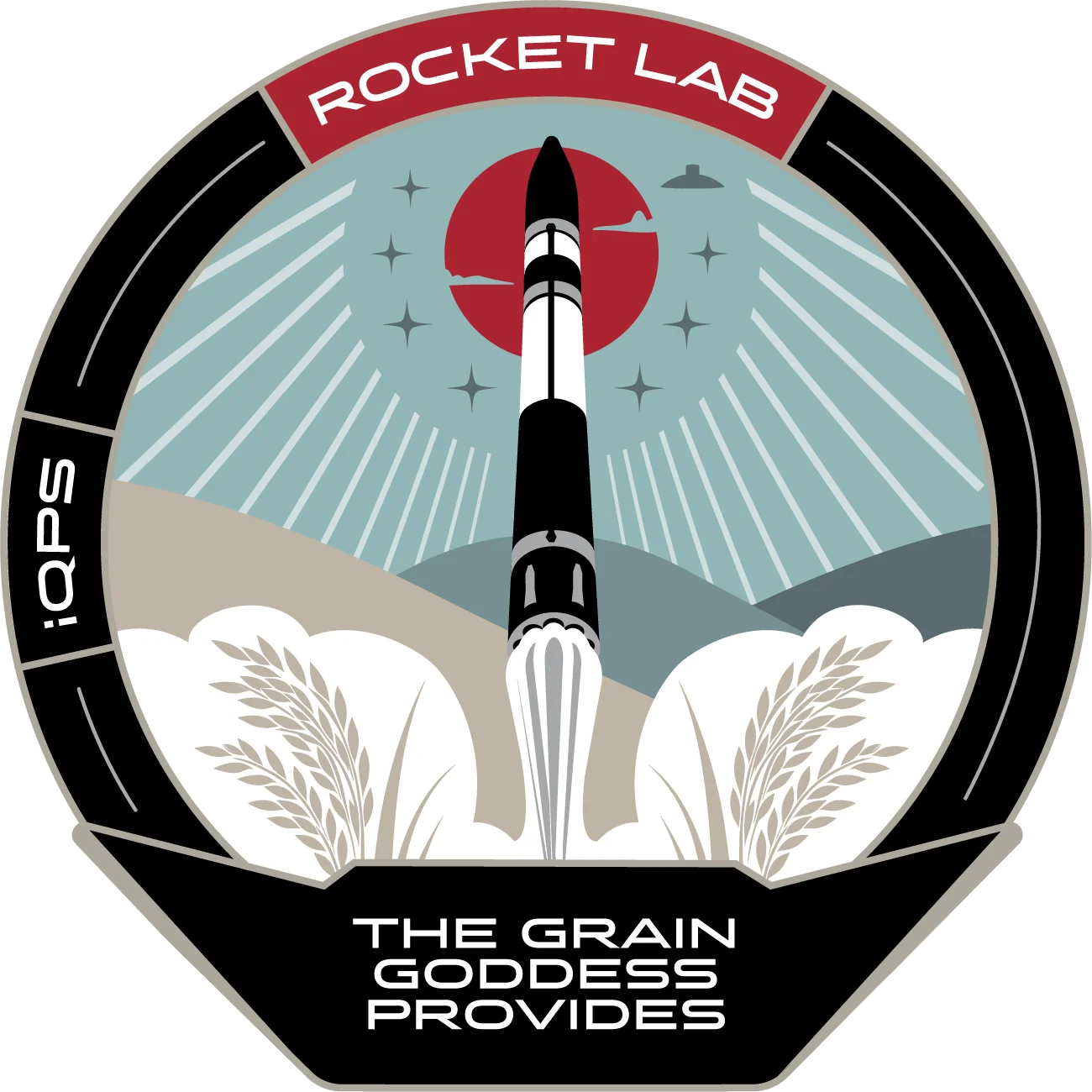
The Grain Goddess Provides (iQPS Launch 7)
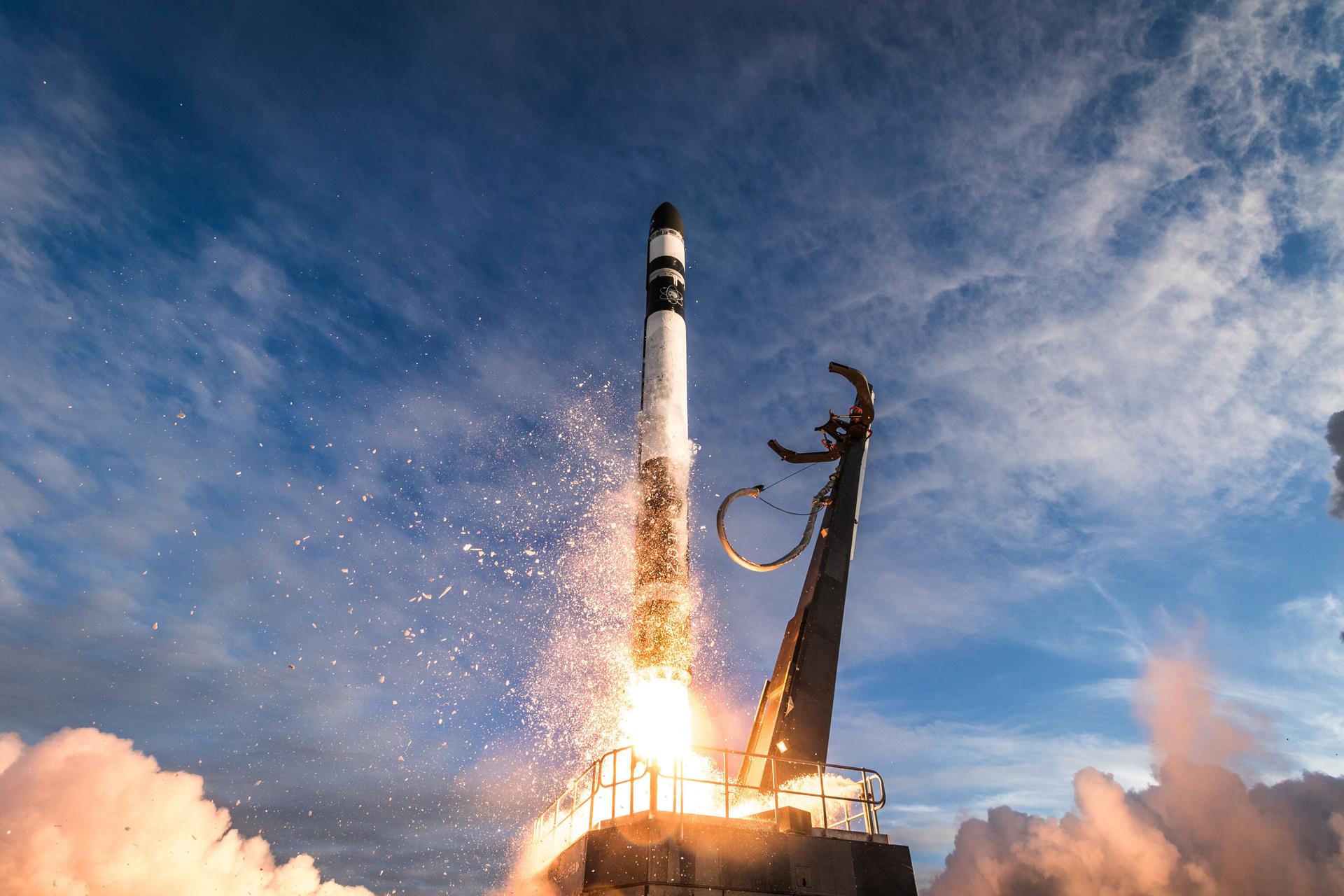
Provider: Rocket Lab Date: July 1, 2026 Time: 1:00 PM UTC Vehicle: Electron
Synthetic aperture radar Earth observation satellite for Japanese Earth imaging company iQPS.
Unknown Payload
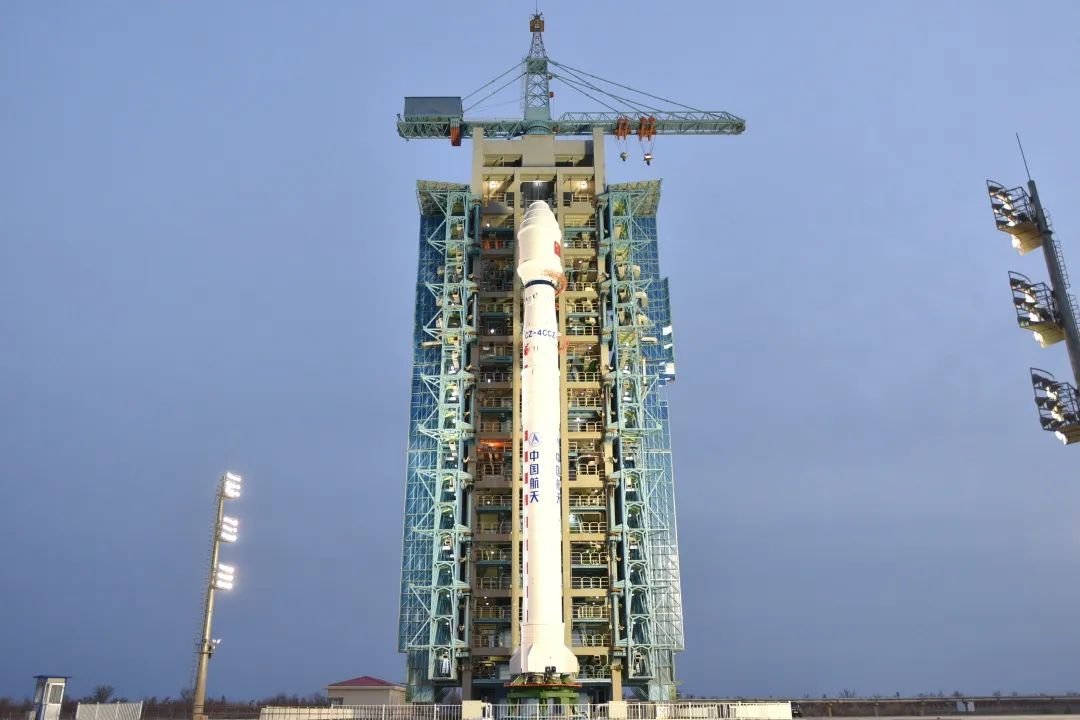
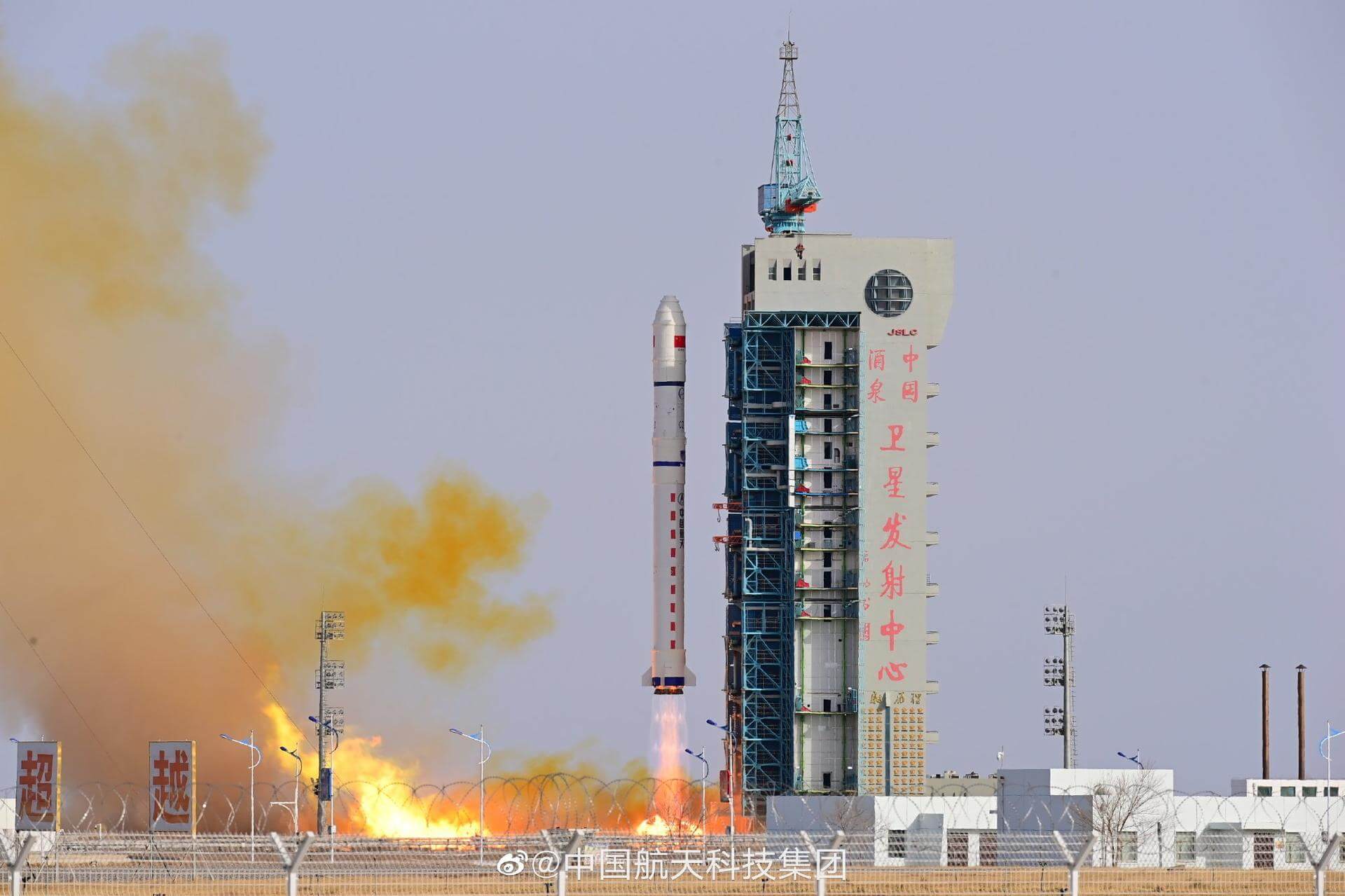
Provider: China Aerospace Science and Technology Corporation Date: July 1, 2026 Time: 11:45 PM UTC Vehicle: Long March 4C
Details TBD.
Starlink Group 17-46
Provider: SpaceX Date: July 2, 2026 Time: 2:00 AM UTC Vehicle: Falcon 9
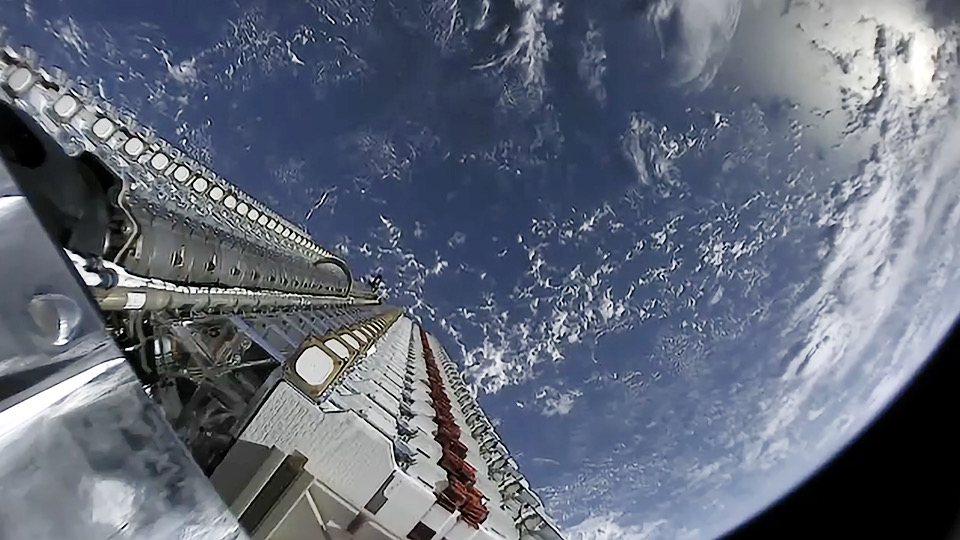
A batch of 24 satellites for the Starlink mega-constellation – SpaceX’s project for space-based Internet communication system.
Amazon Leo (LA-08)
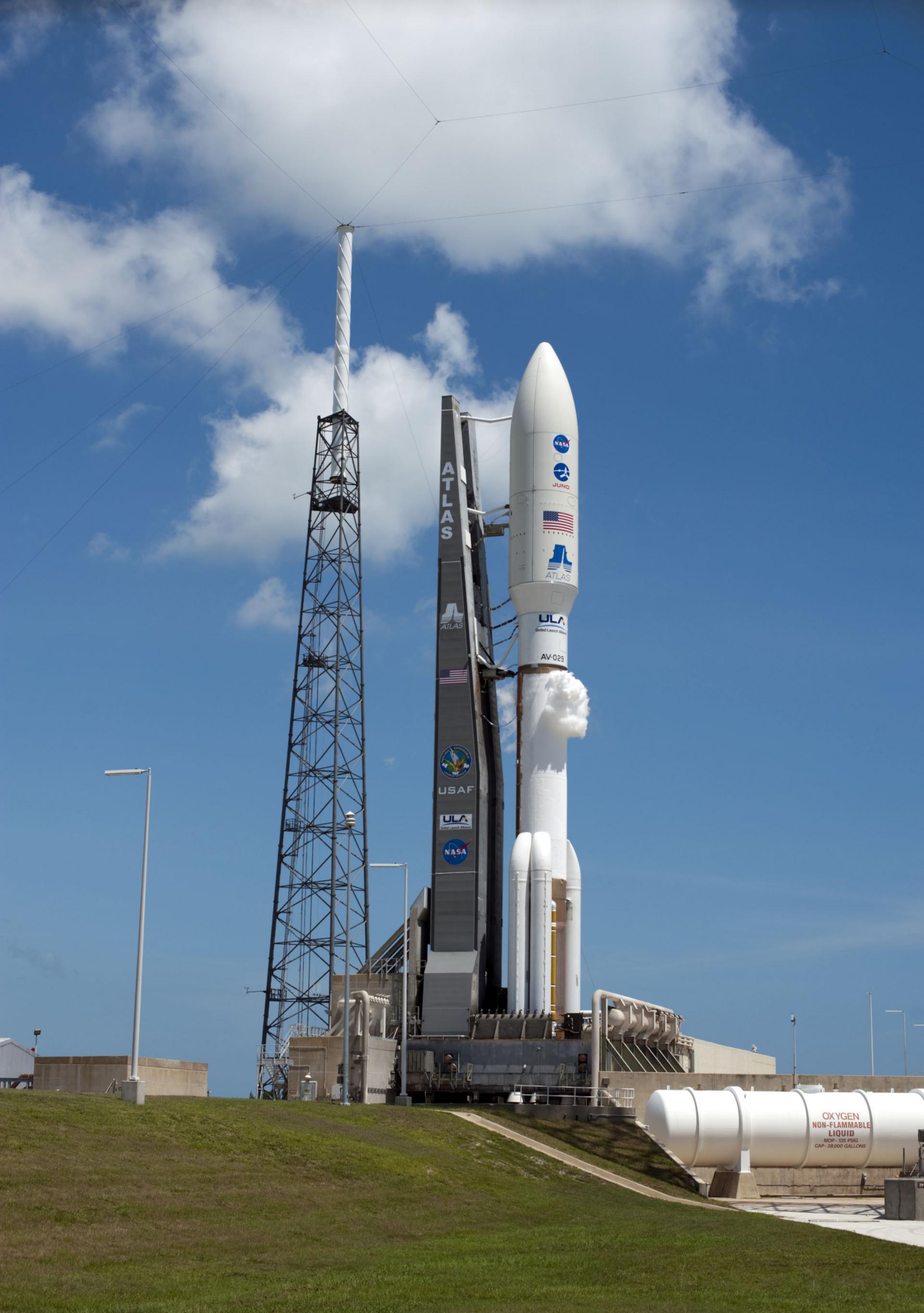
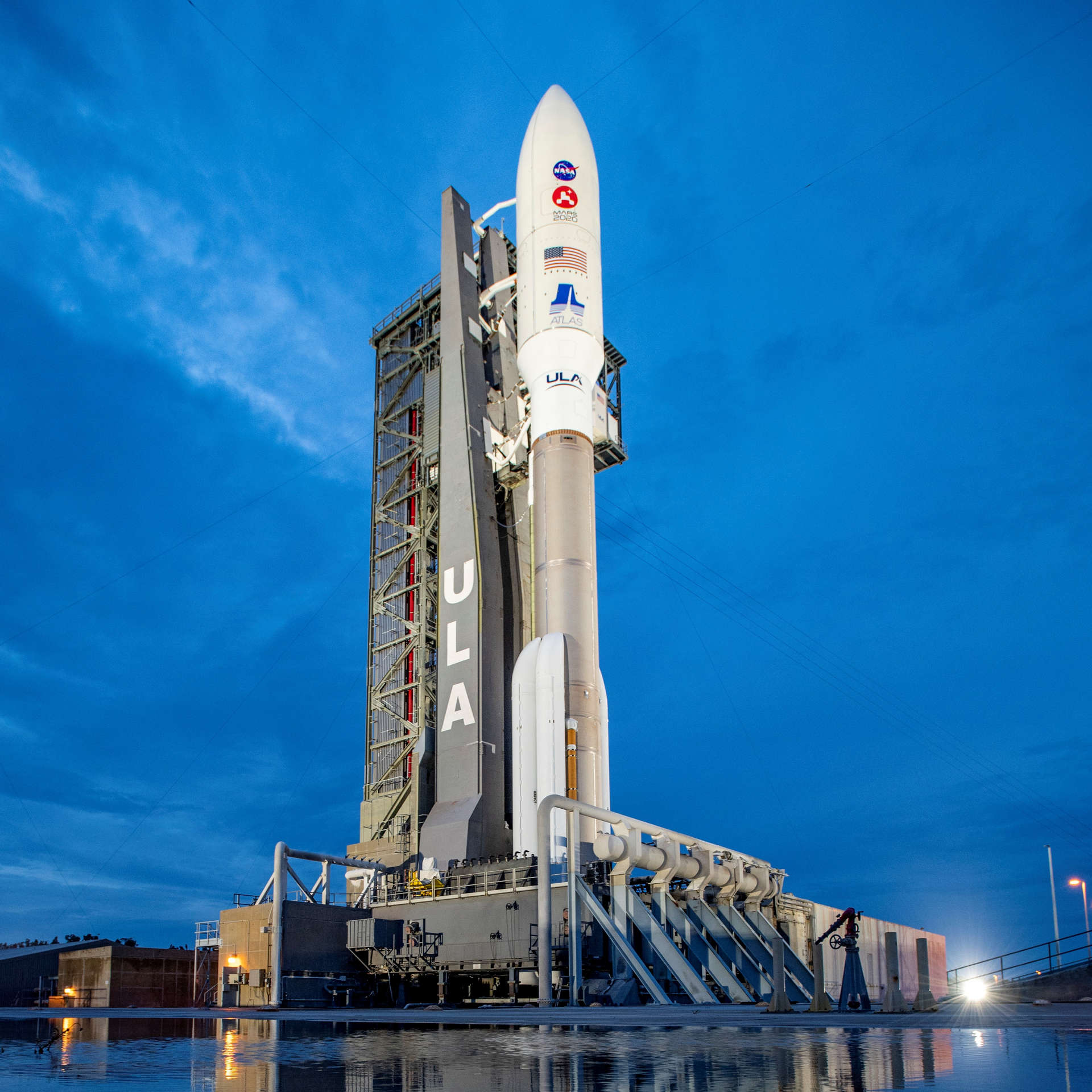
Provider: United Launch Alliance Date: July 2, 2026 Time: 4:24 AM UTC Vehicle: Atlas V 551
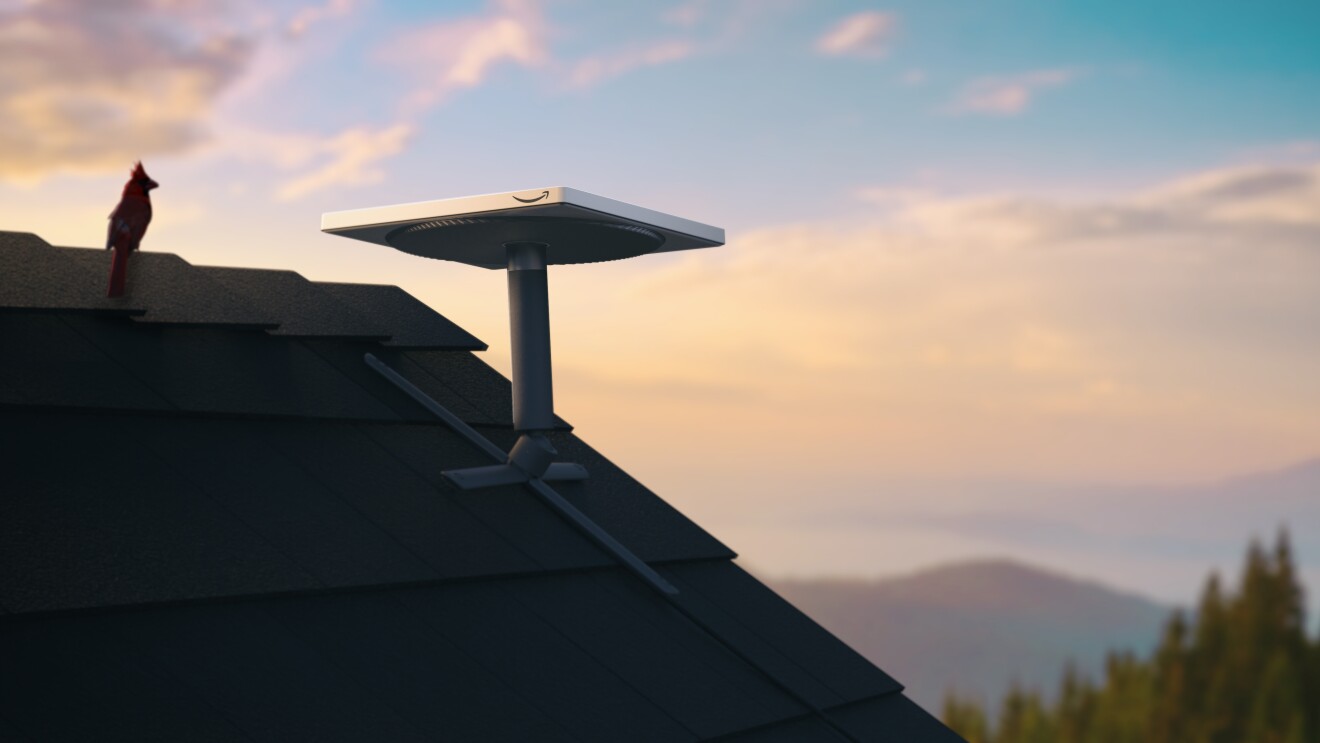
Amazon Leo, formerly known as Project Kuiper, is a mega constellation of satellites in Low Earth Orbit that will offer broadband internet access, this constellation will be managed by Kuiper Systems LLC, a subsidiary of Amazon. This constellation is planned to be composed of 3,276 satellites. The satellites are projected to be placed in 98 orbital planes in three orbital layers, one at 590 km, 610 km and 630 km altitude.
29 satellites are carried on this launch.
Swift Boost Mission ×
Mission Details
TypeMission Extension
OrbitLow Earth Orbit
TargetEarth
Contracted by NASA under the Small Business Innovation Research Phase 3 contract, Katalyst Space Technologies’ LINK servicing spacecraft will rendezvous and attach to NASA’s Neil Gehrels Swift Observatory to re-boost its orbit. This aims to demonstrate a key capability for the future of space exploration and extending the Swift mission’s science lifetime in gamma ray astronomy.
Agencies Involved
• Katalyst Space (Private)
• National Aeronautics and Space Administration (Government)
Payload: LINK
TypeIn-Orbit Servicing
Mass400 kg
DestinationSwift
Quantity1
ManufacturerKatalyst Space
OperatorKatalyst Space
Spacecraft designed, built and operated by Katalyst Space as part of the Swift rescue mission
The Pegasus is an air-launched rocket developed by Orbital Sciences Corporation (now part of Northrop Grumman Innovation Systems). Capable of carrying small payloads of up to 443 kilograms (977 lb) into low Earth orbit, the vehicle consists of three solid propellant stages and an optional…
Rocket Lab Launch Complex 1, Mahia Peninsula, New Zealand
Total launches from this pad: 0
Vehicle: Electron
Electron is a two-stage orbital expendable launch vehicle (with an optional third stage) developed by the American aerospace company Rocket Lab. Electron is a small-lift launch vehicle designed to launch small satellites and cubesats to sun-synchronous orbit and low earth orbit. The Electron is the…
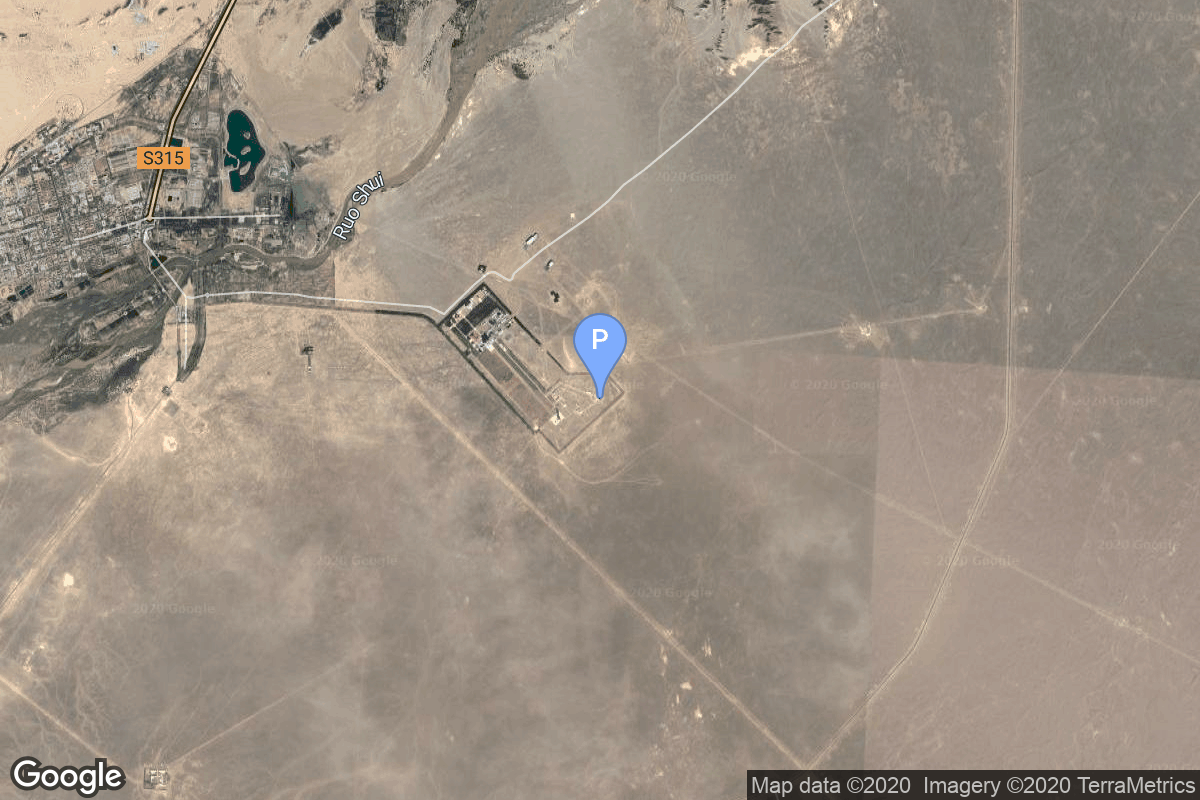
The Long March 4C, also known as the Chang Zheng 4C, CZ-4C and LM-4C, previously designated Long March 4B-II, is a Chinese orbital carrier rocket. It is launched from the Jiuquan, Taiyuan Satellite Launch Centre and Xichangs, and consists of 3 stages. Long March 4C vehicles have been used to launch…
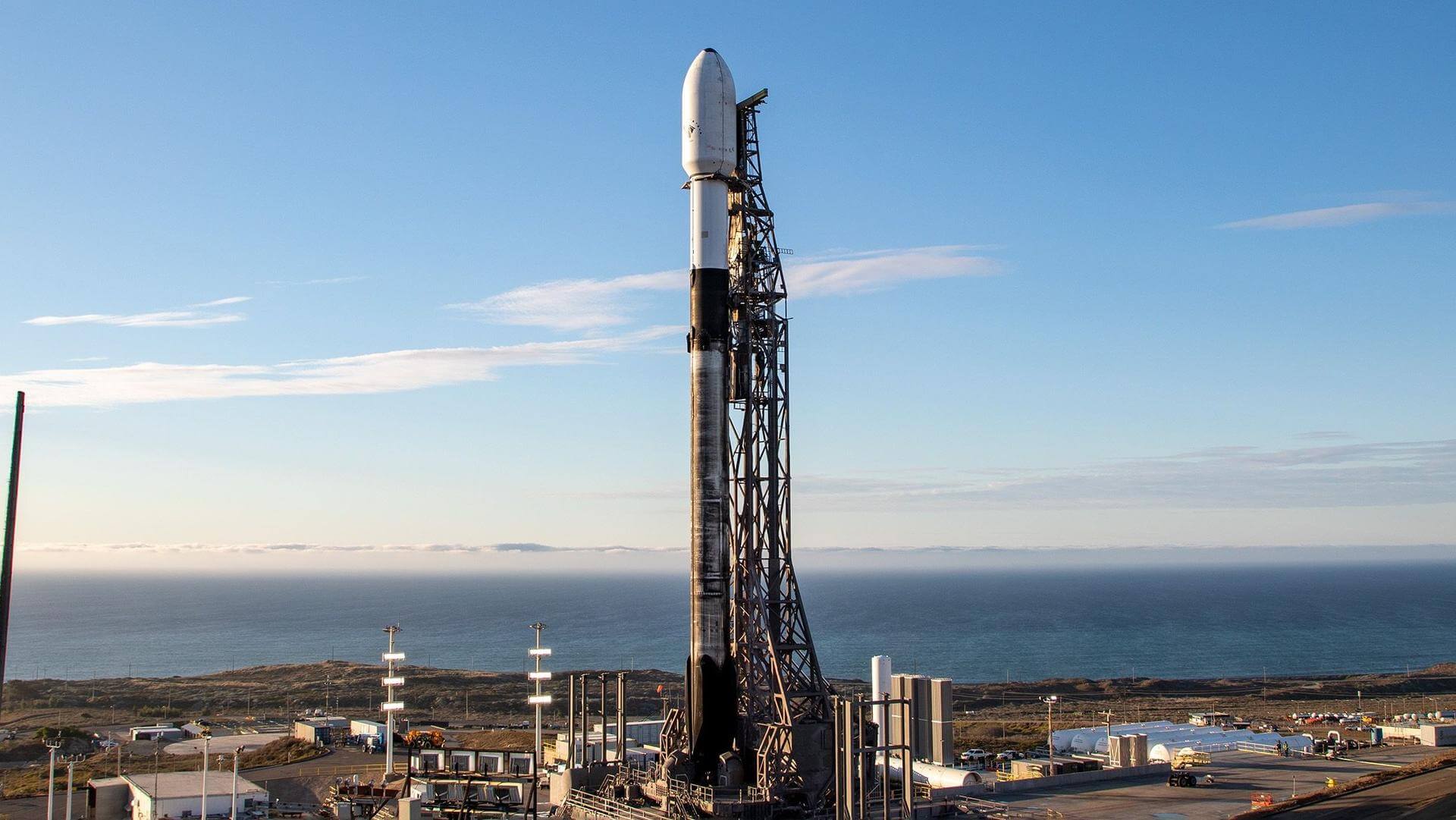
Falcon 9 is a two-stage rocket designed and manufactured by SpaceX for the reliable and safe transport of satellites and the Dragon spacecraft into orbit. The Block 5 variant is the fifth major interval aimed at improving upon the ability for rapid reusability.
The Falcon 9 first stage B1100 will land on ASDS OCISLY after its 7th flight.
Amazon Leo (LA-08) ×
Mission Details
TypeCommunications
OrbitLow Earth Orbit
TargetEarth
Amazon Leo, formerly known as Project Kuiper, is a mega constellation of satellites in Low Earth Orbit that will offer broadband internet access, this constellation will be managed by Kuiper Systems LLC, a subsidiary of Amazon. This constellation is planned to be composed of 3,276 satellites. The satellites are projected to be placed in 98 orbital planes in three orbital layers, one at 590 km, 610 km and 630 km altitude.
Amazon Leo is a satellite internet constellation aimed at providing high-speed, low-latency broadband connectivity to underserved and remote areas globally. The project involves deploying a constellation of low Earth orbit (LEO) satellites to create a satellite internet network capable of delivering reliable internet access.
Atlas V is an expendable launch system in the Atlas rocket family. It was formerly operated by Lockheed Martin and is now operated by United Launch Alliance (ULA), a joint venture with Boeing. Each Atlas V rocket uses a Russian-built RD-180 engine burning kerosene and liquid oxygen to power its…
Robo Chris is a collection of API calls, filters, and searches, bolted together with magic and love. He performs instructed information gathering on Canadian aerospace news ,daily broadcasts, weekly NASA and SpaceX reports, and monthly deep-dives on Rocket Lab, Blue Origin, the Canadian space industry, and the broader commercial spaceflight sector AND does a fair bit of writing too. Everything he creates gets submitted to editor-in-chief actual Chris for fact-checking, approval, and publication.