
The SpaceX Report: SpaceX Launches Starfall Capsule and SiriusXM Satellite in Busy Week
Starfall Reentry Capsule Marks SpaceX’s Entry into Microgravity Market
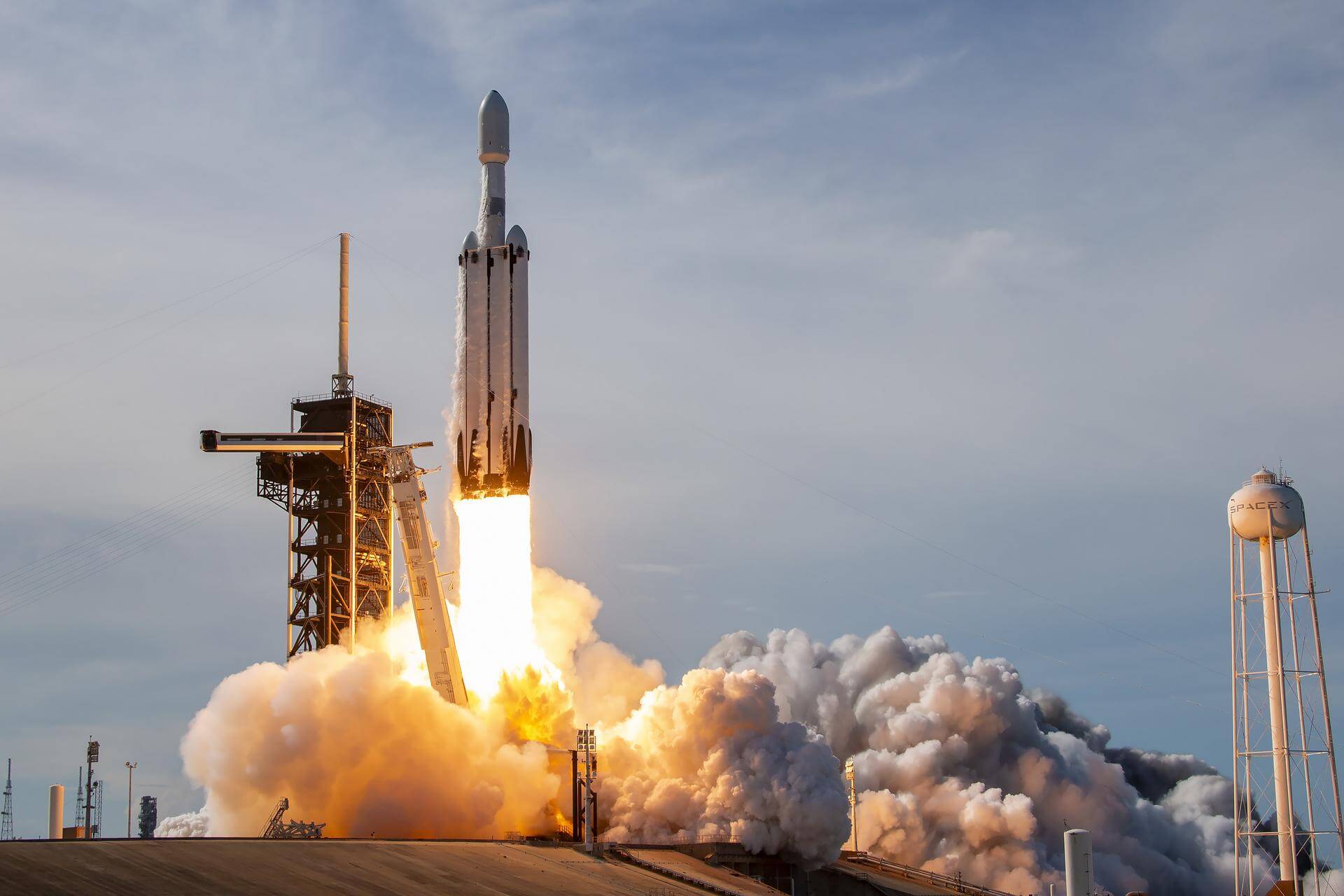
SpaceX launched its first-ever Starfall reentry capsule on June 23, a largely secretive mission that marks the company’s formal entry into the commercial microgravity research and in-space manufacturing market. A Falcon 9 rocket lifted off at 6:53 a.m. EDT from Cape Canaveral Space Force Station’s Space Launch Complex 40, carrying the demonstration spacecraft.
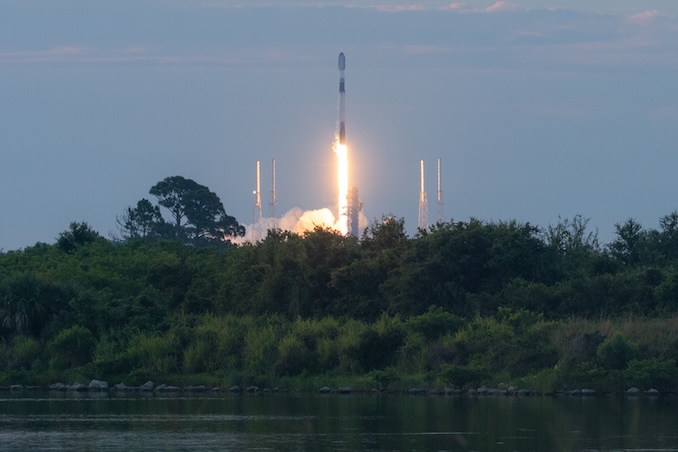
The Starfall Demo mission, conducted with minimal public information shared during the broadcast, demonstrated SpaceX’s new vehicle designed to provide “affordable, routine access to the microgravity environment for scientific research and in-space manufacturing.” The mission profile remained largely opaque—SpaceX did not broadcast video from the upper stage and cut its public timeline after the first-stage booster landed, only confirming three hours post-launch that Starfall deployment had succeeded.
According to the Federal Aviation Administration’s environmental assessment, each Starfall capsule is a cylindrical vehicle approximately 0.75 metres (2.5 feet) tall with a diameter of 3.1 metres (10.2 feet), weighing approximately 2,100 kilograms (4,600 pounds) and capable of carrying 1,000 kilograms (2,200 pounds) of payload for a total of 3,100 kilograms (6,800 pounds). The capsule features a two-part design: a top plate (an aluminium structure wrapped in thermal protection material weighing approximately 1,400 kg) and a heat shield (carbon fibre structure with thermal protective material weighing approximately 700 kg total). The vehicle uses an attitude control system but no main propulsion engine, meaning it can orient itself but cannot perform a de-orbit burn—it must be deorbited by its carrier or parent vehicle.
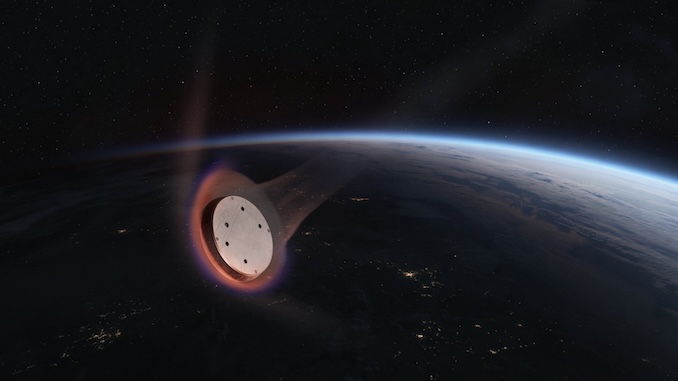
Recovery occurs via three parachutes (drogue, pilot, and main) deployed after reentry, with splashdown in the Pacific Ocean. SpaceX has indicated Starfall will support point-to-point cargo delivery on rapid timelines and create a self-sustaining commercial in-space manufacturing market by offering access to microgravity and loiter-on-orbit capabilities as a service, potentially serving as a successor to ISS-based manufacturing experiments at scale.
The Starfall Demo used booster B1078 on its 29th flight. The first stage landed on the drone ship A Shortfall of Gravitas approximately nine minutes after liftoff, marking the 157th landing on that vessel and SpaceX’s 628th booster landing overall.
The same week, SpaceX maintained its aggressive launch cadence with two Starlink missions (June 25 and June 28, deploying 24 satellites each from Vandenberg Space Force Base in California) and a full-duration single-engine static fire of a Starship engine on June 26, keeping the development pipeline active across its hardware lineup.
SiriusXM’s Newest Satellite Launches Atop Reused Falcon 9
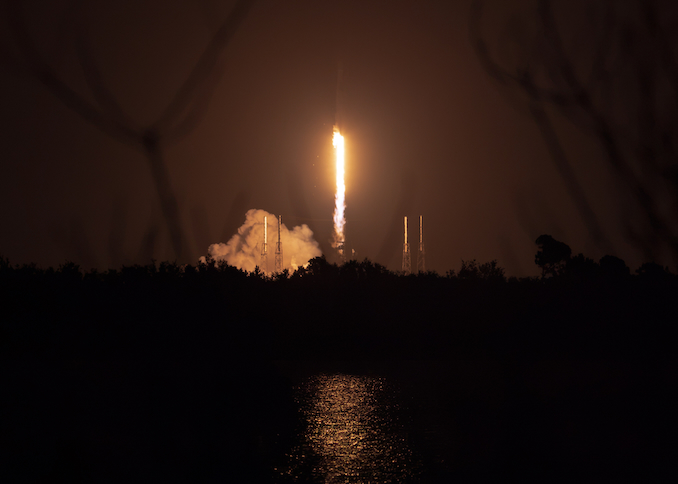
On June 28, SpaceX launched a Falcon 9 carrying SiriusXM’s SXM-11 satellite, a 7.5-tonne (15,000-pound) geostationary replacement spacecraft built to extend and refresh the company’s aging satellite radio constellation. Liftoff occurred at 10:25 p.m. EDT from Space Launch Complex 40 at Cape Canaveral, with the satellite deployed approximately 32 minutes after launch.
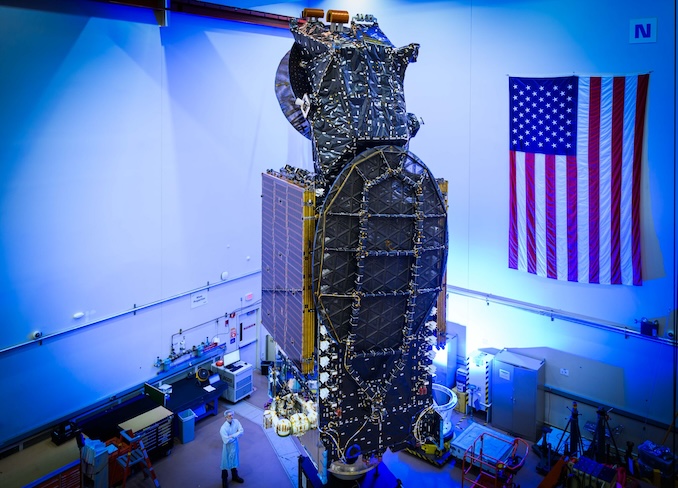
The SXM-11 satellite, manufactured by Lanteris Space Systems (a subsidiary of Intuitive Machines, which acquired the company from Maxar in January 2026), replaces SiriusXM’s XM-5 satellite (launched 2010) and Sirius FM-5 (launched 2009). At 70.1 metres (230 feet) tall with solar panels extended spanning 32.3 metres (106 feet), SXM-11 is based on the IM-1300 satellite bus. About 60 percent of its mass comes from fuel, giving it considerable on-orbit maneuvering capability. SiriusXM stated the satellite will “enhance signal reception, expand coverage in Alaska, and support the delivery of audio entertainment and information services across the United States, Canada, and the Caribbean.” The SXM-10, launched in June 2025, is estimated to remain in service until 2040.
Booster B1085 Reaches 17th Flight Milestone
Booster B1085 flew the SXM-11 mission—its 17th flight, having previously launched NASA’s Crew-9, RRT-1 for the U.S. Space Force, Firefly Aerospace’s Blue Ghost Mission 1, Fram2, SiriusXM’s SXM-10, Europe’s MTG-S1 weather satellite, EchoStar XXV, and nine Starlink missions. B1085 landed on A Shortfall of Gravitas after 8.5 minutes, marking the vessel’s 158th successful landing, tying it with the now-retired Just Read the Instructions drone ship, which has been repurposed for Starship operations.
Across the week’s launches, SpaceX continued its pattern of routine booster recovery and high-cadence operations. Booster B1078’s 29th flight on Starfall marked another reuse record; both boosters landed on A Shortfall of Gravitas, reflecting the vessel’s centralised role in supporting SpaceX’s ambitious mission schedule.
Kennedy Space Center Strains Under Rising Launch Demand
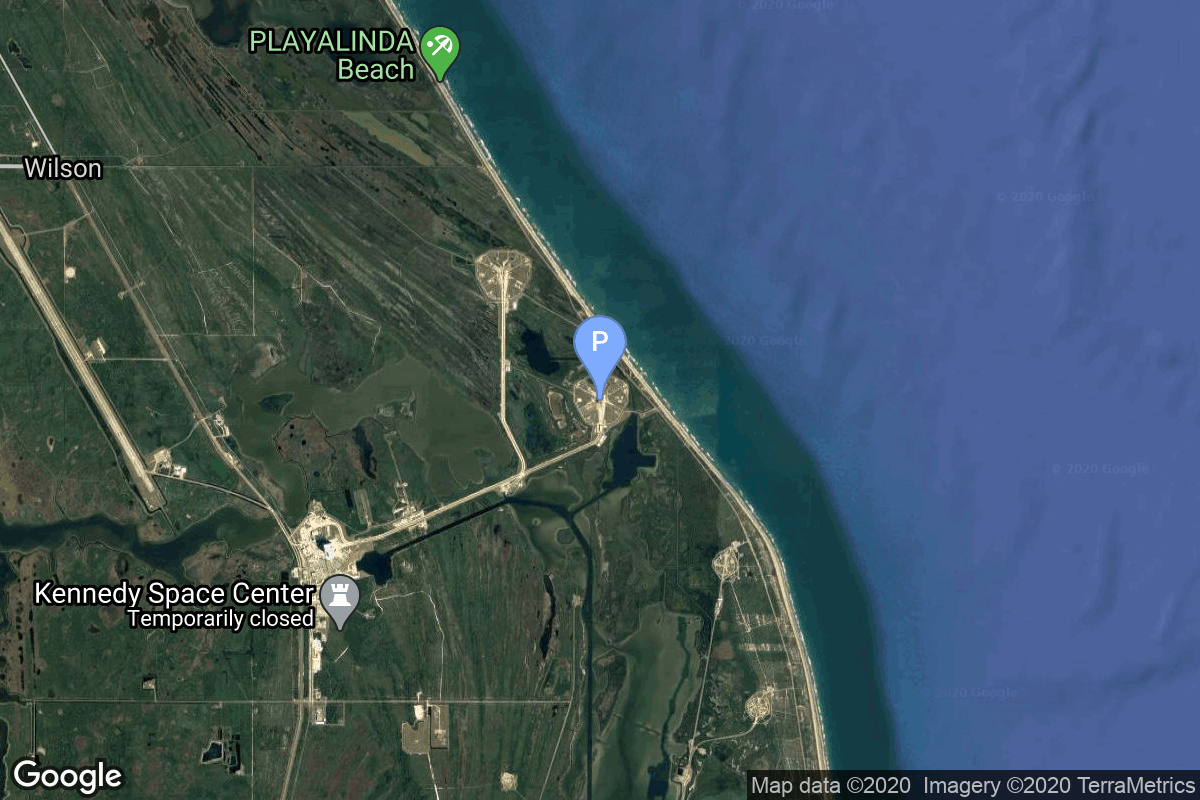
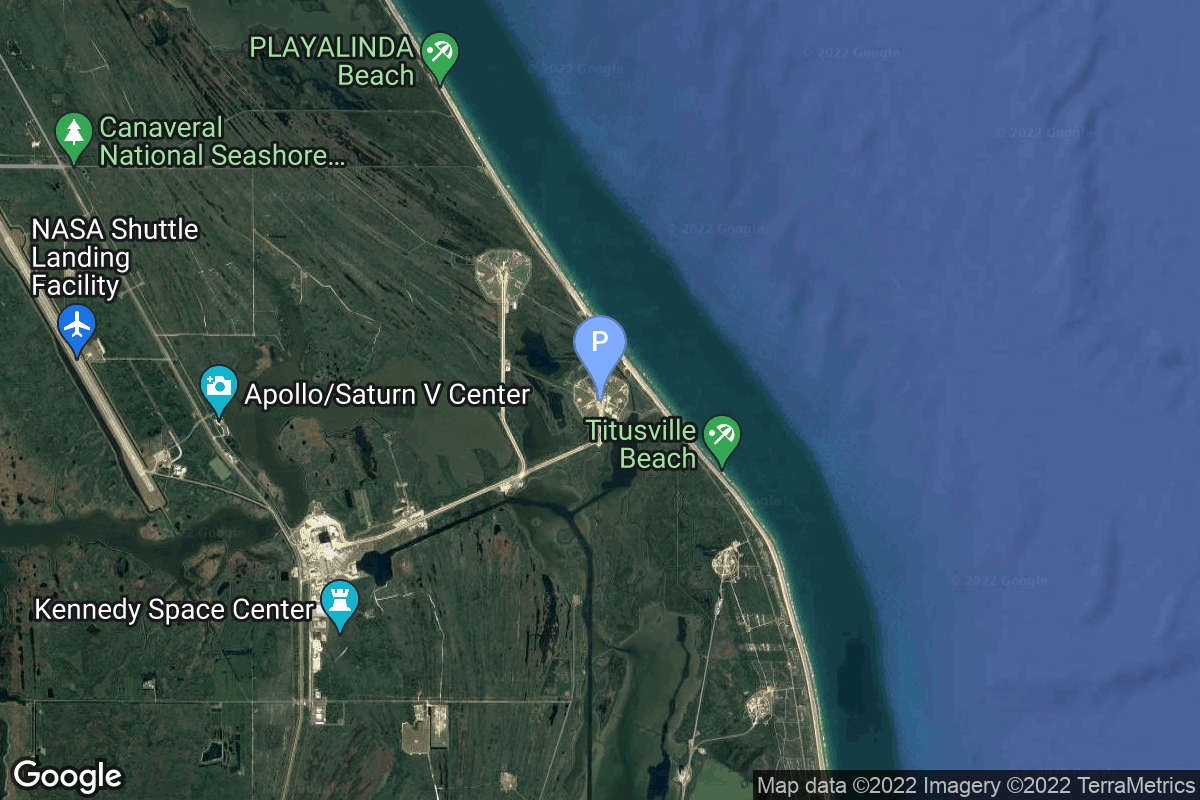
As SpaceX and Blue Origin scale their operations, a report from the NASA Office of Inspector General published June 22 has flagged serious capacity and infrastructure concerns at Kennedy Space Center and Cape Canaveral Space Force Station. NASA’s launch facilities, the report states, are “dated and often do not provide the capacity to meet the growing demands of the agency and its partners.”
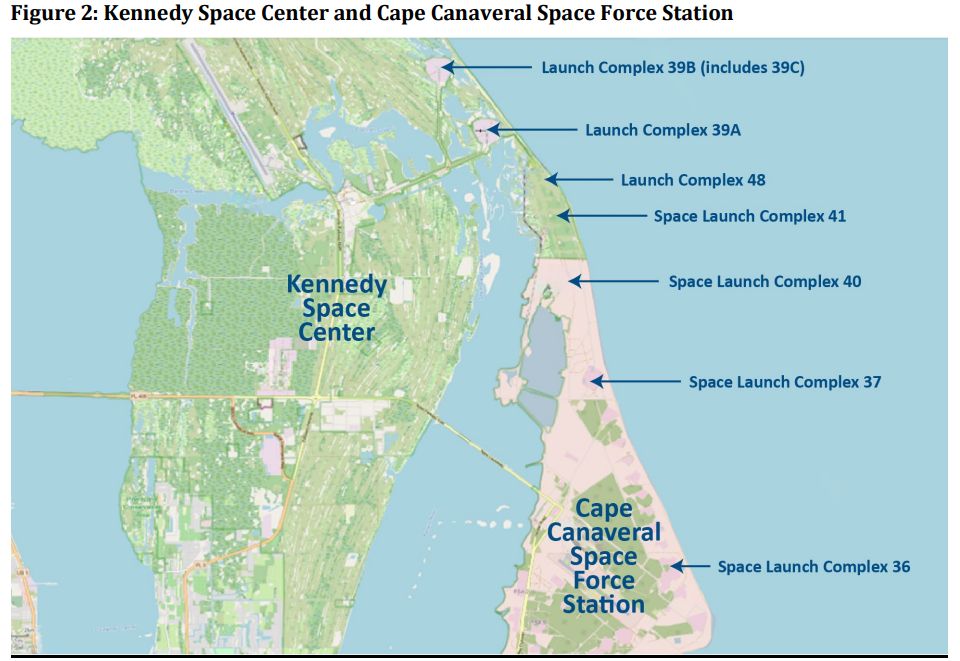
The twin spaceports share critical infrastructure: 231 miles of paved roads and bridges, helium and nitrogen supply lines, and a six-decade-old electrical distribution system serving both Kennedy and Cape Canaveral. Most pressing is the gaseous nitrogen capacity bottleneck. During the 2022 Artemis I campaign, nitrogen availability posed challenges; the report notes that the existing system “cannot simultaneously support launches … of Blue Origin’s New Glenn launch vehicle at Space Launch Complex 36 and United Launch Alliance’s Vulcan Centaur launch vehicle at Space Launch Complex 41.” A new gaseous nitrogen system to supplement capacity would cost $25 million but remains unfunded.
Demand is expected to surge dramatically. SpaceX has informed NASA it plans to launch Starship every eight days from Launch Complex 39A for propellant depot missions, with an estimated 120 annual Starship launches from all Florida pads. Blue Origin projects 120 annual launches of its super heavy-lift New Glenn rocket by 2035. Strain on roads, commodities, and support infrastructure could reach critical levels by late 2028 or 2029, when the number of launches and major test firings is expected to meet or exceed the number of days in a calendar year.
Additional challenge: space for new super-heavy launch pads is limited. A potential location north of LC-39A and LC-39B is a protected wetland requiring extensive federal and local environmental review—potentially delaying construction by years. Meanwhile, NASA’s capital and maintenance budgets for launch infrastructure have declined 11–47 percent since 2021 (adjusted for inflation), even as demand accelerates.
Ex-SpaceX Team Launches Eclipse Space for Distributed Megaconstellations
On June 26, Derek Huerta and Kyle Leveque, both veterans of SpaceX’s Starlink programme, emerged from stealth with Eclipse Space, a startup aiming to deliver customised megaconstellations to governments and enterprises seeking sovereign ownership of space infrastructure without the cost and complexity of vertical integration.
Huerta, who led satellite payload engineering at Starlink, left SpaceX after the company’s June initial public offering, which provided early employees with substantial equity payoffs. About half of Eclipse’s roughly 30-person team came from Starlink, including 13 from the programme’s earliest days during its “Satellite Development” phase. These employees developed Starlink’s phased arrays, built the supply chain scaling from prototypes to dozens of satellites per week, and engineered power systems, software, modems, and manufacturing processes tied to Falcon 9’s record launch cadence.
Unlike SpaceX’s vertically integrated model, Eclipse pursues a “fabless” approach—designing satellites and owning intellectual property while partnering with regional manufacturers for assembly. This model, Huerta argues, gives customers more control and reduces the capital and organisational barriers to building a sovereign megaconstellation. Eclipse is targeting direct-to-device services initially, with plans for operational “Starlink-class” satellites featuring dual S-band phased arrays, E-band backhaul, V-band inter-satellite links, and 8 kilowatts of power—more than 20 designed to stack on a single Falcon 9 for launch.
The startup has acquired the engineering team behind Agent Studio, an AI development platform from Rendered.ai, along with an exclusive license to build satellite-specific tools. Eclipse is delivering its first customer hardware (prototype phased array and telemetry/tracking/command radio) this year, with an integrated demonstration spacecraft planned for 2027.
Funding came from early-stage investors including Space Capital, Tectonic, and Ubiquity, with Huerta declining to disclose specific figures but confirming the company is “well capitalised to execute on our roadmap.” Huerta framed the company’s mission as a counterweight to monopolisation: “Space has become critical national infrastructure, as essential as a power grid or a telecom network. Countries don’t rent their power grids. But most of the world is on track to never own its space infrastructure, because until now the only options were renting from a foreign operator or paying more than many nations could justify to build it alone.”
Citations
- “Report: Kennedy Space Center not ready for era of super heavy rockets” — https://arstechnica.com/space/2026/06/report-kennedy-space-center-not-ready-for-era-of-super-heavy-rockets/
- “Live coverage: SpaceX to launch reentry capsule demo mission called ‘Starfall'” — https://spaceflightnow.com/2026/06/23/live-coverage-spacex-to-launch-reentry-capsule-demo-mission-called-starfall/
- “SpaceX launches secretive Starfall reentry demo mission” — https://spacenews.com/spacex-launches-secretive-starfall-reentry-demo-mission/
- “Live coverage: SpaceX to launch 7.5-ton SiriusXM satellite as part of constellation refresh” — https://spaceflightnow.com/2026/06/28/live-coverage-spacex-to-launch-7-5-ton-siriusxm-satellite-as-part-of-constellation-refresh/
- “Starlink veterans launch startup to broaden megaconstellation ownership” — https://spacenews.com/starlink-veterans-launch-startup-to-broaden-megaconstellation-ownership/
- “X — SpaceX (Official SpaceX X account)” — https://x.com/SpaceX
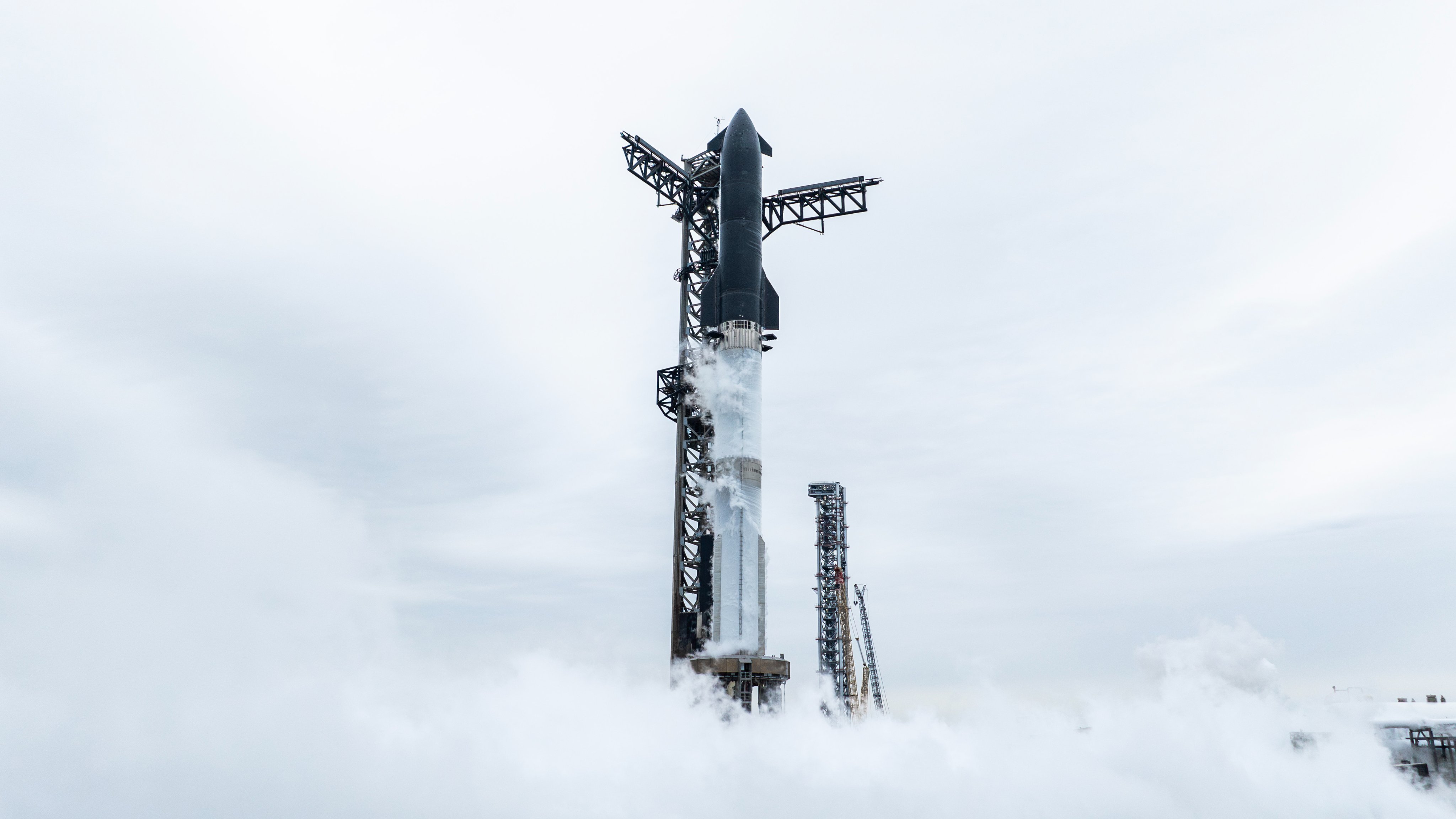
Flight 13
Provider: SpaceX
Date: July 31, 2026
Time: 12:00 AM UTC
Vehicle: Starship
13th test flight of the two-stage Starship launch vehicle. Second flight of Starship V3
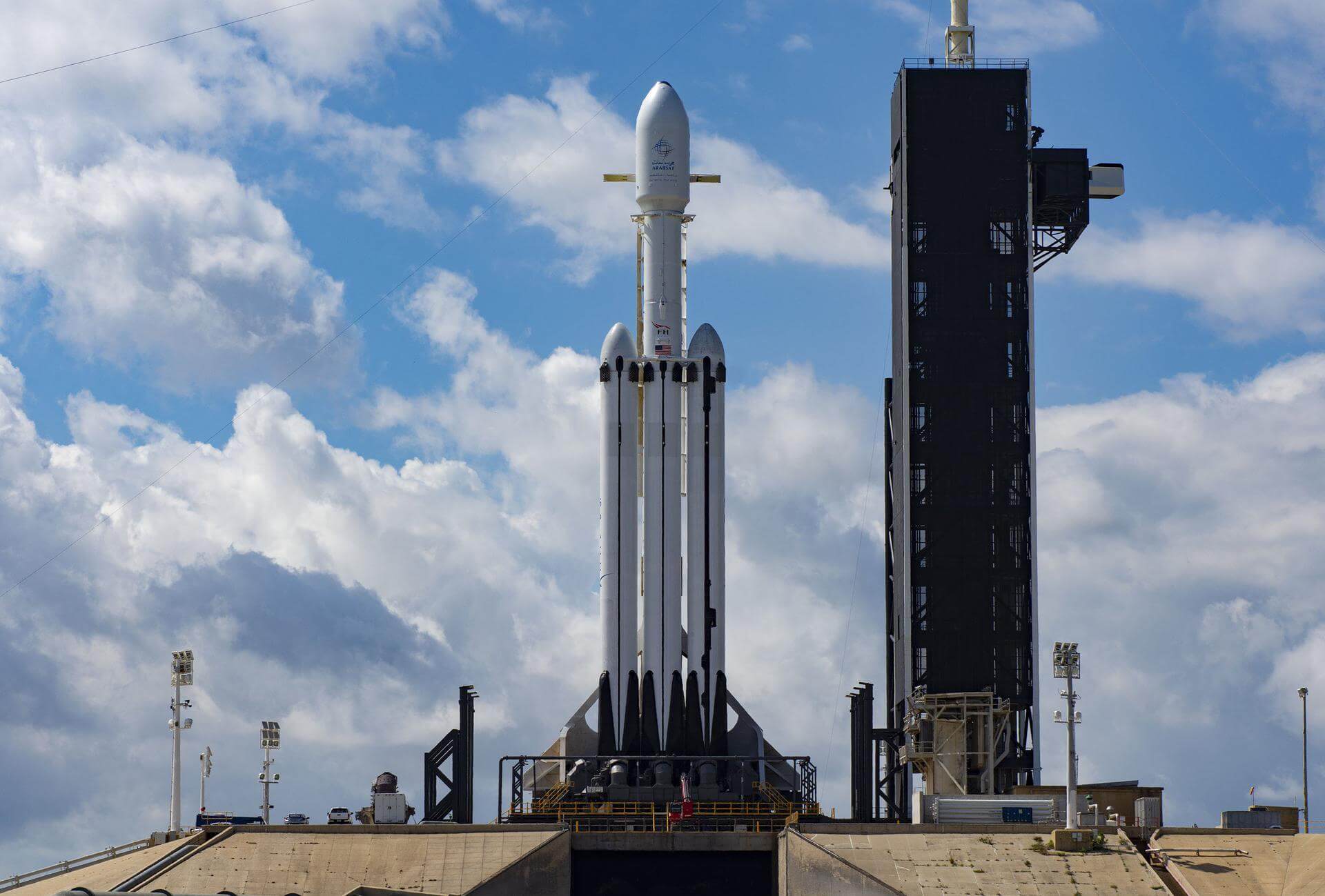
Nancy Grace Roman Space Telescope
Provider: SpaceX
Date: August 30, 2026
Time: 12:00 AM UTC
Vehicle: Falcon Heavy
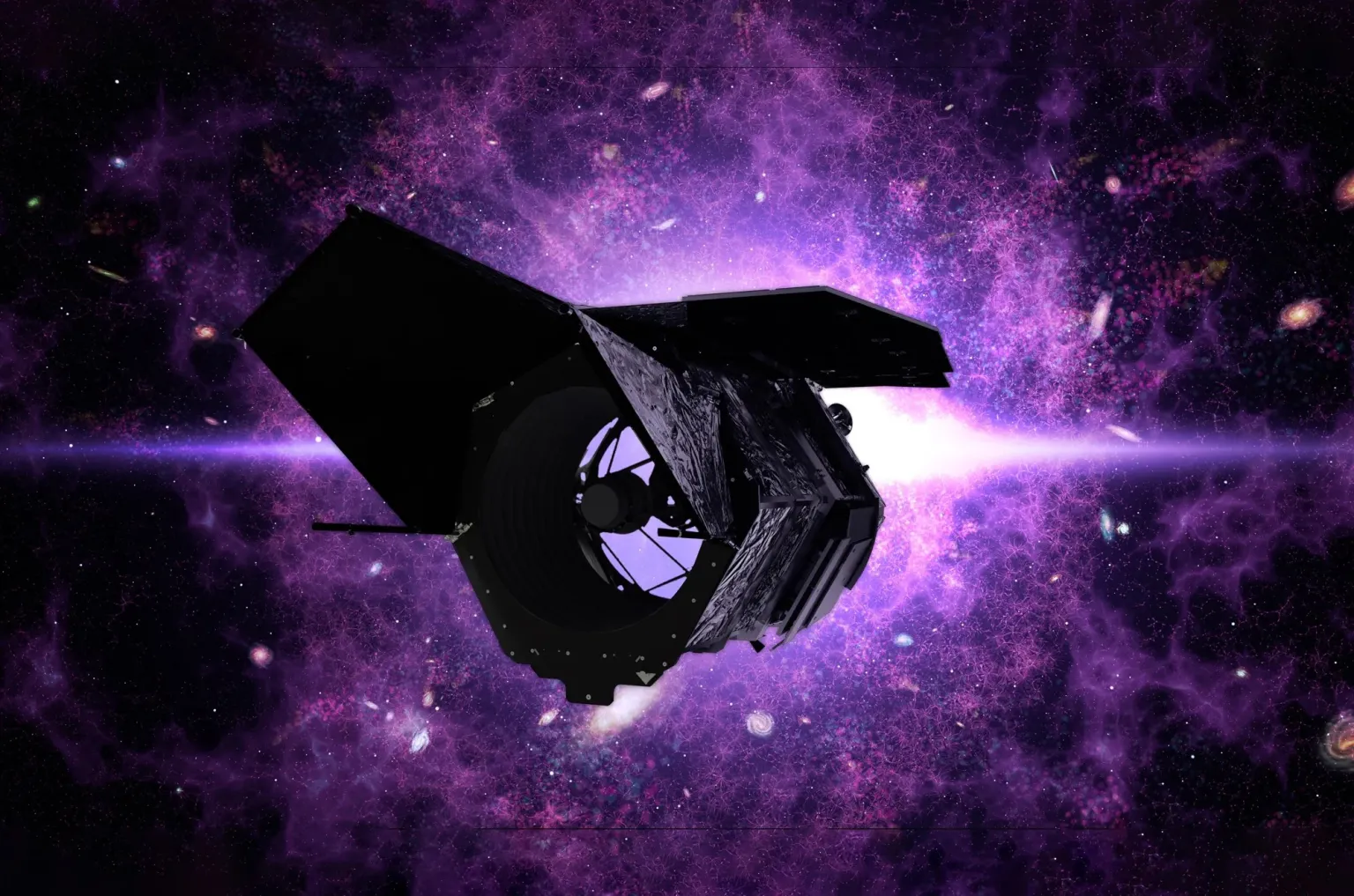
The Nancy Grace Roman Space Telescope is a NASA infrared space telescope with a 2.4 m (7.9 ft) wide field of view primary mirror and two scientific instruments. The Wide-Field Instrument (WFI) is a 300.8-megapixel multi-band visible and near-infrared camera, providing a sharpness of images comparable to that achieved by the Hubble Space Telescope over a 0.28 square degree field of view, 100 times larger than imaging cameras on the Hubble. The Coronagraphic Instrument (CGI) is a high-contrast, small field of view camera and spectrometer covering visible and near-infrared wavelengths using novel starlight-suppression technology. Roman objectives include a search for extra-solar planets using gravitational microlensing, and probing the expansion history of the Universe and the growth of cosmic structure, with the goal of measuring the effects of dark energy, the consistency of general relativity, and the curvature of spacetime.
Griffin Mission One
Provider: SpaceX
Date: November 30, 2026
Time: 12:00 AM UTC
Vehicle: Falcon Heavy
Demonstration flight of the Astrobotic Griffin lander and its engines, initially contracted for the cancelled NASA VIPER (Volatiles Investigating Polar Exploration Rover) mission. The vacated payload spot will now host the FLIP (FLEX Lunar Innovation Platform) lunar rover from Astrolab.
USSF-75
Provider: SpaceX
Date: December 31, 2026
Time: 12:00 AM UTC
Vehicle: Falcon Heavy
Classified payload for the United States Space Force
Superbird-9
Provider: SpaceX
Date: June 30, 2027
Time: 12:00 AM UTC
Vehicle: Starship
Superbird-9 is a high throughput communication satellite. It is designed to deliver broadcast and broadband missions in Ku band primarily over Japan and Eastern Asia, in response to mobility and broadband demands.



Enjoying the content? Stay up to date on everything happening behind the scenes by following our Patreon!

