
The Daily Broadcast: Canada prioritizes space defence; Starship V3 launches successfully

RCAF resets space defence posture with sovereign manoeuvre strategy
Canada’s approach to space defence is undergoing a decisive shift. At this week’s Space Canada Horizons conference in Longueuil, Quebec, Royal Canadian Air Force leadership delivered a clear message: orbital dependence without assured independent access is a critical vulnerability, and true sovereignty requires the ability to sense, decide, and act in space without reliance on allied systems.

Brigadier-General Christopher Horner, Commander of 3 Canadian Space Division, framed the strategic question plainly: “Will Canada possess the freedom of action required to protect its sovereignty, security, and economic prosperity of the future?” Horner emphasized that modern global infrastructure—from precision agriculture to financial systems and Arctic operations—is critically dependent on space, and that orbital static infrastructure is a “relic of a benign past.” He highlighted the emergence of debris-generating anti-satellite testing, persistent jamming, and close-proximity manoeuvres by adversaries like Russia and China as evidence that space has become a contested manoeuvre domain.
The centrepiece of Canada’s response is what Horner termed “Sovereign Manoeuvre”—the independent ability to manoeuvre deliberately in support of Canadian national objectives. Horner stressed that this doesn’t mean isolationism; rather, “strong alliances are built not on dependency, they are built on capable partners.”
Brigadier-General Brendan Cook, Director General of Air and Space Force Development and the RCAF’s requirements lead for space capabilities, then detailed the procurement reality needed to support this shift. Cook outlined nine major projects worth approximately $26 billion in committed government investment, originally slated over the next 20 years. Reflecting the urgency of near-term global threats, Cook confirmed that the military has been instructed to accelerate that timeline and “move it left,” shifting the majority of investment into the next few years.
These investments span four mission areas: SATCOM and navigation, space-based intelligence, surveillance and reconnaissance (ISR), space domain awareness, and space control. A “flagship” effort is the Enhanced Satellite Communications Project (ESCAPE) Polar. Using a carpool analogy, Cook described Canada’s historical reliance on allied systems, noting that Canada has traditionally brought “gas money” to operations rather than a vehicle. With these new SATCOM investments, Cook said, Canada is looking to “bring the car” and operate side-by-side with allies. “Sovereignty in this case,” Cook explained, “is not about being different and separate. It’s actually about being completely integrated with our allies, but bring real capability to them and value.”
Cook issued a stark challenge to the Canadian space industry: prepare to enter the classified realm. Pathfinder programmes to bring industry into classified discussions are expected to mature this summer, and companies will face substantial commitments, including strict security clearances and the requirement to prioritise “doing it correctly” to build sovereign capabilities over maximising profit margins. His parting message was direct: “This is not a time for Canada to think small. This is a time for us to decide what big things we are willing to take on and then commit to getting them done.”
Starship V3 achieves first successful launch despite engine anomalies
SpaceX successfully launched its redesigned Starship Version 3 on its first orbital test flight May 22, completing the majority of its planned test objectives despite encountering engine shutdowns during ascent and booster recovery.

Designated Flight 12, the mission lifted off from Starbase, Texas, at 6:30 p.m. Eastern on May 22, one day after a scrub caused by hydraulic issues with the launch tower’s quick-disconnect arm and anomalous readings from the water diverter system. The 407-foot-tall vehicle, powered by 33 new Raptor 3 engines generating up to 18 million pounds of thrust—twice the liftoff power of NASA’s Space Launch System—launched from a newly constructed second pad at Starbase, engineered to withstand repeated launches.
One minute and 40 seconds into the ascent, one of the Super Heavy booster’s 33 engines shut down, though the vehicle continued nominal climb. Two and a half minutes after liftoff, the Starship upper stage’s six Raptor engines ignited and the booster fell away. However, multiple engines failed to fire during the booster’s planned boostback burn to reverse course for a controlled splashdown in the Gulf of Mexico, resulting in a hard impact at nearly 1,500 kilometres per hour.
The upper stage likewise experienced an engine anomaly, with one of its three vacuum-optimized Raptor engines shutting down roughly 30 seconds after stage separation. The flight computer compensated by keeping the remaining five engines burning longer than planned, placing Starship on an acceptable sub-orbital trajectory. SpaceX noted the vehicle has engine-out capability; flight controller Dan Huot noted the trajectory “is within bounds of what we analyzed.”
Once in space, Starship deployed 20 Starlink mass simulators and two prototype V3 Starlink satellites known informally as “Dodger Dogs” from its upgraded Pez-style payload bay door. The two prototype satellites carried cameras to inspect Starship’s heat shield, sending back video footage of the vehicle in space. A planned in-space engine relight test was postponed due to the earlier engine issue. The vehicle performed additional structural manoeuvres during descent—testing the limits of its rear fins and executing banking manoeuvres similar to those planned for future landing operations—before soft-splashing in the Indian Ocean on target approximately 66 and a half minutes after liftoff. As expected, Starship tipped over and exploded shortly after impact.

Elon Musk celebrated the achievement on social media: “Congratulations @SpaceX team on an epic first Starship V3 launch & landing! You scored a goal for humanity.” NASA Administrator Jared Isaacman, who attended the launch at Starbase, posted: “Congrats @SpaceX team and @elonmusk on a hell of a V3 Starship launch. One step closer to the Moon…one step closer to Mars.”
Version 3 represents a significant redesign of both the Super Heavy booster and Starship upper stage, and is the vehicle SpaceX plans to use for orbital missions, including Starlink satellite deployments and the Artemis lunar lander now under development for NASA. The successful test clears the path for orbital payload delivery missions, which SpaceX has previously indicated it expects to begin in the second half of 2026. A critical milestone ahead is the first autonomous orbital refuelling test, planned for later this year.
Canadian space sector posts record R&D investment despite flat revenues
The Canadian Space Agency released its 2025 State of the Canadian Space Sector Report, revealing an industry in transition: while total revenues remain flat, core research and development spending has surged, and Canada’s GDP contribution from space activities has reached an all-time high of $3.8 billion.

Shazmin Kanji, the CSA’s Chief Economist, presented the findings at Space Canada Horizons. Total space sector revenues declined slightly to $5.0 billion in 2024, down 1.2% from the prior year, but this masks a fundamental sector shift. When legacy satellite broadcasting revenues are excluded, the non-broadcasting space economy reached a record $3.6 billion, a 4% increase from 2023. This growth is driven by expansion in space exploration, Earth observation, and navigation services, offsetting the ongoing contraction of broadcast television revenues.
The most striking metric is the surge in business research and development spending. Business Expenditures on R&D (BERD) jumped 48% year-over-year, rising from $650 million in 2023 to $962 million in 2024. Over the five-year period from 2019 to 2024, BERD has increased 156%. The R&D intensity in space manufacturing is 17 times higher than the average for the broader Canadian manufacturing sector, and that investment yielded 413 reported inventions and 113 registered patents in 2024.
Employment trends are equally robust. The direct space sector workforce grew to 14,622 jobs in 2024, a 4% year-over-year increase and a 24% gain over the five-year period since 2019. Seventy-two per cent of those roles are in science, technology, engineering, and mathematics (STEM) fields. The broader economic impact—including direct, indirect, and induced employment—supports over 28,000 jobs across the Canadian economy.

The export landscape continues to reflect deep reliance on North America. Domestic revenues account for 57% of total sector revenues, while exports represent 43%. Of those exports, 68% flow to North America, worth $1.48 billion in 2024. Europe, historically Canada’s second-largest market, received $393 million in exports, whilst Asian markets saw a steep decline over the five-year period, dropping from $337 million to $139 million. However, a recent Canadian commitment of $664.6 million in investment in European Space Agency programmes is anticipated to increase access to European procurement opportunities in coming years.
Citations
- “Accelerating space defence: RCAF Generals call for sovereign manoeuvre and rapid procurement” — https://spaceq.ca/accelerating-space-defence-rcaf-generals-call-for-sovereign-maneuver-and-rapid-procurement/
- “Starship V3 launch scrubbed at t-40 seconds; Friday attempt planned” — https://spaceq.ca/starship-v3-launch-scrubbed-at-t-40-seconds-friday-attempt-planned/
- “SpaceX launches first Starship V3” — https://spacenews.com/spacex-launches-first-starship-v3/
- “Musk praises ‘epic’ Super Heavy-Starship launch” — https://spaceflightnow.com/2026/05/23/musk-praises-epic-super-heavy-starship-launch/
- “CSA releases 2025 State of the Space Sector Report: R&D spending surges as broadcasting continues decline” — https://spaceq.ca/csa-releases-2025-state-of-the-space-sector-report-rd-spending-surges-as-broadcasting-continues-decline/

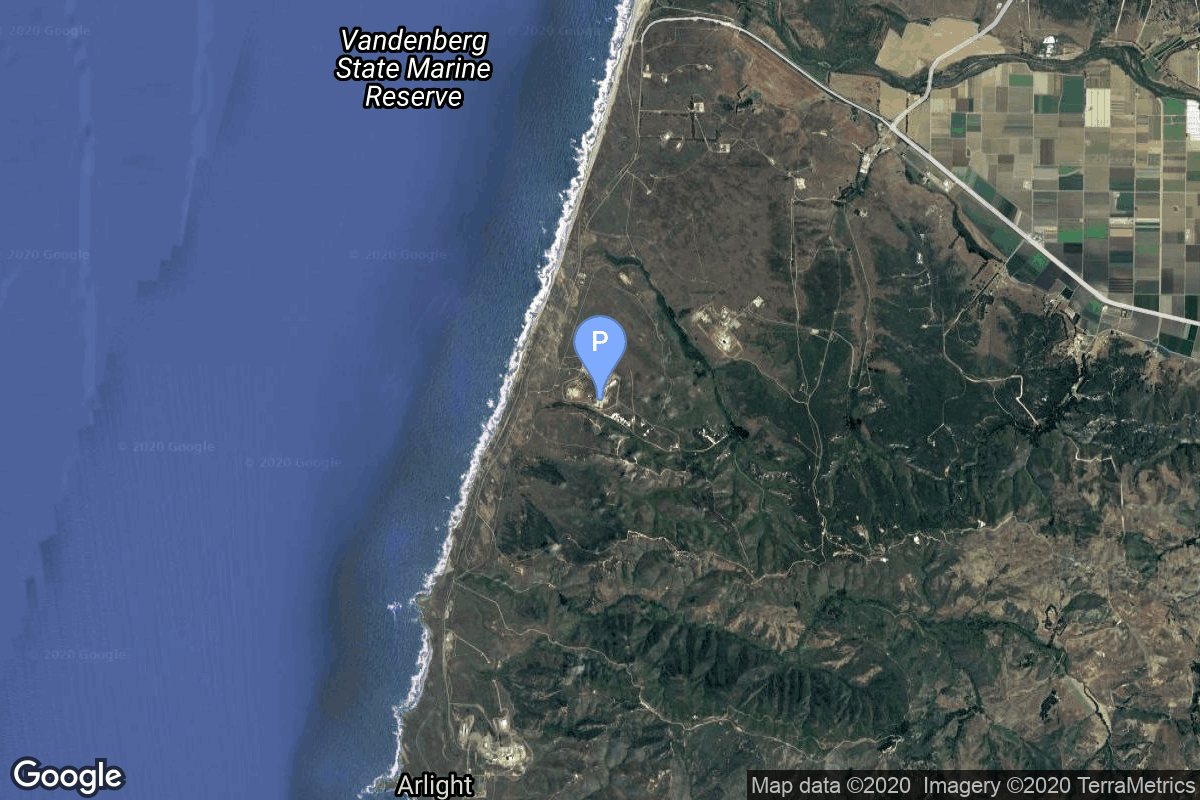
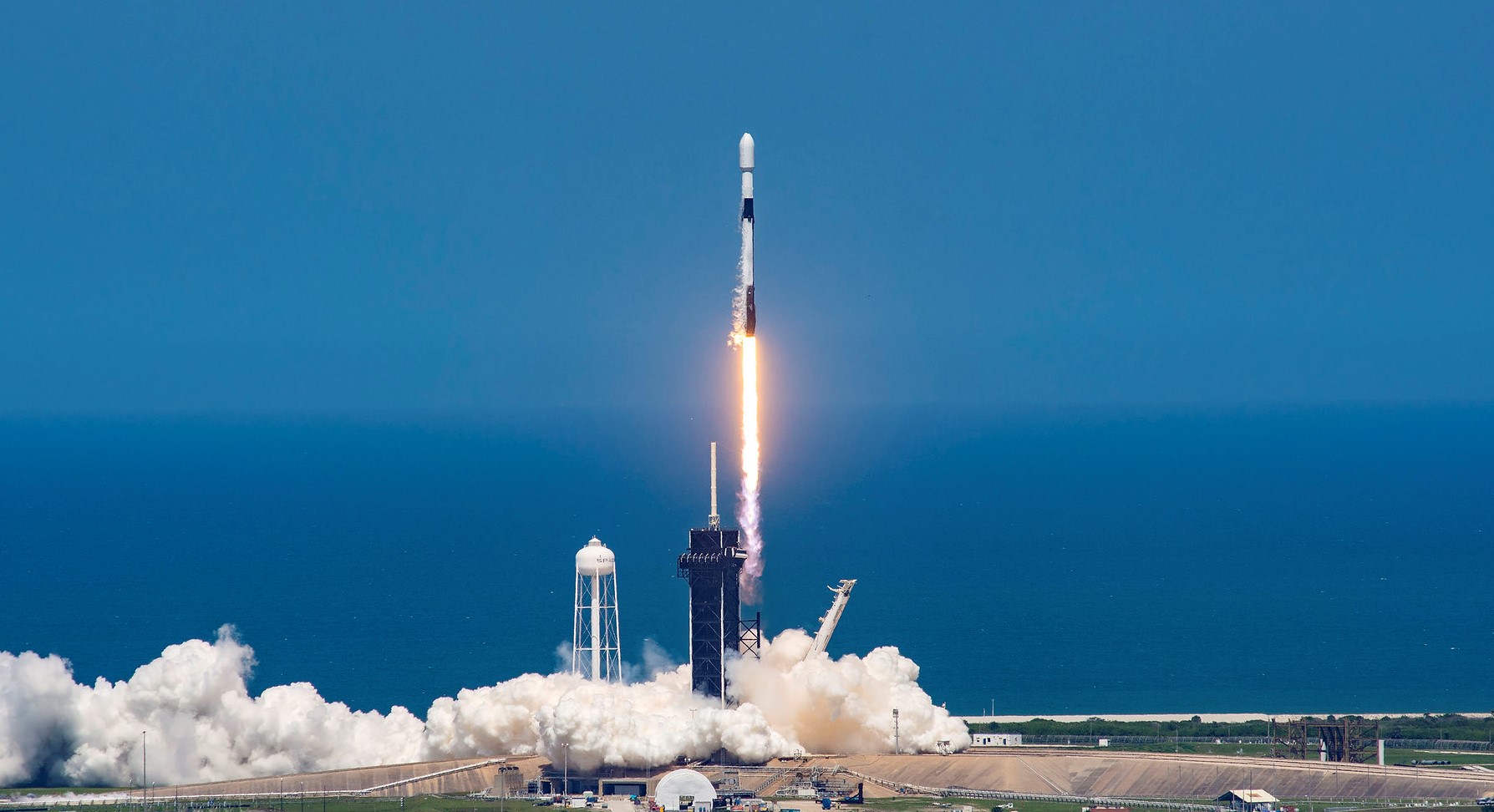
Starlink Group 17-37
Provider: SpaceX
Date: May 24, 2026
Time: 2:00 PM UTC
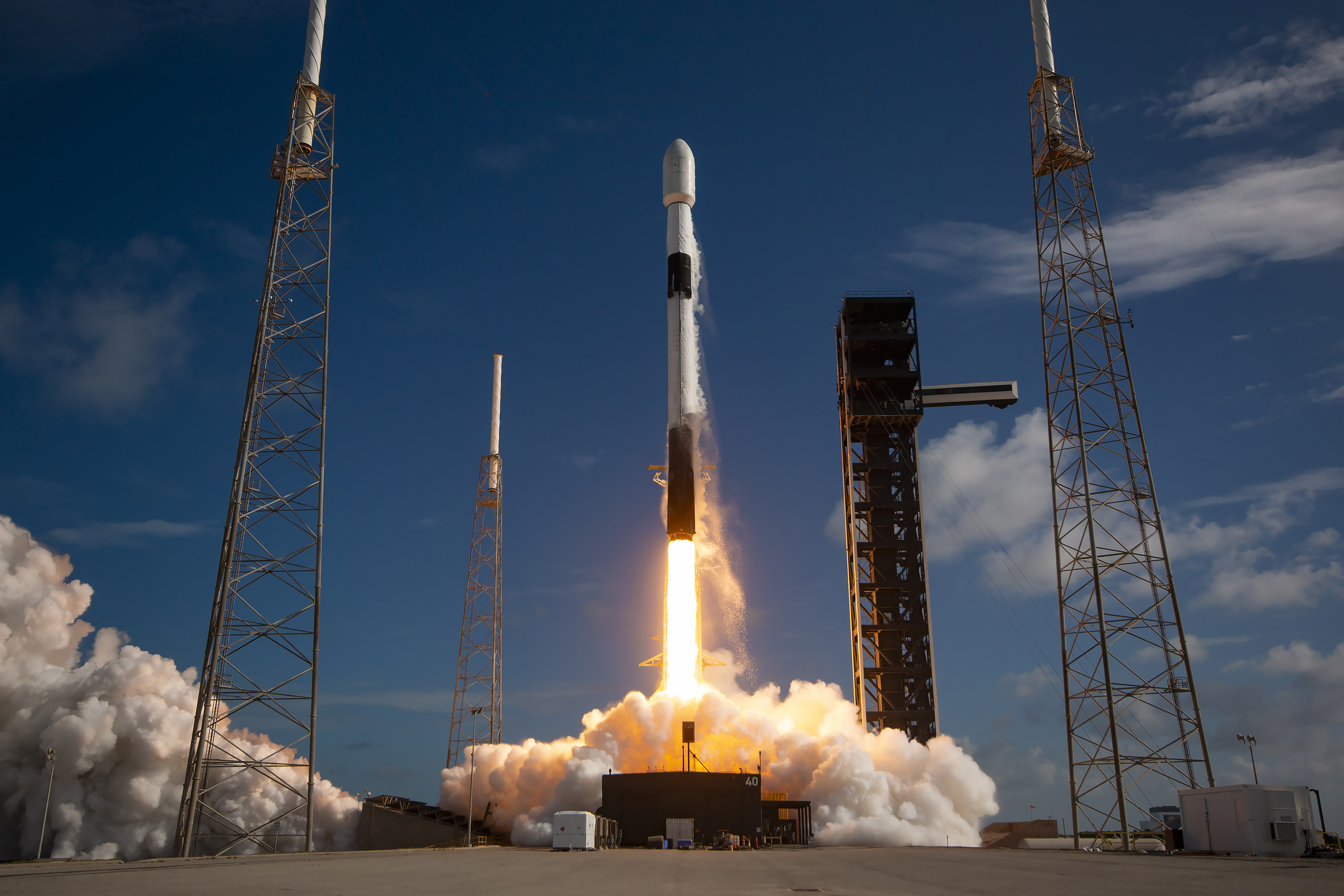
Vehicle: Falcon 9
A batch of 24 satellites for the Starlink mega-constellation – SpaceX’s project for space-based Internet communication system.
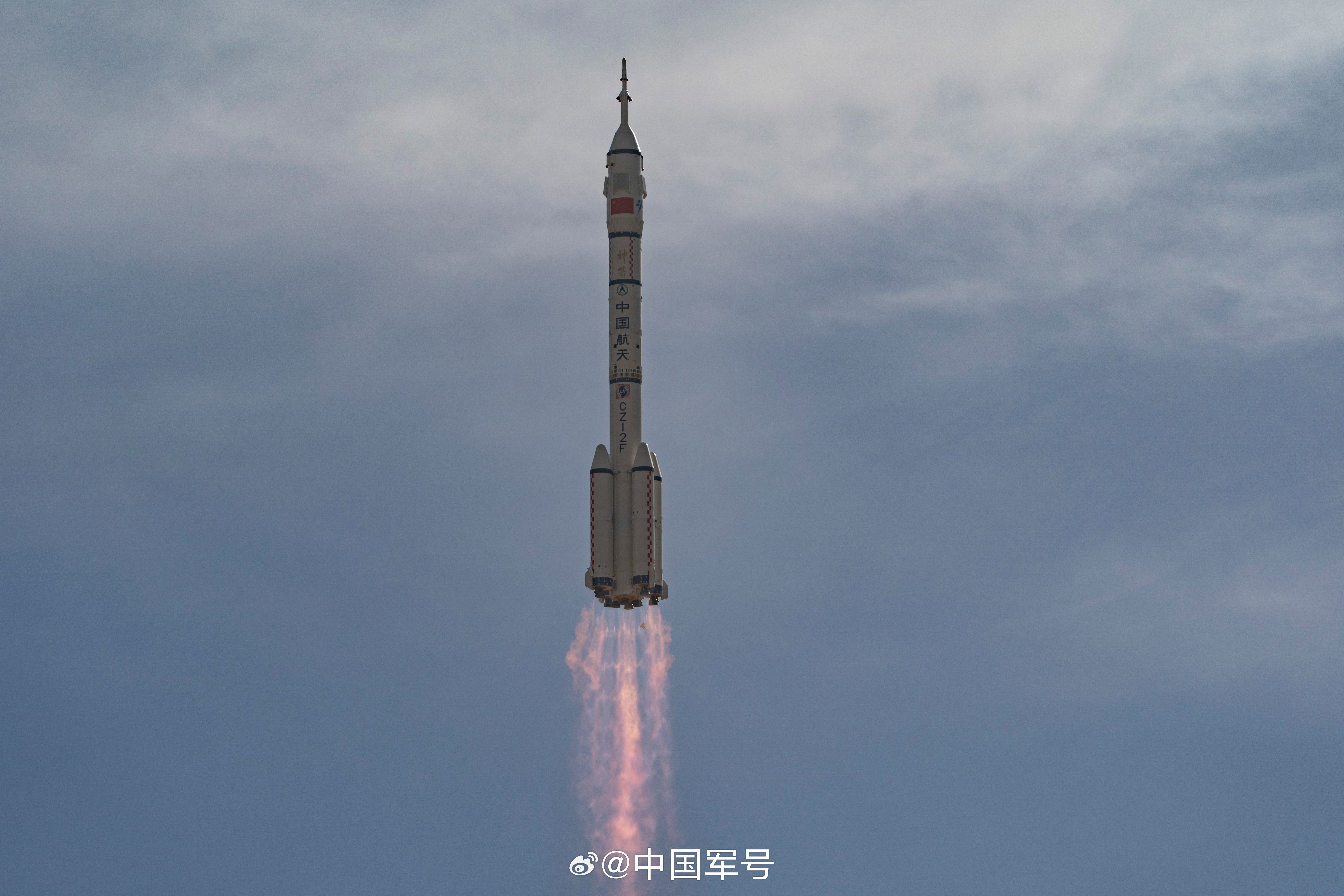
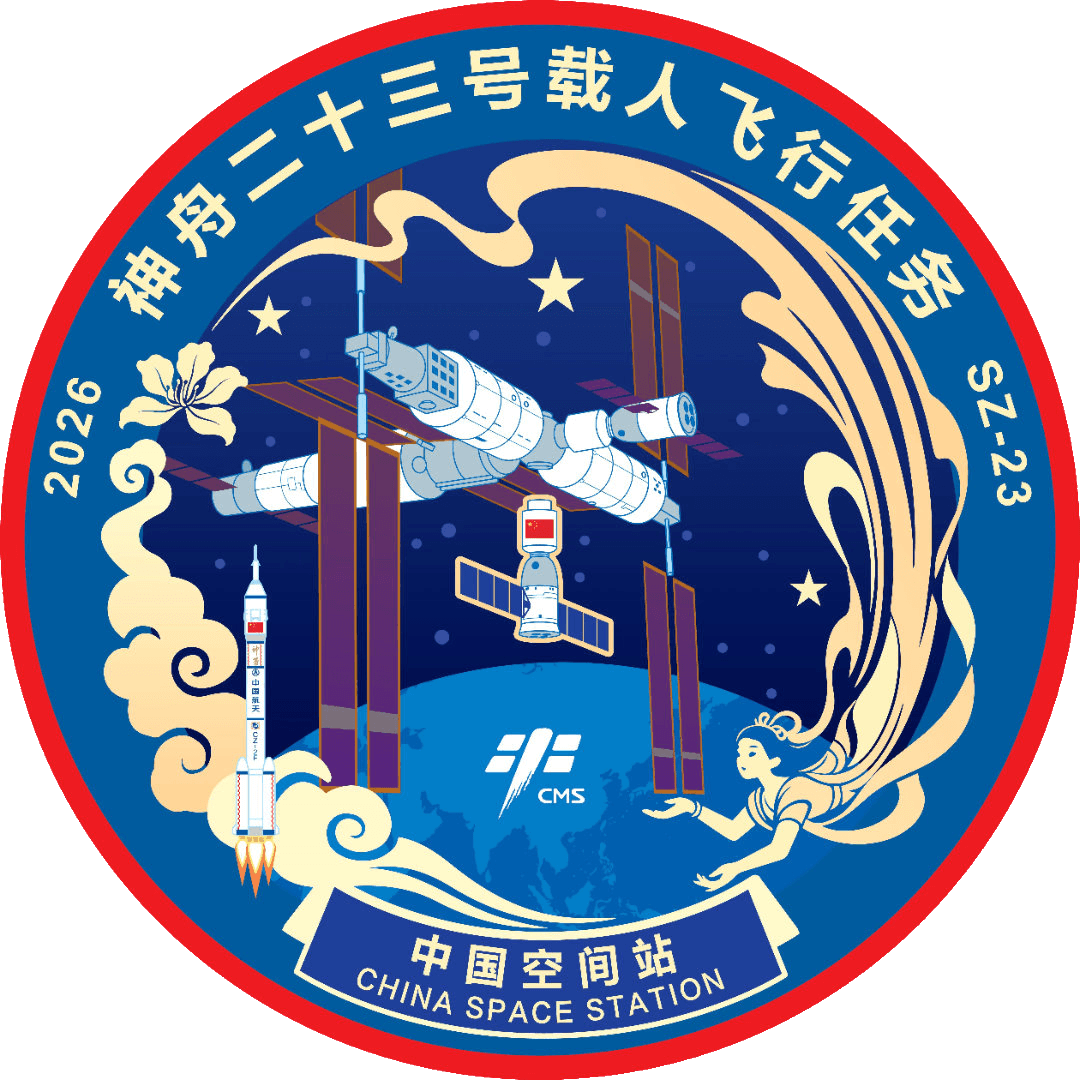
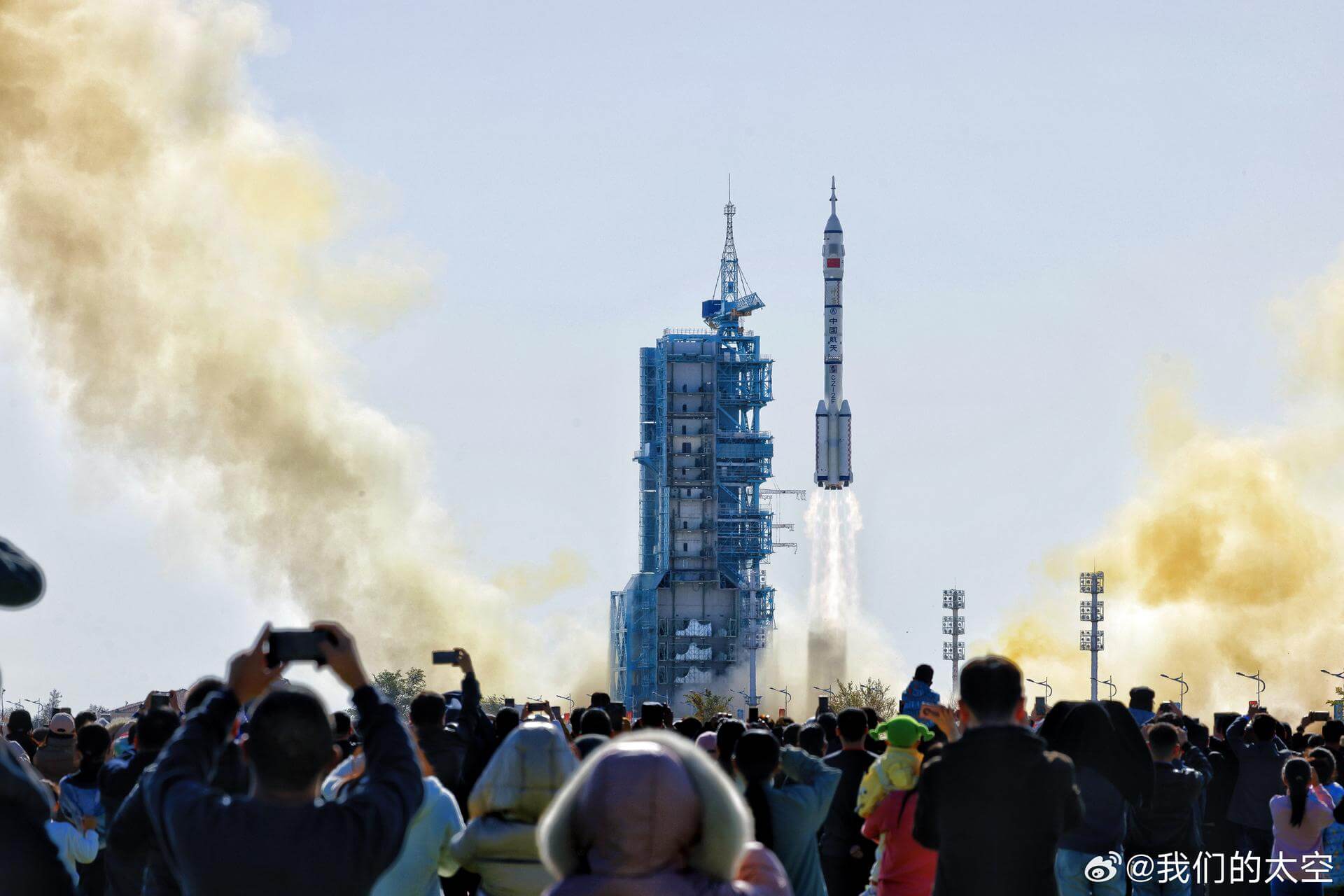
Shenzhou 23
Provider: China Aerospace Science and Technology Corporation
Date: May 24, 2026
Time: 3:08 PM UTC
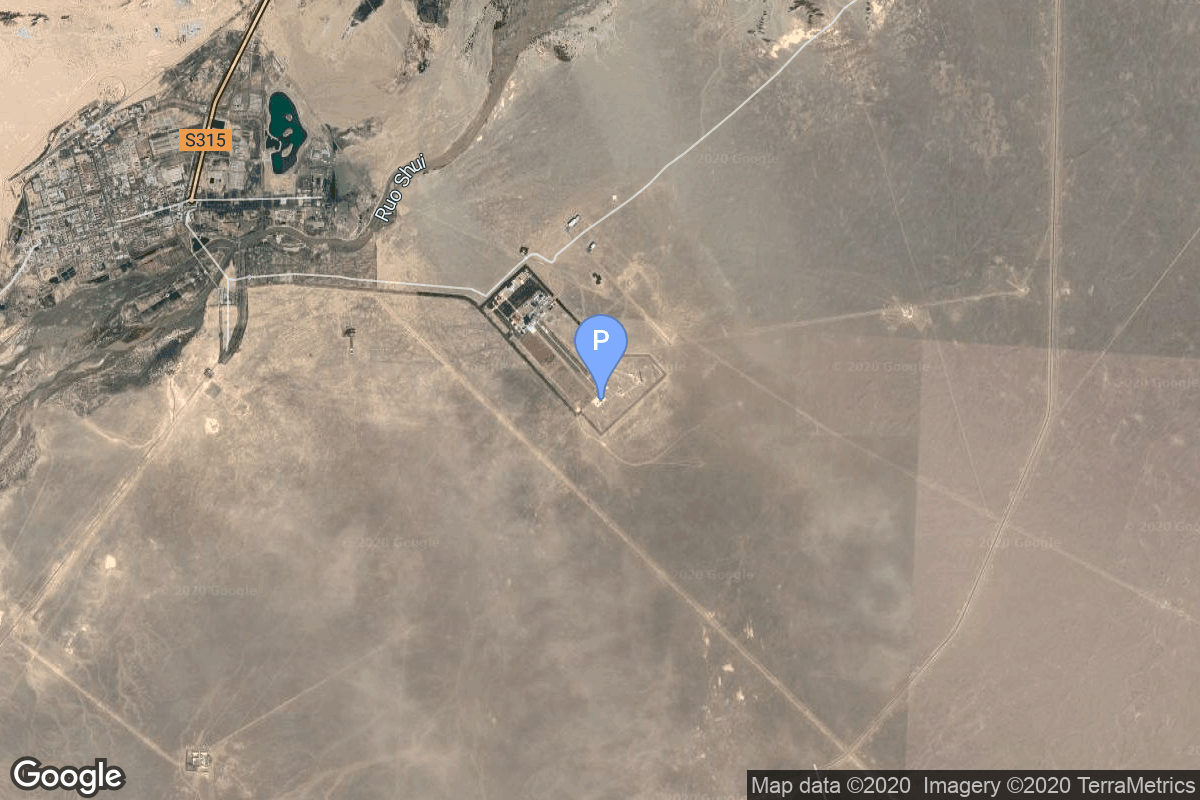
Vehicle: Long March 2F/G
Shenzhou 23 will be the 23rd flight of the Shenzhou program.
Starlink Group 10-47
Provider: SpaceX
Date: May 25, 2026
Time: 11:41 AM UTC
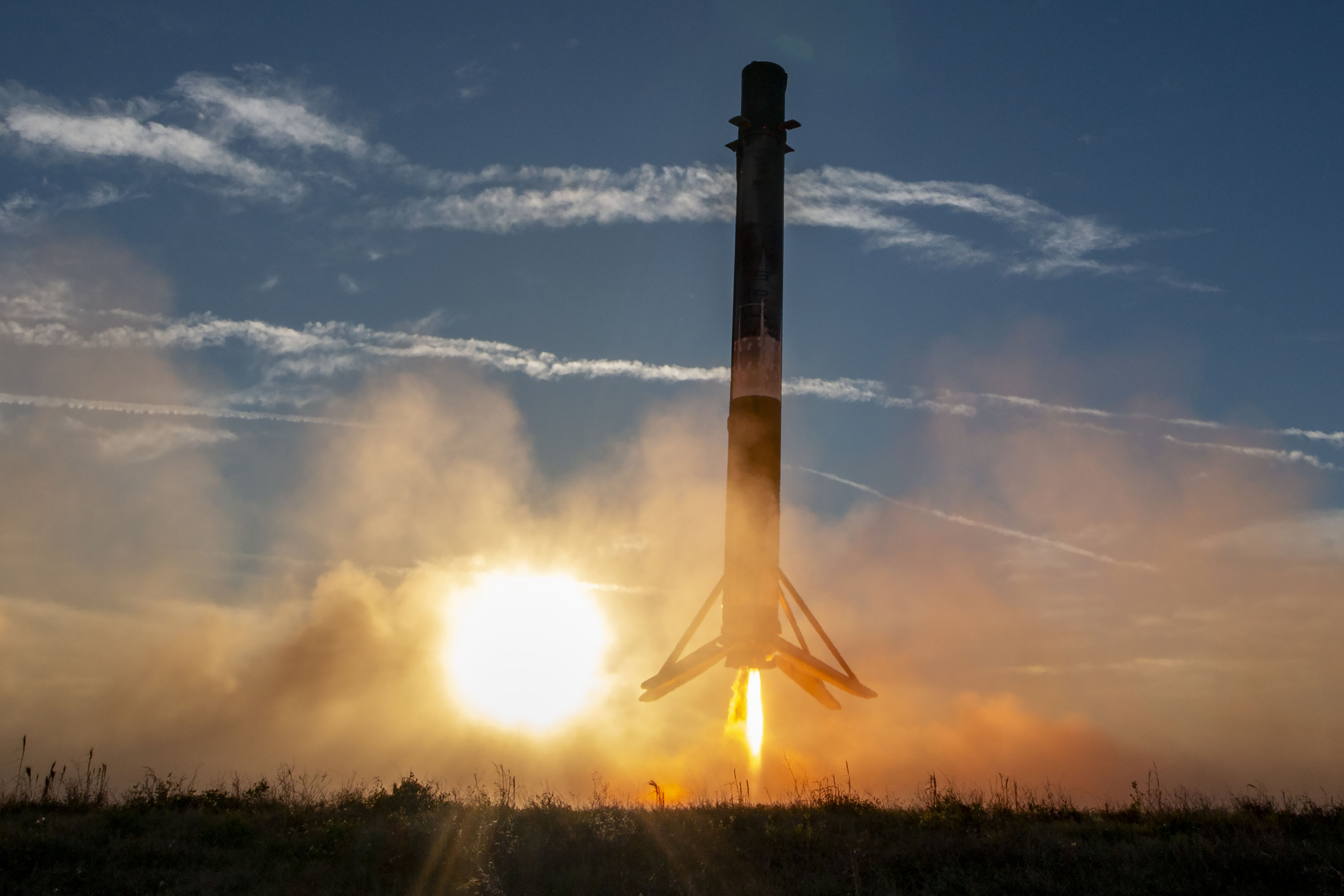
Vehicle: Falcon 9
A batch of 29 satellites for the Starlink mega-constellation – SpaceX’s project for space-based Internet communication system.
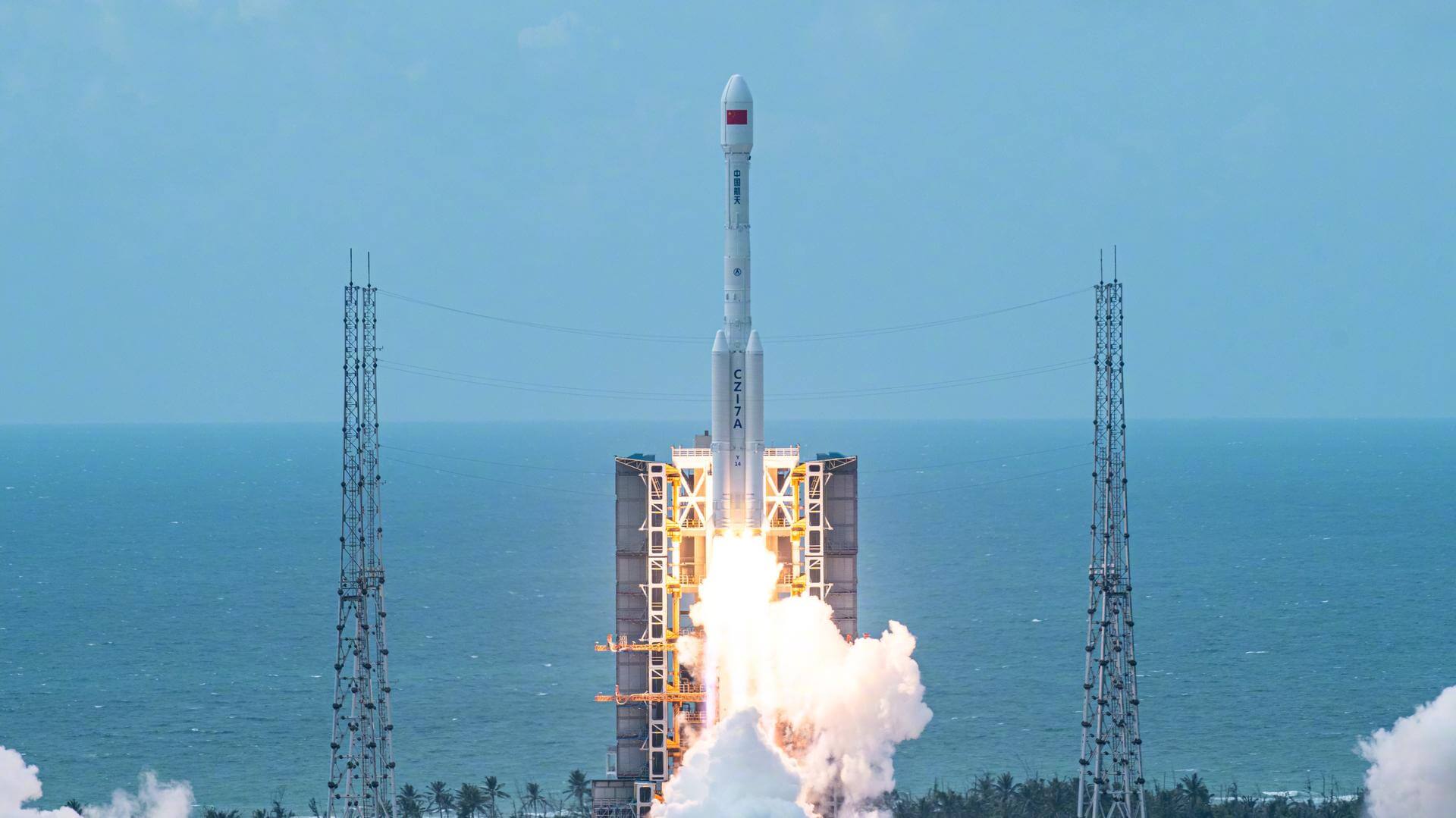
Unknown Payload
Provider: China Aerospace Science and Technology Corporation
Date: May 26, 2026
Time: 4:15 PM UTC
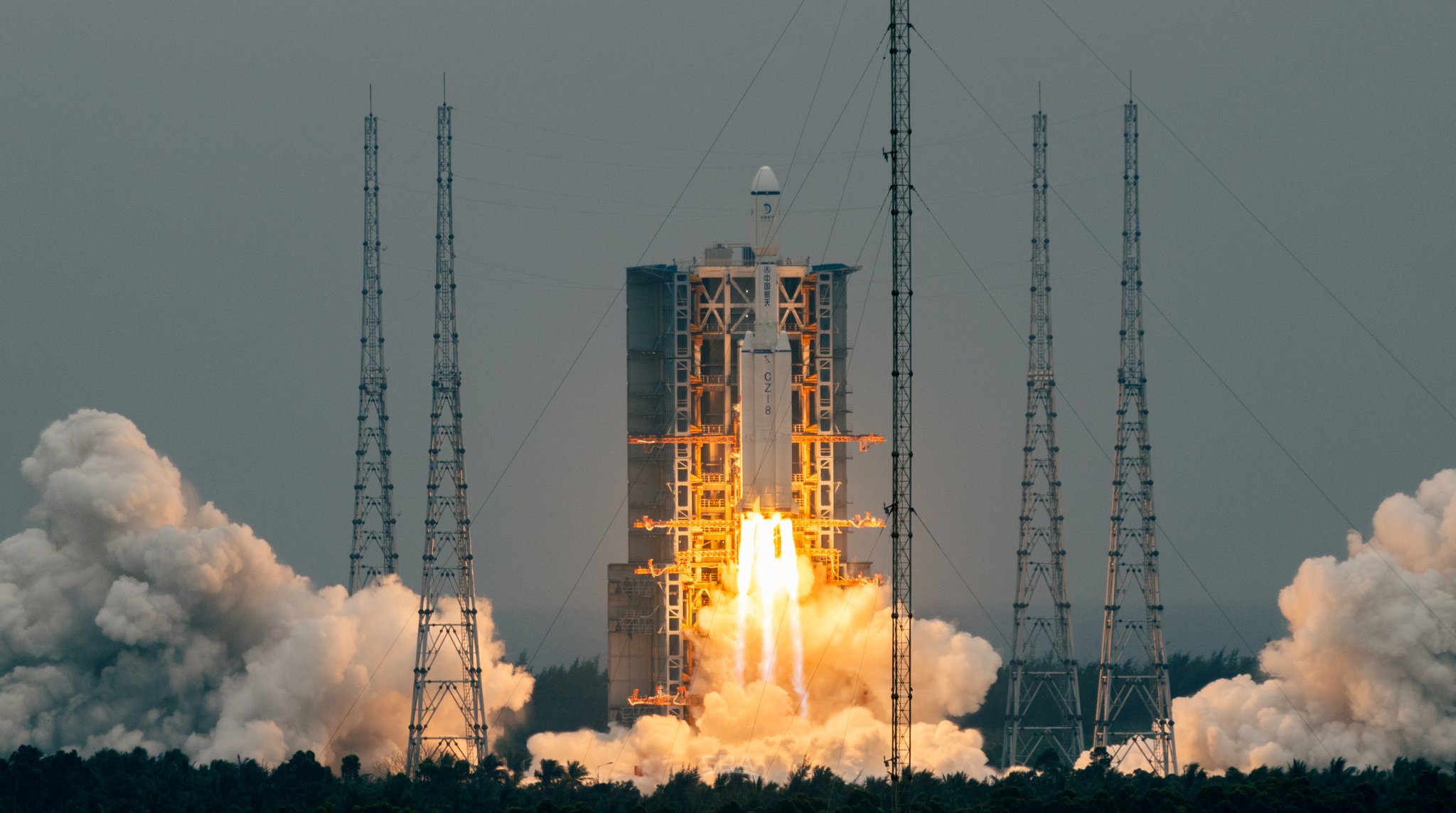
Vehicle: Long March 7A
Details TBD.
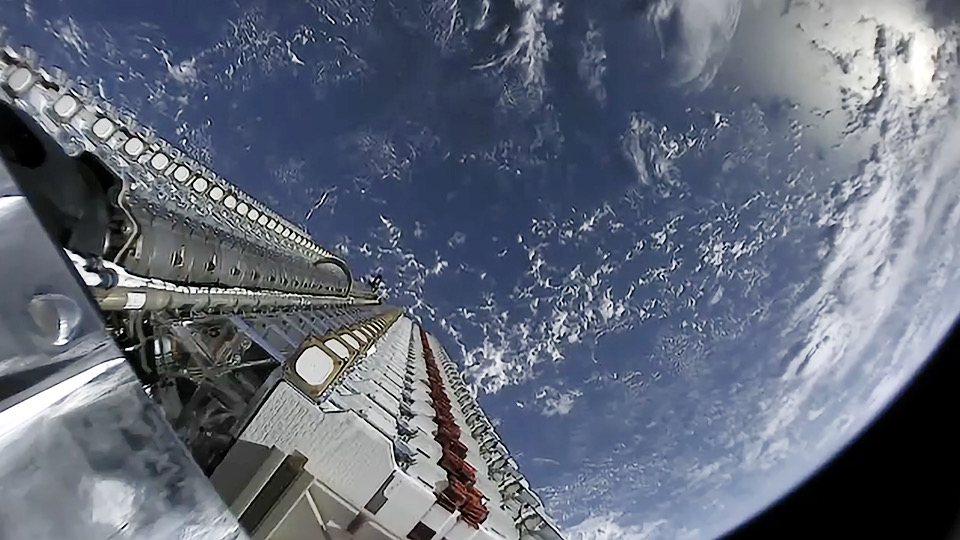
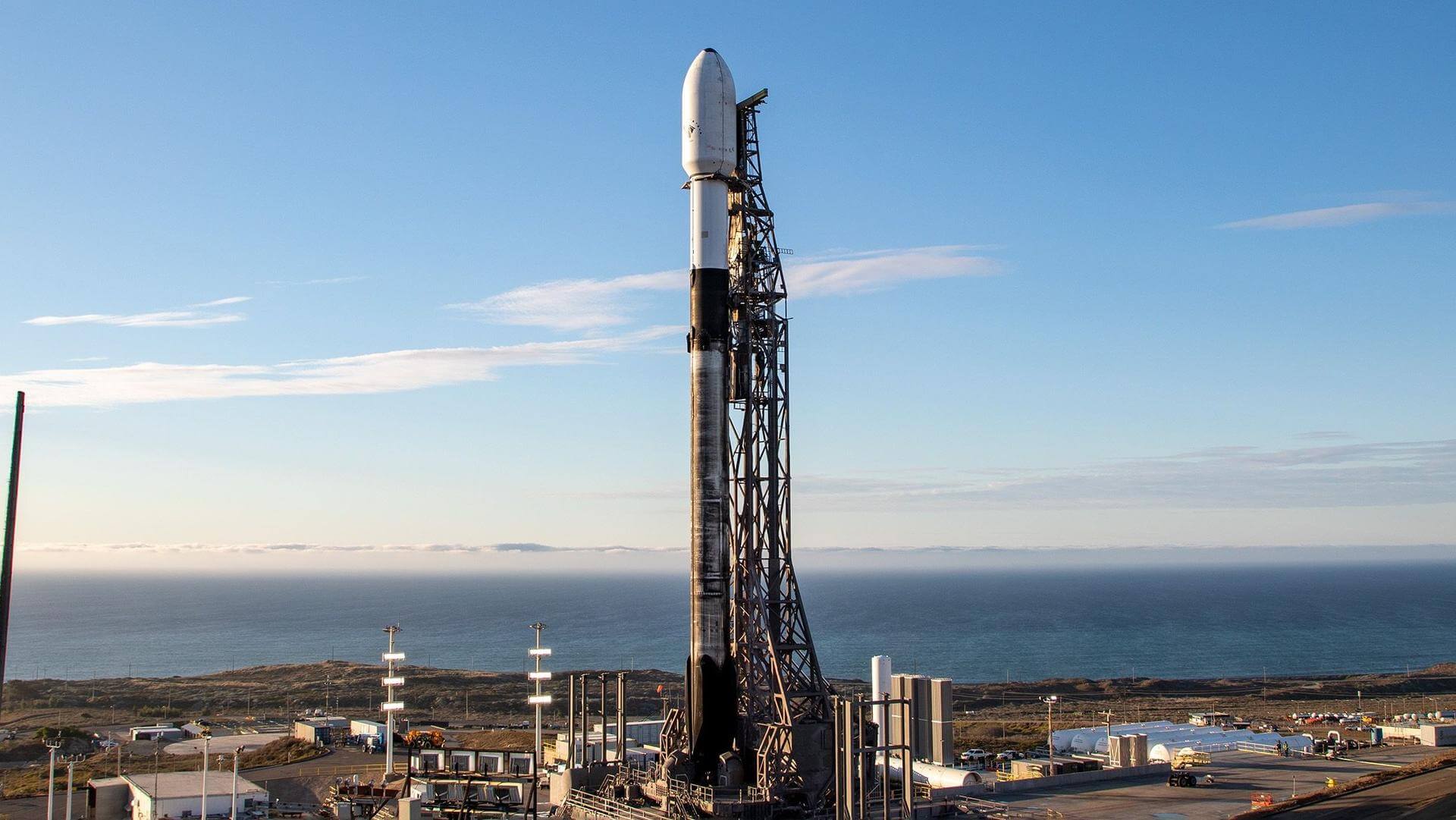
Starlink Group 17-41
Provider: SpaceX
Date: May 28, 2026
Time: 2:00 PM UTC
Vehicle: Falcon 9
A batch of 24 satellites for the Starlink mega-constellation – SpaceX’s project for space-based Internet communication system.







Enjoying the content? Stay up to date on everything happening behind the scenes by following our Patreon!

