
The Daily Broadcast: Reaction Dynamics expands as Canada doubles down on sovereign launch and communications capabilities

Reaction Dynamics Opens Longueuil Facility, Signs Korean Partnership
Reaction Dynamics has officially opened its new headquarters in Longueuil, Quebec, marking a significant expansion of the Canadian rocket company’s operations. The facility, located adjacent to Montréal Metropolitan Airport, is 2.5 times larger than the company’s previous location and has doubled office space to accommodate rapid growth. The company is currently staffing 55 employees and hiring approximately two people per week, with plans to add roughly 20 more by month’s end.
The timing of the announcement coincides with a strategic Memorandum of Understanding (MOU) signed with South Korea’s Hanwha Ocean, one of two remaining bidders for Canada’s Patrol Submarine Project. Hanwha is competing against Germany’s ThyssenKrupp Marine Systems (TKMS) to supply up to 12 replacement submarines to the Royal Canadian Navy. “Hanwha Ocean is doing everything they can to position themselves to be well-received by the Canadian government and the Canadian people,” explained Jesse Mikelberg, Director of Business Technology and Strategy at Reaction Dynamics. Under the MOU, Hanwha will explore strategic investment into Reaction Dynamics to support the company’s growth in light and medium-lift launch services.
The new facility offers a distinctive operational advantage. Reaction Dynamics is investigating the feasibility of containerizing its orbital-responsive launch platform—fitting the rocket into a standard shipping container, loading it onto an aircraft, and deploying it globally without fixed launch infrastructure. This concept aligns directly with the Department of National Defence’s $105-million “Launch the North” initiative, which prioritises responsive light-lift systems capable of deploying payloads into orbit within 96 hours. Reaction Dynamics won an $8.3-million Phase 1 contract under that programme. The company is targeting a suborbital test launch within six months from Australia’s Koonibba Test Range and an orbital debut from Canso, Nova Scotia, in 2028.
DND and ISED Launch $5.55 Million in Technology Challenges

The Department of National Defence and Innovation, Science and Economic Development Canada (ISED) have jointly launched two major innovation challenges worth $5.55 million in combined funding, targeting critical gaps in communications infrastructure and quantum technology. The challenges, which opened on May 21, share a July 2 deadline and reflect Ottawa’s strategic focus on Arctic sovereignty and next-generation capabilities.
The first challenge seeks an R&D prototype for a transportable Optical Ground Station (OGS) capable of communicating with low Earth orbit satellites. DND’s specification reflects operational reality in the Arctic: the hardware must fit within a standard 20-foot ISO shipping container (or two 10-foot containers) and weigh no more than 15,000 kilograms. It must establish optical links with LEO satellites at altitudes up to 1,000 kilometres, achieving a minimum data rate of 1 gigabit per second, with an objective of 10 Gbps. The system must operate in temperatures from −40°C to 40°C and be deployable on unprepared northern terrain including permafrost and ice. DND is offering up to four Phase 1 (Proof of Feasibility) contracts at a maximum of $300,000 each over four months. The highest-performing applicant advances to Phase 2 (Prototype Development) valued at up to $2 million over 14 months.
The second challenge, led by ISED, targets quantum repeater technologies to overcome signal degradation in fibre-optic and free-space quantum networks. Proposed solutions must incorporate heralded quantum memory or equivalent functionality to store and retrieve quantum states, alongside entanglement-swapping capabilities. ISED is awarding two Phase 1 grants of up to $250,000 for six months of work, with one applicant selected for Phase 2 system integration at up to $3 million over 24 months. Both challenges are restricted to Canadian small and medium-sized businesses. Canada’s QEYSSAT satellite, which is expected to launch later this year, will provide space-based quantum key distribution capabilities and will benefit from ground-segment infrastructure developed through these terrestrial challenges.
Starship Flight Test 12 Scheduled for Tonight; Isar Aerospace Positioned to Support Canadian Launch Ecosystem
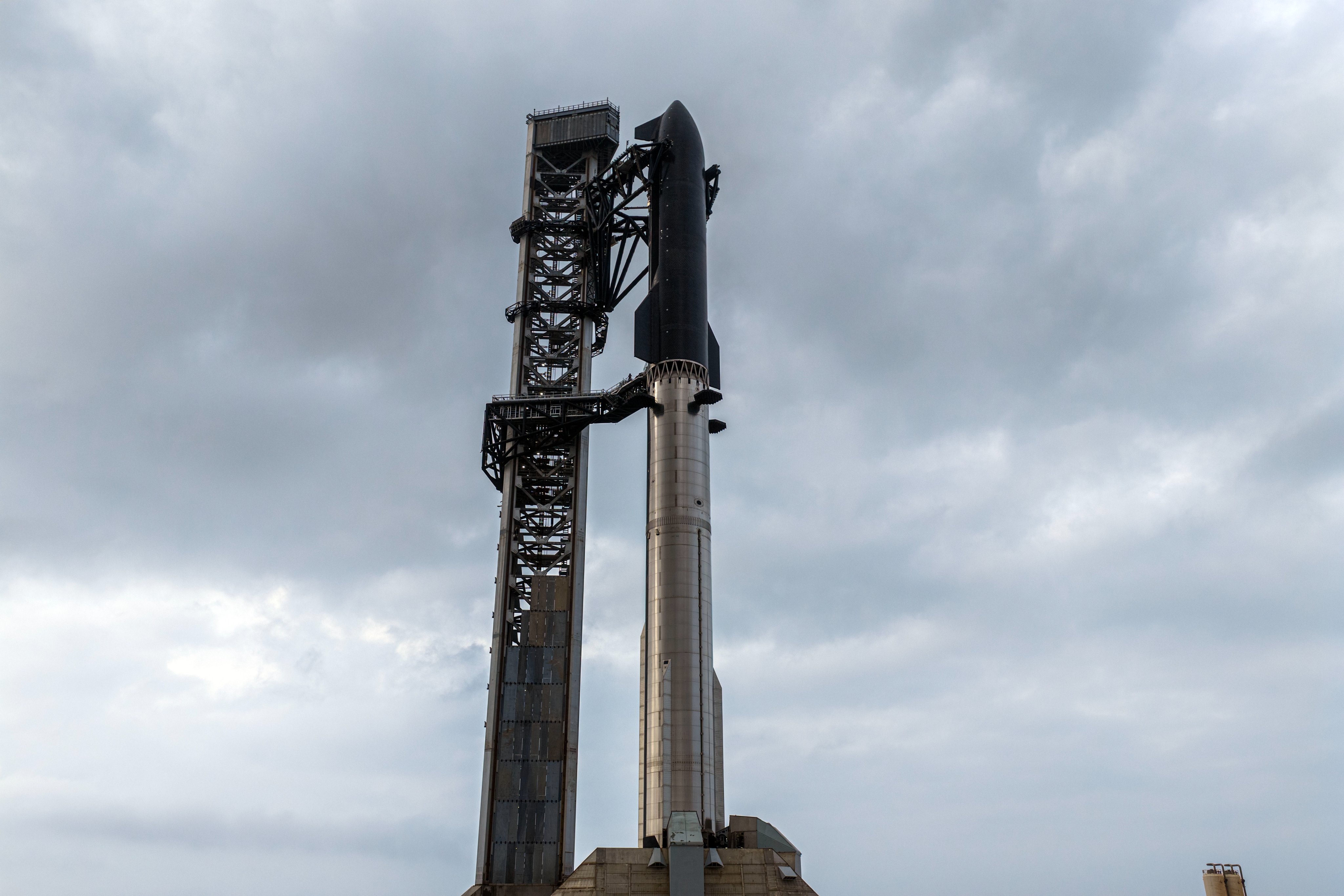
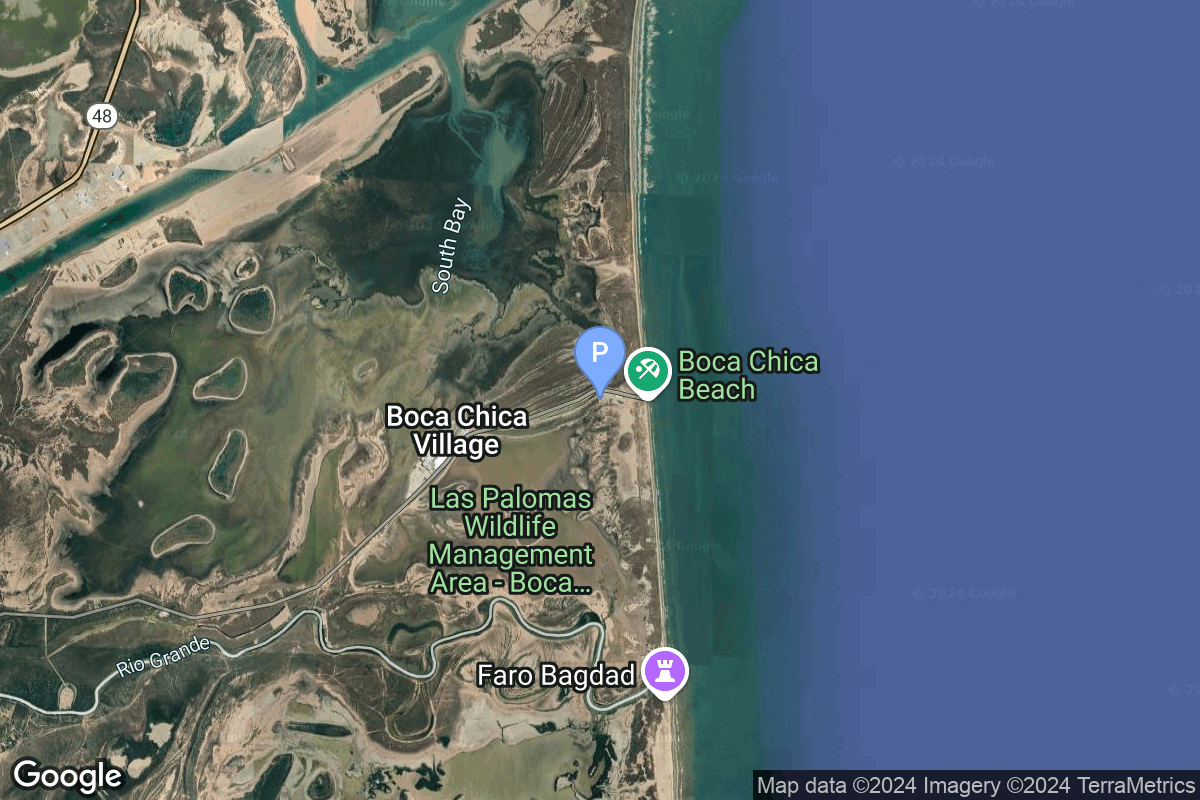
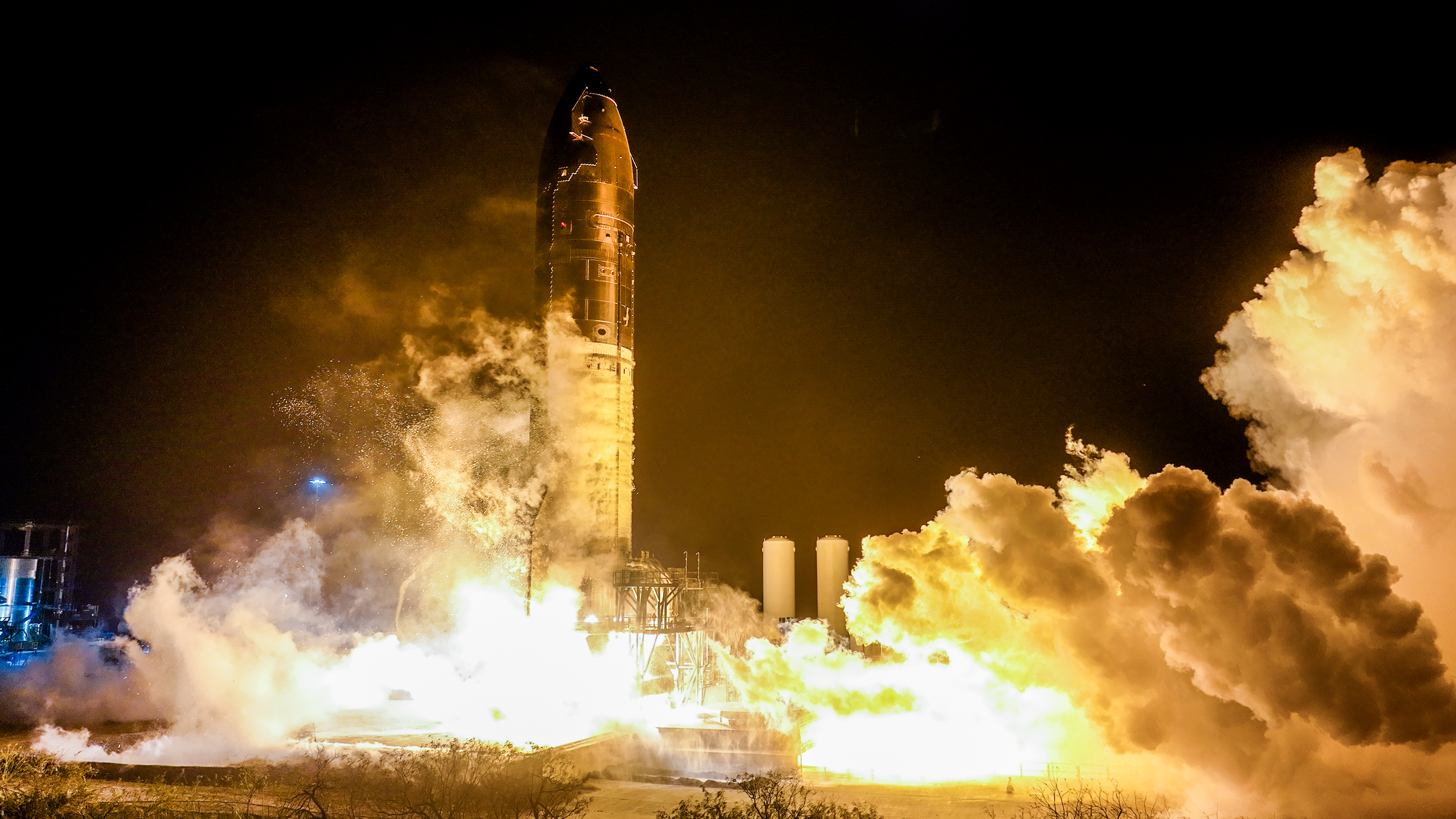
SpaceX is set to attempt the first flight of its redesigned Starship V3 rocket and Super Heavy booster today, following a scrub yesterday due to a hydraulic pin failure on the launch tower’s umbilical arm. The 90-minute launch window opens at 5:30 p.m. CDT (22:30 UTC) at Starbase in South Texas. The test flight carries enormous weight for the commercial spaceflight industry: Starship’s success is foundational to NASA’s Artemis lunar programme, SpaceX’s near-term IPO valuation, and the company’s long-term ambitions for rapid reusability and low-cost access to orbit.
Yesterday’s halt at T-minus 40 seconds, following five holds in the countdown, underscores the complexity of operating entirely new hardware on both the vehicle and ground side. SpaceX founder Elon Musk indicated that the fix could be attempted overnight, leaving the door open for today’s retry—though launch delays remain common in the early flight test phase.
On the Canadian front, news emerged this week that Germany’s TKMS, a major bidder for Canada’s Patrol Submarine Project, has partnered with Isar Aerospace, a German launch services provider, to support the development of sovereign Canadian access to space. Rather than a competitive threat to Canada’s domestic launch companies, Isar’s role is framed as an industrial and technical enabler. Canada’s own Launch the North initiative, backed by $105 million in federal funding over three years, aims to establish a small-lift launch capability by the end of 2028. Reaction Dynamics, Canada Rocket Company, and NordSpace have already received initial awards. The combination of domestic investment in responsive launch and international industrial partnerships reflects the strategic premium both Canada and international bidders are placing on assured Canadian space access.
Citations
- “Reaction Dynamics reveals new Longueuil facility and signs MOU with South Korea’s Hanwha Ocean” — https://spaceq.ca/reaction-dynamics-reveals-new-longueuil-facility-and-signs-mou-with-south-koreas-hanwha-ocean/
- “DND and ISED launch $5.5M in challenges for Arctic optical comms and quantum repeaters” — https://spaceq.ca/dnd-and-ised-launch-5-5m-in-challenges-for-arctic-optical-comms-and-quantum-repeaters/
- “Rocket Report: Starship launch delayed, German launch company may aid Canada” — https://arstechnica.com/space/2026/05/rocket-report-starship-launch-delayed-german-launch-company-may-aid-canada/
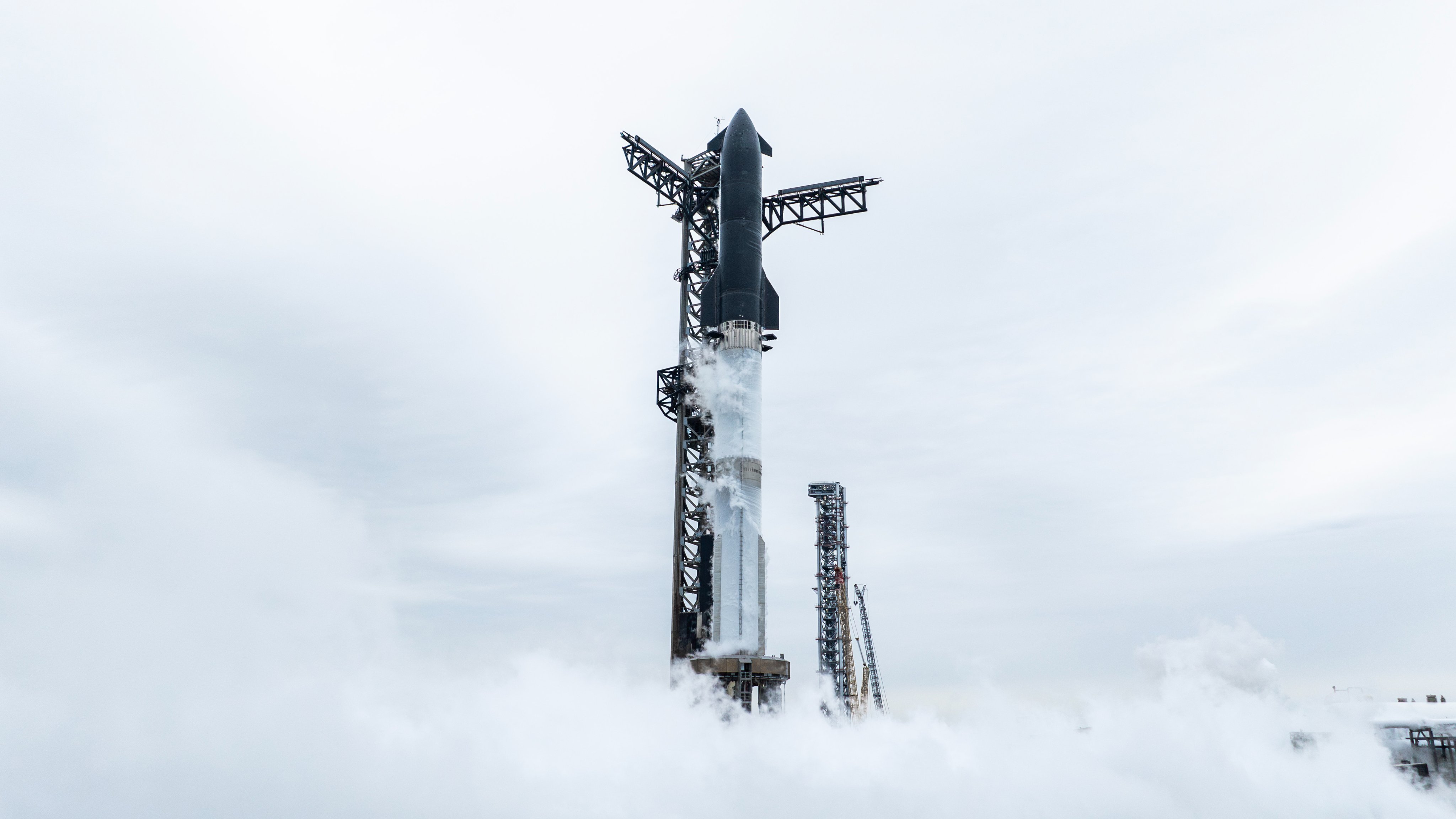
Flight 12
Provider: SpaceX
Date: May 22, 2026
Time: 10:30 PM UTC
Vehicle: Starship
12th test flight of the two-stage Starship launch vehicle. Maiden Flight of Starship V3.
The flight test’s primary goal will be to demonstrate each of these new pieces in the flight environment for the first time, with each element of the Starship architecture featuring significant redesigns to enable full and rapid reuse that incorporate learnings from years of development and test.
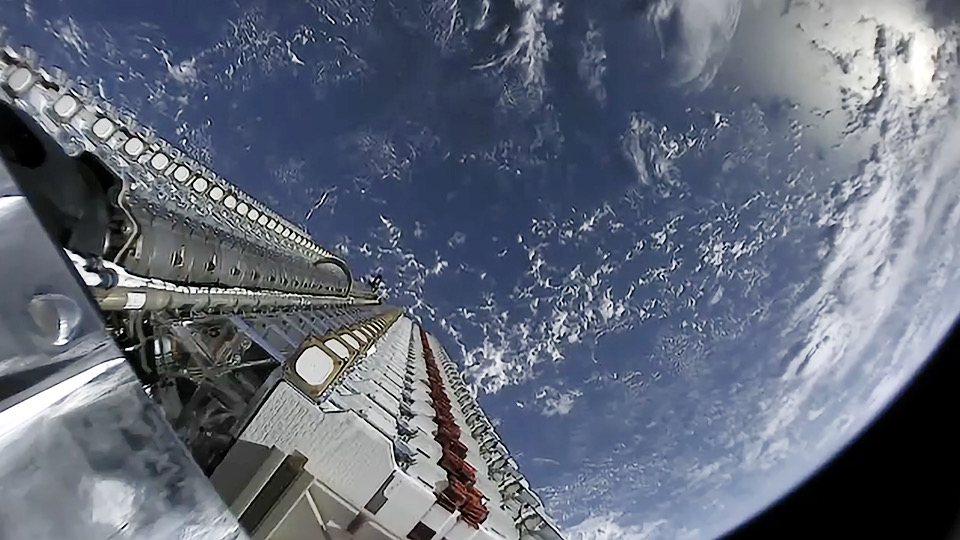
The Starship upper stage will target multiple in-space and reentry objectives, including a payload deployment of 20 Starlink simulators, similar in size to next-generation Starlink V3 satellites, and two specially modified Starlink satellites. The two modified satellites will test hardware planned for Starlink V3 and will attempt to scan Starship’s heat shield and transmit imagery down to operators to test methods of analyzing Starship’s heat shield readiness for return to launch site on future missions. Several tiles on Starship have been painted white to simulate missing tiles and serve as imaging targets in the test. The Starlink simulators will be on the same suborbital trajectory as Starship. A relight of a single Raptor engine while in space is also planned.
For Starship entry, a single heat shield tile has been intentionally removed to measure the aerodynamic load differences on adjacent tiles when there is a tile missing. Finally, the ship will perform experimental actions tested on previous flight tests, including a maneuver to intentionally stress the structural limits of the vehicle’s rear flaps and a dynamic banking maneuver to mimic the trajectory that future missions returning to Starbase will fly.

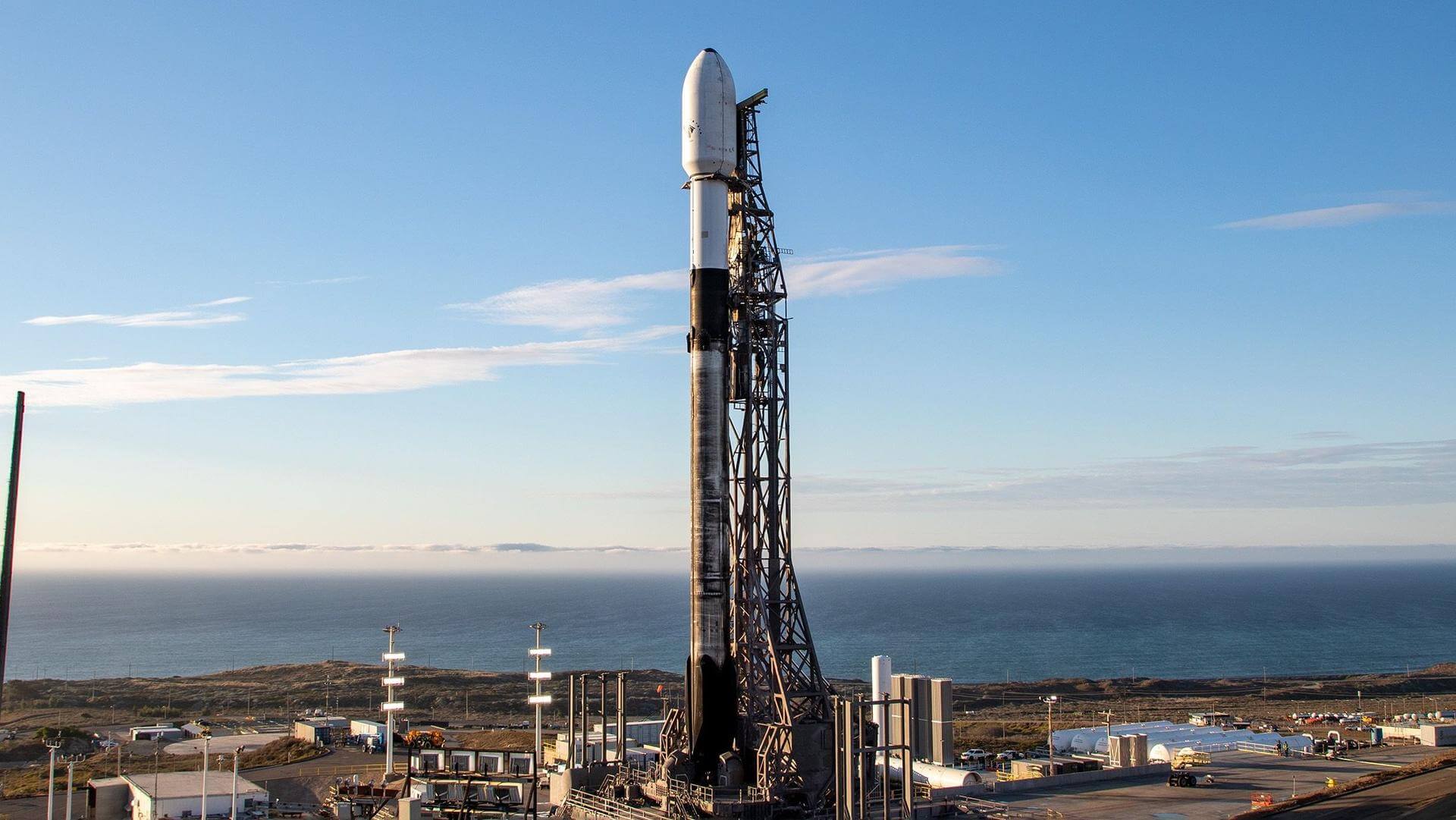
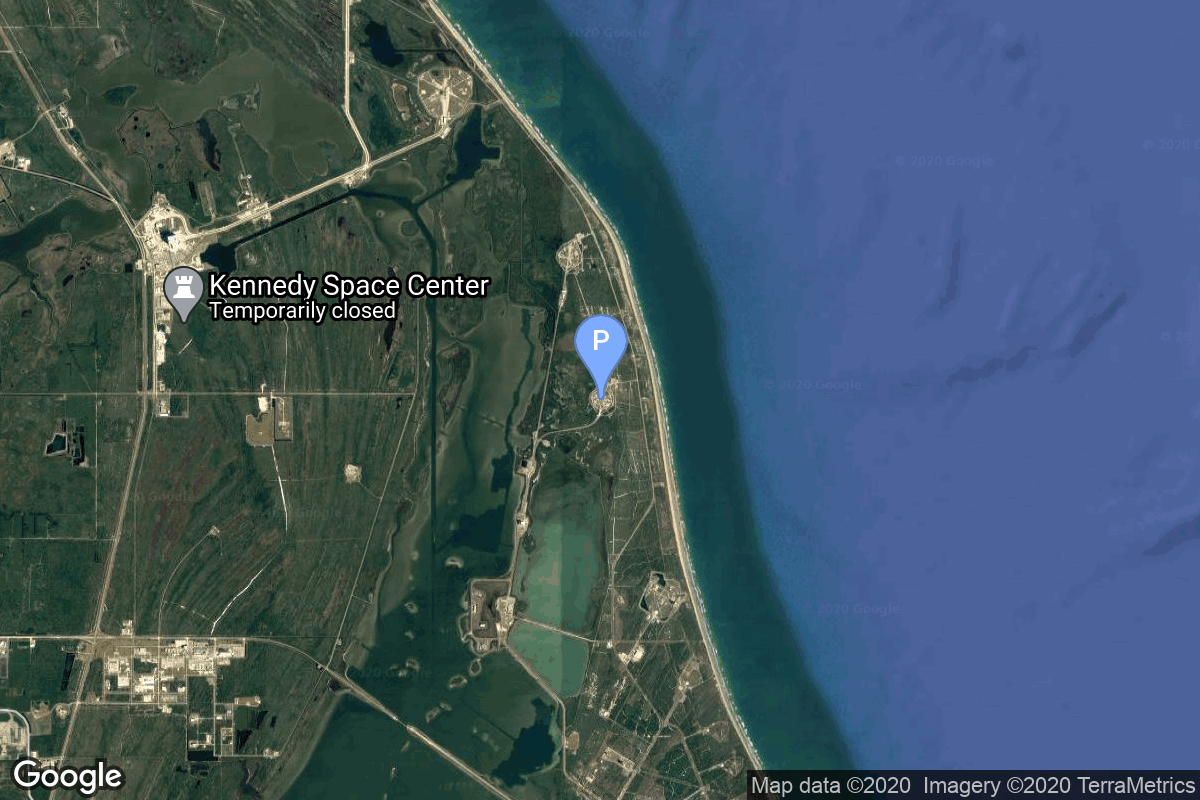
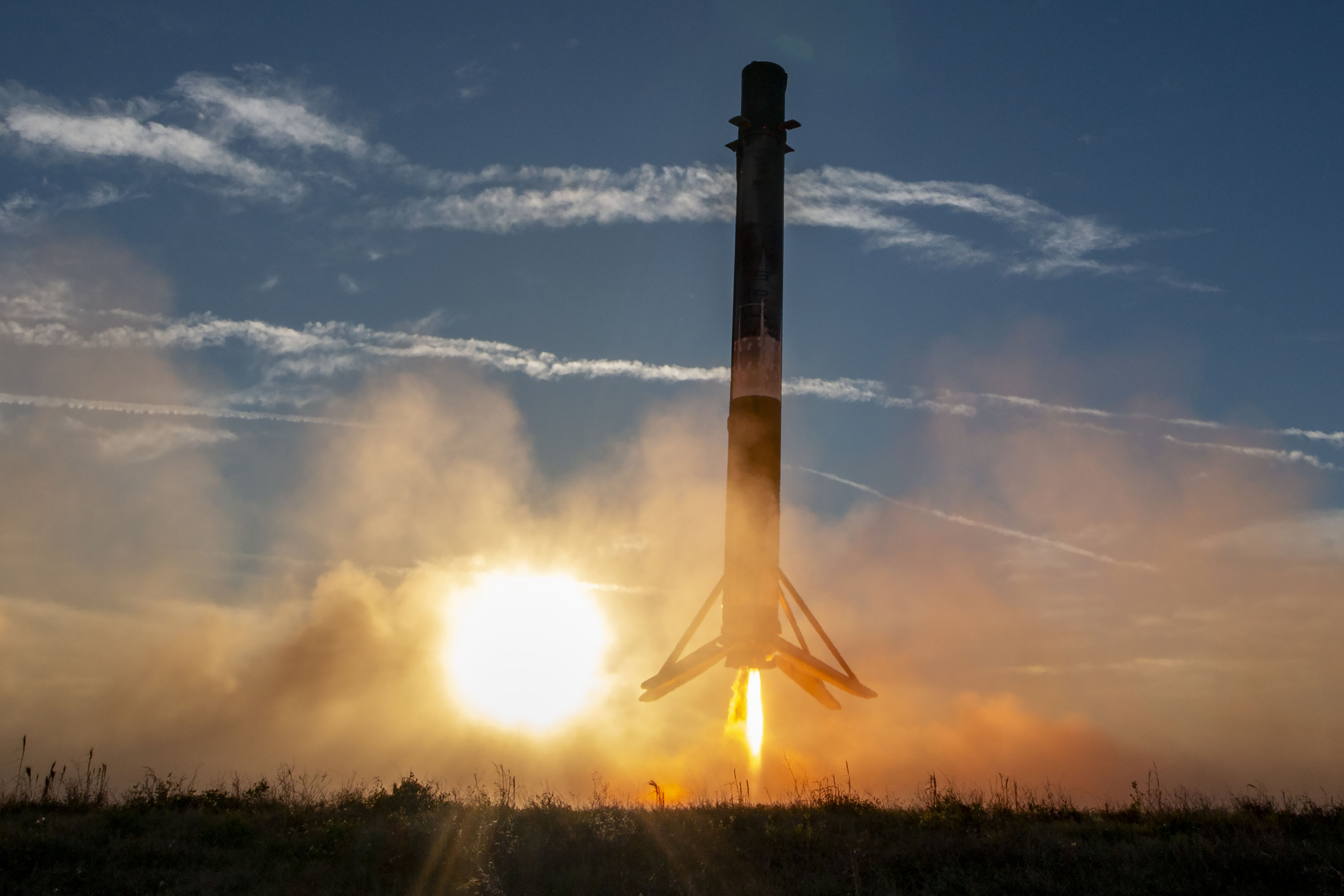
Starlink Group 17-37
Provider: SpaceX
Date: May 24, 2026
Time: 2:00 PM UTC
Vehicle: Falcon 9
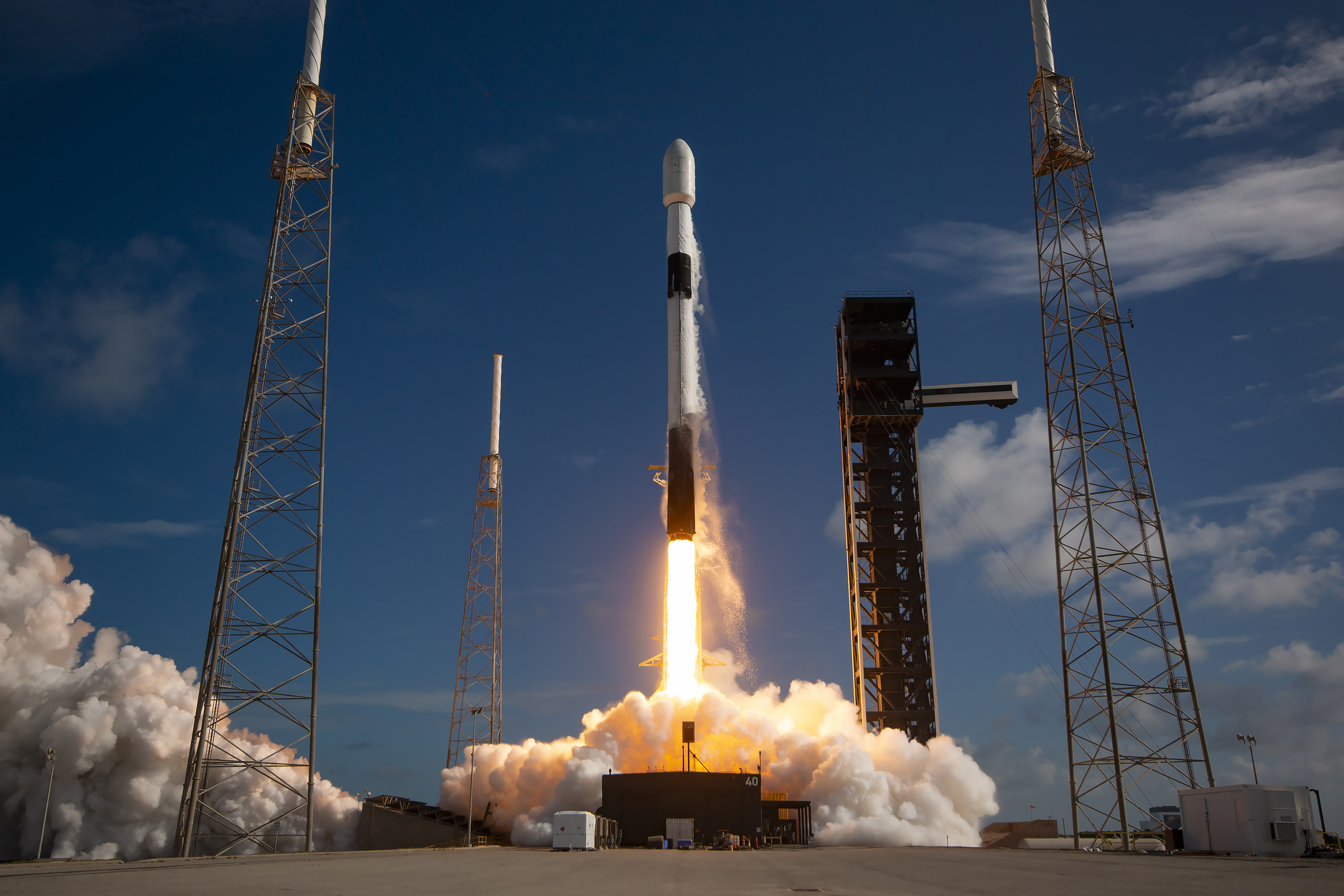
A batch of 24 satellites for the Starlink mega-constellation – SpaceX’s project for space-based Internet communication system.
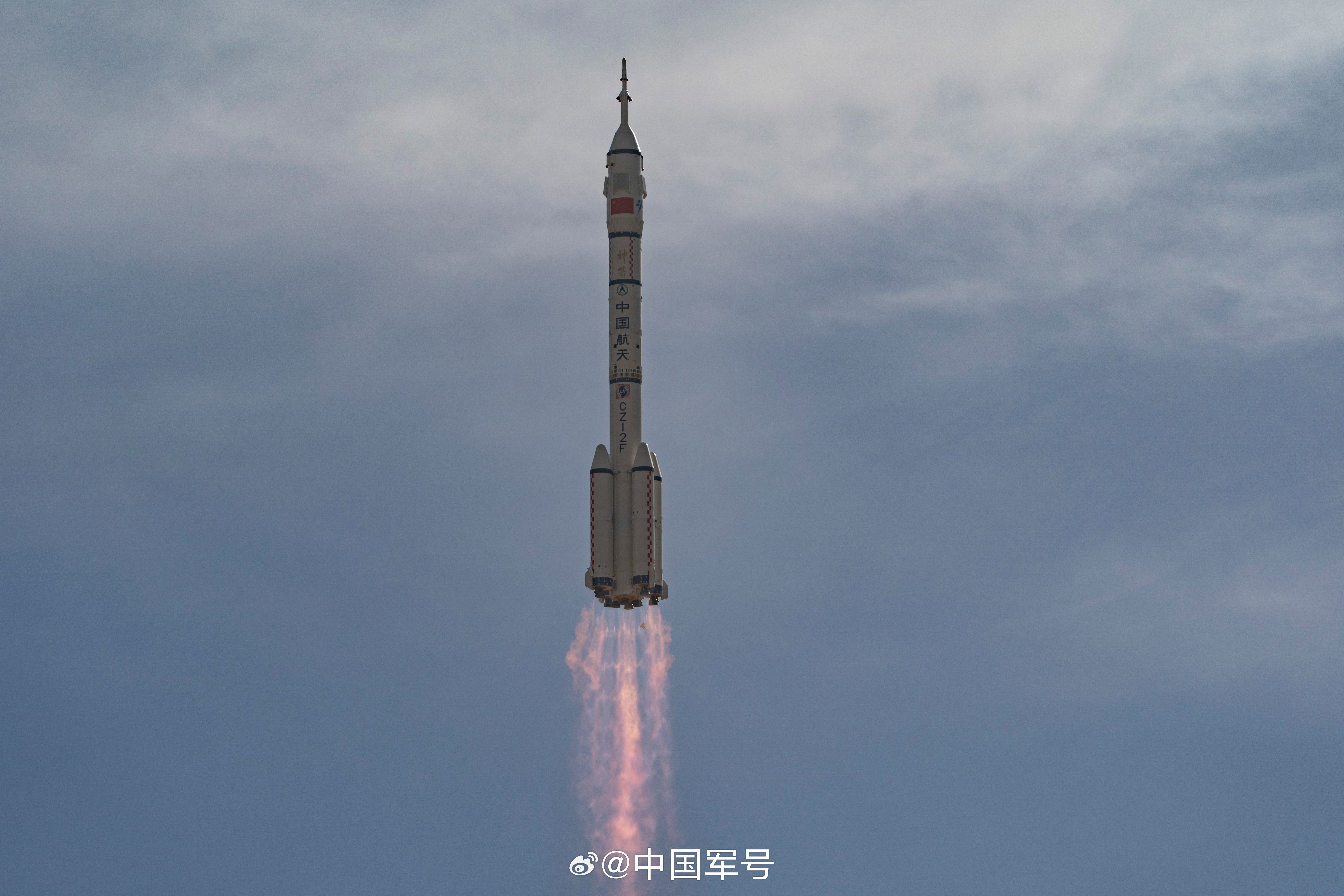
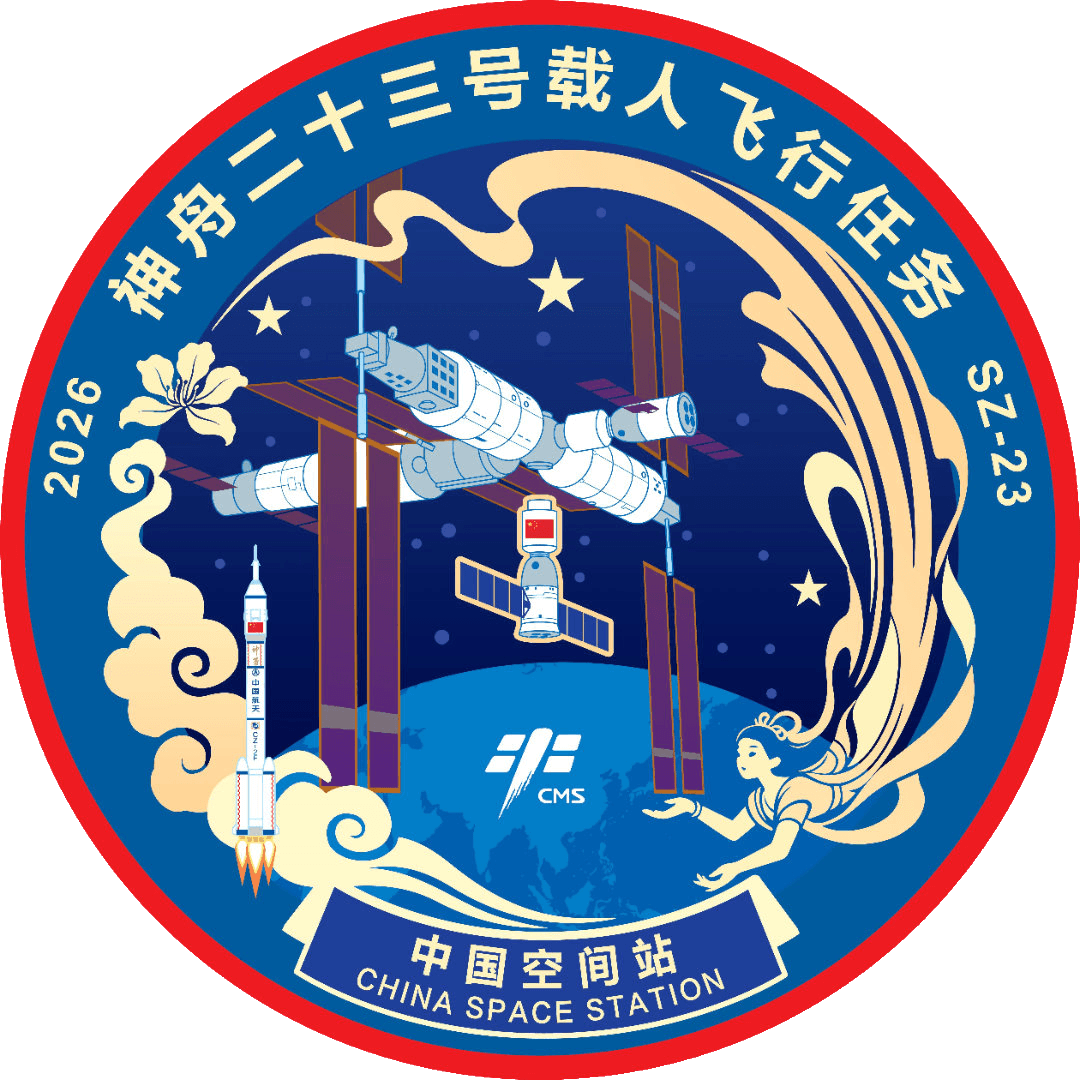
Shenzhou 23
Provider: China Aerospace Science and Technology Corporation
Date: May 24, 2026
Time: 3:08 PM UTC
Vehicle: Long March 2F/G
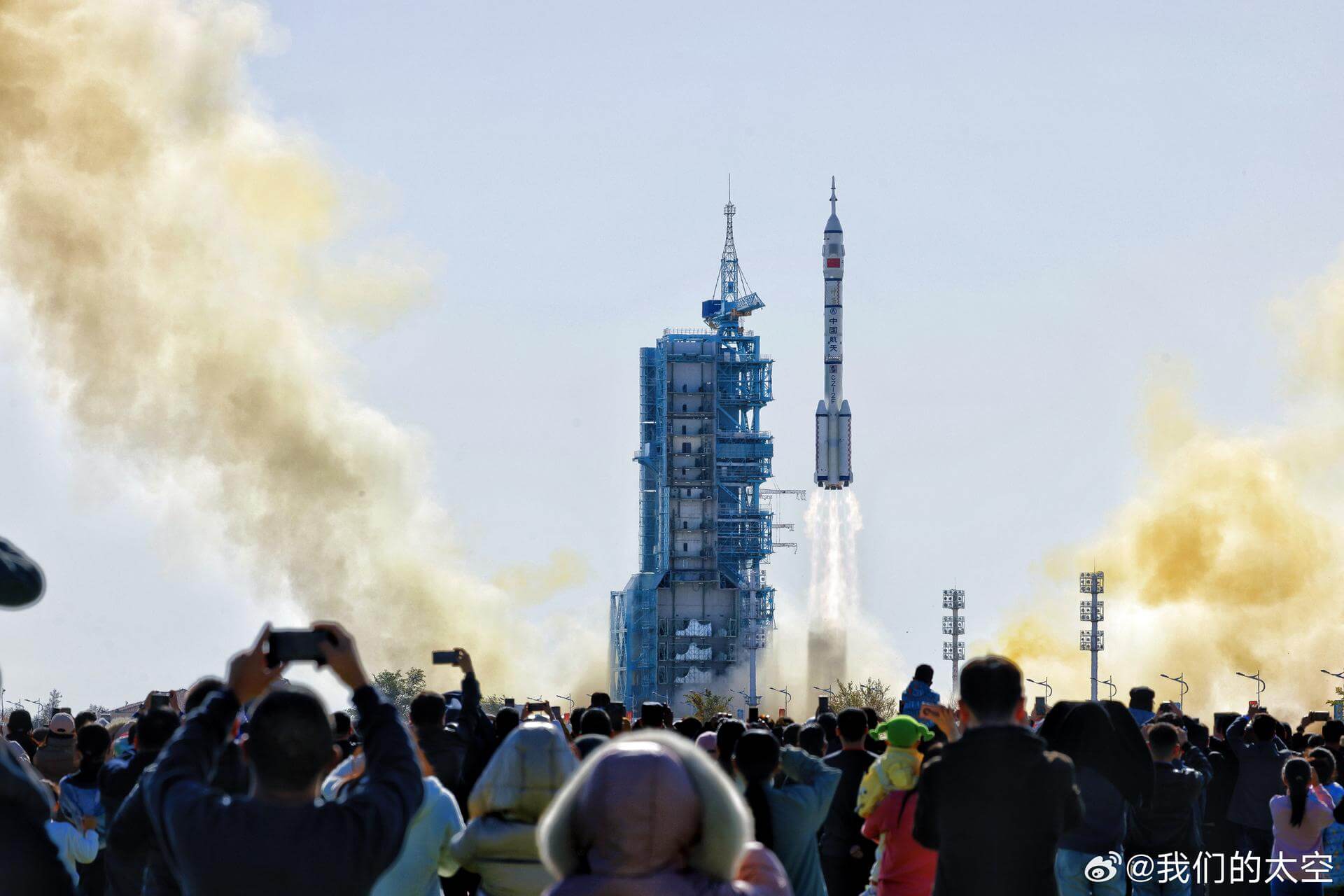
Shenzhou 23 will be the 23rd flight of the Shenzhou program.
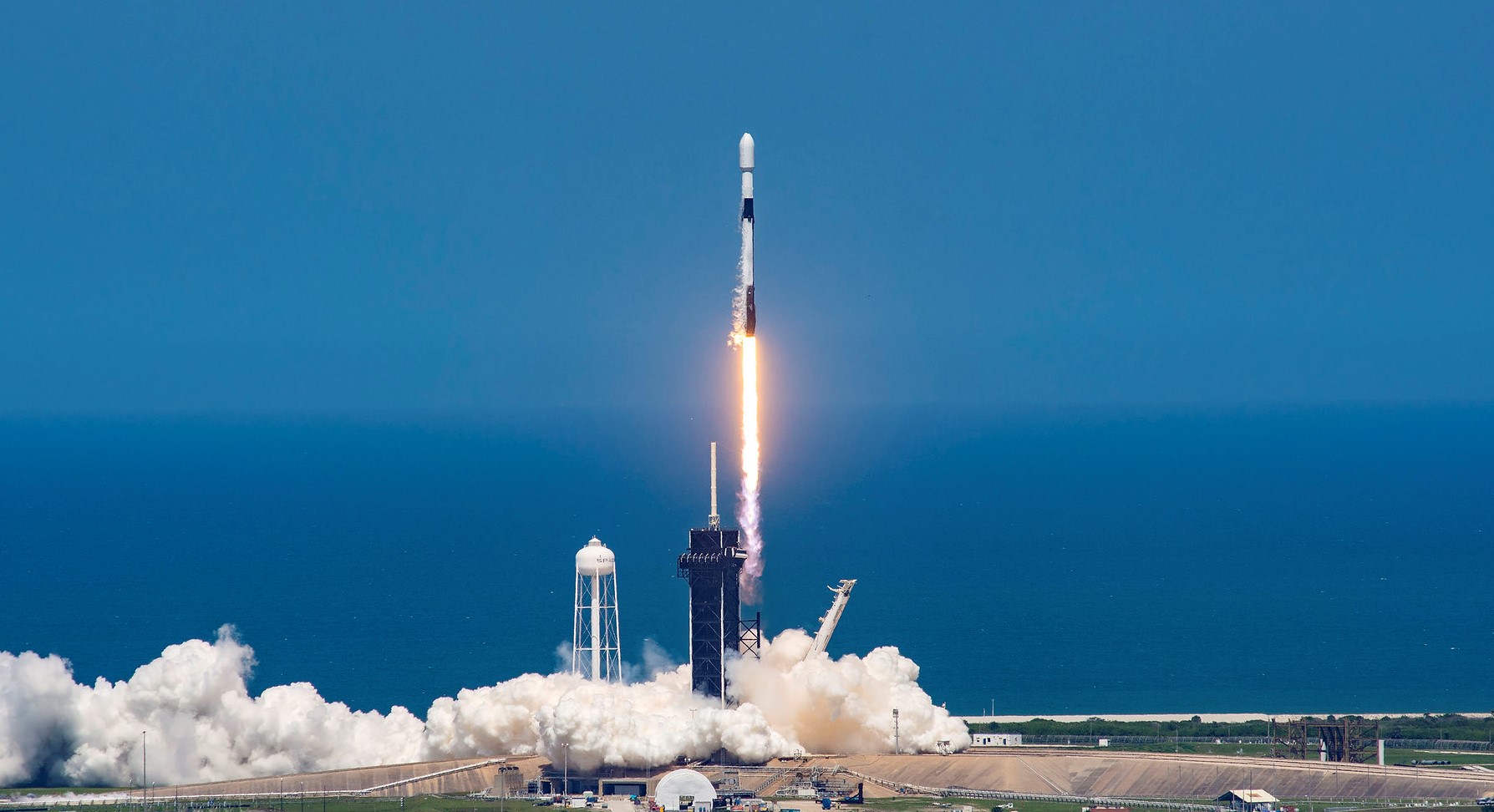
Starlink Group 10-47
Provider: SpaceX
Date: May 25, 2026
Time: 11:41 AM UTC
Vehicle: Falcon 9
A batch of 29 satellites for the Starlink mega-constellation – SpaceX’s project for space-based Internet communication system.
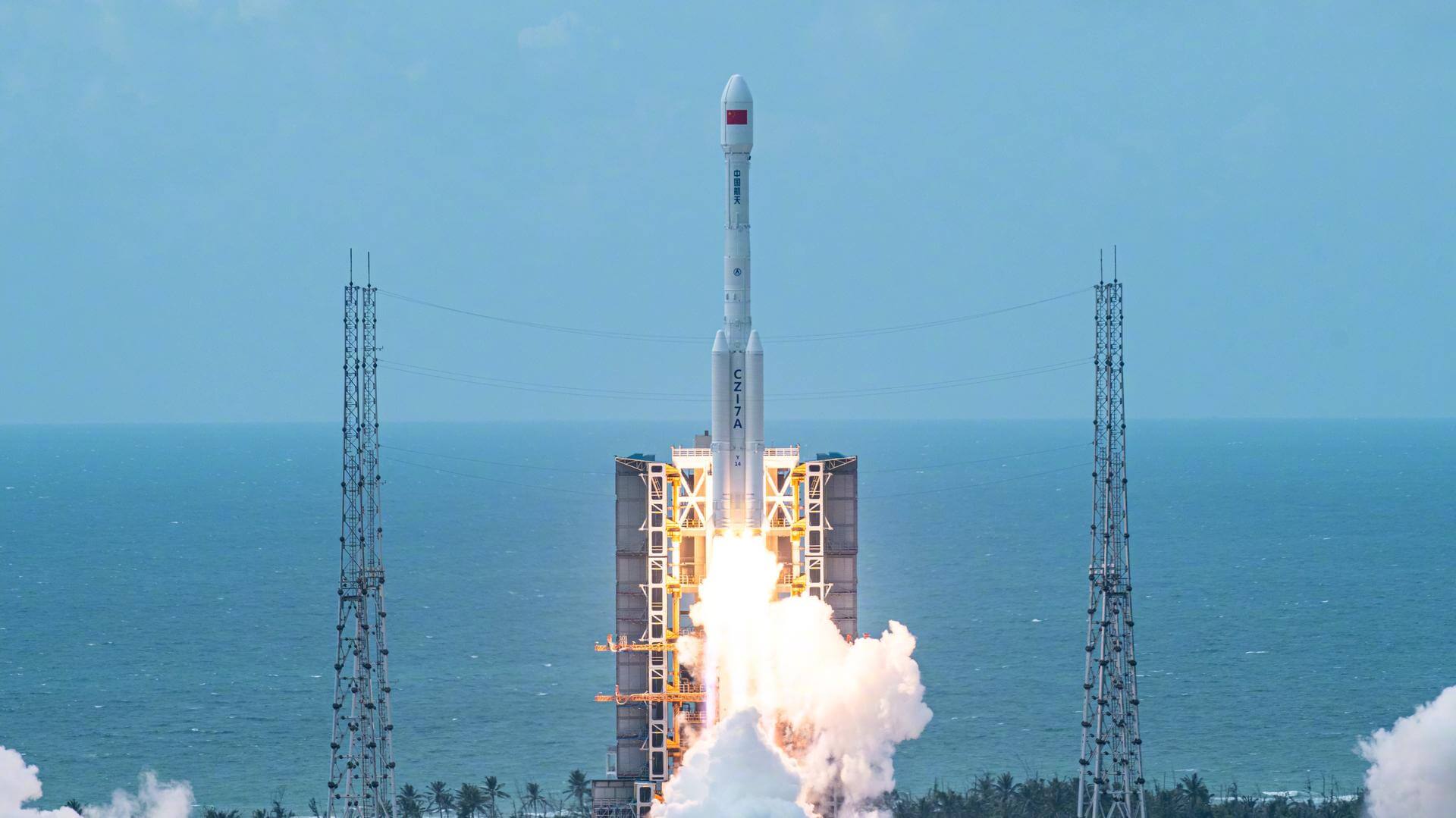
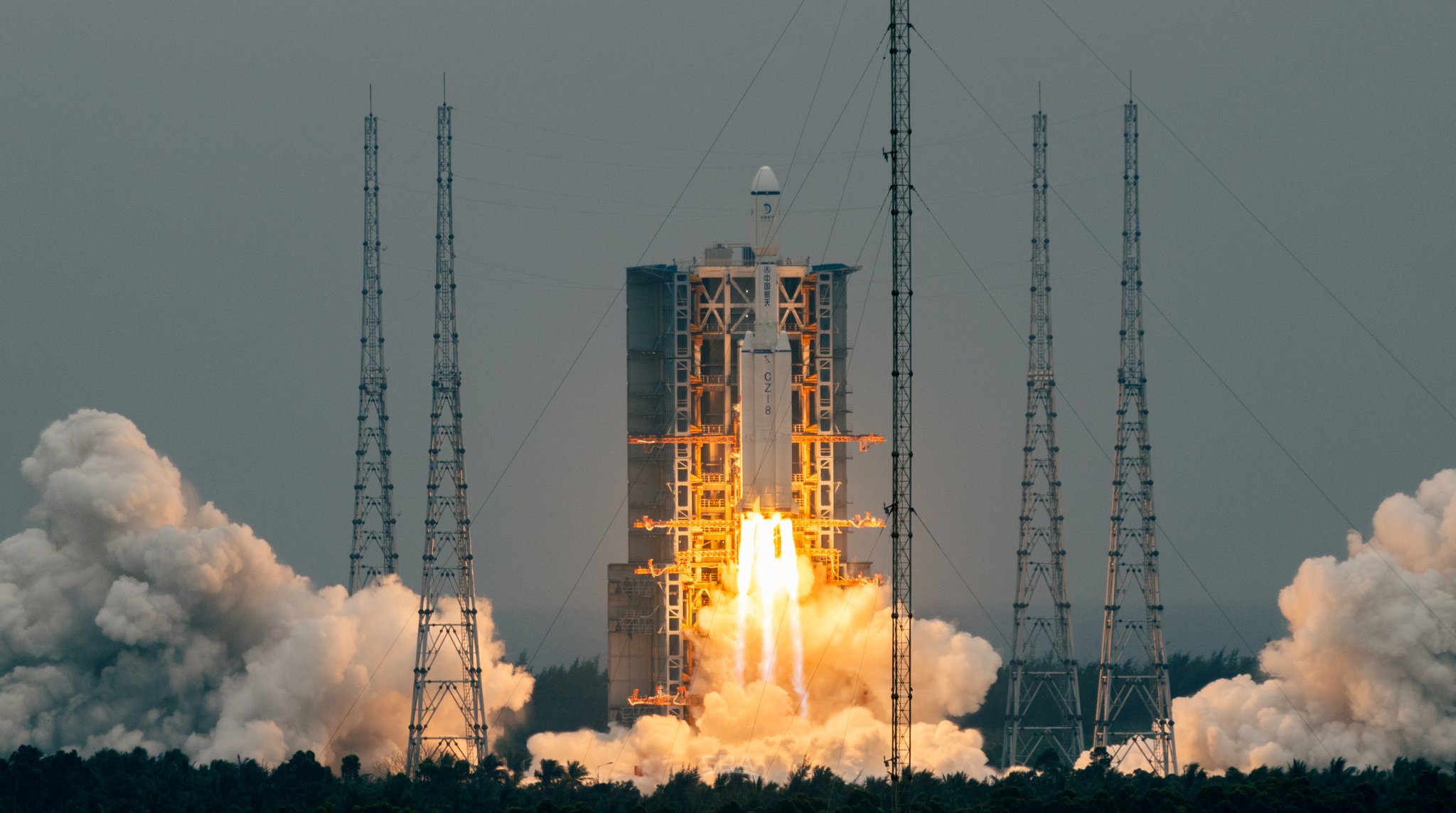
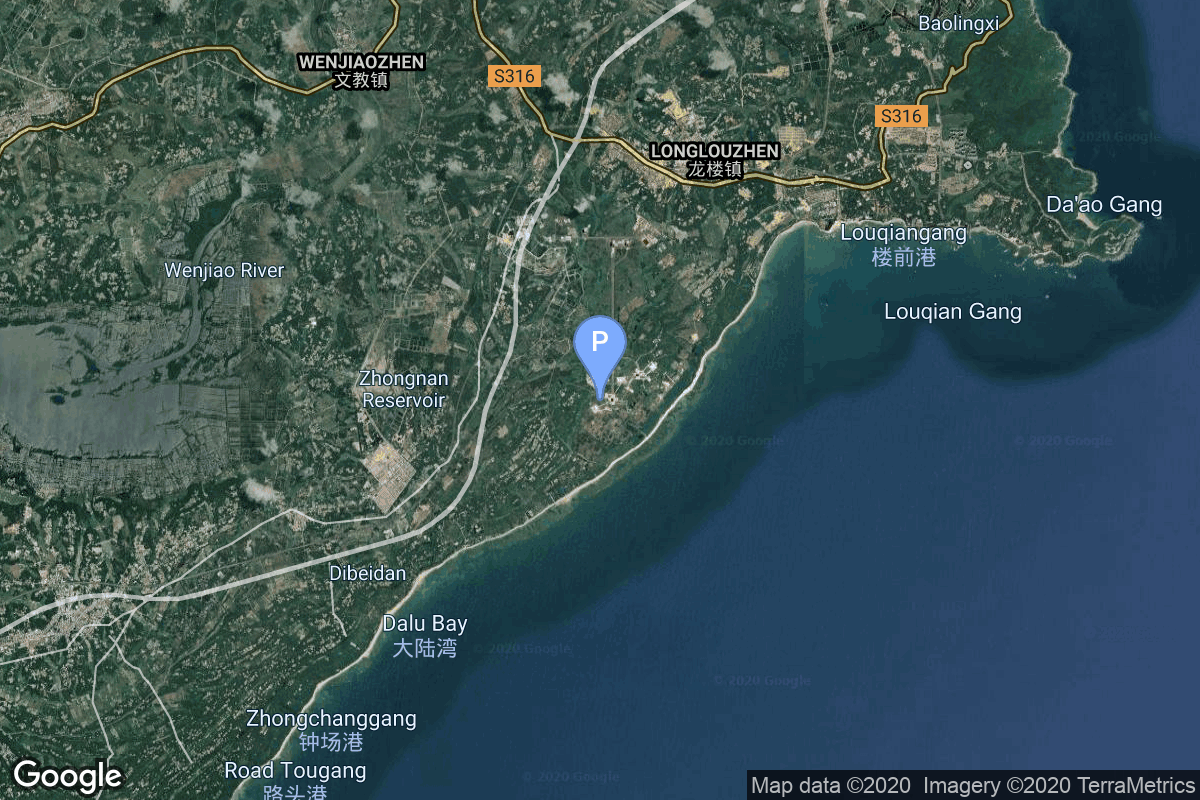
Unknown Payload
Provider: China Aerospace Science and Technology Corporation
Date: May 26, 2026
Time: 4:15 PM UTC
Vehicle: Long March 7A
Details TBD.





Enjoying the content? Stay up to date on everything happening behind the scenes by following our Patreon!

