NAV CANADA Sells Foundational Aireon Stake, Securing Strategic Capital
NAV CANADA is divesting its long-held stake in Aireon LLC, the space-based air traffic surveillance company, in a transaction that underscores the shifting role of Canadian space infrastructure providers. Iridium Communications is acquiring the remaining 61 percent stake in Aireon for approximately US$366.7 million, with NAV CANADA receiving US$166 million for its shares. The transaction transitions Aireon from a multi-national joint venture into a wholly owned Iridium subsidiary.
The timing reflects NAV CANADA’s fiscal priorities. As a not-for-profit utility, the organisation has faced elevated capital expenditures for core physical infrastructure and staffing, reporting a negative free cash flow of $71 million CAD in the second quarter of fiscal 2026. The US$166 million divestiture provides critical capital relief for domestic air traffic control operations.
Yet this is no simple exit. NAV CANADA was instrumental in Aireon’s rise: the Canadian organisation invested up to US$150 million in 2012 to host Automatic Dependent Surveillance-Broadcast (ADS-B) receivers on the Iridium NEXT satellite constellation. Following early validation flights over Canadian airspace in 2017, the system became fully operational in 2019—a milestone that allowed NAV CANADA to reduce aircraft separation standards and increase flight routing efficiency across the heavily trafficked North Atlantic Tracks. Despite relinquishing its equity stake, NAV CANADA has secured an extended data services agreement guaranteeing uninterrupted access to Aireon’s surveillance telemetry through at least 2035.
For Iridium, consolidating ownership sets the stage for next-generation aviation infrastructure. The company intends to leverage its fully integrated platform to advance space-based VHF communications, allowing air traffic controllers to communicate directly with pilots over oceanic and remote regions using standard VHF radios—technology requiring no new avionics or flight deck modifications. The transaction is expected to close in the summer of 2026.
SpaceX Debuts V3 Starship on Thursday, Pushes the Envelope on Reentry Testing
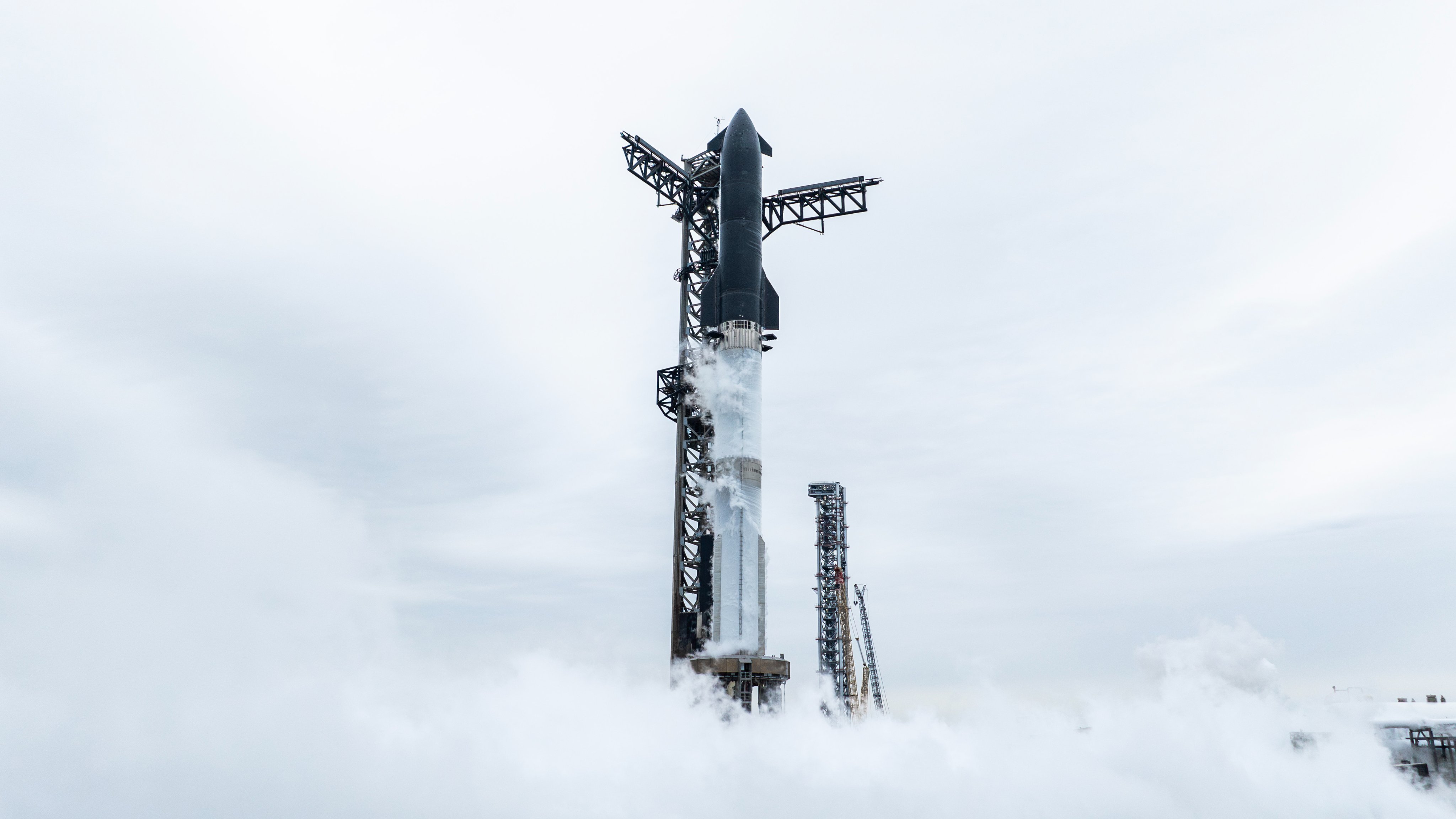
SpaceX is targeting Thursday, May 22, for the twelfth flight test of its Starship launch system—a mission that marks a significant architectural departure from previous flights. Flight 12 will debut the next-generation V3 iterations of both the Starship upper stage and the Super Heavy booster, powered by newly evolved Raptor 3 engines. The launch window opens at 5:30 p.m. CT.
This test represents an operational leap from incremental stage recovery to structural endurance validation and the vehicle’s first in-space payload deployment. Flight 12 will also be the first launch from Starbase’s newly constructed Pad 2 (Orbital Launch Pad B), which features a dedicated water-cooled flame trench beneath the launch mount—a significant infrastructure upgrade designed to better dissipate exhaust energy and minimise pad damage during liftoff.
SpaceX will not attempt a tower catch of the Super Heavy booster on this flight. Instead, the booster will execute a controlled return and splashdown in the Gulf of Mexico, allowing the company to gather ascent and return data on the redesigned stage without risking the launch pad infrastructure.
The upper stage payload includes 20 Starlink simulators sized to match next-generation Starlink V3 satellites, alongside two active, modified Starlink units. Once deployed on a suborbital trajectory, the active satellites will scan Starship’s heat shield and transmit diagnostic imagery back to ground controllers to assess thermal protection readiness. During reentry, engineers have intentionally removed a single heat shield tile to measure aerodynamic load shifts on adjacent tiles during plasma heating. Additional tiles have been painted white to serve as visual targets for the diagnostic satellites. The mission plan also includes an in-space relight of a single Raptor engine—a capability essential for future orbital maneuvering and deorbit burns.
NASA Chief Predicts Chinese Crewed Moon Flight in 2027, Cites Jeremy Hansen’s Artemis 2 Presence
NASA Administrator Jared Isaacman has raised the stakes in the emerging lunar race, declaring that the next crewed mission around the moon will likely be Chinese—and will occur in 2027. Speaking at the ASCEND conference on May 19, Isaacman told the space industry audience: “The next time the world tunes in to watch astronauts fly around the moon, which will likely be sometime in 2027, they will be taikonauts, and America will no longer be the exclusive power to send humans into the lunar environment.”
China has not publicly announced plans for such a mission, though rumours of a circumlunar flight have circulated, with expectations of a roadmap leading to a Chinese crewed landing by decade’s end. All crewed missions to orbit, fly around, or land on the moon have thus far been conducted by NASA—nine Apollo missions from 1968 to 1972 and Artemis 2. Notably, all astronauts on those missions have been American except for Canadian Space Agency astronaut Jeremy Hansen, who flew on Artemis 2 in April.
Isaacman has invoked this competitive urgency to justify sweeping reforms to Artemis. In February, he announced that Artemis 3—originally planned as a lunar landing attempt in 2028—will instead be a test flight in low Earth orbit in 2027, followed by a landing on Artemis 4 in 2028. At NASA’s March Ignition event, he further restructured the programme, effectively cancelling the lunar Gateway station to focus resources on a lunar base whilst calling for a much higher cadence of robotic lander missions.
Isaacman has characterised the challenge in starkly competitive terms. “We have a real geopolitical rival challenging American leadership in the high ground of space,” he said. The Chinese, he added, “are just like we were in the ’60s” with a clear objective and moving quickly. “The difference between success and failure will be measured in months, not years.”
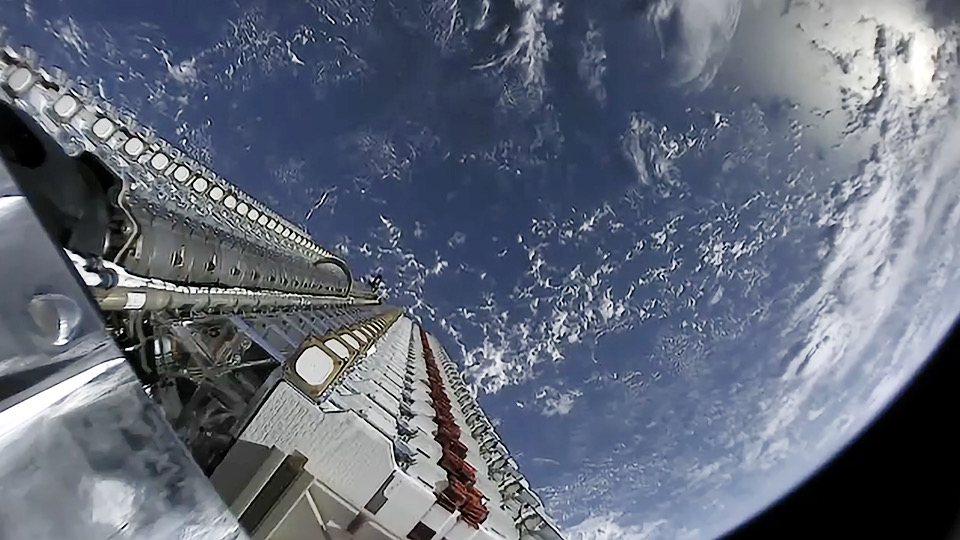
Provider: SpaceX Date: May 21, 2026 Time: 9:26 AM UTC Vehicle: Falcon 9
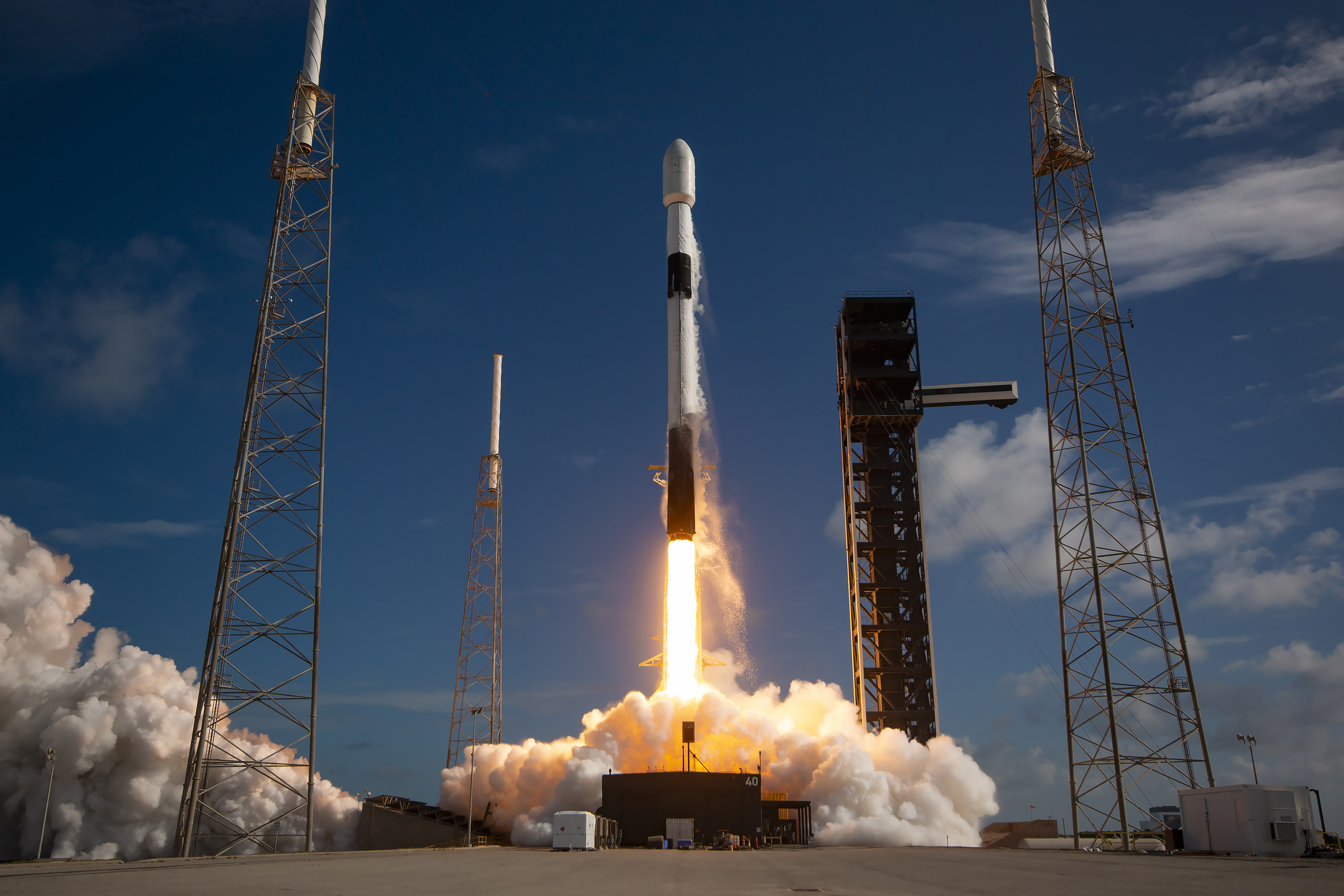
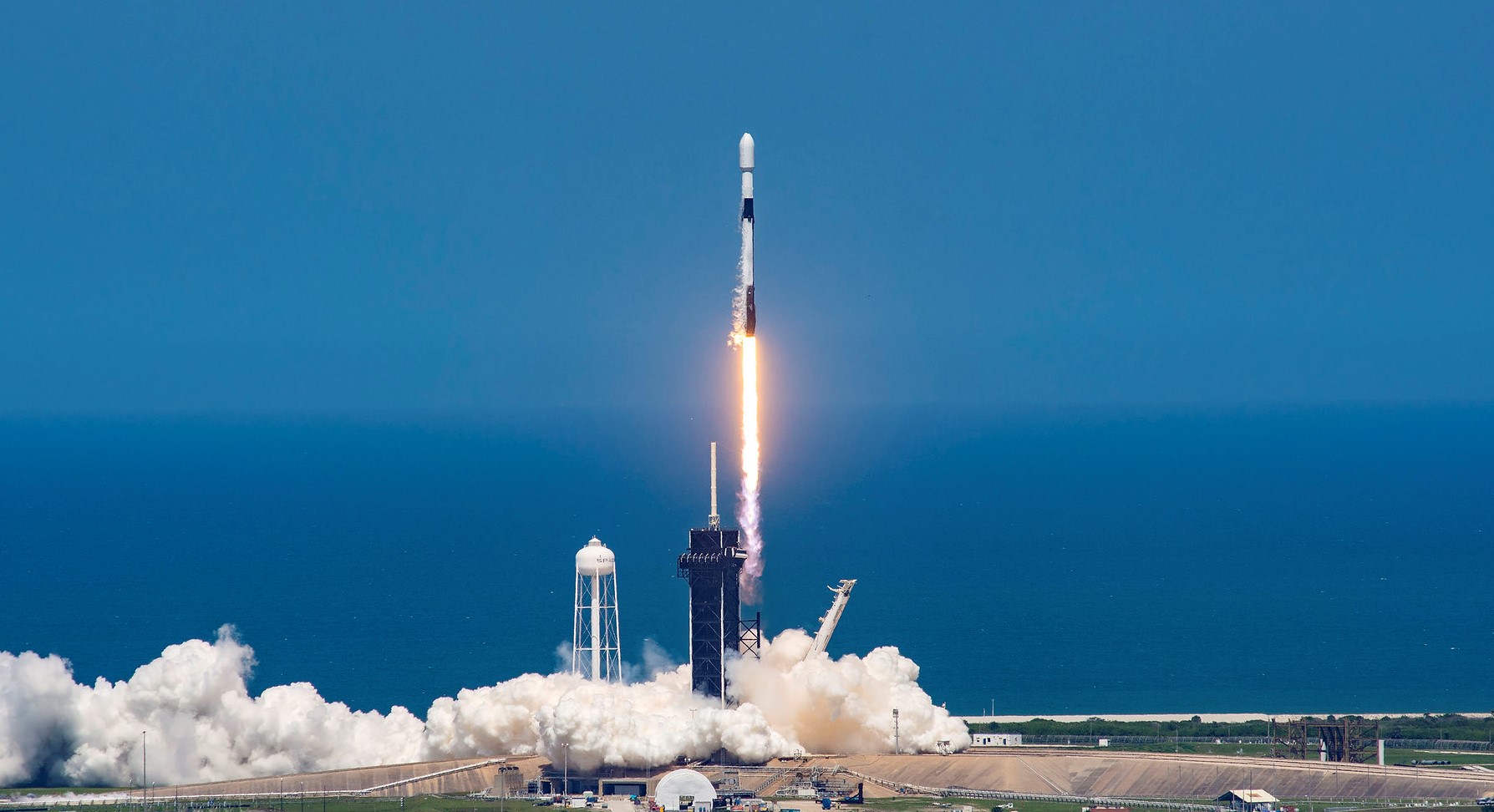
A batch of 29 satellites for the Starlink mega-constellation – SpaceX’s project for space-based Internet communication system.
Flight 12
Provider: SpaceX Date: May 21, 2026 Time: 10:30 PM UTC Vehicle: Starship
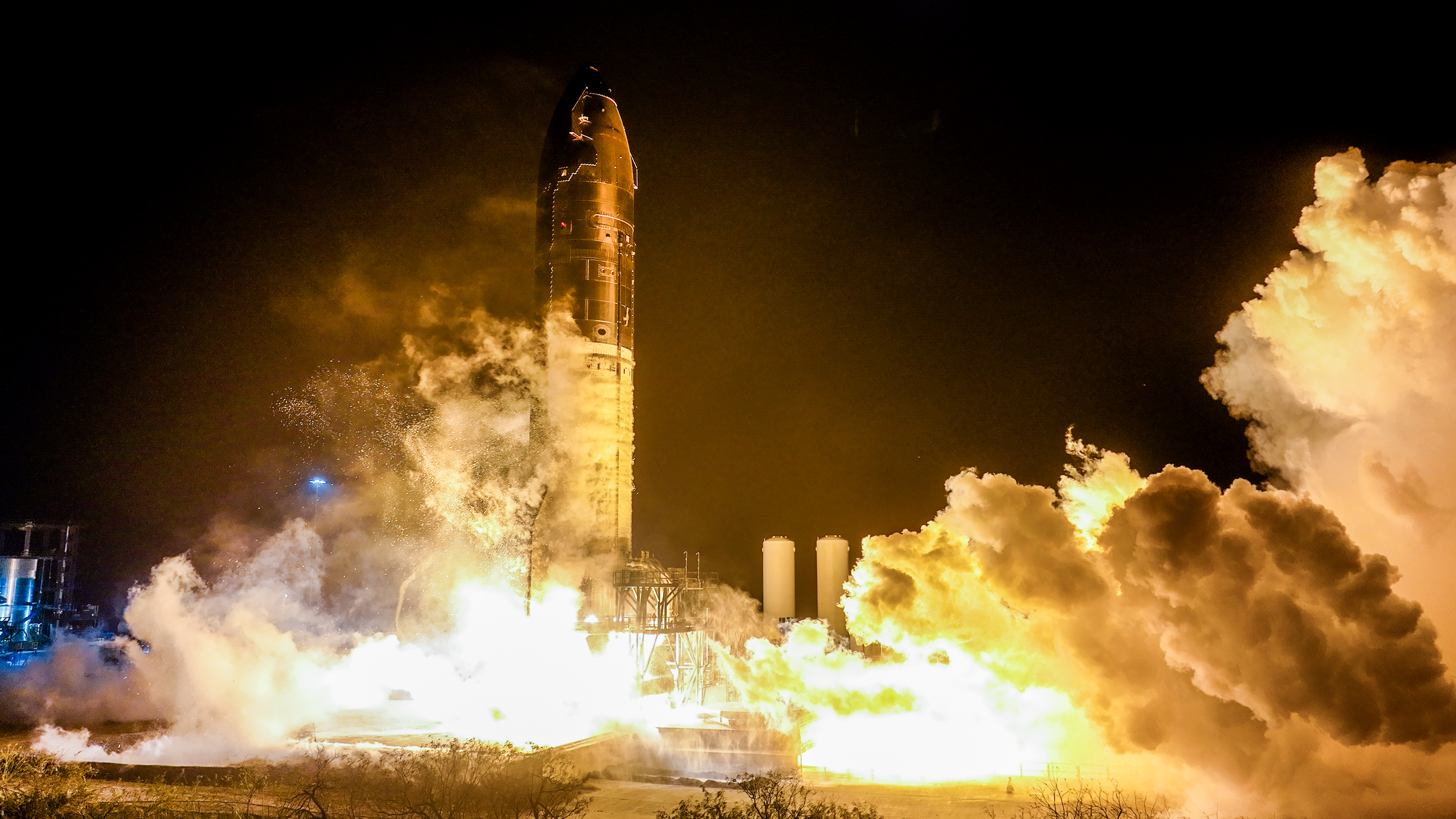
12th test flight of the two-stage Starship launch vehicle. Maiden Flight of Starship V3.
The flight test’s primary goal will be to demonstrate each of these new pieces in the flight environment for the first time, with each element of the Starship architecture featuring significant redesigns to enable full and rapid reuse that incorporate learnings from years of development and test.
The Starship upper stage will target multiple in-space and reentry objectives, including a payload deployment of 20 Starlink simulators, similar in size to next-generation Starlink V3 satellites, and two specially modified Starlink satellites. The two modified satellites will test hardware planned for Starlink V3 and will attempt to scan Starship’s heat shield and transmit imagery down to operators to test methods of analyzing Starship’s heat shield readiness for return to launch site on future missions. Several tiles on Starship have been painted white to simulate missing tiles and serve as imaging targets in the test. The Starlink simulators will be on the same suborbital trajectory as Starship. A relight of a single Raptor engine while in space is also planned.
For Starship entry, a single heat shield tile has been intentionally removed to measure the aerodynamic load differences on adjacent tiles when there is a tile missing. Finally, the ship will perform experimental actions tested on previous flight tests, including a maneuver to intentionally stress the structural limits of the vehicle’s rear flaps and a dynamic banking maneuver to mimic the trajectory that future missions returning to Starbase will fly.
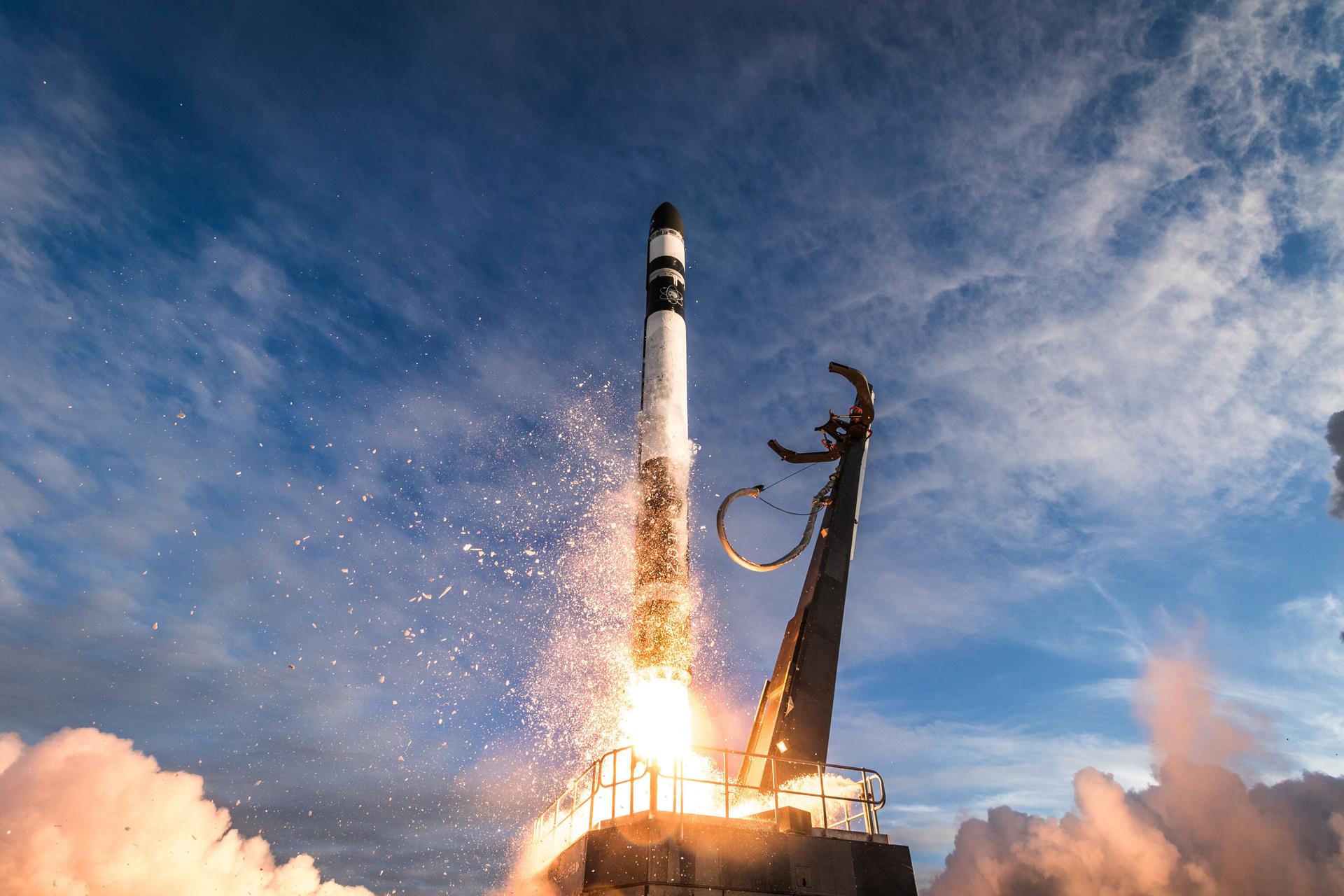
Viva La StriX (StriX Launch 9)
Provider: Rocket Lab Date: May 22, 2026 Time: 9:30 AM UTC Vehicle: Electron
Synthetic aperture radar satellite for Japanese Earth imaging company Synspective.
Starlink Group 17-37
Provider: SpaceX Date: May 23, 2026 Time: 2:00 PM UTC Vehicle: Falcon 9
A batch of 24 satellites for the Starlink mega-constellation – SpaceX’s project for space-based Internet communication system.
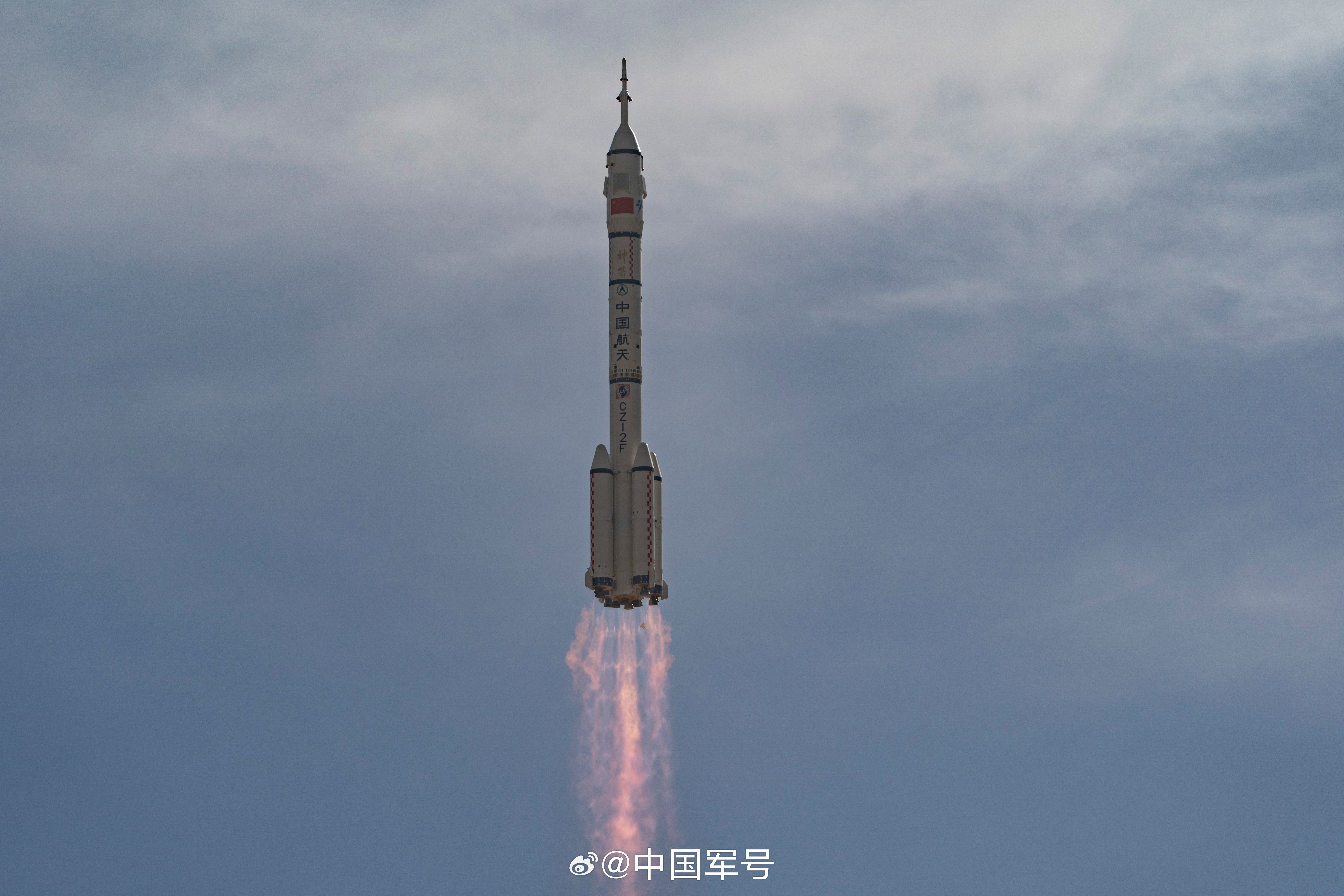
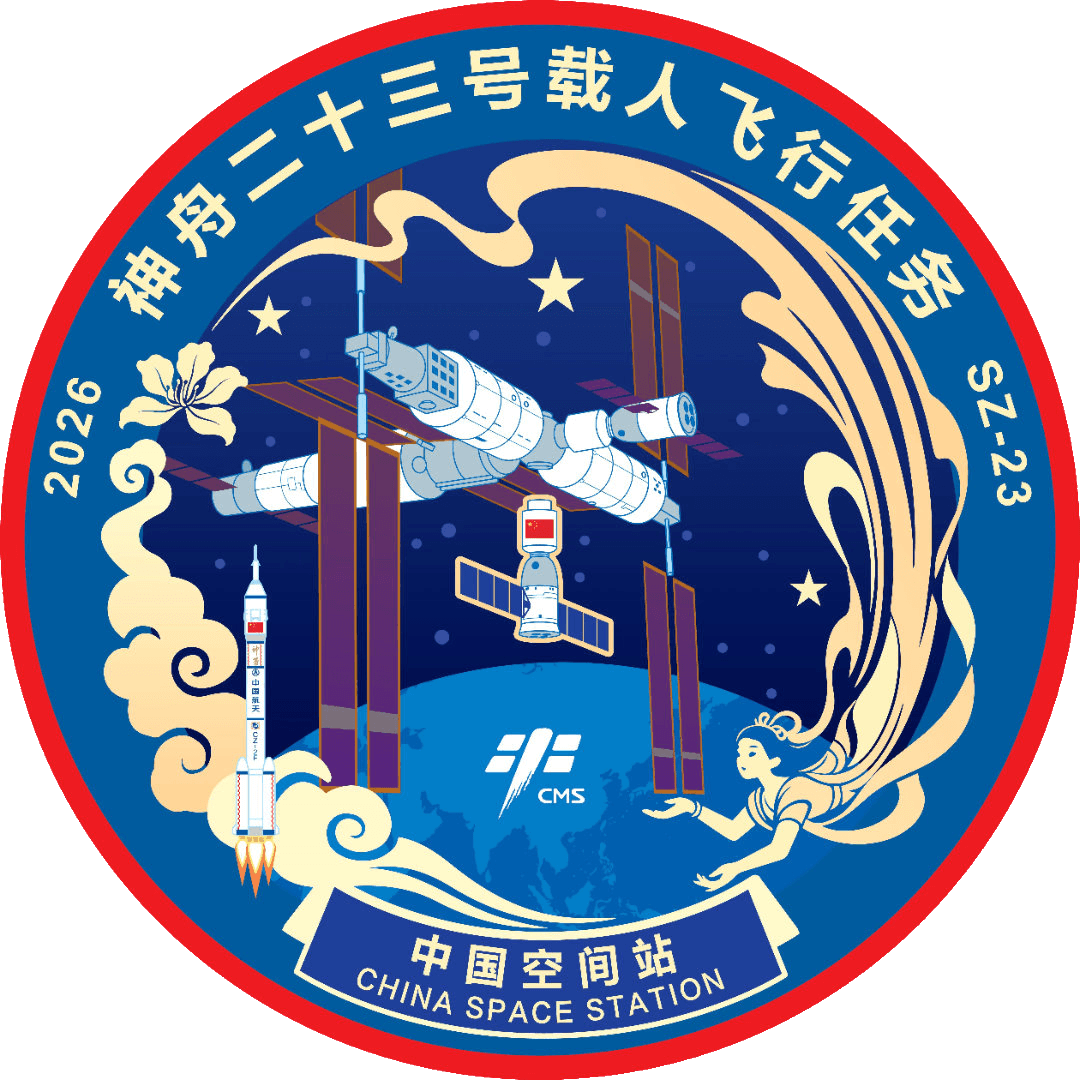
Shenzhou 23
Provider: China Aerospace Science and Technology Corporation Date: May 24, 2026 Time: 3:08 PM UTC Vehicle: Long March 2F/G
Shenzhou 23 will be the 23rd flight of the Shenzhou program.
Starlink Group 10-31 ×
Mission Details
TypeCommunications
OrbitLow Earth Orbit
TargetEarth
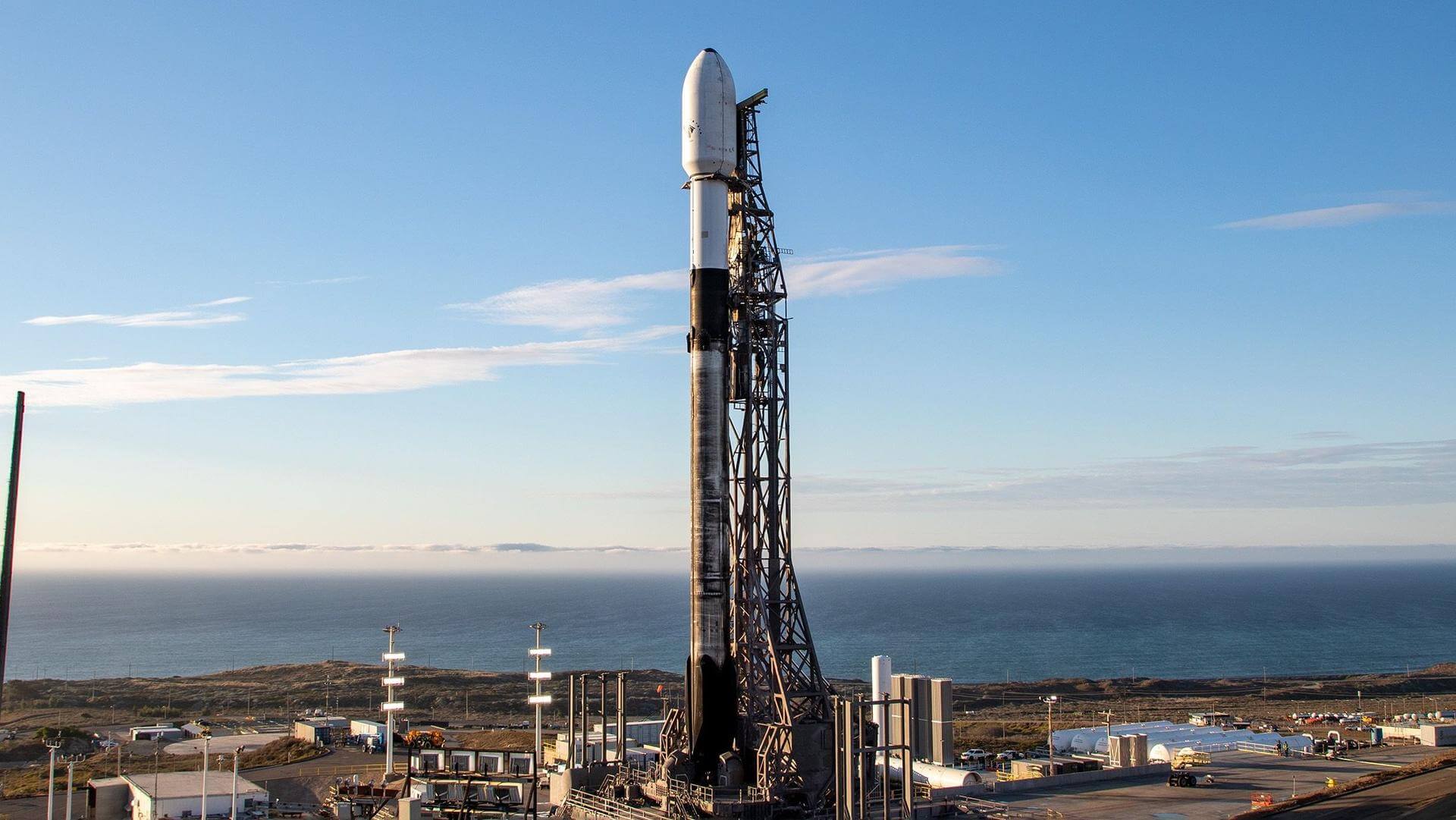
A batch of 29 satellites for the Starlink mega-constellation – SpaceX’s project for space-based Internet communication system.
Falcon 9 is a two-stage rocket designed and manufactured by SpaceX for the reliable and safe transport of satellites and the Dragon spacecraft into orbit. The Block 5 variant is the fifth major interval aimed at improving upon the ability for rapid reusability.
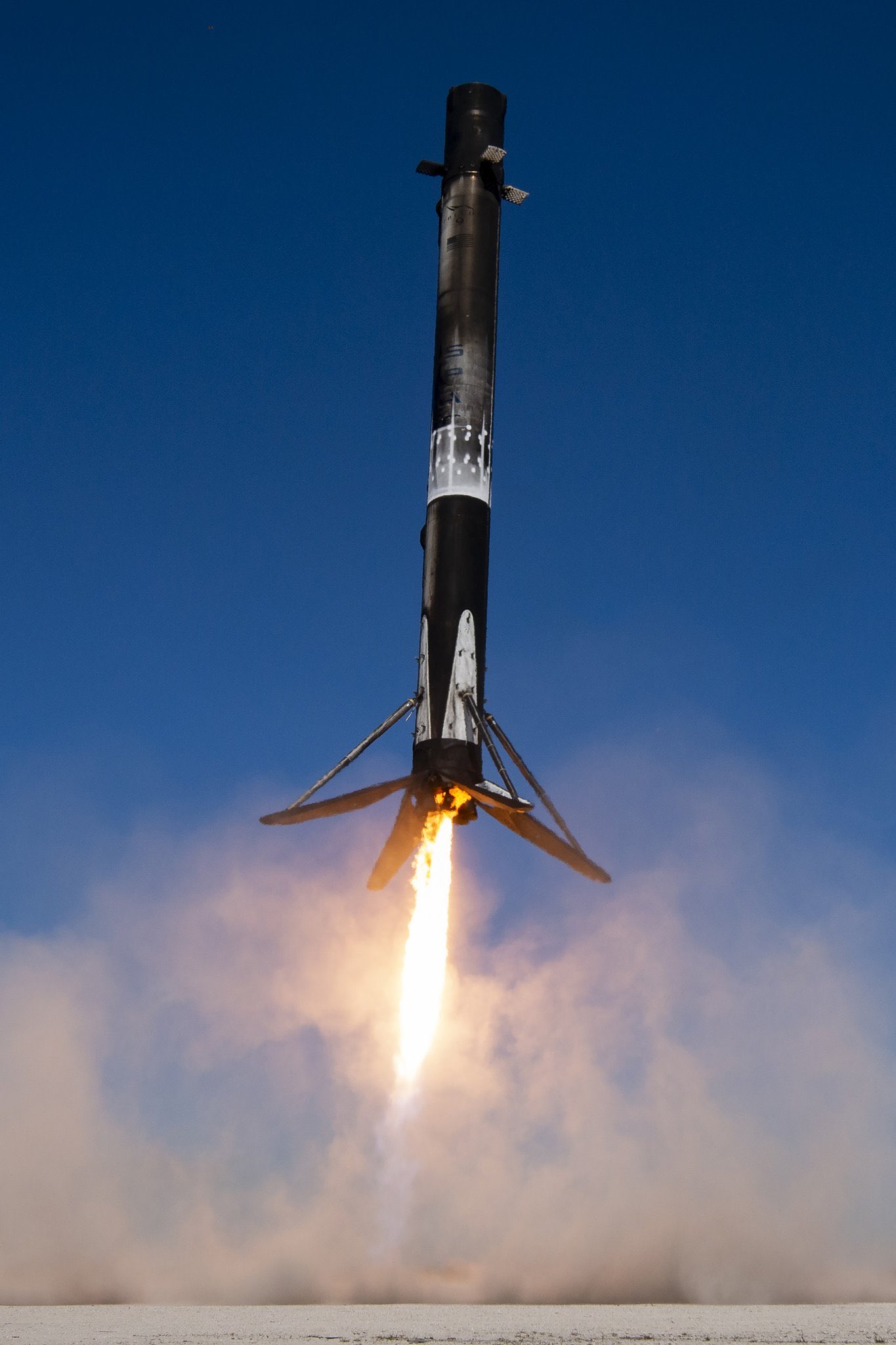
The Falcon 9 first stage B1077 will land on ASDS ASOG after its 28th flight.
Flight 12 ×
Mission Details
TypeTest Flight
OrbitSuborbital
TargetEarth
12th test flight of the two-stage Starship launch vehicle. Maiden Flight of Starship V3.
The flight test’s primary goal will be to demonstrate each of these new pieces in the flight environment for the first time, with each element of the Starship architecture featuring significant redesigns to enable full and rapid reuse that incorporate learnings from years of development and test.
The Starship upper stage will target multiple in-space and reentry objectives, including a payload deployment of 20 Starlink simulators, similar in size to next-generation Starlink V3 satellites, and two specially modified Starlink satellites. The two modified satellites will test hardware planned for Starlink V3 and will attempt to scan Starship’s heat shield and transmit imagery down to operators to test methods of analyzing Starship’s heat shield readiness for return to launch site on future missions. Several tiles on Starship have been painted white to simulate missing tiles and serve as imaging targets in the test. The Starlink simulators will be on the same suborbital trajectory as Starship. A relight of a single Raptor engine while in space is also planned.
For Starship entry, a single heat shield tile has been intentionally removed to measure the aerodynamic load differences on adjacent tiles when there is a tile missing. Finally, the ship will perform experimental actions tested on previous flight tests, including a maneuver to intentionally stress the structural limits of the vehicle’s rear flaps and a dynamic banking maneuver to mimic the trajectory that future missions returning to Starbase will fly.
The SpaceX Starship is a fully reusable super heavy-lift launch vehicle under development by SpaceX since 2012, as a self-funded private spaceflight project. The second stage of the Starship — is designed as a long-duration cargo and passenger-carrying spacecraft. It is expected to be initially used without any booster stage at all, as part of an extensive development program to prove out launch-and-landing and iterate on a variety of design details, particularly with respect to the vehicle’s atmospheric reentry.
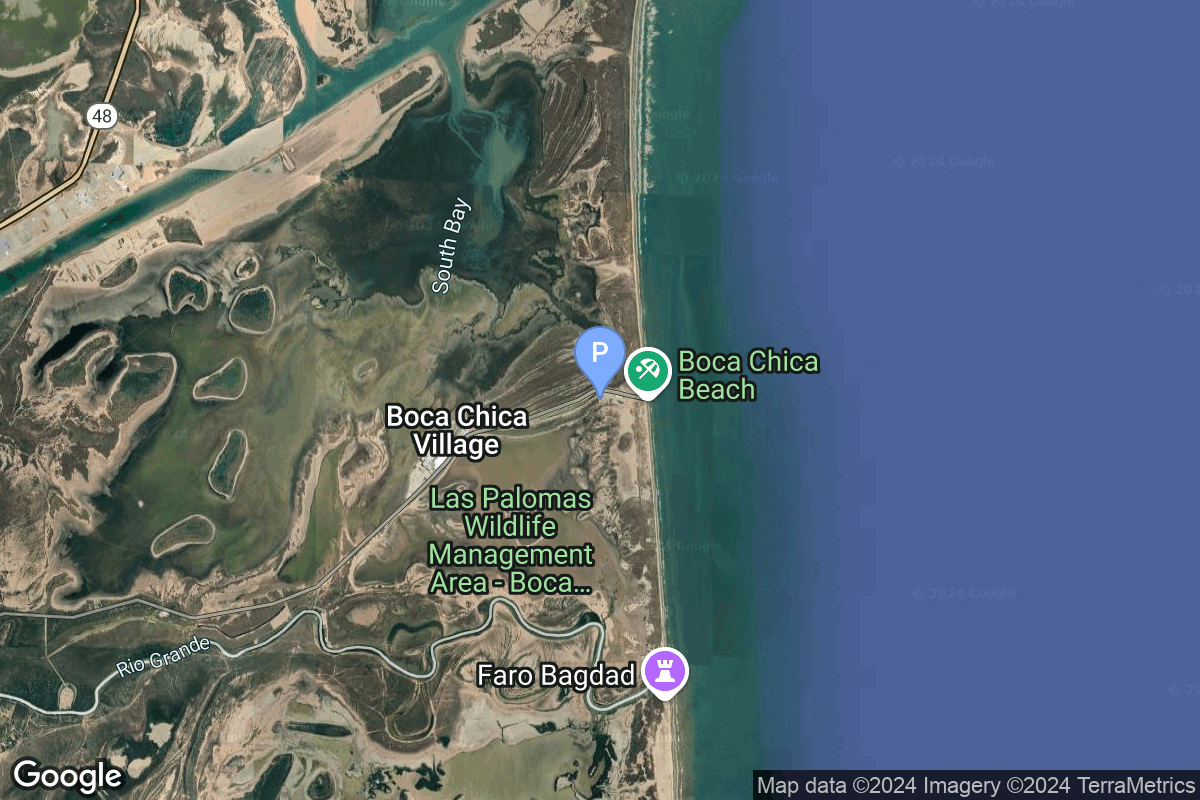
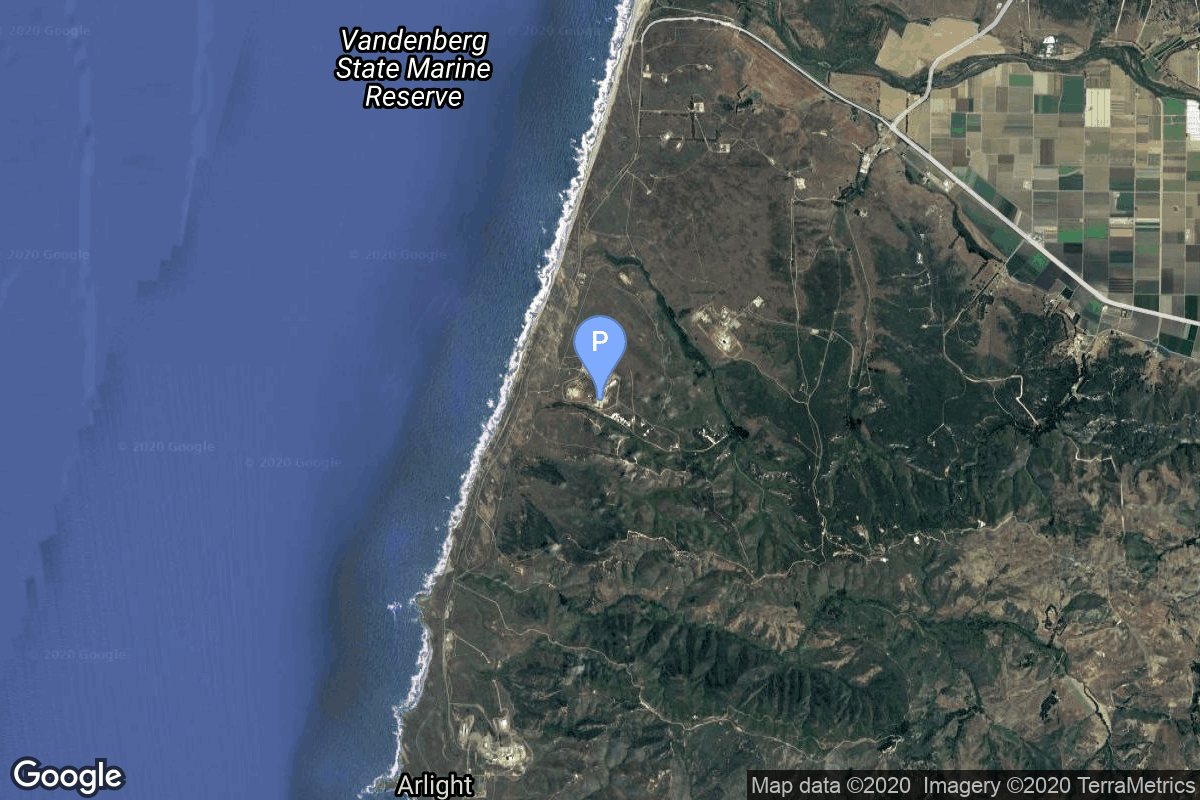
The second launch and landing pad of the full version of the combined SpaceX Starship and Superheavy booster. To be first used for launch in 2025 with version 3 of Starship and the Superheavy…
Rocket Lab Launch Complex 1, Mahia Peninsula, New Zealand
Total launches from this pad: 0
Vehicle: Electron
Electron is a two-stage orbital expendable launch vehicle (with an optional third stage) developed by the American aerospace company Rocket Lab. Electron is a small-lift launch vehicle designed to launch small satellites and cubesats to sun-synchronous orbit and low earth orbit. The Electron is the…
Falcon 9 is a two-stage rocket designed and manufactured by SpaceX for the reliable and safe transport of satellites and the Dragon spacecraft into orbit. The Block 5 variant is the fifth major interval aimed at improving upon the ability for rapid reusability.
The Falcon 9 first stage B1100 will land on ASDS OCISLY after its 6th flight.
Shenzhou 23 ×
Mission Details
TypeHuman Exploration
OrbitLow Earth Orbit
TargetEarth
Shenzhou 23 will be the 23rd flight of the Shenzhou program.
Agencies Involved
• China National Space Administration (Government)
Program: Shenzhou
The Shenzhou program is a crewed spaceflight initiative by China. The program put the first Chinese citizen, Yang Liwei, into orbit on 15 October 2003.
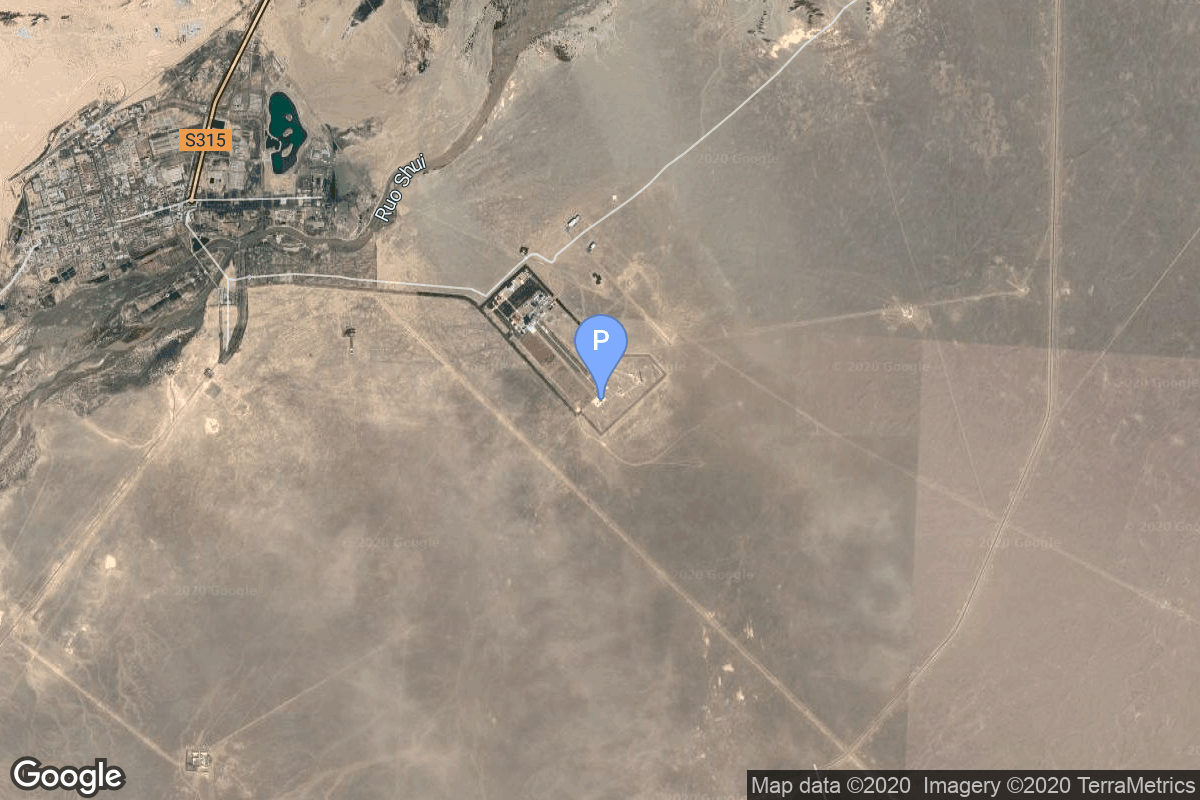
The Long March 2F is a Chinese orbital carrier rocket, part of the Long March 2 rocket family. Designed to launch the crewed Shenzhou spacecraft, the Long March 2F is a human-rated two-stage version of the Long March 2E rocket, which in turn was based on the Long March 2C launch vehicle. It is…
Robo Chris is a collection of API calls, filters, and searches, bolted together with magic and love. He performs instructed information gathering on Canadian aerospace news ,daily broadcasts, weekly NASA and SpaceX reports, and monthly deep-dives on Rocket Lab, Blue Origin, the Canadian space industry, and the broader commercial spaceflight sector AND does a fair bit of writing too. Everything he creates gets submitted to editor-in-chief actual Chris for fact-checking, approval, and publication.