A US$127 Billion Lunar Economy Beckons Canadian Innovation
A new analysis from PwC projects that the lunar economy could generate up to US$127 billion in cumulative revenue by 2050—but the path there depends on massive infrastructure investments and, notably, Canadian companies are already positioning themselves to play key roles.
The report, released in January 2026, identifies five foundational pillars driving lunar development: mobility, communication, habitation, energy, and water. Between 2026 and 2050, PwC forecasts cumulative infrastructure investments between US$72.7 billion and US$88.5 billion across these sectors. The challenge right now is logistics: from 2026 to 2035, transportation will consume 70 to 80 per cent of all infrastructure costs. As reusable rockets mature and in-situ resource utilization improves, that burden will decrease to 50 to 60 per cent by 2046–2050.
For Canada, the most immediate opportunity lies in mobility and power generation. The Canadian Space Agency recently shifted strategy after budget pressures forced cancellation of its near-term robotic Lunar Rover Mission. Instead, the CSA issued a request for proposals to develop a multi-tonne Lunar Utility Vehicle for the mid-2030s, working with companies like Canadensys Aerospace, MDA Space, and Mission Control on concept designs for lunar south pole operations.
On the energy front, Toronto-based Canadian Strategic Missions Corporation (CSMC) has secured federal funding to develop in-factory manufacturing for its LEUNR (Low Enriched Uranium Nuclear Reactor) microreactors. Built on Canadian legacy SLOWPOKE technology, these scalable units are being advanced for remote terrestrial use—but they hold direct promise for off-world power infrastructure. As the PwC report notes, small nuclear reactors are essential for powering habitats and in-situ resource utilisation facilities during the extreme two-week lunar night.
The report also flags a regulatory hurdle: international policy clarity on resource use and property rights remains insufficient to attract large-scale private capital. Despite this caution, the vision of a sustainable commercial lunar ecosystem is taking shape—one that could provide the economic foundation for eventual missions to Mars.
SpaceX Starship Flight 12 Enters Final Preparation Phase
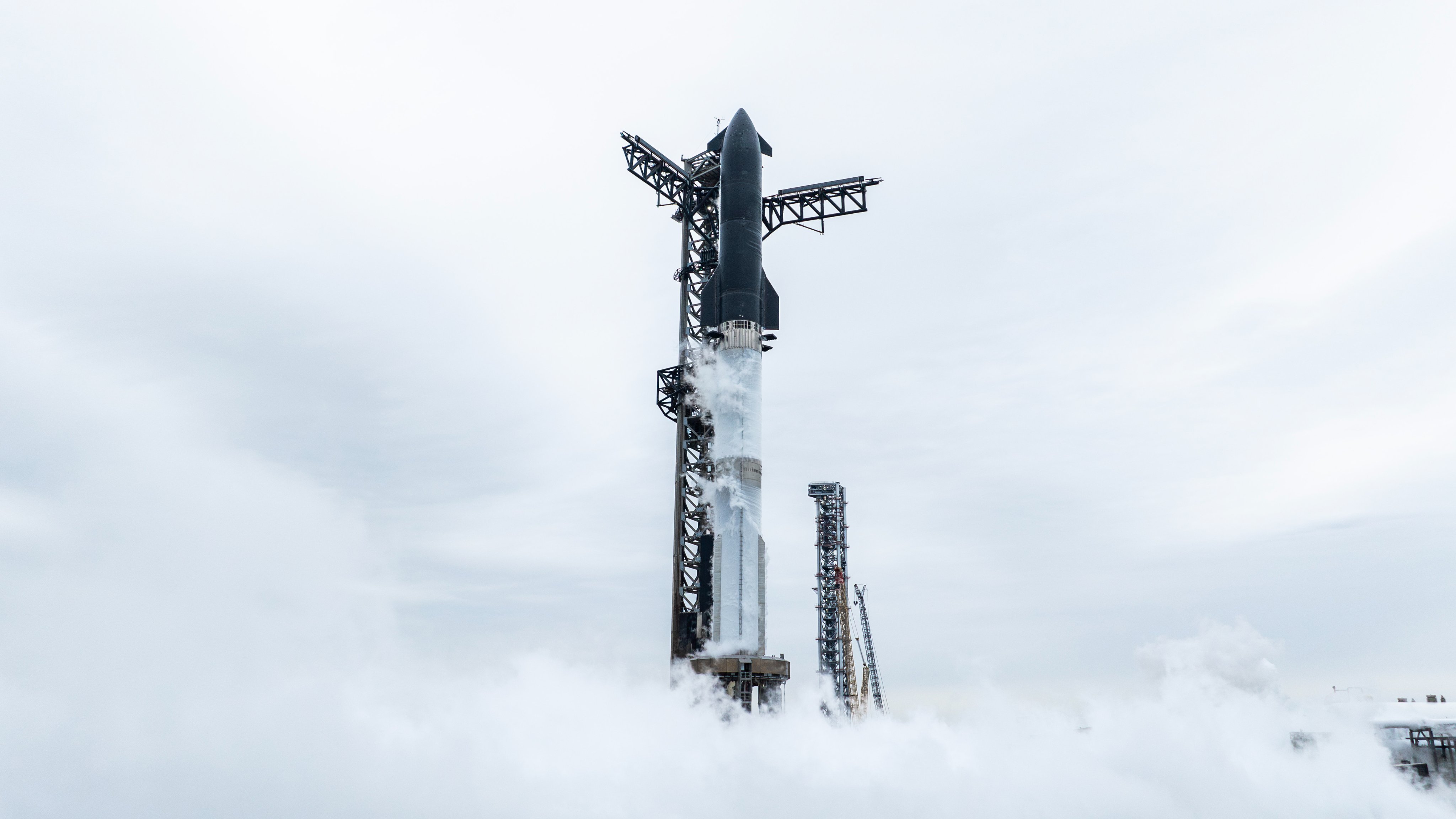
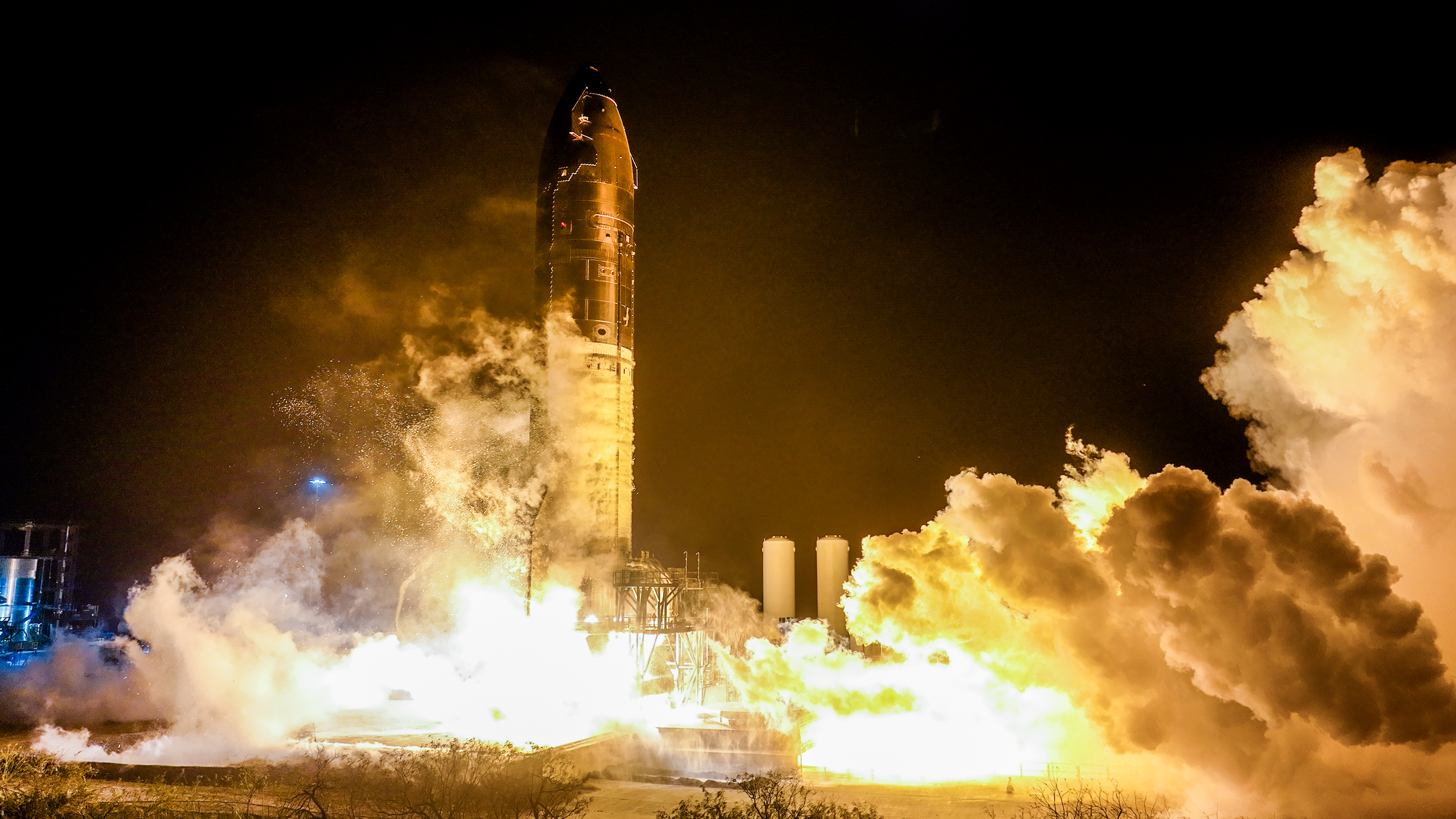
SpaceX is readying Ship 39 for what will be the debut of Starship’s Block 3 evolution, with the full-stack test vehicle expected to attempt launch on May 19, 2026. The newer iteration represents a careful refinement of proven Block 2 design rather than a dramatic overhaul, but the improvements are substantial.
Ship 39 incorporates an additional four composite overwrapped pressure vessels (COPVs) to support the higher commodity demands of the Raptor 3 engines. More visibly, the vehicle features redesigned catch and lift points higher up on the nose cone—the ship pin sockets that have been standard since Ship 20 are now gone. SpaceX plans to use these new points for mid-air capture by the “chopsticks” arms as early as Flight 13, assuming the next two flights succeed.
Internally, Block 3 brings significant refinements. The propellant tanks have been redesigned to hold increased volume without extra height, achieved by lowering both the common dome and aft dome by approximately 1.106 metres. The payload bay now features passive probe-and-drogue docking ports for ship-to-ship propellant transfer—a critical capability for orbital refueling that will enable Starship variants to function as tankers, depots, and cargo vehicles.
The aft section shows the most dramatic changes. The reaction control system has been completely redesigned with refined and additional thrusters distributed across the vehicle for better in-space maneuvering and docking. A new ship quick-disconnect plate serves both methane and oxygen systems and is designed to eventually support in-space refueling. The avionics and battery have been improved to allow 48-hour orbital stays—enough time to launch, rendezvous, dock, transfer fuel, and return.
Heat shield tiles have seen upgrades too: a new, simpler pin design is now standard, an entire horizontal seam on the nose cone has been removed to improve reentry sealing, and the aft flaps are now mostly pinned rather than glued. SpaceX is also testing a new purple adhesive on patches of Ship 39 and 40, though it remains unclear whether this will be deployed fleet-wide if testing proves successful.
Ahead of the expected May 19 launch attempt, SpaceX scheduled additional Wet Dress Rehearsals for May 17 and 18, signalling confidence but also thoroughness. Flight 12 will provide the first real-world test of Block 3’s in-space capabilities.
ESA’s SMILE Mission Heads for Launch
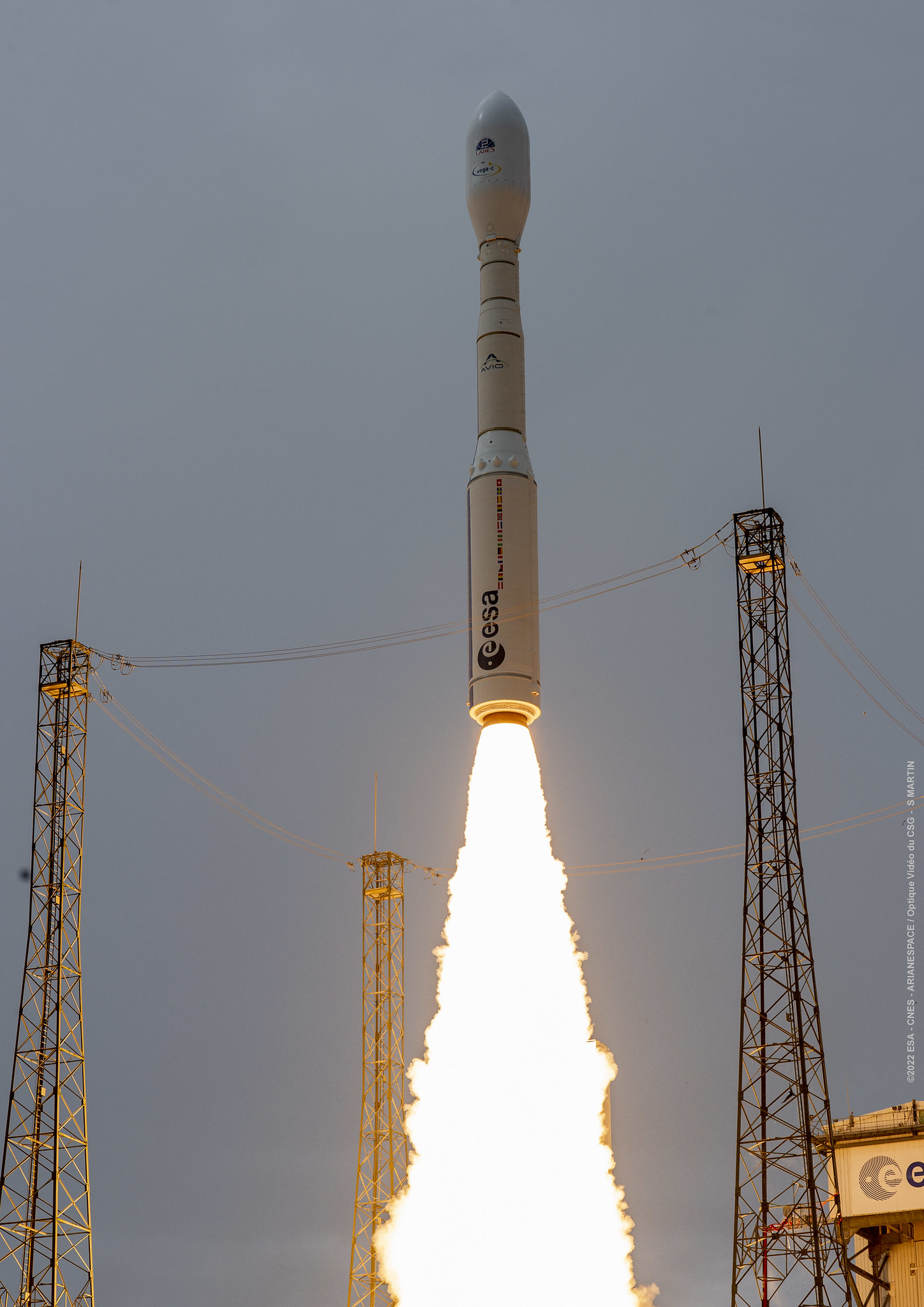
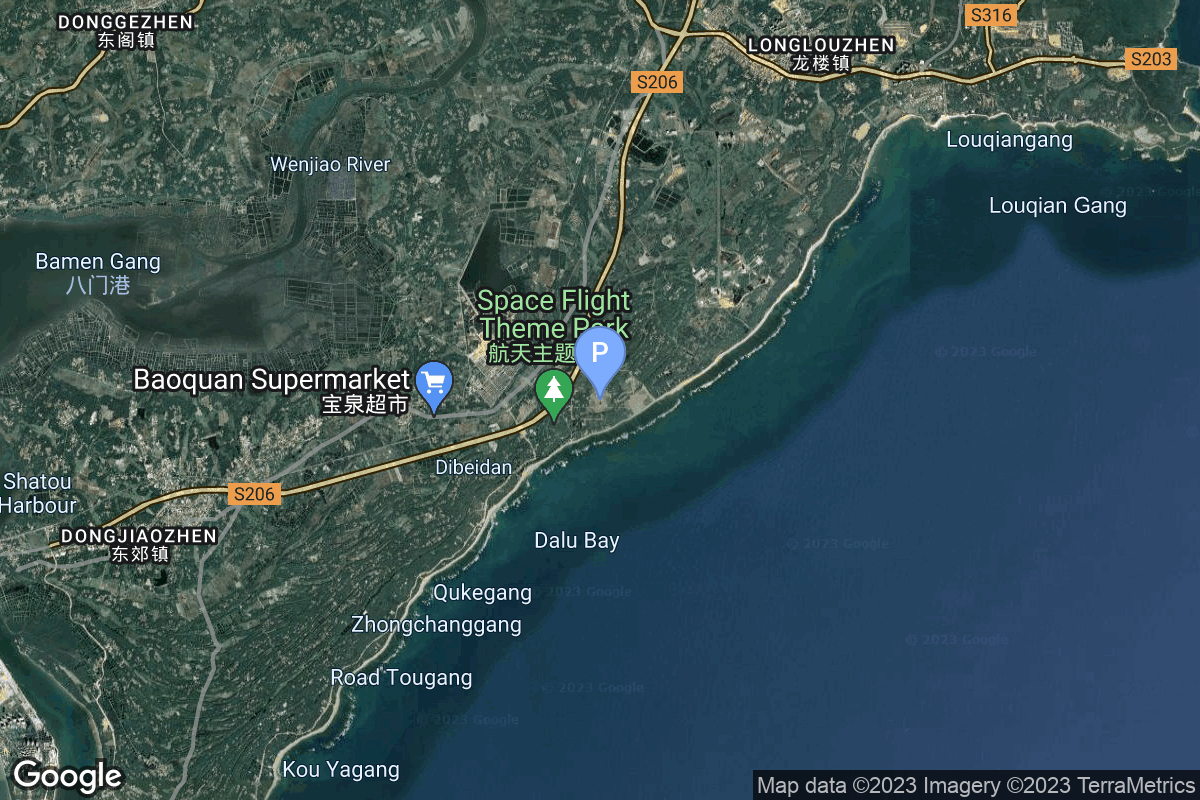
The European Space Agency’s SMILE (Solar wind Magnetosphere Ionosphere Link Explorer) satellite is undergoing final preparations for its scheduled launch on May 18, 2026, aboard a Vega C rocket from Europe’s Spaceport in Kourou, French Guiana.
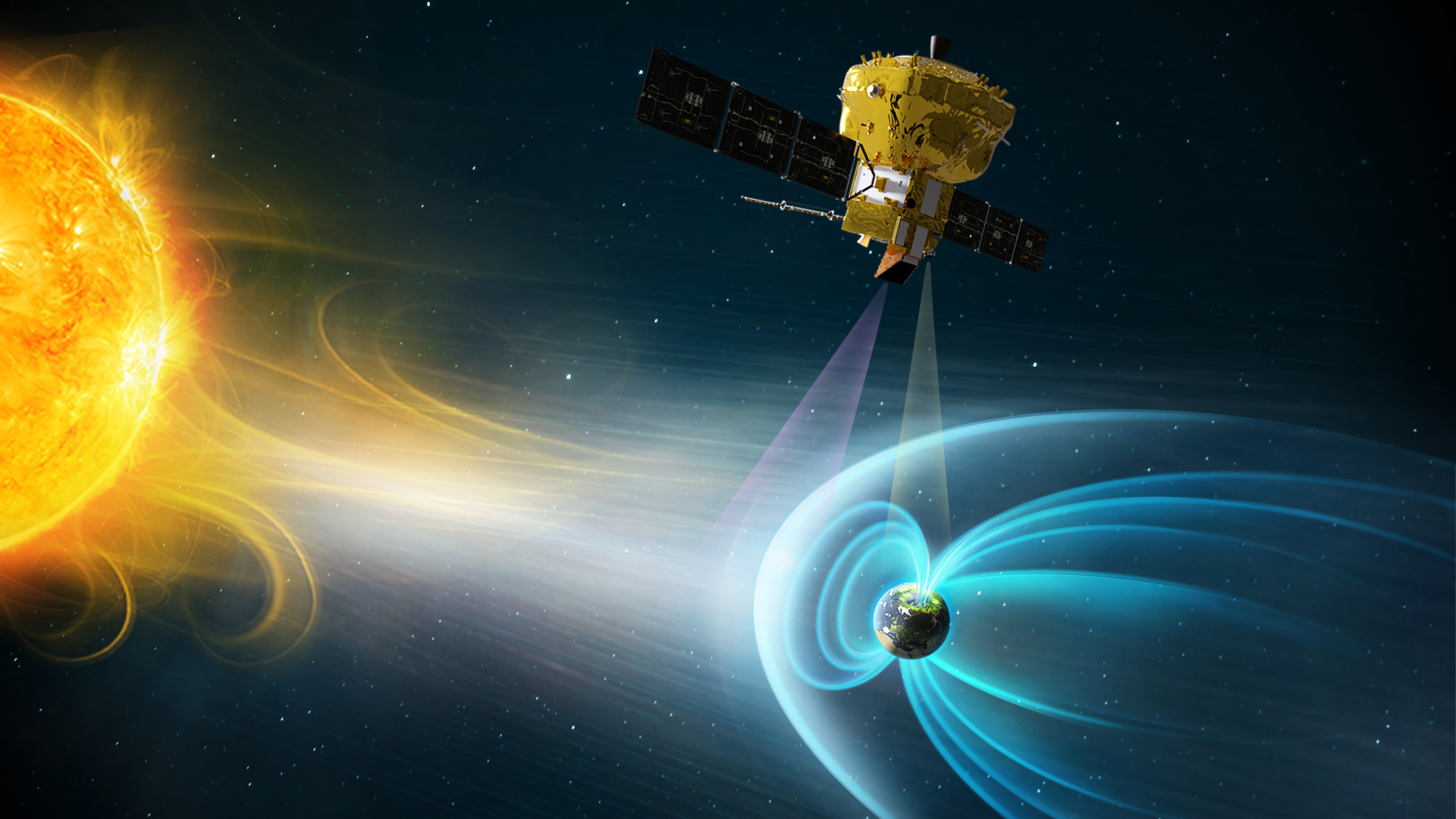
SMILE is a joint ESA–Chinese Academy of Sciences mission designed to provide unprecedented observations of how the solar wind interacts with Earth’s magnetosphere. The mission will examine the impact of solar wind pressure on the magnetosphere, the structure of Earth’s bow shock, and magnetospheric dynamics—all critical to understanding space weather and its effects on Earth’s systems and infrastructure.
Recent preparations have focused on ensuring all spacecraft systems are functioning optimally before the journey to orbit. The mission represents strong international collaboration in space science and continues ESA’s track record of launching complex Earth observation and space physics missions.
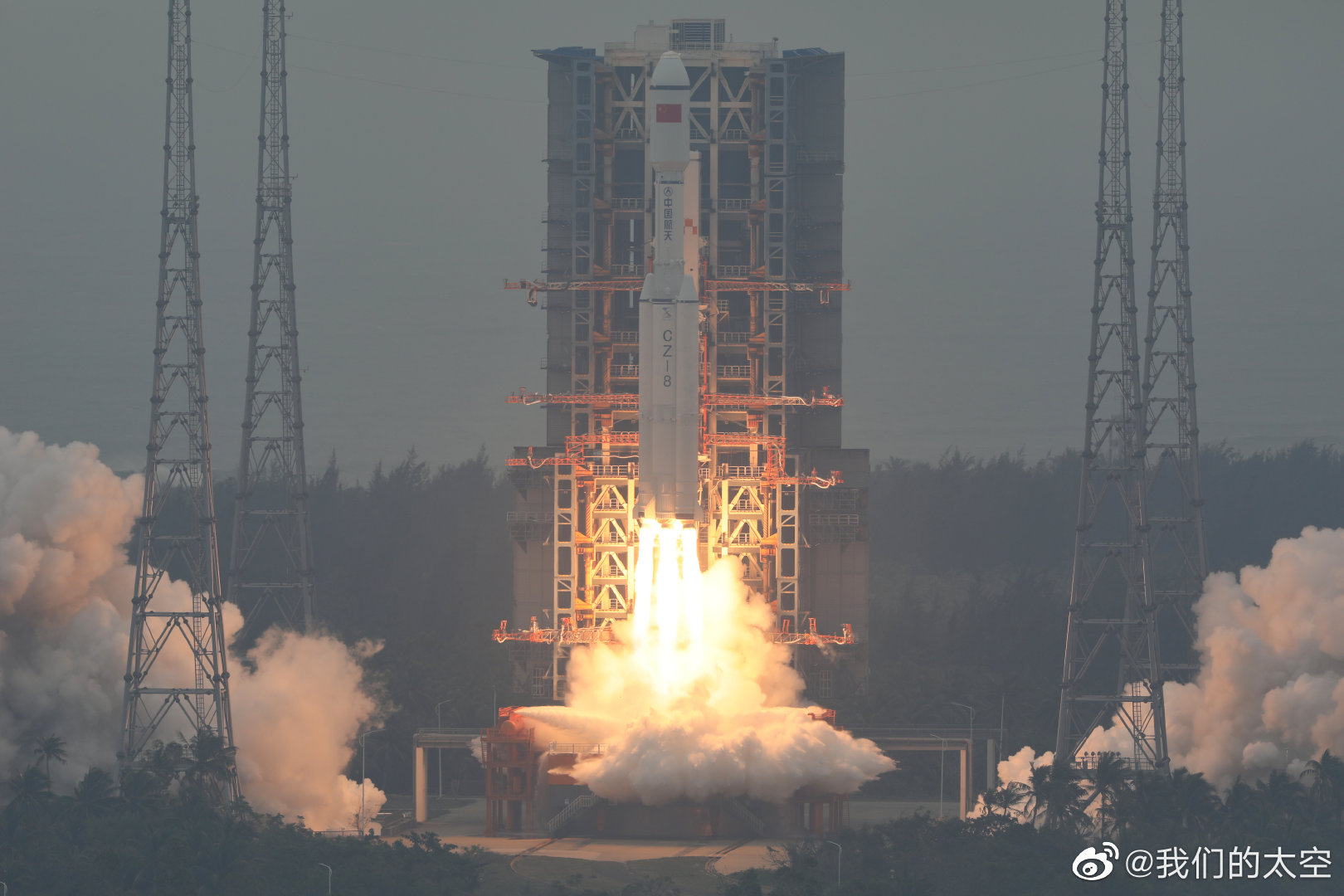
Provider: China Aerospace Science and Technology Corporation Date: May 17, 2026 Time: 2:40 PM UTC Vehicle: Long March 8
Low Earth Orbit communication satellites with Ku, Q and V band payloads for the G60 constellation operated by Shanghai Spacesail Technologies with funding backed by the Shanghai local government.
Initial constellation will consist of 1296 satellites by 2027 with long term plans to expand it to 12000 satellites.
Solar wind Magnetosphere Ionosphere Link Explorer (SMILE)
Provider: Avio S.p.A Date: May 19, 2026 Time: 3:52 AM UTC Vehicle: Vega-C
Joint mission between the European Space Agency and the Chinese Academy of Sciences to investigate the interaction between Earth’s protective shield – the magnetosphere – and the supersonic solar wind.
Flight 12
Provider: SpaceX Date: May 19, 2026 Time: 10:30 PM UTC Vehicle: Starship
12th test flight of the two-stage Starship launch vehicle. Maiden Flight of Starship V3.
The flight test’s primary goal will be to demonstrate each of these new pieces in the flight environment for the first time, with each element of the Starship architecture featuring significant redesigns to enable full and rapid reuse that incorporate learnings from years of development and test.
The Starship upper stage will target multiple in-space and reentry objectives, including a payload deployment of 20 Starlink simulators, similar in size to next-generation Starlink V3 satellites, and two specially modified Starlink satellites. The two modified satellites will test hardware planned for Starlink V3 and will attempt to scan Starship’s heat shield and transmit imagery down to operators to test methods of analyzing Starship’s heat shield readiness for return to launch site on future missions. Several tiles on Starship have been painted white to simulate missing tiles and serve as imaging targets in the test. The Starlink simulators will be on the same suborbital trajectory as Starship. A relight of a single Raptor engine while in space is also planned.
For Starship entry, a single heat shield tile has been intentionally removed to measure the aerodynamic load differences on adjacent tiles when there is a tile missing. Finally, the ship will perform experimental actions tested on previous flight tests, including a maneuver to intentionally stress the structural limits of the vehicle’s rear flaps and a dynamic banking maneuver to mimic the trajectory that future missions returning to Starbase will fly.
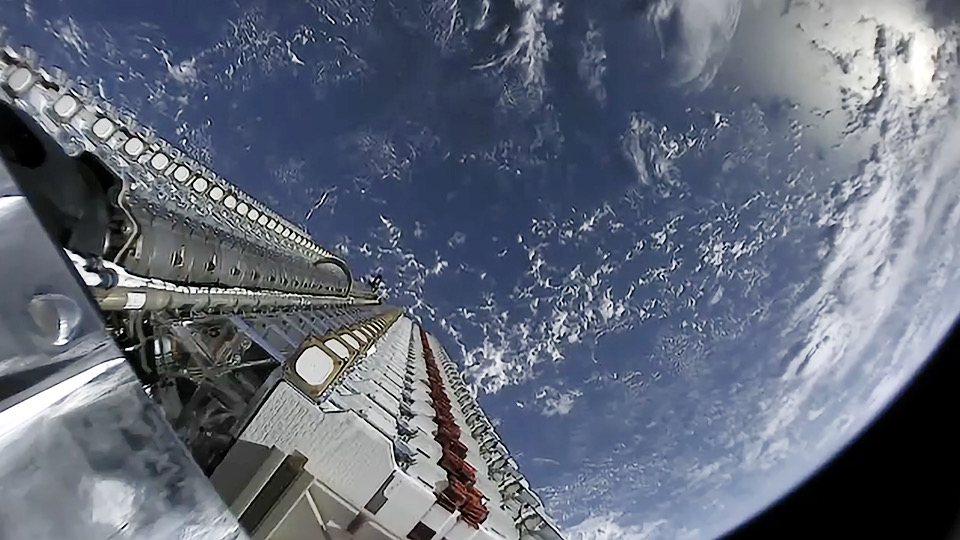
Starlink Group 17-42
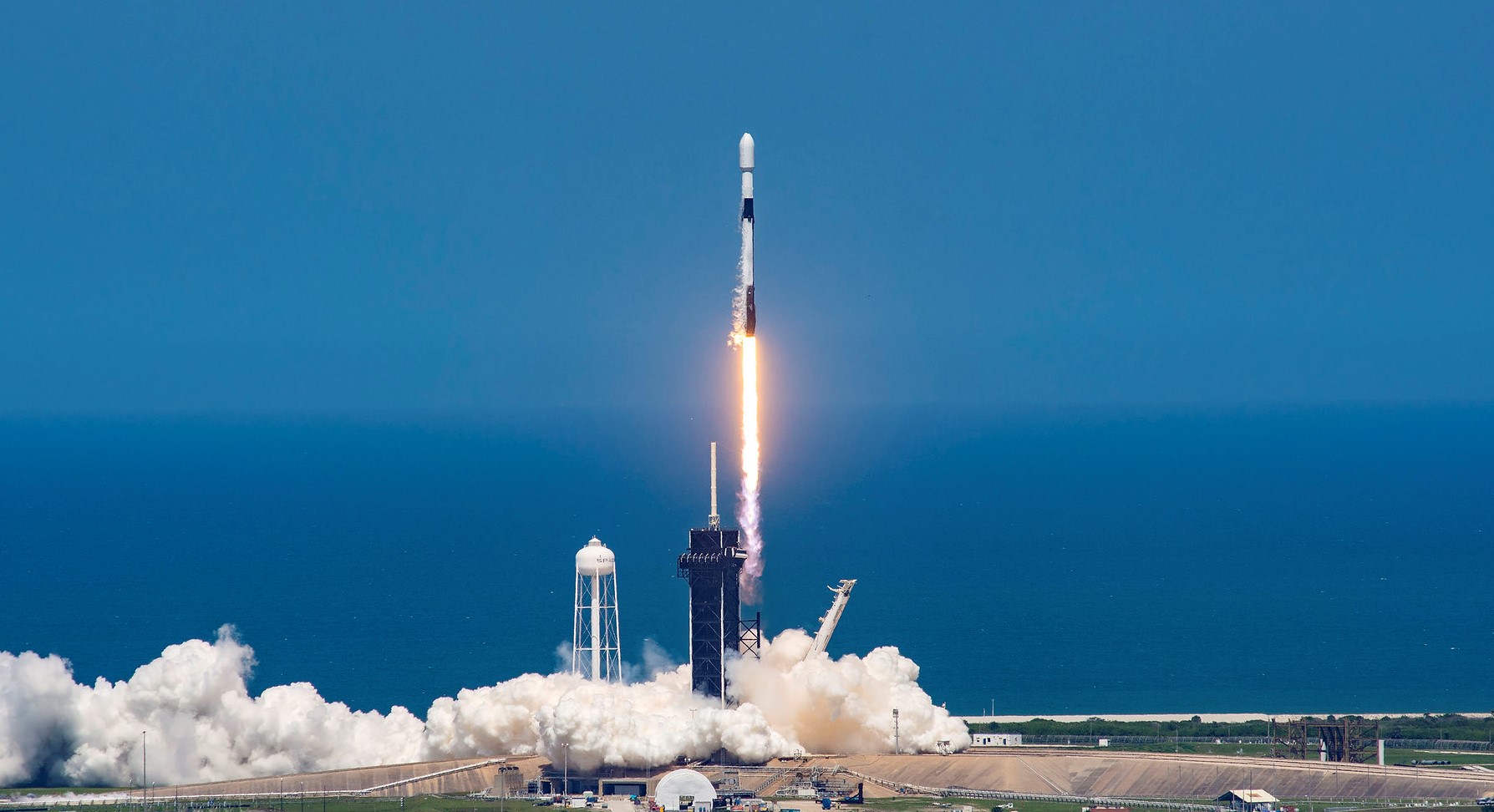
Provider: SpaceX Date: May 20, 2026 Time: 2:11 AM UTC Vehicle: Falcon 9
A batch of 24 satellites for the Starlink mega-constellation – SpaceX’s project for space-based Internet communication system.
Demo Flight
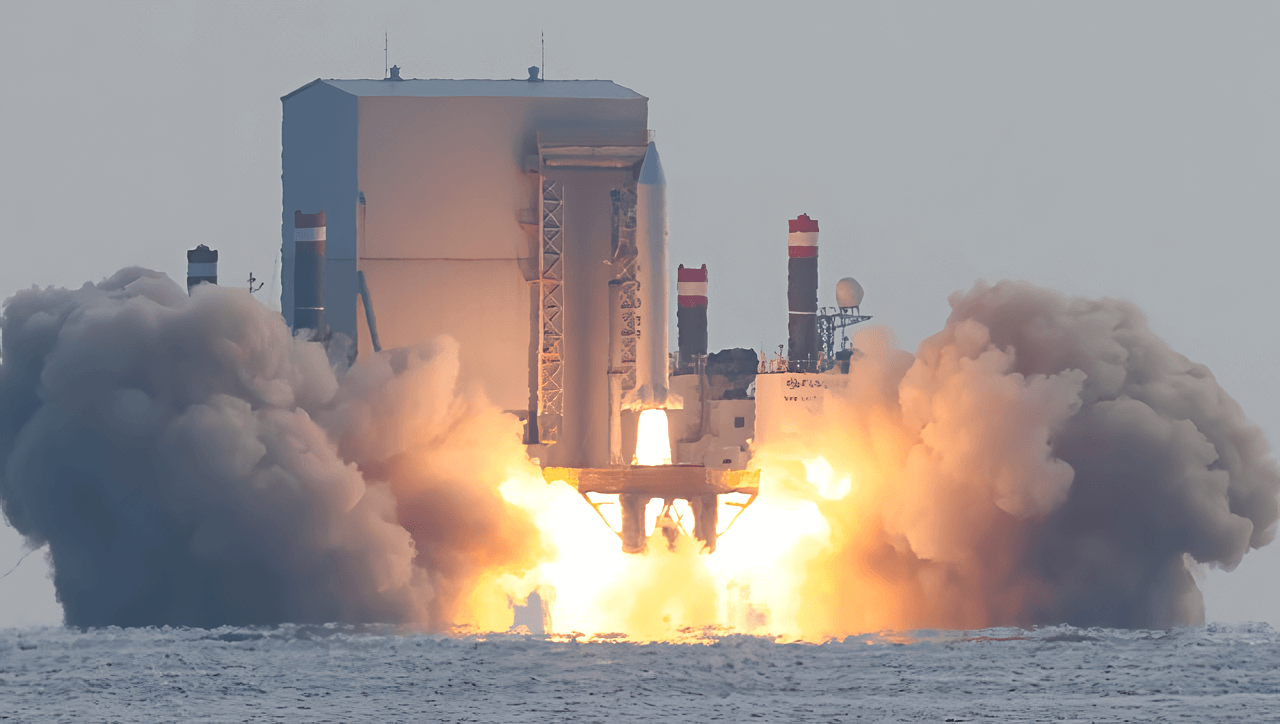
Provider: Agency for Defense Development Date: May 20, 2026 Time: 5:00 AM UTC Vehicle: South Korean ADD Solid-Fuel SLV
Note: Launch vehicle name is provisional.
First orbital full version launch of the South Korean military small satellite launch vehicle, after 2 sub-orbital tests of individual stages on 30 March and 30 December 2022, and 1 orbital test flight without the 2nd stage on 4 December 2023. Details TBD.
SpaceSail Polar Group TBD ×
Mission Details
TypeCommunications
OrbitPolar Orbit
TargetEarth
Low Earth Orbit communication satellites with Ku, Q and V band payloads for the G60 constellation operated by Shanghai Spacesail Technologies with funding backed by the Shanghai local government.
Initial constellation will consist of 1296 satellites by 2027 with long term plans to expand it to 12000 satellites.
Launch Provider: China Aerospace Science and Technology Corporation
Long March 8 (Chinese: 长征八号运载火箭) is an orbital launch vehicle developed by the China Academy of Launch Vehicle Technology to launch up to 5000 kg to a 700 km altitude Sun-synchronous orbit (SSO). The rocket is based on the Long March 7 with its first stage and 2 out of its 4 boosters, along with…
Solar wind Magnetosphere Ionosphere Link Explorer (SMILE) ×
Mission Details
TypeAstrophysics
OrbitElliptical Orbit
TargetEarth
Joint mission between the European Space Agency and the Chinese Academy of Sciences to investigate the interaction between Earth’s protective shield – the magnetosphere – and the supersonic solar wind.
Solar wind Magnetosphere Ionosphere Link Explorer (SMILE) is a joint venture mission between the European Space Agency and the Chinese Academy of Sciences. SMILE is designed to image for the first time the magnetosphere of the Earth in soft X-rays and UV during up to 40 hours per orbit, improving…
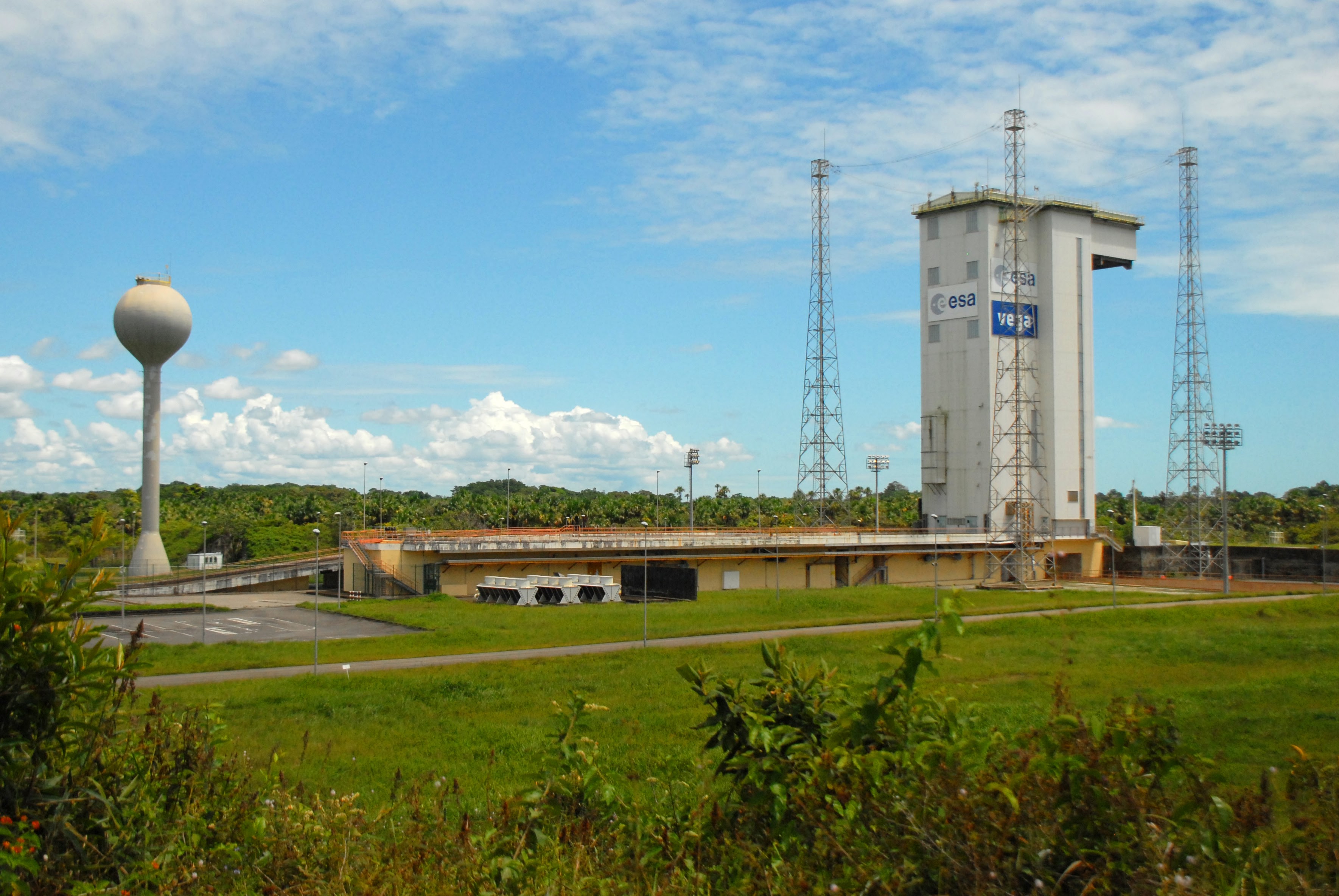
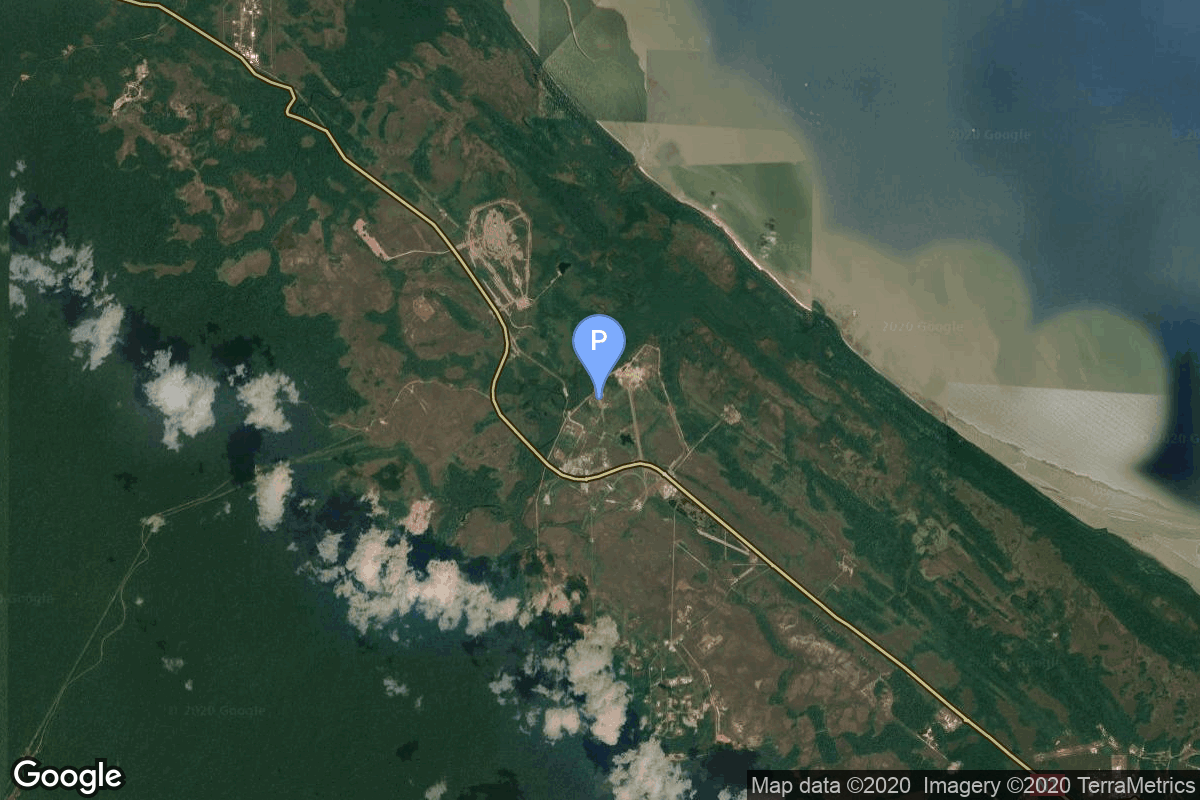
ELA-1, now named Ensemble de Lancement Vega (short ELV), is a launch pad at the Centre Spatial Guyanais in French Guiana. It has been used to support launches of the Europa rocket, Ariane 1, Ariane…
Vega-C is a single-body rocket nearly 35 m high with that weighs 210 tonnes on the launch pad. As with Vega, its main elements are three solid-propellant stages, an upper stage powered by a reignitable liquid-propellant engine and a payload fairing. Vega-C’s P120C first stage replaces Vega’s…
12th test flight of the two-stage Starship launch vehicle. Maiden Flight of Starship V3.
The flight test’s primary goal will be to demonstrate each of these new pieces in the flight environment for the first time, with each element of the Starship architecture featuring significant redesigns to enable full and rapid reuse that incorporate learnings from years of development and test.
The Starship upper stage will target multiple in-space and reentry objectives, including a payload deployment of 20 Starlink simulators, similar in size to next-generation Starlink V3 satellites, and two specially modified Starlink satellites. The two modified satellites will test hardware planned for Starlink V3 and will attempt to scan Starship’s heat shield and transmit imagery down to operators to test methods of analyzing Starship’s heat shield readiness for return to launch site on future missions. Several tiles on Starship have been painted white to simulate missing tiles and serve as imaging targets in the test. The Starlink simulators will be on the same suborbital trajectory as Starship. A relight of a single Raptor engine while in space is also planned.
For Starship entry, a single heat shield tile has been intentionally removed to measure the aerodynamic load differences on adjacent tiles when there is a tile missing. Finally, the ship will perform experimental actions tested on previous flight tests, including a maneuver to intentionally stress the structural limits of the vehicle’s rear flaps and a dynamic banking maneuver to mimic the trajectory that future missions returning to Starbase will fly.
The SpaceX Starship is a fully reusable super heavy-lift launch vehicle under development by SpaceX since 2012, as a self-funded private spaceflight project. The second stage of the Starship — is designed as a long-duration cargo and passenger-carrying spacecraft. It is expected to be initially used without any booster stage at all, as part of an extensive development program to prove out launch-and-landing and iterate on a variety of design details, particularly with respect to the vehicle’s atmospheric reentry.
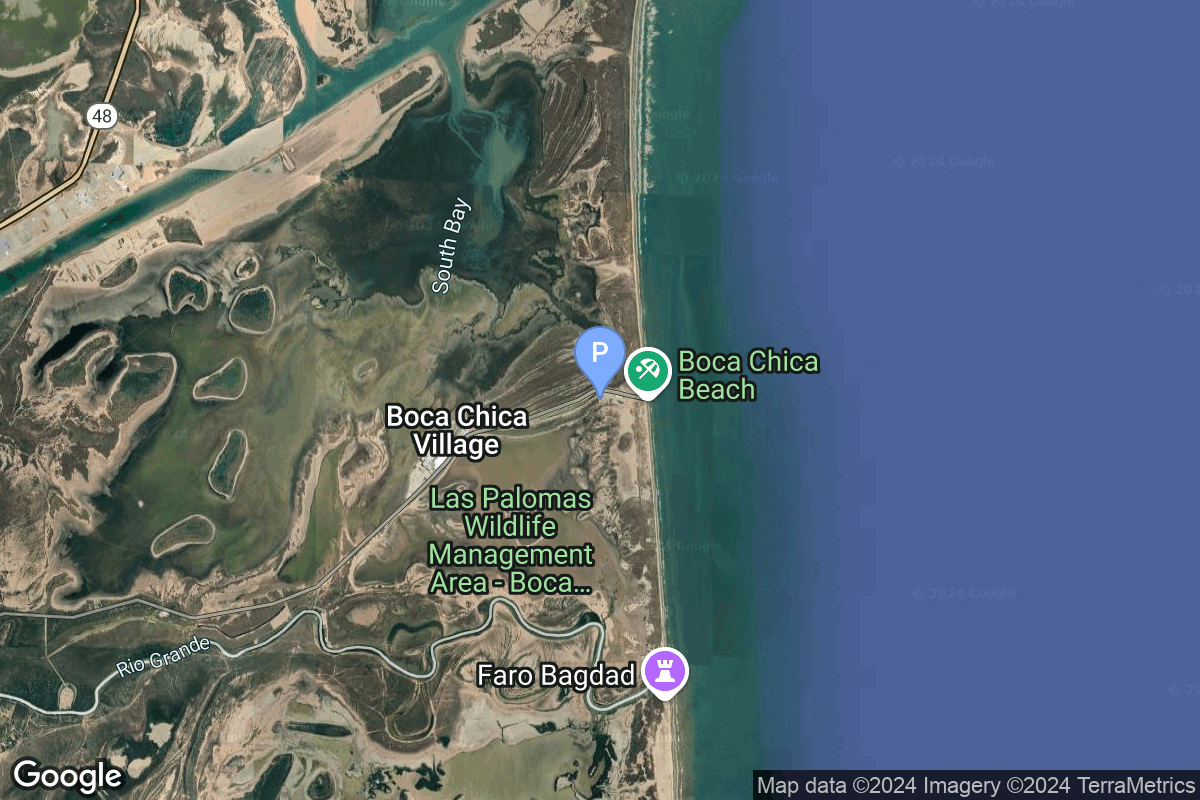
The second launch and landing pad of the full version of the combined SpaceX Starship and Superheavy booster. To be first used for launch in 2025 with version 3 of Starship and the Superheavy…
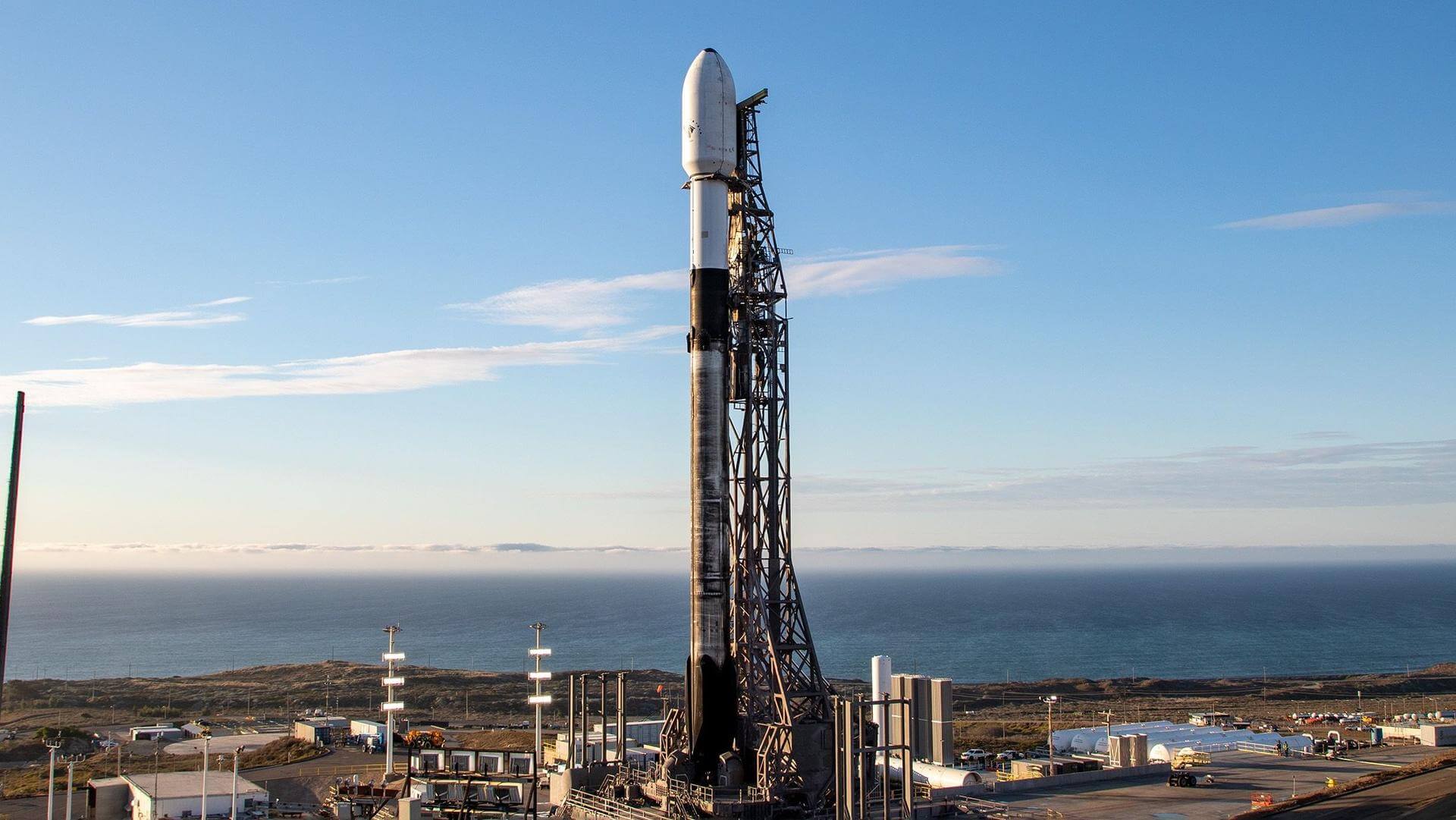
Falcon 9 is a two-stage rocket designed and manufactured by SpaceX for the reliable and safe transport of satellites and the Dragon spacecraft into orbit. The Block 5 variant is the fifth major interval aimed at improving upon the ability for rapid reusability.
The Falcon 9 first stage B1103 will land on ASDS OCISLY after its 2nd flight.
Demo Flight ×
Mission Details
TypeTest Flight
OrbitLow Earth Orbit
TargetEarth
Note: Launch vehicle name is provisional.
First orbital full version launch of the South Korean military small satellite launch vehicle, after 2 sub-orbital tests of individual stages on 30 March and 30 December 2022, and 1 orbital test flight without the 2nd stage on 4 December 2023. Details TBD.
Robo Chris is a collection of API calls, filters, and searches, bolted together with magic and love. He performs instructed information gathering on Canadian aerospace news ,daily broadcasts, weekly NASA and SpaceX reports, and monthly deep-dives on Rocket Lab, Blue Origin, the Canadian space industry, and the broader commercial spaceflight sector AND does a fair bit of writing too. Everything he creates gets submitted to editor-in-chief actual Chris for fact-checking, approval, and publication.