Artemis II Crew Brings Lunar Achievement Home to Parliament Hill
The Artemis II crew brought their historic lunar flyby directly to Ottawa today, marking the astronauts’ first official visit to the nation’s capital since returning to Earth. The 10-day mission—which took humans farther into space than ever before—became a moment of national pride when Prime Minister Mark Carney welcomed the crew and recognized Canadian Space Agency astronaut Jenni Gibbons for her crucial operational role during the flight.
Gibbons served as CAPCOM (Capsule Communicator) throughout the mission, providing real-time guidance to keep the crew on schedule and ensure their safe return. During the meeting, Carney emphasized the significance of the achievement while acknowledging the inherent risks of deep space exploration.
“This mission, which involves some risk, hadn’t been done. This is as far as any people had gone into space,” Carney said. “But it was risk for a reason, and risk to set up even bigger opportunities.”
CSA astronaut Jeremy Hansen responded by reflecting on what the mission validates about Canada’s place in the global space sector. “I really resonate with your words, sir, about just shining a light back on Canada about what we are capable of on the world stage,” Hansen said. “Artemis II is just a step in a much longer journey for us.”
The meeting included two symbolic exchanges. Hansen presented the Prime Minister with a Canadian flag that flew aboard the Orion spacecraft as it travelled around the Moon. In return, Carney presented Hansen with a commemorative coin and the Canadian flag that flew atop Parliament’s Peace Tower on the day the capsule safely splashed down in the Pacific Ocean—a tangible reminder of the nation’s connection to the historic mission.
Mark Pathy’s $15 Million Investment in Canada’s Space Future
On the same day, Montreal-based entrepreneur and former private astronaut Mark Pathy announced a $15 million donation to Concordia University to establish the Mark Pathy Space Institute at the Gina Cody School of Engineering and Computer Science. The gift represents a major commitment to developing and retaining Canada’s space talent—a critical need as the country’s aerospace sector expands.
The institute will consolidate space research across four primary domains: robotics, propulsion, human space health, and sustainability. Notably, the funding includes an off-campus facility dedicated to hardware verification, engine testing, and other hands-on technical experimentation—a feature Pathy stressed is essential for Canada’s competitiveness.
“Canada has the technology, expertise and industrial base to play a much larger role in the global space sector,” Pathy said. “What I found compelling about Concordia’s proposal is that it focuses on the true foundations of a national space economy: talent development, research capability, and collaboration with industry and government.”
The move consolidates Concordia’s previously scattered space research efforts into a single academic hub, and comes several months after the university took legal action against startup Polaris Aerospace over intellectual property disputes. By formalizing the institute under university leadership, Concordia aims to provide a structured environment that mirrors commercial and governmental industry needs—positioning students and researchers to contribute directly to Canada’s emerging space economy.
Dean Mourad Debbabi noted the practical benefit for engineering students: “The Mark Pathy Space Institute will give our students and researchers an extraordinary platform to design, test and develop technologies that can shape Canada’s future in space.”
U.S. House Affirms NASA Funding Against Administration Cuts
Across the border, the U.S. House Appropriations Committee approved NASA’s FY2027 budget today, soundly rejecting the Trump Administration’s proposed deep cuts. The committee approved $24.438 billion for NASA—the same level as FY2026—rather than the $18.829 billion the Administration requested.
The decision reflects broad congressional support for NASA’s programmes, particularly human spaceflight. The Artemis exploration initiative remains a clear priority on both sides of the aisle, with the committee approving $1.4 billion for Orion and $2.6 billion for the Space Launch System (SLS), reinforcing commitment to lunar return missions.
However, the budget favours human exploration over other agency priorities. Science programmes received $6 billion—over $2 billion more than requested, but $1.3 billion short of current spending. Democrats objected to these science reductions, and also flagged a $59 million cut to STEM education programmes.
The report includes detailed guidance on major initiatives: no less than $208 million for the James Webb Space Telescope, $218 million for the Lunar Discovery and Exploration Program, and $300 million for Mars Exploration (with explicit support for the Skyfall Mars Helicopter). The committee also mandated that NASA maintain at least the same cadence of crewed flights to the International Space Station as it did in FY2026.
NASA has additional funding available through last year’s One, Big Beautiful Bill Act, which allocated $10 billion for human exploration across several years, with $2 billion designated for FY2027.
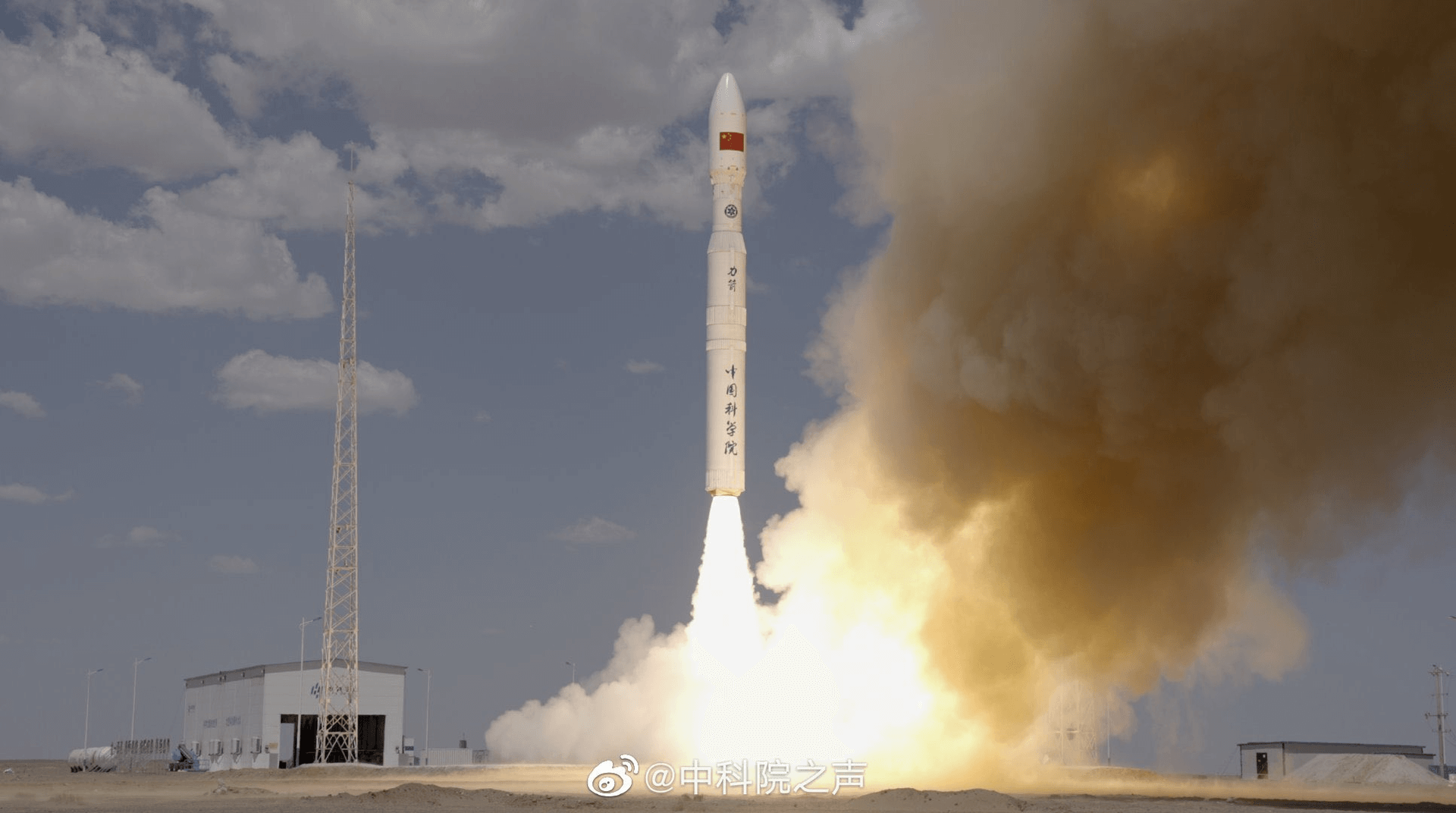
Provider: CAS Space Date: May 15, 2026 Time: 4:30 AM UTC Vehicle: Kinetica 1
Details TBD.
Starlink Group 17-37
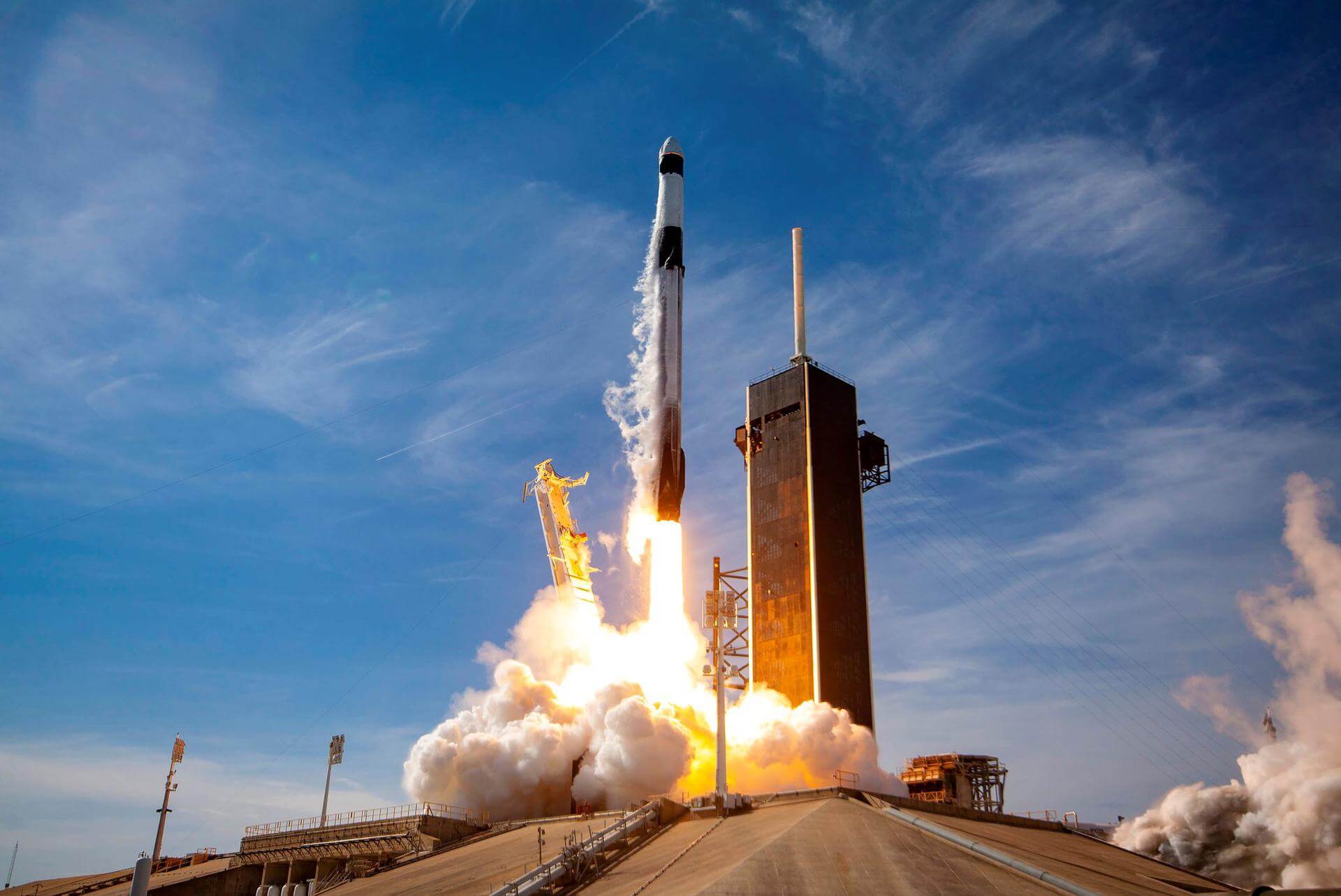
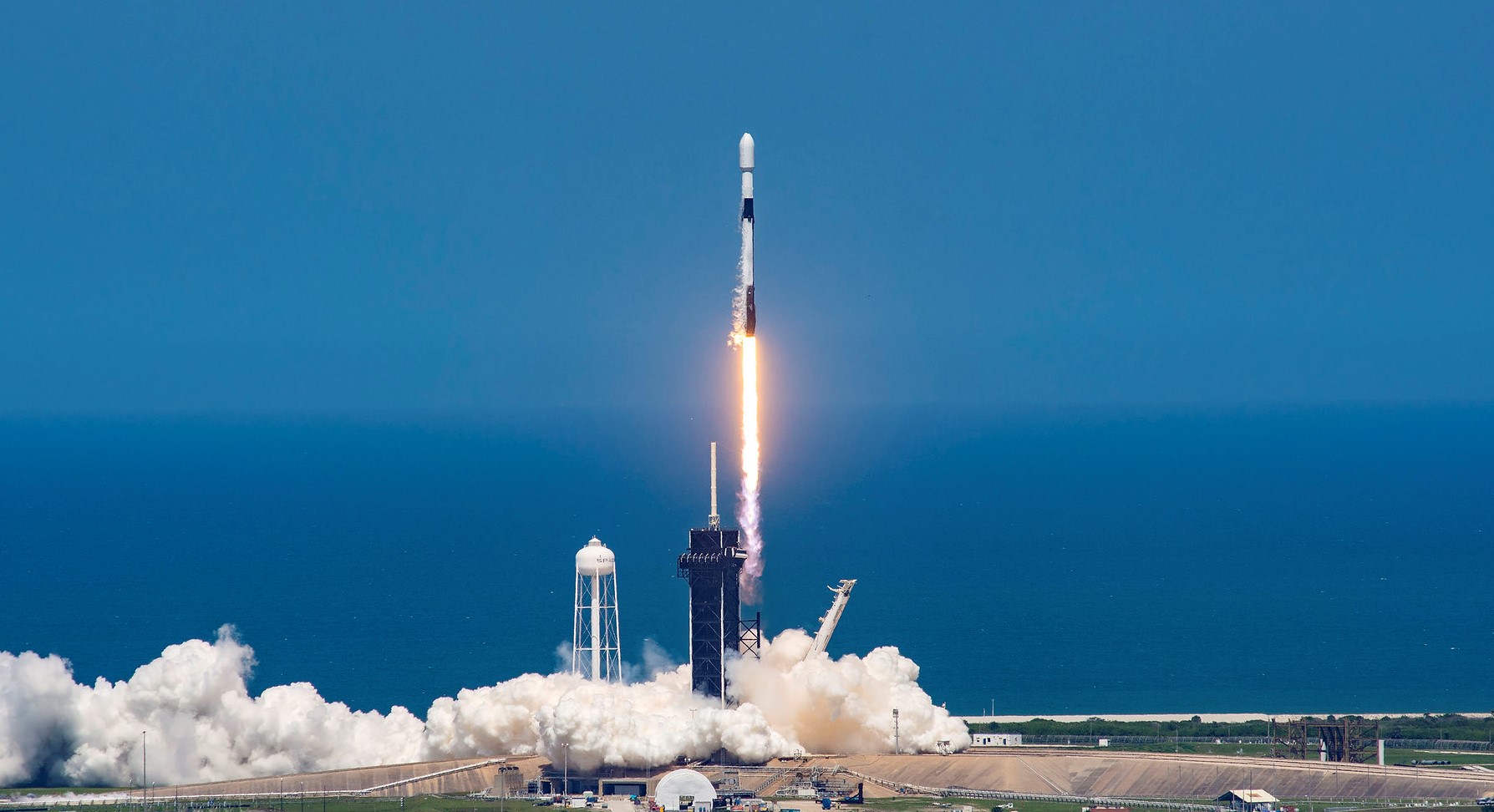
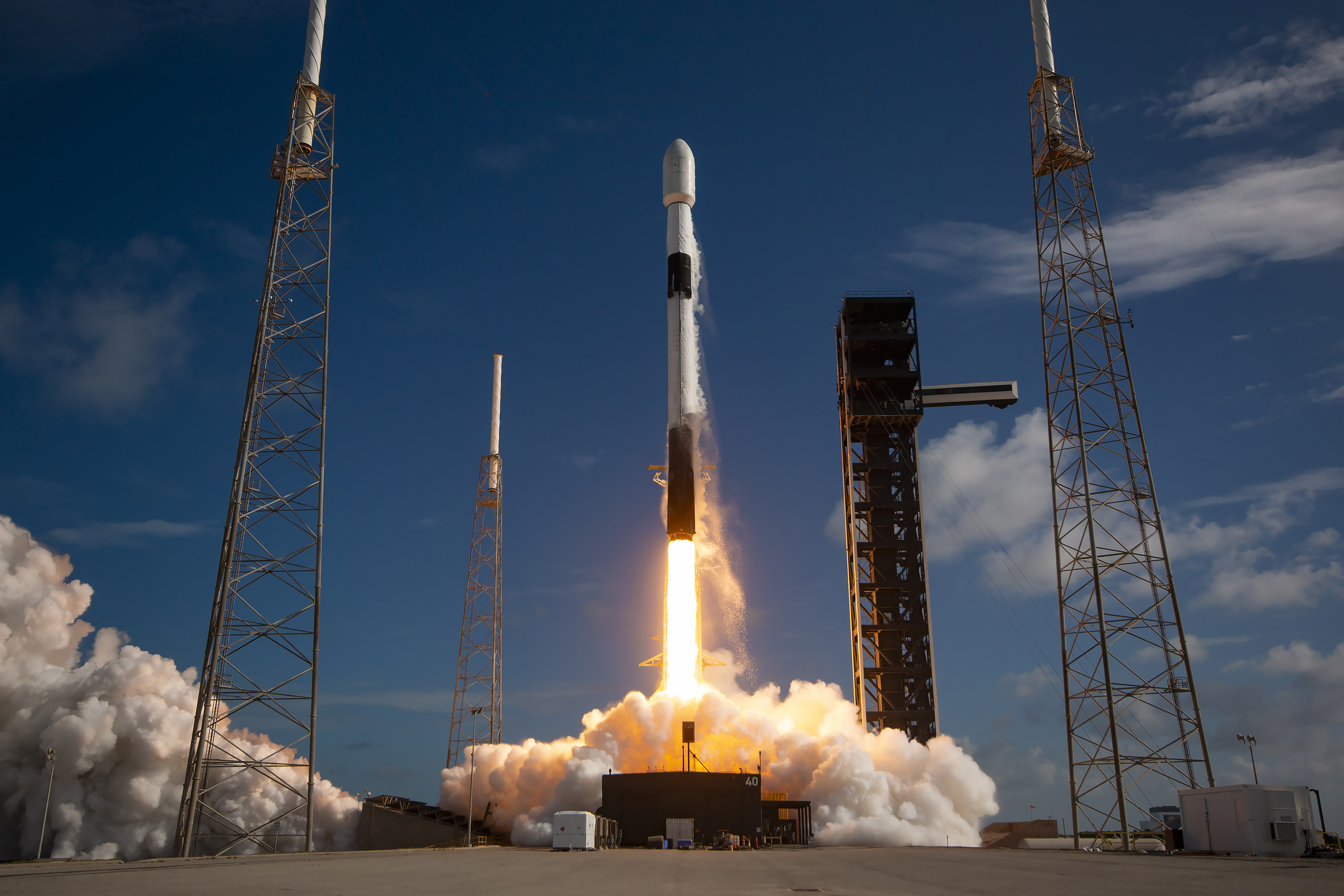
Provider: SpaceX Date: May 15, 2026 Time: 2:00 PM UTC Vehicle: Falcon 9
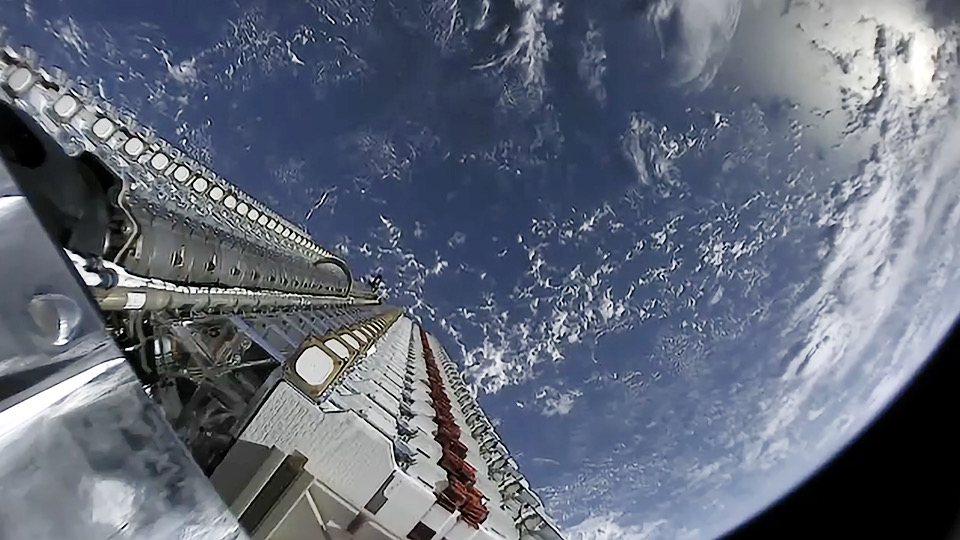
A batch of 24 satellites for the Starlink mega-constellation – SpaceX’s project for space-based Internet communication system.
Dragon CRS-2 SpX-34
Provider: SpaceX Date: May 15, 2026 Time: 10:05 PM UTC Vehicle: Falcon 9
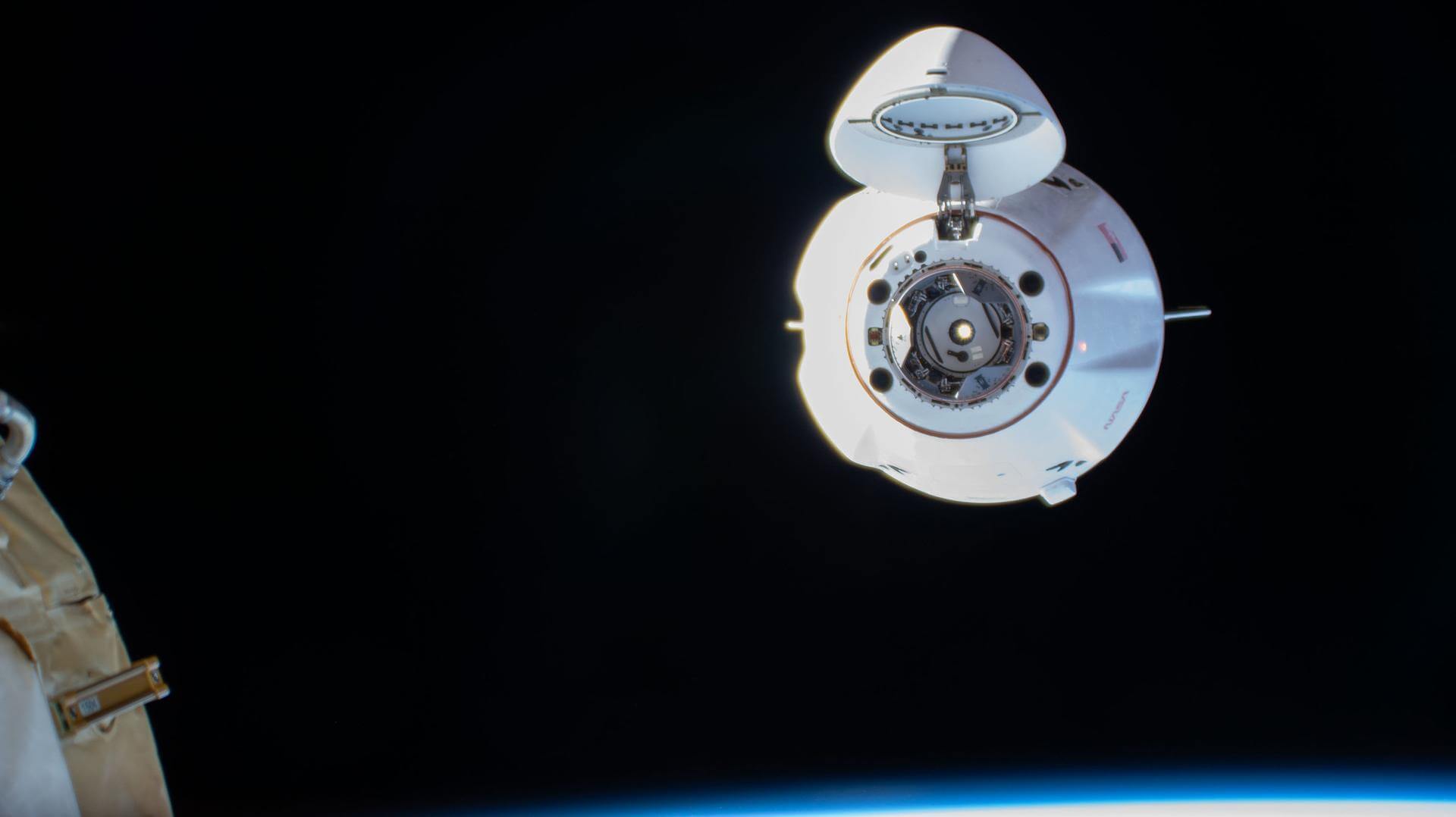
34th commercial resupply services mission to the International Space Station operated by SpaceX. The flight will be conducted under the second Commercial Resupply Services contract with NASA.
Cargo Dragon 2 brings supplies and payloads, including critical materials to directly support science and research investigations that occur onboard the orbiting laboratory.
Unknown Payload
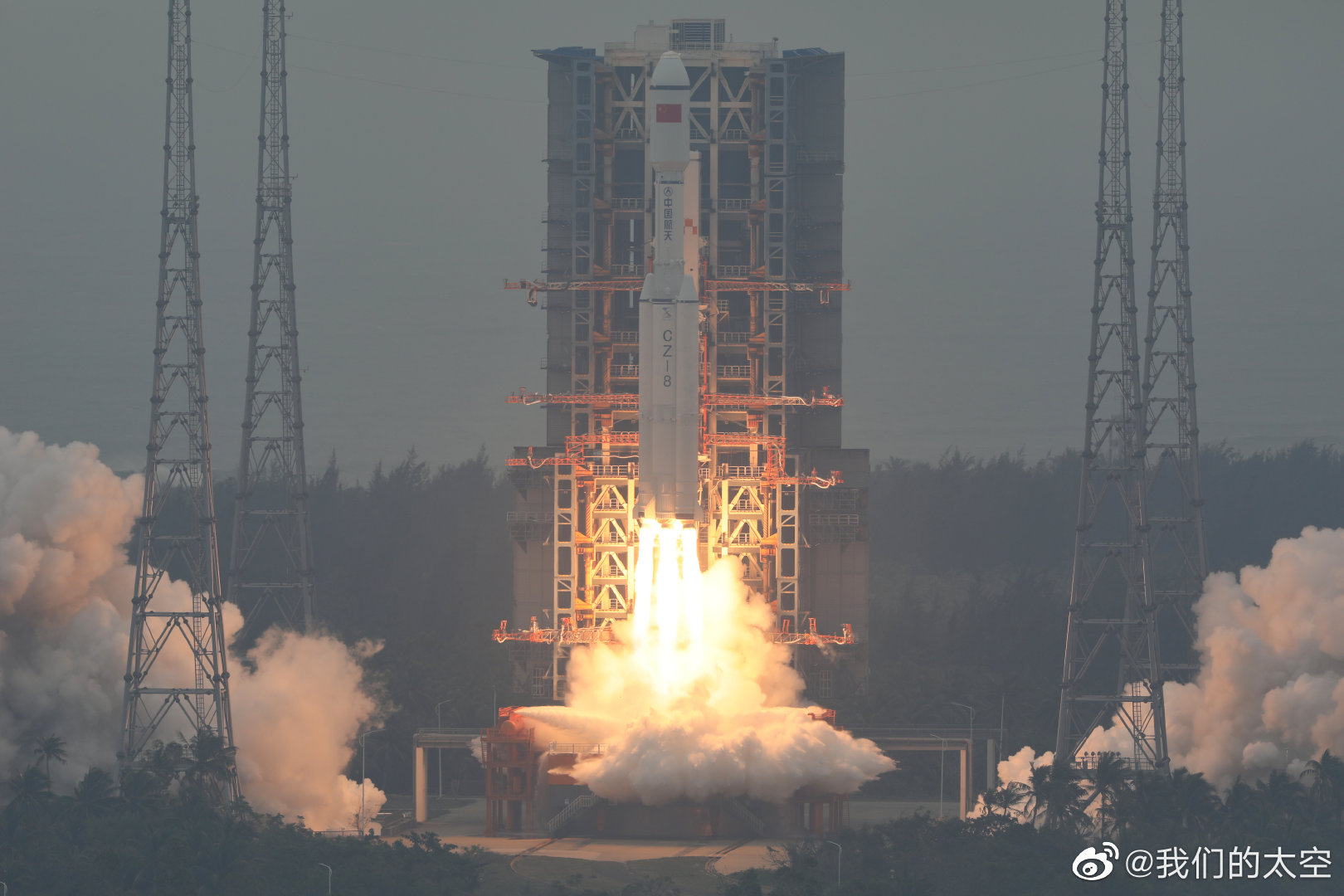
Provider: China Aerospace Science and Technology Corporation Date: May 17, 2026 Time: 2:40 PM UTC Vehicle: Long March 8
Details TBD.
Starlink Group 17-42
Provider: SpaceX Date: May 19, 2026 Time: 2:11 AM UTC Vehicle: Falcon 9
A batch of 24 satellites for the Starlink mega-constellation – SpaceX’s project for space-based Internet communication system.
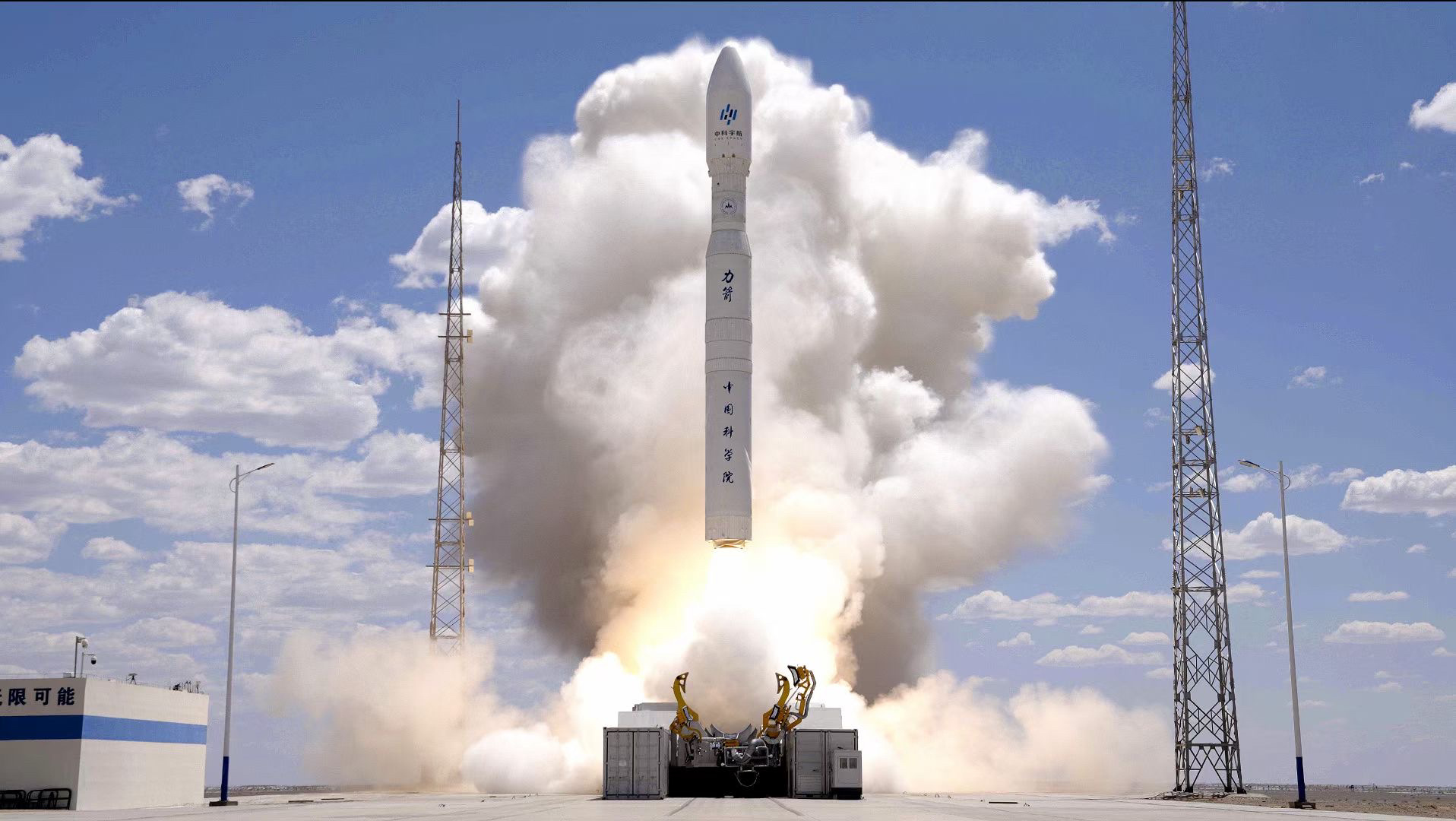
Kinetica 1 (also known as Lijian-1, Chinese: 力箭一号) is a Chinese solid-propellant light launch vehicle. It is capable of placing about 2 tons into low earth orbit and 1.5 tons into sun-synchronous orbit. It is developed by CAS Space, a subsidiary of the Chinese Academy of Sciences. Kinetica 1 is a…
Specifications
Length30 m
Diameter2.65 m
Launch Mass135 t
Liftoff Thrust1,961 kN
LEO Capacity2,000 kg
SSO Capacity1,500 kg
ReusableNo
Maiden Flight2022-07-27
Launch Record
11 successful / 12 total launches
Current streak: 6 successful
Starlink Group 17-37 ×
Mission Details
TypeCommunications
OrbitLow Earth Orbit
TargetEarth
A batch of 24 satellites for the Starlink mega-constellation – SpaceX’s project for space-based Internet communication system.
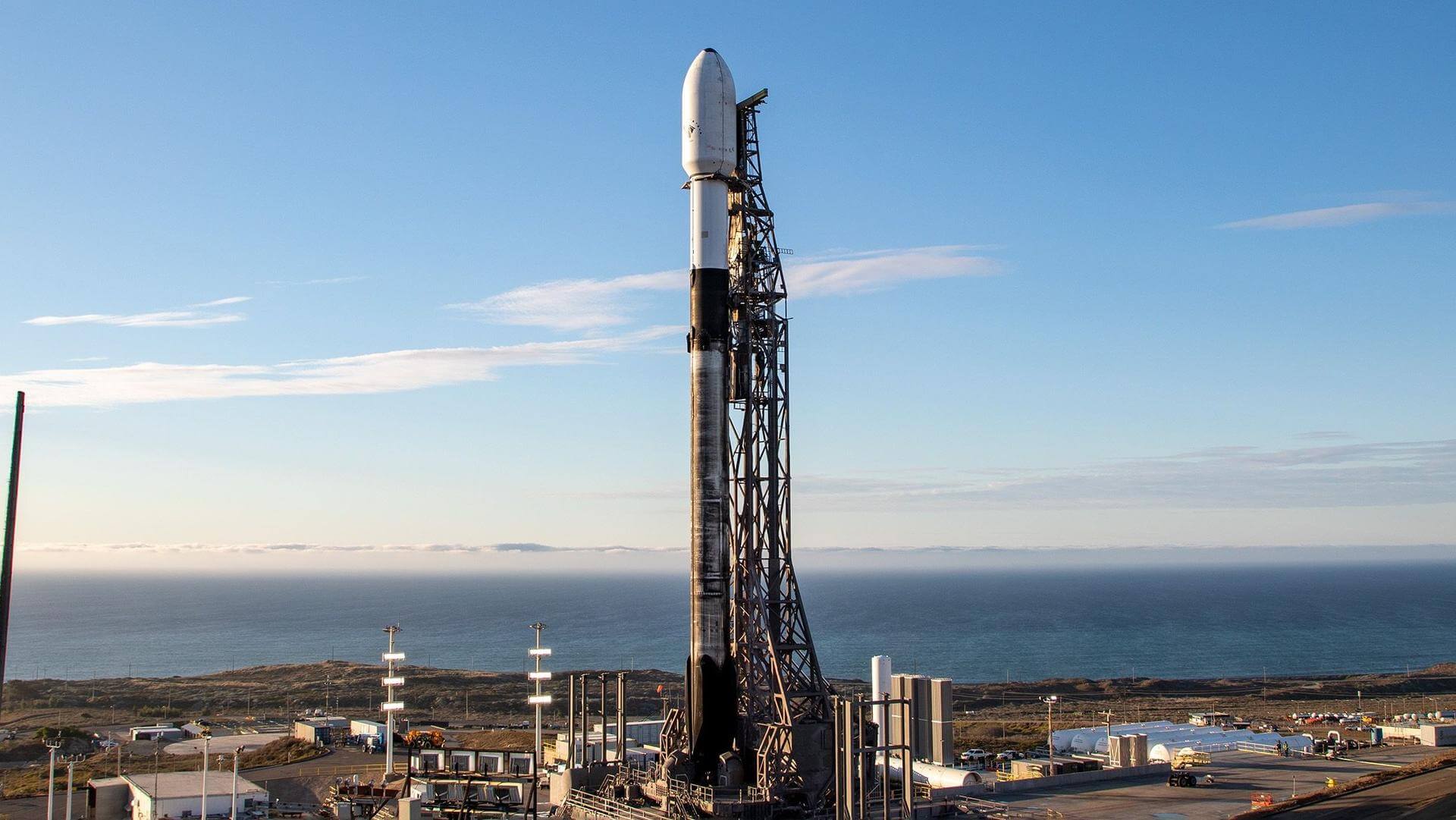
Falcon 9 is a two-stage rocket designed and manufactured by SpaceX for the reliable and safe transport of satellites and the Dragon spacecraft into orbit. The Block 5 variant is the fifth major interval aimed at improving upon the ability for rapid reusability.
The Falcon 9 first stage B1103 will land on ASDS OCISLY after its 2nd flight.
Dragon CRS-2 SpX-34 ×
Mission Details
TypeResupply
OrbitLow Earth Orbit
TargetEarth
34th commercial resupply services mission to the International Space Station operated by SpaceX. The flight will be conducted under the second Commercial Resupply Services contract with NASA.
Cargo Dragon 2 brings supplies and payloads, including critical materials to directly support science and research investigations that occur onboard the orbiting laboratory.
• National Aeronautics and Space Administration (Government)
Program: Commercial Resupply Services
Commercial Resupply Services (CRS) are a series of flights awarded by NASA for the delivery of cargo and supplies to the International Space Station.The first CRS contracts were signed in 2008 and awarded $1.6 billion to SpaceX for twelve cargo Dragon and $1.9 billion to Orbital Sciences for eight Cygnus flights, covering deliveries to 2016. The Falcon 9 and Antares rockets were also developed under the CRS program to deliver cargo spacecraft to the ISS.
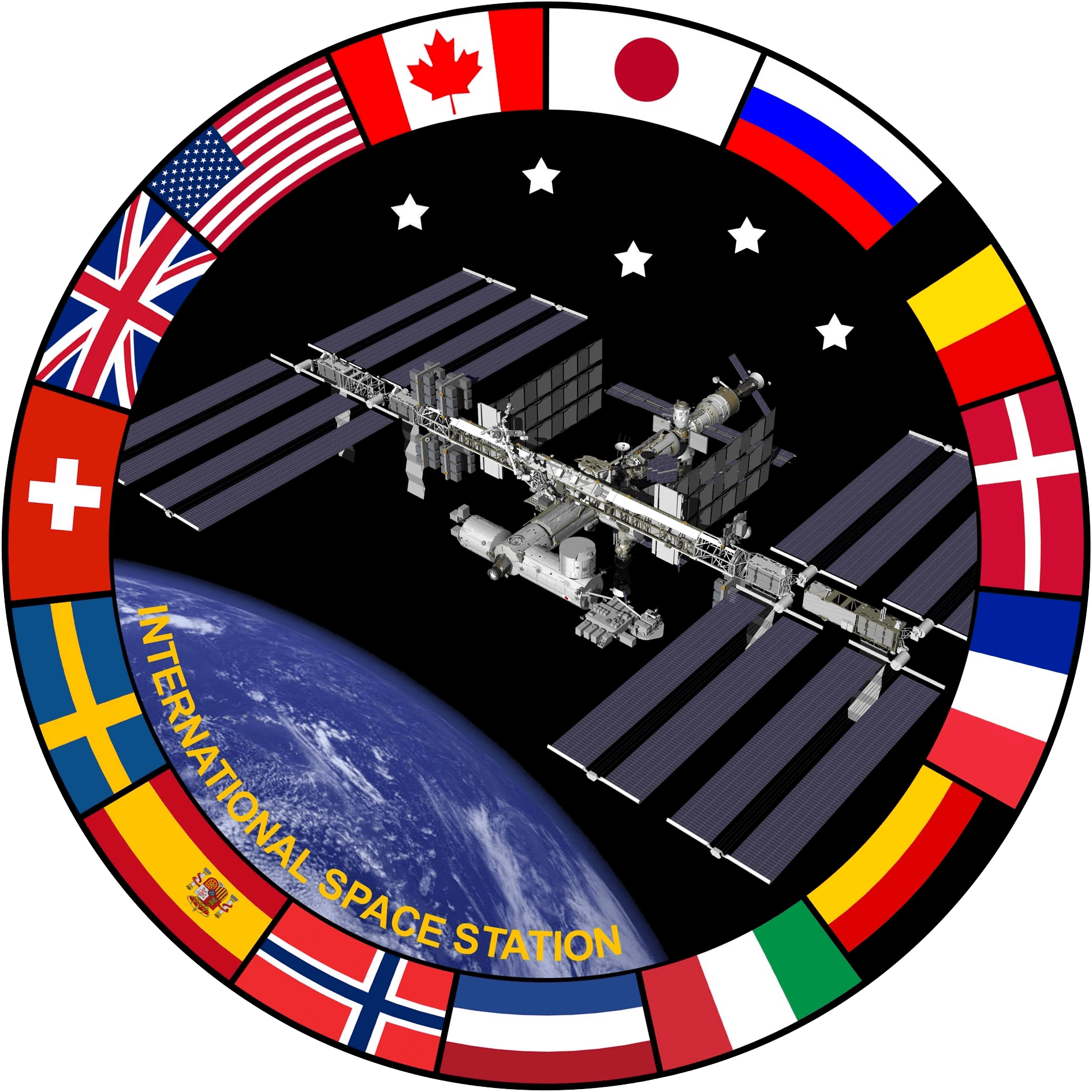
The International Space Station programme is tied together by a complex set of legal, political and financial agreements between the sixteen nations involved in the project, governing ownership of the various components, rights to crewing and utilization, and responsibilities for crew rotation and resupply of the International Space Station. It was conceived in 1984 by President Ronald Reagan, during the Space Station Freedom project as it was originally called.
Falcon 9 is a two-stage rocket designed and manufactured by SpaceX for the reliable and safe transport of satellites and the Dragon spacecraft into orbit. The Block 5 variant is the fifth major interval aimed at improving upon the ability for rapid reusability.
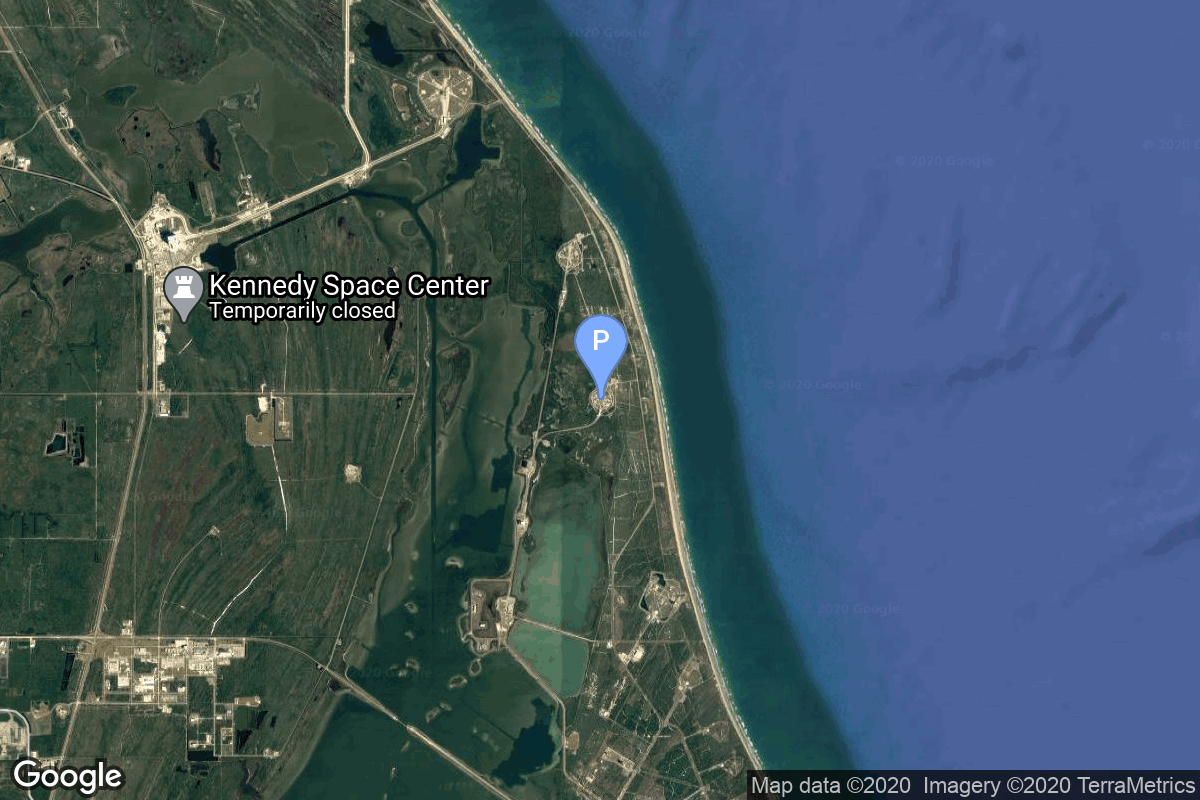
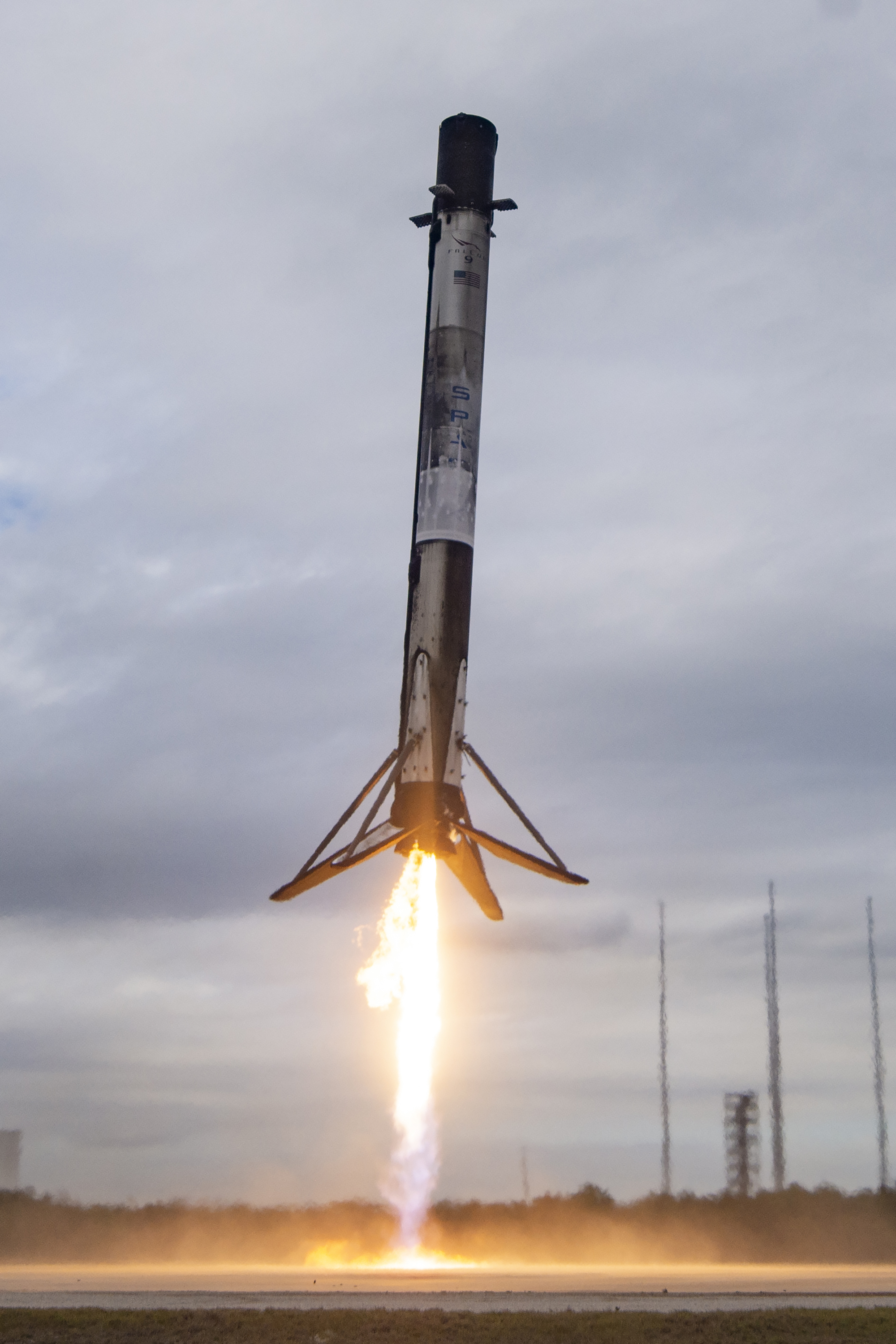
The Falcon 9 first stage B1096 will land back at the launch site at Landing Zone 40 after its 6th flight.
Spacecraft: Cargo Dragon C209
Second Cargo Dragon 2
Specifications
SerialC209
TypeCapsule
StatusActive
DestinationISS
Height7.2 m
Diameter3.7 m
Maiden Flight2020-12-06
Payload Capacity6,000 kg
Return Capacity3,000 kg
Time in Space175 Days, 23 Hours, 36 Minutes
Missions Flown5
Turnaround355 Days, 16 Hours, 21 Minutes
Fastest Turnaround164 Days, 6 Hours, 38 Minutes
History
Cargo Dragon 2 is an updated version of the original Dragon spaceship designed to service the International Space Station with first flights conducted in 2020.
In contrast to Dragon 1 it docks to the International Space Station instead of being berthed by the Canada Arm.
Capability
Cargo Earth Orbit Logistics
Details
Cargo Dragon 2 is a autonomous spaceship capable of bringing science to and from the International Space Station with large pressurized and un-pressurized sections to support a variety of missions.
Flight Life
Able to fly for up to one week of free flight or two years docked.
Long March 8 (Chinese: 长征八号运载火箭) is an orbital launch vehicle developed by the China Academy of Launch Vehicle Technology to launch up to 5000 kg to a 700 km altitude Sun-synchronous orbit (SSO). The rocket is based on the Long March 7 with its first stage and 2 out of its 4 boosters, along with…
Falcon 9 is a two-stage rocket designed and manufactured by SpaceX for the reliable and safe transport of satellites and the Dragon spacecraft into orbit. The Block 5 variant is the fifth major interval aimed at improving upon the ability for rapid reusability.
Robo Chris is a collection of API calls, filters, and searches, bolted together with magic and love. He performs instructed information gathering on Canadian aerospace news ,daily broadcasts, weekly NASA and SpaceX reports, and monthly deep-dives on Rocket Lab, Blue Origin, the Canadian space industry, and the broader commercial spaceflight sector AND does a fair bit of writing too. Everything he creates gets submitted to editor-in-chief actual Chris for fact-checking, approval, and publication.