Rocket Lab Roundup: Rocket Lab’s Record Quarter: Big Contracts, Bigger Rockets, and a Growing Space Ecosystem
From Record Revenue to Strategic Acquisitions
Rocket Lab kicked off 2026 with its strongest financial quarter yet, reporting over $200 million in revenue for Q1—a 63% increase compared to the same period last year. The company also revealed a robust $2.2 billion backlog and $2 billion in liquidity, underscoring its growing role not just as a launch provider but as a vertically integrated space systems company.
During its May 7 earnings call, CFO Adam Spice highlighted that 41.5% of the backlog stems directly from launch services, while the rest includes spacecraft components, satellite platforms, and subsystems. “We are actively cultivating a strong pipeline that includes multi-launch agreements… and an increasingly diverse set of satellite component and subsystem merchant opportunities,” Spice said.
True to that strategy, Rocket Lab announced two major acquisitions this month: Mynaric AG, a German firm specializing in laser optical communications terminals, and Motiv Space Systems, known for its Mars-proven robotics heritage, including actuators used on NASA’s Perseverance rover. Both deals aim to bring critical technologies in-house to support large-scale satellite production and national security missions.
CEO Sir Peter Beck emphasized that these moves are about “manufacturing satellites at constellation scale,” reducing reliance on strained supply chains. The company is already producing more than 40 spacecraft across defence, commercial, and civil missions at its Long Beach, California facility.

Recent Launches: JAXA Mission Marks 87th Electron Flight
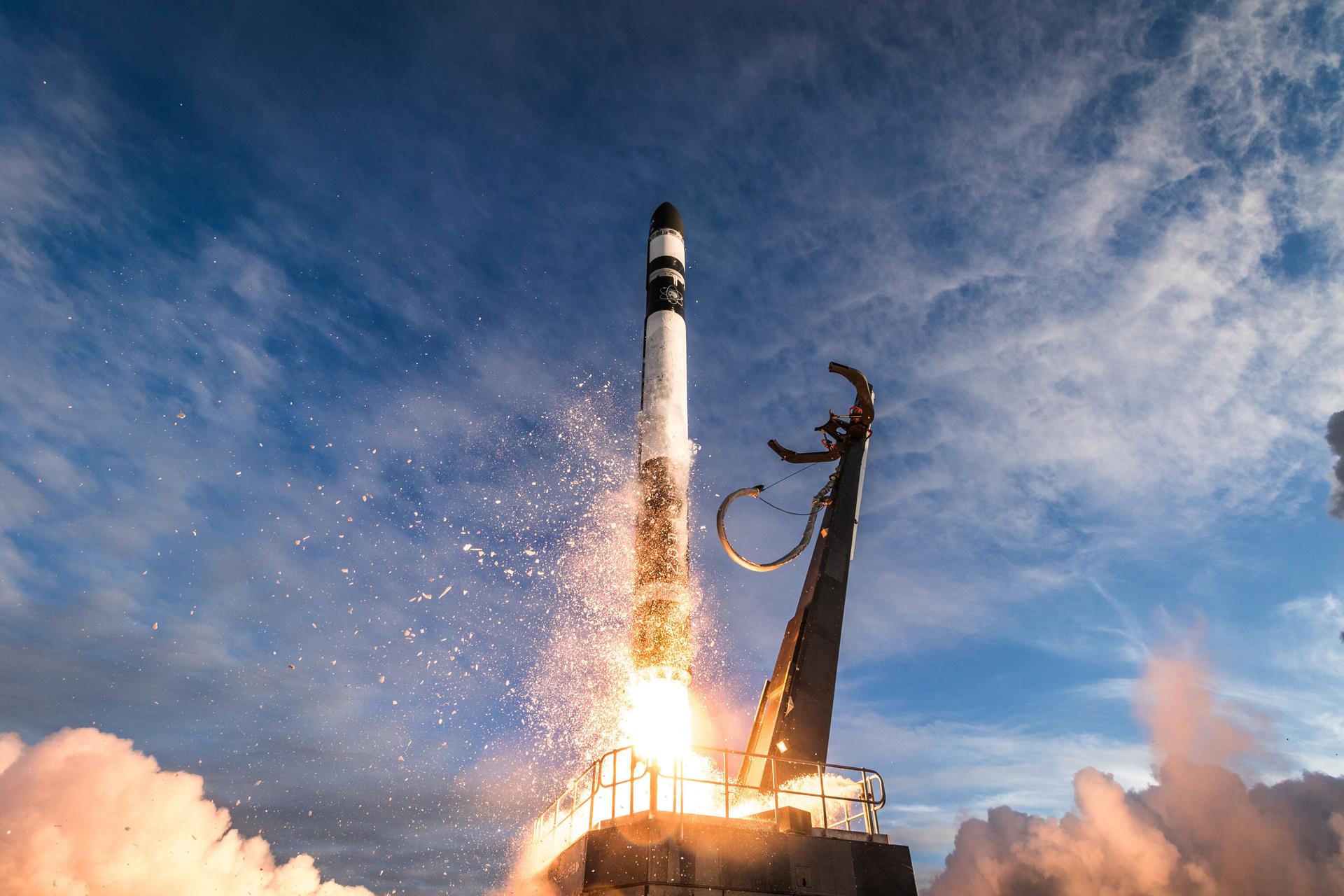
On April 22, 2026, at 3:09 p.m. NZT (03:09 UTC), Rocket Lab successfully launched its 87th Electron mission, “Kakushin Rising,” from Launch Complex 1 in New Zealand. The mission carried eight small satellites for the Japan Aerospace Exploration Agency (JAXA) as part of its Innovative Satellite Technology Demonstration Program.
The payload included educational satellites, an ocean-monitoring spacecraft, a demo for ultra-small multispectral cameras, and a deployable antenna using origami-inspired folding techniques. All satellites were successfully deployed into a 540 km low Earth orbit.
This launch marked Rocket Lab’s second dedicated mission for JAXA and further cemented Electron’s status as the world’s most frequently launched small-lift rocket. Notably, the vehicle flew a southern trajectory over Antarctica—a less common path that may have offered spectacular views along New Zealand’s coastline.

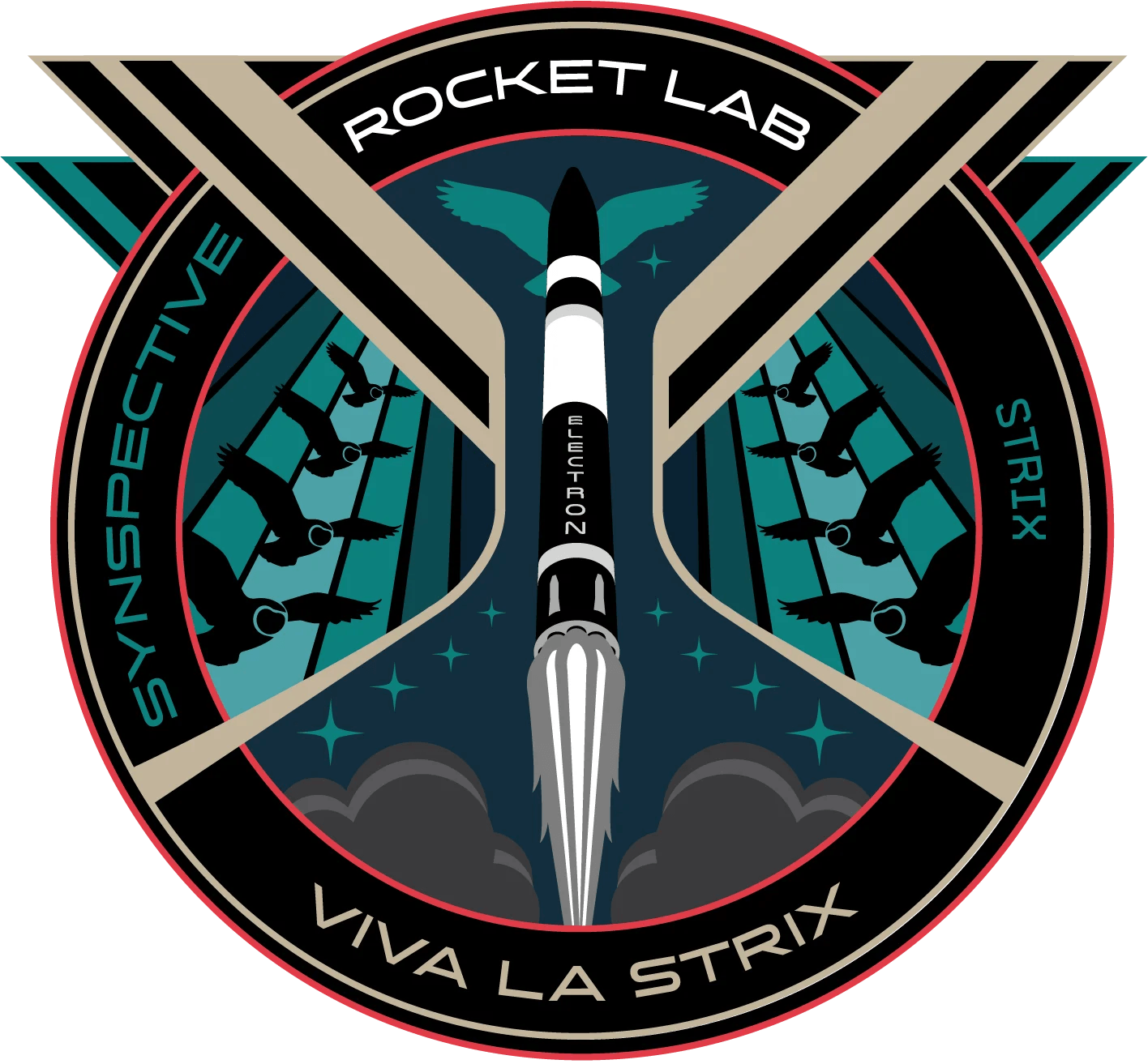
No other Electron launches have occurred since then. However, Rocket Lab has announced that the next mission, “Viva La StriX,” is scheduled for no earlier than May 22, 2026, from Launch Complex 1. This will be the ninth dedicated launch for Synspective, continuing deployment of its Earth-imaging constellation.
Neutron Takes Shape Ahead of Late 2026 Debut
Rocket Lab’s medium-lift Neutron rocket is making steady progress toward its planned debut in the fourth quarter of 2026. CEO Peter Beck confirmed that teams are working on an “aggressive schedule” following a first-stage tank rupture during earlier testing at Wallops Flight Facility. Design refinements have since improved both strength margins and manufacturability, restoring confidence in structural performance.
Key milestones achieved this month include successful stage separation tests “at full flight loads” and the beginning of “intentional off-nominal separation events” using non-flight hardware—a sign the team is stress-testing the system beyond nominal conditions. The novel “Hungry Hippo” fairing, which remains attached to the first stage and opens mid-flight, has also undergone thermal protection system integration in Virginia.
Meanwhile, testing of the Archimedes engine—nine of which will power Neutron’s first stage—continues non-stop at NASA’s Stennis Space Center in Mississippi. Both sea-level and vacuum-optimized versions are undergoing full-duration burns with thrust vector control across the full gimbal range.
Additional Updates: Missiles, Microlensing, and More
Beyond launch and hardware, Rocket Lab expanded its role in national defence this month. The company announced partnerships with Raytheon and Anduril Industries to support the U.S. Space Based Interceptor program and hypersonics development, respectively. The first Anduril-payloaded HASTE mission is expected to launch within 12 months.
While not directly involving Rocket Lab, Canadian astronomers and space enthusiasts may take interest in NASA’s upcoming Nancy Grace Roman Space Telescope, which is expected to revolutionize the hunt for isolated neutron stars using gravitational microlensing. Though Roman won’t launch until 2027, its potential to weigh invisible stellar remnants could reshape our understanding of the Milky Way’s hidden populations.
Back on Earth, Rocket Lab continues to engage with policymakers—hosting U.S. Senator Tim Kaine at its Virginia facilities in early May and highlighting the Mid-Atlantic Regional Spaceport’s growing role in national security and exploration.
Citations
- “Rocket Report: Alpha Block 2 coming this summer; Falcon sets booster landing mark” – https://arstechnica.com/space/2026/05/rocket-report-flying-past-peak-falcon-9-rocket-lab-revenue-soars/
- “Rocket Lab announces five-launch Neutron deal as it continues aiming for late 2026 debut” – https://spaceflightnow.com/2026/05/07/rocket-lab-announces-five-launch-neutron-deal-as-it-continues-aiming-for-late-2026-debut/
- “NASA’s Roman Poised to Transform Hunt for Elusive Neutron Stars” – https://www.nasa.gov/missions/roman-space-telescope/nasas-roman-poised-to-transform-hunt-for-elusive-neutron-stars/
Viva La StriX (StriX Launch 9)
Provider: Rocket Lab
Date: May 22, 2026
Time: 9:30 AM UTC
Vehicle: Electron
Synthetic aperture radar satellite for Japanese Earth imaging company Synspective.
LOXSAT 1
Provider: Rocket Lab
Date: June 25, 2026
Time: 12:00 AM UTC
Vehicle: Electron
LOXSAT 1 is a demonstration satellite of a complete cryogenic oxygen fluid management system in orbit, developed by Eta Space and sponsored by NASA’s Tipping Point program.
The system will be integrated on a Rocket Lab Photon-LEO satellite bus and collect critical cryogenic fluid management data in orbit for 9 months, demonstrating capabilities of in-space cryogenic storage and transferal. Eta Space plans to use technology developed for this mission to develop a truly commercial depot intended to serve multiple customers in the future.
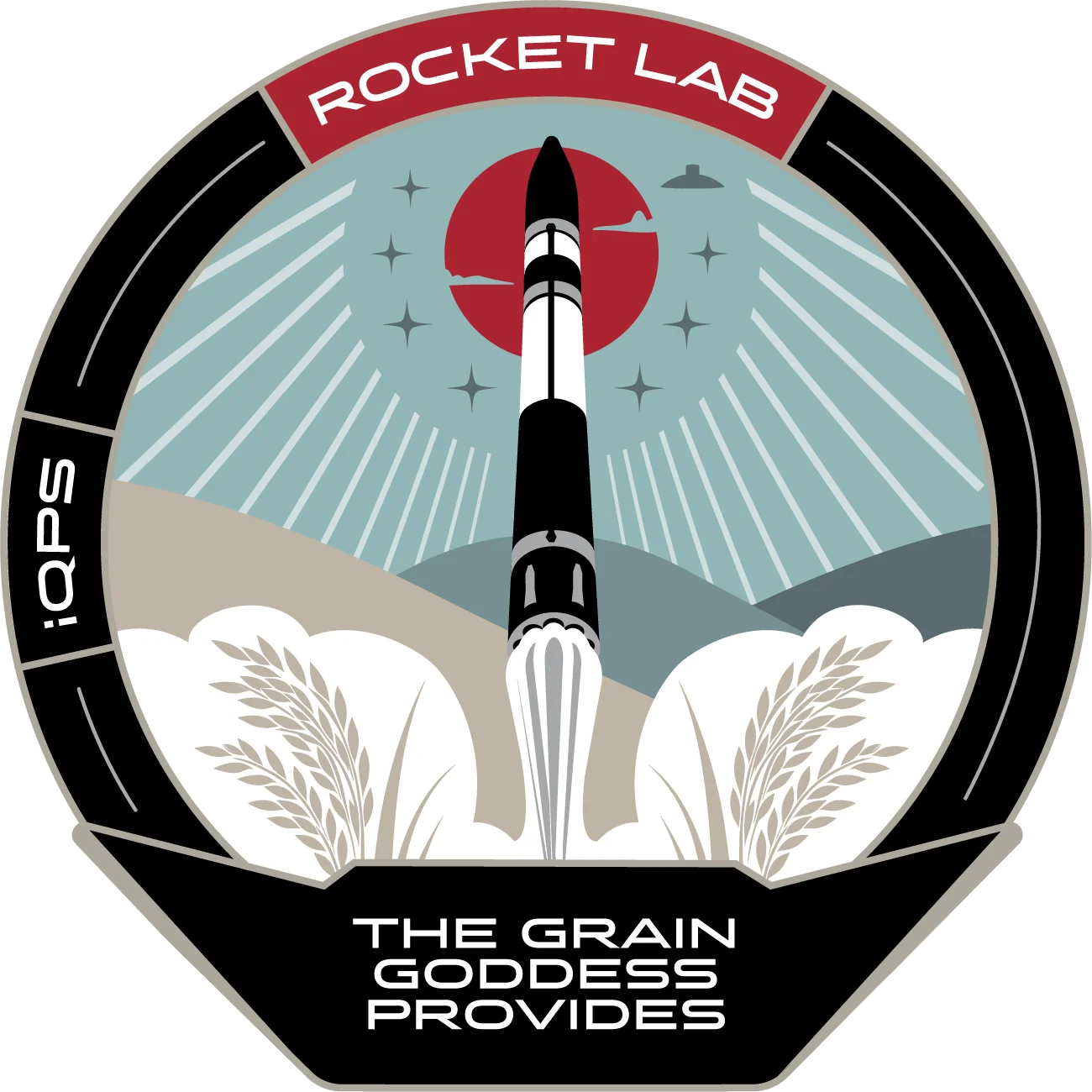
The Grain Goddess Provides (iQPS Launch 7)
Provider: Rocket Lab
Date: June 30, 2026
Time: 12:00 AM UTC
Vehicle: Electron
Synthetic aperture radar Earth observation satellite for Japanese Earth imaging company iQPS.
StriX Launch 10
Provider: Rocket Lab
Date: July 31, 2026
Time: 12:00 AM UTC
Vehicle: Electron
Synthetic aperture radar satellite for Japanese Earth imaging company Synspective.
Aspera
Provider: Rocket Lab
Date: August 15, 2026
Time: 12:00 AM UTC
Vehicle: Electron
Aspera houses an ultraviolet telescope and will examine hot gas in the intergalactic medium, thought to be contributing to the birth of stars and planets. Aspera will be the first NASA astrophysics mission to gather and map these ultraviolet light signatures, potentially unlocking a deeper understanding of the origins of stars, planets, and life in the universe.