Star Catcher Raises US$65 Million to Build an Orbital Energy Grid
Star Catcher Industries has closed an oversubscribed US$65 million Series A funding round to accelerate development of an in-space power infrastructure system. The Florida-based company’s total capital raised now stands at US$88 million, and the funding—led by B Capital with co-leads Shield Capital and Cerberus Ventures—will support space-based demonstrations planned for later this year.
The core innovation addresses a genuine bottleneck: satellites in low Earth orbit currently generate approximately 1,000 watts of power on average, comparable to the consumption of a gaming computer. Star Catcher’s optical power-beaming system will deliver concentrated solar energy directly to commercial off-the-shelf solar panels on client spacecraft, bypassing the need for custom hardware. The result is dramatic—client satellites could generate up to 10 times more power using existing equipment.
The technology also tackles collision risk. By enabling satellites to shrink their massive onboard solar arrays, Star Catcher’s architecture reduces collision risks in LEO by 60% to 85% depending on orbit. For ambitious projects like gigawatt-class orbital data centres, the mass-per-power optimisation translates to projected revenue multipliers up to 3.5x. The company reports a commercial pipeline representing over US$3 billion in projected annual recurring revenue, with US$60 million in secured contracts and seven power purchase agreements already signed. The first space-based optical power-beaming mission is scheduled for later this year, with a second orbital mission already in development.
SpaceX Targets May 19 for Starship V3 Debut from Launch Pad 2
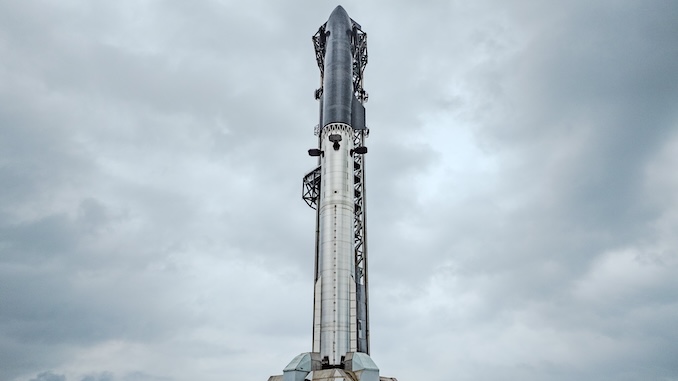
SpaceX is targeting no earlier than Tuesday, May 19 for the inaugural launch of Starship Version 3—Flight 12—which will also mark the first use of the company’s updated Launch Pad 2 at Starbase. The mission will debut multiple new systems: the redesigned Starship V3 and Super Heavy V3 vehicles, upgraded Raptor 3 engines, and an integrated hot-stage booster configuration.
This test flight represents a significant engineering advancement. The Raptor 3 sea-level engines now produce 250 tf (551,000 lbf), up from 230 tf, while vacuum variants produce 275 tf (606,000 lbf) up from 258 tf. Mass improvements are substantial too—sea-level engine weight drops to 1,525 kg from 1,630 kg, with overall vehicle-level mass savings reaching approximately 1 ton per engine through design simplification.
During the suborbital flight, SpaceX will load over 5,000 metric tonnes of propellant for the first time and conduct an integrated tanking test (completed on May 11). Booster 19 will perform a controlled splashdown in the Gulf of Mexico approximately seven minutes after liftoff, while Ship 39 will splash down in the Indian Ocean about an hour into flight. SpaceX will deploy 22 simulator Starlink satellites, with the final two scanning Starship’s heat shield to test readiness assessment methods. This milestone brings NASA closer to validating the propellant-transfer capabilities essential for lunar missions under Artemis.
Varda Partners with United Therapeutics to Develop Drugs in Microgravity
Varda Space Industries has announced a collaboration with United Therapeutics Corporation—a major publicly traded pharmaceutical firm—to develop improved treatments for rare lung disease using microgravity. The partnership marks a watershed moment: this is the first time a large, publicly traded pharmaceutical company is deploying capital from its own balance sheet, rather than relying on NASA subsidies, to manufacture a product in space.
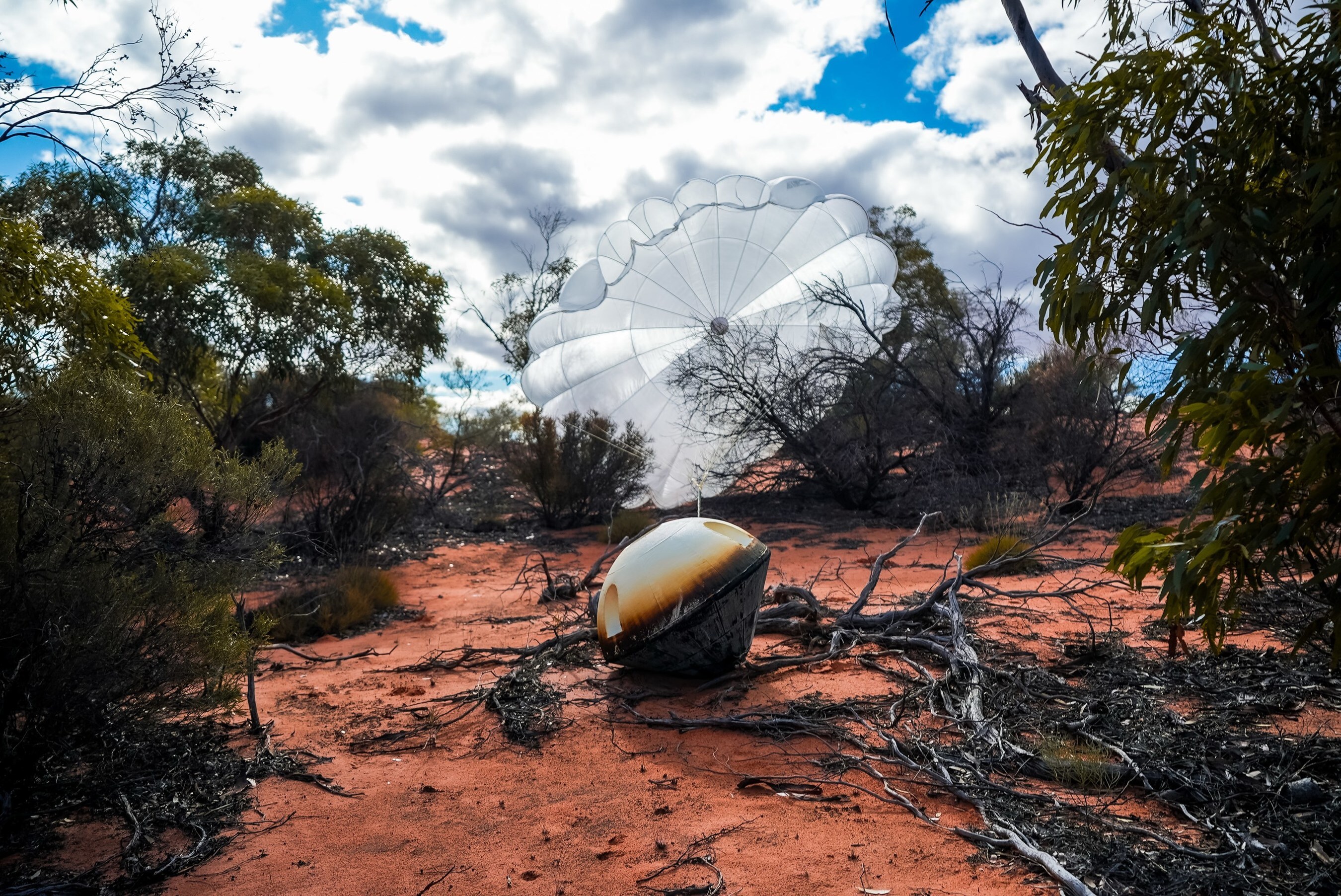
The science is compelling. When molecules crystallise in microgravity, they form more slowly and uniformly compared to Earth-based synthesis, yielding drugs that dissolve more consistently, retain longer shelf life, and reduce cold-storage requirements. Varda’s W-6 spacecraft is currently in orbit, and three more vehicles are being prepared for launch this year, with plans to increase cadence to seven launches in 2027.
Varda operates small, uncrewed capsules equipped with autonomous bioreactors that spend weeks to months in orbit before returning to Earth. The company plans to conduct extensive screening on the ground in its new 10,000 square-foot pharmaceutical lab in El Segundo, California, then take the most promising applications to space. Varda has raised US$330 million to date and employs about 200 people. Long term, the company aims to be a pharmaceutical company that operates in space, not simply a space company—building both the reentry systems and the largest customer for those systems through its own internal drug-manufacturing business.
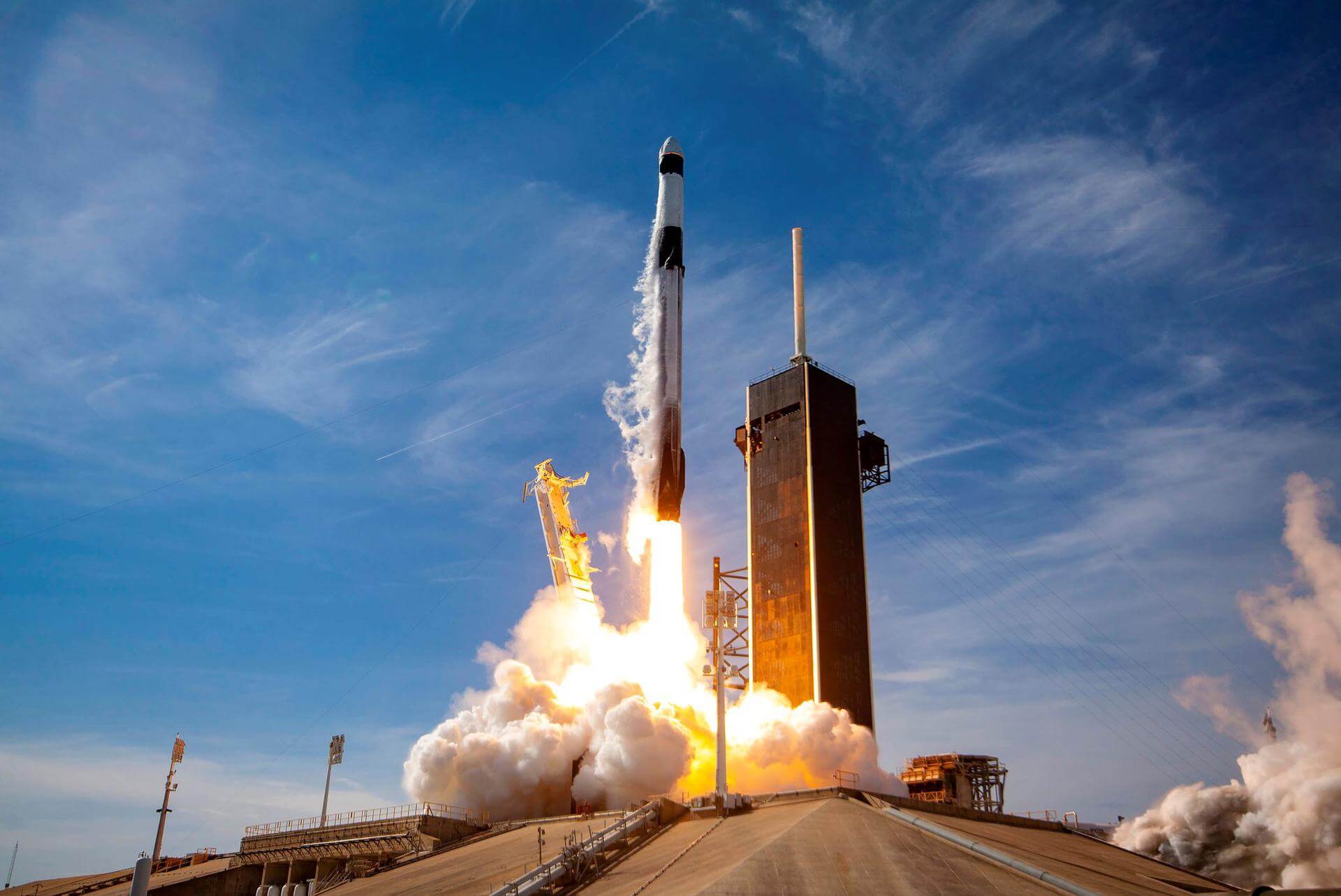
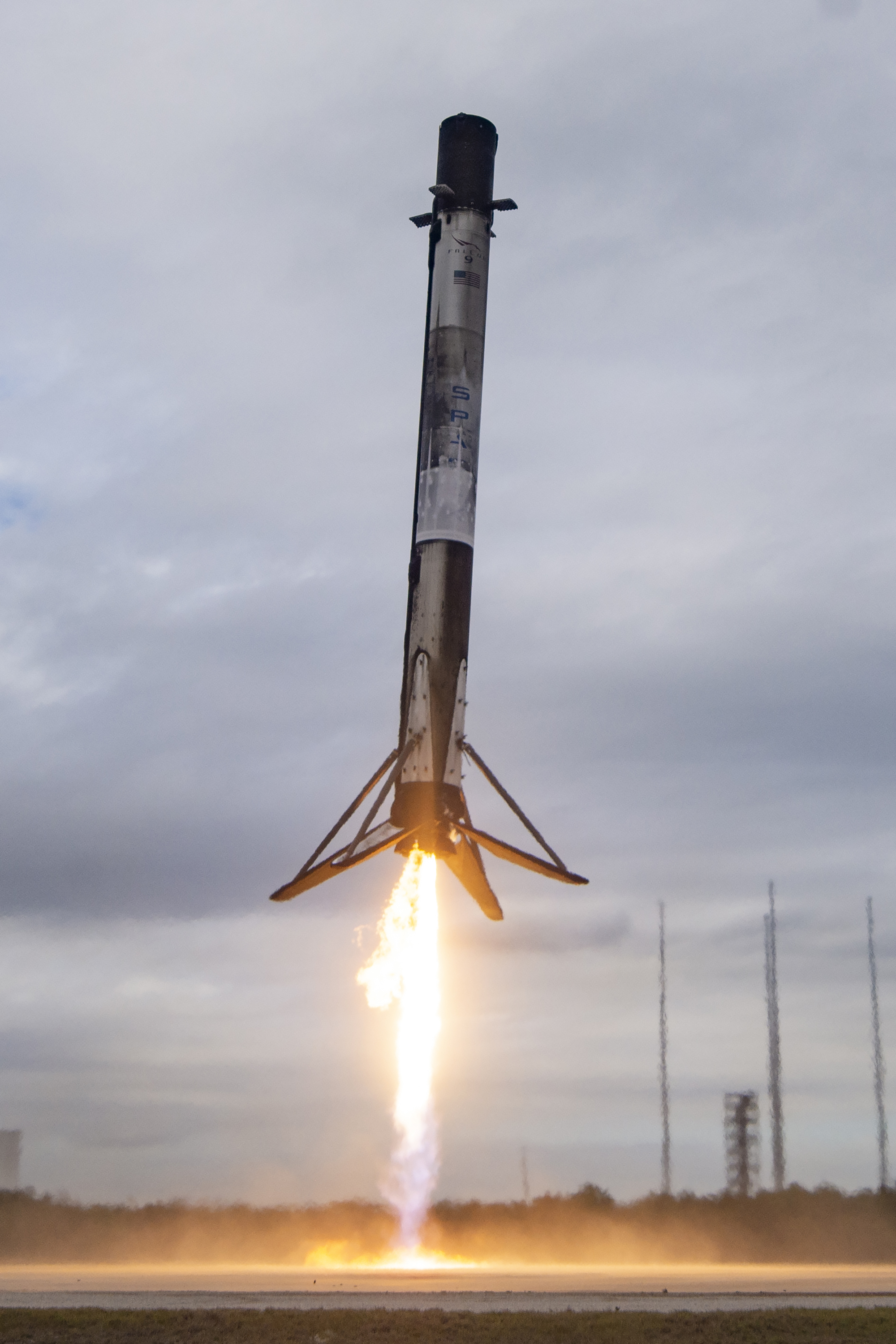
Provider: SpaceX Date: May 13, 2026 Time: 10:50 PM UTC Vehicle: Falcon 9
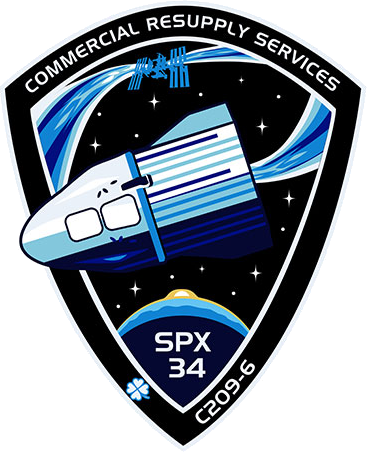
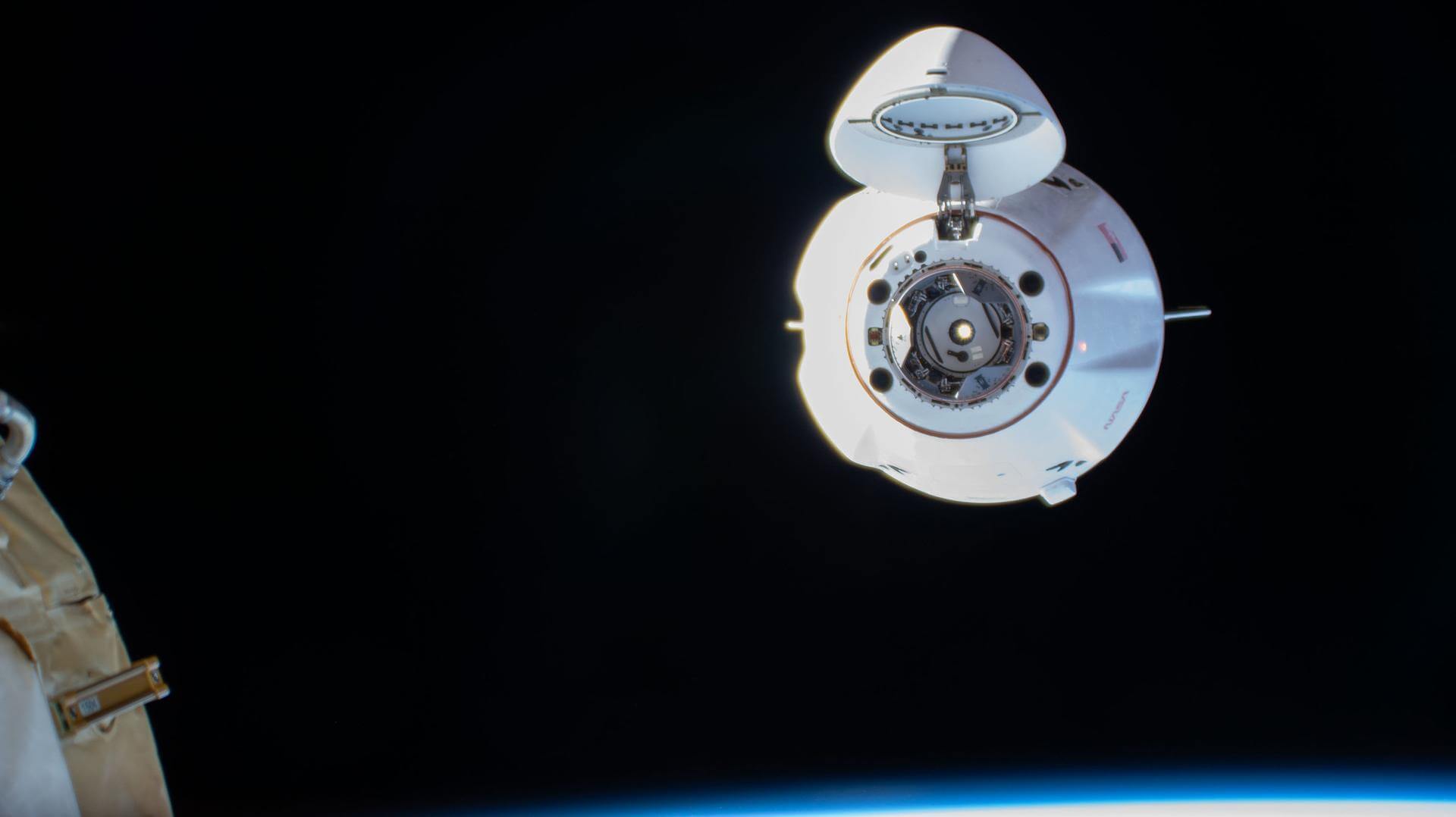
34th commercial resupply services mission to the International Space Station operated by SpaceX. The flight will be conducted under the second Commercial Resupply Services contract with NASA.
Cargo Dragon 2 brings supplies and payloads, including critical materials to directly support science and research investigations that occur onboard the orbiting laboratory.
Unknown Payload
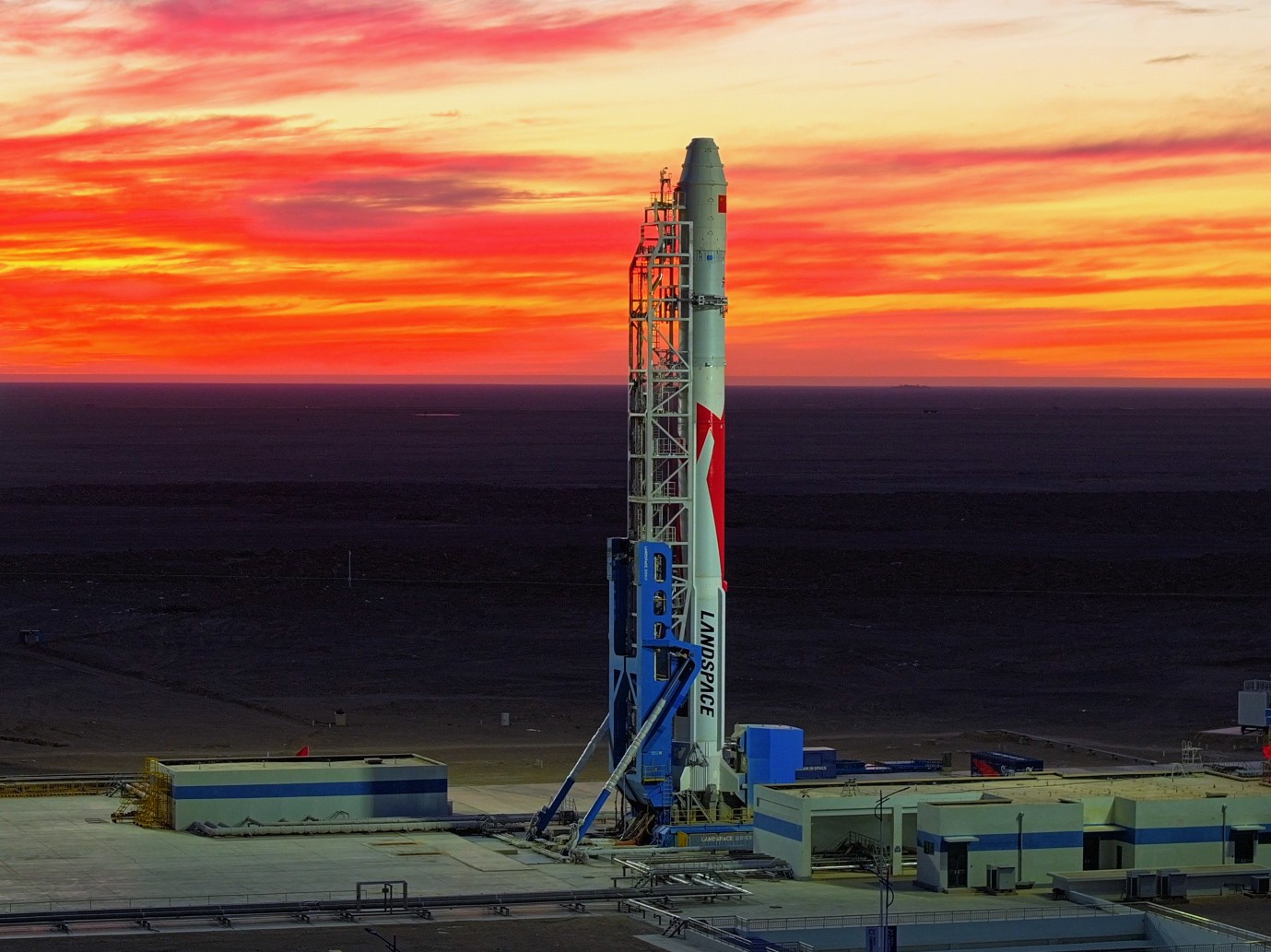
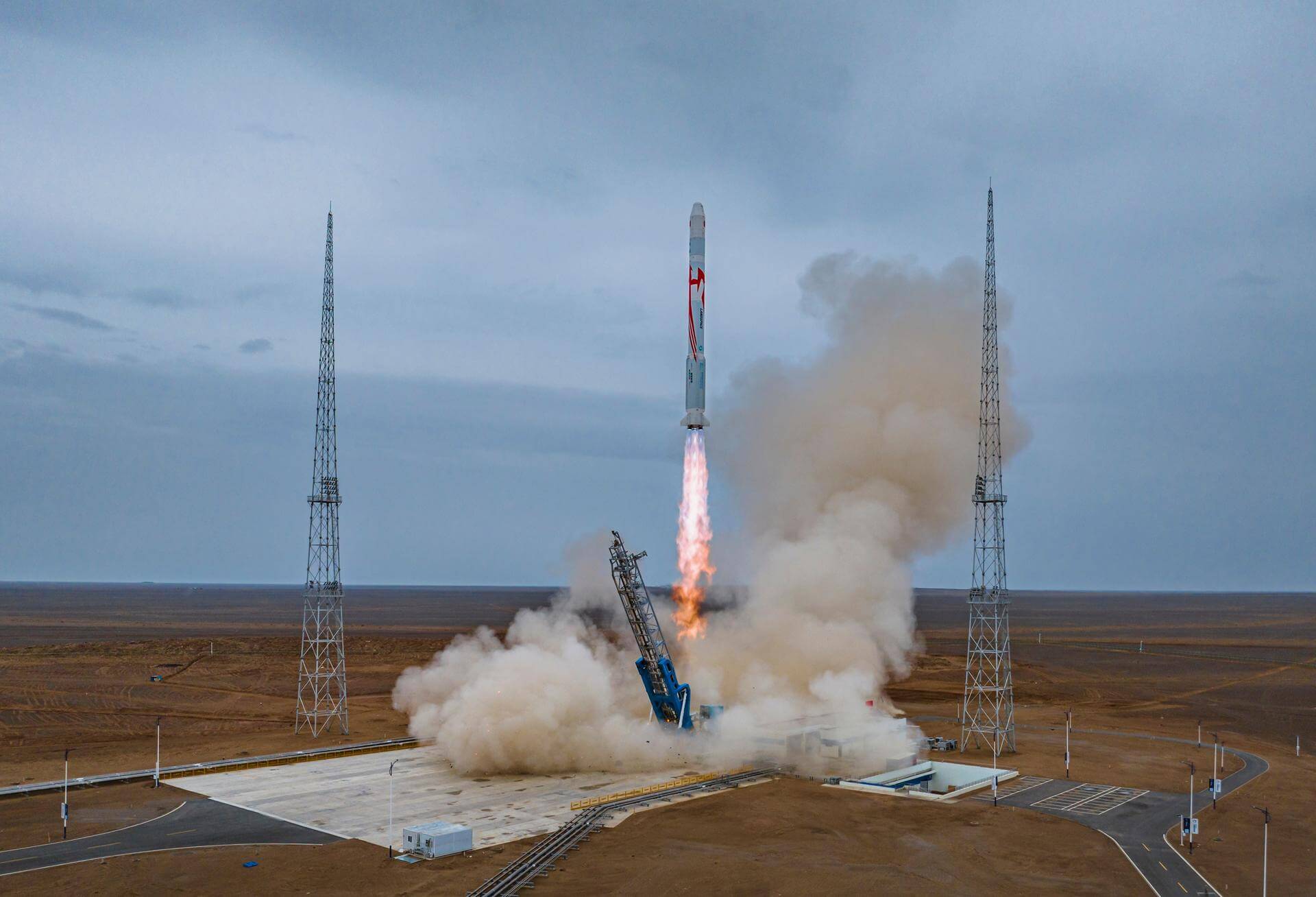
Provider: LandSpace Date: May 14, 2026 Time: 3:00 AM UTC Vehicle: Zhuque-2E
Details TBD.
Unknown Payload
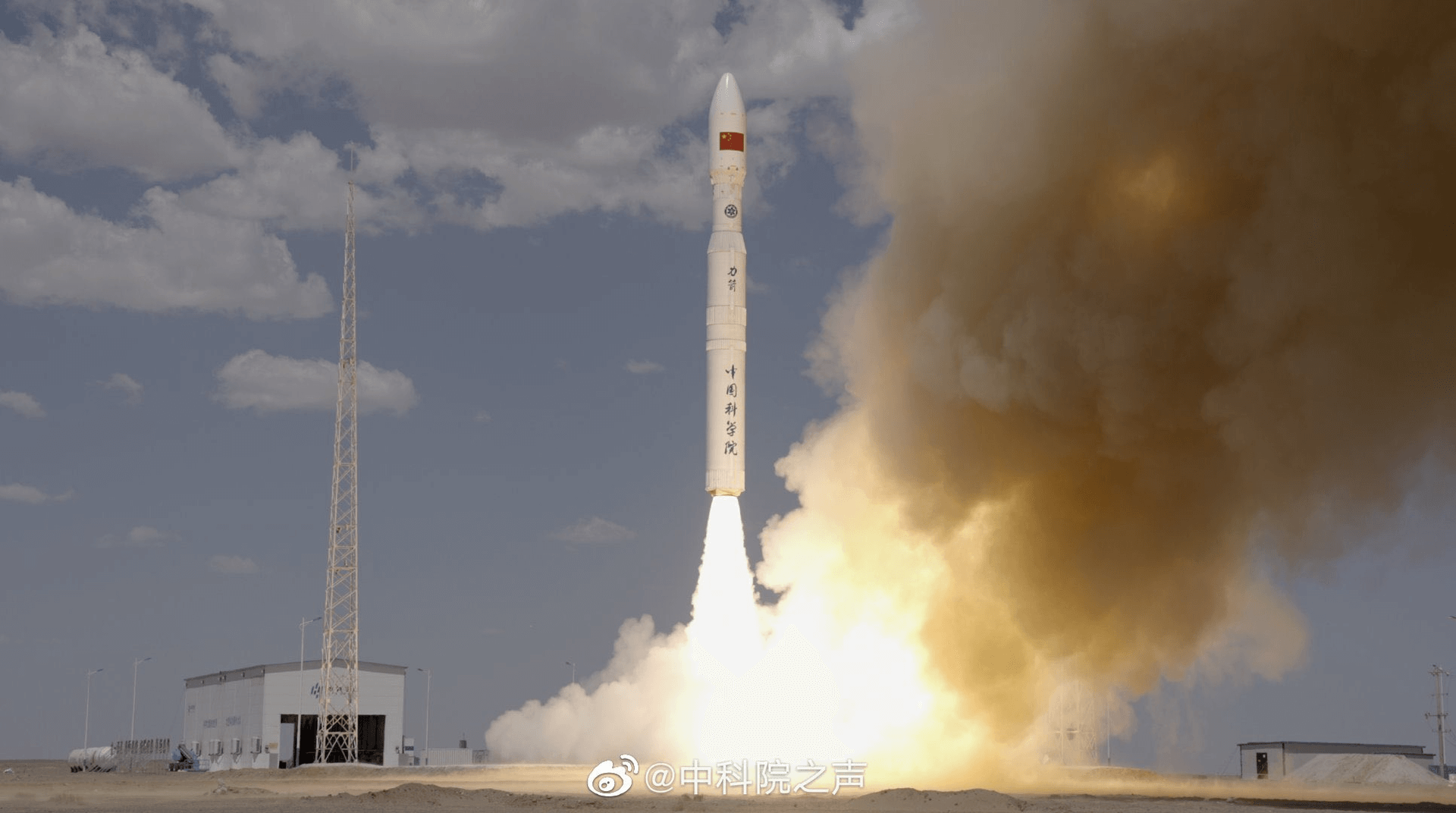
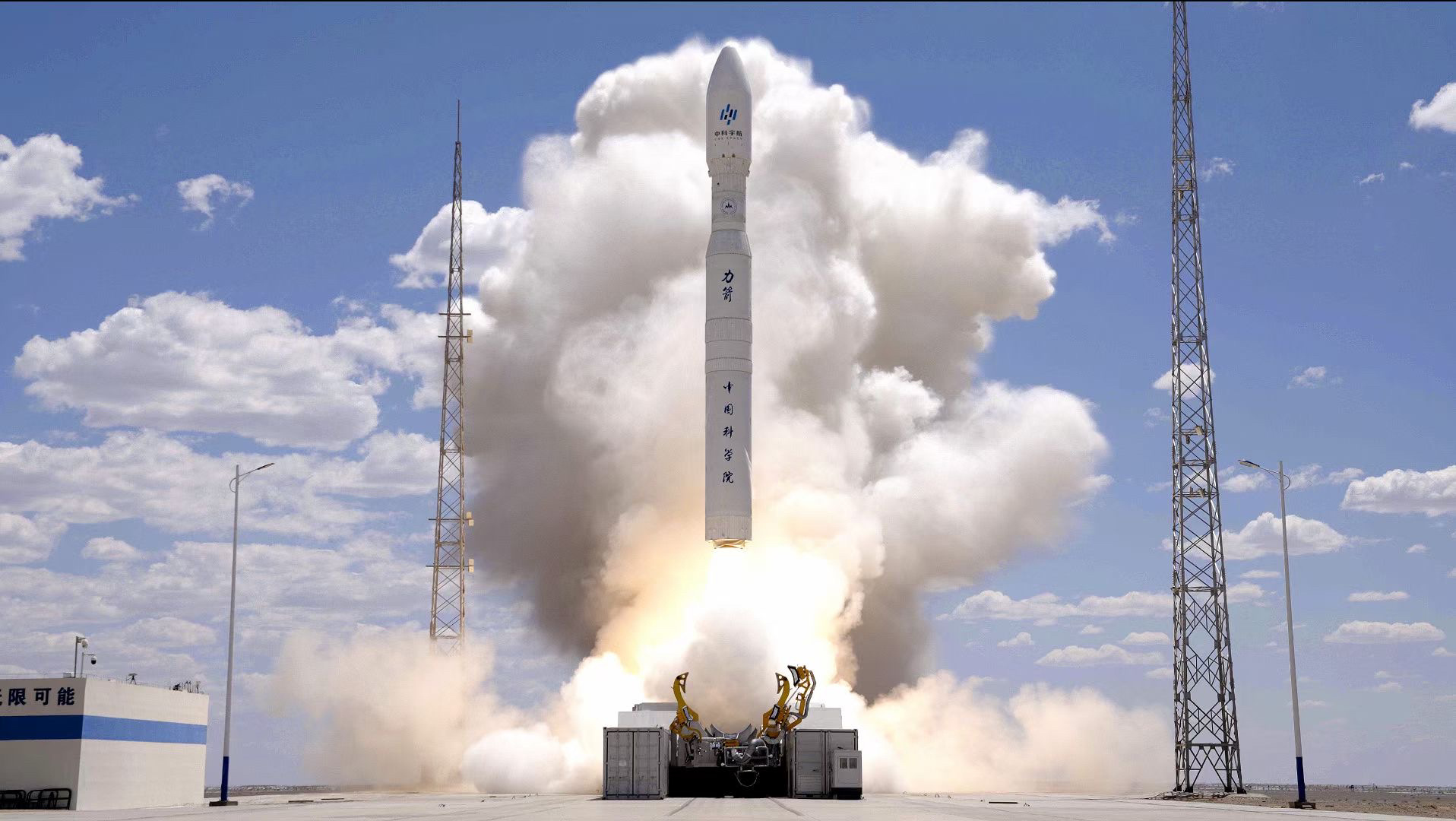
Provider: CAS Space Date: May 15, 2026 Time: 4:30 AM UTC Vehicle: Kinetica 1
Details TBD.
Starlink Group 17-37
Provider: SpaceX Date: May 15, 2026 Time: 2:00 PM UTC Vehicle: Falcon 9
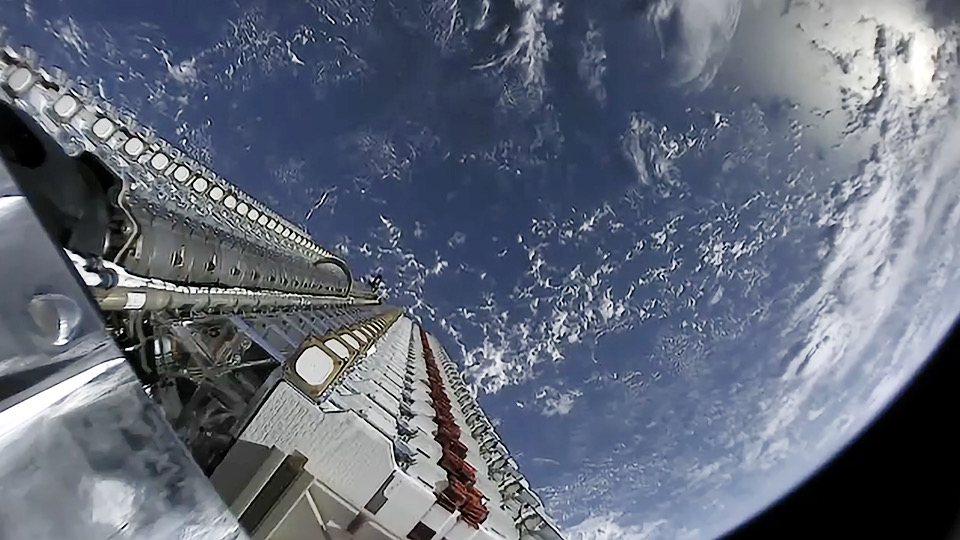
A batch of 24 satellites for the Starlink mega-constellation – SpaceX’s project for space-based Internet communication system.
Unknown Payload
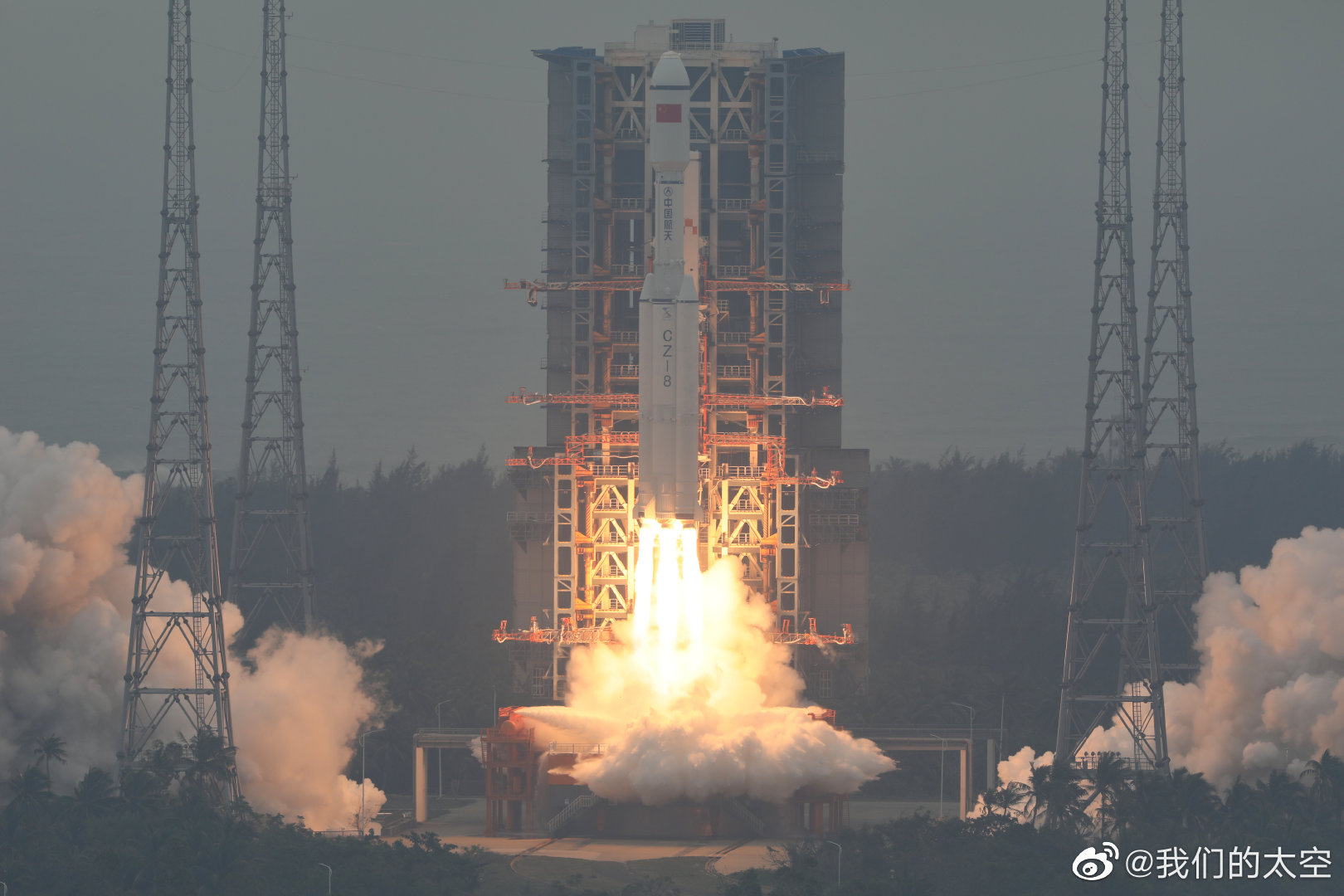
Provider: China Aerospace Science and Technology Corporation Date: May 17, 2026 Time: 2:40 PM UTC Vehicle: Long March 8
Details TBD.
Dragon CRS-2 SpX-34 ×
Mission Details
TypeResupply
OrbitLow Earth Orbit
TargetEarth
34th commercial resupply services mission to the International Space Station operated by SpaceX. The flight will be conducted under the second Commercial Resupply Services contract with NASA.
Cargo Dragon 2 brings supplies and payloads, including critical materials to directly support science and research investigations that occur onboard the orbiting laboratory.
• National Aeronautics and Space Administration (Government)
Program: Commercial Resupply Services
Commercial Resupply Services (CRS) are a series of flights awarded by NASA for the delivery of cargo and supplies to the International Space Station.The first CRS contracts were signed in 2008 and awarded $1.6 billion to SpaceX for twelve cargo Dragon and $1.9 billion to Orbital Sciences for eight Cygnus flights, covering deliveries to 2016. The Falcon 9 and Antares rockets were also developed under the CRS program to deliver cargo spacecraft to the ISS.
The International Space Station programme is tied together by a complex set of legal, political and financial agreements between the sixteen nations involved in the project, governing ownership of the various components, rights to crewing and utilization, and responsibilities for crew rotation and resupply of the International Space Station. It was conceived in 1984 by President Ronald Reagan, during the Space Station Freedom project as it was originally called.
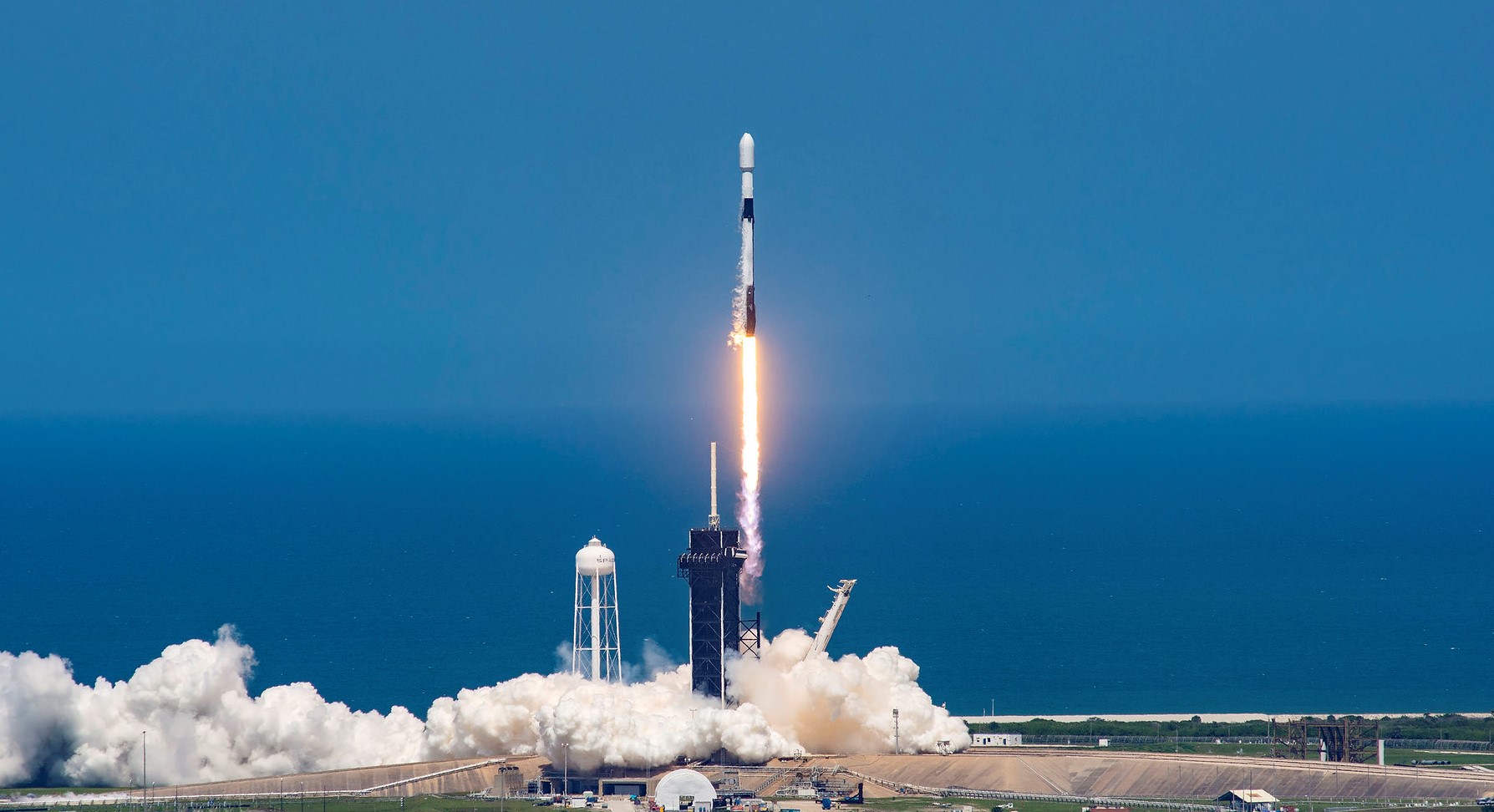
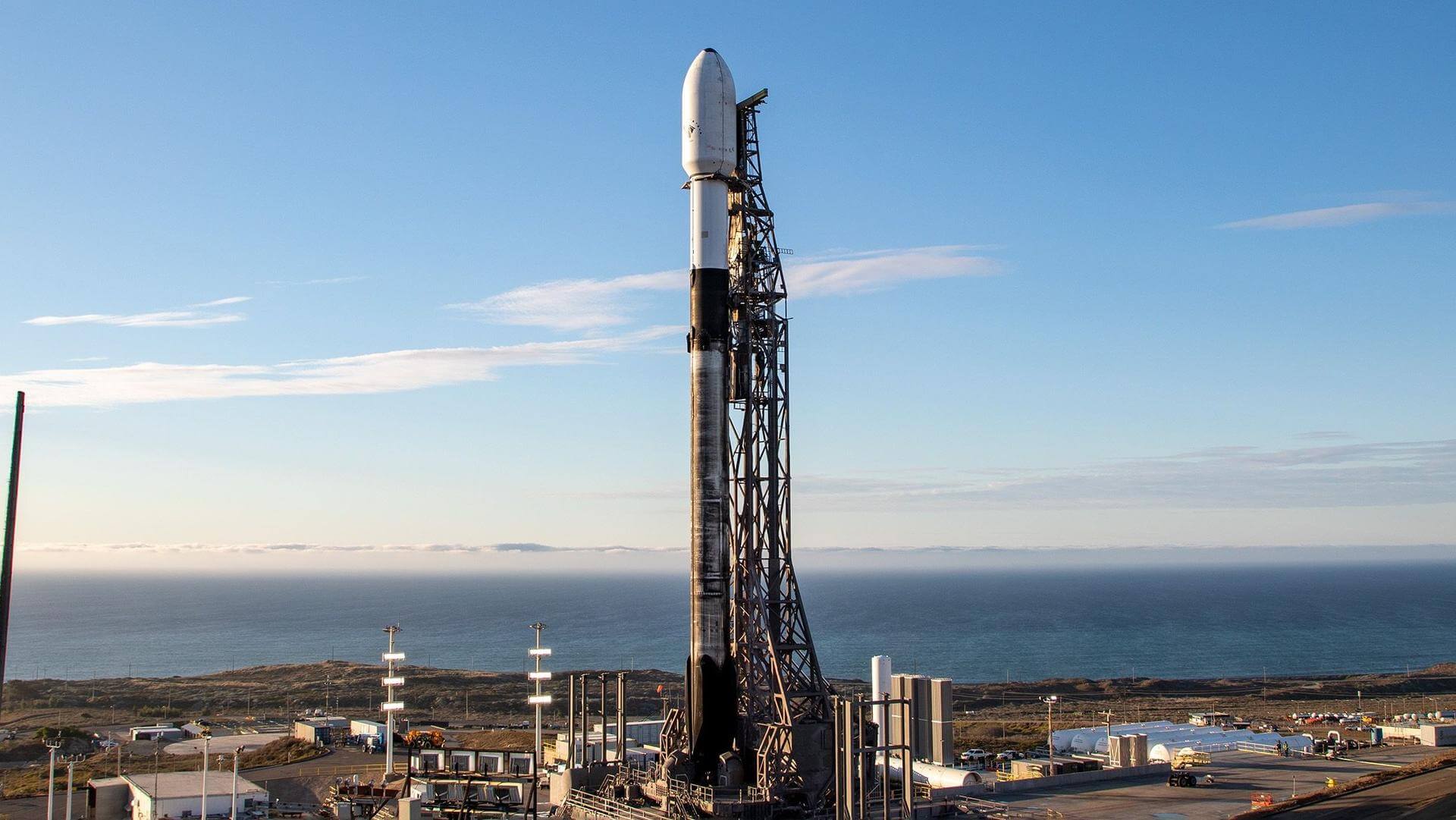
Falcon 9 is a two-stage rocket designed and manufactured by SpaceX for the reliable and safe transport of satellites and the Dragon spacecraft into orbit. The Block 5 variant is the fifth major interval aimed at improving upon the ability for rapid reusability.
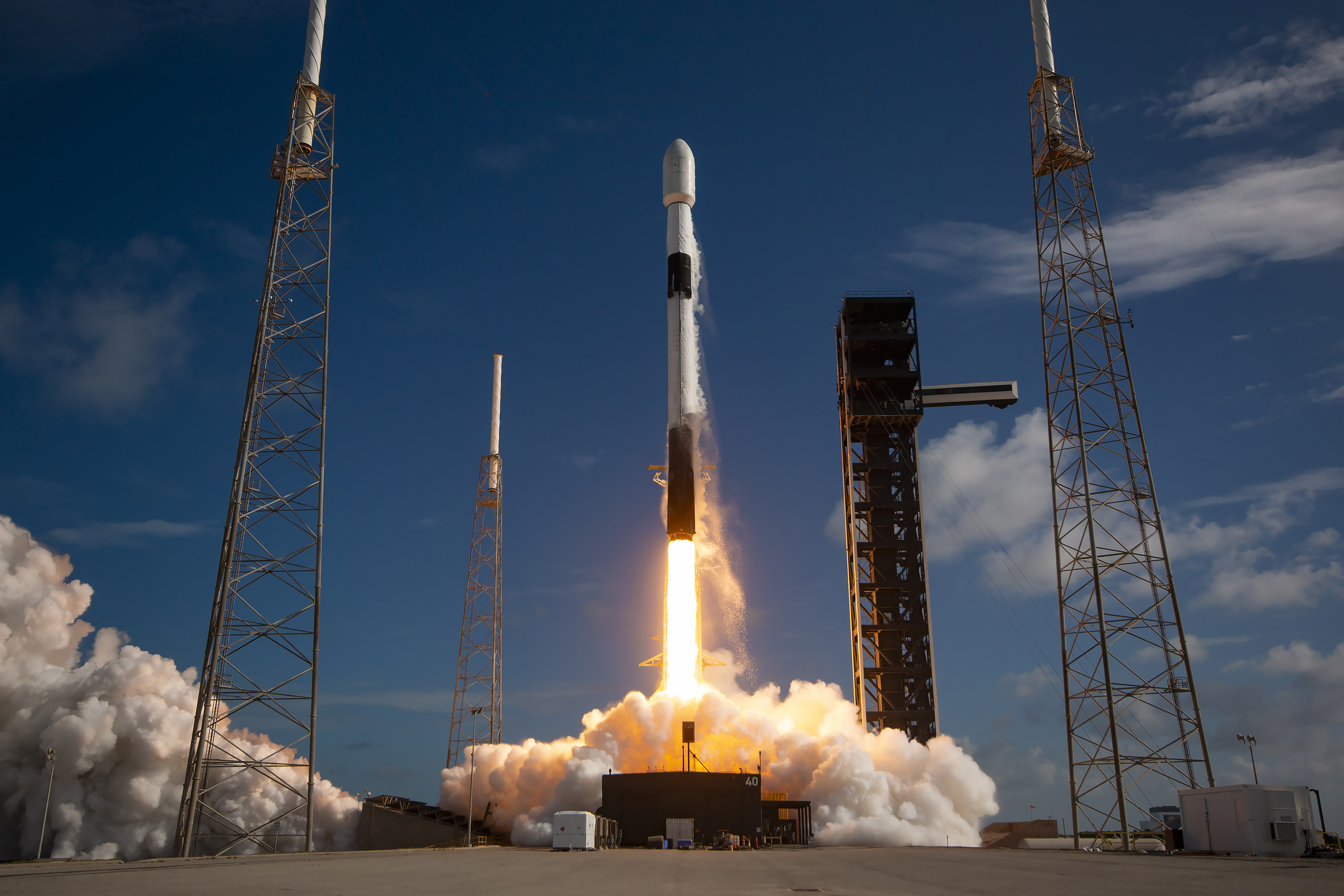
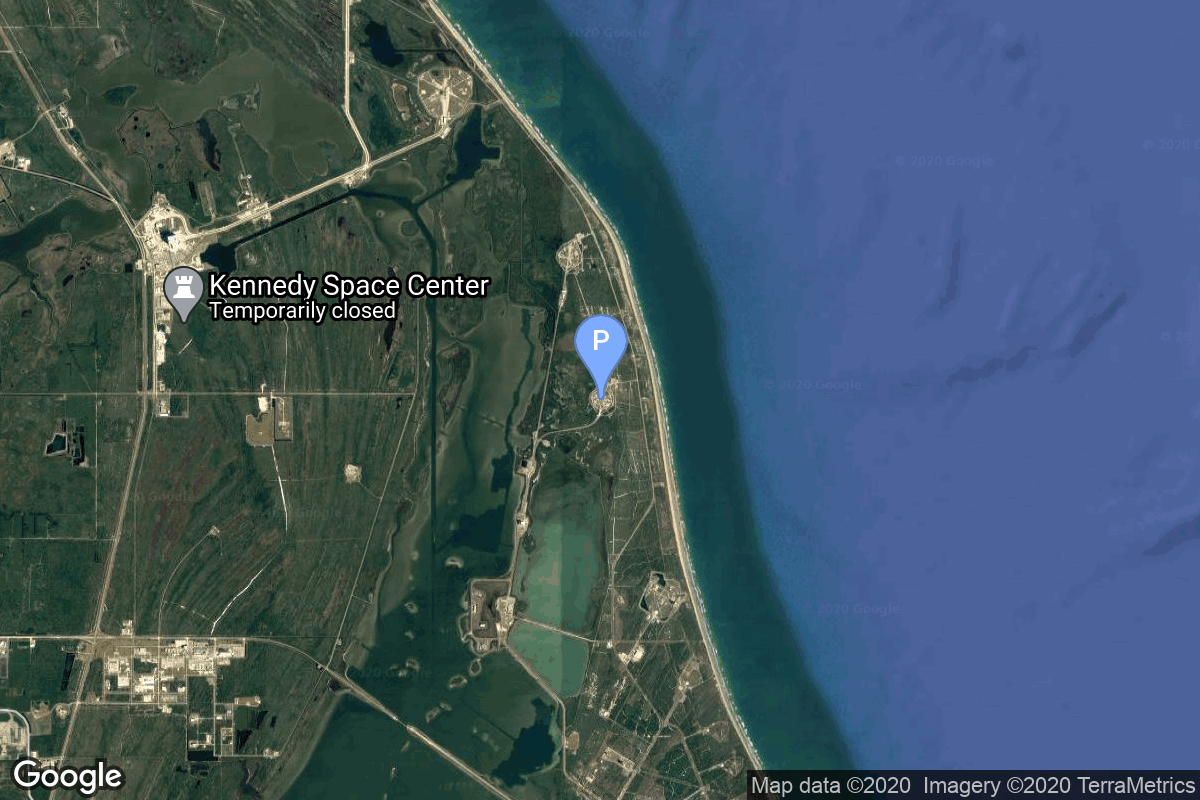
The Falcon 9 first stage B1096 will land back at the launch site at Landing Zone 40 after its 6th flight.
Spacecraft: Cargo Dragon C209
Second Cargo Dragon 2
Specifications
SerialC209
TypeCapsule
StatusActive
DestinationISS
Height7.2 m
Diameter3.7 m
Maiden Flight2020-12-06
Payload Capacity6,000 kg
Return Capacity3,000 kg
Time in Space175 Days, 23 Hours, 36 Minutes
Missions Flown5
Turnaround353 Days, 17 Hours, 6 Minutes
Fastest Turnaround164 Days, 6 Hours, 38 Minutes
History
Cargo Dragon 2 is an updated version of the original Dragon spaceship designed to service the International Space Station with first flights conducted in 2020.
In contrast to Dragon 1 it docks to the International Space Station instead of being berthed by the Canada Arm.
Capability
Cargo Earth Orbit Logistics
Details
Cargo Dragon 2 is a autonomous spaceship capable of bringing science to and from the International Space Station with large pressurized and un-pressurized sections to support a variety of missions.
Flight Life
Able to fly for up to one week of free flight or two years docked.
Zhuque-2E (E stands for “enhanced”) is a medium-sized rocket powered by liquid oxygen and methane capable of lifting 6,000 kg of payload into a 200 km low Earth orbit, or 4,000 kg of payload into a 500 km Sun-synchronous orbit. It differs from the baseline Zhuque-2 in using enhanced TQ-12A engines…
Kinetica 1 (also known as Lijian-1, Chinese: 力箭一号) is a Chinese solid-propellant light launch vehicle. It is capable of placing about 2 tons into low earth orbit and 1.5 tons into sun-synchronous orbit. It is developed by CAS Space, a subsidiary of the Chinese Academy of Sciences. Kinetica 1 is a…
Specifications
Length30 m
Diameter2.65 m
Launch Mass135 t
Liftoff Thrust1,961 kN
LEO Capacity2,000 kg
SSO Capacity1,500 kg
ReusableNo
Maiden Flight2022-07-27
Launch Record
11 successful / 12 total launches
Current streak: 6 successful
Starlink Group 17-37 ×
Mission Details
TypeCommunications
OrbitLow Earth Orbit
TargetEarth
A batch of 24 satellites for the Starlink mega-constellation – SpaceX’s project for space-based Internet communication system.
Falcon 9 is a two-stage rocket designed and manufactured by SpaceX for the reliable and safe transport of satellites and the Dragon spacecraft into orbit. The Block 5 variant is the fifth major interval aimed at improving upon the ability for rapid reusability.
Long March 8 (Chinese: 长征八号运载火箭) is an orbital launch vehicle developed by the China Academy of Launch Vehicle Technology to launch up to 5000 kg to a 700 km altitude Sun-synchronous orbit (SSO). The rocket is based on the Long March 7 with its first stage and 2 out of its 4 boosters, along with…
Robo Chris is a collection of API calls, filters, and searches, bolted together with magic and love. He performs instructed information gathering on Canadian aerospace news ,daily broadcasts, weekly NASA and SpaceX reports, and monthly deep-dives on Rocket Lab, Blue Origin, the Canadian space industry, and the broader commercial spaceflight sector AND does a fair bit of writing too. Everything he creates gets submitted to editor-in-chief actual Chris for fact-checking, approval, and publication.