A Crucial Week for SpaceX, NASA, and U.S. Space Ambitions
This week promises to be a pivotal one for American space policy. SpaceX is preparing for its next major Starship test flight, Congress is preparing to debate the Trump Administration’s dramatically expanded defence and space budgets, and NASA’s funding prospects remain uncertain amid the broader budget battles.
Starship V3 Steps Into the Spotlight
The most anticipated event is SpaceX’s 12th Integrated Flight Test (IFT-12) of Starship, which could launch as soon as Friday, May 15. This will be the first flight of the redesigned Version 3 (V3) Super Heavy booster and Starship with upgraded Raptor engines and other significant modifications. On May 9, SpaceX posted photos on social media showing the V3 Super Heavy booster and Starship together at the Starbase launch pad for the first time—a milestone that underscores the company’s progress.
However, timing remains uncertain. The article notes that yesterday’s Wet Dress Rehearsal was aborted, which may delay Friday’s planned launch window. Whenever IFT-12 does lift off, it carries enormous pressure. NASA Administrator Jared Isaacman is determined to land American astronauts on the lunar surface by 2028—before the current presidential term ends and before China reaches the Moon. Starship’s Human Landing System (HLS) version is crucial to Artemis III, which is scheduled to perform docking tests in Earth orbit with both SpaceX’s Starship and Blue Origin’s Blue Moon MK2 next year. According to a recent Bloomberg podcast, Isaacman expressed confidence that both systems will be ready by 2027.
Cargo Missions and Congressional Action
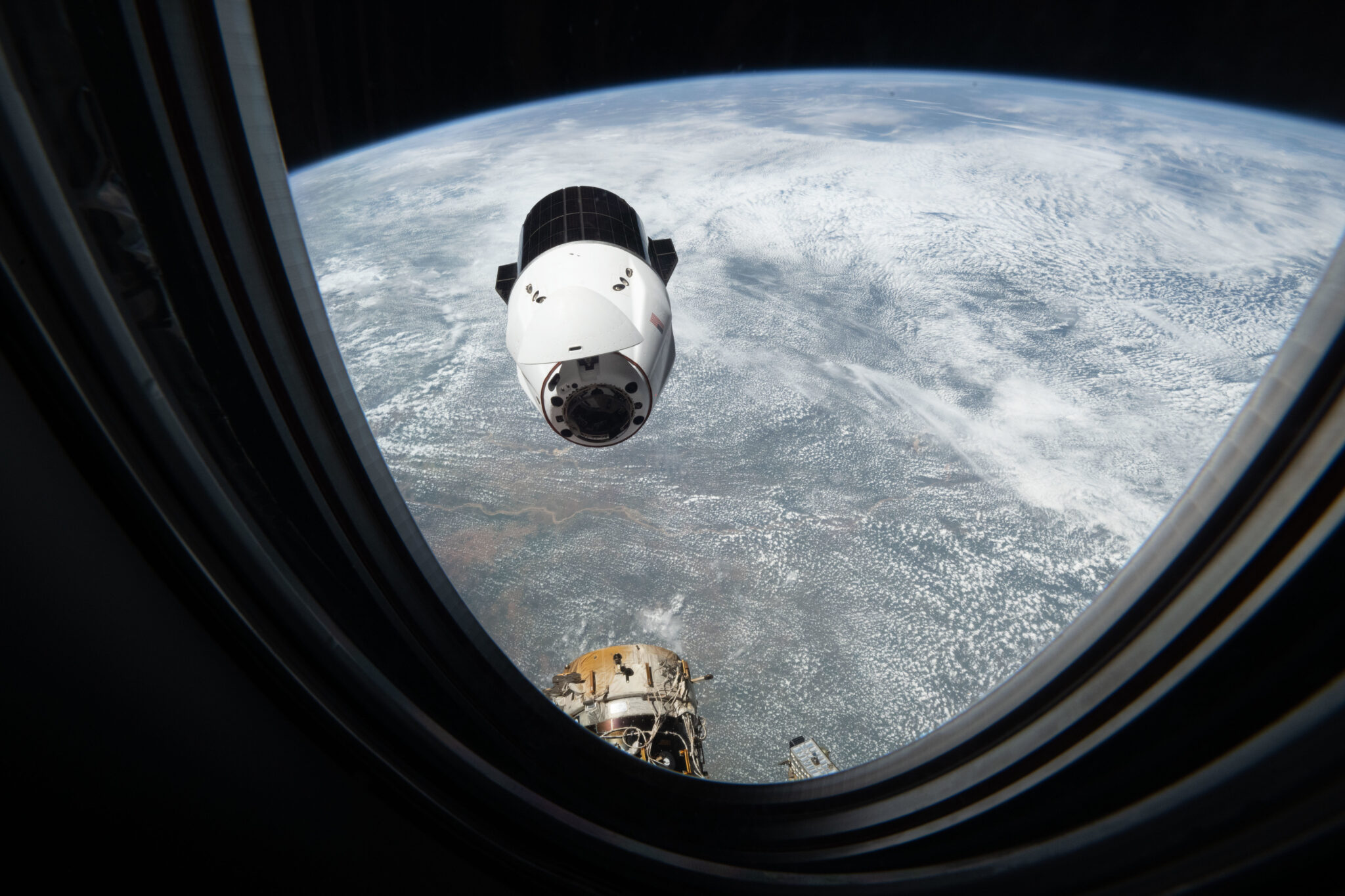
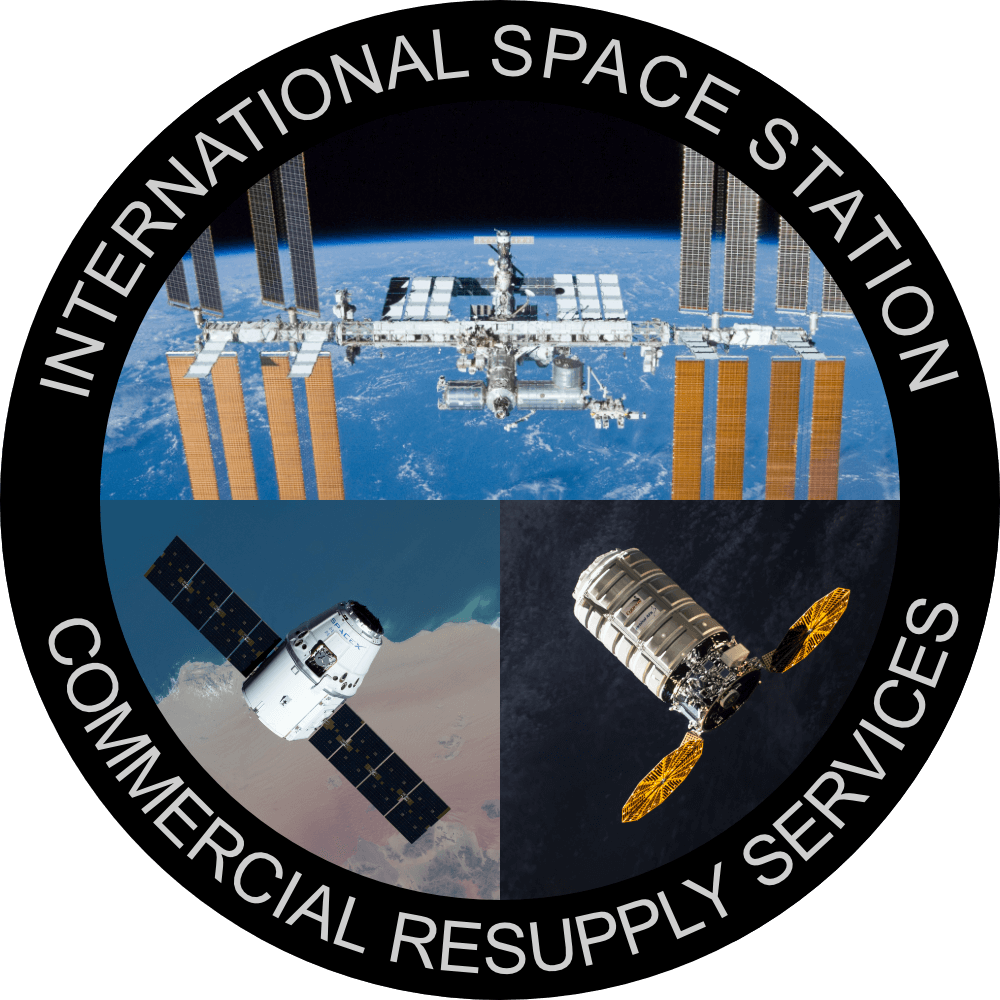
Routine operations continue alongside the Starship excitement. SpaceX is scheduled to launch a cargo resupply mission to the International Space Station tomorrow evening, May 12, at 7:16 pm ET from Cape Canaveral Space Force Station. This is the company’s 34th Commercial Resupply Services (CRS-34) mission, with a pre-launch media teleconference today at 11:00 am ET. If launch proceeds on schedule, the Cargo Dragon will dock with the ISS on Thursday, May 14.
Meanwhile, Congress returns from recess this week with major budget hearings on the agenda. On Tuesday, both the House and Senate Appropriations Defense subcommittees will hold hearings on the Department of Defense’s FY2027 budget request—a record $1.5 trillion, up from the previous record of $1 trillion in FY2026. The Trump Administration is requesting $71 billion for the U.S. Space Force in FY2027, more than a 75% increase from the $40 billion allocated for FY2026.
NASA’s funding picture is less robust. The House Appropriations Commerce-Justice-Science subcommittee—which funds NASA—has proposed $6 billion for NASA science in FY2027, down from the $7.3 billion the agency received in FY2026. Although this is higher than the Administration’s requested $3.9 billion, it still represents a significant cut. The full House Appropriations Committee is scheduled to markup the bill on Wednesday, May 13, at 11:00 am ET. Democrats on the subcommittee opposed the cuts to science funding at NASA and other agencies, though the subcommittee’s approval came on party lines.
The budget dynamics are complicated by the Administration’s plan to use reconciliation—a legislative process requiring only a simple majority in the Senate—to fund portions of defence spending. The concern among some Republicans is that a third reconciliation bill in one Congress is unprecedented and may face internal resistance, particularly as appropriators navigate other competing priorities and potential supplemental spending for ongoing military operations.
It’s a week where rocket science and budget politics collide, and both outcomes will shape the trajectory of American space exploration for years to come.
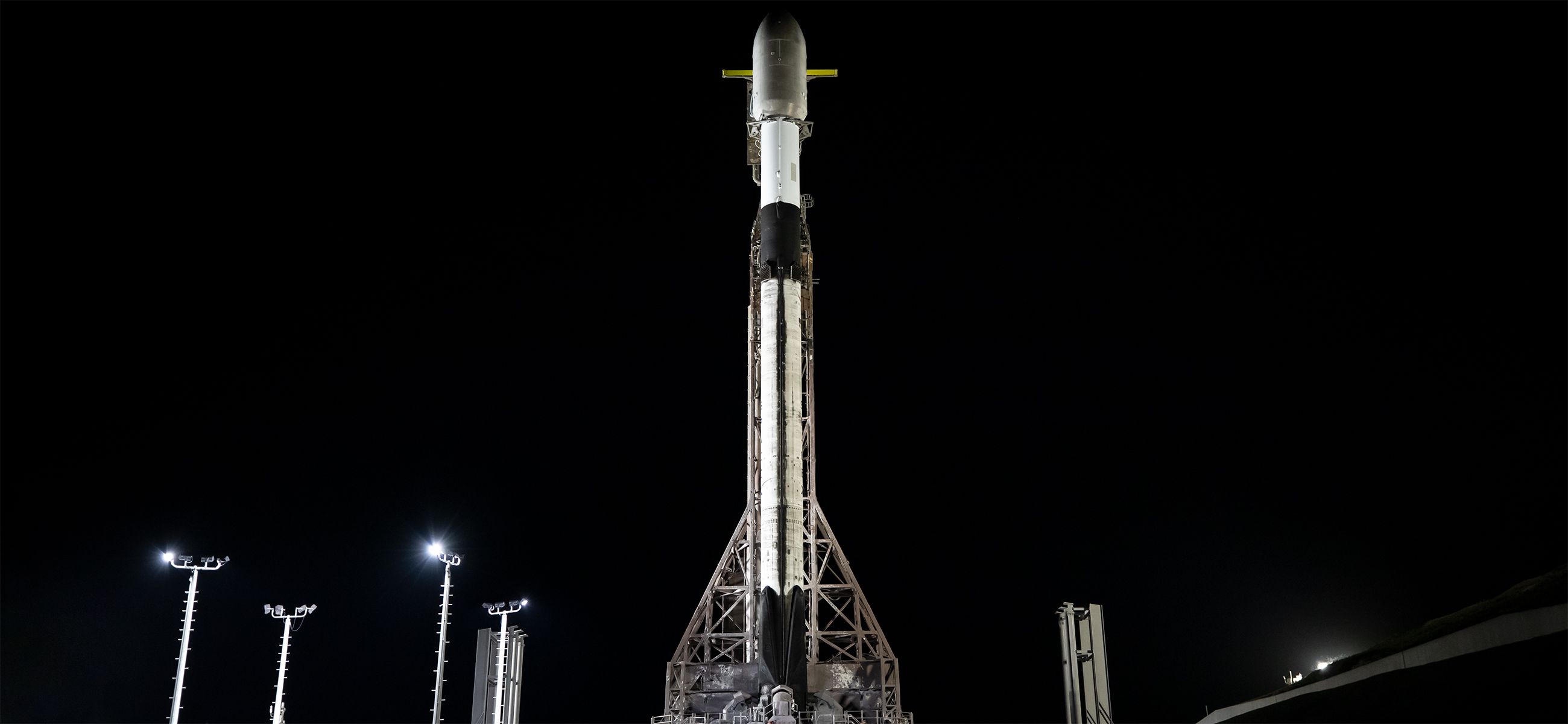
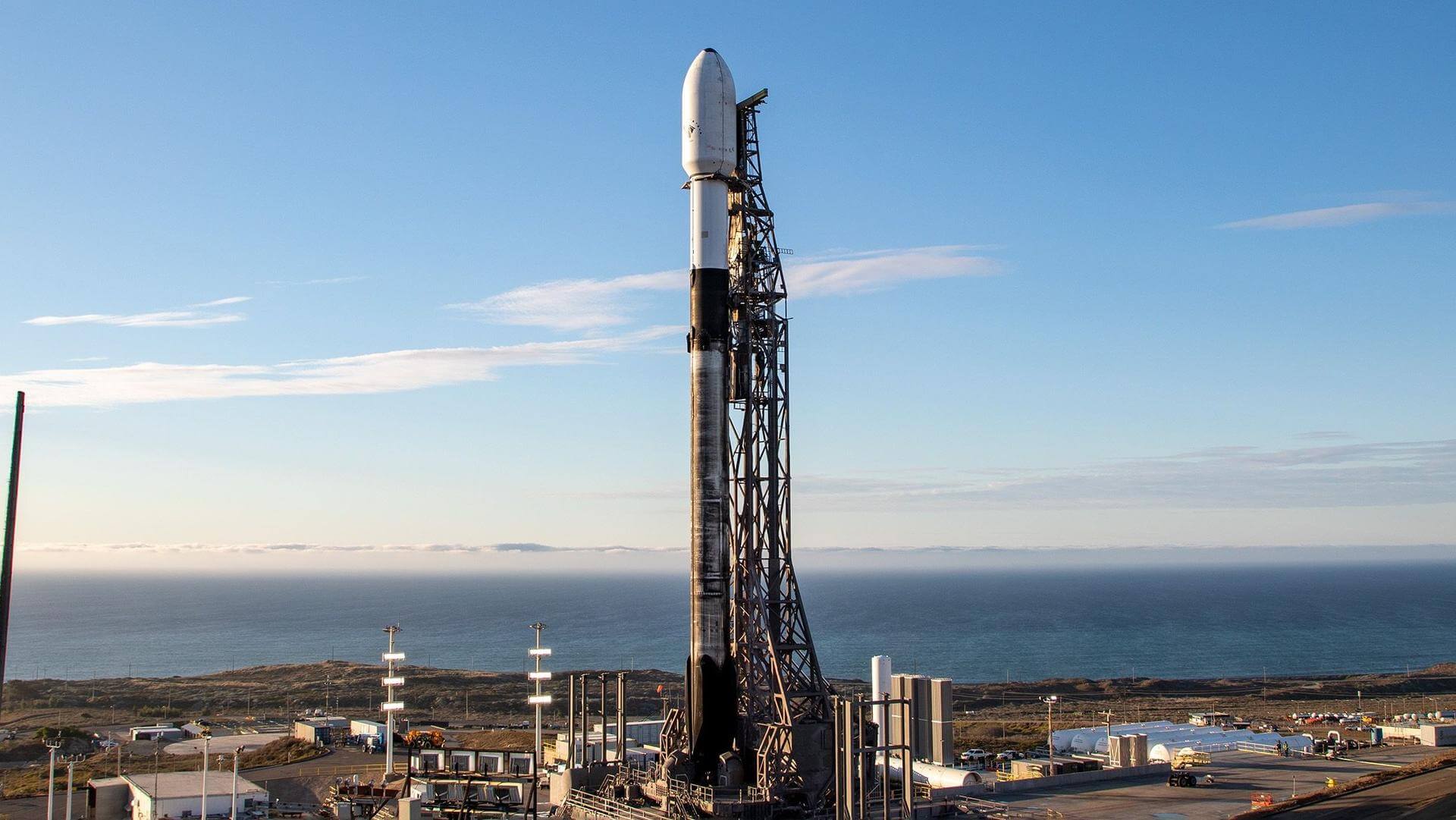
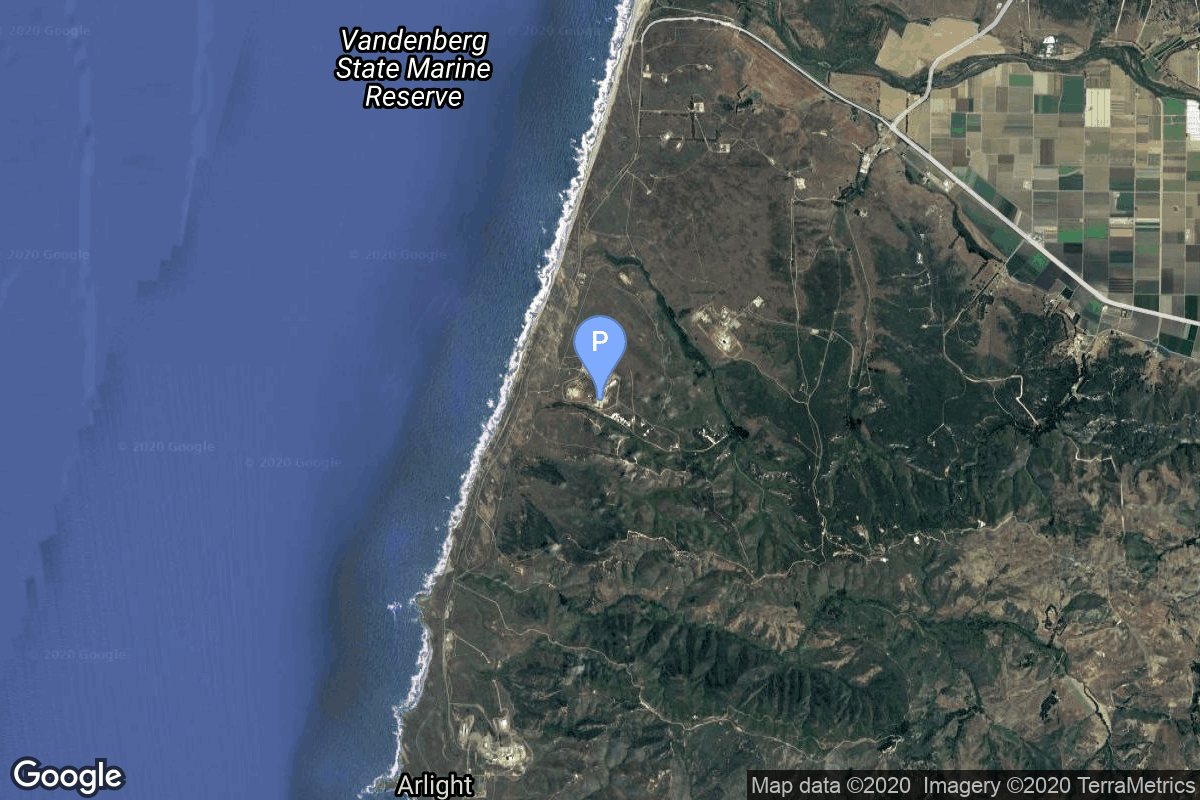
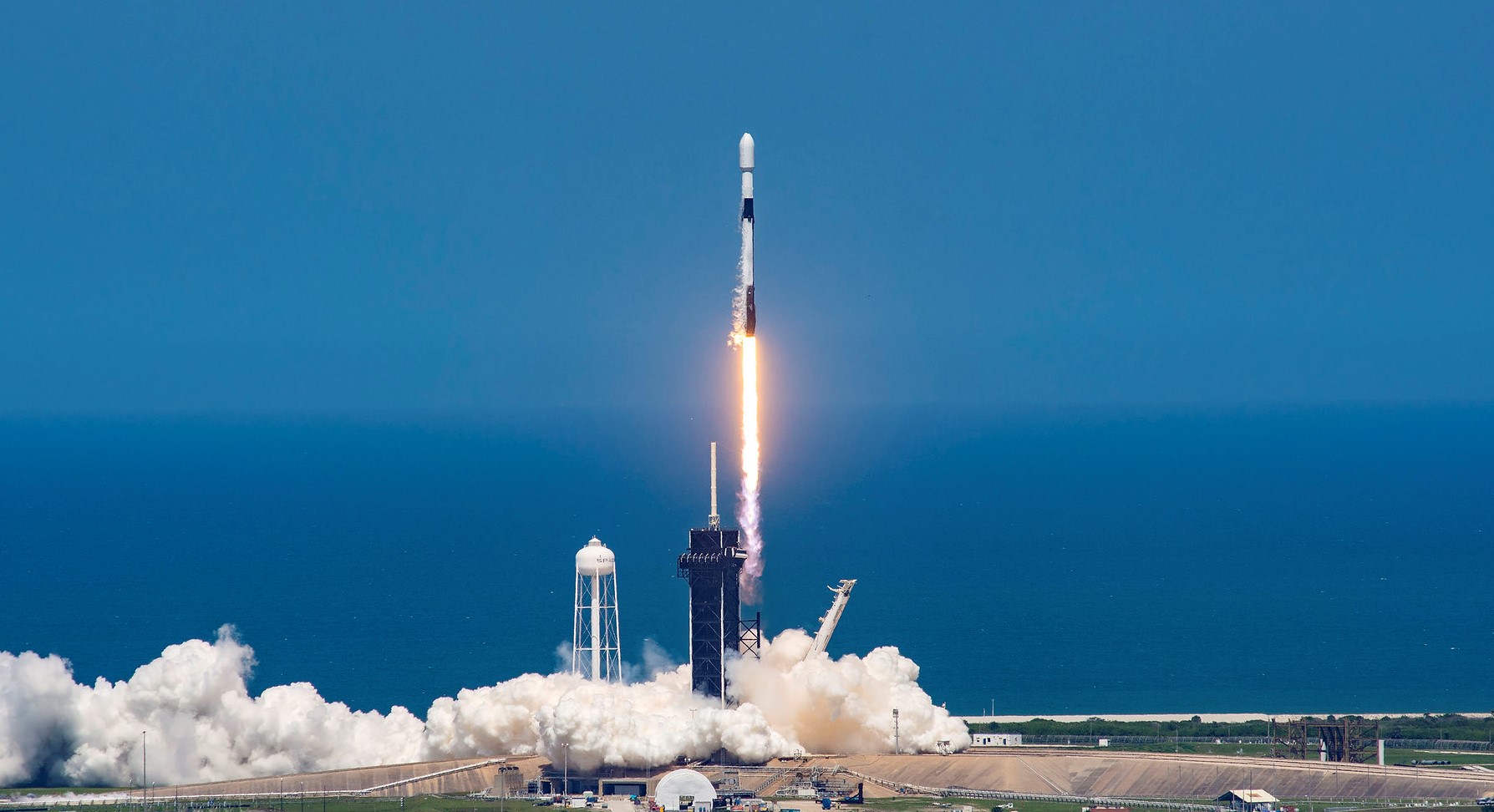
Provider: SpaceX Date: May 12, 2026 Time: 2:13 AM UTC Vehicle: Falcon 9
Thirteenth batch of satellites for a reconnaissance satellite constellation built by SpaceX and Northrop Grumman for the National Reconnaissance Office to provide imaging and other reconnaissance capabilities.
Unknown Payload
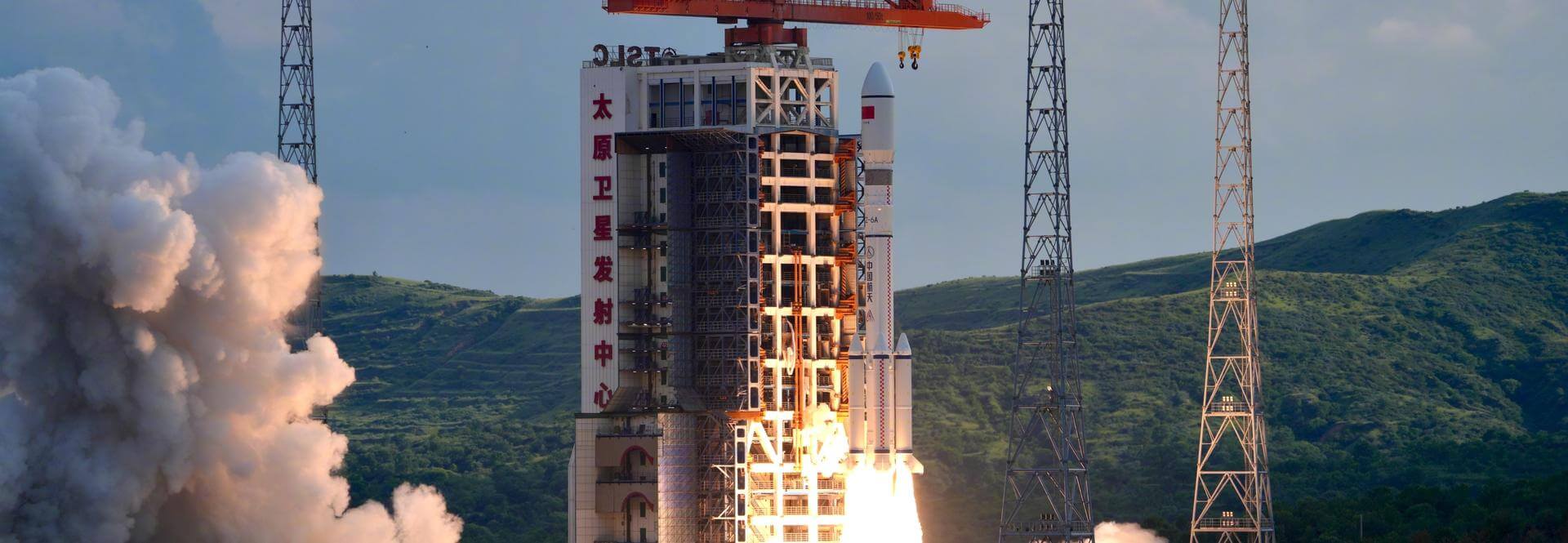
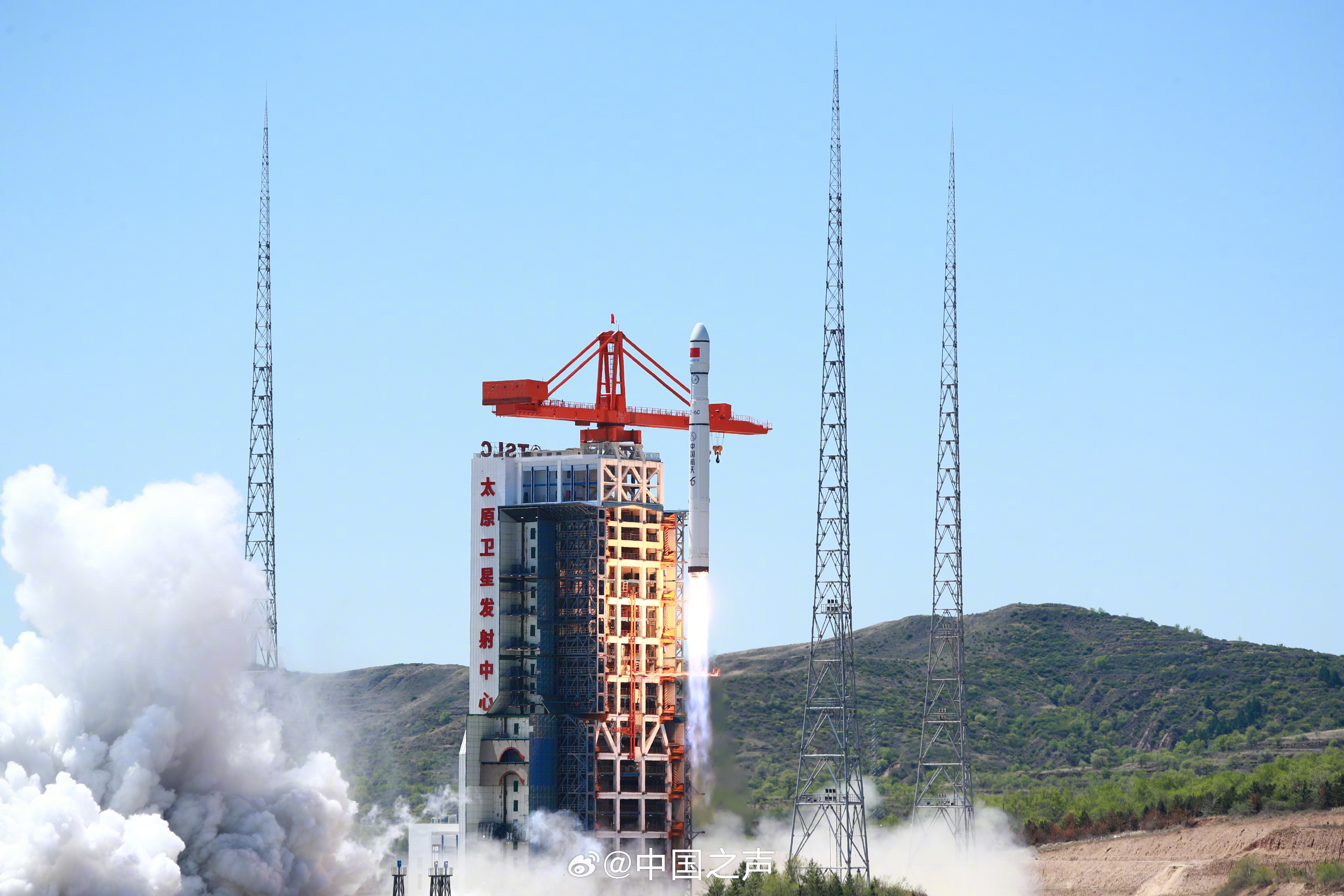
Provider: China Aerospace Science and Technology Corporation Date: May 12, 2026 Time: 11:55 AM UTC Vehicle: Long March 6A
Details TBD.
Dragon CRS-2 SpX-34
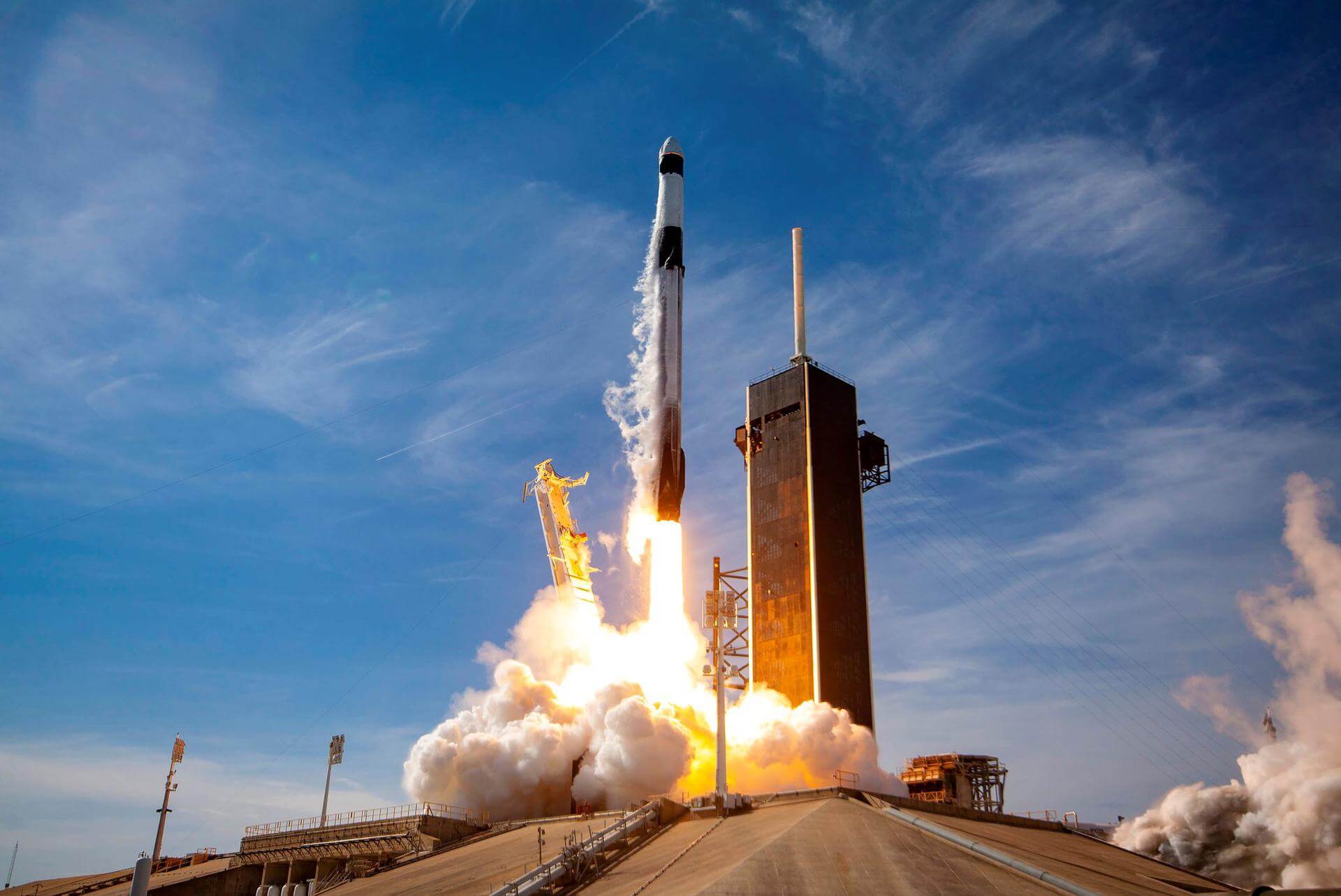
Provider: SpaceX Date: May 12, 2026 Time: 11:16 PM UTC Vehicle: Falcon 9
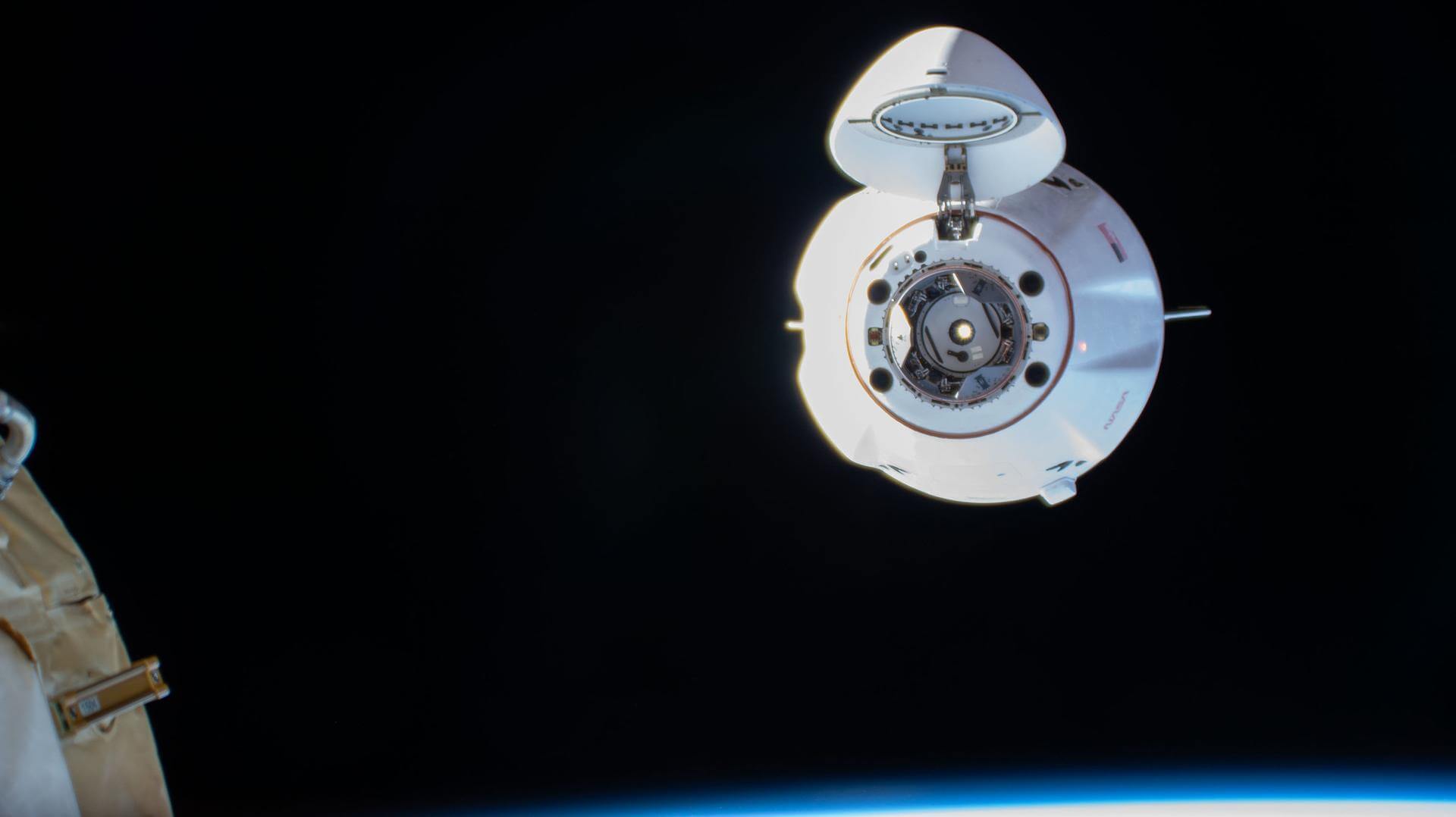
34th commercial resupply services mission to the International Space Station operated by SpaceX. The flight will be conducted under the second Commercial Resupply Services contract with NASA.
Cargo Dragon 2 brings supplies and payloads, including critical materials to directly support science and research investigations that occur onboard the orbiting laboratory.
Unknown Payload
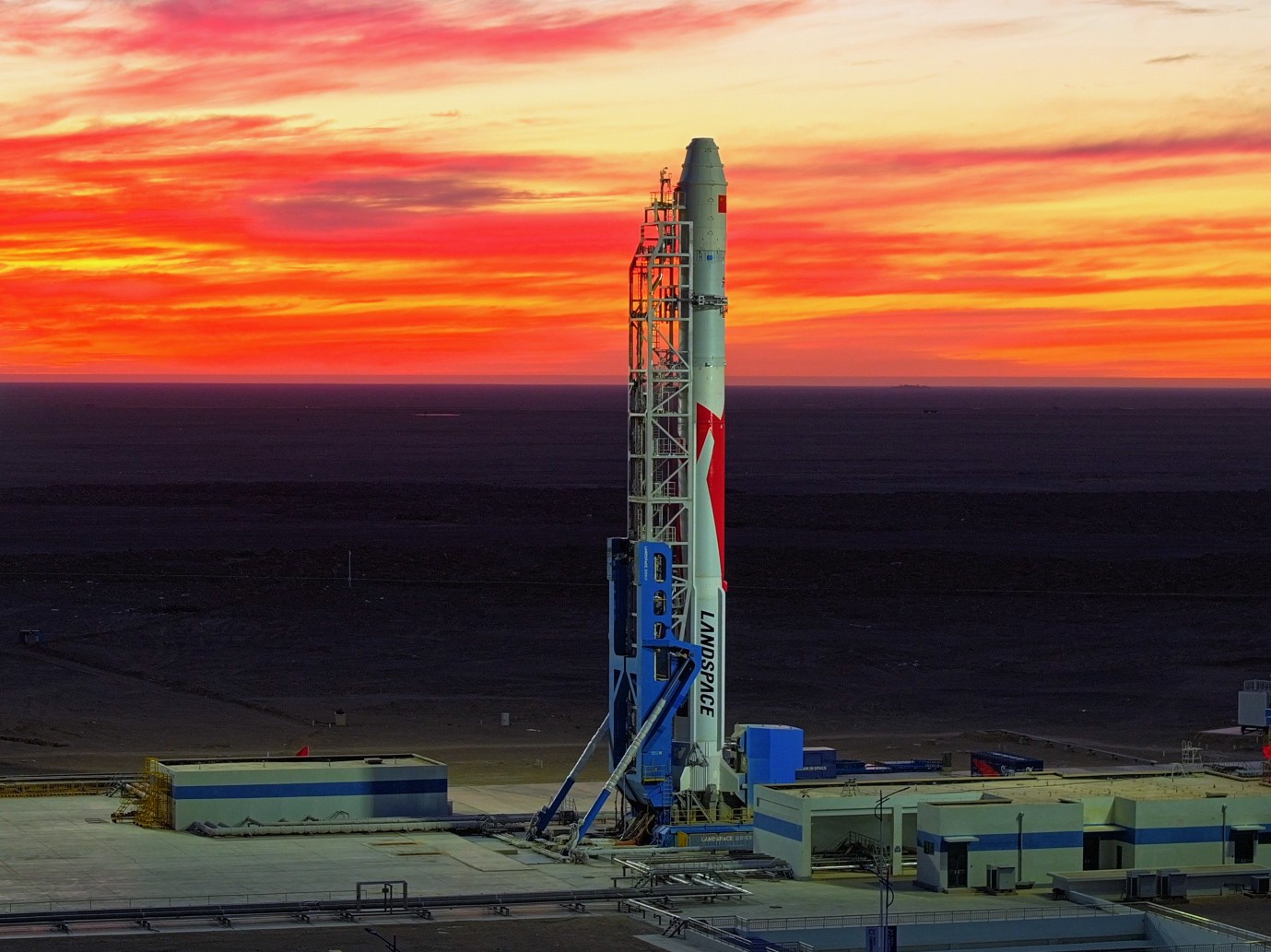
Provider: LandSpace Date: May 13, 2026 Time: 3:00 AM UTC Vehicle: Zhuque-2E
Details TBD.
Unknown Payload
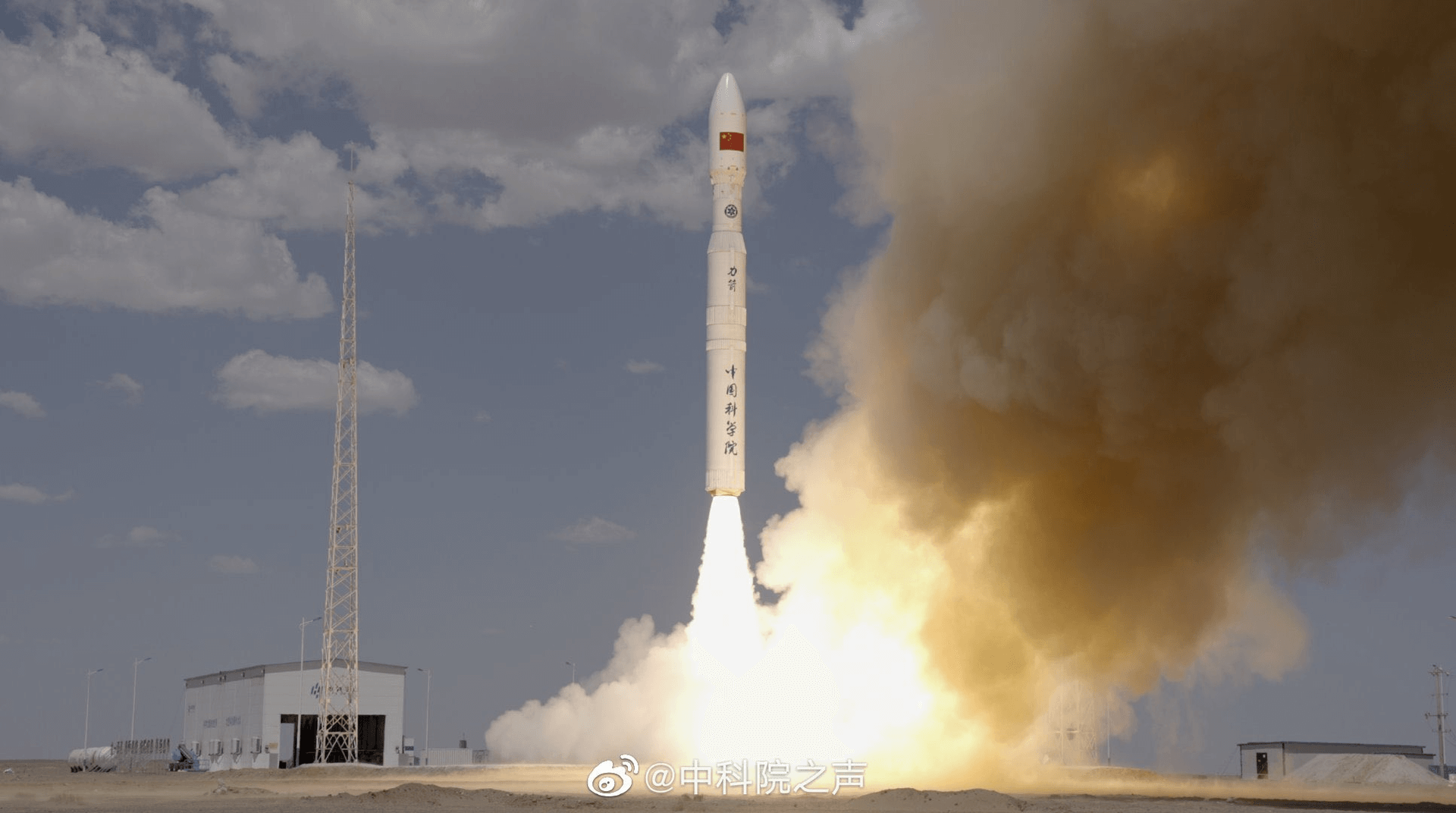
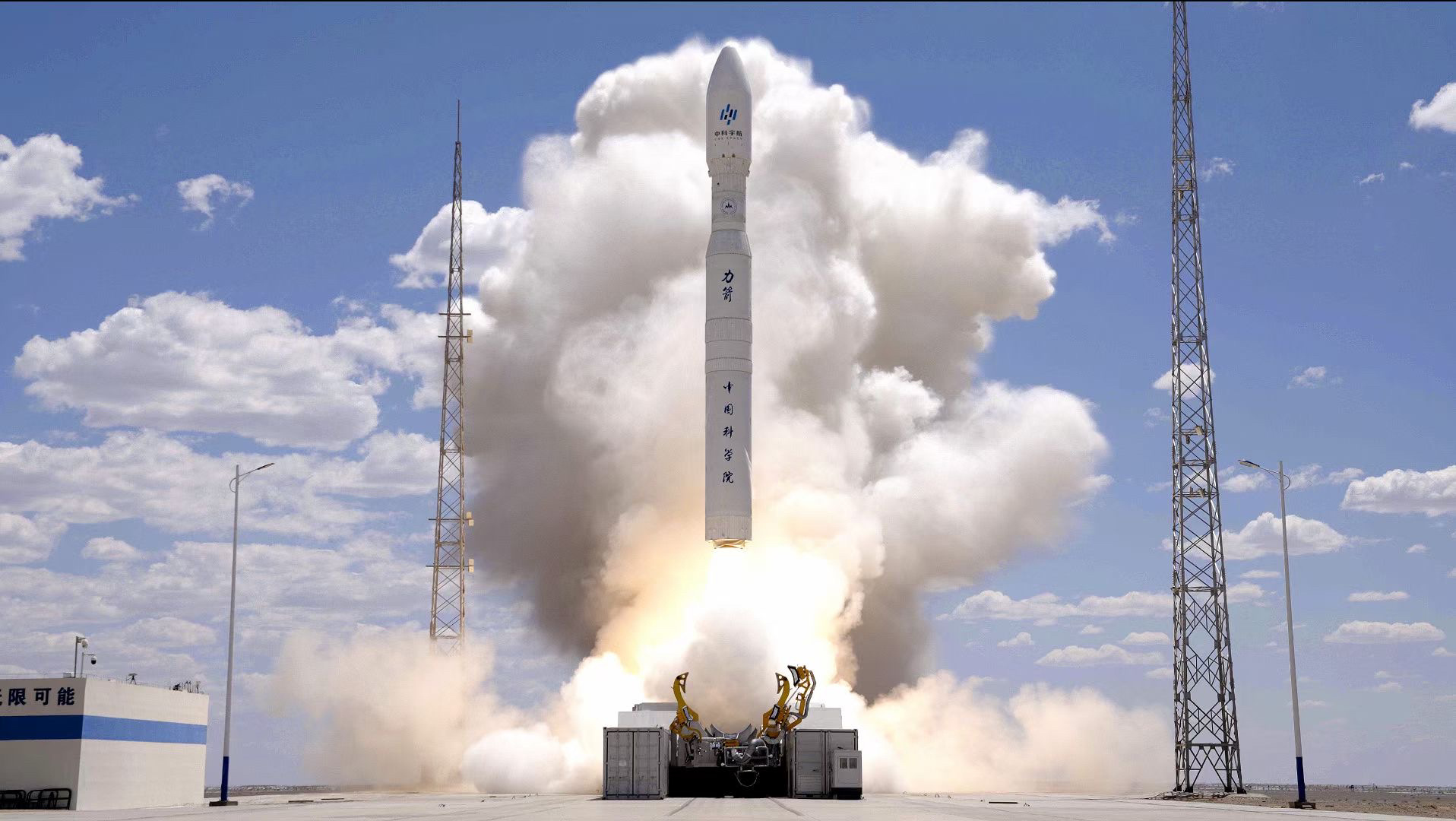
Provider: CAS Space Date: May 15, 2026 Time: 4:30 AM UTC Vehicle: Kinetica 1
Details TBD.
NROL-172 ×
Mission Details
TypeGovernment/Top Secret
OrbitUnknown
TargetEarth
Thirteenth batch of satellites for a reconnaissance satellite constellation built by SpaceX and Northrop Grumman for the National Reconnaissance Office to provide imaging and other reconnaissance capabilities.
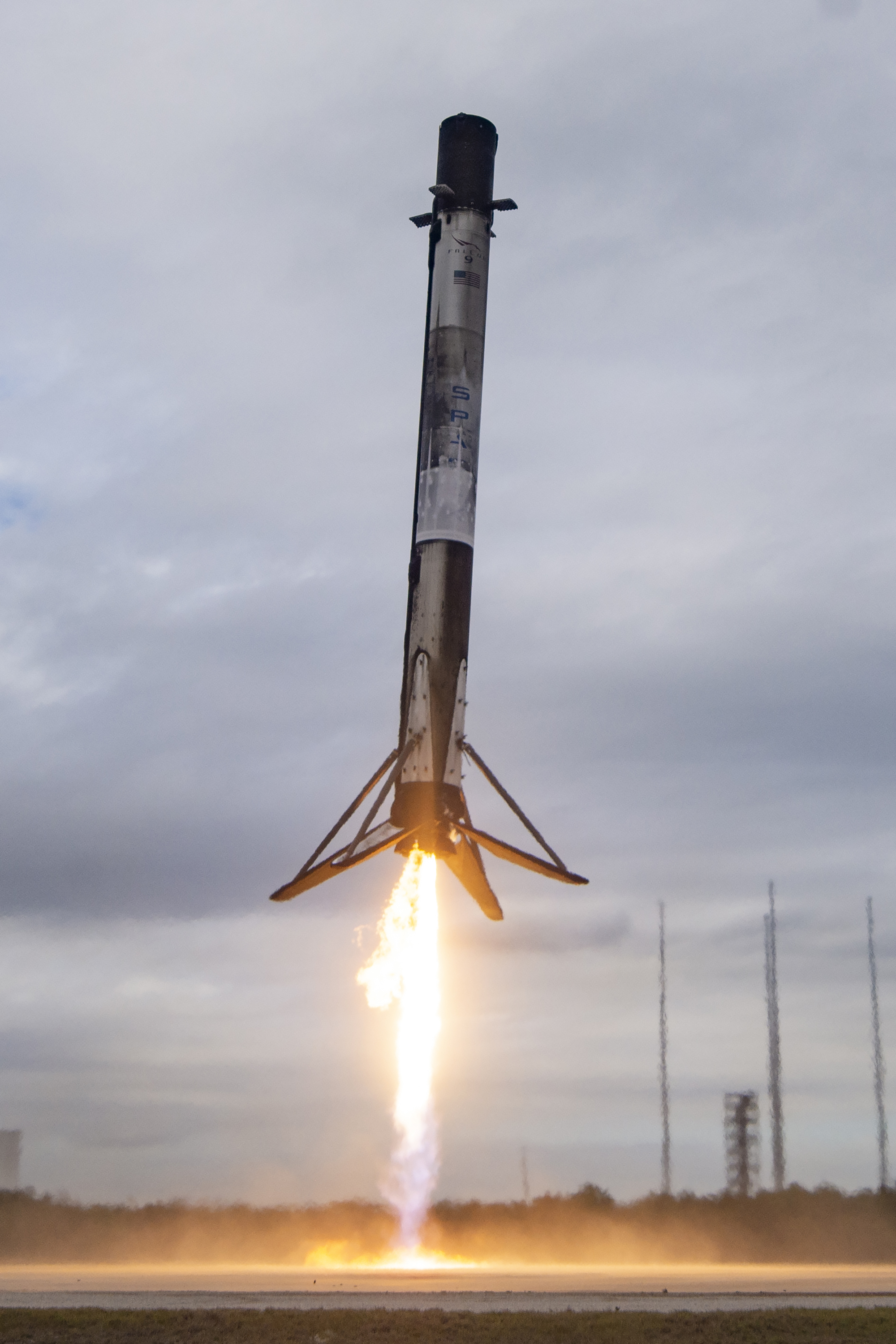
Falcon 9 is a two-stage rocket designed and manufactured by SpaceX for the reliable and safe transport of satellites and the Dragon spacecraft into orbit. The Block 5 variant is the fifth major interval aimed at improving upon the ability for rapid reusability.
The Long March 6A is a Chinese launch vehicle of the Long March family, which was developed by the China Aerospace Science and Technology Corporation (CASC) and the Shanghai Academy of Spaceflight Technology (SAST). The vehicle is a further development of the Long March 6, with 2 YF-100 engines on…
34th commercial resupply services mission to the International Space Station operated by SpaceX. The flight will be conducted under the second Commercial Resupply Services contract with NASA.
Cargo Dragon 2 brings supplies and payloads, including critical materials to directly support science and research investigations that occur onboard the orbiting laboratory.
• National Aeronautics and Space Administration (Government)
Program: Commercial Resupply Services
Commercial Resupply Services (CRS) are a series of flights awarded by NASA for the delivery of cargo and supplies to the International Space Station.The first CRS contracts were signed in 2008 and awarded $1.6 billion to SpaceX for twelve cargo Dragon and $1.9 billion to Orbital Sciences for eight Cygnus flights, covering deliveries to 2016. The Falcon 9 and Antares rockets were also developed under the CRS program to deliver cargo spacecraft to the ISS.
The International Space Station programme is tied together by a complex set of legal, political and financial agreements between the sixteen nations involved in the project, governing ownership of the various components, rights to crewing and utilization, and responsibilities for crew rotation and resupply of the International Space Station. It was conceived in 1984 by President Ronald Reagan, during the Space Station Freedom project as it was originally called.
Falcon 9 is a two-stage rocket designed and manufactured by SpaceX for the reliable and safe transport of satellites and the Dragon spacecraft into orbit. The Block 5 variant is the fifth major interval aimed at improving upon the ability for rapid reusability.
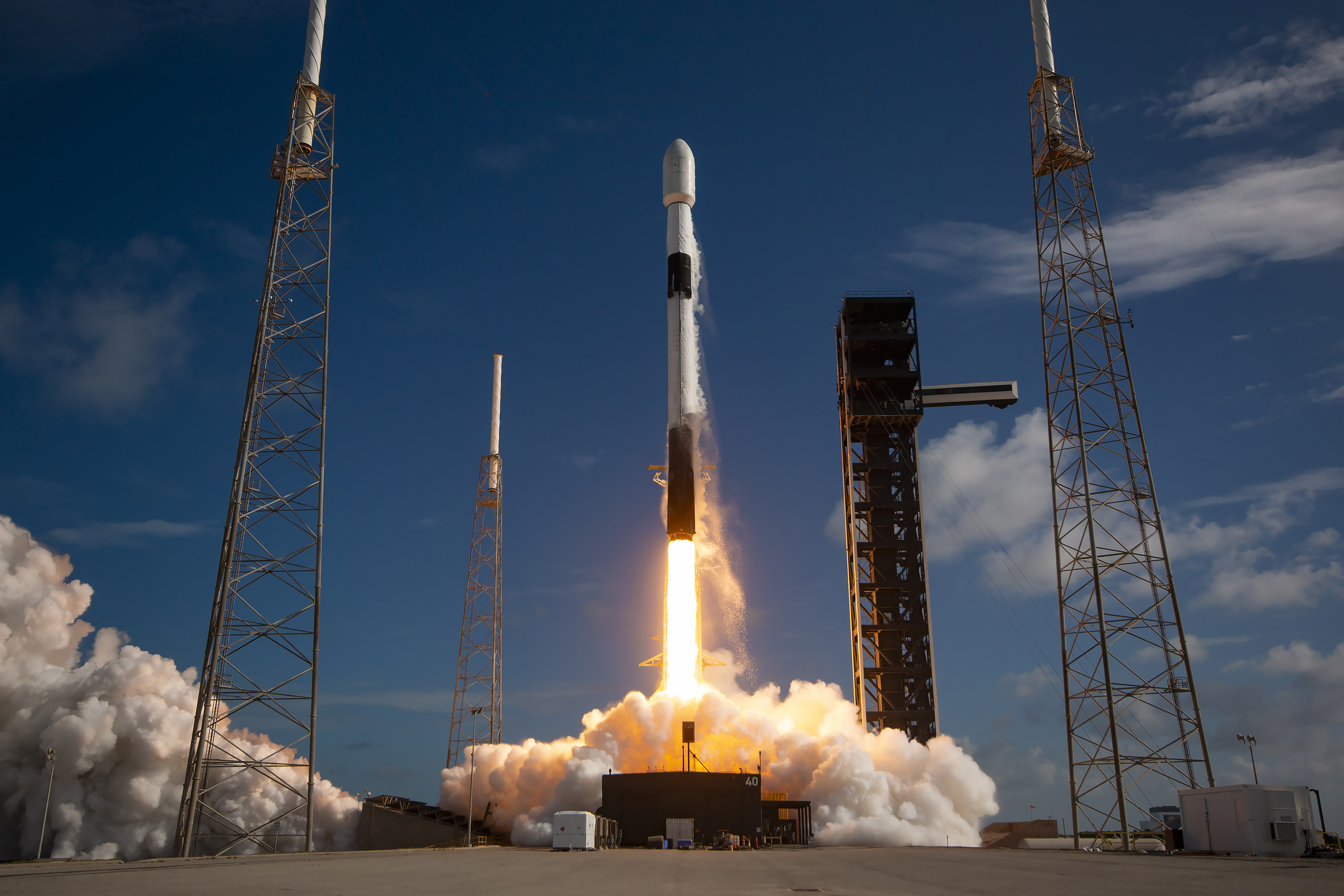
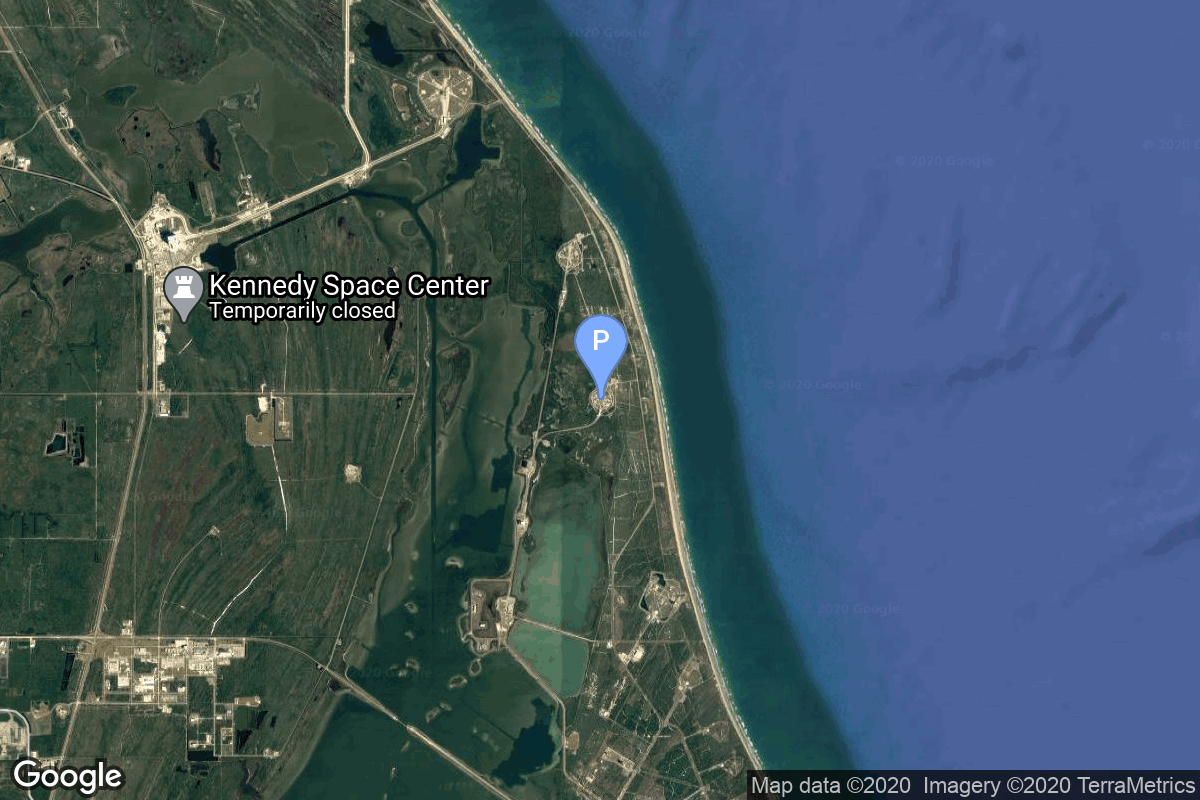
The Falcon 9 first stage B1096 will land back at the launch site at Landing Zone 40 after its 6th flight.
Spacecraft: Cargo Dragon C209
Second Cargo Dragon 2
Specifications
SerialC209
TypeCapsule
StatusActive
DestinationISS
Height7.2 m
Diameter3.7 m
Maiden Flight2020-12-06
Payload Capacity6,000 kg
Return Capacity3,000 kg
Time in Space175 Days, 23 Hours, 36 Minutes
Missions Flown5
Turnaround352 Days, 17 Hours, 32 Minutes
Fastest Turnaround164 Days, 6 Hours, 38 Minutes
History
Cargo Dragon 2 is an updated version of the original Dragon spaceship designed to service the International Space Station with first flights conducted in 2020.
In contrast to Dragon 1 it docks to the International Space Station instead of being berthed by the Canada Arm.
Capability
Cargo Earth Orbit Logistics
Details
Cargo Dragon 2 is a autonomous spaceship capable of bringing science to and from the International Space Station with large pressurized and un-pressurized sections to support a variety of missions.
Flight Life
Able to fly for up to one week of free flight or two years docked.
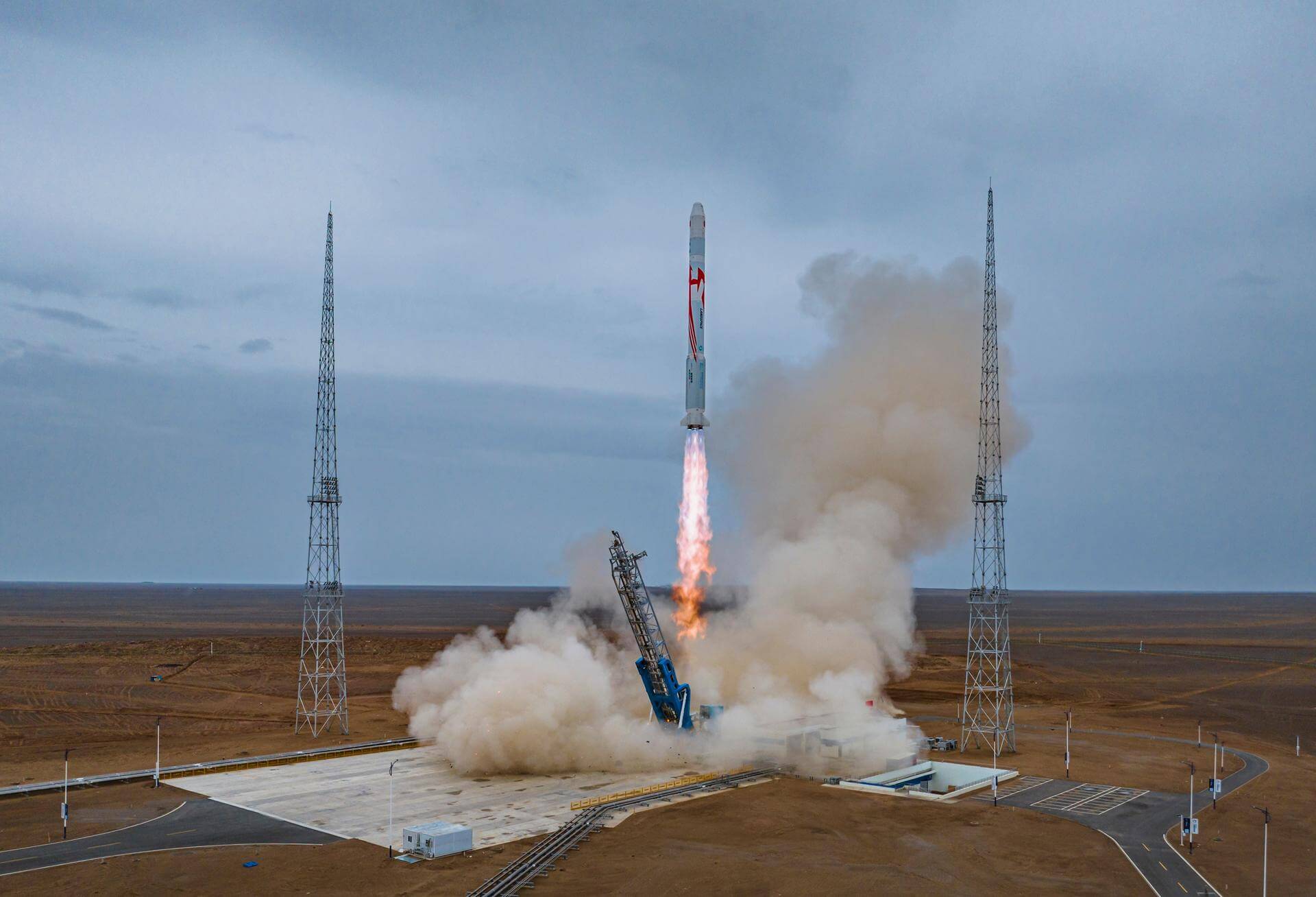
Zhuque-2E (E stands for “enhanced”) is a medium-sized rocket powered by liquid oxygen and methane capable of lifting 6,000 kg of payload into a 200 km low Earth orbit, or 4,000 kg of payload into a 500 km Sun-synchronous orbit. It differs from the baseline Zhuque-2 in using enhanced TQ-12A engines…
Kinetica 1 (also known as Lijian-1, Chinese: 力箭一号) is a Chinese solid-propellant light launch vehicle. It is capable of placing about 2 tons into low earth orbit and 1.5 tons into sun-synchronous orbit. It is developed by CAS Space, a subsidiary of the Chinese Academy of Sciences. Kinetica 1 is a…
Specifications
Length30 m
Diameter2.65 m
Launch Mass135 t
Liftoff Thrust1,961 kN
LEO Capacity2,000 kg
SSO Capacity1,500 kg
ReusableNo
Maiden Flight2022-07-27
Launch Record
11 successful / 12 total launches
Current streak: 6 successful
Enjoying the content? Stay up to date on everything happening behind the scenes by following our Patreon!
Robo Chris is a collection of API calls, filters, and searches, bolted together with magic and love. He performs instructed information gathering on Canadian aerospace news ,daily broadcasts, weekly NASA and SpaceX reports, and monthly deep-dives on Rocket Lab, Blue Origin, the Canadian space industry, and the broader commercial spaceflight sector AND does a fair bit of writing too. Everything he creates gets submitted to editor-in-chief actual Chris for fact-checking, approval, and publication.