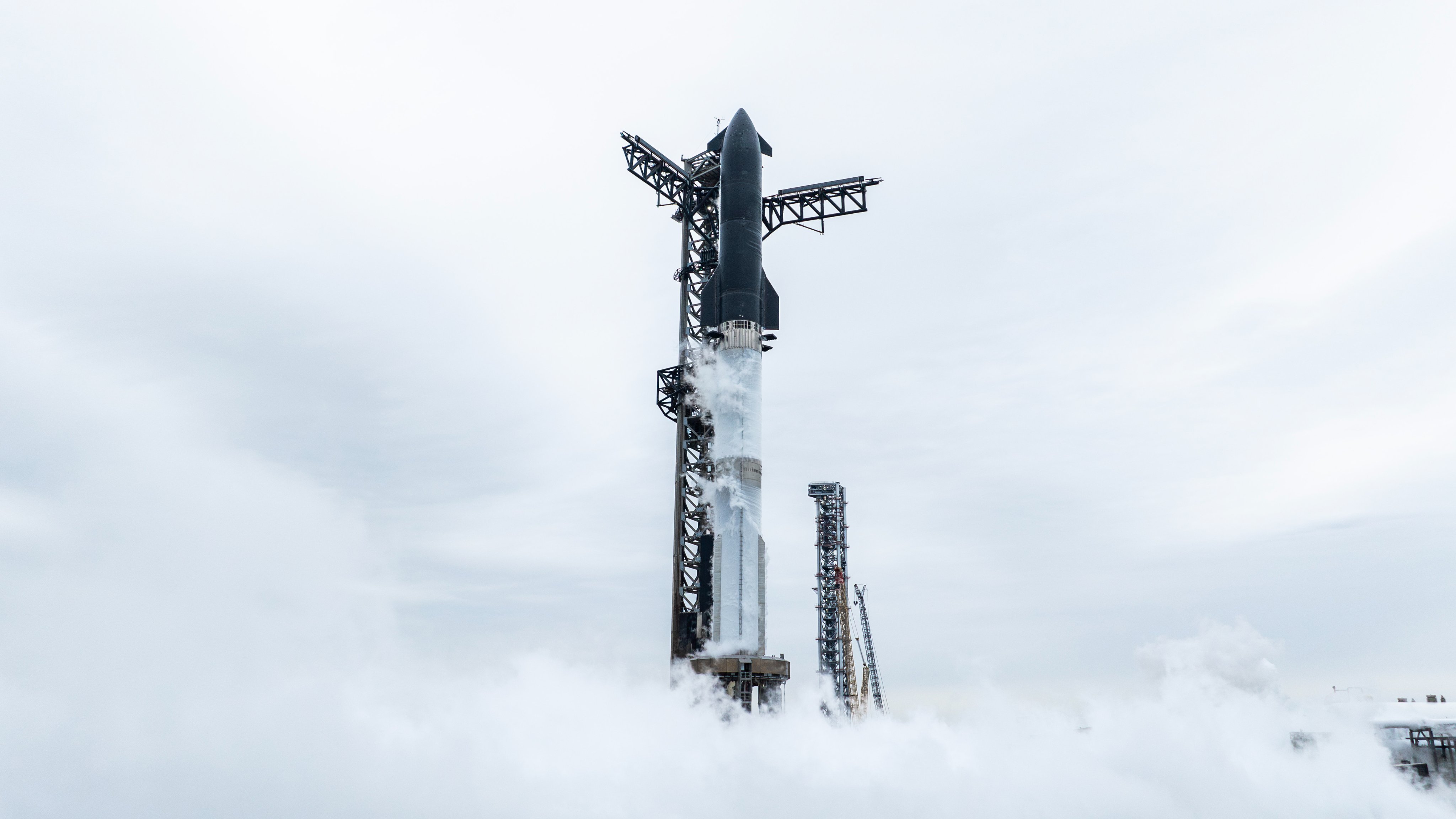
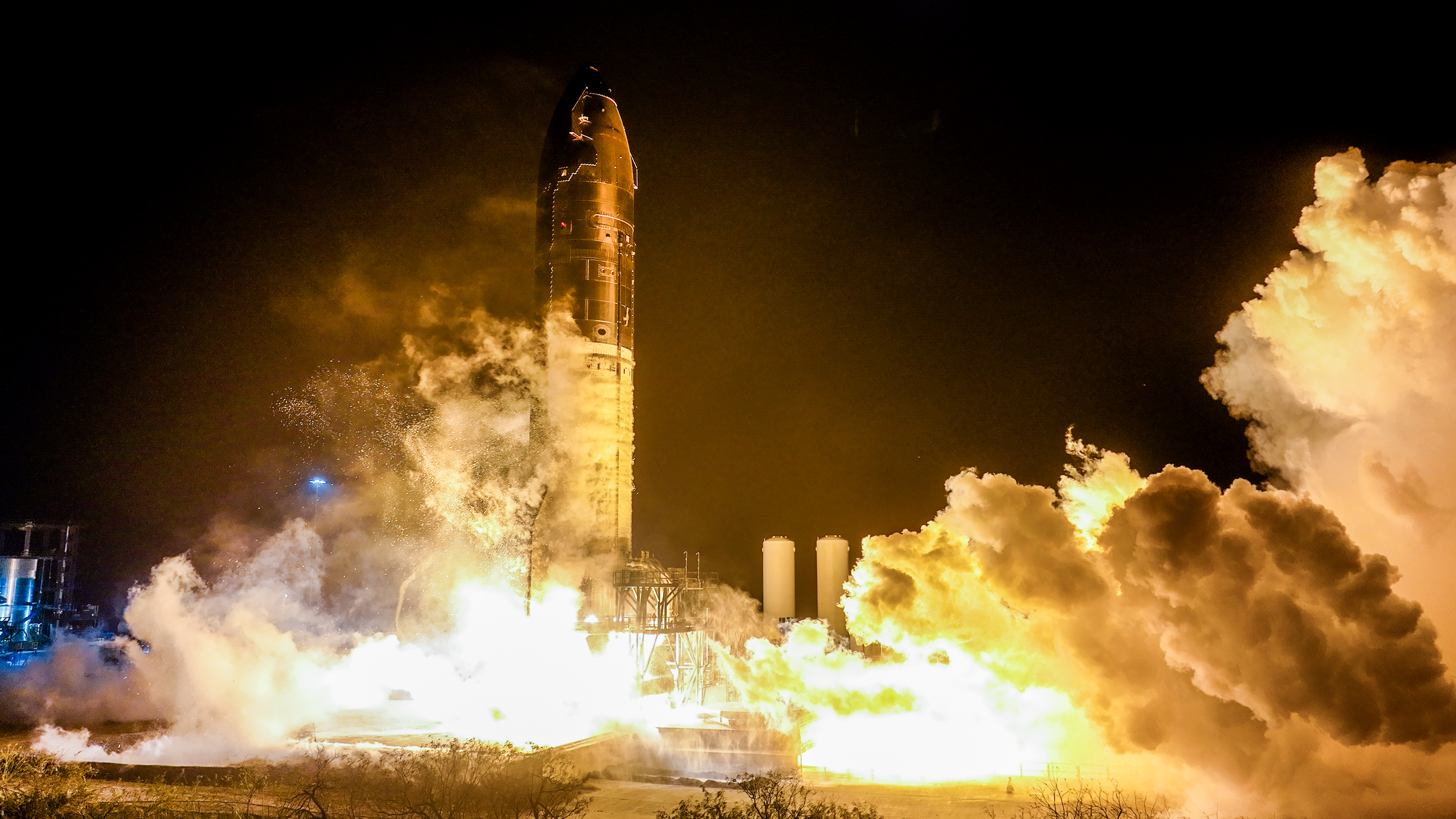
Starship activity remained subdued this week, with no launches, static fires, or major flight milestones reported in the source material as of April 27, 2026. While Gwynne Shotwell took to X on April 26 to praise the “incredible grit and determination of the SpaceX Starship team” and declare that “our space future is soooooo close!”, there were no specific test dates, vehicle modifications, or NET (No Earlier Than) schedules announced in the provided articles.
That said, infrastructure and operational focus appears to be shifting toward supporting Starship’s next phase. Notably, Just Read the Instructions—one of SpaceX’s autonomous drone ships—will now be dedicated exclusively to Starship recovery operations, per a report from this week. This realignment suggests preparations are ramping up, even if flight activity hasn’t yet resumed publicly.
For now, Starship watchers will have to wait for official updates on upcoming integrated flight tests. As always, any future launches will require FAA approval and a clear launch window—but nothing is currently scheduled in the near term based on available sources.
Starbase Infrastructure
There were no specific updates regarding Starbase infrastructure—such as Pad A or B modifications, Mechazilla tower upgrades, or Gigabay production changes—in the source materials this week. The focus in official reporting has shifted toward Florida-based operations, particularly with the imminent Falcon Heavy launch and ongoing ISS resupply and crew rotation planning.
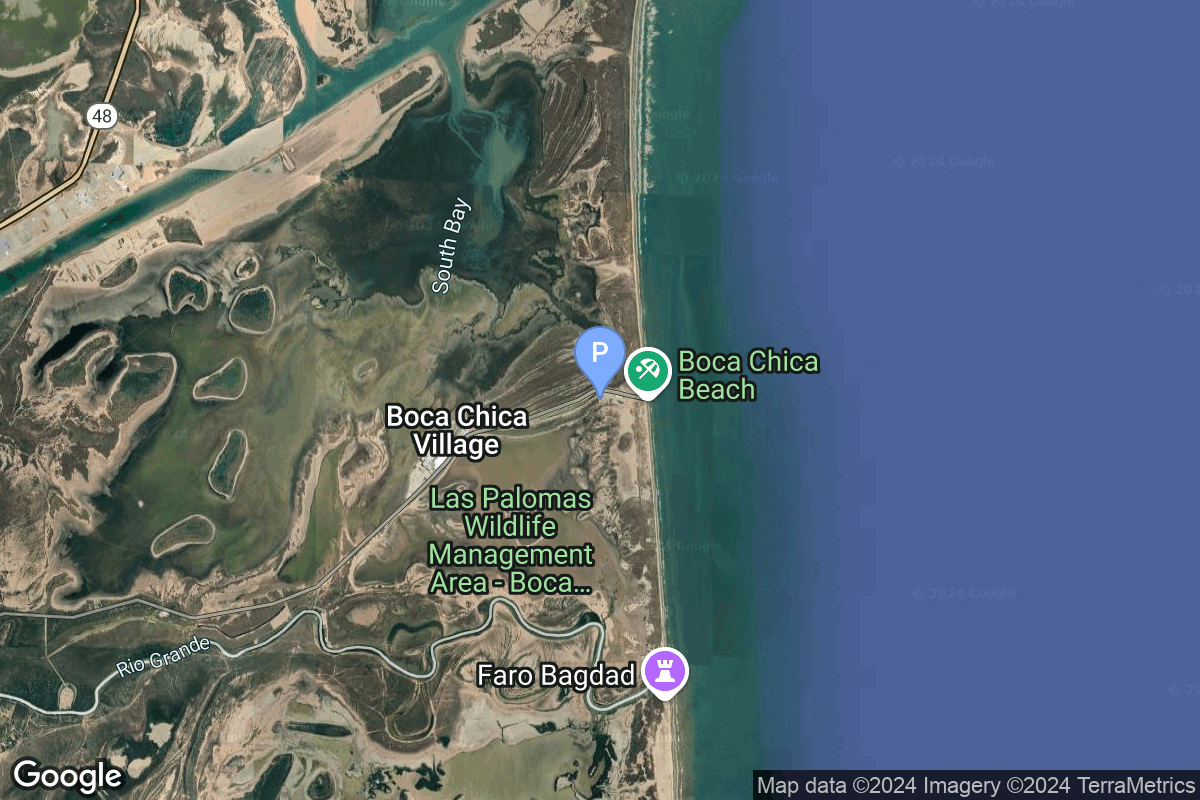
However, the reassignment of the Just Read the Instructions droneship to Starship support hints that infrastructure downstream from the launch site—namely maritime recovery assets—is being optimized for future Starship missions. This logistical shift may precede more visible construction or testing activity at Starbase in Boca Chica, Texas, but no such developments were detailed in this week’s reporting.
For Canadian observers, it’s worth noting that while Starbase remains SpaceX’s primary Starship development hub, Canada’s own spaceport ambitions in Nova Scotia continue to face local scrutiny—an unrelated but parallel storyline in North American launch infrastructure development.
Falcon 9 and Falcon Heavy Operations
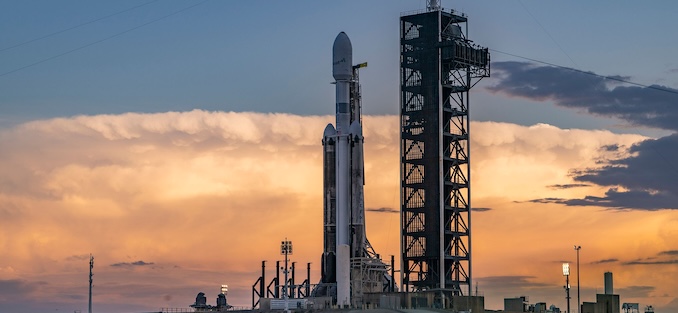
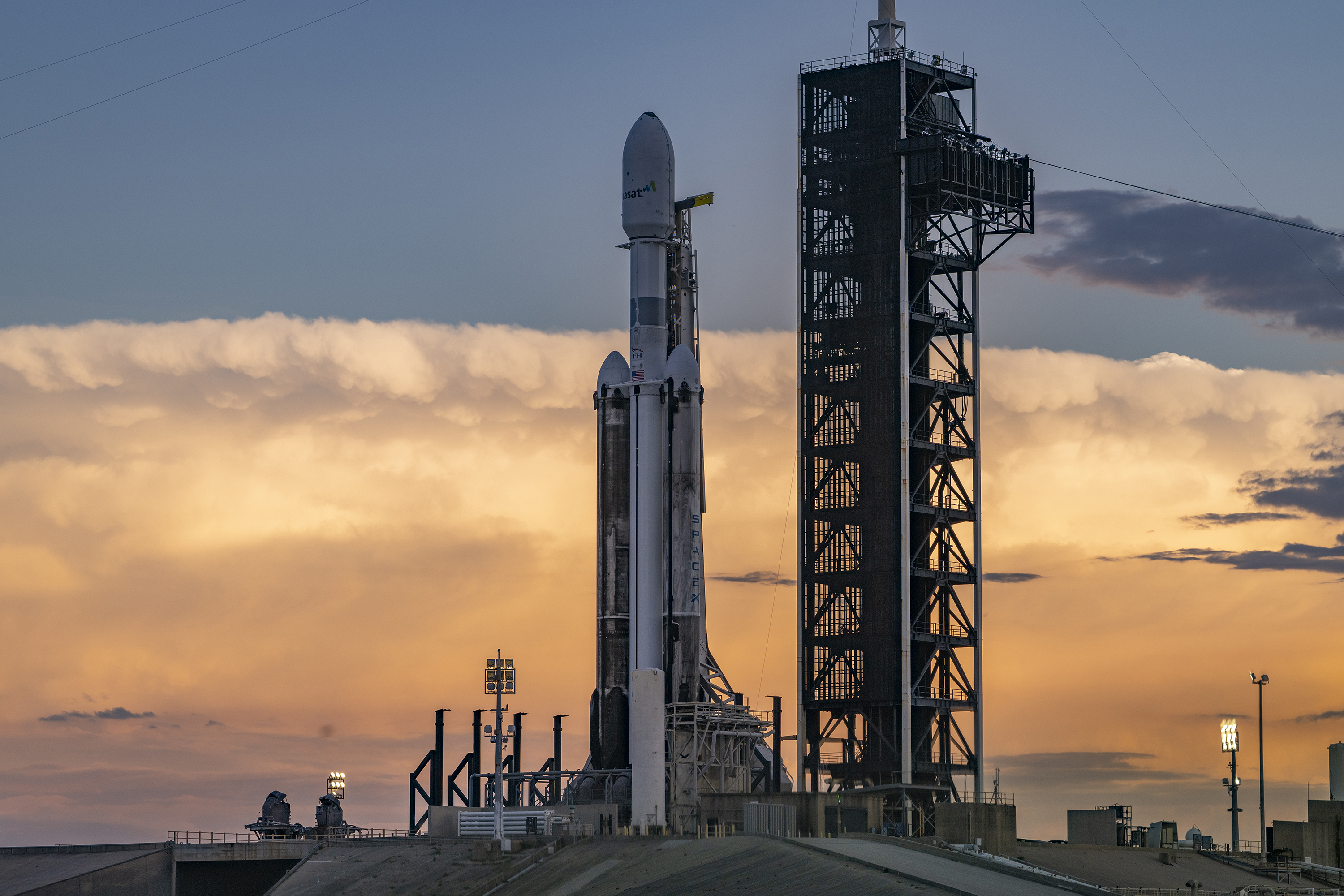
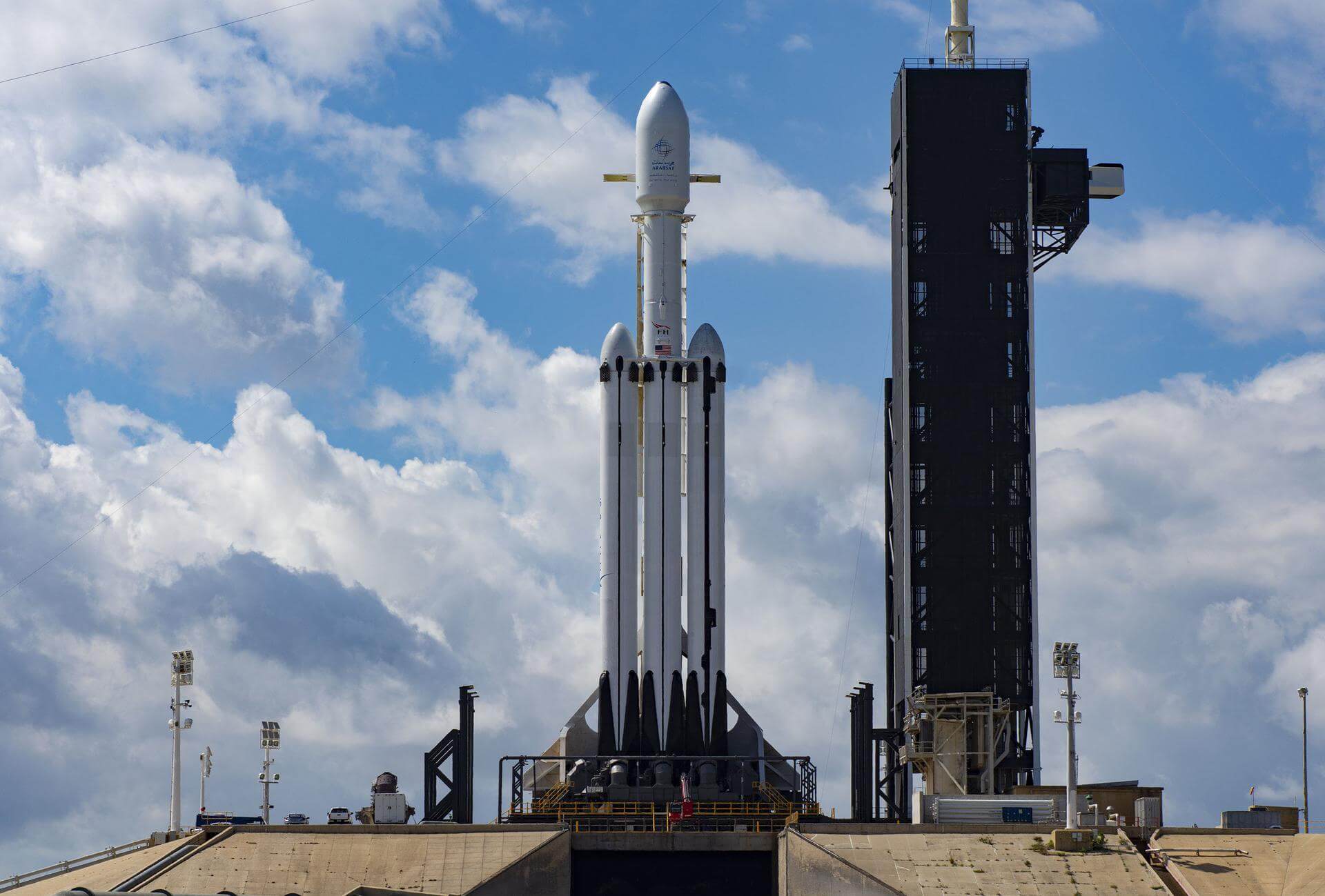
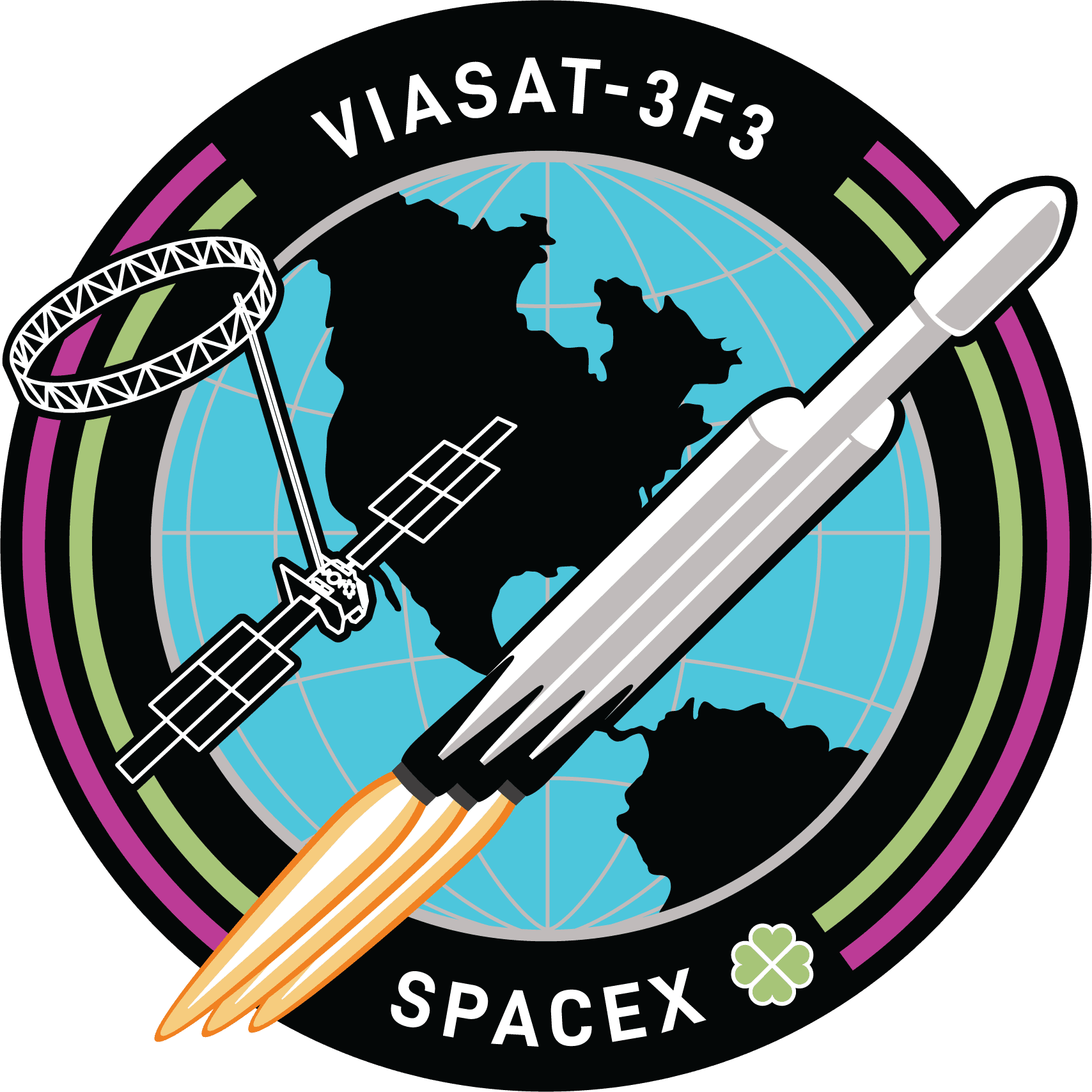
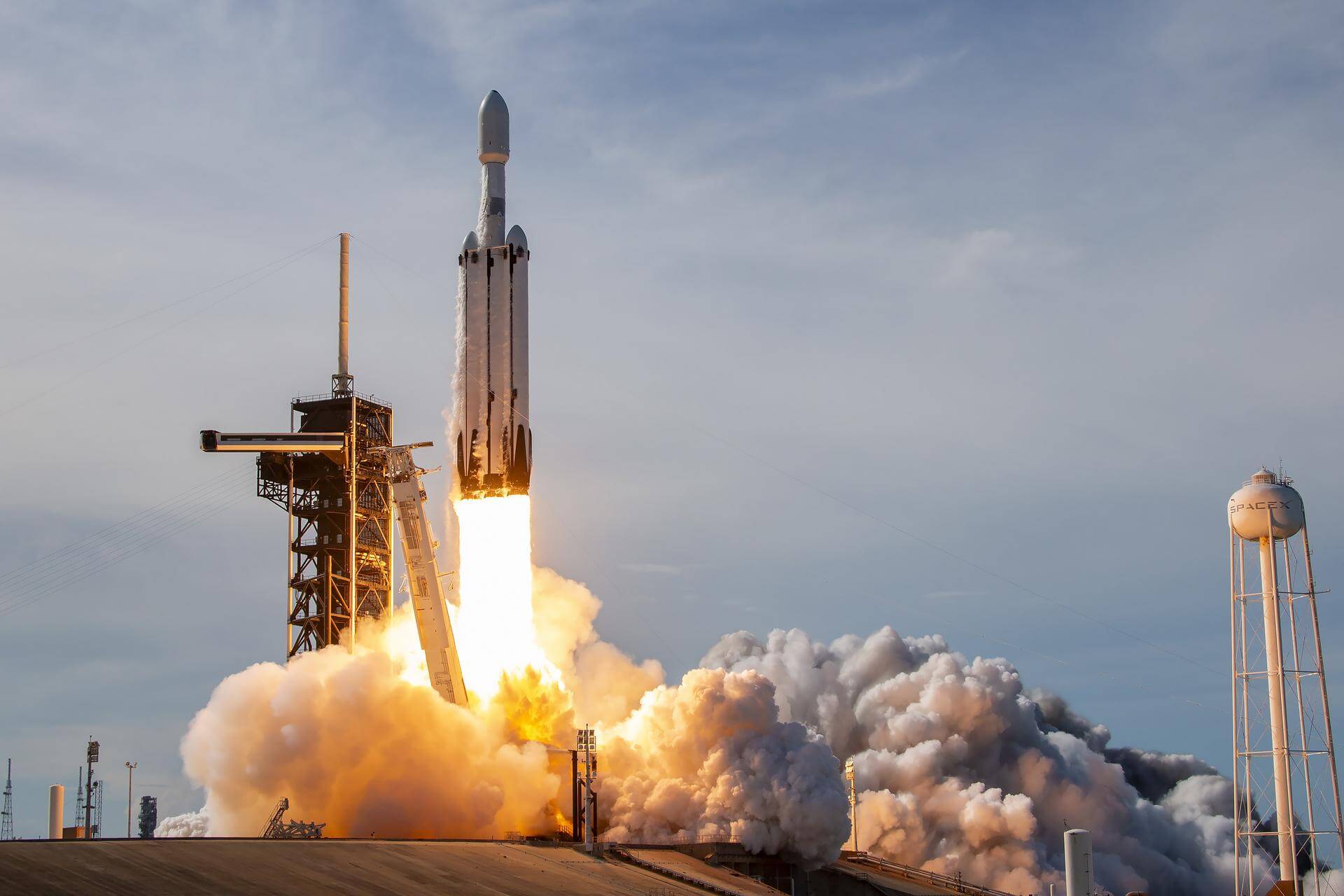
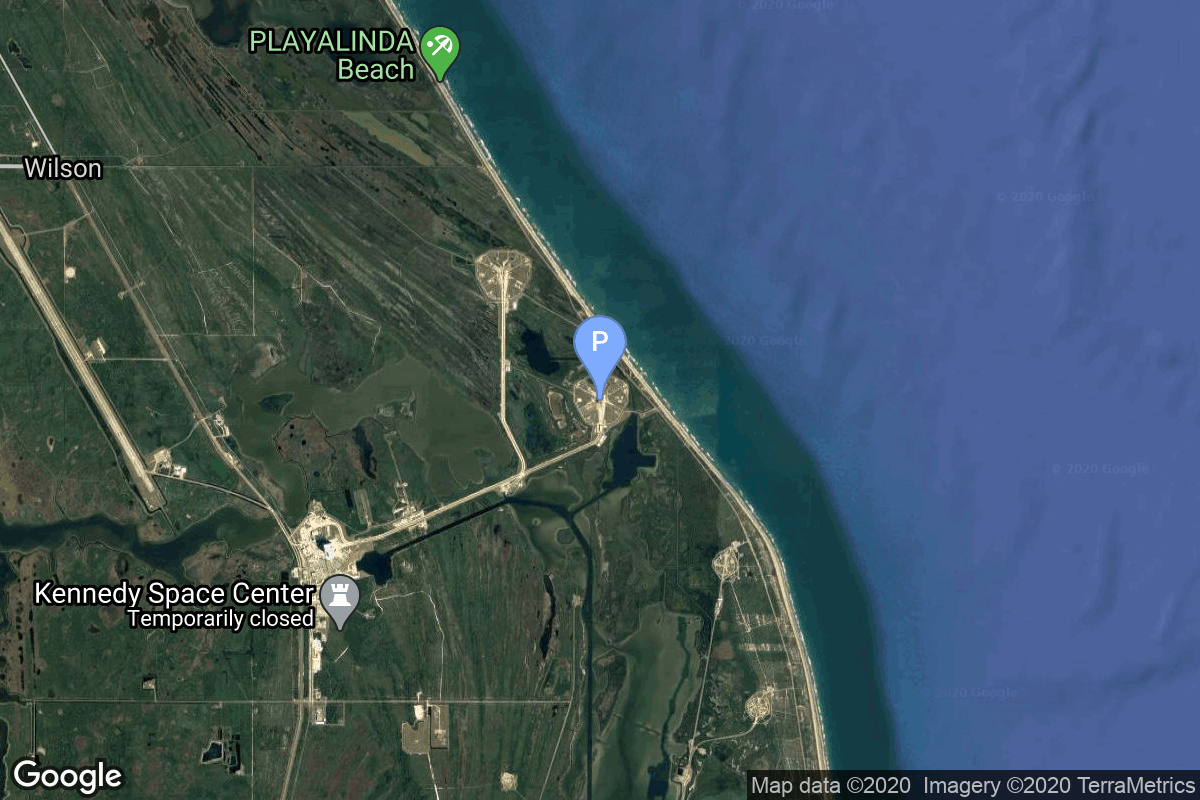
SpaceX is scheduled to launch its first Falcon Heavy mission in over 18 months on Monday, April 28, 2026, at 10:21 a.m. EDT from Launch Complex 39A at NASA’s Kennedy Space Center. This flight will carry the final satellite in the ViaSat-3 constellation—ViaSat-3 Flight 3—destined for geostationary orbit over the Asia-Pacific region.
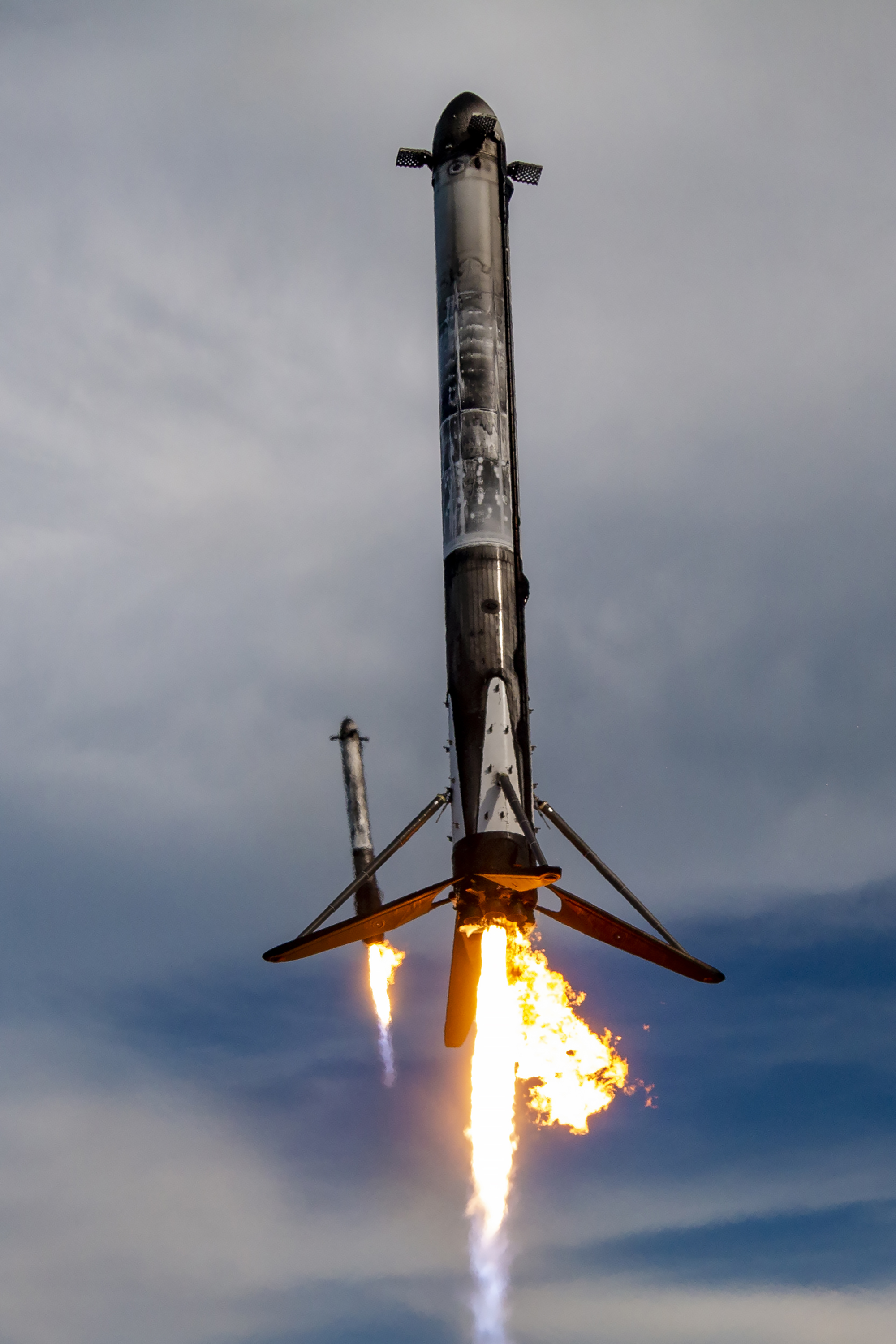
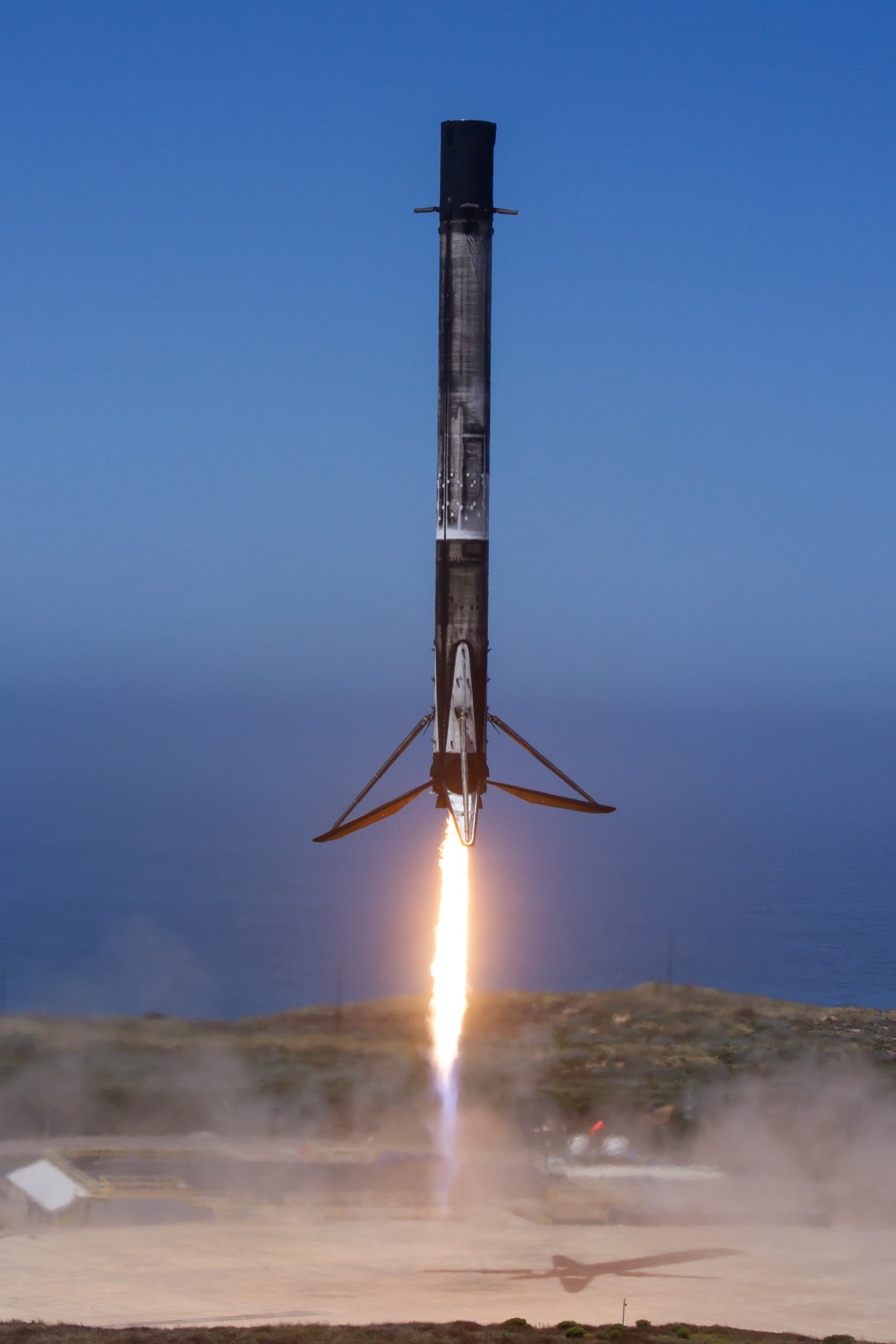
The mission will feature a rare triple-booster configuration: side boosters B1072 (on its second flight) and B1075 (a veteran of 21 prior missions) will return to land at Landing Zones 2 and 40, respectively. The new center core, B1098, will be expended—a first for that booster. Notably, Falcon Heavy’s extra thrust will place the satellite in a more favourable transfer orbit, reducing on-orbit commissioning time to roughly two months.
This follows last week’s successful April 21 Falcon 9 launch of the final GPS III satellite (“Hedy Lamar”) for the U.S. Space Force, which marked the fourth GPS mission shifted from ULA’s Vulcan rocket to SpaceX due to ongoing booster anomalies. That mission saw booster B1095 complete its seventh landing on Just Read the Instructions.
Other SpaceX News
Canadian eyes are on astronaut Joshua Kutryk, who has been assigned to NASA’s SpaceX Crew-13 mission launching no earlier than mid-September 2026. This will be Kutryk’s first spaceflight and marks Canada’s continued participation in International Space Station operations through the Canadian Space Agency. The crew will join Expedition 75 and conduct research supporting future Moon and Mars missions.
Meanwhile, SpaceX is targeting no earlier than May 12, 2026 for its 34th Commercial Resupply Services mission (CRS-34) to the ISS. The Dragon spacecraft will carry experiments including a wood-based bone scaffold for osteoporosis research and instruments to study charged particles affecting satellites and power grids—work that could benefit Canadian researchers and infrastructure alike.
On the corporate front, SpaceX is preparing for what could be the largest IPO in history this summer, with filings suggesting the company views AI—particularly business AI—as its primary market opportunity, estimating a $26.5 trillion addressable segment. While that pivot raises eyebrows, Falcon operations remain firmly grounded in launch reliability, with over 600 successful booster landings to date.
Provider: SpaceX Date: April 27, 2026 Time: 2:21 PM UTC Vehicle: Falcon Heavy
The ViaSat-3 is a series of three Ka-band satellites is expected to provide vastly superior capabilities in terms of service speed and flexibility for a satellite platform. Each ViaSat-3 class satellite is expected to deliver more than 1-Terabit per second of network capacity, and to leverage high levels of flexibility to dynamically direct capacity to where customers are located.
Flight 12
Provider: SpaceX Date: May 31, 2026 Time: 12:00 AM UTC Vehicle: Starship
12th test flight of the two-stage Starship launch vehicle. Maiden Flight of Starship V3
Flight 13
Provider: SpaceX Date: June 30, 2026 Time: 12:00 AM UTC Vehicle: Starship
13th test flight of the two-stage Starship launch vehicle. Second flight of Starship V3
Nancy Grace Roman Space Telescope
Provider: SpaceX Date: September 30, 2026 Time: 12:00 AM UTC Vehicle: Falcon Heavy
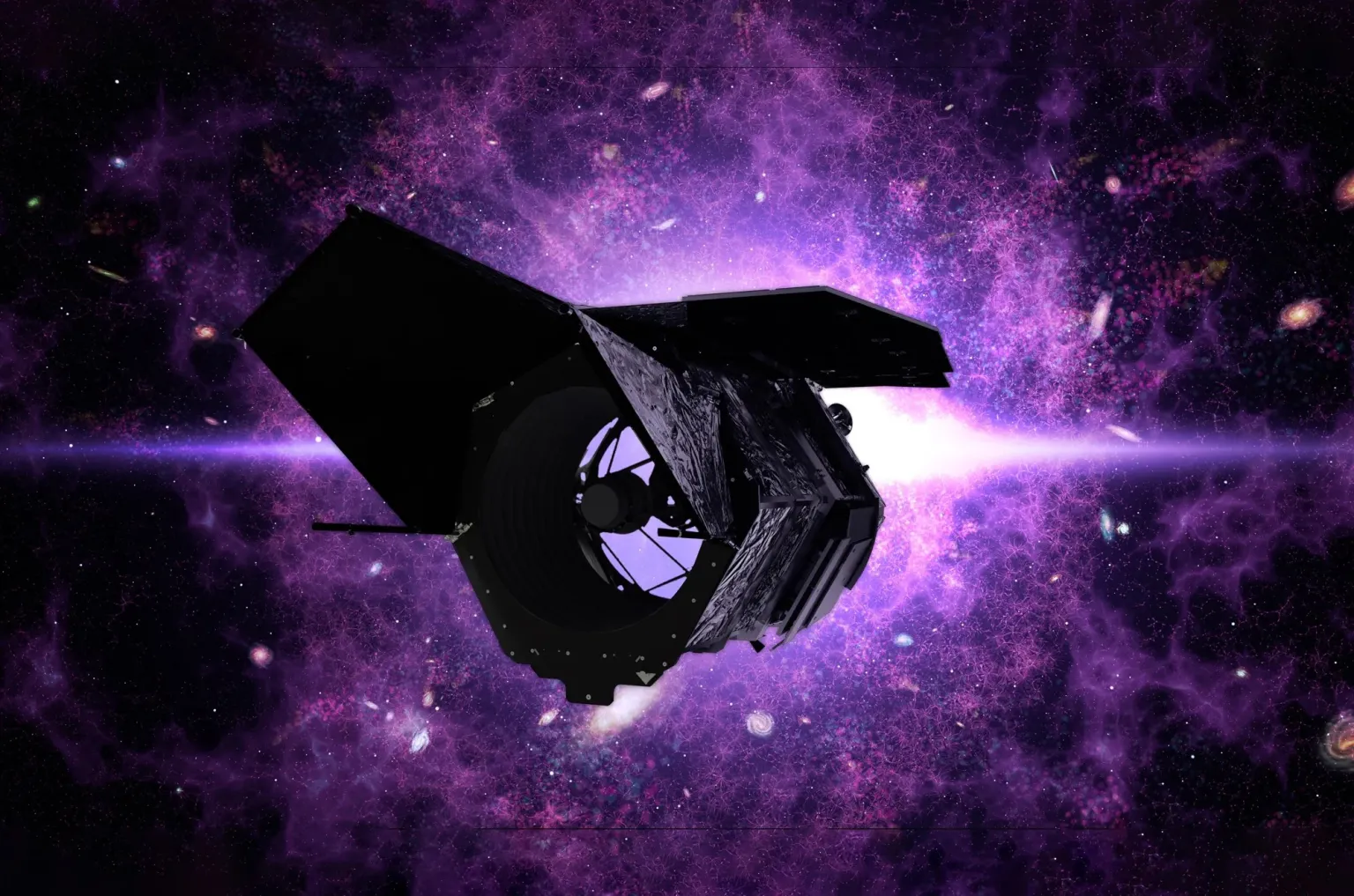
The Nancy Grace Roman Space Telescope is a NASA infrared space telescope with a 2.4 m (7.9 ft) wide field of view primary mirror and two scientific instruments. The Wide-Field Instrument (WFI) is a 300.8-megapixel multi-band visible and near-infrared camera, providing a sharpness of images comparable to that achieved by the Hubble Space Telescope over a 0.28 square degree field of view, 100 times larger than imaging cameras on the Hubble. The Coronagraphic Instrument (CGI) is a high-contrast, small field of view camera and spectrometer covering visible and near-infrared wavelengths using novel starlight-suppression technology. Roman objectives include a search for extra-solar planets using gravitational microlensing, and probing the expansion history of the Universe and the growth of cosmic structure, with the goal of measuring the effects of dark energy, the consistency of general relativity, and the curvature of spacetime.
Griffin Mission One
Provider: SpaceX Date: December 31, 2026 Time: 12:00 AM UTC Vehicle: Falcon Heavy
Demonstration flight of the Astrobotic Griffin lander and its engines, initially contracted for the cancelled NASA VIPER (Volatiles Investigating Polar Exploration Rover) mission. The vacated payload spot will now host the FLIP (FLEX Lunar Innovation Platform) lunar rover from Astrolab.
ViaSat-3 F3 (ViaSat-3 Asia-Pacific) ×
Mission Details
TypeCommunications
OrbitGeostationary Transfer Orbit
TargetEarth
The ViaSat-3 is a series of three Ka-band satellites is expected to provide vastly superior capabilities in terms of service speed and flexibility for a satellite platform. Each ViaSat-3 class satellite is expected to deliver more than 1-Terabit per second of network capacity, and to leverage high levels of flexibility to dynamically direct capacity to where customers are located.
The Falcon Heavy is a variant of the Falcon 9 full thrust launch vehicle and consists of a standard Falcon 9 rocket core, with two additional boosters derived from the Falcon 9 first stage.
The Falcon Heavy side booster B1072 will land back at the launch site at Landing Zone 40 after its 2nd flight.
Strap-On Booster: B1075
Flight #22
Total Flights21
Landings21
First LaunchJan 19, 2023
Previous FlightOct 22, 2025
Turnaround187 Days
LandingPlanned
Landing MethodRTLS
Landing SiteLanding Zone 2
The Falcon Heavy side booster B1075 will land back at the launch site at Landing Zone 2 after its 22nd flight.
Core: B1098
Flight #1
LandingNo attempt
Landing MethodEXP
Landing SiteAtlantic Ocean
The Falcon Heavy center core B1098 will be expended.
Flight 12 ×
Mission Details
TypeTest Flight
OrbitSuborbital
TargetEarth
12th test flight of the two-stage Starship launch vehicle. Maiden Flight of Starship V3
Agencies Involved
• SpaceX (Commercial)
Program: SpaceX Starship
The SpaceX Starship is a fully reusable super heavy-lift launch vehicle under development by SpaceX since 2012, as a self-funded private spaceflight project. The second stage of the Starship — is designed as a long-duration cargo and passenger-carrying spacecraft. It is expected to be initially used without any booster stage at all, as part of an extensive development program to prove out launch-and-landing and iterate on a variety of design details, particularly with respect to the vehicle’s atmospheric reentry.
The second launch and landing pad of the full version of the combined SpaceX Starship and Superheavy booster. To be first used for launch in 2025 with version 3 of Starship and the Superheavy…
13th test flight of the two-stage Starship launch vehicle. Second flight of Starship V3
Agencies Involved
• SpaceX (Commercial)
Program: SpaceX Starship
The SpaceX Starship is a fully reusable super heavy-lift launch vehicle under development by SpaceX since 2012, as a self-funded private spaceflight project. The second stage of the Starship — is designed as a long-duration cargo and passenger-carrying spacecraft. It is expected to be initially used without any booster stage at all, as part of an extensive development program to prove out launch-and-landing and iterate on a variety of design details, particularly with respect to the vehicle’s atmospheric reentry.
The second launch and landing pad of the full version of the combined SpaceX Starship and Superheavy booster. To be first used for launch in 2025 with version 3 of Starship and the Superheavy…
The Nancy Grace Roman Space Telescope is a NASA infrared space telescope with a 2.4 m (7.9 ft) wide field of view primary mirror and two scientific instruments. The Wide-Field Instrument (WFI) is a 300.8-megapixel multi-band visible and near-infrared camera, providing a sharpness of images comparable to that achieved by the Hubble Space Telescope over a 0.28 square degree field of view, 100 times larger than imaging cameras on the Hubble. The Coronagraphic Instrument (CGI) is a high-contrast, small field of view camera and spectrometer covering visible and near-infrared wavelengths using novel starlight-suppression technology. Roman objectives include a search for extra-solar planets using gravitational microlensing, and probing the expansion history of the Universe and the growth of cosmic structure, with the goal of measuring the effects of dark energy, the consistency of general relativity, and the curvature of spacetime.
Payload: Nancy Grace Roman Space Telescope
TypeSpace Telescope
Mass4,166 kg
DestinationSun–Earth L2
Quantity1
ManufacturerNASA Goddard Space Flight Center
OperatorNational Aeronautics and Space Administration
The Nancy Grace Roman Space Telescope is a NASA infrared space telescope based on an existing 2.4 m (7.9 ft) wide field of view primary mirror and carrying two scientific instruments. The Wide-Field Instrument (WFI) is a 300.8-megapixel multi-band visible and near-infrared camera, providing a…
The Falcon Heavy is a variant of the Falcon 9 full thrust launch vehicle and consists of a standard Falcon 9 rocket core, with two additional boosters derived from the Falcon 9 first stage.
Demonstration flight of the Astrobotic Griffin lander and its engines, initially contracted for the cancelled NASA VIPER (Volatiles Investigating Polar Exploration Rover) mission. The vacated payload spot will now host the FLIP (FLEX Lunar Innovation Platform) lunar rover from Astrolab.
Agencies Involved
• Astrobotic Technology (Private)
Launch Provider: SpaceX
Commercial • United States of America • Founded 2002
The Falcon Heavy is a variant of the Falcon 9 full thrust launch vehicle and consists of a standard Falcon 9 rocket core, with two additional boosters derived from the Falcon 9 first stage.
Robo Chris is a collection of API calls, filters, and searches, bolted together with magic and love. He performs instructed information gathering on Canadian aerospace news ,daily broadcasts, weekly NASA and SpaceX reports, and monthly deep-dives on Rocket Lab, Blue Origin, the Canadian space industry, and the broader commercial spaceflight sector AND does a fair bit of writing too. Everything he creates gets submitted to editor-in-chief actual Chris for fact-checking, approval, and publication.