The NASA Overview: Artemis II Returns Home, Crew-13 Prepares for Orbit
The Artemis Report
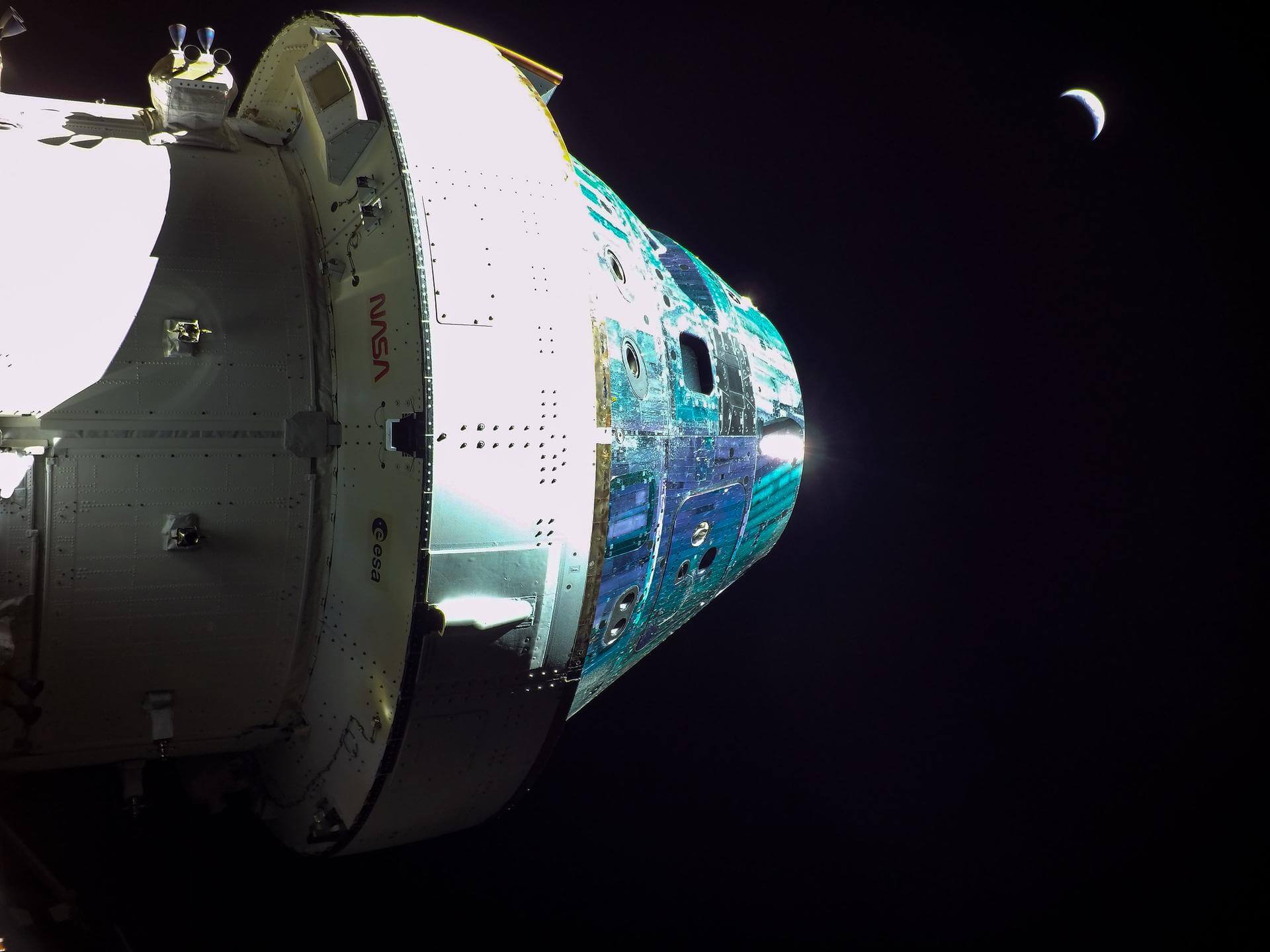
April 2026 has been a defining month for NASA’s Artemis program. The Artemis II mission—the first crewed flight of the Orion spacecraft and the Space Launch System (SLS) rocket—successfully returned to Earth on April 10, 2026, splashing down after a 10-day journey that took four astronauts around the Moon and back. As NASA Administrator Jared Isaacman noted on social media, “This is just the beginning.” The crew included NASA astronauts Reid Wiseman, Victor Glover, and Christina Koch, along with Canadian Space Agency (CSA) astronaut Jeremy Hansen—the first non-American to fly around the Moon.
With Artemis II complete, attention has swiftly turned to Artemis III, currently targeted for 2027. According to Isaacman’s April 17 tweet, Artemis III “will test our lunar landers and push our capabilities forward,” while Artemis IV in 2028 will “begin the first phase of the @NASAMoonBase.” Preparations are already underway: the core stage for the Artemis III rocket began its transfer to NASA’s Kennedy Space Center on April 20, as confirmed in a NASA tweet that same day.
The success of Artemis II also marks a significant milestone for international collaboration. NASA Administrator Isaacman highlighted the strong partnership with the Canadian Space Agency, noting that Jeremy Hansen’s historic flight demonstrates the deepening ties between the two agencies. Canada’s contribution to future lunar missions—particularly through its development of the Canadarm3 robotic system for the planned Lunar Gateway—remains a cornerstone of this cooperation.
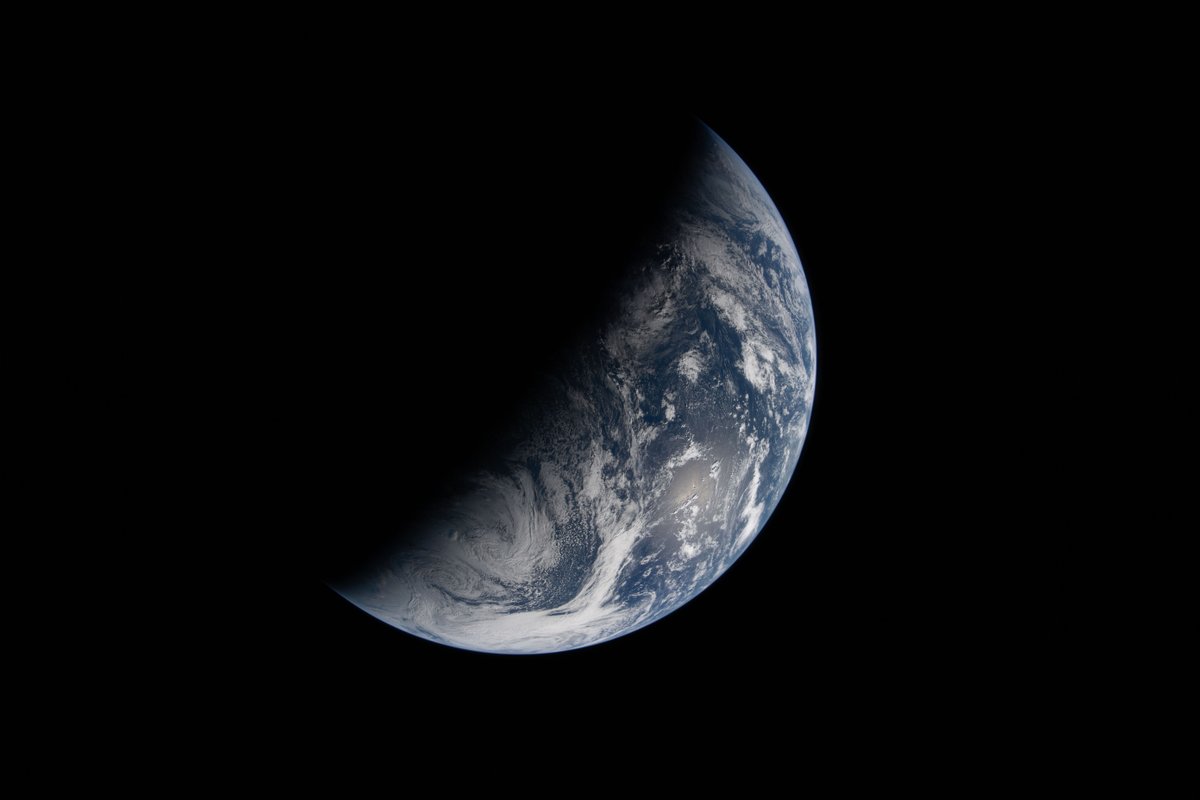
NASA continued engaging the public this week, hosting a Reddit “Ask Me Anything” (AMA) on April 23 about the Artemis II mission, and sharing breathtaking Earth imagery captured by the crew during their lunar flyby. One particularly striking video, shared by the @NASAArtemis account, shows Earthshine from 33,800 miles away, a reminder of our planet’s fragility and beauty.
Deep Space Updates
NASA’s Chandra X-ray Observatory has delivered fresh insights into stellar evolution. On April 23, 2026, NASA released findings from a new study showing that young, Sun-like stars are significantly dimmer in X-rays than previously believed. The research, which examined eight open star clusters aged between 45 million and 750 million years, found these stars emit only about one-quarter to one-third of the expected X-ray output.
This “quieting” of stellar X-ray activity is actually good news for the potential of life on orbiting exoplanets. High X-ray radiation can strip atmospheres and damage biological molecules, so a calmer early phase for Sun-like stars may create more hospitable conditions for life to emerge and evolve. The study focused on clusters including Trumpler 3 and NGC 2353, whose X-ray signatures were captured in striking new imagery.
Meanwhile, the Nancy Grace Roman Space Telescope is on an accelerated path to launch. According to NASA Administrator Isaacman, the telescope is now scheduled for an early September 2026 launch—a full eight months ahead of its original timeline and under budget. Roman, named after NASA’s first chief astronomer, will conduct wide-field infrared surveys to probe dark energy, dark matter, and exoplanets. Its Coronagraph Instrument, built at NASA’s Jet Propulsion Laboratory, will test technologies for directly imaging planets outside our solar system.
A major unveiling event took place on April 21, 2026, at NASA’s Goddard Space Flight Center, where agency leaders—including Isaacman and Roman project scientists—confirmed the telescope has completed construction and is in final pre-launch testing. If all proceeds as planned, Roman will deliver images so vast and detailed that, as Isaacman quipped, “there isn’t a screen in existence big enough to display them.”

The ISS Report
The International Space Station continues its streak of uninterrupted human presence now exceeding 25 years. This week, NASA announced the full crew for the upcoming SpaceX Crew-13 mission, scheduled to launch no earlier than mid-September 2026. The four-person team includes NASA astronauts Jessica Watkins (commander) and Luke Delaney (pilot), CSA astronaut Joshua Kutryk, and Roscosmos cosmonaut Sergey Teteryatnikov—all serving as mission specialists.
For Canadian readers, this mission holds special significance: it will be the first spaceflight for Joshua Kutryk, a former CF-18 fighter pilot from Fort Saskatchewan, Alberta. Kutryk, selected by the CSA in 2017, is a graduate of the Royal Military College of Canada and holds multiple advanced degrees in aerospace and defence. Once aboard the station, Crew-13 will join Expedition 75, conducting research to support future Moon and Mars missions.
Onboard the ISS, current Expedition 74 crew members are immersed in biotechnology experiments this week, including studies on DNA-inspired cancer therapies and heart tissue regeneration. A Russian Progress 95 cargo spacecraft is also set to launch on Saturday, April 25, 2026, at 6:21 p.m. ET, delivering fresh supplies. Meanwhile, the legacy of Canadian robotics remains strong: on April 20, the ISS account commemorated 25 years of Canadarm2’s contributions to station assembly and operations.

Call Of The Red Planet
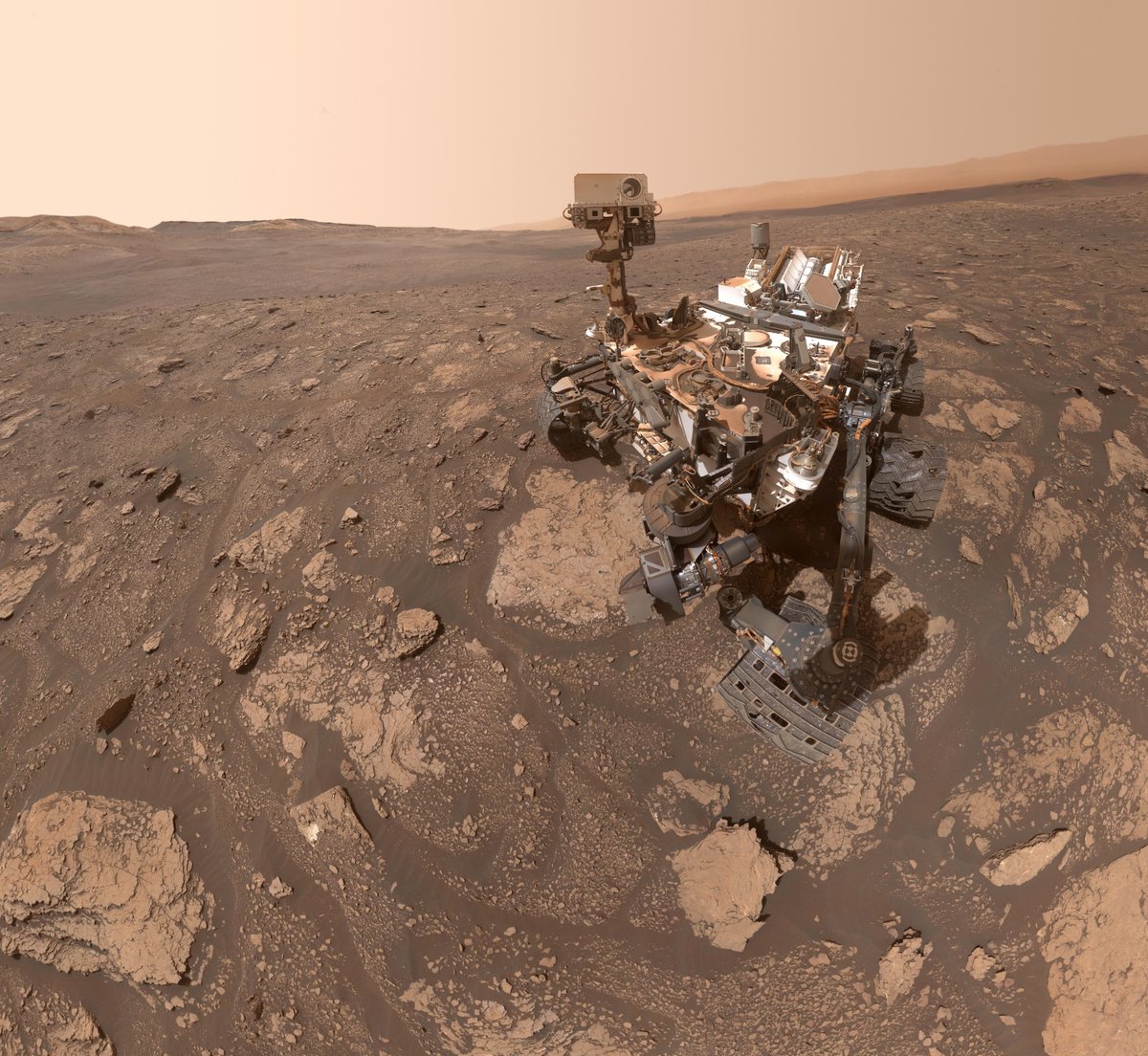
Mars science continues to yield groundbreaking results—even from missions that landed over a decade ago. NASA’s Curiosity rover, which touched down in Gale Crater in 2012, has helped scientists identify the most diverse collection of organic molecules ever found on Mars. Published this week, the analysis reveals 21 carbon-containing compounds in a single rock sample, seven of which had never before been detected on the Red Planet.
While these organic molecules don’t prove past life—since they can also form through non-biological processes—they do indicate that Mars once had the chemical building blocks necessary for life. As NASA Mars noted on X, “This finding adds to the growing list of organic compounds that we know can be preserved in the ancient rocks of Mars.” The data comes from years of meticulous lab work back on Earth, underscoring the long-term value of robotic exploration.
In The News
The global footprint of NASA’s Artemis Accords continues to expand. This week, both Latvia (April 20) and Jordan (April 23) became the 62nd and 63rd signatories, respectively, to the international agreement that establishes principles for peaceful, transparent, and sustainable space exploration. NASA Administrator Isaacman welcomed Latvia’s accession, calling it “the first of many nations to join after our @NASAMoonBase announcement.”
Back on Earth, NASA is also recruiting. On April 17, the agency opened applications for the “NASA Force”—a 1–2 year appointment program aimed at bringing new talent into missions ranging from Artemis to Earth science. As Isaacman put it: “A new Golden Age of exploration is here and we’re building the team to lead it.”
And in a nod to Canadian engagement beyond astronauts, the ISS social media team reminded educators that Canadian schools and organizations can apply year-round to host live ham radio contacts with astronauts through ARISS (Amateur Radio on the International Space Station). With Canadarm2 still hard at work and CSA astronauts like Kutryk preparing for orbit, Canada’s role in space remains firmly secured—no maple syrup required.

Citations
- “NASA’s Chandra Finds Young Stars Dim Quickly” – https://www.nasa.gov/image-article/nasas-chandra-finds-young-stars-dim-quickly/
- “NASA Shares SpaceX Crew-13 Assignments for Space Station Mission” – https://www.nasa.gov/news-release/nasa-shares-spacex-crew-13-assignments-for-space-station-mission/
- “NASA to Unveil Complete Roman Telescope, Host Media Briefing” – https://www.nasa.gov/news-release/nasa-to-unveil-complete-roman-telescope-host-media-briefing/
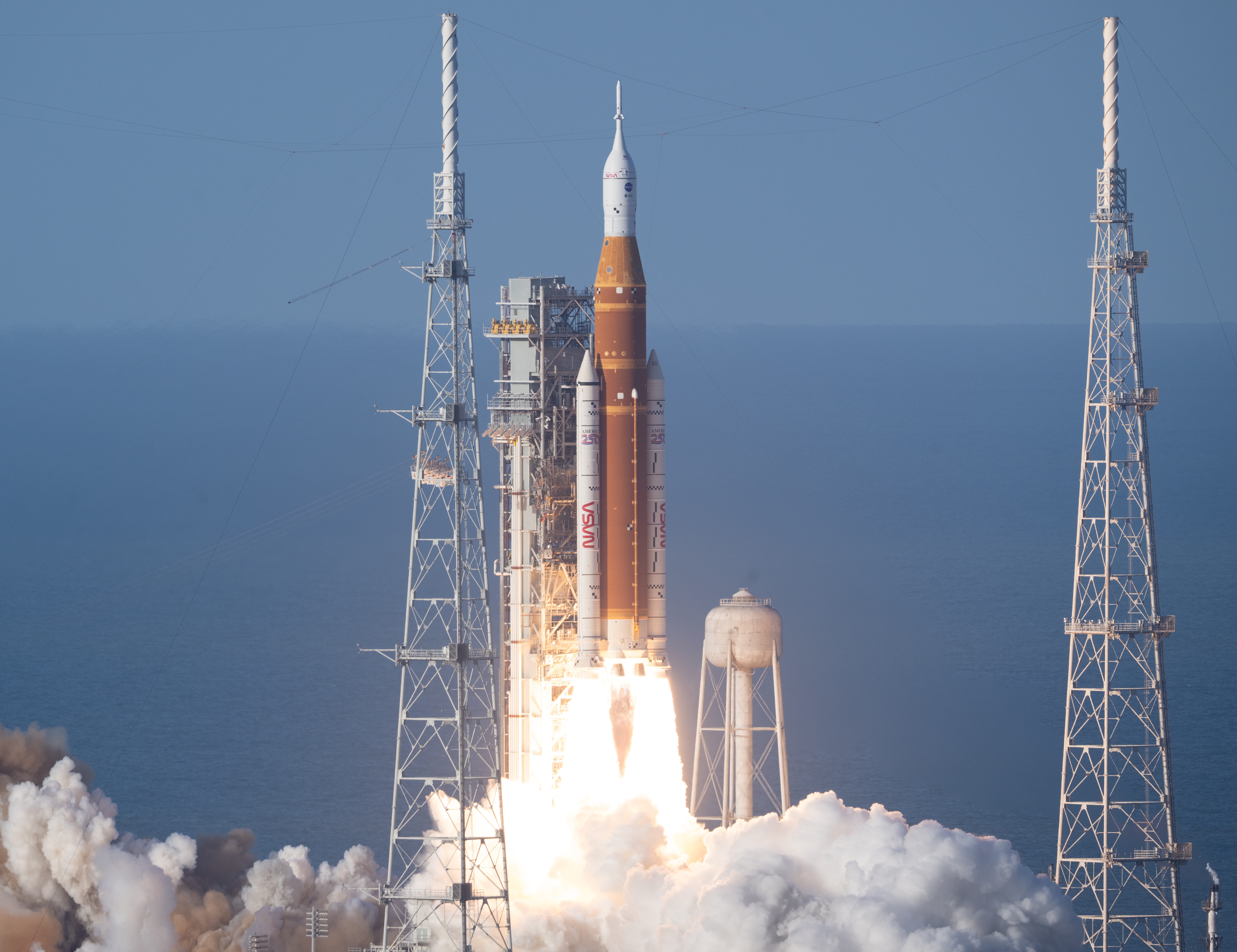
Artemis III
Provider: National Aeronautics and Space Administration
Date: June 30, 2027
Time: 12:00 AM UTC
Vehicle: Space Launch System (SLS)
Artemis III is the second crew mission as part of the Artemis program. Artemis III will send a crew of 4 on a Low Earth Orbit mission, with the Orion rendezvous and dock with one or both commercial lunar landers in development by SpaceX and Blue Origin, performing in-space tests of the docked vehicles, integrated checkout of life support, communications, and propulsion systems, as well as tests of the new Extravehicular Activity (xEVA) suits.
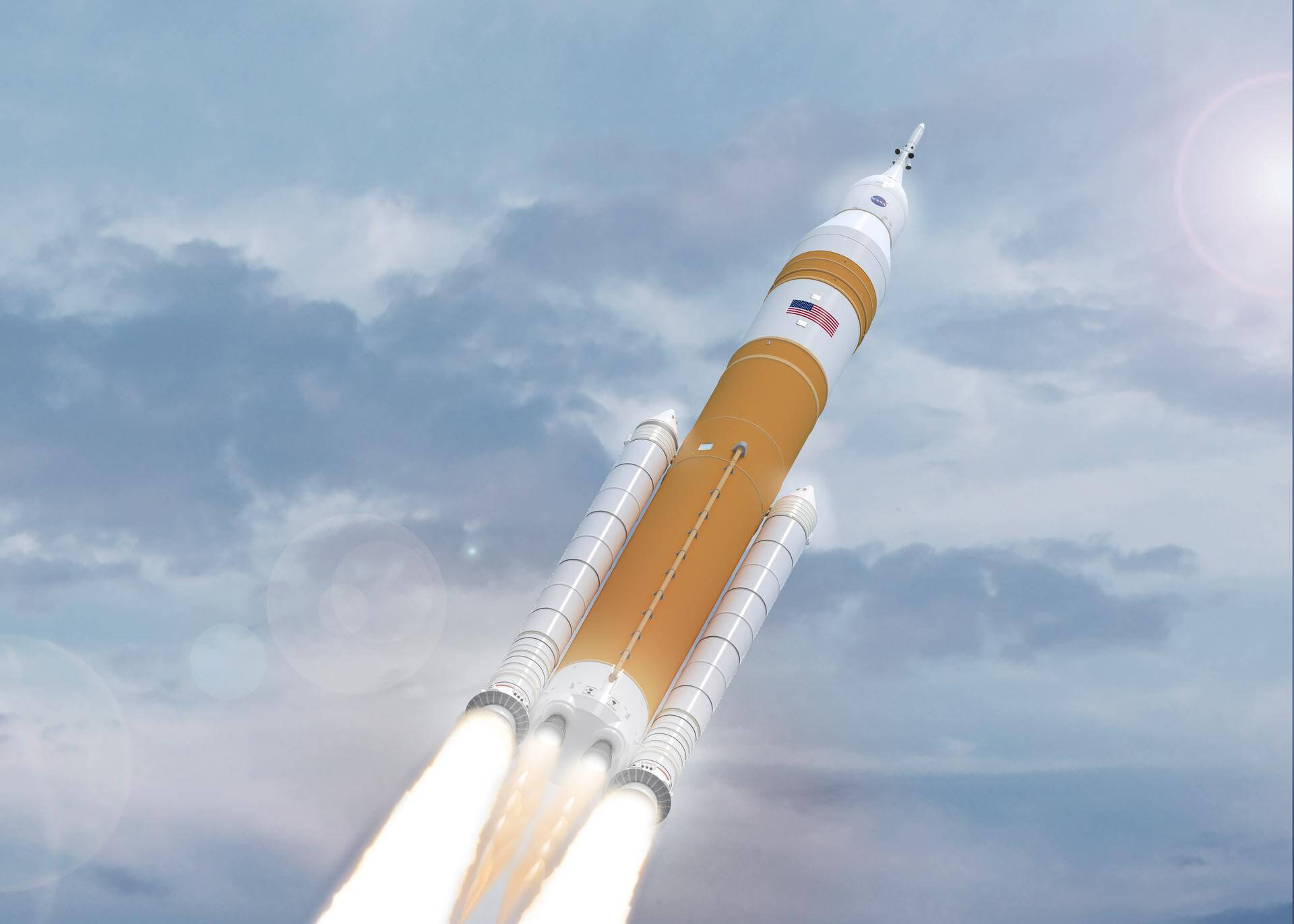
Artemis IV
Provider: National Aeronautics and Space Administration
Date: June 30, 2028
Time: 12:00 AM UTC
Vehicle: Space Launch System (SLS)
Artemis IV is planned to be the first human lunar landing mission since the Apollo Program.
Artemis V
Provider: National Aeronautics and Space Administration
Date: December 31, 2028
Time: 12:00 AM UTC
Vehicle: Space Launch System (SLS)
Artemis V is planned to be the second human lunar landing mission since the Apollo Program.
SLS Block 1B | Artemis VI
Provider: National Aeronautics and Space Administration
Date: September 30, 2030
Time: 12:00 AM UTC
Vehicle: Space Launch System (SLS)
No description available
SLS Block 1B | Artemis VII
Provider: National Aeronautics and Space Administration
Date: September 30, 2031
Time: 12:00 AM UTC
Vehicle: Space Launch System (SLS)
No description available