Canada Terminates WildFireSat Contract in Unexpected Policy Reversal
The Government of Canada has cancelled its contract with Spire Global Canada to design and develop the WildFireSat satellite constellation, according to a notification filed with the U.S. Securities and Exchange Commission. The Minister of Public Works and Government Services issued a termination notice on April 23, 2026, ending the agreement “for convenience,” effective immediately. The Phase B and C contract was valued at $71.8 million, with the full constellation program budgeted at $106 million including manufacturing and integration.
This represents a jarring reversal for a mission that was touted just weeks ago as a high return-on-investment climate initiative in the Canadian Space Agency’s 2026–27 Departmental Plan. The constellation was originally announced in February 2025, with plans to deploy ten small satellites—seven active, two on-orbit spares, and one ground reserve—to detect wildfires during peak burn periods. A 2029 launch date was targeted.
The cancellation raises as many questions as it answers. Why was the contract terminated for convenience rather than for cause? How much of the original $106 million budget will be preserved? Will the CSA seek a different prime contractor, and what delays might result?
Under government procurement procedures, Spire Global has until May 7, 2026, to submit a settlement proposal for termination costs. The Canadian Space Agency, partnering with Natural Resources Canada and Environment and Climate Change Canada, issued a brief statement: “The Canadian Space Agency, in partnership with NRCan and ECCC, remains committed to delivering wildfire monitoring capability from space by 2029, and within the allocated budget. The Government of Canada will soon be engaging with industry and begin working closely with stakeholders on how best to advance the continued development of this important mission.”
Jeremy Hansen Takes the Global Stage at White House Celebration
While Canadian policy stumbled this week, Canadian astronaut Jeremy Hansen stood in the spotlight—literally—as President Trump welcomed the Artemis II crew to the White House on April 29. Hansen, along with NASA astronauts Reid Wiseman, Victor Glover, and Christina Koch, received official congratulations for their lunar flyby completed earlier this month, the first crewed return to the Moon region since 1972.
Trump praised the four astronauts for their “unbelievable courage” and for “captivating the attention of the whole world.” The President expressed optimism about landing humans on the Moon during his term, rating the prospects as a “good shot” but stopping short of guaranteeing success. NASA Administrator Jared Isaacman, who recently reconfigured the Artemis timeline, indicated that Artemis IV is planned for 2028 as the first lunar landing since Apollo, with a possible second landing that same year.
The appearance underscores the symbolic importance of international crew partnerships in the new era of lunar exploration. Hansen’s presence on that mission and at the White House represents a tangible connection between Canadian space ambitions and the broader American-led lunar programme, a notable highlight amid domestic policy uncertainty.
ESA Engineers Test Parachutes for Mars in High-Temperature Trials
While Canada and the United States chart their lunar strategies, the European Space Agency is quietly preparing for Mars. ESA engineers are conducting rigorous thermal and performance tests on parachutes designed for future Mars landing systems—work captured in what the agency calls “the great parachute bake-out.”
These parachutes must withstand extraordinary conditions: the thin Martian atmosphere, extreme temperatures, and the precise deployment requirements of large payload descents. By subjecting candidate parachute systems to plasma wind tunnels and other ground-based environments, ESA is validating designs that will eventually carry rovers, landers, and ultimately humans to the Red Planet.
The testing programme exemplifies the methodical engineering that underpins deep-space exploration. A parachute failure during descent could mean mission loss. Success means unlocking new possibilities for European participation in human Mars exploration. Though these tests may seem unglamorous compared to White House ceremonies and lunar flybys, they represent the foundational work that makes all future Mars missions possible.
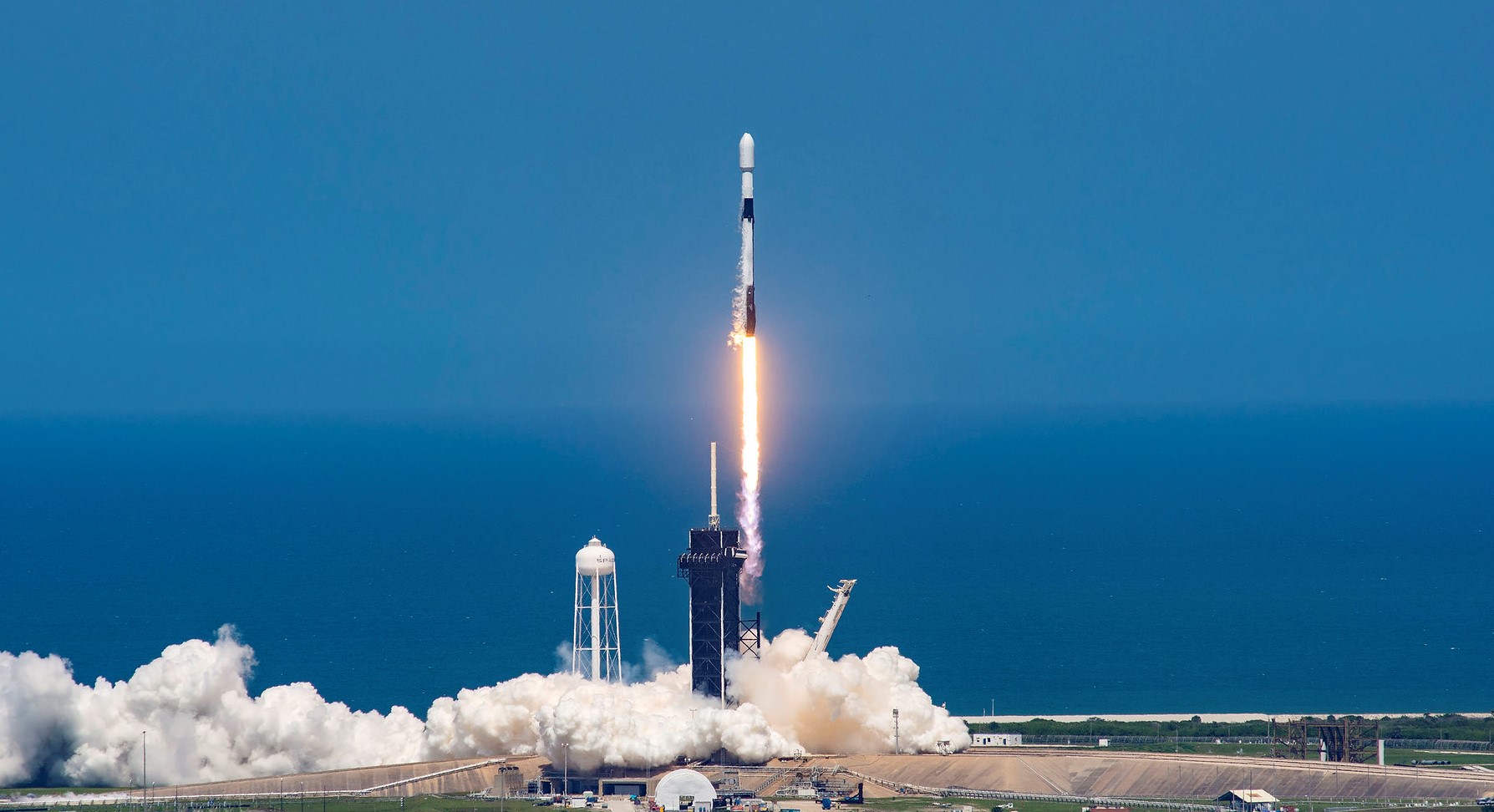
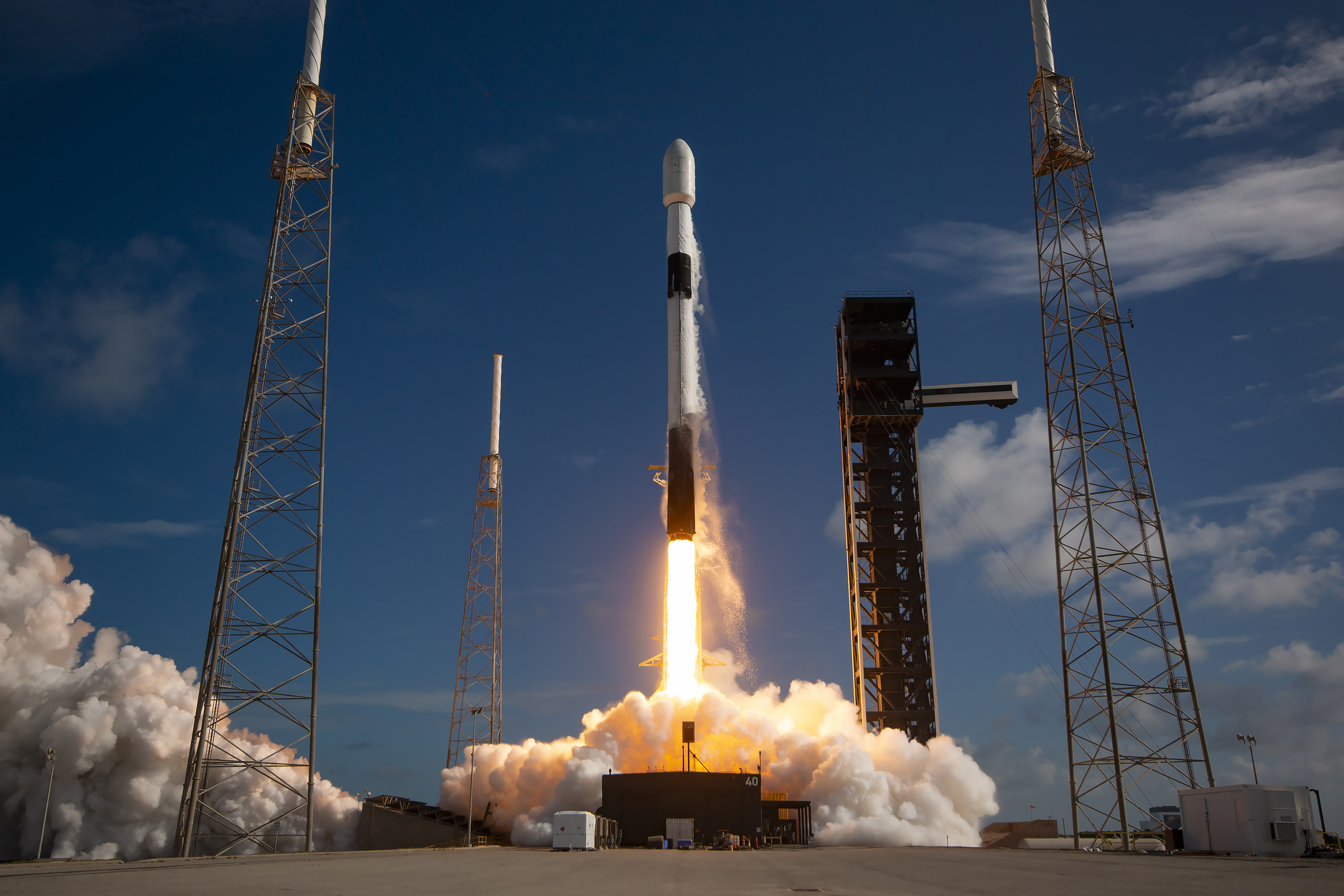
Provider: SpaceX Date: May 1, 2026 Time: 5:33 PM UTC Vehicle: Falcon 9
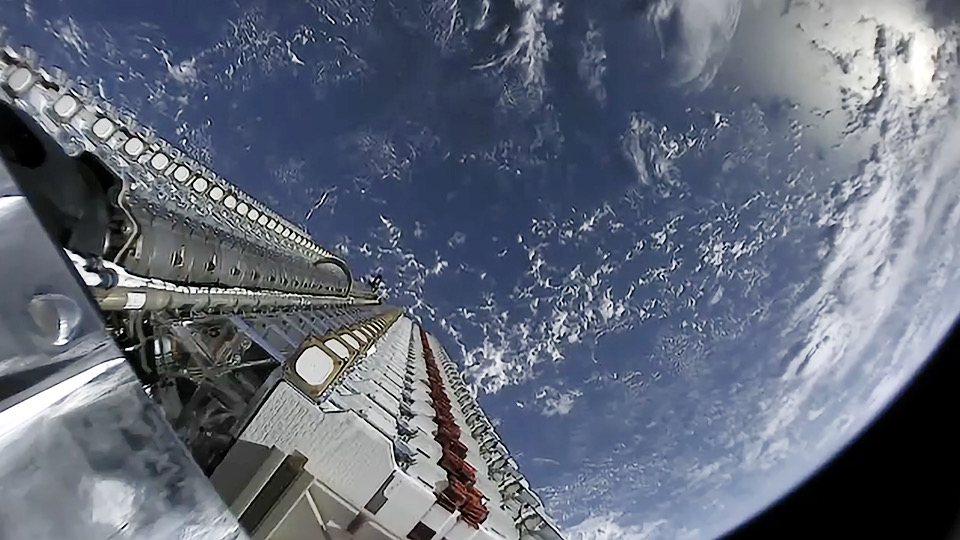
A batch of 29 satellites for the Starlink mega-constellation – SpaceX’s project for space-based Internet communication system.
CAS500-2 & Others
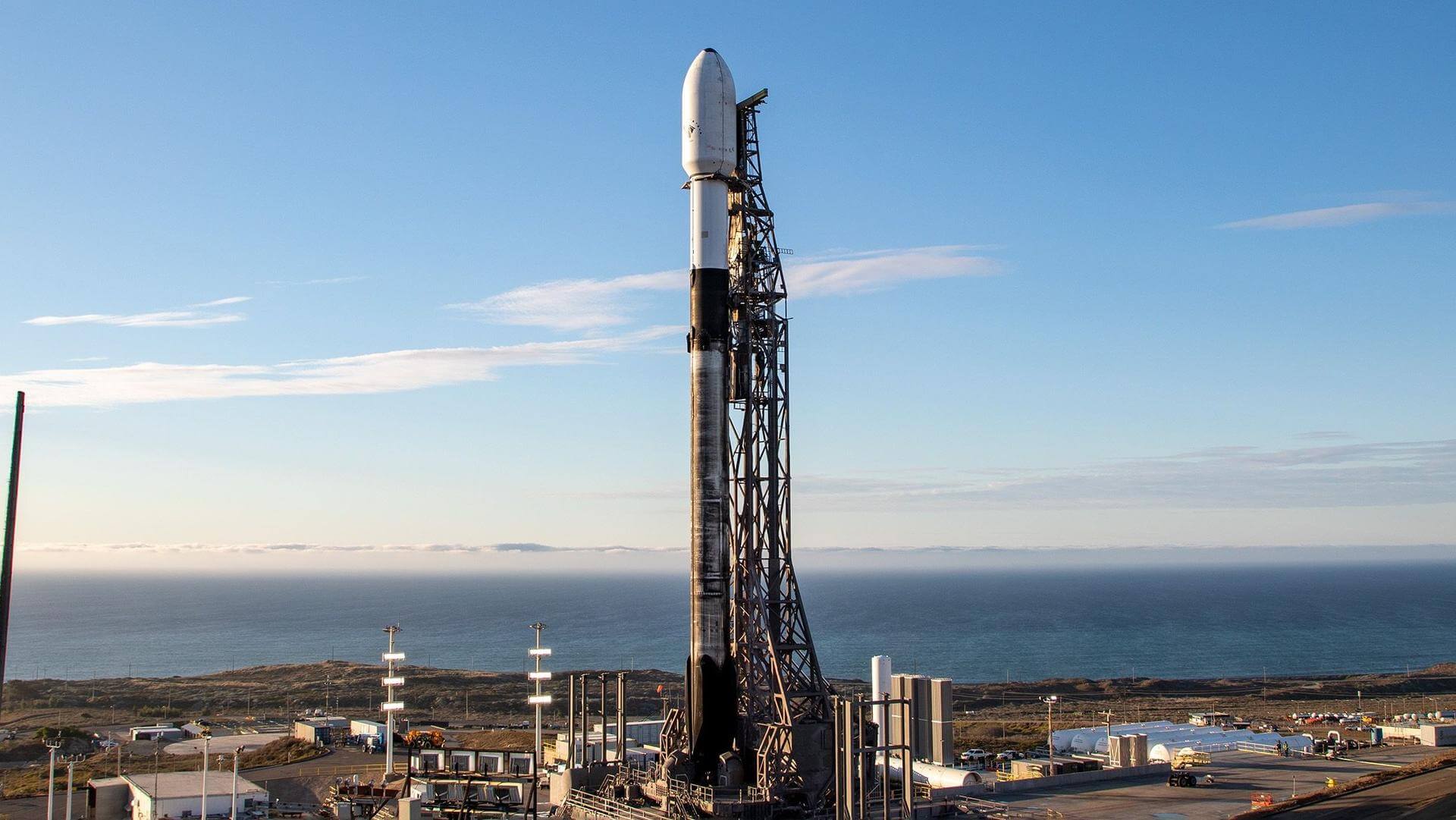
Provider: SpaceX Date: May 3, 2026 Time: 6:59 AM UTC Vehicle: Falcon 9
Ride-share of multiple satellites including:
* CAS500-2 (KASA, South Korea)
The South Korean CAS500-1 and -2 satellites will image the Earth in pan-chromatic and multi-spectral modes using the AEISS-C (Advanced Earth Imaging Sensor System) payload, with a ground resolution of 0.5 m in panchromatic mode and 2 m in color mode.
* Pelican-7, 8 & 9 (Planet Labs)
Pelican is a constellation of very high resolution imaging satellites, designed and manufactured by Planet Labs. The commercial constellation will consist of 32 SmallSats with potential for further expansion, and aims to provide improved spatial resolution and response times over Planet’s existing SkySat and Dove constellations.
Starlink Group 17-29
Provider: SpaceX Date: May 6, 2026 Time: 2:00 AM UTC Vehicle: Falcon 9
A batch of 24 satellites for the Starlink mega-constellation – SpaceX’s project for space-based Internet communication system.
Starlink Group 17-37
Provider: SpaceX Date: May 9, 2026 Time: 2:00 PM UTC Vehicle: Falcon 9
A batch of 24 satellites for the Starlink mega-constellation – SpaceX’s project for space-based Internet communication system.
Dragon CRS-2 SpX-34
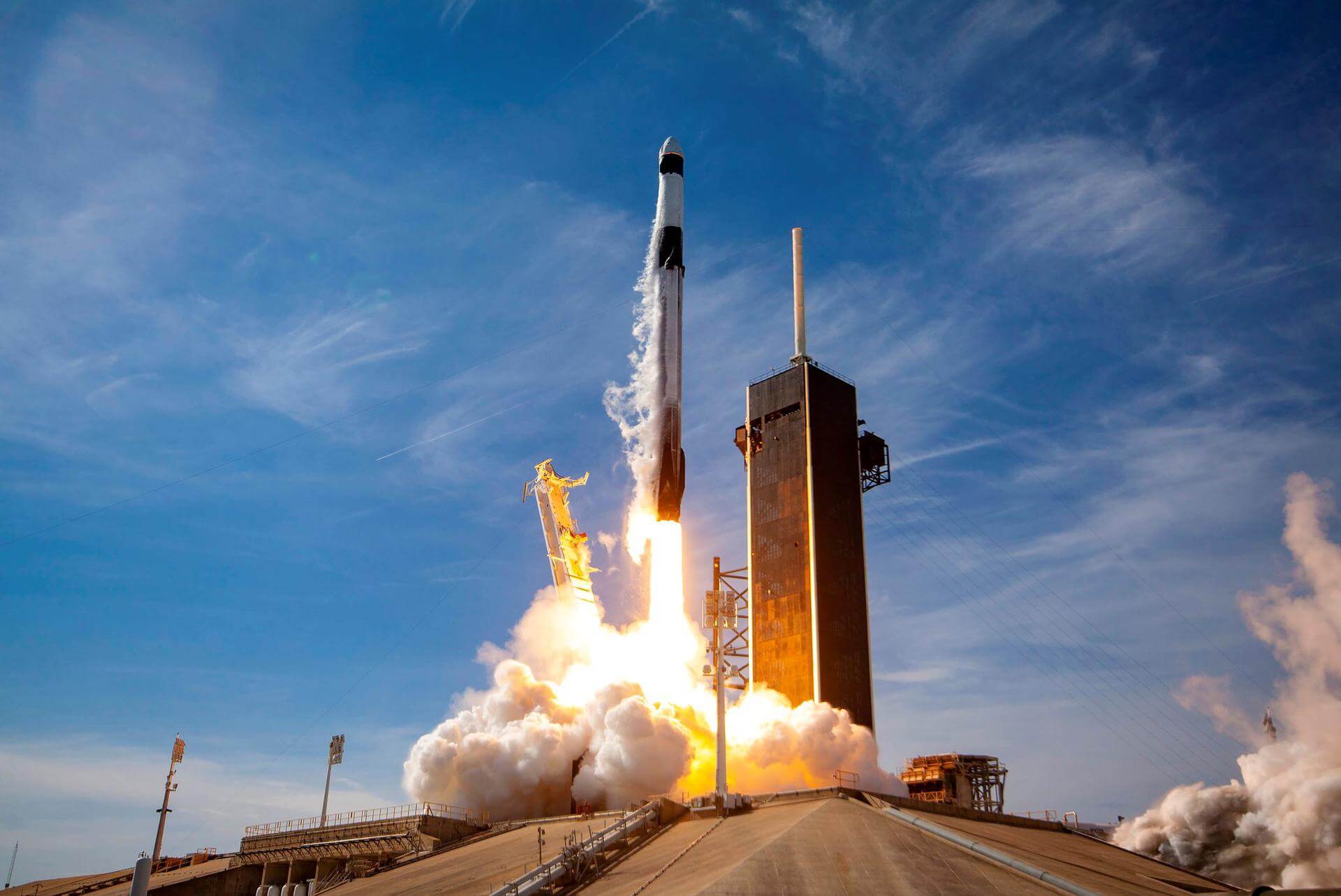
Provider: SpaceX Date: May 12, 2026 Time: 11:00 PM UTC Vehicle: Falcon 9
34th commercial resupply services mission to the International Space Station operated by SpaceX. The flight will be conducted under the second Commercial Resupply Services contract with NASA.
Cargo Dragon 2 brings supplies and payloads, including critical materials to directly support science and research investigations that occur onboard the orbiting laboratory.
Starlink Group 10-38 ×
Mission Details
TypeCommunications
OrbitLow Earth Orbit
TargetEarth
A batch of 29 satellites for the Starlink mega-constellation – SpaceX’s project for space-based Internet communication system.
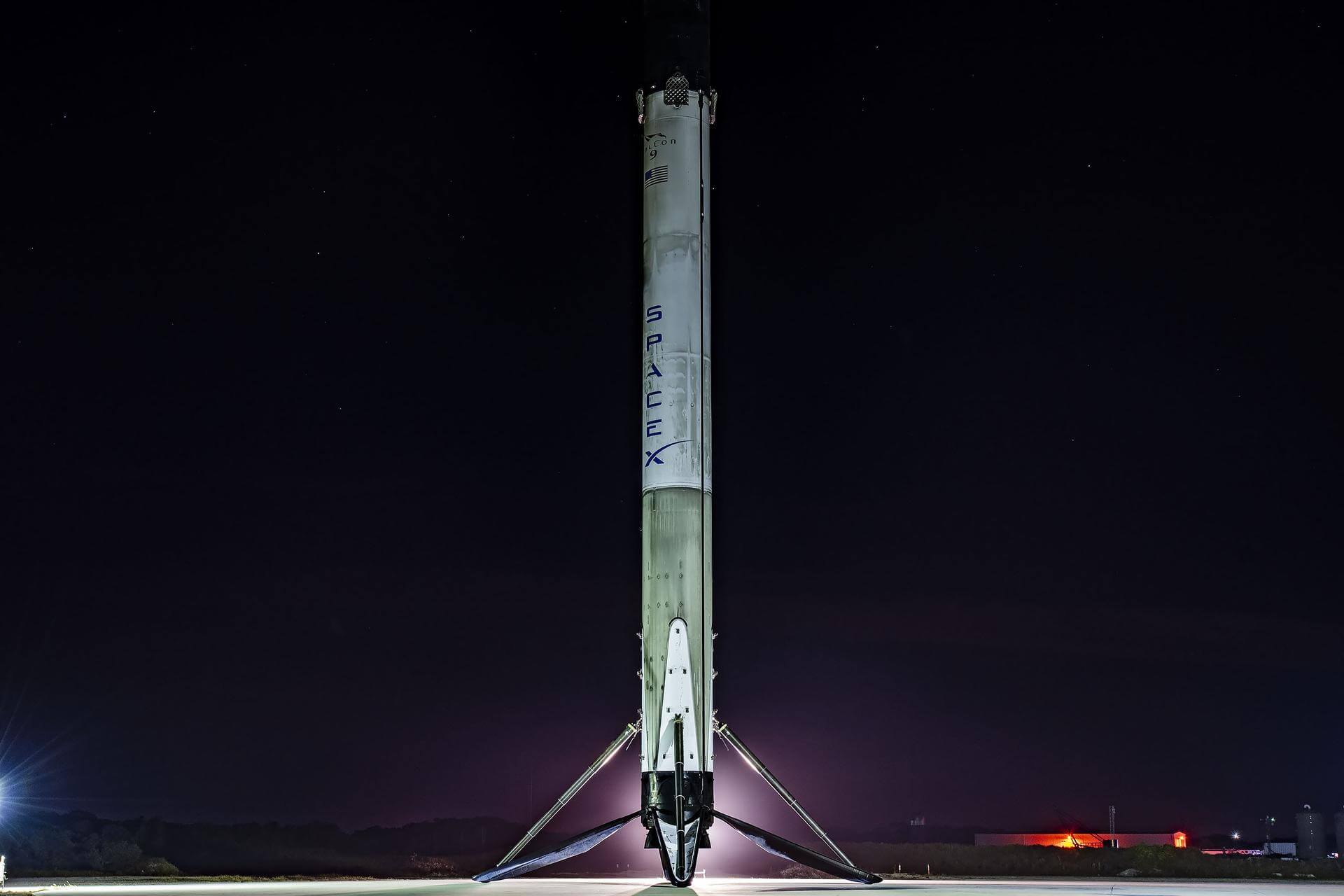
Falcon 9 is a two-stage rocket designed and manufactured by SpaceX for the reliable and safe transport of satellites and the Dragon spacecraft into orbit. The Block 5 variant is the fifth major interval aimed at improving upon the ability for rapid reusability.
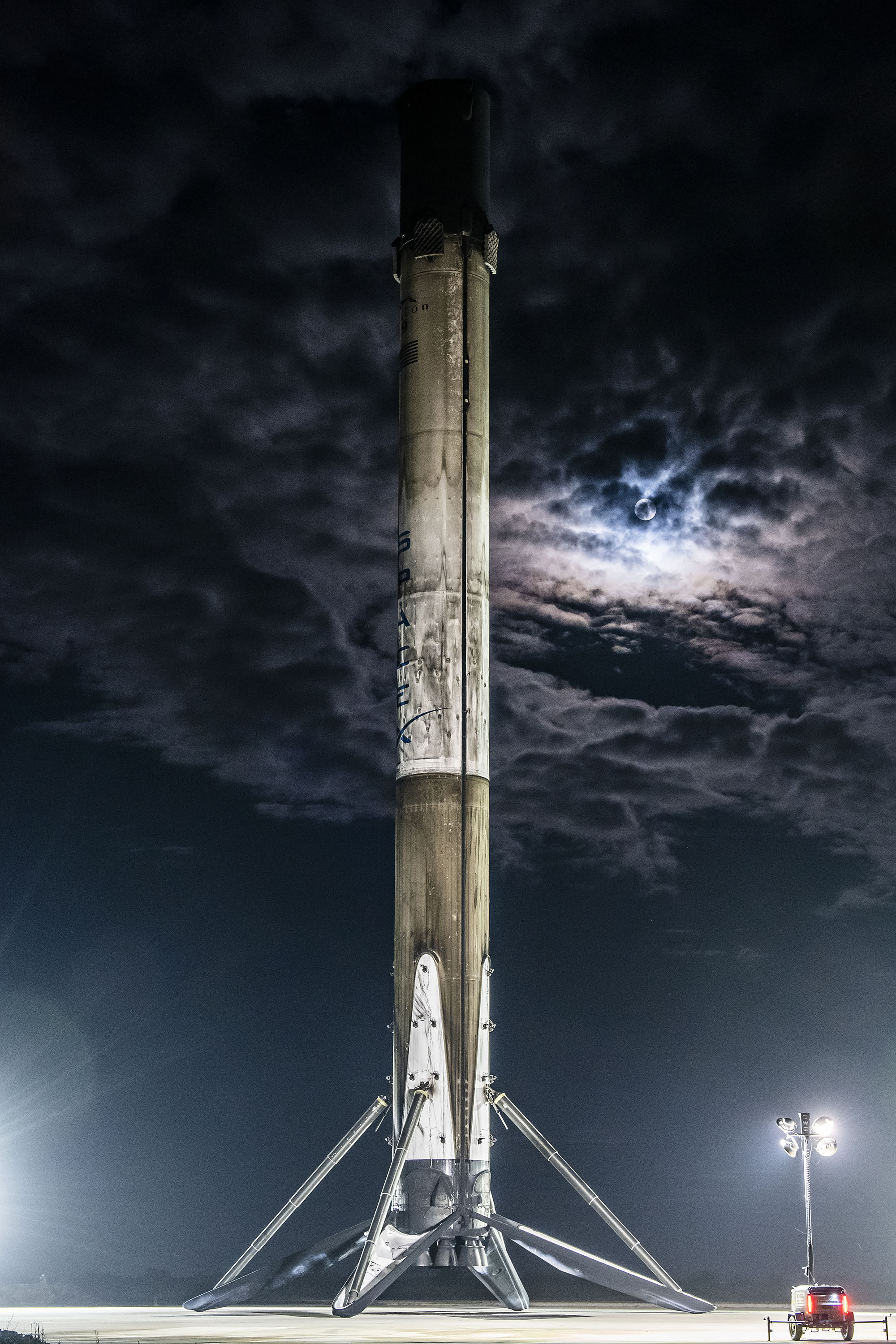
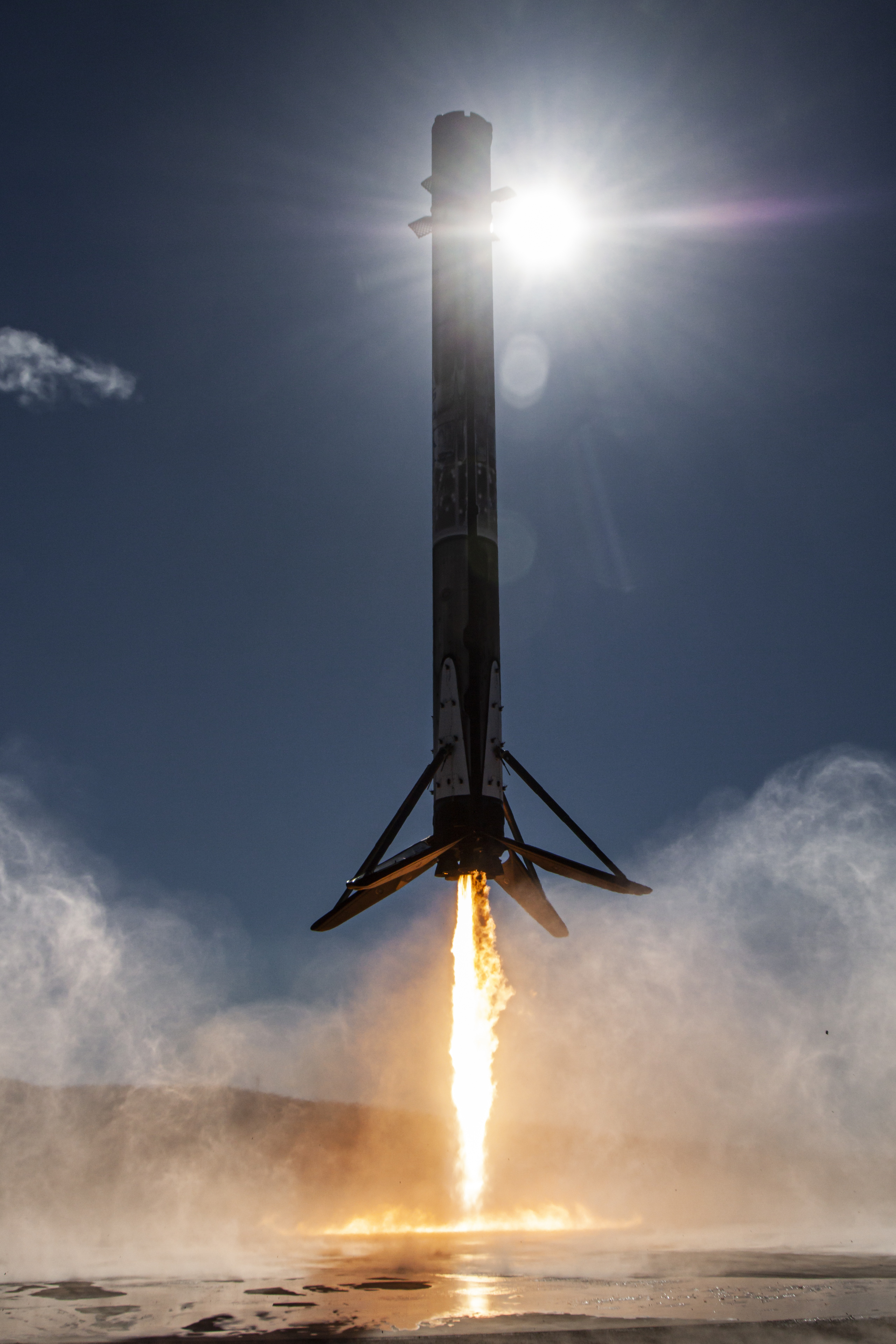
The Falcon 9 first stage B1069 will land on ASDS ASOG after its 31st flight.
CAS500-2 & Others ×
Mission Details
TypeEarth Science
OrbitSun-Synchronous Orbit
TargetEarth
Ride-share of multiple satellites including:
* CAS500-2 (KASA, South Korea)
The South Korean CAS500-1 and -2 satellites will image the Earth in pan-chromatic and multi-spectral modes using the AEISS-C (Advanced Earth Imaging Sensor System) payload, with a ground resolution of 0.5 m in panchromatic mode and 2 m in color mode.
* Pelican-7, 8 & 9 (Planet Labs)
Pelican is a constellation of very high resolution imaging satellites, designed and manufactured by Planet Labs. The commercial constellation will consist of 32 SmallSats with potential for further expansion, and aims to provide improved spatial resolution and response times over Planet’s existing SkySat and Dove constellations.
Falcon 9 is a two-stage rocket designed and manufactured by SpaceX for the reliable and safe transport of satellites and the Dragon spacecraft into orbit. The Block 5 variant is the fifth major interval aimed at improving upon the ability for rapid reusability.
Falcon 9 is a two-stage rocket designed and manufactured by SpaceX for the reliable and safe transport of satellites and the Dragon spacecraft into orbit. The Block 5 variant is the fifth major interval aimed at improving upon the ability for rapid reusability.
Falcon 9 is a two-stage rocket designed and manufactured by SpaceX for the reliable and safe transport of satellites and the Dragon spacecraft into orbit. The Block 5 variant is the fifth major interval aimed at improving upon the ability for rapid reusability.
The Falcon 9 first stage B1103 will land on ASDS OCISLY after its 2nd flight.
Dragon CRS-2 SpX-34 ×
Mission Details
TypeResupply
OrbitLow Earth Orbit
TargetEarth
34th commercial resupply services mission to the International Space Station operated by SpaceX. The flight will be conducted under the second Commercial Resupply Services contract with NASA.
Cargo Dragon 2 brings supplies and payloads, including critical materials to directly support science and research investigations that occur onboard the orbiting laboratory.
Agencies Involved
• National Aeronautics and Space Administration (Government)
Program: Commercial Resupply Services
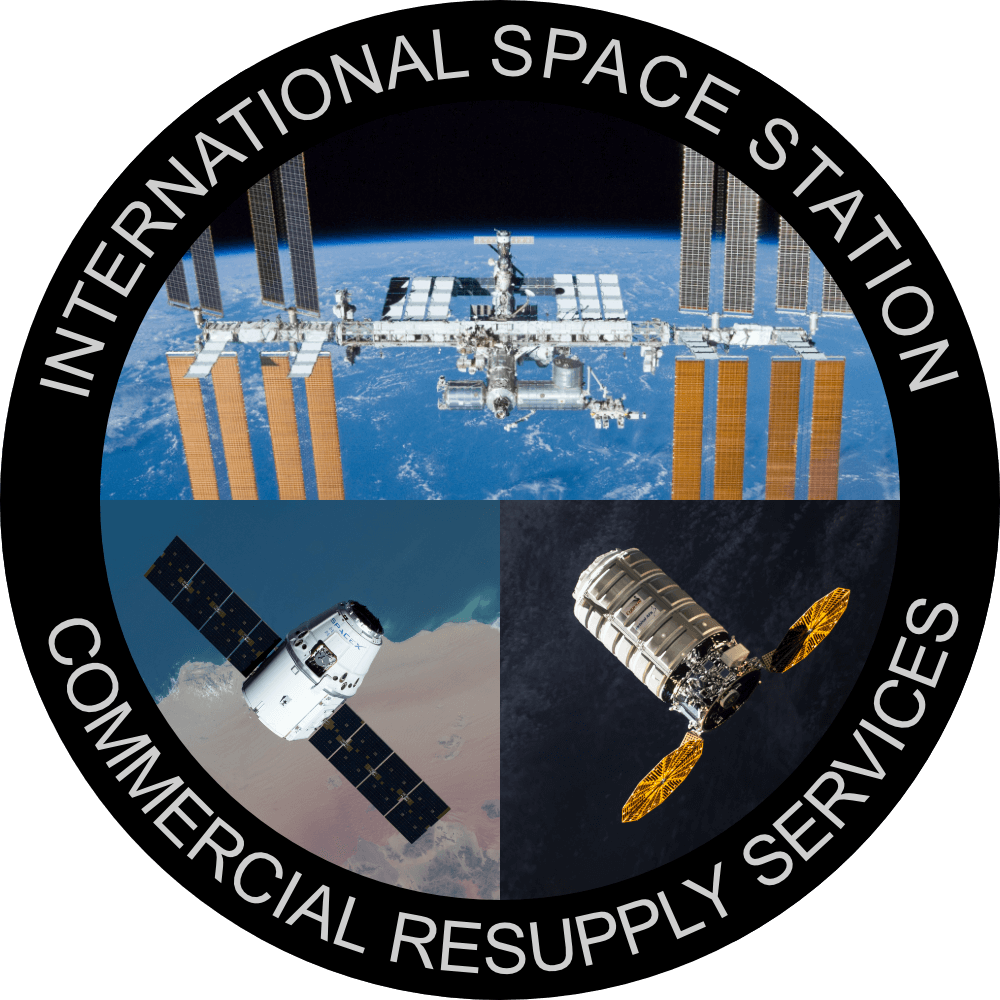
Commercial Resupply Services (CRS) are a series of flights awarded by NASA for the delivery of cargo and supplies to the International Space Station.The first CRS contracts were signed in 2008 and awarded $1.6 billion to SpaceX for twelve cargo Dragon and $1.9 billion to Orbital Sciences for eight Cygnus flights, covering deliveries to 2016. The Falcon 9 and Antares rockets were also developed under the CRS program to deliver cargo spacecraft to the ISS.
The International Space Station programme is tied together by a complex set of legal, political and financial agreements between the sixteen nations involved in the project, governing ownership of the various components, rights to crewing and utilization, and responsibilities for crew rotation and resupply of the International Space Station. It was conceived in 1984 by President Ronald Reagan, during the Space Station Freedom project as it was originally called.
Falcon 9 is a two-stage rocket designed and manufactured by SpaceX for the reliable and safe transport of satellites and the Dragon spacecraft into orbit. The Block 5 variant is the fifth major interval aimed at improving upon the ability for rapid reusability.
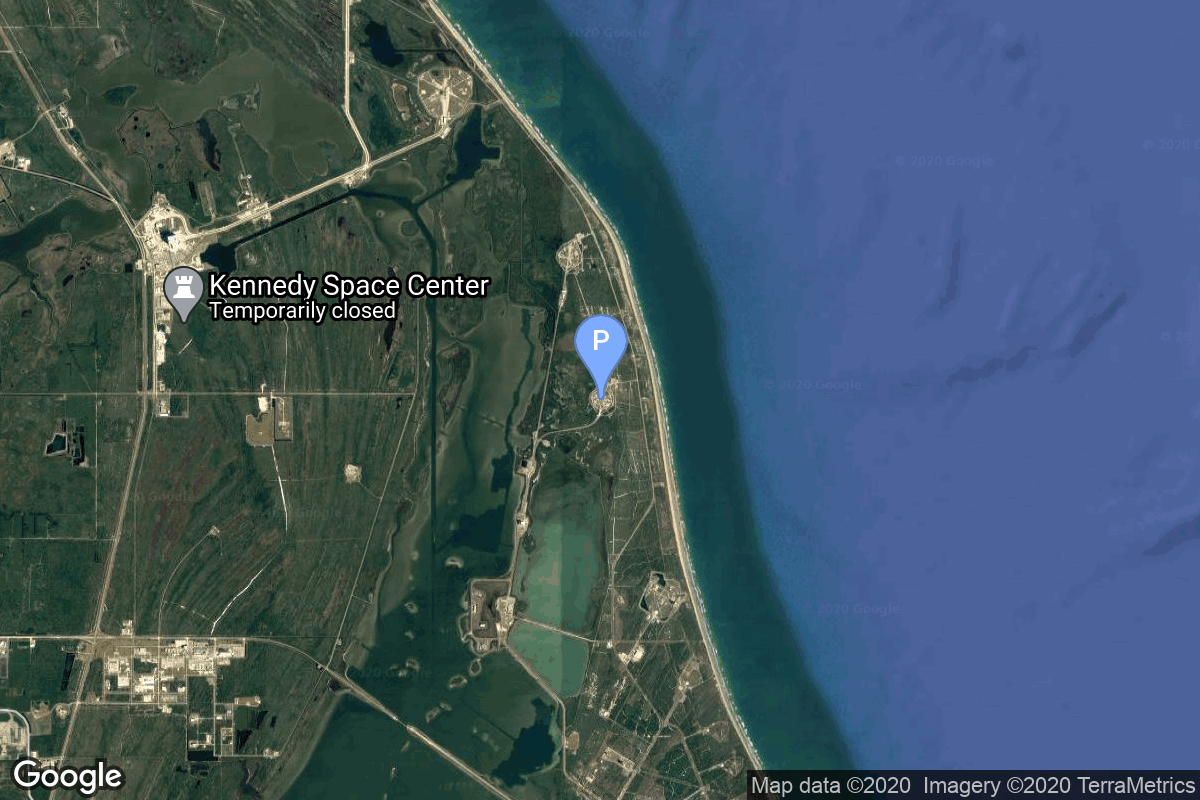
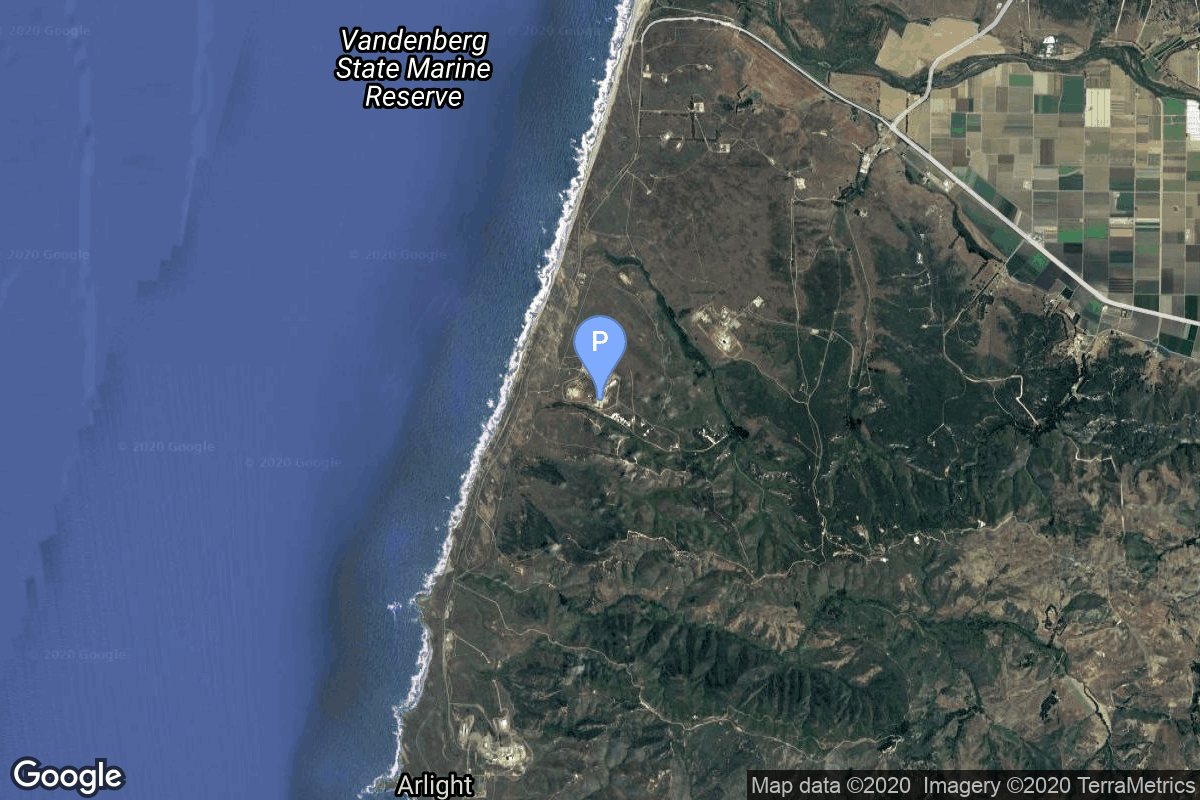
The Falcon 9 first stage will land back at the launch site at Landing Zone 40 after its flight.
Spacecraft: Cargo Dragon C209
Second Cargo Dragon 2
Specifications
SerialC209
TypeCapsule
StatusActive
DestinationISS
Height7.2 m
Diameter3.7 m
Maiden Flight2020-12-06
Payload Capacity6,000 kg
Return Capacity3,000 kg
Time in Space175 Days, 23 Hours, 36 Minutes
Missions Flown5
Turnaround352 Days, 17 Hours, 16 Minutes
Fastest Turnaround164 Days, 6 Hours, 38 Minutes
History
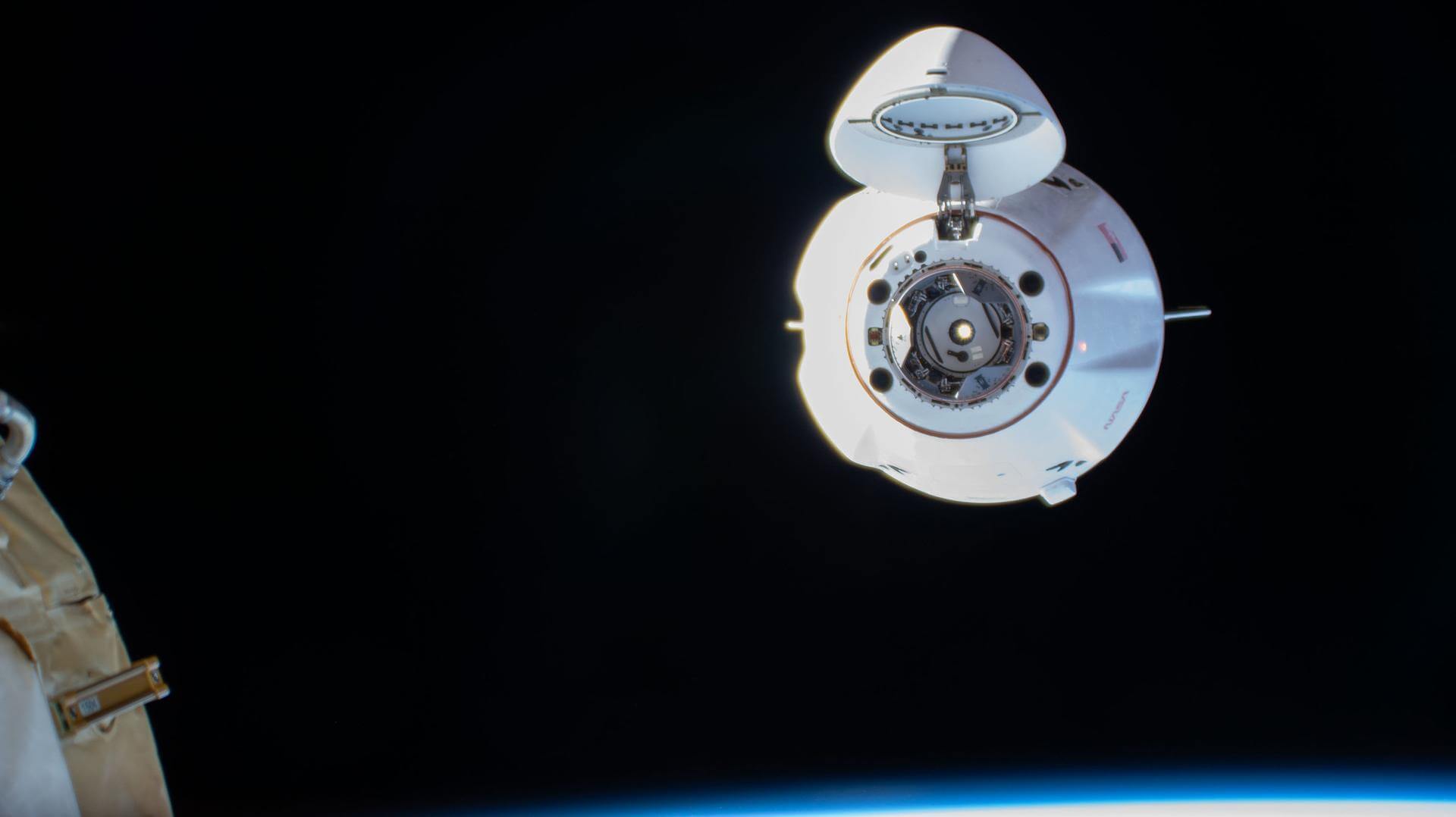
Cargo Dragon 2 is an updated version of the original Dragon spaceship designed to service the International Space Station with first flights conducted in 2020.
In contrast to Dragon 1 it docks to the International Space Station instead of being berthed by the Canada Arm.
Capability
Cargo Earth Orbit Logistics
Details
Cargo Dragon 2 is a autonomous spaceship capable of bringing science to and from the International Space Station with large pressurized and un-pressurized sections to support a variety of missions.
Flight Life
Able to fly for up to one week of free flight or two years docked.
Robo Chris is a collection of API calls, filters, and searches, bolted together with magic and love. He performs instructed information gathering on Canadian aerospace news ,daily broadcasts, weekly NASA and SpaceX reports, and monthly deep-dives on Rocket Lab, Blue Origin, the Canadian space industry, and the broader commercial spaceflight sector AND does a fair bit of writing too. Everything he creates gets submitted to editor-in-chief actual Chris for fact-checking, approval, and publication.