The European Space Agency’s PLATO (PLAnetary Transits and Oscillations of stars) spacecraft has successfully completed a battery of rigorous tests simulating the extreme conditions of space, marking a major milestone on its path to launch in early 2027. On April 23, 2026, ESA confirmed that PLATO emerged from the Large Space Simulator (LSS) at its Test Centre in the Netherlands after enduring vacuum pressures a billion times lower than Earth’s atmosphere, temperatures plunging to –90°C on its camera side, and heating up to 150°C on its sun-facing solar arrays—all while mimicking solar radiation with internal heating elements.
PLATO’s mission hinges on detecting minuscule dips in starlight—less than 80 parts per million—to identify Earth-like exoplanets orbiting Sun-like stars within their habitable zones. Its 26 ultrasensitive cameras must maintain precise focus, which engineers achieve by finely controlling the temperature of their optical tubes. “These tests allow us to verify that we can control the response of the cameras to the level needed for detecting small planets,” said Ana Heras, ESA’s PLATO Project Scientist. The spacecraft is now back in a cleanroom for post-test analysis, with data review continuing over the coming months to refine thermal models ahead of its scheduled Ariane 6 launch in January 2027.
SOLIS100 Isolation Study Begins in Germany, Simulating Deep-Space Human Challenges
Six volunteers from across Europe have sealed themselves inside the :envihab habitat at the German Aerospace Center (DLR) in Cologne, commencing the 100-day SOLIS100 isolation study. Launched on April 23, 2026, this ESA-led experiment aims to understand how prolonged confinement, limited social interaction, and operational autonomy affect crew psychology, cognition, and team dynamics—critical knowledge for future missions to the Moon and Mars.
Unlike microgravity analogues like bed rest studies, SOLIS100 focuses exclusively on the psychosocial and behavioural impacts of long-duration spaceflight. Participants—aged 26 to 32 and representing Germany, Poland, the Netherlands, Portugal, Spain, and France—will follow strict mission-like schedules, conduct scientific experiments (including collaborations with the UAE’s MBRSC), and live with restricted communication. “Real-time support from Earth will be limited on Mars missions,” explained Angelique Van Ombergen, ESA’s chief exploration scientist. “We need to understand how crews adapt, manage stress, and maintain cohesion without immediate ground intervention.” The study also tracks changes in sleep, circadian rhythms, and even the habitat’s microbiome. Results will directly inform astronaut selection, training protocols, and in-flight support systems for Artemis and beyond.
Artemis III Shifts to Earth Orbit Test Flight; Lunar Landing Now Slated for Artemis IV
NASA has revised its Artemis III mission profile, scrapping the planned Moon landing in favour of a comprehensive test flight in low Earth orbit (LEO). According to a SpaceQ report published April 22, 2026, the updated plan reflects NASA’s broader “Ignition” strategy to accelerate sustainable lunar presence by 2030. Artemis III will now serve as an in-orbit rehearsal, where astronauts will test docking procedures with SpaceX’s and Blue Origin’s commercial lunar landers, validate new spacesuits, and evaluate life support systems—all while remaining in Earth orbit.
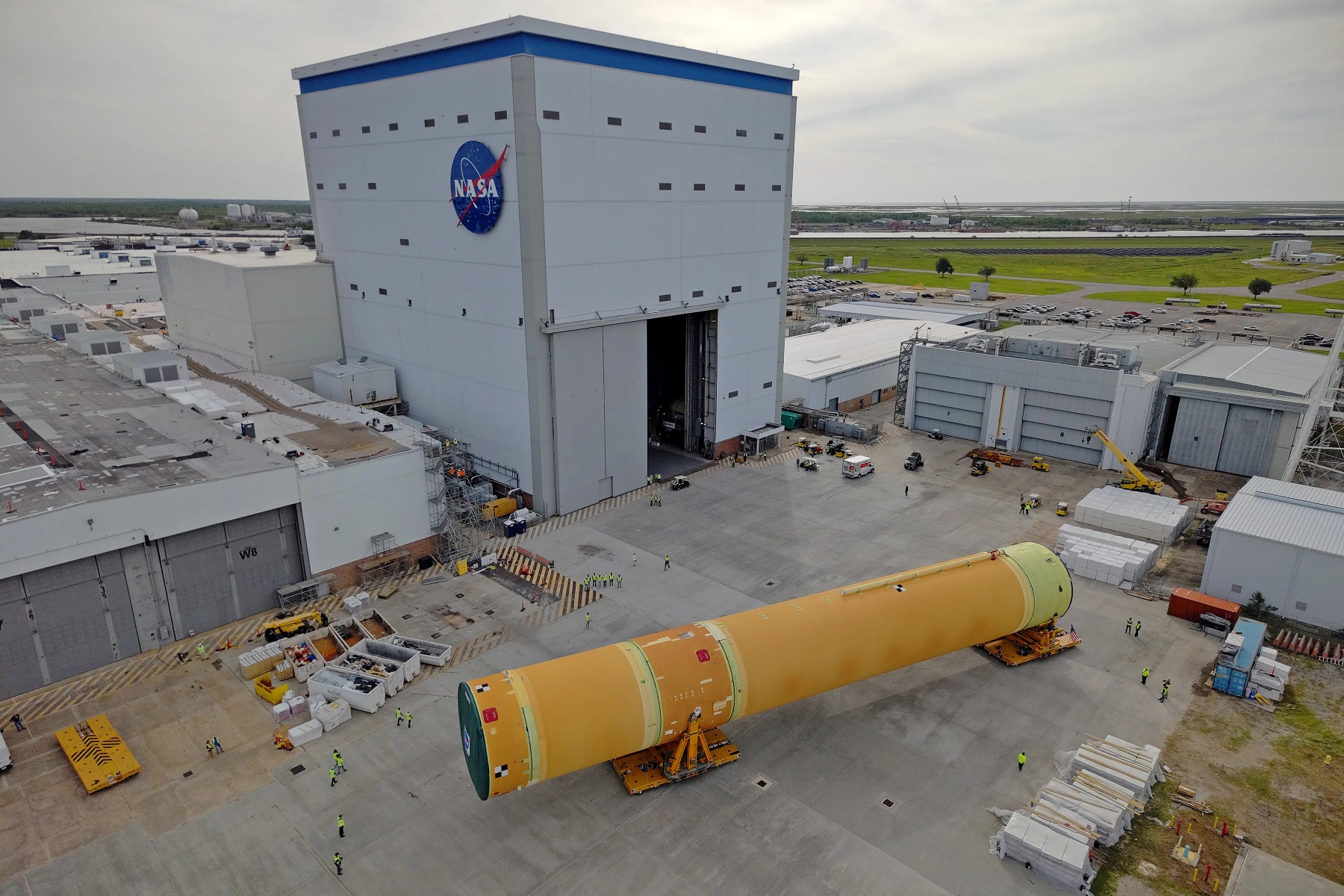
This shift follows the successful rollout of the SLS core stage on April 20, 2026, from Michoud Assembly Facility to Kennedy Space Center aboard the Pegasus barge. Concurrently, the Artemis II mobile launcher returned to the Vehicle Assembly Building on April 17 for inspections and repairs. “After Artemis I and II, it’s needlessly complicated to alter the SLS and Orion configuration between missions,” said NASA Associate Administrator Amit Kshatriya. Standardizing the Block 1 rocket design aims to reduce risk and increase launch cadence. The actual return of humans to the lunar surface is now expected during Artemis IV in 2028. While this delays boots on the Moon, NASA insists the extra caution will ensure safer, more robust operations when the landing finally occurs.
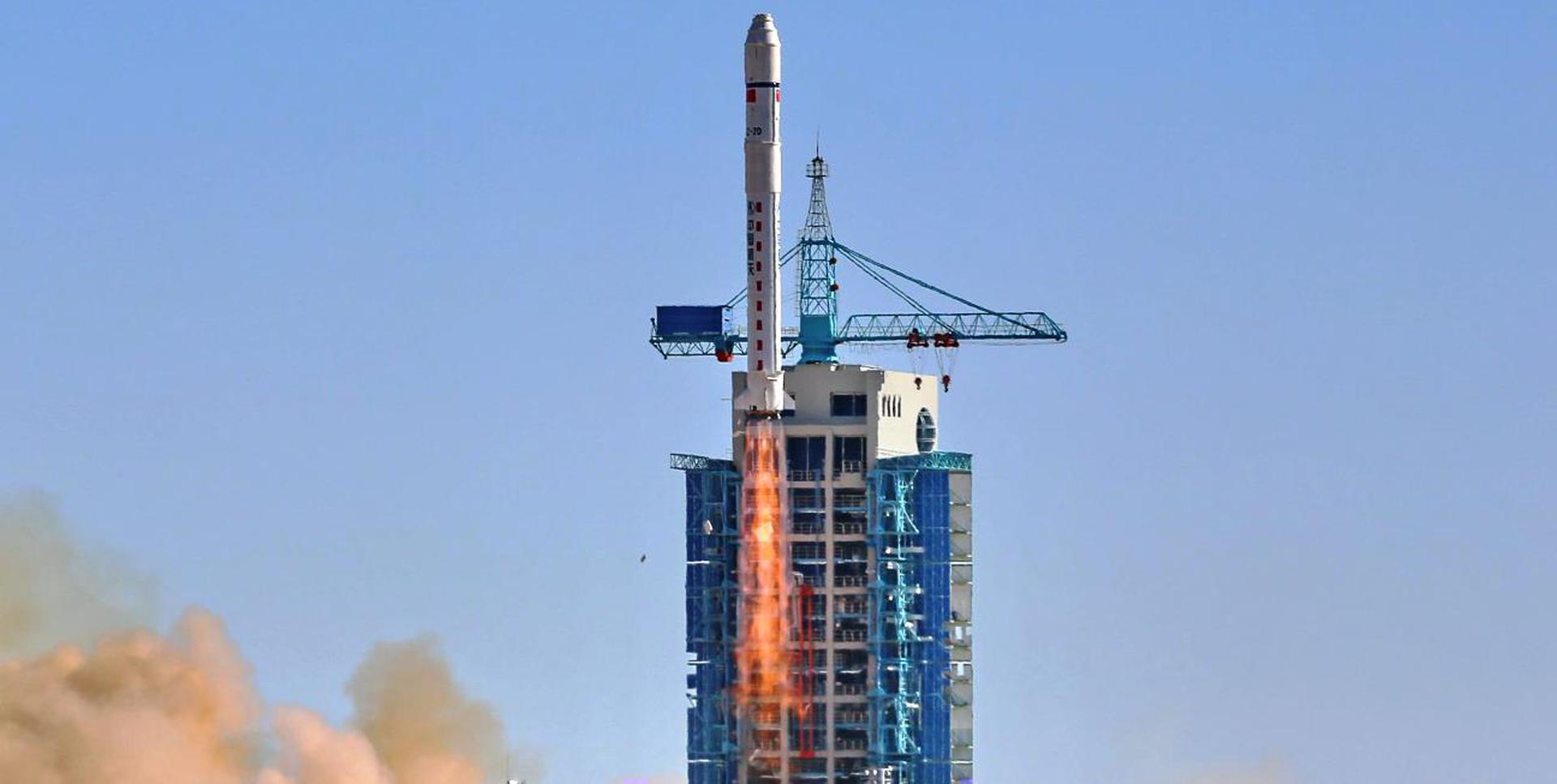
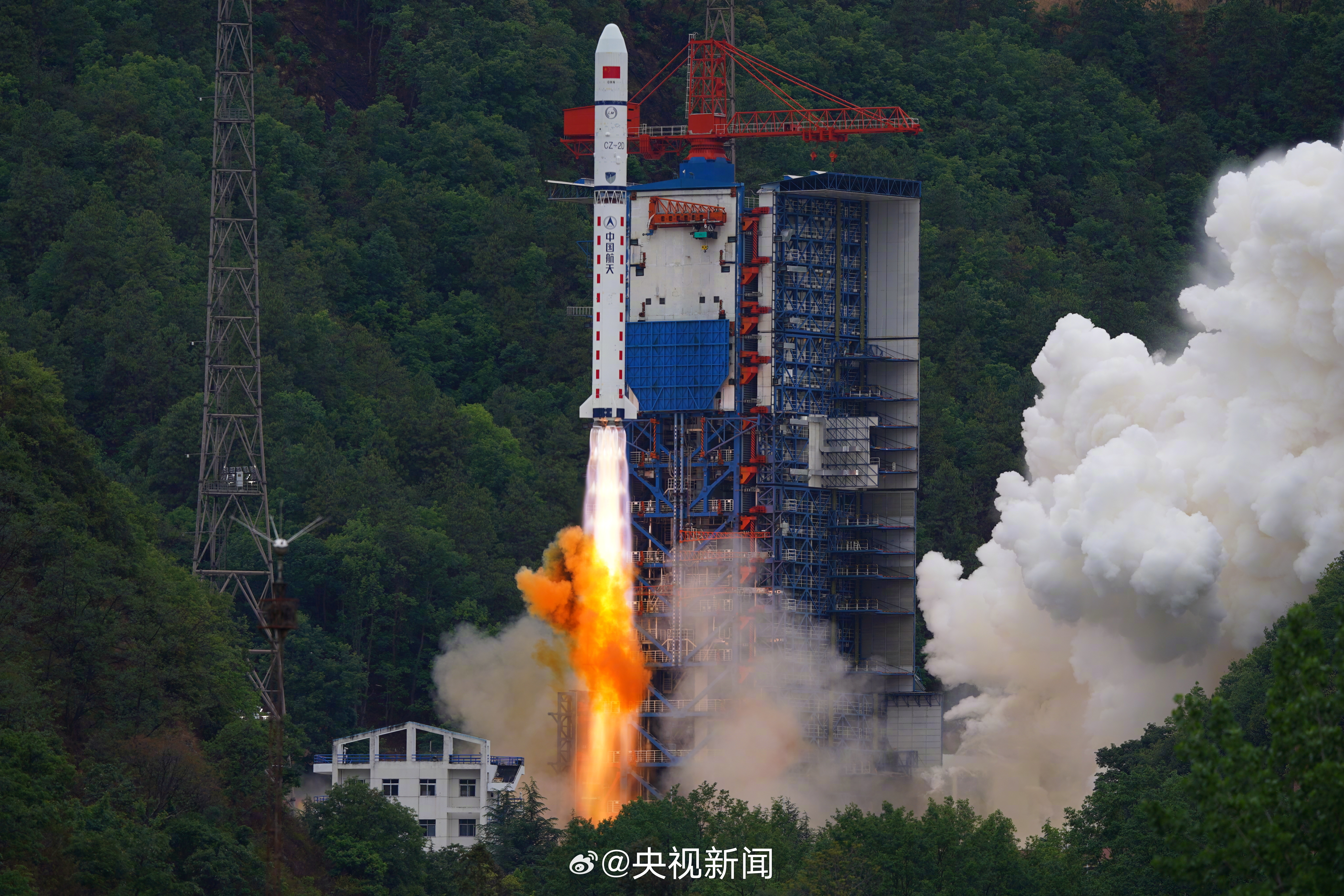
Provider: China Aerospace Science and Technology Corporation Date: April 24, 2026 Time: 6:30 AM UTC Vehicle: Long March 2D
Details TBD.
Unknown Payload
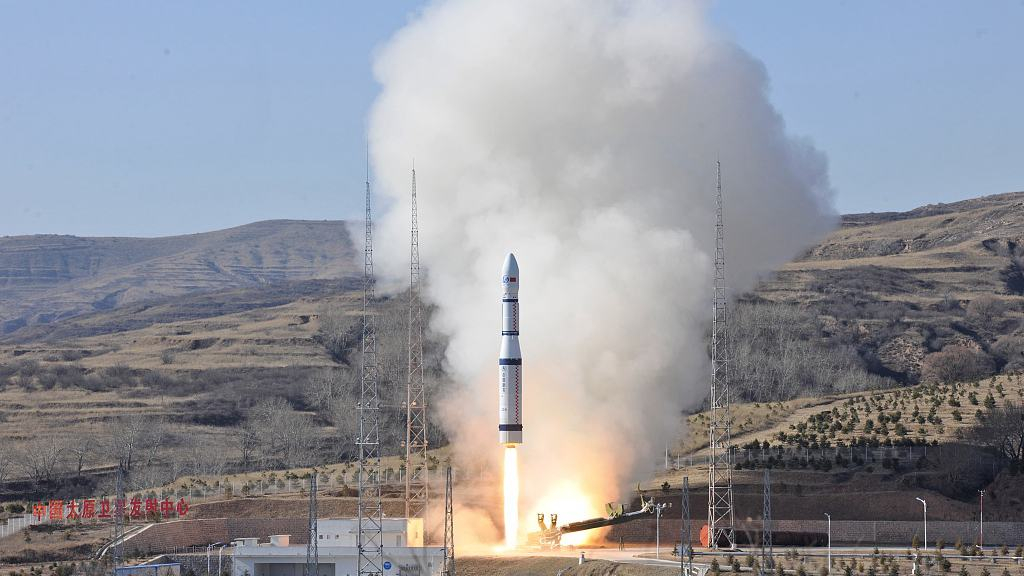
Provider: China Aerospace Science and Technology Corporation Date: April 25, 2026 Time: 12:15 PM UTC Vehicle: Long March 6
Details TBD.
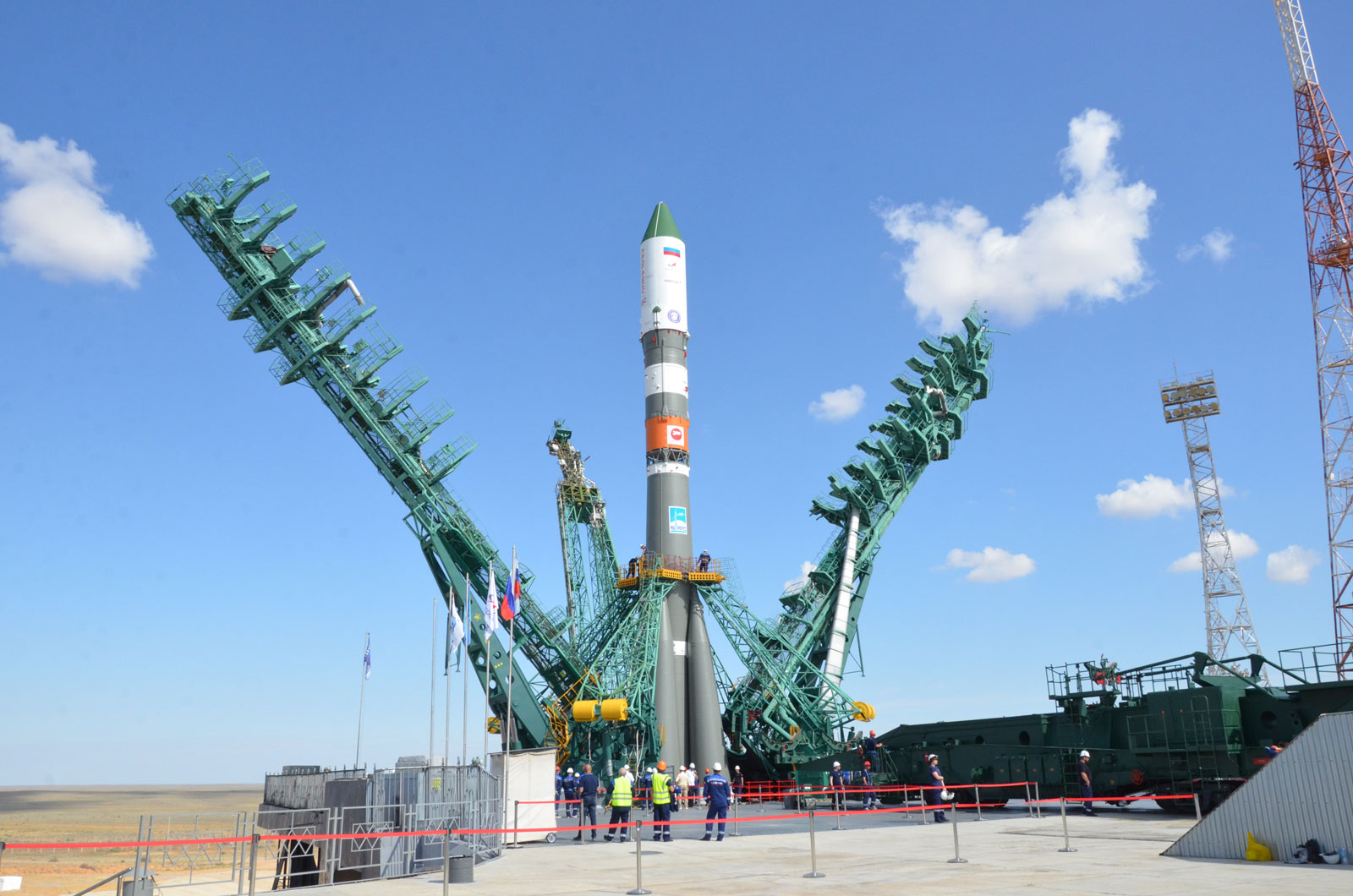
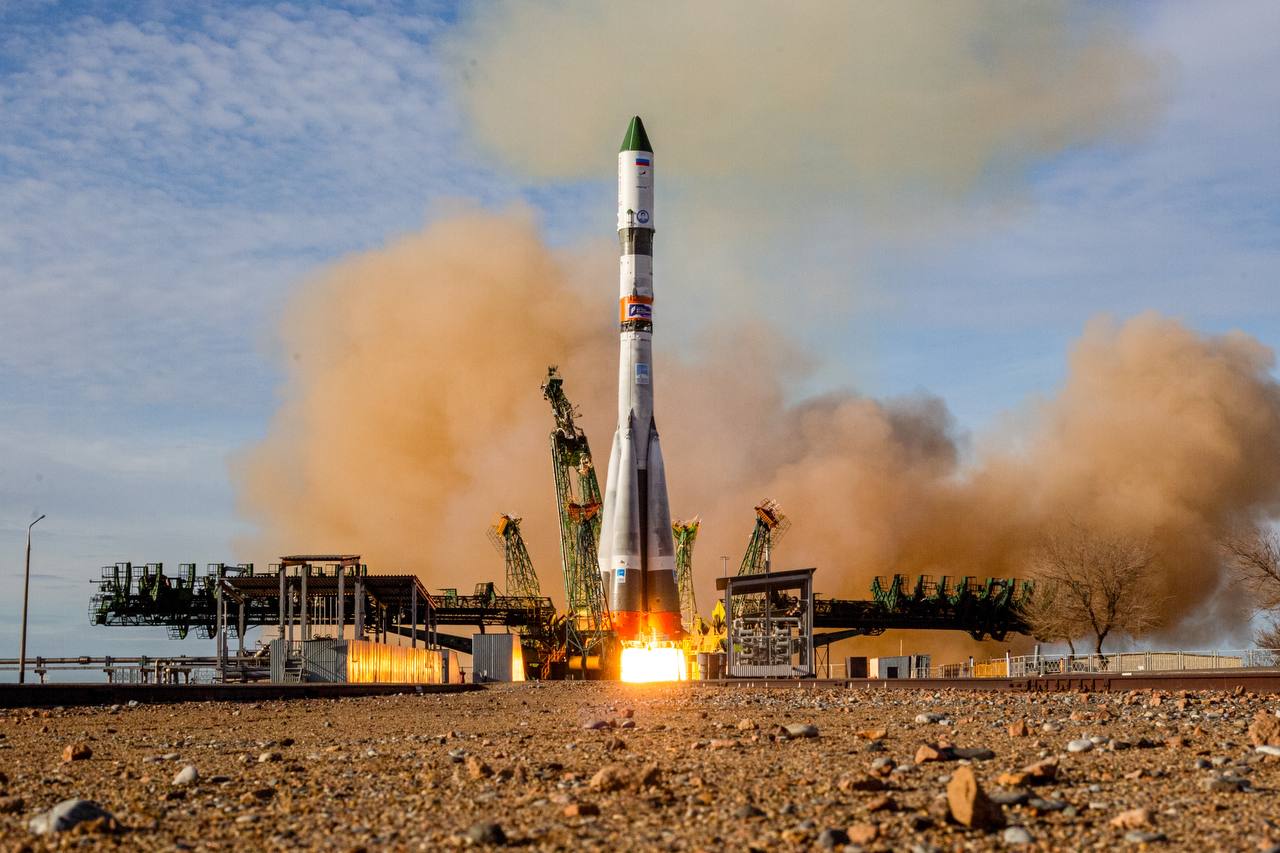
Progress MS-34 (95P)
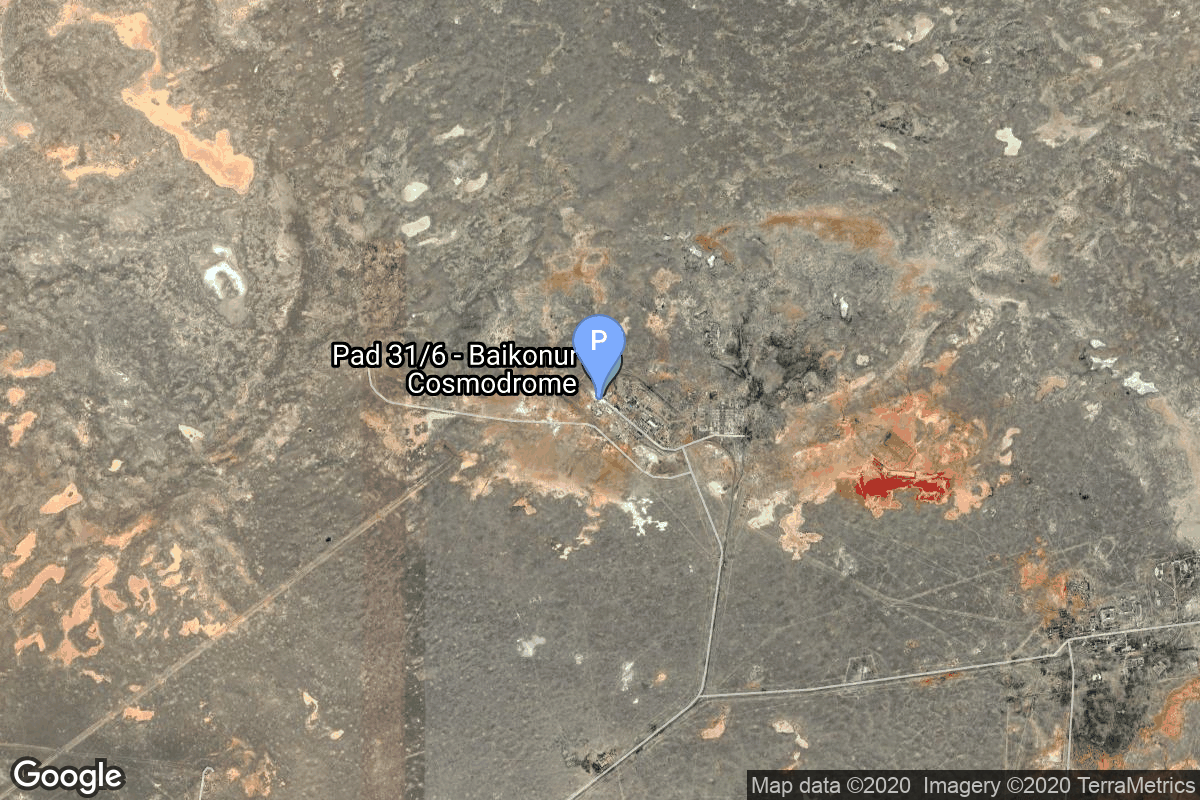
Provider: Russian Federal Space Agency (ROSCOSMOS) Date: April 25, 2026 Time: 10:21 PM UTC Vehicle: Soyuz 2.1a
Progress resupply mission to the International Space Station.
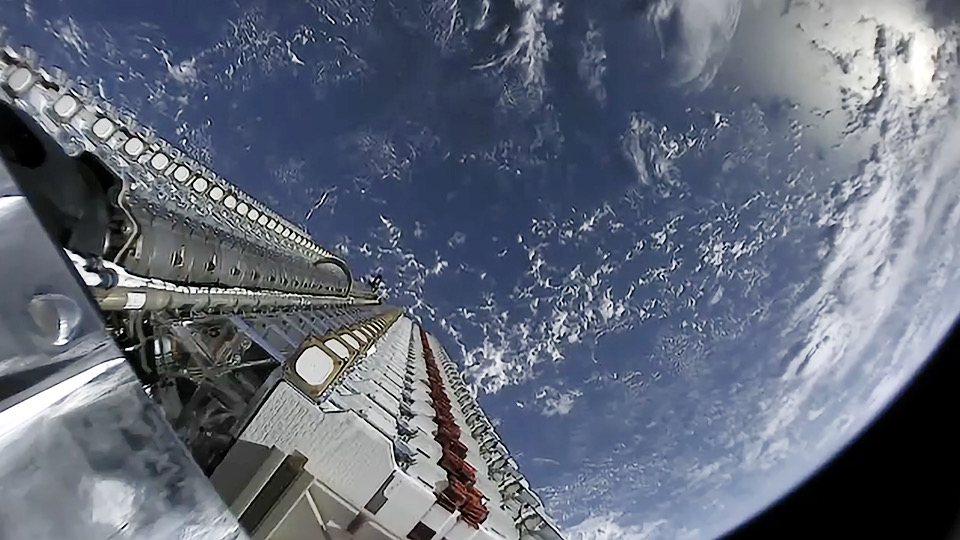
Starlink Group 17-16
Provider: SpaceX Date: April 26, 2026 Time: 2:00 PM UTC Vehicle: Falcon 9
A batch of 25 satellites for the Starlink mega-constellation – SpaceX’s project for space-based Internet communication system.
ViaSat-3 F3 (ViaSat-3 Asia-Pacific)
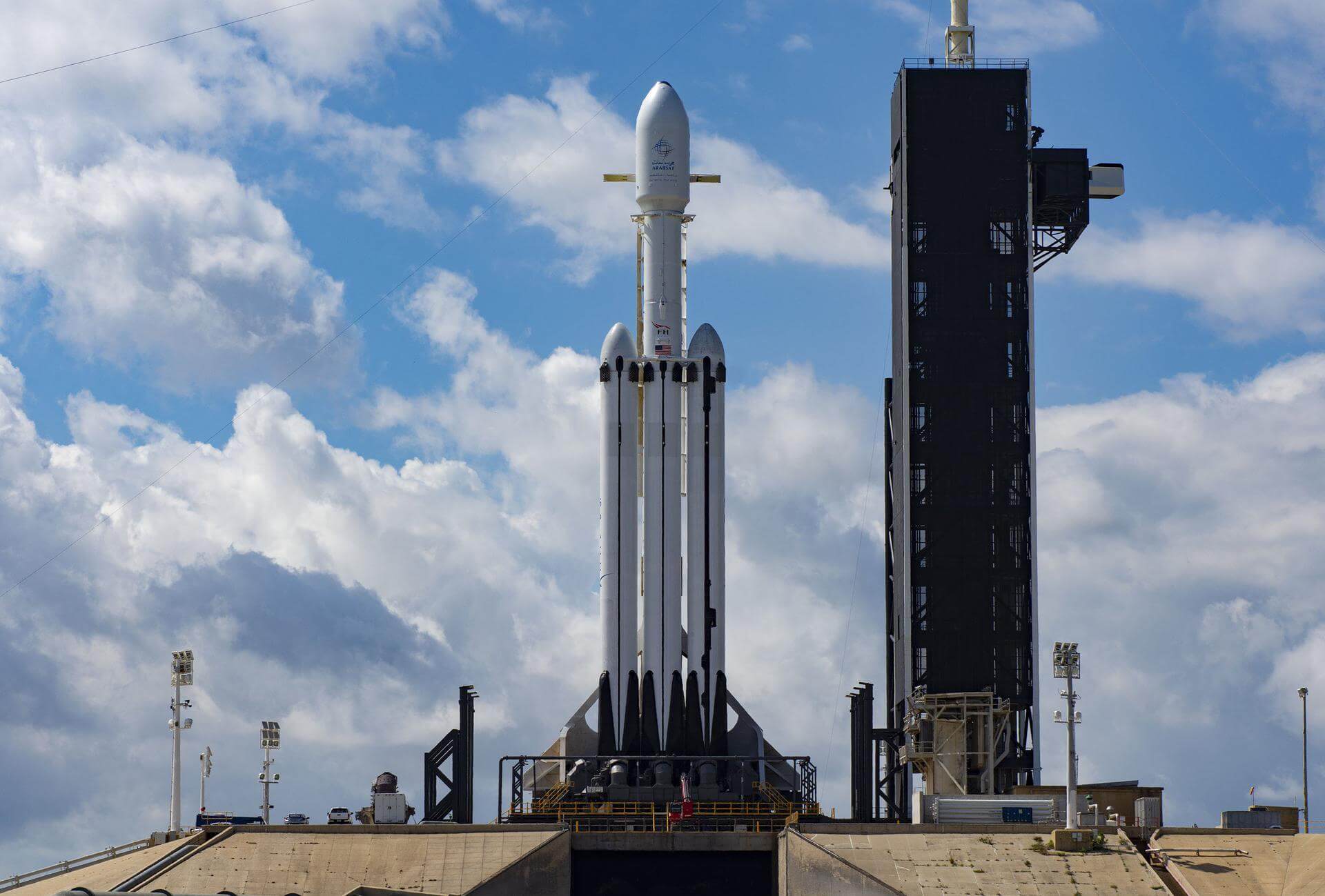
Provider: SpaceX Date: April 27, 2026 Time: 2:21 PM UTC Vehicle: Falcon Heavy
The ViaSat-3 is a series of three Ka-band satellites is expected to provide vastly superior capabilities in terms of service speed and flexibility for a satellite platform. Each ViaSat-3 class satellite is expected to deliver more than 1-Terabit per second of network capacity, and to leverage high levels of flexibility to dynamically direct capacity to where customers are located.
Unknown Payload ×
Mission Details
TypeUnknown
OrbitUnknown
TargetEarth
Details TBD.
Launch Provider: China Aerospace Science and Technology Corporation
The Long March 2D, also known as the Chang Zheng 2D, CZ-2D and LM-2D, is a Chinese orbital carrier rocket. It is a 2-stage carrier rocket mainly used for launching LEO and SSO satellites.
Progress resupply mission to the International Space Station.
Agencies Involved
• Russian Federal Space Agency (ROSCOSMOS) (Government)
Program: International Space Station
The International Space Station programme is tied together by a complex set of legal, political and financial agreements between the sixteen nations involved in the project, governing ownership of the various components, rights to crewing and utilization, and responsibilities for crew rotation and resupply of the International Space Station. It was conceived in 1984 by President Ronald Reagan, during the Space Station Freedom project as it was originally called.
The Soyuz 2.1A converted the flight control system from analog to digital, which allowed launch from fixed platforms. It also allowed big fairings and payloads.
It is currently used for crewed Soyuz and Progress flights to the ISS.
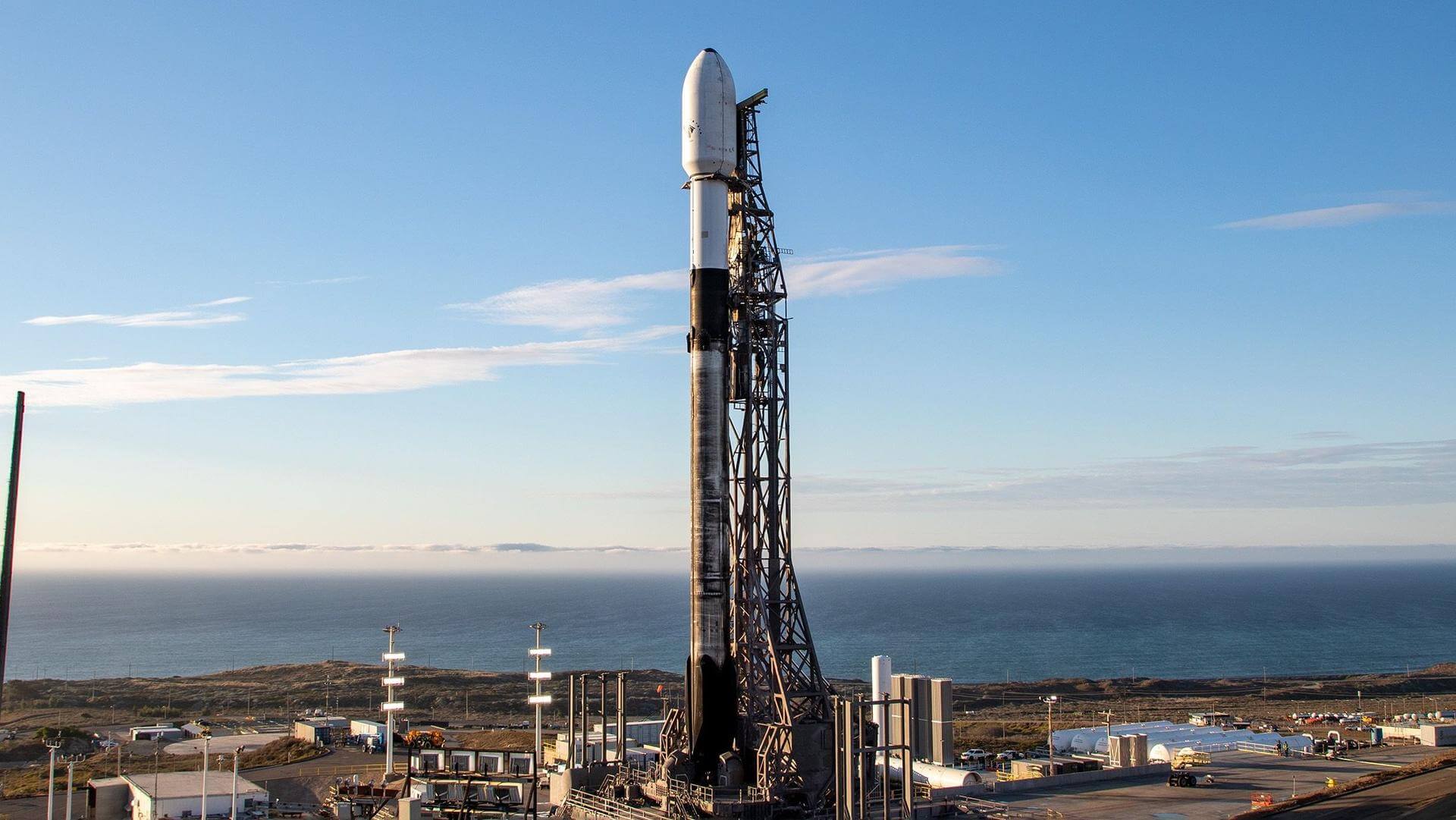
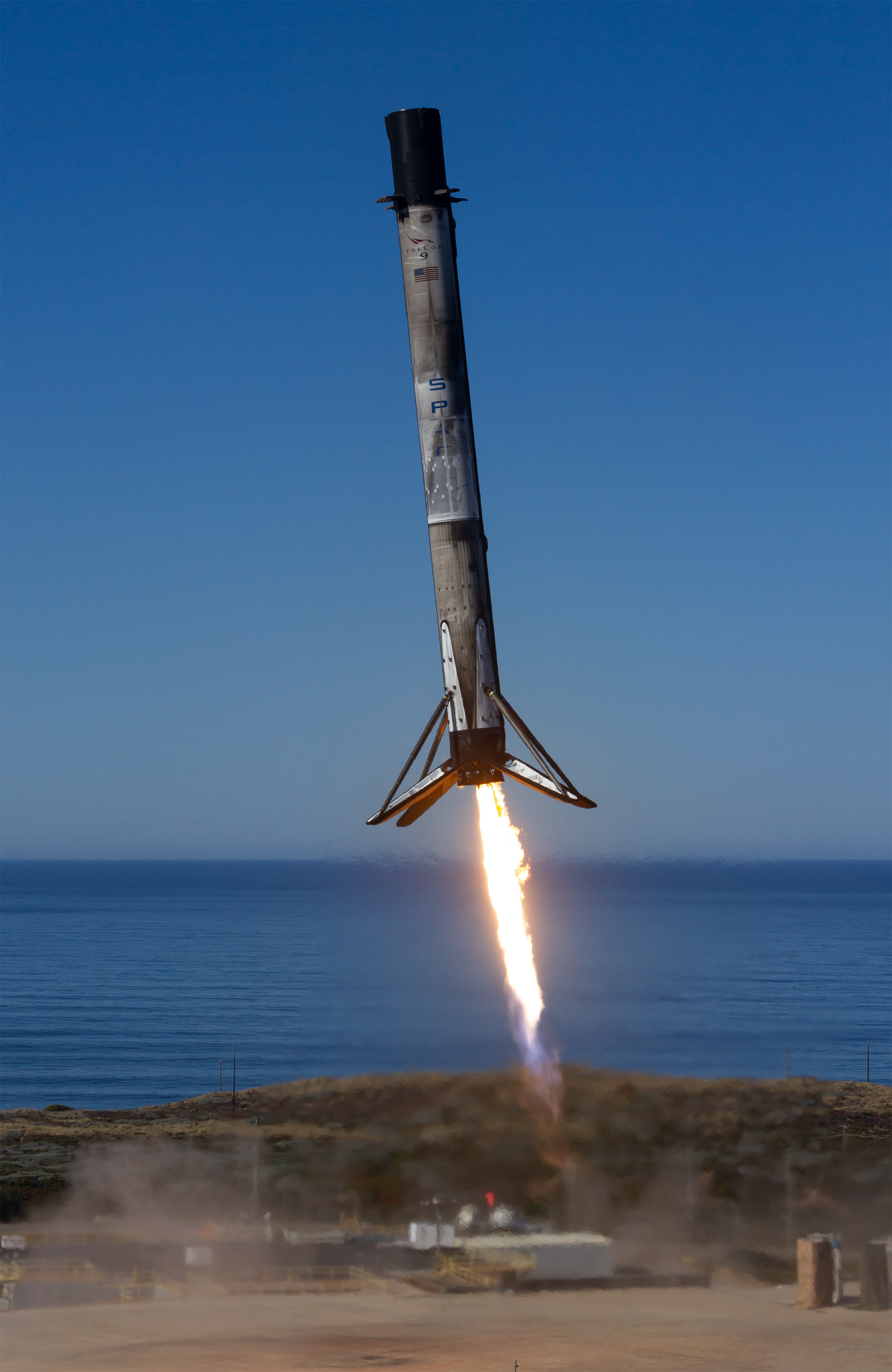
Falcon 9 is a two-stage rocket designed and manufactured by SpaceX for the reliable and safe transport of satellites and the Dragon spacecraft into orbit. The Block 5 variant is the fifth major interval aimed at improving upon the ability for rapid reusability.
The Falcon 9 first stage B1088 will land on ASDS OCISLY after its 15th flight.
ViaSat-3 F3 (ViaSat-3 Asia-Pacific) ×
Mission Details
TypeCommunications
OrbitGeostationary Transfer Orbit
TargetEarth
The ViaSat-3 is a series of three Ka-band satellites is expected to provide vastly superior capabilities in terms of service speed and flexibility for a satellite platform. Each ViaSat-3 class satellite is expected to deliver more than 1-Terabit per second of network capacity, and to leverage high levels of flexibility to dynamically direct capacity to where customers are located.
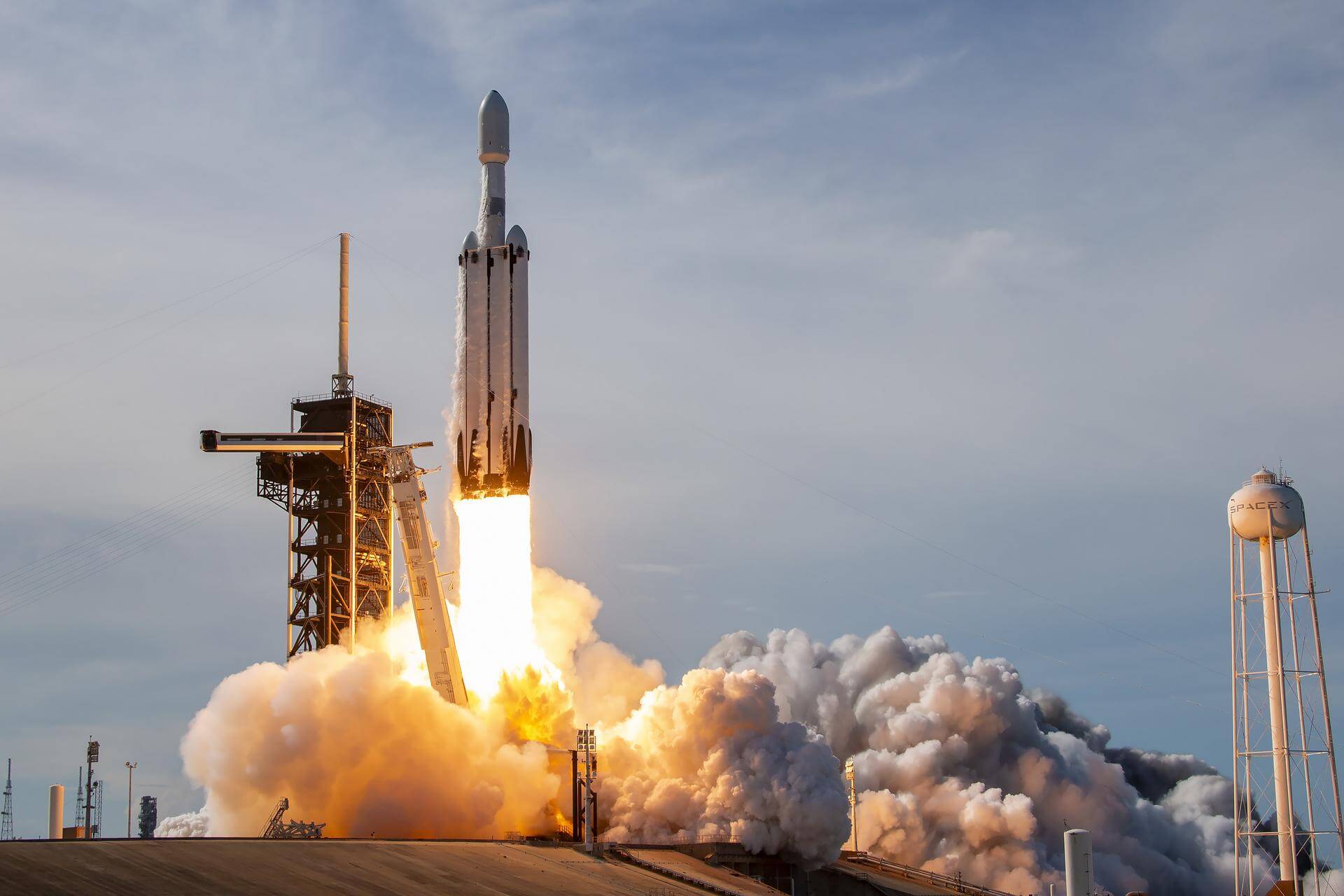
The Falcon Heavy is a variant of the Falcon 9 full thrust launch vehicle and consists of a standard Falcon 9 rocket core, with two additional boosters derived from the Falcon 9 first stage.
Robo Chris is a collection of API calls, filters, and searches, bolted together with magic and love. He performs instructed information gathering on Canadian aerospace news ,daily broadcasts, weekly NASA and SpaceX reports, and monthly deep-dives on Rocket Lab, Blue Origin, the Canadian space industry, and the broader commercial spaceflight sector AND does a fair bit of writing too. Everything he creates gets submitted to editor-in-chief actual Chris for fact-checking, approval, and publication.