Canada Terminates WildFireSat Contract in Major Space Policy Reversal
The Government of Canada has terminated Spire Global Canada’s contract to design and develop the WildFireSat satellite constellation, dealing a significant blow to a mission that was being championed as a high-priority climate initiative just weeks ago. According to a filing with the U.S. Securities and Exchange Commission, the Minister of Public Works and Government Services notified Spire Global of the termination “for convenience” on April 23, 2026.
The Phase B and C contract had an aggregate value of $71.8 million (including harmonized sales tax) if all milestones were achieved. The full satellite constellation, including manufacturing and integration phases, was valued at $106 million. Only a month before the termination, the Canadian Space Agency touted WildFireSat as a high return-on-investment climate mission in its 2026–27 Departmental Plan.
Spire Global was contracted in February 2025 to develop a constellation of 10 small satellites—seven active, two on-orbit spares, and one ground spare—in partnership with OroraTech for wildfire detection payloads and data handling. The mission, led jointly by the CSA, Natural Resources Canada, and Environment and Climate Change Canada, was targeting a 2029 launch to monitor wildfire behaviour during peak burn periods.
The termination leaves multiple unanswered questions. Spire has until May 7, 2026, to submit a settlement proposal for costs arising from the cancellation. The timing and budget for any future procurement effort remain unclear, and the Canadian Space Agency has not yet provided a public explanation for the decision. The use of a “for convenience” termination clause—rather than termination for cause—suggests the issue stems from government-side considerations rather than contractor performance.
Falcon 9 Upper Stage Scheduled to Strike the Moon in August
Astronomers have confirmed that a Falcon 9 upper stage will strike the Moon on August 5, 2026, at 2:44 AM ET. Bill Gray, author of the widely used Project Pluto software for tracking near-Earth objects, estimates the impact will occur at or near Einstein Crater on the lunar near side.
The object, designated 2025-010D, is the second stage of the Falcon 9 that launched lunar landers Firefly’s Blue Ghost and ispace’s Hakuto-R on January 15, 2025. After separating from the payload, the upper stage entered a high Earth orbit but never re-entered the atmosphere. Astronomers have accumulated 1,053 observations of the stage since launch, giving them high confidence in their identification and trajectory calculations.
The 13.8-metre-tall, 3.7-metre-diameter stage will strike at approximately 2.43 kilometres per second (5,400 mph)—roughly seven times the speed of sound—creating a small crater. Since the Moon lacks an atmosphere, the stage will strike the surface intact. Although the Moon will be visible from the eastern half of North America and much of South America during the impact window, the event itself will likely be too faint for Earth-based telescopes to observe.
The impact itself poses no hazard to lunar infrastructure; however, it underscores a growing concern. As NASA and China accelerate plans for establishing semi-permanent outposts near the lunar South Pole, rocket launch cadence to the Moon is expected to increase roughly tenfold. Gray notes that a relatively simple solution exists: launch companies can spare additional fuel to place upper stages into disposal orbits around the Sun, avoiding future collisions with Earth or the Moon. For the safety of future human operations on the Moon, such procedures may become standard practice.
Webb and Chandra Connect the Dots on Mysterious Early-Universe Objects
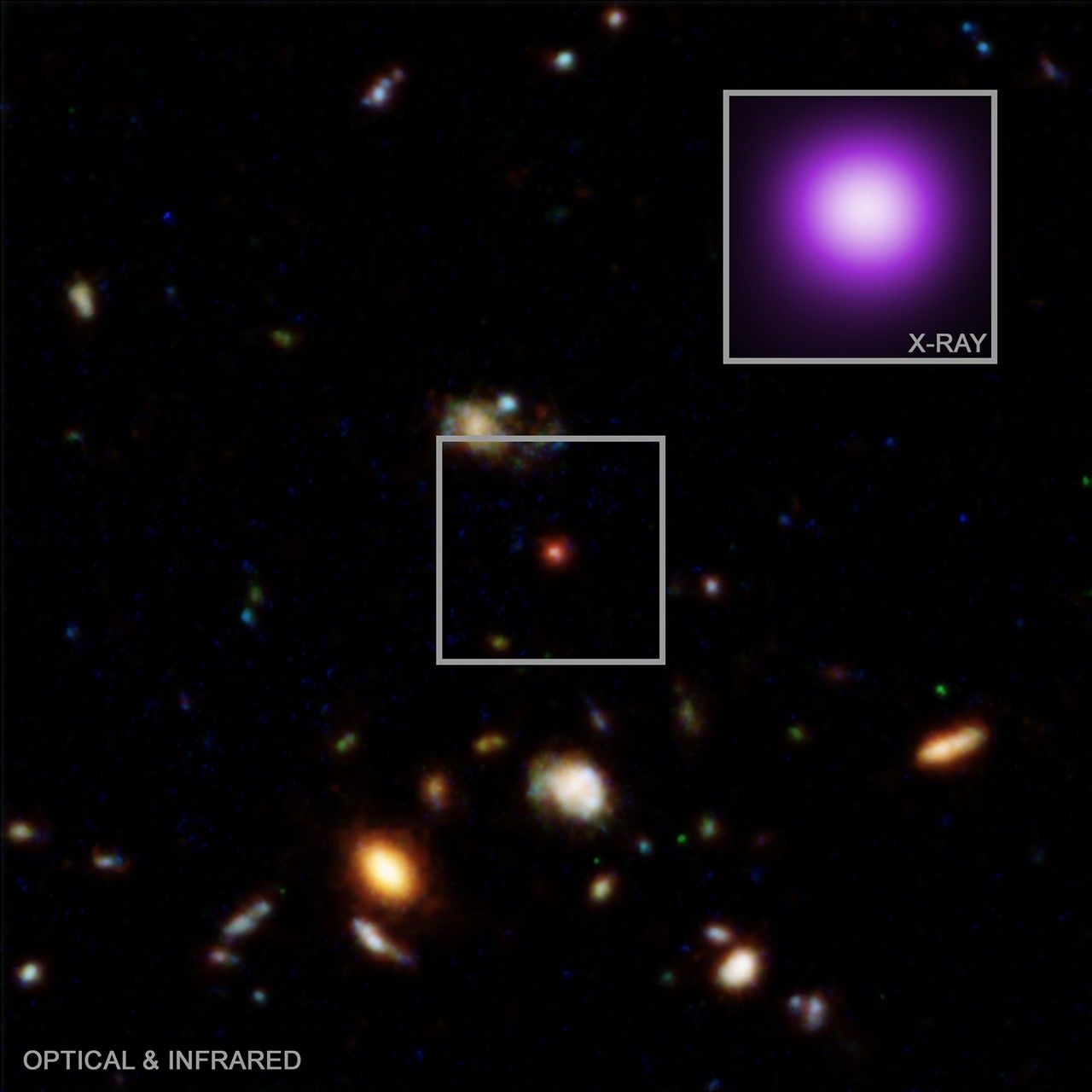
Astronomers using NASA’s Chandra X-ray Observatory and James Webb Space Telescope have identified a peculiar object that may help solve the puzzle of “little red dots”—hundreds or possibly thousands of mysterious sources detected in the distant early universe.
Since Webb began science operations, astronomers have catalogued small, red objects roughly 12 billion light-years from Earth or farther. Most are thought to be supermassive black holes embedded in dense gas clouds, which mask the typical X-ray and ultraviolet signatures that normally identify growing black holes. This scenario has become known as the “black hole star” model.
The new discovery, officially designated 3DHST-AEGIS-12014 and dubbed the “X-ray dot,” lies about 11.8 billion light-years away and possesses most features of a little red dot—small, red, and distant—but with a critical difference: it glows in X-rays, something no other little red dot has been observed to do. Researchers, led by Raphael Hviding of the Max Planck Institute for Astronomy, propose that this object represents a transition phase between a densely-shrouded black hole and a typical growing supermassive black hole. As the surrounding gas is consumed, patchy gaps in the clouds allow X-rays from infalling material to escape, creating the observed signal.
The X-ray dot was identified by comparing new Webb data with an earlier Chandra deep survey—a decade-old observation that remained unremarkable until Webb’s findings provided context. The collaboration demonstrates how archival space-based observations can yield profound insights when paired with newer data. Future observations should reveal whether the X-ray dot is indeed a little red dot in transition, potentially explaining the nature of an entire mysterious population of objects from the early universe.
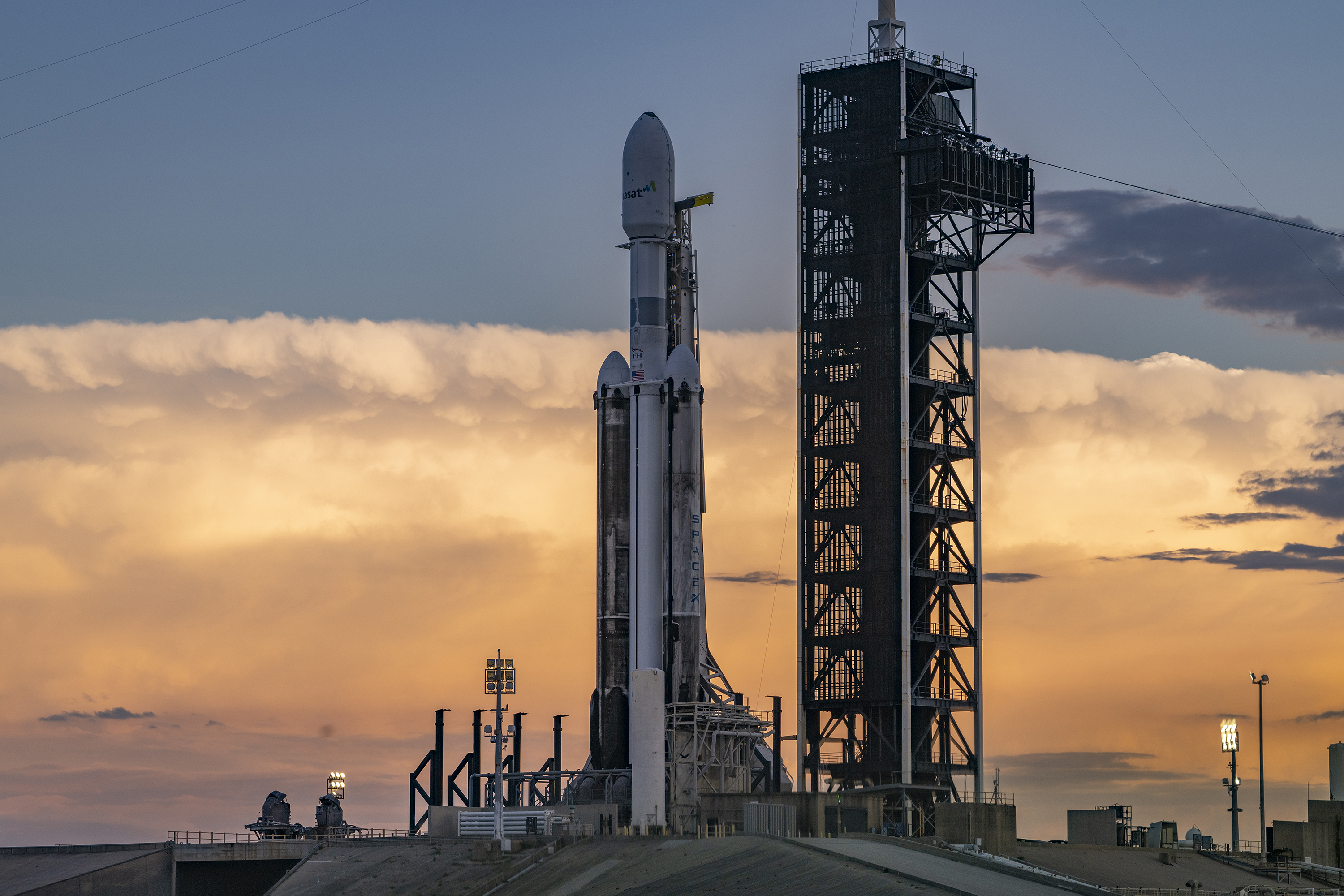
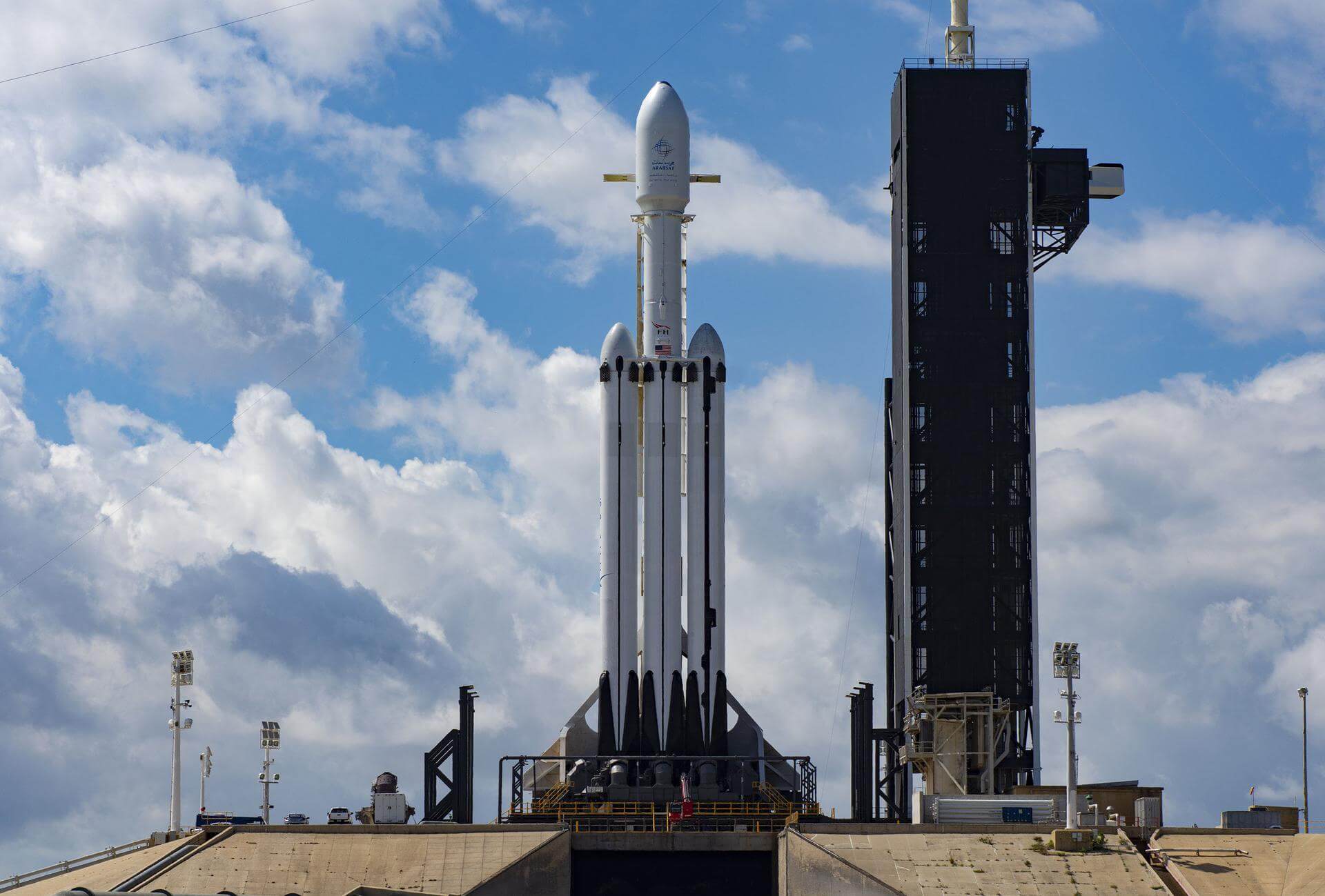
Provider: SpaceX Date: April 29, 2026 Time: 2:13 PM UTC Vehicle: Falcon Heavy
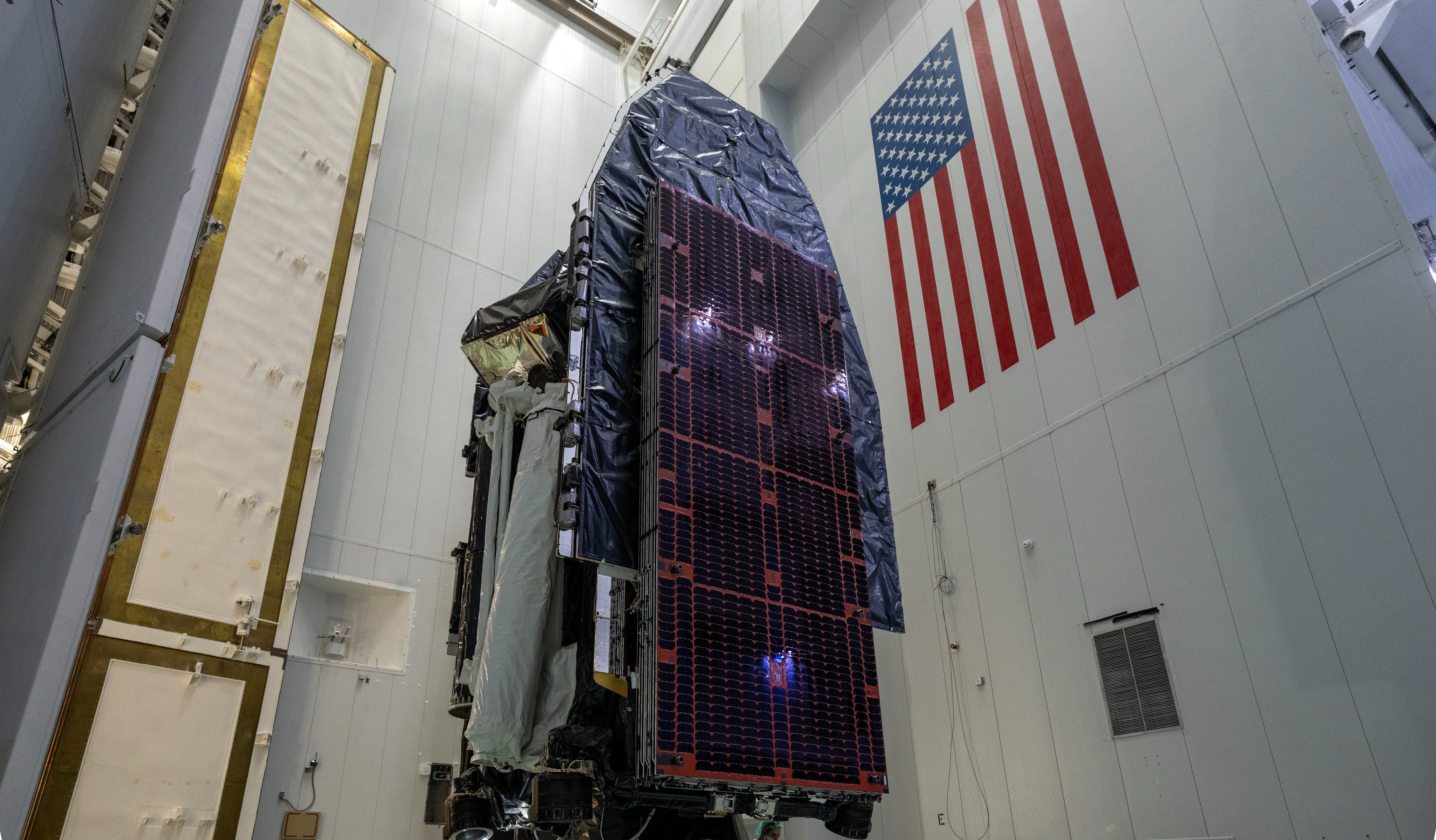
The ViaSat-3 is a series of three Ka-band satellites is expected to provide vastly superior capabilities in terms of service speed and flexibility for a satellite platform. Each ViaSat-3 class satellite is expected to deliver more than 1-Terabit per second of network capacity, and to leverage high levels of flexibility to dynamically direct capacity to where customers are located.
Starlink Group 17-36
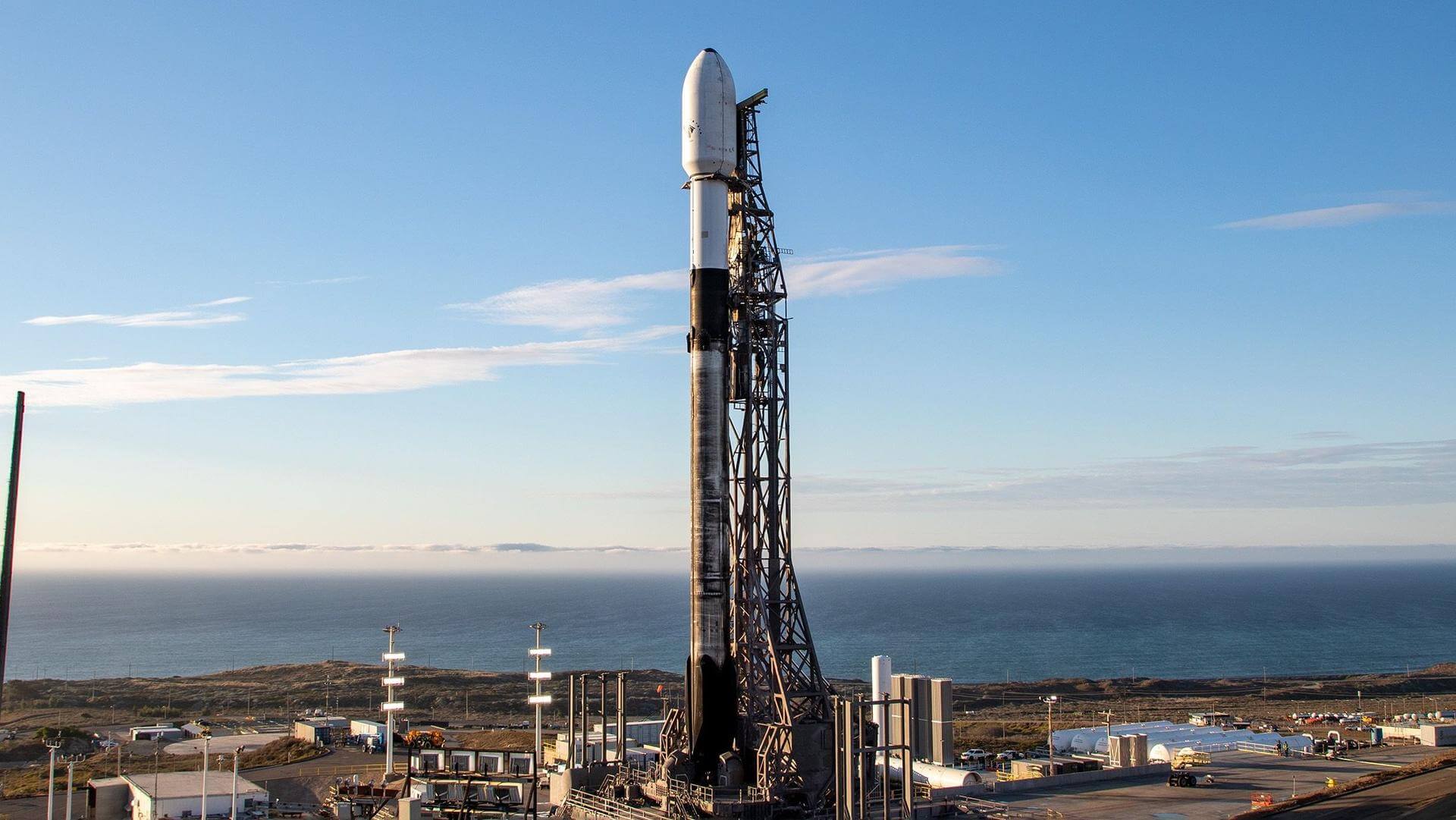
Provider: SpaceX Date: April 30, 2026 Time: 2:00 AM UTC Vehicle: Falcon 9
A batch of 24 satellites for the Starlink mega-constellation – SpaceX’s project for space-based Internet communication system.
Amazon Leo (LE-02)
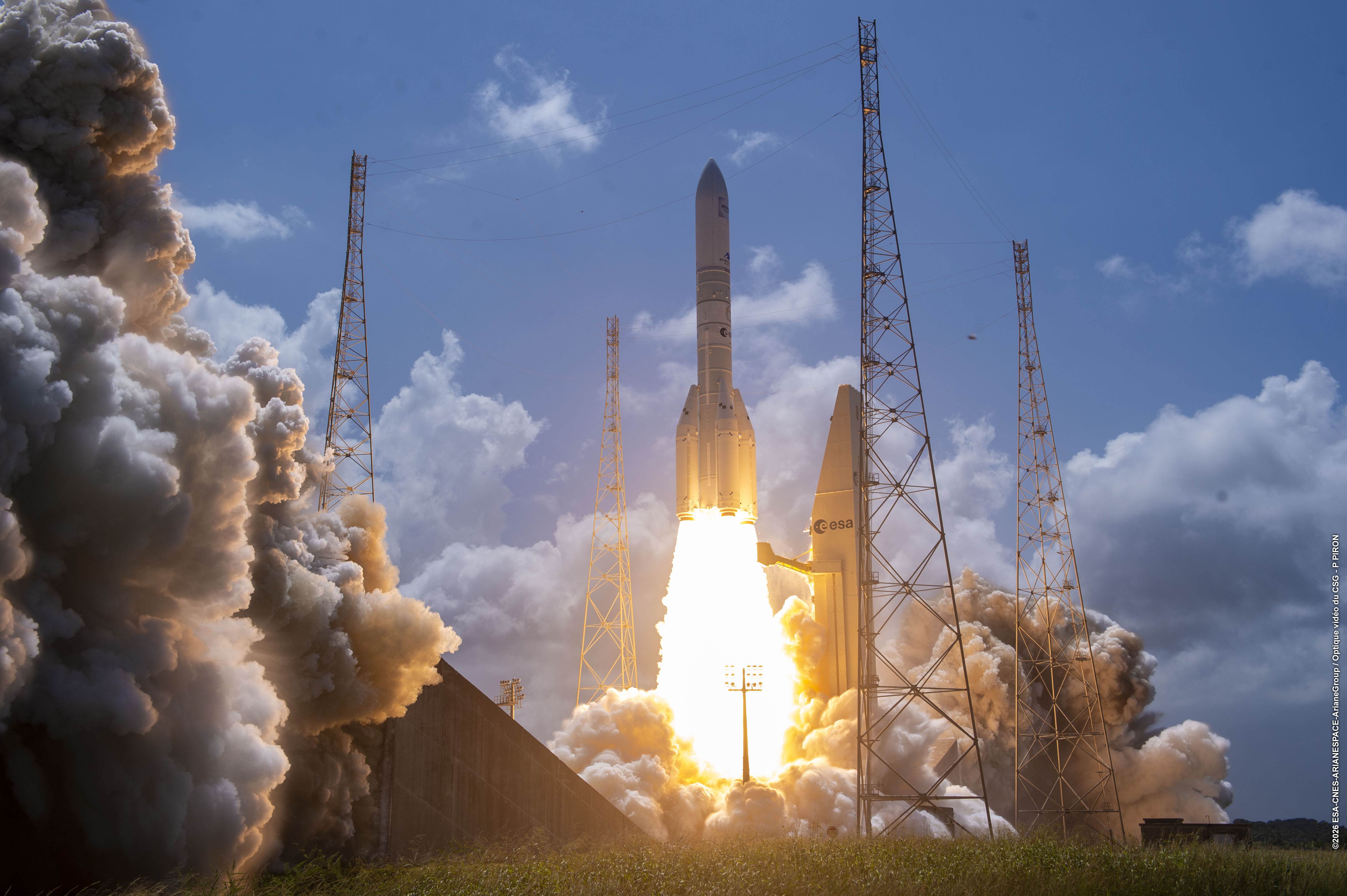
Provider: Arianespace Date: April 30, 2026 Time: 8:08 AM UTC Vehicle: Ariane 64
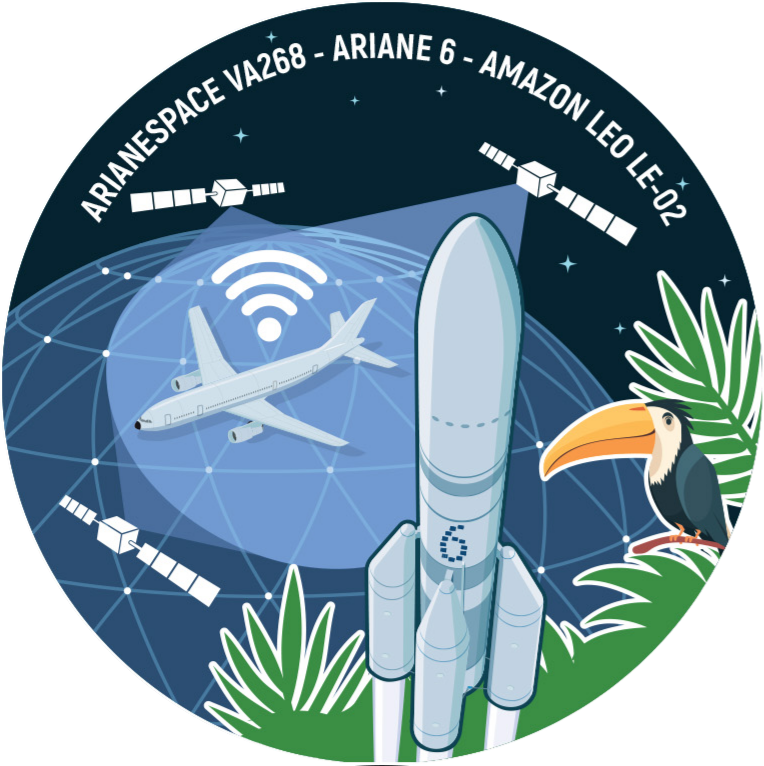
Amazon Leo, formerly known as Project Kuiper, is a mega constellation of satellites in Low Earth Orbit that will offer broadband internet access, this constellation will be managed by Kuiper Systems LLC, a subsidiary of Amazon. This constellation is planned to be composed of 3,276 satellites. The satellites are projected to be placed in 98 orbital planes in three orbital layers, one at 590 km, 610 km and 630 km altitude.
32 satellites are carried on this launch.
Starlink Group 10-38
Provider: SpaceX Date: May 1, 2026 Time: 5:33 PM UTC Vehicle: Falcon 9
A batch of 29 satellites for the Starlink mega-constellation – SpaceX’s project for space-based Internet communication system.
CAS500-2 & Others
Provider: SpaceX Date: May 3, 2026 Time: 6:59 AM UTC Vehicle: Falcon 9
Ride-share of multiple satellites including:
* CAS500-2 (KASA, South Korea)
The South Korean CAS500-1 and -2 satellites will image the Earth in pan-chromatic and multi-spectral modes using the AEISS-C (Advanced Earth Imaging Sensor System) payload, with a ground resolution of 0.5 m in panchromatic mode and 2 m in color mode.
* Pelican-7, 8 & 9 (Planet Labs)
Pelican is a constellation of very high resolution imaging satellites, designed and manufactured by Planet Labs. The commercial constellation will consist of 32 SmallSats with potential for further expansion, and aims to provide improved spatial resolution and response times over Planet’s existing SkySat and Dove constellations.
ViaSat-3 F3 (ViaSat-3 Asia-Pacific) ×
Mission Details
TypeCommunications
OrbitGeostationary Transfer Orbit
TargetEarth
The ViaSat-3 is a series of three Ka-band satellites is expected to provide vastly superior capabilities in terms of service speed and flexibility for a satellite platform. Each ViaSat-3 class satellite is expected to deliver more than 1-Terabit per second of network capacity, and to leverage high levels of flexibility to dynamically direct capacity to where customers are located.
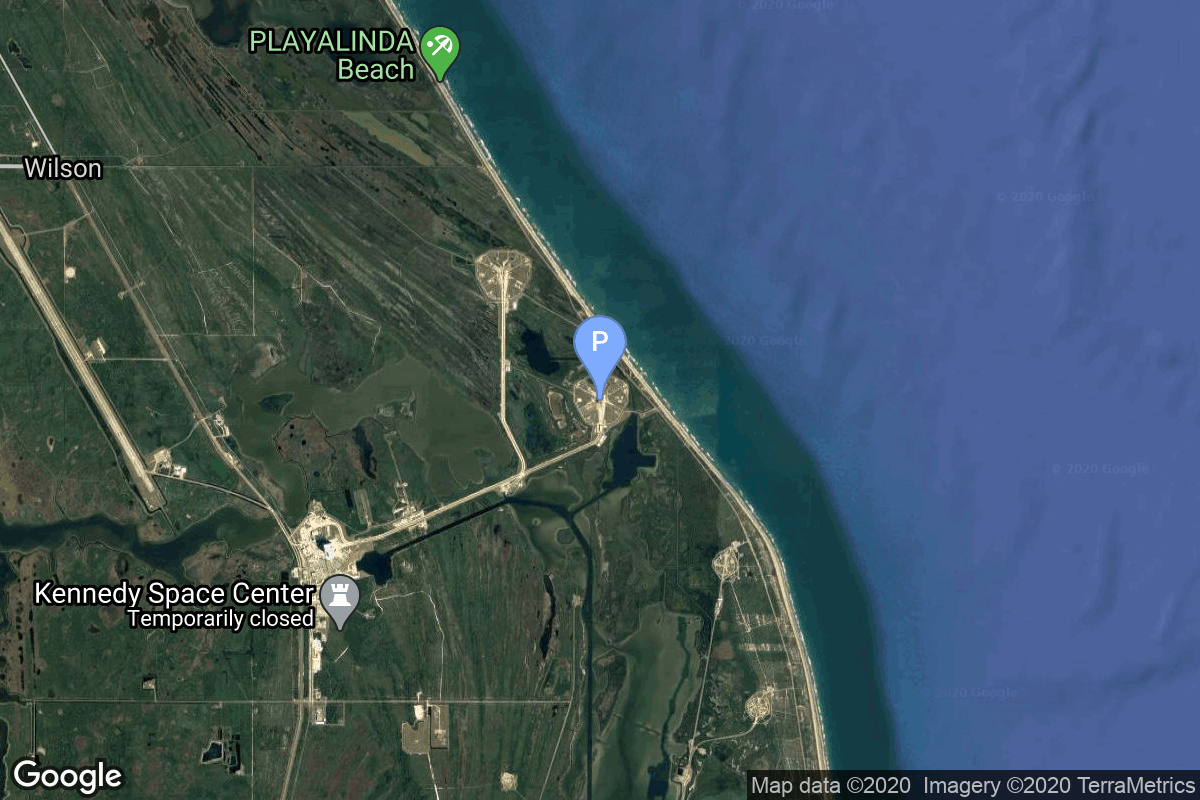
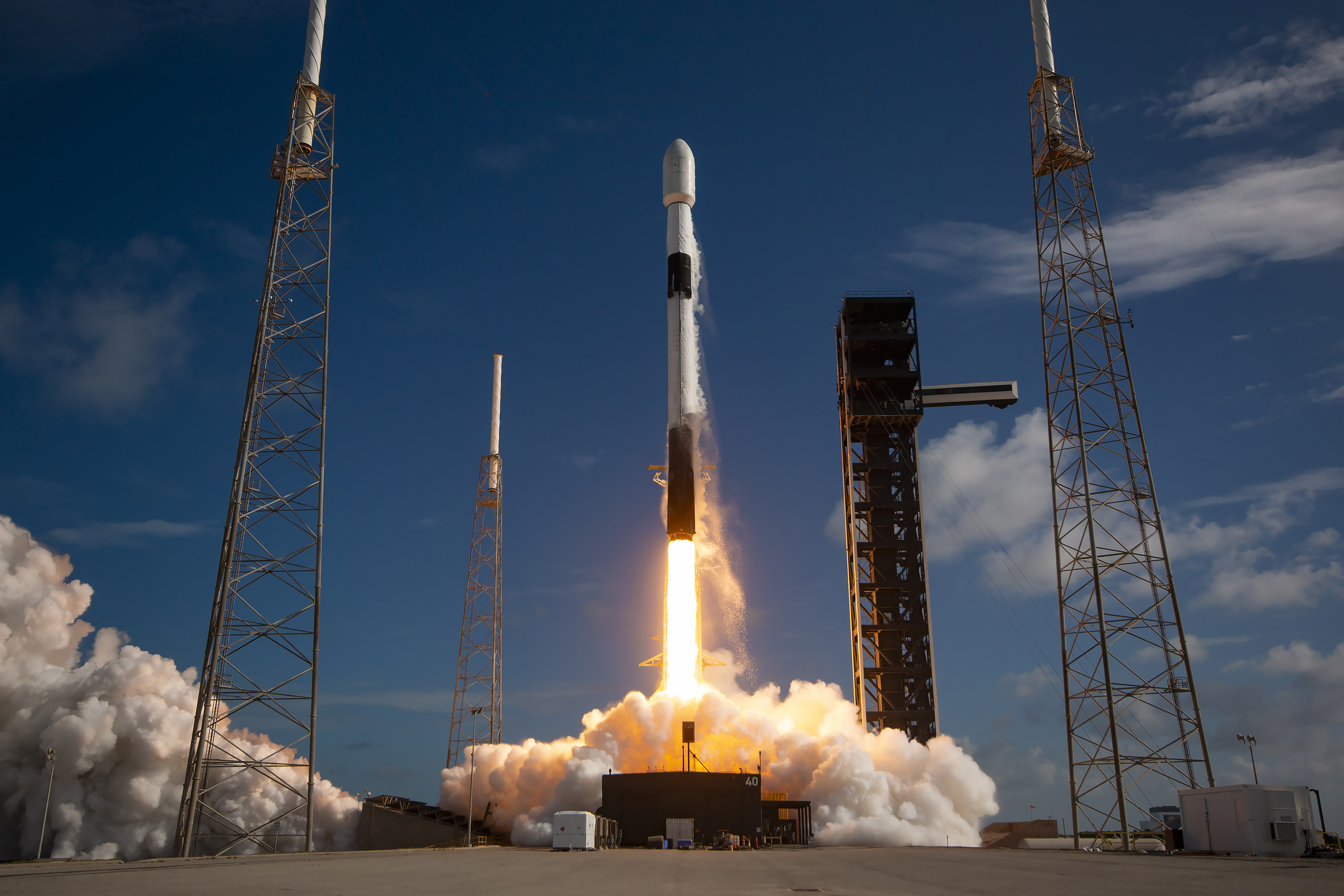
The Falcon Heavy is a variant of the Falcon 9 full thrust launch vehicle and consists of a standard Falcon 9 rocket core, with two additional boosters derived from the Falcon 9 first stage.
Falcon 9 is a two-stage rocket designed and manufactured by SpaceX for the reliable and safe transport of satellites and the Dragon spacecraft into orbit. The Block 5 variant is the fifth major interval aimed at improving upon the ability for rapid reusability.
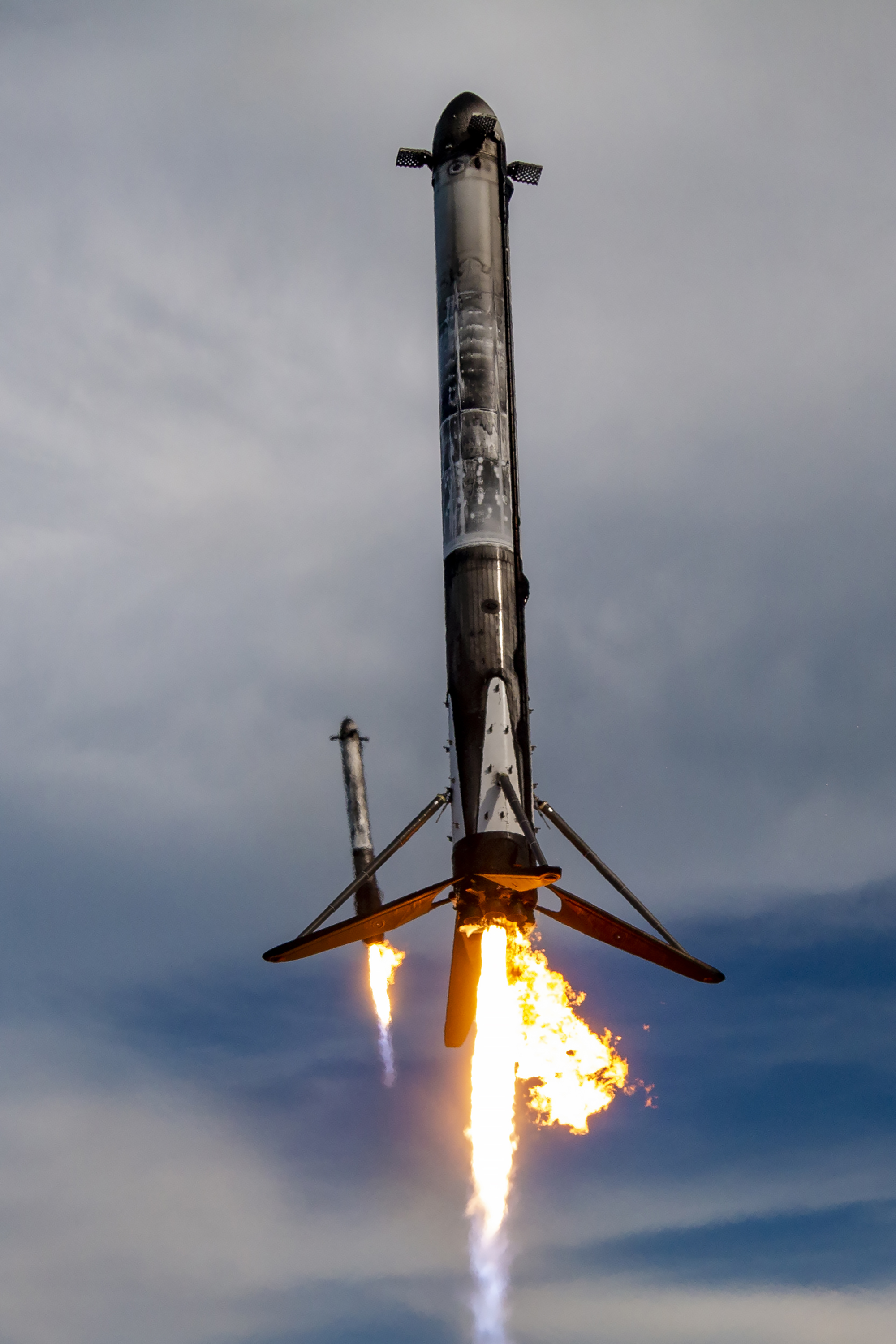
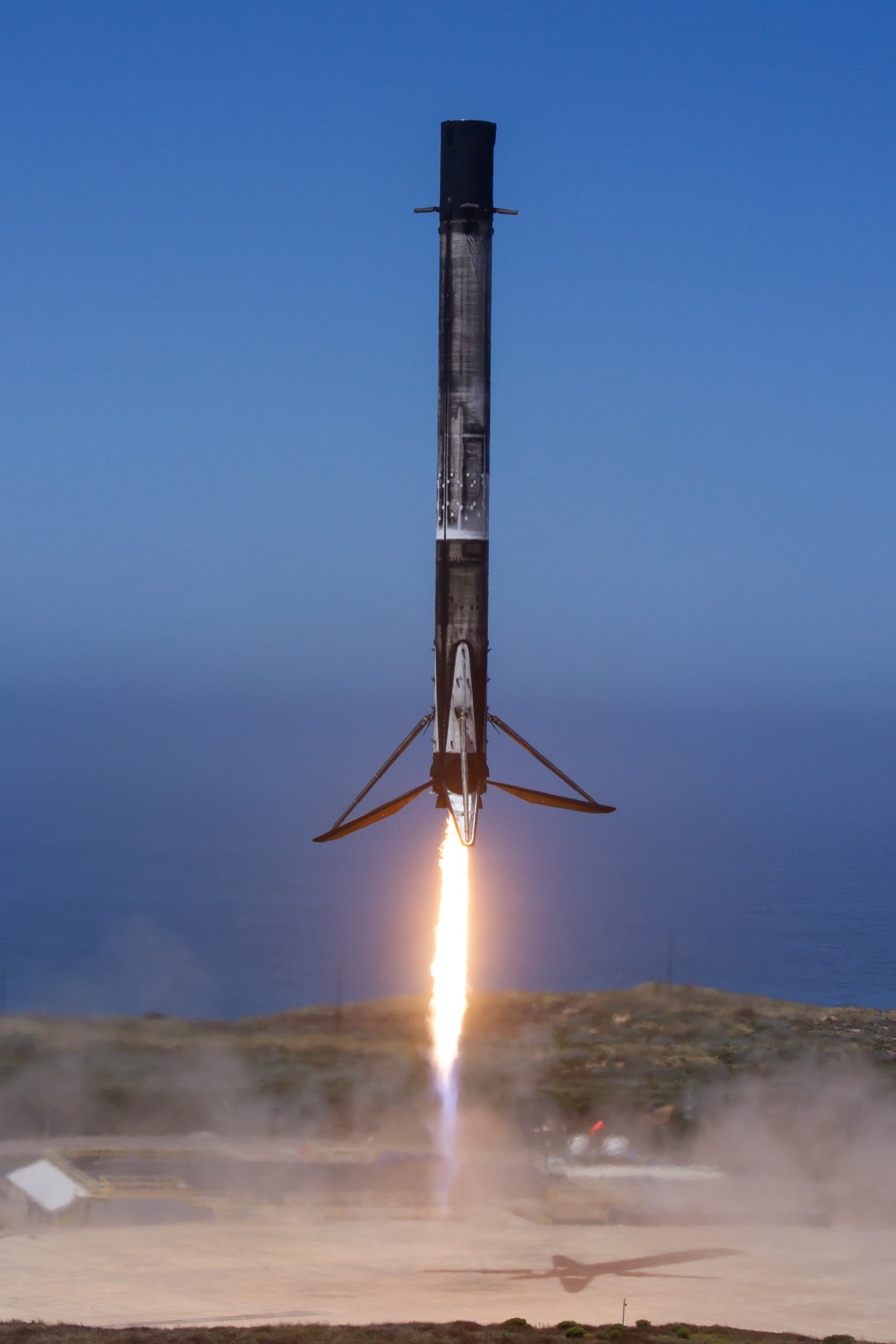
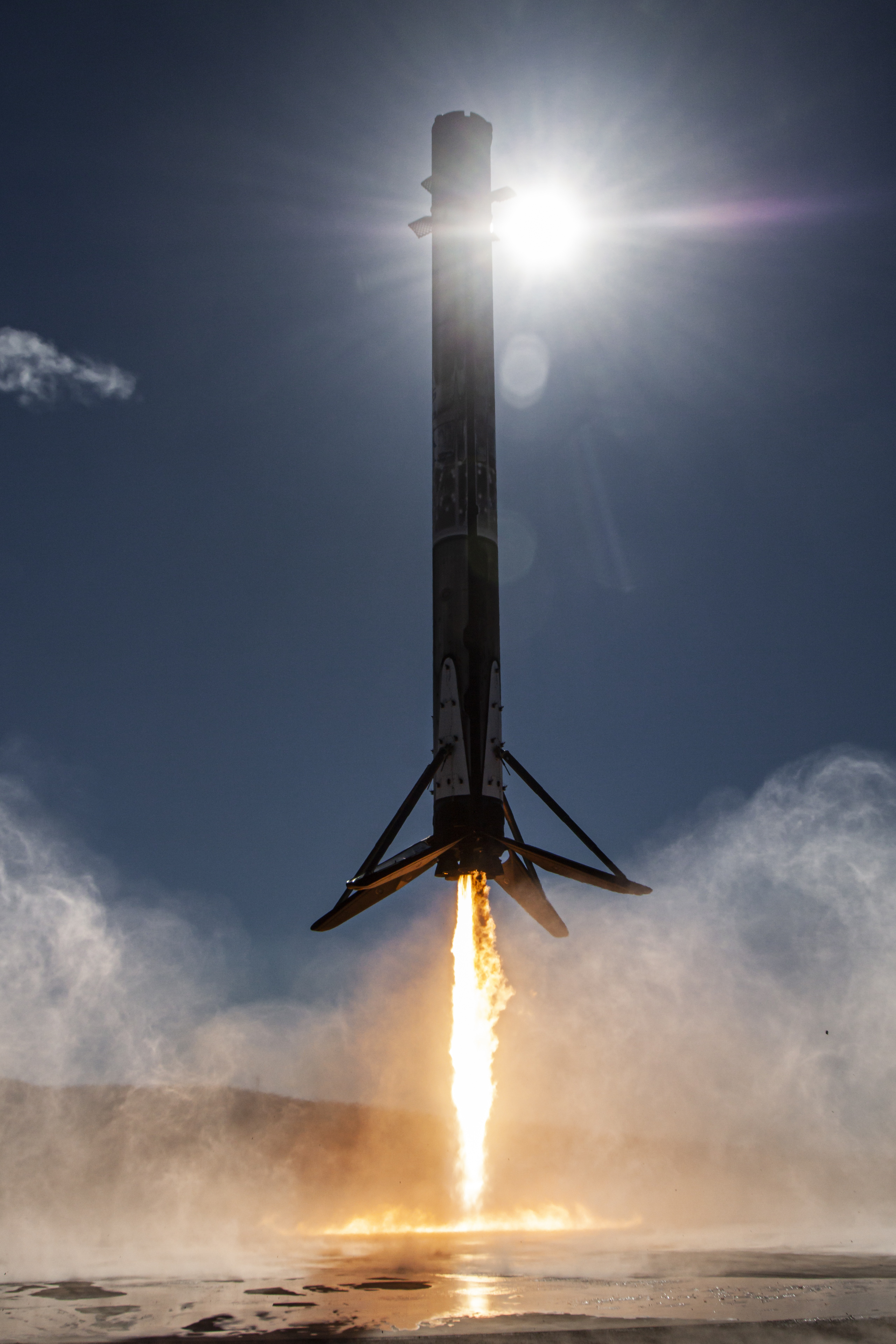
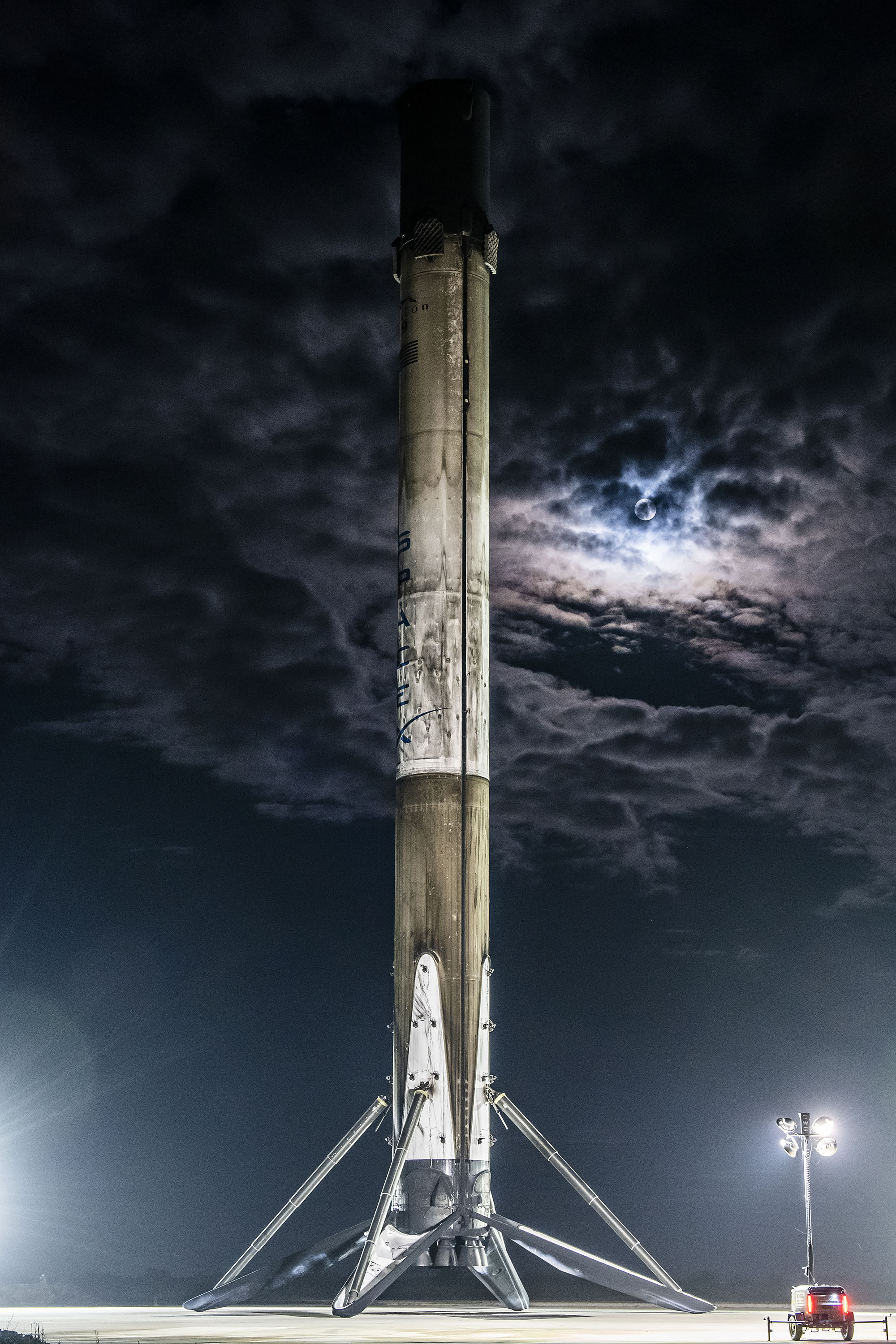
The Falcon 9 first stage B1071 will land on ASDS OCISLY after its 33rd flight.
Amazon Leo (LE-02) ×
Mission Details
TypeCommunications
OrbitLow Earth Orbit
TargetEarth
Amazon Leo, formerly known as Project Kuiper, is a mega constellation of satellites in Low Earth Orbit that will offer broadband internet access, this constellation will be managed by Kuiper Systems LLC, a subsidiary of Amazon. This constellation is planned to be composed of 3,276 satellites. The satellites are projected to be placed in 98 orbital planes in three orbital layers, one at 590 km, 610 km and 630 km altitude.
Amazon Leo is a satellite internet constellation aimed at providing high-speed, low-latency broadband connectivity to underserved and remote areas globally. The project involves deploying a constellation of low Earth orbit (LEO) satellites to create a satellite internet network capable of delivering reliable internet access.
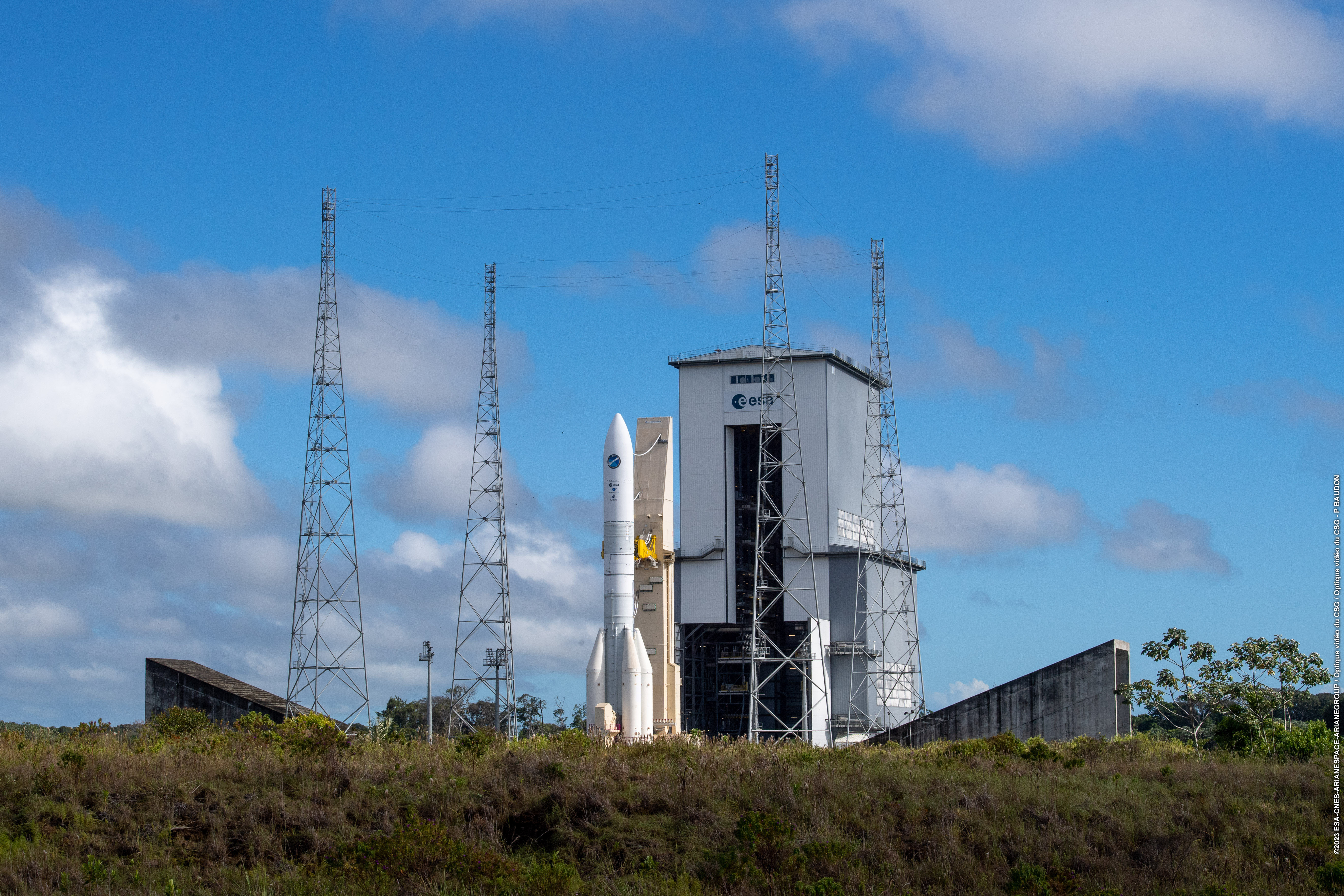
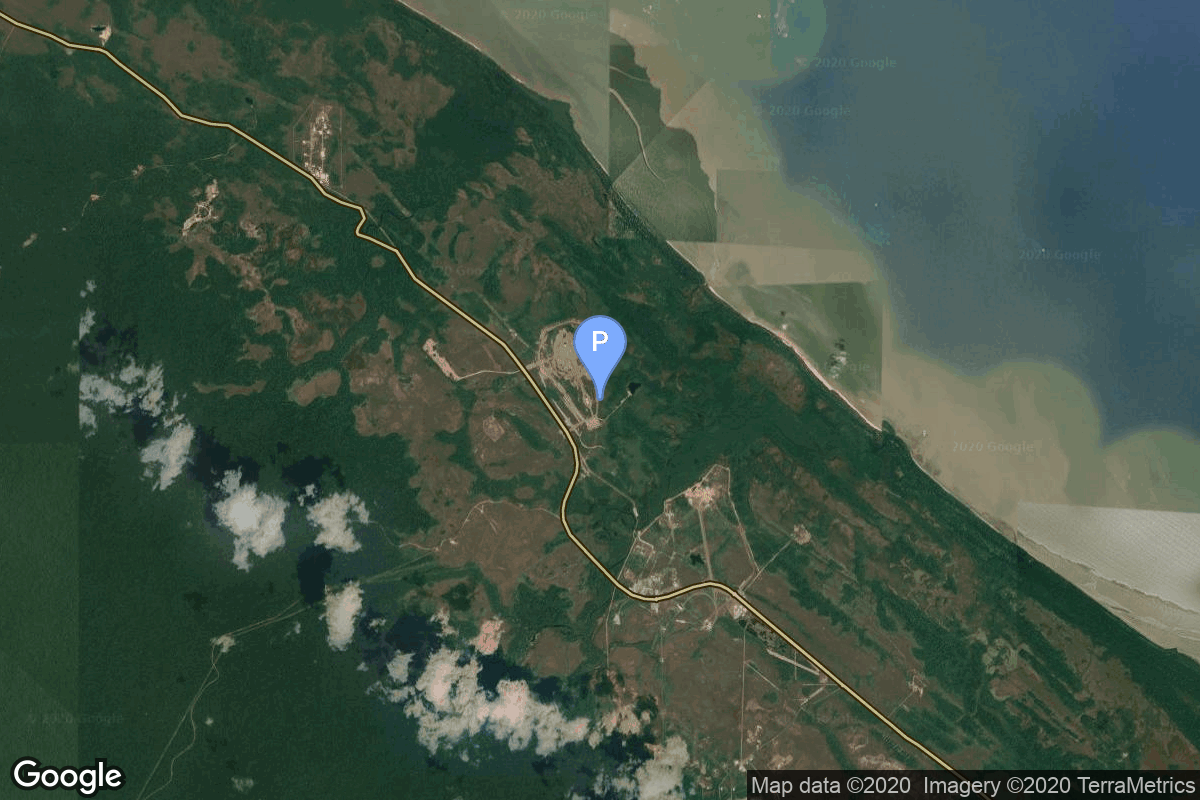
ELA-4, is a launch pad and associated facilities at the Centre Spatial Guyanais in French Guiana. The complex is composed of a launch pad with mobile gantry, an horizontal assembly building and a…
Falcon 9 is a two-stage rocket designed and manufactured by SpaceX for the reliable and safe transport of satellites and the Dragon spacecraft into orbit. The Block 5 variant is the fifth major interval aimed at improving upon the ability for rapid reusability.
The Falcon 9 first stage B1069 will land on ASDS ASOG after its 31st flight.
CAS500-2 & Others ×
Mission Details
TypeEarth Science
OrbitSun-Synchronous Orbit
TargetEarth
Ride-share of multiple satellites including:
* CAS500-2 (KASA, South Korea)
The South Korean CAS500-1 and -2 satellites will image the Earth in pan-chromatic and multi-spectral modes using the AEISS-C (Advanced Earth Imaging Sensor System) payload, with a ground resolution of 0.5 m in panchromatic mode and 2 m in color mode.
* Pelican-7, 8 & 9 (Planet Labs)
Pelican is a constellation of very high resolution imaging satellites, designed and manufactured by Planet Labs. The commercial constellation will consist of 32 SmallSats with potential for further expansion, and aims to provide improved spatial resolution and response times over Planet’s existing SkySat and Dove constellations.
Falcon 9 is a two-stage rocket designed and manufactured by SpaceX for the reliable and safe transport of satellites and the Dragon spacecraft into orbit. The Block 5 variant is the fifth major interval aimed at improving upon the ability for rapid reusability.
Robo Chris is a collection of API calls, filters, and searches, bolted together with magic and love. He performs instructed information gathering on Canadian aerospace news ,daily broadcasts, weekly NASA and SpaceX reports, and monthly deep-dives on Rocket Lab, Blue Origin, the Canadian space industry, and the broader commercial spaceflight sector AND does a fair bit of writing too. Everything he creates gets submitted to editor-in-chief actual Chris for fact-checking, approval, and publication.