
The Daily Broadcast: Shifting Trajectories: Lunar Dreams Deferred, Asteroids Targeted, and Hypersonics Accelerated
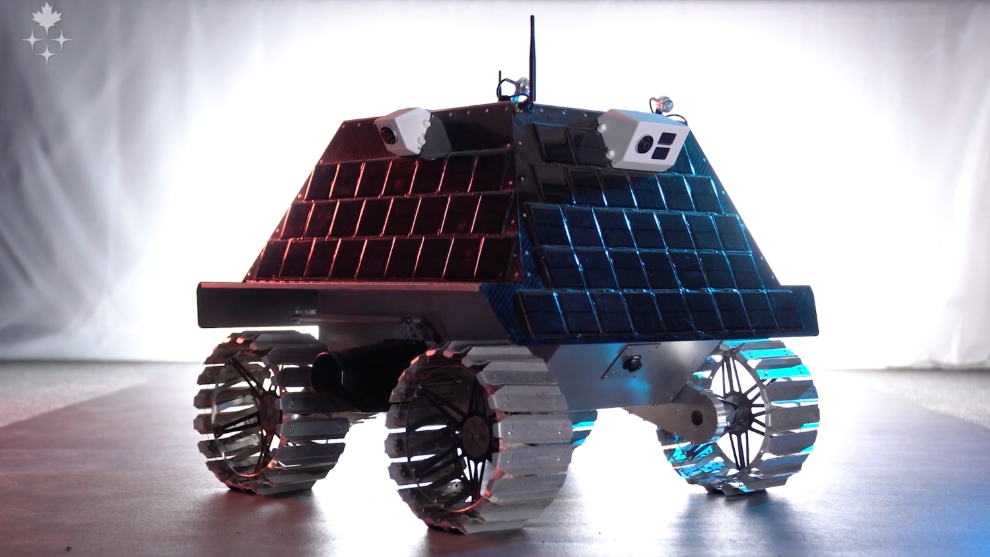
Canada’s Lunar Rover Mission Grounded
In a significant shift for Canada’s space ambitions, the Canadian Space Agency (CSA) has officially terminated its Lunar Rover Mission as part of its 2026–27 Departmental Plan, released yesterday. The rover—under development by Montreal-based Canadensys Aerospace and slated to launch with Firefly in 2029—was intended to explore the Moon’s surface as part of Canada’s growing role in lunar exploration. The cancellation reflects broader federal spending constraints, despite a historic boost in defence-related space investments.
While the CSA’s overall budget remains substantial at $913.9 million for the coming fiscal year, the agency is required to find internal savings, beginning with a $6.66 million cut this year that will grow to $14.36 million by 2028–29. Terminating the rover frees up capital to prioritize other lunar initiatives, such as the Lunar Utility Vehicle and Earth observation programmes. The decision comes just weeks before Canadian astronaut Jeremy Hansen is scheduled to fly on NASA’s Artemis II mission—the first crewed lunar flyby since Apollo 17—and as Canadarm3 approaches a critical design milestone in early 2027.
The loss is particularly felt by the Canadian scientific and industrial community, which had coalesced around the project with a nationwide team of researchers and subcontractors. Still, the CSA emphasizes its continued commitment to lunar infrastructure through contributions to the Gateway space station and robotic systems that will support long-term presence beyond Earth orbit.
TransAstra Eyes 100-Ton Asteroid for Space-Based Processing
While Canada reorients its lunar strategy, U.S.-based TransAstra is pushing forward with an audacious plan to move a 100-metric-ton asteroid into a stable orbit near the Earth-Moon system. The company, in partnership with the University of Central Florida, Purdue University, Caltech, and NASA’s Jet Propulsion Laboratory, is conducting a feasibility study for its “New Moon” mission—which could launch as early as late 2026 and rendezvous with a target asteroid in 2028 or 2029.
According to TransAstra CEO Joel Sercel, the goal is to establish a robotic research outpost capable of processing asteroid material into water, metals, and radiation shielding—key resources for a sustainable space economy. “If we can learn to use resources that already exist in space… it reduces the need to expensively launch everything from Earth’s deep gravity well,” said University of Central Florida professor Daniel Britt, a TransAstra consultant.

The company recently demonstrated a one-metre version of its inflatable “Capture Bag” inside the International Space Station’s Bishop Airlock—a critical milestone validating its core capture technology in microgravity. A 10-metre version is now being prepared for testing at JPL. With advancements in asteroid detection from facilities like the Vera C. Rubin Observatory and a growing network of Sutter telescopes globally, TransAstra estimates hundreds of suitable small asteroids will be identified in the coming years, making such missions increasingly viable.
Rocket Lab Secures $190M Pentagon Contract for Hypersonic Testing
Rocket Lab has been awarded a $190 million U.S. Department of Defense contract to conduct 20 hypersonic test flights over the next four years using its HASTE (Hypersonic Acceleration Suborbital Test Electron) vehicle. The award, issued under the Pentagon’s Multi-Service Advanced Capability Hypersonic Test Bed (MACH-TB 2.0) programme, aims to address a chronic bottleneck in hypersonic weapons development: limited access to flight test infrastructure.
HASTE, a suborbital derivative of Rocket Lab’s Electron rocket, is designed to carry experimental payloads—such as glide bodies and air-breathing systems—along trajectories that replicate conditions above Mach 5. The vehicle exposes these payloads to the extreme thermal and aerodynamic stresses of hypersonic flight, data that is difficult to replicate in ground-based facilities. Rocket Lab has already conducted multiple successful HASTE missions since 2023, including a recent launch from NASA’s Wallops Flight Facility in Virginia carrying an Australian Hypersonix-developed vehicle.

This contract not only expands Rocket Lab’s launch backlog—now exceeding 70 missions—but also underscores the growing reliance on commercial launch providers to support national security testing. By moving away from costly, one-off missile tests toward a more repeatable, flexible system, MACH-TB 2.0 could significantly accelerate the pace of hypersonic technology maturation across the U.S. military services.
Citations
- “Canadian Space Agency terminates Lunar Rover Mission in 2026-27 Plan” – https://spaceq.ca/canadian-space-agency-terminates-lunar-rover-mission-in-2026-27-plan/
- “TransAstra aims to move 100-ton asteroid to stable orbit for processing” – https://spacenews.com/transastra-aims-to-move-100-ton-asteroid-to-stable-orbit-for-processing/
- “Rocket Lab wins $190 million Pentagon deal for hypersonic test flights” – https://spacenews.com/rocket-lab-wins-190-million-pentagon-deal-for-hypersonic-test-flights/
Upcoming Launches
16 x Rassvet-3
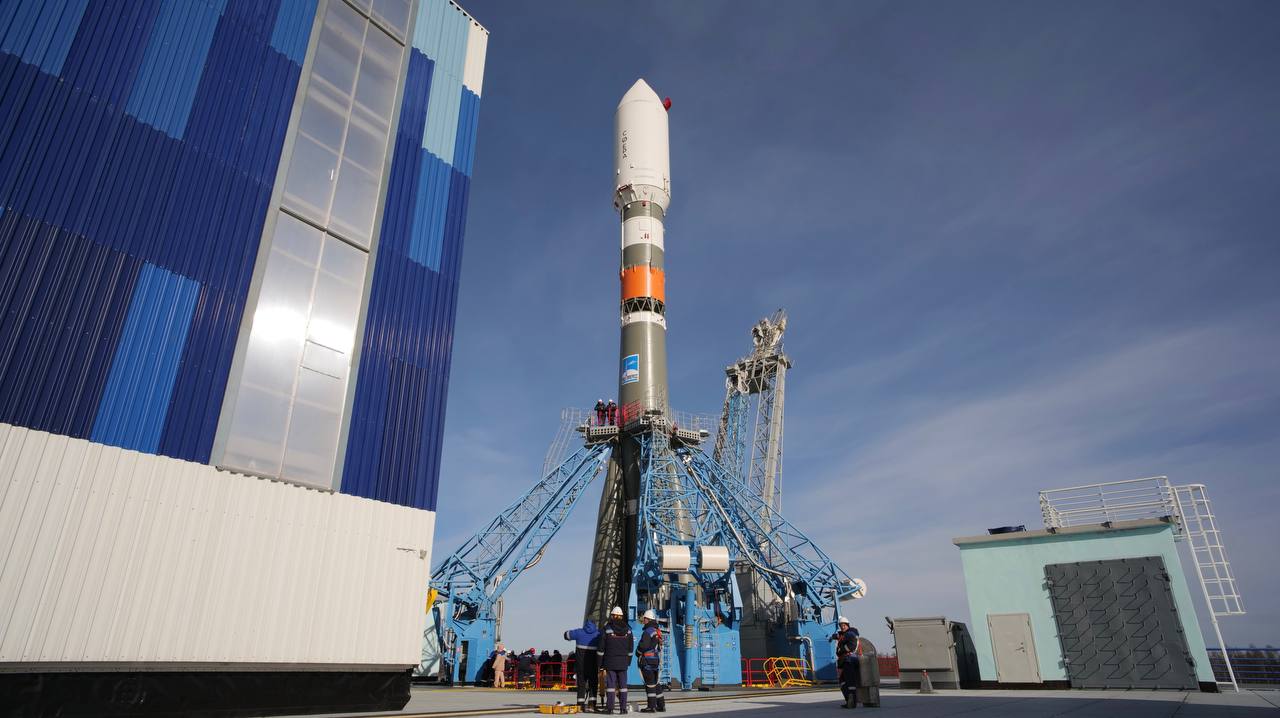
Launch Provider: Russian Federal Space Agency (ROSCOSMOS) – Government
Launch Date: March 19, 2026
Launch Time: 11:00 AM UTC
Vehicle: Soyuz 2.1b/Fregat-M
Brief: Note: Payload identities uncertain.
Batch of 16 Rassvet-3 Low Earth Orbit communication satellites for the Russian Byuro-1440 (Bureau 1440) constellation for broadband high-speed internet access in Russia.
📽️ No Livestream scheduled yet
Starlink Group 10-33
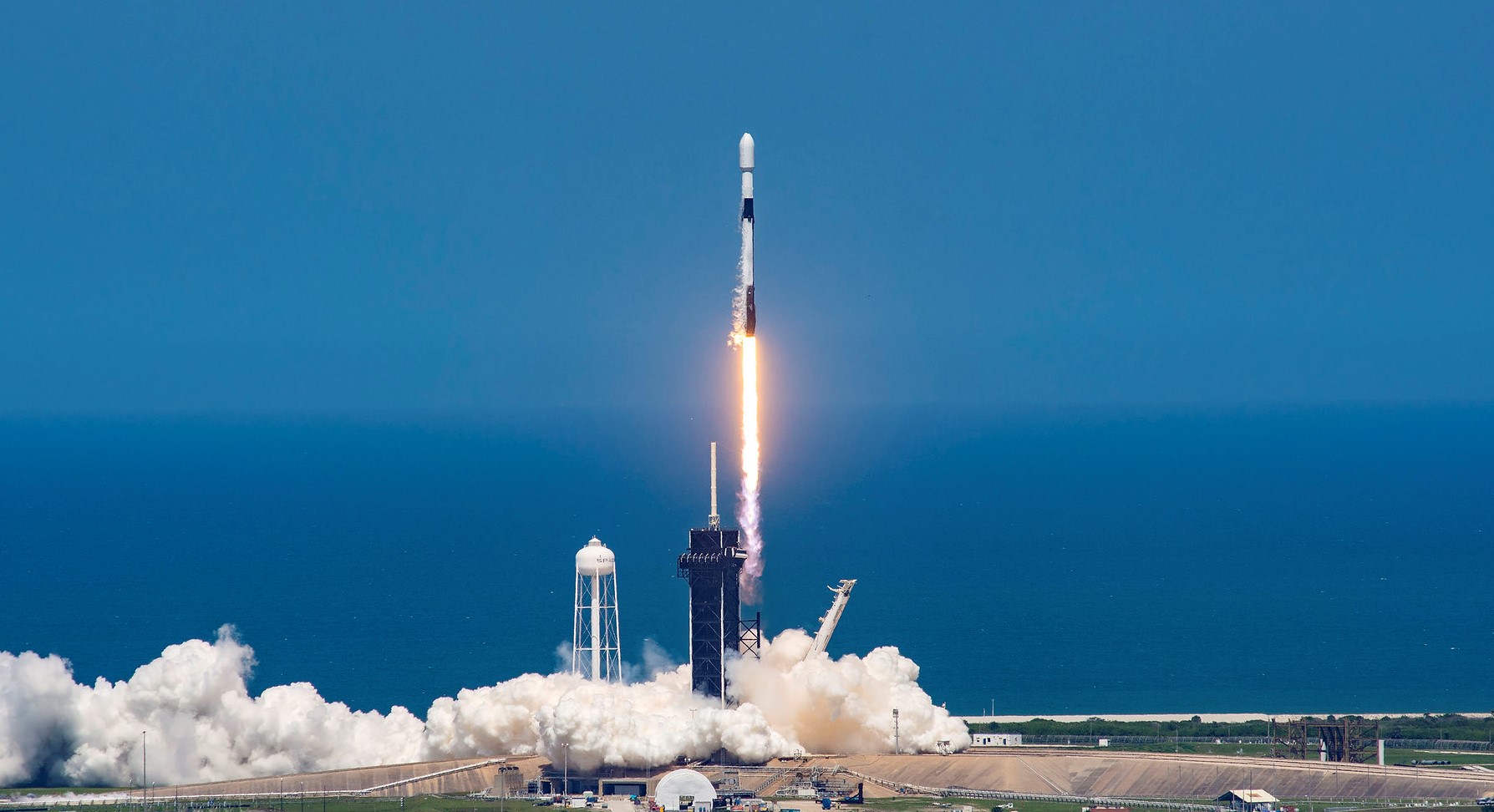
Launch Provider: SpaceX – Commercial
Launch Date: March 19, 2026
Launch Time: 2:20 PM UTC
Vehicle: Falcon 9
Brief: A batch of 29 satellites for the Starlink mega-constellation – SpaceX’s project for space-based Internet communication system.
Eight Days A Week (StriX Launch 8)
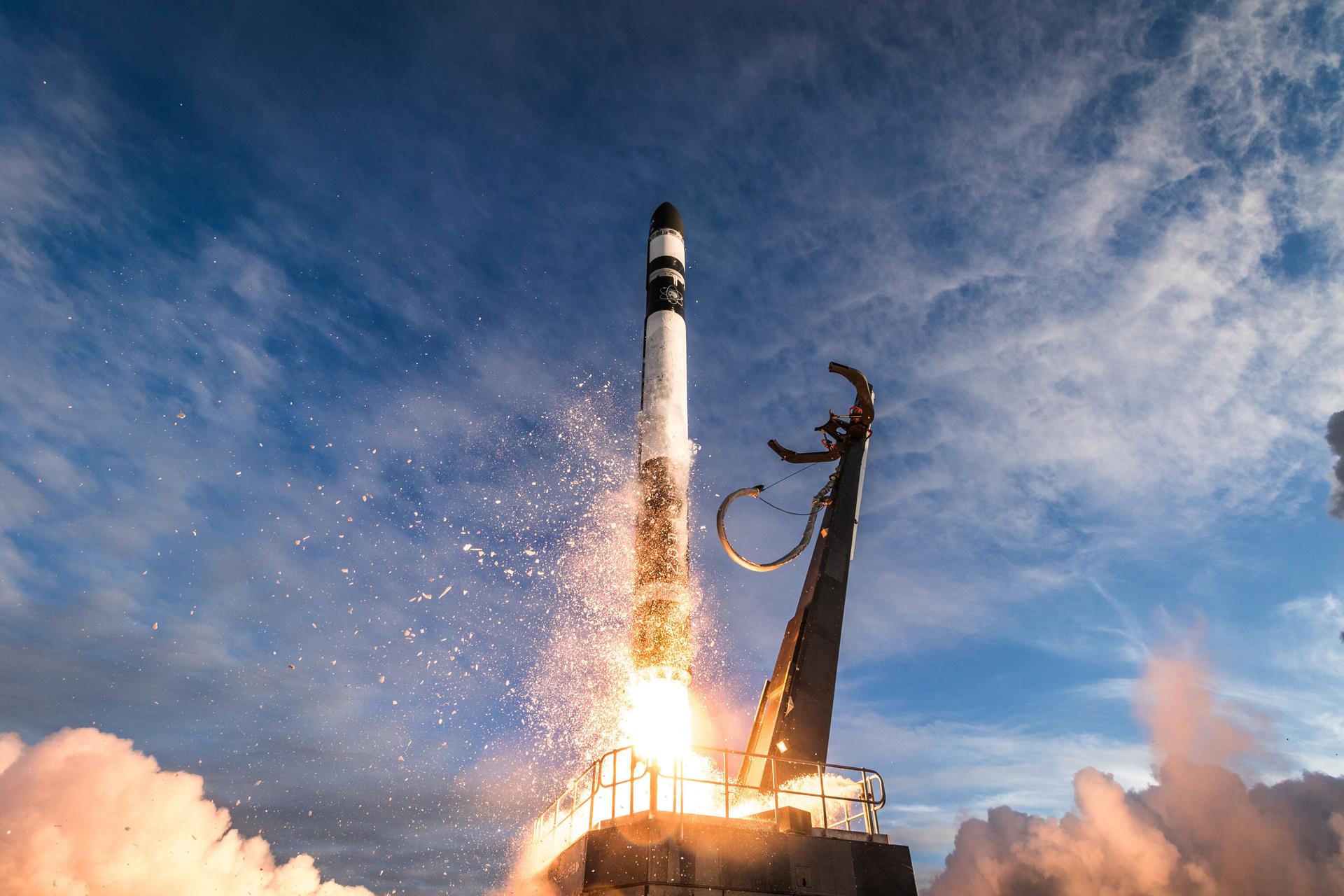
Launch Provider: Rocket Lab – Commercial
Launch Date: March 20, 2026
Launch Time: 6:10 PM UTC
Vehicle: Electron
Brief: Synthetic aperture radar satellite for Japanese Earth imaging company Synspective.
📽️ No Livestream scheduled yet
Starlink Group 17-15
Launch Provider: SpaceX – Commercial
Launch Date: March 20, 2026
Launch Time: 9:48 PM UTC
Vehicle: Falcon 9
Brief: A batch of 25 satellites for the Starlink mega-constellation – SpaceX’s project for space-based Internet communication system.
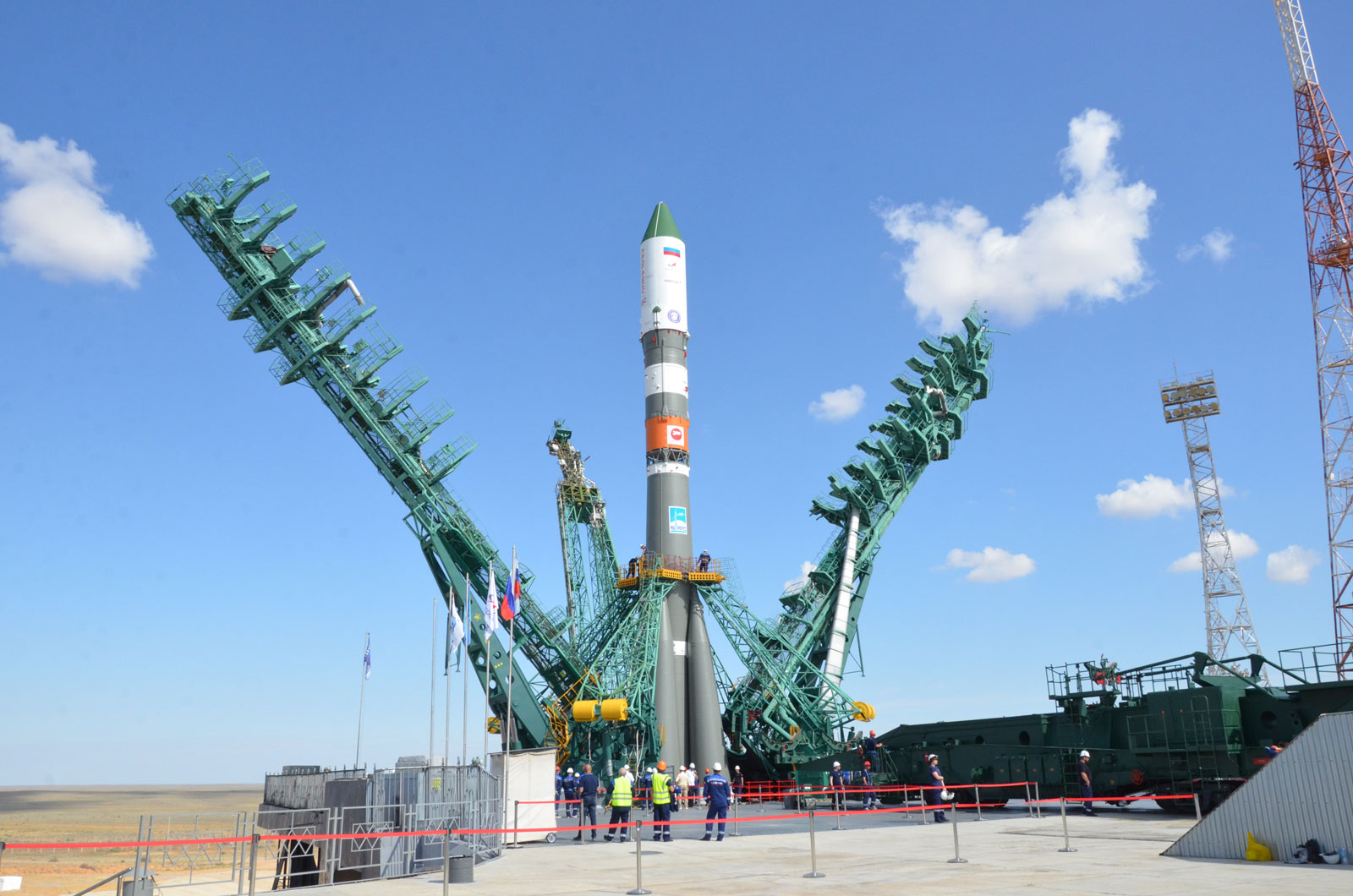
Progress MS-33 (94P)
Launch Provider: Russian Federal Space Agency (ROSCOSMOS) – Government
Launch Date: March 22, 2026
Launch Time: 11:59 AM UTC
Vehicle: Soyuz 2.1a
Brief: Progress resupply mission to the International Space Station.
📽️ No Livestream scheduled yet
