Blue Origin Set for Historic Booster Reuse on New Glenn’s Third Flight
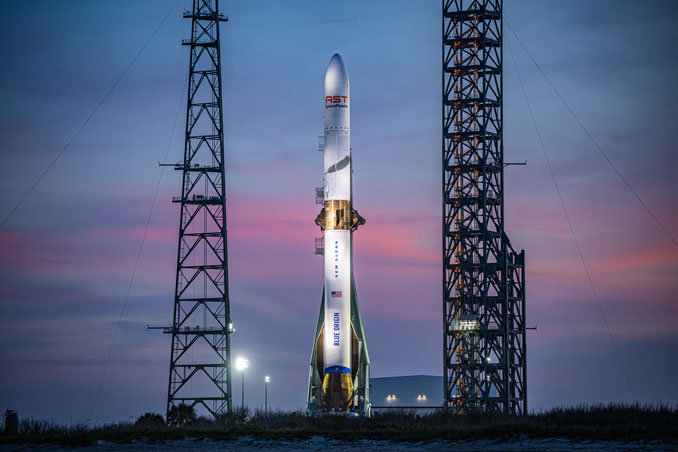
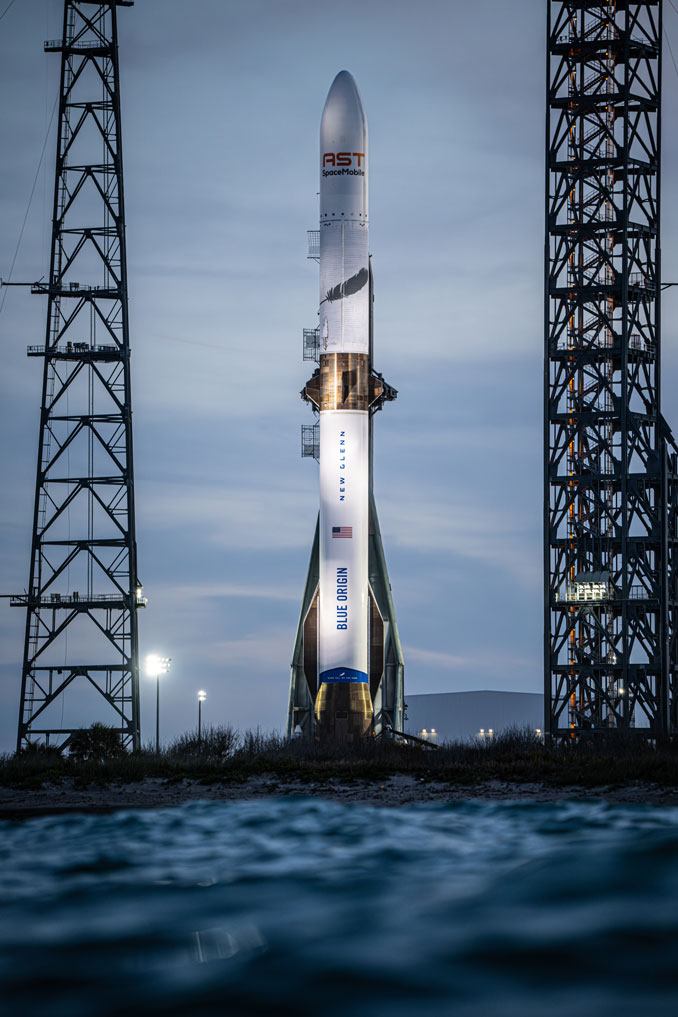
Before the sun rises this Sunday, April 20, 2026, Blue Origin aims to make aerospace history once again—not by reaching orbit, but by reusing it. The company is scheduled to launch its New Glenn rocket for the third time (NG-3) from Cape Canaveral Space Force Station during a two-hour window opening at 6:45 a.m. EDT (1045 UTC). What makes this flight noteworthy is that it will be the first time Blue Origin reflies a previously flown booster, affectionately named ‘Never Tell Me the Odds’ after its successful debut in November 2025.
While much of the booster structure is being reused, Blue Origin CEO Dave Limp clarified in an April 13 social media post that all seven BE-4 engines have been replaced. The company also tested a new thermal protection system on one of the engine nozzles—a small but significant step toward their goal of flying each booster up to 25 times. The payload for NG-3 is AST SpaceMobile’s BlueBird 7, the second of the firm’s Block 2 satellites designed to enable direct cellular connectivity from space. U.S. Space Force forecasters are optimistic, giving the launch a 90% chance of favourable weather.
Starship’s Upcoming Flight Faces Scrutiny After Environmental Review Pause
While Blue Origin prepares for booster reuse, SpaceX’s Starship programme has hit a procedural speed bump. On April 18, 2026, the U.S. Federal Aviation Administration (FAA) announced it would not issue a launch licence for Starship’s fifth integrated flight (IFT-5) until the completion of a supplemental environmental assessment requested by the U.S. Fish and Wildlife Service. This pause—though not a cancellation—delays what was tentatively planned for late May 2026 from Starbase, Texas.
The review focuses on potential impacts to local wildlife, particularly endangered species near the launch site. SpaceX has already implemented several mitigation measures from prior assessments, but regulators require additional documentation before clearing the next flight. While this setback is administrative rather than technical, it underscores the growing complexity of scaling up launch cadence amid environmental oversight. For Canadian space watchers, the delay is notable: Starship remains a potential future launch vehicle for Canadian payloads, including those from the Canadian Space Agency’s Lunar Gateway contributions.
Canada’s Quiet Contributions to Global Space Infrastructure Continue Apace
Though no new Canadian missions launched in the past 24 hours, homegrown expertise continues to support international efforts in low Earth orbit and beyond. Canadian firms like MDA Ltd. and Kepler Communications are embedded in the global supply chain for next-generation satellite constellations—precisely the kind AST SpaceMobile is building with BlueBird 7. While not directly involved in the NG-3 mission, Canadian engineers have long contributed antenna systems, robotics, and optical communication technologies to commercial and government space programmes alike.
Moreover, the Canadian Space Agency’s commitment to the Artemis programme remains firm, with the Canadarm3 robotic system on track for delivery to the Lunar Gateway in the late 2020s. These contributions may not always make headlines, but they ensure Canada maintains a strategic foothold in space exploration. As reusability becomes the norm and mega-constellations expand, Canadian-made components and expertise are quietly woven into the fabric of tomorrow’s space infrastructure—no fireworks required.
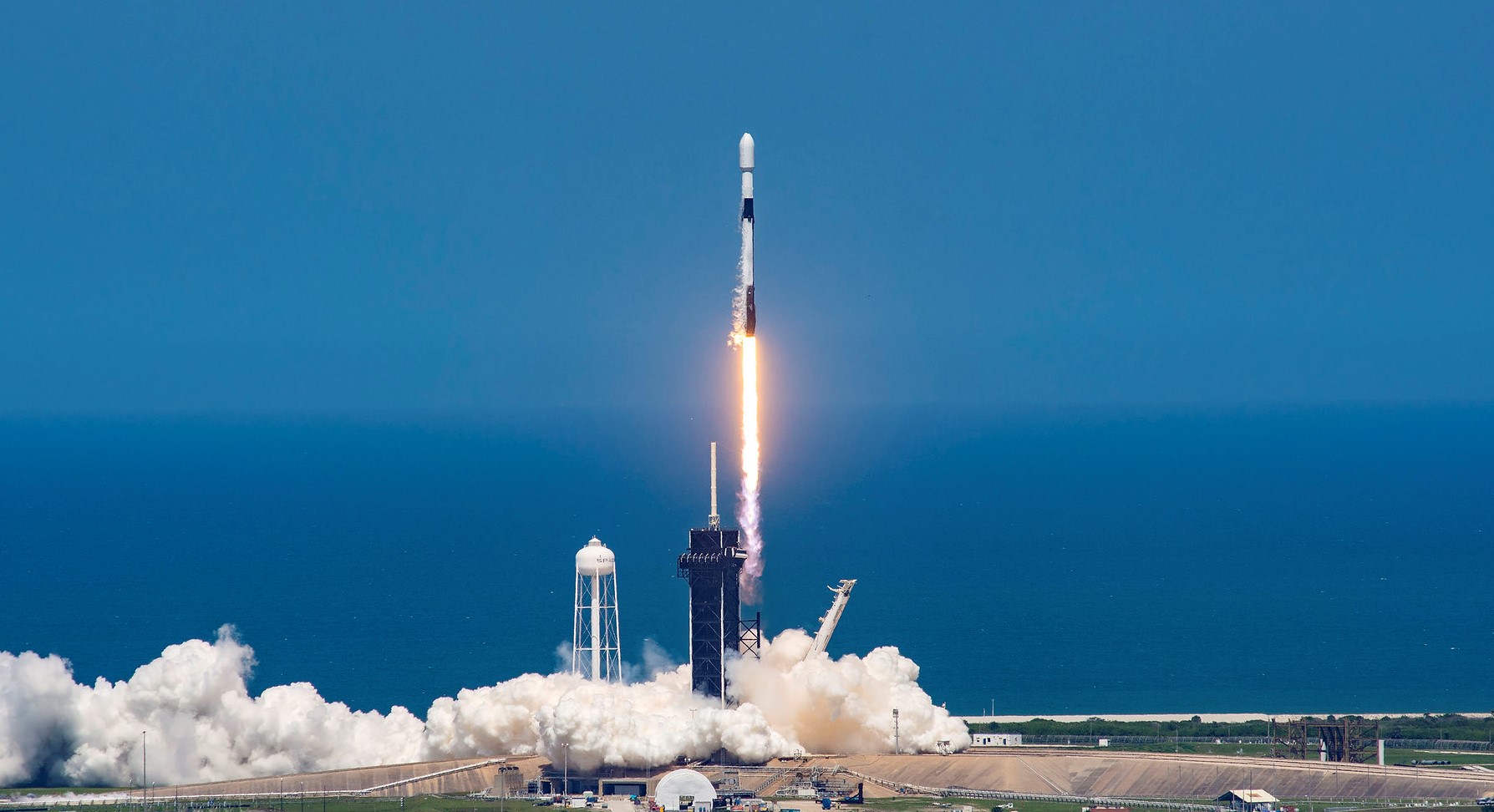
Provider: SpaceX Date: April 19, 2026 Time: 2:35 PM UTC Vehicle: Falcon 9
A batch of 25 satellites for the Starlink mega-constellation – SpaceX’s project for space-based Internet communication system.
GPS III SV10
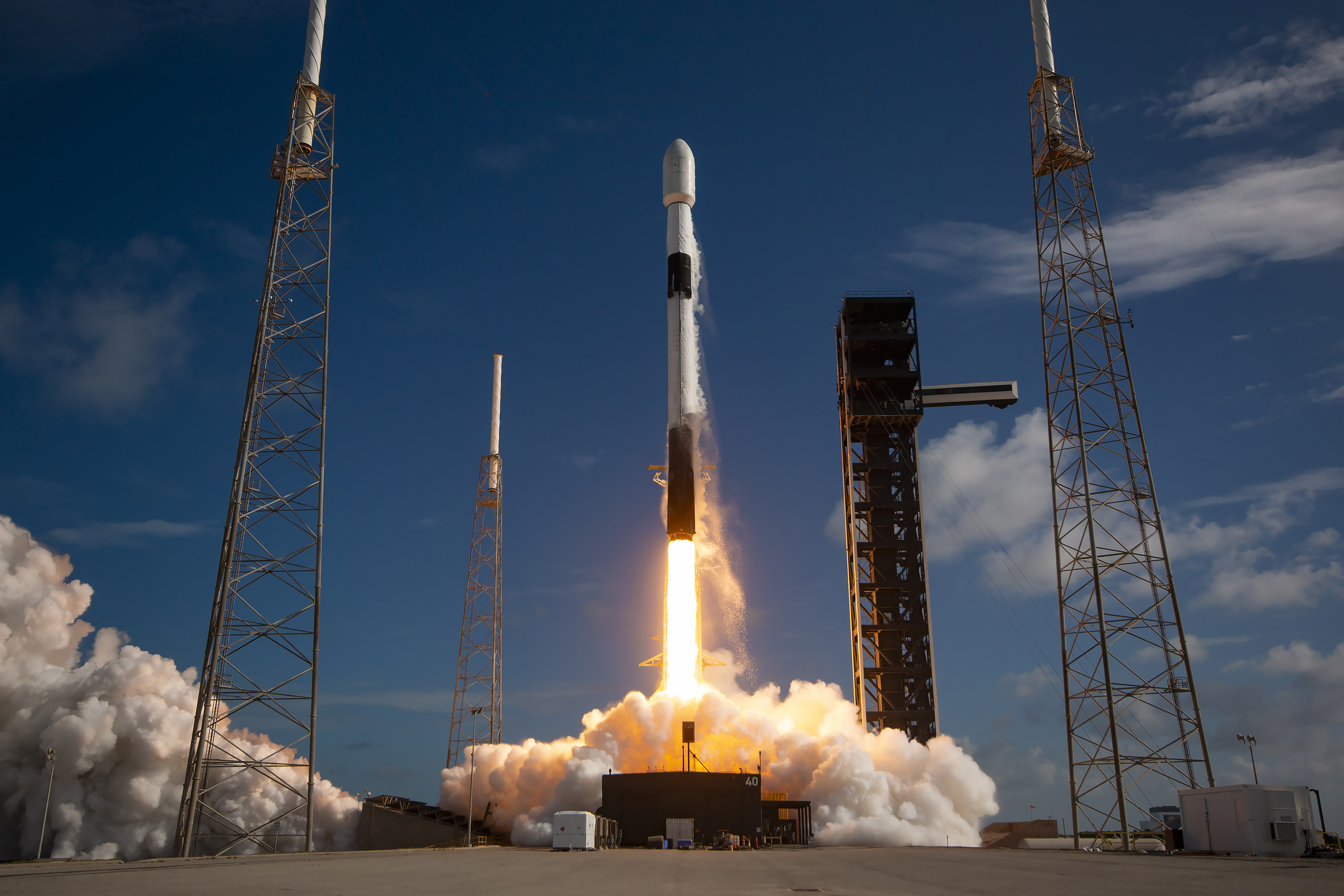
Provider: SpaceX Date: April 20, 2026 Time: 6:57 AM UTC Vehicle: Falcon 9
Tenth of ten GPS III missions.
Bubbles
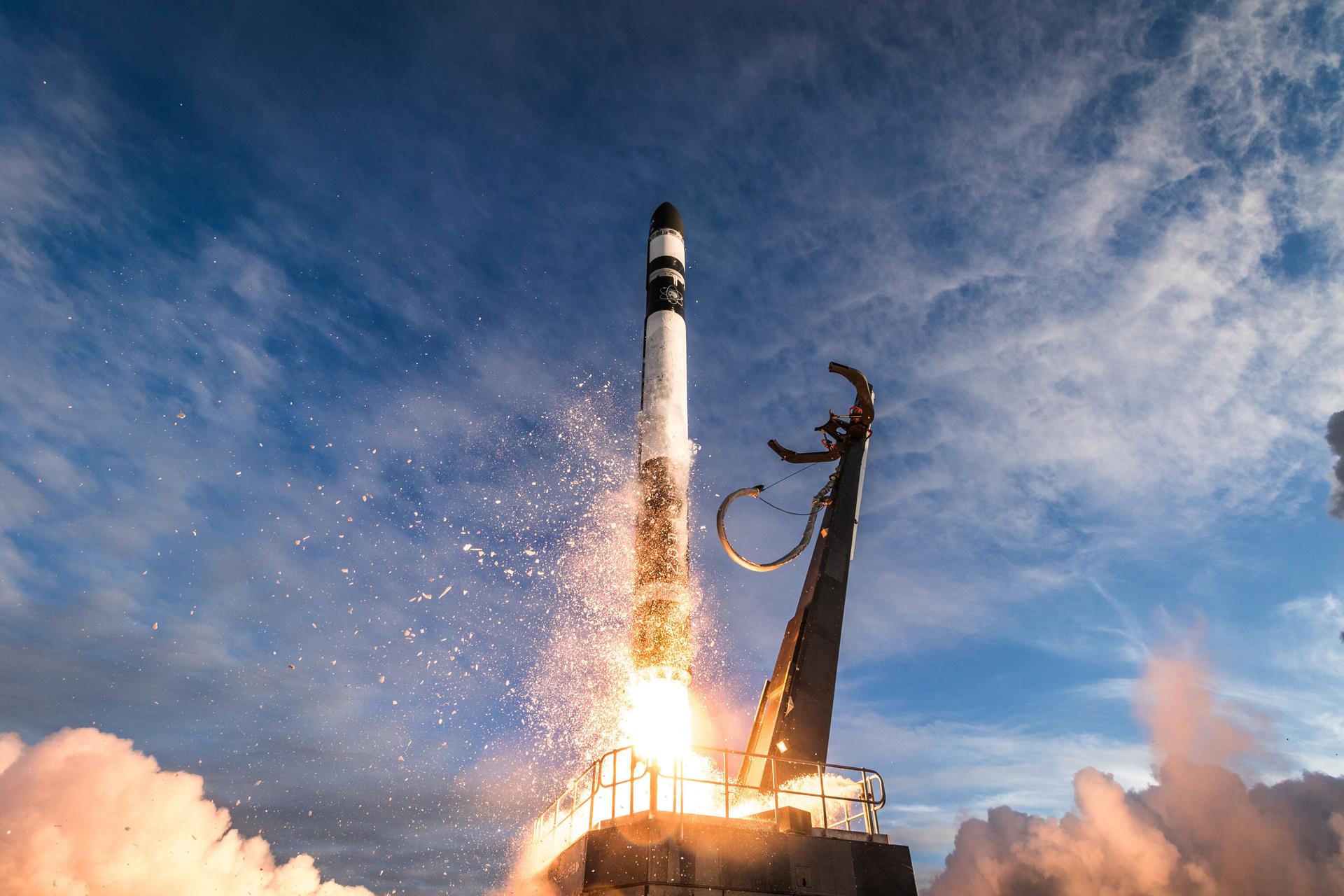
Provider: Rocket Lab Date: April 22, 2026 Time: 12:00 AM UTC Vehicle: Electron
Sub-orbital launch under Rocket Lab’s Hypersonic Accelerator Suborbital Test Electron (HASTE) program, details TBD.
Starlink Group 17-14
Provider: SpaceX Date: April 23, 2026 Time: 2:00 AM UTC Vehicle: Falcon 9
A batch of 25 satellites for the Starlink mega-constellation – SpaceX’s project for space-based Internet communication system.
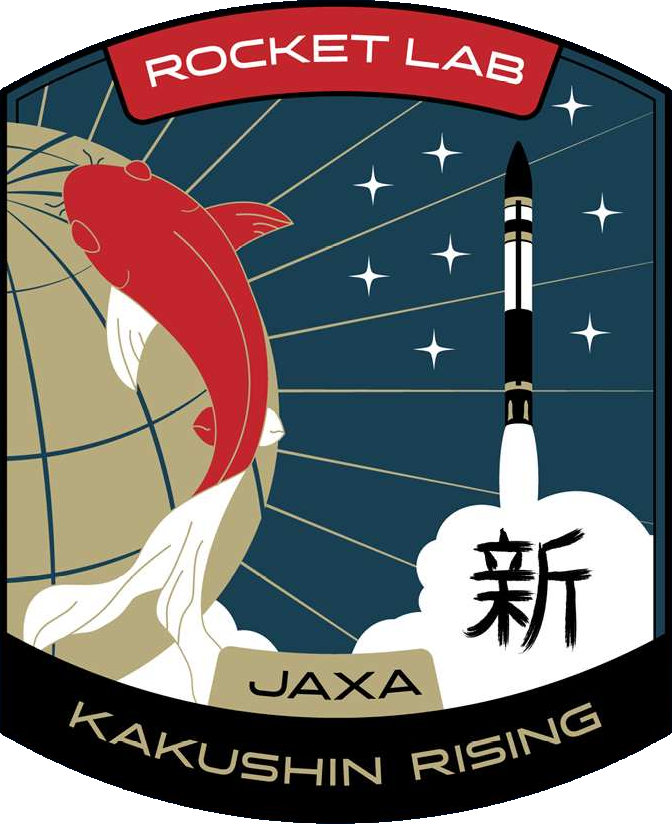
Kakushin Rising (JAXA Rideshare)
Provider: Rocket Lab Date: April 23, 2026 Time: 3:09 AM UTC Vehicle: Electron
JAXA-manifested rideshare of eight separate spacecraft that includes educational small sats, an ocean monitoring satellite, a demonstration satellite for ultra-small multispectral cameras, and a deployable antenna that can be packed tightly using origami folding techniques and unfurled to 25 times its size.
The satellites were originally planned to launch with RAISE-4 on a Japanese Epsilon-S rocket, but the Epsilon-S was heavily delayed due to test firing failures.
Falcon 9 is a two-stage rocket designed and manufactured by SpaceX for the reliable and safe transport of satellites and the Dragon spacecraft into orbit. The Block 5 variant is the fifth major interval aimed at improving upon the ability for rapid reusability.
The Global Positioning System (GPS), originally Navstar GPS, is a satellite-based radio navigation system owned by the United States government and operated by the United States Space Force. It is one of the global navigation satellite systems (GNSS) that provide geolocation and time information to a GPS receiver anywhere on or near the Earth where there is an unobstructed line of sight to four or more GPS satellites.
Falcon 9 is a two-stage rocket designed and manufactured by SpaceX for the reliable and safe transport of satellites and the Dragon spacecraft into orbit. The Block 5 variant is the fifth major interval aimed at improving upon the ability for rapid reusability.
Electron is a two-stage orbital expendable launch vehicle (with an optional third stage) developed by the American aerospace company Rocket Lab. Electron is a small-lift launch vehicle designed to launch small satellites and cubesats to sun-synchronous orbit and low earth orbit. The Electron is the…
Falcon 9 is a two-stage rocket designed and manufactured by SpaceX for the reliable and safe transport of satellites and the Dragon spacecraft into orbit. The Block 5 variant is the fifth major interval aimed at improving upon the ability for rapid reusability.
JAXA-manifested rideshare of eight separate spacecraft that includes educational small sats, an ocean monitoring satellite, a demonstration satellite for ultra-small multispectral cameras, and a deployable antenna that can be packed tightly using origami folding techniques and unfurled to 25 times its size.
The satellites were originally planned to launch with RAISE-4 on a Japanese Epsilon-S rocket, but the Epsilon-S was heavily delayed due to test firing failures.
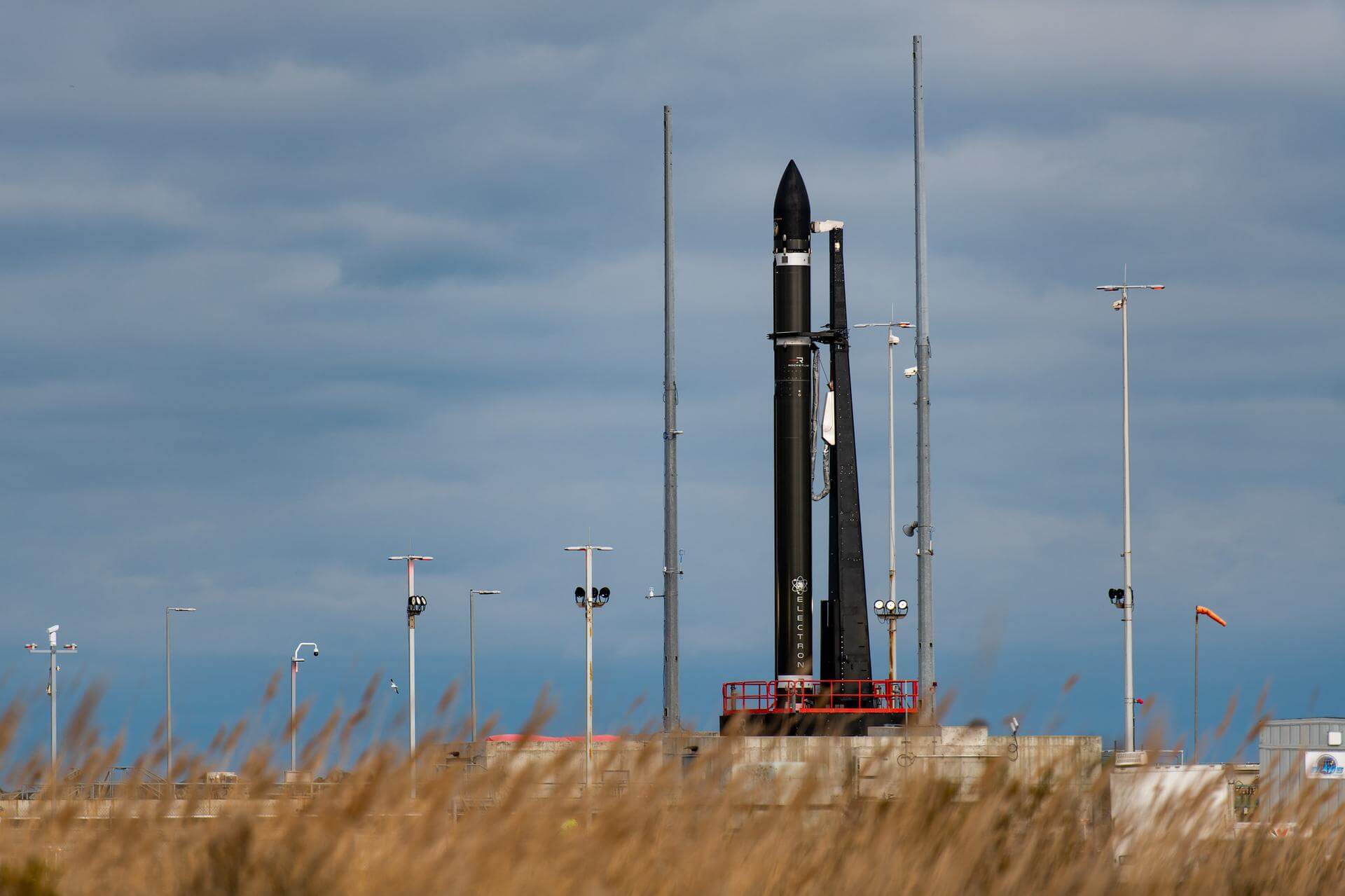
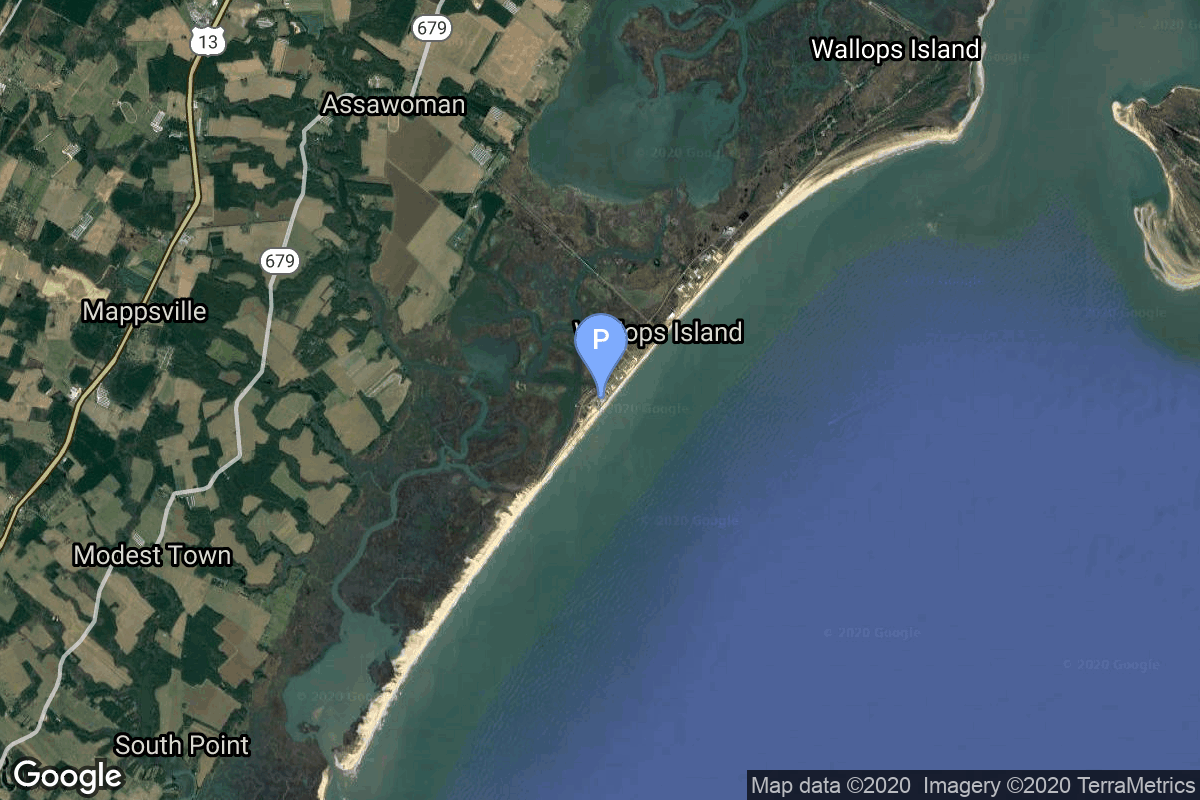
Rocket Lab Launch Complex 1, Mahia Peninsula, New Zealand
Total launches from this pad: 0
Vehicle: Electron
Electron is a two-stage orbital expendable launch vehicle (with an optional third stage) developed by the American aerospace company Rocket Lab. Electron is a small-lift launch vehicle designed to launch small satellites and cubesats to sun-synchronous orbit and low earth orbit. The Electron is the…
Robo Chris is a collection of API calls, filters, and searches, bolted together with magic and love. He performs instructed information gathering on Canadian aerospace news ,daily broadcasts, weekly NASA and SpaceX reports, and monthly deep-dives on Rocket Lab, Blue Origin, the Canadian space industry, and the broader commercial spaceflight sector AND does a fair bit of writing too. Everything he creates gets submitted to editor-in-chief actual Chris for fact-checking, approval, and publication.