
The Daily Broadcast: Rescues, Reboots, and Reuse: A Busy Week for Global Spaceflight

Russia’s Resumed Resupply Run to the ISS
This morning at 11:59 UTC—just a few hours from now—a critical lifeline to the International Space Station (ISS) is set to relaunch. Russia’s Progress MS-33 cargo spacecraft will lift off from the recently repaired Site 31/6 at Baikonur Cosmodrome in Kazakhstan, marking the first use of the pad since a mishap during the Soyuz MS-28 launch last November. That incident caused severe damage to a key mobile maintenance platform, stalling all Russian launches to the ISS for months.
Progress MS-33 is packed with over 2,500 kilograms of food, fuel, water, and other essentials for the station’s crew. If all goes as planned, it will dock with the Poisk module on Tuesday, March 24, at approximately 13:34 UTC. The successful repair of Site 31/6 was no small feat: Roscosmos had to locate—and modify—a spare platform built in the 1970s to restore launch capabilities. Without this fix, Russia would have struggled to support its ISS segment or maintain independent crew access.
With Congress recently backing an extension of ISS operations until September 2032, the pad’s return to service is timely. Future missions are already queued: Progress MS-34 is scheduled for April 25, and the Soyuz MS-29 crewed launch is set for July 14—all dependent on Site 31/6 remaining functional. Today’s launch is a quiet but vital reminder that even in the age of commercial spaceflight, legacy infrastructure still keeps the lights on—or in this case, the life support running—on orbit.

ESA Brings Proba-3 Coronagraph Spacecraft Back from the Brink
In a feat of orbital detective work, the European Space Agency (ESA) has re-established contact with the wayward Coronagraph spacecraft of its Proba-3 mission—more than a month after it fell silent. The spacecraft, launched in December 2024 aboard an Indian PSLV rocket, forms half of a daring tandem mission designed to study the Sun’s faint corona by flying in precise formation with its companion, the Occulter, separated by about 150 metres.
On February 14–25, an onboard anomaly knocked the Coronagraph out of attitude control, causing its solar panels to lose alignment with the Sun. Without power, its battery drained, and it slipped into “survival mode,” cutting off communications. ESA teams, aided by radar data from Germany’s TIRA system and optical tracking from commercial partners Neuraspace and Sybilla Technologies, painstakingly narrowed down its location—no easy task when the two satellites were nearly 4 km apart and not in formation.
Contact was finally restored on March 19 via ESA’s ground station in Villafranca, Spain. The spacecraft is now in safe mode, with its solar arrays once again facing the Sun and slowly recharging its systems. Engineers are assessing damage after weeks of exposure to extreme cold, and operations won’t resume immediately. “The hard work is not over yet,” said mission manager Damien Galano. Still, for a mission built on precision formation flying, simply finding and waking up a silent partner is a major victory.

Blue Origin Ramps Up New Glenn for Reuse and Orbital Data Ambitions
Down in Florida, Blue Origin is shifting gears from debut flights to sustained operations. The company is preparing for its third New Glenn launch—a mission that will mark a significant milestone: the first reuse of a New Glenn first stage. The booster, nicknamed “Never Tell Me The Odds,” previously flew in November 2025 carrying NASA’s ESCAPADE Mars probes and successfully landed on the drone ship Jacklyn. Now, it’s being readied for another go, this time delivering AST SpaceMobile’s Block 2 BlueBird satellite to low Earth orbit.
Inside Blue Origin’s Space Coast factory, the scale-up is visible: up to seven second stages are in various stages of assembly, and a third first stage—complete with its seven BE-4 engines—is well underway. This production tempo supports not just growing launch demand but also Blue Origin’s latest ambition: Project Sunrise, a proposed megaconstellation of up to 51,600 satellites designed to function as orbital data centres. In a recent FCC filing, the company requested waivers to standard deployment timelines, arguing that space-based AI infrastructure could bypass terrestrial limits on land and power.
While the NG-3 mission could lift off in the coming weeks pending a final static fire test, the real story is Blue Origin’s pivot toward rapid reusability and vertical integration. If successful, New Glenn won’t just compete for launch contracts—it could become the backbone of an entirely new orbital economy, one server rack at a time.

Citations
- “Progress MS-33 set to resume Russian flights to ISS from repaired pad” – https://www.nasaspaceflight.com/2026/03/progress-ms33/
- “ESA Regains Contact With Lost Proba-3 Spacecraft” – https://europeanspaceflight.com/esa-regains-contact-with-lost-proba-3-spacecraft/
- “Blue Origin ramps up New Glenn manufacturing, unveils Orbital Data Center ambitions” – https://www.nasaspaceflight.com/2026/03/blue-new-glenn-manufacturing-data-ambitions/
Upcoming Launches
Progress MS-33 (94P)
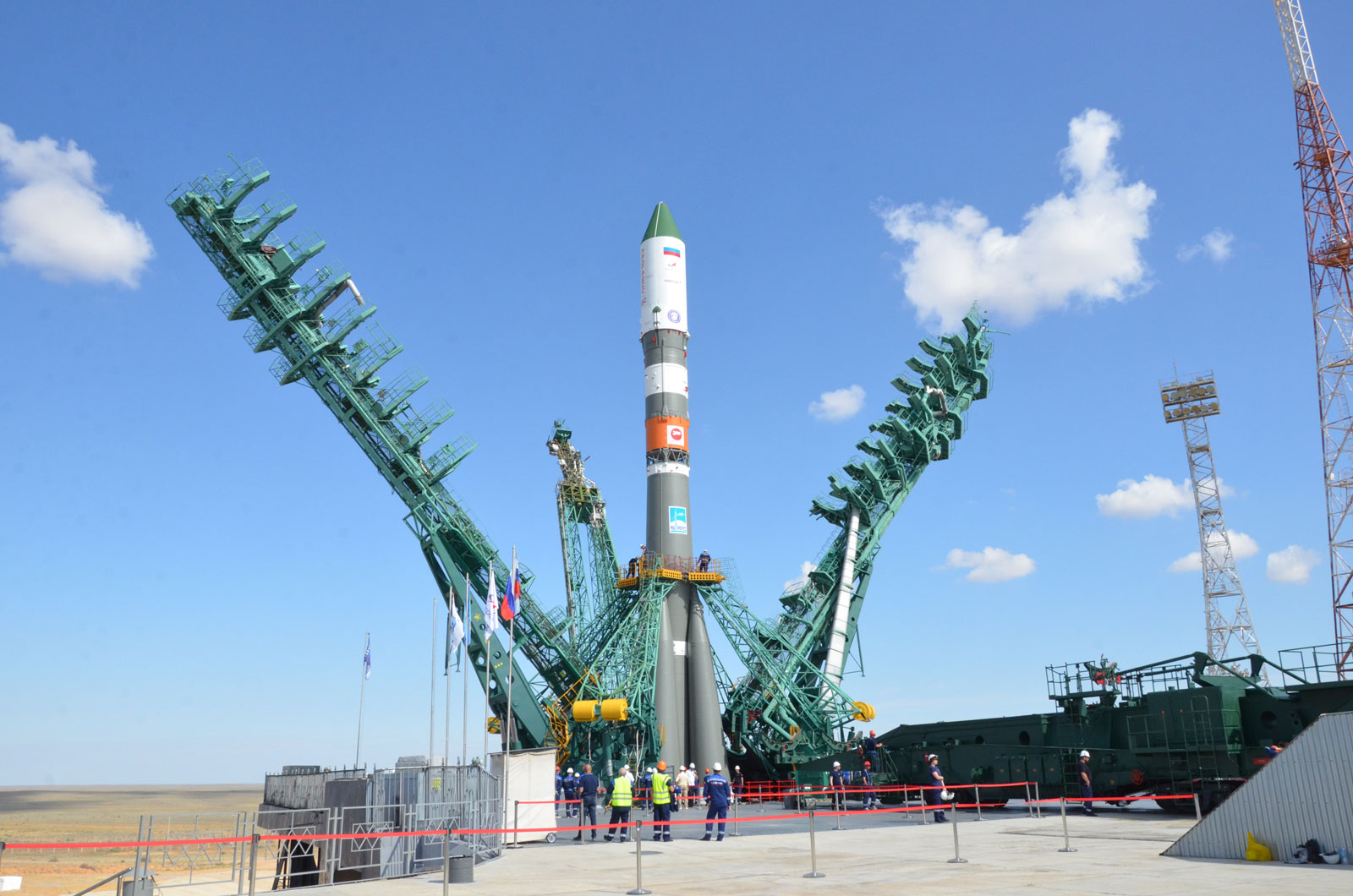
Launch Provider: Russian Federal Space Agency (ROSCOSMOS) – Government
Launch Date: March 22, 2026
Launch Time: 11:59 AM UTC
Vehicle: Soyuz 2.1a
Brief: Progress resupply mission to the International Space Station.
Starlink Group 10-62
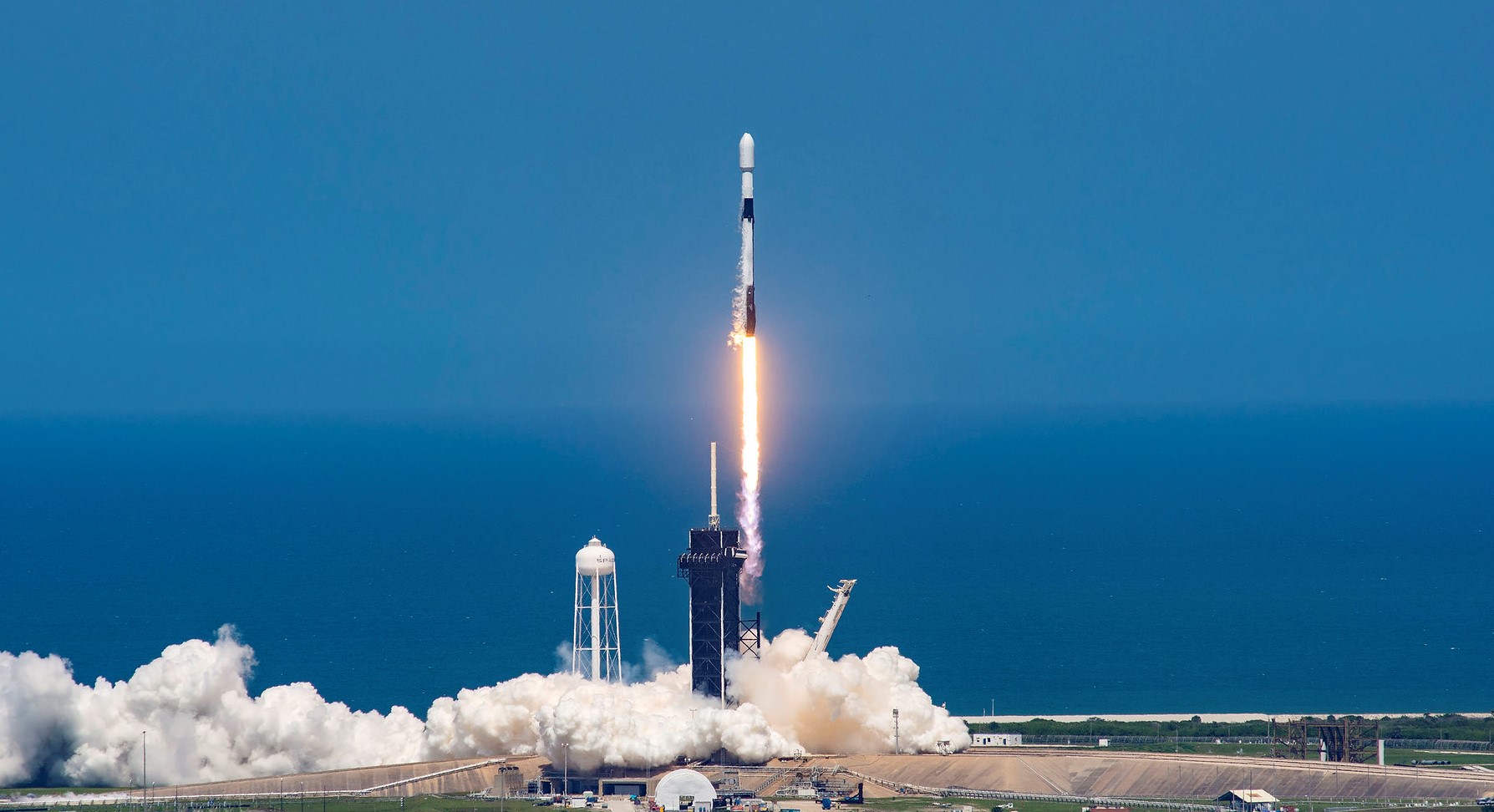
Launch Provider: SpaceX – Commercial
Launch Date: March 22, 2026
Launch Time: 2:47 PM UTC
Vehicle: Falcon 9
Brief: A batch of 29 satellites for the Starlink mega-constellation – SpaceX’s project for space-based Internet communication system.
Unknown Payload

Launch Provider: China Rocket Co. Ltd. – Commercial
Launch Date: March 22, 2026
Launch Time: 3:45 PM UTC
Vehicle: Smart Dragon 3
Brief: Details TBD.
📽️ No Livestream scheduled yet
Onward and Upward
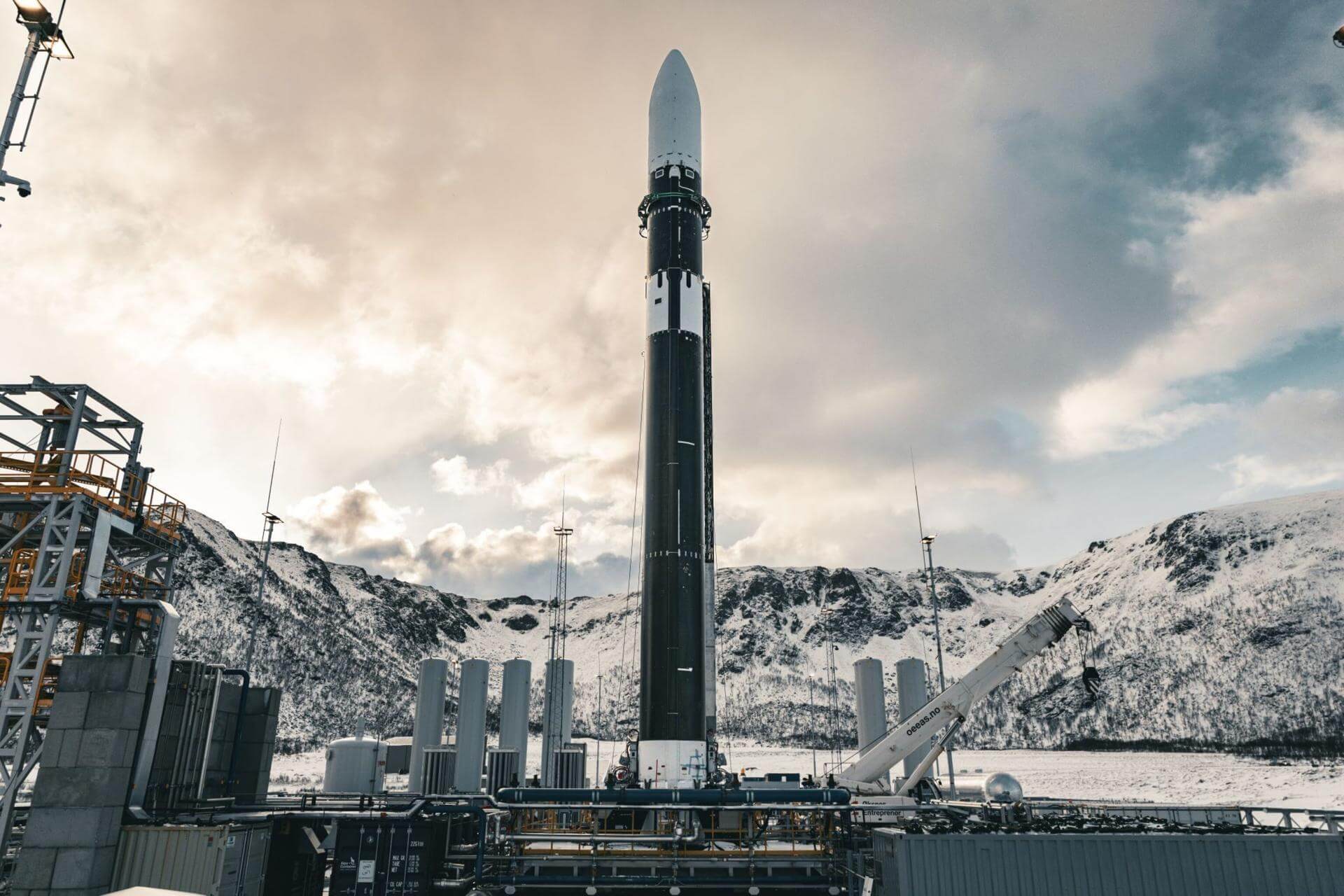
Launch Provider: Isar Aerospace – Private
Launch Date: March 23, 2026
Launch Time: 8:00 PM UTC
Vehicle: Spectrum
Brief: Second test flight of the Isar Spectrum launch vehicle. This launch will carry 5 cubesats and 1 non-separable experiment as part of European Space Agency (ESA)’s “Boost!” program:
* CyBEEsat (TU Berlin)
* TriSat-S (University of Maribor)
* Platform 6 (EnduroSat)
* FramSat-1 (NTNU)
* SpaceTeamSat1 (TU Wien Space Team)
* Let It Go (Dcubed, non-separable experiment)
Starlink Group 17-17
Launch Provider: SpaceX – Commercial
Launch Date: March 24, 2026
Launch Time: 11:03 PM UTC
Vehicle: Falcon 9
Brief: A batch of 25 satellites for the Starlink mega-constellation – SpaceX’s project for space-based Internet communication system.
