
The Daily Broadcast: Regulating Space, Building Missions, and Fixing Flaws

Canada Sets New Space Debris Rules as Industry Balances Innovation and Sustainability
Innovation, Science and Economic Development Canada (ISED) has published its final regulatory framework for space debris mitigation, marking a significant shift in how Canada approaches orbital sustainability. The decision, formally outlined in SMSE-005-26, introduces enforceable licensing conditions for non-geostationary satellite operators—replacing looser, advisory guidelines with hard requirements.
The core mandate is straightforward: satellites in low Earth orbit (LEO) must de-orbit within five years of the end of their operational life, controlled atmospheric re-entry mandatory. Satellites operating above 600 kilometres must carry active propulsion to perform both collision avoidance manoeuvres and end-of-life disposal. Operators must also demonstrate a 90% or greater probability of successful post-mission disposal; for constellations, a 99% success rate is strongly encouraged, though no longer mandated.
The regulatory path reveals the tension between protecting the orbital environment and nurturing Canada’s smallsat sector. ISED initially proposed that all satellites above 400 kilometres carry redundant active propulsion—a requirement that would have cost university research programs like AlbertaSat between $50,000 and $200,000 CAD per mission, representing 14% or more of their total budget. The federal regulator listened. ISED raised the active propulsion threshold to 600 kilometres and removed the redundancy requirement, allowing smaller, passive satellites operating in lower LEO to rely on natural atmospheric decay.
The revised framework also incorporates stricter trackability standards, demanding that LEO satellites measure at least 10 centimetres in their smallest dimension; introduces collision probability thresholds (less than 1 in 1,000 for large objects, less than 1 in 100 for small debris); and requires operators to register with Space Situational Awareness services. Notably, ISED extended a grandfathering clause to protect operators with satellites already in advanced production stages.
The decision acknowledged but deferred action on atmospheric concerns raised by scientific groups, including the Outer Space Institute: the 5-year de-orbit mandate will send thousands of satellites into the stratosphere, potentially depositing heavy metals that could contribute to ozone depletion. ISED has decided to await international precedent before regulating chemical deposition.

Artemis III Core Stage Arrives at Kennedy Space Center Today
NASA’s Space Launch System is making tangible progress toward the next crewed Moon mission. The core stage assembly for Artemis III—comprising the forward skirt, intertank, liquid hydrogen tank, and liquid oxygen tank—arrived at the Kennedy Space Center’s turn basin on Monday, April 27, after a week-long voyage aboard the barge Pegasus from New Orleans.
Today, April 28, the core stage assembly is scheduled to be rolled into the Vehicle Assembly Building (VAB), where it will be mated to the engine section and its four RS-25 engines. This two-step integration process differs from Artemis I and II, where engines were pre-mated at Michoud Assembly Facility in Louisiana. NASA changed the procedure to accelerate production timelines, improve manufacturing flow, and free up space at Michoud following the cancellation of the Exploration Upper Stage.
Pegasus itself carries history. Originally built in 1999 to transport Space Shuttle external tanks, the barge was stretched from 79 metres to 94 metres and reinforced to handle the SLS core stage—which is 272,155 kilograms heavier than the Shuttle’s tank. Since 2021, Pegasus has transported SLS stages for Artemis I and II and is now supporting Artemis III’s assembly pipeline.
Most Artemis III flight elements are now at Kennedy, including the Orion crew module—recently powered on and undergoing functional tests—and the European-built service module. Solid rocket booster segments have begun arriving from Utah by rail. However, Artemis III’s mission profile remains in flux. In February, NASA Administrator Jared Isaacman announced a dramatic change: Artemis III would shift from a lunar landing to an Earth-orbiting mission, testing docking procedures with commercial lunar landers and Axiom’s AxEMU spacesuit. Artemis IV would instead become the first Artemis lunar landing. The revised plan echoes Apollo 9’s Earth-orbit test flight. NASA has yet to name the crew, announce a firm launch date, or confirm whether the ICPS second stage will fly or be replaced with an inert adapter.
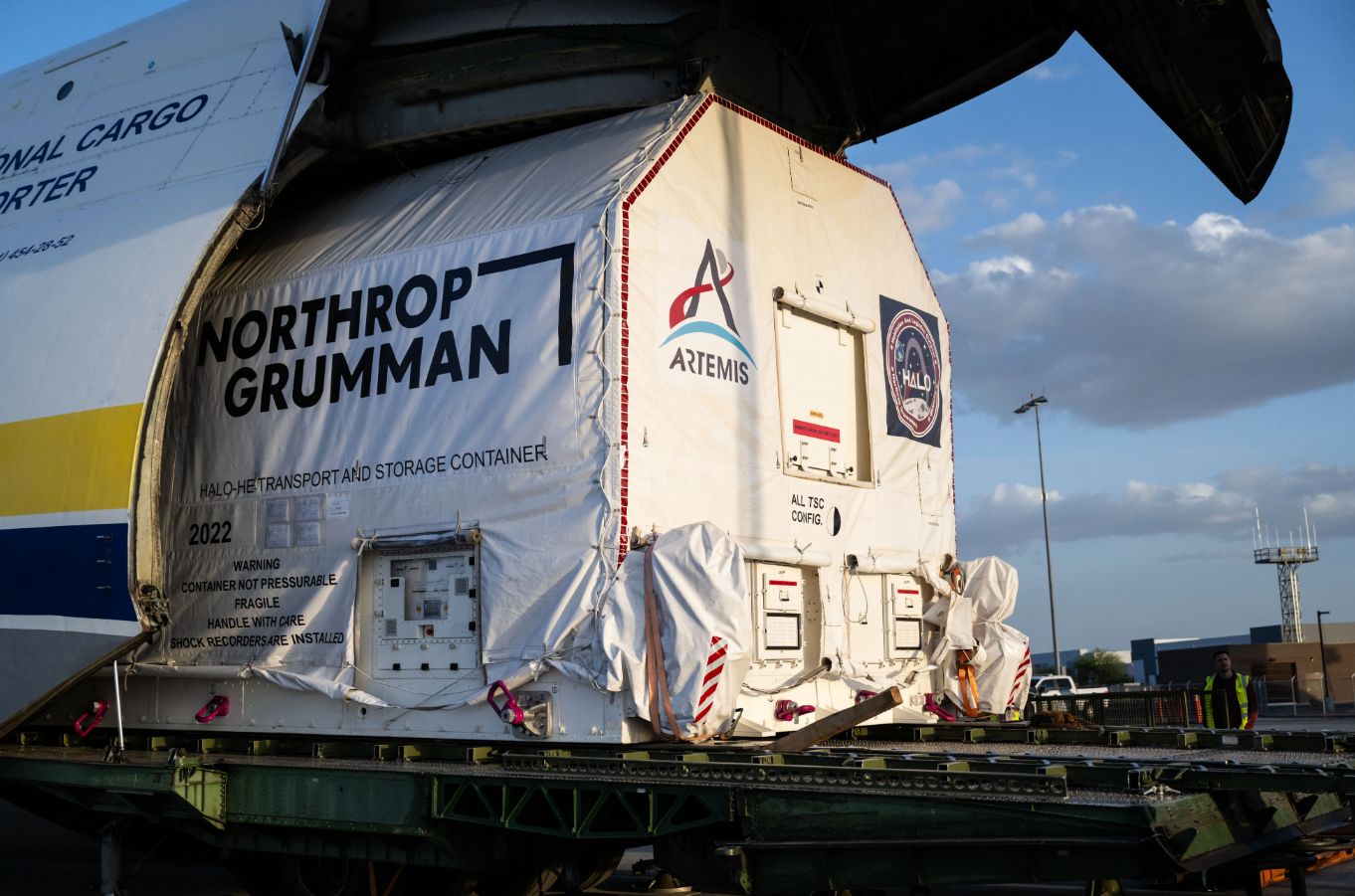
Lunar Gateway’s Corrosion Crisis Deepens as Thales Acknowledges “Metallurgical Behaviour”
The Lunar Gateway project, which NASA halted development on a month ago, faces a lingering engineering embarrassment: the habitation modules have been corroding in storage. NASA Administrator Jared Isaacman disclosed the issue during congressional testimony last week, triggering rapid acknowledgements from Northrop Grumman and the European Space Agency.
On Monday morning—nearly five days after Isaacman’s testimony—manufacturer Thales Alenia Space broke its silence, describing the problem in carefully chosen language as “a well-known metallurgical behaviour” that will be fixed by the end of the third quarter of 2026. The term appears to be corporate euphemism for corrosion.
Both the HALO module (built by Northrop) and the Lunar I-HAB module (built by ESA) suffer the defect. Axiom Space also reported “similar” issues with a pressurized module it ordered from Thales for its private space station. Thales framed the problem as historically precedented, noting that identical metallurgical behaviour occurred during ISS module manufacturing decades ago. The company pointed to the ISS’s 25-year track record of reliable operation to suggest confidence in a repair strategy.
Yet skepticism surrounds the fix. Isaacman expressed doubt about whether a “deterministic approach to repair” exists. More pointedly, he questioned whether efforts to repair HALO and I-HAB are “even warranted at this point.” The corrosion issues, alongside other technical delays, likely would have pushed Gateway’s launch beyond 2030—a 30-year slip from the original 2022 target.
With Gateway’s future uncertain, Northrop has begun repositioning the HALO module for use as a lunar surface habitat. ESA may pursue a similar path for I-HAB. For Thales—historically the West’s dominant supplier of spacecraft pressure vessels—the incident raises questions about manufacturing processes and quality control, particularly as competition intensifies from U.S. newcomers like Vast Space and international partners such as Vivace.
Citations
- “A balancing act – ISED publishes new rules for space debris mitigation” – https://spaceq.ca/a-balancing-act-ised-publishes-new-rules-for-space-debris-mitigation/
- “Artemis III core stage assembly arrives at the Kennedy Space Center” – https://www.nasaspaceflight.com/2026/04/artemis-iii-cs-assembly-arrives-ksc/
- “Gateway manufacturer finally acknowledges issue, fails to mention ‘corrosion'” – https://arstechnica.com/space/2026/04/gateway-manufacturer-finally-acknowledges-issue-fails-to-mention-corrosion/
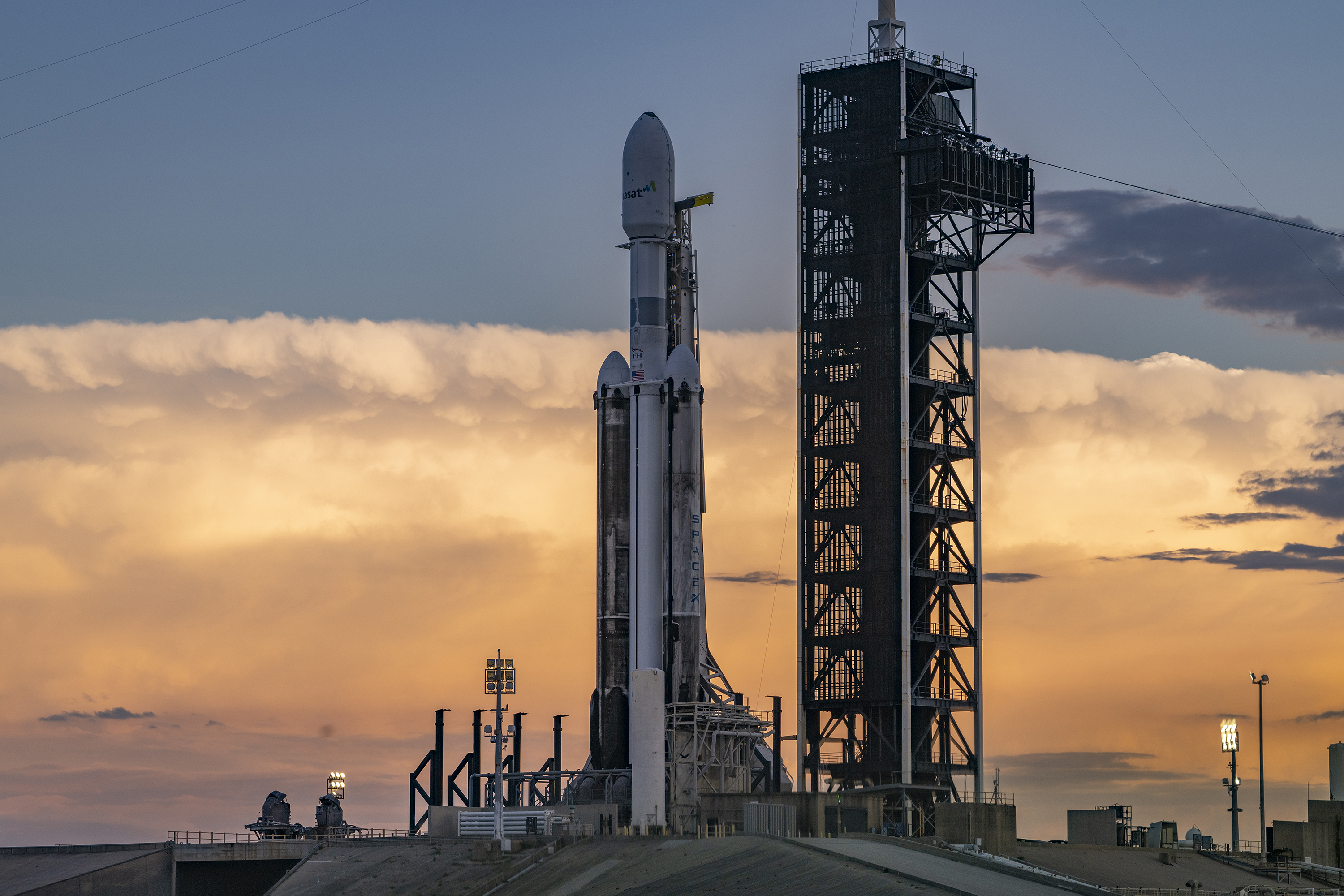
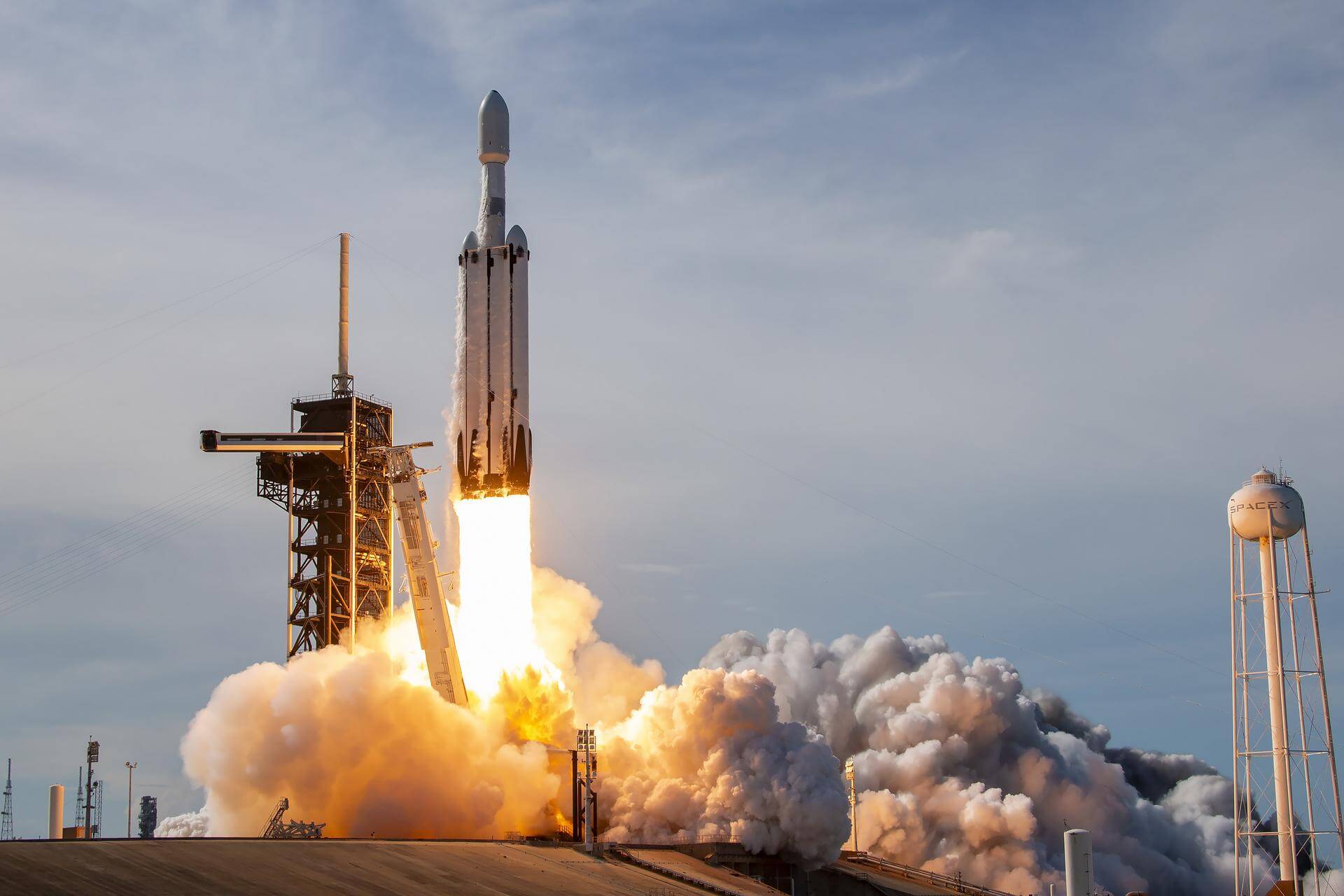
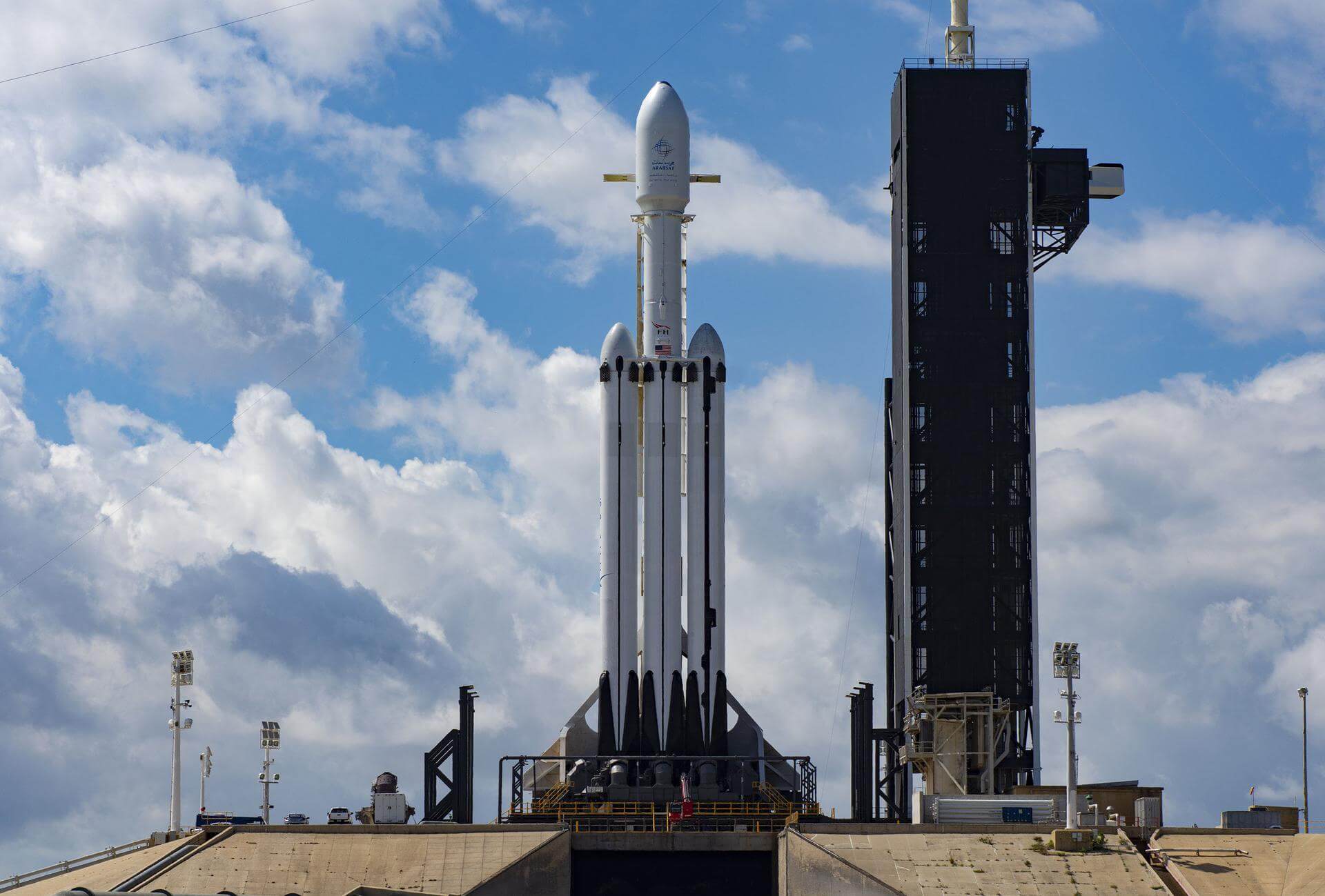
ViaSat-3 F3 (ViaSat-3 Asia-Pacific)
Provider: SpaceX
Date: April 29, 2026
Time: 2:13 PM UTC
Vehicle: Falcon Heavy
The ViaSat-3 is a series of three Ka-band satellites is expected to provide vastly superior capabilities in terms of service speed and flexibility for a satellite platform. Each ViaSat-3 class satellite is expected to deliver more than 1-Terabit per second of network capacity, and to leverage high levels of flexibility to dynamically direct capacity to where customers are located.
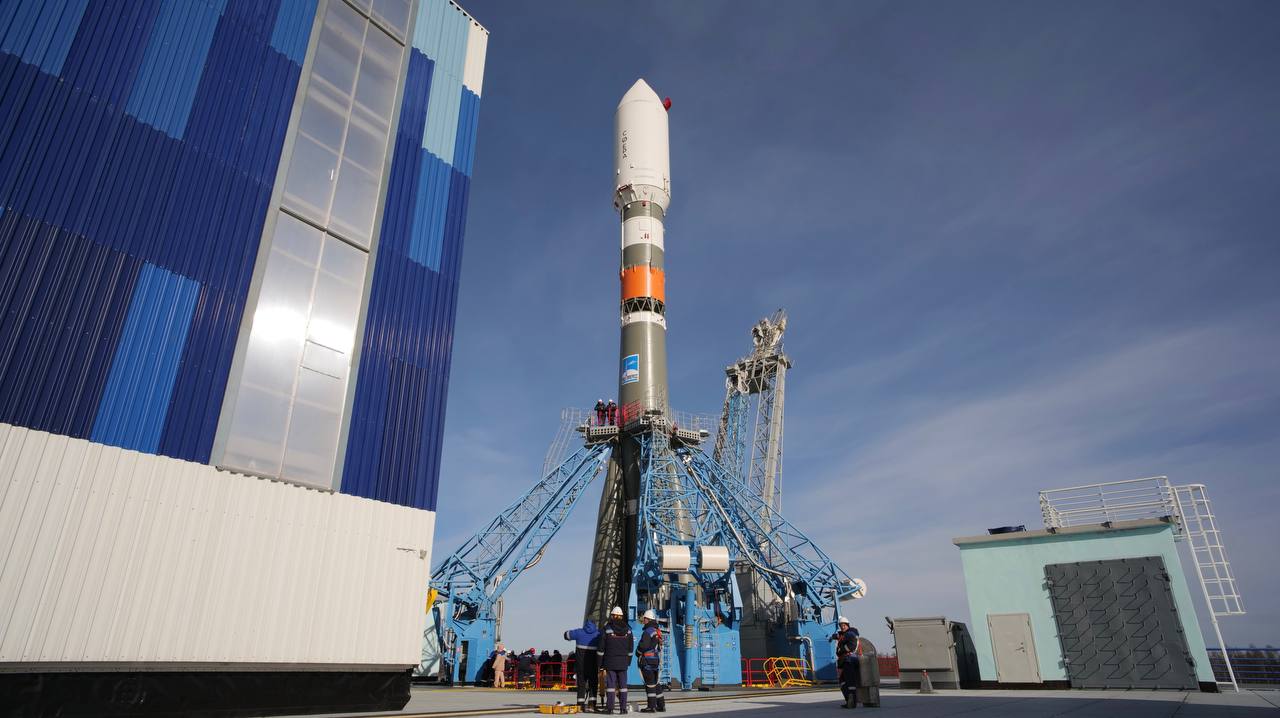
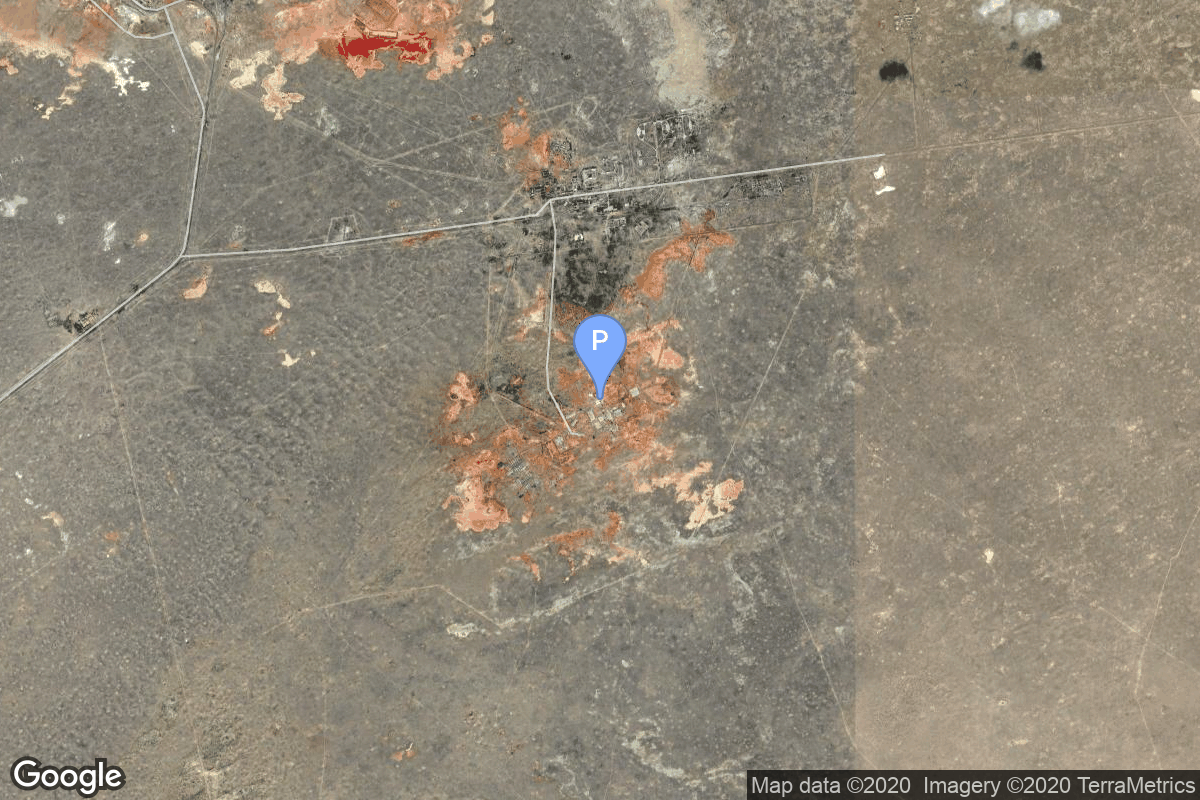
16 x Rassvet-3
Provider: Russian Federal Space Agency (ROSCOSMOS)
Date: April 30, 2026
Time: 12:00 AM UTC
Vehicle: Soyuz 2.1b
Note: Payload identities uncertain.
Batch of 16 Rassvet-3 Low Earth Orbit communication satellites for the Russian Byuro-1440 (Bureau 1440) constellation for broadband high-speed internet access in Russia.
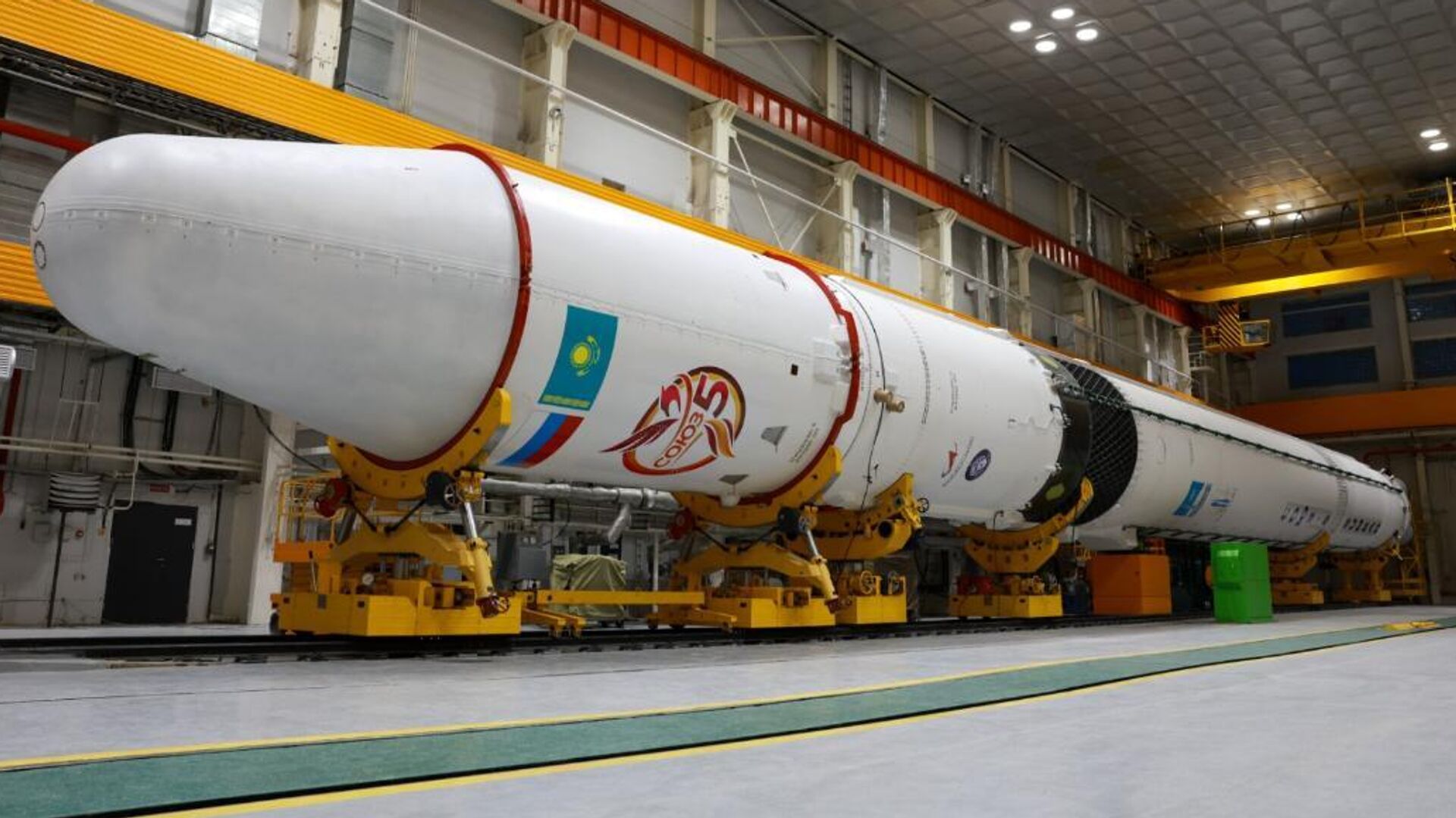
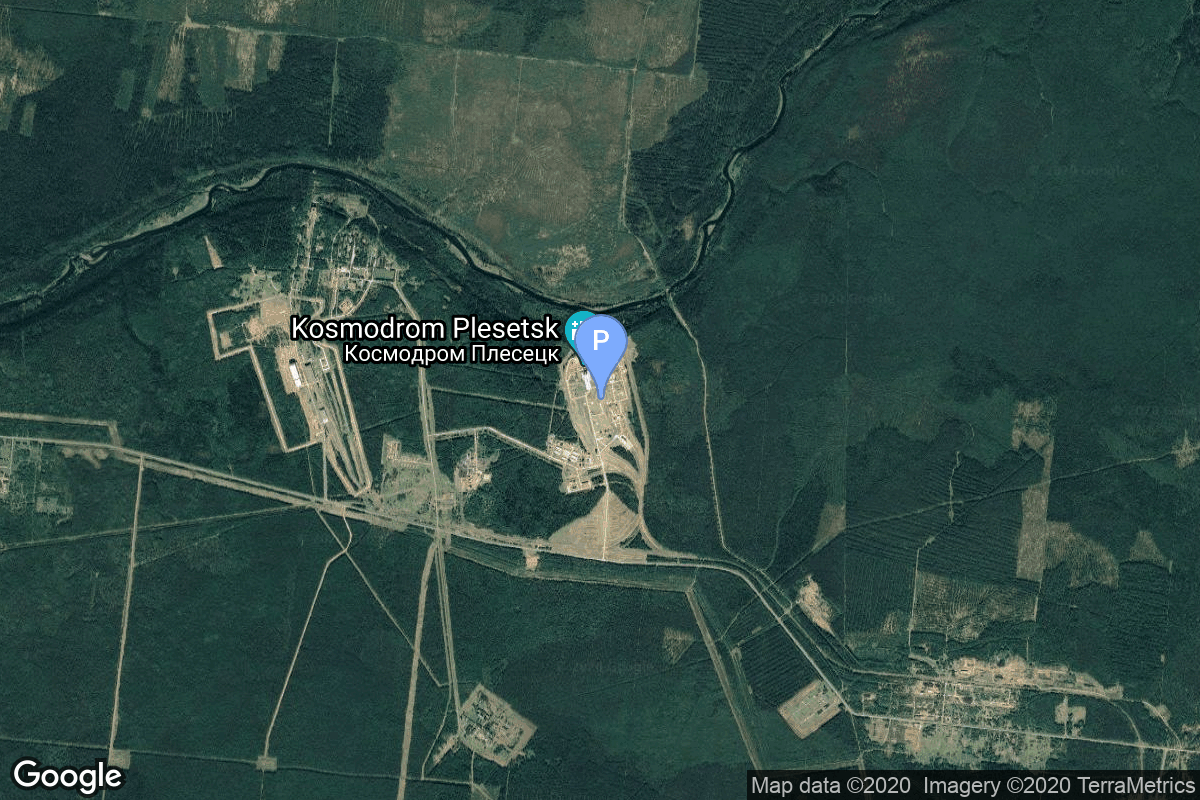
Demo Flight
Provider: RKK Energiya
Date: April 30, 2026
Time: 12:00 AM UTC
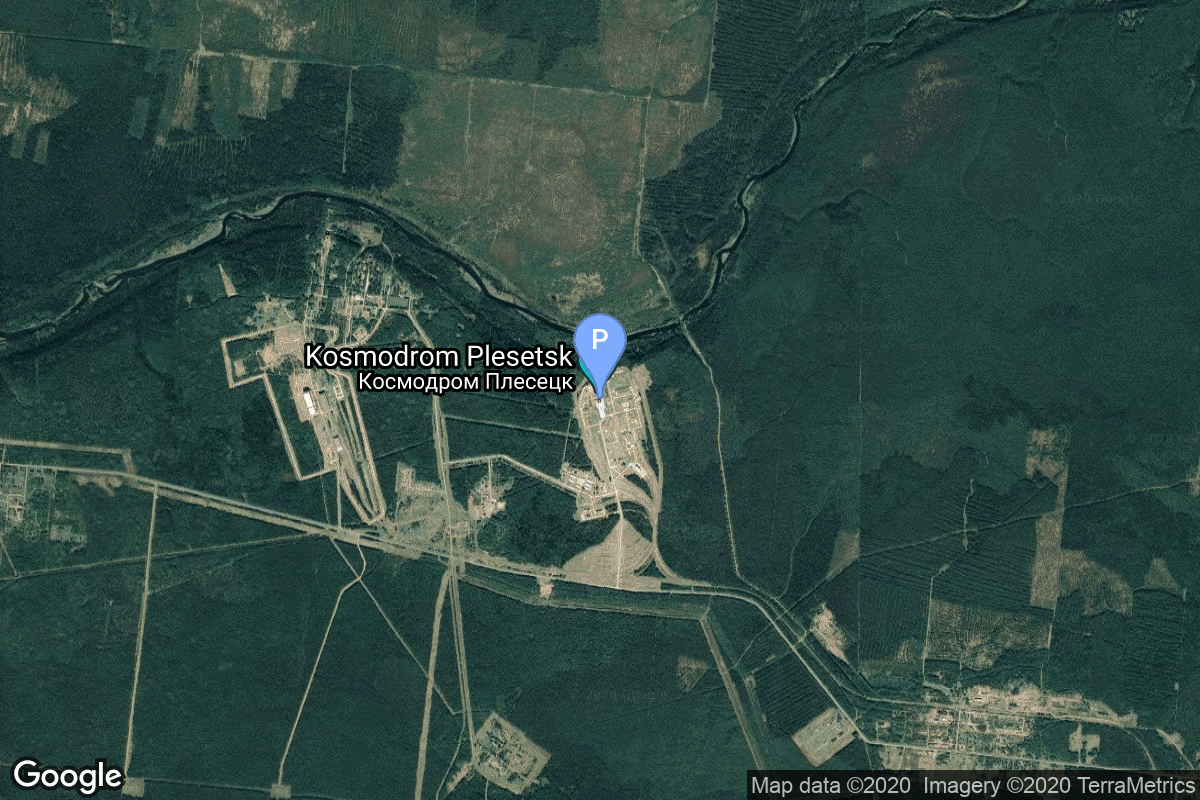
Vehicle: Soyuz-5
Demonstration Flight for Russia’s new Soyuz-5 launch vehicle, with a mass simulator on board. Details TBD.
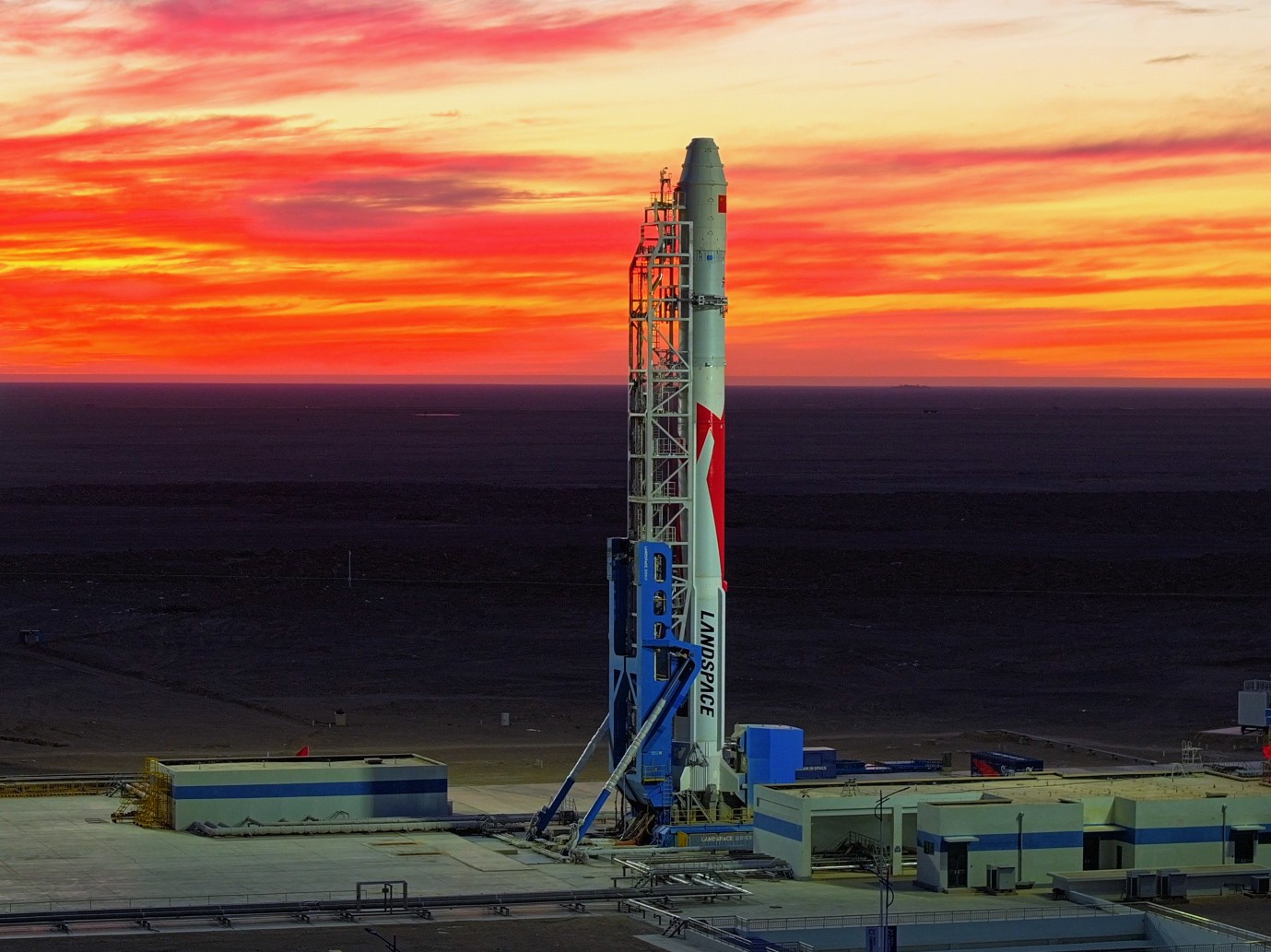
Unknown Payload
Provider: LandSpace
Date: April 30, 2026
Time: 12:00 AM UTC
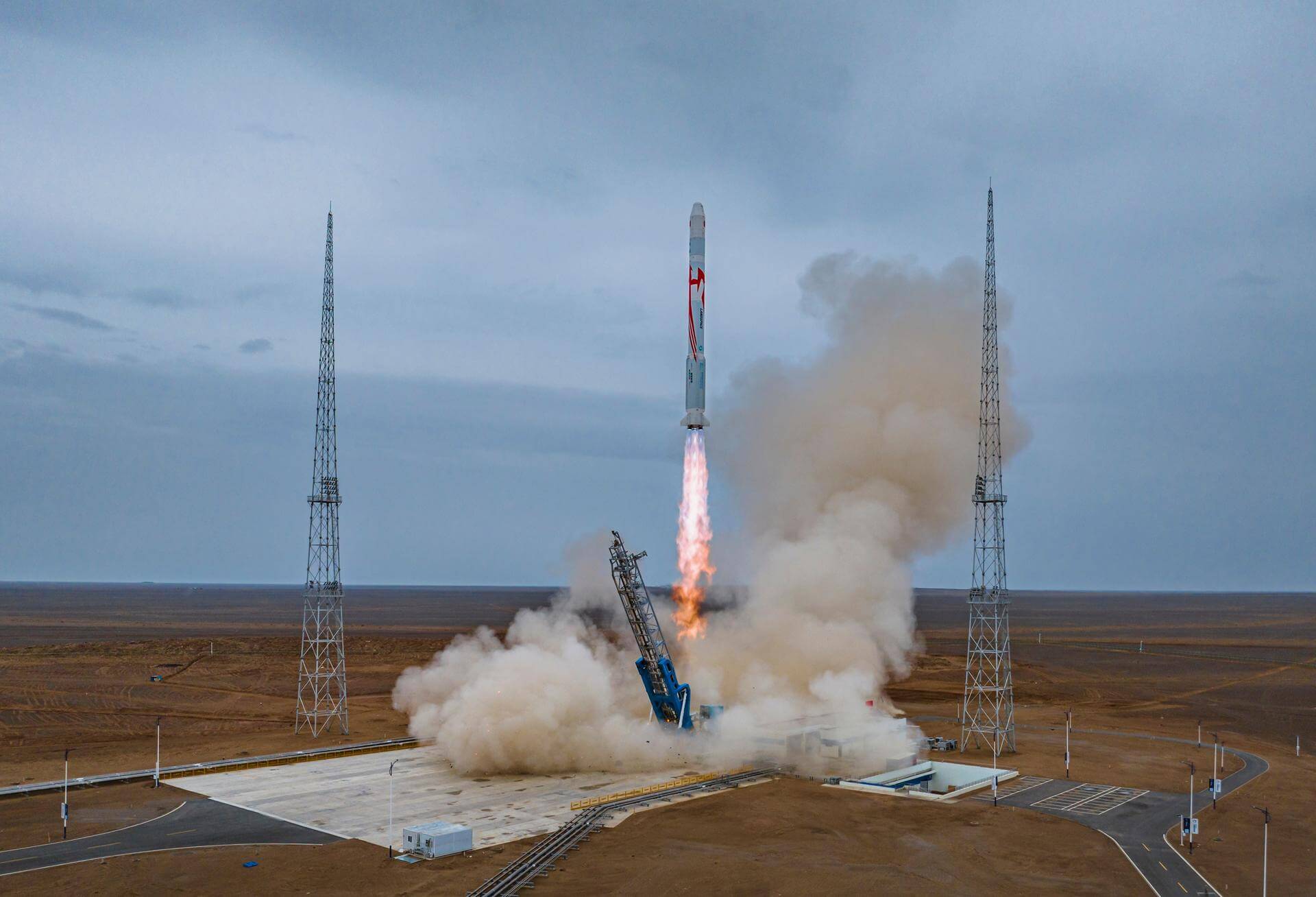
Vehicle: Zhuque-2E
Details TBD.

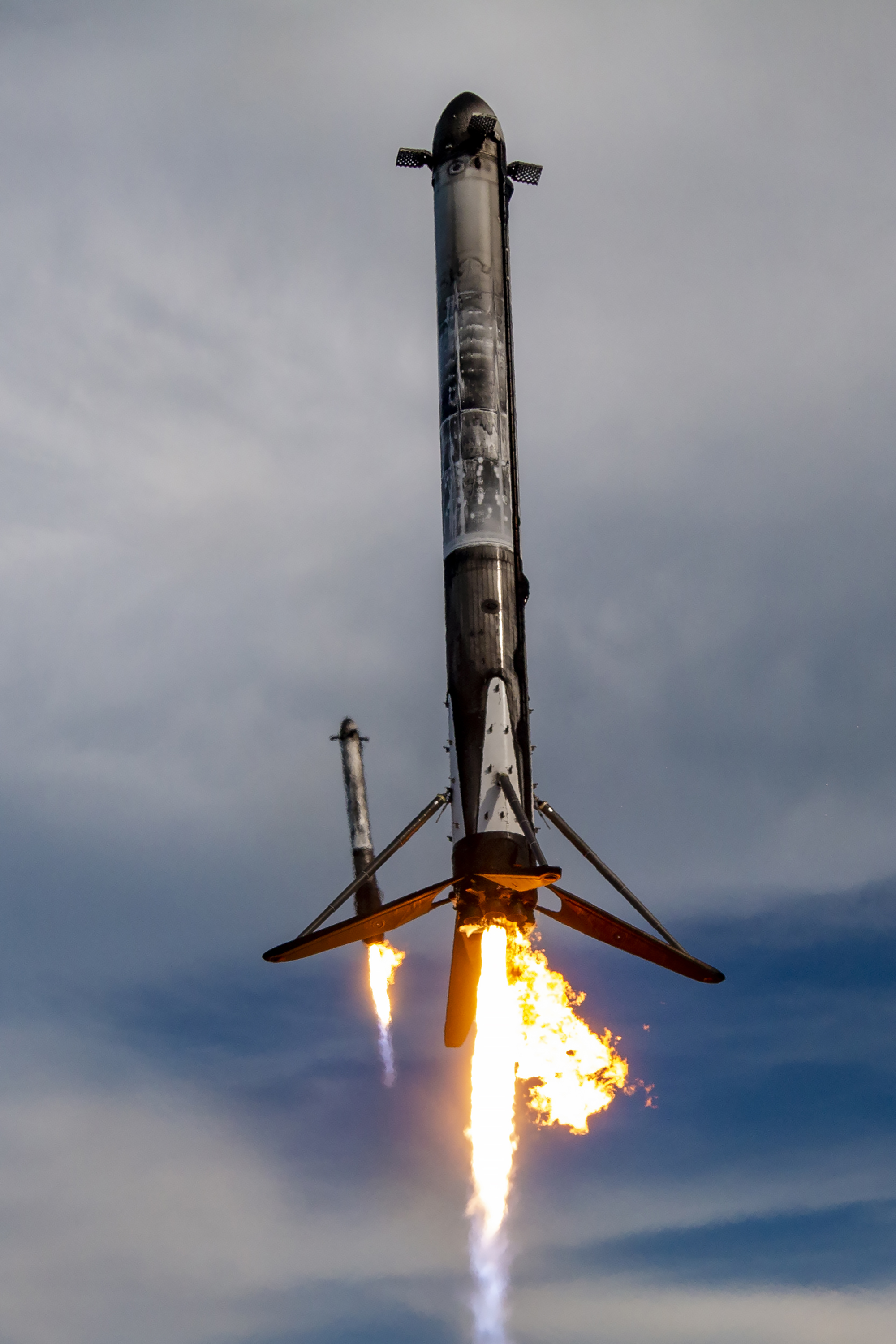
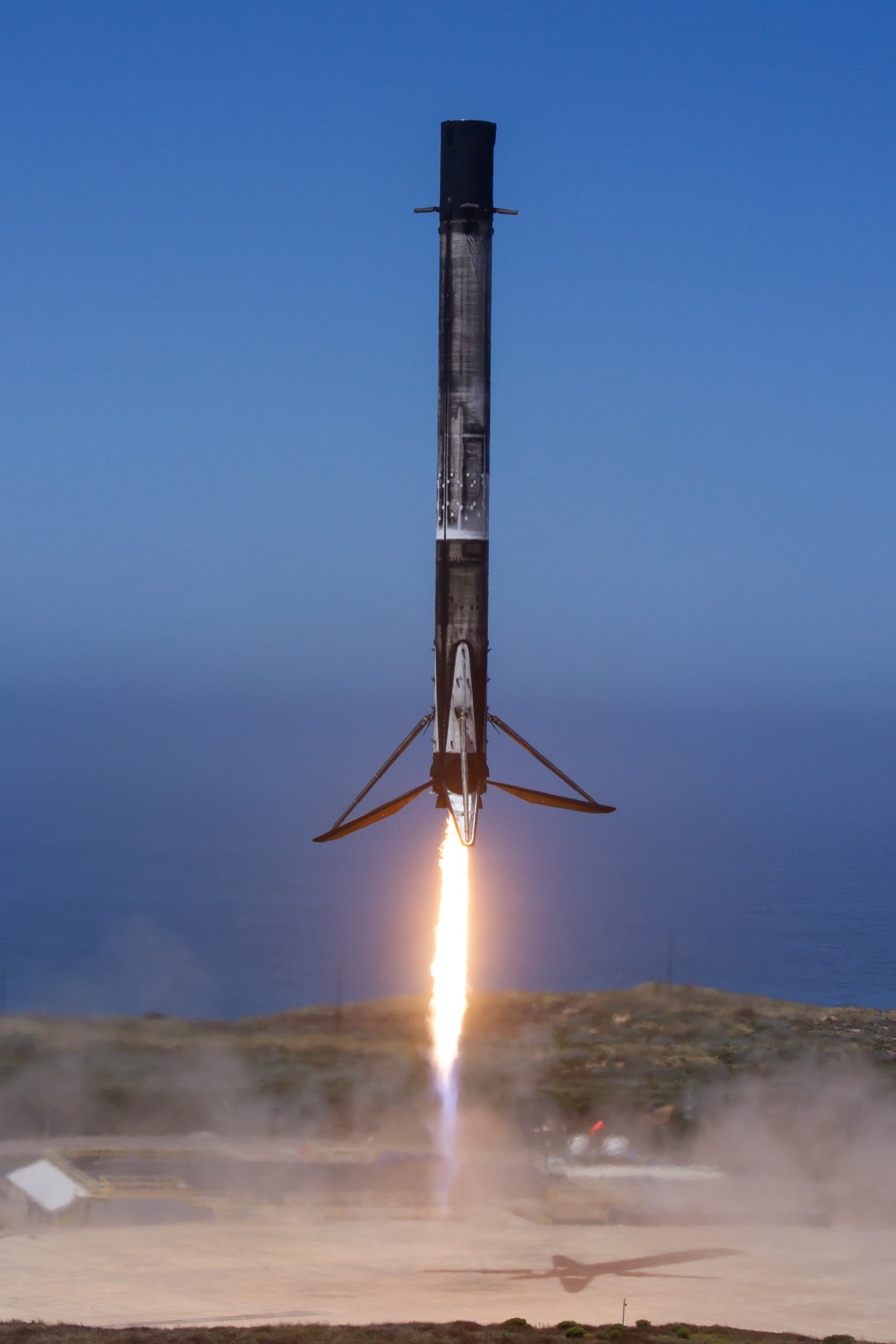
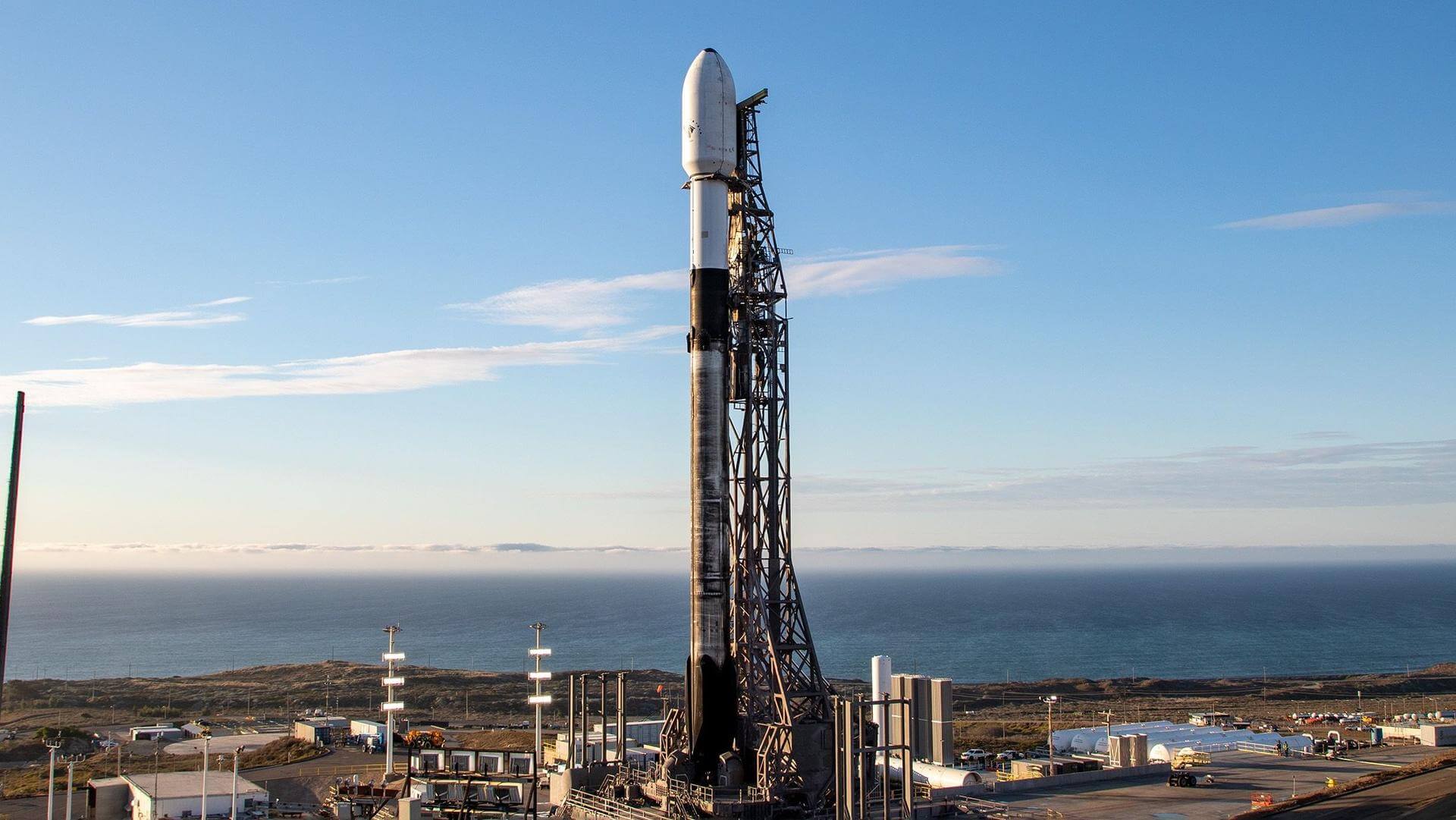
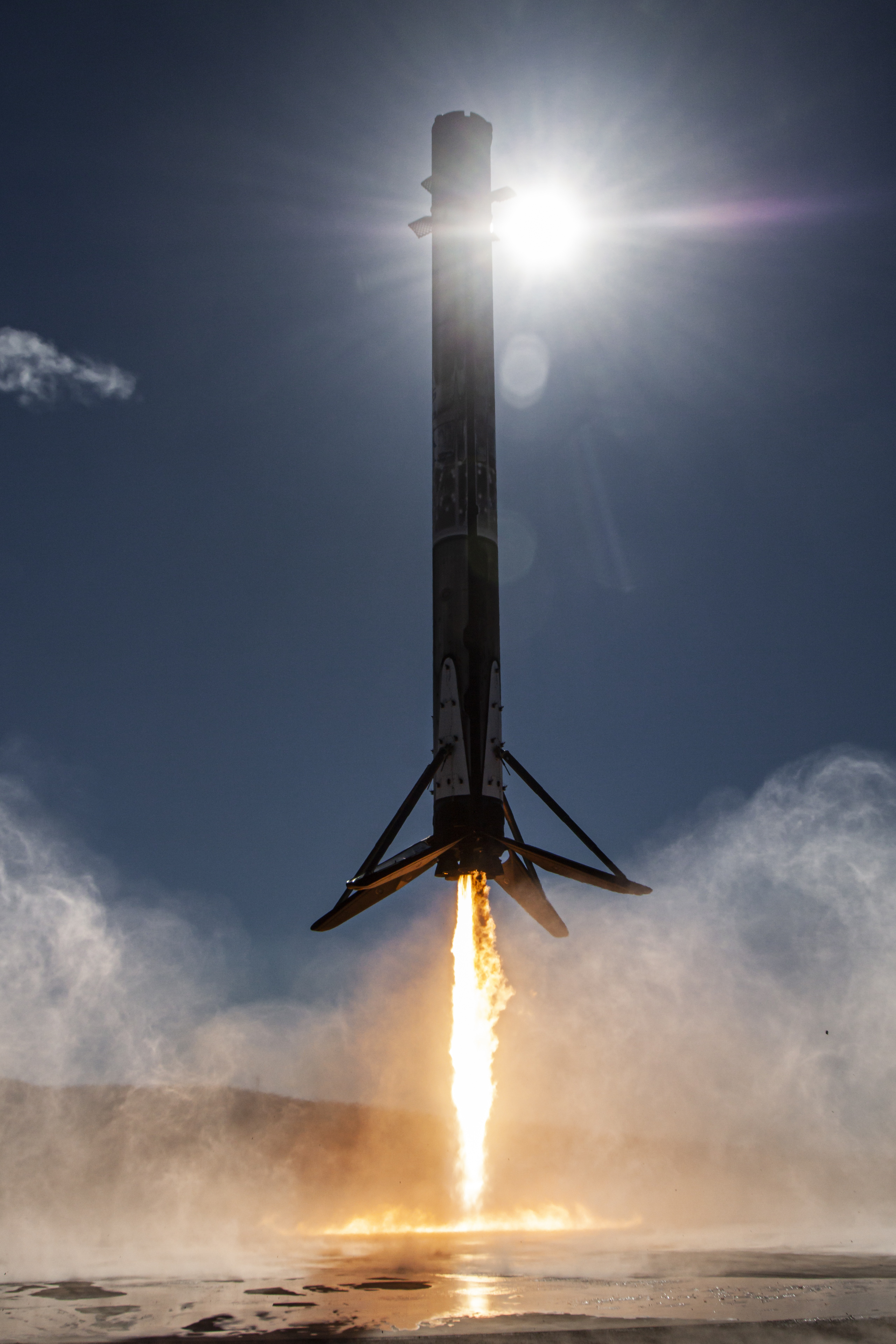
Starlink Group 17-36
Provider: SpaceX
Date: April 30, 2026
Time: 2:00 AM UTC
Vehicle: Falcon 9
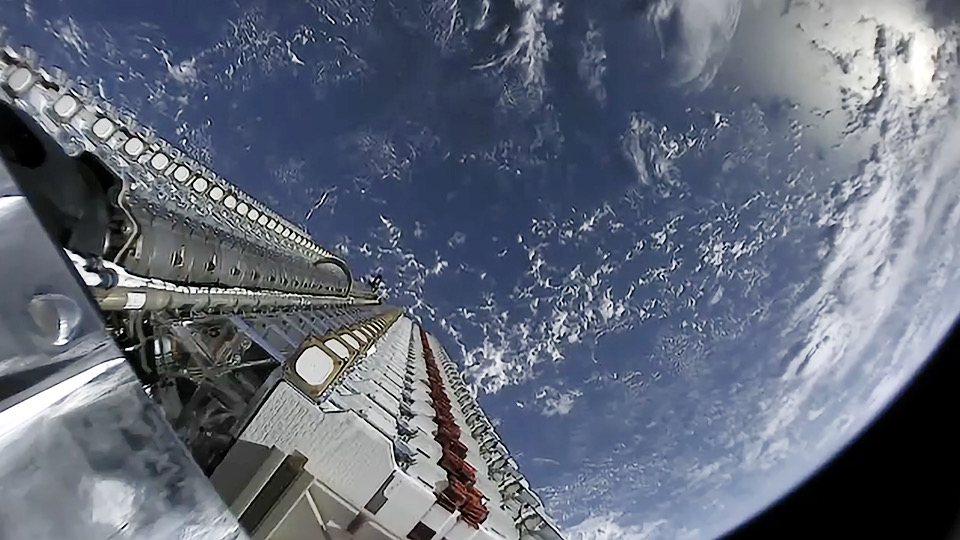
A batch of 24 satellites for the Starlink mega-constellation – SpaceX’s project for space-based Internet communication system.






Enjoying the content? Get behind the scenes updates on the development of The Canadian Space by following our

