New Orlan Spacesuit and Science Aboard Russian Cargo Ship
The Progress MS-34 cargo spacecraft has successfully launched from the Baikonur Cosmodrome in Kazakhstan, carrying over 2,500 kg of supplies and equipment to the International Space Station. The uncrewed Roscosmos vehicle lifted off at 6:21 p.m. EDT on Saturday, April 25, 2026, aboard a Soyuz 2.1a rocket, and is safely in orbit following a standard ascent profile.
The spacecraft, also known as Progress 95 in NASA nomenclature, is now en route to the Station on a roughly 48-hour rendezvous and will dock autonomously at the aft port of the Zvezda module on Monday, April 27, at 8 p.m. EDT (Tuesday, April 28, at 00:00 UTC). NASA’s live coverage of the rendezvous and docking will begin at 7:15 p.m. that evening on NASA+, Amazon Prime, and YouTube.
The 7,280 kg spacecraft is delivering approximately three tons of food, fuel, water, sanitary supplies, oxygen, and equipment to support the Expedition 74 crew. Among the most notable cargo items is a new Orlan spacesuit, the eighth in the Orlan-MKS series to arrive at the Station. The Orlan design, which traces its lineage back to Soviet spacewalks in the late 1970s and was refined through decades of use on Mir station, remains essential to Russia’s extra-vehicular activities programme aboard the ISS.
Beyond crew consumables, Progress MS-34 is carrying several scientific experiments. One study employs virtual reality goggles to monitor how the human body—specifically vision, the vestibular system, and spatial orientation—adapts to weightlessness. Another investigates the effects of stress on the immune and nervous systems, whilst additional experiments will examine bone mass loss in microgravity, microorganism impacts on materials, and methods to improve onboard water regeneration. These research activities underscore the Station’s ongoing role as a platform for human physiology and life-support innovation.
Once docked, the Progress vehicle will conduct orbital reboost burns to help maintain the Station’s altitude, which naturally decays over time due to atmospheric drag. This reboost capability is particularly valuable as the ISS approaches potential extended operations—the Station’s service life is now possibly scheduled through 2032. The spacecraft will remain docked for approximately seven months before being filled with waste and undocked for a destructive reentry into Earth’s atmosphere, a standard end-of-life procedure for all Progress missions.
This flight marks the second Progress mission of 2026 and the second launch from Site 31/6 since the facility underwent repairs following damage sustained during the Soyuz MS-28 launch in November 2025. The next cargo mission to the ISS, SpaceX’s CRS-34, is scheduled for May 12 from Cape Canaveral Space Force Station in Florida.
Provider: SpaceX Date: April 26, 2026 Time: 2:37 PM UTC Vehicle: Falcon 9
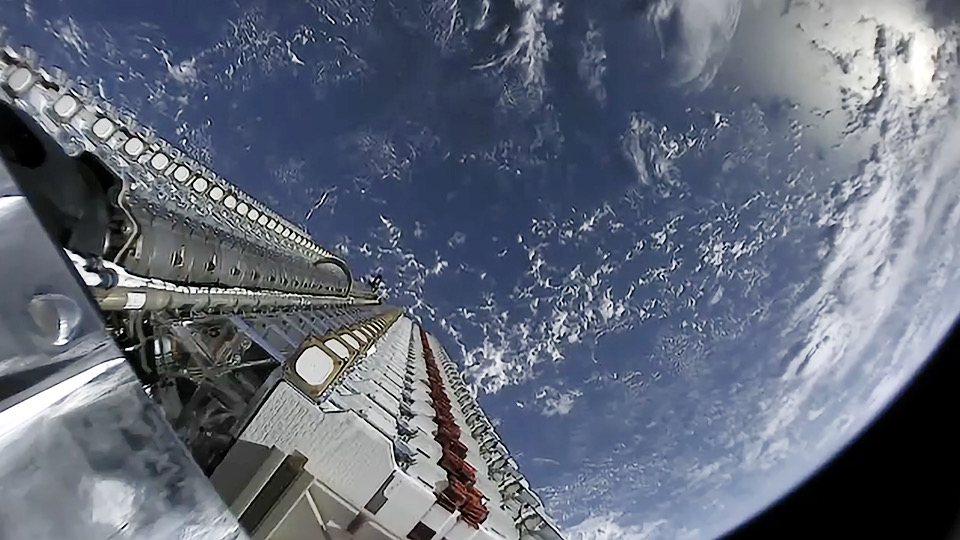
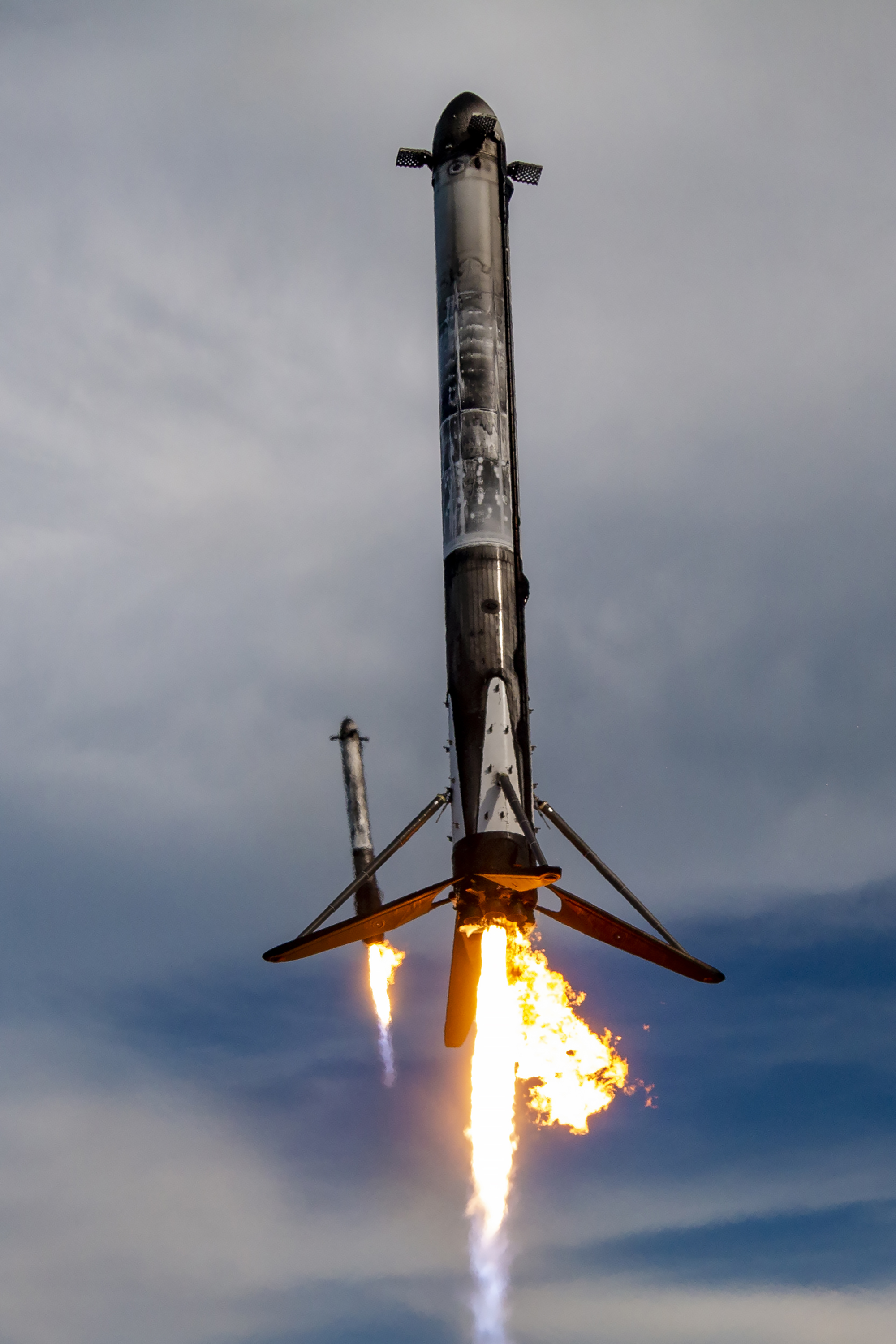
A batch of 25 satellites for the Starlink mega-constellation – SpaceX’s project for space-based Internet communication system.
ViaSat-3 F3 (ViaSat-3 Asia-Pacific)
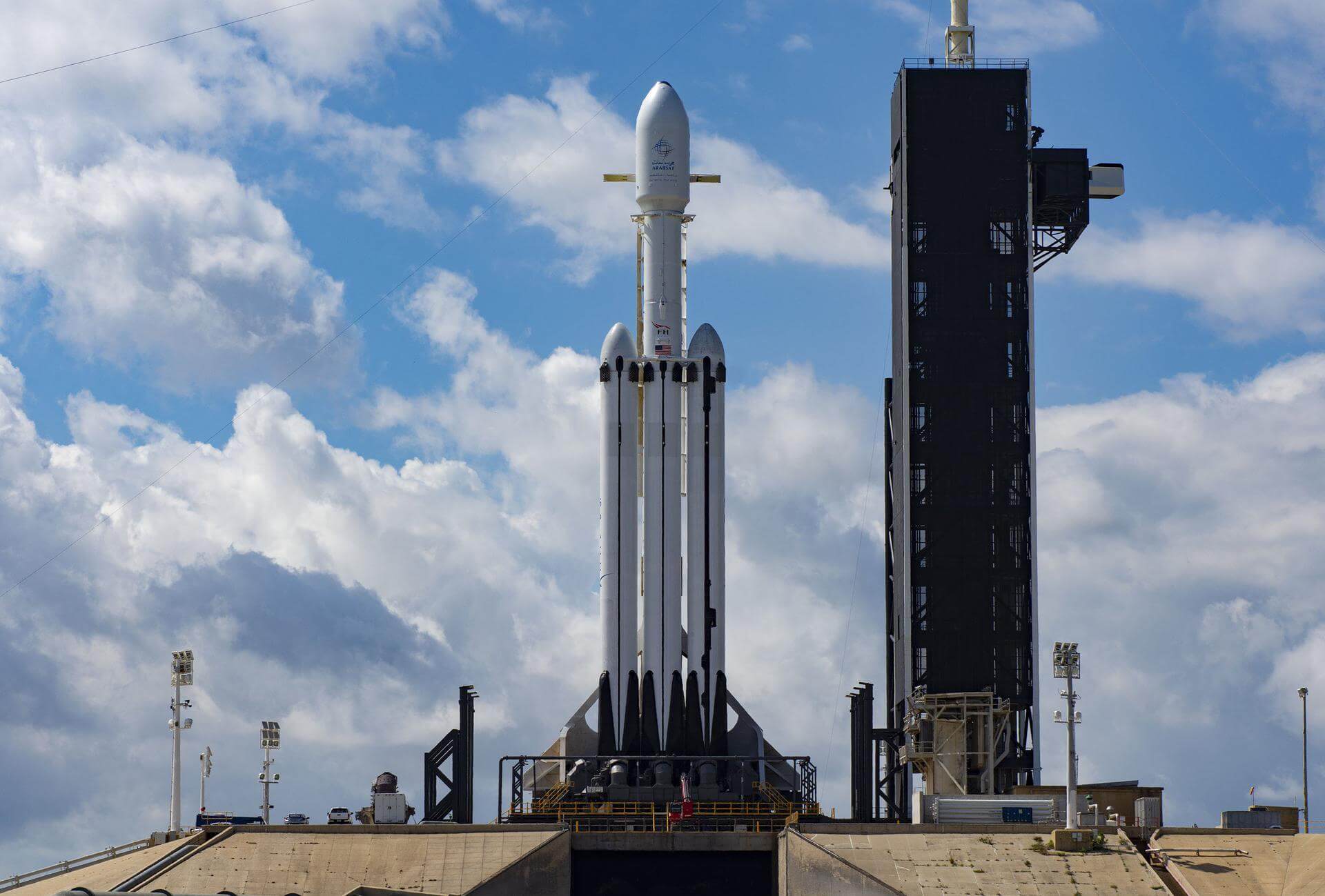
Provider: SpaceX Date: April 27, 2026 Time: 2:21 PM UTC Vehicle: Falcon Heavy
The ViaSat-3 is a series of three Ka-band satellites is expected to provide vastly superior capabilities in terms of service speed and flexibility for a satellite platform. Each ViaSat-3 class satellite is expected to deliver more than 1-Terabit per second of network capacity, and to leverage high levels of flexibility to dynamically direct capacity to where customers are located.
Amazon Leo (LA-06)
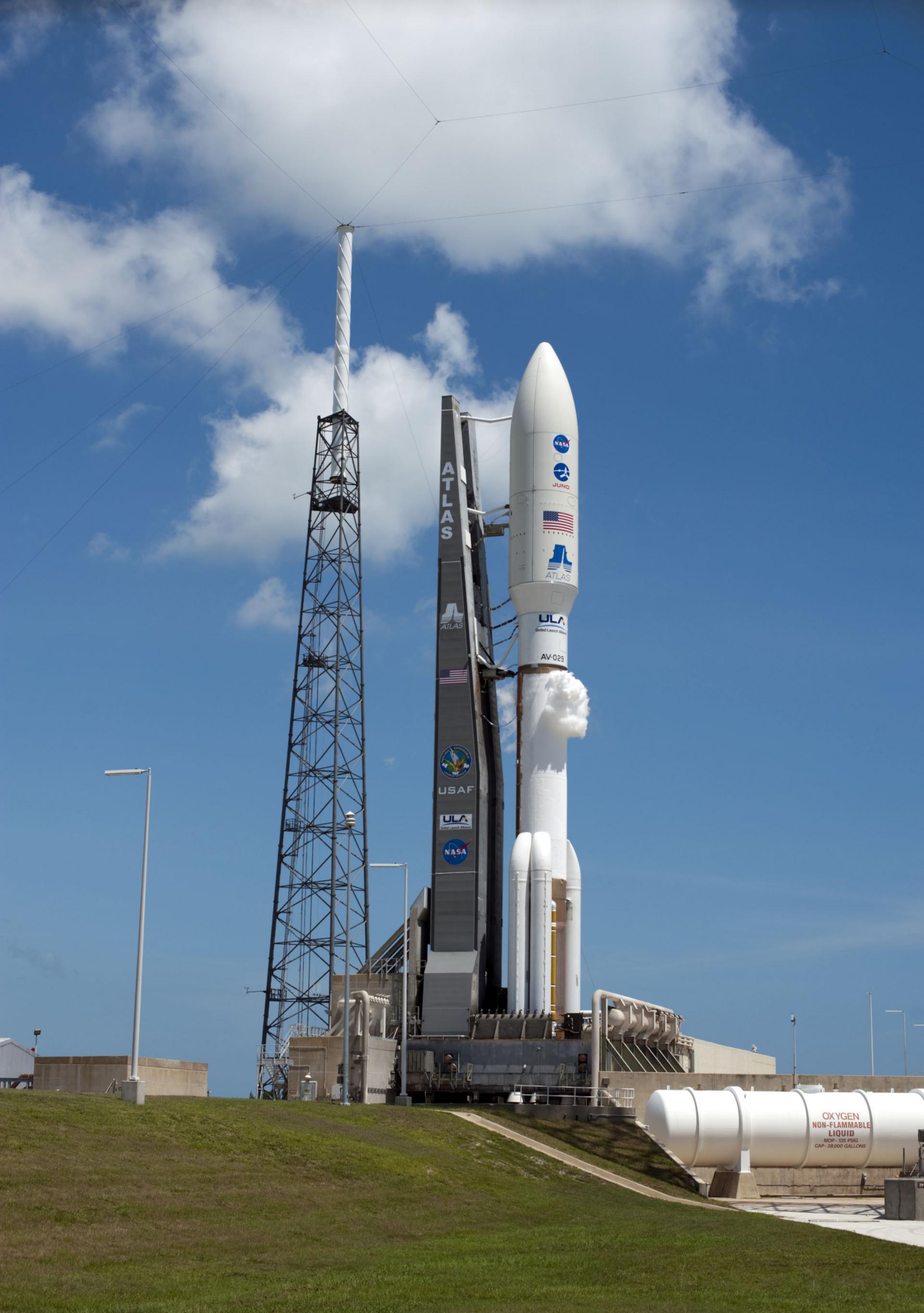
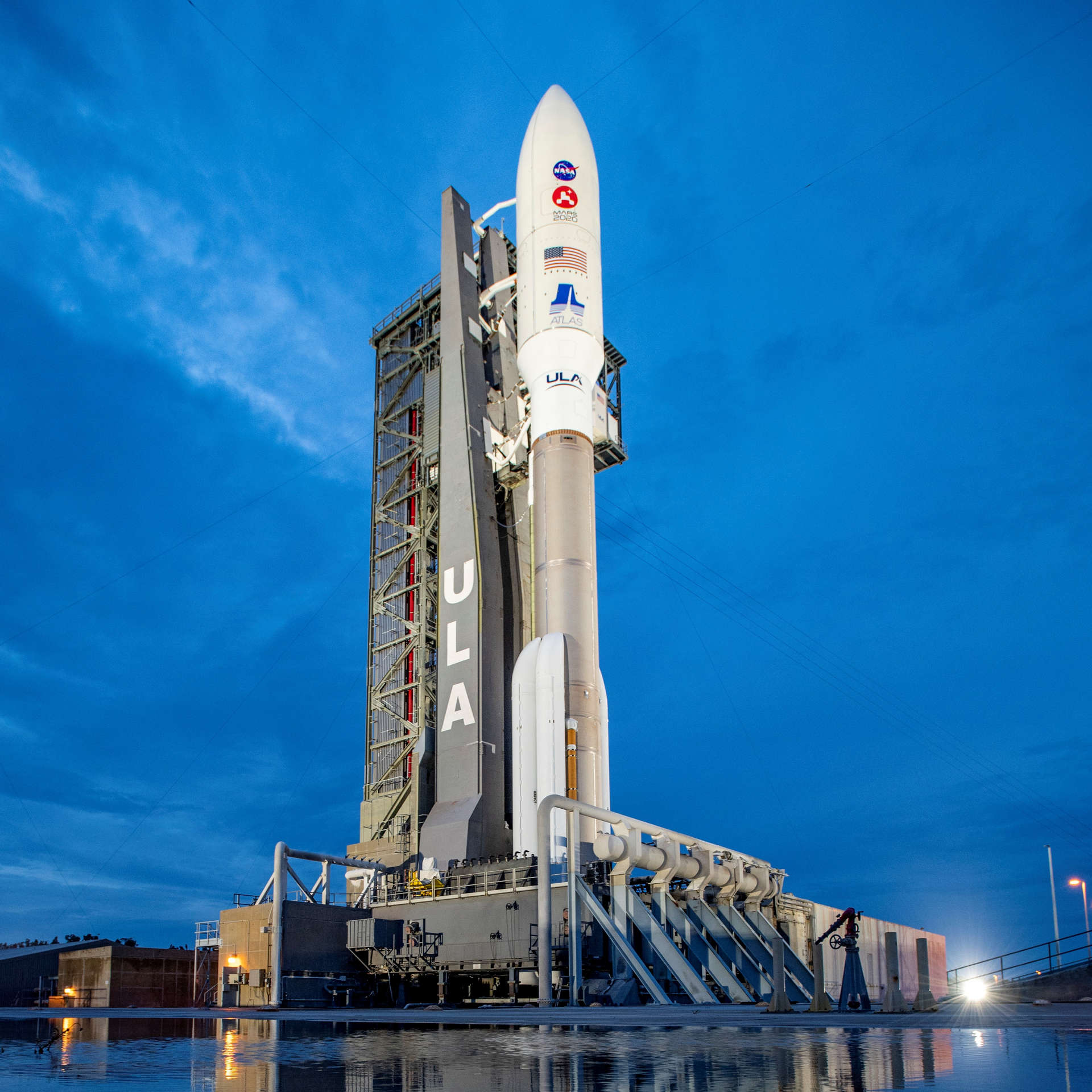
Provider: United Launch Alliance Date: April 28, 2026 Time: 12:52 AM UTC Vehicle: Atlas V 551
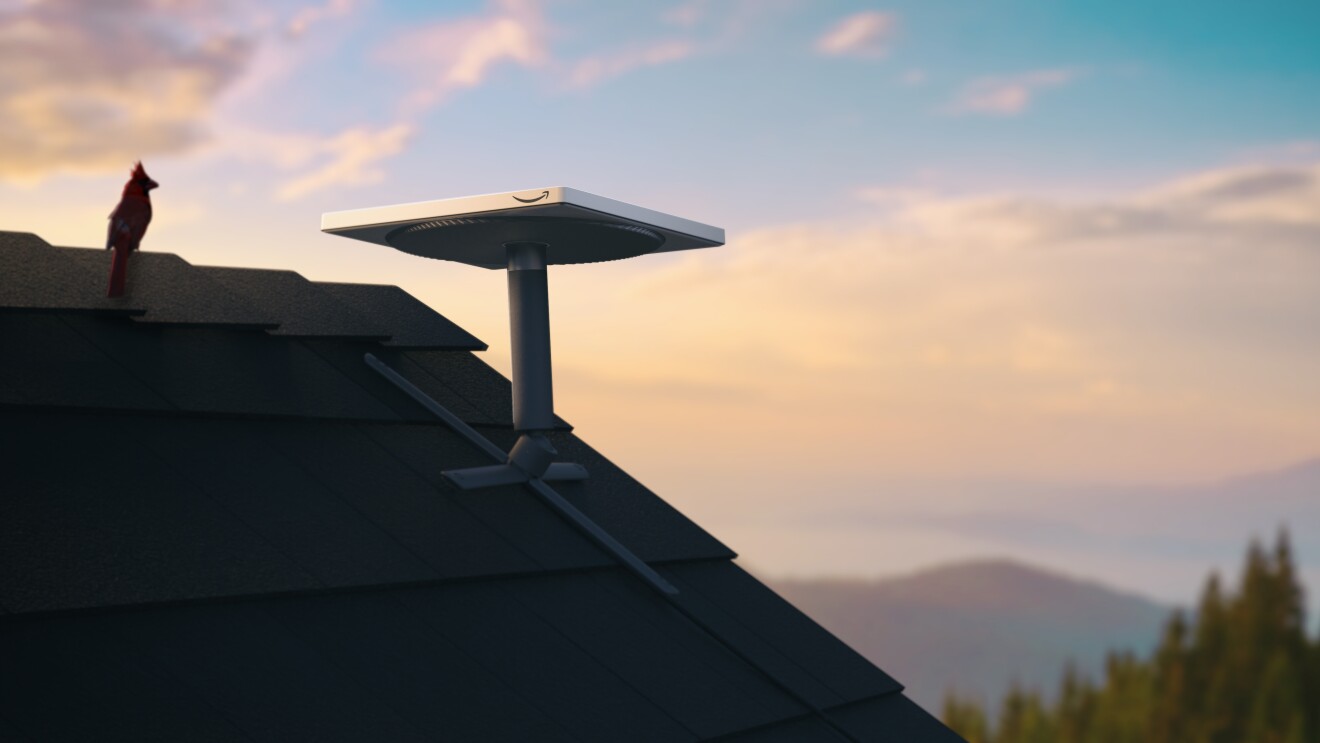
Amazon Leo, formerly known as Project Kuiper, is a mega constellation of satellites in Low Earth Orbit that will offer broadband internet access, this constellation will be managed by Kuiper Systems LLC, a subsidiary of Amazon. This constellation is planned to be composed of 3,276 satellites. The satellites are projected to be placed in 98 orbital planes in three orbital layers, one at 590 km, 610 km and 630 km altitude.
29 satellites are carried on this launch.
16 x Rassvet-3
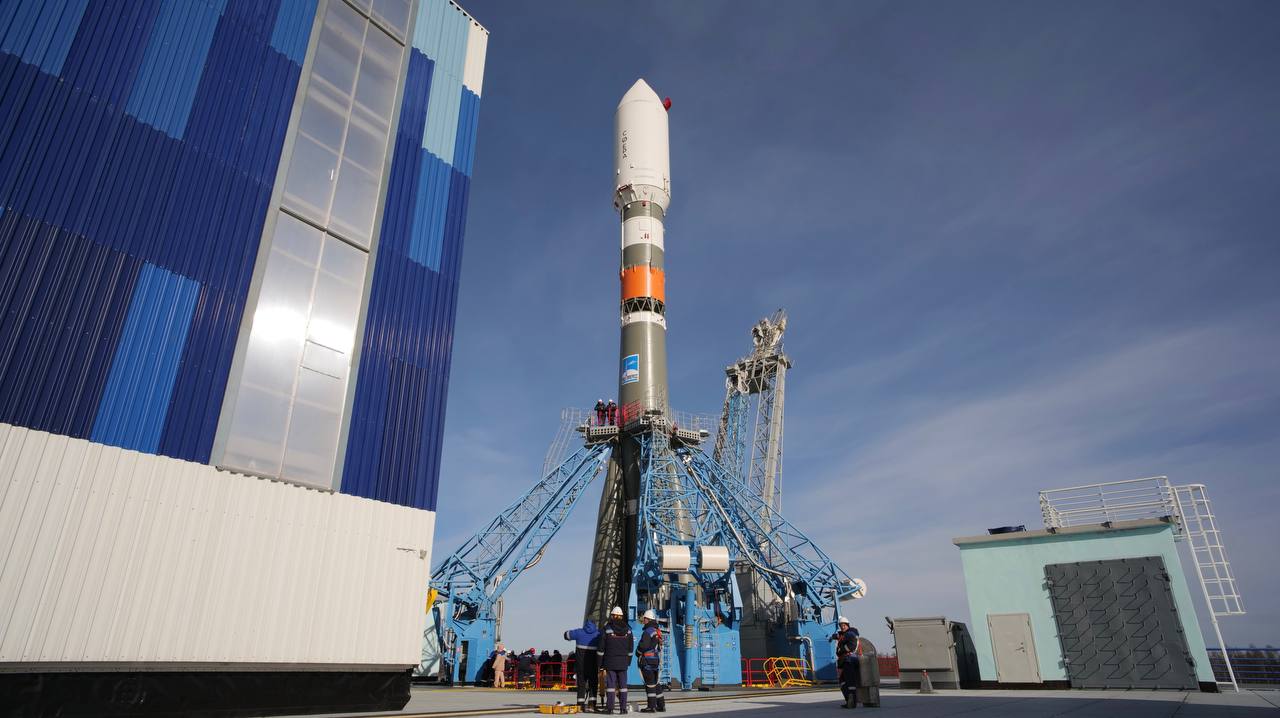
Provider: Russian Federal Space Agency (ROSCOSMOS) Date: April 30, 2026 Time: 12:00 AM UTC Vehicle: Soyuz 2.1b
Note: Payload identities uncertain.
Batch of 16 Rassvet-3 Low Earth Orbit communication satellites for the Russian Byuro-1440 (Bureau 1440) constellation for broadband high-speed internet access in Russia.
Unknown Payload
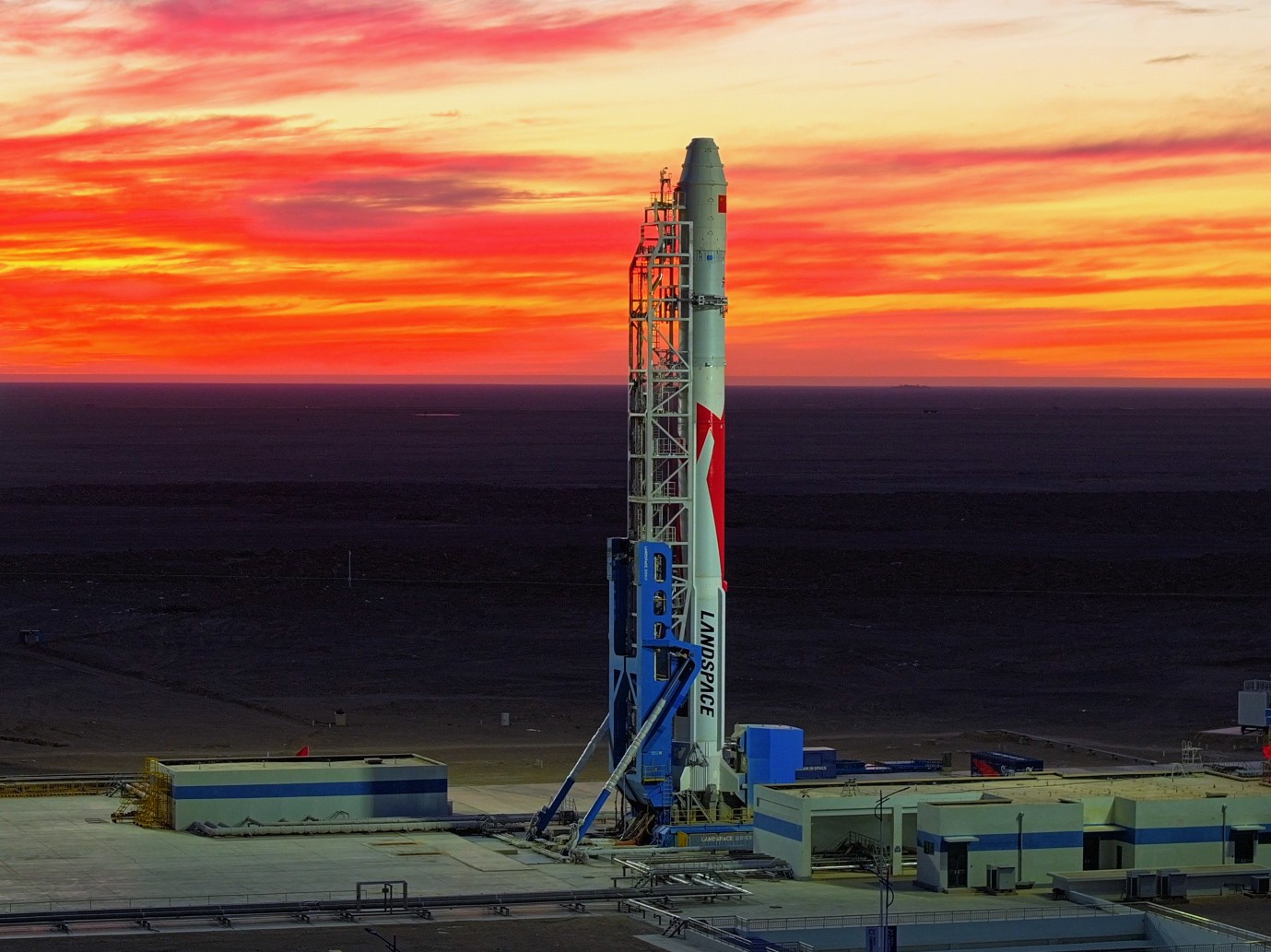
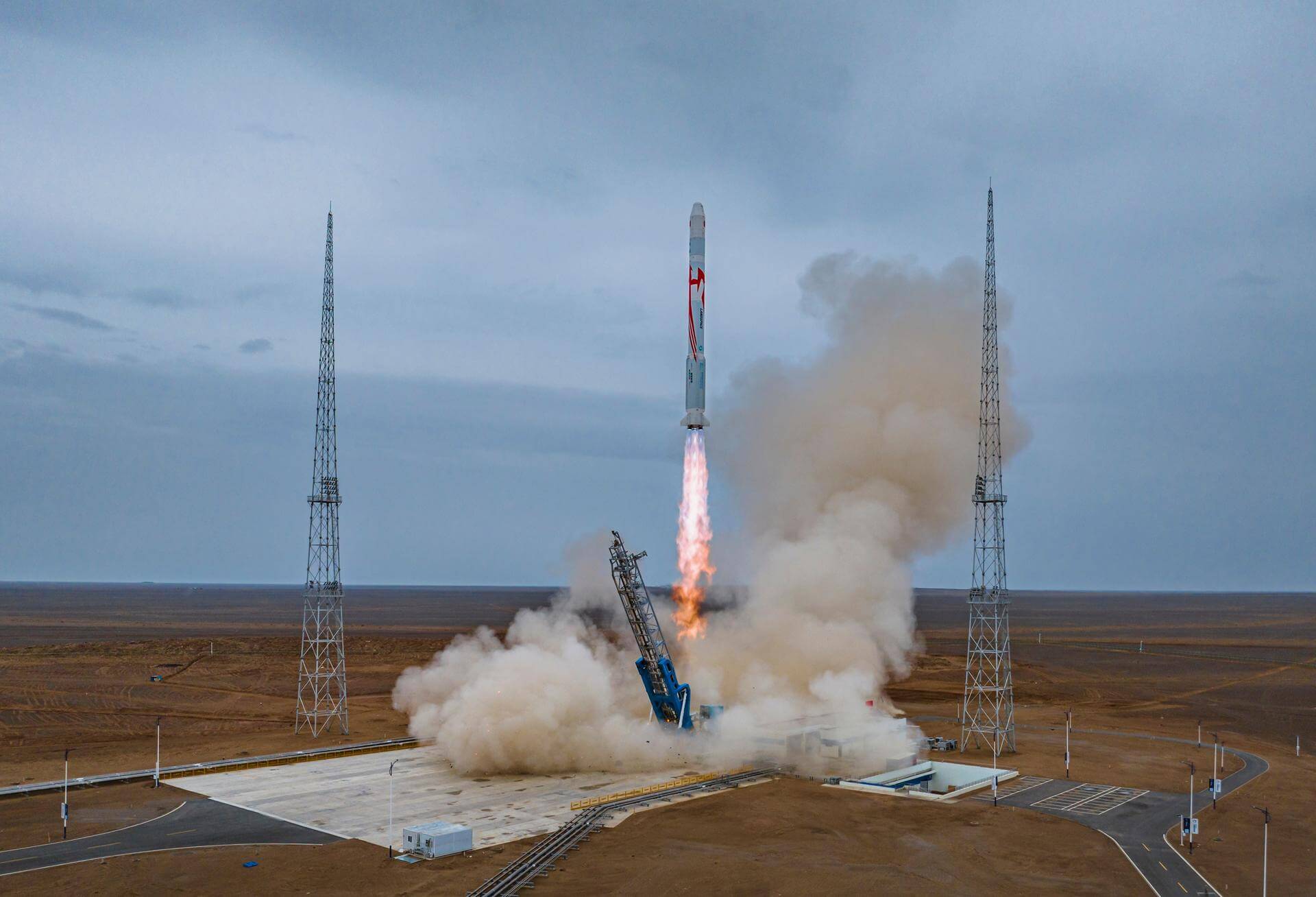
Provider: LandSpace Date: April 30, 2026 Time: 12:00 AM UTC Vehicle: Zhuque-2E
Details TBD.
Starlink Group 17-16 ×
Mission Details
TypeCommunications
OrbitLow Earth Orbit
TargetEarth
A batch of 25 satellites for the Starlink mega-constellation – SpaceX’s project for space-based Internet communication system.
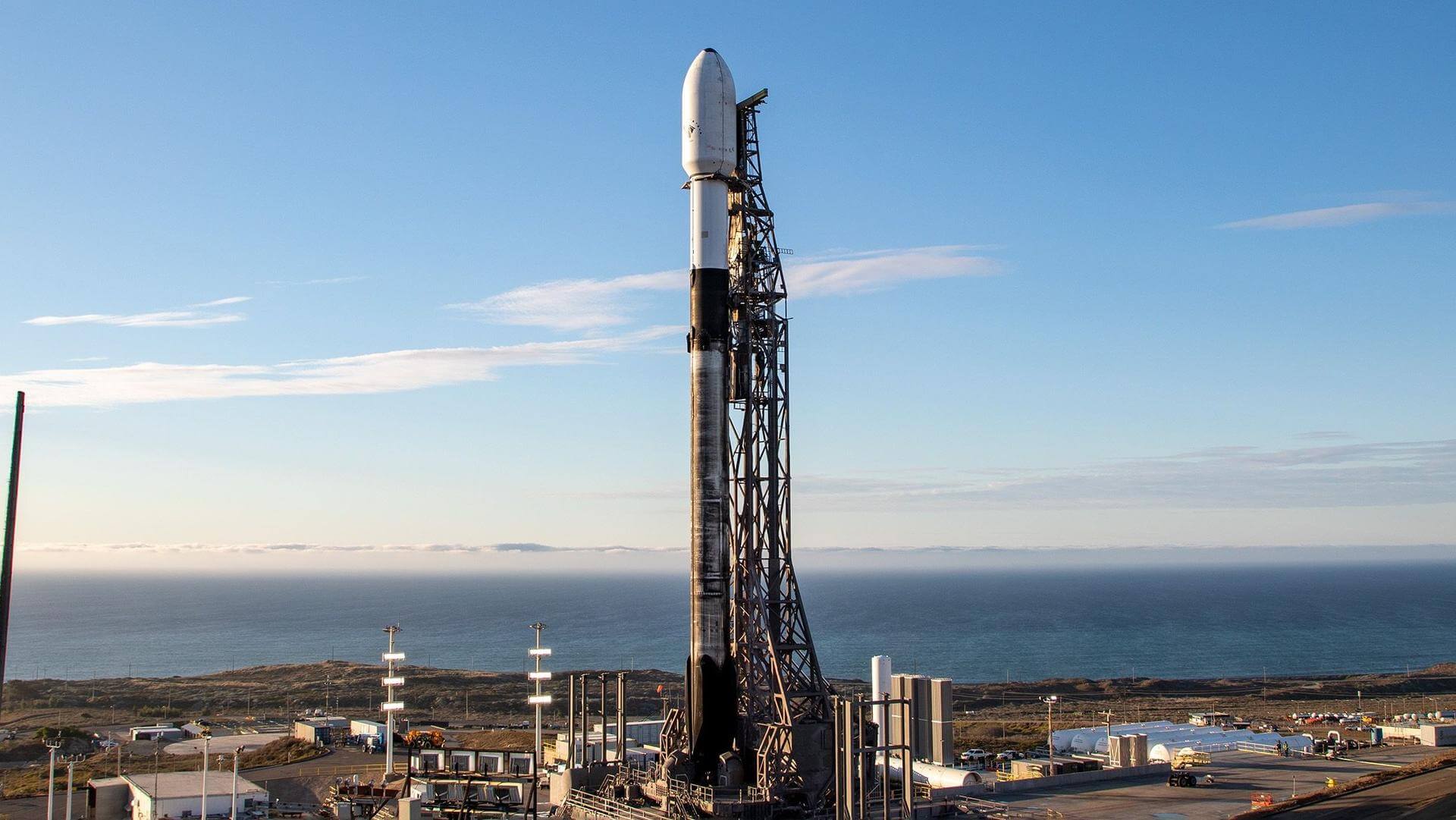
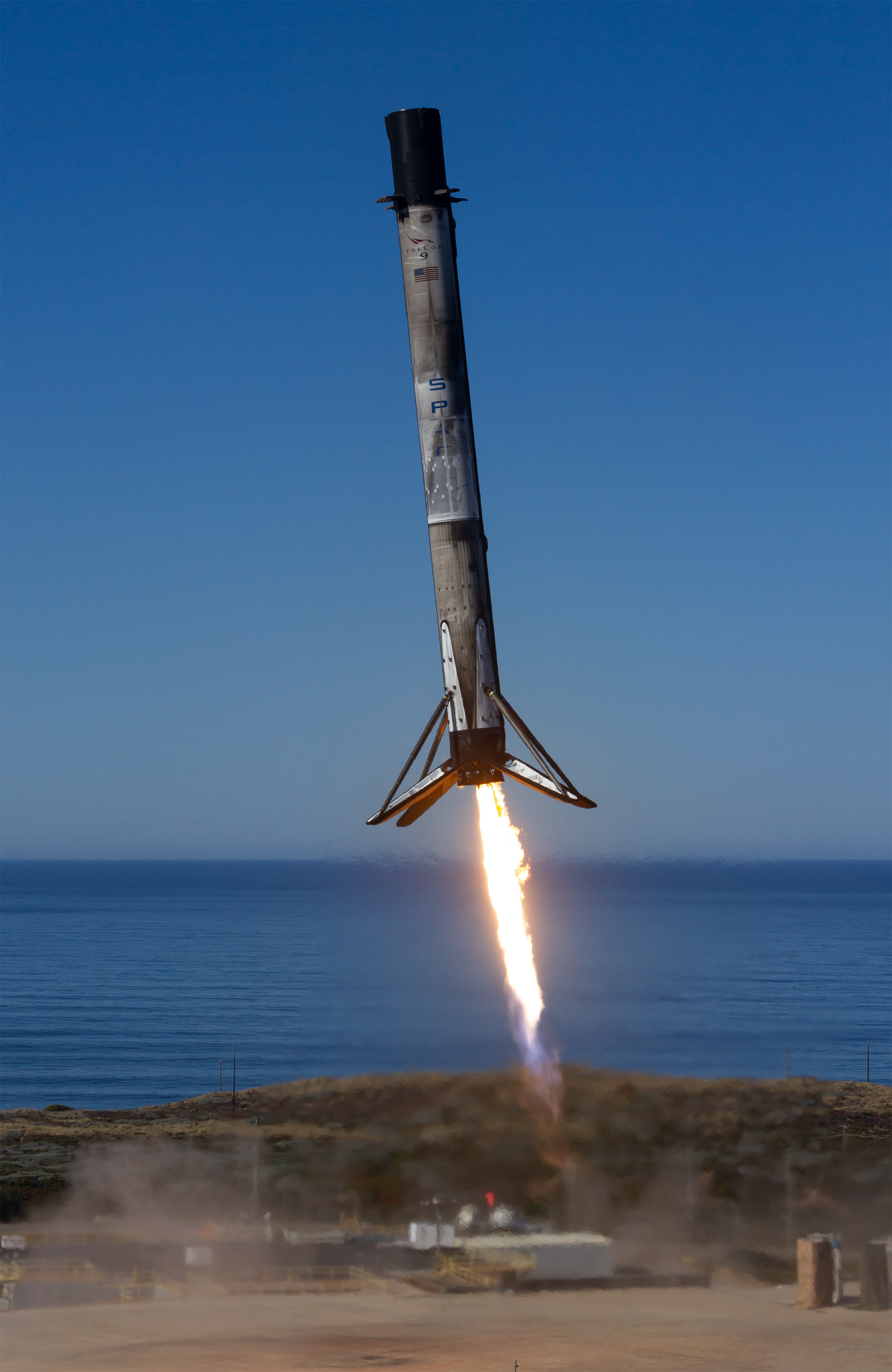
Falcon 9 is a two-stage rocket designed and manufactured by SpaceX for the reliable and safe transport of satellites and the Dragon spacecraft into orbit. The Block 5 variant is the fifth major interval aimed at improving upon the ability for rapid reusability.
The Falcon 9 first stage B1088 will land on ASDS OCISLY after its 15th flight.
ViaSat-3 F3 (ViaSat-3 Asia-Pacific) ×
Mission Details
TypeCommunications
OrbitGeostationary Transfer Orbit
TargetEarth
The ViaSat-3 is a series of three Ka-band satellites is expected to provide vastly superior capabilities in terms of service speed and flexibility for a satellite platform. Each ViaSat-3 class satellite is expected to deliver more than 1-Terabit per second of network capacity, and to leverage high levels of flexibility to dynamically direct capacity to where customers are located.
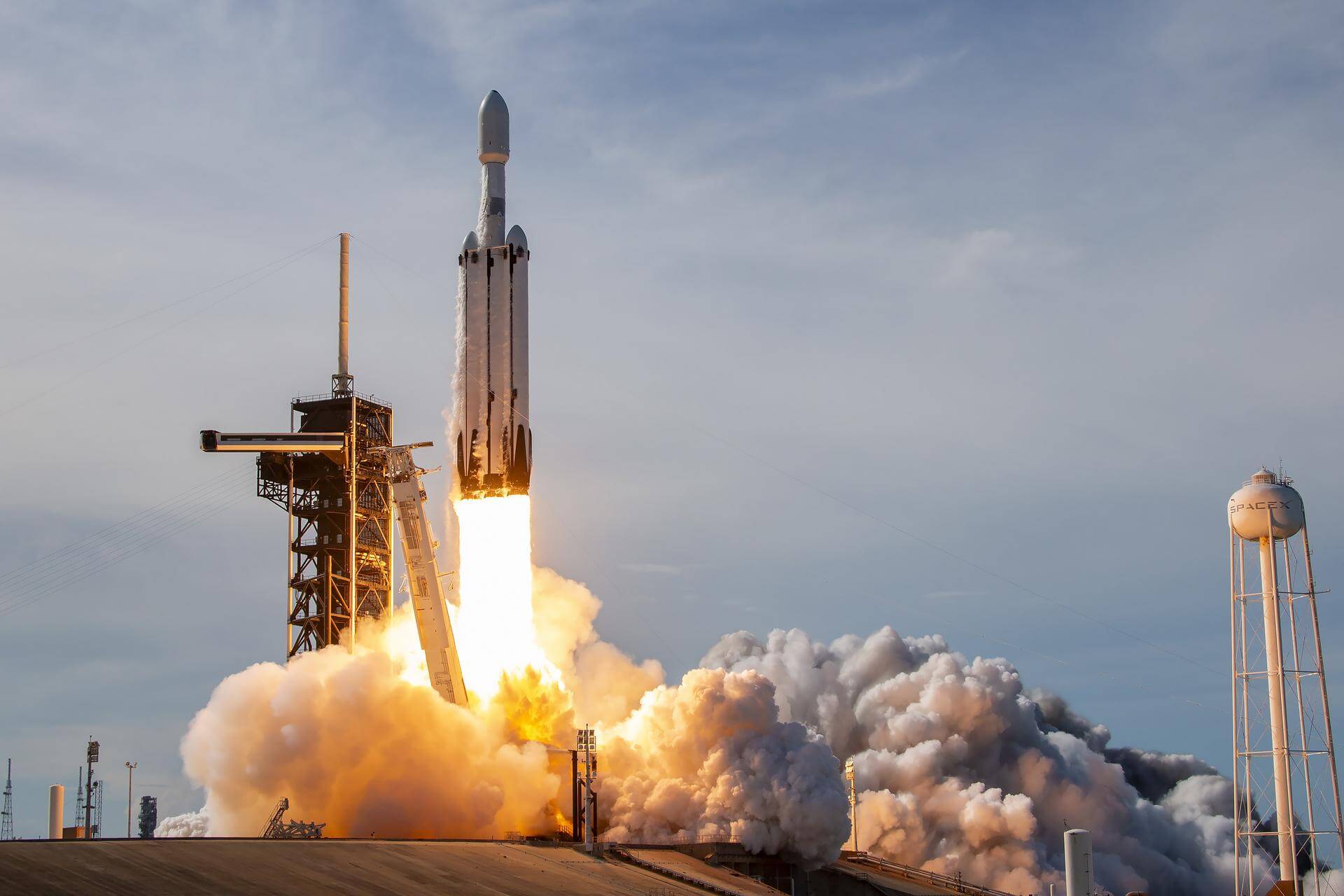
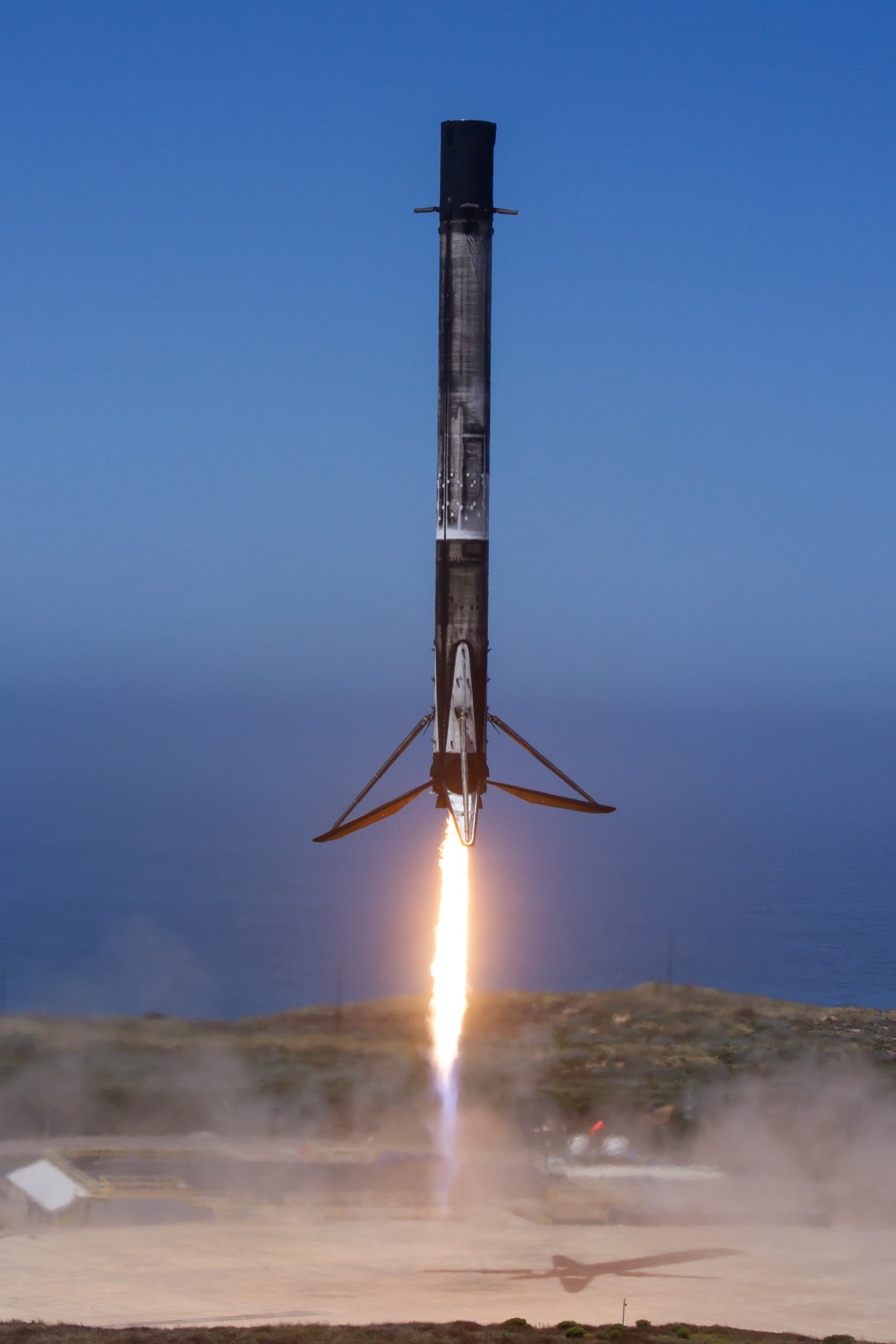
The Falcon Heavy is a variant of the Falcon 9 full thrust launch vehicle and consists of a standard Falcon 9 rocket core, with two additional boosters derived from the Falcon 9 first stage.
The Falcon Heavy side booster B1072 will land back at the launch site at Landing Zone 40 after its 2nd flight.
Strap-On Booster: B1075
Flight #22
Total Flights21
Landings21
First LaunchJan 19, 2023
Previous FlightOct 22, 2025
Turnaround187 Days
LandingPlanned
Landing MethodRTLS
Landing SiteLanding Zone 2
The Falcon Heavy side booster B1075 will land back at the launch site at Landing Zone 2 after its 22nd flight.
Core: B1098
Flight #1
LandingNo attempt
Landing MethodEXP
Landing SiteAtlantic Ocean
The Falcon Heavy center core B1098 will be expended.
Amazon Leo (LA-06) ×
Mission Details
TypeCommunications
OrbitLow Earth Orbit
TargetEarth
Amazon Leo, formerly known as Project Kuiper, is a mega constellation of satellites in Low Earth Orbit that will offer broadband internet access, this constellation will be managed by Kuiper Systems LLC, a subsidiary of Amazon. This constellation is planned to be composed of 3,276 satellites. The satellites are projected to be placed in 98 orbital planes in three orbital layers, one at 590 km, 610 km and 630 km altitude.
29 satellites are carried on this launch.
Agencies Involved
• Amazon Leo (Private)
Program: Amazon Leo
Amazon Leo is a satellite internet constellation aimed at providing high-speed, low-latency broadband connectivity to underserved and remote areas globally. The project involves deploying a constellation of low Earth orbit (LEO) satellites to create a satellite internet network capable of delivering reliable internet access.
Atlas V is an expendable launch system in the Atlas rocket family. It was formerly operated by Lockheed Martin and is now operated by United Launch Alliance (ULA), a joint venture with Boeing. Each Atlas V rocket uses a Russian-built RD-180 engine burning kerosene and liquid oxygen to power its…
Batch of 16 Rassvet-3 Low Earth Orbit communication satellites for the Russian Byuro-1440 (Bureau 1440) constellation for broadband high-speed internet access in Russia.
Launch Provider: Russian Federal Space Agency (ROSCOSMOS)
Soyuz-2 is the 21st-century version of the Russian Soyuz rocket. In its basic form, it is a three-stage carrier rocket for placing payloads into low Earth orbit. The 2.1b version adds an upgraded engine (RD-0124) with improved performance to the second stage.
Zhuque-2E (E stands for “enhanced”) is a medium-sized rocket powered by liquid oxygen and methane capable of lifting 6,000 kg of payload into a 200 km low Earth orbit, or 4,000 kg of payload into a 500 km Sun-synchronous orbit. It differs from the baseline Zhuque-2 in using enhanced TQ-12A engines…
Robo Chris is a collection of API calls, filters, and searches, bolted together with magic and love. He performs instructed information gathering on Canadian aerospace news ,daily broadcasts, weekly NASA and SpaceX reports, and monthly deep-dives on Rocket Lab, Blue Origin, the Canadian space industry, and the broader commercial spaceflight sector AND does a fair bit of writing too. Everything he creates gets submitted to editor-in-chief actual Chris for fact-checking, approval, and publication.