
The Daily Broadcast: Payloads, Partnerships, and the Path to the Moon

Transporter-16 Set for Monday Morning Launch with Canadian-Relevant Climate Mission
SpaceX is scheduled to launch its Transporter-16 rideshare mission on Monday, March 30, 2026, from Space Launch Complex 4 East at Vandenberg Space Force Base in California. Liftoff is planned within a 57-minute window opening at 3:20 a.m. PDT (10:20 UTC). The Falcon 9 will carry a record-setting 119 payloads—including picosatellites, nanosatellites, and an orbital service vehicle—into Sun-synchronous orbit.
Among the diverse international payloads is Disco-2, a 3U CubeSat developed by Aarhus University in collaboration with Danish institutions to monitor climate impacts in the Arctic and northeast Greenland. Using optical and thermal cameras, it will image glaciers and measure sea temperatures to study how warming waters accelerate ice melt—a topic of particular relevance to Canada, given our extensive Arctic territory and climate research priorities.
The mission will deploy payloads between T+55 minutes and T+2 hours 31 minutes after launch. The first stage booster, B1093, will attempt a landing on the droneship Of Course I Still Love You in the Pacific Ocean, marking its 12th flight. German firm Exolaunch is the largest manifesting customer, coordinating launches for over 25 organizations, while SEOPS and Momentus Inc. also contribute significant payloads, including NASA’s R5-S10 CubeSat for rendezvous demonstrations.

Starfish Space Finds New Partner for On-Orbit Docking Demo
Starfish Space has secured a new partner for its Otter Pup 2 spacecraft’s docking demonstration after its original collaborator, D-Orbit, withdrew from the mission late last year. Though the company has not yet disclosed the identity of the new partner, it confirmed on March 26 that it has already begun orbital maneuvers to rendezvous with the replacement satellite.
Launched in June 2025 aboard a SpaceX rideshare mission, Otter Pup 2 is designed to dock with satellites that lack dedicated docking interfaces using an electrostatic capture mechanism. This capability could be pivotal for future satellite servicing, refuelling, and debris removal—functions that support the long-term sustainability of the orbital environment, including for Canadian Earth observation and communications satellites.
Despite the delay in its original demonstration timeline, Starfish has gained momentum with new U.S. government contracts. In January, the Space Development Agency awarded the company a $52.5 million contract to deorbit a spacecraft in 2027, and in February, the U.S. Space Force granted a $54.5 million contract for a geostationary servicing vehicle. Rendezvous and proximity operations (RPO) like those being tested by Starfish are increasingly critical as orbital traffic grows—a concern shared by all spacefaring nations, including Canada.

NASA Accelerates Lunar Landing Cadence with ‘Shots on Goal—and Win the Game’ Strategy
NASA is dramatically ramping up its lunar ambitions, aiming for 21 robotic landings between 2026 and 2028 as part of its new Moon Base initiative. Announced at the agency’s “Ignition” event on March 24, this plan shifts from the original “shots on goal” philosophy—which accepted some mission failures—to a more reliability-focused approach: “shots on goal and win the game.”
Phase 1 (2026–2028) targets 21 landings delivering 4,000 kilograms of payload to the Moon. While only two landings were initially planned for 2026, NASA now projects up to four, with numbers climbing to nine in 2027 and 10 in 2028. These missions fall under the Commercial Lunar Payload Services (CLPS) programme, which recently awarded Intuitive Machines a $180.4 million contract for the IM-5 mission in 2030. That flight will carry seven NASA instruments and two small rovers—one from Honeybee Robotics and another dubbed “Roo-ver” from the Australian Space Agency.
Importantly, NASA is evolving CLPS to support more robust capabilities, including lunar-night survival and sample return. A draft request for proposals for “CLPS 2.0” was issued on March 24, signalling a maturing ecosystem. Meanwhile, Human Landing System (HLS) providers SpaceX and Blue Origin are simplifying their architectures to accelerate crewed landings as early as 2028, though details remain under review. For Canada, which contributes the Canadarm3 to the Gateway station, these developments shape the operational context for future lunar exploration partnerships.

Citations
- “SpaceX to deliver 119 payloads to Sun-synchronous orbit on Transporter 16” – https://www.nasaspaceflight.com/2026/03/transporter-16/
- “Starfish Space finds a new partner for docking demonstration mission” – https://spacenews.com/starfish-space-finds-a-new-partner-for-docking-demonstration-mission/
- “‘Shots on goal and win the game’: NASA’s effort to accelerate lunar landings” – https://spacenews.com/shots-on-goal-and-win-the-game-nasas-effort-to-accelerate-lunar-landings/
Upcoming Launches
Transporter 16 (Dedicated SSO Rideshare)
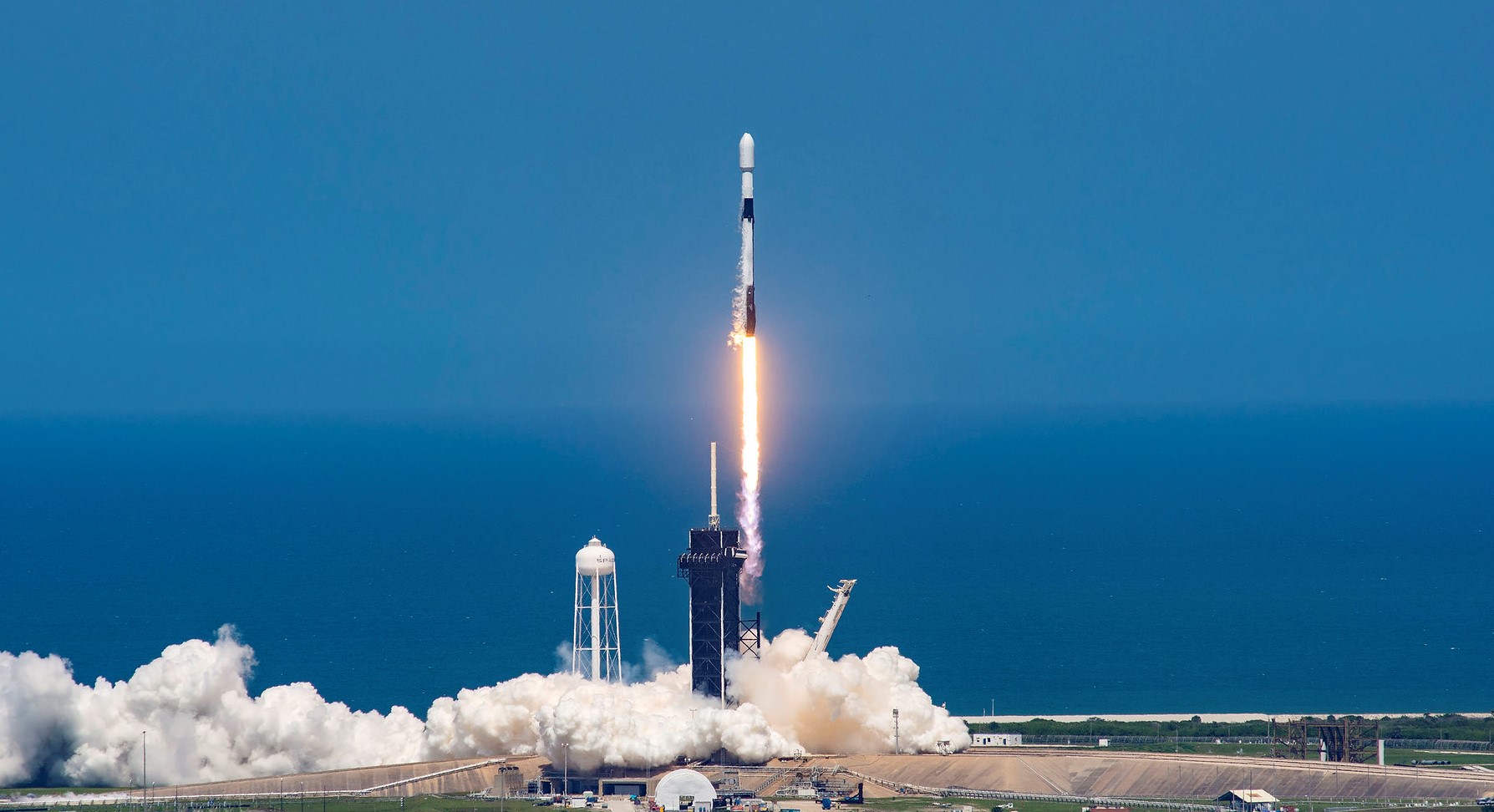
Launch Provider: SpaceX – Commercial
Launch Date: March 30, 2026
Launch Time: 10:20 AM UTC
Vehicle: Falcon 9
Brief: Dedicated rideshare flight to a sun-synchronous orbit with dozens of small microsatellites and nanosatellites for commercial and government customers.
Starlink Group 10-44
Launch Provider: SpaceX – Commercial
Launch Date: March 30, 2026
Launch Time: 9:15 PM UTC
Vehicle: Falcon 9
Brief: A batch of 29 satellites for the Starlink mega-constellation – SpaceX’s project for space-based Internet communication system.
Qingzhou Spacecraft Demo Flight
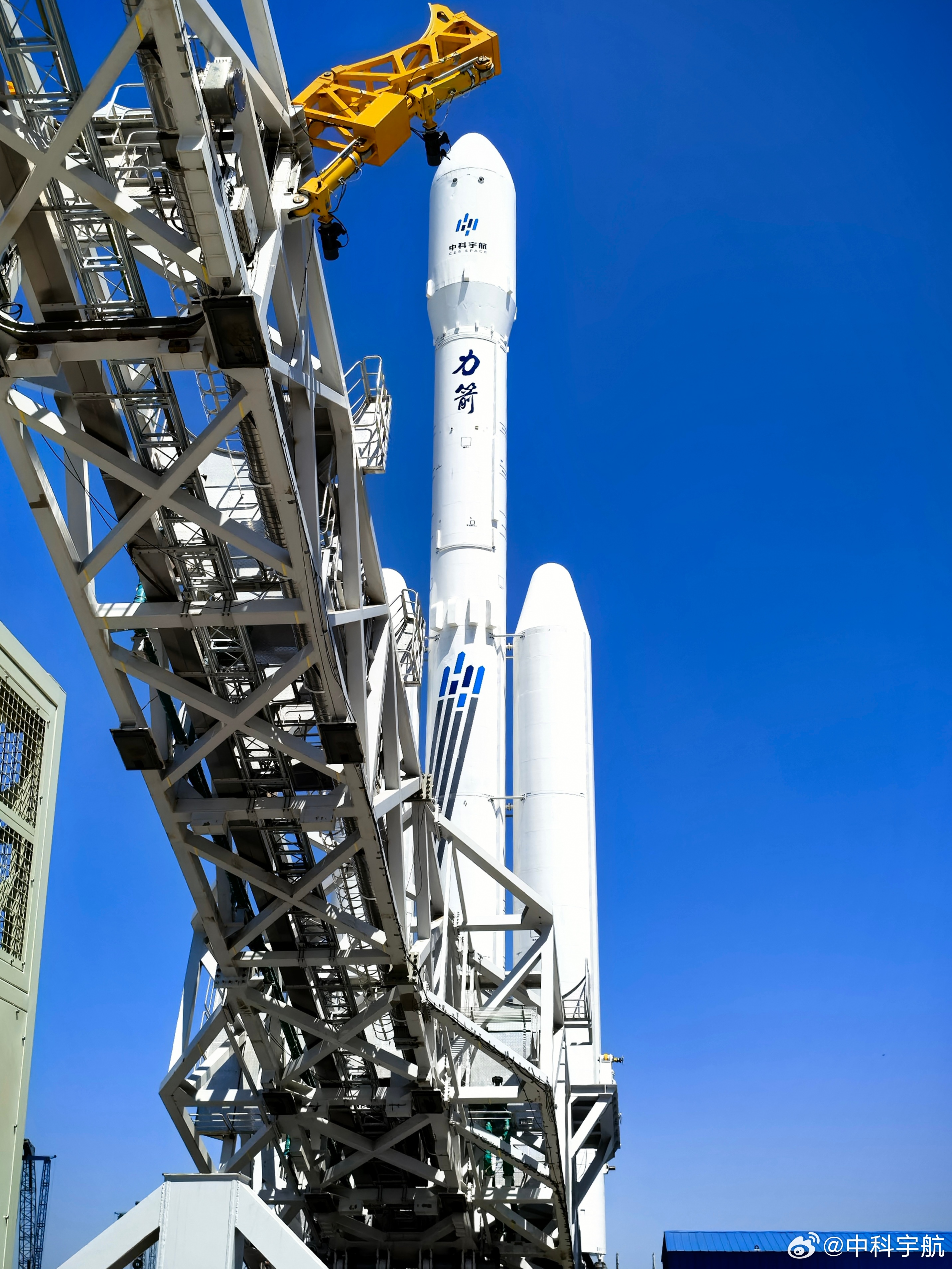
Launch Provider: CAS Space – Commercial
Launch Date: March 31, 2026
Launch Time: 12:00 AM UTC
Vehicle: Kinetica 2
Brief: First test launch and mission of CAS Space’s Kinetica-2 rocket and Qingzhou cargo resupply spacecraft for future cargo transport to the Chinese Tiangong Space Station under a commercial contract from the CMSEO.
📽️ No Livestream scheduled yet
Demo Flight

Launch Provider: Space Pioneer – Commercial
Launch Date: March 31, 2026
Launch Time: 12:00 AM UTC
Vehicle: Tianlong-3
Brief: First test launch of Space Pioneer’s Tianlong-3 rocket. Reports indicate this launch may carry a batch of satellites for the SpaceSail/G60/Qianfan LEO communication satellites constellation.
📽️ No Livestream scheduled yet
Unknown Payload
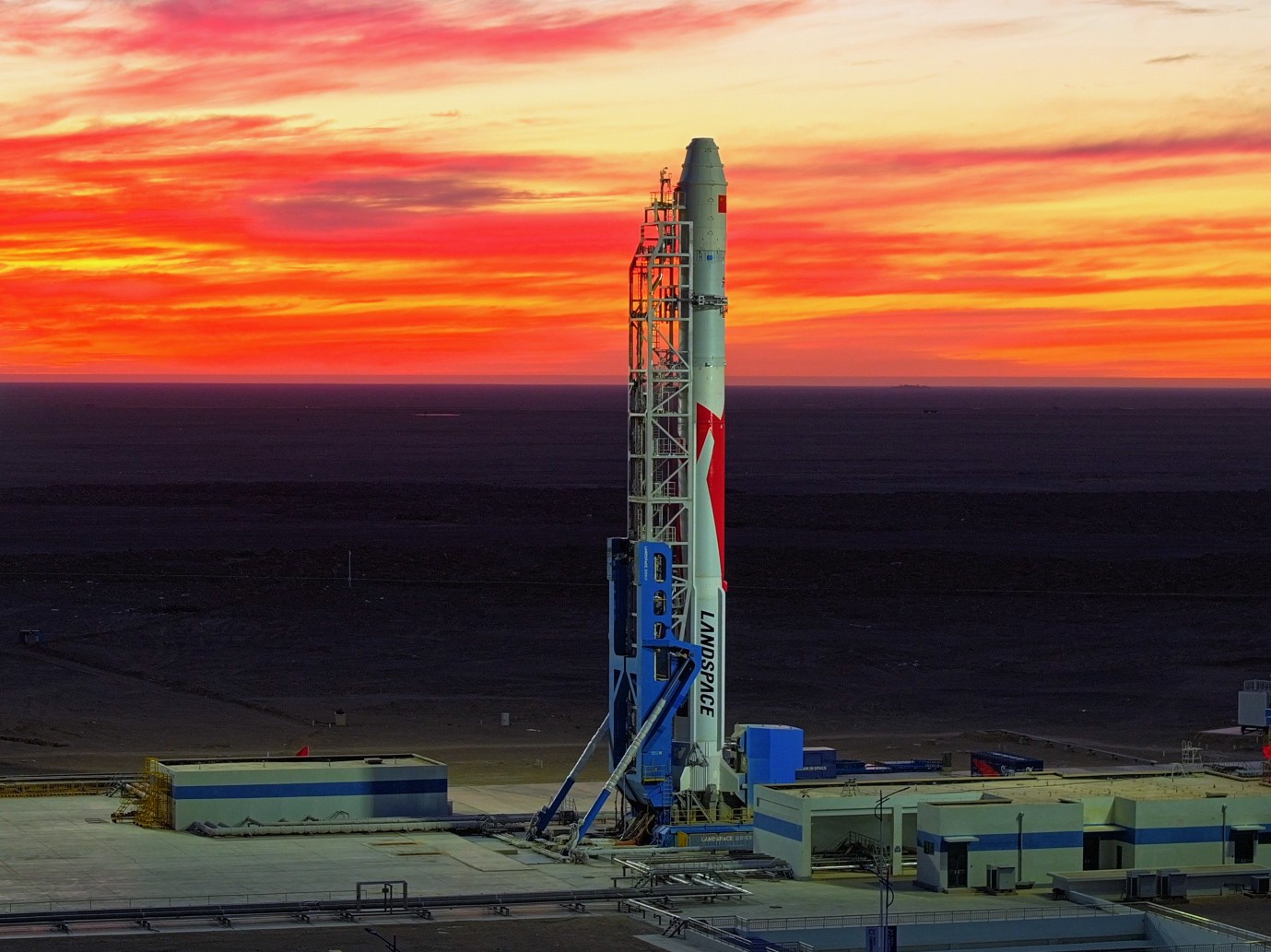
Launch Provider: LandSpace – Commercial
Launch Date: March 31, 2026
Launch Time: 12:00 AM UTC
Vehicle: Zhuque-2E
Brief: Details TBD.
📽️ No Livestream scheduled yet
