
The Daily Broadcast: Orbiting Ambitions: Celeste Soars, Artemis II Nears, and Canada’s Space Defence Gains Momentum

Europe’s Celeste Mission Blasts Off to Reinvent Satellite Navigation
Early this morning in Europe—and late last night in New Zealand—the European Space Agency (ESA) successfully launched the first two satellites of its Celeste Low Earth Orbit (LEO) positioning, navigation, and timing (PNT) demonstration mission aboard a Rocket Lab Electron rocket. Liftoff occurred at 10:14 CET on March 28, 2026, from Launch Complex 1 on New Zealand’s Mahia Peninsula. About an hour later, the satellites separated from the launcher, marking the start of their early operations phase.
Celeste aims to complement ESA’s existing Galileo system by testing resilient navigation signals from LEO, offering stronger performance in challenging environments like urban canyons, polar regions, and during emergencies. The two demonstration satellites—one built by GMV and the other by Thales Alenia Space—will validate new L- and S-band signals and pave the way for a full 11-satellite constellation by 2027. “With Celeste, ESA is ensuring that Europe continues to pioneer innovation in positioning, navigation and timing,” said Francisco-Javier Benedicto Ruiz, ESA’s Director of Navigation. This initiative also supports one of the pillars of ESA’s newly endorsed European Resilience from Space strategy, approved at the 2025 Ministerial Council.

Artemis II Crew Arrives at Kennedy Space Center Ahead of Historic Lunar Flyby
The four astronauts of NASA’s Artemis II mission—including Canadian Space Agency astronaut Jeremy Hansen—arrived at Kennedy Space Center on March 27, 2026, signalling the final stretch before their scheduled launch around the Moon. The crew, joined by backups Jenni Gibbons (CSA) and Andre Douglas (NASA), flew in T-38 jets from Houston and were greeted by NASA Administrator Jared Isaacman and CSA President Lisa Campbell.
Their launch is scheduled for Wednesday, April 1, 2026, at 6:24 p.m. ET, with a launch window extending through April 6. If weather or technical issues intervene, the next opportunity opens April 30. This mission will follow a free-return trajectory, reaching as far as 402,000 km from Earth—potentially setting a new distance record for human spaceflight. Commander Reid Wiseman emphasized readiness but also realism: “April 1st is not a guarantee… We’re ready for whatever happens.” Hansen, a former Royal Canadian Air Force fighter pilot, will become the first Canadian to travel beyond low Earth orbit. Notably, the crew has selected a plush toy named RISE—designed by a second-grader in California—as their Zero Gravity Indicator, carrying a micro SD card with the names of millions who signed up to “fly around the Moon.”

Canada’s Defence Department Unveils New Space Rocketry Challenge
In its 2026–27 Departmental Plan, Canada’s Department of National Defence (DND) has committed $25 million to launch a new Space Rocketry Challenge, with up to $50 million annually thereafter. Announced on March 27, this initiative is part of a broader $51.7 billion defence budget that includes significant investments in space capabilities and Arctic surveillance.
The challenge aims to foster domestic launch capacity and reduce reliance on foreign providers, complementing a $200 million agreement to establish a dedicated military launch pad at Spaceport Nova Scotia. DND also confirmed contracts for orbital domain awareness, including a $32 million ground-based optical tracker, and the rollout of the Northern Wide-Area Tracking and Continuous Horizon (NORTHWATCH) system to modernize NORAD surveillance. The Royal Canadian Air Force is undergoing a strategic review to evolve into an “Air and Space Force,” and Canadian personnel will participate in multinational space exercises like AsterX27, Resolute Space, and Vigilant Shield 27. Additionally, Canada will host the permanent North American office of NATO’s Defence Innovation Accelerator (DIANA) in Halifax, further embedding Canadian firms into transatlantic space and defence innovation networks.

Citations
- “Celeste’s first satellites launched to explore LEO-based satellite navigation” – https://www.esa.int/Applications/Satellite_navigation/Celeste/Celestes_first_satellites_launched_to_explore_LEO-based_satellite_navigation
- “U.S.-Canadian Astronaut Crew Ready for Flight Around the Moon” – https://spacepolicyonline.com/news/u-s-canadian-astronaut-crew-ready-for-flight-around-the-moon/
- “DND’s $51.7 billion plan for 2026-27 includes a new Space Rocketry Challenge” – https://spaceq.ca/dnds-51-7-billion-plan-for-2026-27-includes-a-new-space-rocketry-challenge/
Upcoming Launches
Daughter Of The Stars (LEO-PNT Pathfinder A)
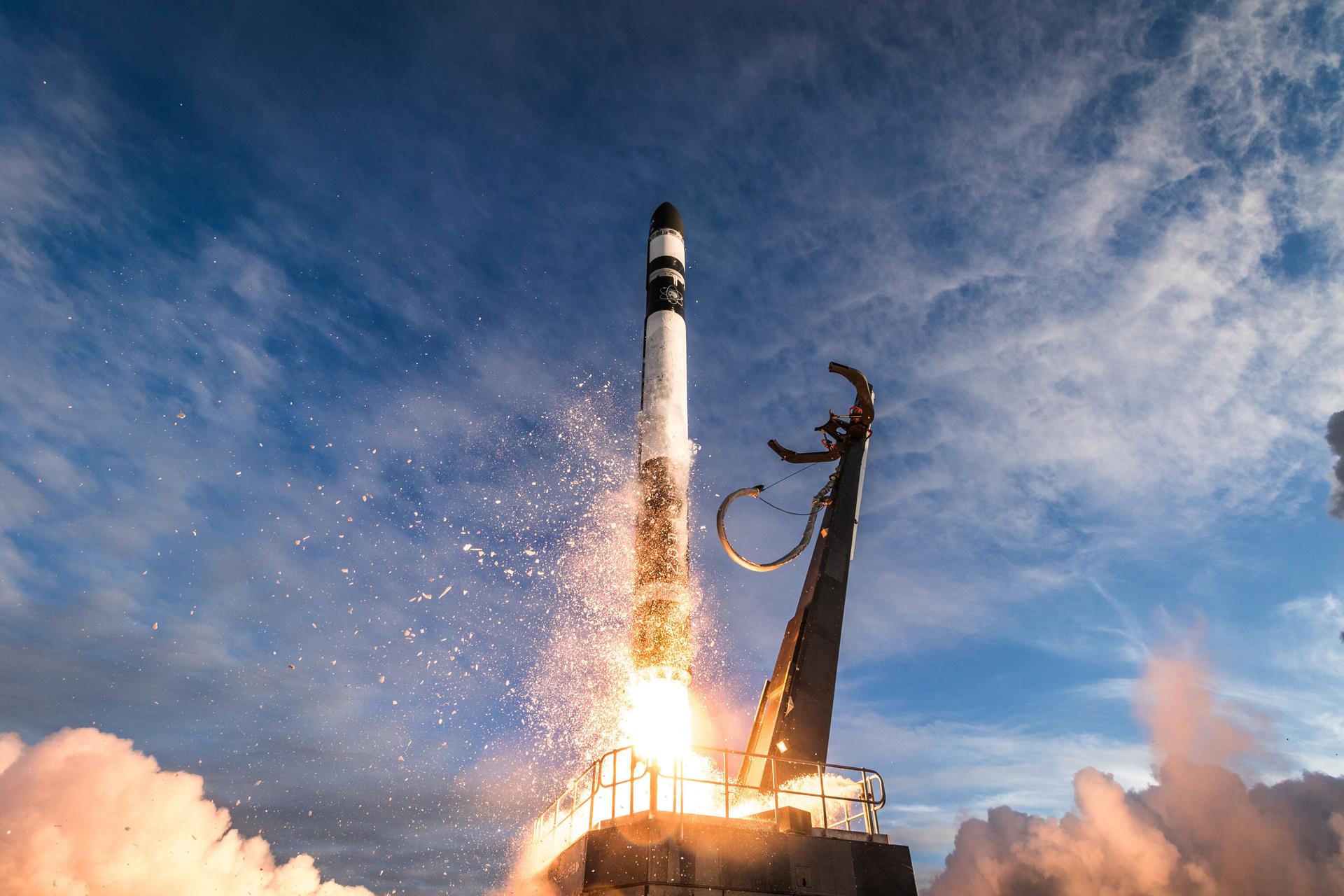
Launch Provider: Rocket Lab – Commercial
Launch Date: March 28, 2026
Launch Time: 9:14 AM UTC
Vehicle: Electron
Brief: The European Space Agency (ESA)’s LEO-PNT (Low Earth Orbit Positioning, Navigation and Timing) demonstrator mission will feature a 10-satellite constellation demonstration mission that will assess how a low Earth orbit fleet of satellites can work in combination with the Galileo and EGNOS constellations in higher orbits that provide Europe’s own global navigation system.
This launch will lift 2 “Pathfinder A” satellites built by Thales Alenia Space and GMV to a 510 km altitude Low Earth Orbit.
Amazon Leo (LA-05)
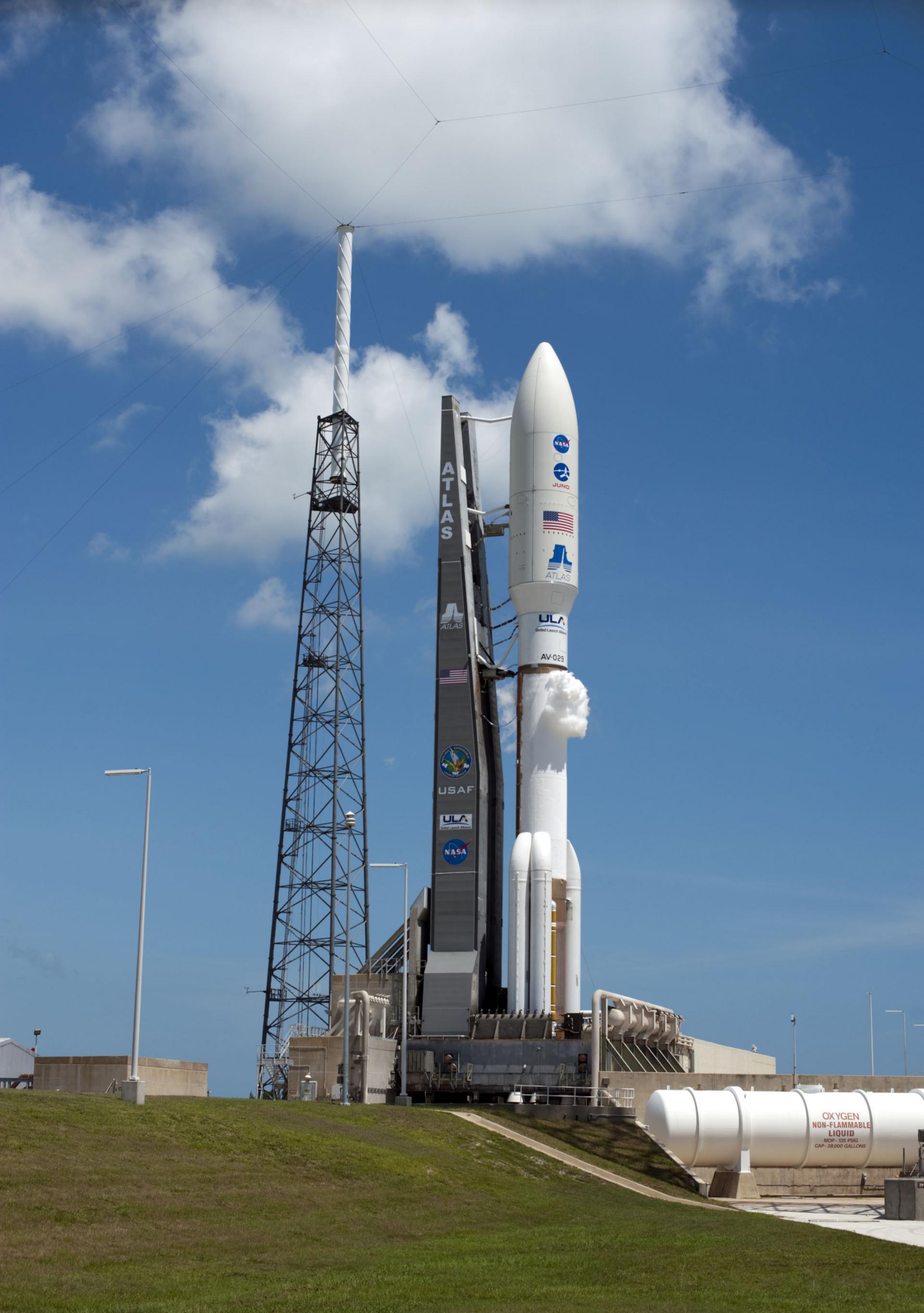
Launch Provider: United Launch Alliance – Commercial
Launch Date: March 29, 2026
Launch Time: 7:53 AM UTC
Vehicle: Atlas V 551
Brief: Amazon Leo, formerly known as Project Kuiper, is a mega constellation of satellites in Low Earth Orbit that will offer broadband internet access, this constellation will be managed by Kuiper Systems LLC, a subsidiary of Amazon. This constellation is planned to be composed of 3,276 satellites. The satellites are projected to be placed in 98 orbital planes in three orbital layers, one at 590 km, 610 km and 630 km altitude.
29 satellites are carried on this launch.
Starlink Group 10-44
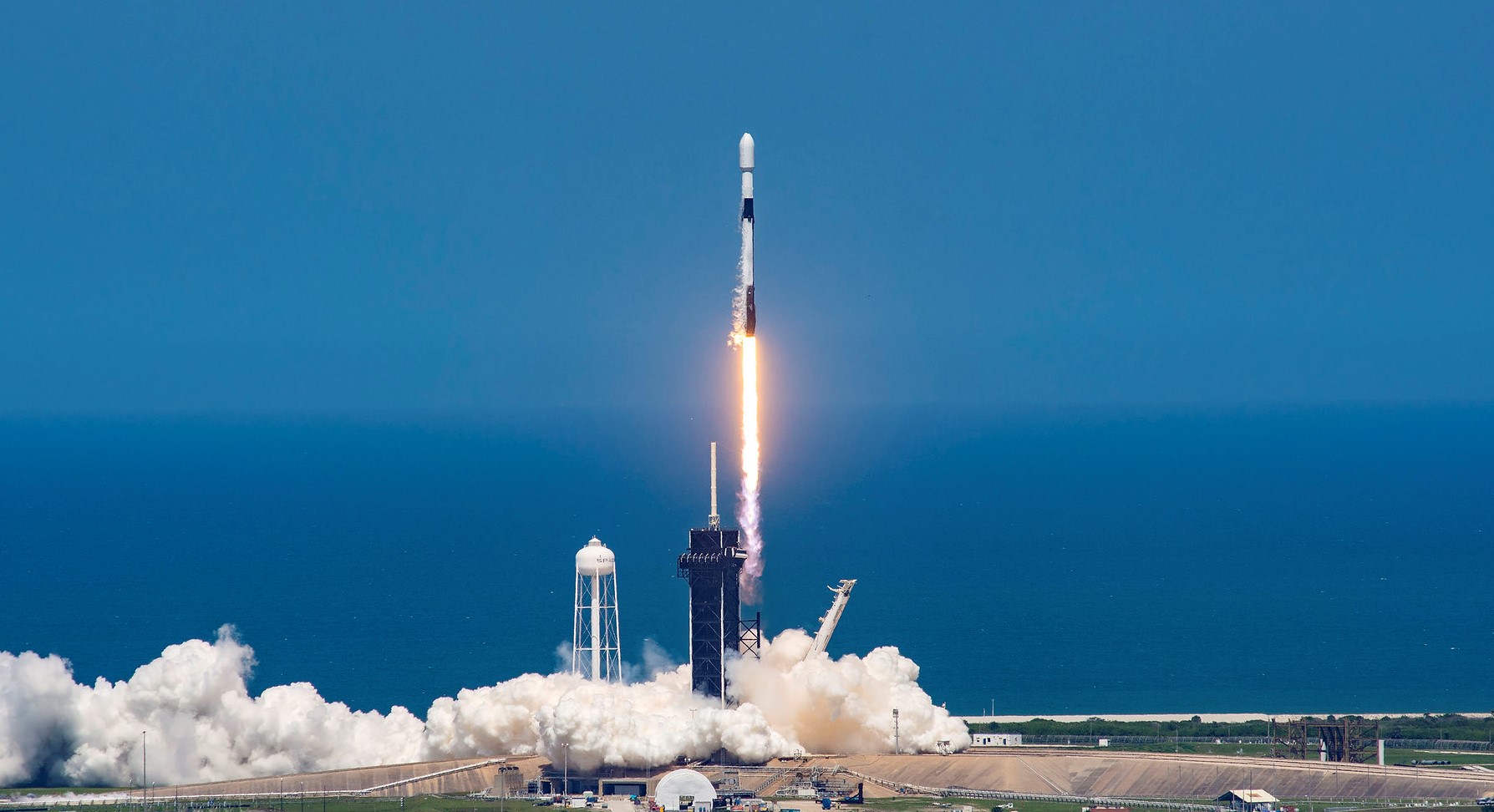
Launch Provider: SpaceX – Commercial
Launch Date: March 29, 2026
Launch Time: 9:15 PM UTC
Vehicle: Falcon 9
Brief: A batch of 29 satellites for the Starlink mega-constellation – SpaceX’s project for space-based Internet communication system.
Transporter 16 (Dedicated SSO Rideshare)
Launch Provider: SpaceX – Commercial
Launch Date: March 30, 2026
Launch Time: 10:20 AM UTC
Vehicle: Falcon 9
Brief: Dedicated rideshare flight to a sun-synchronous orbit with dozens of small microsatellites and nanosatellites for commercial and government customers.
Demo Flight

Launch Provider: Space Pioneer – Commercial
Launch Date: March 30, 2026
Launch Time: 11:00 AM UTC
Vehicle: Tianlong-3
Brief: First test launch of Space Pioneer’s Tianlong-3 rocket. Reports indicate this launch may carry a batch of satellites for the SpaceSail/G60/Qianfan LEO communication satellites constellation.
📽️ No Livestream scheduled yet
