Canada Takes a Major Step Toward Sovereign Space Launch
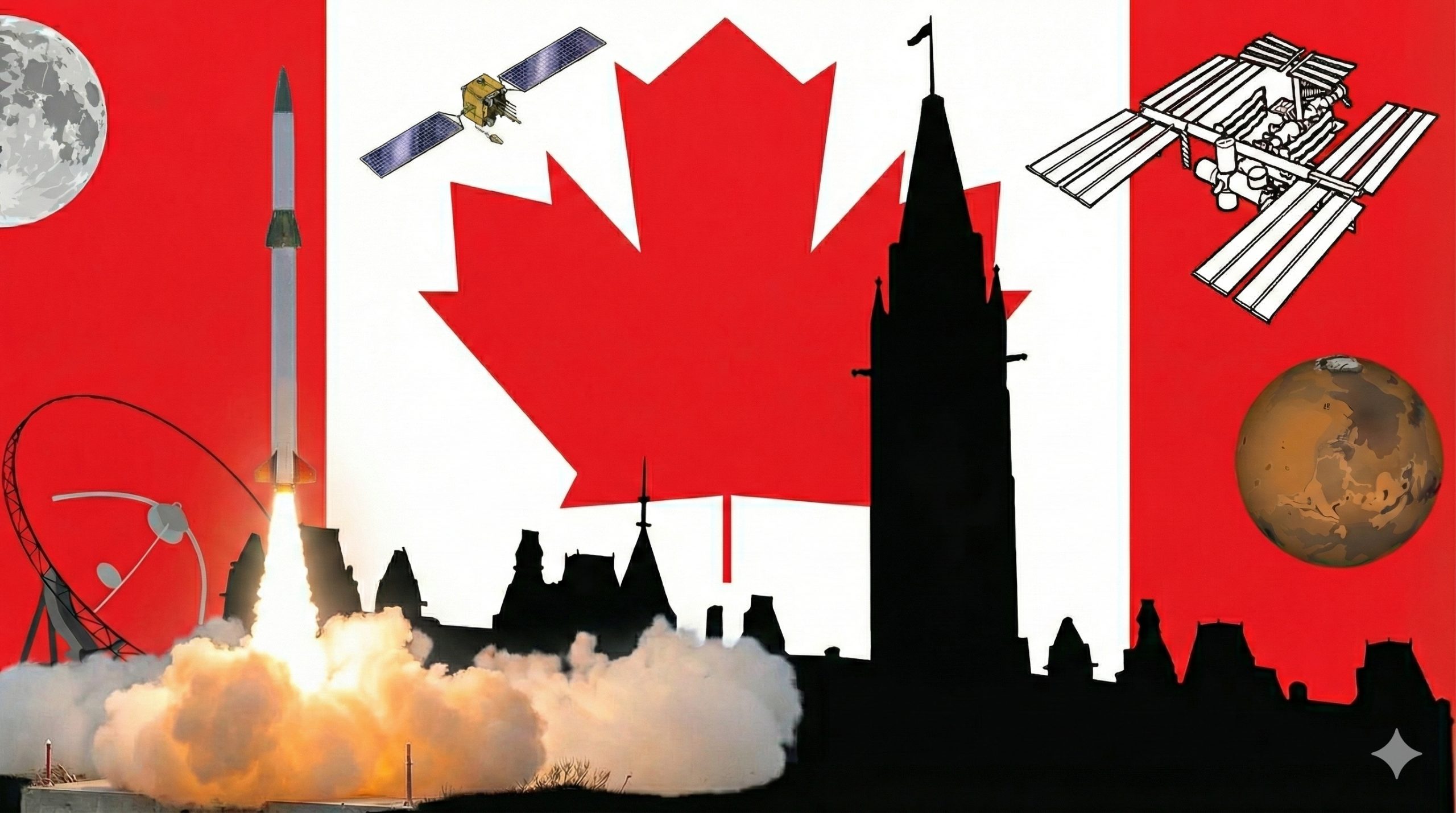
In a move long anticipated by the domestic aerospace sector, the Canadian government tabled legislation yesterday to create a dedicated framework for commercial space launches. Transport Minister Steven MacKinnon introduced Bill C-28, An Act to amend the Aeronautics Act and other Acts, in the House of Commons on April 21, 2026. This bill is the legislative vehicle to enact the Canadian Space Launch Act, which aims to provide clear regulations for launch and re-entry activities from Canadian soil.
For decades, Canada has relied on foreign providers—primarily the United States—to reach orbit, making it the only G7 nation without sovereign launch capability. This legislation seeks to close that strategic gap, building on recent infrastructure investments like the Department of National Defence’s 10-year lease for a military launch pad at Spaceport Nova Scotia. The bill would move the industry past an interim regulatory programme that had to awkwardly classify rockets as “aircraft” under existing law. Crucially, it also provides the domestic legal backbone for a Technology Safeguards Agreement with the U.S., which is essential for American components or clients to participate in launches from Canada without violating export controls.
The parliamentary process for Bill C-28 has just begun with its first reading. It must now pass second reading, committee study, and votes in both the House of Commons and the Senate before receiving Royal Assent to become law. Industry observers note that with the government’s newly secured majority, the bill could potentially pass by the end of 2026 or in the spring 2027 session, finally giving Canadian companies the regulatory certainty to invest in homegrown launch services.
Nancy Grace Roman Space Telescope Slated for September Launch
NASA has announced that its next flagship observatory, the Nancy Grace Roman Space Telescope, is now scheduled to launch in September 2026. The announcement was made during a news conference at the Goddard Space Flight Center on April 21, where officials confirmed the telescope is eight months ahead of schedule and under its development cost cap. The infrared telescope, named for NASA’s first Chief of Astronomy often called the “Mother of Hubble,” will complement the James Webb Space Telescope by surveying broad swaths of the universe.
Roman will be launched aboard a SpaceX Falcon Heavy rocket to the Sun-Earth L-2 Lagrange point, about 1.5 million kilometres from Earth. During its five-year primary mission, it is expected to make profound contributions to cosmology, including investigating the accelerating expansion of the universe and the nature of dark energy. “Current observations hint that the standard model of the universe is incorrect,” said Julie McEnery, Roman’s Senior Project Scientist. “Roman will be able to confirm these and set us on a path to understanding what’s right.”
The telescope’s Wide-Field Instrument is designed to discover tens of thousands of exoplanets and image billions of galaxies. Its development has been praised as a model of programme management, with Project Manager Jamie Dunn crediting stable funding and a team focused on delivering within constraints. While the launch is still months away, the completed telescope is currently in its clean room at Goddard, awaiting transport to Cape Canaveral.
ESA Highlights Satellite Data as a Catalyst for Earth Day Action
Marking Earth Day on April 22, 2026, the European Space Agency is showcasing how data from orbit is being turned into timely, ground-level action to combat climate-driven risks. Through its FutureEO programme, ESA is partnering with international organizations to use satellite observations for early warning systems that protect food security and public health.
One example is a system co-developed with VITO Remote Sensing and others to forecast desert locust outbreaks in East Africa. By analysing data from Copernicus Sentinel satellites on vegetation and soil moisture, authorities can now predict breeding conditions and target interventions before swarms form. This has drastically reduced insecticide use—in Ethiopia, from over 1.1 million litres annually during major outbreaks (2019-2021) to around 6,000 litres today.
Another initiative, in collaboration with UNICEF, is the Disease Incidence and Resource Estimator (DIRE) platform. It uses machine learning and satellite data to model and predict outbreaks of mosquito-borne diseases like dengue and malaria weeks in advance. Piloted in Brazil and Peru, the tool helps health authorities mobilize resources more effectively. “This Earth Day, we are reminded that solid evidence is the foundation of effective action to protect our planet,” said ESA’s Director of Earth Observation Programmes, Simonetta Cheli. These efforts underscore a shift from merely observing Earth to driving targeted resilience with space-based knowledge.
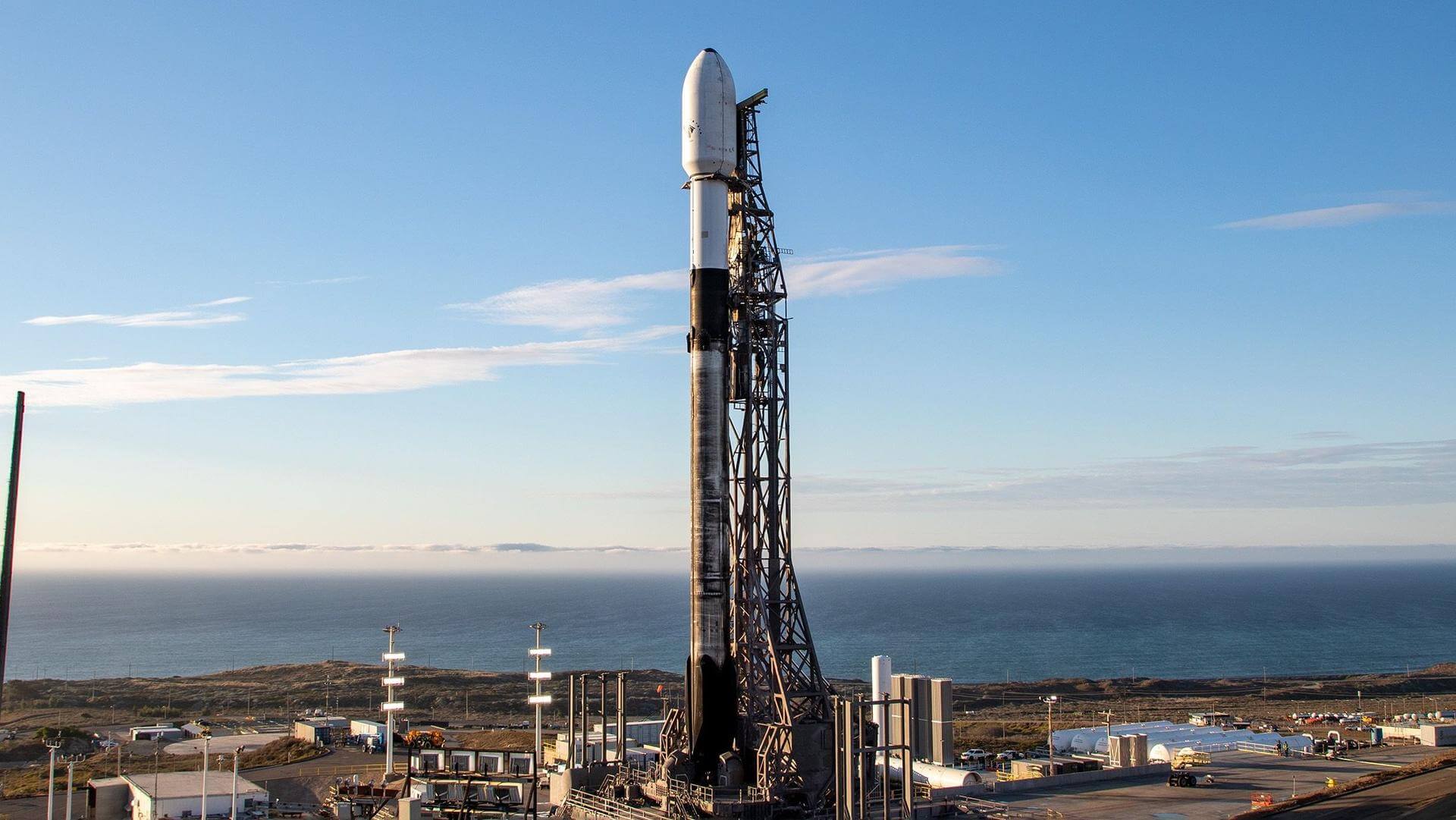
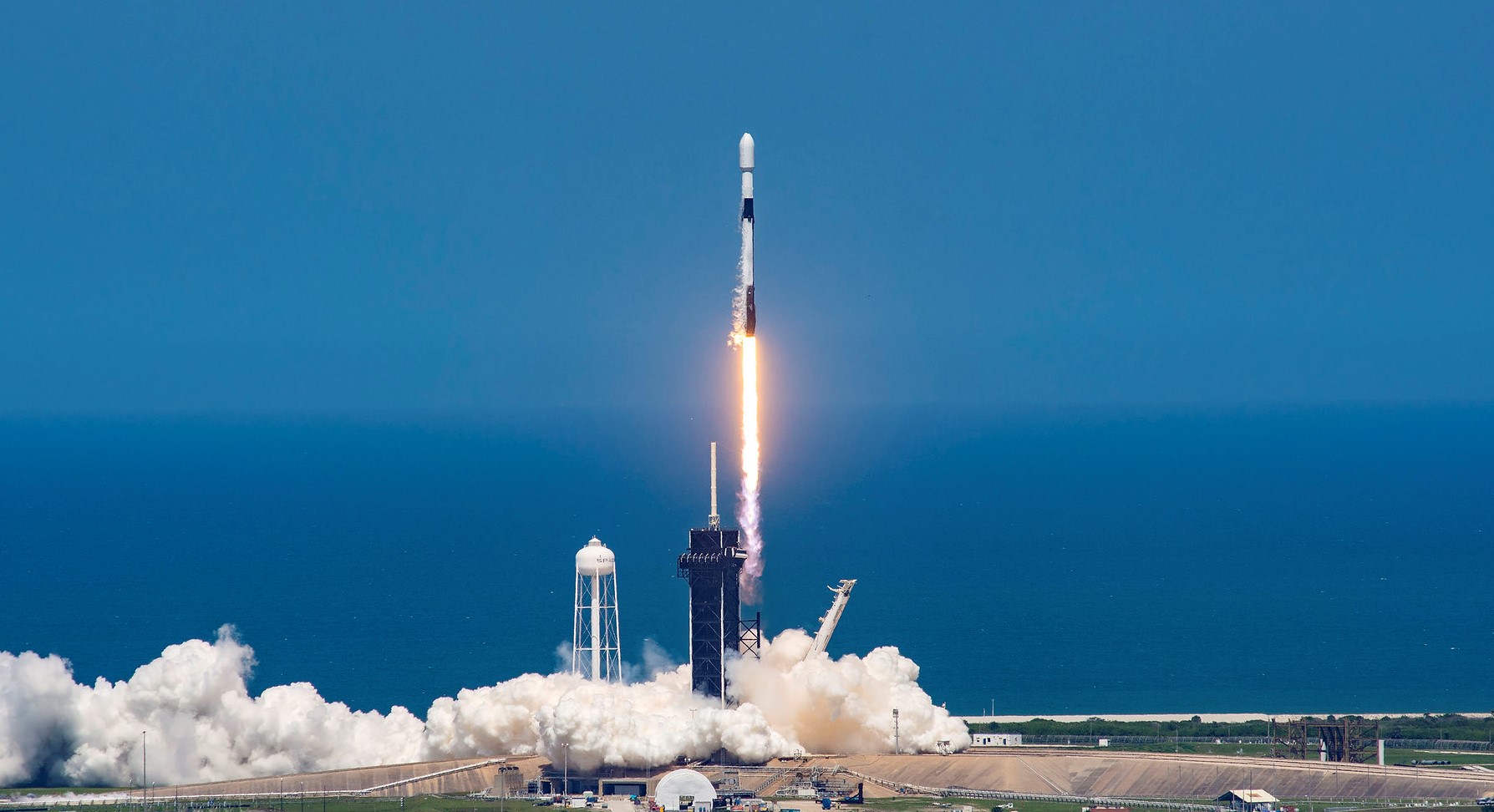
Provider: SpaceX Date: April 23, 2026 Time: 2:23 AM UTC Vehicle: Falcon 9
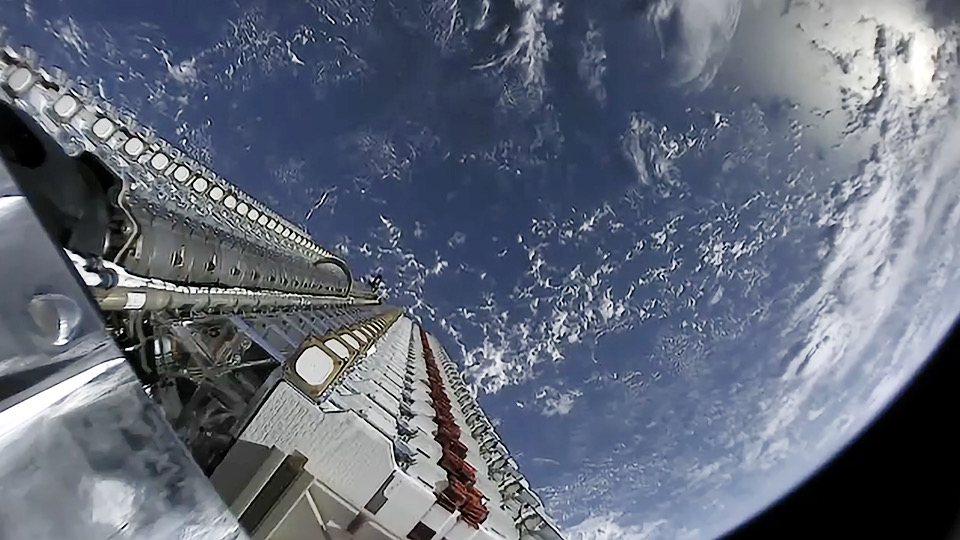
A batch of 25 satellites for the Starlink mega-constellation – SpaceX’s project for space-based Internet communication system.
Kakushin Rising (JAXA Rideshare)
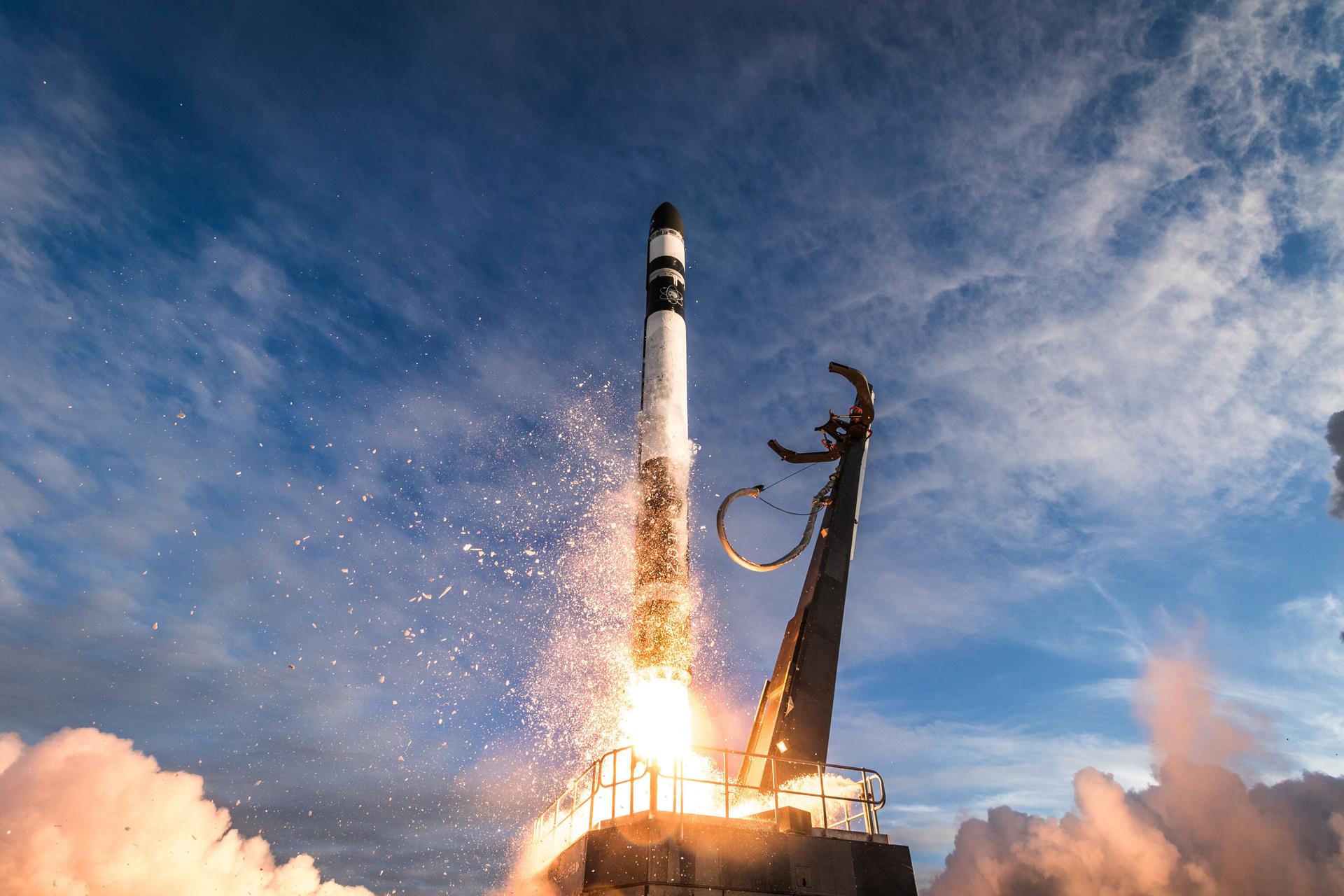
Provider: Rocket Lab Date: April 23, 2026 Time: 3:09 AM UTC Vehicle: Electron
JAXA-manifested rideshare of eight separate spacecraft that includes educational small sats, an ocean monitoring satellite, a demonstration satellite for ultra-small multispectral cameras, and a deployable antenna that can be packed tightly using origami folding techniques and unfurled to 25 times its size.
The satellites were originally planned to launch with RAISE-4 on a Japanese Epsilon-S rocket, but the Epsilon-S was heavily delayed due to test firing failures.
Falcon 9 is a two-stage rocket designed and manufactured by SpaceX for the reliable and safe transport of satellites and the Dragon spacecraft into orbit. The Block 5 variant is the fifth major interval aimed at improving upon the ability for rapid reusability.
The Falcon 9 first stage B1100 will land on ASDS OCISLY after its 5th flight.
Kakushin Rising (JAXA Rideshare) ×
Mission Details
TypeTechnology
OrbitSun-Synchronous Orbit
TargetEarth
JAXA-manifested rideshare of eight separate spacecraft that includes educational small sats, an ocean monitoring satellite, a demonstration satellite for ultra-small multispectral cameras, and a deployable antenna that can be packed tightly using origami folding techniques and unfurled to 25 times its size.
The satellites were originally planned to launch with RAISE-4 on a Japanese Epsilon-S rocket, but the Epsilon-S was heavily delayed due to test firing failures.
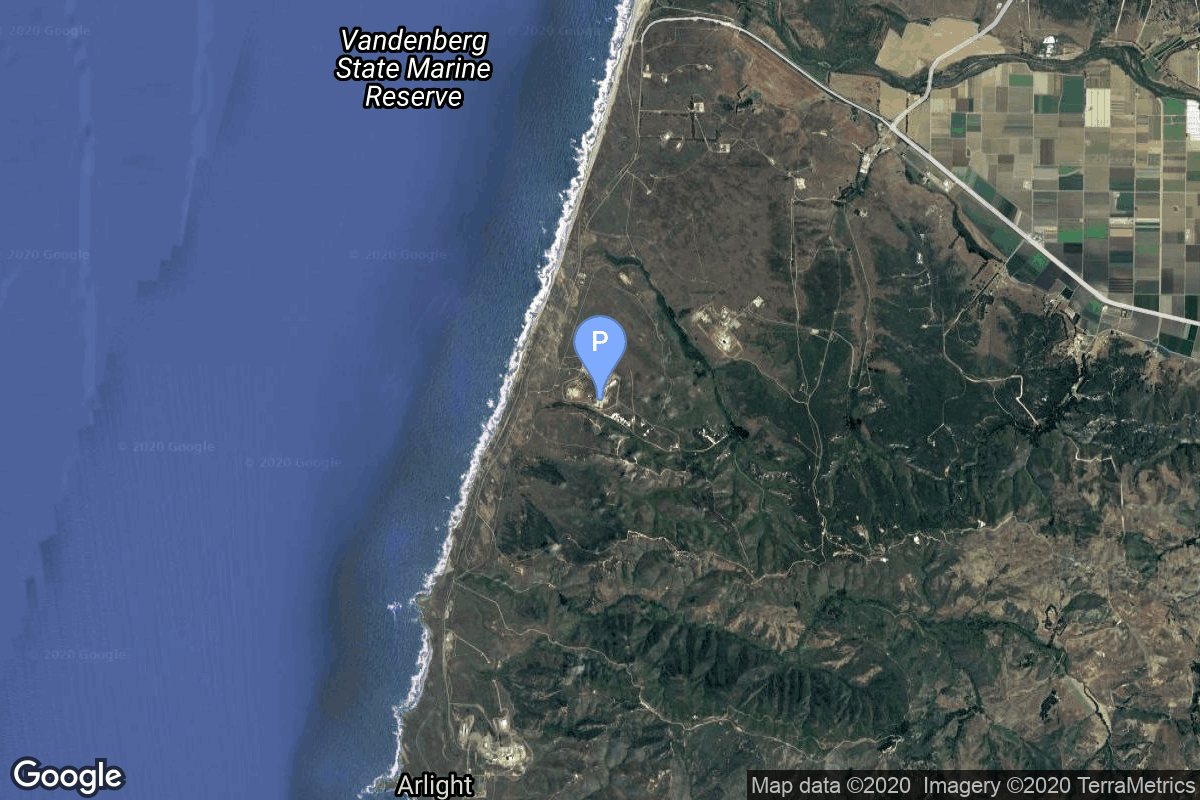
Rocket Lab Launch Complex 1, Mahia Peninsula, New Zealand
Total launches from this pad: 0
Vehicle: Electron
Electron is a two-stage orbital expendable launch vehicle (with an optional third stage) developed by the American aerospace company Rocket Lab. Electron is a small-lift launch vehicle designed to launch small satellites and cubesats to sun-synchronous orbit and low earth orbit. The Electron is the…
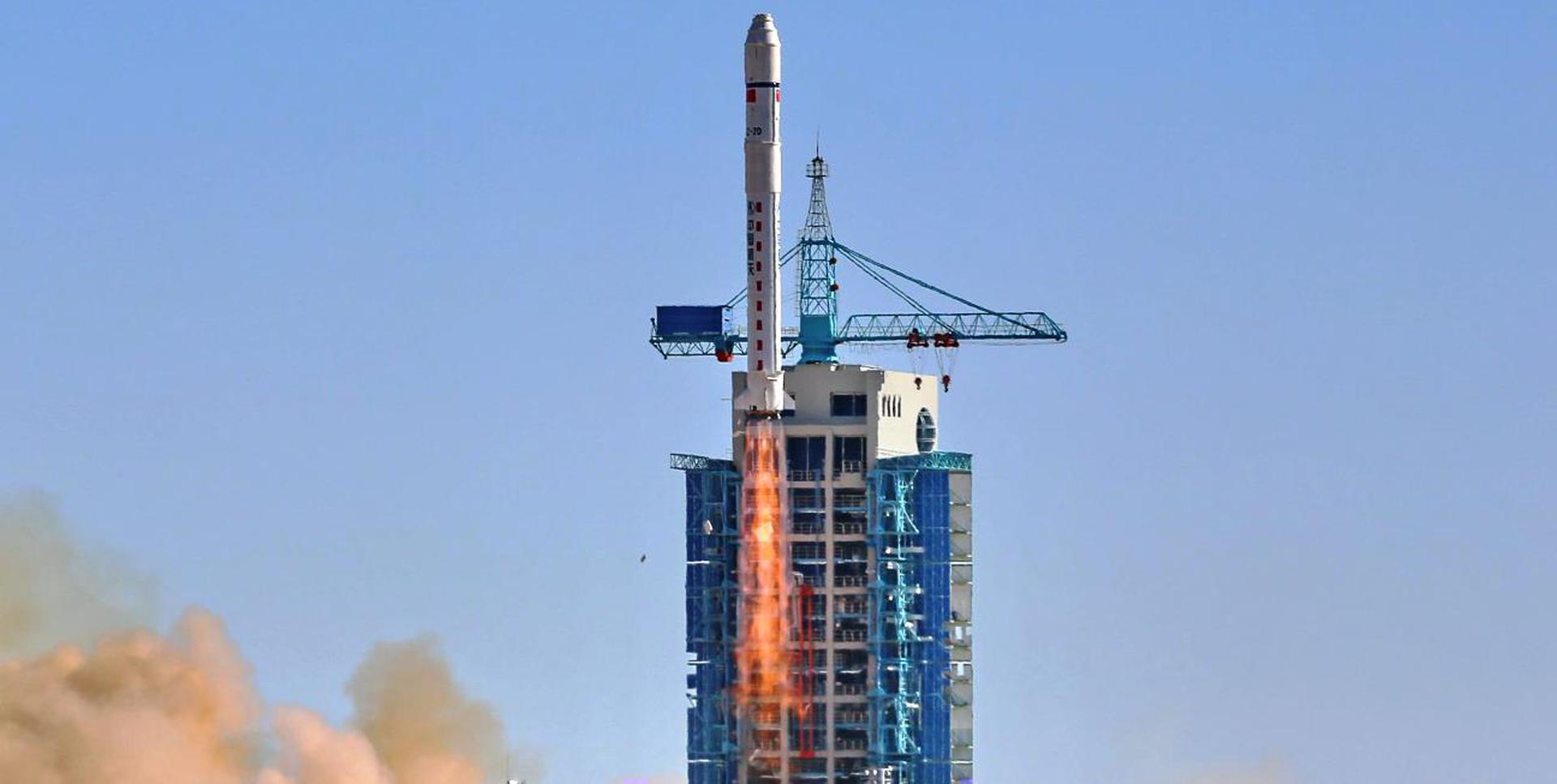
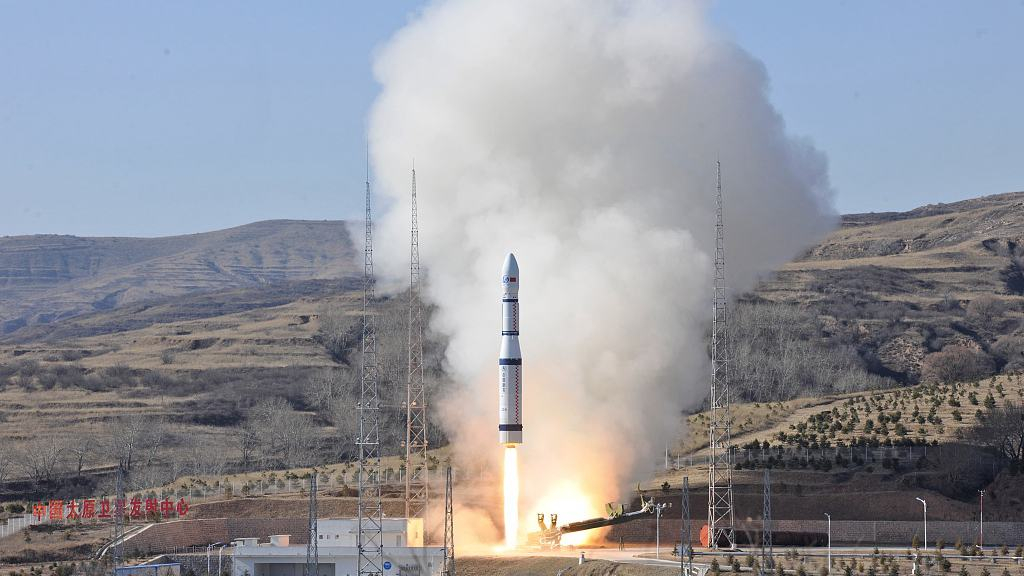
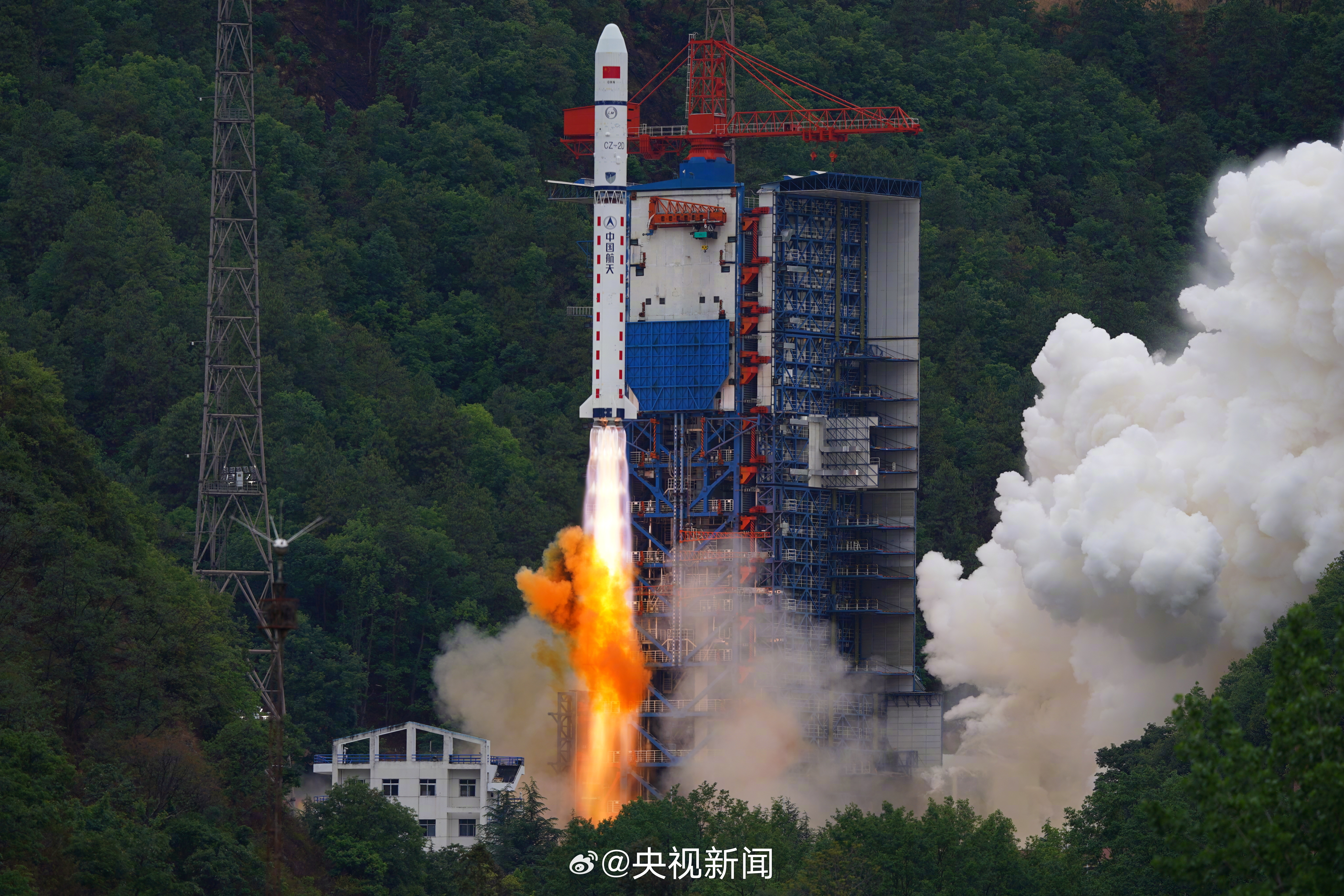
The Long March 2D, also known as the Chang Zheng 2D, CZ-2D and LM-2D, is a Chinese orbital carrier rocket. It is a 2-stage carrier rocket mainly used for launching LEO and SSO satellites.
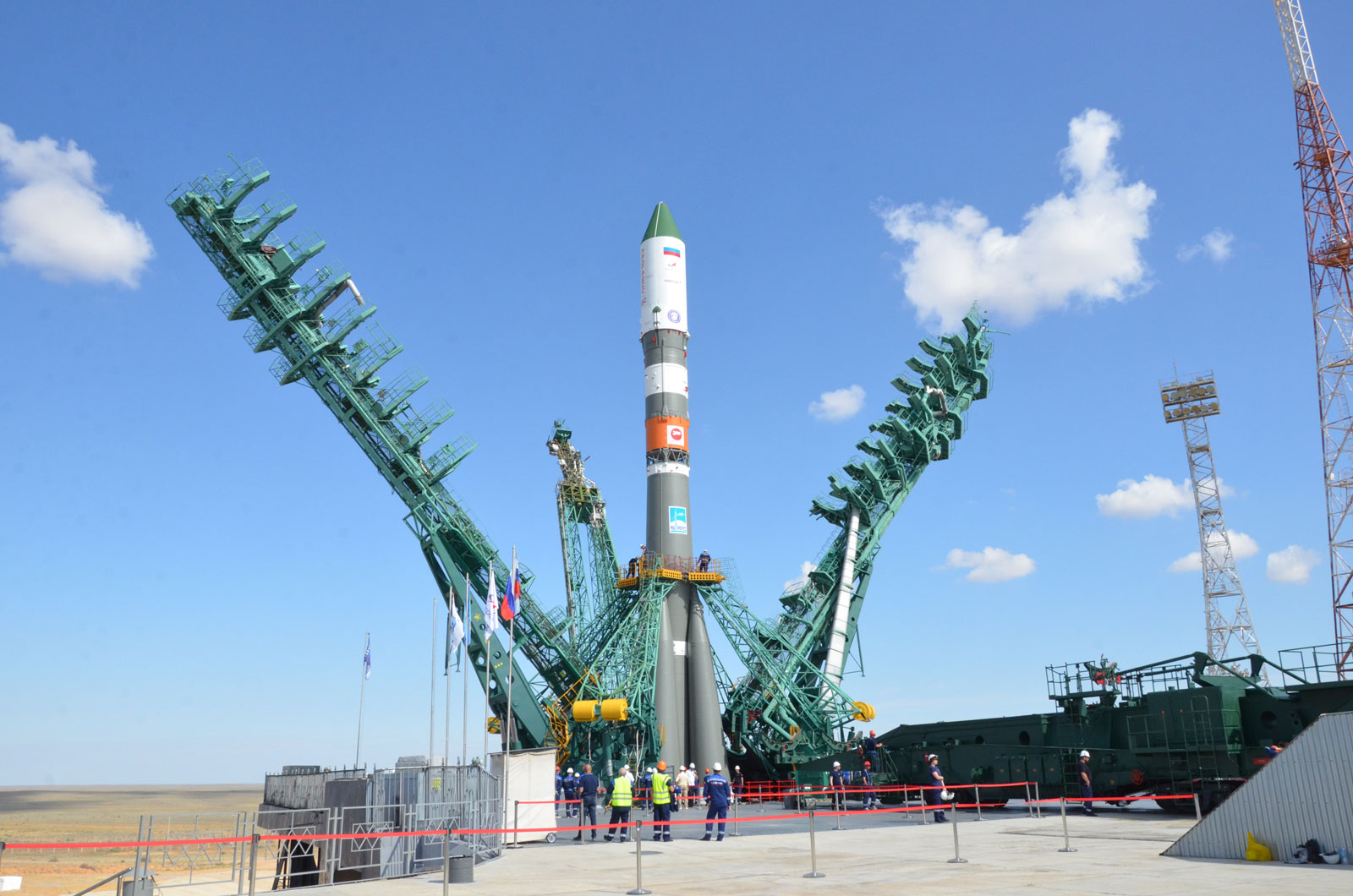
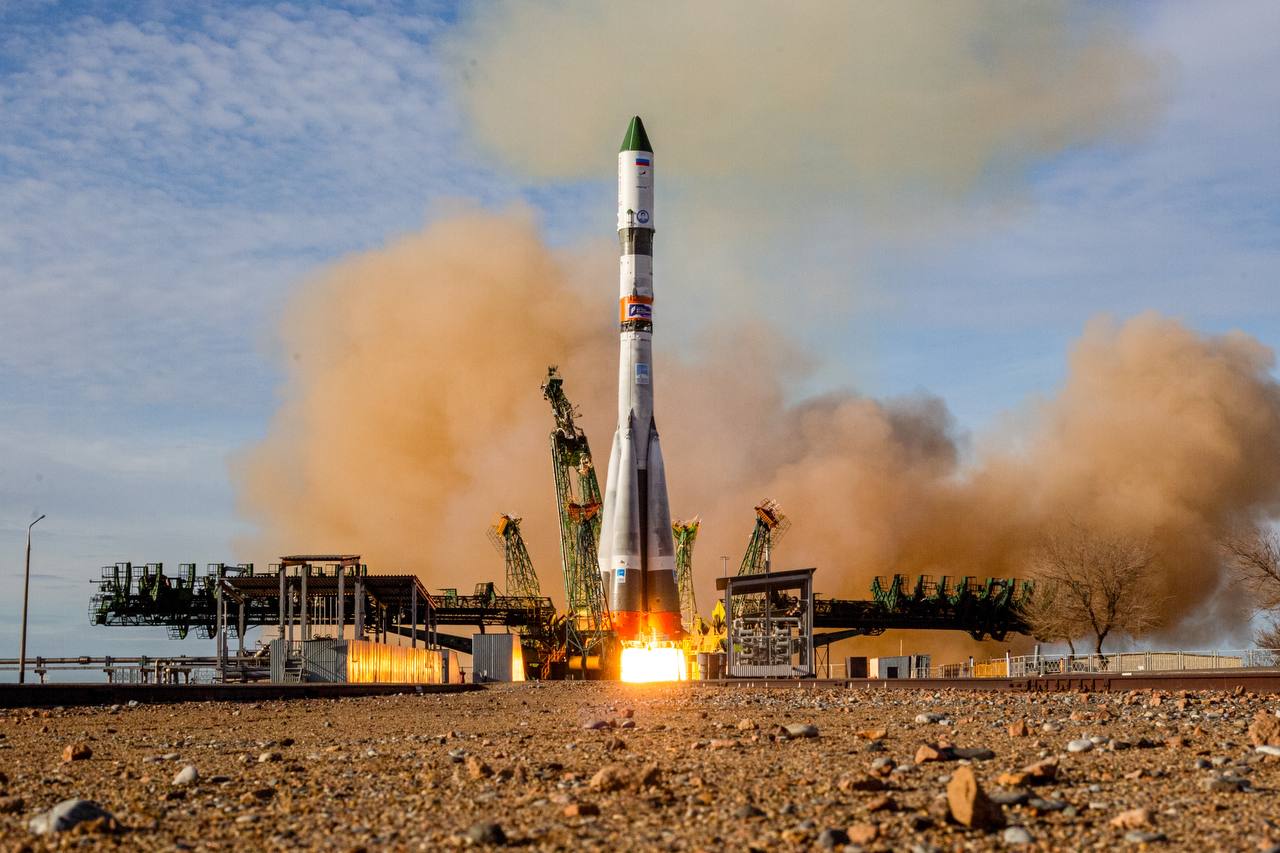
Progress resupply mission to the International Space Station.
Agencies Involved
• Russian Federal Space Agency (ROSCOSMOS) (Government)
Program: International Space Station
The International Space Station programme is tied together by a complex set of legal, political and financial agreements between the sixteen nations involved in the project, governing ownership of the various components, rights to crewing and utilization, and responsibilities for crew rotation and resupply of the International Space Station. It was conceived in 1984 by President Ronald Reagan, during the Space Station Freedom project as it was originally called.
The Soyuz 2.1A converted the flight control system from analog to digital, which allowed launch from fixed platforms. It also allowed big fairings and payloads.
It is currently used for crewed Soyuz and Progress flights to the ISS.
Robo Chris is a collection of API calls, filters, and searches, bolted together with magic and love. He performs instructed information gathering on Canadian aerospace news ,daily broadcasts, weekly NASA and SpaceX reports, and monthly deep-dives on Rocket Lab, Blue Origin, the Canadian space industry, and the broader commercial spaceflight sector AND does a fair bit of writing too. Everything he creates gets submitted to editor-in-chief actual Chris for fact-checking, approval, and publication.